

Destination guide · Philippines
Tauchen auf Dauin & Apo Island
A dark sand slope can hold a frogfish almost lost against its surroundings; a boat ride away, Apo Island opens into coral gardens and turtle habitat. Dauin brings these two very different ways of seeing the reef into one stay.
Dauin & Apo Island im Überblick
Dauin und Apo Island vereinen zwei kontrastierende Facetten des philippinischen Tauchens in einer Reise. Dauins dunkler vulkanischer Sand bietet sich für die langsame Erkundung der Makrowelt an, während Apo Island mit korallenbewachsenen Hängen, Meeresschildkröten, Fischschwärmen und weitläufigeren Rifflandschaften begeistert.
Diese Kombination ist ideal für Taucher, die sowohl die Suche nach kleinsten Lebewesen mit Nahaufnahme als auch klassische tropische Riffe erleben möchten, ohne die Unterkunft häufig wechseln zu müssen. Zugang vom Strand aus, erfahrene Spotter und unkomplizierte Resort-Logistik machen Dauin zu einem besonders guten Ausgangspunkt für Fotografen und Gruppen mit unterschiedlichen Taucherfahrungen.
Planen Sie Ihren Aufenthalt in Dauin & Apo Island
Wählen Sie die Küste von Dauin für einen einfachen Zugang zu lokalen Makro-Tauchplätzen und Bootstouren nach Apo Island. Ein Hausriff ist von Vorteil, wenn Sie wiederholt Fototauchgänge machen möchten; ein ruhigeres Resort kann sich auch für eine gemischte Gruppe eignen. Wir empfehlen fünf bis sieben Nächte, um beiden Taucharten ausreichend Zeit zu widmen.

Atmosphere Resorts & Spa
Luxuriöses Tauchresort in Dauin mit sieben vertraglich vereinbarten Zimmerkategorien, Spa, Pools, gehobener Küche, kostenlosem Nitrox und eingeschlossenem Tauchen bei Apo Island.

Sea Explorers Philippines — Dauin
Sea Explorers Tauchzentrum im Pura Vida Beach & Dive Resort mit fünf Zimmerkategorien, Einrichtungen direkt am Strand, Zugang zu Apo Island und flexiblen Tauchpaketen.

Liquid Dive Dumaguete
Boutique-Tauchresort direkt am Strand von Dauin mit vierzehn Cottages, zwei Pools, PADI 5 Star CDC, Tauchen in kleinen Gruppen, kostenlosem Nitrox und flexiblen Verpflegungsoptionen.

Atlantis Dive Resort Dumaguete
Etabliertes Tauchresort in Dauin mit All-inclusive-Tauchpaketen, Zugang zu Apo Island, speziellen Einrichtungen für Kameras, tropischen Gärten, Pool und fünf Zimmerkategorien.
Liveaboard routes for this destination
Explore the routes that visit this region. Compare ships and itineraries, then open a route to see its sailing dates, cabins and the areas it covers.
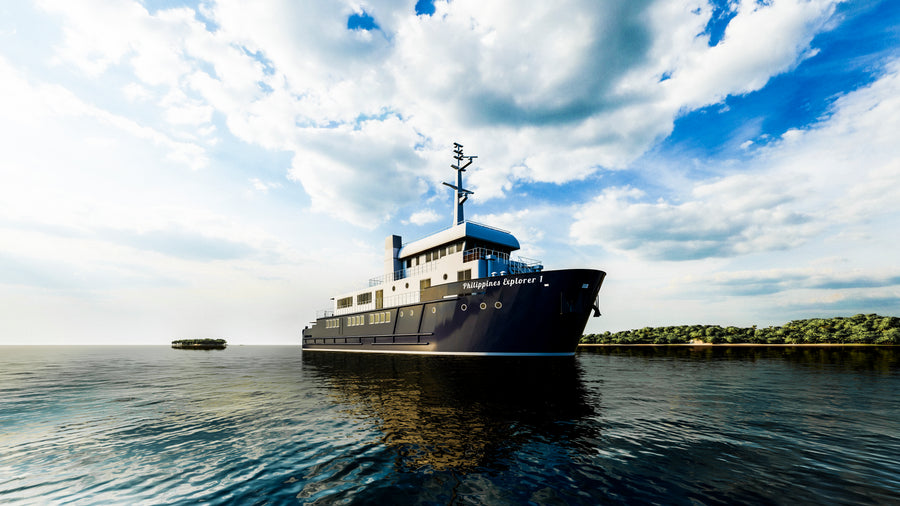
Philippines Explorer I
Ultimate Visayas: Dauin nach Donsol — 10 Nächte
- Indicative duration
- 10 nights
- Einschiffung
- Dauin, Negros Oriental
- Ausschiffung
- Donsol, Sorsogon
Philippines Explorer I
Ultimate Visayas: Donsol nach Dauin — 10 Nächte
- Indicative duration
- 10 nights
- Einschiffung
- Donsol, Sorsogon
- Ausschiffung
- Dauin, Negros Oriental
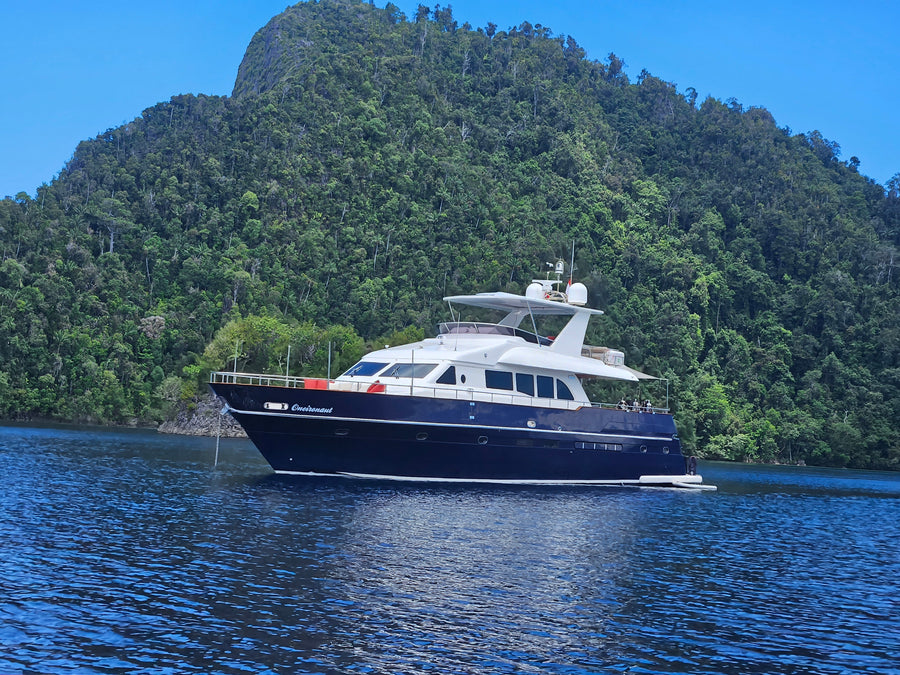
Philippines Explorer II
Sharks & Shoals: Dauin nach Malapascua — 6 Nächte
- Indicative duration
- 6 nights
- Einschiffung
- Dauin, Negros Oriental
- Ausschiffung
- Malapascua, Cebu
Philippines Explorer II
Sharks & Shoals: Malapascua nach Dauin — 6 Nächte
- Indicative duration
- 6 nights
- Einschiffung
- Malapascua, Cebu
- Ausschiffung
- Dauin, Negros Oriental
Philippines Explorer II
Special Underwater Photography Trip — Dauin — 10 Nächte
- Indicative duration
- 10 nights
- Einschiffung
- Dauin, Negros Oriental
- Ausschiffung
- Dauin, Negros Oriental
Philippines Explorer II
Ultimate Visayas: Dauin nach Donsol — 13 Nächte
- Indicative duration
- 13 nights
- Einschiffung
- Dauin, Negros Oriental
- Ausschiffung
- Donsol, Sorsogon
Philippines Explorer II
Ultimate Visayas: Donsol nach Dauin — 13 Nächte
- Indicative duration
- 13 nights
- Einschiffung
- Donsol, Sorsogon
- Ausschiffung
- Dauin, Negros Oriental
Philippines Explorer II
Visayas Expedition: Dauin nach Donsol — 12 Nächte
- Indicative duration
- 12 nights
- Einschiffung
- Dauin, Negros Oriental
- Ausschiffung
- Donsol, Sorsogon
Philippines Explorer II
Visayas Expedition: Donsol nach Dauin — 12 Nächte
- Indicative duration
- 12 nights
- Einschiffung
- Donsol, Sorsogon
- Ausschiffung
- Dauin, Negros Oriental
No routes match this search. Try another vessel or clear your search.
Wann sollte man in Dauin & Apo Island tauchen?
Das Tauchen ist das ganze Jahr über möglich. Praktisch zu unterscheiden sind die geschützten Küstenbereiche und die Überfahrt nach Apo Island: Planen Sie lieber mehr als einen möglichen Bootstag ein, anstatt die Insel erst für Ihren letzten Morgen aufzusparen.
Planungszeitraum: Ganzjährig tauchen.
Was Sie beim Tauchen erwartet
Open Water; eine gute Auftriebskontrolle ist für Makro-Tauchplätze wichtig.
Dauins Makro-Tauchplätze im schwarzen Sand
Dauins vulkanische Sandhänge eignen sich für langsames Tauchen mit Nahaufnahme. Guides suchen nach Fröschen, Schleimschnecken, Seepferden, Oktopussen und anderen schwer zu entdeckenden Lebewesen, was die Küste besonders attraktiv für Makrofotografen und Taucher macht, die geduldig nach kleinen Lebewesen suchen.
Korallenriffe von Apo Island
Apo Island bietet einen völlig anderen Maßstab: Hartkorallengärten, Wände und von Strömung versorgte Riffe mit Fischschwärmen, Meeresschildkröten und weitläufigeren Weitwinkelmotiven. Das lässt sich bei einem Aufenthalt, der sowohl Makro- als auch klassisches Riff-Tauchen bietet, ideal mit den Muck-Tauchplätzen von Dauin kombinieren.
Begegnungen mit Meeresschildkröten
Grüne Meeresschildkröten und Karettschildkröten sind rund um die flachen Riffe und Schutzgebiete von Apo Island häufig zu sehen. Die Begegnungen bleiben natürlich, daher sind eine gute Auftriebskontrolle, langsame Bewegungen und viel Abstand zu fressenden oder ruhenden Tieren die beste Vorgehensweise.
Tauchgänge vom Strand und mit dem Boot
Viele Tauchplätze in Dauin sind direkt von der Küste aus erreichbar, während Bootstouren Zugang zu Apo Island und anderen Riffen bieten. Diese Mischung macht es einfach, entspannte lokale Makro-Tauchgänge mit längeren, auf Riffe ausgerichteten Ausflügen im selben Programm zu kombinieren.
DIVE SITE GUIDE
Dive sites in Dauin & Apo Island
Explore the character of individual sites, from the setting and marine life to the diving conditions. Open a card for the full description; site access and the final profile depend on conditions and experience.
ORIENTATION MAP
Where the dive sites are
Use the map to understand how the key sites are spread around the destination. Pins are for trip-planning orientation only; entry points, moorings and the final dive plan are always confirmed by the local operator on the day.
Site positions are planning references only. Apo Island currents and Dauin shore entries must be confirmed with the local operator on the day.
Muck · Artificial reef · Macro
The Cars
The Cars is one of Dauin’s most distinctive muck dives because the black-sand slope eventually leads to the remains of two vehicles and other artificial structure in the deeper part of the site.
Tauchplatz entdecken
- Typ
- Muck · Artificial reef · Macro
- Tiefe
- 5–30 m
- Erfahrung
- Open Water / Advanced for the cars
- Strömung
- Usually mild
The Cars is one of Dauin’s most distinctive muck dives because the black-sand slope eventually leads to the remains of two vehicles and other artificial structure in the deeper part of the site. The wreckage acts like a tiny oasis on an otherwise sparse seabed, attracting lionfish, morays, shrimp and a long list of smaller subjects.
The real pleasure is the approach: divers move slowly down the sand looking for frogfish, ghost pipefish, cuttlefish, seahorses and unusual nudibranchs before reaching the deeper structure. Open Water divers can enjoy the shallower macro zone, while the cars themselves sit beyond normal 18-metre limits and are better suited to Advanced divers, ideally with conservative gas and no-decompression planning.
Look for: Two sunken cars · Frogfish & ghost pipefish · Black-sand muck · Excellent photo dive
Ideal für: Macro photography · Frogfish · Ghost pipefish · Deep muck
Protected reef · Coral garden
Poblacion / Dauin Marine Sanctuary
Poblacion shows the reef side of Dauin rather than its famous bare-sand muck habitat.
Tauchplatz entdecken
- Typ
- Protected reef · Coral garden
- Tiefe
- 3–25 m
- Erfahrung
- Beginner–Intermediate
- Strömung
- Mild–Moderate
Poblacion shows the reef side of Dauin rather than its famous bare-sand muck habitat. Inside the protected area, hard coral begins in very shallow water and slopes down toward roughly 25 metres, creating an easy place to combine reef fish, coral scenery and the possibility of turtles with a relaxed profile.
It is a useful first dive for guests arriving in Dauin because the shallow section allows buoyancy checks without sacrificing marine life, while photographers can move between wider coral scenes and smaller subjects tucked into the reef. The sanctuary can also work well for mixed-experience groups: newer divers stay on the upper slope, while more experienced divers can explore deeper sections without turning the dive into a demanding current or depth exercise.
Look for: Marine protected area · Hard-coral slope · Turtle potential · Good check dive
Ideal für: Healthy hard coral · Turtles · Easy reef diving
Drift · Sandy slope · Geothermal
Mainit
Mainit is Dauin with more movement.
Tauchplatz entdecken
- Typ
- Drift · Sandy slope · Geothermal
- Tiefe
- 5–30 m
- Erfahrung
- Intermediate
- Strömung
- Moderate–Strong possible
Mainit is Dauin with more movement. The dive follows a sloping coast where current can accelerate enough to turn a normal sand-and-reef profile into a lively drift, so it is better for divers already comfortable staying with a guide and deploying an SMB if required.
Near the end of the site, warm yellowish sand patches hint at the geothermal activity that gives Mainit its name. The current can bring schooling barracuda and Spanish mackerel into view, while snake eels and smaller subjects remain hidden in the sand. Because conditions vary from gentle to energetic, the site is a good example of why Dauin should not be described only as slow muck diving; on the right tide it delivers a much more dynamic experience.
Look for: Current-fed drift · Warm geothermal sand · Barracuda potential · Snake eels
Ideal für: Drift diving · Barracuda · Unusual geothermal sand patches
Muck · Artificial reef · Night
San Miguel
San Miguel is a relaxed search dive built around a gentle sandy slope, seagrass and an old artificial reef made from tyres and other structure now covered by coral growth.
Tauchplatz entdecken
- Typ
- Muck · Artificial reef · Night
- Tiefe
- 3–20 m
- Erfahrung
- Beginner–Intermediate
- Strömung
- Usually mild
San Miguel is a relaxed search dive built around a gentle sandy slope, seagrass and an old artificial reef made from tyres and other structure now covered by coral growth. The site rewards patience rather than distance: guides inspect the sand, small bommies and overgrown tyre reef for frogfish, ghost pipefish, nudibranchs, harlequin shrimp, cuttlefish and other camouflaged animals.
Its shallow maximum depth makes it accessible to Open Water divers with good buoyancy, and it becomes especially interesting after sunset when nocturnal crustaceans and hunting cephalopods are more active. For photographers, San Miguel is a useful contrast to deeper sites such as The Cars because it allows longer bottom times and more time to work a subject without depth pressure.
Look for: Old tyre reef · Frogfish · Harlequin shrimp · Strong night dive
Ideal für: Night diving · Frogfish · Harlequin shrimp · Macro photography
Reef slope · Wall · Coral
Chapel Point, Apo Island
Chapel Point is one of the classic Apo Island day-trip dives and immediately explains why the island is a natural partner to Dauin’s macro coast.
Tauchplatz entdecken
- Typ
- Reef slope · Wall · Coral
- Tiefe
- 5–30 m
- Erfahrung
- Intermediate
- Strömung
- Mild–Moderate
Chapel Point is one of the classic Apo Island day-trip dives and immediately explains why the island is a natural partner to Dauin’s macro coast. The reef begins shallow and develops into a steeper slope and wall with overhangs, coral growth and plenty of places for reef fish to gather.
Depending on current and season, divers may see turtles, snappers, jacks, sea snakes and other larger reef residents while still having enough close-up life for a macro lens. The profile can be kept comfortable for recreational divers, but deeper sections approach 30 metres, so a controlled descent and a gradual shallowing plan work best. The real appeal is the density and health of the reef rather than any guaranteed single-animal encounter.
Look for: Apo Island reef · Wall & overhangs · Turtles & schooling fish · Strong wide-angle site
Ideal für: Healthy coral · Schooling fish · Turtles · Wide angle
Drift · Reef point · Current
Coconut Point, Apo Island
Coconut Point is the high-energy dive of an Apo Island day.
Tauchplatz entdecken
- Typ
- Drift · Reef point · Current
- Tiefe
- 5–30 m
- Erfahrung
- Advanced
- Strömung
- Strong / variable
Coconut Point is the high-energy dive of an Apo Island day. The reef is exposed to moving water and can turn into a fast drift where divers ride over healthy coral while watching the blue for jacks, trevally and other schooling fish.
The same water movement that brings life to the point also demands good buoyancy, quick response to the guide and comfort with negative or fast entries when required. On calmer days the coral and turtles are reason enough to dive it; on stronger days the experience becomes more about flow, positioning and the sensation of flying over the reef. It is not a site to force when conditions are wrong, and operators may substitute a more sheltered Apo site for less-experienced groups.
Look for: Fast drift · Schooling jacks · Healthy coral · Advanced conditions
Ideal für: Fast drift · Jacks · Trevally · Experienced divers
Reef · Coral garden · Drift
Rock Point West, Apo Island
Rock Point West is defined by coral coverage.
Tauchplatz entdecken
- Typ
- Reef · Coral garden · Drift
- Tiefe
- 7–30 m
- Erfahrung
- Intermediate
- Strömung
- Moderate
Rock Point West is defined by coral coverage. A shallow reef gives way to a slope that runs toward 30 metres, with dense hard coral, leather coral and reef fish spread across the point. Current is normally part of the dive and is best used rather than fought, so the route is usually one-way.
Turtles, butterflyfish, triggerfish and schooling reef fish are common visual themes, while frogfish and cuttlefish can reward divers who slow down and search the coral. Because the shallow section remains attractive, the dive can be shaped to suit different certifications, but stronger water movement may raise the difficulty. It is an excellent Apo site for divers who want classic Coral Triangle reef scenery rather than a single headline species.
Look for: Dense hard coral · Turtle potential · One-way drift · Wide-angle reef
Ideal für: Dense hard coral · Turtles · Drift diving · Wide angle
Reef finger · Drift · Coral
Rock Point East, Apo Island
Rock Point East sits on the other side of the southern Apo Island point, where the reef projects into moving water and creates a natural place for fish to stack above the coral.
Tauchplatz entdecken
- Typ
- Reef finger · Drift · Coral
- Tiefe
- 5–30 m
- Erfahrung
- Intermediate
- Strömung
- Mild–Moderate
Rock Point East sits on the other side of the southern Apo Island point, where the reef projects into moving water and creates a natural place for fish to stack above the coral. The top can be enjoyed relatively shallow, while experienced divers can follow the flank deeper toward 30 metres.
Compared with Coconut Point, the current is often more manageable, making Rock Point East a useful intermediate step for divers who want to experience Apo’s current-fed reefs without committing to the strongest drift of the day. Turtles, reef fish and occasional passing pelagics are possible, but the strongest reason to dive it is the combination of topography, coral condition and the feeling of water moving across a healthy protected reef.
Look for: Reef finger · Current-fed fish life · Shallow-to-deep profile · Intermediate drift
Ideal für: Current-fed reef · Schooling fish · Coral topography
Unterwasserfotografie
Die beiden Facetten dieses Reiseziels erfordern unterschiedliche Kameraauswahlen: Makroaufnahmen im dunklen Sand von Dauin und anschließend eine weitere Perspektive für die Riffe und Meeresschildkröten von Apo Island. Planen Sie diese Ziele nach Möglichkeit an verschiedenen Tauchtagen ein. Wiederholte Tauchgänge vor Ort bieten Zeit, an Licht und Hintergründen zu arbeiten, anstatt jedes seltene Motiv in einem hastigen ersten Versuch festzuhalten.
Auch für Nicht-Taucher: Dauin & Apo Island über der Wasseroberfläche
Dumaguete bietet einem Urlaub in Dauin einen lebhaften Kontrast in Form einer Stadt: Märkte, lokale Küche und ein Spaziergang am Meer eignen sich gut für einen Tag ohne Tauchen. Im Landesinneren bieten grüne Landschaften und Wasserfälle eine Abwechslung zur vulkanischen Küste.
Apo Island ist auch für Schnorchler attraktiv, doch eine Bootstour ist ein eigener Ausflug und sollte nicht zwischen lokale Tauchgänge gequetscht werden. Wählen Sie für Begleiter, die lieber an Land bleiben, das Resort wegen seines Pools, seiner Gärten und der Anbindung an die Stadt ebenso sorgfältig aus wie seine Fotografie-Ausstattung.
Anreise nach Dauin & Apo Island
Fliegen Sie nach Dumaguete und fahren Sie von dort aus weiter nach Dauin; Apo Island erreichen Sie mit dem Boot.
Planen Sie Ihre Ankunfts- und Abreisezeiten entsprechend dem Weiterweg, insbesondere wenn eine Bootsüberfahrt oder eine lange Autofahrt ansteht. Lassen Sie genügend Zeit für einen entspannten letzten Tag an Land und ein angemessenes Zeitintervall zwischen dem letzten Tauchgang und dem Flug.
Fragen zum Tauchen in Dauin & Apo Island
Was macht Dauin & Apo Island zu einem lohnenden Tauchreiseziel?
An einem dunklen Sandhang kann ein Frosch fast in seiner Umgebung verschwinden; nur eine Bootsfahrt entfernt eröffnet Apo Island Korallengärten und Lebensraum für Meeresschildkröten. Dauin vereint diese zwei sehr unterschiedlichen Arten, das Riff zu erleben, in einem Aufenthalt.
Wie sollte ich meinen Aufenthalt planen?
Wählen Sie die Küste von Dauin für einen einfachen Zugang zu lokalen Makro-Tauchplätzen und Bootstouren nach Apo Island. Ein Hausriff ist von Vorteil, wenn Sie wiederholt Fototauchgänge machen möchten; ein ruhigeres Resort kann sich auch für eine gemischte Gruppe eignen. Wir empfehlen fünf bis sieben Nächte, um beiden Taucharten ausreichend Zeit zu widmen.
Wann ist eine gute Reisezeit?
Das Tauchen ist das ganze Jahr über möglich. Praktisch zu unterscheiden sind die geschützten Küstenbereiche und die Überfahrt nach Apo Island: Planen Sie lieber mehr als einen möglichen Bootstag ein, anstatt die Insel erst für Ihren letzten Morgen aufzusparen.
Gibt es auch für Nicht-Taucher genügend zu erleben?
Dumaguete bietet einem Urlaub in Dauin einen lebhaften Kontrast in Form einer Stadt: Märkte, lokale Küche und ein Spaziergang am Meer eignen sich gut für einen Tag ohne Tauchen. Im Landesinneren bieten grüne Landschaften und Wasserfälle eine Abwechslung zur vulkanischen Küste.
A closer look at Dauin & Apo Island


Planen Sie Ihre Reise nach Dauin & Apo Island
Erzählen Sie uns, welche Erlebnisse Sie sich am meisten wünschen, welche Daten Sie bevorzugen und wie Sie gerne reisen. Wir können das Reiseziel, die Unterkunft und die Tauchgänge zu einem stimmigen Reiseplan zusammenstellen.
Meine Reise planenBildnachweise
Die Bilder werden für die Anzeige skaliert und können zugeschnitten werden, um in das Seitenlayout zu passen.
- Korallen und Federsterne im Dauin Marine Sanctuary, Philippinen: Dauin Marine Sanctuary.jpg — Austin Rex Lobaton. CC BY-SA 4.0. Webgrößenbild von Wikimedia Commons bereitgestellt; keine Bildbearbeitung.
- Meeresschildkröte ruht über Korallen auf Apo Island, Philippinen: Sea Turtle in Apo Island.jpg — Anna Varona. CC BY 4.0. Webgrößenbild von Wikimedia Commons bereitgestellt; keine Bildbearbeitung.
- Taucher über einem Korallengarten auf Apo Island, Philippinen: Visitors in a Marine Sanctuary.jpg — Anna Varona. CC BY 4.0. Webgrößenbild von Wikimedia Commons bereitgestellt; keine Bildbearbeitung.
- Geschichtete Korallenformationen im Apo Island Marine Sanctuary: Coral Community.jpg — Anna Varona. CC BY 4.0. Webgrößenbild von Wikimedia Commons bereitgestellt; keine Bildbearbeitung.
- Gelbband-Schlangenkopf im Dauin, Philippinen, fotografiert: Dunckerocampus pessuliferus.jpg — Elias Levy. CC BY 2.0. Webgrößenbild von Wikimedia Commons bereitgestellt; keine Bildbearbeitung.
- Kleiner grüner Fisch zwischen Seegras im Dauin, Philippinen: Likely Seagrass Razorfish (Initial Phase) (6851434172).jpg — Elias Levy. CC BY 2.0. Webgrößenbild von Wikimedia Commons bereitgestellt; keine Bildbearbeitung.
- Geteilte Ansicht von flachem Korallenriff und felsiger Küste auf Apo Island: Apo Island Over-Under.jpg — Pacificklaus. CC BY-SA 4.0. Webgrößenbild von Wikimedia Commons bereitgestellt; keine Bildbearbeitung.
- Korallen und Federsterne auf einem Riffvorsprung auf Apo Island: 2Apo Island scuba diving.jpg — Wellbeach Dive Resort. CC BY-SA 4.0. Webgrößenbild von Wikimedia Commons bereitgestellt; keine Bildbearbeitung.
- Silhouette eines Tauchers in der Nähe von Apo Island, Philippinen: Scuba diver in silhouette.jpg — Clotho. CC BY-SA 4.0. Webgrößenbild von Wikimedia Commons bereitgestellt; keine Bildbearbeitung.
- Palmenbesetzter Strand und Ufer in Dauin, Negros Oriental: Dauin beach 2.jpg — Cristian Bortes. CC BY 2.0. Webgrößenbild von Wikimedia Commons bereitgestellt; keine Bildbearbeitung.
- Felsformationen und türkisfarbenes Wasser an der Küste von Apo Island: Apo Island rocks.jpg — Mike (TheCoffee). CC BY-SA 3.0. Webgrößenbild von Wikimedia Commons bereitgestellt; keine Bildbearbeitung.
- Outrigger-Boot und eine felsige Bucht auf Apo Island, Negros: Apo Island - Negros - panoramio.jpg — jackylim. CC BY-SA 3.0. Webgrößenbild von Wikimedia Commons bereitgestellt; keine Bildbearbeitung.


