

Destination guide · Malaysia
Labuan-Tauchgänge
Labuan’s appeal is structural and historical: large wrecks, marine growth and the scale of a ship revealed underwater. It suits divers who enjoy a carefully planned profile and the story behind a site as much as colourful reef scenery.
Labuan im Überblick
Labuan ist Malaysias Spezialziel für Wracktauchgänge. Mehrere große Schiffswracks bieten sowohl Möglichkeiten zur Erkundung der Außenbereiche im Rahmen von Freizeit-Tauchgängen als auch anspruchsvollere technische Profile. Maritime Geschichte und imposante Strukturen heben es von den auf Riffe spezialisierten Inseln des Landes ab.
Tiefe, Sichtweite und Anforderungen für das Eindringen in die Wracks variieren je nach Wrack, daher müssen Zertifizierung und Erfahrung genau bewertet werden. Labuan eignet sich auch als kurze Erweiterung einer Reise nach Sabah oder Brunei. Museen, Gedenkstätten und eine unkomplizierte städtische Infrastruktur ergänzen das Tauchprogramm.
Planung Ihres Aufenthalts auf Labuan
Organisieren Sie die Tauchgänge mit einem etablierten lokalen Programm und wählen Sie die Wracks nach Tiefe, Sichtweite und Ausbildung aus. Drei bis fünf Tauchtage können für einen fokussierten Besuch ausreichen. Die Erkundung der Außenbereiche, das Eindringen in die Wracks und technische Profile sind unterschiedliche Aktivitäten und sollten separat geplant werden.
Wann sollte man auf Labuan tauchen?
Von März bis Oktober ist die beste Zeit für einfachere Seebedingungen. Die Sichtweite an den Wracks kann sich erheblich ändern, daher sollten Sie mit einer anderen Reihenfolge der Tauchplätze rechnen und die Profile konservativ wählen. Die maximale Tiefe eines Wracks ist nicht für jeden Besucher als empfehlenswerte Tiefe geeignet.
Empfohlene Reisezeit: März bis Oktober.
Was Sie beim Tauchen erwartet
Fortgeschrittenen- und Wracktauchqualifikationen werden empfohlen; für das Eindringen in die Wracks ist eine entsprechende Ausbildung erforderlich.
Große Schiffswracks
Das Tauchen auf Labuan konzentriert sich auf vier große Wracks vor der Küste der Insel: die Wracks Cement, Australian, Blue Water und American. Ihre Größe und Tiefe machen das Ziel grundlegend anders als einen herkömmlichen Riff-Urlaub und belohnen Taucher, die Geschichte, Strukturen und die Meeresbewohner künstlicher Riffe schätzen.
Technische Profile
Einige Bereiche der Wracks liegen tief genug, dass eine längere Erkundung, das Eindringen oder eine längere Bodenzuführung eine Fortgeschrittenen- oder technische Ausbildung erfordern. Die Tauchveranstalter sollten das Wrack und die Route auf die Zertifizierung, den Gasplan und die Erfahrung jedes Tauchers abstimmen, anstatt davon auszugehen, dass alle vier Tauchplätze für dasselbe Profil geeignet sind.
Freizeit-Wracktauchen in den Außenbereichen
Mehrere Wracks können auch von außen im Rahmen herkömmlicher Freizeit-Tauchprofile erkundet werden, bei denen Taucher den Rumpf, den Aufbau und den Bewuchs sehen können, ohne in geschlossene Bereiche einzudringen. Das Eindringen sollte nur von entsprechend ausgebildeten Tauchern gemäß den aktuellen Verfahren des Tauchveranstalters durchgeführt werden.
Maritime Geschichte
Die vier Wracks repräsentieren unterschiedliche Kapitel der maritimen Geschichte von Labuan, von Verlusten während des Krieges bis hin zu späteren Handelsschiffen. Dieser historische Kontext ist ein wesentlicher Teil der Attraktivität des Reiseziels und macht ein Tauchbriefing über die Identität und Geschichte jedes Wracks besonders wertvoll.
DIVE SITE GUIDE
Dive sites in Labuan
Explore the character of individual sites, from the setting and marine life to the diving conditions. Open a card for the full description; site access and the final profile depend on conditions and experience.
ORIENTATION MAP
Where the dive sites are
Use the map to understand how the key sites are spread around the destination. Pins are for trip-planning orientation only; entry points, moorings and the final dive plan are always confirmed by the local operator on the day.
Coordinates are planning references compiled from current dive-site sources. They are not navigation coordinates; entry points, moorings, tide windows and the final dive plan are always confirmed by the local operator on the day.
Wreck · Artificial reef
Cement Wreck
The Cement Wreck is the most approachable of Labuan’s famous Big Four.
Tauchplatz entdecken
- Typ
- Wreck · Artificial reef
- Tiefe
- 6–32 m
- Erfahrung
- Intermediate–Advanced
- Strömung
- Mild–Moderate
The Cement Wreck is the most approachable of Labuan’s famous Big Four. The large freighter lies upright and has been underwater long enough for coral, sponges and schooling fish to turn the steel structure into a living reef.
Divers can stay on the exterior and still see the bow, deck, superstructure and dense marine growth without entering overhead areas. The wreck spans a broad depth range, so newer wreck divers can work the upper structure while advanced divers explore deeper sections within their certification. Good buoyancy is essential around coral-encrusted steel, and penetration should remain within formal wreck training and the operator’s current assessment of structural safety.
Look for: Big Four wreck · Upright hull · Strong coral growth · Exterior dive works well
Ideal für: Wreck photography · Coral growth · Macro
WWII wreck · Deep wreck
Australian Wreck
The Australian Wreck is actually the former Dutch steamship De Klerk, later renamed Imabari Maru, and is one of Labuan’s deeper historical sites.
Tauchplatz entdecken
- Typ
- WWII wreck · Deep wreck
- Tiefe
- 28–34 m
- Erfahrung
- Advanced / Deep
- Strömung
- Mild
The Australian Wreck is actually the former Dutch steamship De Klerk, later renamed Imabari Maru, and is one of Labuan’s deeper historical sites. The top of the structure sits close to 28 metres and the bottom around the mid-thirties, so the entire dive demands advanced depth planning.
Broken hull sections create habitat for barracuda, grouper and batfish, while smaller reef species occupy the wreckage. Exterior exploration provides a complete dive; any penetration adds overhead complexity and should only be attempted by properly trained divers. Because bottom time is limited at this depth, the most efficient plan is a direct descent, deliberate route and slow ascent rather than trying to cover every deck.
Look for: WWII history · 28–34 m · Deep certification recommended · Barracuda & grouper
Ideal für: WWII history · Deep wreck · Fish schools
WWII wreck · War grave
American Wreck
The American Wreck is the remains of USS Salute, a US Navy minesweeper lost to a mine in 1945.
Tauchplatz entdecken
- Typ
- WWII wreck · War grave
- Tiefe
- 22–32 m
- Erfahrung
- Advanced
- Strömung
- Mild–Moderate
The American Wreck is the remains of USS Salute, a US Navy minesweeper lost to a mine in 1945. The broken wreckage lies between roughly 22 and 32 metres and carries a much stronger historical weight than an ordinary artificial reef.
Batfish, barracuda, snapper and smaller reef life use the structure, while ammunition and other wartime remnants can still be visible. Divers should treat the site as both a wreck and a memorial: avoid disturbing artifacts and do not enter confined spaces without appropriate wreck training. The moderate depth gives experienced divers enough time to explore the exterior carefully while still managing gas and no-decompression limits conservatively.
Look for: USS Salute · WWII war grave · 22–32 m · Historic wreck
Ideal für: USS Salute · WWII history · Pelagics
Wreck · Deep blue-water site
Blue Water Wreck
Blue Water Wreck is the former Philippine trawler MV Mabini Padre, resting on its port side in deeper, often clearer water than the other Labuan wrecks.
Tauchplatz entdecken
- Typ
- Wreck · Deep blue-water site
- Tiefe
- 24–35 m
- Erfahrung
- Advanced
- Strömung
- Mild–Moderate
Blue Water Wreck is the former Philippine trawler MV Mabini Padre, resting on its port side in deeper, often clearer water than the other Labuan wrecks. The highest part begins around 24 metres and the bottom reaches the mid-thirties, making it an advanced profile from the moment of descent.
Cardinalfish, sweetlips, lionfish and batfish occupy the structure, while larger snapper and grouper shelter around the hull. The clearer water is ideal for wide-angle photography, but it can also make depth feel deceptively shallow. Exterior exploration is more than enough for most divers; overhead entry should be reserved for trained wreck divers with a specific plan.
Look for: 24–35 m · Often clearer visibility · Large grouper · Advanced wreck
Ideal für: Clearer water · Grouper · Batfish · Deep wreck
Fringing reef · Coral garden
Kuraman Reef
Kuraman Reef gives Labuan divers a complete change of pace after the deep wrecks.
Tauchplatz entdecken
- Typ
- Fringing reef · Coral garden
- Tiefe
- 3–20 m
- Erfahrung
- Beginner
- Strömung
- Mild
Kuraman Reef gives Labuan divers a complete change of pace after the deep wrecks. Shallow fringing coral begins close to the island and can be explored without pushing depth or no-decompression limits.
Hard coral, reef fish and sandy patches make the site useful for newer divers, refreshers and photographers who want strong natural light. The reef is also suitable for snorkelling, which makes it practical for mixed groups. The map pin marks the island reef area rather than a fixed dive mooring; the local operator chooses the best side according to wind and visibility.
Look for: Shallow fringing reef · Beginner friendly · Snorkel-friendly · Marine park
Ideal für: Easy reef · Snorkel crossover · Coral
Fringing reef · Turtle area
Rusukan Besar Reef
Rusukan Besar’s fringing reef starts in very shallow water and is one of the marine park’s easiest natural reef dives.
Tauchplatz entdecken
- Typ
- Fringing reef · Turtle area
- Tiefe
- 2–18 m
- Erfahrung
- Beginner
- Strömung
- Mild
Rusukan Besar’s fringing reef starts in very shallow water and is one of the marine park’s easiest natural reef dives. Coral gardens and tropical reef fish dominate the experience, while turtles and occasional juvenile reef sharks are possible around the protected island waters.
The modest depth is ideal for long bottom times and gives new divers a forgiving environment after training. Because the reef circles the island, the exact dive route depends on the day’s wind and current. The map point is therefore an island-level orientation marker, not a permanent mooring.
Look for: Shallow coral · Turtles possible · Beginner friendly · Marine park reef
Ideal für: Turtles · Coral garden · Easy reef
Fringing reef · Coral slope
Rusukan Kecil Reef
Rusukan Kecil is the smallest of the three marine-park islands and is used for reef diving and snorkelling rather than wreck-style depth.
Tauchplatz entdecken
- Typ
- Fringing reef · Coral slope
- Tiefe
- 3–20 m
- Erfahrung
- Beginner–Intermediate
- Strömung
- Mild
Rusukan Kecil is the smallest of the three marine-park islands and is used for reef diving and snorkelling rather than wreck-style depth. The reef slopes gently away from the island, giving divers an easy visual reference and plenty of shallow coral to explore.
Schools of reef fish, small invertebrates and occasional turtles make the site productive without requiring current or deep water. It works well as a second or third dive after one of Labuan’s wrecks. The coordinate marks the island itself; operators select the actual entry based on the best-protected reef sector on the day.
Look for: Small-island reef · Mild current · Relaxed photography · Snorkel crossover
Ideal für: Reef fish · Coral · Relaxed photography
Shallow reef · Soft coral
Batu Agong Reef
Batu Agong is one of the shallow natural-reef options around Labuan and provides the opposite experience from a 30-metre wreck.
Tauchplatz entdecken
- Typ
- Shallow reef · Soft coral
- Tiefe
- 5–10 m
- Erfahrung
- Beginner
- Strömung
- Mild
Batu Agong is one of the shallow natural-reef options around Labuan and provides the opposite experience from a 30-metre wreck. The reef sits inside roughly 5–10 metres, with soft coral and reef fish giving divers a long, relaxed profile and excellent natural light.
It is particularly useful after deeper wreck diving because there is no reason to accumulate additional depth exposure. The exact public GPS for the dive mooring is not consistently published, so the map uses an operator-area reference rather than pretending to show a surveyed entry point.
Look for: 5–10 m · Soft coral · Very easy profile · Good after wreck dives
Ideal für: Soft coral · Long bottom time · Easy third dive
Unterwasserfotografie
Am Cement Wreck vermitteln Wrackfotografie, Korallenwachstum und Makroaufnahmen einen Eindruck der fotografischen Möglichkeiten. Wählen Sie die Kameraausrüstung für die geplanten Tauchplätze und nehmen Sie sich dann Zeit, die Szene zu beobachten, bevor Sie das Bild aufnehmen. Die Wiederholung eines erfolgreichen Tauchgangs bietet oft bessere Möglichkeiten als die ständige Suche nach einem anderen Ort. Nutzen Sie bei Riffaufnahmen die Form des Riffs und das vorhandene Licht, um dem Bild Tiefe zu verleiht. Ein Taucher in respektvollem Abstand kann Größenverhältnisse vermitteln, ohne ein Tier einzukesseln.
Abseits des Tauchens: Labuan über der Wasseroberfläche
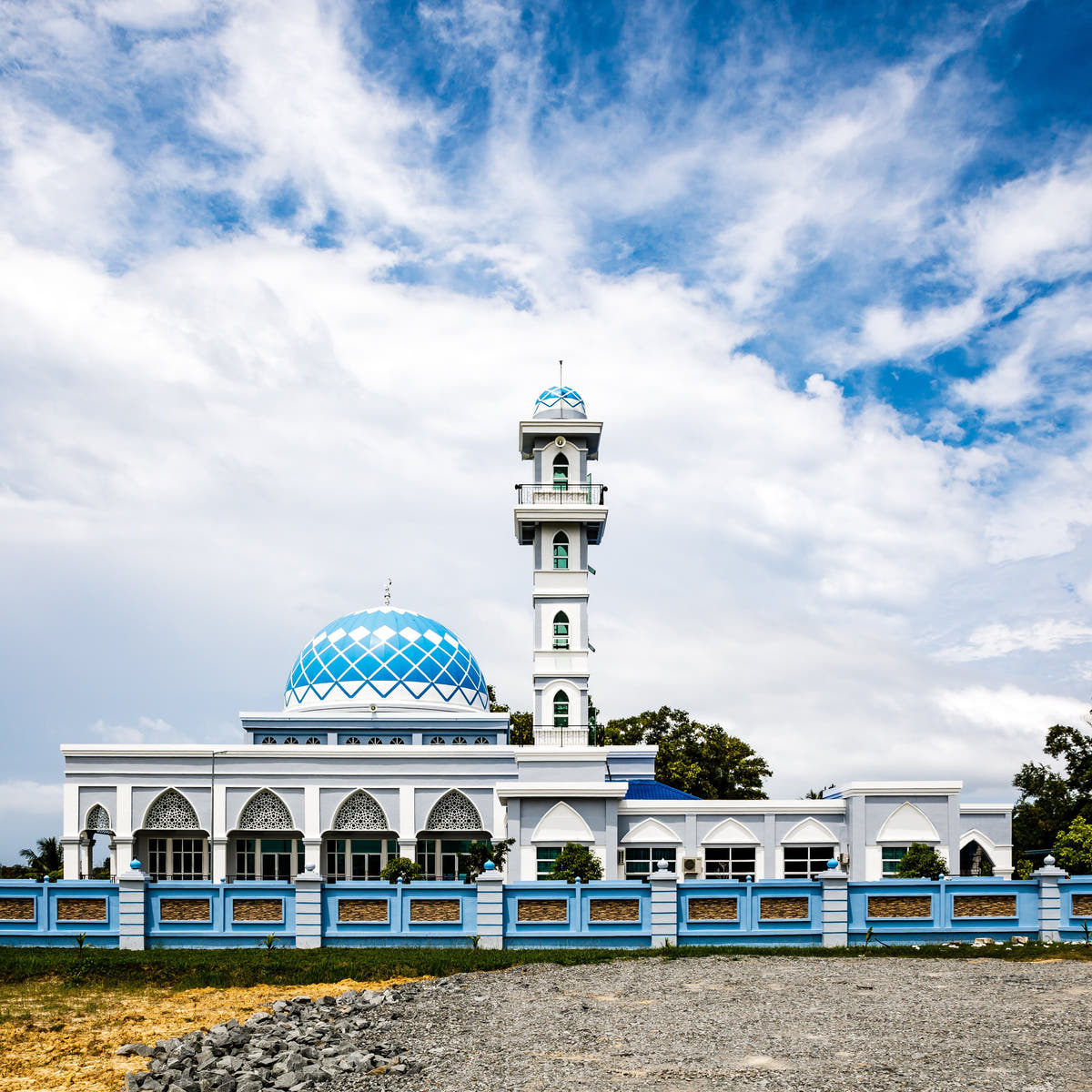
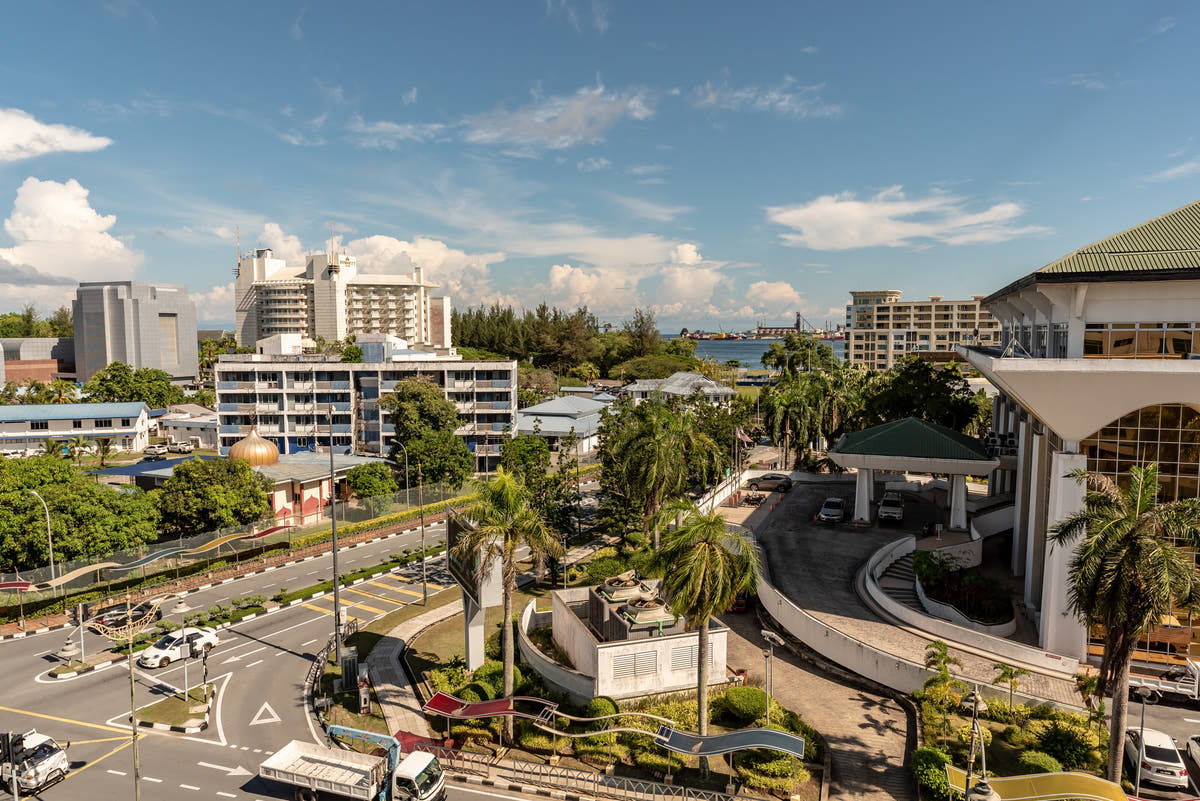
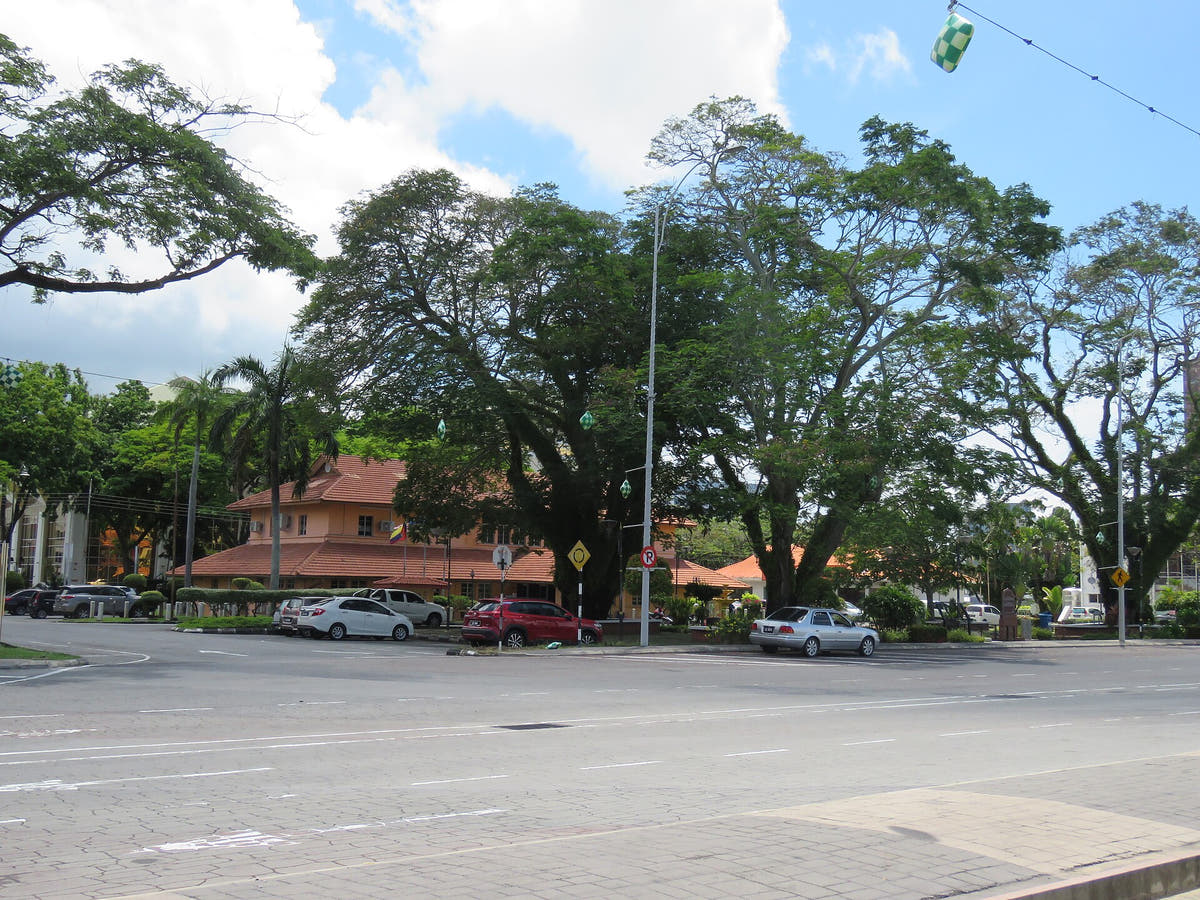
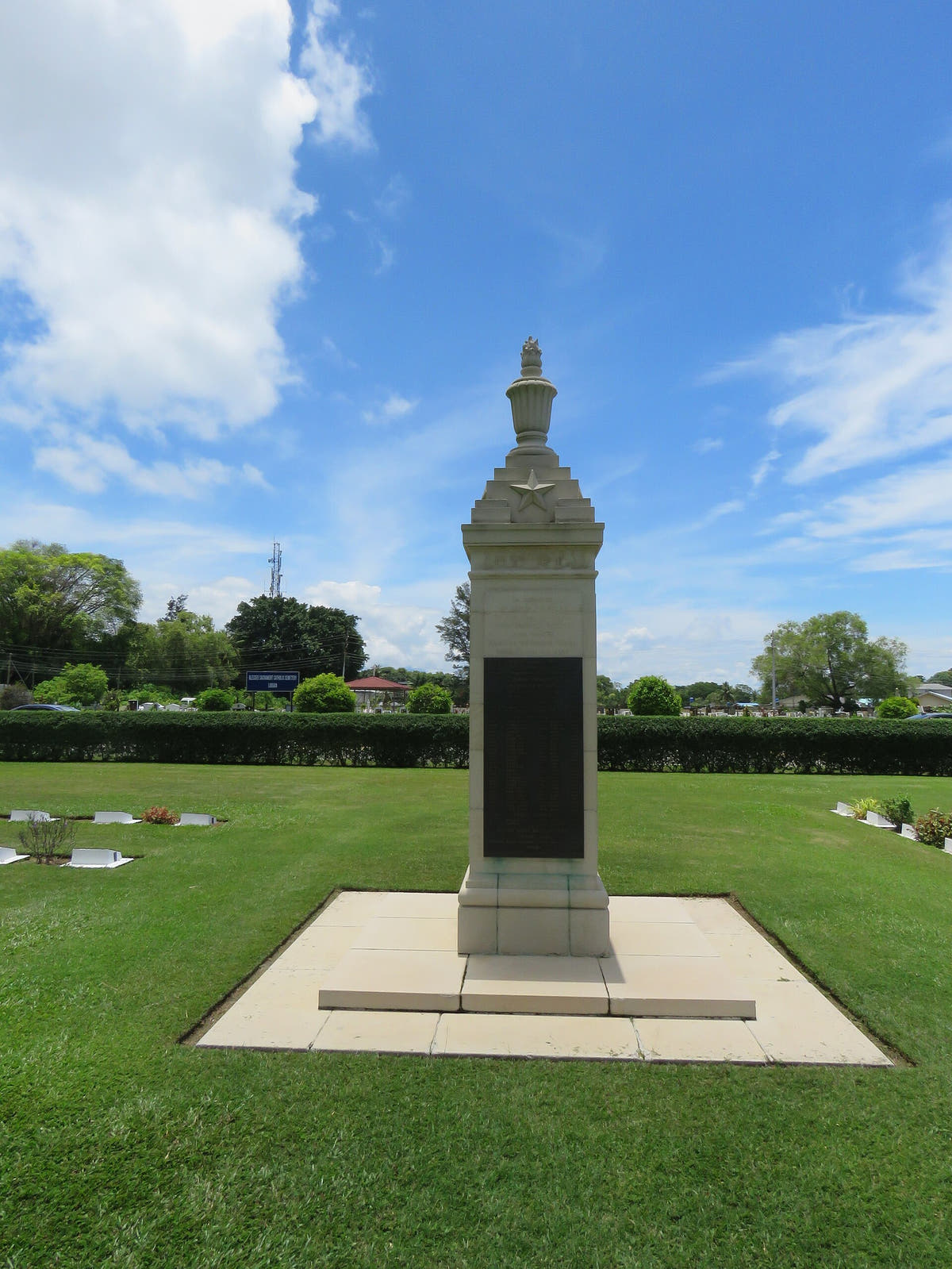
Museen und Kriegsdenkmäler ergänzen die Geschichte unter Wasser. Die Stadt der Insel, die Strände und die unkomplizierte Straßenanbindung machen es möglich, rund um die Tauchtage ein kurzes Landprogramm zu gestalten.
Labuan kann auch in eine umfassendere Reise nach Sabah oder Brunei integriert werden, sofern die Transportverbindungen passen. Es ist eine besonders gute Option, wenn die Gruppe ein gemeinsames Interesse an Geschichte hat; Begleiter, die ein abgelegenes Strandresort-Erlebnis suchen, bevorzugen möglicherweise einen anderen Teil von Borneo.
Anreise nach Labuan
Fliegen Sie nach Labuan oder reisen Sie mit der Fähre von Sabah und Brunei aus an.
Wählen Sie Ankunfts- und Abfahrtszeiten so, dass sie mit dem Weiterweg passen, insbesondere wenn eine Bootsüberfahrt oder eine lange Autofahrt erforderlich ist. Planen Sie einen entspannten letzten Tag an Land und einen angemessenen zeitlichen Abstand zwischen dem letzten Tauchgang und dem Flug ein.
Fragen zum Tauchen auf Labuan
Was macht Labuan zu einem Tauchziel wert?
Die Attraktivität von Labuan ist struktureller und historischer Natur: große Wracks, Meeresbewuchs und die Dimensionen eines Schiffes, die unter Wasser sichtbar werden. Es eignet sich für Taucher, die ein sorgfältig geplantes Profil und die Geschichte hinter einem Tauchplatz ebenso schätzen wie farbenfrohe Rifflandschaften.
Wie sollte ich meinen Aufenthalt planen?
Organisieren Sie die Tauchgänge mit einem etablierten lokalen Programm und wählen Sie die Wracks nach Tiefe, Sichtweite und Ausbildung aus. Drei bis fünf Tauchtage können für einen fokussierten Besuch ausreichen. Die Erkundung der Außenbereiche, das Eindringen in die Wracks und technische Profile sind unterschiedliche Aktivitäten und sollten separat geplant werden.
Wann ist die beste Reisezeit?
Von März bis Oktober ist die beste Zeit für einfachere Seebedingungen. Die Sichtweite an den Wracks kann sich erheblich ändern, daher sollten Sie mit einer anderen Reihenfolge der Tauchplätze rechnen und die Profile konservativ wählen. Die maximale Tiefe eines Wracks ist nicht für jeden Besucher als empfehlenswerte Tiefe geeignet.
Gibt es auch für Begleiter, die nicht tauchen, genug zu erleben?
Museen und Kriegsdenkmäler ergänzen die Geschichte unter Wasser. Die Stadt der Insel, die Strände und die unkomplizierte Straßenanbindung machen es möglich, rund um die Tauchtage ein kurzes Landprogramm zu gestalten.
A closer look at Labuan
Planen Sie Ihre Labuan-Reise
Teilen Sie uns mit, welche Erlebnisse Sie am meisten wünschen, welche Daten Sie bevorzugen und wie Sie reisen möchten. Wir können das Reiseziel, die Unterkunft und die Tauchgänge in einer stimmigen Reiseroute zusammenfassen.
Meine Reise planenBildnachweise
Die Bilder werden für die Anzeige skaliert und können zugeschnitten werden, um zum Seitenlayout zu passen.
- Palme neben einem Sandstrand auf der Insel Labuan, Malaysia: Beach 01 (Labuan).jpg — black panther. CC BY 2.0. Bild in Webgröße bereitgestellt von Wikimedia Commons; keine Bildbearbeitung.
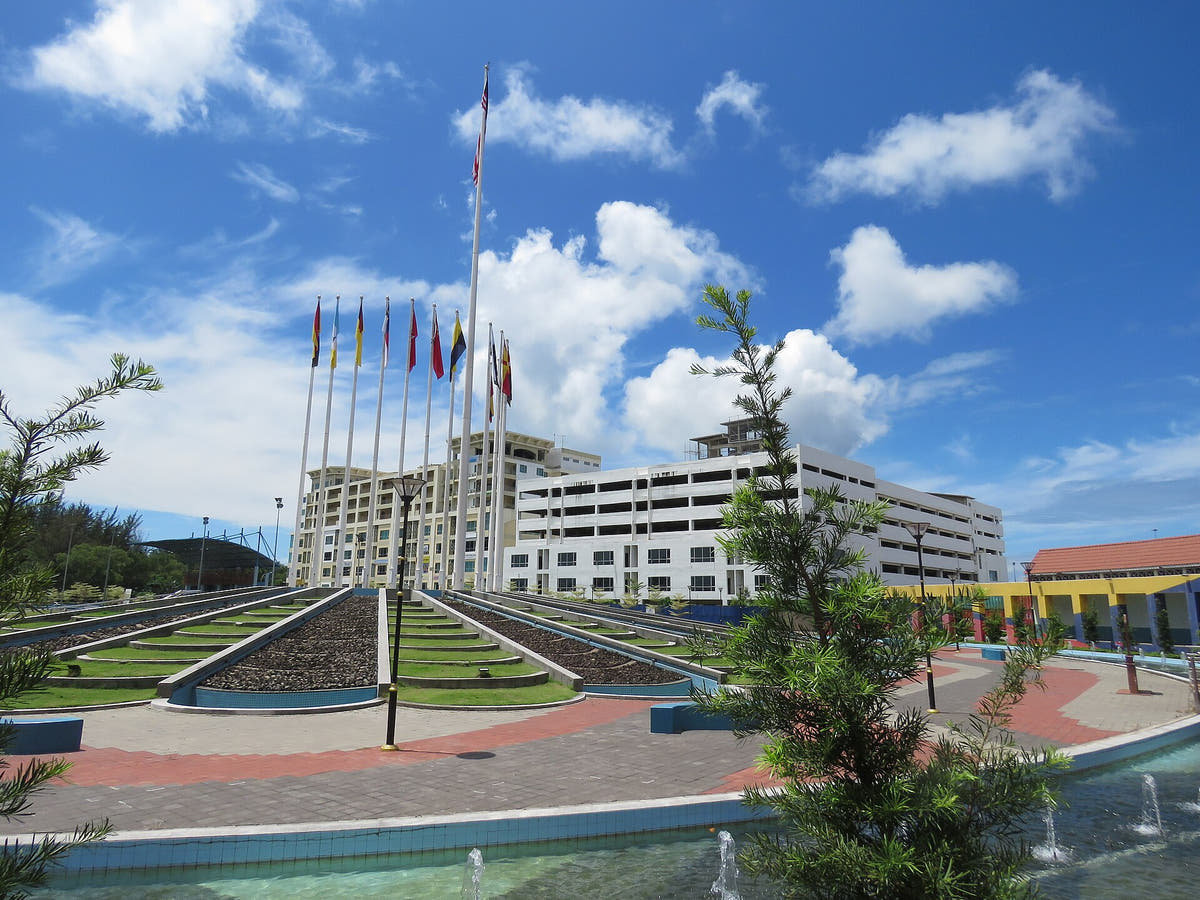
- Flaggen und Gebäude am Labuan Square, Malaysia: Labuan Square (Dataran Labuan), April 2025 02.jpg — Calistemon. CC BY-SA 4.0. Bild in Webgröße bereitgestellt von Wikimedia Commons; keine Bildbearbeitung.
- Labuan Museum unter alten Bäumen im Stadtzentrum der Insel: Labuan Museum, April 2025 01.jpg — Calistemon. CC BY-SA 4.0. Bild in Webgröße bereitgestellt von Wikimedia Commons; keine Bildbearbeitung.
- Denkmal und gepflegte Anlagen auf dem Labuan War Cemetery: Labuan War Cemetery, April 2025 03.jpg — Calistemon. CC BY-SA 4.0. Bild in Webgröße bereitgestellt von Wikimedia Commons; keine Bildbearbeitung.


