

Destination guide · Malaysia
Layang-Layang Tauchen
Layang-Layang is an oceanic atoll experience: a narrow reef edge, walls falling away and the sense of deep water all around. It is a focused destination for divers drawn to blue-water scenery and seasonal pelagic possibilities.
Destination media courtesy of Mawali Adventure Tours / Mawali Diving
Layang-Layang im Überblick
Layang-Layang ist ein abgelegenes ozeanisches Atoll, das aus tiefem Wasser in der Südchinesischen See emporragt. Dramatische Wände, klares blaues Wasser und die saisonale Chance auf Hammerhaie machen es zu einem hochspezialisierten Ziel für erfahrene Taucher.
Die Reise dreht sich um das Tauchen, mit wenigen Ablenkungen an Land und einem Betrieb, der an eine bestimmte Saison und einen festen Transportplan gebunden ist. Hammerhaie und andere pelagische Tiere können nicht garantiert werden, daher sollte das Ziel ebenso wegen seiner tiefen Wände, seiner Abgeschiedenheit und seiner Blauwasseratmosphäre geschätzt werden.
Planen Sie Ihren Aufenthalt auf Layang-Layang
Planen Sie die Reise um ein bestätigtes Betriebsprogramm und den tatsächlichen Transport. Das Atoll ist kein Ort für eine spontane Anreise. Wählen Sie es wegen der Wände und des Open-Water-Tauchens sowie der Möglichkeit, Hammerhaie zu sehen, und planen Sie vor und nach der Reise einen Puffer auf dem Festland ein.
Liveaboard routes for this destination
Explore the routes that visit this region. Compare ships and itineraries, then open a route to see its sailing dates, cabins and the areas it covers.
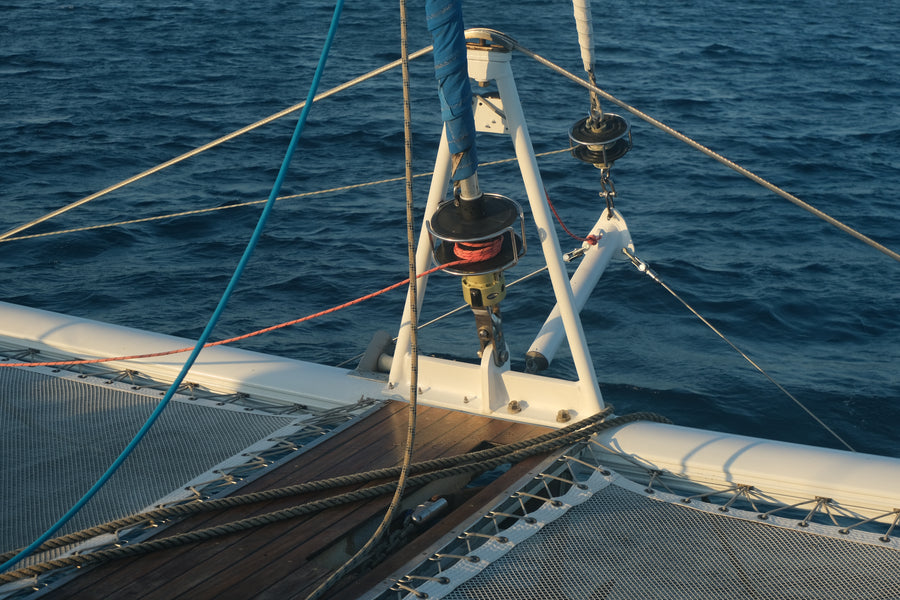
Mawali Sailing Yacht
Mawali — Layang Layang — 6 Nächte
- Indicative duration
- 6 nights
- Einschiffung
- Kota Kinabalu, Sabah
- Ausschiffung
- Kota Kinabalu, Sabah
No routes match this search. Try another vessel or clear your search.
Wann sollte man auf Layang-Layang tauchen?
März bis August ist die traditionelle Planungssaison im Katalog, aber keine Garantie für den aktuellen Betrieb des Resorts oder der Flugverbindungen. Bestätigen Sie eine verbindliche Abreise, bevor Sie sich auf einen Transport festlegen. Das Wetter auf See und das begrenzte Zugangsangebot bestimmen, ob eine bestimmte Reise machbar ist.
Planungszeitraum: Saison März–August.
Wie die Tauchgänge ausfallen
Erforderlich sind eine fortgeschrittene Zertifizierung, Erfahrung mit Tiefen- und Strömungstauchgängen sowie mit Blauwasser.
Saisonale Chancen auf Hammerhaie
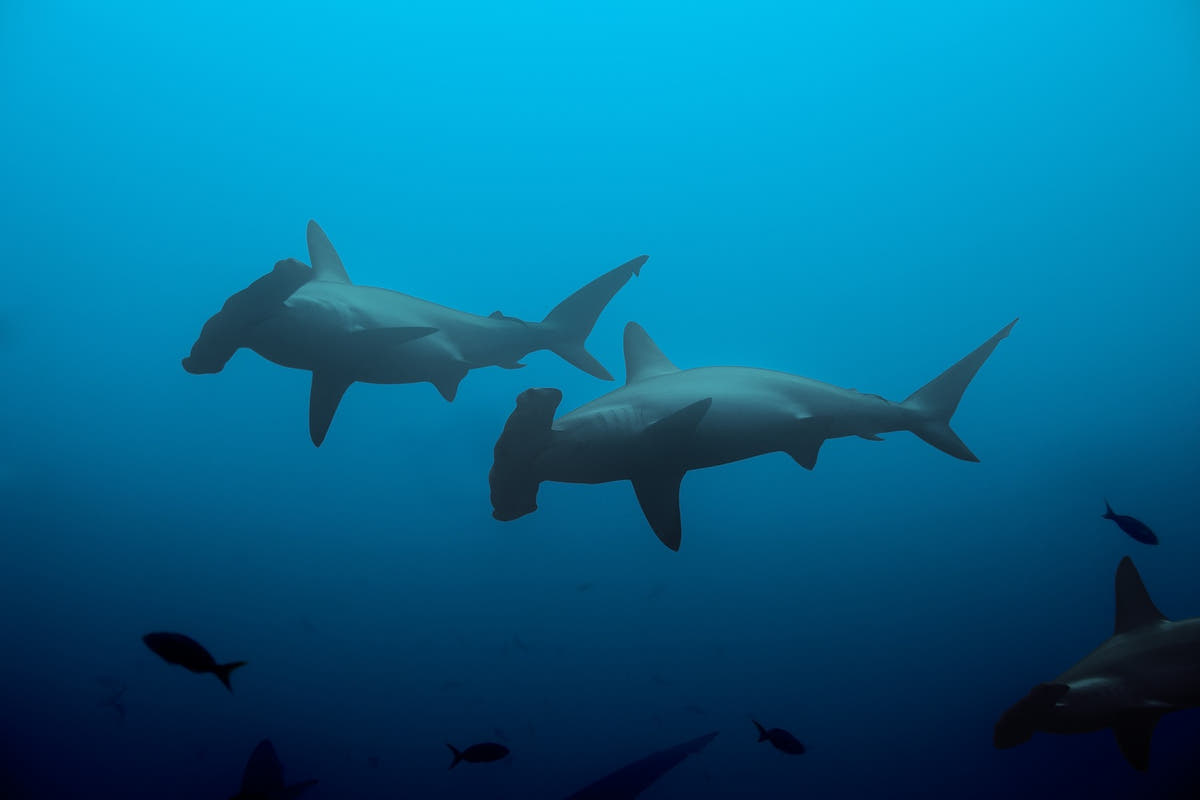
Layang-Layang ist vor allem für die Möglichkeit bekannt, Schwärme von Hammerhaien an seinen ozeanischen Abbrüchen zu sehen. Sie sind wilde pelagische Tiere und keine garantierte Attraktion, daher beobachten die Guides Strömung, Tiefe und Blauwasserbedingungen und wählen die Plätze, die in der jeweiligen Saison die besten Chancen auf eine Begegnung bieten.
Tiefe ozeanische Wände
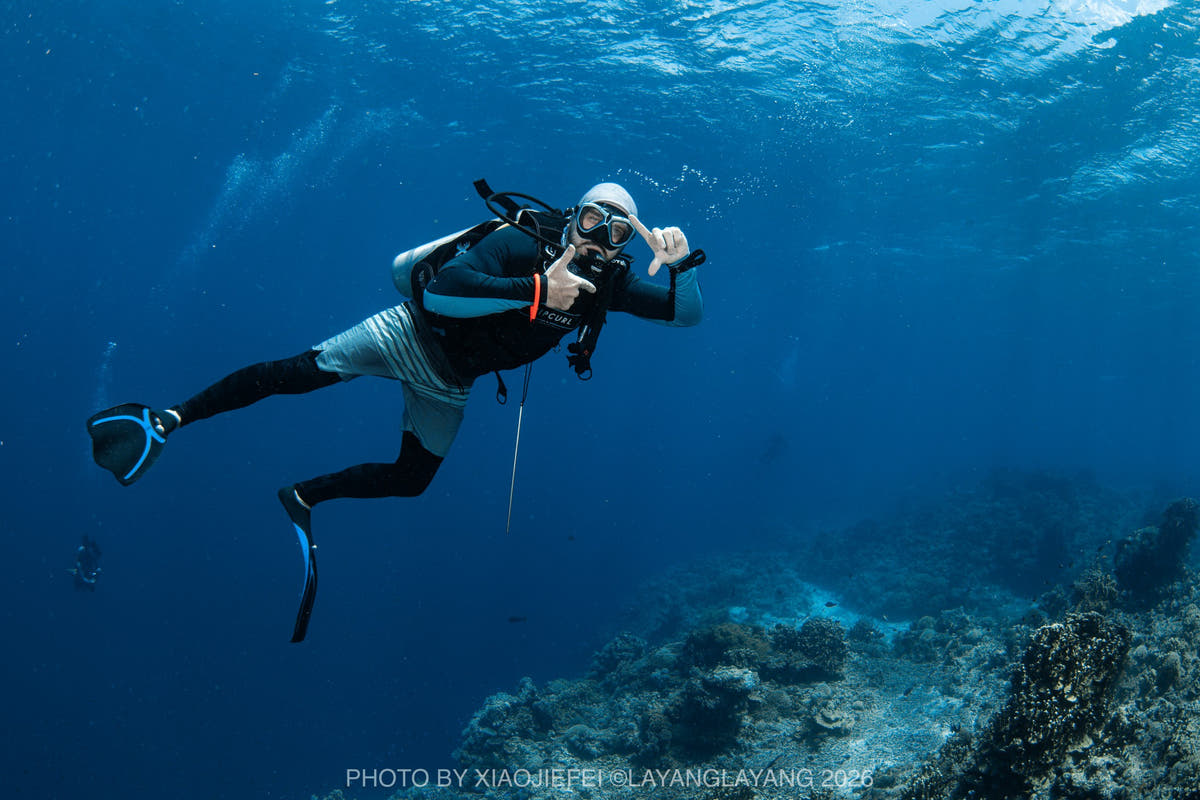
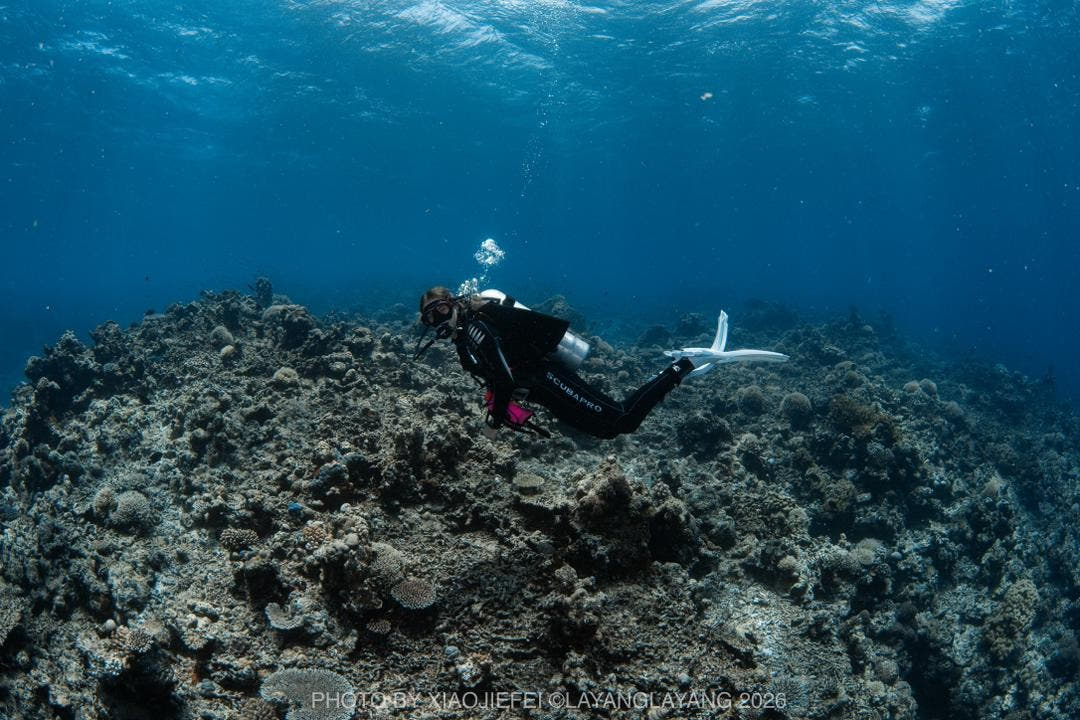
Das Atoll ragt abrupt aus sehr tiefem Wasser empor und bildet Wände, die fast senkrecht vom flachen Riff abfallen. Diese Topografie belohnt eine disziplinierte Auftriebs- und Tiefenkontrolle: Taucher können an der Wand Korallen und Schwärme von Fischen genießen und gleichzeitig das offene Wasser nach Haien, Thunfischen, Mantarochen und anderen pelagischen Tieren absuchen.
Klares blaues Wasser
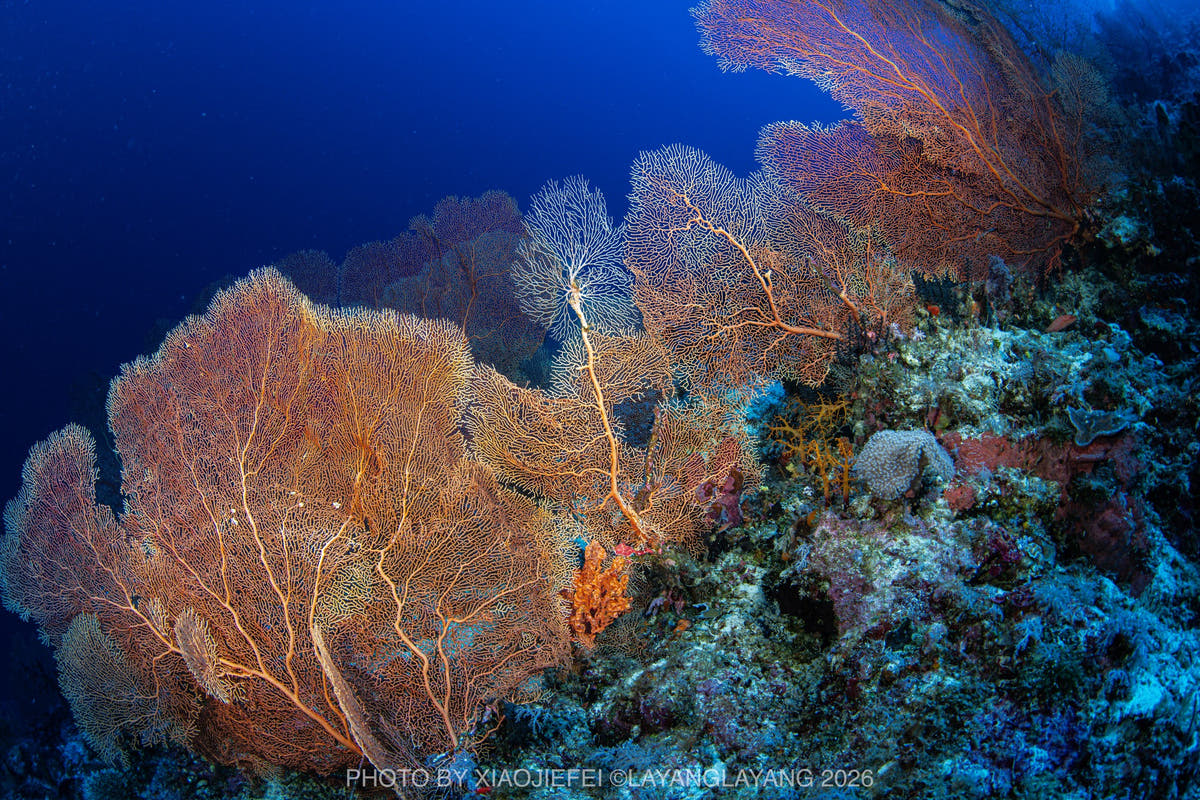
Die ozeanische Lage kann für außergewöhnlich klares blaues Wasser und weite Sicht entlang der Abbrüche sorgen. Die Sichtweite variiert weiterhin je nach Wetter und Wasserbewegung, aber die Kombination aus steilen Wänden, Seefächern und dem Licht des offenen Wassers ist einer der Hauptgründe, warum sich Layang-Layang so gut für Weitwinkel-Taucher eignet.
Abgeschiedene Atoll-Atmosphäre
Layang-Layang ist ein abgelegenes Atoll auf See und kein herkömmliches Inselziel. Das Erlebnis ist bewusst auf das Tauchen ausgerichtet, mit wenig Ablenkung durch das tägliche Bootsprogramm; diese Abgeschiedenheit ist einerseits Teil des Reizes, bedeutet aber auch, dass Zeitpläne und Zugänglichkeit von saisonalen Betriebszeiten und dem Wetter abhängen.
DIVE SITE GUIDE
Dive sites in Layang-Layang
Explore the character of individual sites, from the setting and marine life to the diving conditions. Open a card for the full description; site access and the final profile depend on conditions and experience.
ORIENTATION MAP
Where the dive sites are
Use the map to understand how the key sites are spread around the destination. Pins are for trip-planning orientation only; entry points, moorings and the final dive plan are always confirmed by the local operator on the day.
Coordinates are planning references compiled from current dive-site sources. They are not navigation coordinates; entry points, moorings, tide windows and the final dive plan are always confirmed by the local operator on the day.
Wall · Pelagic · Deep reef
D-Wall
D-Wall is Layang-Layang’s signature drop, a vertical reef face that falls away into ocean more than a kilometre deep.
Tauchplatz entdecken
- Typ
- Wall · Pelagic · Deep reef
- Tiefe
- 25–40 m
- Erfahrung
- Advanced
- Strömung
- Moderate
D-Wall is Layang-Layang’s signature drop, a vertical reef face that falls away into ocean more than a kilometre deep. Recreational diving stays on the upper 25–40 metres, where sea fans support pygmy seahorses and frogfish while the blue-water side offers seasonal hammerhead potential.
The challenge is the absence of a bottom reference: a diver looking into the blue can descend without noticing. A clear maximum depth and frequent computer checks are essential. The site rewards both macro and big-animal attention, but the wall itself — coral, fans and endless blue — remains impressive even when no hammerheads appear.
Look for: 2,000 m wall below · Hammerhead potential · Pygmy seahorses · Advanced deep profile
Ideal für: Hammerheads · Pygmy seahorses · Deep wall
Wall · Pelagic
Dogtooth Lair
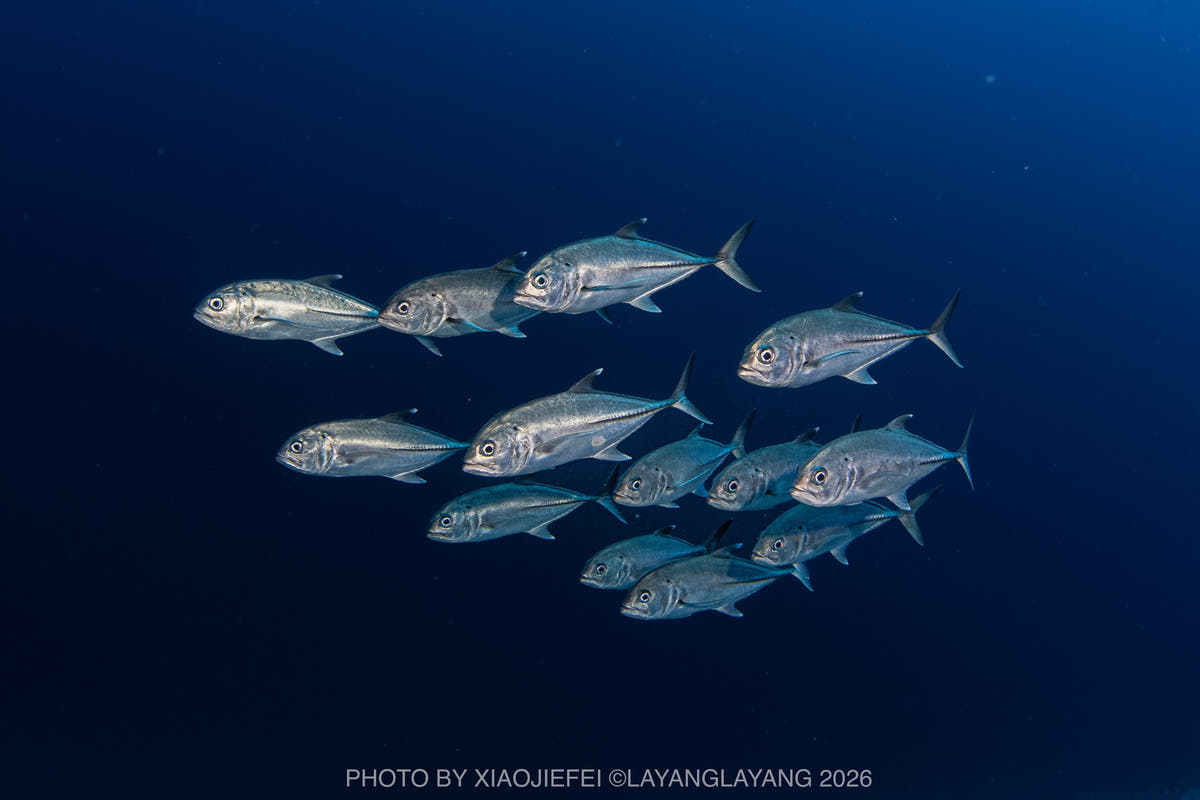
Dogtooth Lair sits on the eastern side of the atoll where the reef edge drops into deep ocean and schools of large dogtooth tuna patrol the blue.
Tauchplatz entdecken
- Typ
- Wall · Pelagic
- Tiefe
- 25–40 m
- Erfahrung
- Advanced
- Strömung
- Moderate
Dogtooth Lair sits on the eastern side of the atoll where the reef edge drops into deep ocean and schools of large dogtooth tuna patrol the blue. Barracuda and whitetip reef sharks add to the big-fish character, while the wall itself remains covered in reef life.
The working depth is deep enough that gas and no-decompression time need active management, and there is no shallow seabed to fall back on if buoyancy slips. The best dive keeps the reef on one side, uses the current rather than fighting it and leaves enough time for a slow ascent over the shallower reef top.
Look for: Dogtooth tuna · Barracuda · Whitetip sharks · Deep wall
Ideal für: Dogtooth tuna · Barracuda · Reef sharks
Wall · Pelagic
Gorgonian Forest
Gorgonian Forest starts shallower than many Layang-Layang wall dives, giving divers more usable time before reaching the deeper blue-water zone.
Tauchplatz entdecken
- Typ
- Wall · Pelagic
- Tiefe
- 15–40 m
- Erfahrung
- Advanced
- Strömung
- Moderate–Strong
Gorgonian Forest starts shallower than many Layang-Layang wall dives, giving divers more usable time before reaching the deeper blue-water zone. Huge sea fans line the face while trevally, groupers and other larger fish work the current.
During the spring hammerhead season, schools may pass off the wall, but the dive is visually strong even when the blue remains empty. Current can become strong enough to turn the dive into a drift, so the guide chooses the direction and exit rather than expecting the group to return to one point. It is one of the atoll’s best blends of reef scenery and pelagic potential.
Look for: Large gorgonians · Hammerhead potential · Current-fed wall · Wide angle
Ideal für: Gorgonians · Hammerheads · Trevally · Wide angle
Wall · Drift · Pelagic
Navigator Lane
Navigator Lane runs along the north side of the atoll as a long deep wall rather than a single point or pinnacle.
Tauchplatz entdecken
- Typ
- Wall · Drift · Pelagic
- Tiefe
- 25–40 m
- Erfahrung
- Advanced
- Strömung
- Mild–Moderate
Navigator Lane runs along the north side of the atoll as a long deep wall rather than a single point or pinnacle. Divers follow the face while watching the blue for trevally, barracuda, eagle rays and seasonal hammerheads.
Because most of the interest lies in the 25–40 metre range, buoyancy and gas planning matter more than raw swimming ability. The wall provides a visual reference, but the open side can still tempt divers deeper while watching animals. A controlled drift, regular depth checks and a planned turn time make the site far more rewarding than trying to cover excessive distance.
Look for: Long northern wall · Hammerhead potential · Eagle rays · Deep drift
Ideal für: Hammerheads · Eagle rays · Trevally · Long wall drift
Wall · Cavern / undercut
Shark’s Cave
Shark’s Cave is an undercut in the wall around 25 metres where whitetip reef sharks may rest during the day.
Tauchplatz entdecken
- Typ
- Wall · Cavern / undercut
- Tiefe
- 25–40 m
- Erfahrung
- Advanced
- Strömung
- Mild
Shark’s Cave is an undercut in the wall around 25 metres where whitetip reef sharks may rest during the day. Grey reef, leopard and nurse sharks are also possible around the surrounding reef, with seasonal hammerheads farther out in the blue.
The site is not a reason to crowd resting animals: divers should remain outside the shelter and let sharks choose whether to stay. The working depth remains deep, so the cave feature should not distract from gas and no-decompression limits. Even without sharks in the undercut, the adjacent wall and clear oceanic water make the dive worthwhile.
Look for: Resting whitetips possible · Wall undercut · Deep profile · Shark etiquette
Ideal für: Whitetip sharks · Cavern · Deep wall
Reef ledge · Drift
Snapper Ledge
Snapper Ledge is a deep drift where strong current is a defining feature rather than a nuisance.
Tauchplatz entdecken
- Typ
- Reef ledge · Drift
- Tiefe
- 25–40 m
- Erfahrung
- Advanced
- Strömung
- Strong
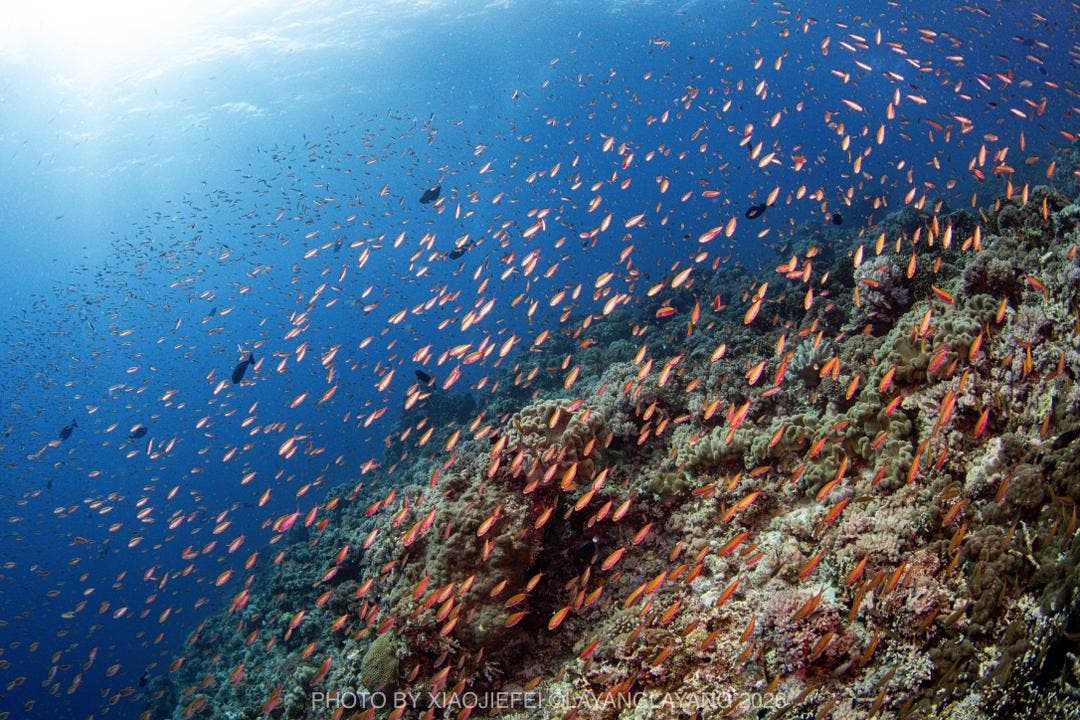
Snapper Ledge is a deep drift where strong current is a defining feature rather than a nuisance. Hard and soft coral, gorgonians and huge numbers of reef fish line the ledge, while visibility can be exceptionally clear.
Divers enter knowing they will not swim back to the starting point; the boat tracks the group as it moves down-current. Because the profile is both deep and fast, the dive demands close buddy spacing, good trim and a surface-marker plan for the ascent. The reward is the feeling of flying along a reef in blue water where the structure and schooling fish remain visible far ahead.
Look for: Strong drift · Excellent visibility · Schooling reef fish · Advanced only
Ideal für: Very clear water · Schooling fish · High-speed drift
Blue-water · Wall · Pelagic
The Point
The Point is Layang-Layang’s purest blue-water dive.
Tauchplatz entdecken
- Typ
- Blue-water · Wall · Pelagic
- Tiefe
- 25–40 m
- Erfahrung
- Advanced
- Strömung
- Mild
The Point is Layang-Layang’s purest blue-water dive. Rather than following the reef for the entire profile, experienced divers may move away from the wall at around 30–35 metres and wait in open water for seasonal hammerhead schools. There is no bottom reference, so depth can creep easily while attention is focused outward.
Hammerhead encounters are never guaranteed, and the dive must still be planned around gas, depth and a timed return to the reef. Reef sharks are a more common possibility. Once the deep phase is complete, the group works back onto the wall and ascends along coral rather than hanging in featureless blue water.
Look for: Open-water hammerhead watch · No bottom reference · Reef sharks · Deep buoyancy skills
Ideal für: Hammerheads · Reef sharks · Blue-water observation
Reef · Cleaning station
Wrasse Strip
Wrasse Strip is one of Layang-Layang’s shallower reef dives and offers a welcome contrast to the 40-metre wall profiles.
Tauchplatz entdecken
- Typ
- Reef · Cleaning station
- Tiefe
- 10–25 m
- Erfahrung
- Advanced
- Strömung
- Moderate
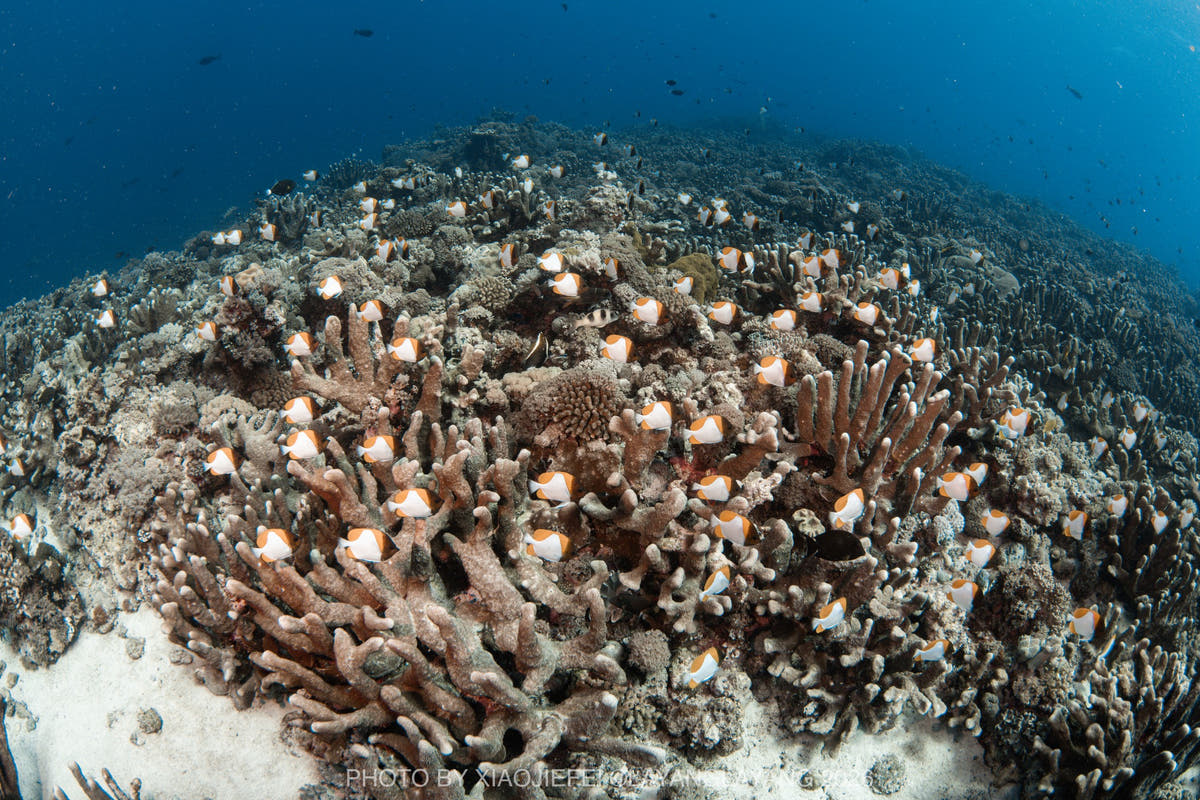
Wrasse Strip is one of Layang-Layang’s shallower reef dives and offers a welcome contrast to the 40-metre wall profiles. A cleaning station attracts whitetip reef sharks, turtles, eagle rays and occasional mantas, while the surrounding coral supports the normal atoll fish life.
Current still runs along the reef, so the site is best treated as a controlled drift rather than a static aquarium dive. Divers should settle near the cleaning area without blocking animal approaches, then continue along the strip as the water carries the group. The shallower profile provides more bottom time and makes this a useful third dive after a deep morning.
Look for: Cleaning station · Shallower profile · Turtles & rays · Manta potential
Ideal für: Cleaning station · Reef sharks · Turtles · Mantas possible
Unterwasserfotografie
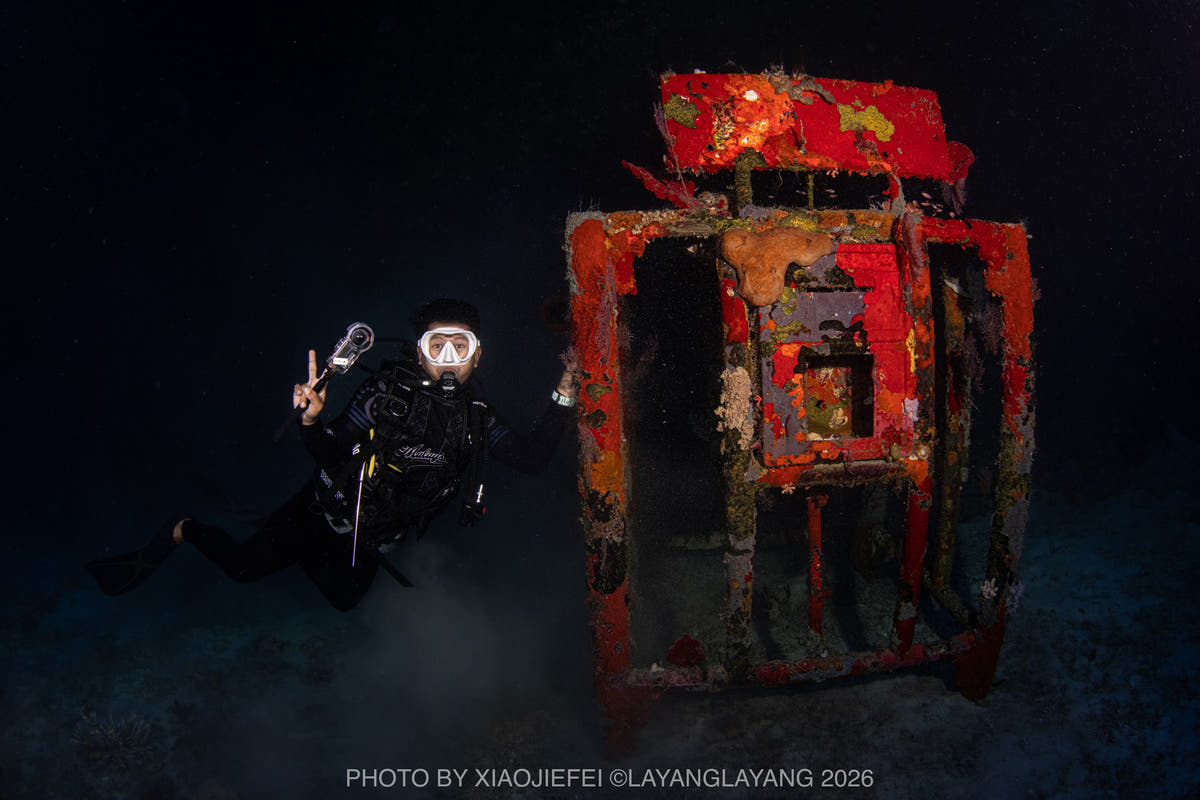
An D-Wall, Hammerhaie, Zwergseepferde und die tiefe Wand vermitteln einen Eindruck der fotografischen Möglichkeiten. Wählen Sie die Kameraausrüstung für die geplanten Plätze und nehmen Sie sich dann Zeit, die Szene zu beobachten, bevor Sie das Bild aufnehmen. Die Wiederholung eines erfolgreichen Tauchgangs bietet oft bessere Möglichkeiten als die ständige Suche nach einem anderen Ort. Nutzen Sie bei Riffszenen die Form des Riffs und das vorhandene Licht, um dem Bild Tiefe zu verleihen. Ein Taucher in respektvollem Abstand kann Maßstab bieten, ohne ein Tier einzuschüchtern.
Abseits des Tauchens: Layang-Layang über der Wasseroberfläche
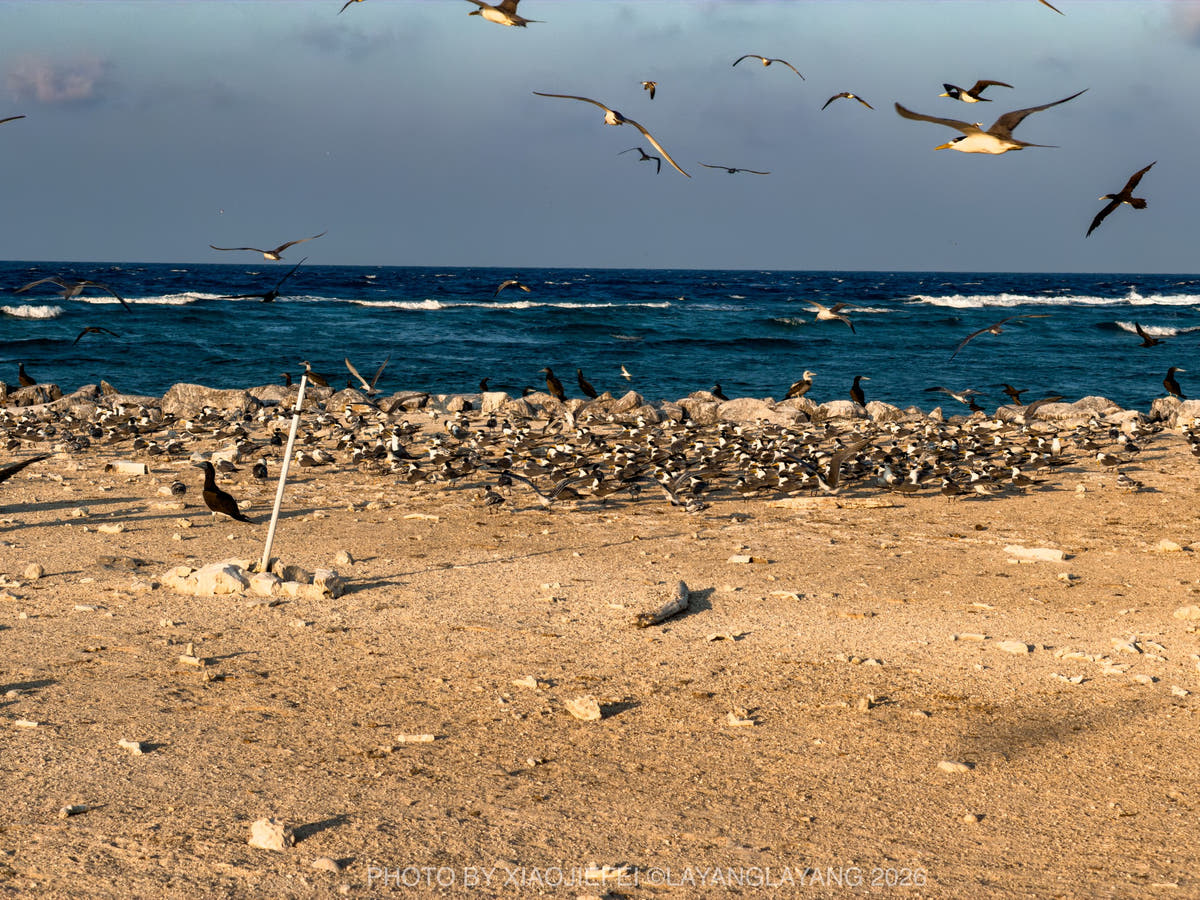
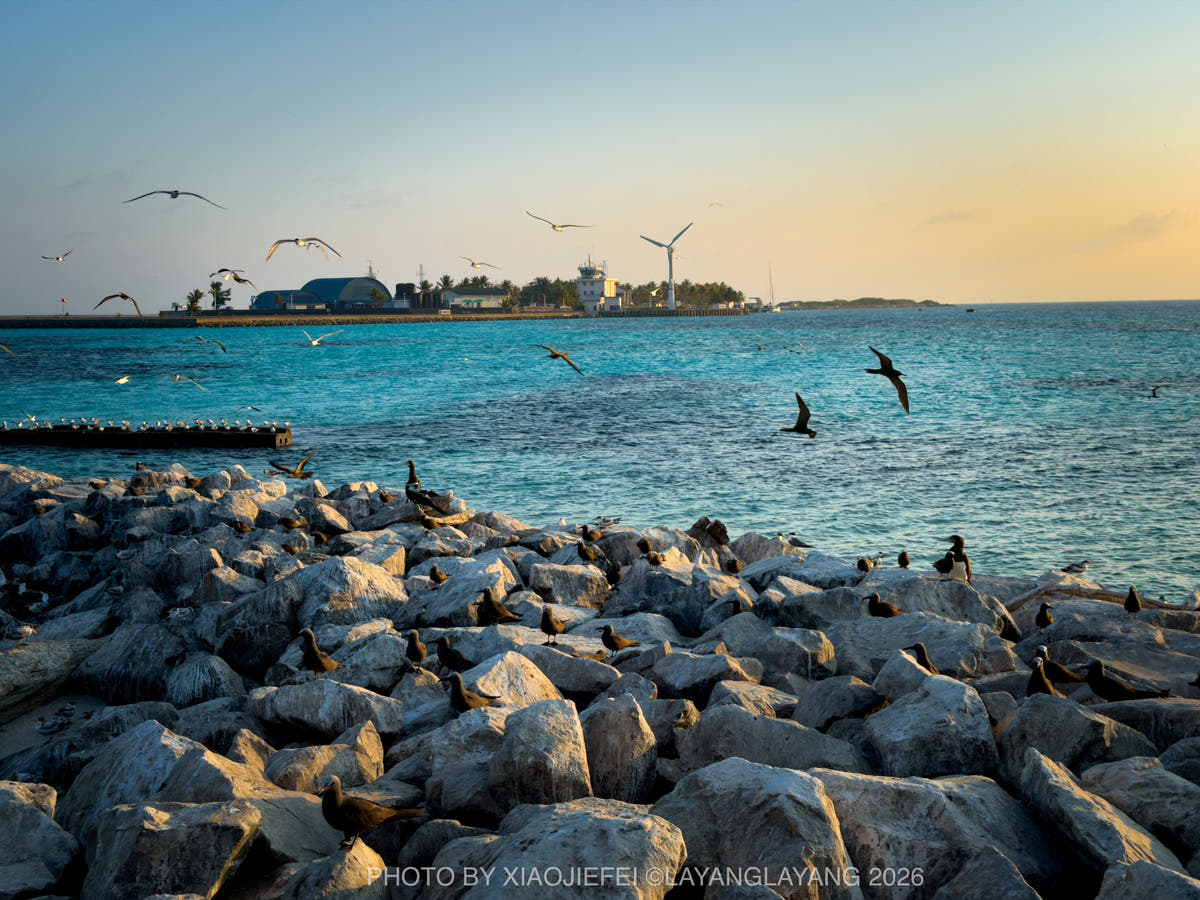
Die Attraktion über dem Wasser ist die Abgeschiedenheit selbst. Ruhige Zeit an der Lagune, Ausblicke aufs Meer und der Rhythmus eines kleinen Tauchbetriebs machen den Großteil des Aufenthalts aus, mit weniger Aktivitäten an Land als an einem größeren Inselziel.
Für einen Begleiter, der Restaurants, Ausflüge und abwechslungsreiche Exkursionen wünscht, kann Zeit in Kota Kinabalu vor oder nach dem Tauchen die richtige Balance schaffen. Layang-Layang eignet sich am besten, wenn sich die gesamte Gruppe mit einem Urlaub wohlfühlt, der sich um das Atoll und das Meer dreht.
Anreise nach Layang-Layang
Die Anreise erfolgt normalerweise mit den Flugverbindungen des Resorts von Kota Kinabalu während der Betriebszeit.
Planen Sie die Ankunfts- und Abfahrtszeiten so, dass genügend Zeit für den weiteren Transfer bleibt, insbesondere wenn eine Bootsüberfahrt oder eine lange Autofahrt ansteht. Planen Sie einen entspannten letzten Tag an Land und ein angemessenes Zeitintervall zwischen dem letzten Tauchgang und dem Flug ein.
Fragen zum Tauchen auf Layang-Layang
Was macht Layang-Layang zu einem lohnenden Tauchziel?
Layang-Layang bietet ein ozeanisches Atollerlebnis: ein schmaler Riffsaum, abfallende Wände und das Gefühl von tiefem Wasser in alle Richtungen. Es ist ein spezialisiertes Ziel für Taucher, die von Blauwasserlandschaften und saisonalen pelagischen Möglichkeiten angezogen werden.
Wie sollte ich meinen Aufenthalt planen?
Planen Sie die Reise um ein bestätigtes Betriebsprogramm und den tatsächlichen Transport. Das Atoll ist kein Ort für eine spontane Anreise. Wählen Sie es wegen der Wände und des Open-Water-Tauchens sowie der Möglichkeit, Hammerhaie zu sehen, und planen Sie vor und nach der Reise einen Puffer auf dem Festland ein.
Wann ist eine gute Reisezeit?
März bis August ist die traditionelle Planungssaison im Katalog, aber keine Garantie für den aktuellen Betrieb des Resorts oder der Flugverbindungen. Bestätigen Sie eine verbindliche Abreise, bevor Sie sich auf einen Transport festlegen. Das Wetter auf See und das begrenzte Zugangsangebot bestimmen, ob eine bestimmte Reise machbar ist.
Gibt es genug für Begleiter, die nicht tauchen?
Die Attraktion über dem Wasser ist die Abgeschiedenheit selbst. Ruhige Zeit an der Lagune, Ausblicke aufs Meer und der Rhythmus eines kleinen Tauchbetriebs machen den Großteil des Aufenthalts aus, mit weniger Aktivitäten an Land als an einem größeren Inselziel.
A closer look at Layang-Layang

Planen Sie Ihre Reise nach Layang-Layang
Erzählen Sie uns, welche Erlebnisse Sie sich am meisten wünschen, welche Daten Sie bevorzugen und wie Sie gerne reisen. Wir können das Ziel, die Unterkunft und das Tauchen in einer stimmigen Reiseroute zusammenfassen.
Meine Reise planen