

Destination guide · Indonesia
Triton Bay Tauchbasis
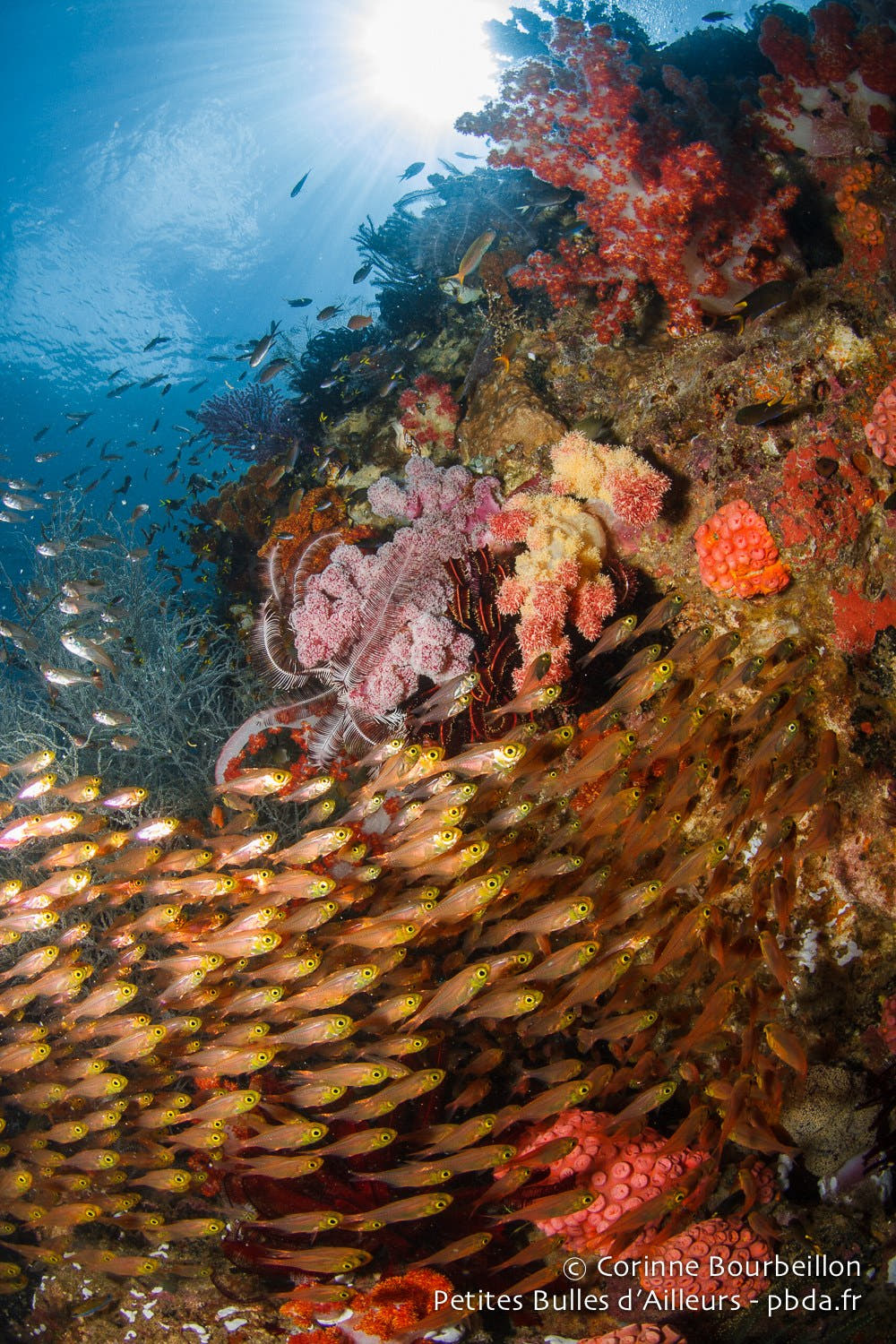
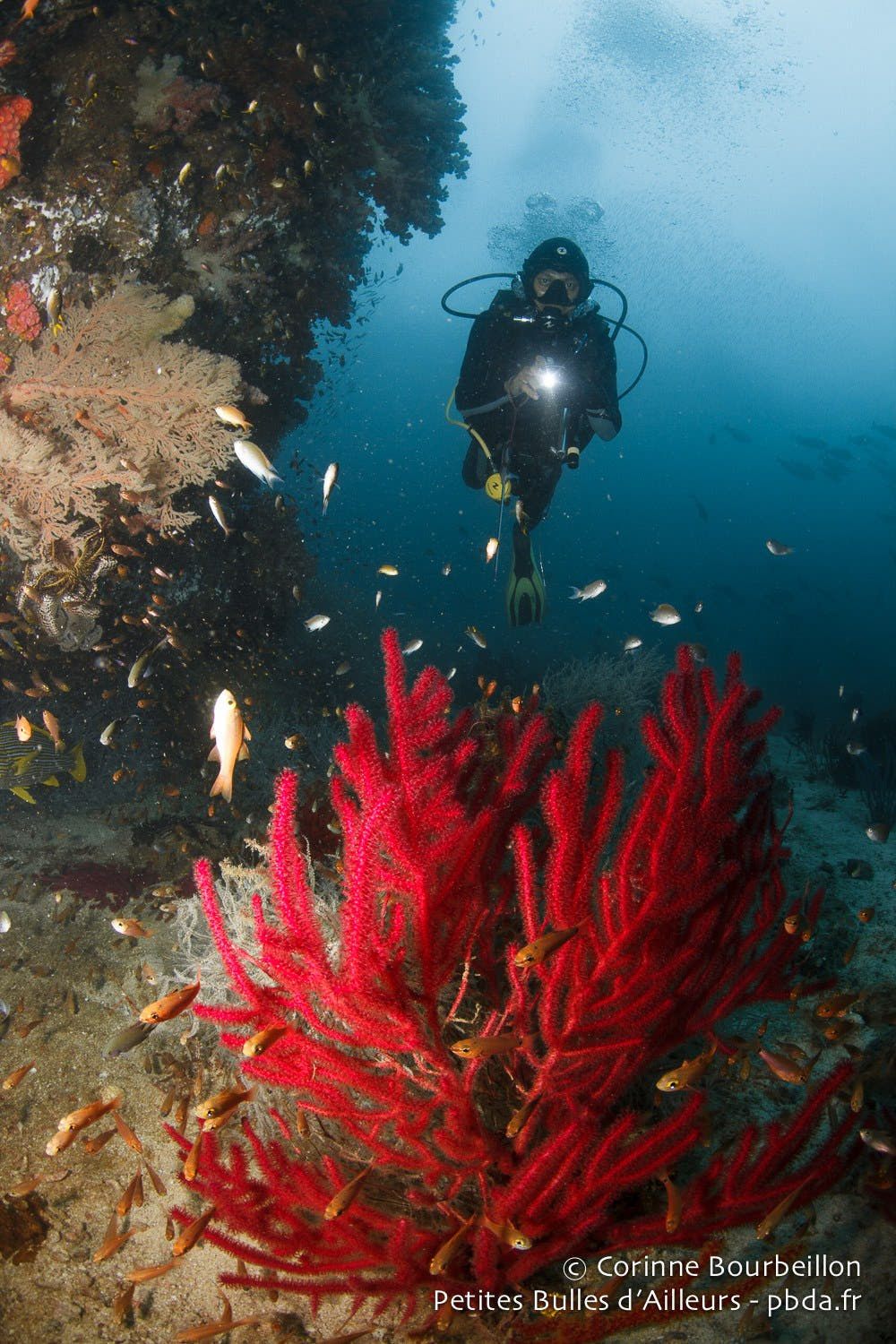
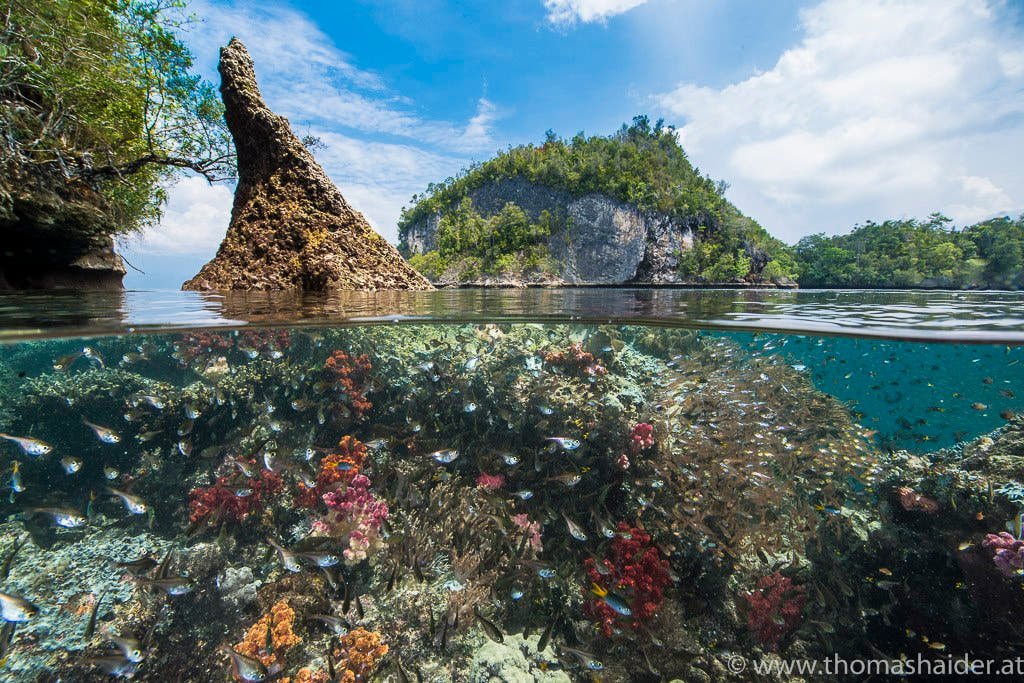
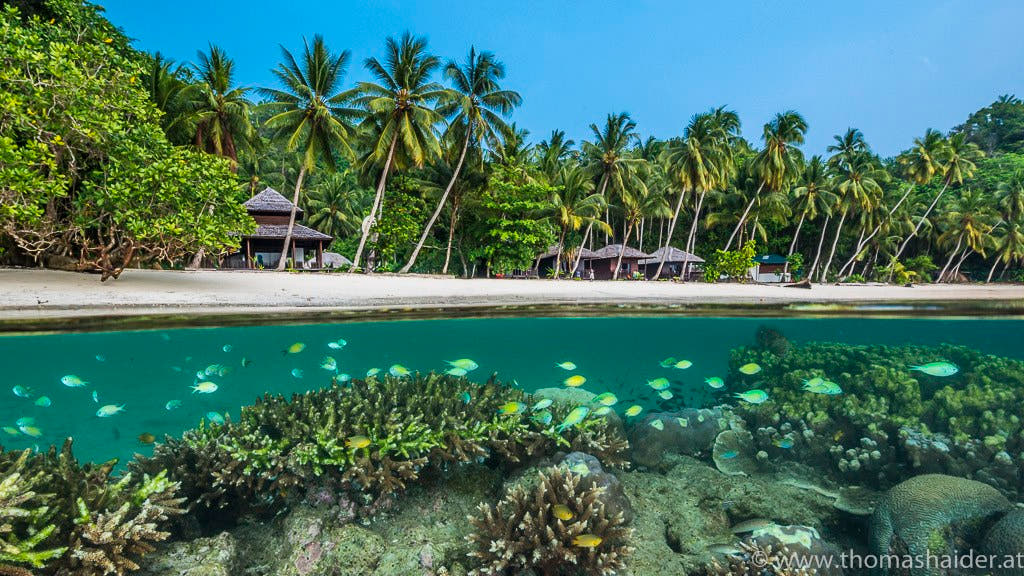
Triton Bay is rich in colour and texture: soft coral across boulders, dark coral branches and fish moving through narrow water passages. Forested shores and limestone islands create an equally absorbing landscape above the surface.
Triton Bay im Überblick
Triton Bay liegt an der abgelegenen Kaimana-Küste in West-Papua, Indonesien, wo Kalksteininseln, bewaldete Küstenstreifen und geschützte Kanäle auf Riffe treffen, die für dichte Weichkorallen, schwarze Korallen und Fischschwärme berühmt sind. Es ist ein Ziel für Taucher, die Farbe, Fischvielfalt und Entdeckergeist mehr schätzen als durchgehend kristallklares blaues Wasser.
Der stärkste Grund für eine Reise hierher ist die Kombination aus flachen Weichkorallenlandschaften, eindrucksvollen Felsriffen, strömungsreichen Fischschwärmen und ungewöhnlichen Möglichkeiten zur Tierbeobachtung. In der weiteren Kaimana-Region können Walhaie gesichtet werden, und Triton Bay bietet zudem hervorragende Makro-Motive, doch keine Tierbeobachtung sollte jemals garantiert sein.
Planung Ihres Aufenthalts in Triton Bay
Ein Aufenthalt in einem Resort bietet wiederholten Zugang zu den Riffen der Bucht und eine feste Basis auf der Insel. Ein Liveaboard kann Triton Bay mit anderen Regionen Ost-Indonesiens verbinden, doch die Reiseroute bestimmt, wie viel Zeit Sie tatsächlich hier verbringen. Sechs bis acht Nächte eignen sich für einen fokussierten Besuch, wobei die Transfers an die Betriebstage angepasst werden.
Liveaboard routes for this destination
Explore the routes that visit this region. Compare ships and itineraries, then open a route to see its sailing dates, cabins and the areas it covers.
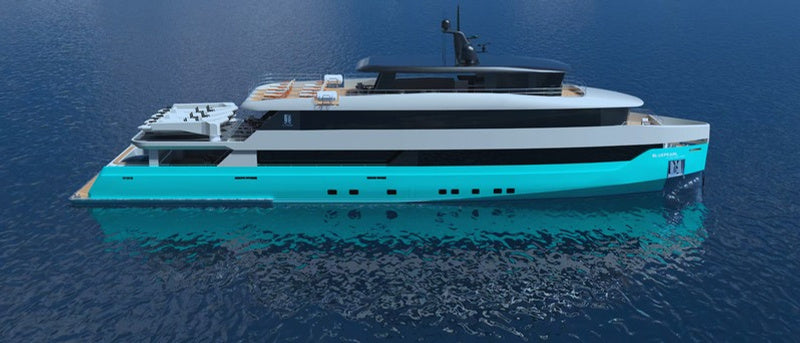
M/Y Blue Pearl
Raja Ampat & Triton Bay — 10 Nächte
- Indicative duration
- 10 nights
- Einschiffung
- Sorong / Kaimana
- Ausschiffung
- Kaimana / Sorong
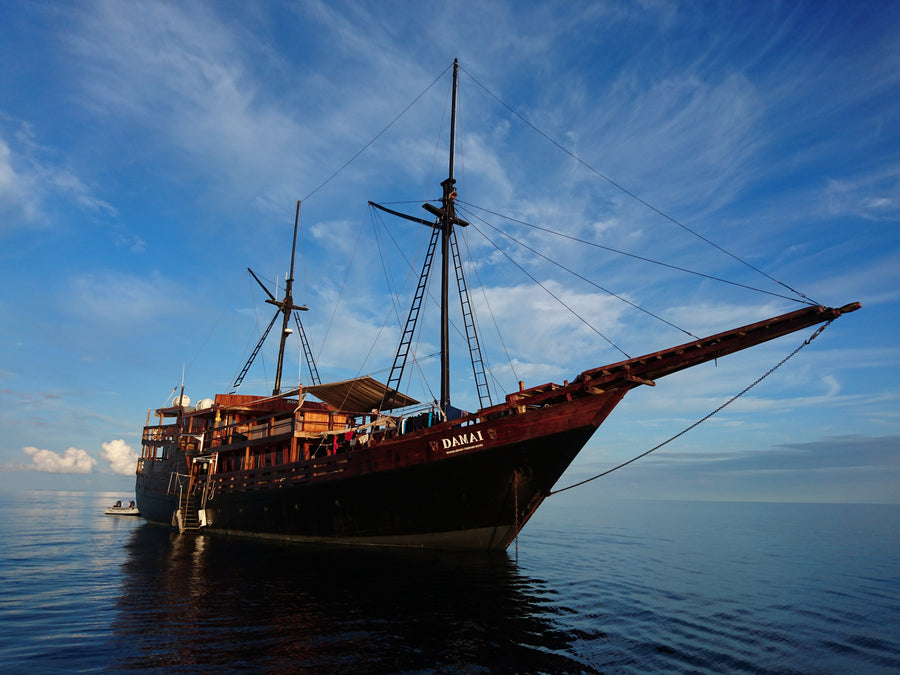
DAMAI I
Raja Ampat & Triton Bay — 11 Nächte
- Indicative duration
- 11 nights
- Einschiffung
- Sorong
- Ausschiffung
- Kaimana
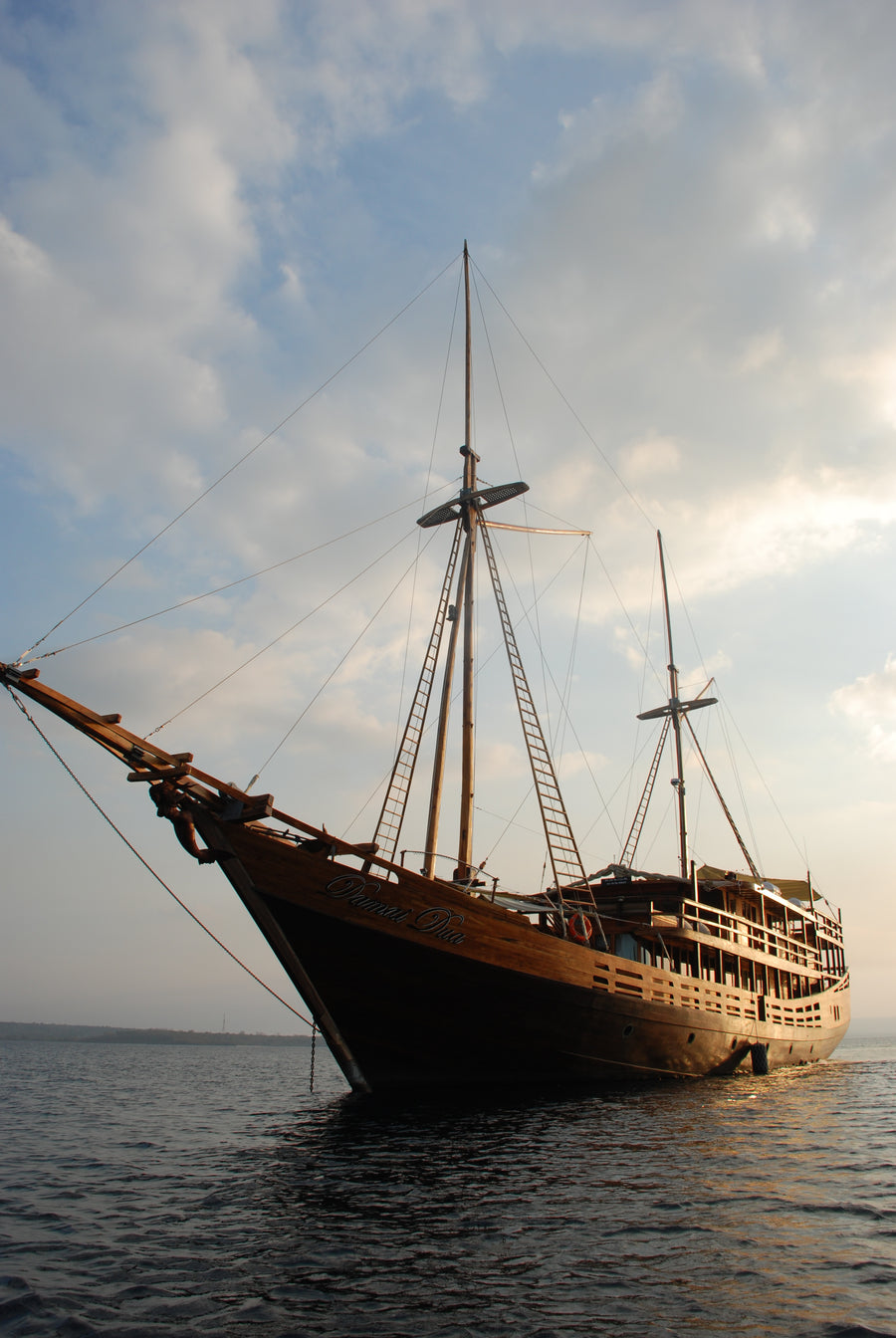
DAMAI II
Triton Bay, Forgotten Islands & Bandasee — 11 Nächte
- Indicative duration
- 11 nights
- Einschiffung
- Kaimana
- Ausschiffung
- Ambon
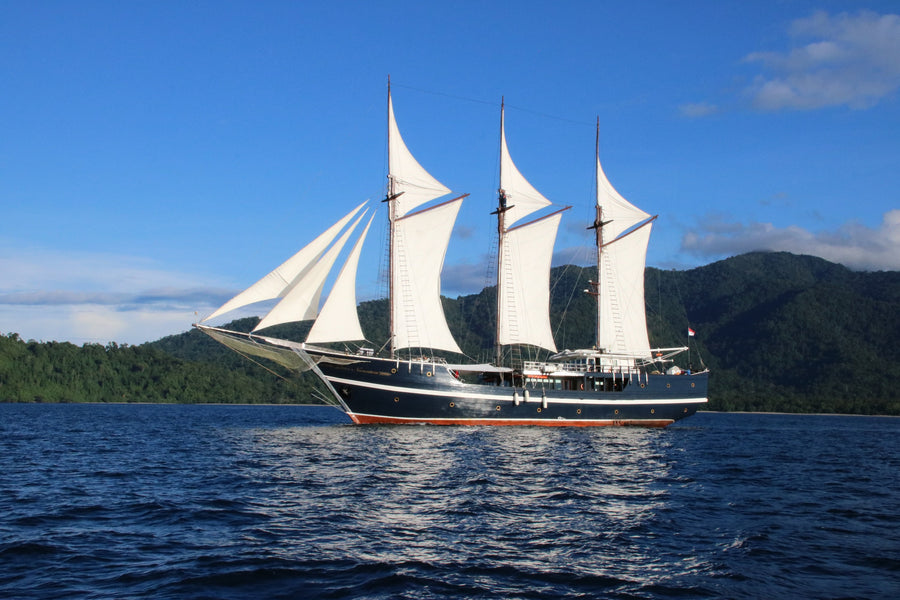
Dewi Nusantara
Indonesia Oceania: Route II - Triton Bay, The Bomberai Peninsula, Banda Islands & Ambon — Kaimana nach Ambon — 11 Nächte
- Indicative duration
- 11 nights
- Einschiffung
- Kaimana
- Ausschiffung
- Ambon
Dewi Nusantara
Wild West Papua: Route I - Süd Raja Ampat, Misool, The Bomberai Peninsula & Triton Bay — Sorong nach Kaimana — 10 Nächte
- Indicative duration
- 10 nights
- Einschiffung
- Sorong
- Ausschiffung
- Kaimana
Dewi Nusantara
Wild West Papua: Route I - Süd Raja Ampat, Misool, The Bomberai Peninsula & Triton Bay — Sorong nach Kaimana — 11 Nächte
- Indicative duration
- 11 nights
- Einschiffung
- Sorong
- Ausschiffung
- Kaimana
Dewi Nusantara
Wild West Papua: Route II - Triton Bay, The Bomberai Peninsula, Misool & Süd Raja Ampat — Kaimana nach Sorong — 10 Nächte
- Indicative duration
- 10 nights
- Einschiffung
- Kaimana
- Ausschiffung
- Sorong
Dewi Nusantara
Wild West Papua: Route II - Triton Bay, The Bomberai Peninsula, Misool & Süd Raja Ampat — Kaimana nach Sorong — 11 Nächte
- Indicative duration
- 11 nights
- Einschiffung
- Kaimana
- Ausschiffung
- Sorong
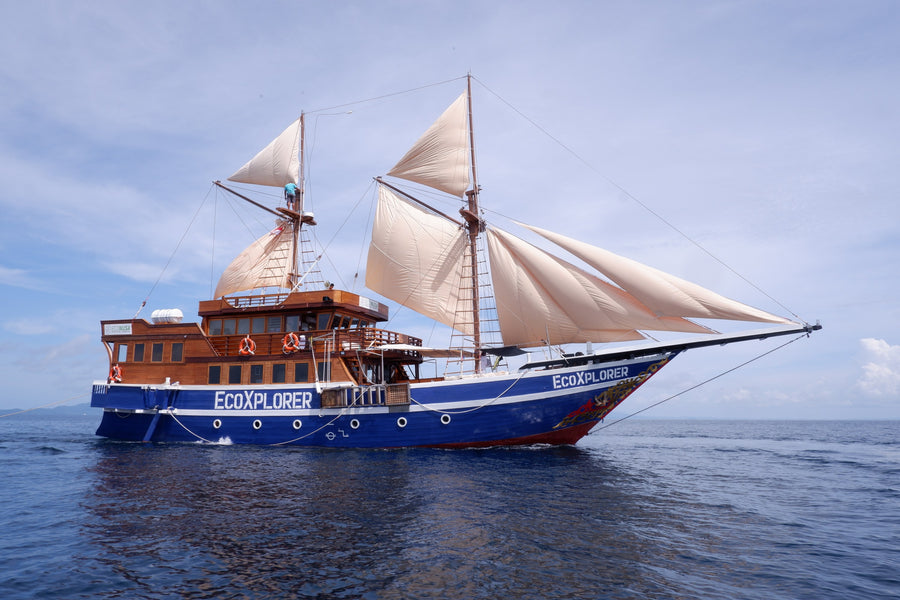
EcoXplorer
Wallace Biodiversity & Cultural Expedition: Kaimana – Sorong — 11 Nächte
- Indicative duration
- 11 nights
- Einschiffung
- Kaimana
- Ausschiffung
- Sorong
EcoXplorer
Whale Shark Expedition: Kaimana – Fak-Fak – Sorong — 9 Nächte
- Indicative duration
- 9 nights
- Einschiffung
- Kaimana
- Ausschiffung
- Sorong
EcoXplorer
Whale Shark Expedition: Sorong – Fak-Fak – Kaimana — 9 Nächte
- Indicative duration
- 9 nights
- Einschiffung
- Sorong
- Ausschiffung
- Kaimana
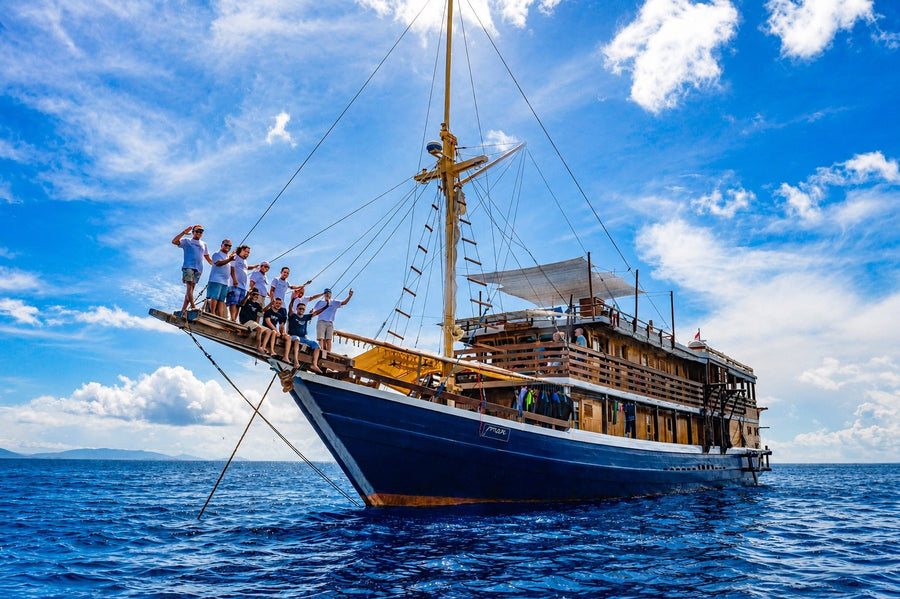
MARI Liveaboard
MARI — Bandasee & Triton Bay - Hammerhead Special — Ambon nach Kaimana — 12 Nächte
- Indicative duration
- 12 nights
- Einschiffung
- Ambon
- Ausschiffung
- Kaimana
MARI Liveaboard
MARI — Forgotten Islands - Banda Ost - Triton Bay — Saumlaki nach Kaimana — 12 Nächte
- Indicative duration
- 12 nights
- Einschiffung
- Saumlaki
- Ausschiffung
- Kaimana
MARI Liveaboard
MARI — The Forgotten Islands, Bandasee & Triton Bay — Saumlaki nach Kaimana — 12 Nächte
- Indicative duration
- 12 nights
- Einschiffung
- Saumlaki
- Ausschiffung
- Kaimana
MARI Liveaboard
MARI — Triton Bay - Misool & Raja Ampat — Kaimana nach Sorong — 12 Nächte
- Indicative duration
- 12 nights
- Einschiffung
- Kaimana
- Ausschiffung
- Sorong
MARI Liveaboard
MARI — Triton Bay - The Ring Of Fire & The Forgotten Islands — Kaimana nach Saumlaki — 12 Nächte
- Indicative duration
- 12 nights
- Einschiffung
- Kaimana
- Ausschiffung
- Saumlaki
MARI Liveaboard
MARI — Triton Bay — Kaimana nach Kaimana — 9 Nächte
- Indicative duration
- 9 nights
- Einschiffung
- Kaimana
- Ausschiffung
- Kaimana
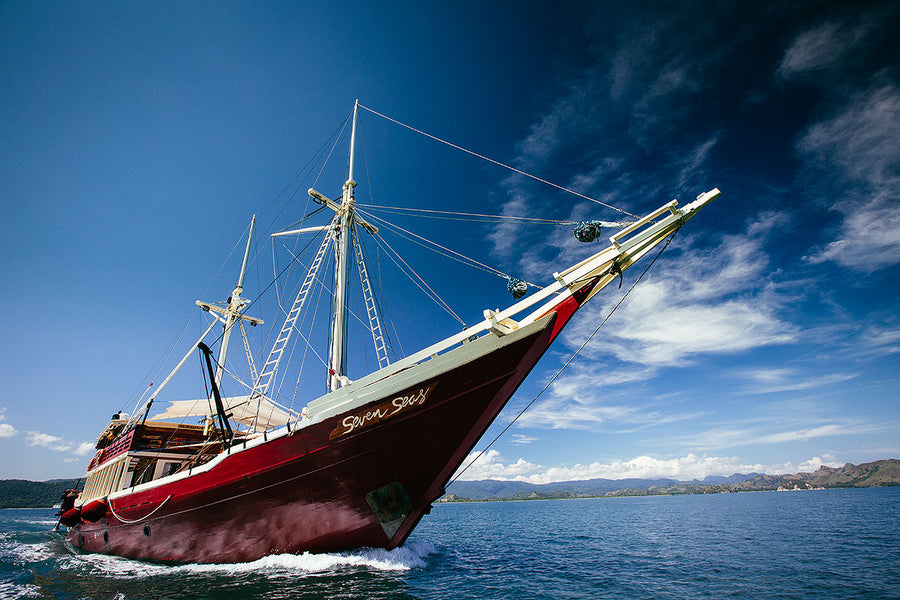
The Seven Seas
Bandasee & Triton Bay — Tual nach Kaimana
- Indicative duration
- 14 nights
- Einschiffung
- Tual
- Ausschiffung
- Kaimana
The Seven Seas
Raja Ampat & Triton Bay — Sorong nach Kaimana
- Indicative duration
- 14 nights
- Einschiffung
- Sorong
- Ausschiffung
- Kaimana
The Seven Seas
Triton Bay & Bandasee — Kaimana nach Ambon
- Indicative duration
- 14 nights
- Einschiffung
- Kaimana
- Ausschiffung
- Ambon
The Seven Seas
Triton Bay — Kaimana nach Kaimana
- Indicative duration
- 9 nights
- Einschiffung
- Kaimana
- Ausschiffung
- Kaimana
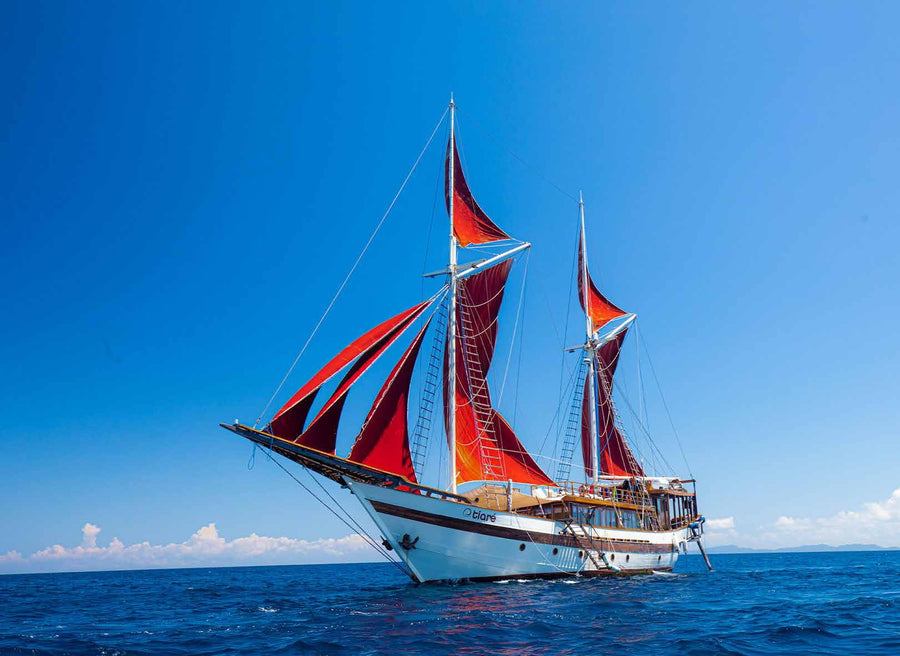
Tiare
Forgotten Island - Triton Bay — Saumlaki nach Kaimana — 12 Nächte
- Indicative duration
- 12 nights
- Einschiffung
- Saumlaki
- Ausschiffung
- Kaimana
Tiare
Raja Ampat Triton Bay — Sorong nach Kaimana — 14 Nächte
- Indicative duration
- 14 nights
- Einschiffung
- Sorong
- Ausschiffung
- Kaimana
Tiare
Triton Bay - Banda Neira — Kaimana nach Ambon — 11 Nächte
- Indicative duration
- 11 nights
- Einschiffung
- Kaimana
- Ausschiffung
- Ambon
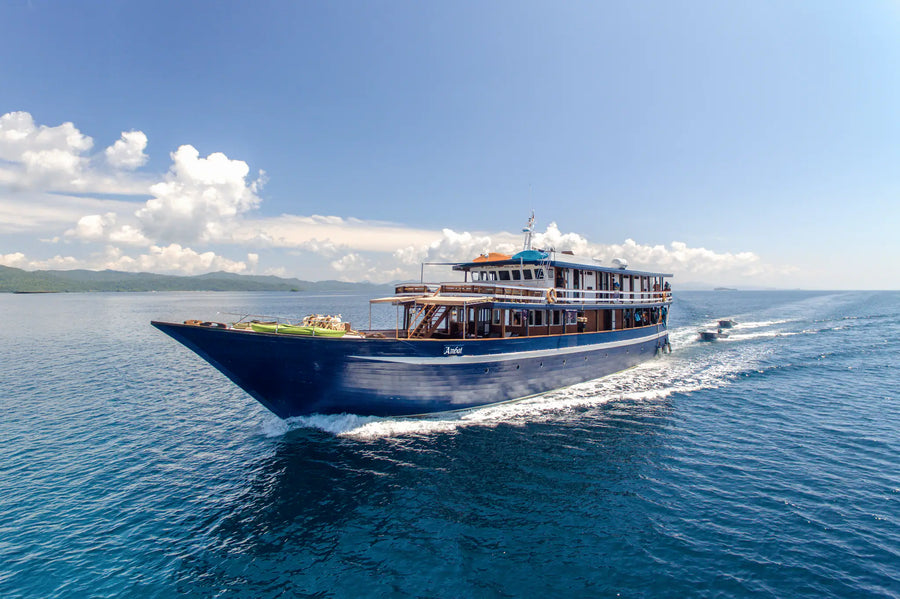
MV Ambai
Raja Ampat & Triton Bay
- Indicative duration
- 11 nights
- Einschiffung
- Sorong or Kaimana
- Ausschiffung
- Kaimana or Sorong
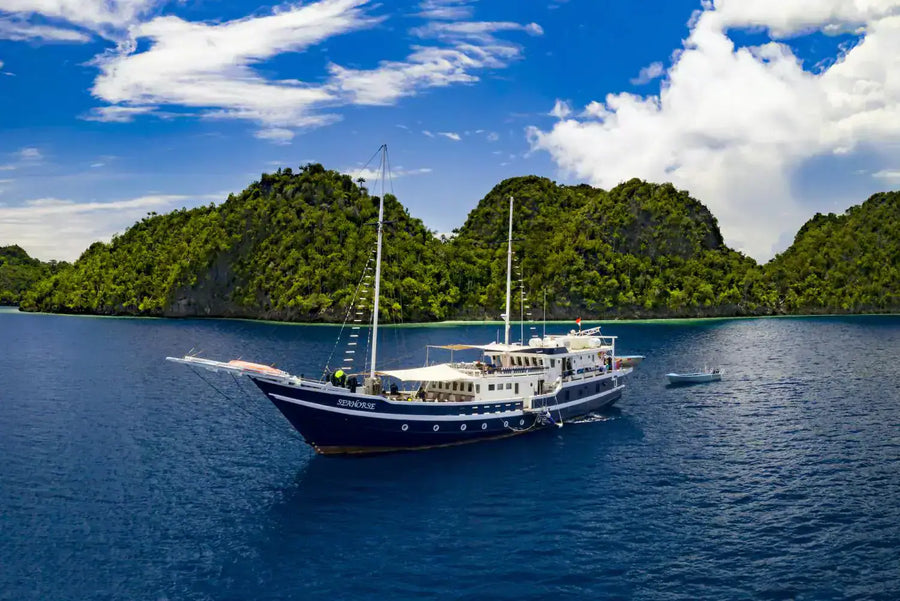
MSY Seahorse
Triton Bay & Raja Ampat
- Indicative duration
- 11 nights
- Einschiffung
- Kaimana or Sorong
- Ausschiffung
- Sorong or Kaimana
No routes match this search. Try another vessel or clear your search.
Wann sollte man in Triton Bay tauchen?
Die geschützten und exponierten Teile der Region reagieren unterschiedlich auf Wind und Wasserbewegungen. Planen Sie die Reise nach der Öffnungszeit des gewählten Resorts oder einer veröffentlichten Liveaboard-Reiseroute. Die Sichtweite kann geringer sein als an Riffzielen mit klarem Wasser; die Belohnung ist jedoch oft eine nahe, farbenprächtige Rifflandschaft.
Planungszeitraum: Planen Sie nach der gewählten Betriebszeit.
Wie die Tauchgänge sind
Geschützte Plätze eignen sich für weniger erfahrene Taucher, doch strömungsexponierte Felsriffe belohnen sicheres Auftriebsverhalten und Drift-Tauchfähigkeiten.
Weichkorallenwälder
Felsriffe und Riffwände sind mit orangefarbenen, rosa, roten und violetten Weichkorallen bedeckt und bilden einige der bekanntesten Weitwinkelmotive von Triton Bay.
Dichte Fischvielfalt
Anthias, Fusiliereien, Sweetlips und andere Fischschwärme bringen Bewegung in die Riffe, insbesondere dort, wo die Strömung Nahrung um Felsen und Inselspitzen konzentriert.
Wobbegongs & ungewöhnliche Tiere
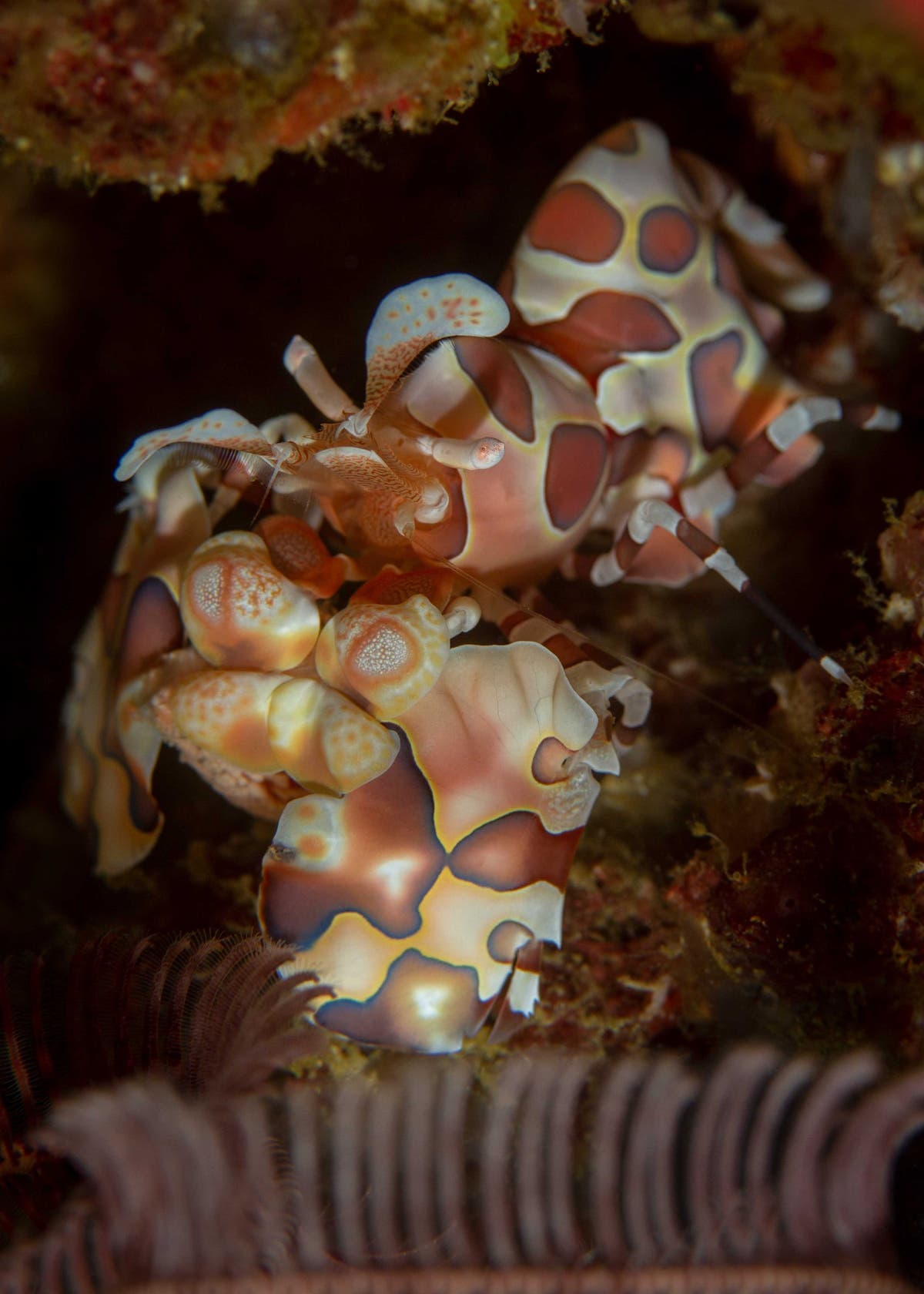
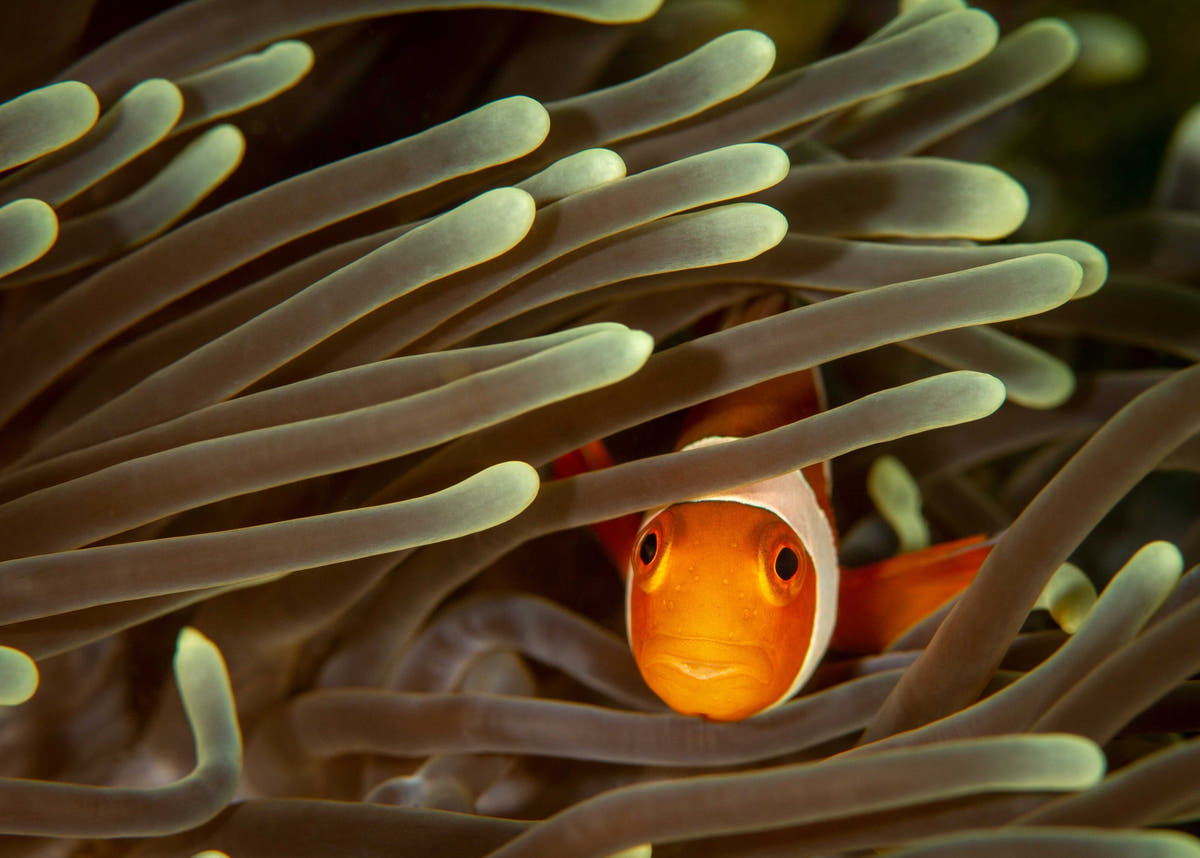
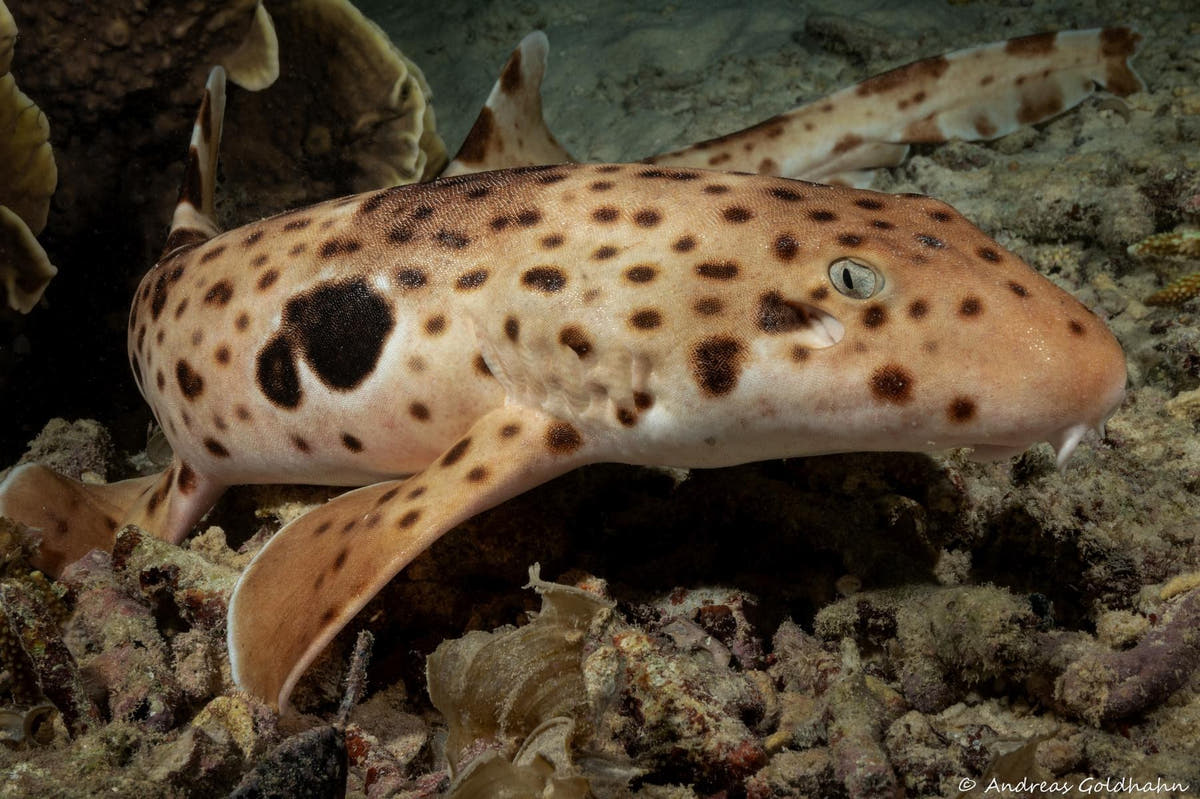
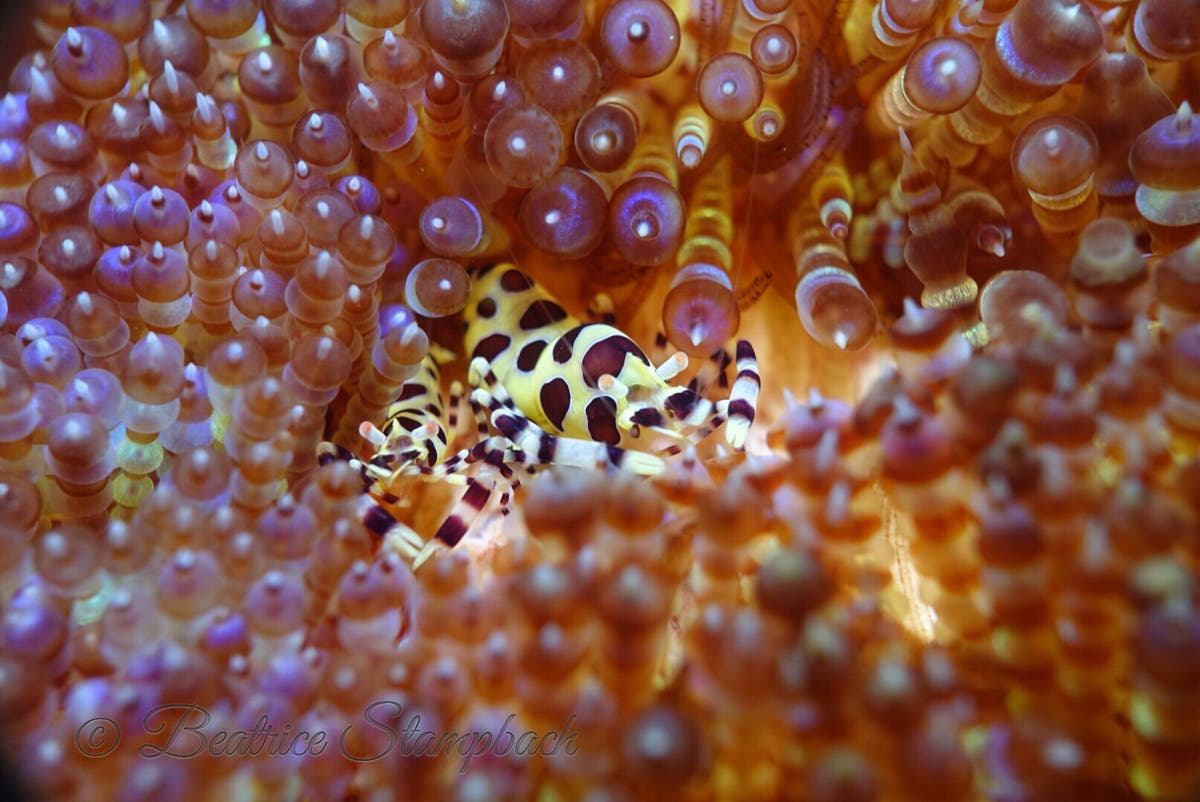
Wobbegongs gehören zu den charakteristischen größeren Tieren der Region, während Makro-Plätze Froschfische, Flasher-Wrasses, Nacktschnecken und kleine Krebstiere bieten können.
Walhai-Potenzial
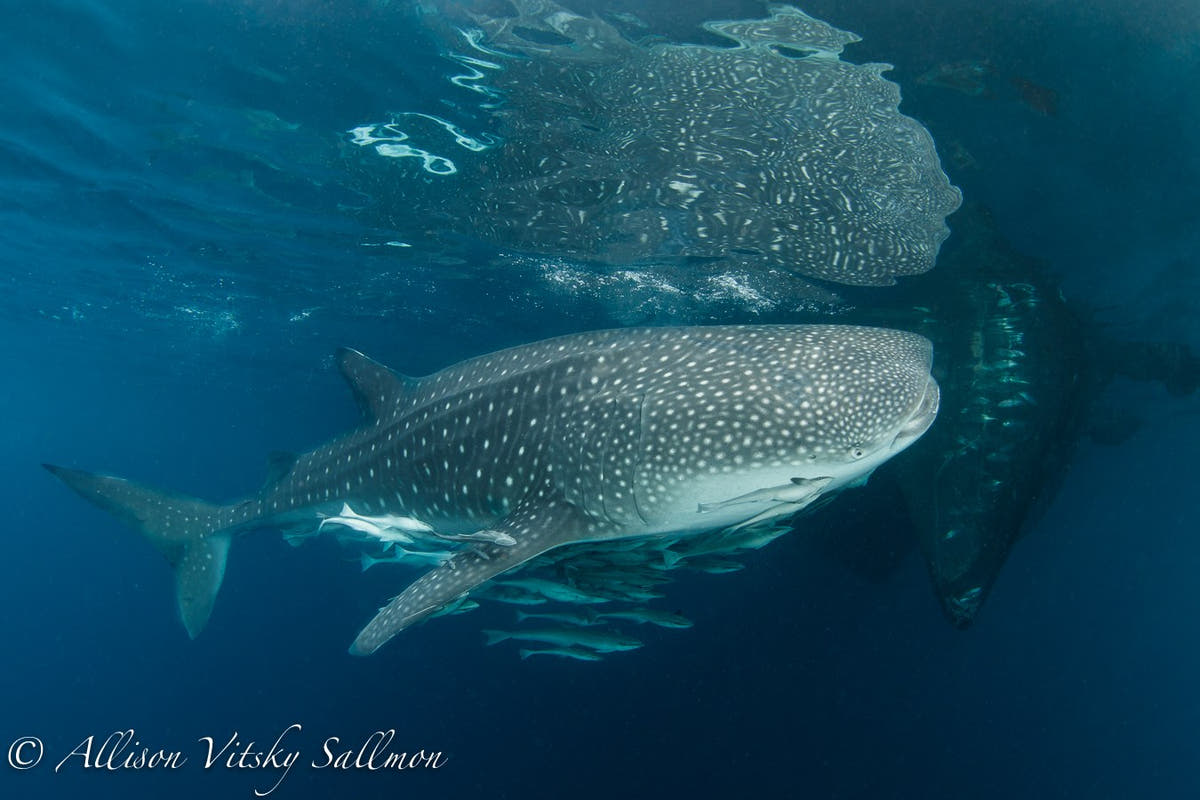
In der weiteren Kaimana-Region können Walhaie gesichtet werden. Sie bleiben wilde Tiere, daher hängen Beobachtungen von den lokalen Bedingungen ab und variieren je nach Umständen und Verhalten der Tiere.
DIVE SITE GUIDE
Dive sites in Triton Bay
Explore the character of individual sites, from the setting and marine life to the diving conditions. Open a card for the full description; site access and the final profile depend on conditions and experience.
ORIENTATION MAP
Where the dive sites are
Use the map to understand how the key sites are spread around the destination. Pins are for trip-planning orientation only; entry points, moorings and the final dive plan are always confirmed by the local operator on the day.
Coordinates are orientation references, not navigation coordinates. 'verified' means a published site coordinate; 'operator' means a clearly labelled island, locality or dive-area anchor used where the exact mooring/drop is not publicly verified. Entry points, currents and the final dive plan are always confirmed by the local operator on the day.
Boulders · Soft coral · Current
Little Komodo
Little Komodo is built around huge boulders on Saruenus Island, with soft coral and clouds of anthias, damsels and fusiliers covering the structure.
Tauchplatz entdecken
- Typ
- Boulders · Soft coral · Current
- Tiefe
- 5–25 m
- Erfahrung
- Intermediate–Advanced
- Strömung
- Moderate–Strong
Little Komodo is built around huge boulders on Saruenus Island, with soft coral and clouds of anthias, damsels and fusiliers covering the structure. Deeper black-coral bushes can hold sweetlips and snapper, while hunting jacks and wobbegong sharks are possible.
The site can become energetic when current runs, so the guide uses the rock for shelter and chooses the direction carefully. Macro subjects such as pygmy seahorses remain available even on a dive that is visually dominated by wide-angle scenery. The coordinate comes from a published scientific survey of the Saruenus northeast face identified as Little Komodo.
Look for: Saruenus boulders · Soft-coral density · Schooling fish · Surveyed area coordinate
Ideal für: Soft coral · Schooling fish · Wobbegong · Wide angle
Wall · Soft-coral bommies
Aquarium
Aquarium is a compact Saruenus site known for soft-coral bommies and dense schooling fish.
Tauchplatz entdecken
- Typ
- Wall · Soft-coral bommies
- Tiefe
- 5–20 m
- Erfahrung
- Intermediate
- Strömung
- Mild–Moderate
Aquarium is a compact Saruenus site known for soft-coral bommies and dense schooling fish. Triton Bay Divers recommends it especially in calm morning water, when the surface can become glassy enough for reflection photography.
A gentle drift can connect the soft-coral wall into the main Aquarium section, but the exact route depends on current. The site is not about depth; the richest colour and fish action are normally in the upper recreational range. The map uses the same surveyed Saruenus northeast-face coordinate because no separate public Aquarium mooring is published.
Look for: Soft-coral bommies · Morning reflections · Schooling fish · Shallow colour
Ideal für: Soft coral · Schooling fish · Reflection photography
Tiered reef · Drift · Current
Pintu Arus
Pintu Arus is the high-energy western-side dive on Saruenus Island.
Tauchplatz entdecken
- Typ
- Tiered reef · Drift · Current
- Tiefe
- 5–25 m
- Erfahrung
- Advanced
- Strömung
- Strong / eddies
Pintu Arus is the high-energy western-side dive on Saruenus Island. Tiered reef structure is carpeted in soft coral while fusiliers and anthias work the current, and giant grouper may patrol the site.
The defining feature is water movement: eddies can make timing critical, so this is not a site to force when the tide window is wrong. Divers should stay close to the reef and the guide rather than trying to outswim the flow. The map uses a Saruenus-area anchor because the precise drop changes with current and is not published as a fixed GPS point.
Look for: Strong current · Tiered soft-coral reef · Giant grouper possible · Advanced drift
Ideal für: Fast drift · Soft coral · Giant grouper · Fusiliers
Boulder reef · Soft-coral garden
Bo’s Rainbow
Bo’s Rainbow is one of Triton Bay’s easiest signature dives: a shallow rocky island wrapped in soft coral and schooling fish.
Tauchplatz entdecken
- Typ
- Boulder reef · Soft-coral garden
- Tiefe
- 5–16 m
- Erfahrung
- Beginner–Intermediate
- Strömung
- Usually mild
Bo’s Rainbow is one of Triton Bay’s easiest signature dives: a shallow rocky island wrapped in soft coral and schooling fish. The bottom reaches only about 16 metres on a gentle sandy slope, and in calm water divers may circle the island.
A shallow swim-through adds topography, while flasher wrasse and smaller subjects keep the site useful for macro photographers. If current increases, the group simply remains on the protected side rather than completing the circuit. No exact public site coordinate is available, so the map uses the Aiduma/Triton operator area and is explicitly marked approximate.
Look for: Max ~16 m · Soft-coral boulders · Flasher wrasse · Protected-side option
Ideal für: Soft coral · Flasher wrasse · Wide angle + macro
Macro slope · Soft coral
White Rock
White Rock is a gentle shallow slope where the emphasis switches from Triton Bay’s big soft-coral scenery to close macro searching.
Tauchplatz entdecken
- Typ
- Macro slope · Soft coral
- Tiefe
- 5–14 m
- Erfahrung
- Beginner–Intermediate
- Strömung
- Mild
White Rock is a gentle shallow slope where the emphasis switches from Triton Bay’s big soft-coral scenery to close macro searching. Soft-coral bushes are particularly productive for candy crabs, while frogfish and occasional wobbegong sharks add larger subjects.
The site bottoms out around 14 metres and can be dived by day or night, giving long bottom time and an easy ascent. Careful buoyancy matters because many targets sit directly on fragile coral growth. The map uses the nearby published Macro Rocks scientific station as the best public area reference, not as a claim of an exact White Rock mooring.
Look for: Macro focus · ~14 m bottom · Night diving · Candy crabs
Ideal für: Candy crabs · Frogfish · Wobbegong · Night diving
Point · Black coral · Pelagic
Andy’s Point
Andy’s Point is a mixed wide-angle and macro site with unusually heavy black-coral growth.
Tauchplatz entdecken
- Typ
- Point · Black coral · Pelagic
- Tiefe
- 8–30 m
- Erfahrung
- Advanced
- Strömung
- Moderate–Strong
Andy’s Point is a mixed wide-angle and macro site with unusually heavy black-coral growth. Yellowfin barracuda, bumphead parrotfish, anchovy schools, devil rays and wobbegong sharks are all reported possibilities, while pygmy seahorses reward a slower search on the reef.
Visibility is often lower than at more oceanic sites, but fish density and coral structure compensate. Current can become strong, which is why the guide’s route and group discipline matter more than covering distance. With no public mooring GPS, the map uses the Aiduma-area anchor.
Look for: Black-coral density · Pelagic surprises · Pygmy seahorses · Strong current possible
Ideal für: Black coral · Barracuda · Devil rays · Pygmy seahorses
Boulders · Hard-coral garden
Batu Jatuh
Batu Jatuh means 'fallen rocks', and the site is defined by massive boulders that have become the framework for broad hard-coral gardens.
Tauchplatz entdecken
- Typ
- Boulders · Hard-coral garden
- Tiefe
- 5–25 m
- Erfahrung
- Intermediate
- Strömung
- Mild–Moderate
Batu Jatuh means 'fallen rocks', and the site is defined by massive boulders that have become the framework for broad hard-coral gardens. A resident-looking school of batfish and hunting jacks bring movement around the rock, while midnight snapper, bumphead parrotfish and Napoleon wrasse are also reported.
Mobula, eagle rays and occasional mantas are bonus encounters rather than the reason to plan the dive. The site rewards wide-angle photography and regular checks into the blue. The map uses an Aiduma-area operator anchor because no reliable site-level public coordinate is available.
Look for: Fallen boulders · Hard-coral gardens · Batfish & jacks · Rays possible
Ideal für: Hard coral · Batfish · Jacks · Mobula/eagle rays possible
Bommie · Black coral · Soft coral
Christmas Rock
Christmas Rock is a small island near the south of Aiduma whose underwater footprint is far more interesting than its size suggests.
Tauchplatz entdecken
- Typ
- Bommie · Black coral · Soft coral
- Tiefe
- 5–25 m
- Erfahrung
- Intermediate
- Strömung
- Mild–Moderate
Christmas Rock is a small island near the south of Aiduma whose underwater footprint is far more interesting than its size suggests. Black-coral bushes and soft-coral bommies hold snapper and surgeonfish, making the site especially strong for wide-angle work.
There is still enough small life to reward a macro search, but the primary attraction is colour and fish around the rock. Depth need not be extreme; the upper reef carries much of the visual impact. The coordinate is an Aiduma-area reference because the exact small-island mooring is not consistently published.
Look for: Black-coral bushes · Soft-coral bommies · Snapper schools · South Aiduma area
Ideal für: Black coral · Snapper · Surgeonfish · Wide angle
Unterwasserfotografie
Triton Bay eignet sich besonders für Weitwinkelaufnahmen, wenn Weichkorallen, schwarze Korallen, Fischschwärme und Taucher in einem Bild gestaffelt werden können. Da sich viele Farben relativ flach befinden, können Fotografen bei ausreichender Strömung langsam arbeiten. Mäßige Sichtweite kann die Atmosphäre sogar intensivieren, erfordert jedoch eine enge Positionierung und eine sorgfältige Steuerung der Blitzgeräte. Nutzen Sie bei Riffmotiven die Form des Riffs und das vorhandene Licht, um dem Bild Tiefe zu verleihen. Ein Taucher in respektvollem Abstand kann Maßstab bieten, ohne ein Tier einzuschränken.
Auch ohne Tauchen: Triton Bay oberhalb der Wasseroberfläche
Die weitere Kaimana-Küste bietet ruhige Bootsfahrten, Insellandschaften und geeignete Schnorchelbereiche. Es ist ein Ort für Begleiter, die Natur und Abgeschiedenheit genießen, wobei die gewählte Basis bestimmt, was an einem Tag ohne Tauchen möglich ist.
Ausflüge zu Walhaien in der weiteren Region unterscheiden sich vom gewöhnlichen Riffprogramm und können Bereiche mit Angelplattformen beinhalten. Prüfen Sie, wie die Exkursion durchgeführt wird, halten Sie Abstand zu den Tieren und wählen Sie Triton Bay wegen seiner Riffe und Landschaften ebenso wie wegen möglicher Tierbeobachtungen.
Anreise nach Triton Bay
Kaimana ist das wichtigste Tor nach Triton Bay. Internationale Reisende reisen normalerweise über einen größeren indonesischen Drehkreuzflughafen nach Kaimana weiter, wonach der letzte Bootstransfer vom gewählten Resort oder der Liveaboard-Reiseroute abhängt.
Bei unserem derzeitigen landbasierten Partner finden die geplanten Resort-Transfers nicht täglich statt. Flüge sollten daher nach bestätigten Transfertagen geplant werden und nicht zuerst gebucht und später angepasst werden. Liveaboard-Routen können in Kaimana beginnen oder enden oder Triton Bay mit anderen indonesischen Regionen verbinden, weshalb Puffer-Nächte und eine Flugplanung ohne Flugverbindungen besonders wichtig sind.
Fragen zum Tauchen in Triton Bay
Was macht Triton Bay zu einem lohnenden Tauchziel?
Triton Bay ist reich an Farben und Texturen: Weichkorallen auf Felsbrocken, dunkle Korallenäste und Fische, die durch enge Wasserpassagen schwimmen. Bewaldete Küsten und Kalksteininseln bilden eine ebenso faszinierende Landschaft oberhalb der Wasseroberfläche.
Wie sollte ich meinen Aufenthalt planen?
Ein Aufenthalt in einem Resort bietet wiederholten Zugang zu den Riffen der Bucht und eine feste Basis auf der Insel. Ein Liveaboard kann Triton Bay mit anderen Regionen Ost-Indonesiens verbinden, doch die Reiseroute bestimmt, wie viel Zeit Sie tatsächlich hier verbringen. Sechs bis acht Nächte eignen sich für einen fokussierten Besuch, wobei die Transfers an die Betriebstage angepasst werden.
Wann ist eine gute Reisezeit?
Die geschützten und exponierten Teile der Region reagieren unterschiedlich auf Wind und Wasserbewegungen. Planen Sie die Reise nach der Öffnungszeit des gewählten Resorts oder einer veröffentlichten Liveaboard-Reiseroute. Die Sichtweite kann geringer sein als an Riffzielen mit klarem Wasser; die Belohnung ist jedoch oft eine nahe, farbenprächtige Rifflandschaft.
Gibt es auch für Begleiter ohne Tauchinteresse genug zu erleben?
Die weitere Kaimana-Küste bietet ruhige Bootsfahrten, Insellandschaften und geeignete Schnorchelbereiche. Es ist ein Ort für Begleiter, die Natur und Abgeschiedenheit genießen, wobei die gewählte Basis bestimmt, was an einem Tag ohne Tauchen möglich ist.
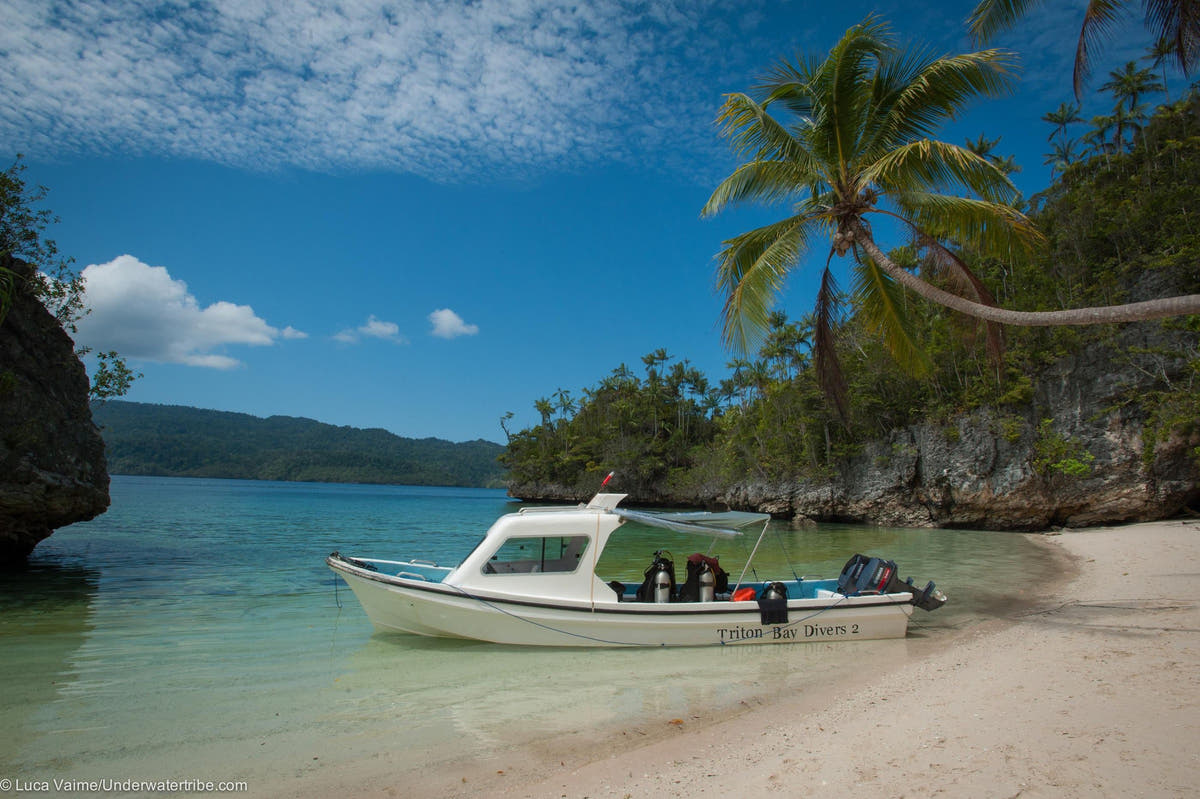
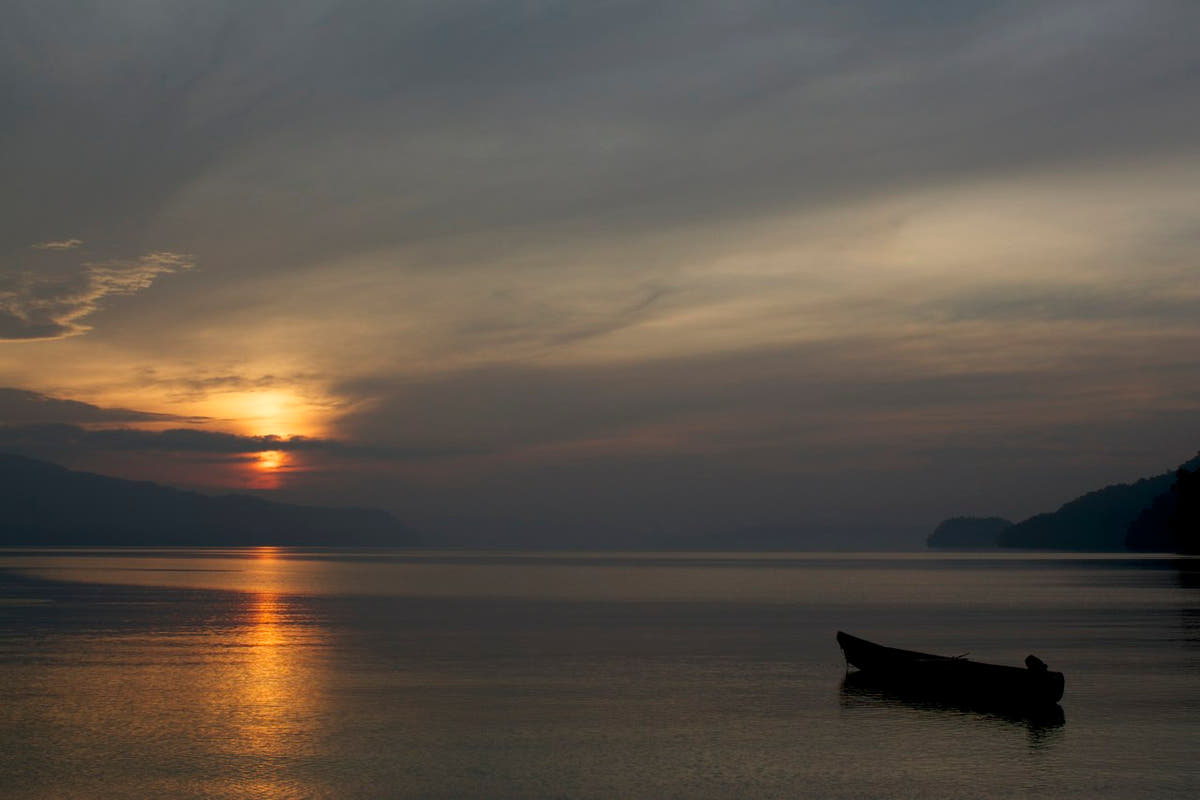
A closer look at Triton Bay
Planen Sie Ihre Reise nach Triton Bay
Teilen Sie uns mit, welche Erlebnisse Sie am meisten wünschen, welche Daten Sie bevorzugen und wie Sie reisen möchten. Wir können das Ziel, die Unterkunft und die Tauchgänge in einer stimmigen Reiseroute zusammenführen.
Meine Reise planen