

Destination guide · Indonesia
Lembeh Strait Buceo
Lembeh asks you to look twice. What first appears to be an empty patch of volcanic sand can reveal a camouflaged octopus, a minute shrimp or a frogfish holding perfectly still. The reward comes from attention, patience and time.
Destination media courtesy of Eco Divers Lembeh / White Sands Beach Resort Lembeh
Lembeh Strait de un vistazo
Lembeh Strait es el destino especializado más conocido del mundo para bucear y criaturas raras. La arena volcánica negra, las laderas de escombros y los microhábitats inusuales soportan peces rana, pulpos, sepias, caballitos de mar, nudibranquios y muchos otros temas apreciados por los fotógrafos submarinos.
El paisaje visual no es convencional, y ese es precisamente el punto: Lembeh recompensa la paciencia, la curiosidad y la excelente observación. Los guías experimentados, los perfiles de buceo lento y las sólidas instalaciones de la cámara lo hacen ideal para viajes macro dedicados, mientras que las excursiones cercanas a la naturaleza de Sulawesi Septentrional agregan profundidad para estadías más largas.
Planificar su estancia en Lembeh Strait
Elija un macro resort especializado por su enfoque de guía, tamaños de grupo y prácticas instalaciones de cámara. Un arrecife de la casa o fácil acceso nocturno-buceo es valioso si te gusta volver a un tema. Sugerimos seis o siete noches para una primera visita enfocada, con Bunaken o Bangka agregando una experiencia de arrecife diferente.

Bastianos Froggies Lembeh Dive Resort
Resort con pensión completa en la tranquila isla de Lembeh, con piscina, sala dedicada a las cámaras, guías expertos en localizar pequeñas criaturas marinas y acceso directo a buceo macro y muck de primer nivel mundial.

Dive Into Lembeh
Resort especializado en buceo en Lembeh, con cuatro categorías de habitaciones, hasta tres inmersiones guiadas al día, grupos de buceo pequeños y una amplia sala dedicada a las cámaras.

Eco Divers Lembeh / White Sands Beach Resort
Resort frente a la playa en un terreno llano de Lembeh, con doce cabañas frente al océano, paquetes de buceo con pensión completa, proporción máxima de buceadores/guía de 3:1 y sala dedicada a las cámaras.

Black Sand Dive Retreat
Acogedor refugio de siete bungalows en Lembeh, con lanchas rápidas pequeñas, opciones de guía privado, un arrecife del resort rico en vida marina e instalaciones dedicadas a las cámaras submarinas.

Solitude Lembeh Resort
Resort de buceo en el estrecho de Lembeh orientado a fotógrafos, con villas en los jardines, villas junto al mar, habitaciones Deluxe y una sala dedicada a las cámaras.

Lembeh Resort
Resort boutique de lujo en Lembeh, con Photo Center y sala de cámaras dedicados, alojamiento en pensión completa, inmersiones guiadas para observar pequeñas criaturas marinas, opciones de blackwater y el beneficio de buceo...

Thalassa Dive Resort Lembeh
Resort de buceo insular con vistas al mar en el estrecho de Lembeh, con centro de buceo en el establecimiento, sala de cámaras, piscina y rápido acceso a puntos macro y muck de primer nivel mundial.

Two Fish Divers Lembeh
Resort de buceo junto a la playa en Lembeh Island, especializado en buceo muck y macro, con grupos guiados pequeños, alojamiento en pensión completa y rápido acceso a los puntos de pequeñas criaturas marinas del estrecho.
Liveaboard routes for this destination
Explore the routes that visit this region. Compare ships and itineraries, then open a route to see its sailing dates, cabins and the areas it covers.
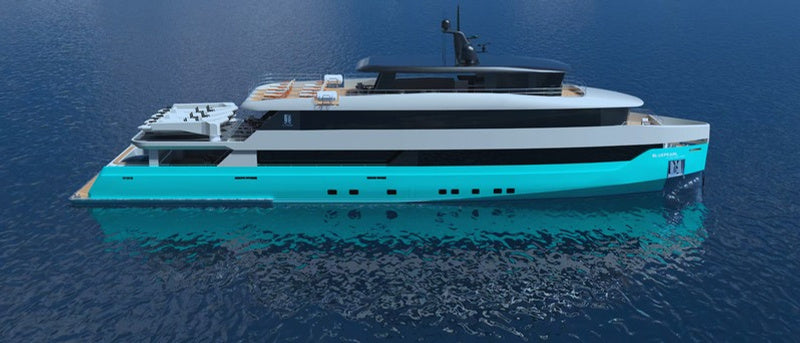
M/Y Blue Pearl
Raja Ampat & Lembeh — 9 noches
- Indicative duration
- 9 nights
- Embarque
- Sorong / Lembeh
- Desembarque
- Lembeh / Sorong
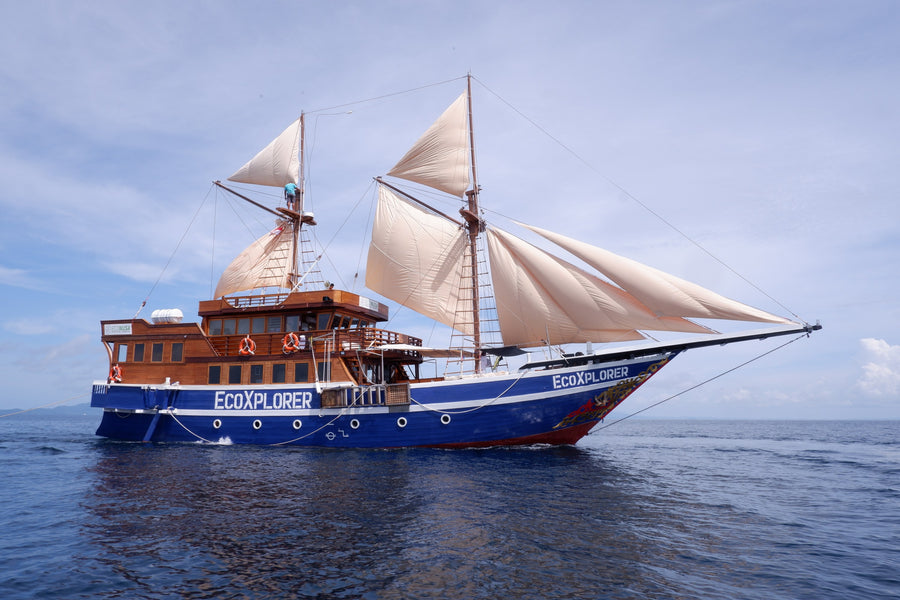
EcoXplorer
Halmahera expedición: Ternate – Tulehu — 8 noches
- Indicative duration
- 8 nights
- Embarque
- Ternate
- Desembarque
- Tulehu
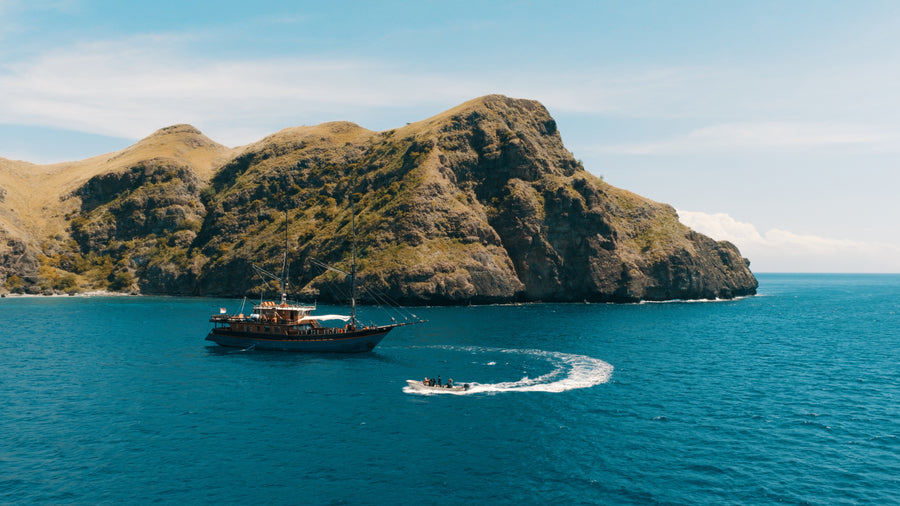
Iliké
Norte Sulawesi & Halmahera — Bitung a Babang — 8 noches
- Indicative duration
- 8 nights
- Embarque
- Bitung
- Desembarque
- Babang
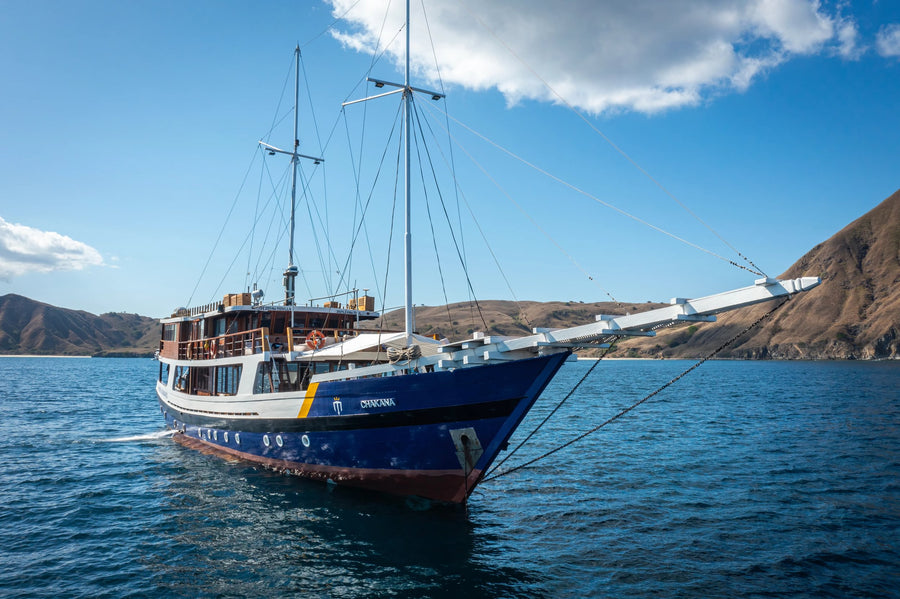
Indo Master
Lembeh & Halmahera — 10 noches
- Indicative duration
- 10 nights
- Embarque
- Bitung, North Sulawesi
- Desembarque
- Bitung, North Sulawesi
Indo Master
Lembeh & Sangihe Archipelago — 10 noches
- Indicative duration
- 10 nights
- Embarque
- Lembeh / Bitung
- Desembarque
- Lembeh / Bitung
Indo Master
Misool, Halmahera & Lembeh — 12 noches
- Indicative duration
- 12 nights
- Embarque
- Sorong
- Desembarque
- Lembeh / Bitung
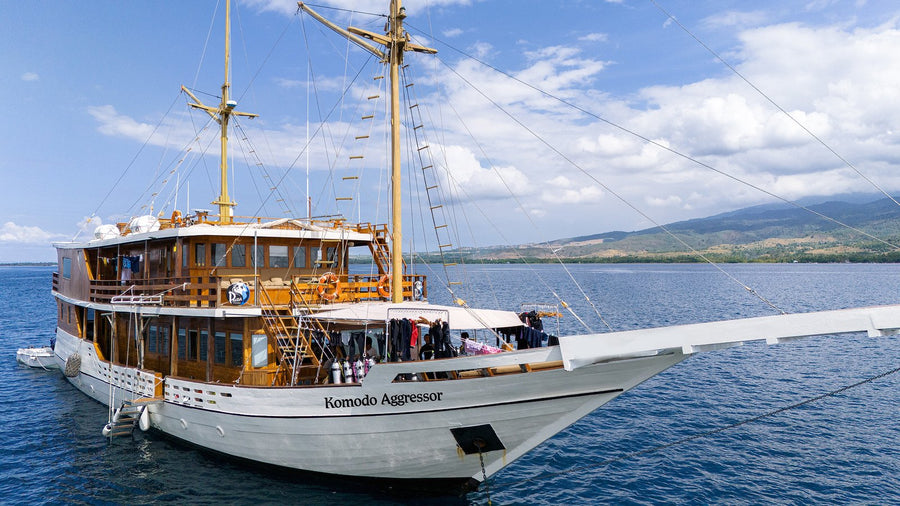
Komodo Aggressor
Sulawesi Norte a Sur (11 nights)
- Indicative duration
- 11 nights
- Embarque
- Lembeh
- Desembarque
- Kendari
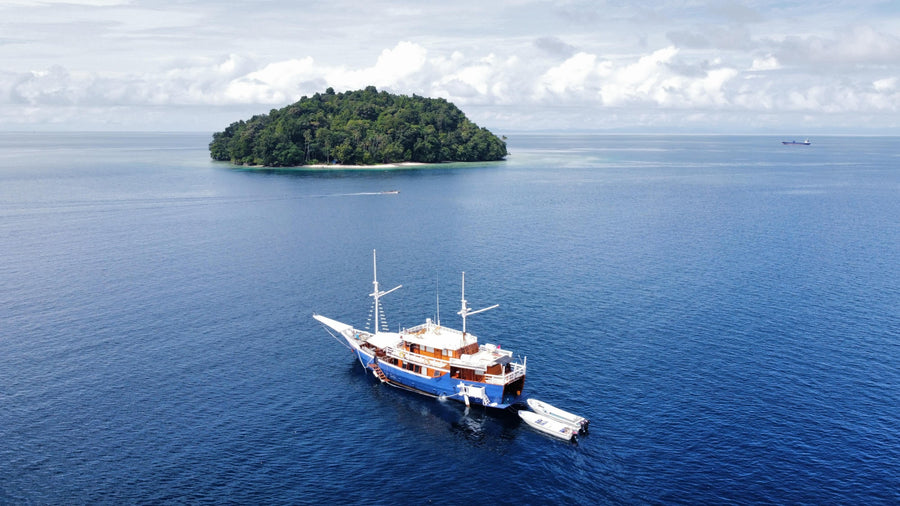
Kurabesi Nusantara
Halmahera: Ternate – Tulehu — 7 noches
- Indicative duration
- 7 nights
- Embarque
- Ternate
- Desembarque
- Tulehu
Kurabesi Nusantara
Halmahera: Tulehu – Ternate — 8 noches
- Indicative duration
- 8 nights
- Embarque
- Tulehu
- Desembarque
- Ternate
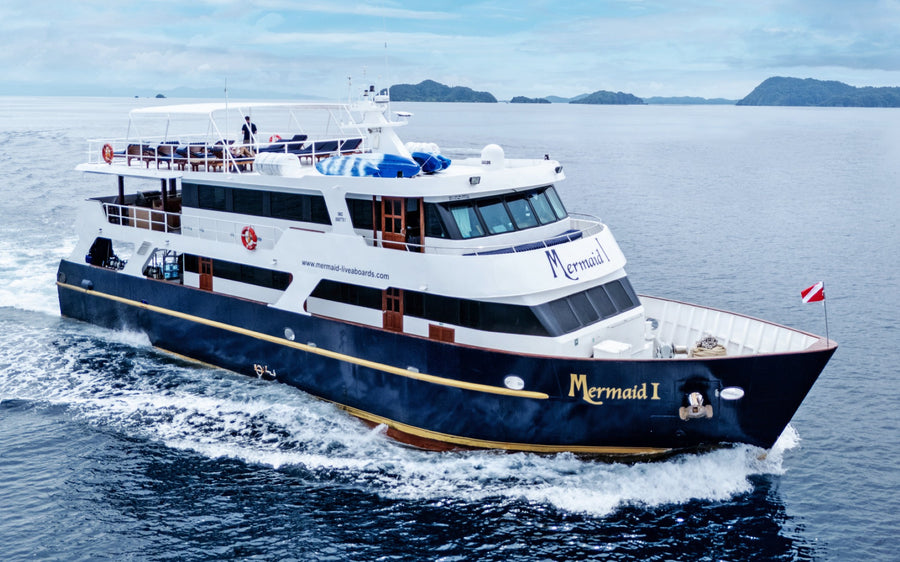
Mermaid I
Lembeh, Togean Islands & tiburones ballena
- Indicative duration
- 11 nights
- Embarque
- Bitung / Lembeh, North Sulawesi
- Desembarque
- Bitung / Lembeh, North Sulawesi
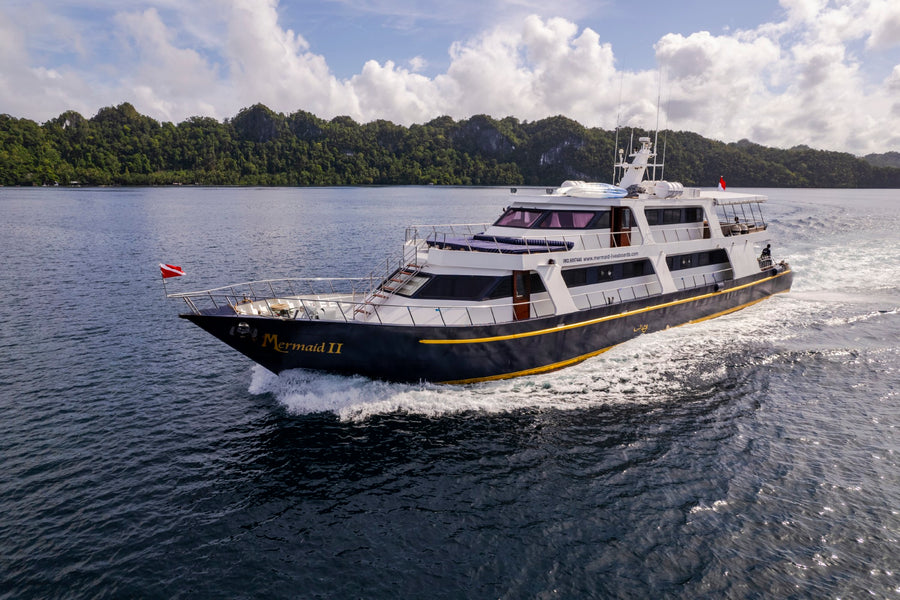
Mermaid II
Lembeh & Togean Islands
- Indicative duration
- 11 nights
- Embarque
- Bitung / Lembeh, North Sulawesi
- Desembarque
- Bitung / Lembeh, North Sulawesi
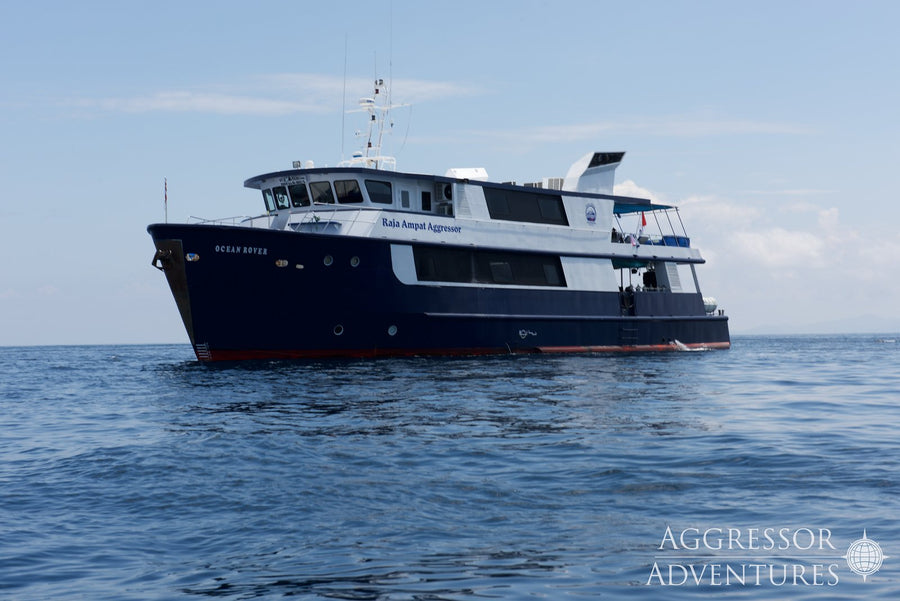
Raja Ampat Aggressor
Derawan/Norte Sulawesi/Lembeh (12 nights)
- Indicative duration
- 12 nights
- Embarque
- Tanjung Batu
- Desembarque
- Bitung
Raja Ampat Aggressor
Lembeh/Norte Sulawesi/Derawan (12 nights)
- Indicative duration
- 12 nights
- Embarque
- Bitung
- Desembarque
- Berau
Raja Ampat Aggressor
Raja Ampat (12 noches)
- Indicative duration
- 12 nights
- Embarque
- Sorong
- Desembarque
- Bitung
Raja Ampat Aggressor
Raja Ampat (12 noches)
- Indicative duration
- 12 nights
- Embarque
- Bitung
- Desembarque
- Sorong
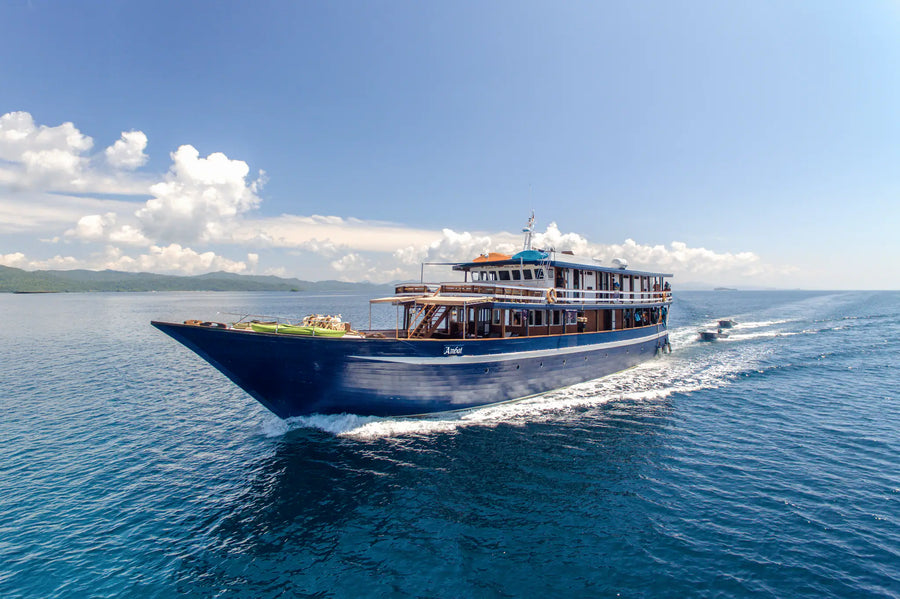
MV Ambai
Norte Sulawesi & Togean Islands
- Indicative duration
- 11 nights
- Embarque
- Bitung / Manado
- Desembarque
- Central Sulawesi — confirm
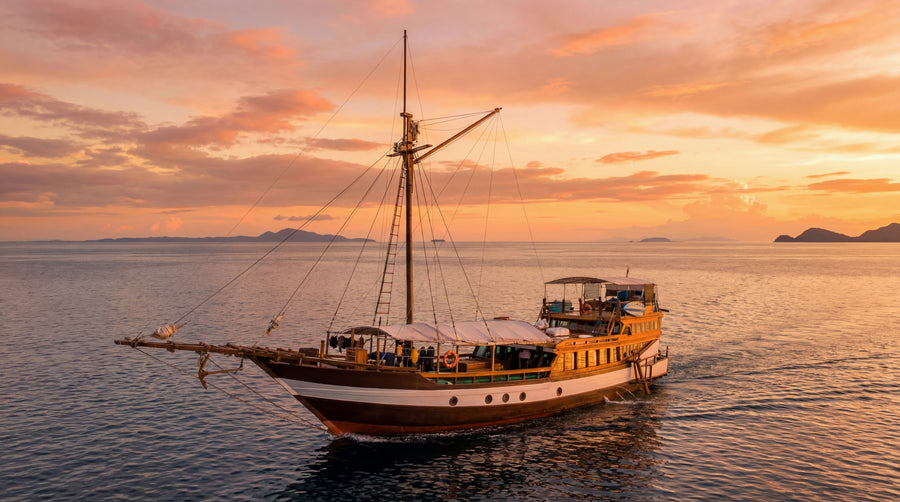
Wellenreng
Halmahera & Lembeh — Ternate a Bitung — 10 noches
- Indicative duration
- 10 nights
- Embarque
- Ternate
- Desembarque
- Bitung
Wellenreng
Norte Sulawesi & Togian — Bitung a Luwuk — 10 noches
- Indicative duration
- 10 nights
- Embarque
- Bitung
- Desembarque
- Luwuk
No routes match this search. Try another vessel or clear your search.
Cuándo bucear Lembeh Strait
El buceo macro opera durante todo el año. Los pequeños hábitats del estrecho cambian con el tiempo, por lo que una lista reciente de especies no es una promesa para su viaje. El agua más fría y las inmersiones largas y lentas también pueden hacer que el confort térmico sea más importante de lo que sugiere el entorno tropical.
Ventana de planificación: buceo macro durante todo el año.
Cómo es el buceo
Elija las islas y los sitios para adaptarse a la experiencia del grupo.
Muck Diving Capital del Mundo
Lembeh es famosa por la arena volcánica negra, los escombros, los micro-hábitats ocultos y el buceo lento centrado en las criaturas.
Pez rana, pulpo mímico y pez perdiz flamante
Lembeh es conocida por criaturas extraordinarias como el pez rana, pulpo mímico, sepia extravagante y otra vida marina extraña.
Potencial de pulpo con anillos azules
El pulpo de anillos azules y otros sujetos raros pueden ser posibles, dependiendo del sitio, la temporada, las condiciones y el guía local experto.
Opciones de inmersiones nocturnas y blackwater
Las inmersiones nocturnas y las opciones de tipo blackwater pueden agregar una capa especializada más profunda para fotógrafos macro experimentados y buzos curiosos.
Guías profesionales de detección de critters
Los buenos guías locales son fundamentales para la experiencia de Lembeh porque muchos temas son pequeños, camuflados y fáciles de perder.
Fotografía macro de clase mundial
Macro, super-macro, snoot, foco y baterías de repuesto son muy recomendables para fotógrafos submarinos serios.
Buceo especializado a un ritmo tranquilo
Lembeh no se trata de nadar rápido. Se trata de reducir la velocidad, buscar cuidadosamente y dar tiempo a cada tema.
Sulawesi Septentrional Extensiones
Lembeh combina bien con Bunaken, Bangka, Manado, la Reserva Natural de Tangkoko y las Tierras Altas de Minahasa.
DIVE SITE GUIDE
Dive sites in Lembeh Strait
Explore the character of individual sites, from the setting and marine life to the diving conditions. Open a card for the full description; site access and the final profile depend on conditions and experience.
ORIENTATION MAP
Where the dive sites are
Use the map to understand how the key sites are spread around the destination. Pins are for trip-planning orientation only; entry points, moorings and the final dive plan are always confirmed by the local operator on the day.
Coordinates are planning references compiled from current dive-site sources. They are not navigation coordinates; entry points, moorings, tide windows and the final dive plan are always confirmed by the local operator on the day.
Muck · Black sand · Macro
Hairball
Hairball is the dive that best explains why divers travel across the world to stare at what initially looks like an empty slope of black sand.
Explorar este punto de buceo
- Tipo
- Muck · Black sand · Macro
- Profundidad
- 5–28 m
- Experiencia
- Beginner–Intermediate
- Corriente
- Usually mild
Hairball is the dive that best explains why divers travel across the world to stare at what initially looks like an empty slope of black sand. The route is deliberately slow: guides inspect algae clumps, isolated rocks, rubble and half-buried debris for animals that disappear into the bottom.
Hairy and other frogfish, seahorses, snake eels, octopus, nudibranchs and small crustaceans are the attraction, while the open substrate gives photographers clean backgrounds and time to work a subject. There is little topography to follow, so the quality of the dive comes from the guide’s eyes and the diver’s buoyancy. It is also a strong night-dive option, when the same slope can produce a completely different cast of animals.
Look for: Iconic black-sand muck · Frogfish · Cephalopods · Excellent night dive
Ideal para: Frogfish · Seahorses · Octopus · Macro photography
Muck · Mini wall · Macro
Nudi Falls
Nudi Falls mixes two Lembeh personalities in one dive.
Explorar este punto de buceo
- Tipo
- Muck · Mini wall · Macro
- Profundidad
- 5–25 m
- Experiencia
- Intermediate
- Corriente
- Mild
Nudi Falls mixes two Lembeh personalities in one dive. A short mini-wall and sea fans provide structure for pygmy seahorses, nudibranchs and reef-associated critters, while the rubble and sand below return the dive to classic muck hunting.
The contrast makes the site especially useful for photographers who want more than an open sand slope: one part of the dive can be spent searching gorgonians and sponge-covered wall, the next looking for frogfish, mantis shrimp, gurnards and unusual nudibranchs near the bottom. The bay is generally protected and current is usually manageable, but depth can creep up when photographers follow the wall downward, so a clear depth plan helps keep the dive relaxed.
Look for: Mini wall · Pygmy seahorses · Nudibranch diversity · Mixed habitat
Ideal para: Pygmy seahorses · Nudibranchs · Frogfish · Macro photography
Reef bowl · Sand slope · Macro
Nudi Retreat
Nudi Retreat is one of the Lembeh sites where the scenery matters almost as much as the critters.
Explorar este punto de buceo
- Tipo
- Reef bowl · Sand slope · Macro
- Profundidad
- 2–28 m
- Experiencia
- Intermediate
- Corriente
- Mild
Nudi Retreat is one of the Lembeh sites where the scenery matters almost as much as the critters. A shallow coral bowl leads into a sand slope framed by small walls, soft coral and encrusted boulders, so the dive feels more three-dimensional than the strait’s pure muck sites.
Nudibranchs are the namesake attraction, but the real strength is variety: photographers can search coral heads and fans for small reef life, then move onto the sand for classic Lembeh subjects. Because useful habitat extends from the very shallows toward the high twenties, the site works well as a multilevel dive with a long, productive safety-stop zone rather than a simple deep out-and-back profile.
Look for: Shallow coral bowl · Soft-coral mini walls · Nudibranchs · Multilevel profile
Ideal para: Nudibranchs · Soft coral · Macro + reef photography
Muck · Sand & rubble · Twilight
Teluk Kambahu (TK)
Teluk Kambahu — usually shortened to TK — is a village-bay muck site where dark sand and rubble hold an unusually broad critter list.
Explorar este punto de buceo
- Tipo
- Muck · Sand & rubble · Twilight
- Profundidad
- 5–25 m
- Experiencia
- Beginner–Intermediate
- Corriente
- Mild
Teluk Kambahu — usually shortened to TK — is a village-bay muck site where dark sand and rubble hold an unusually broad critter list. Mandarinfish and Banggai cardinalfish add color to a dive that can otherwise be dominated by earth-toned camouflage, while leaf scorpionfish, frogfish, pipefish and nudibranchs reward a methodical search.
The site is especially interesting late in the day, when mandarinfish behavior can become the focus and divers slow down around the habitat rather than covering distance. Depth is moderate and current is usually mild, but the fine bottom makes buoyancy and careful finning essential if several photographers are trying to work the same small area.
Look for: Mandarinfish · Banggai cardinalfish · Frogfish · Good dusk dive
Ideal para: Mandarinfish · Cardinalfish · Frogfish · Dusk diving
Muck · Rubble · Macro
Critter Hunt
Critter Hunt is exactly what the name suggests: a slow search over mixed sand, rubble and scattered habitat where the guide’s ability to recognize tiny shapes matters more than dramatic scenery.
Explorar este punto de buceo
- Tipo
- Muck · Rubble · Macro
- Profundidad
- 5–25 m
- Experiencia
- Beginner–Intermediate
- Corriente
- Mild
Critter Hunt is exactly what the name suggests: a slow search over mixed sand, rubble and scattered habitat where the guide’s ability to recognize tiny shapes matters more than dramatic scenery. The value of the site is that there is no single headline animal.
Frogfish, pipefish, nudibranchs, shrimp, crabs, small cephalopods and juvenile fish can all become the subject of the dive, and the list changes with season and recent sightings. For photographers, that unpredictability is part of the appeal — a dive can spend twenty minutes on one unusual animal and then turn into a succession of smaller discoveries in the shallows. It is best approached with patience, neutral buoyancy and no expectation of a fixed route.
Look for: Classic critter hunting · Mixed rubble habitat · Macro photography · Variable sightings
Ideal para: Rare critters · Slow macro dives · Underwater photography
Pinnacle · Swim-through · Reef
Angel’s Window
Angel’s Window is the dive to choose when a week of sand slopes needs a dramatic change of scenery.
Explorar este punto de buceo
- Tipo
- Pinnacle · Swim-through · Reef
- Profundidad
- 10–30 m
- Experiencia
- Advanced
- Corriente
- Mild–Moderate
Angel’s Window is the dive to choose when a week of sand slopes needs a dramatic change of scenery. The site centers on a submerged pinnacle with a well-known swim-through in the low-to-mid twenties, its walls decorated with crinoids, soft coral and reef life.
Small subjects are still present — this is Lembeh, after all — but the structure invites a wider lens and a more spatial dive than the muck sites. The deeper section, overhead feature and occasional water movement make it better suited to experienced divers who are comfortable controlling depth and position around rock. Divers who prefer not to enter the swim-through can still enjoy the exterior of the pinnacle without treating the overhead section as mandatory.
Look for: Pinnacle · Swim-through · Crinoid-covered structure · Wide-angle contrast
Ideal para: Pinnacle scenery · Crinoids · Wide angle · Advanced profiles
Muck · Pier · Night
Police Pier
Police Pier is at its most distinctive after dark.
Explorar este punto de buceo
- Tipo
- Muck · Pier · Night
- Profundidad
- 3–15 m
- Experiencia
- Intermediate
- Corriente
- Mild
Police Pier is at its most distinctive after dark. Under and around the pier area, grey silt, rubble, sponge patches and shallow rock create habitat for stargazers, snake eels, frogfish, cuttlefish, octopus and a long list of nocturnal invertebrates.
Banggai cardinalfish can gather in the shallower rocky sections, adding a very different photographic subject to the animals emerging from the bottom. The depth is not demanding, but the dive still rewards intermediate-level control because darkness, fine sediment and structure can make poor buoyancy immediately obvious. The published map position should be treated only as an area reference; local operators know the practical entry and mooring for the day.
Look for: Night-dive favorite · Stargazers · Cephalopods · Banggai cardinalfish
Ideal para: Night diving · Cephalopods · Stargazers · Banggai cardinalfish
Wreck · Reef growth · Macro
Mawali Wreck
Mawali Wreck is a rare break from Lembeh’s sand-and-critters identity: a roughly 60-metre wartime cargo ship lying on its side and now heavily reclaimed by marine life.
Explorar este punto de buceo
- Tipo
- Wreck · Reef growth · Macro
- Profundidad
- 15–30 m
- Experiencia
- Advanced
- Corriente
- Usually mild
Mawali Wreck is a rare break from Lembeh’s sand-and-critters identity: a roughly 60-metre wartime cargo ship lying on its side and now heavily reclaimed by marine life. The wreck begins around the mid-teens and descends toward 30 metres, so the usual profile is deepest first along the lower hull before moving shallower over crinoids, black coral, soft coral and fish sheltering around the structure.
It is rewarding both as a wreck and as habitat, which means divers do not need penetration to have a complete dive. Any overhead entry should be left to appropriately trained wreck divers following the operator’s procedures; recreational visitors can stay outside and still see the shape and growth of the ship.
Look for: WWII cargo wreck · 15–30 m profile · Crinoids & black coral · No penetration required
Ideal para: Wreck photography · Crinoids · Coral growth · Advanced diving
Fotografía submarina
En Hairball, peces rana, caballitos de mar, pulpo, fotografía macro dan una idea de las posibilidades fotográficas. Elija la configuración de la cámara para los sitios planificados, luego deje tiempo para observar la escena antes de hacer la imagen. Repetir una inmersión productiva a menudo crea mejores oportunidades que buscar constantemente una ubicación diferente. Para las escenas de arrecife, use la forma del arrecife y la luz disponible para dar profundidad a la imagen. Un buceador a una distancia respetuosa puede proporcionar escala sin hacinarse con un animal.
Más allá del buceo: Lembeh Strait sobre la superficie
Sulawesi Septentrional agrega un rico capítulo de tierra a un viaje de Lembeh. Tangkoko ofrece observación guiada de la vida silvestre del bosque, mientras que las tierras altas de Minahasa traen paisajes volcánicos, lagos, mercados y un clima diferente a la costa.
Estas salidas funcionan mejor como una extensión o un día seco dedicado porque implican transferencias continentales. Dentro del estrecho, el complejo se convierte en el centro de la vida entre inmersiones: jardines, restaurantes, instalaciones de spa y un lugar cómodo para revisar fotografías puede importar tanto como el acceso a la playa.
Cómo llegar a Lembeh Strait
La mayoría de los huéspedes internacionales llegan a Lembeh volando a través de Singapur, Yakarta o Bali a Manado. Desde Manado, los huéspedes continúan por carretera y / o barco a Lembeh Strait dependiendo del complejo seleccionado y el itinerario final.
Elija los horarios de llegada y salida alrededor del traslado, especialmente cuando se trata de un cruce en barco o un largo viaje por carretera. Deje espacio para un relajado día final en tierra y un intervalo apropiado entre la última inmersión y el vuelo.
Preguntas de buceo Lembeh Strait
¿Qué hace que Lembeh Strait valga la pena un viaje de buceo?
Lembeh te pide que mires dos veces. Lo que primero parece ser un parche vacío de arena volcánica puede revelar un pulpo camuflado, un camarón diminuto o un pez rana que se mantiene perfectamente quieto. La recompensa viene de la atención, la paciencia y el tiempo.
¿Cómo debo planificar mi estancia?
Elija un macro resort especializado por su enfoque de guía, tamaños de grupo y prácticas instalaciones de cámara. Un arrecife de la casa o fácil acceso nocturno-buceo es valioso si te gusta volver a un tema. Sugerimos seis o siete noches para una primera visita enfocada, con Bunaken o Bangka agregando una experiencia de arrecife diferente.
¿Cuándo es un momento útil para visitar?
El buceo macro opera durante todo el año. Los pequeños hábitats del estrecho cambian con el tiempo, por lo que una lista reciente de especies no es una promesa para su viaje. El agua más fría y las inmersiones largas y lentas también pueden hacer que el confort térmico sea más importante de lo que sugiere el entorno tropical.
¿Hay suficiente para los compañeros que no bucean?
Sulawesi Septentrional agrega un rico capítulo de tierra a un viaje de Lembeh. Tangkoko ofrece observación guiada de la vida silvestre del bosque, mientras que las tierras altas de Minahasa traen paisajes volcánicos, lagos, mercados y un clima diferente a la costa.
A closer look at Lembeh Strait


Planifica tu viaje a Lembeh Strait
Cuéntanos las experiencias que más te gusten, tus fechas preferidas y cómo te gusta viajar. Podemos traer el destino, alojamiento y buceo en un itinerario coherente.
Planificar mi viaje