

Destination guide · Malaysia
Plongée à Labuan
Labuan’s appeal is structural and historical: large wrecks, marine growth and the scale of a ship revealed underwater. It suits divers who enjoy a carefully planned profile and the story behind a site as much as colourful reef scenery.
Labuan en un coup d’œil
Labuan est la destination malaisienne de référence pour la plongée sur épaves, avec plusieurs grands navires offrant aussi bien des explorations extérieures récréatives que des profils techniques plus avancés. Son histoire maritime et ses imposantes structures la distinguent des îles du pays axées sur les récifs.
La profondeur, la visibilité et les exigences de pénétration varient selon les épaves, il faut donc évaluer précisément les certifications et l’expérience requises. Labuan peut également servir d’extension courte à un séjour au Sabah ou au Brunei, avec des musées, des mémoriaux et une logistique urbaine simple qui complètent le programme de plongée.
Planifier votre séjour à Labuan
Organisez les plongées avec un programme local reconnu et choisissez les épaves en fonction de la profondeur, de la visibilité et de votre niveau de formation. Trois à cinq jours de plongée peuvent suffire pour un séjour ciblé. L’exploration extérieure, la pénétration et les profils techniques sont des activités différentes qui doivent être planifiées séparément.
Quand plonger à Labuan
De mars à octobre est la période recommandée pour profiter de conditions de mer plus clémentes. La visibilité sur les épaves peut varier considérablement, il convient donc d’envisager un ordre différent des sites et de choisir des profils prudents. La profondeur maximale d’une épave n’est pas nécessairement adaptée à tous les plongeurs.
Période recommandée : de mars à octobre.
À quoi s’attendre en plongée
Les certifications avancées et sur épaves sont recommandées ; la pénétration nécessite une formation adéquate.
Grands navires échoués
La plongée à Labuan s’articule autour de quatre grandes épaves situées au large de l’île : les épaves Cement, Australian, Blue Water et American. Leur taille et leur profondeur rendent cette destination fondamentalement différente d’un séjour classique sur les récifs et récompensent les plongeurs qui apprécient l’histoire, les structures et la vie marine des récifs artificiels.
Profils techniques
Certaines parties des épaves se trouvent suffisamment profondes pour que l’exploration prolongée, la pénétration ou le temps passé au fond nécessitent une formation avancée ou technique. Les opérateurs doivent adapter l’épave et l’itinéraire aux certifications, au plan de gaz et à l’expérience de chaque plongeur, plutôt que de supposer que les quatre sites conviennent au même profil.
Exploration extérieure récréative des épaves
Plusieurs épaves peuvent encore être explorées de l’extérieur dans le cadre de profils récréatifs classiques, où les plongeurs peuvent observer la coque, la superstructure et la vie marine sans pénétrer dans des environnements clos. La pénétration doit être réservée aux plongeurs dûment formés et effectuée conformément aux procédures en vigueur de l’opérateur.
Histoire maritime
Les quatre épaves témoignent de chapitres différents de l’histoire maritime de Labuan, des pertes de la Seconde Guerre mondiale aux navires commerciaux ultérieurs. Ce contexte historique constitue une part importante de l’attrait de la destination et rend particulièrement utile un briefing avant la plongée sur l’identité et l’histoire de chaque épave.
DIVE SITE GUIDE
Dive sites in Labuan
Explore the character of individual sites, from the setting and marine life to the diving conditions. Open a card for the full description; site access and the final profile depend on conditions and experience.
ORIENTATION MAP
Where the dive sites are
Use the map to understand how the key sites are spread around the destination. Pins are for trip-planning orientation only; entry points, moorings and the final dive plan are always confirmed by the local operator on the day.
Coordinates are planning references compiled from current dive-site sources. They are not navigation coordinates; entry points, moorings, tide windows and the final dive plan are always confirmed by the local operator on the day.
Wreck · Artificial reef
Cement Wreck
The Cement Wreck is the most approachable of Labuan’s famous Big Four.
Découvrir ce site de plongée
- Type
- Wreck · Artificial reef
- Profondeur
- 6–32 m
- Expérience
- Intermediate–Advanced
- Courant
- Mild–Moderate
The Cement Wreck is the most approachable of Labuan’s famous Big Four. The large freighter lies upright and has been underwater long enough for coral, sponges and schooling fish to turn the steel structure into a living reef.
Divers can stay on the exterior and still see the bow, deck, superstructure and dense marine growth without entering overhead areas. The wreck spans a broad depth range, so newer wreck divers can work the upper structure while advanced divers explore deeper sections within their certification. Good buoyancy is essential around coral-encrusted steel, and penetration should remain within formal wreck training and the operator’s current assessment of structural safety.
Look for: Big Four wreck · Upright hull · Strong coral growth · Exterior dive works well
Idéal pour : Wreck photography · Coral growth · Macro
WWII wreck · Deep wreck
Australian Wreck
The Australian Wreck is actually the former Dutch steamship De Klerk, later renamed Imabari Maru, and is one of Labuan’s deeper historical sites.
Découvrir ce site de plongée
- Type
- WWII wreck · Deep wreck
- Profondeur
- 28–34 m
- Expérience
- Advanced / Deep
- Courant
- Mild
The Australian Wreck is actually the former Dutch steamship De Klerk, later renamed Imabari Maru, and is one of Labuan’s deeper historical sites. The top of the structure sits close to 28 metres and the bottom around the mid-thirties, so the entire dive demands advanced depth planning.
Broken hull sections create habitat for barracuda, grouper and batfish, while smaller reef species occupy the wreckage. Exterior exploration provides a complete dive; any penetration adds overhead complexity and should only be attempted by properly trained divers. Because bottom time is limited at this depth, the most efficient plan is a direct descent, deliberate route and slow ascent rather than trying to cover every deck.
Look for: WWII history · 28–34 m · Deep certification recommended · Barracuda & grouper
Idéal pour : WWII history · Deep wreck · Fish schools
WWII wreck · War grave
American Wreck
The American Wreck is the remains of USS Salute, a US Navy minesweeper lost to a mine in 1945.
Découvrir ce site de plongée
- Type
- WWII wreck · War grave
- Profondeur
- 22–32 m
- Expérience
- Advanced
- Courant
- Mild–Moderate
The American Wreck is the remains of USS Salute, a US Navy minesweeper lost to a mine in 1945. The broken wreckage lies between roughly 22 and 32 metres and carries a much stronger historical weight than an ordinary artificial reef.
Batfish, barracuda, snapper and smaller reef life use the structure, while ammunition and other wartime remnants can still be visible. Divers should treat the site as both a wreck and a memorial: avoid disturbing artifacts and do not enter confined spaces without appropriate wreck training. The moderate depth gives experienced divers enough time to explore the exterior carefully while still managing gas and no-decompression limits conservatively.
Look for: USS Salute · WWII war grave · 22–32 m · Historic wreck
Idéal pour : USS Salute · WWII history · Pelagics
Wreck · Deep blue-water site
Blue Water Wreck
Blue Water Wreck is the former Philippine trawler MV Mabini Padre, resting on its port side in deeper, often clearer water than the other Labuan wrecks.
Découvrir ce site de plongée
- Type
- Wreck · Deep blue-water site
- Profondeur
- 24–35 m
- Expérience
- Advanced
- Courant
- Mild–Moderate
Blue Water Wreck is the former Philippine trawler MV Mabini Padre, resting on its port side in deeper, often clearer water than the other Labuan wrecks. The highest part begins around 24 metres and the bottom reaches the mid-thirties, making it an advanced profile from the moment of descent.
Cardinalfish, sweetlips, lionfish and batfish occupy the structure, while larger snapper and grouper shelter around the hull. The clearer water is ideal for wide-angle photography, but it can also make depth feel deceptively shallow. Exterior exploration is more than enough for most divers; overhead entry should be reserved for trained wreck divers with a specific plan.
Look for: 24–35 m · Often clearer visibility · Large grouper · Advanced wreck
Idéal pour : Clearer water · Grouper · Batfish · Deep wreck
Fringing reef · Coral garden
Kuraman Reef
Kuraman Reef gives Labuan divers a complete change of pace after the deep wrecks.
Découvrir ce site de plongée
- Type
- Fringing reef · Coral garden
- Profondeur
- 3–20 m
- Expérience
- Beginner
- Courant
- Mild
Kuraman Reef gives Labuan divers a complete change of pace after the deep wrecks. Shallow fringing coral begins close to the island and can be explored without pushing depth or no-decompression limits.
Hard coral, reef fish and sandy patches make the site useful for newer divers, refreshers and photographers who want strong natural light. The reef is also suitable for snorkelling, which makes it practical for mixed groups. The map pin marks the island reef area rather than a fixed dive mooring; the local operator chooses the best side according to wind and visibility.
Look for: Shallow fringing reef · Beginner friendly · Snorkel-friendly · Marine park
Idéal pour : Easy reef · Snorkel crossover · Coral
Fringing reef · Turtle area
Rusukan Besar Reef
Rusukan Besar’s fringing reef starts in very shallow water and is one of the marine park’s easiest natural reef dives.
Découvrir ce site de plongée
- Type
- Fringing reef · Turtle area
- Profondeur
- 2–18 m
- Expérience
- Beginner
- Courant
- Mild
Rusukan Besar’s fringing reef starts in very shallow water and is one of the marine park’s easiest natural reef dives. Coral gardens and tropical reef fish dominate the experience, while turtles and occasional juvenile reef sharks are possible around the protected island waters.
The modest depth is ideal for long bottom times and gives new divers a forgiving environment after training. Because the reef circles the island, the exact dive route depends on the day’s wind and current. The map point is therefore an island-level orientation marker, not a permanent mooring.
Look for: Shallow coral · Turtles possible · Beginner friendly · Marine park reef
Idéal pour : Turtles · Coral garden · Easy reef
Fringing reef · Coral slope
Rusukan Kecil Reef
Rusukan Kecil is the smallest of the three marine-park islands and is used for reef diving and snorkelling rather than wreck-style depth.
Découvrir ce site de plongée
- Type
- Fringing reef · Coral slope
- Profondeur
- 3–20 m
- Expérience
- Beginner–Intermediate
- Courant
- Mild
Rusukan Kecil is the smallest of the three marine-park islands and is used for reef diving and snorkelling rather than wreck-style depth. The reef slopes gently away from the island, giving divers an easy visual reference and plenty of shallow coral to explore.
Schools of reef fish, small invertebrates and occasional turtles make the site productive without requiring current or deep water. It works well as a second or third dive after one of Labuan’s wrecks. The coordinate marks the island itself; operators select the actual entry based on the best-protected reef sector on the day.
Look for: Small-island reef · Mild current · Relaxed photography · Snorkel crossover
Idéal pour : Reef fish · Coral · Relaxed photography
Shallow reef · Soft coral
Batu Agong Reef
Batu Agong is one of the shallow natural-reef options around Labuan and provides the opposite experience from a 30-metre wreck.
Découvrir ce site de plongée
- Type
- Shallow reef · Soft coral
- Profondeur
- 5–10 m
- Expérience
- Beginner
- Courant
- Mild
Batu Agong is one of the shallow natural-reef options around Labuan and provides the opposite experience from a 30-metre wreck. The reef sits inside roughly 5–10 metres, with soft coral and reef fish giving divers a long, relaxed profile and excellent natural light.
It is particularly useful after deeper wreck diving because there is no reason to accumulate additional depth exposure. The exact public GPS for the dive mooring is not consistently published, so the map uses an operator-area reference rather than pretending to show a surveyed entry point.
Look for: 5–10 m · Soft coral · Very easy profile · Good after wreck dives
Idéal pour : Soft coral · Long bottom time · Easy third dive
Photographie sous-marine
À l’épave Cement, la photographie d’épave, la croissance corallienne et la macro donnent une idée des possibilités photographiques. Choisissez le matériel adapté aux sites prévus, puis prenez le temps d’observer la scène avant de déclencher. Revenir sur une plongée fructueuse offre souvent de meilleures opportunités que de chercher constamment un nouvel emplacement. Pour les scènes de récif, utilisez la forme du récif et la lumière disponible pour donner de la profondeur à l’image. Un plongeur placé à une distance respectueuse peut donner une idée des proportions sans envahir l’espace d’un animal.
Au-delà de la plongée : Labuan au-dessus de la surface
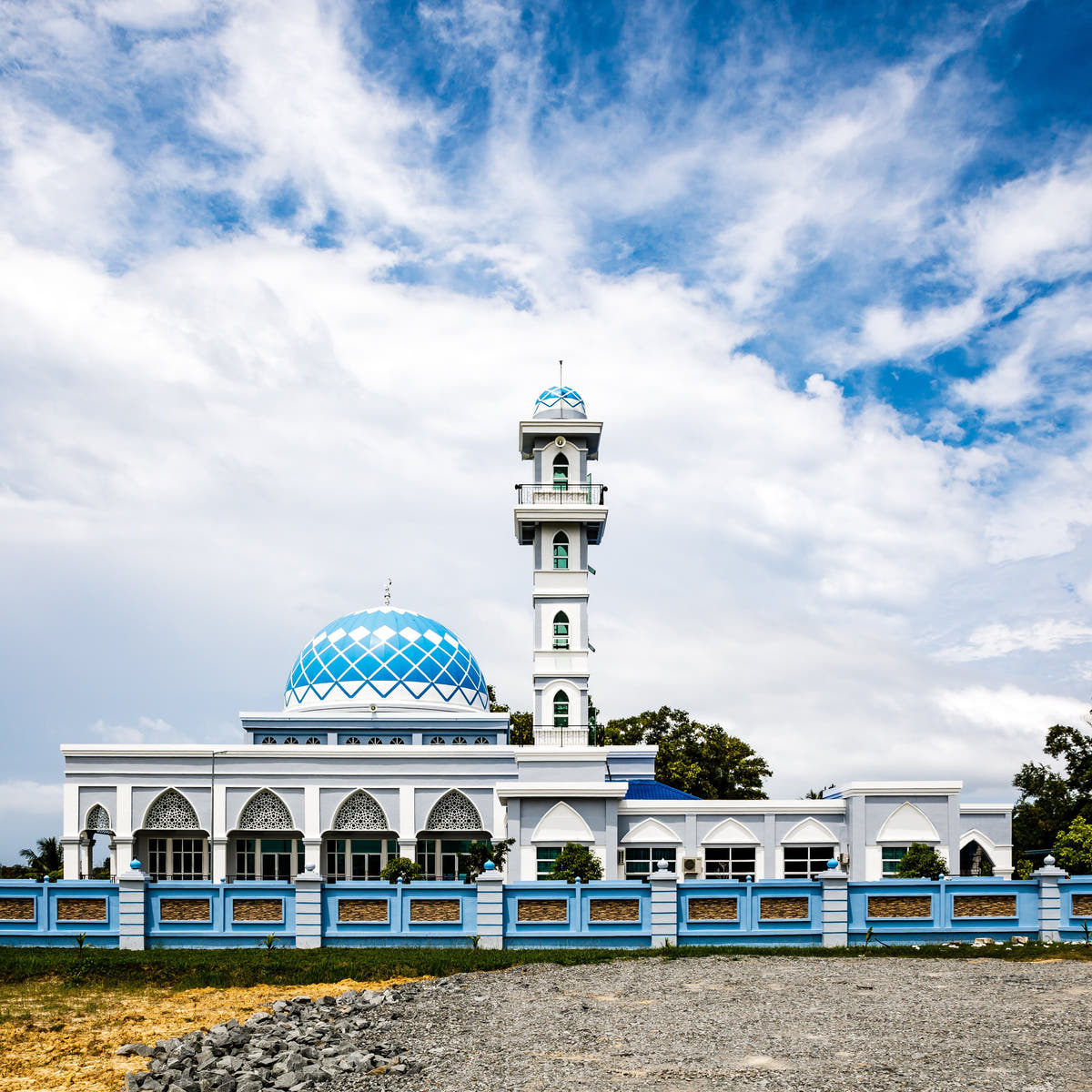
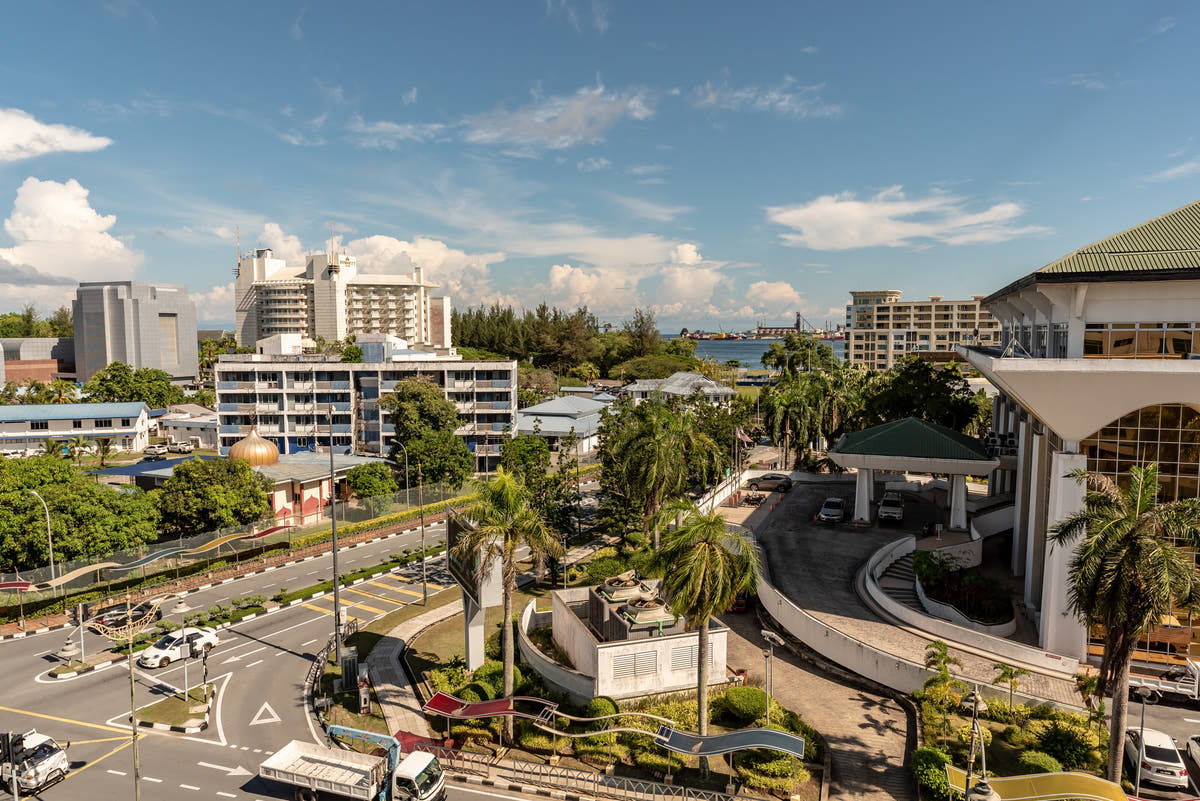
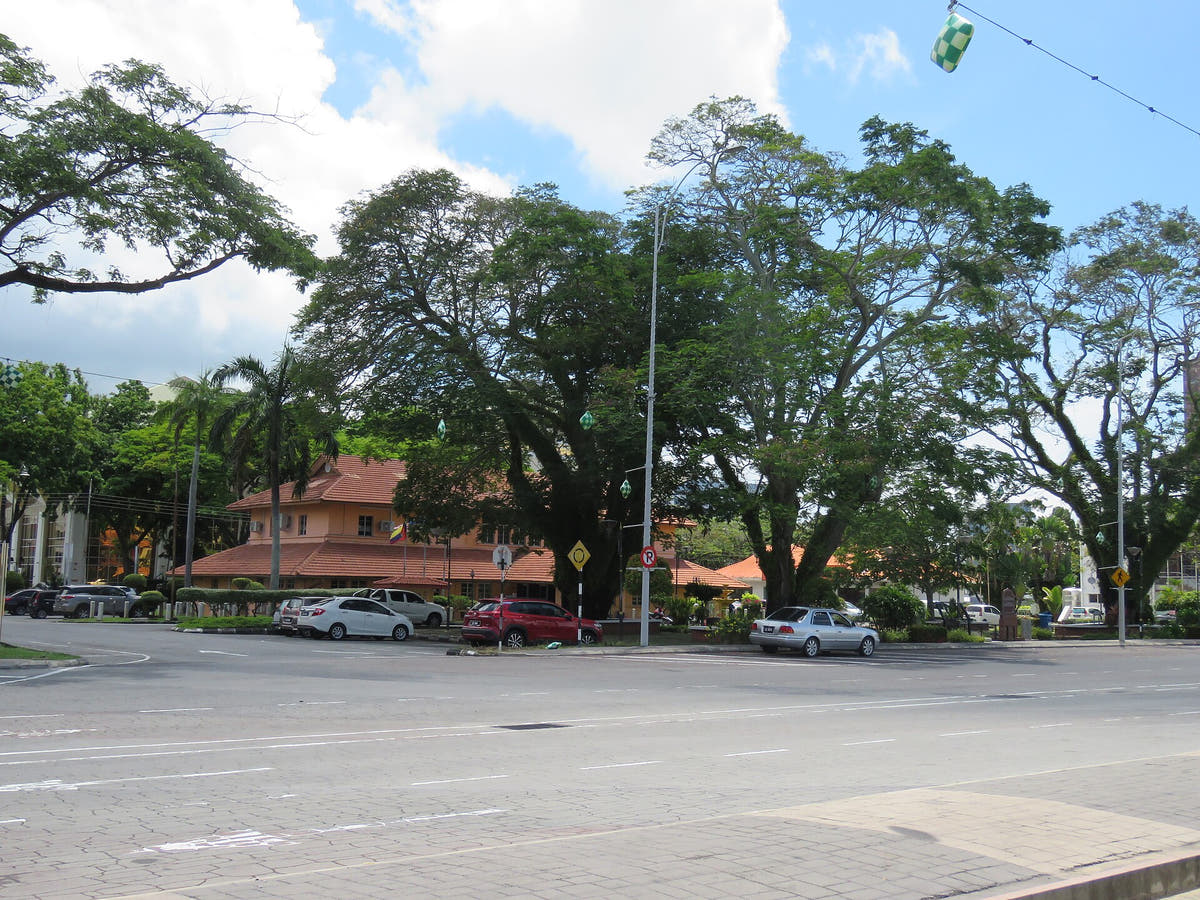
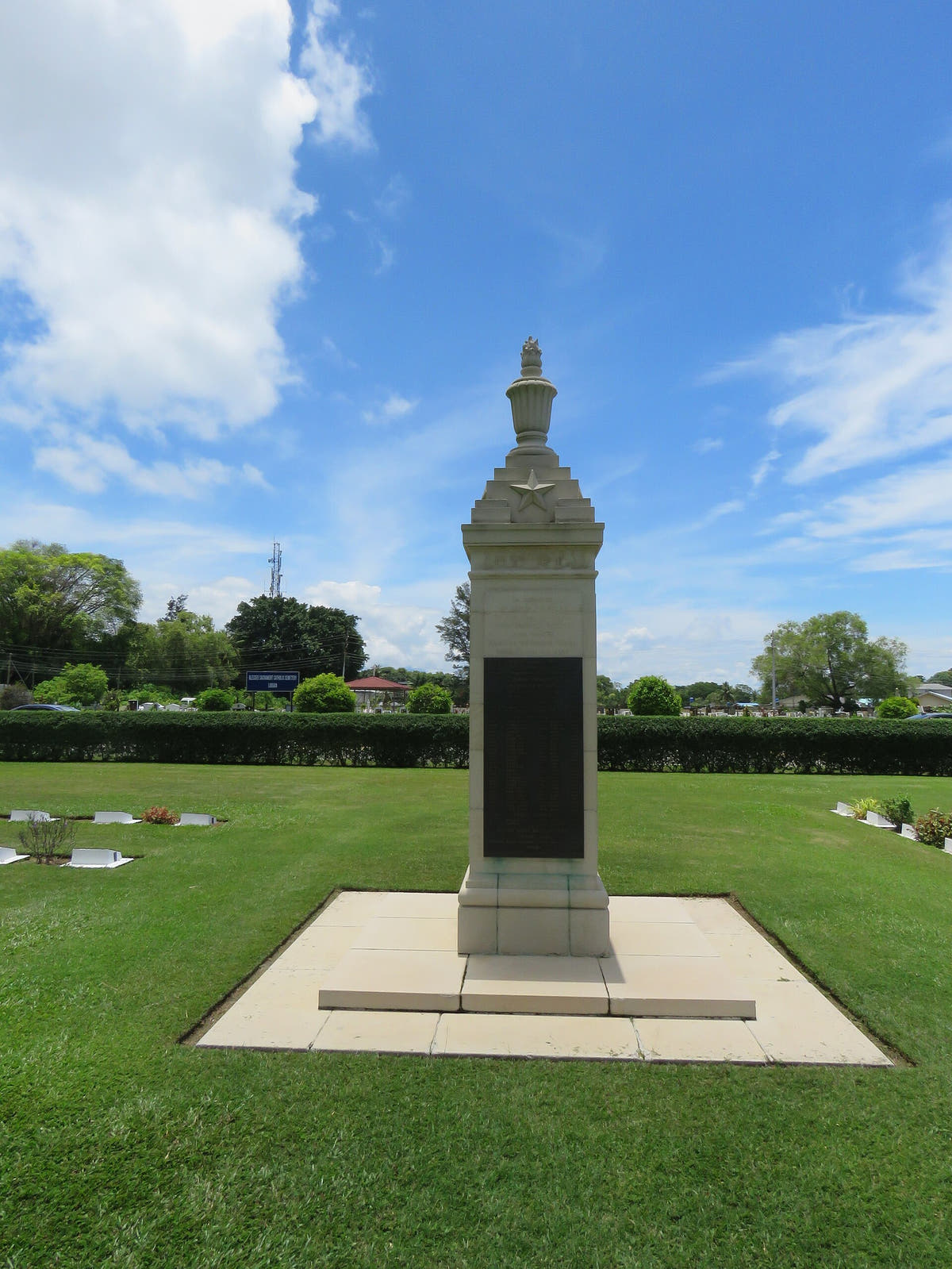
Les musées et les mémoriaux de guerre permettent de mieux comprendre l’histoire sous-marine. La ville de l’île, ses plages et son accès routier simple permettent d’organiser un court programme terrestre autour des journées de plongée.
Labuan peut également s’intégrer dans un voyage plus large au Sabah ou au Brunei, sous réserve que les liaisons de transport soient disponibles. C’est une option particulièrement intéressante lorsque le groupe partage un intérêt pour l’histoire ; les compagnons recherchant une expérience de villégiature isolée sur une plage préféreront peut-être une autre région du Bornéo.
Comment se rendre à Labuan
Prenez l’avion pour Labuan ou rejoignez l’île en ferry depuis le Sabah et le Brunei.
Planifiez vos horaires d’arrivée et de départ en fonction du transfert ultérieur, surtout si une traversée en bateau ou un long trajet en voiture est prévu. Prévoyez une dernière journée de détente à terre et un délai suffisant entre la dernière plongée et le vol.
Questions sur la plongée à Labuan
Pourquoi Labuan vaut-il le détour pour la plongée ?
L’attrait de Labuan réside dans ses structures et son histoire : de grandes épaves, une vie marine abondante et les dimensions impressionnantes d’un navire révélées sous l’eau. Elle convient aux plongeurs qui apprécient autant un profil soigneusement planifié et l’histoire d’un site que les paysages colorés des récifs.
Comment planifier mon séjour ?
Organisez les plongées avec un programme local reconnu et choisissez les épaves en fonction de la profondeur, de la visibilité et de votre niveau de formation. Trois à cinq jours de plongée peuvent suffire pour un séjour ciblé. L’exploration extérieure, la pénétration et les profils techniques sont des activités différentes qui doivent être planifiées séparément.
Quelle est la meilleure période pour s’y rendre ?
De mars à octobre est la période recommandée pour profiter de conditions de mer plus clémentes. La visibilité sur les épaves peut varier considérablement, il convient donc d’envisager un ordre différent des sites et de choisir des profils prudents. La profondeur maximale d’une épave n’est pas nécessairement adaptée à tous les plongeurs.
Y a-t-il suffisamment d’activités pour les compagnons qui ne plongent pas ?
Les musées et les mémoriaux de guerre permettent de mieux comprendre l’histoire sous-marine. La ville de l’île, ses plages et son accès routier simple permettent d’organiser un court programme terrestre autour des journées de plongée.
A closer look at Labuan
Planifiez votre voyage à Labuan
Indiquez-nous les expériences que vous souhaitez vivement vivre, vos dates préférées et votre façon de voyager. Nous pouvons regrouper la destination, l’hébergement et la plongée dans un itinéraire cohérent.
Planifier mon voyageCrédits photo
Les images sont redimensionnées pour l’affichage et peuvent être recadrées afin de s’adapter à la mise en page.
- Palmier à côté d’une plage de sable sur l’île de Labuan, en Malaisie : Beach 01 (Labuan).jpg — black panther. CC BY 2.0. Image au format web fournie par Wikimedia Commons ; aucune modification de la scène.
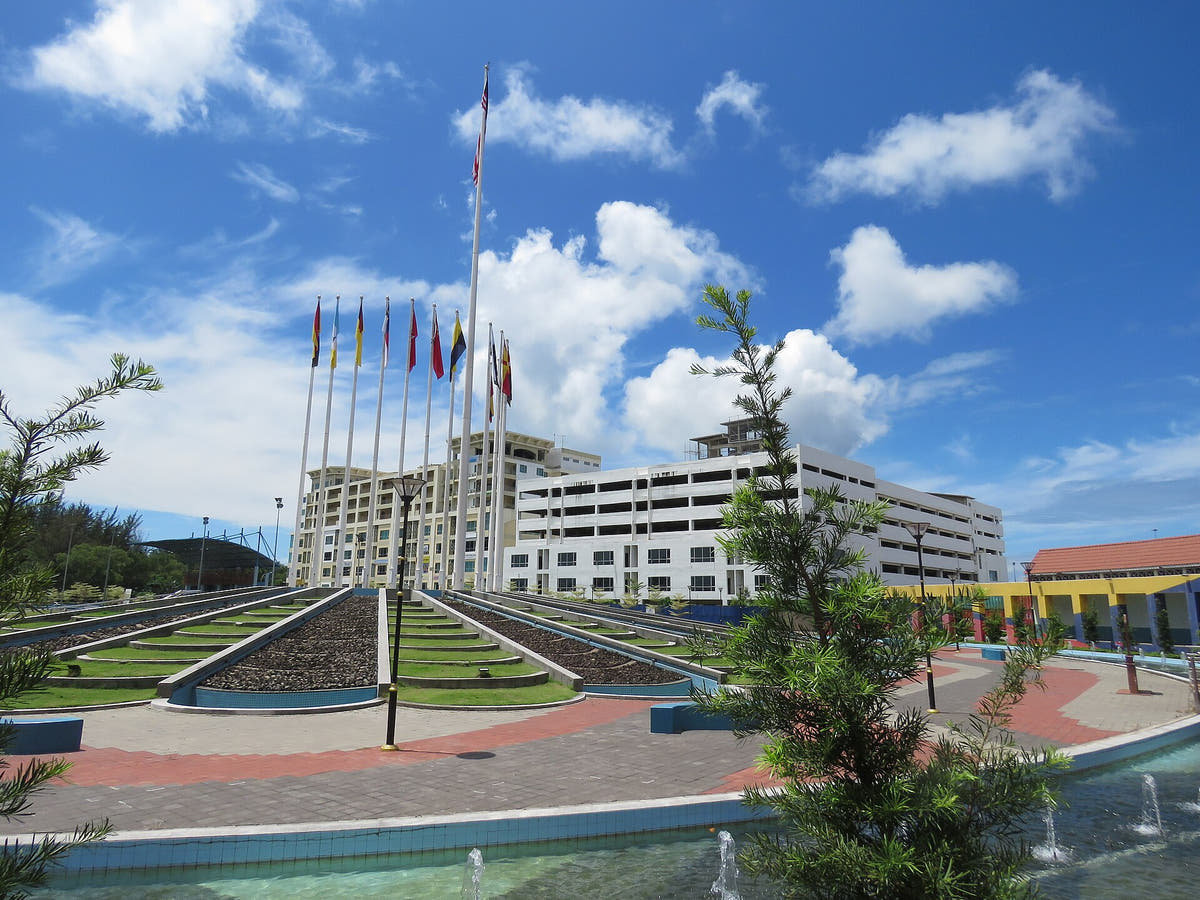
- Drapeaux et bâtiments en bord de mer à Labuan Square, en Malaisie : Labuan Square (Dataran Labuan), April 2025 02.jpg — Calistemon. CC BY-SA 4.0. Image au format web fournie par Wikimedia Commons ; aucune modification de la scène.
- Musée de Labuan sous des arbres matures au centre-ville de l’île : Labuan Museum, April 2025 01.jpg — Calistemon. CC BY-SA 4.0. Image au format web fournie par Wikimedia Commons ; aucune modification de la scène.
- Mémorial et jardins aménagés du cimetière de guerre de Labuan : Labuan War Cemetery, April 2025 03.jpg — Calistemon. CC BY-SA 4.0. Image au format web fournie par Wikimedia Commons ; aucune modification de la scène.


