

Destination guide · Malaysia
Plongée Layang-Layang
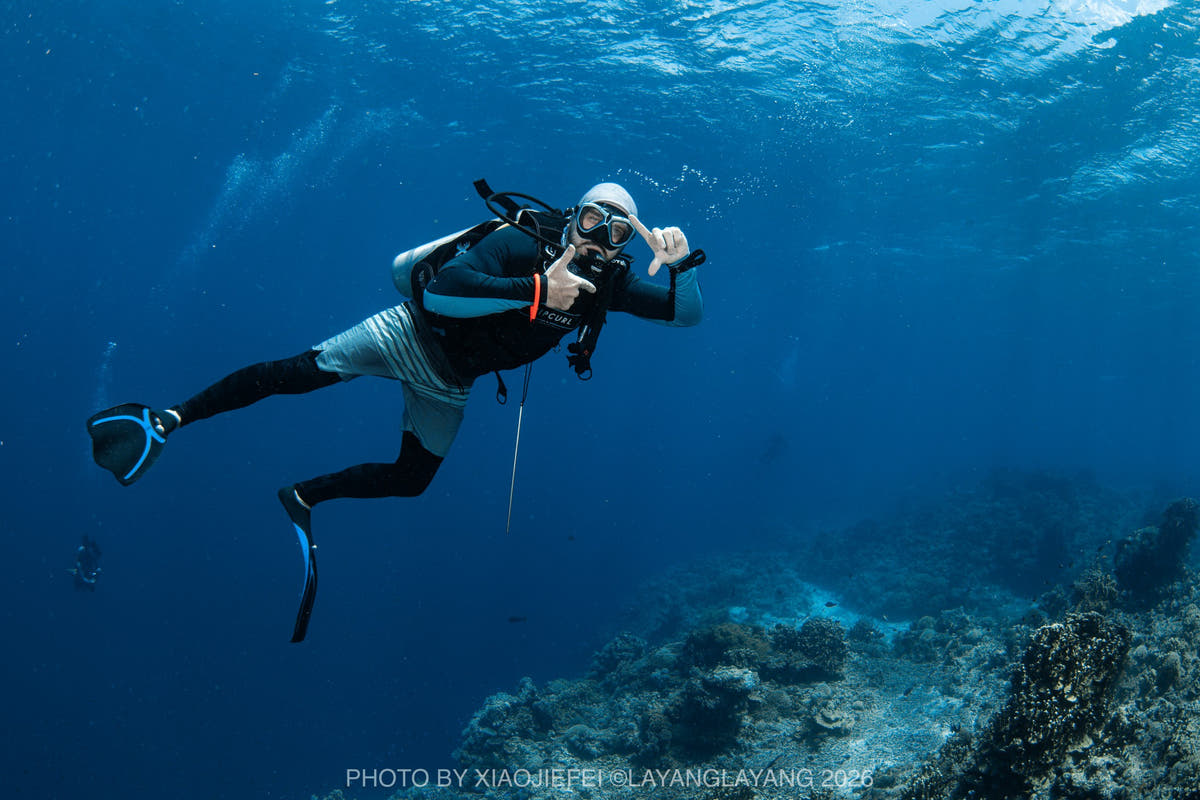
Layang-Layang is an oceanic atoll experience: a narrow reef edge, walls falling away and the sense of deep water all around. It is a focused destination for divers drawn to blue-water scenery and seasonal pelagic possibilities.
Destination media courtesy of Mawali Adventure Tours / Mawali Diving
Layang-Layang en bref
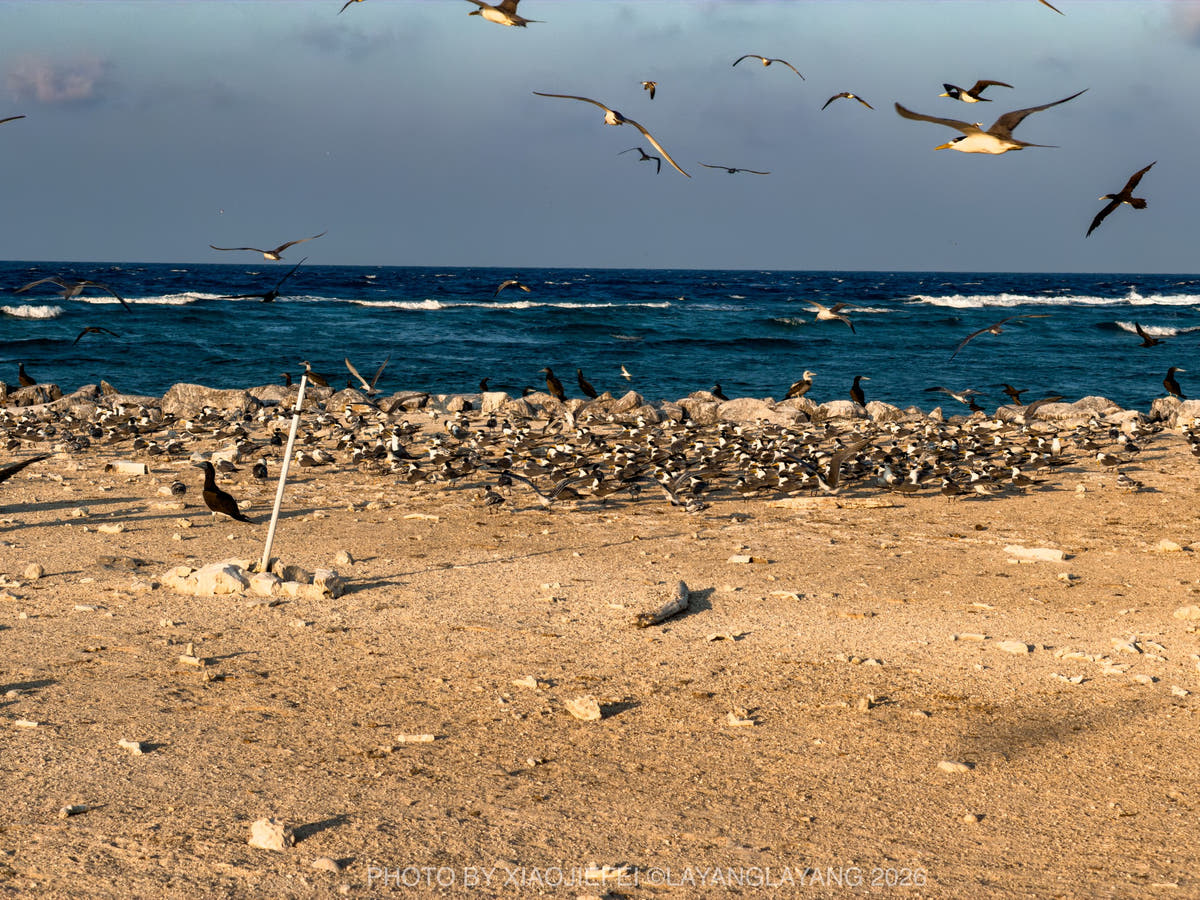
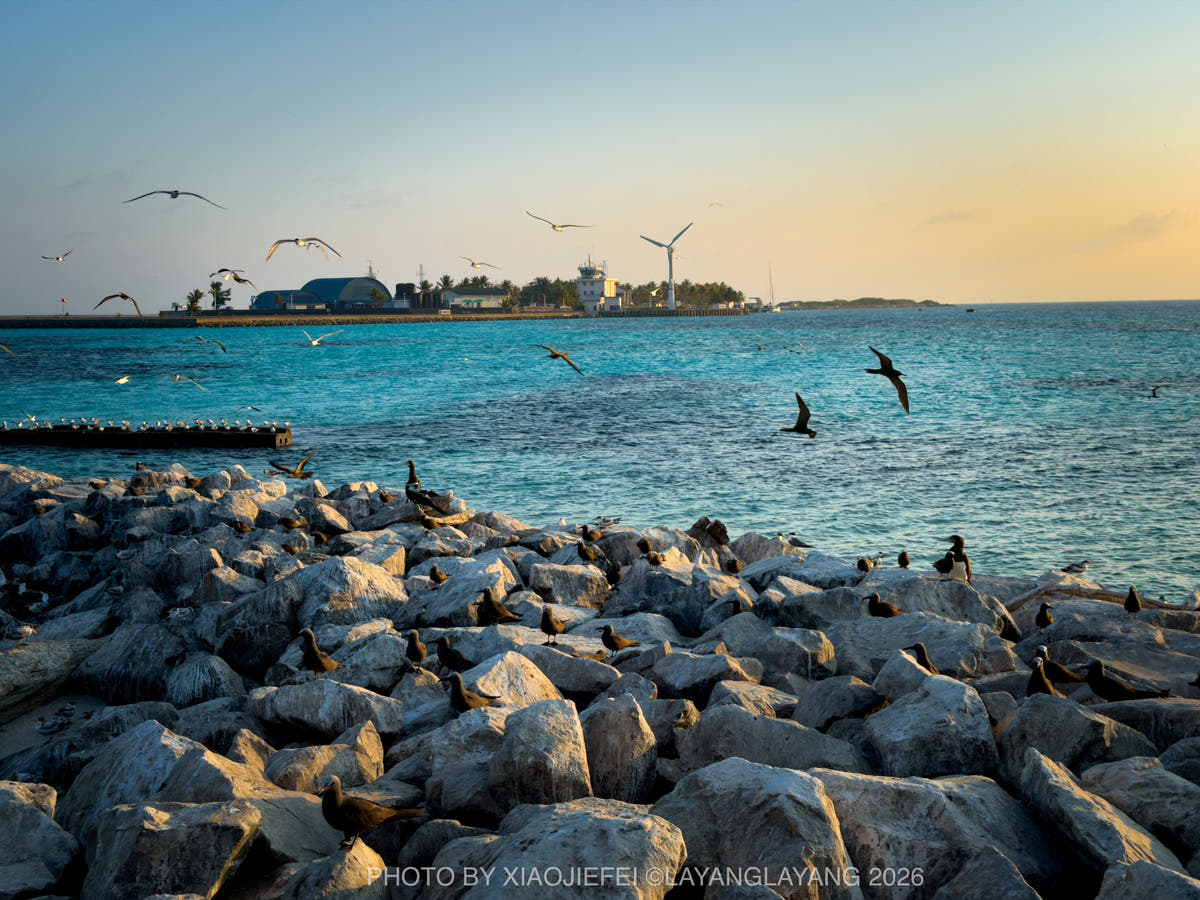
Layang-Layang est un atoll océanique isolé qui s'élève au-dessus des eaux profondes de la mer de Chine méridionale. Des parois spectaculaires, des eaux bleu clair et la possibilité saisonnière d'observer des requins-marteaux en font une destination très prisée des plongeurs expérimentés.
Le voyage est entièrement consacré à la plongée, avec peu de distractions à terre et des activités dépendant d'une saison bien définie et d'un programme de transport. La présence de requins-marteaux et d'autres espèces pélagiques ne peut être garantie ; la destination doit donc être appréciée tout autant pour ses parois profondes, son isolement et son atmosphère de plongée en eau libre.
Planifier votre séjour à Layang-Layang
Organisez le voyage autour d'un programme d'activité confirmé et de moyens de transport effectifs. L'atoll n'est pas un lieu où arriver sans préparation. Choisissez-le pour ses parois et ses plongées en eau libre, ainsi que pour la possibilité d'observer des requins-marteaux, et prévoyez des jours supplémentaires sur le continent avant ou après le voyage.
Liveaboard routes for this destination
Explore the routes that visit this region. Compare ships and itineraries, then open a route to see its sailing dates, cabins and the areas it covers.
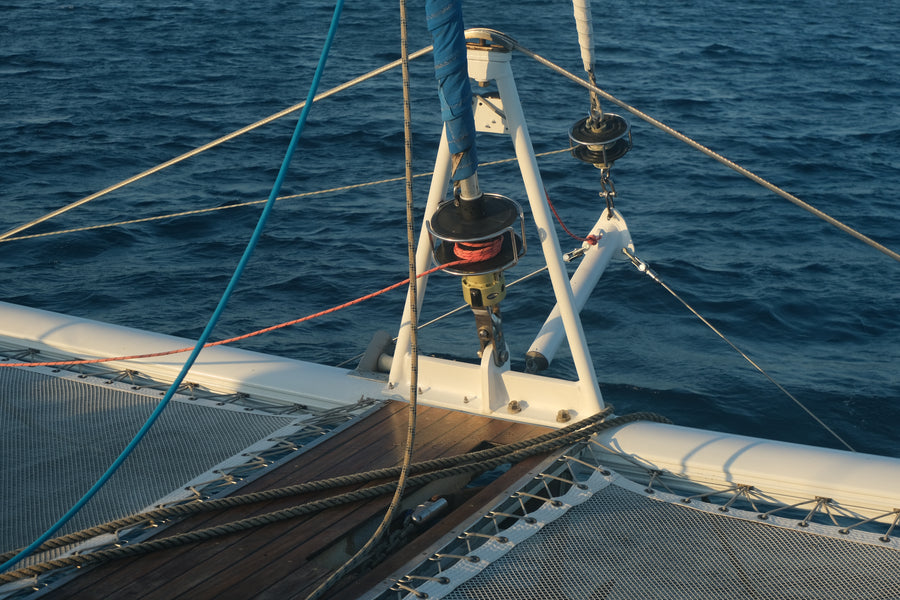
Mawali Sailing Yacht
Mawali — Layang Layang — 6 nuits
- Indicative duration
- 6 nights
- Embarquement
- Kota Kinabalu, Sabah
- Débarquement
- Kota Kinabalu, Sabah
No routes match this search. Try another vessel or clear your search.
Quand plonger à Layang-Layang
De mars à août constitue la période de planification traditionnelle figurant dans le catalogue, mais cela ne garantit pas que les centres de plongée ou les vols soient actuellement opérationnels. Confirmez qu'un départ est bien programmé avant de réserver vos transports. La météo en mer et le programme d'accès limité déterminent si un voyage particulier est réalisable.
Période de planification : saison de mars à août.
À quoi ressemble la plongée
Une certification avancée, une bonne maîtrise de la plongée profonde et une expérience des courants sont nécessaires.
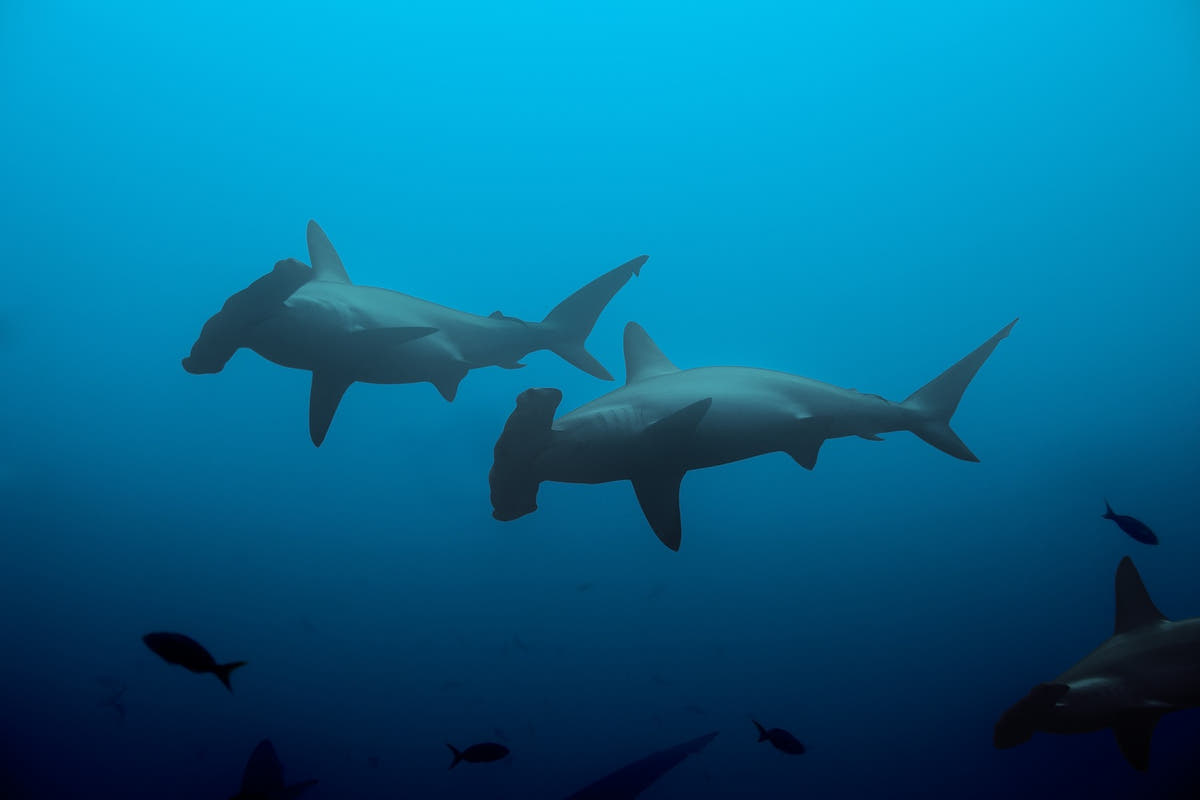
Possibilité saisonnière d'observer des requins-marteaux
Layang-Layang est surtout célèbre pour la possibilité d'observer des bancs de requins-marteaux le long de ses dévers océaniques. Ce sont des animaux pélagiques sauvages et non une attraction garantie ; les guides surveillent donc les courants, la profondeur et les conditions en eau libre, et choisissent les sites qui offrent les meilleures chances d'observation selon la saison.
Parois océaniques profondes
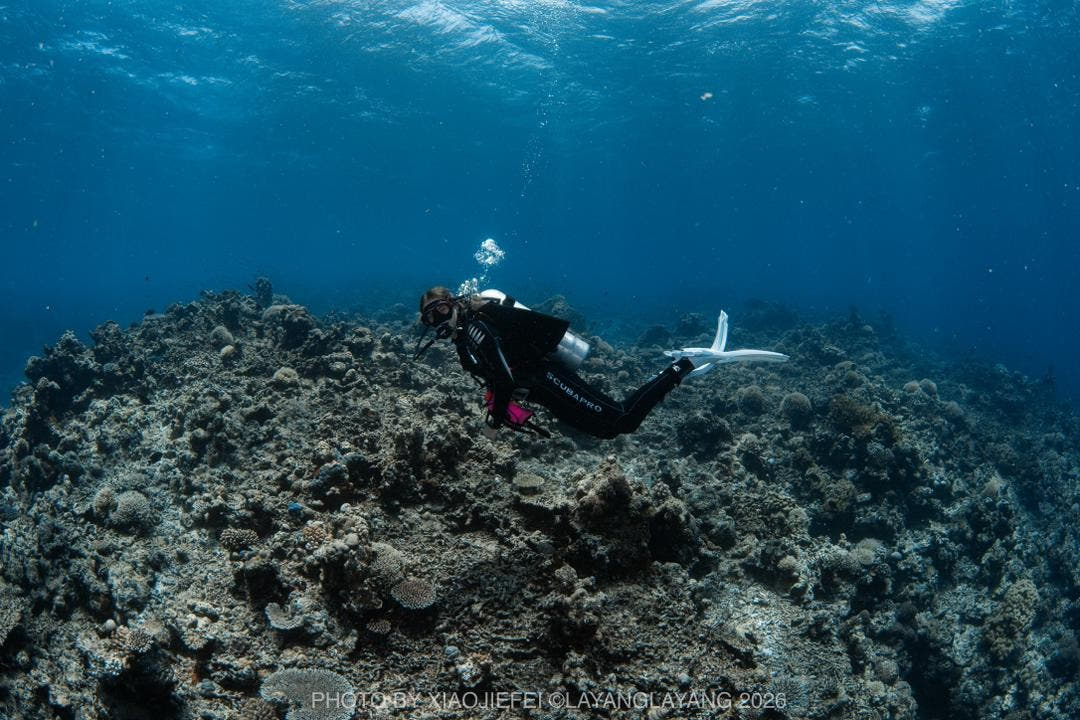
L'atoll s'élève brusquement au-dessus d'eaux très profondes, formant des parois qui plongent presque verticalement depuis le récif peu profond. Cette topographie exige une maîtrise rigoureuse de la flottabilité et de la profondeur : les plongeurs peuvent observer les coraux et les bancs de poissons le long de la paroi tout en surveillant constamment l'eau libre à la recherche de requins, de thons, de raies et d'autres espèces pélagiques.
Eaux bleu clair
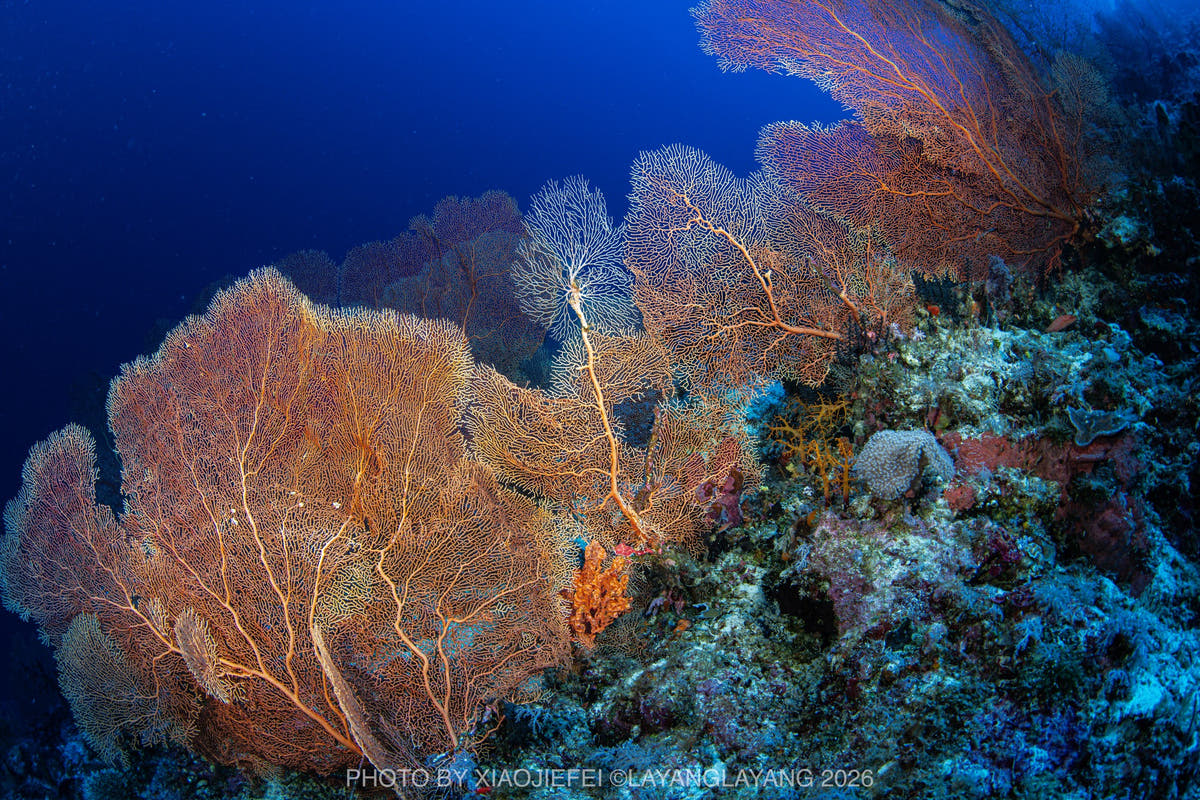
La position océanique peut offrir des eaux exceptionnellement claires et une grande visibilité le long des dévers. La visibilité varie néanmoins selon la météo et les mouvements de l'eau, mais la combinaison de parois abruptes, de gorgones et de la lumière en eau libre est l'une des principales raisons pour lesquelles Layang-Layang est si propice à la photographie grand-angle.
Atmosphère d'atoll isolé
Layang-Layang est un atoll isolé au large plutôt qu'une destination insulaire classique. L'expérience est délibérément axée sur la plongée, avec peu de distractions en dehors du programme quotidien du bateau ; cet isolement fait partie de son attrait, mais signifie également que les horaires et l'accès dépendent des activités saisonnières et de la météo.
DIVE SITE GUIDE
Dive sites in Layang-Layang
Explore the character of individual sites, from the setting and marine life to the diving conditions. Open a card for the full description; site access and the final profile depend on conditions and experience.
ORIENTATION MAP
Where the dive sites are
Use the map to understand how the key sites are spread around the destination. Pins are for trip-planning orientation only; entry points, moorings and the final dive plan are always confirmed by the local operator on the day.
Coordinates are planning references compiled from current dive-site sources. They are not navigation coordinates; entry points, moorings, tide windows and the final dive plan are always confirmed by the local operator on the day.
Wall · Pelagic · Deep reef
D-Wall
D-Wall is Layang-Layang’s signature drop, a vertical reef face that falls away into ocean more than a kilometre deep.
Découvrir ce site de plongée
- Type
- Wall · Pelagic · Deep reef
- Profondeur
- 25–40 m
- Expérience
- Advanced
- Courant
- Moderate
D-Wall is Layang-Layang’s signature drop, a vertical reef face that falls away into ocean more than a kilometre deep. Recreational diving stays on the upper 25–40 metres, where sea fans support pygmy seahorses and frogfish while the blue-water side offers seasonal hammerhead potential.
The challenge is the absence of a bottom reference: a diver looking into the blue can descend without noticing. A clear maximum depth and frequent computer checks are essential. The site rewards both macro and big-animal attention, but the wall itself — coral, fans and endless blue — remains impressive even when no hammerheads appear.
Look for: 2,000 m wall below · Hammerhead potential · Pygmy seahorses · Advanced deep profile
Idéal pour : Hammerheads · Pygmy seahorses · Deep wall
Wall · Pelagic
Dogtooth Lair
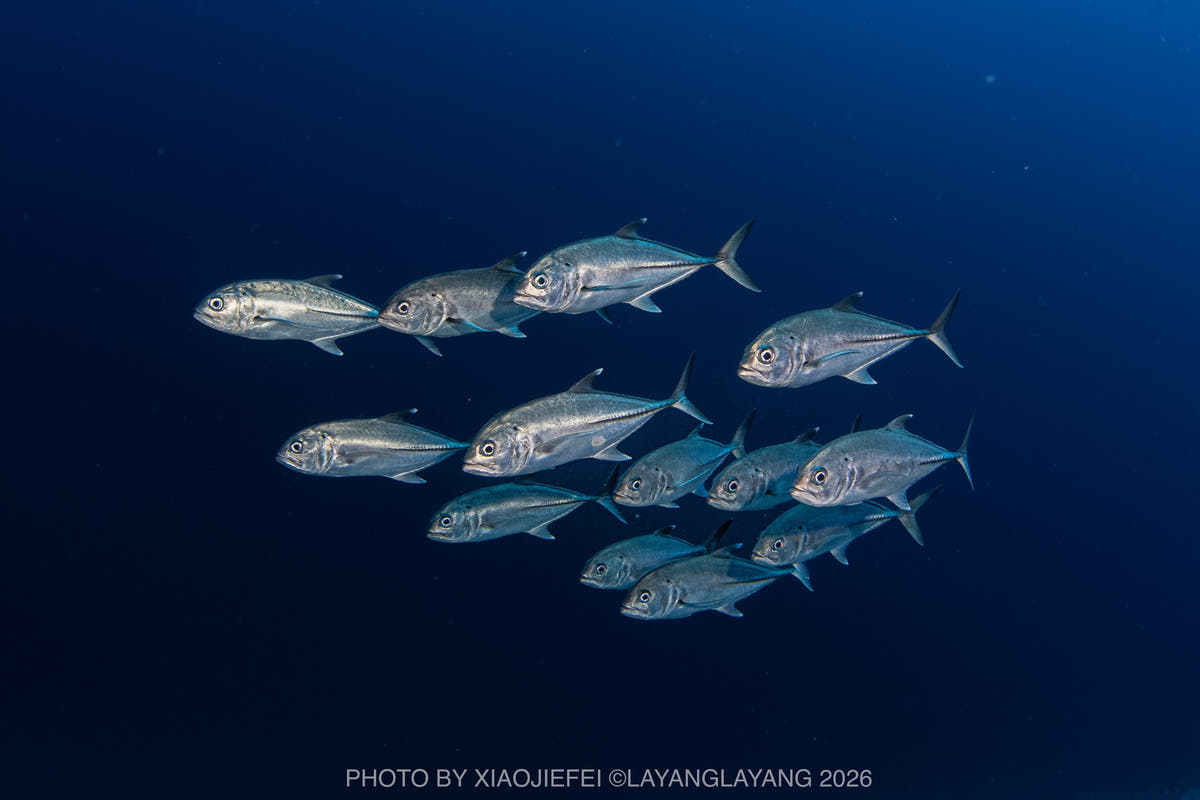
Dogtooth Lair sits on the eastern side of the atoll where the reef edge drops into deep ocean and schools of large dogtooth tuna patrol the blue.
Découvrir ce site de plongée
- Type
- Wall · Pelagic
- Profondeur
- 25–40 m
- Expérience
- Advanced
- Courant
- Moderate
Dogtooth Lair sits on the eastern side of the atoll where the reef edge drops into deep ocean and schools of large dogtooth tuna patrol the blue. Barracuda and whitetip reef sharks add to the big-fish character, while the wall itself remains covered in reef life.
The working depth is deep enough that gas and no-decompression time need active management, and there is no shallow seabed to fall back on if buoyancy slips. The best dive keeps the reef on one side, uses the current rather than fighting it and leaves enough time for a slow ascent over the shallower reef top.
Look for: Dogtooth tuna · Barracuda · Whitetip sharks · Deep wall
Idéal pour : Dogtooth tuna · Barracuda · Reef sharks
Wall · Pelagic
Gorgonian Forest
Gorgonian Forest starts shallower than many Layang-Layang wall dives, giving divers more usable time before reaching the deeper blue-water zone.
Découvrir ce site de plongée
- Type
- Wall · Pelagic
- Profondeur
- 15–40 m
- Expérience
- Advanced
- Courant
- Moderate–Strong
Gorgonian Forest starts shallower than many Layang-Layang wall dives, giving divers more usable time before reaching the deeper blue-water zone. Huge sea fans line the face while trevally, groupers and other larger fish work the current.
During the spring hammerhead season, schools may pass off the wall, but the dive is visually strong even when the blue remains empty. Current can become strong enough to turn the dive into a drift, so the guide chooses the direction and exit rather than expecting the group to return to one point. It is one of the atoll’s best blends of reef scenery and pelagic potential.
Look for: Large gorgonians · Hammerhead potential · Current-fed wall · Wide angle
Idéal pour : Gorgonians · Hammerheads · Trevally · Wide angle
Wall · Drift · Pelagic
Navigator Lane
Navigator Lane runs along the north side of the atoll as a long deep wall rather than a single point or pinnacle.
Découvrir ce site de plongée
- Type
- Wall · Drift · Pelagic
- Profondeur
- 25–40 m
- Expérience
- Advanced
- Courant
- Mild–Moderate
Navigator Lane runs along the north side of the atoll as a long deep wall rather than a single point or pinnacle. Divers follow the face while watching the blue for trevally, barracuda, eagle rays and seasonal hammerheads.
Because most of the interest lies in the 25–40 metre range, buoyancy and gas planning matter more than raw swimming ability. The wall provides a visual reference, but the open side can still tempt divers deeper while watching animals. A controlled drift, regular depth checks and a planned turn time make the site far more rewarding than trying to cover excessive distance.
Look for: Long northern wall · Hammerhead potential · Eagle rays · Deep drift
Idéal pour : Hammerheads · Eagle rays · Trevally · Long wall drift
Wall · Cavern / undercut
Shark’s Cave
Shark’s Cave is an undercut in the wall around 25 metres where whitetip reef sharks may rest during the day.
Découvrir ce site de plongée
- Type
- Wall · Cavern / undercut
- Profondeur
- 25–40 m
- Expérience
- Advanced
- Courant
- Mild
Shark’s Cave is an undercut in the wall around 25 metres where whitetip reef sharks may rest during the day. Grey reef, leopard and nurse sharks are also possible around the surrounding reef, with seasonal hammerheads farther out in the blue.
The site is not a reason to crowd resting animals: divers should remain outside the shelter and let sharks choose whether to stay. The working depth remains deep, so the cave feature should not distract from gas and no-decompression limits. Even without sharks in the undercut, the adjacent wall and clear oceanic water make the dive worthwhile.
Look for: Resting whitetips possible · Wall undercut · Deep profile · Shark etiquette
Idéal pour : Whitetip sharks · Cavern · Deep wall
Reef ledge · Drift
Snapper Ledge
Snapper Ledge is a deep drift where strong current is a defining feature rather than a nuisance.
Découvrir ce site de plongée
- Type
- Reef ledge · Drift
- Profondeur
- 25–40 m
- Expérience
- Advanced
- Courant
- Strong
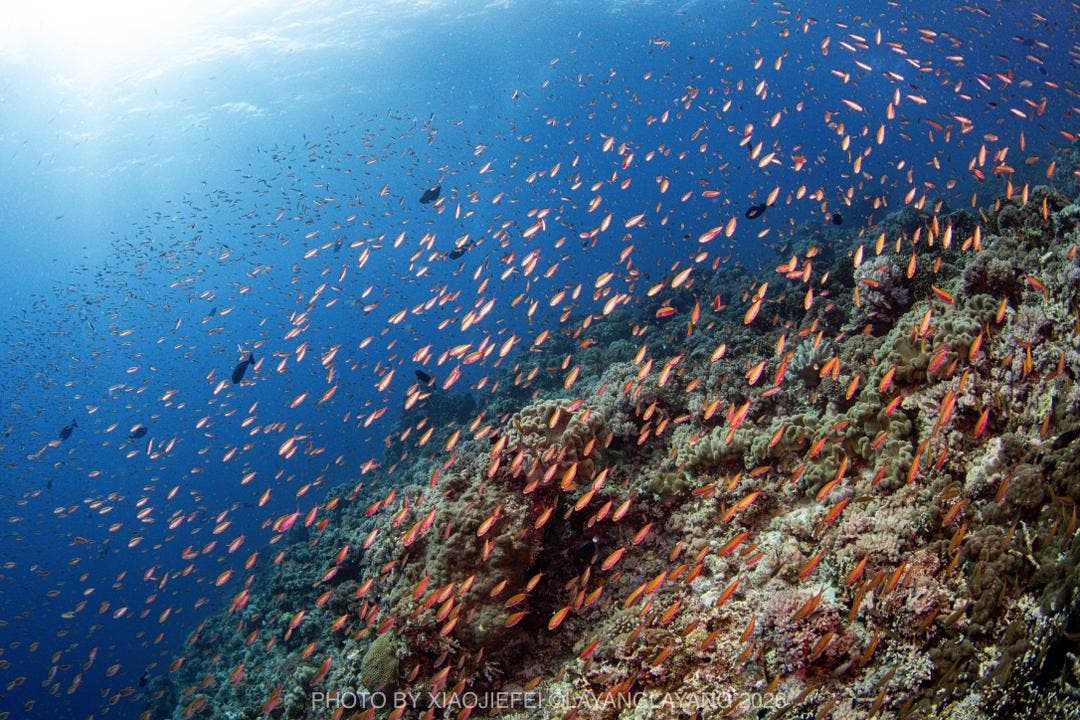
Snapper Ledge is a deep drift where strong current is a defining feature rather than a nuisance. Hard and soft coral, gorgonians and huge numbers of reef fish line the ledge, while visibility can be exceptionally clear.
Divers enter knowing they will not swim back to the starting point; the boat tracks the group as it moves down-current. Because the profile is both deep and fast, the dive demands close buddy spacing, good trim and a surface-marker plan for the ascent. The reward is the feeling of flying along a reef in blue water where the structure and schooling fish remain visible far ahead.
Look for: Strong drift · Excellent visibility · Schooling reef fish · Advanced only
Idéal pour : Very clear water · Schooling fish · High-speed drift
Blue-water · Wall · Pelagic
The Point
The Point is Layang-Layang’s purest blue-water dive.
Découvrir ce site de plongée
- Type
- Blue-water · Wall · Pelagic
- Profondeur
- 25–40 m
- Expérience
- Advanced
- Courant
- Mild
The Point is Layang-Layang’s purest blue-water dive. Rather than following the reef for the entire profile, experienced divers may move away from the wall at around 30–35 metres and wait in open water for seasonal hammerhead schools. There is no bottom reference, so depth can creep easily while attention is focused outward.
Hammerhead encounters are never guaranteed, and the dive must still be planned around gas, depth and a timed return to the reef. Reef sharks are a more common possibility. Once the deep phase is complete, the group works back onto the wall and ascends along coral rather than hanging in featureless blue water.
Look for: Open-water hammerhead watch · No bottom reference · Reef sharks · Deep buoyancy skills
Idéal pour : Hammerheads · Reef sharks · Blue-water observation
Reef · Cleaning station
Wrasse Strip
Wrasse Strip is one of Layang-Layang’s shallower reef dives and offers a welcome contrast to the 40-metre wall profiles.
Découvrir ce site de plongée
- Type
- Reef · Cleaning station
- Profondeur
- 10–25 m
- Expérience
- Advanced
- Courant
- Moderate
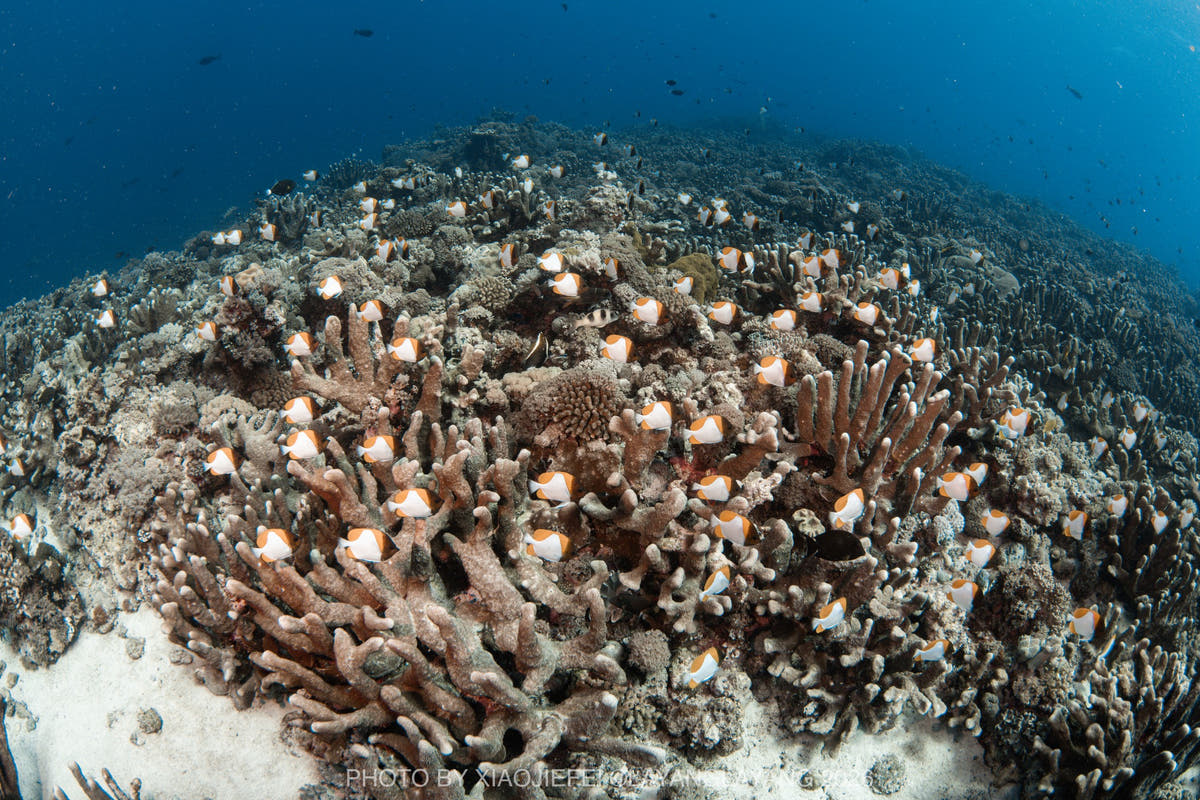
Wrasse Strip is one of Layang-Layang’s shallower reef dives and offers a welcome contrast to the 40-metre wall profiles. A cleaning station attracts whitetip reef sharks, turtles, eagle rays and occasional mantas, while the surrounding coral supports the normal atoll fish life.
Current still runs along the reef, so the site is best treated as a controlled drift rather than a static aquarium dive. Divers should settle near the cleaning area without blocking animal approaches, then continue along the strip as the water carries the group. The shallower profile provides more bottom time and makes this a useful third dive after a deep morning.
Look for: Cleaning station · Shallower profile · Turtles & rays · Manta potential
Idéal pour : Cleaning station · Reef sharks · Turtles · Mantas possible
Photographie sous-marine
Les requins-marteaux, les hippocampes pygmées et les parois profondes donnent une idée des possibilités photographiques. Choisissez le matériel adapté aux sites prévus, puis prenez le temps d'observer la scène avant de prendre la photo. Revenir sur une plongée fructueuse offre souvent de meilleures opportunités que de chercher sans cesse un autre site. Pour les scènes de récif, utilisez la forme du récif et la lumière disponible pour donner de la profondeur à l'image. Un plongeur placé à une distance respectueuse peut donner une idée des proportions sans envahir l'espace de l'animal.
Au-delà de la plongée : Layang-Layang au-dessus de la surface
La principale attraction au-dessus de l'eau est l'isolement lui-même. Les moments de calme au bord de la lagune, les vues sur la mer et le rythme d'une petite structure de plongée constituent l'essentiel du séjour, avec moins d'activités à terre que dans une destination insulaire plus grande.
Pour un compagnon de voyage qui souhaite profiter de restaurants, de visites et d'excursions variées, un séjour à Kota Kinabalu avant ou après la plongée peut offrir un bon équilibre. Layang-Layang convient mieux lorsque tout le groupe est à l'aise avec des vacances organisées autour de l'atoll et de la mer.
Comment se rendre à Layang-Layang
L'accès se fait normalement par des vols réguliers de centres de plongée au départ de Kota Kinabalu pendant la saison d'activité.
Choisissez des horaires d'arrivée et de départ en fonction du transfert ultérieur, en particulier lorsqu'un trajet en bateau ou un long voyage par la route est nécessaire. Prévoyez une dernière journée de détente à terre et un intervalle suffisant entre la dernière plongée et le vol.
Questions sur la plongée à Layang-Layang
Pourquoi Layang-Layang vaut-il le détour pour la plongée ?
Layang-Layang offre une expérience d'atoll océanique : un étroit bord de récif, des parois plongeant dans les profondeurs et la sensation d'être entouré d'eau profonde. C'est une destination très prisée des plongeurs attirés par les paysages en eau libre et les possibilités saisonnières d'observer des espèces pélagiques.
Comment planifier mon séjour ?
Organisez le voyage autour d'un programme d'activité confirmé et de moyens de transport effectifs. L'atoll n'est pas un lieu où arriver sans préparation. Choisissez-le pour ses parois et ses plongées en eau libre, ainsi que pour la possibilité d'observer des requins-marteaux, et prévoyez des jours supplémentaires sur le continent avant ou après le voyage.
Quelle est la meilleure période pour s'y rendre ?
De mars à août constitue la période de planification traditionnelle figurant dans le catalogue, mais cela ne garantit pas que les centres de plongée ou les vols soient actuellement opérationnels. Confirmez qu'un départ est bien programmé avant de réserver vos transports. La météo en mer et le programme d'accès limité déterminent si un voyage particulier est réalisable.
Y a-t-il suffisamment d'activités pour les compagnons qui ne plongent pas ?
La principale attraction au-dessus de l'eau est l'isolement lui-même. Les moments de calme au bord de la lagune, les vues sur la mer et le rythme d'une petite structure de plongée constituent l'essentiel du séjour, avec moins d'activités à terre que dans une destination insulaire plus grande.
A closer look at Layang-Layang

Planifiez votre voyage à Layang-Layang
Dites-nous quelles expériences vous souhaitez par-dessus tout, vos dates préférées et votre façon de voyager. Nous pouvons regrouper la destination, l'hébergement et la plongée dans un itinéraire cohérent.
Planifier mon voyage