

Destination guide · Palau
Plongée aux Palaos
Palau’s channels and reef corners are shaped by tide: fish gather, sharks patrol and a wall can suddenly fill with movement. Caverns, wrecks and the Rock Islands make the destination much broader than one celebrated drift dive.
Palau en un coup d'œil
Palau est une destination de plongée pacifique très dynamique, axée sur les chenaux de marée, les parois abruptes, les plateaux coralliens et les bords de récif exceptionnellement riches en poissons. Blue Corner, German Channel et Ulong Channel offrent chacun une autre facette de la plongée en courant, tandis que les grottes, les parois de coraux mous et les épaves de la Seconde Guerre mondiale élargissent l'itinéraire.
La destination récompense l'expérience et la patience dans la planification des marées. Les requins, les raies manta, les tortues et les bancs de poissons sont des raisons courantes pour lesquelles les plongeurs voyagent à Palau, mais chaque rencontre reste naturelle. Un bon voyage doit être organisé autour de la qualité et de la diversité des sites, et non autour de promesses de voir un animal spécifique lors d'une plongée précise.
Planifier votre séjour à Palau
Séjournez près de Koror pour la flexibilité des plongées depuis la côte et des plongées en bateau de jour, ou choisissez un bateau-hôtel pour passer plus de temps près des sites extérieurs. Comparez l'itinéraire réel et les trajets en tender. Une durée de sept à dix nuits constitue un cadre utile pour une première visite variée, en particulier si vous souhaitez à la fois plonger et explorer les îles.
Liveaboard routes for this destination
Explore the routes that visit this region. Compare ships and itineraries, then open a route to see its sailing dates, cabins and the areas it covers.
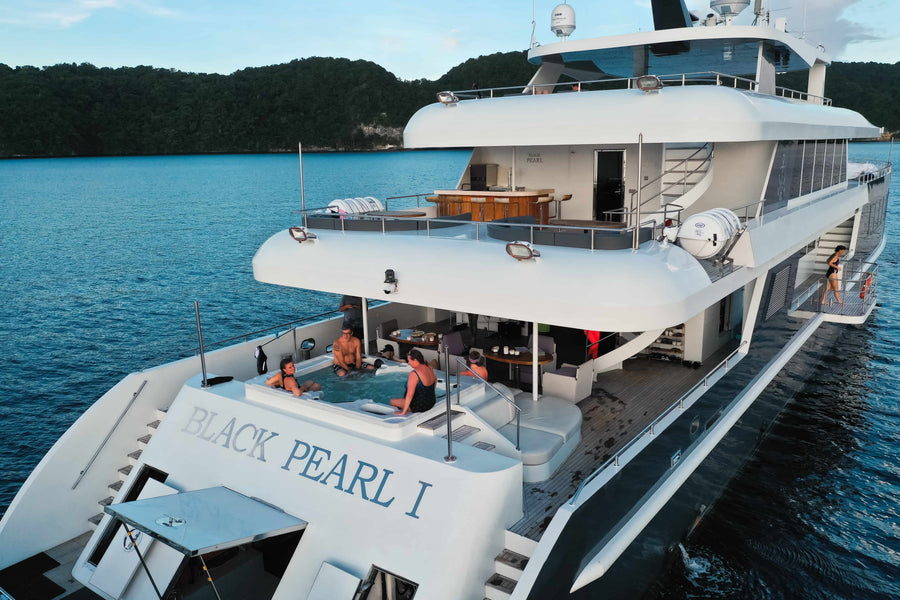
M/Y Black Pearl
Best of Palau Experience — 5 nuits
- Indicative duration
- 5 nights
- Embarquement
- Malakal, Palau
- Débarquement
- Malakal, Palau
M/Y Black Pearl
Best of Palau — 7 nuits
- Indicative duration
- 7 nights
- Embarquement
- Malakal, Palau
- Débarquement
- Malakal, Palau
M/Y Black Pearl
Bumphead Spawning — 7 nuits
- Indicative duration
- 7 nights
- Embarquement
- Malakal, Palau
- Débarquement
- Malakal, Palau
M/Y Black Pearl
Palau Spawning Special — 10 nuits
- Indicative duration
- 10 nights
- Embarquement
- Malakal, Palau
- Débarquement
- Malakal, Palau
M/Y Black Pearl
Snapper Spawning — 7 nuits
- Indicative duration
- 7 nights
- Embarquement
- Malakal, Palau
- Débarquement
- Malakal, Palau

Palau Aggressor II
Palau (10 nuits)
- Indicative duration
- 10 nights
- Embarquement
- Koror
- Débarquement
- Koror
Palau Aggressor II
Palau (7 nuits)
- Indicative duration
- 7 nights
- Embarquement
- Koror
- Débarquement
- Koror

Palau Siren
Full Moon Spawning — 10 nuits
- Indicative duration
- 10 nights
- Embarquement
- Koror / Malakal
- Débarquement
- Koror / Malakal
Palau Siren
Full Moon Spawning — 7 nuits
- Indicative duration
- 7 nights
- Embarquement
- Koror / Malakal
- Débarquement
- Koror / Malakal
Palau Siren
New Moon Spawning — 10 nuits
- Indicative duration
- 10 nights
- Embarquement
- Koror / Malakal
- Débarquement
- Koror / Malakal
Palau Siren
New Moon Spawning — 7 nuits
- Indicative duration
- 7 nights
- Embarquement
- Koror / Malakal
- Débarquement
- Koror / Malakal
Palau Siren
Palau Islands — 10 nuits
- Indicative duration
- 10 nights
- Embarquement
- Koror / Malakal
- Débarquement
- Koror / Malakal
Palau Siren
Palau Islands — 7 nuits
- Indicative duration
- 7 nights
- Embarquement
- Koror / Malakal
- Débarquement
- Koror / Malakal

Solitude Gaia Palau
Palau 10 nuits - (SG)
- Indicative duration
- 10 nights
- Embarquement
- Malakal Palau
- Débarquement
- Malakal Palau
Solitude Gaia Palau
Palau 12 nuits (SG)
- Indicative duration
- 12 nights
- Embarquement
- Malakal Palau
- Débarquement
- Malakal Palau
Solitude Gaia Palau
Palau 7 nuits - (SG)
- Indicative duration
- 7 nights
- Embarquement
- Malakal Palau
- Débarquement
- Malakal Palau
Solitude Gaia Palau
Palau NM/FM
- Indicative duration
- 21 nights
- Embarquement
- Malakal Palau
- Débarquement
- Malakal Palau
Solitude Gaia Palau
Itinéraire Nord de Palau (SG)
- Indicative duration
- 10 nights
- Embarquement
- Malakal Palau
- Débarquement
- Malakal Palau
No routes match this search. Try another vessel or clear your search.
Quand plonger à Palau
La plongée est disponible toute l'année. La période de novembre à avril est généralement plus sèche au début, mais les marées restent essentielles pour les plongées dans les chenaux et les coins. Une rencontre particulière avec un animal ne devrait jamais être considérée comme le résultat automatique du choix du bon mois.
Période de planification : Idéalement de novembre à mai.
À quoi ressemble la plongée
Les certifications Advanced Open Water et une maîtrise de la plongée en courant sont fortement recommandées pour de nombreux sites emblématiques ; certaines plongées abritées sont plus faciles.
Blue Corner
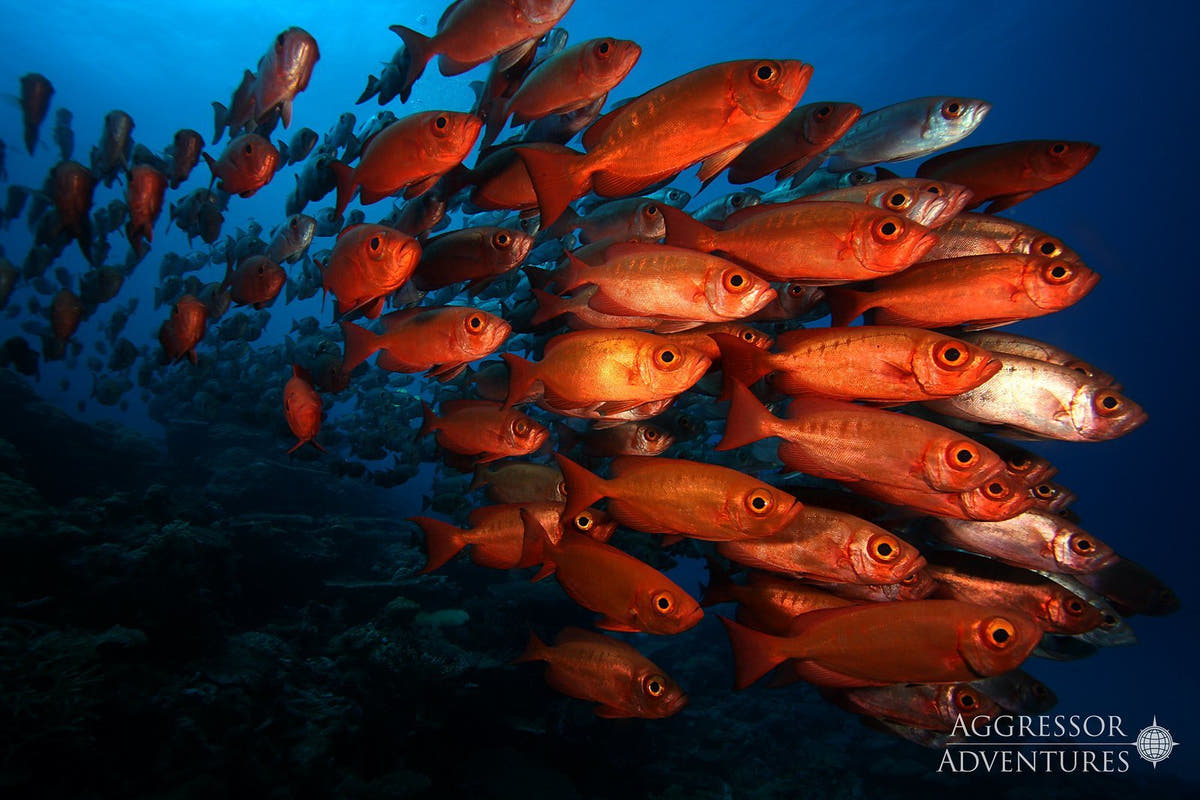
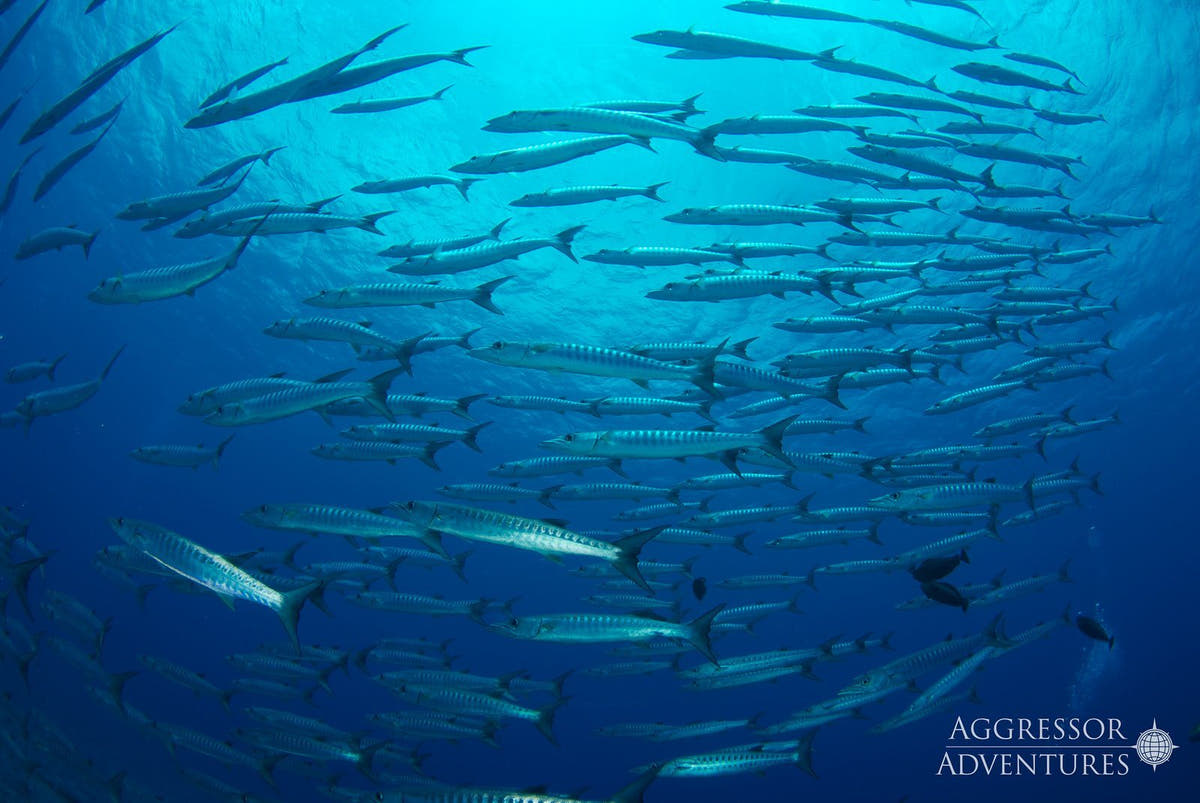
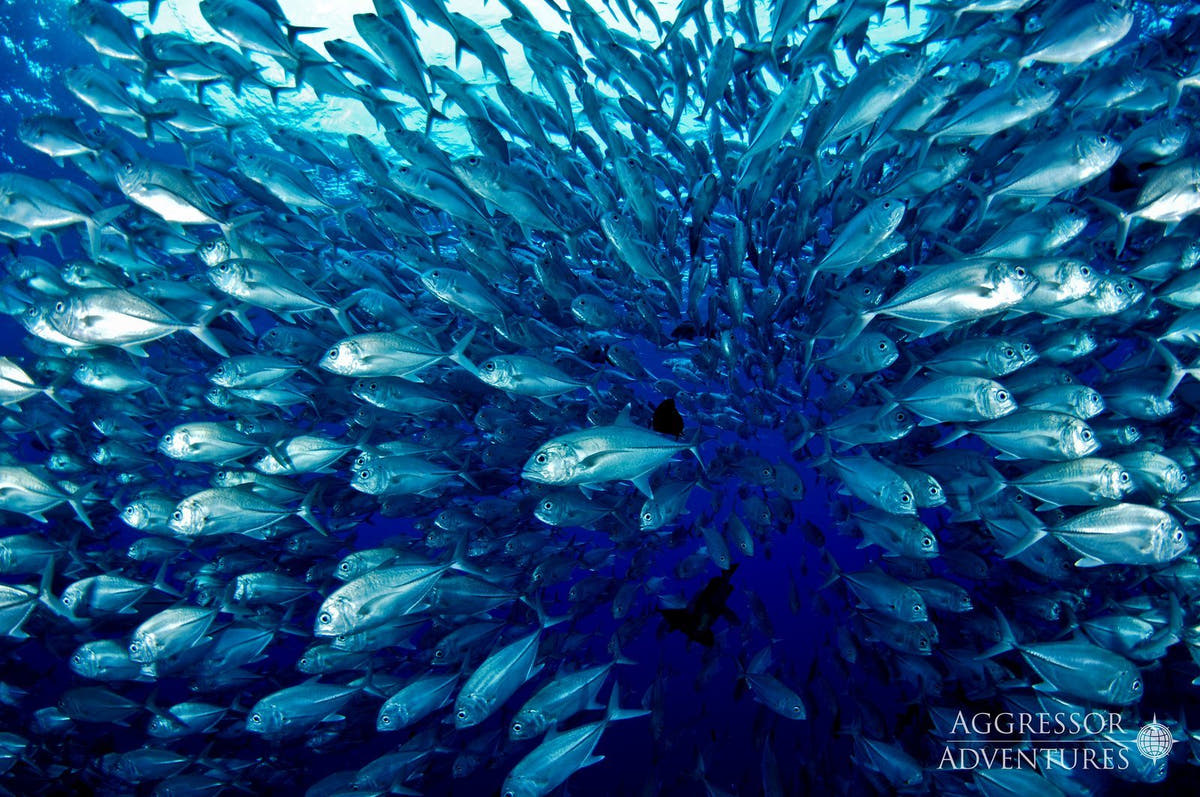
Un fort courant de marée balaie un plateau récifal où peuvent se rassembler des requins gris de récif, des carangues, des barracudas et d'autres gros poissons. La plongée peut être rapide et exigeante, ce qui rend le choix de la marée, une descente contrôlée et la discipline du groupe essentiels.
German Channel
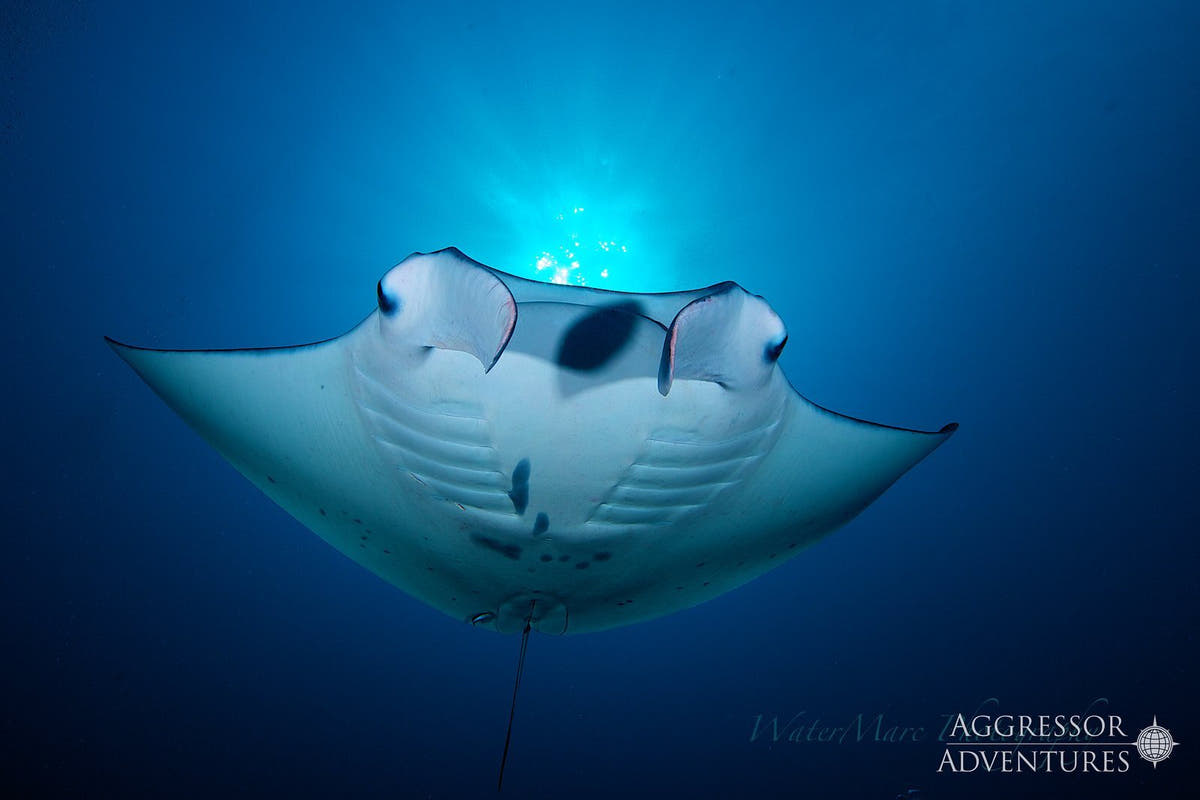
L'embouchure de ce chenal est l'un des meilleurs sites à raies manta de Palau, avec des comportements de station de nettoyage possibles aux côtés de requins de récif et de bancs de poissons. La visibilité et l'activité animale changent avec la marée, et les plongeurs obtiennent de meilleures rencontres en restant calmes plutôt qu'en poursuivant la faune.
Ulong Channel
Un chenal naturel à travers le récif barrière crée une dérive classique à travers un fond sablonneux, des pentes coralliennes et de grandes formations de corail laitue. Le courant peut s'accélérer considérablement, les plongeurs doivent donc avoir une excellente flottabilité et une bonne conscience situationnelle, même si une grande partie du profil est relativement peu profonde.
Épaves de la Seconde Guerre mondiale et grottes
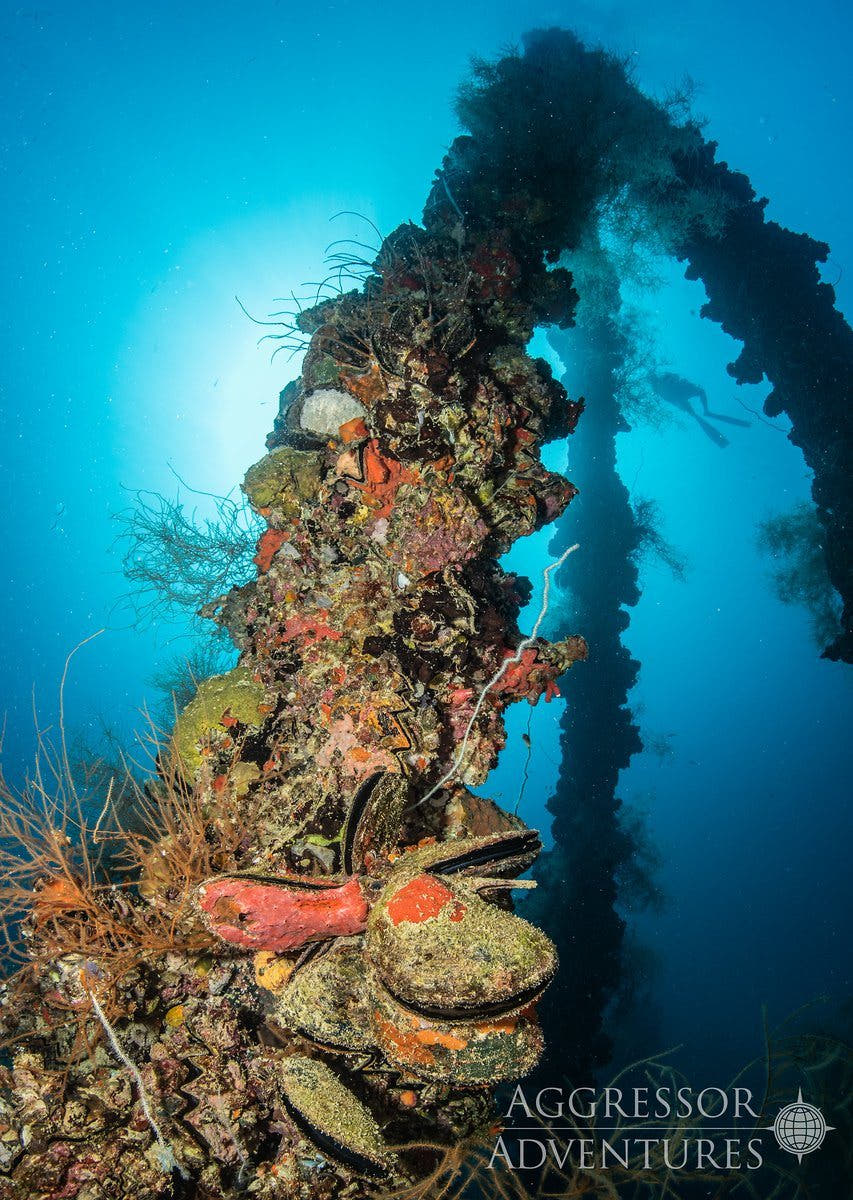
Palau ajoute de nombreuses épaves de guerre et des sites spectaculaires tels que les Blue Holes à sa réputation de plongée en courant. La profondeur des épaves et les profils de grottes/surfaces doivent être choisis en fonction de la certification et des procédures de l'opérateur.
DIVE SITE GUIDE
Dive sites in Palau
Explore the character of individual sites, from the setting and marine life to the diving conditions. Open a card for the full description; site access and the final profile depend on conditions and experience.
ORIENTATION MAP
Where the dive sites are
Use the map to understand how the key sites are spread around the destination. Pins are for trip-planning orientation only; entry points, moorings and the final dive plan are always confirmed by the local operator on the day.
Coordinates are planning references compiled from current dive-site sources. They are not navigation coordinates; entry points, moorings, tide windows and the final dive plan are always confirmed by the local operator on the day.
Drift · Reef hook point · Pelagic
Blue Corner
Blue Corner is Palau’s benchmark high-energy dive.
Découvrir ce site de plongée
- Type
- Drift · Reef hook point · Pelagic
- Profondeur
- 10–30 m
- Expérience
- Advanced
- Courant
- Strong
Blue Corner is Palau’s benchmark high-energy dive. Divers drift toward a reef plateau where current concentrates fish and predators, then settle in a controlled position near the reef edge to watch grey reef sharks, jacks, barracuda, Napoleon wrasse and other large fish move through the flow.
The exact experience changes completely with tide; the same site can be manageable or extremely demanding within hours. Reef hooks may be used where local procedures allow and only on suitable non-living substrate. The dive is best for experienced current divers who can descend quickly, stay compact as a group and manage an open-water ascent if required.
Look for: World-famous current dive · Grey reef sharks · Schooling fish · Advanced only
Idéal pour : Grey reef sharks · Jacks · Barracuda · Current diving
Channel · Cleaning station · Drift
German Channel
German Channel is Palau’s most famous manta site, but the animals are only one part of a dynamic tidal system.
Découvrir ce site de plongée
- Type
- Channel · Cleaning station · Drift
- Profondeur
- 5–40 m
- Expérience
- Intermediate
- Courant
- Variable / strong
German Channel is Palau’s most famous manta site, but the animals are only one part of a dynamic tidal system. The dive usually takes place near the channel mouth rather than inside the boat channel itself, with sandy slopes and cleaning stations used by mantas and reef sharks.
Incoming tide often improves visibility while outgoing water can carry more plankton and feeding activity. Divers get better encounters by settling near the cleaning area and letting mantas approach naturally rather than swimming after them. Current varies enough that the guide’s tide timing is central to the dive.
Look for: Manta cleaning station · Reef sharks · Tidal visibility changes · Wildlife etiquette
Idéal pour : Mantas · Reef sharks · Cleaning station
Channel · Drift · Coral
Ulong Channel
Ulong Channel is a classic tidal drift through a natural passage in the western barrier reef.
Découvrir ce site de plongée
- Type
- Channel · Drift · Coral
- Profondeur
- 3–20 m
- Expérience
- Intermediate–Advanced
- Courant
- Moderate–Strong
Ulong Channel is a classic tidal drift through a natural passage in the western barrier reef. Sandy bottom, coral heads and large lettuce-coral formations create a visually rich route while current carries divers through the channel.
Sharks, triggerfish and groupers use the current line, and the dive can become fast enough that good trim and group spacing are essential. The strongest plan follows the tide rather than fighting it, with the boat collecting the group after the channel exit. It is shallower than many Palau sites but can be more demanding because of speed.
Look for: Channel drift · Sharks possible · Lettuce coral · Strong current
Idéal pour : Fast drift · Sharks · Coral channel · Groupers
Cavern · Wall · Sinkholes
Blue Holes
Blue Holes is a system of four vertical openings in the reef plateau just south of Blue Corner.
Découvrir ce site de plongée
- Type
- Cavern · Wall · Sinkholes
- Profondeur
- 5–35 m
- Expérience
- Intermediate–Advanced
- Courant
- Mild–Moderate
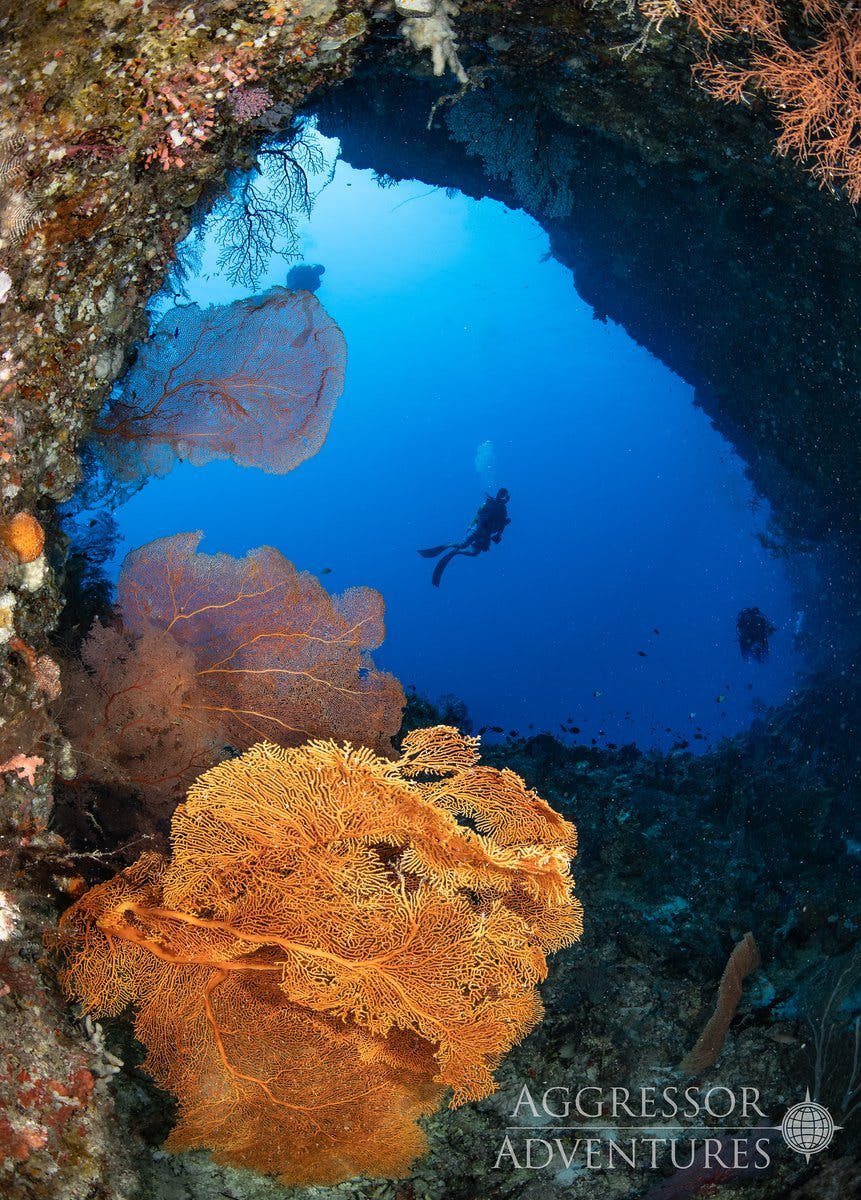
Blue Holes is a system of four vertical openings in the reef plateau just south of Blue Corner. Divers descend through shafts of blue light into a large cavern space, then can exit toward the outer wall.
The site is visually dramatic without requiring deep technical penetration, but overhead awareness and excellent buoyancy are still important. Divers uncomfortable with enclosed space can remain near the open shafts and wall. Current is usually calmer than at Blue Corner, which makes Blue Holes a useful topographic dive before moving on to the more energetic nearby sites.
Look for: Four sinkholes · Cavern light · 5–35 m · Near Blue Corner
Idéal pour : Light shafts · Cavern · Wall photography
Cavern · Air chambers · Halocline
Chandelier Cave
Chandelier Cave is a shallow limestone cavern system close to Koror, with several connected chambers and air pockets decorated by stalactites and stalagmites.
Découvrir ce site de plongée
- Type
- Cavern · Air chambers · Halocline
- Profondeur
- 3–18 m
- Expérience
- Intermediate / Cavern awareness
- Courant
- None–Mild
Chandelier Cave is a shallow limestone cavern system close to Koror, with several connected chambers and air pockets decorated by stalactites and stalagmites. The dive is physically easy because current is minimal and depth is modest, but overhead-environment judgement is still essential.
Divers should enter only with a guide who knows the route and should never exceed the light, gas or comfort limits appropriate to cavern diving. The halocline and reflections inside the chambers create a very different experience from Palau’s open-ocean shark dives, making it an excellent contrast within the same trip.
Look for: Five chambers · Air pockets · Stalactites · Shallow cavern
Idéal pour : Stalactites · Air pockets · Unique geology
Wall · Drift · Pelagic
Peleliu Wall
Peleliu Wall is one of Palau’s most exposed southern dives, where a coral plateau drops into deep blue water and strong current can bring sharks, tuna and other pelagics along the edge.
Découvrir ce site de plongée
- Type
- Wall · Drift · Pelagic
- Profondeur
- 7–40 m
- Expérience
- Advanced
- Courant
- Moderate–Strong
Peleliu Wall is one of Palau’s most exposed southern dives, where a coral plateau drops into deep blue water and strong current can bring sharks, tuna and other pelagics along the edge. The wall is covered in soft coral, black coral and sea fans, so the reef remains impressive even when larger animals stay distant.
Depth and current combine to make this an advanced profile. Divers need to keep close to the wall, monitor depth carefully and follow the guide’s exit plan rather than allowing the current to pull the group into open ocean.
Look for: Deep wall · Pelagic potential · Strong current · Advanced profile
Idéal pour : Pelagics · Wall · Strong current · Wide angle
WWII wreck · Reef growth
Helmet Wreck
Helmet Wreck is one of Palau’s most accessible WWII wrecks, beginning around 10 metres at the stern and descending toward roughly 30 metres at the bow.
Découvrir ce site de plongée
- Type
- WWII wreck · Reef growth
- Profondeur
- 10–30 m
- Expérience
- Intermediate–Advanced
- Courant
- Mild
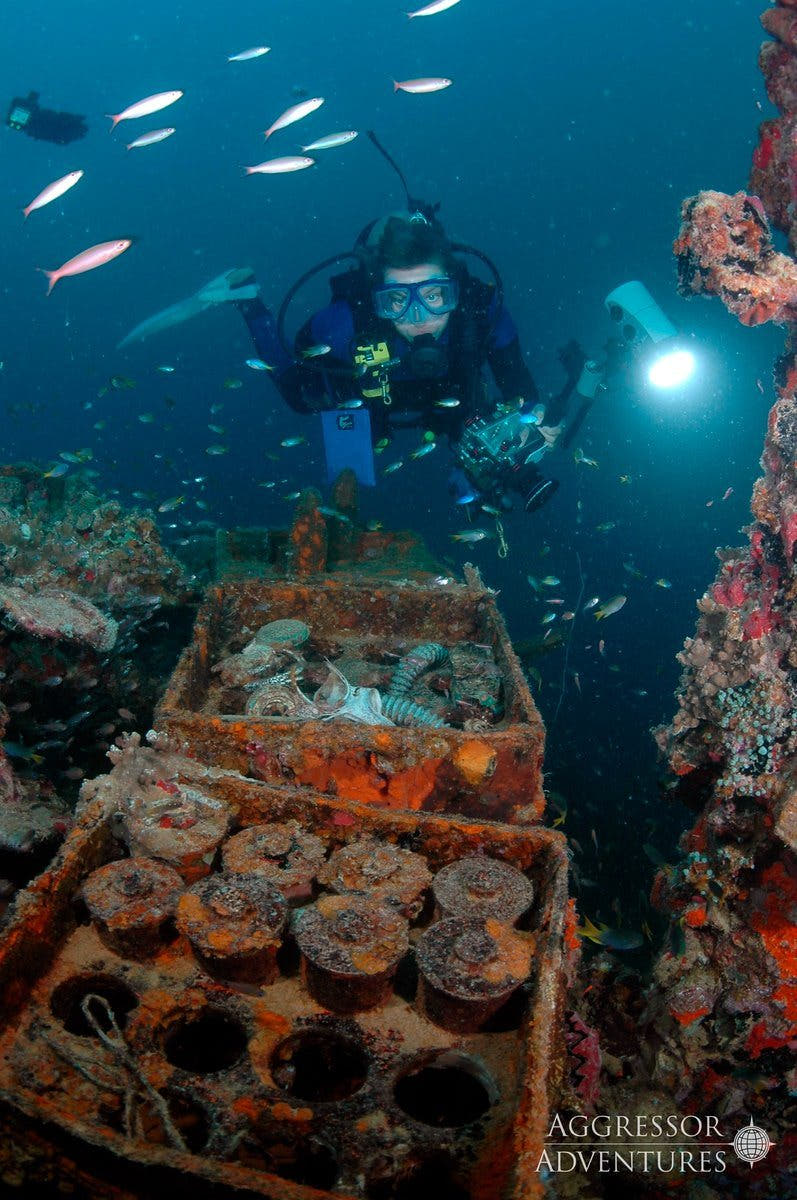
Helmet Wreck is one of Palau’s most accessible WWII wrecks, beginning around 10 metres at the stern and descending toward roughly 30 metres at the bow. Ammunition, rifles, helmets and other wartime remnants are part of the site’s historical appeal, while decades underwater have added coral and fish life to the structure.
The wreck is upright enough to be easy to understand from the outside, so penetration is not necessary for a rewarding dive. Divers should treat artifacts as protected history and avoid touching or moving anything. The exact mooring is operator-managed near Koror.
Look for: WWII wreck · 10–30 m · Historic artifacts · Accessible wreck
Idéal pour : WWII wreck · Artifacts · Photography
Wall · Current point · Pelagic
New Drop Off
New Drop Off lies only a few kilometres from Blue Corner and shares many of the same ingredients: clear oceanic water, a steep wall and current that attracts sharks and schooling fish.
Découvrir ce site de plongée
- Type
- Wall · Current point · Pelagic
- Profondeur
- 10–35 m
- Expérience
- Advanced
- Courant
- Moderate–Strong
New Drop Off lies only a few kilometres from Blue Corner and shares many of the same ingredients: clear oceanic water, a steep wall and current that attracts sharks and schooling fish. The site often feels slightly less intense than Blue Corner but still demands solid current skills.
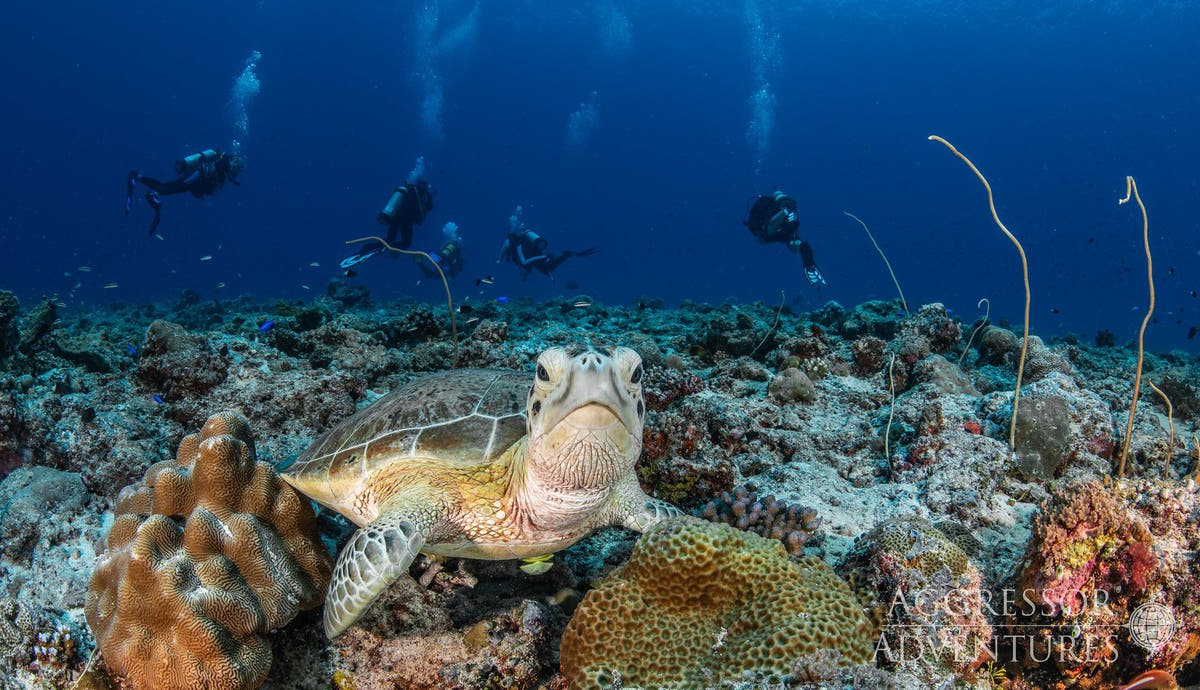
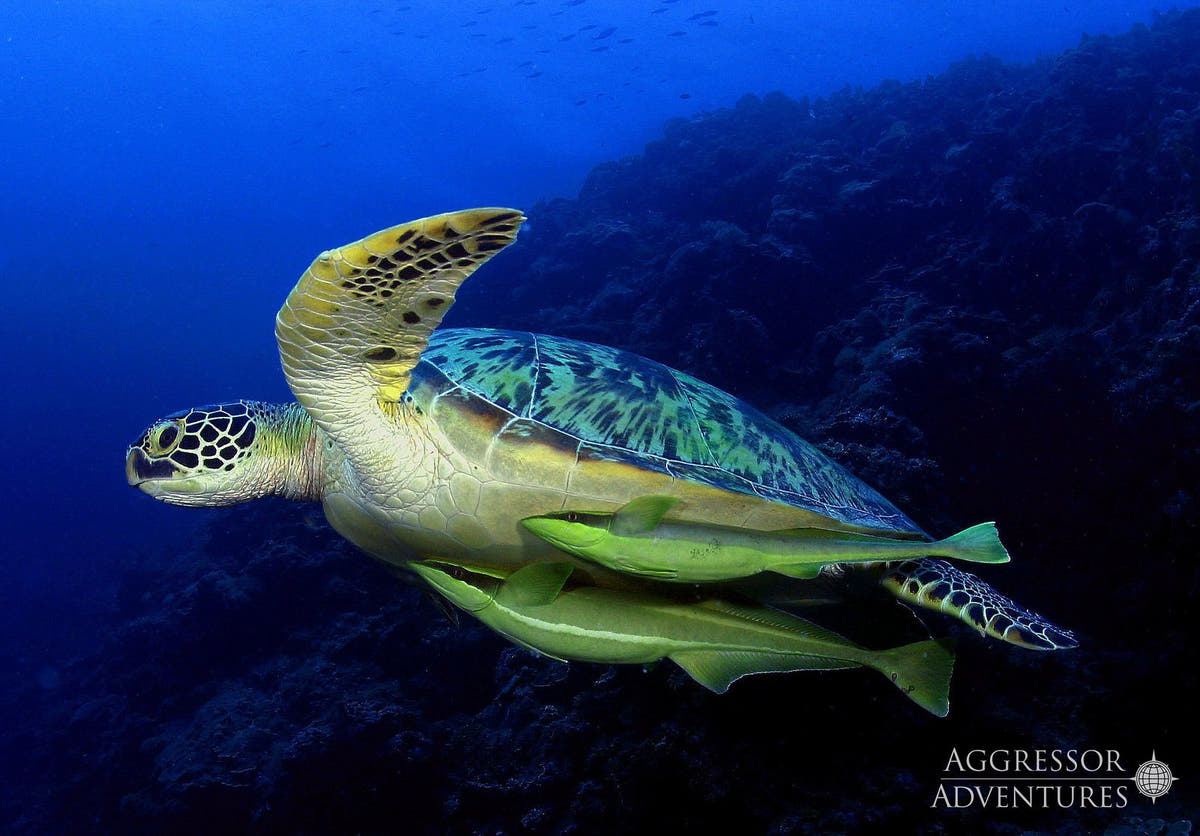
Grey reef sharks, turtles, barracuda and reef fish move along the edge, while the wall provides excellent wide-angle scenery. The dive plan depends on tide and may involve drifting along the wall before settling near a corner. The public exact coordinate varies between operators, so the map uses an approximate outer-reef anchor.
Look for: Wall + current point · Grey reef sharks · Clear water · Advanced drift
Idéal pour : Grey reef sharks · Turtles · Wall · Clear water
Photographie sous-marine
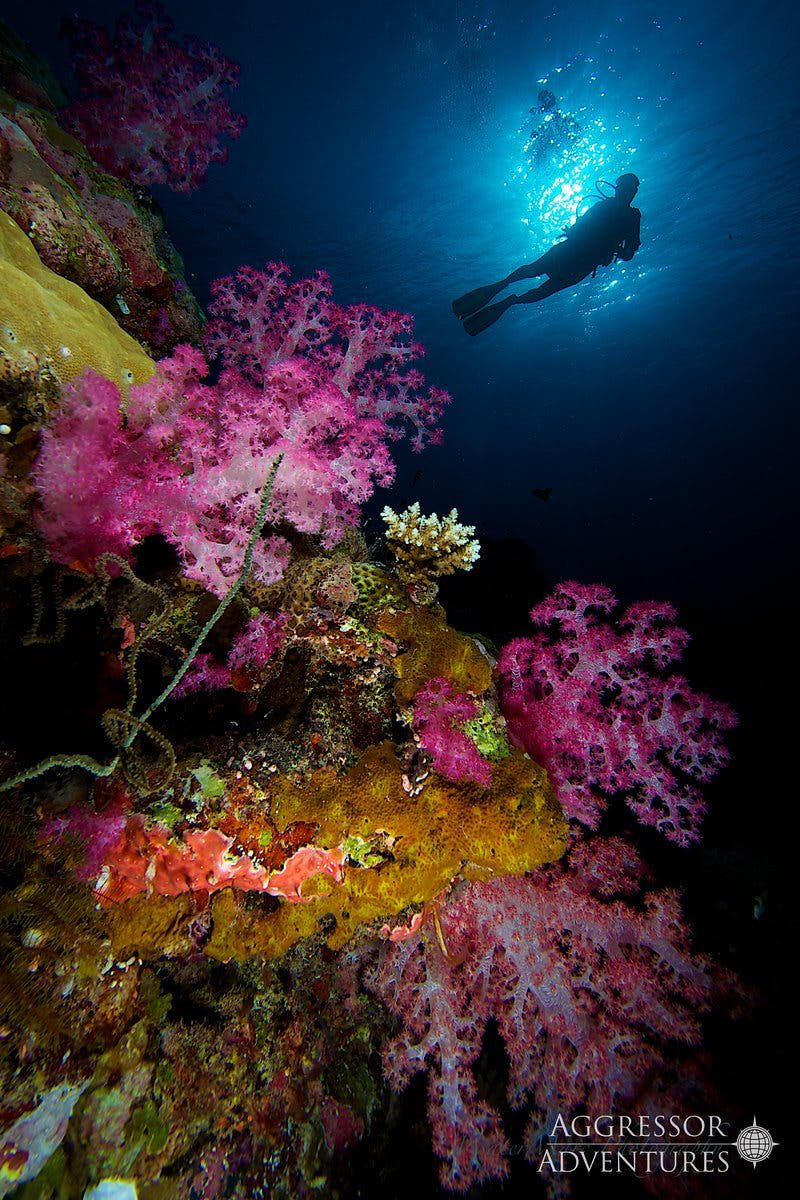
À Blue Corner, les requins gris de récif, les carangues, les barracudas et la plongée en courant donnent une idée des possibilités photographiques. Choisissez la configuration de l'appareil photo pour les sites prévus, puis laissez du temps pour observer la scène avant de prendre l'image. Recommencer une plongée productive crée souvent de meilleures opportunités que de chercher constamment un autre emplacement. Pour les scènes de récif, utilisez la forme du récif et la lumière disponible pour donner de la profondeur à l'image. Un plongeur à une distance respectueuse peut fournir une échelle sans accabler l'animal.
Au-delà de la plongée : Palau au-dessus de la surface
Les Rock Islands offrent un paysage distinctif pour le kayak, l'exploration en bateau et le snorkeling adapté. L'histoire culturelle et de la Seconde Guerre mondiale ajoute de l'intérêt sur terre, avec Koror offrant une base pratique pour les soirées et les excursions de jour.
Les sites naturels peuvent avoir des règles d'accès et des permis spécifiques. Planifiez les expériences que vous souhaitez le plus comme des parties explicites de l'itinéraire, en particulier pour les non-plongeurs. Un séjour en hôtel offre généralement plus de flexibilité pour des activités terrestres séparées qu'une croisière avec un programme de plongée concentré.
Comment se rendre à Palau
Prenez l'avion jusqu'à l'aéroport international Roman Tmetuchl (ROR) et prenez le transfert vers Koror/Malakal. De là, choisissez des bateaux de jour depuis la côte ou un bateau-hôtel selon le volume de plongée préféré, le budget et le style d'itinéraire.
Choisissez les heures d'arrivée et de départ autour du transfert ultérieur, en particulier lorsqu'un trajet en bateau ou un long trajet routier est impliqué. Laissez de la place pour une dernière journée détendue à terre et un intervalle approprié entre la dernière plongée et l'avion.
Questions sur la plongée à Palau
Qu'est-ce qui rend Palau digne d'un voyage de plongée ?
Les chenaux et les coins de récif de Palau sont façonnés par la marée : les poissons se rassemblent, les requins patrouillent et une paroi peut soudainement se remplir de mouvement. Les grottes, les épaves et les Rock Islands rendent la destination beaucoup plus vaste qu'une seule célèbre plongée en dérive.
Comment devrais-je planifier mon séjour ?
Séjournez près de Koror pour la flexibilité depuis la côte et les plongées en bateau de jour, ou choisissez un bateau-hôtel pour passer plus de temps près des sites extérieurs. Comparez l'itinéraire réel et les trajets en tender. Une durée de sept à dix nuits constitue un cadre utile pour une première visite variée, en particulier si vous souhaitez à la fois plonger et explorer les îles.
Quand est-il utile de visiter ?
La plongée est disponible toute l'année. La période de novembre à avril est généralement une fenêtre de départ plus sèche, mais les marées restent essentielles pour les plongées dans les chenaux et les coins. Une rencontre particulière avec un animal ne devrait jamais être considérée comme le résultat automatique du choix du bon mois.
Y a-t-il assez pour les compagnons non-plongeurs ?
Les Rock Islands offrent un paysage distinctif pour le kayak, l'exploration en bateau et le snorkeling adapté. L'histoire culturelle et de la Seconde Guerre mondiale ajoute de l'intérêt sur terre, avec Koror offrant une base pratique pour les soirées et les excursions de jour.
A closer look at Palau
Planifiez votre voyage à Palau
Dites-nous les expériences que vous souhaitez le plus, vos dates préférées et comment vous aimez voyager. Nous pouvons regrouper la destination, l'hébergement et la plongée dans un seul itinéraire cohérent.
Planifier mon voyage