

Destination guide · Indonesia
Plongée à Raja Ampat : récifs, complexes hôteliers et bateaux-hôtels
Raja Ampat is an archipelago to explore, not one reef to tick off. Fish-rich points, manta cleaning areas and layered coral gardens sit beneath forested limestone islands. A resort, a liveaboard or a combination can each reveal a different part of it.
Courtesy of Papua Diving Resorts
Raja Ampat en un coup d'œil
Raja Ampat est un archipel de jardins coralliens, de crêtes irriguées par les courants et d'îles calcaires dans le sud-ouest de la Papouasie. Sa plus grande force réside dans l'incroyable variété de la vie récifale : une plongée peut passer d'une exploration minutieuse des coraux mous à une vue d'ensemble de bancs de poissons au-dessus d'une crête immergée.
Choisissez d'abord la région avant le type d'hébergement. Un complexe hôtelier permet d'accéder régulièrement à un réseau local de sites ; un bateau-hôtel peut relier des systèmes récifaux plus éloignés. Le détroit de Dampier, les îles du nord et Misool constituent des parties distinctes d'une vaste destination, aucun séjour ou croisière ne peut donc représenter à lui seul l'ensemble de Raja Ampat.
Planifier votre séjour à Raja Ampat
Un complexe hôtelier vous permet de découvrir une région en profondeur, de revisiter des sites et de profiter d'un récif attenant. Un bateau-hôtel peut relier des groupes d'îles plus éloignés, l'itinéraire déterminant si vous passerez du temps dans le détroit de Dampier, au nord ou à Misool. Combiner les deux fonctionne bien lorsque les jours de transfert et le programme de navigation coïncident.

Papua Diving Resorts — Sorido Bay / Kri Eco
Deux resorts pionniers de la plongée sur Kri Island : le raffiné Sorido Bay en bord de plage et le traditionnel Kri Eco sur pilotis, tous deux avec forfaits en pension complète, récifs protégés et plongée en petits groupes...

Papua Explorers Dive Resort
Resort de plongée écoresponsable sur pilotis sur Gam Island, avec bungalows sur l'eau en pension complète, petits groupes de plongée, Nitrox gratuit et accès facile à plus de 50 sites du détroit de Dampier.

Meridian Adventure Dive
PADI Five Star Eco Resort avec marina à Waisai, proposant des arrivées flexibles, une catégorie de chambres modernes, des plongées personnalisées et l'accès à plus de 75 sites de Raja Ampat.
Liveaboard routes for this destination
Explore the routes that visit this region. Compare ships and itineraries, then open a route to see its sailing dates, cabins and the areas it covers.
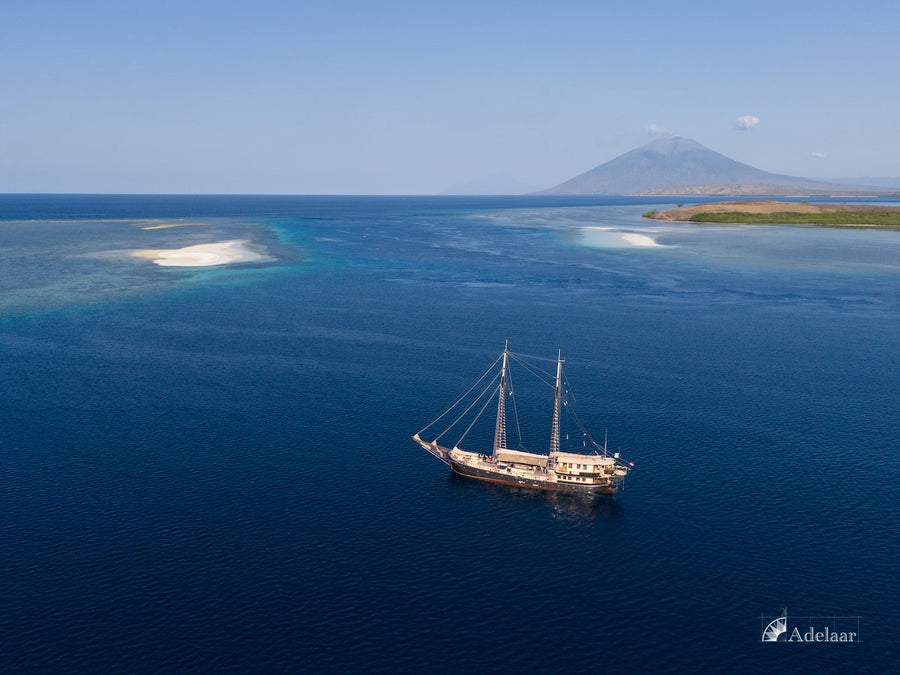
Adelaar
Raja Ampat & mer de Banda — Ambon à Sorong — 10 nuits
- Indicative duration
- 10 nights
- Embarquement
- Ambon
- Débarquement
- Sorong
Adelaar
Raja Ampat & mer de Banda — Ambon à Sorong — 9 nuits
- Indicative duration
- 9 nights
- Embarquement
- Ambon
- Débarquement
- Sorong
Adelaar
Raja Ampat & mer de Banda — Sorong à Ambon — 10 nuits
- Indicative duration
- 10 nights
- Embarquement
- Sorong
- Débarquement
- Ambon
Adelaar
Raja Ampat Central & Sud — Sorong à Sorong — 6 nuits
- Indicative duration
- 6 nights
- Embarquement
- Sorong
- Débarquement
- Sorong
Adelaar
Raja Ampat Central & Sud — Sorong à Sorong — 7 nuits
- Indicative duration
- 7 nights
- Embarquement
- Sorong
- Débarquement
- Sorong
Adelaar
Raja Ampat Central & Sud — Sorong à Sorong — 8 nuits
- Indicative duration
- 8 nights
- Embarquement
- Sorong
- Débarquement
- Sorong
Adelaar
Raja Ampat Central & Sud — Sorong à Sorong — 9 nuits
- Indicative duration
- 9 nights
- Embarquement
- Sorong
- Débarquement
- Sorong
Adelaar
Total Raja Ampat — Sorong à Sorong — 10 nuits
- Indicative duration
- 10 nights
- Embarquement
- Sorong
- Débarquement
- Sorong
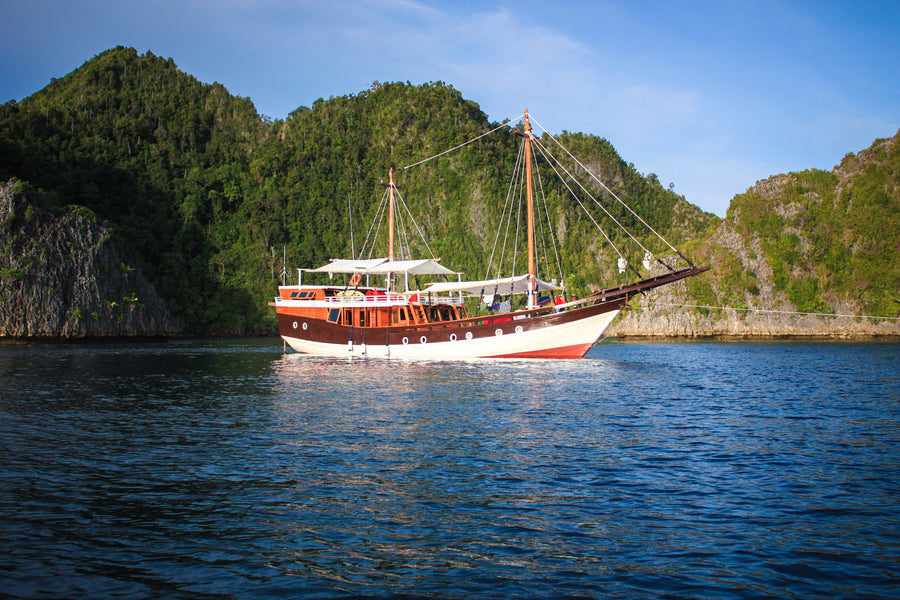
Akomo Isseki
Raja Ampat — 10 nuits
- Indicative duration
- 10 nights
- Embarquement
- Waisai
- Débarquement
- Waisai
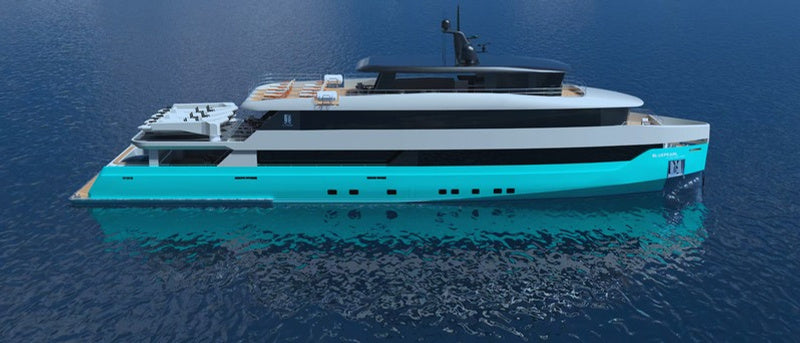
M/Y Blue Pearl
Raja Ampat & Lembeh — 9 nuits
- Indicative duration
- 9 nights
- Embarquement
- Sorong / Lembeh
- Débarquement
- Lembeh / Sorong
M/Y Blue Pearl
Raja Ampat & Triton Bay — 10 nuits
- Indicative duration
- 10 nights
- Embarquement
- Sorong / Kaimana
- Débarquement
- Kaimana / Sorong
M/Y Blue Pearl
Raja Ampat — 8 nuits
- Indicative duration
- 8 nights
- Embarquement
- Sorong
- Débarquement
- Sorong
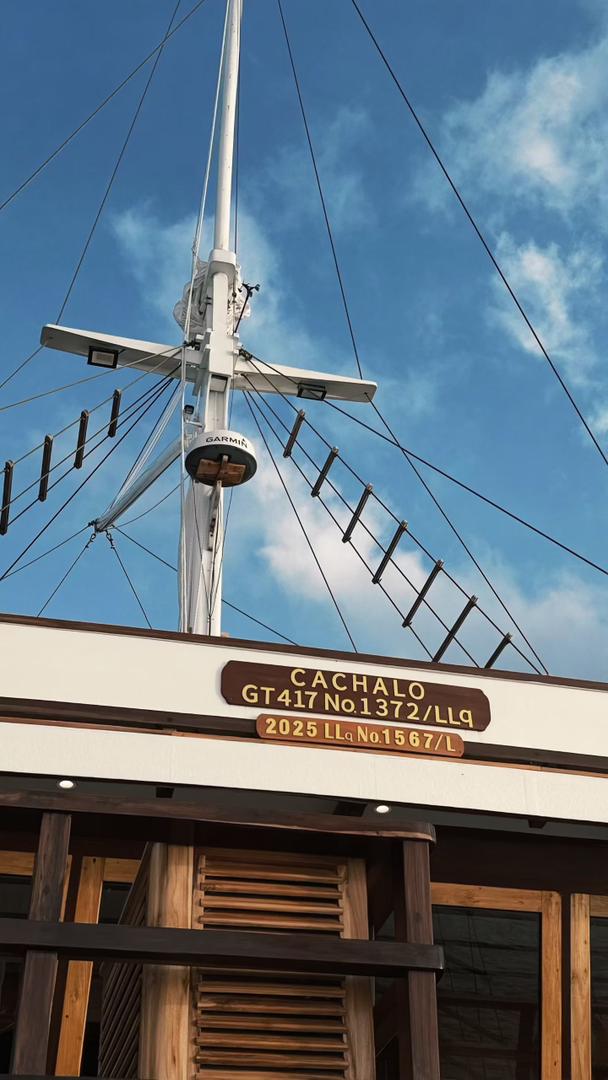
Cachalo
Ambon à Raja Ampat — Ambon à Sorong — 7 nuits
- Indicative duration
- 7 nights
- Embarquement
- Ambon
- Débarquement
- Sorong
Cachalo
Raja Ampat — Sorong à Sorong — 7 nuits
- Indicative duration
- 7 nights
- Embarquement
- Sorong
- Débarquement
- Sorong

Calico Jack
Banda Neira & Misool — Ambon à Sorong — 11 nuits
- Indicative duration
- 11 nights
- Embarquement
- Ambon
- Débarquement
- Sorong
Calico Jack
Banda Neira & Misool — Sorong à Ambon — 11 nuits
- Indicative duration
- 11 nights
- Embarquement
- Sorong
- Débarquement
- Ambon
Calico Jack
Cenderawasih Bay — Manokwari à Nabire — 11 nuits
- Indicative duration
- 11 nights
- Embarquement
- Manokwari
- Débarquement
- Nabire
Calico Jack
Cenderawasih Bay — Nabire à Manokwari — 11 nuits
- Indicative duration
- 11 nights
- Embarquement
- Nabire
- Débarquement
- Manokwari
Calico Jack
Raja Ampat Central & Wayag — 8 nuits
- Indicative duration
- 8 nights
- Embarquement
- Sorong
- Débarquement
- Sorong
Calico Jack
Raja Ampat Full Park & Misool — 11 nuits
- Indicative duration
- 11 nights
- Embarquement
- Sorong
- Débarquement
- Sorong
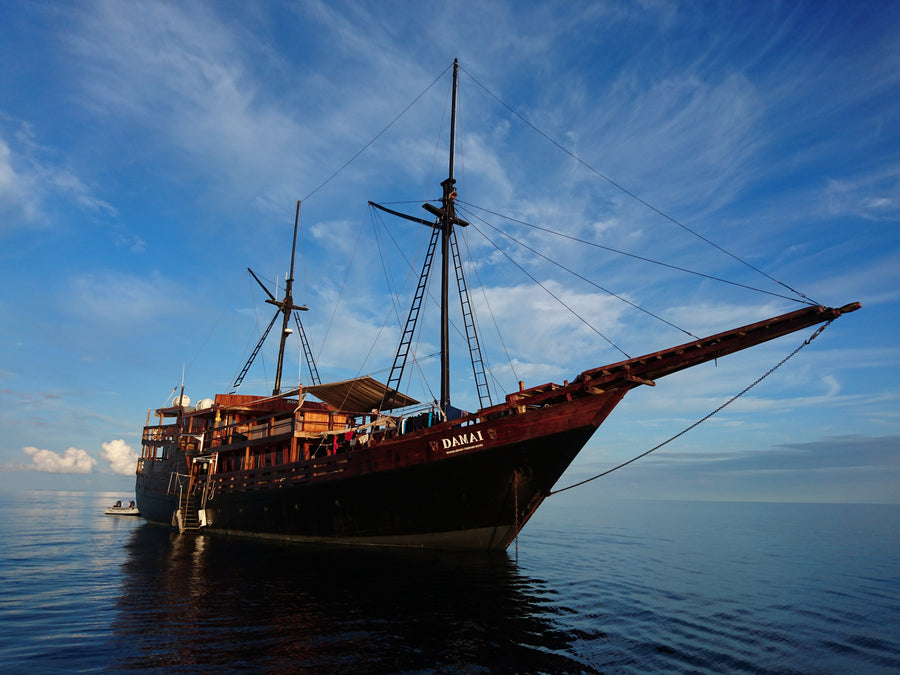
DAMAI I
Raja Ampat & Triton Bay — 11 nuits
- Indicative duration
- 11 nights
- Embarquement
- Sorong
- Débarquement
- Kaimana
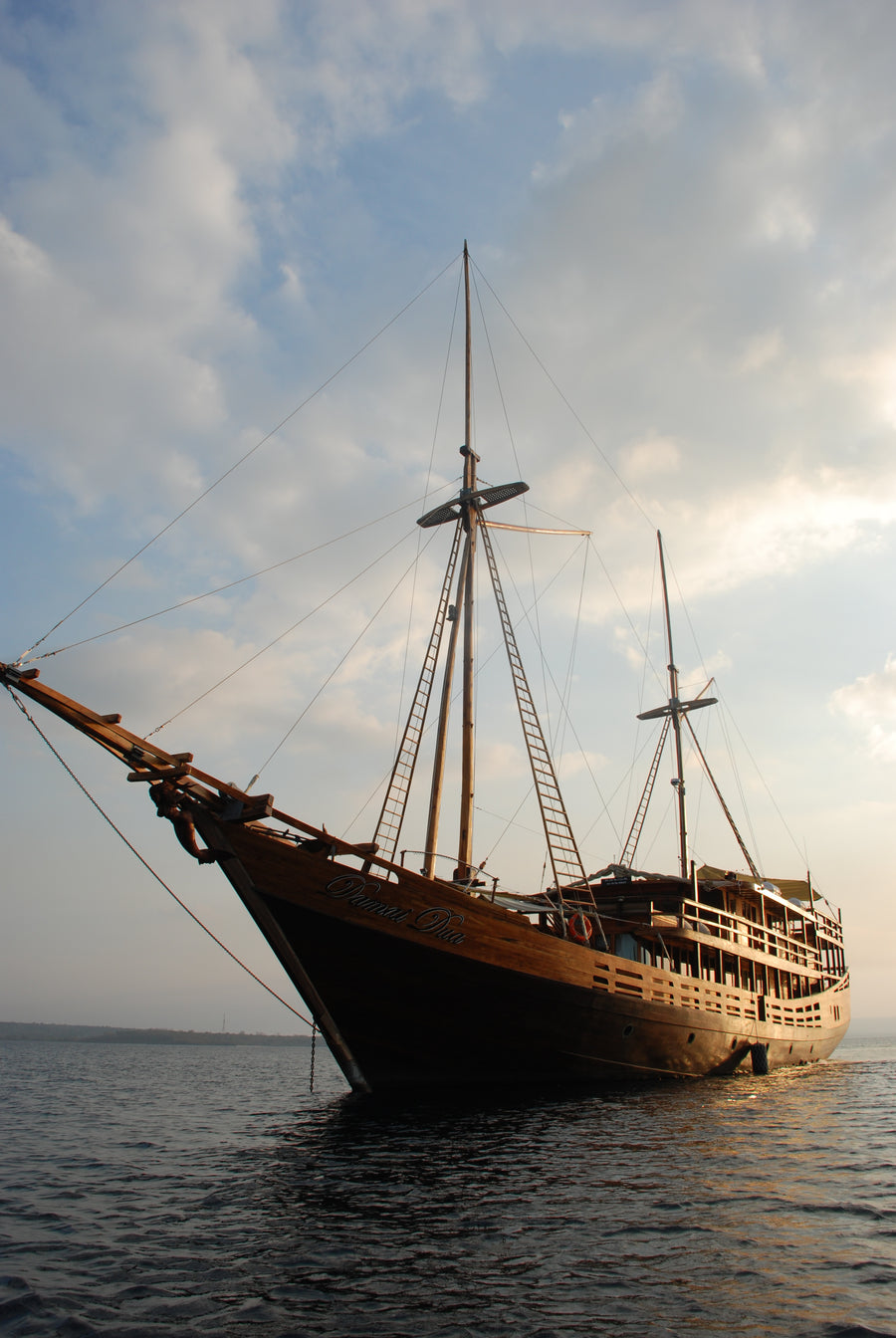
DAMAI II
Raja Ampat — 10 nuits
- Indicative duration
- 10 nights
- Embarquement
- Sorong
- Débarquement
- Sorong
DAMAI II
Raja Ampat — 11 nuits
- Indicative duration
- 11 nights
- Embarquement
- Sorong
- Débarquement
- Sorong
DAMAI II
Raja Ampat — 7 nuits
- Indicative duration
- 7 nights
- Embarquement
- Sorong
- Débarquement
- Sorong
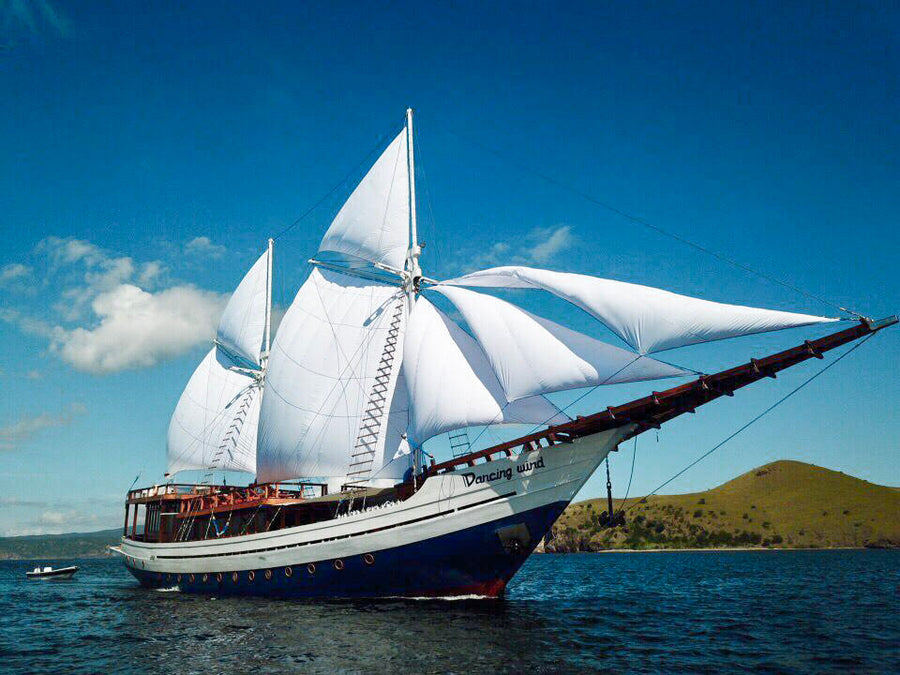
Dancing Wind
11D10N Best of Raja Ampat — Sorong à Sorong — 10 nuits
- Indicative duration
- 10 nights
- Embarquement
- Sorong
- Débarquement
- Sorong
Dancing Wind
11D10N Misool, Sud Raja Ampat — Sorong à Sorong — 10 nuits
- Indicative duration
- 10 nights
- Embarquement
- Sorong
- Débarquement
- Sorong
Dancing Wind
12D11N Best of Raja Ampat — Sorong à Sorong — 11 nuits
- Indicative duration
- 11 nights
- Embarquement
- Sorong
- Débarquement
- Sorong
Dancing Wind
12D11N Kaimana - Triton Bay - Misool — Kaimana à Sorong — 11 nuits
- Indicative duration
- 11 nights
- Embarquement
- Kaimana
- Débarquement
- Sorong
Dancing Wind
12D11N Misool - Triton Bay - Kaimana — Sorong à Kaimana — 11 nuits
- Indicative duration
- 11 nights
- Embarquement
- Sorong
- Débarquement
- Kaimana
Dancing Wind
13D12N Kaimana - Triton Bay - Misool — Kaimana à Sorong — 12 nuits
- Indicative duration
- 12 nights
- Embarquement
- Kaimana
- Débarquement
- Sorong
Dancing Wind
7D6N Raja Ampat — Sorong à Sorong — 6 nuits
- Indicative duration
- 6 nights
- Embarquement
- Sorong
- Débarquement
- Sorong
Dancing Wind
8D7N Central Raja Ampat — Sorong à Sorong — 7 nuits
- Indicative duration
- 7 nights
- Embarquement
- Sorong
- Débarquement
- Sorong
Dancing Wind
8D7N Misool, Sud Raja Ampat — Sorong à Sorong — 7 nuits
- Indicative duration
- 7 nights
- Embarquement
- Sorong
- Débarquement
- Sorong
Dancing Wind
9D8N Raja Ampat Misool — Sorong à Sorong — 8 nuits
- Indicative duration
- 8 nights
- Embarquement
- Sorong
- Débarquement
- Sorong
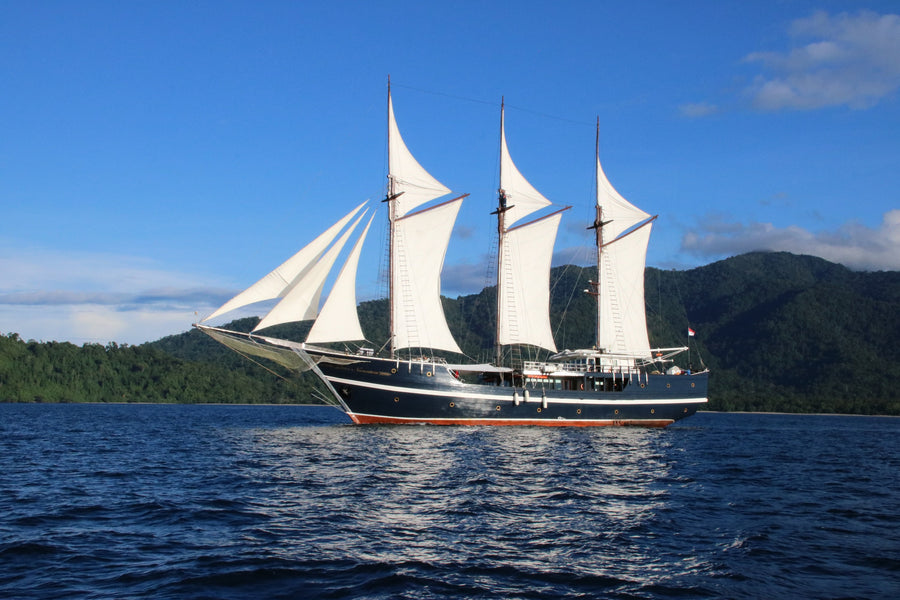
Dewi Nusantara
All of Raja Ampat - Biodiversity Hotspot — Sorong à Sorong — 10 nuits
- Indicative duration
- 10 nights
- Embarquement
- Sorong
- Débarquement
- Sorong
Dewi Nusantara
All of Raja Ampat - Biodiversity Hotspot — Sorong à Sorong — 11 nuits
- Indicative duration
- 11 nights
- Embarquement
- Sorong
- Débarquement
- Sorong
Dewi Nusantara
All of Raja Ampat - Biodiversity Hotspot — Sorong à Sorong — 9 nuits
- Indicative duration
- 9 nights
- Embarquement
- Sorong
- Débarquement
- Sorong
Dewi Nusantara
All of Raja Ampat including Kofiau Island — Sorong à Sorong — 11 nuits
- Indicative duration
- 11 nights
- Embarquement
- Sorong
- Débarquement
- Sorong
Dewi Nusantara
Ambon, the Banda Islands, Koon & Misool, Sud Raja Ampat — Ambon à Sorong — 11 nuits
- Indicative duration
- 11 nights
- Embarquement
- Ambon
- Débarquement
- Sorong
Dewi Nusantara
Halmahera & Nord Raja Ampat — Ternate à Sorong — 11 nuits
- Indicative duration
- 11 nights
- Embarquement
- Ternate
- Débarquement
- Sorong
Dewi Nusantara
Raja Ampat, Misool & Sud-Ouest Halmahera — Sorong à Ternate — 11 nuits
- Indicative duration
- 11 nights
- Embarquement
- Sorong
- Débarquement
- Ternate
Dewi Nusantara
Sud Raja Ampat, Misool, The Bomberai Peninsula & Central Raja Ampat — Sorong à Sorong — 11 nuits
- Indicative duration
- 11 nights
- Embarquement
- Sorong
- Débarquement
- Sorong
Dewi Nusantara
Wild Ouest Papua: Route I - Sud Raja Ampat, Misool, The Bomberai Peninsula & Triton Bay — Sorong à Kaimana — 10 nuits
- Indicative duration
- 10 nights
- Embarquement
- Sorong
- Débarquement
- Kaimana
Dewi Nusantara
Wild Ouest Papua: Route I - Sud Raja Ampat, Misool, The Bomberai Peninsula & Triton Bay — Sorong à Kaimana — 11 nuits
- Indicative duration
- 11 nights
- Embarquement
- Sorong
- Débarquement
- Kaimana
Dewi Nusantara
Wild Ouest Papua: Route II - Triton Bay, The Bomberai Peninsula, Misool & Sud Raja Ampat — Kaimana à Sorong — 10 nuits
- Indicative duration
- 10 nights
- Embarquement
- Kaimana
- Débarquement
- Sorong
Dewi Nusantara
Wild Ouest Papua: Route II - Triton Bay, The Bomberai Peninsula, Misool & Sud Raja Ampat — Kaimana à Sorong — 11 nuits
- Indicative duration
- 11 nights
- Embarquement
- Kaimana
- Débarquement
- Sorong
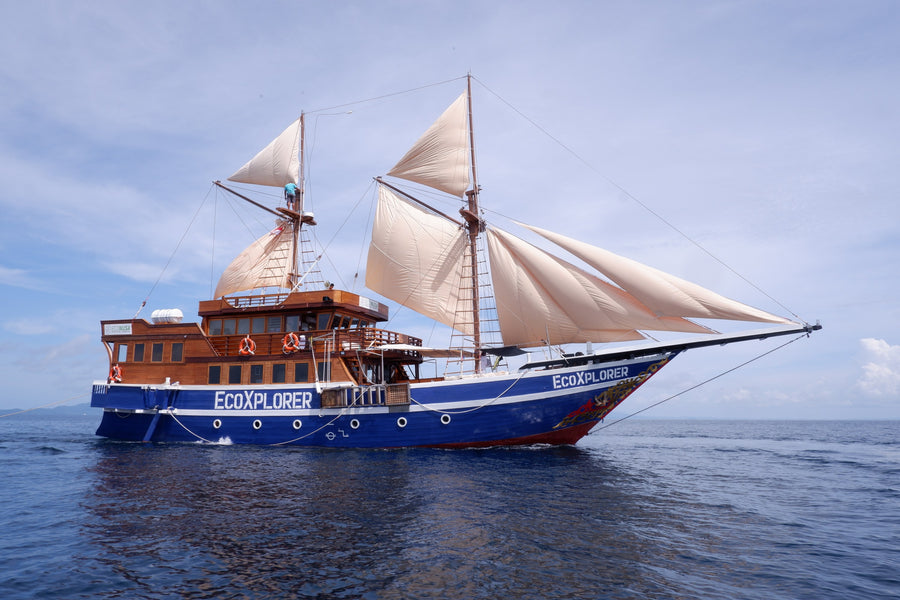
EcoXplorer
Banda – Misool — 10 nuits
- Indicative duration
- 10 nights
- Embarquement
- Tulehu
- Débarquement
- Sorong
EcoXplorer
Cenderawasih Bay: Biak – Manokwari – Sorong — 9 nuits
- Indicative duration
- 9 nights
- Embarquement
- Biak
- Débarquement
- Sorong
EcoXplorer
Cenderawasih Bay: Sorong – Manokwari – Biak — 9 nuits
- Indicative duration
- 9 nights
- Embarquement
- Sorong
- Débarquement
- Biak
EcoXplorer
Central Raja Ampat — 7 nuits
- Indicative duration
- 7 nights
- Embarquement
- Sorong
- Débarquement
- Sorong
EcoXplorer
Mapia Hidden Gem expédition — 9 nuits
- Indicative duration
- 9 nights
- Embarquement
- Biak
- Débarquement
- Biak
EcoXplorer
Misool – Banda — 10 nuits
- Indicative duration
- 10 nights
- Embarquement
- Sorong
- Débarquement
- Tulehu
EcoXplorer
New Year Nord & Central Raja Ampat — 7 nuits
- Indicative duration
- 7 nights
- Embarquement
- Sorong
- Débarquement
- Sorong
EcoXplorer
Raja Ampat Cultural & Culinary / Nord — 7 nuits
- Indicative duration
- 7 nights
- Embarquement
- Sorong
- Débarquement
- Sorong
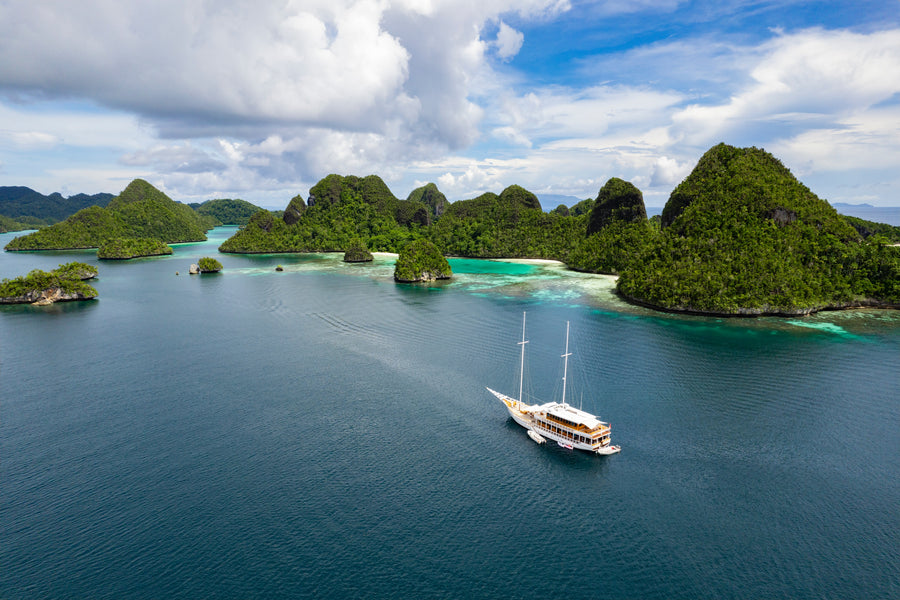
Fenides
Raja Ampat — 10 nuits
- Indicative duration
- 10 nights
- Embarquement
- Sorong
- Débarquement
- Sorong
Fenides
Raja Ampat — 7 nuits
- Indicative duration
- 7 nights
- Embarquement
- Sorong
- Débarquement
- Sorong
Fenides
Ternate à Sorong — 12 nuits
- Indicative duration
- 12 nights
- Embarquement
- Ternate
- Débarquement
- Sorong
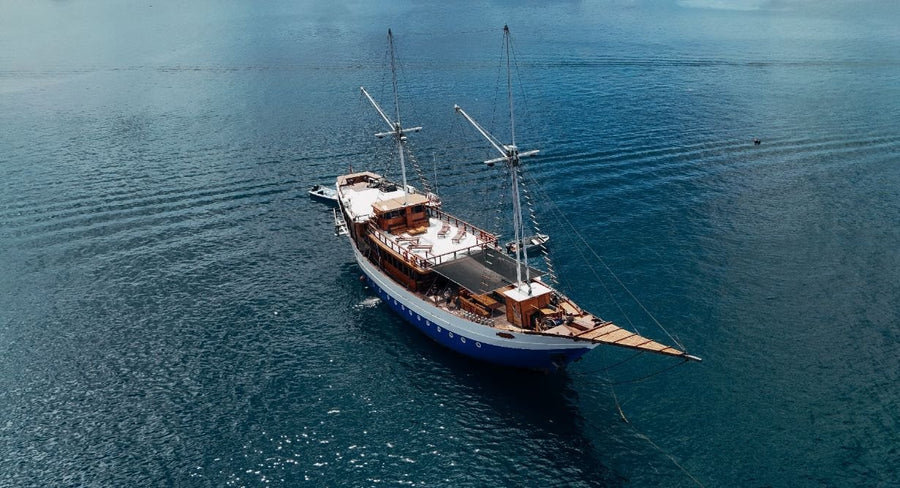
Hatiku
11D10N Best of Raja Ampat — Sorong à Sorong — 10 nuits
- Indicative duration
- 10 nights
- Embarquement
- Sorong
- Débarquement
- Sorong
Hatiku
11D10N Misool, Sud Raja Ampat — Sorong à Sorong — 10 nuits
- Indicative duration
- 10 nights
- Embarquement
- Sorong
- Débarquement
- Sorong
Hatiku
12D11N Best of Raja Ampat — Sorong à Sorong — 11 nuits
- Indicative duration
- 11 nights
- Embarquement
- Sorong
- Débarquement
- Sorong
Hatiku
6D5N Raja Ampat — Sorong à Sorong — 5 nuits
- Indicative duration
- 5 nights
- Embarquement
- Sorong
- Débarquement
- Sorong
Hatiku
7D6N Raja Ampat — Sorong à Sorong — 6 nuits
- Indicative duration
- 6 nights
- Embarquement
- Sorong
- Débarquement
- Sorong
Hatiku
8D7N Central Raja Ampat — Sorong à Sorong — 7 nuits
- Indicative duration
- 7 nights
- Embarquement
- Sorong
- Débarquement
- Sorong
Hatiku
9D8N Raja Ampat Misool — Sorong à Sorong — 8 nuits
- Indicative duration
- 8 nights
- Embarquement
- Sorong
- Débarquement
- Sorong
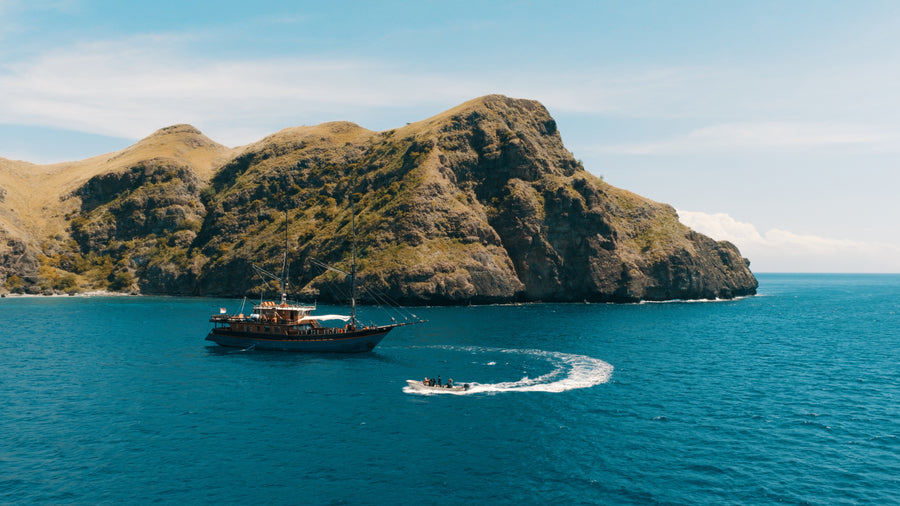
Iliké
Maluku & Raja Ampat — Ambon à Sorong — 13 nuits
- Indicative duration
- 13 nights
- Embarquement
- Ambon
- Débarquement
- Sorong
Iliké
Raja Ampat & Maluku — Sorong à Ambon — 11 nuits
- Indicative duration
- 11 nights
- Embarquement
- Sorong
- Débarquement
- Ambon
Iliké
Raja Ampat & Maluku — Sorong à Ambon — 12 nuits
- Indicative duration
- 12 nights
- Embarquement
- Sorong
- Débarquement
- Ambon
Iliké
Raja Ampat & Triton Bay — Sorong à Kaimana — 11 nuits
- Indicative duration
- 11 nights
- Embarquement
- Sorong
- Débarquement
- Kaimana
Iliké
Raja Ampat — Sorong à Sorong — 10 nuits
- Indicative duration
- 10 nights
- Embarquement
- Sorong
- Débarquement
- Sorong
Iliké
Raja Ampat — Sorong à Sorong — 7 nuits
- Indicative duration
- 7 nights
- Embarquement
- Sorong
- Débarquement
- Sorong
Iliké
Triton Bay & Raja Ampat — Kaimana à Sorong — 11 nuits
- Indicative duration
- 11 nights
- Embarquement
- Kaimana
- Débarquement
- Sorong
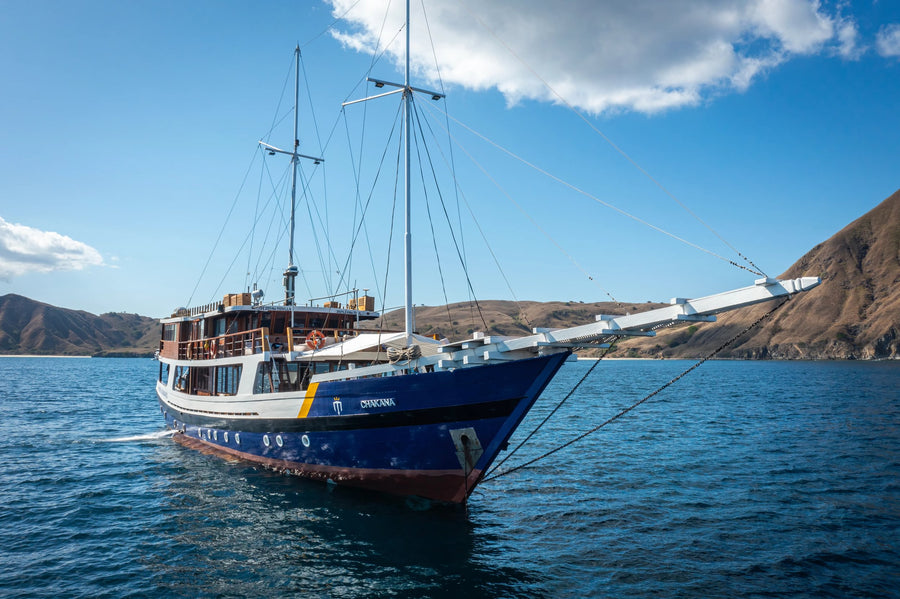
Indo Master
mer de Banda & Misool — 12 nuits
- Indicative duration
- 12 nights
- Embarquement
- Ambon
- Débarquement
- Sorong
Indo Master
Misool, Halmahera & Lembeh — 12 nuits
- Indicative duration
- 12 nights
- Embarquement
- Sorong
- Débarquement
- Lembeh / Bitung
Indo Master
Raja Ampat — 10 nuits
- Indicative duration
- 10 nights
- Embarquement
- Sorong
- Débarquement
- Sorong
Indo Master
Raja Ampat — 7 nuits
- Indicative duration
- 7 nights
- Embarquement
- Sorong
- Débarquement
- Sorong
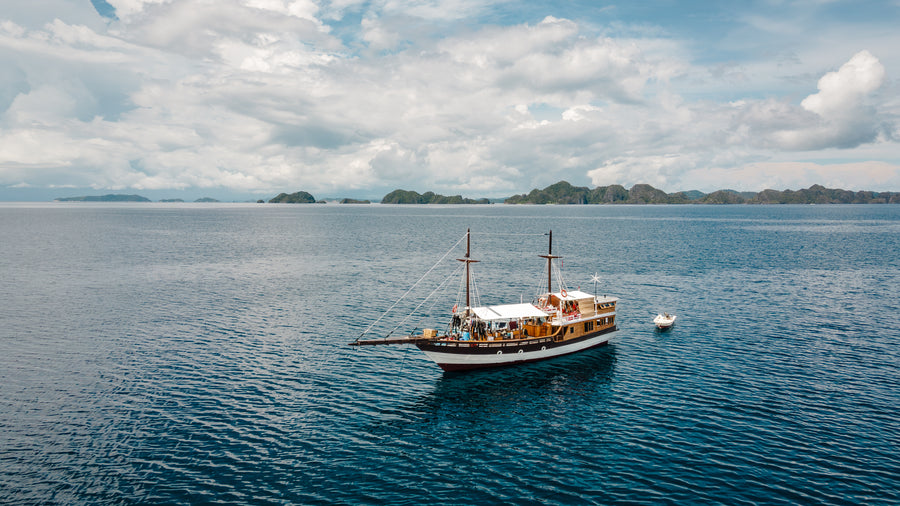
Kira Kira
Raja Ampat — 10 nuits
- Indicative duration
- 10 nights
- Embarquement
- Waisai
- Débarquement
- Waisai
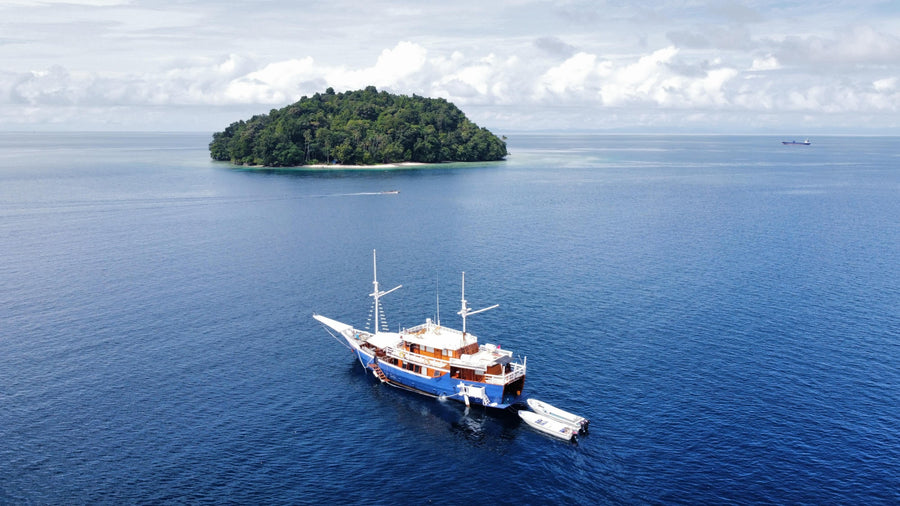
Kurabesi Nusantara
Banda – Misool — 10 nuits
- Indicative duration
- 10 nights
- Embarquement
- Tulehu
- Débarquement
- Sorong
Kurabesi Nusantara
Biak – Cenderawasih Bay – Manokwari – Sorong — 9 nuits
- Indicative duration
- 9 nights
- Embarquement
- Biak
- Débarquement
- Sorong
Kurabesi Nusantara
Christmas & New Year Raja Ampat — 7 nuits
- Indicative duration
- 7 nights
- Embarquement
- Sorong
- Débarquement
- Sorong
Kurabesi Nusantara
Misool – Banda
- Indicative duration
- 10 nights
- Embarquement
- Sorong
- Débarquement
- Tulehu
Kurabesi Nusantara
Raja Ampat Nord — 7 nuits
- Indicative duration
- 7 nights
- Embarquement
- Sorong
- Débarquement
- Sorong
Kurabesi Nusantara
Sorong – Manokwari – Cenderawasih Bay – Biak — 9 nuits
- Indicative duration
- 9 nights
- Embarquement
- Sorong
- Débarquement
- Biak
Kurabesi Nusantara
Sud Raja Ampat — 7 nuits
- Indicative duration
- 7 nights
- Embarquement
- Sorong
- Débarquement
- Sorong
Kurabesi Nusantara
Sud Raja Ampat: Misool
- Indicative duration
- 7 nights
- Embarquement
- Sorong
- Débarquement
- Sorong
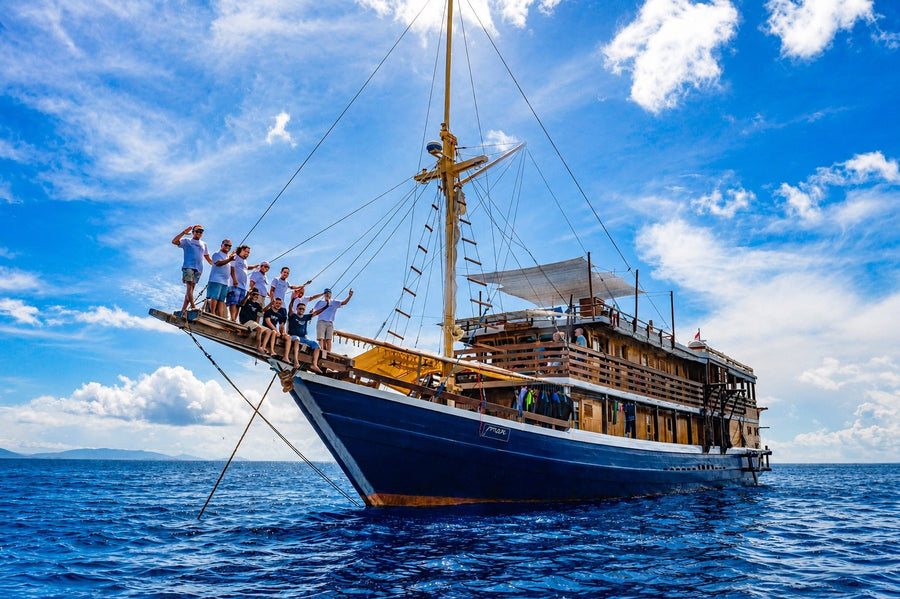
MARI Liveaboard
MARI — Raja Ampat - Best Of Central & Dampier Strait — Sorong à Sorong — 7 nuits
- Indicative duration
- 7 nights
- Embarquement
- Sorong
- Débarquement
- Sorong
MARI Liveaboard
MARI — Raja Ampat - Misool - mer de Banda — Sorong à Ambon — 12 nuits
- Indicative duration
- 12 nights
- Embarquement
- Sorong
- Débarquement
- Ambon
MARI Liveaboard
MARI — Raja Ampat: Central Region & Misool — Sorong à Sorong — 10 nuits
- Indicative duration
- 10 nights
- Embarquement
- Sorong
- Débarquement
- Sorong
MARI Liveaboard
MARI — Raja Ampat: Central Region & Misool — Sorong à Sorong — 11 nuits
- Indicative duration
- 11 nights
- Embarquement
- Sorong
- Débarquement
- Sorong
MARI Liveaboard
MARI — The Forgotten Islands & The Ring Of Fire — Maumere à Ambon — 13 nuits
- Indicative duration
- 13 nights
- Embarquement
- Maumere
- Débarquement
- Ambon
MARI Liveaboard
MARI — Triton Bay - Misool & Raja Ampat — Kaimana à Sorong — 12 nuits
- Indicative duration
- 12 nights
- Embarquement
- Kaimana
- Débarquement
- Sorong
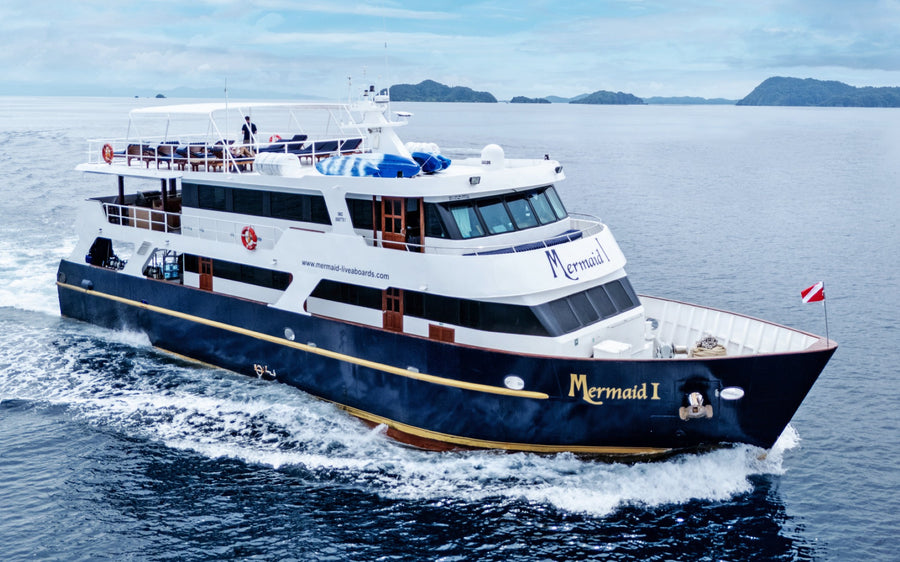
Mermaid I
Ambon, mer de Banda & Raja Ampat
- Indicative duration
- 11 nights
- Embarquement
- Ambon
- Débarquement
- Sorong, West Papua
Mermaid I
Biodiversity Super Special: Raja Ampat, mer de Banda, Alor & Maumere
- Indicative duration
- 15 nights
- Embarquement
- Sorong or Maumere — confirm per departure
- Débarquement
- Maumere or Sorong — confirm per departure
Mermaid I
Raja Ampat 10 jours
- Indicative duration
- 9 nights
- Embarquement
- Sorong, West Papua
- Débarquement
- Sorong, West Papua
Mermaid I
Raja Ampat 12 jours
- Indicative duration
- 11 nights
- Embarquement
- Sorong, West Papua
- Débarquement
- Sorong, West Papua
Mermaid I
Raja Ampat, mer de Banda, Forgotten Islands & Ambon
- Indicative duration
- 15 nights
- Embarquement
- Sorong, West Papua
- Débarquement
- Ambon
Mermaid I
Raja Ampat, Halmahera & Lembeh
- Indicative duration
- 11 nights
- Embarquement
- Sorong or Lembeh — confirm per departure
- Débarquement
- Lembeh or Sorong — confirm per departure
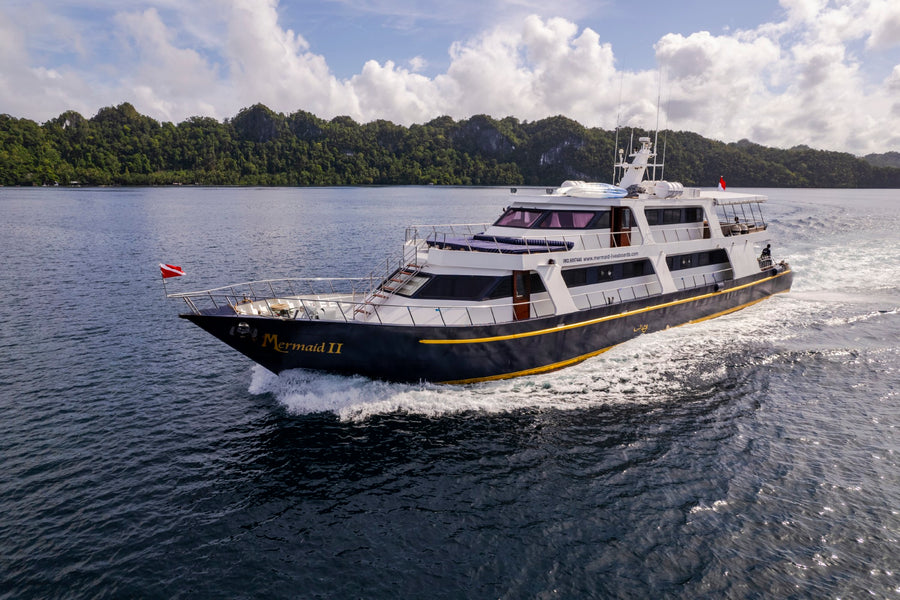
Mermaid II
Biodiversity Super Special: Raja Ampat, mer de Banda, Alor & Maumere
- Indicative duration
- 15 nights
- Embarquement
- Sorong or Maumere — confirm per departure
- Débarquement
- Maumere or Sorong — confirm per departure
Mermaid II
Raja Ampat 9 jours
- Indicative duration
- 8 nights
- Embarquement
- Sorong, West Papua
- Débarquement
- Sorong, West Papua
Mermaid II
Raja Ampat, Halmahera & Lembeh
- Indicative duration
- 11 nights
- Embarquement
- Sorong or Lembeh — confirm per departure
- Débarquement
- Lembeh or Sorong — confirm per departure
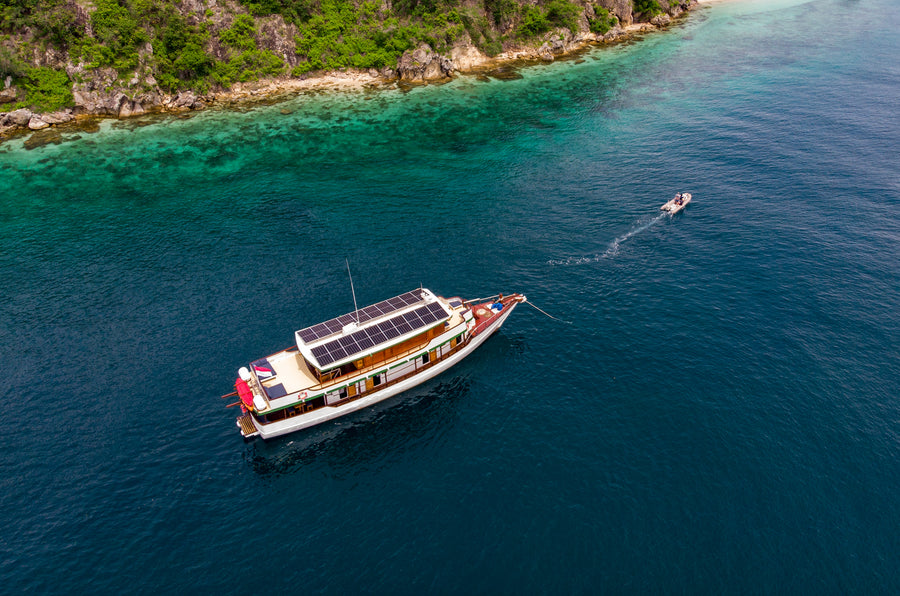
Bajau
Nomad Exploration Cruise: Spice Island à Four Kings
- Indicative duration
- 10 nights
- Embarquement
- Ambon
- Débarquement
- Sorong
Bajau
Nomad Exploration: Raja Ampat à Halmahera
- Indicative duration
- 8 nights
- Embarquement
- Sorong
- Débarquement
- Ternate
Bajau
Nomad À la découverte de Dampier Strait & Misool
- Indicative duration
- 8 nights
- Embarquement
- Sorong
- Débarquement
- Sorong
Bajau
Nomad Raja Ampat
- Indicative duration
- 10 nights
- Embarquement
- Sorong
- Débarquement
- Sorong
Bajau
Nomad Raja Ampat Découverte
- Indicative duration
- 7 nights
- Embarquement
- Sorong
- Débarquement
- Sorong
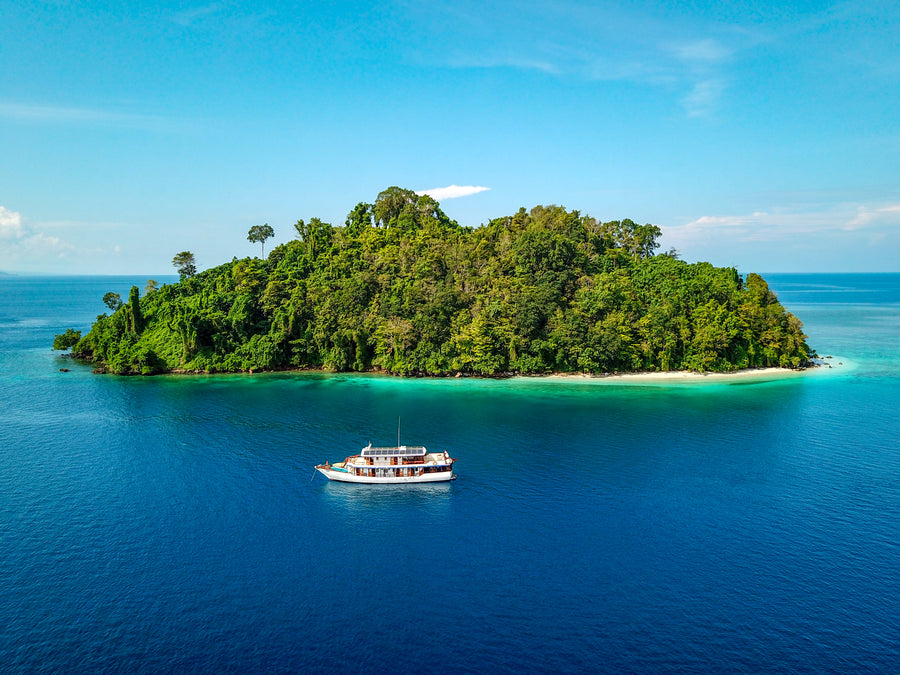
Bugis
Nomad Exploration: Raja Ampat & mer de Banda
- Indicative duration
- 10 nights
- Embarquement
- Sorong
- Débarquement
- Ambon
Bugis
Nomad Explorer Dampier Strait & Misool à bord du Bugis
- Indicative duration
- 8 nights
- Embarquement
- Sorong
- Débarquement
- Sorong
Bugis
Nomad Raja Ampat
- Indicative duration
- 10 nights
- Embarquement
- Sorong
- Débarquement
- Sorong
Bugis
Nomad Raja Ampat
- Indicative duration
- 5 nights
- Embarquement
- Sorong
- Débarquement
- Sorong
Bugis
Nomad Raja Ampat Découverte à bord du Bugis
- Indicative duration
- 7 nights
- Embarquement
- Sorong
- Débarquement
- Sorong
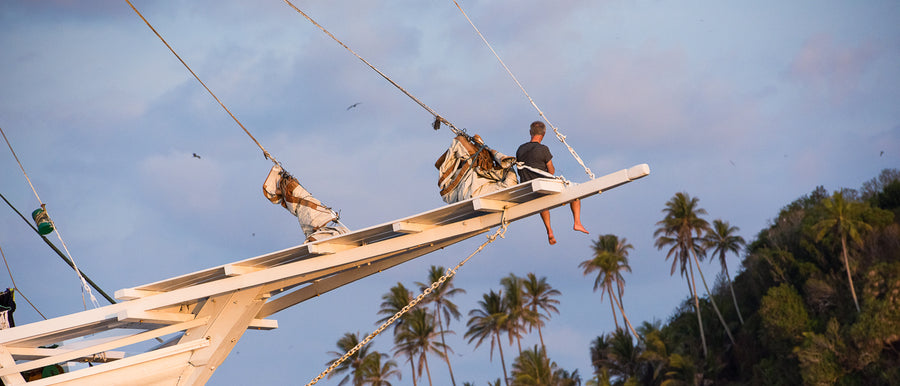
Pindito
mer de Banda & Raja Ampat
- Indicative duration
- 11 nights
- Embarquement
- Ambon
- Débarquement
- Sorong
Pindito
croisière biodiversité
- Indicative duration
- 13 nights
- Embarquement
- Maumere
- Débarquement
- Sorong or Ambon
Pindito
Halmahera & Maluku Sea
- Indicative duration
- 11 nights
- Embarquement
- Sorong, Ternate or Ambon — confirm per departure
- Débarquement
- Ternate, Manado or Sorong — confirm per departure
Pindito
Raja Ampat
- Indicative duration
- 11 nights
- Embarquement
- Sorong
- Débarquement
- Sorong
Pindito
Ternate, Halmahera & Raja Ampat
- Indicative duration
- 11 nights
- Embarquement
- Ternate
- Débarquement
- Sorong
Pindito
croisière baleines et macro
- Indicative duration
- 11 nights
- Embarquement
- Ambon or Sorong
- Débarquement
- Ambon or Sorong
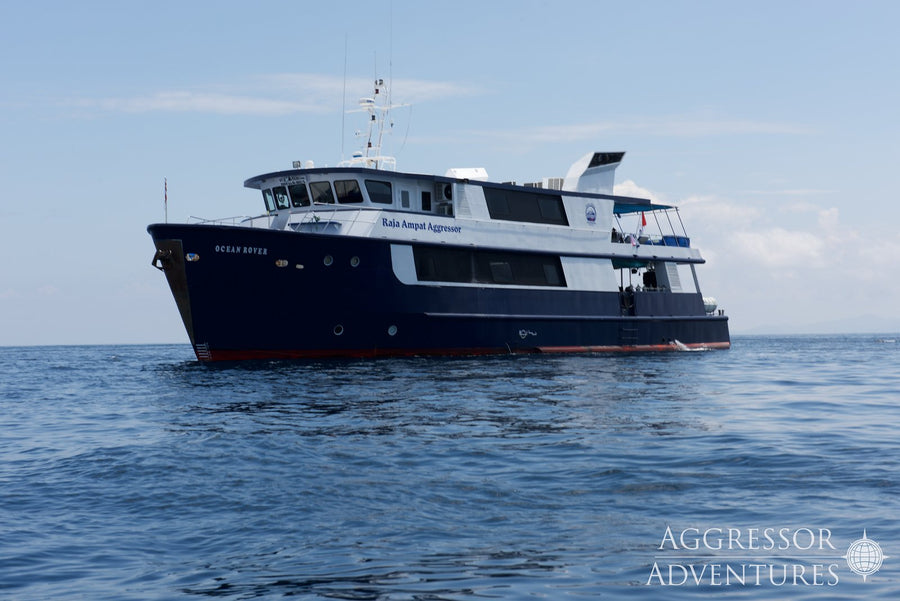
Raja Ampat Aggressor
Raja Ampat (10 nuits)
- Indicative duration
- 10 nights
- Embarquement
- Sorong
- Débarquement
- Sorong
Raja Ampat Aggressor
Raja Ampat (12 nuits)
- Indicative duration
- 12 nights
- Embarquement
- Sorong
- Débarquement
- Bitung
Raja Ampat Aggressor
Raja Ampat (12 nuits)
- Indicative duration
- 12 nights
- Embarquement
- Bitung
- Débarquement
- Sorong
Raja Ampat Aggressor
Raja Ampat (7 nuits)
- Indicative duration
- 7 nights
- Embarquement
- Sorong
- Débarquement
- Sorong
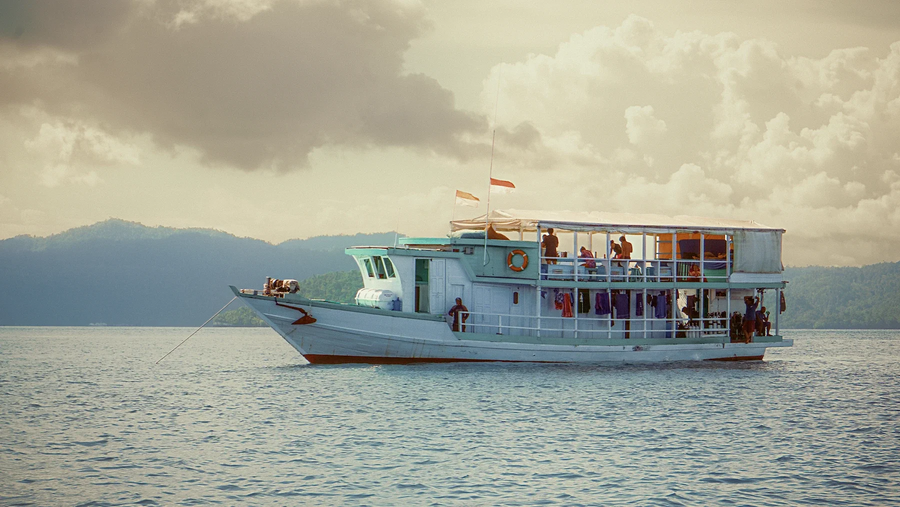
Epica
le meilleur de Dampier Strait
- Indicative duration
- 6 nights
- Embarquement
- Waisai
- Débarquement
- Waisai
Epica
Dampier Strait & Misool
- Indicative duration
- 8 nights
- Embarquement
- Waisai
- Débarquement
- Waisai
Epica
Wayag & Dampier Strait
- Indicative duration
- 8 nights
- Embarquement
- Waisai
- Débarquement
- Waisai
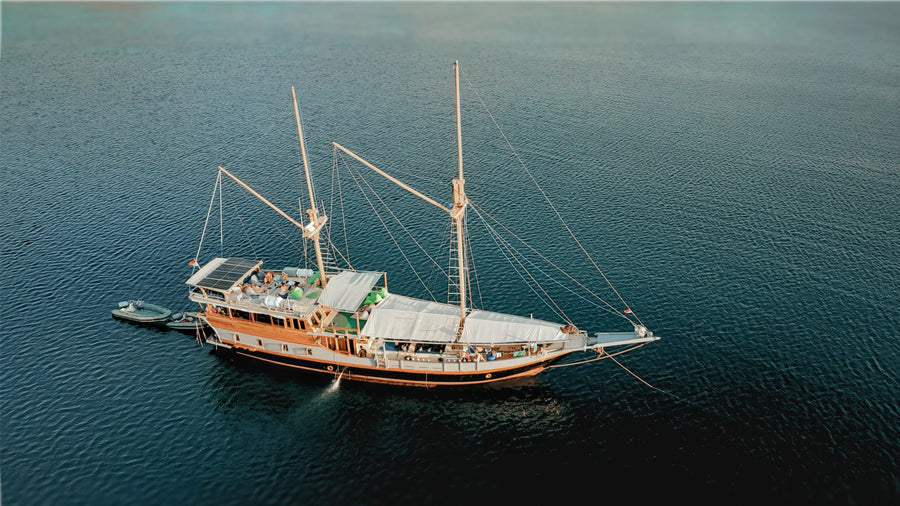
Jaya
mer de Banda & Raja Ampat traversée
- Indicative duration
- 10 nights
- Embarquement
- Ambon or Waisai
- Débarquement
- Waisai or Ambon
Jaya
Raja Ampat
- Indicative duration
- 6 nights
- Embarquement
- Waisai
- Débarquement
- Waisai
Jaya
Raja Ampat & Misool
- Indicative duration
- 8 nights
- Embarquement
- Waisai
- Débarquement
- Waisai
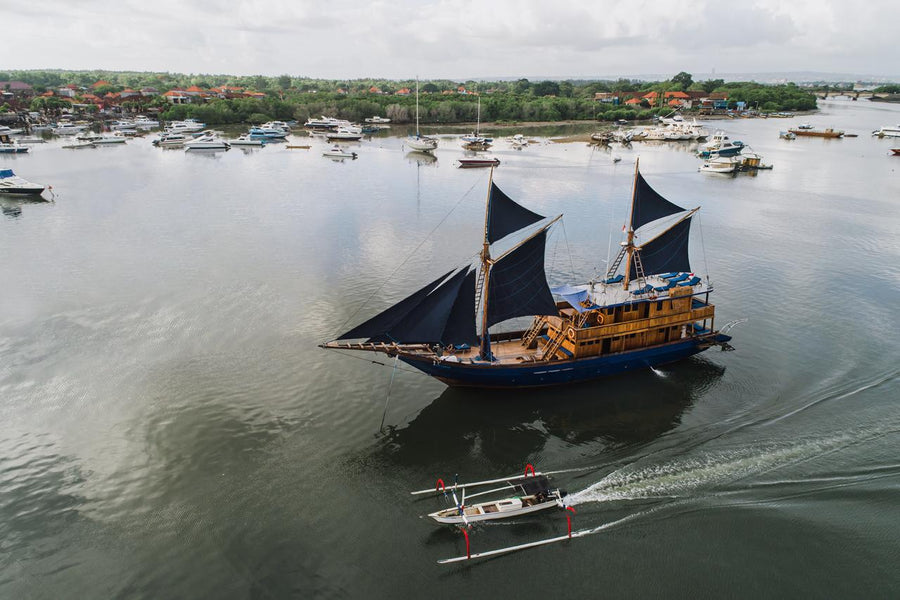
Situju 7
Raja Ampat — 7 jours / 6 nuits
- Indicative duration
- 6 nights
- Embarquement
- Sorong
- Débarquement
- Sorong
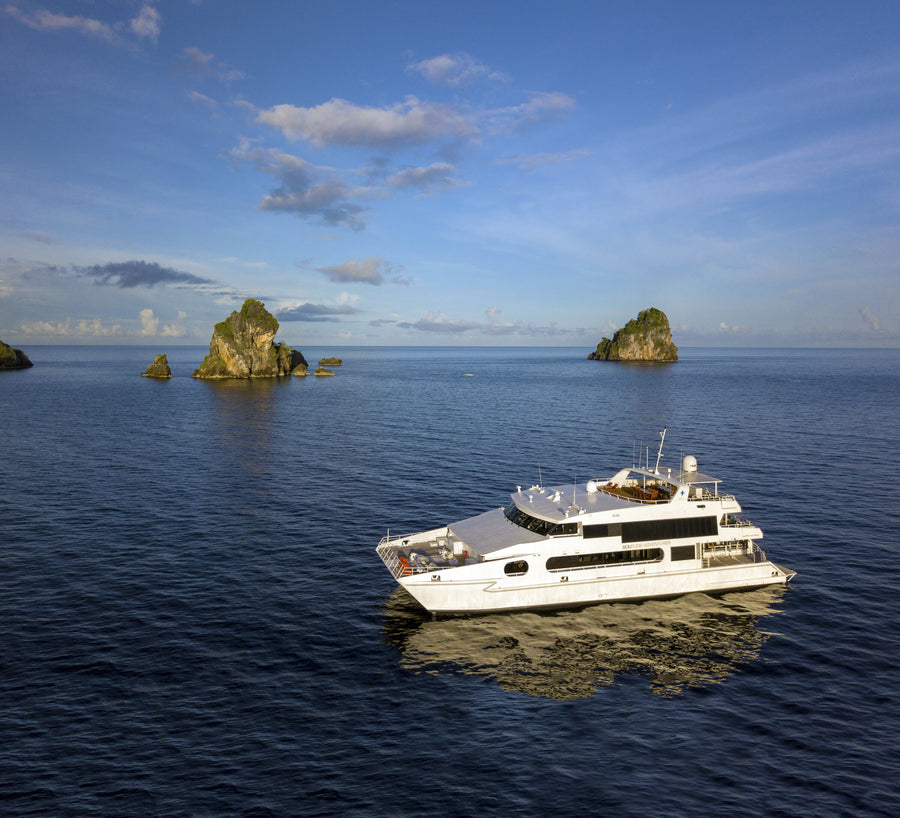
Solitude Adventurer
Ambon / Banda / Raja Ampat - 12 nuits
- Indicative duration
- 12 nights
- Embarquement
- Ambon
- Débarquement
- Sorong
Solitude Adventurer
Raja Ampat / Banda / Maumere - 14 nuits
- Indicative duration
- 14 nights
- Embarquement
- Sorong
- Débarquement
- Maumere
Solitude Adventurer
Raja Ampat / Misool (RM4) - 8 nuits
- Indicative duration
- 8 nights
- Embarquement
- Sorong
- Débarquement
- Sorong
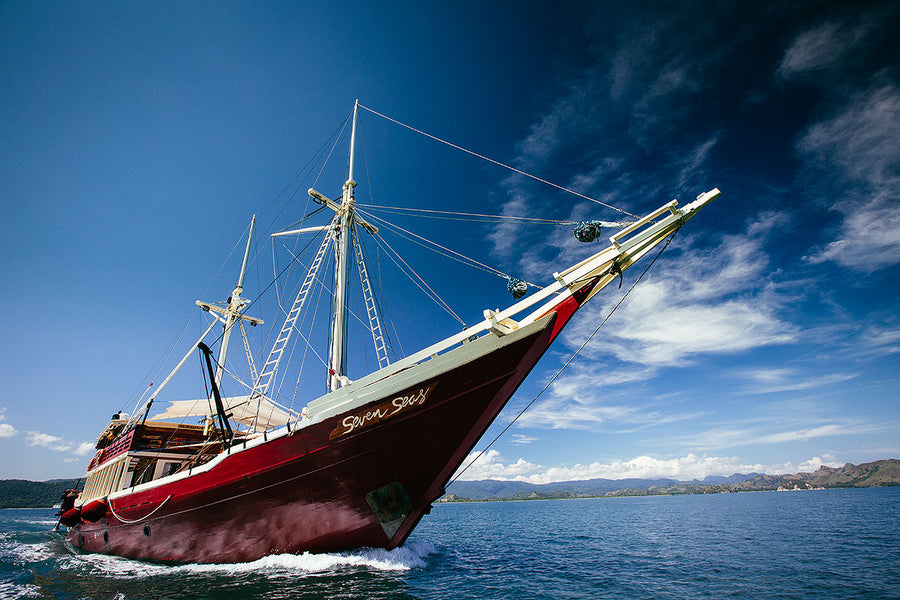
The Seven Seas
Raja Ampat & Triton Bay — Sorong à Kaimana
- Indicative duration
- 14 nights
- Embarquement
- Sorong
- Débarquement
- Kaimana
The Seven Seas
Raja Ampat — Sorong à Sorong
- Indicative duration
- 10 nights
- Embarquement
- Sorong
- Débarquement
- Sorong
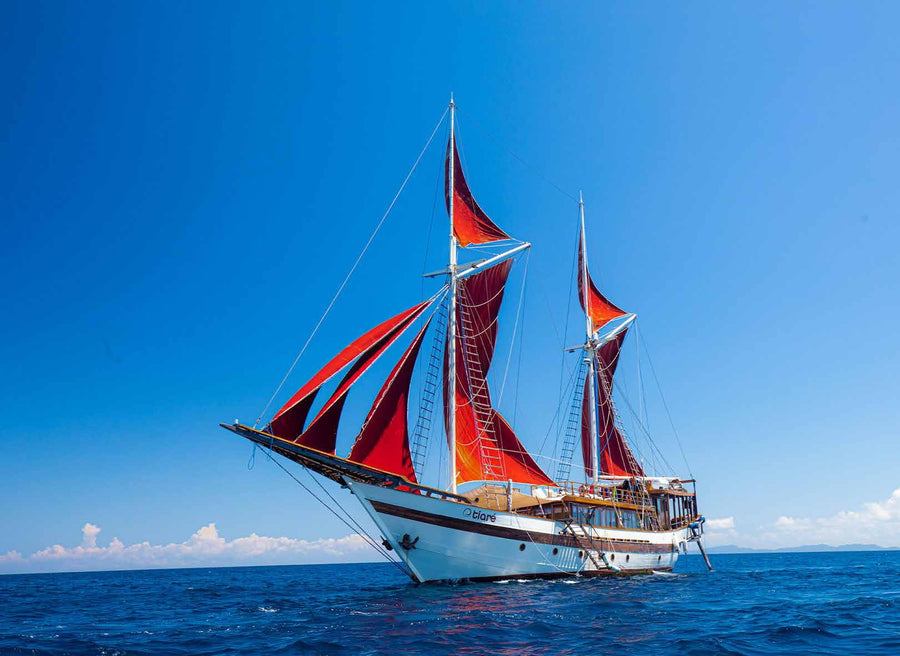
Tiare
Ambon, Banda Islands & Raja Ampat — Ambon à Sorong — 11 nuits
- Indicative duration
- 11 nights
- Embarquement
- Ambon
- Débarquement
- Sorong
Tiare
Ambon, Banda Islands & Raja Ampat — Ambon à Sorong — 12 nuits
- Indicative duration
- 12 nights
- Embarquement
- Ambon
- Débarquement
- Sorong
Tiare
Halmahera - Misool - Raja Ampat — Ternate à Sorong — 12 nuits
- Indicative duration
- 12 nights
- Embarquement
- Ternate
- Débarquement
- Sorong
Tiare
Misool - Raja Ampat-Halmahera — Sorong à Ternate — 12 nuits
- Indicative duration
- 12 nights
- Embarquement
- Sorong
- Débarquement
- Ternate
Tiare
Raja Ampat - Banda Islands - Ambon — Sorong à Ambon — 12 nuits
- Indicative duration
- 12 nights
- Embarquement
- Sorong
- Débarquement
- Ambon
Tiare
Raja Ampat - Central & Sud — Sorong à Sorong — 10 nuits
- Indicative duration
- 10 nights
- Embarquement
- Sorong
- Débarquement
- Sorong
Tiare
Raja Ampat - Central & Sud — Sorong à Sorong — 11 nuits
- Indicative duration
- 11 nights
- Embarquement
- Sorong
- Débarquement
- Sorong
Tiare
Raja Ampat - Central Area & Nord — Sorong à Sorong — 8 nuits
- Indicative duration
- 8 nights
- Embarquement
- Sorong
- Débarquement
- Sorong
Tiare
Raja Ampat - Central Area — Sorong à Sorong — 7 nuits
- Indicative duration
- 7 nights
- Embarquement
- Sorong
- Débarquement
- Sorong
Tiare
Raja Ampat - Misool - Halmahera — Sorong à Ternate — 11 nuits
- Indicative duration
- 11 nights
- Embarquement
- Sorong
- Débarquement
- Ternate
Tiare
Raja Ampat - Misool Area — Sorong à Sorong — 7 nuits
- Indicative duration
- 7 nights
- Embarquement
- Sorong
- Débarquement
- Sorong
Tiare
Raja Ampat Central & Sud — Sorong à Sorong — 12 nuits
- Indicative duration
- 12 nights
- Embarquement
- Sorong
- Débarquement
- Sorong
Tiare
Raja Ampat Triton Bay — Sorong à Kaimana — 14 nuits
- Indicative duration
- 14 nights
- Embarquement
- Sorong
- Débarquement
- Kaimana
Tiare
Raja Ampat only Misool — Sorong à Sorong — 9 nuits
- Indicative duration
- 9 nights
- Embarquement
- Sorong
- Débarquement
- Sorong
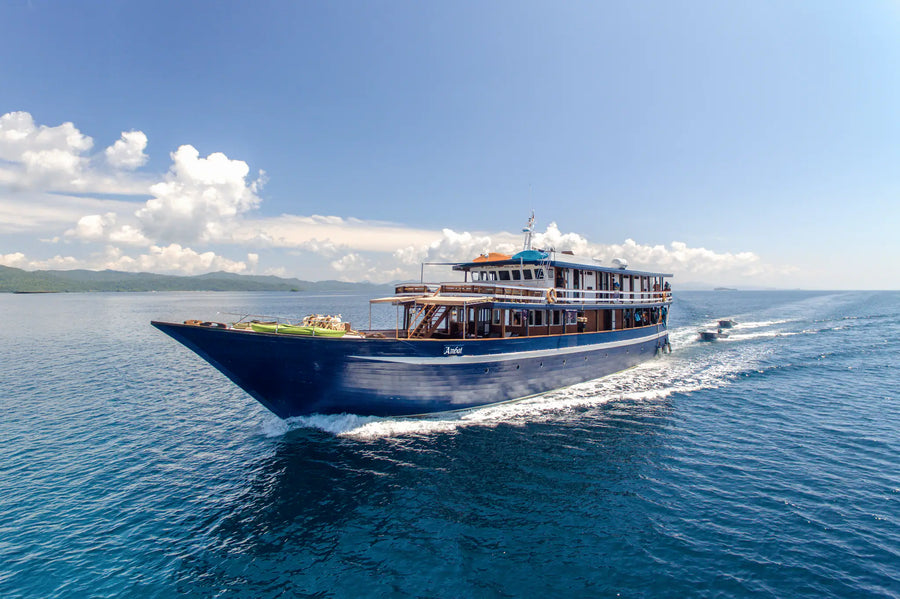
MV Ambai
mer de Banda & Raja Ampat
- Indicative duration
- 12 nights
- Embarquement
- Ambon
- Débarquement
- Sorong
MV Ambai
Halmahera, Misool & mer de Banda
- Indicative duration
- 14 nights
- Embarquement
- Ternate
- Débarquement
- Ambon
MV Ambai
Raja Ampat
- Indicative duration
- 12 nights
- Embarquement
- Sorong
- Débarquement
- Sorong
MV Ambai
Raja Ampat & Triton Bay
- Indicative duration
- 11 nights
- Embarquement
- Sorong or Kaimana
- Débarquement
- Kaimana or Sorong
MV Ambai
Raja Ampat, Halmahera & Lembeh
- Indicative duration
- 12 nights
- Embarquement
- Sorong
- Débarquement
- Lembeh / Bitung
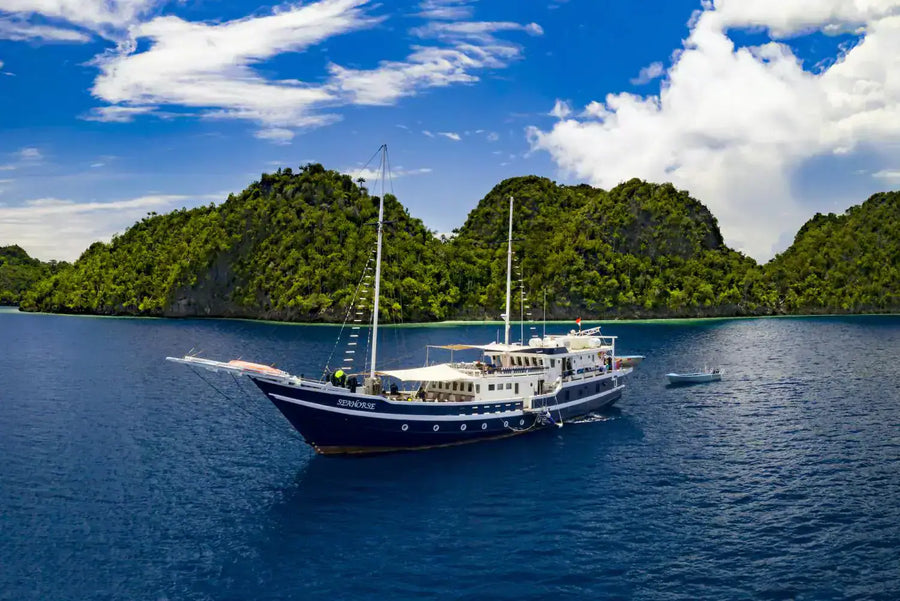
MSY Seahorse
mer de Banda à Raja Ampat
- Indicative duration
- 11 nights
- Embarquement
- Ambon
- Débarquement
- Sorong
MSY Seahorse
Raja Ampat
- Indicative duration
- 11 nights
- Embarquement
- Sorong
- Débarquement
- Sorong
MSY Seahorse
Raja Ampat & Halmahera
- Indicative duration
- 11 nights
- Embarquement
- Sorong
- Débarquement
- Ternate
MSY Seahorse
Raja Ampat, Halmahera & Lembeh
- Indicative duration
- 11 nights
- Embarquement
- Sorong
- Débarquement
- Lembeh / Bitung
MSY Seahorse
Triton Bay & Raja Ampat
- Indicative duration
- 11 nights
- Embarquement
- Kaimana or Sorong
- Débarquement
- Sorong or Kaimana
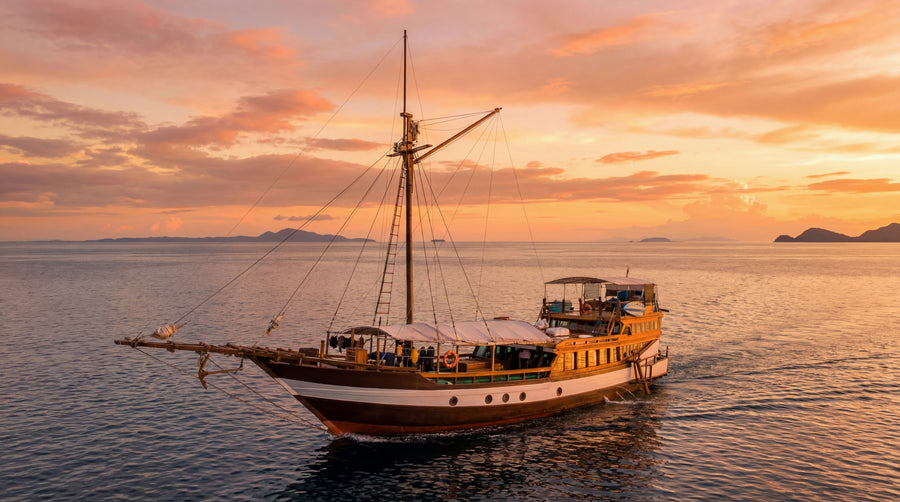
Wellenreng
mer de Banda & Raja Ampat — Ambon à Sorong — 10 nuits
- Indicative duration
- 10 nights
- Embarquement
- Ambon
- Débarquement
- Sorong
Wellenreng
Raja Ampat & Halmahera — Sorong à Ternate — 10 nuits
- Indicative duration
- 10 nights
- Embarquement
- Sorong
- Débarquement
- Ternate
Wellenreng
Raja Ampat Central & Misool — Sorong à Sorong — 10 nuits
- Indicative duration
- 10 nights
- Embarquement
- Sorong
- Débarquement
- Sorong
Wellenreng
Raja Ampat Central & Misool — Sorong à Sorong — 9 nuits
- Indicative duration
- 9 nights
- Embarquement
- Sorong
- Débarquement
- Sorong
Wellenreng
Raja Ampat Central — Sorong à Sorong — 8 nuits
- Indicative duration
- 8 nights
- Embarquement
- Sorong
- Débarquement
- Sorong
Wellenreng
Raja Ampat Central — Sorong à Sorong — 9 nuits
- Indicative duration
- 9 nights
- Embarquement
- Sorong
- Débarquement
- Sorong
No routes match this search. Try another vessel or clear your search.
Quand plonger à Raja Ampat
D'octobre à avril constitue une période de départ utile pour de nombreux itinéraires en bateau-hôtel et au sud. Certaines zones de complexes hôteliers du nord et du centre sont accessibles sur une plus grande partie de l'année. L'exposition au vent et le groupe d'îles choisi comptent, un seul label de saison ne peut donc pas décrire tous les voyages à Raja Ampat.
Période de planification : idéalement d'octobre à avril.
À quoi ressemble la plongée
Une expérience avancée est recommandée car les courants peuvent être forts et variables.
Biodiversité corallienne exceptionnelle
Les récifs de Raja Ampat associent une variété extraordinaire de coraux à une intense biomasse de poissons. Autour du détroit de Dampier, les crêtes irriguées par les courants, les pitons et les jardins coralliens peu profonds peuvent paraître complètement différents en une seule journée, c'est pourquoi le choix des sites doit suivre la marée plutôt qu'une liste de contrôle fixe.
Stations de nettoyage des raies manta
Des stations de nettoyage comme Manta Sandy permettent aux raies manta récifales de s'approcher des poissons nettoyeurs tandis que les plongeurs attendent dans des zones d'observation désignées. L'expérience dépend du comportement de l'animal, et une plongée responsable signifie rester bas, garder ses distances et ne jamais poursuivre ou bloquer une raie manta.
Bancs de poissons
Le courant concentre les fusiliers, les snappers, les carangues et autres poissons grégaires autour des crêtes exposées et des pitons. Des sites comme Cape Kri et Blue Magic sont les plus spectaculaires lorsque les guides adaptent le plan de plongée à la direction et à la force du courant.
Choisissez votre partie de l'archipel
Un complexe hôtelier vous permet de découvrir une région en profondeur, de revisiter des sites et de profiter d'un récif attenant. Un bateau-hôtel peut relier des groupes d'îles plus éloignés, l'itinéraire déterminant si vous passerez du temps dans le détroit de Dampier, au nord ou à Misool. Combiner les deux fonctionne bien lorsque les jours de transfert et le programme de navigation coïncident.
DIVE SITE GUIDE
Dive sites in Raja Ampat
Explore the character of individual sites, from the setting and marine life to the diving conditions. Open a card for the full description; site access and the final profile depend on conditions and experience.
ORIENTATION MAP
Where the dive sites are
Use the map to understand how the key sites are spread around the destination. Pins are for trip-planning orientation only; entry points, moorings and the final dive plan are always confirmed by the local operator on the day.
Coordinates are planning references compiled from current dive-site sources. They are not navigation coordinates; entry points, moorings, tide windows and the final dive plan are always confirmed by the local operator on the day.
Slope · Current point · Reef
Cape Kri
Cape Kri is one of Raja Ampat’s defining current dives: a long reef point where moving water compresses an extraordinary amount of life into the same field of view.
Découvrir ce site de plongée
- Type
- Slope · Current point · Reef
- Profondeur
- 5–40 m
- Expérience
- Intermediate–Advanced
- Courant
- Moderate–Strong
Cape Kri is one of Raja Ampat’s defining current dives: a long reef point where moving water compresses an extraordinary amount of life into the same field of view. Schools of fusiliers and snapper can stack above the reef while trevally, barracuda, tuna and reef sharks work the current line. The coral is not simply a backdrop — shallow hard-coral gardens, fans and reef fish keep the site visually rich even when the largest predators stay deeper.
The challenge is timing. Current can turn a spectacular fish-watching dive into a demanding drift, so guides choose the entry, route and turn point around tide rather than following one fixed track. Experienced divers who can stay streamlined and close to the reef get the most from it.
Look for: High fish biomass · Reef sharks possible · Current-fed point · Classic Dampier Strait
Idéal pour : Fish biomass · Sharks · Schooling fish · Wide angle
Seamount · Current · Pelagic
Blue Magic
Blue Magic is a submerged seamount whose appeal begins before you reach the reef: the open-water descent itself can reveal schools of fish circling above the structure.
Découvrir ce site de plongée
- Type
- Seamount · Current · Pelagic
- Profondeur
- 7–30 m
- Expérience
- Advanced
- Courant
- Moderate–Strong
Blue Magic is a submerged seamount whose appeal begins before you reach the reef: the open-water descent itself can reveal schools of fish circling above the structure. Once on the site, jacks, barracuda and fusiliers dominate the water column, reef sharks patrol the edges and mantas can visit when conditions are right.
Because the top of the seamount remains below the surface, there is little shelter if the current is running hard; the guide may use a negative entry and ask the group to descend promptly to the reef. It is one of Raja Ampat’s best sites for divers who enjoy scanning the blue as much as the coral and are comfortable managing buoyancy in moving water.
Look for: Submerged seamount · Manta potential · Schooling jacks · Advanced current diving
Idéal pour : Mantas · Schooling fish · Sharks · Blue-water action
Cleaning station · Sandy reef
Manta Sandy
Manta Sandy is designed around patience rather than distance.
Découvrir ce site de plongée
- Type
- Cleaning station · Sandy reef
- Profondeur
- 5–15 m
- Expérience
- Beginner–Intermediate
- Courant
- Mild–Moderate
Manta Sandy is designed around patience rather than distance. Divers settle at the designated observation area and watch a series of coral bommies used as cleaning stations, where reef mantas may circle, hover and return repeatedly when plankton and cleaning activity line up.
The shallow depth gives long bottom times, but good behavior matters more than air consumption: staying low, avoiding the cleaning station itself and giving the animals room increases the chance that they continue their natural pattern. Mantas are wild and never guaranteed, so the site should still be appreciated as a shallow Raja Ampat reef even on a quiet day. When the mantas arrive, it becomes one of the region’s most memorable wide-angle dives.
Look for: Manta cleaning station · Shallow profile · Long observation time · Strict wildlife etiquette
Idéal pour : Reef mantas · Shallow observation · Photography
Coral garden · Shallow reef
Melissa’s Garden
Melissa’s Garden is the site that makes the phrase 'coral garden' feel inadequate.
Découvrir ce site de plongée
- Type
- Coral garden · Shallow reef
- Profondeur
- 3–20 m
- Expérience
- Beginner–Intermediate
- Courant
- Mild–Moderate
Melissa’s Garden is the site that makes the phrase 'coral garden' feel inadequate. Around the Fam/Penemu area, broad shallow reef platforms are packed with branching and table corals, creating a mosaic of habitat that is often best appreciated by slowing down rather than swimming far.
Small reef fish occupy every layer above the coral, while the edges can bring larger schools and occasional predators. The relatively shallow profile is ideal for photographers because much of the color remains strong in natural light and there is time to compose without rushing. Current can still move across the reef, so the guide chooses the route carefully to protect both divers and fragile coral from unnecessary contact.
Look for: Dense hard coral · Shallow wide-angle · Reef-fish diversity · Fam Islands classic
Idéal pour : Hard coral · Wide angle · Reef diversity · Long shallow dives
Seamount · Current · Schooling fish
Sardine Reef
Sardine Reef is named for the density of fish rather than for a guaranteed school of sardines.
Découvrir ce site de plongée
- Type
- Seamount · Current · Schooling fish
- Profondeur
- 5–30 m
- Expérience
- Advanced
- Courant
- Strong possible
Sardine Reef is named for the density of fish rather than for a guaranteed school of sardines. The submerged reef sits in the Dampier Strait current, and when the tide is right the top and current-facing edge fill with fusiliers, snapper, surgeonfish and larger predators moving through the traffic.
Grey reef sharks, trevally and barracuda may appear around the perimeter while the coral itself remains busy with smaller reef life. There is very little reason to fight the water: the best dive follows the guide’s chosen shelter, uses the reef contour and lets the current bring the action past. Because water movement can be strong, it is better suited to divers already comfortable with negative entries and close group control.
Look for: Fish aggregation · Strong-current potential · Reef sharks possible · Dampier Strait
Idéal pour : Schooling fish · Sharks · Fast reef action
Rock island · Wall · Current
Mike’s Point
Mike’s Point circles a steep limestone islet whose underwater profile combines wall, slope, overhangs and current-swept corners.
Découvrir ce site de plongée
- Type
- Rock island · Wall · Current
- Profondeur
- 5–30 m
- Expérience
- Intermediate–Advanced
- Courant
- Moderate–Strong
Mike’s Point circles a steep limestone islet whose underwater profile combines wall, slope, overhangs and current-swept corners. The site can feel intimate against the rock, with fans, soft coral and reef fish close to the wall, then suddenly open into blue water where jacks, snapper or barracuda move past.
Its exposed position means one side can be noticeably more energetic than the other, so the route is chosen according to tide rather than by habit. The varied structure makes it a strong photographic dive, but it is also a useful lesson in Raja Ampat current management: stay with the guide, work the protected side when necessary and avoid drifting away from the island into the channel.
Look for: Limestone-island wall · Overhangs · Schooling fish · Current-dependent route
Idéal pour : Walls · Schooling fish · Overhangs · Wide angle
Jetty · Reef · Macro + wide angle
Sauwandarek Jetty
Sauwandarek shows a different side of Raja Ampat from the current-heavy seamounts.
Découvrir ce site de plongée
- Type
- Jetty · Reef · Macro + wide angle
- Profondeur
- 3–28 m
- Expérience
- Beginner–Intermediate
- Courant
- Usually mild
Sauwandarek shows a different side of Raja Ampat from the current-heavy seamounts. The village jetty creates shade and structure above a reef where schools of sweetlips and snapper, giant clams, soft coral and smaller macro subjects can all appear within one dive.
Photographers can work the pilings and fish aggregations with a wide lens, then slow down along the slope for nudibranchs, crustaceans and other small reef life. The shallows make the final part of the dive especially productive, and the site can work well for mixed-experience groups when conditions are calm. As with any village jetty, boat traffic and local activity are part of the environment, so surfacing procedures follow the guide’s briefing closely.
Look for: Village jetty · Schooling sweetlips · Giant clams · Macro + wide angle
Idéal pour : Jetty photography · Sweetlips · Macro · Village reef
Reef slope · Coral bommies
Mioskon
Mioskon is a rounded reef island that often provides a calmer, more forgiving counterpoint to the Dampier Strait’s high-energy sites.
Découvrir ce site de plongée
- Type
- Reef slope · Coral bommies
- Profondeur
- 3–25 m
- Expérience
- Beginner–Intermediate
- Courant
- Mild–Moderate
Mioskon is a rounded reef island that often provides a calmer, more forgiving counterpoint to the Dampier Strait’s high-energy sites. Divers follow coral bommies and sloping reef while batfish, fusiliers, snapper and other schooling fish move above the structure.
The reef supports plenty of smaller subjects as well, so there is no need to spend the entire dive staring into the blue. Because the depth range is flexible, groups can keep a comfortable recreational profile and finish in productive shallows rather than making a deep square dive. Current can still build around the island, but on a suitable tide Mioskon works well as a first Raja Ampat dive or as a relaxed photographic session after more demanding sites.
Look for: Flexible depth · Coral bommies · Schooling fish · Mixed-experience friendly
Idéal pour : Coral reef · Schooling fish · Easy photography
Photographie sous-marine
Le grand-angle permet de réunir la croissance récifale, une vie de poissons dense et un plongeur dans un seul cadre. Le mouvement de l'eau façonne souvent la composition, alors prenez la photo depuis une position que vous pouvez maintenir confortablement. Les sujets macro sont récompensés par un second regard lors des plongées abritées ; la scène récifale la plus animée n'est pas toujours la photographie la plus satisfaisante.
Au-delà de la plongée : Raja Ampat au-dessus de la surface
Les îles font partie de l'attrait de Raja Ampat. Faire du kayak à côté des formations calcaires, faire du snorkeling sur les récifs peu profonds et visiter les villages côtiers donnent à une journée au-dessus de l'eau sa propre raison d'être. Les points de vue et l'observation des oiseaux ajoutent d'autres possibilités lorsque votre base est bien située.
La distance est la clé de la planification. Un point de vue célèbre dans un groupe d'îles n'est pas automatiquement une excursion courte depuis un complexe hôtelier dans un autre. Sélectionnez les expériences paysagères qui correspondent à votre région, ou utilisez un itinéraire en bateau-hôtel qui les inclut véritablement.
Comment se rendre à Raja Ampat
Sorong est la principale porte d'entrée aérienne. De là, le voyage se poursuit peut-être par une liaison en bateau régulière, un transfert vers un complexe hôtelier ou une embarquement sur un bateau-hôtel. Adaptez le plan de vol au transfert ou à la croisière spécifique, car les différentes parties de Raja Ampat sont séparées par des distances considérables.
Une escale d'une nuit à la porte d'entrée peut rendre un long voyage international moins précipité. Pour un voyage combinant complexe hôtelier et croisière, alignez les points de transfert avant de choisir l'ordre des séjours ; deux endroits décrits comme Raja Ampat peuvent être très éloignés.
Questions sur la plongée à Raja Ampat
Qu'est-ce qui rend Raja Ampat digne d'un voyage de plongée ?
Raja Ampat est un archipel à explorer, pas un récif à cocher. Des points riches en poissons, des zones de nettoyage pour raies manta et des jardins coralliens superposés se trouvent sous des îles calcaires boisées. Un complexe hôtelier, un bateau-hôtel ou une combinaison peuvent chacun en révéler une partie différente.
Devrais-je choisir un complexe hôtelier ou un bateau-hôtel ?
Un complexe hôtelier vous permet de découvrir une région en profondeur, de revisiter des sites et de profiter d'un récif attenant. Un bateau-hôtel peut relier des groupes d'îles plus éloignés, l'itinéraire déterminant si vous passerez du temps dans le détroit de Dampier, au nord ou à Misool. Combiner les deux fonctionne bien lorsque les jours de transfert et le programme de navigation coïncident.
Quelle est une période utile pour visiter ?
D'octobre à avril constitue une période de départ utile pour de nombreux itinéraires en bateau-hôtel et au sud. Certaines zones de complexes hôteliers du nord et du centre sont accessibles sur une plus grande partie de l'année. L'exposition au vent et le groupe d'îles choisi comptent, un seul label de saison ne peut donc pas décrire tous les voyages à Raja Ampat.
Y a-t-il assez pour les compagnons qui ne plongent pas ?
Les îles font partie de l'attrait de Raja Ampat. Faire du kayak à côté des formations calcaires, faire du snorkeling sur les récifs peu profonds et visiter les villages côtiers donnent à une journée au-dessus de l'eau sa propre raison d'être. Les points de vue et l'observation des oiseaux ajoutent d'autres possibilités lorsque votre base est bien située.
A closer look at Raja Ampat


Planifiez votre voyage à Raja Ampat
Dites-nous les expériences que vous souhaitez le plus, vos dates préférées et comment vous aimez voyager. Nous pouvons réunir la destination, l'hébergement et la plongée dans un itinéraire cohérent.
Planifier mon voyage