

Destination guide · Philippines
Tauchen in Bohol, Panglao & Balicasag
Turtles moving along a reef edge, a wall dropping into blue water and an afternoon back on Panglao: Bohol makes a varied diving holiday feel easy. Its countryside is just as much a reason to stay as its reefs.
Bohol, Panglao & Balicasag im Überblick
Bohol, Panglao und Balicasag verbinden eine unkomplizierte Inselreise mit einigen der attraktivsten Riff-Tauchgebiete der Philippinen. Balicasag ist für seine Wände, Meeresschildkröten und Fischschwärme bekannt, während Panglao komfortable Resort-Unterkünfte, lokale Riffe und unkomplizierte Logistik bietet.
Das Reiseziel eignet sich besonders für Paare, Taucher, die noch nicht lange dabei sind, und gemischte Gruppen, da sich die Tauchgänge mit Stränden, Touren durch das Hinterland und Bohols bekanntesten Naturattraktionen kombinieren lassen. Der Zugang zu den Tauchplätzen und die Regelungen im Meeresschutzgebiet sollten immer im Voraus bestätigt werden, insbesondere für Balicasag.
Planen Sie Ihren Aufenthalt auf Bohol & Balicasag
Panglao ist der ideale Ausgangspunkt, um lokale Tauchplätze, Ausflüge nach Balicasag und Touren durch das Hinterland zu verbinden. Wählen Sie eine Unterkunft mit dem gewünschten Strandzugang und abendlichen Ambiente. Vier bis sechs Tauchtage plus ein Tag im Hinterland machen eine ausgewogene erste Reise.

Oasis Resort Bohol
Resort mit tropischem Garten im Herzen von Alona Beach, verbunden mit dem etablierten PADI 5-Sterne-Tauchzentrum von SeaQuest für Tauchgänge bei Panglao, Balicasag und Pamilacan.

Magic Oceans Dive Resort — Anda / Magic Resorts Philippines
Boutique-Tauchresort mit sechzehn Bungalows in Anda, speziellen Unterkunfts- und Tauchpaketen mit Halbpension, Betreuung in kleinen Gruppen und hervorragenden Möglichkeiten für Makro- und Rifffotografie.

Bohol Divers Club / La Sirenita Dive Resort
Unterkunft direkt am Alona Beach, kombiniert mit einem PADI 5-Star-IDC-Tauchzentrum für Tauchgänge bei Panglao, Balicasag, Pamilacan und Doljo.
Liveaboard routes for this destination
Explore the routes that visit this region. Compare ships and itineraries, then open a route to see its sailing dates, cabins and the areas it covers.
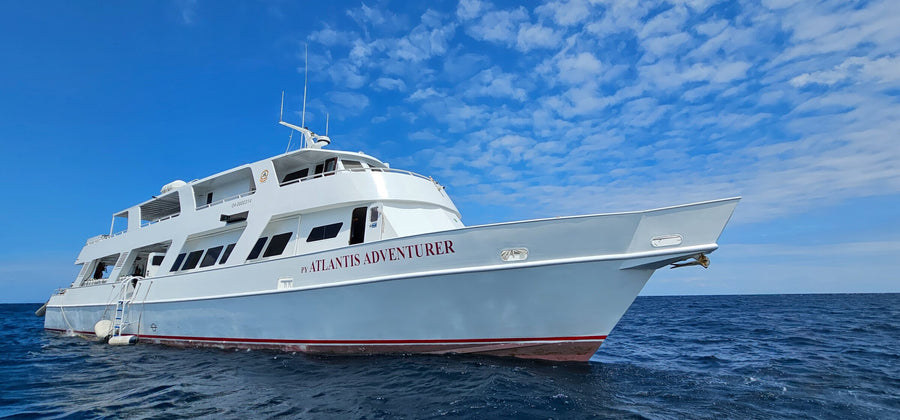
Atlantis Adventurer
Ultimative Visayas Safari
- Indicative duration
- 9 nights
- Einschiffung
- Atlantis Dumaguete Resort, Dauin
- Ausschiffung
- Atlantis Dumaguete Resort, Dauin
Atlantis Adventurer
Visayas-Safari
- Indicative duration
- 7 nights
- Einschiffung
- Atlantis Dumaguete Resort, Dauin
- Ausschiffung
- Atlantis Dumaguete Resort, Dauin
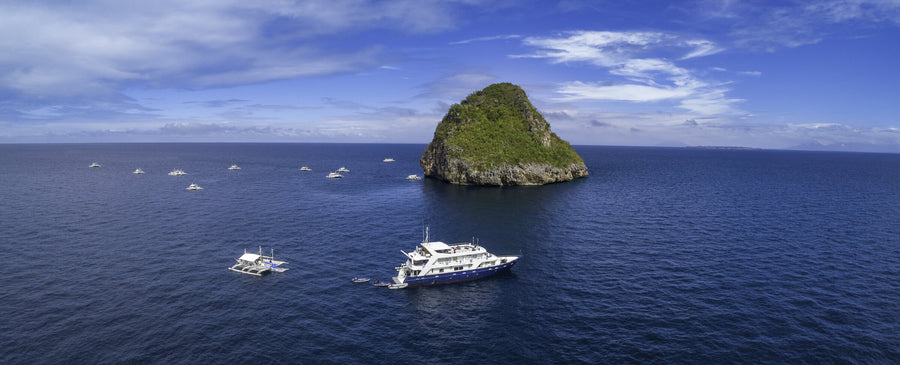
Atlantis Infiniti
Visayas Ost
- Indicative duration
- 7 nights
- Einschiffung
- Atlantis Dumaguete Resort, Dauin
- Ausschiffung
- Atlantis Dumaguete Resort, Dauin
Atlantis Infiniti
Visayas Nord
- Indicative duration
- 7 nights
- Einschiffung
- Atlantis Dumaguete Resort, Dauin
- Ausschiffung
- Atlantis Dumaguete Resort, Dauin
Atlantis Infiniti
Visayas Süd
- Indicative duration
- 7 nights
- Einschiffung
- Atlantis Dumaguete Resort, Dauin
- Ausschiffung
- Atlantis Dumaguete Resort, Dauin
Atlantis Infiniti
Westliche Visayas
- Indicative duration
- 7 nights
- Einschiffung
- Atlantis Dumaguete Resort, Dauin
- Ausschiffung
- Atlantis Dumaguete Resort, Dauin
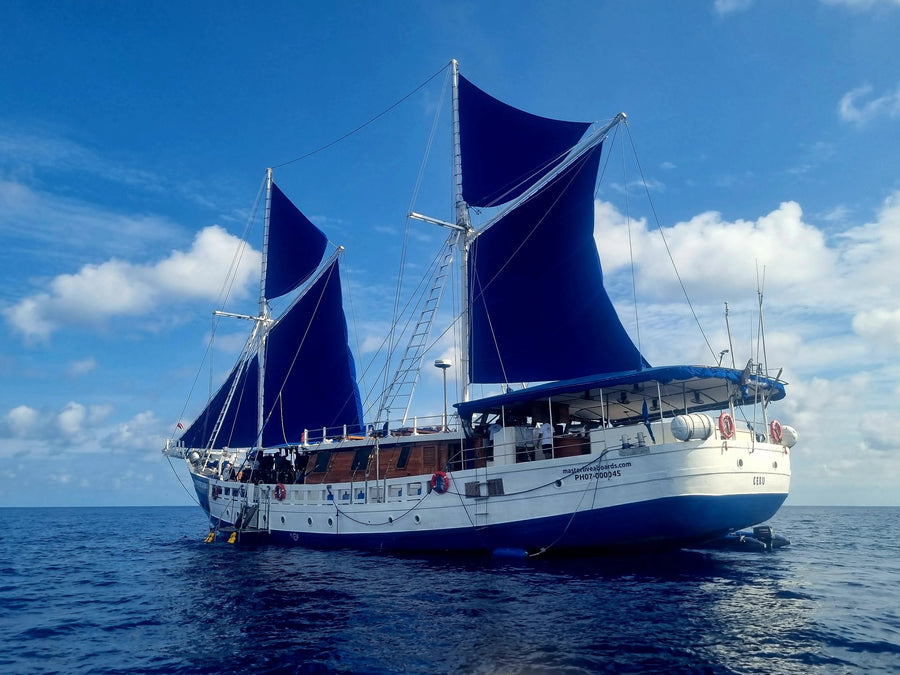
Philippine Siren
Malapascua & Visayas — 10 Nächte
- Indicative duration
- 10 nights
- Einschiffung
- Mactan / Cebu
- Ausschiffung
- Mactan / Cebu
Philippine Siren
Southern Visayas — 6 Nächte
- Indicative duration
- 6 nights
- Einschiffung
- Mactan / Cebu
- Ausschiffung
- Mactan / Cebu
Philippine Siren
Southern Visayas — 7 Nächte
- Indicative duration
- 7 nights
- Einschiffung
- Mactan / Cebu
- Ausschiffung
- Mactan / Cebu
Philippine Siren
Visayas, Southern Leyte & Malapascua — 10 Nächte
- Indicative duration
- 10 nights
- Einschiffung
- Mactan / Cebu
- Ausschiffung
- Mactan / Cebu
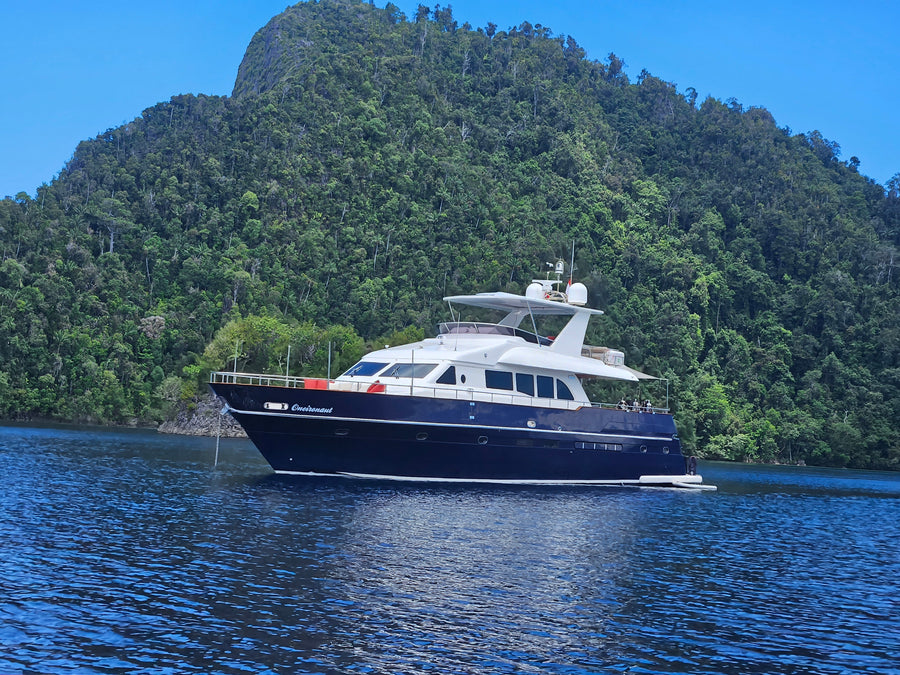
Philippines Explorer II
Southern Leyte — Anda nach Anda — 6 Nächte
- Indicative duration
- 6 nights
- Einschiffung
- Anda, Bohol
- Ausschiffung
- Anda, Bohol
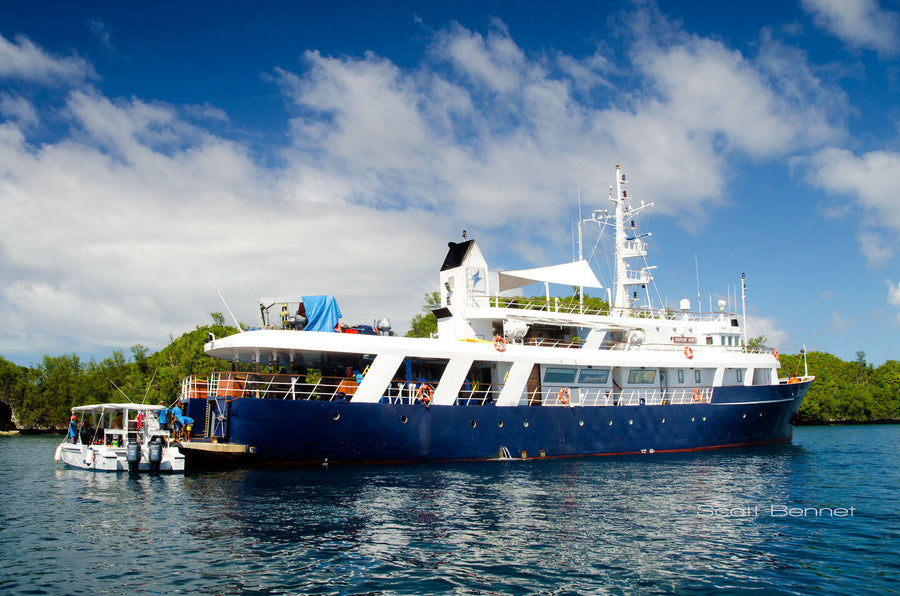
Solitude One
Cebu / Tubbataha (S1)
- Indicative duration
- 13 nights
- Einschiffung
- Cebu
- Ausschiffung
- Puerto Princesa
Solitude One
Tubbataha / Cebu - 13 Nächte (S1)
- Indicative duration
- 13 nights
- Einschiffung
- Puerto Princesa
- Ausschiffung
- Cebu
No routes match this search. Try another vessel or clear your search.
Wann sollte man auf Bohol & Balicasag tauchen?
Von Dezember bis Mai ist ein guter Planungszeitraum während der Trockenzeit. Besuche auf Balicasag werden koordiniert und die Kapazitäten sind begrenzt, daher sollte die Anzahl der erlaubten Tauchtage bei der Reiseplanung berücksichtigt werden. Lokale Tauchplätze bei Panglao sorgen an den Tagen zwischen den Inselausflügen für Abwechslung.
Planungszeitraum: Ganzjähriges Tauchen.
Was Sie beim Tauchen erwartet
Wählen Sie die Inseln und Tauchplätze entsprechend der Erfahrung der Gruppe.
Meeresschildkröten & Wände bei Balicasag
Balicasag ist das wichtigste Taucherhighlight und bekannt für Meeresschildkröten, Wände, Fischschwärme, Korallenlandschaften und ein wunderschönes Riffleben.
Riff-Tauchgänge bei Panglao
Lokale Tauchplätze bei Panglao bieten entspannte Riff-, Wand-, Makro- und Bootstauchmöglichkeiten, die die intensiveren Tauchtage bei Balicasag ausgleichen.
Chocolate Hills & Tarsier
Die berühmten Chocolate Hills und Tarsier auf Bohol machen das Reiseziel besonders attraktiv für Nicht-Taucher und gemischte Gruppen.
Inselhopping & Strände
Strandzeit, Inselhopping, Schnorcheln und Delfinbeobachtungen lassen sich rund um das Tauchprogramm einbauen.
Entspannte Urlaubsatmosphäre im Resort
Bohol bietet ein angenehmes tropisches Urlaubsgefühl mit komfortablen Resorts, unkomplizierter Logistik und einem entspannten Tempo für Paare und Gruppen.
Fotografie von Meeresschildkröten, Riffen & Reisen
Weitwinkel eignet sich gut für Meeresschildkröten, Riffe und Fischschwärme, während Makroaufnahmen an lokalen Tauchplätzen bei Panglao nützlich sein können.
Hervorragend für gemischte Gruppen
Bohol ist eine der besten Optionen auf den Philippinen, wenn Taucher und Nicht-Taucher gemeinsam und komfortabel reisen möchten.
Einfache Kombination mit Routen durch die Visayas
Bohol lässt sich gut mit Dauin, Malapascua, Moalboal, Cebu und Siquijor zu einer längeren Reiseroute durch die Philippinen kombinieren.
DIVE SITE GUIDE
Dive sites in Bohol, Panglao & Balicasag
Explore the character of individual sites, from the setting and marine life to the diving conditions. Open a card for the full description; site access and the final profile depend on conditions and experience.
ORIENTATION MAP
Where the dive sites are
Use the map to understand how the key sites are spread around the destination. Pins are for trip-planning orientation only; entry points, moorings and the final dive plan are always confirmed by the local operator on the day.
Coordinates are planning references compiled from current dive-site sources. They are not navigation coordinates; entry points, moorings, tide windows and the final dive plan are always confirmed by the local operator on the day.
Slope · Wall · Drift
Black Forest, Balicasag
Black Forest is one of Balicasag’s signature dives because the reef changes character as it descends.
Tauchplatz entdecken
- Typ
- Slope · Wall · Drift
- Tiefe
- 8–35 m
- Erfahrung
- Intermediate
- Strömung
- Mild–Moderate
Black Forest is one of Balicasag’s signature dives because the reef changes character as it descends. The upper slope is bright and fish-filled, while deeper sections are known for dark coral growth, larger fans and a more open-water feeling.
Turtles are frequent around the island and schools of jacks or barracuda may move through the blue when current is running. The best route follows the contour rather than forcing a fixed depth, letting the group spend time where fish activity is strongest. It is a very photogenic dive, but the deeper slope can tempt divers down, so good depth discipline is important even when the current feels easy.
Look for: Balicasag classic · Turtles · Schooling fish possible · Black-coral habitat
Ideal für: Turtles · Jacks · Black coral · Drift diving
Wall · Overhangs · Reef
Cathedral Wall, Balicasag
Cathedral Wall is named for the way light enters cracks, fissures and overhangs in the reef face, creating shafts and shadowed spaces that give the wall a more architectural feel than a simple drop-off.
Tauchplatz entdecken
- Typ
- Wall · Overhangs · Reef
- Tiefe
- 5–30 m
- Erfahrung
- Intermediate
- Strömung
- Mild–Moderate
Cathedral Wall is named for the way light enters cracks, fissures and overhangs in the reef face, creating shafts and shadowed spaces that give the wall a more architectural feel than a simple drop-off. Divers can stay outside the openings and still get the full effect; there is no need to treat the site as an overhead-environment dive.
Turtles and reef fish are common around Balicasag, while fans, sponges and coral decorate the wall. The combination of vertical scenery and changing light makes this one of the island’s strongest wide-angle sites, especially when visibility is good and the group can move slowly along the face.
Look for: Wall topography · Light shafts · Turtles · Wide-angle photography
Ideal für: Wall scenery · Cavern-like light · Turtles · Wide angle
Slope · Reef · Drift
Divers Heaven, Balicasag
Divers Heaven is a broad reef slope that gives Balicasag’s coral and turtle life room to spread out.
Tauchplatz entdecken
- Typ
- Slope · Reef · Drift
- Tiefe
- 5–30 m
- Erfahrung
- Beginner–Intermediate
- Strömung
- Mild–Moderate
Divers Heaven is a broad reef slope that gives Balicasag’s coral and turtle life room to spread out. Rather than following a sheer wall, divers can move between coral heads, fans and sand patches while watching for turtles resting or feeding close to the reef.
The site works well for mixed-experience groups because the useful depth range is wide and a guide can shape the dive around current and certification. Photographers get both reef scenes and smaller subjects without needing to commit to a deep profile. On a gentle tide it can feel relaxed and spacious; when water movement increases, the same slope becomes a light drift with more schooling fish along the edge.
Look for: Broad reef slope · Turtles · Gorgonians · Mixed-experience friendly
Ideal für: Coral slope · Turtles · Gorgonians · Relaxed reef diving
Protected reef · Wall
Balicasag Marine Sanctuary
The Marine Sanctuary is one of the easiest places to appreciate why Balicasag became famous before looking for any single headline animal.
Tauchplatz entdecken
- Typ
- Protected reef · Wall
- Tiefe
- 5–30 m
- Erfahrung
- Beginner–Intermediate
- Strömung
- Usually mild
The Marine Sanctuary is one of the easiest places to appreciate why Balicasag became famous before looking for any single headline animal. The reef begins shallow, allowing long bottom times over hard coral and reef fish, then falls away into deeper wall and slope terrain.
Green and hawksbill turtles are a major part of the experience, often moving between feeding areas and deeper water. Because much of the interest is in the upper reef, divers do not need to chase depth to have a rewarding dive. Good buoyancy matters in the protected area, and the guide’s route should keep the group off fragile coral and within any current local marine-park rules.
Look for: Protected reef · Turtles · Shallow coral · Good for long dives
Ideal für: Turtles · Protected reef · Long shallow profiles
Wall · Reef point
Rudy’s Rock, Balicasag
Rudy’s Rock is a compact Balicasag wall-and-point dive where fish activity can build around the reef edge.
Tauchplatz entdecken
- Typ
- Wall · Reef point
- Tiefe
- 8–30 m
- Erfahrung
- Intermediate
- Strömung
- Mild–Moderate
Rudy’s Rock is a compact Balicasag wall-and-point dive where fish activity can build around the reef edge. Gorgonians and coral growth line the wall while schools of jacks or barracuda may gather in the blue, especially when the tide brings enough movement to concentrate food.
The site is not dependent on a single school appearing: turtles, reef fish and the wall itself keep the dive productive. Because the interesting action often sits just off the reef, divers need to balance looking outward with staying close enough to the structure to control depth and position. It is a good choice for intermediate divers who want more fish action without the most demanding current conditions.
Look for: Schooling fish potential · Gorgonian wall · Turtles possible · Compact site
Ideal für: Jacks · Barracuda · Gorgonians · Wall diving
Shallow reef · Coral garden
Royal Garden, Balicasag
Royal Garden is Balicasag at its most relaxed.
Tauchplatz entdecken
- Typ
- Shallow reef · Coral garden
- Tiefe
- 3–20 m
- Erfahrung
- Beginner
- Strömung
- Usually mild
Royal Garden is Balicasag at its most relaxed. A shallow coral plateau and gentle reef profile make it a strong option for newer divers, check dives and photographers who want natural light rather than a deep wall.
Turtles are often part of the scene, while small reef fish move through hard coral and sand patches. The site is especially useful late in the day, when a group may prefer a long, low-stress dive instead of another deeper profile. Mild current still occurs around the island, so the exact start point changes with tide, but on a calm window Royal Garden gives divers time to slow down, watch behavior and enjoy the reef without chasing a specific landmark.
Look for: Shallow coral garden · Beginner friendly · Turtles · Natural-light photography
Ideal für: Shallow coral · Turtles · Easy photography · Check dives
Wall · Reef · Sardine aggregation
Napaling
Napaling is one of Panglao’s most recognizable dives because a dense sardine aggregation can turn the upper water column into a moving silver wall.
Tauchplatz entdecken
- Typ
- Wall · Reef · Sardine aggregation
- Tiefe
- 5–40 m
- Erfahrung
- Intermediate
- Strömung
- Mild–Moderate
Napaling is one of Panglao’s most recognizable dives because a dense sardine aggregation can turn the upper water column into a moving silver wall. The school is the headline, but the site is also a proper reef-and-wall dive, with coral, reef fish and turtles adding depth to the experience.
Divers should avoid swimming directly through or chasing the sardines; the most dramatic moments often come from staying still and watching the school reshape around predators, sunlight and other divers. The wall extends much deeper than necessary, so the best profile usually keeps the group in the shallower zone where both sardines and reef remain visible and natural light is strongest.
Look for: Sardine aggregation · Wall dive · Wide angle · Panglao north coast
Ideal für: Sardines · Wall diving · Wide angle · Turtles
Wall · Chimney / swim-through
Arco Point
Arco Point is best known for a chimney-like passage through the reef, linking a deeper entry with a shallower exit.
Tauchplatz entdecken
- Typ
- Wall · Chimney / swim-through
- Tiefe
- 5–30 m
- Erfahrung
- Intermediate–Advanced
- Strömung
- Mild–Moderate
Arco Point is best known for a chimney-like passage through the reef, linking a deeper entry with a shallower exit. The feature gives the site a memorable shape, but it should be treated conservatively: divers who are uncomfortable with enclosed spaces can stay outside and enjoy the wall rather than entering the passage.
Around the structure, coral, reef fish and small subjects make the dive worthwhile even without using the swim-through. Depth and buoyancy control matter because the route changes quickly from wall to enclosed rock and back into open water. With the right group, Arco Point adds genuine topographic variety to a Bohol trip that is otherwise dominated by open reefs and walls.
Look for: Chimney feature · Wall topography · Intermediate+ · Optional swim-through
Ideal für: Topography · Swim-through · Wall · Photography
Unterwasserfotografie
Bei Black Forest, Balicasag, Meeresschildkröten, Makrelen, Schwarzkorallen und Drift-Tauchgängen erhalten Sie einen Eindruck von den fotografischen Möglichkeiten. Wählen Sie die Kameraausrüstung für die geplanten Tauchplätze und nehmen Sie sich dann Zeit, die Szene zu beobachten, bevor Sie das Bild aufnehmen. Ein erfolgreicher Tauchgang kann oft bessere Motive bieten, wenn man ihn wiederholt, als ständig nach einem anderen Ort zu suchen. Nutzen Sie bei Riffszenen die Form des Riffs und das vorhandene Licht, um dem Bild Tiefe zu verleihen. Ein Taucher in respektvollem Abstand kann Größenverhältnisse verdeutlichen, ohne ein Tier einzuschränken.
Auch für Nicht-Taucher: Bohol & Balicasag über der Wasseroberfläche
Planen Sie einen ganzen Tag für das Hinterland von Bohol ein. Die Chocolate Hills, der Loboc-Fluss und sorgfältig organisierte Besuche bei Tarsiern bieten drei völlig unterschiedliche Einblicke in die Insel – von weiten Landschaften bis hin zur ruhigen Tierbeobachtung. Sprechen Sie in der Nähe von Tarsiern leise und vermeiden Sie es, sie anzufassen oder inszenierte Begegnungen zu arrangieren.
Panglao bietet Strände, Restaurants und eine große Auswahl an Unterkünften. Dadurch ist Bohol besonders für Paare mit unterschiedlichen Interessen geeignet: Eine Person kann den Vormittag beim Tauchen verbringen, während die andere einen ebenso schönen Tag für sich genießt.
Anreise nach Bohol & Balicasag
Die meisten internationalen Gäste erreichen Bohol mit dem Flug nach Manila oder Cebu und setzen von dort mit einem Inlandsflug zum Flughafen Bohol-Panglao oder mit der Fähre von Cebu nach Tagbilaran weiter.
Planen Sie Ihre Ankunfts- und Abflugzeiten entsprechend dem Weiterreiseweg, insbesondere wenn eine Bootsüberfahrt oder eine lange Fahrt mit dem Auto ansteht. Planen Sie einen entspannten letzten Tag an Land und einen angemessenen Zeitabstand zwischen dem letzten Tauchgang und dem Flug ein.
Fragen zum Tauchen auf Bohol & Balicasag
Was macht Bohol & Balicasag zu einem lohnenden Tauchreiseziel?
Meeresschildkröten, die entlang eines Riffkanten gleiten, eine Wand, die ins blaue Wasser abfällt, und ein Nachmittag auf Panglao: Bohol macht einen abwechslungsreichen Tauchurlaub unkompliziert. Das Hinterland ist ebenso ein guter Grund für einen Aufenthalt wie die Riffe.
Wie sollte ich meinen Aufenthalt planen?
Panglao ist der ideale Ausgangspunkt, um lokale Tauchplätze, Ausflüge nach Balicasag und Touren durch das Hinterland zu verbinden. Wählen Sie eine Unterkunft mit dem gewünschten Strandzugang und abendlichen Ambiente. Vier bis sechs Tauchtage plus ein Tag im Hinterland machen eine ausgewogene erste Reise.
Wann ist eine gute Reisezeit?
Von Dezember bis Mai ist ein guter Planungszeitraum während der Trockenzeit. Besuche auf Balicasag werden koordiniert und die Kapazitäten sind begrenzt, daher sollte die Anzahl der erlaubten Tauchtage bei der Reiseplanung berücksichtigt werden. Lokale Tauchplätze bei Panglao sorgen an den Tagen zwischen den Inselausflügen für Abwechslung.
Gibt es auch für Nicht-Taucher genug zu erleben?
Planen Sie einen ganzen Tag für das Hinterland von Bohol ein. Die Chocolate Hills, der Loboc-Fluss und sorgfältig organisierte Besuche bei Tarsiern bieten drei völlig unterschiedliche Einblicke in die Insel – von weiten Landschaften bis hin zur ruhigen Tierbeobachtung. Sprechen Sie in der Nähe von Tarsiern leise und vermeiden Sie es, sie anzufassen oder inszenierte Begegnungen zu arrangieren.
A closer look at Bohol, Panglao & Balicasag


Planen Sie Ihre Reise nach Bohol & Balicasag
Erzählen Sie uns, welche Erlebnisse Sie am meisten wünschen, welche Termine Sie bevorzugen und wie Sie gerne reisen. Wir können das Reiseziel, die Unterkunft und die Tauchgänge zu einer stimmigen Reiseroute zusammenstellen.
Meine Reise planen