

Destination guide · Philippines
Moalboal Tauchen
At Panagsama, the water can fill with the shifting silver of sardines close to shore. Moalboal pairs that dramatic scene with walls, turtles and Pescador Island, then opens into the greener landscapes of southern Cebu.
Moalboal im Überblick
Moalboal ist bekannt für seine außergewöhnlichen Sardinenbänke, die sich nah an der Küste sammeln und eines der leicht zugänglichsten Erlebnisse mit großen Fischschwärmen auf den Philippinen bieten. Die Insel Pescador, steile Wände, Meeresschildkröten und lokale Riffplätze sorgen für Abwechslung abseits der Sardinen.
Das Reiseziel eignet sich für Taucher, Schnorchler und Freitaucher, während nahegelegene Wasserfälle und Abenteueraktivitäten auch aktive Nicht-Taucher begeistern. Die Bedingungen und die Verteilung der Tiere unterliegen natürlichen Schwankungen, doch die Kombination aus Küstennähe, Meeresbewohnern und der Landschaft Südcebuns macht Moalboal zu einem ungewöhnlich vielseitigen Reiseziel.
Planen Sie Ihren Aufenthalt in Moalboal
Wählen Sie eine Unterkunft in der Nähe von Panagsama, um bequem zu den Sardinenbänken und lokalen Riffplätzen zu gelangen, oder entscheiden Sie sich für ein ruhigeres Küstenresort für einen entspannteren Urlaub. Drei bis fünf Tauchtage reichen aus, um die wichtigsten Taucharten zu erleben; planen Sie zusätzlich Zeit für die Insel Pescador und einen Tag zur Erkundung Südcebuns ein.

Magic Island Dive Resort
Familiäres Tauchresort mit zehn Cottages im ruhigen Süden von Moalboal, einem rund um die Uhr zugänglichen Hausriff (24/7), kleinen geführten Gruppen, Pescador Island und ganzjährigem Sardine Run.

Savedra Dive Center / Tipolo Beach Resort
Unterkunft direkt am Strand von Moalboal neben dem Savedra Dive Center, mit ganzjährigem Sardine Run, Pescador Island, kleinen Tauchgruppen und einem Restaurant am Meer auf dem Gelände.

Turtle Bay Dive Resort
Tauchresort am Meer in Moalboal mit Hausriff, drei Tauchbooten, Zugang zum Sardine Run und zu Pescador Island, zwölf Zimmerkategorien, Pool, Restaurant, Spa und Aktivitäten für Nichttaucher.

Cebu Fun Divers / Cebu Seaview Dive Resort
Resort mit zwanzig Zimmern direkt am Wasser in Moalboal, hauseigenem Cebu Fun Divers Tauchzentrum, bequemem Zugang zum Sardine Run und zu Pescador Island sowie flexibler Planung von Unterkunft und Tauchen.
Liveaboard routes for this destination
Explore the routes that visit this region. Compare ships and itineraries, then open a route to see its sailing dates, cabins and the areas it covers.
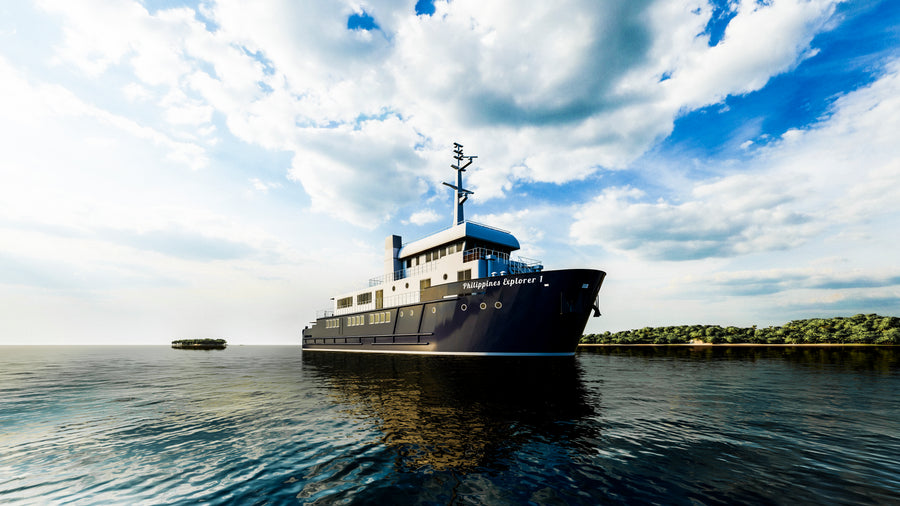
Philippines Explorer I
Ultimate Visayas: Dauin nach Donsol — 10 Nächte
- Indicative duration
- 10 nights
- Einschiffung
- Dauin, Negros Oriental
- Ausschiffung
- Donsol, Sorsogon
Philippines Explorer I
Ultimate Visayas: Donsol nach Dauin — 10 Nächte
- Indicative duration
- 10 nights
- Einschiffung
- Donsol, Sorsogon
- Ausschiffung
- Dauin, Negros Oriental
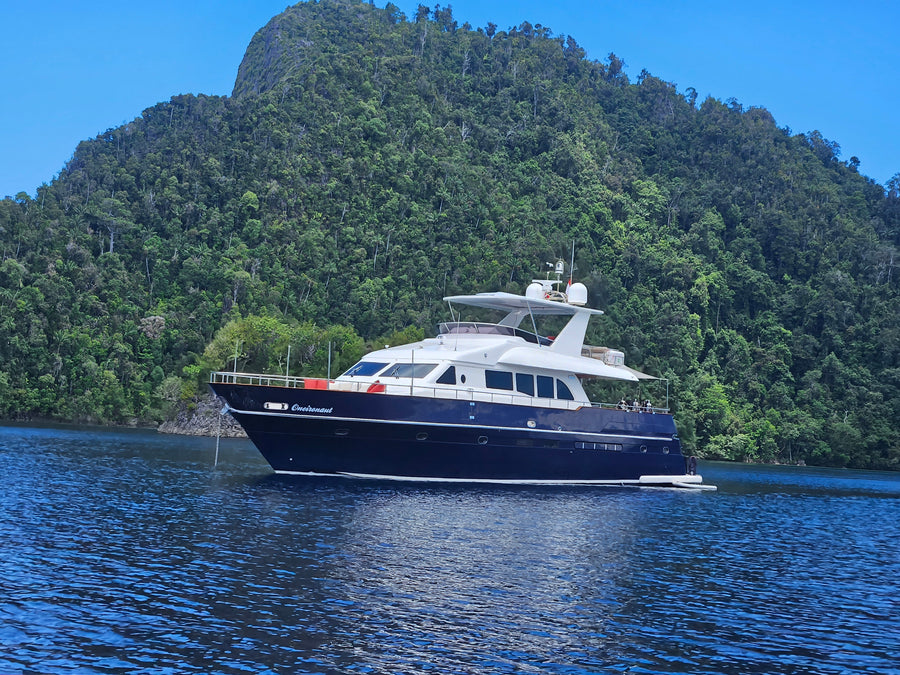
Philippines Explorer II
Sharks & Shoals: Dauin nach Malapascua — 6 Nächte
- Indicative duration
- 6 nights
- Einschiffung
- Dauin, Negros Oriental
- Ausschiffung
- Malapascua, Cebu
Philippines Explorer II
Sharks & Shoals: Malapascua nach Dauin — 6 Nächte
- Indicative duration
- 6 nights
- Einschiffung
- Malapascua, Cebu
- Ausschiffung
- Dauin, Negros Oriental
Philippines Explorer II
Ultimate Visayas: Dauin nach Donsol — 13 Nächte
- Indicative duration
- 13 nights
- Einschiffung
- Dauin, Negros Oriental
- Ausschiffung
- Donsol, Sorsogon
Philippines Explorer II
Ultimate Visayas: Donsol nach Dauin — 13 Nächte
- Indicative duration
- 13 nights
- Einschiffung
- Donsol, Sorsogon
- Ausschiffung
- Dauin, Negros Oriental
Philippines Explorer II
Visayas Expedition: Dauin nach Donsol — 12 Nächte
- Indicative duration
- 12 nights
- Einschiffung
- Dauin, Negros Oriental
- Ausschiffung
- Donsol, Sorsogon
Philippines Explorer II
Visayas Expedition: Donsol nach Dauin — 12 Nächte
- Indicative duration
- 12 nights
- Einschiffung
- Donsol, Sorsogon
- Ausschiffung
- Dauin, Negros Oriental
No routes match this search. Try another vessel or clear your search.
Wann sollte man in Moalboal tauchen?
Die Sardinenbänke sind den Großteil des Jahres vorhanden, auch wenn sich ihre genaue Position verändert. Von November bis Mai sind die Wetterbedingungen oft günstiger. Die Bedingungen an der Wasseroberfläche und die Sichtweite beeinflussen das Erlebnis, und die gute Zugänglichkeit bedeutet nicht, dass der Schwarm verfolgt oder umringt werden sollte.
Reisezeitraum: Sardinenbänke das ganze Jahr über.
Was Sie beim Tauchen erwartet
Wählen Sie die Inseln und Tauchplätze entsprechend der Erfahrung der Gruppe aus.
Sardinenbänke in Küstennähe
Moalboals berühmte Sardinenschwärme befinden sich in Küstennähe und können von Tauchern, Schnorchlern und Freitauchern erlebt werden.
Wände der Insel Pescador
Die Insel Pescador bietet Boots-Tauchgänge an Wänden, kathedralenartigen Formationen, Korallenriffen und mit zahlreichen Fischen.
Begegnungen mit Meeresschildkröten
An mehreren Tauchplätzen in Moalboal besteht die Chance, Meeresschildkröten an Riffen und Wänden zu sehen, insbesondere wenn man vorsichtig und respektvoll taucht.
Kawasan-Wasserfälle & Canyoning
Die Kawasan-Wasserfälle und das Canyoning machen Moalboal besonders attraktiv für aktive Reisende und Nicht-Taucher.
Entspannte Atmosphäre in einer Tauch-Kommune
Moalboal hat den ungezwungenen Charakter einer Tauch-Kommune mit Stränden, Restaurants, Tauchzentren und einer entspannten, geselligen Atmosphäre.
Hervorragende Weitwinkel-Sardinenfotografie
Weitwinkel- und Actionkameras eignen sich hervorragend für Sardinen, Wände, Meeresschildkröten sowie Schnorchel- und Freitauchaufnahmen.
Ideal für Gruppen mit unterschiedlichen Erfahrungsstufen
Moalboal eignet sich gut für Open-Water-Taucher, Auffrischungstaucher, Schnorchler, Freitaucher und andere aktive Begleiter.
Einfache Kombination mit Routen auf Cebu
Moalboal lässt sich gut mit Malapascua, Dauin / Apo Island, Bohol und Cebu City zu längeren Reisen durch die Visayas kombinieren.
DIVE SITE GUIDE
Dive sites in Moalboal
Explore the character of individual sites, from the setting and marine life to the diving conditions. Open a card for the full description; site access and the final profile depend on conditions and experience.
ORIENTATION MAP
Where the dive sites are
Use the map to understand how the key sites are spread around the destination. Pins are for trip-planning orientation only; entry points, moorings and the final dive plan are always confirmed by the local operator on the day.
Coastal site pins are approximate planning references. The sardine school can shift along Panagsama, and open-water sites such as Sunken Island are especially current-dependent.
Shore dive · Reef wall · Schooling fish
Panagsama Sardine Run
The Panagsama Sardine Run is extraordinary because the headline experience begins only a short swim from shore.
Tauchplatz entdecken
- Typ
- Shore dive · Reef wall · Schooling fish
- Tiefe
- 3–18 m
- Erfahrung
- Beginner
- Strömung
- Usually mild
The Panagsama Sardine Run is extraordinary because the headline experience begins only a short swim from shore. A huge resident school holds near the reef drop-off, changing shape constantly as predators, divers and light move around it. The best dive is not to chase the school but to position beside it and let the sardines flow overhead, opening and closing into walls, funnels and tornado-like formations.
Green turtles are frequently seen along the same reef, while jacks and mackerel may hunt at the edge of the baitball. Because the action is shallow, bottom time can be long and even newer divers can experience it comfortably. The school’s exact position shifts, so guides locate it on the day rather than relying on one fixed marker.
Look for: Resident sardine school · Shore access · Turtles · Excellent wide angle
Ideal für: Sardine baitball · Turtles · Photography · Easy shore access
Wall · Reef · Cavern
Pescador Island
Pescador Island is Moalboal’s classic boat dive, a small offshore rock surrounded by steep reef and deep water.
Tauchplatz entdecken
- Typ
- Wall · Reef · Cavern
- Tiefe
- 7–30+ m
- Erfahrung
- Intermediate
- Strömung
- Variable
Pescador Island is Moalboal’s classic boat dive, a small offshore rock surrounded by steep reef and deep water. The north and west sides drop into dramatic walls, while the southern side offers a gentler slope. The famous Cathedral area adds cavern-like topography and shafts of light, and the reef itself carries hard coral, smaller macro subjects and schooling fish.
Divers may see barracuda, tuna and the occasional reef shark, but the site is worth diving even without pelagics because the wall and coral structure are so strong. Current can range from almost still to a fast drift, so the operator normally chooses the entry point according to tide and group experience. It is the natural place to use a wide-angle lens in Moalboal.
Look for: Iconic island wall · Cathedral topography · Coral & schooling fish · Current-dependent
Ideal für: Wall diving · Cathedral cavern · Reef fish · Wide angle
Protected reef · Wall · Drift
Tongo Point Marine Sanctuary
Tongo Point is one of the coast’s most complete reef dives.
Tauchplatz entdecken
- Typ
- Protected reef · Wall · Drift
- Tiefe
- 5–30 m
- Erfahrung
- Beginner–Intermediate
- Strömung
- Mild–Moderate
Tongo Point is one of the coast’s most complete reef dives. A protected shallow top covered in hard and soft coral transitions into a steeper wall, giving divers a long route that can stay easy or become deeper depending on the plan.
Turtles are frequent visitors, while ghost pipefish, frogfish, scorpionfish and other smaller subjects give macro photographers plenty to search for. Batfish, sweetlips and general reef fish keep the water column active, and occasional eagle rays or other larger animals may pass in the blue. Because the site sits close to Moalboal’s main dive strip, it is an excellent repeat dive: different depths, light and current can make each visit feel different without the logistics of a full-day excursion.
Look for: Marine sanctuary · Hard & soft coral · Turtles · Macro and wide angle
Ideal für: Healthy coral · Turtles · Frogfish · Reef photography
Reef · Wall
Talisay
Talisay is a classic coastal wall with a shallow hard-coral top and deeper structure covered in black coral, sea fans and sponges.
Tauchplatz entdecken
- Typ
- Reef · Wall
- Tiefe
- 5–30+ m
- Erfahrung
- Beginner–Intermediate
- Strömung
- Usually mild
Talisay is a classic coastal wall with a shallow hard-coral top and deeper structure covered in black coral, sea fans and sponges. It is particularly good for divers who want the scenery of a wall without the stronger currents associated with offshore sites.
Turtles are a regular theme, and photographers can switch between wide-angle reef scenes and closer subjects such as frogfish, nudibranchs, scorpionfish and morays. The dive can start shallow for newer divers or follow the wall deeper for a more advanced profile, making it practical for mixed groups. Talisay is also a useful reminder that Moalboal is not only about sardines: away from Panagsama, the coast holds a surprisingly diverse sequence of reefs.
Look for: Turtle-rich wall · Black coral · Sea fans & sponges · Mixed-level profile
Ideal für: Turtles · Black coral · Sea fans · Relaxed wall dive
Sand slope · Reef wall · Macro
White Beach
White Beach starts gently over sand, where garden eels, flounders and other bottom-dwellers reward a slow approach, then changes character as the slope reaches reef and wall structure.
Tauchplatz entdecken
- Typ
- Sand slope · Reef wall · Macro
- Tiefe
- 5–22 m
- Erfahrung
- Beginner–Intermediate
- Strömung
- Usually mild
White Beach starts gently over sand, where garden eels, flounders and other bottom-dwellers reward a slow approach, then changes character as the slope reaches reef and wall structure. The transition gives the dive two different habitats in one tank: open sand for macro searching and a coral face with soft coral, ghost pipefish, scorpionfish, nudibranchs and general reef life.
The site is quieter than Panagsama and works well for divers who want a relaxed photography dive without leaving the Moalboal coast. Because the interesting reef begins at moderate depth and current is often manageable, it can suit newer divers while still offering enough detail to keep experienced macro photographers busy.
Look for: Sand-to-wall transition · Garden eels · Macro subjects · Quieter site
Ideal für: Macro on sand · Coral wall · Quiet coastal dive
Wall · Drift · Macro
Kasai Wall
Kasai Wall is a strong choice for divers who like vertical reef scenery but still want to hunt for macro.
Tauchplatz entdecken
- Typ
- Wall · Drift · Macro
- Tiefe
- 5–30+ m
- Erfahrung
- Intermediate
- Strömung
- Variable
Kasai Wall is a strong choice for divers who like vertical reef scenery but still want to hunt for macro. The wall drops far beyond normal recreational depth, so the dive is about choosing a depth band rather than following the bottom. Frogfish are one of the site’s better-known finds, while the reef face can also produce nudibranchs, scorpionfish, crustaceans and other small subjects.
A wider lens captures the wall itself, especially when visibility is good. Current can create a drift and the depth can tempt photographers lower than planned, so it is important to agree a maximum depth and follow the guide’s line. Compared with Pescador, Kasai feels more local and intimate while still delivering dramatic topography.
Look for: Frogfish habitat · Deep wall · Macro photography · Variable current
Ideal für: Frogfish · Deep wall · Macro photography
Submerged seamount · Open ocean · Pelagic
Sunken Island
Sunken Island is Moalboal’s advanced open-water dive: a submerged mount whose top is already around 25 metres below the surface.
Tauchplatz entdecken
- Typ
- Submerged seamount · Open ocean · Pelagic
- Tiefe
- 25–40+ m
- Erfahrung
- Advanced
- Strömung
- Strong possible
Sunken Island is Moalboal’s advanced open-water dive: a submerged mount whose top is already around 25 metres below the surface. Because there is no shallow reef to retreat to, depth and current define the whole plan from the start.
Jacks, batfish, tuna and other pelagic fish may gather around the structure, with occasional sharks possible in the blue, but the site should be chosen for the deep-seamount experience rather than a guaranteed species. Strong current can make the dive demanding, and a clean descent, tight buddy spacing and DSMB-controlled ascent are essential. This is the site for experienced divers who want a change from Moalboal’s easy coastal walls and are comfortable spending most of the dive near Advanced Open Water depths.
Look for: Submerged seamount · Top around 25 m · Pelagic potential · Advanced current dive
Ideal für: Pelagic fish · Strong-current diving · Deep profile
Reef slope · Wall
Dolphin House
Dolphin House is a friendly coastal reef where a sloping coral garden gradually steepens toward a wall around the 20-metre range.
Tauchplatz entdecken
- Typ
- Reef slope · Wall
- Tiefe
- 5–20 m
- Erfahrung
- Beginner–Intermediate
- Strömung
- Usually mild
Dolphin House is a friendly coastal reef where a sloping coral garden gradually steepens toward a wall around the 20-metre range. The profile makes it easy to control depth, and the site can be shaped for newer divers without losing the visual interest of soft coral, sea fans and overhangs.
Turtles and common reef fish are frequent attractions, while macro hunters can inspect the slope for smaller subjects. Because current is usually milder than at offshore sites, Dolphin House is useful on days when the group wants a calm, photogenic dive after Pescador or Sunken Island. It also fits mixed-certification groups well: everyone can share the same site while choosing a different depth contour.
Look for: Gentle slope to wall · Sea fans · Turtle potential · Good for mixed groups
Ideal für: Easy reef dive · Sea fans · Turtles · Mixed experience
Unterwasserfotografie
An der Sardinenbank von Panagsama geben Sardinenbälle, Meeresschildkröten, Fotografie und die gute Zugänglichkeit von der Küste aus einen Eindruck von den fotografischen Möglichkeiten. Wählen Sie die Kameraausrüstung für die geplanten Tauchplätze und planen Sie anschließend Zeit ein, um die Szenerie zu beobachten, bevor Sie das Foto aufnehmen. Ein weiterer produktiver Tauchgang bietet oft bessere Möglichkeiten als die ständige Suche nach einem anderen Ort. Nutzen Sie bei Riffaufnahmen die Form des Riffs und das vorhandene Licht, um dem Bild Tiefe zu verleihen. Ein Taucher in respektvollem Abstand kann einen Größenvergleich ermöglichen, ohne ein Tier einzuschränken.
Auch ohne Tauchen: Moalboal über der Wasseroberfläche
Panagsama hat einen entspannten Rhythmus an der Küste, mit Cafés, kleinen Restaurants und Sonnenuntergängen in der Nähe der Tauchzentren. Nahegelegene Strände bieten eine ruhigere Alternative, wenn Sie der belebteren Uferpromenade entfliehen möchten.
Die Wasserfälle und die Landschaft im Landesinneren Südcebuns eignen sich für einen aktiven Tag bei trockenem Wetter. Wählen Sie Ausflüge entsprechend der Mobilität und dem Komfort Ihrer Gruppe: ein gemütlicher Besuch und ein anspruchsvolles Canyoning-Programm sind sehr unterschiedliche Aktivitäten. Ein Tag, der ausschließlich Nicht-Tauchern gewidmet ist, bietet Zeit, die Landschaft zu genießen, ohne für ein Boot zurückeilen zu müssen.
Anreise nach Moalboal
Die meisten internationalen Gäste erreichen Moalboal über Cebu. Von Cebu aus dauert die Fahrt mit dem Auto nach Moalboal je nach Verkehr und Route in der Regel etwa 3–4 Stunden.
Planen Sie die Ankunfts- und Abfahrtszeiten entsprechend dem Weiterreisestück, insbesondere wenn eine Bootsüberfahrt oder eine lange Autofahrt ansteht. Planen Sie Zeit für einen entspannten letzten Tag an Land und ein angemessenes Zeitintervall zwischen dem letzten Tauchgang und dem Flug ein.
Fragen zum Tauchen in Moalboal
Was macht Moalboal zu einem lohnenswerten Tauchreiseziel?
An der Sardinenbank von Panagsama kann sich das Wasser nahe der Küste mit dem silbrigen Schimmer der Sardinen füllen. Moalboal verbindet diese eindrucksvolle Szenerie mit Wänden, Meeresschildkröten und der Insel Pescador und öffnet sich dann zu den grüneren Landschaften Südcebuns.
Wie sollte ich meinen Aufenthalt planen?
Wählen Sie eine Unterkunft in der Nähe von Panagsama, um bequem zu den Sardinenbänken und lokalen Riffplätzen zu gelangen, oder entscheiden Sie sich für ein ruhigeres Küstenresort für einen entspannteren Urlaub. Drei bis fünf Tauchtage reichen aus, um die wichtigsten Taucharten zu erleben; planen Sie zusätzlich Zeit für die Insel Pescador und einen Tag zur Erkundung Südcebuns ein.
Wann ist die beste Reisezeit?
Die Sardinenbänke sind den Großteil des Jahres vorhanden, auch wenn sich ihre genaue Position verändert. Von November bis Mai sind die Wetterbedingungen oft günstiger. Die Bedingungen an der Wasseroberfläche und die Sichtweite beeinflussen das Erlebnis, und die gute Zugänglichkeit bedeutet nicht, dass der Schwarm verfolgt oder umringt werden sollte.
Gibt es auch für Nicht-Taucher genügend zu erleben?
Panagsama hat einen entspannten Rhythmus an der Küste, mit Cafés, kleinen Restaurants und Sonnenuntergängen in der Nähe der Tauchzentren. Nahegelegene Strände bieten eine ruhigere Alternative, wenn Sie der belebteren Uferpromenade entfliehen möchten.
A closer look at Moalboal


Planen Sie Ihre Reise nach Moalboal
Teilen Sie uns mit, welche Erlebnisse Sie am meisten wünschen, welche Daten Sie bevorzugen und wie Sie gerne reisen. Wir können das Reiseziel, die Unterkunft und die Tauchgänge zu einem stimmigen Reiseplan zusammenstellen.
Meine Reise planen