

Destination guide · Indonesia
Komodo-Tauchgänge: Riffe, Resorts & Liveaboards
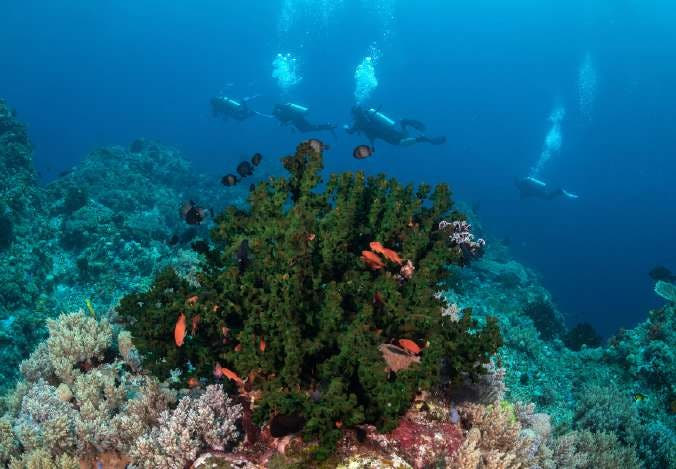
Komodo changes character as you move through it: bright coral gardens, current-fed pinnacles, manta areas and cooler southern waters. Labuan Bajo stays and liveaboard routes offer different ways to explore a national park that is remarkable above and below the surface.
Courtesy of Uber Scuba Komodo
Komodo & Labuan Bajo im Überblick
Komodo ist ein Reiseziel voller Kontraste: Strömungsgewirr an Felsspitzen, Manta-Gebiete und geschützte Riffe unter trockenen Hügeln und Aussichtspunkten auf den Inseln. Labuan Bajo ist das wichtigste Tor zur Region und bietet sowohl Tagesboot-Tauchgänge von landseitigen Unterkünften aus als auch mehrtägige Liveaboards in den Nationalpark und das umliegende Gewässer.
Ein Aufenthalt in einem Hotel oder Resort lässt Raum für Restaurants und separate Landausflüge. Ein Liveaboard hält Sie nah an den Tauchplätzen und kann je nach Route ein größeres Gebiet abdecken. Die nördlichen, zentralen und südlichen Gewässer können sich sehr unterschiedlich anfühlen; wählen Sie ein Programm nach den tatsächlichen Tauchplätzen, Bedingungen und dem Tempo aus.
Planung Ihres Aufenthalts auf Komodo
Ein Resort in Labuan Bajo oder auf einer der Inseln bietet flexible Tage und Aktivitäten an Land. Ein Liveaboard reduziert wiederholte Fahrten zu weiter entfernten Tauchplätzen und kann einen größeren Teil des Parks erreichen. Vergleichen Sie die tatsächliche Abdeckung im Norden, Zentrum und Süden: Eine kurze Komodo-Kreuzfahrt besucht nicht zwangsläufig jede Region.

Uber Scuba Komodo
Professioneller Anbieter von Tagestauchausflügen ab Labuan Bajo mit speziell gebauten Booten, drei Tauchgängen pro Komodo-Ausfahrt, kleinen geführten Gruppen und privaten Chartermöglichkeiten.

Manta Rhei Dive Center
Langjährig etablierter Anbieter von Tagestauchausflügen ab Labuan Bajo mit drei Tauchgängen in Komodo, speziell angepassten Holzbooten und kleinen geführten Gruppen.
Liveaboard routes for this destination
Explore the routes that visit this region. Compare ships and itineraries, then open a route to see its sailing dates, cabins and the areas it covers.
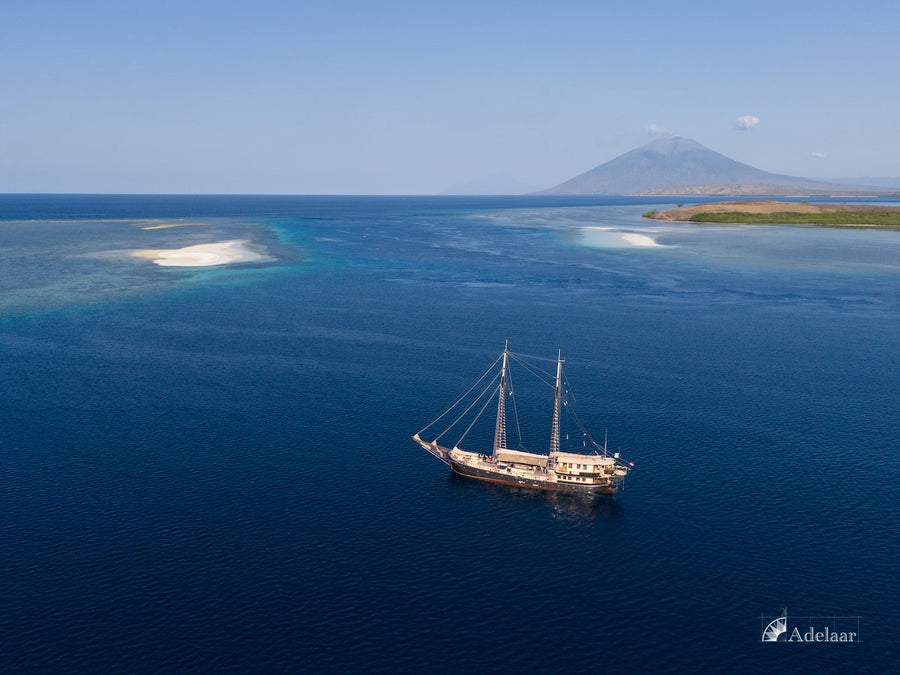
Adelaar
Beyond Komodo & Walhaie — Bali nach Maumere — 10 Nächte
- Indicative duration
- 10 nights
- Einschiffung
- Bali
- Ausschiffung
- Maumere
Adelaar
Beyond Komodo & Walhaie — Maumere nach Bali — 10 Nächte
- Indicative duration
- 10 nights
- Einschiffung
- Maumere
- Ausschiffung
- Bali
Adelaar
Komodo Exclusive — Labuan Bajo nach Labuan Bajo — 4 Nächte
- Indicative duration
- 4 nights
- Einschiffung
- Labuan Bajo
- Ausschiffung
- Labuan Bajo
Adelaar
Komodo Extended & Walhaie — Bali nach Labuan Bajo — 7 Nächte
- Indicative duration
- 7 nights
- Einschiffung
- Bali
- Ausschiffung
- Labuan Bajo
Adelaar
Komodo Extended & Walhaie — Labuan Bajo nach Bali — 10 Nächte
- Indicative duration
- 10 nights
- Einschiffung
- Labuan Bajo
- Ausschiffung
- Bali
Adelaar
Komodo Extended & Walhaie — Labuan Bajo nach Bali — 7 Nächte
- Indicative duration
- 7 nights
- Einschiffung
- Labuan Bajo
- Ausschiffung
- Bali
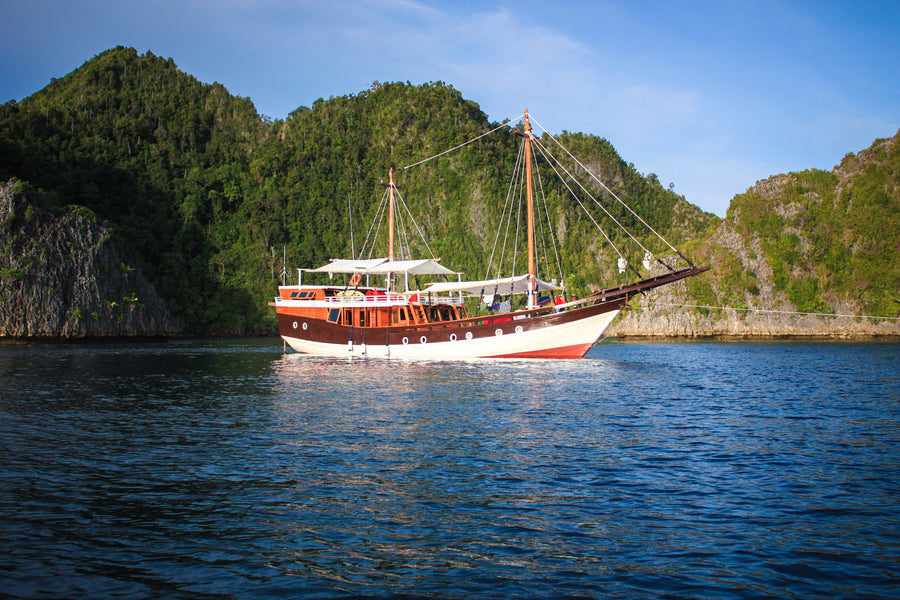
Akomo Isseki
Komodo — 7 Nächte
- Indicative duration
- 7 nights
- Einschiffung
- Labuan Bajo
- Ausschiffung
- Labuan Bajo
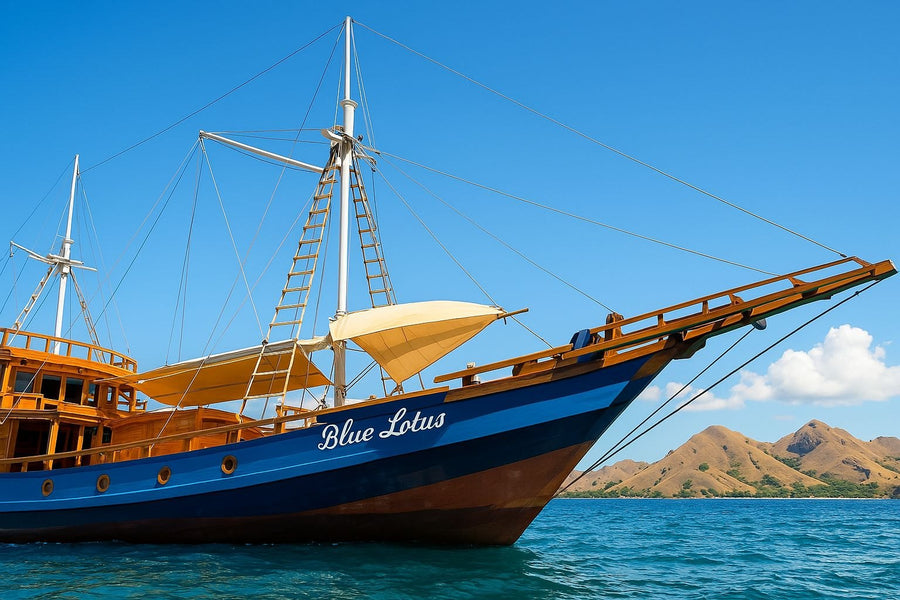
Blue Lotus
4D3N Komodo — Labuan Bajo nach Labuan Bajo — 3 Nächte
- Indicative duration
- 3 nights
- Einschiffung
- Labuan Bajo
- Ausschiffung
- Labuan Bajo
Blue Lotus
5D4N Komodo — Labuan Bajo nach Labuan Bajo — 4 Nächte
- Indicative duration
- 4 nights
- Einschiffung
- Labuan Bajo
- Ausschiffung
- Labuan Bajo
Blue Lotus
6D5N Komodo — Labuan Bajo nach Labuan Bajo — 5 Nächte
- Indicative duration
- 5 nights
- Einschiffung
- Labuan Bajo
- Ausschiffung
- Labuan Bajo
Blue Lotus
7D6N Komodo — Labuan Bajo nach Labuan Bajo — 6 Nächte
- Indicative duration
- 6 nights
- Einschiffung
- Labuan Bajo
- Ausschiffung
- Labuan Bajo
Blue Lotus
8D7N Komodo — Labuan Bajo nach Labuan Bajo — 7 Nächte
- Indicative duration
- 7 nights
- Einschiffung
- Labuan Bajo
- Ausschiffung
- Labuan Bajo
Cachalo
Komodo nach Alor — Labuan Bajo nach Alor — 8 Nächte
- Indicative duration
- 8 nights
- Einschiffung
- Labuan Bajo
- Ausschiffung
- Alor
Cachalo
Komodo — Labuan Bajo nach Labuan Bajo — 2 Nächte
- Indicative duration
- 2 nights
- Einschiffung
- Labuan Bajo
- Ausschiffung
- Labuan Bajo
Cachalo
Komodo — Labuan Bajo nach Labuan Bajo — 6 Nächte
- Indicative duration
- 6 nights
- Einschiffung
- Labuan Bajo
- Ausschiffung
- Labuan Bajo
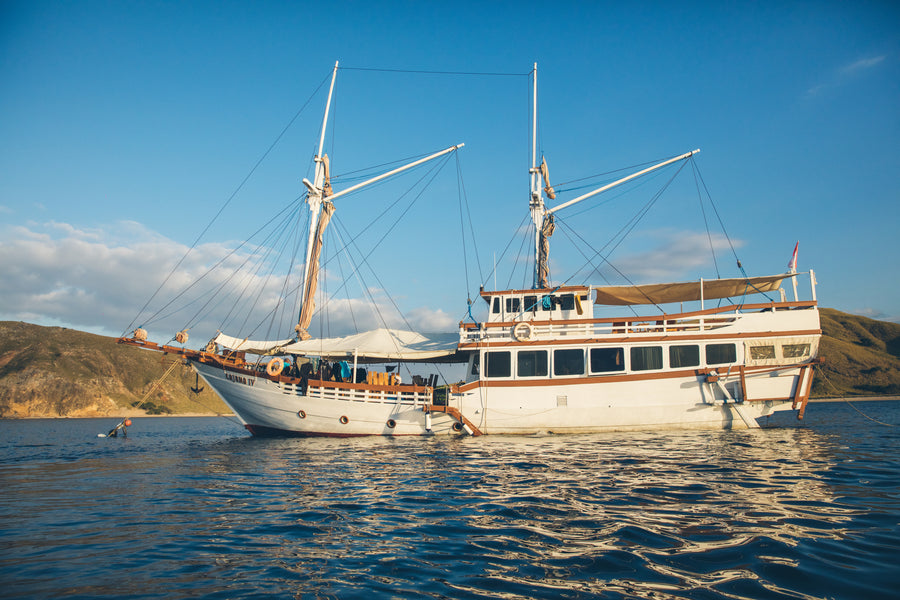
Cajoma IV
Komodo — 3 Nächte
- Indicative duration
- 3 nights
- Einschiffung
- Labuan Bajo
- Ausschiffung
- Labuan Bajo
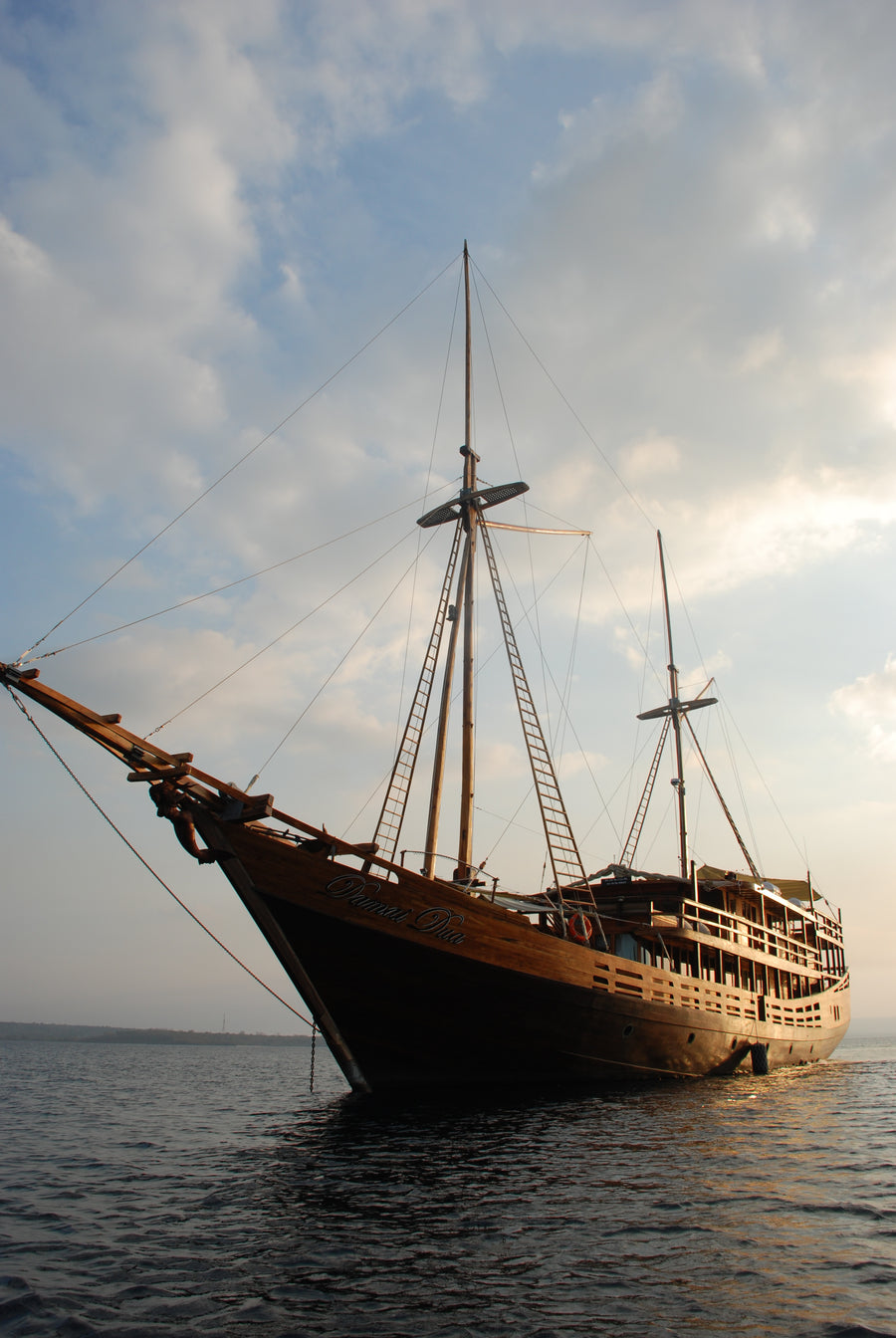
DAMAI II
Komodo nach Bali — 10 Nächte
- Indicative duration
- 10 nights
- Einschiffung
- Labuan Bajo
- Ausschiffung
- Benoa
DAMAI II
Komodo — 5 Nächte
- Indicative duration
- 5 nights
- Einschiffung
- Labuan Bajo
- Ausschiffung
- Labuan Bajo
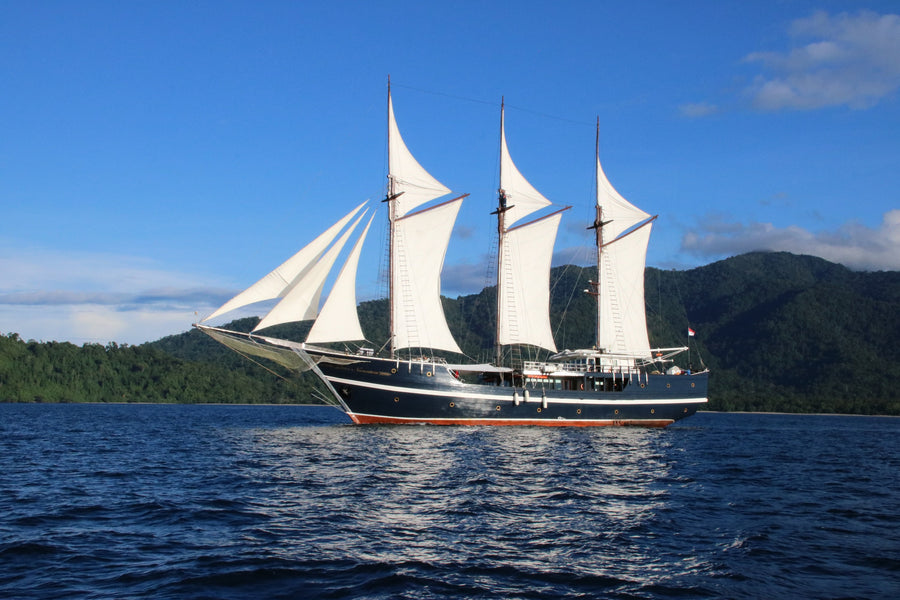
Dewi Nusantara
Dragons & Volcanoes - Komodo & Ost Sumbawa — Labuan Bajo nach Labuan Bajo — 9 Nächte
- Indicative duration
- 9 nights
- Einschiffung
- Labuan Bajo
- Ausschiffung
- Labuan Bajo
Dewi Nusantara
Dragons, Volcanoes & Walhaie - Komodo & Sumbawa - Saleh Bay — Labuan Bajo nach Bima — 9 Nächte
- Indicative duration
- 9 nights
- Einschiffung
- Labuan Bajo
- Ausschiffung
- Bima
Dewi Nusantara
Dragons, Volcanoes & Walhaie - Saleh Bay - Sumbawa & Komodo — Bima nach Labuan Bajo — 9 Nächte
- Indicative duration
- 9 nights
- Einschiffung
- Bima
- Ausschiffung
- Labuan Bajo
Dewi Nusantara
The Flores Sea Route II - The Bira Peninsula, Selayar, Taka Bonerate Atoll & Komodo — Makassar nach Labuan Bajo — 11 Nächte
- Indicative duration
- 11 nights
- Einschiffung
- Makassar
- Ausschiffung
- Labuan Bajo
Dewi Nusantara
The Flores Sea Route II - The Bira Peninsula, Selayar, Taka Bonerate Atoll & Komodo — Makassar nach Labuan Bajo — 12 Nächte
- Indicative duration
- 12 nights
- Einschiffung
- Makassar
- Ausschiffung
- Labuan Bajo
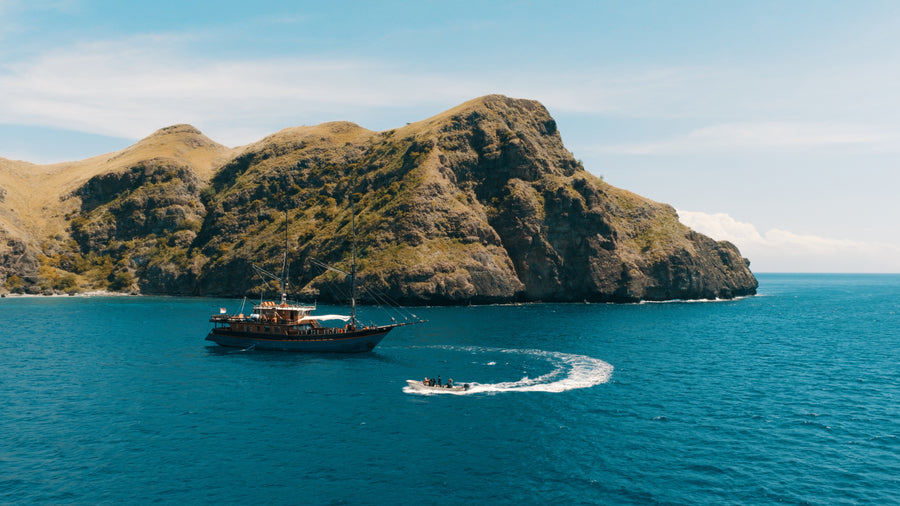
Iliké
Alor & Komodo — Alor nach Labuan Bajo — 9 Nächte
- Indicative duration
- 9 nights
- Einschiffung
- Alor
- Ausschiffung
- Labuan Bajo
Iliké
Bali & Komodo — Bali nach Labuan Bajo — 9 Nächte
- Indicative duration
- 9 nights
- Einschiffung
- Bali
- Ausschiffung
- Labuan Bajo
Iliké
Komodo & Alor — Labuan Bajo nach Alor — 10 Nächte
- Indicative duration
- 10 nights
- Einschiffung
- Labuan Bajo
- Ausschiffung
- Alor
Iliké
Komodo & Bali — Labuan Bajo nach Bali — 9 Nächte
- Indicative duration
- 9 nights
- Einschiffung
- Labuan Bajo
- Ausschiffung
- Bali
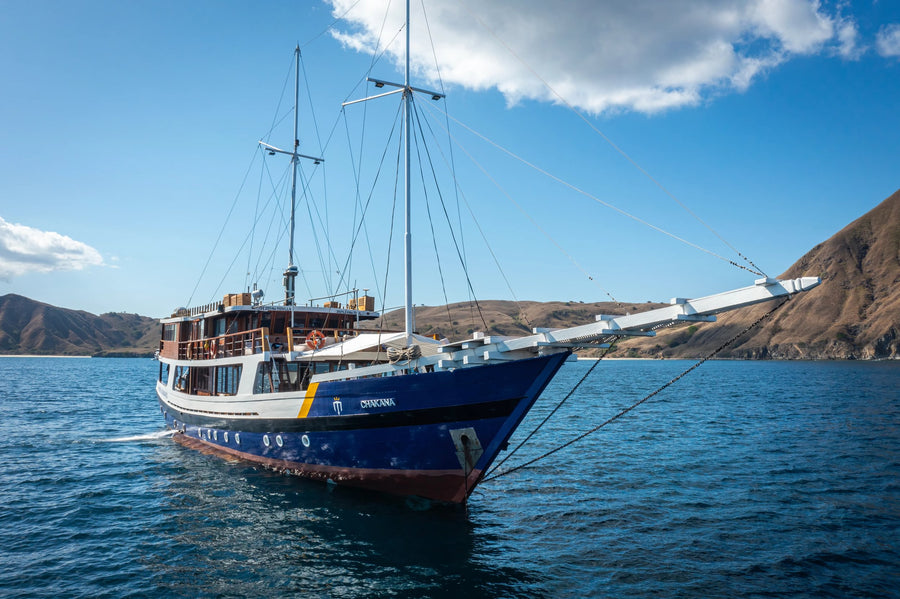
Indo Master
Komodo-Nationalpark — 10 Nächte
- Indicative duration
- 10 nights
- Einschiffung
- Labuan Bajo
- Ausschiffung
- Labuan Bajo
Indo Master
Komodo-Nationalpark — 7 Nächte
- Indicative duration
- 7 nights
- Einschiffung
- Labuan Bajo
- Ausschiffung
- Labuan Bajo
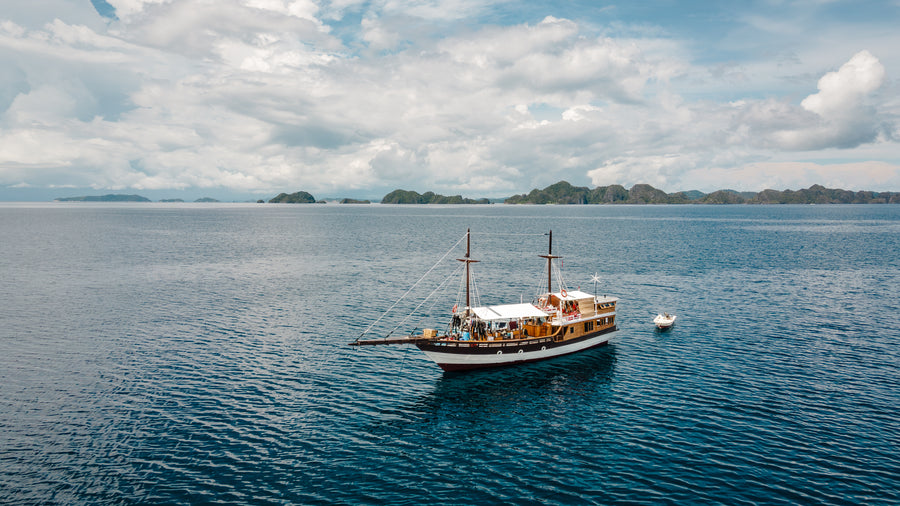
Kira Kira
Komodo — 7 Nächte
- Indicative duration
- 7 nights
- Einschiffung
- Labuan Bajo
- Ausschiffung
- Labuan Bajo
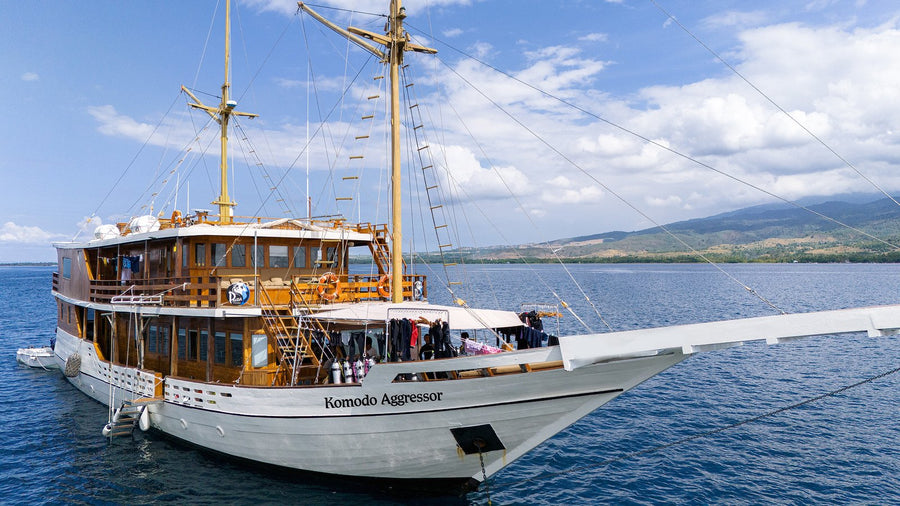
Komodo Aggressor
Komodo & Sumbawa (10 Nächte)
- Indicative duration
- 10 nights
- Einschiffung
- Labuan Bajo
- Ausschiffung
- Labuan Bajo
Komodo Aggressor
Komodo Nord & Süd (10 nights)
- Indicative duration
- 10 nights
- Einschiffung
- Labuan Bajo
- Ausschiffung
- Labuan Bajo
Komodo Aggressor
Nord Komodo (7 nights)
- Indicative duration
- 7 nights
- Einschiffung
- Labuan Bajo
- Ausschiffung
- Labuan Bajo
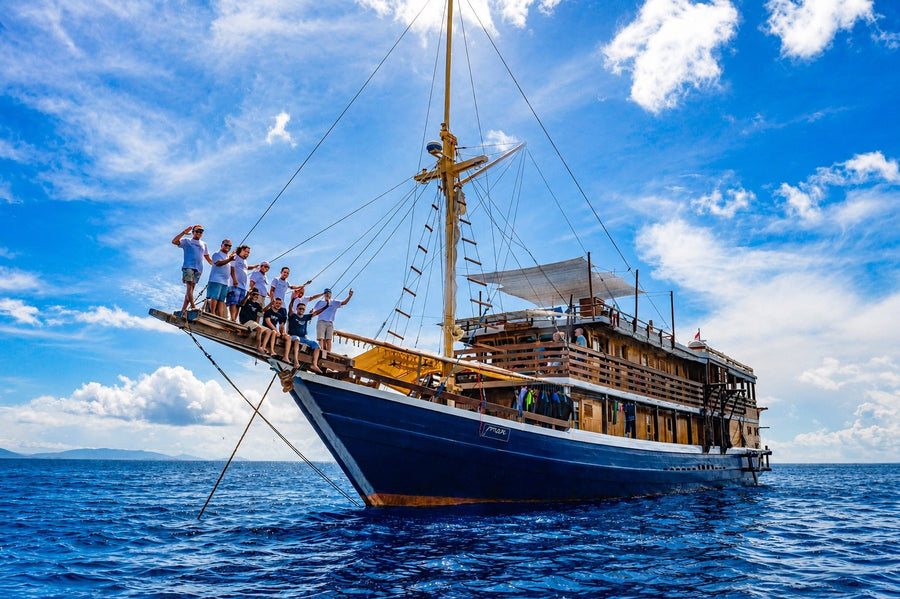
MARI Liveaboard
MARI — Bali - Komodo & Walhaie — Bali nach Labuan Bajo — 11 Nächte
- Indicative duration
- 11 nights
- Einschiffung
- Bali
- Ausschiffung
- Labuan Bajo
MARI Liveaboard
MARI — Best Of Komodo & Walhaie — Badas nach Labuan Bajo — 11 Nächte
- Indicative duration
- 11 nights
- Einschiffung
- Badas
- Ausschiffung
- Labuan Bajo
MARI Liveaboard
MARI — Best Of Komodo & Walhaie — Labuan Bajo nach Badas — 11 Nächte
- Indicative duration
- 11 nights
- Einschiffung
- Labuan Bajo
- Ausschiffung
- Badas
MARI Liveaboard
MARI — Best Of Komodo & Walhaie — Labuan Bajo nach Badas — 9 Nächte
- Indicative duration
- 9 nights
- Einschiffung
- Labuan Bajo
- Ausschiffung
- Badas
MARI Liveaboard
MARI — Flores - Komodo - Bali & Walhaie — Maumere nach Bali — 11 Nächte
- Indicative duration
- 11 nights
- Einschiffung
- Maumere
- Ausschiffung
- Bali
MARI Liveaboard
MARI — Komodo - Flores & Walhaie — Badas nach Maumere — 11 Nächte
- Indicative duration
- 11 nights
- Einschiffung
- Badas
- Ausschiffung
- Maumere
MARI Liveaboard
MARI — Komodo Full Park — Labuan Bajo nach Labuan Bajo — 7 Nächte
- Indicative duration
- 7 nights
- Einschiffung
- Labuan Bajo
- Ausschiffung
- Labuan Bajo
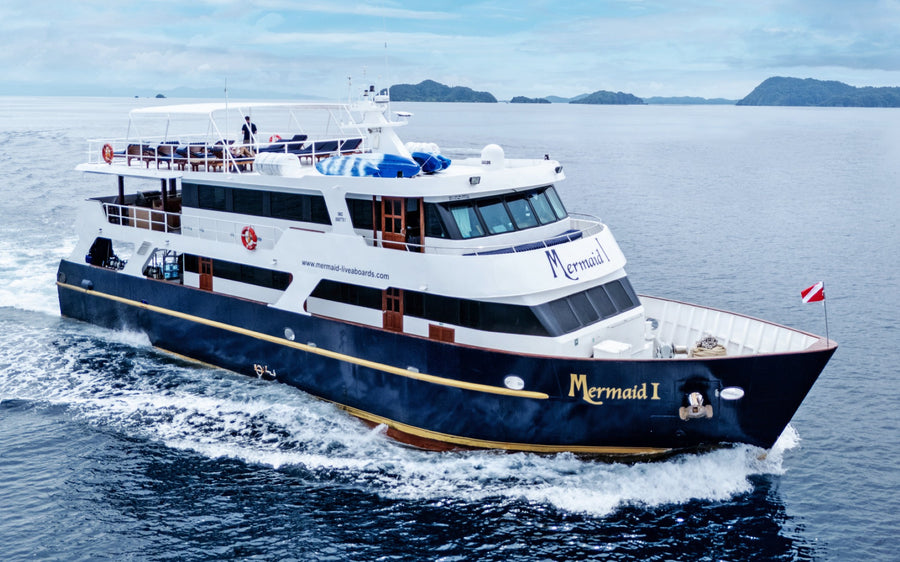
Mermaid I
Bali–Komodo–Bali
- Indicative duration
- 9 nights
- Einschiffung
- Benoa Pier, Bali
- Ausschiffung
- Benoa Pier, Bali
Mermaid I
Bali–Komodo–Maumere with Walhaie
- Indicative duration
- 9 nights
- Einschiffung
- Benoa Pier, Bali
- Ausschiffung
- Maumere, Flores
Mermaid I
Maumere–Komodo–Bali with Walhaie
- Indicative duration
- 9 nights
- Einschiffung
- Maumere, Flores
- Ausschiffung
- Benoa Pier, Bali
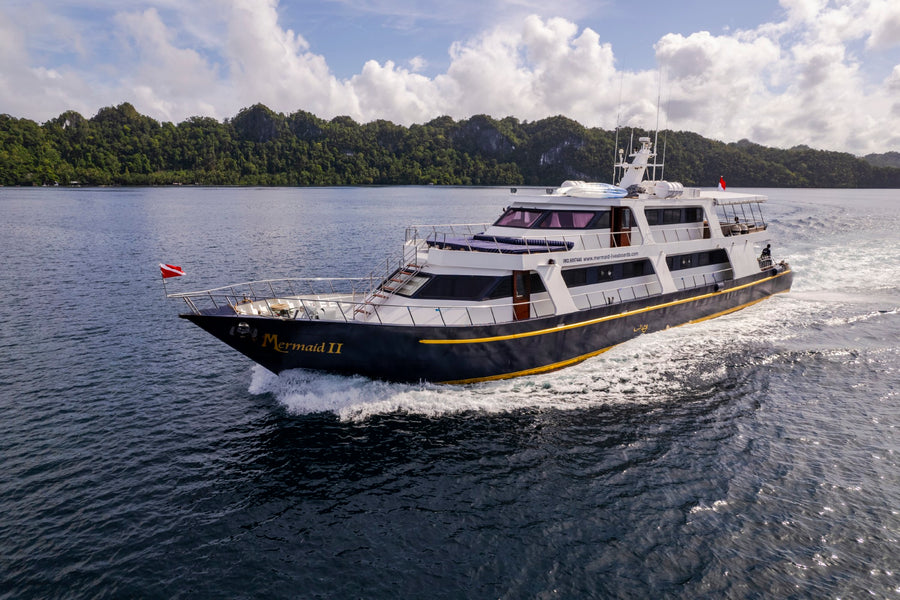
Mermaid II
Bali–Komodo–Bali 8 Tage
- Indicative duration
- 7 nights
- Einschiffung
- Benoa Pier, Bali
- Ausschiffung
- Benoa Pier, Bali
Mermaid II
Bali–Komodo–Maumere with Walhaie 10 Tage
- Indicative duration
- 9 nights
- Einschiffung
- Benoa Pier, Bali
- Ausschiffung
- Maumere, Flores
Mermaid II
Bali–Komodo–Maumere with Walhaie 8 Tage
- Indicative duration
- 7 nights
- Einschiffung
- Benoa Pier, Bali
- Ausschiffung
- Maumere, Flores
Mermaid II
Komodo & Saleh Bay Walhaie 10 Tage
- Indicative duration
- 9 nights
- Einschiffung
- Benoa Pier, Bali
- Ausschiffung
- Benoa Pier, Bali
Mermaid II
Komodo & Saleh Bay Walhaie 8 Tage
- Indicative duration
- 7 nights
- Einschiffung
- Benoa Pier, Bali
- Ausschiffung
- Benoa Pier, Bali
Mermaid II
Maumere–Komodo–Bali with Walhaie
- Indicative duration
- 9 nights
- Einschiffung
- Maumere, Flores
- Ausschiffung
- Benoa Pier, Bali
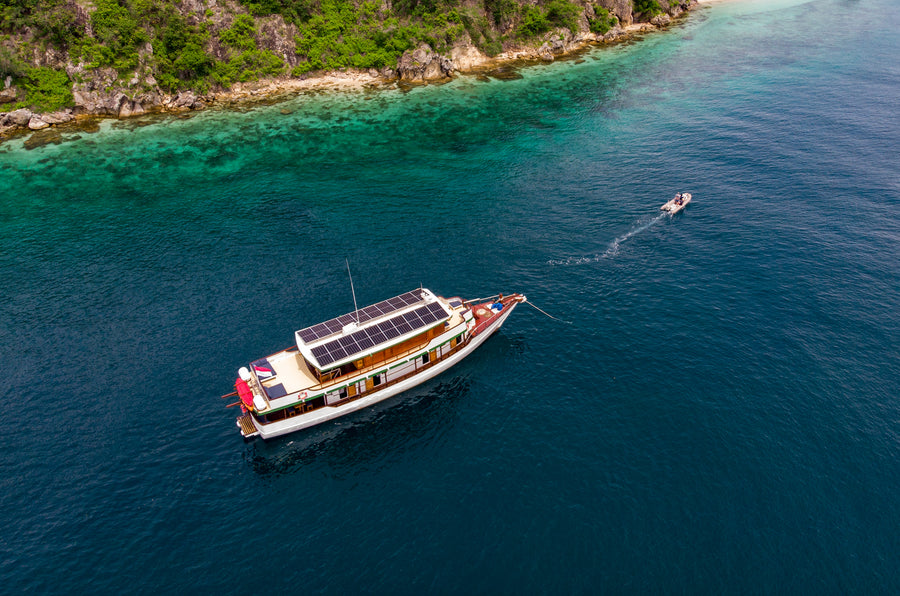
Bajau
Nomad Exploration Cruise: Komodo nach Alor
- Indicative duration
- 10 nights
- Einschiffung
- Labuan Bajo
- Ausschiffung
- Alor
Bajau
Nomad Erkundung: Wakatobi, Taka Bonerate & Komodo
- Indicative duration
- 11 nights
- Einschiffung
- Kendari
- Ausschiffung
- Labuan Bajo
Bajau
Nomad Komodo & Taka Bonerate Abenteuer
- Indicative duration
- 8 nights
- Einschiffung
- Labuan Bajo
- Ausschiffung
- Labuan Bajo
Bajau
Nomad Komodo Freizeit Schnorcheln
- Indicative duration
- 3 nights
- Einschiffung
- Labuan Bajo
- Ausschiffung
- Labuan Bajo
Bajau
Nomad Komodo Freizeit Schnorcheln
- Indicative duration
- 5 nights
- Einschiffung
- Labuan Bajo
- Ausschiffung
- Labuan Bajo
Bajau
Nomad Komodo Freizeit Schnorcheln
- Indicative duration
- 4 nights
- Einschiffung
- Labuan Bajo
- Ausschiffung
- Labuan Bajo
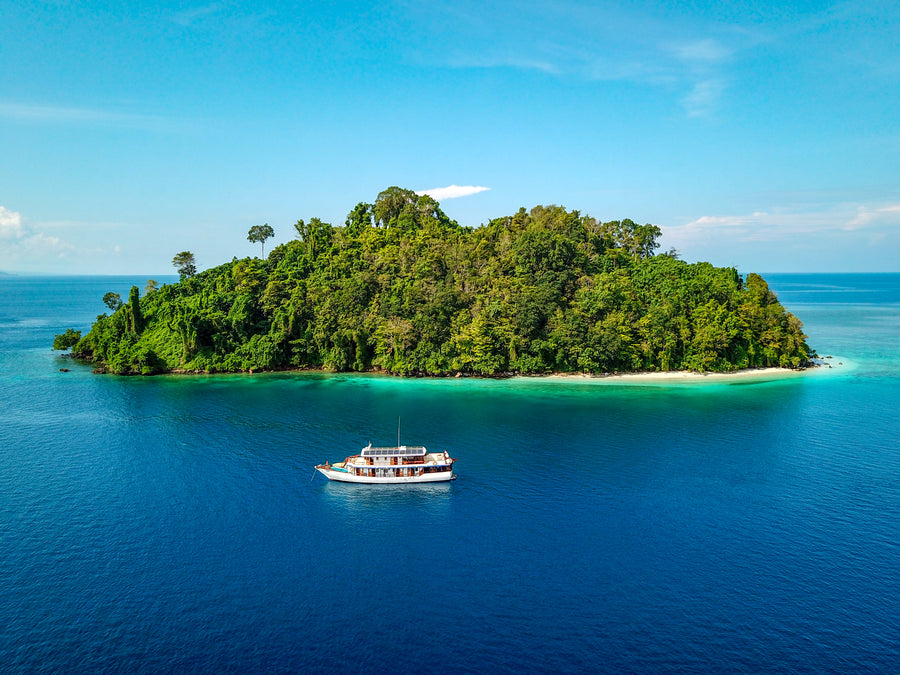
Bugis
Nomad Across Wakatobi, Bonerate & Komodo-Nationalpark
- Indicative duration
- 12 nights
- Einschiffung
- Kendari
- Ausschiffung
- Labuan Bajo
Bugis
Nomad Nationalpark Komodo & Taka Bonerate
- Indicative duration
- 10 nights
- Einschiffung
- Labuan Bajo
- Ausschiffung
- Labuan Bajo
Bugis
Nomad Komodo Freizeit Schnorcheln
- Indicative duration
- 3 nights
- Einschiffung
- Labuan Bajo
- Ausschiffung
- Labuan Bajo
Bugis
Nomad Komodo Freizeit Schnorcheln
- Indicative duration
- 5 nights
- Einschiffung
- Labuan Bajo
- Ausschiffung
- Labuan Bajo
Bugis
Nomad Komodo Freizeit Schnorcheln
- Indicative duration
- 4 nights
- Einschiffung
- Labuan Bajo
- Ausschiffung
- Labuan Bajo
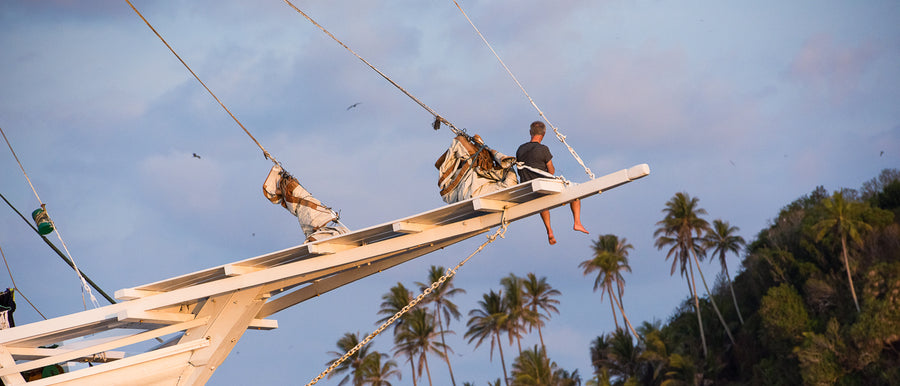
Pindito
Komodo
- Indicative duration
- 11 nights
- Einschiffung
- Labuan Bajo, Bima or Maumere — confirm per departure
- Ausschiffung
- Labuan Bajo, Bima or Maumere — confirm per departure
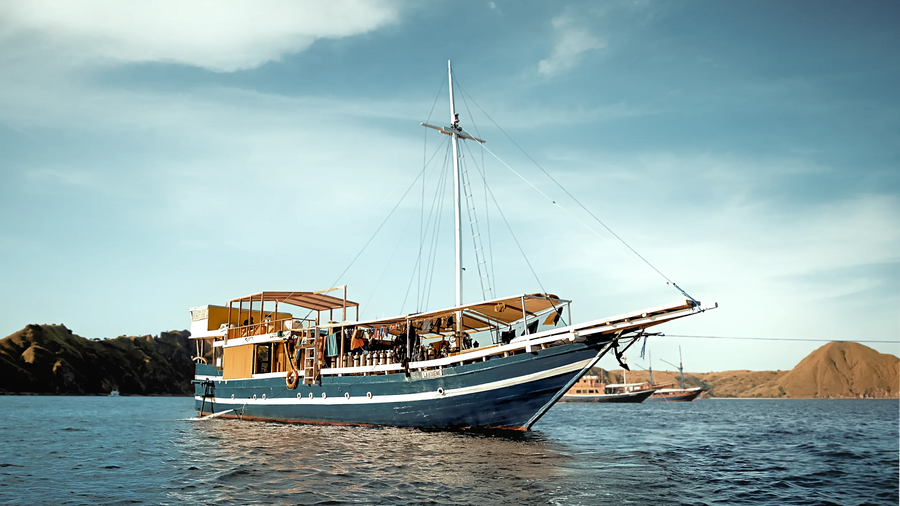
Bajak
Komodo Höhepunkte
- Indicative duration
- 3 nights
- Einschiffung
- Labuan Bajo
- Ausschiffung
- Labuan Bajo
Bajak
Süd Komodo
- Indicative duration
- 4 nights
- Einschiffung
- Labuan Bajo
- Ausschiffung
- Labuan Bajo
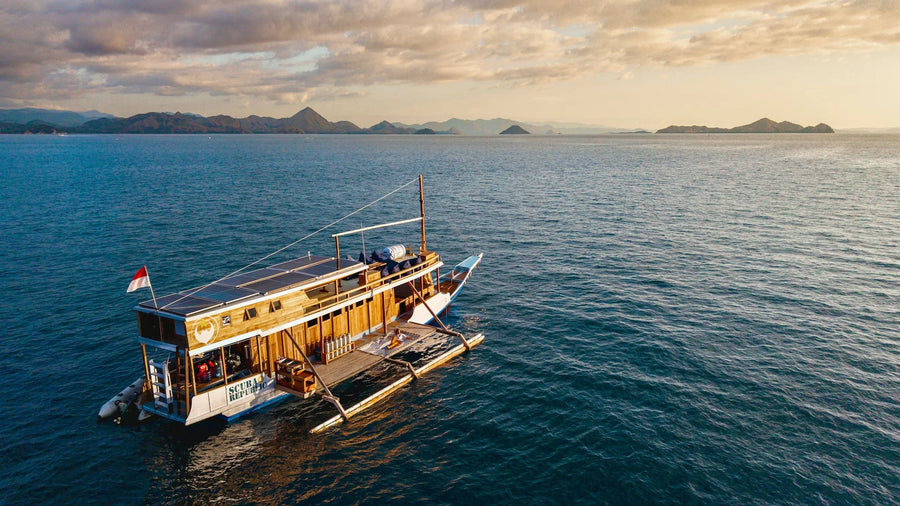
Capoeng
Central & Nord Komodo
- Indicative duration
- 2 nights
- Einschiffung
- Labuan Bajo
- Ausschiffung
- Labuan Bajo
Capoeng
Central & Süd Komodo
- Indicative duration
- 2 nights
- Einschiffung
- Labuan Bajo
- Ausschiffung
- Labuan Bajo
Capoeng
Komodo Höhepunkte
- Indicative duration
- 2 nights
- Einschiffung
- Labuan Bajo
- Ausschiffung
- Labuan Bajo
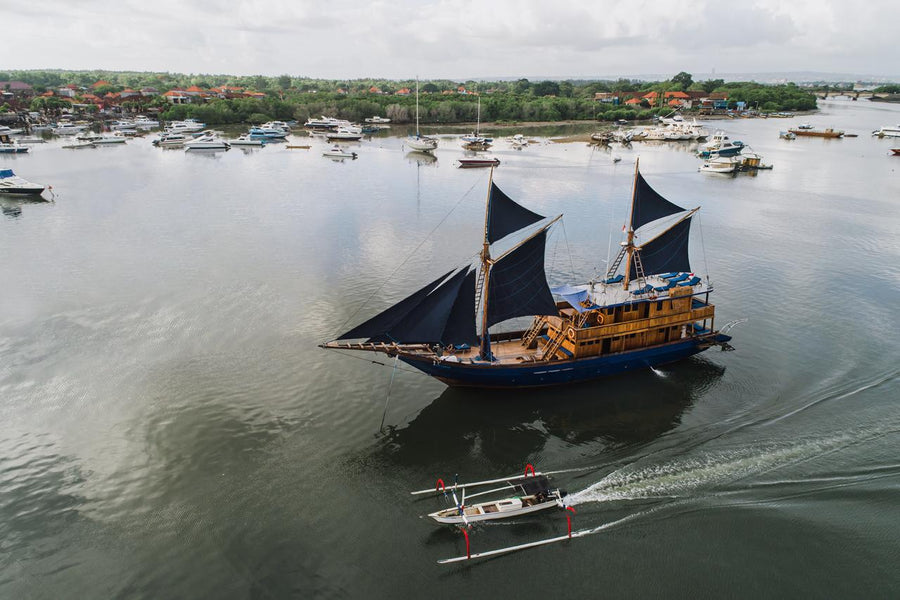
Situju 7
Komodo-Nationalpark — 3 Tage / 2 Nächte
- Indicative duration
- 2 nights
- Einschiffung
- Labuan Bajo
- Ausschiffung
- Labuan Bajo
Situju 7
Komodo-Nationalpark — 5 Tage / 4 Nächte
- Indicative duration
- 4 nights
- Einschiffung
- Labuan Bajo
- Ausschiffung
- Labuan Bajo
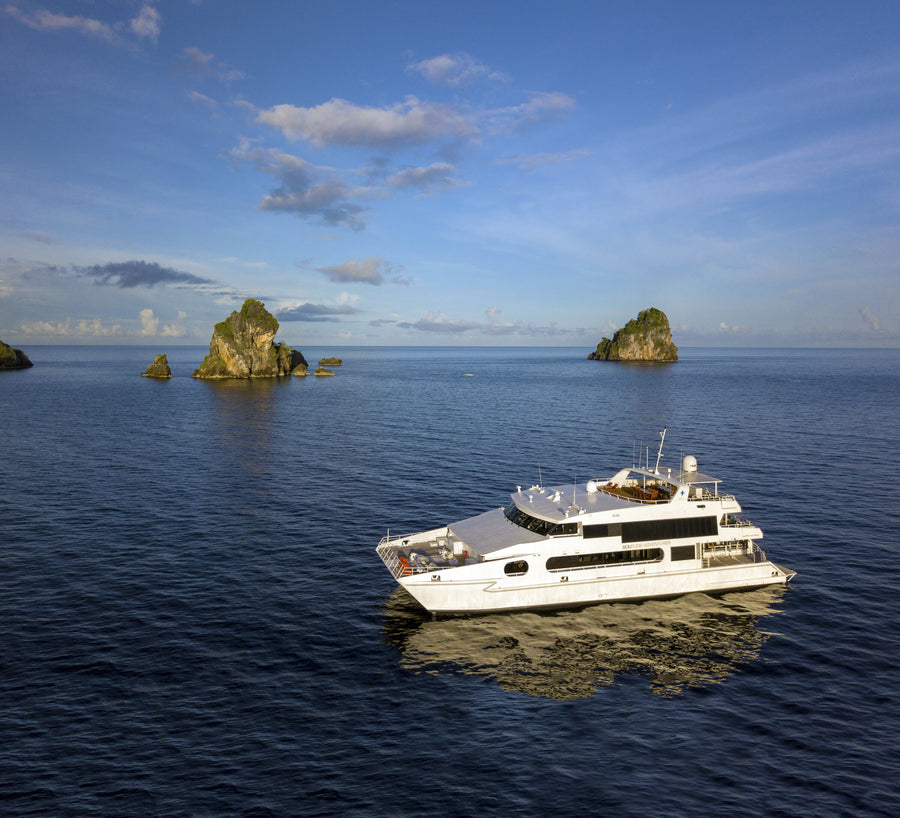
Solitude Adventurer
Komodo Nord & Süd - 6N
- Indicative duration
- 6 nights
- Einschiffung
- Labuan Bajo
- Ausschiffung
- Labuan Bajo
Solitude Adventurer
Komodo Nord & Süd - 7N
- Indicative duration
- 7 nights
- Einschiffung
- Labuan Bajo
- Ausschiffung
- Labuan Bajo
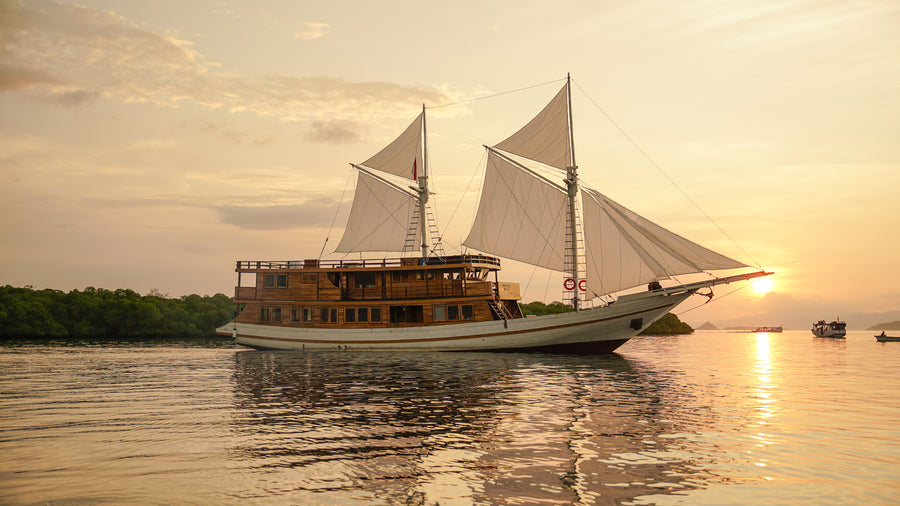
Sundari Voyages
Komodo Diving Photography Shared Trip — Labuan Bajo nach Labuan Bajo — 3 Nächte
- Indicative duration
- 3 nights
- Einschiffung
- Labuan Bajo
- Ausschiffung
- Labuan Bajo
Sundari Voyages
Komodo Diving Photography Shared Trip — Labuan Bajo nach Labuan Bajo — 4 Nächte
- Indicative duration
- 4 nights
- Einschiffung
- Labuan Bajo
- Ausschiffung
- Labuan Bajo
Sundari Voyages
Komodo Diving Photography Shared Trip — Labuan Bajo nach Labuan Bajo — 5 Nächte
- Indicative duration
- 5 nights
- Einschiffung
- Labuan Bajo
- Ausschiffung
- Labuan Bajo
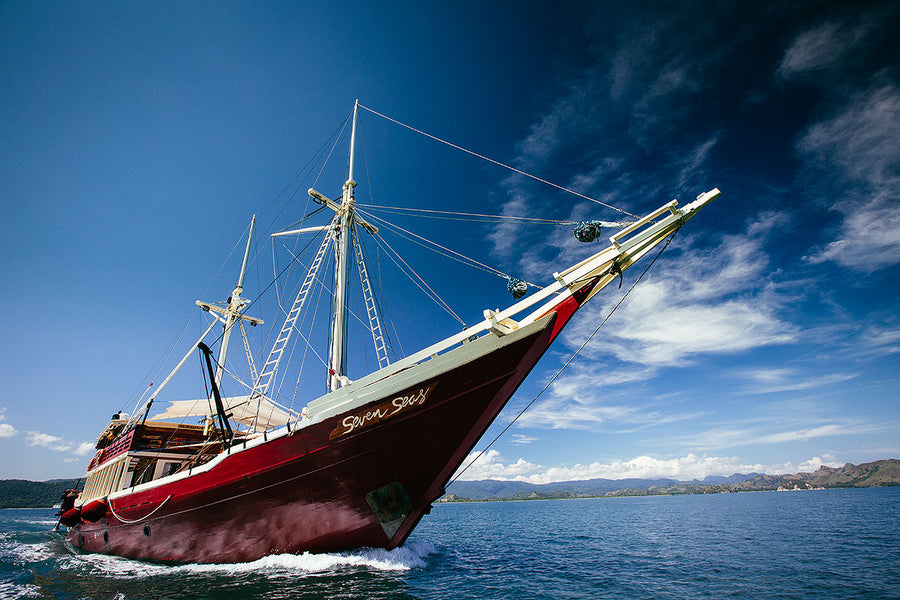
The Seven Seas
Bandasee & Komodo-Nationalpark — Ambon nach Labuan Bajo
- Indicative duration
- 14 nights
- Einschiffung
- Ambon
- Ausschiffung
- Labuan Bajo
The Seven Seas
Flores, Komodo-Nationalpark & Sumbawa — Maumere nach Sumbawa Besar
- Indicative duration
- 12 nights
- Einschiffung
- Maumere
- Ausschiffung
- Sumbawa Besar
The Seven Seas
Komodo-Nationalpark & Flores — Labuan Bajo nach Maumere
- Indicative duration
- 10 nights
- Einschiffung
- Labuan Bajo
- Ausschiffung
- Maumere
The Seven Seas
Komodo-Nationalpark & Sumbawa Walhaie — Labuan Bajo nach Sumbawa Besar
- Indicative duration
- 8 nights
- Einschiffung
- Labuan Bajo
- Ausschiffung
- Sumbawa Besar
The Seven Seas
Komodo-Nationalpark — Labuan Bajo nach Labuan Bajo
- Indicative duration
- 9 nights
- Einschiffung
- Labuan Bajo
- Ausschiffung
- Labuan Bajo
The Seven Seas
Komodo-Nationalpark, Sumbawa & Flores — Labuan Bajo nach Maumere
- Indicative duration
- 10 nights
- Einschiffung
- Labuan Bajo
- Ausschiffung
- Maumere
The Seven Seas
Komodo, Östlich von Flores & Alor — Labuan Bajo nach Alor
- Indicative duration
- 10 nights
- Einschiffung
- Labuan Bajo
- Ausschiffung
- Alor
The Seven Seas
Sumbawa Walhaie & Komodo-Nationalpark — Sumbawa Besar nach Labuan Bajo
- Indicative duration
- 9 nights
- Einschiffung
- Sumbawa Besar
- Ausschiffung
- Labuan Bajo
The Seven Seas
Sumbawa, Komodo-Nationalpark & Flores — Sumbawa Besar nach Maumere
- Indicative duration
- 12 nights
- Einschiffung
- Sumbawa Besar
- Ausschiffung
- Maumere
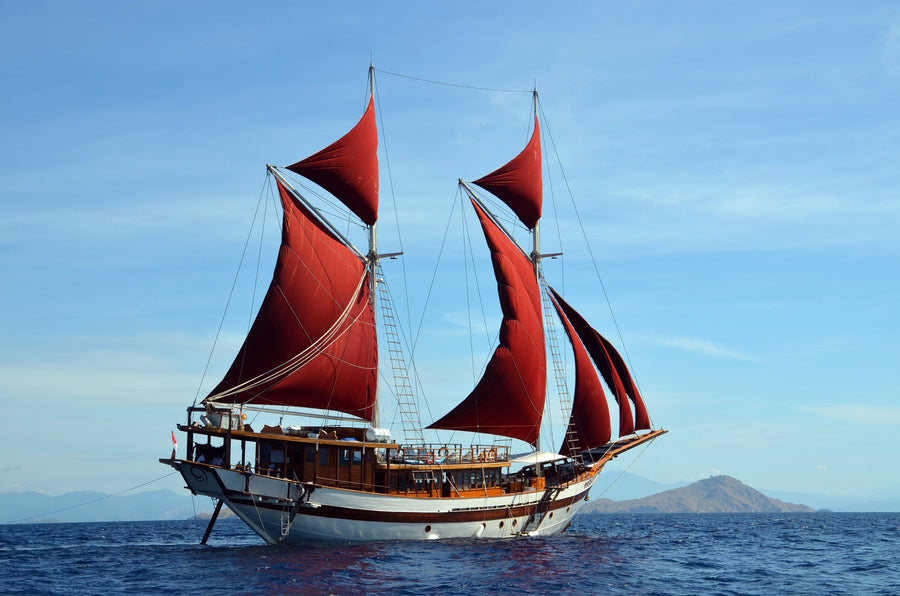
Tiare
Bali - Sumbawa - Komodo — Bali → Labuan Bajo — 10 Nächte
- Indicative duration
- 10 nights
- Einschiffung
- Bali
- Ausschiffung
- Labuan Bajo
Tiare
Bima - Sumbawa - Komodo — Bima → Labuan Bajo — 10 Nächte
- Indicative duration
- 10 nights
- Einschiffung
- Bima
- Ausschiffung
- Labuan Bajo
Tiare
Komodo - Alor - Maumere — Labuan Bajo → Maumere — 11 Nächte
- Indicative duration
- 11 nights
- Einschiffung
- Labuan Bajo
- Ausschiffung
- Maumere
Tiare
Komodo - Norden und Süden — Bali → Labuan Bajo — 10 Nächte
- Indicative duration
- 10 nights
- Einschiffung
- Bali
- Ausschiffung
- Labuan Bajo
Tiare
Komodo - Norden und Süden — Labuan Bajo → Labuan Bajo — 7 Nächte
- Indicative duration
- 7 nights
- Einschiffung
- Labuan Bajo
- Ausschiffung
- Labuan Bajo
Tiare
Komodo - Norden und Süden — Labuan Bajo → Labuan Bajo — 8 Nächte
- Indicative duration
- 8 nights
- Einschiffung
- Labuan Bajo
- Ausschiffung
- Labuan Bajo
Tiare
Komodo - Sumbawa - Bima — Labuan Bajo → Bima — 10 Nächte
- Indicative duration
- 10 nights
- Einschiffung
- Labuan Bajo
- Ausschiffung
- Bima
Tiare
Maumere - Alor - Komodo — Maumere → Labuan Bajo — 10 Nächte
- Indicative duration
- 10 nights
- Einschiffung
- Maumere
- Ausschiffung
- Labuan Bajo
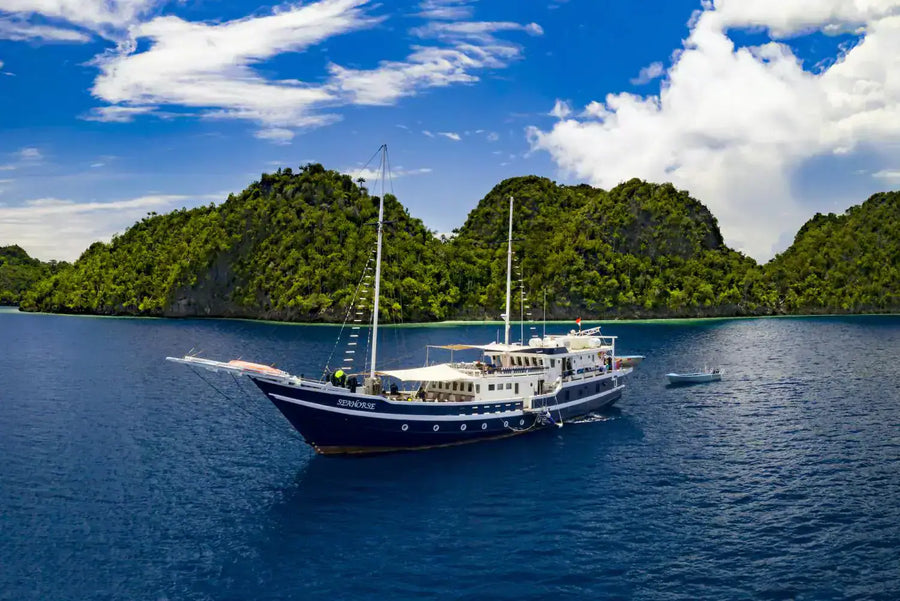
MSY Seahorse
Komodo, Sumbawa & West-Flores
- Indicative duration
- 10 nights
- Einschiffung
- Bali or Sumbawa — confirm per departure
- Ausschiffung
- West Flores / Labuan Bajo — confirm per departure
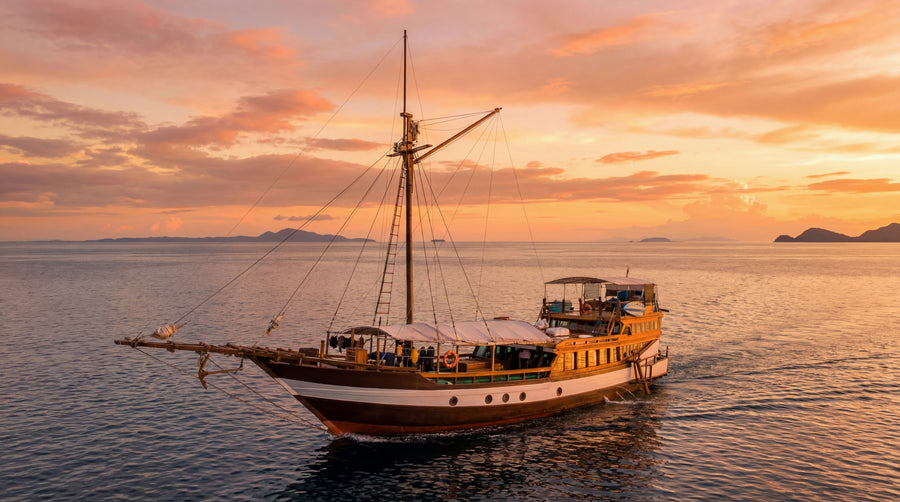
Wellenreng
Komodo-Nationalpark — Labuan Bajo nach Labuan Bajo — 5 Nächte
- Indicative duration
- 5 nights
- Einschiffung
- Labuan Bajo
- Ausschiffung
- Labuan Bajo
Wellenreng
Komodo-Nationalpark — Labuan Bajo nach Labuan Bajo — 7 Nächte
- Indicative duration
- 7 nights
- Einschiffung
- Labuan Bajo
- Ausschiffung
- Labuan Bajo
Tiare
Labuan Bajo - Sumbawa — Labuan Bajo → Sumbawa Besar — 7 Nächte
- Indicative duration
- 7 nights
- Einschiffung
- Labuan Bajo
- Ausschiffung
- Sumbawa Besar
Tiare
Sumbawa - Komodo — Sumbawa Besar → Labuan Bajo — 7 Nächte
- Indicative duration
- 7 nights
- Einschiffung
- Sumbawa Besar
- Ausschiffung
- Labuan Bajo
Tiare
Komodo - Alor — Labuan Bajo → Kalabahi — 11 Nächte
- Indicative duration
- 11 nights
- Einschiffung
- Labuan Bajo
- Ausschiffung
- Kalabahi
Tiare
Komodo - Norden und Süden — Labuan Bajo → Labuan Bajo — 10 Nächte
- Indicative duration
- 10 nights
- Einschiffung
- Labuan Bajo
- Ausschiffung
- Labuan Bajo
No routes match this search. Try another vessel or clear your search.
Wann sollte man auf Komodo tauchen?
April bis November ist ein gängiger Zeitraum, insbesondere für Tauchgänge im Norden und Zentrum. Im Süden kann es kühler sein und die Bedingungen unterscheiden sich. Strömung und Gezeiten prägen hier jede Jahreszeit; die Wahl des Datums ersetzt niemals eine sorgfältige Auswahl der Tauchplätze und ein entsprechendes Erfahrungsniveau.
Empfohlener Reisezeitraum: April–November.
Was Sie beim Tauchen erwartet
Eine fortgeschrittene Zertifizierung und sichere Tauchfähigkeiten in Strömung werden dringend empfohlen.
Begegnungen mit Mantas
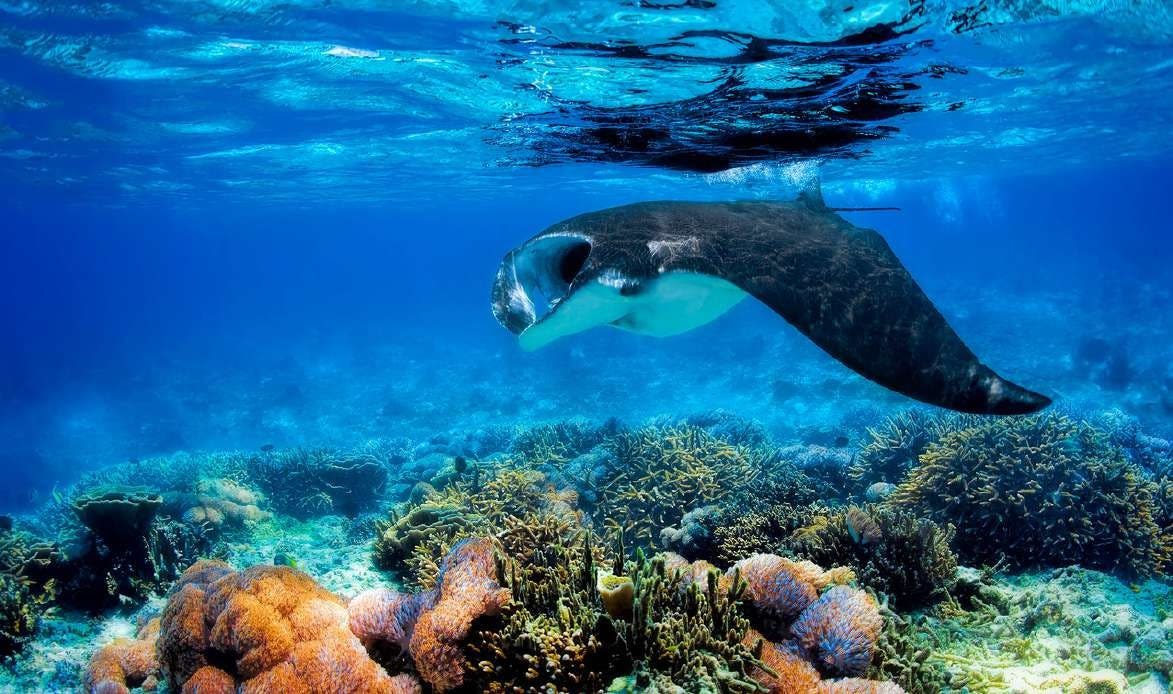
Die Manta-Tauchgänge auf Komodo konzentrieren sich auf flache Reinigungs- und Futterplätze, an denen Riffmantas wiederholt durch planktonreiches Wasser schwimmen können. Sichtungen sind natürlich und die Guides positionieren die Taucher so, dass sie die Tiere beobachten können, ohne sie zu verfolgen oder ihnen in den Weg zu kommen.
Strömungsgeprägte Riffe
Die Gezeitenströmung ist eines der prägenden Merkmale von Komodo. Dieselbe Strömung, die die Riffe mit Nährstoffen versorgt, kann das Ein- und Aussteigen sowie den Abstieg anspruchsvoll machen. Daher wählen erfahrene Guides die Tauchplätze und die Uhrzeit entsprechend der tatsächlichen Wasserbewegung aus.
Große Fischschwärme
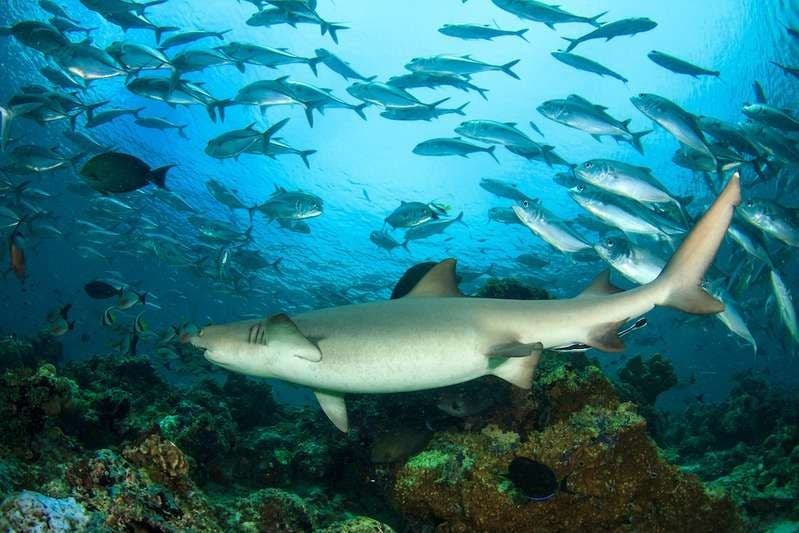
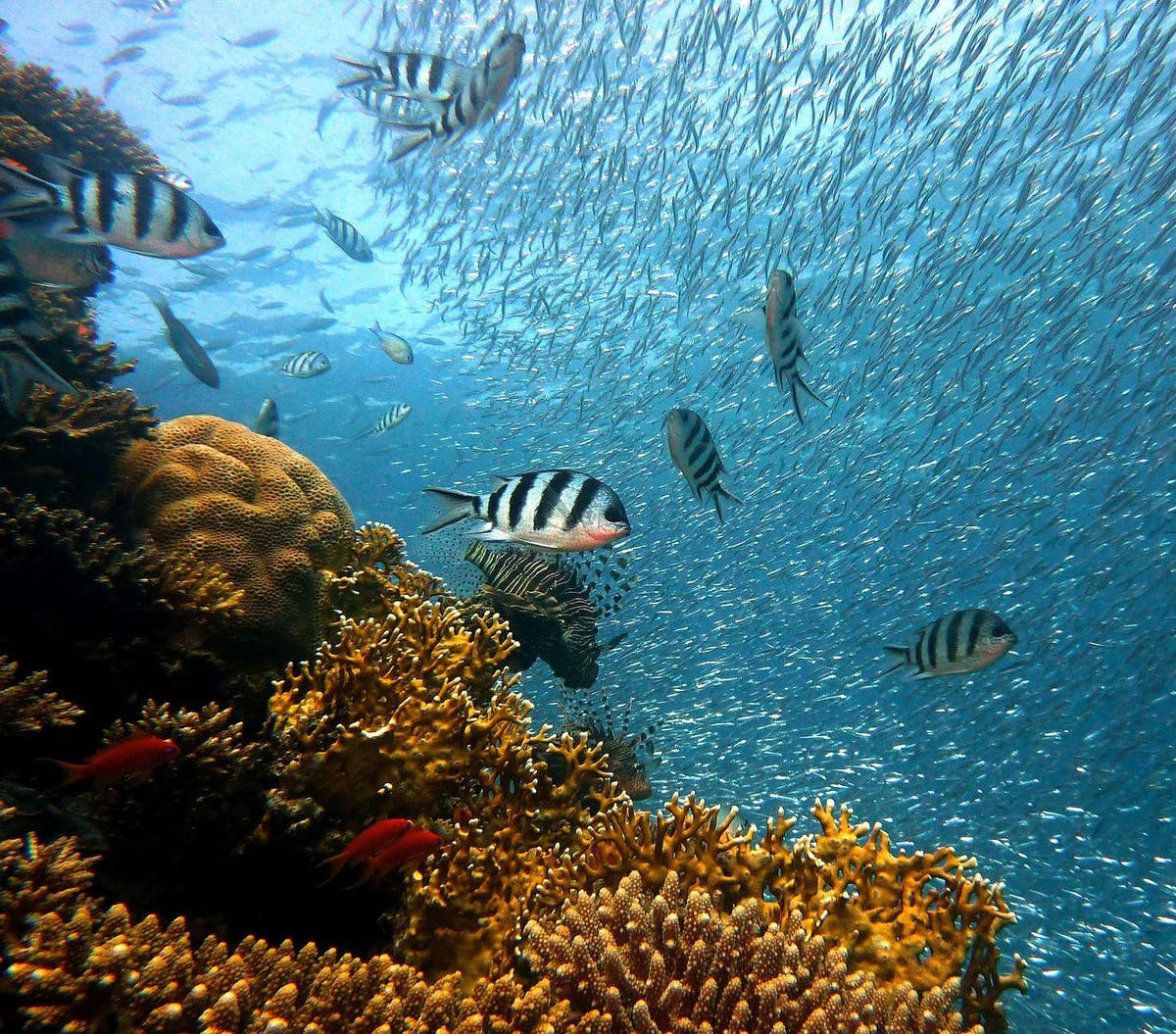
Felsspitzen und Kanäle können Fusiliers, Trevally, Schnapper und Barrakudas konzentrieren, während Riffhaie oft dieselben Strömungslinien nutzen. Dies sind Weitwinkel-Tauchgänge, bei denen es wichtiger ist, bei der Gruppe zu bleiben, als zu versuchen, an einer Position zu bleiben.
Ein Reiseziel mit zwei Reisestilen
Tagesboote ab Labuan Bajo eignen sich für einen flexiblen Aufenthalt an Land. Ein Liveaboard kann mehr Zeit in der Nähe der Tauchgebiete verbringen und möglicherweise weiter in den Park hineinreichen. Vergleichen Sie die tatsächliche Route, denn allein die Länge der Kreuzfahrt sagt Ihnen nicht, welche Regionen sie besucht.
DIVE SITE GUIDE
Dive sites in Komodo & Labuan Bajo
Explore the character of individual sites, from the setting and marine life to the diving conditions. Open a card for the full description; site access and the final profile depend on conditions and experience.
ORIENTATION MAP
Where the dive sites are
Use the map to understand how the key sites are spread around the destination. Pins are for trip-planning orientation only; entry points, moorings and the final dive plan are always confirmed by the local operator on the day.
Coordinates are planning references compiled from current dive-site sources. They are not navigation coordinates; entry points, moorings, tide windows and the final dive plan are always confirmed by the local operator on the day.
Pinnacle · Reef · Current
Batu Bolong
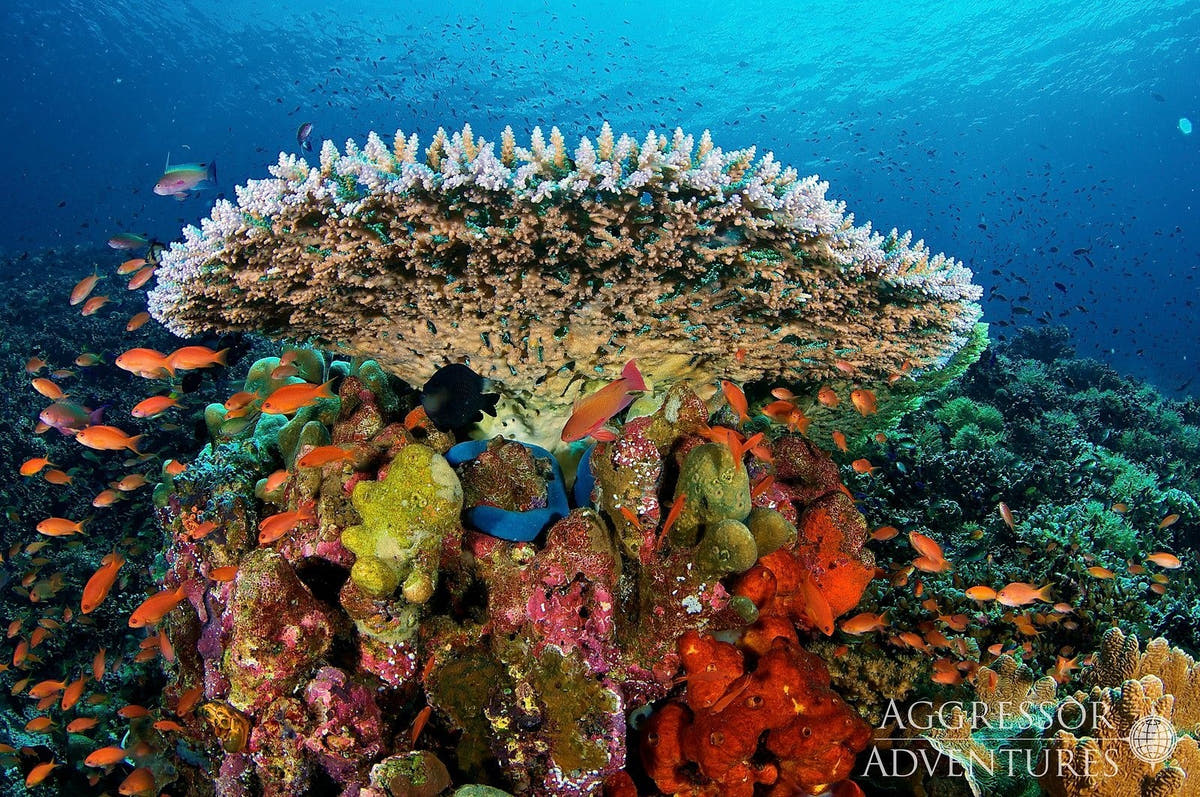
Batu Bolong is a tiny rock above water and a huge reef below it.
Tauchplatz entdecken
- Typ
- Pinnacle · Reef · Current
- Tiefe
- 5–30 m
- Erfahrung
- Advanced
- Strömung
- Strong possible
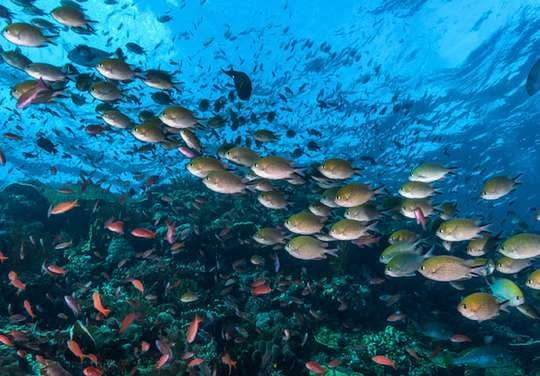
Batu Bolong is a tiny rock above water and a huge reef below it. The submerged structure drops steeply on both sides, concentrating coral and fish into a narrow current-swept footprint where anthias, fusiliers, trevally, turtles and reef sharks may all share the same scene.
The attraction is also the risk: currents can wrap around the rock and create down-current zones, so guides normally keep divers on the protected side rather than circling the pinnacle. When the tide is right, the shallows can be as spectacular as the deeper water, with dense coral and clouds of small fish in bright light. It is a classic Komodo dive for experienced divers who can hold position and follow a disciplined route.
Look for: Iconic pinnacle · Dense coral · Reef sharks possible · Strong-current site
Ideal für: Coral density · Schooling fish · Reef sharks · Wide angle
Submerged pinnacle · Pelagic
Castle Rock
Castle Rock is one of northern Komodo’s high-energy pelagic sites.
Tauchplatz entdecken
- Typ
- Submerged pinnacle · Pelagic
- Tiefe
- 5–35 m
- Erfahrung
- Advanced
- Strömung
- Strong
Castle Rock is one of northern Komodo’s high-energy pelagic sites. The submerged pinnacle rises into moving water, and the usual strategy is to descend promptly, settle near the current-facing side and let the action come to you.
Grey reef sharks, whitetips, giant trevally, tuna and dense schools of fusiliers or jacks may work the reef edge, while coral and smaller fish occupy the protected sections. The site is not about drifting casually over scenery; it rewards divers who can make a controlled negative entry, stay compact as a group and manage gas while watching the blue. Current strength changes dramatically with tide, and the operator may substitute another site if the window is not suitable.
Look for: Pelagic action · Submerged pinnacle · Grey reef sharks possible · Advanced current skills
Ideal für: Sharks · Trevally · Schooling fish · Action diving
Pinnacle · Reef · Current
Crystal Rock
Crystal Rock sits close to Castle Rock but has its own personality.
Tauchplatz entdecken
- Typ
- Pinnacle · Reef · Current
- Tiefe
- 5–30 m
- Erfahrung
- Advanced
- Strömung
- Moderate–Strong
Crystal Rock sits close to Castle Rock but has its own personality. Parts of the pinnacle break the surface at low tide, and below the water the site combines colorful coral, schooling fish and blue-water encounters around a more visible structure.
Trevally, mackerel, reef sharks and batfish can move through the current while the reef itself remains busy with anthias and smaller fish. A ridge and rock contours can provide useful shelter, allowing experienced guides to shape the dive around conditions rather than simply drifting away. Like its neighbor, Crystal Rock is best when the tide window is selected carefully; strong current is part of the ecosystem, not something to fight.
Look for: Pinnacle reef · Colorful coral · Trevally & sharks possible · Current-timed
Ideal für: Coral · Schooling fish · Sharks · Photography
Shallow drift · Cleaning / feeding area
Manta Point (Karang Makassar)
Manta Point is a broad, relatively shallow drift across sand, rubble and low coral where reef mantas may visit cleaning stations or feed in plankton-rich water.
Tauchplatz entdecken
- Typ
- Shallow drift · Cleaning / feeding area
- Tiefe
- 5–15 m
- Erfahrung
- Intermediate
- Strömung
- Mild–Moderate
Manta Point is a broad, relatively shallow drift across sand, rubble and low coral where reef mantas may visit cleaning stations or feed in plankton-rich water. Unlike Komodo’s steep pinnacles, there is little vertical topography to hide behind, so the dive is about reading the current and moving slowly enough to notice animals approaching from the blue.
Manta encounters are natural and never guaranteed; the best behavior is to stay low, avoid chasing or blocking the animals and let the mantas choose the distance. Even without mantas, turtles, reef fish and occasional rays can make the drift worthwhile. The shallow profile gives generous bottom time, but surface conditions and boat traffic still require close guide control.
Look for: Manta potential · Shallow drift · Long bottom time · Wildlife etiquette
Ideal für: Mantas · Shallow drift · Wildlife observation
Channel · Drift · Current
The Cauldron
The Cauldron — often called Shotgun — is Komodo current diving distilled into one site.
Tauchplatz entdecken
- Typ
- Channel · Drift · Current
- Tiefe
- 5–25 m
- Erfahrung
- Advanced
- Strömung
- Strong
The Cauldron — often called Shotgun — is Komodo current diving distilled into one site. The route moves through a channel between islands, passing reef and a deeper bowl before the water can accelerate through the narrow section.
When conditions align, divers feel the speed build, then exit into a calmer area where schooling fish, sharks or rays may be seen. The excitement comes from the water movement, but the dive should never be treated as a thrill ride without planning: tide, entry point and group spacing are critical, and the operator may avoid the site if the current is outside the group’s comfort level. It is best suited to experienced divers who are relaxed in fast drift conditions.
Look for: Famous 'Shotgun' drift · Channel current · Advanced profile · Tide-dependent
Ideal für: Drift diving · Channel topography · Fish action
Drift · Coral slope
Tatawa Besar
Tatawa Besar is one of Komodo’s most enjoyable coral drifts when the current is running at a manageable speed.
Tauchplatz entdecken
- Typ
- Drift · Coral slope
- Tiefe
- 5–25 m
- Erfahrung
- Intermediate
- Strömung
- Moderate–Strong
Tatawa Besar is one of Komodo’s most enjoyable coral drifts when the current is running at a manageable speed. Divers move along a sloping reef covered in hard and soft coral, passing bommies, fish schools and frequent turtle habitat without needing to swim aggressively.
The site can feel almost effortless on the right tide, which makes it useful for intermediate divers building confidence in drift diving, but faster water can quickly raise the difficulty. The best dives are not about reaching a particular landmark; they are about letting the reef unfold while the guide keeps the group in the productive current line and away from areas where flow becomes less comfortable.
Look for: Classic coral drift · Turtles possible · Hard & soft coral · Intermediate current skills
Ideal für: Coral scenery · Drift diving · Turtles · Wide angle
Reef · Sandy slope · Turtle site
Siaba Besar
Siaba Besar is often the calmest-looking name on a Komodo itinerary — and that is exactly its value.
Tauchplatz entdecken
- Typ
- Reef · Sandy slope · Turtle site
- Tiefe
- 3–25 m
- Erfahrung
- Beginner–Intermediate
- Strömung
- Usually mild
Siaba Besar is often the calmest-looking name on a Komodo itinerary — and that is exactly its value. The sandy and coral slope provides a more forgiving environment than the northern pinnacles, with turtles frequently resting or feeding around the reef and smaller macro subjects hiding in the sand and coral heads.
Current is often lighter, allowing newer divers to settle into Komodo conditions and photographers to slow down instead of constantly managing drift. The site is still tidal and should not be assumed calm every day, but on a suitable window it is an excellent check dive, third dive or recovery dive after a high-energy morning. The shallows also make for a comfortable safety stop with plenty left to see.
Look for: Turtle habitat · Generally gentler current · Macro subjects · Mixed-experience friendly
Ideal für: Turtles · Easy reef diving · Macro · Check dives
Reef slope · Manta area
Mawan
Mawan combines a shallow coral-and-sand slope with the possibility of manta encounters, giving divers a less stark environment than the open rubble of Karang Makassar.
Tauchplatz entdecken
- Typ
- Reef slope · Manta area
- Tiefe
- 5–20 m
- Erfahrung
- Intermediate
- Strömung
- Mild–Moderate
Mawan combines a shallow coral-and-sand slope with the possibility of manta encounters, giving divers a less stark environment than the open rubble of Karang Makassar. Cleaning activity and passing mantas are possible when conditions suit them, while turtles, reef fish and coral keep the dive interesting if the mantas do not appear.
The site’s moderate depth makes it attractive for photography, but the same wildlife rules apply: do not chase, touch or crowd a manta, and let the animal set the encounter. Current varies with tide and can move divers along the slope, so the guide may adjust the start point to keep the group near the most productive section without fighting the water.
Look for: Manta potential · Shallow coral slope · Turtles possible · Photography
Ideal für: Mantas · Coral slope · Relaxed wildlife dive
Unterwasserfotografie
Mantas, Fischschwärme und die Topografie der Riffe machen Weitwinkel zu einem natürlichen Ausgangspunkt. Die wechselnden Strömungen auf Komodo lassen oft wenig Zeit für die Bildkomposition, daher helfen eine einfache Kameraeinstellung und sichere Handhabung. Nutzen Sie ruhigere Riff-Tauchgänge für kleine Motive und lassen Sie Manta-Begegnungen entstehen, ohne den Tieren in den Weg zu schwimmen.
Abseits des Tauchens: Komodo über der Wasseroberfläche
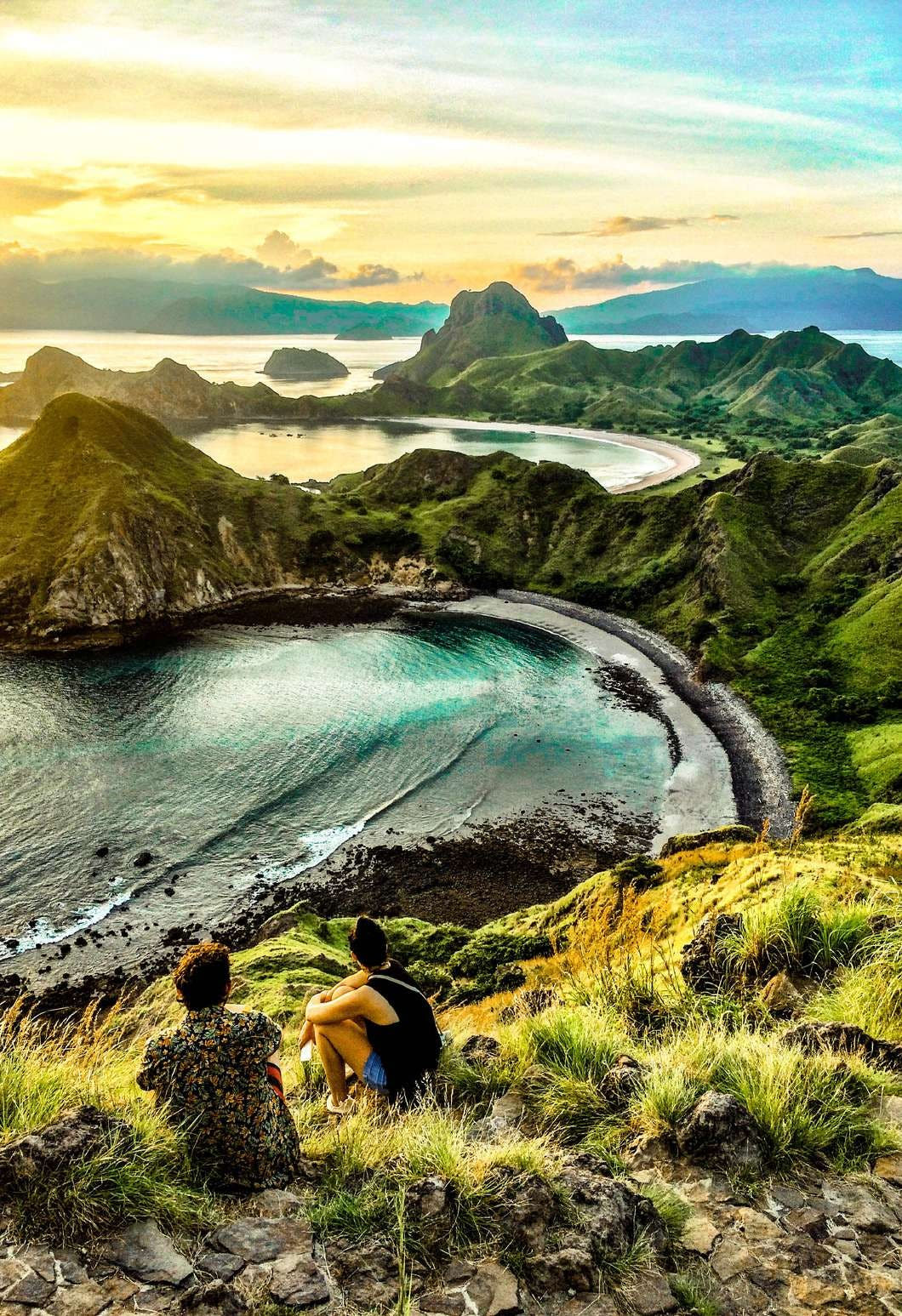
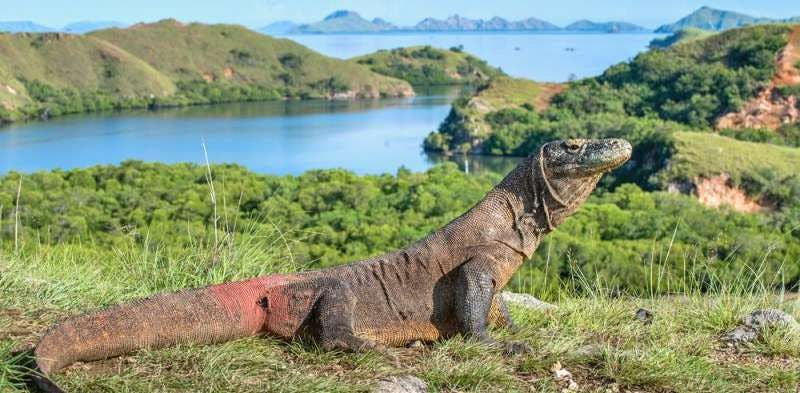
Komodowarane, trockene Hügel auf den Inseln und weitreichende Aussichtspunkte machen einen Landausflug zu einem wesentlichen Bestandteil vieler Besuche. Ranger-geführte Wanderungen und die Landschaft rund um die Inseln vermitteln einen besseren Einblick in den Meeresschutzpark, anstatt den Tauchurlaub einfach zu unterbrechen.
Labuan Bajo bietet Restaurants und einen bequemen Zugang, während ein Liveaboard Abende an der Ankerstelle und mehr Zeit in der Insellandschaft ermöglicht. Planen Sie Wanderungen entsprechend der Hitze, des Geländes und der Mobilität der Gruppe; der Aufstieg zu einem Aussichtspunkt ist eine andere Aktivität als eine kurze Ranger-Wanderung.
Anreise nach Komodo
Fliegen Sie nach Labuan Bajo auf Flores, dem wichtigsten Tor zu Komodo. Ein Aufenthalt an Land beginnt mit einer kurzen lokalen Transferfahrt, während ein Liveaboard-Programm seinen eigenen Treffpunkt und seine eigene Abfahrtszeit hat. Tagesboote und längere Kreuzfahrten bieten unterschiedliche Zugänge zum größeren Reiseziel.
Planen Sie separate Zeit für Wanderungen im Park und Besuche von Aussichtspunkten auf den Inseln ein. Wenn ein Liveaboard außerhalb von Labuan Bajo beginnt oder endet, nutzen Sie bei der Flugbuchung die tatsächlichen Häfen und nicht den Rückflug vom selben Flughafen.
Fragen zum Tauchen auf Komodo
Was macht Komodo zu einem Tauchreiseziel?
Komodo verändert seinen Charakter, je nachdem, wo Sie sich befinden: leuchtende Korallengärten, Strömungsgewirr an Felsspitzen, Manta-Gebiete und kühleres Wasser im Süden. Aufenthalte in Labuan Bajo und Liveaboard-Routen bieten unterschiedliche Möglichkeiten, einen Nationalpark zu erkunden, der über und unter der Wasseroberfläche außergewöhnlich ist.
Sollte ich ein Resort oder ein Liveaboard wählen?
Ein Resort in Labuan Bajo oder auf einer der Inseln bietet flexible Tage und Aktivitäten an Land. Ein Liveaboard reduziert wiederholte Fahrten zu weiter entfernten Tauchplätzen und kann einen größeren Teil des Parks erreichen. Vergleichen Sie die tatsächliche Abdeckung im Norden, Zentrum und Süden: Eine kurze Komodo-Kreuzfahrt besucht nicht zwangsläufig jede Region.
Wann ist eine gute Reisezeit?
April bis November ist ein gängiger Zeitraum, insbesondere für Tauchgänge im Norden und Zentrum. Im Süden kann es kühler sein und die Bedingungen unterscheiden sich. Strömung und Gezeiten prägen hier jede Jahreszeit; die Wahl des Datums ersetzt niemals eine sorgfältige Auswahl der Tauchplätze und ein entsprechendes Erfahrungsniveau.
Gibt es auch für Nicht-Taucher genug zu erleben?
Komodowarane, trockene Hügel auf den Inseln und weitreichende Aussichtspunkte machen einen Landausflug zu einem wesentlichen Bestandteil vieler Besuche. Ranger-geführte Wanderungen und die Landschaft rund um die Inseln vermitteln einen besseren Einblick in den Meeresschutzpark, anstatt den Tauchurlaub einfach zu unterbrechen.
A closer look at Komodo & Labuan Bajo
Planen Sie Ihre Komodo-Reise
Teilen Sie uns mit, welche Erlebnisse Sie am meisten wünschen, welche Daten Sie bevorzugen und wie Sie gerne reisen. Wir können das Reiseziel, die Unterkunft und die Tauchgänge zu einem stimmigen Reiseplan zusammenstellen.
Meine Reise planen