

Destination guide · Indonesia
Alor Diving
In Alor, a day can move from a quiet macro search to a wall of clear water and powerful flow. Volcanic islands, small coastal communities and an extraordinary variety of reef settings make the journey feel exploratory.
Courtesy of Alor Divers
Alor im Überblick
Alor ist ein abgelegenes Reiseziel im Osten Indonesiens, wo sich klare Riffe, steile Wände, starke Strömungen und produktive Makro-Plätze innerhalb desselben Archipels befinden. Vulkanische Landschaften und traditionelle Küstengemeinden unterstreichen seine Pionieratmosphäre.
Das Tauchen kann sich schnell von ruhiger Critter-Suche zu kühlen Thermoklinen und kraftvoller Wasserbewegung wandeln. Es eignet sich daher für anpassungsfähige, erfahrene Taucher, die Vielfalt schätzen und mit begrenzter Infrastruktur zurechtkommen. Alors größte Anziehungskraft ist seine Kombination aus hoher Riffqualität, ungewöhnlichen Motiven und kultureller Abgeschiedenheit.
Planen Sie Ihren Aufenthalt auf Alor
Ein Resort bietet wiederholten Zugang zu einem Teil der Meerenge und seinen Makro-Plätzen; ein Liveaboard kann Alor mit anderen Regionen Ost-Indonesiens verbinden. Vergleichen Sie die tatsächlich in Alor verbrachte Zeit, nicht nur den Abfahrtsort. Sechs bis acht Nächte eignen sich für einen fokussierten ersten Besuch.

Alor Tanapi Dive Resort
Kleines Resort mit acht Bungalows in Alor, schnellen maßgefertigten Tauchbooten, vier Unterkunftskategorien sowie entspannten oder umfassenden Tauch- und Aufenthaltspaketen.

Alor Divers
Familiäres Strandresort mit acht Bungalows in Alor, flexiblen langen Tauchgängen, sehr kleinen geführten Gruppen, geschütztem Hausriff und Aufenthalten mit Vollpension.
Liveaboard routes for this destination
Explore the routes that visit this region. Compare ships and itineraries, then open a route to see its sailing dates, cabins and the areas it covers.
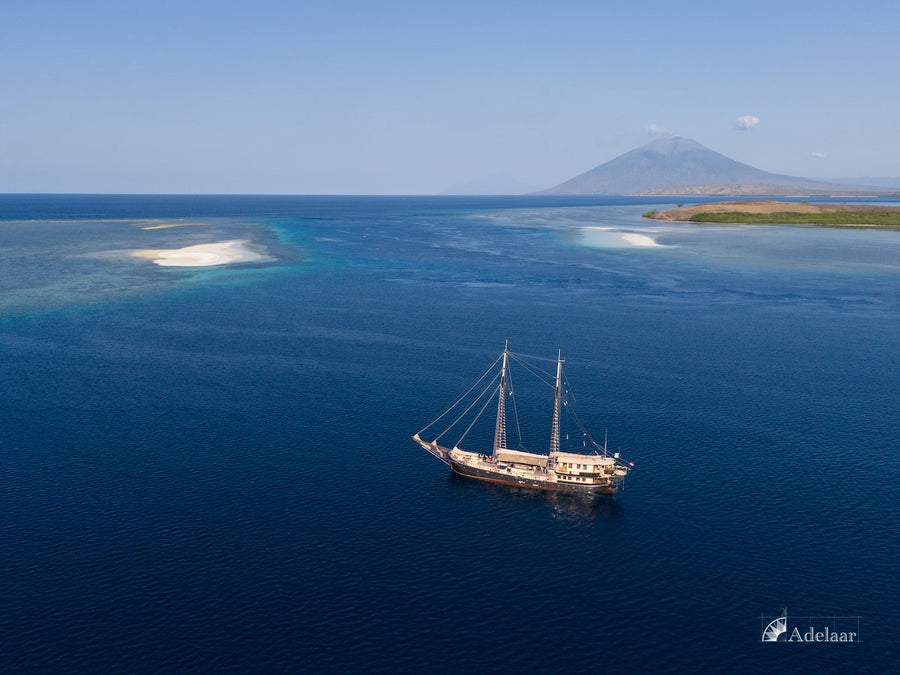
Adelaar
Bandasee & Alor — Ambon nach Maumere — 10 Nächte
- Indicative duration
- 10 nights
- Einschiffung
- Ambon
- Ausschiffung
- Maumere
Adelaar
Bandasee & Alor — Maumere nach Ambon — 8 Nächte
- Indicative duration
- 8 nights
- Einschiffung
- Maumere
- Ausschiffung
- Ambon
Adelaar
Bandasee & Alor — Maumere nach Ambon — 9 Nächte
- Indicative duration
- 9 nights
- Einschiffung
- Maumere
- Ausschiffung
- Ambon
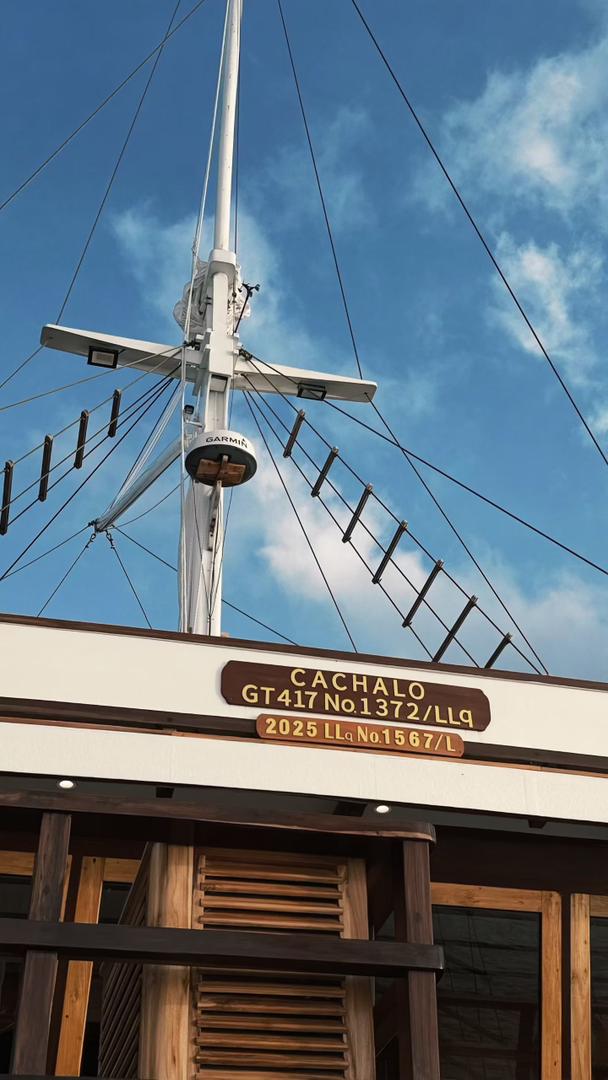
Cachalo
Alor nach Ambon — 8 Nächte
- Indicative duration
- 8 nights
- Einschiffung
- Alor
- Ausschiffung
- Ambon
Cachalo
Komodo nach Alor — Labuan Bajo nach Alor — 8 Nächte
- Indicative duration
- 8 nights
- Einschiffung
- Labuan Bajo
- Ausschiffung
- Alor
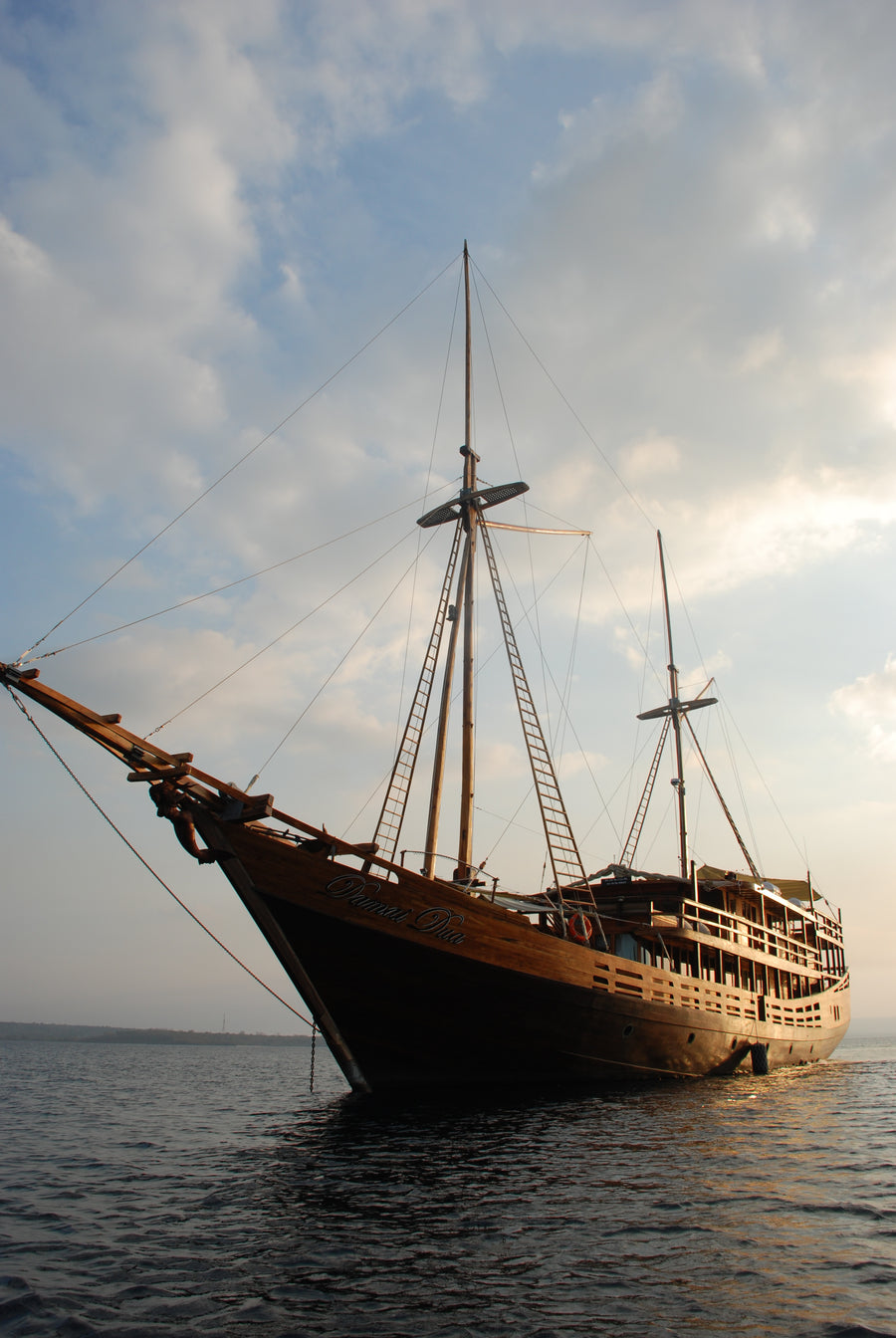
DAMAI II
Alor — 7 Nächte
- Indicative duration
- 7 nights
- Einschiffung
- Kalabahi
- Ausschiffung
- Kalabahi
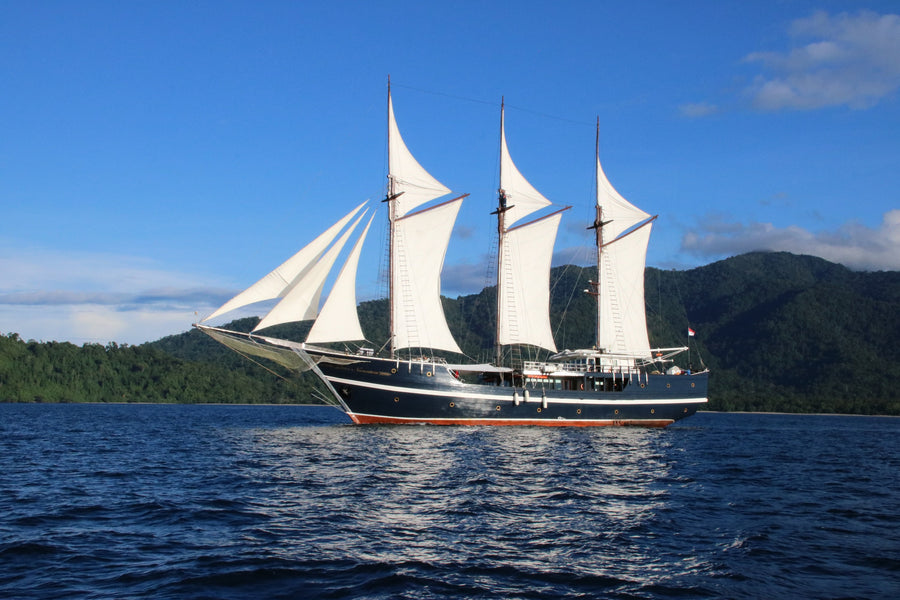
Dewi Nusantara
Alor & The Forgotten Islands - Pantar Strait, Damar, Dai, Dawera & Daweloor — Kalabahi nach Saumlaki — 10 Nächte
- Indicative duration
- 10 nights
- Einschiffung
- Kalabahi
- Ausschiffung
- Saumlaki
Dewi Nusantara
Alor & The Forgotten Islands - Pantar Strait, Damar, Dai, Dawera & Daweloor — Kalabahi nach Saumlaki — 11 Nächte
- Indicative duration
- 11 nights
- Einschiffung
- Kalabahi
- Ausschiffung
- Saumlaki
Dewi Nusantara
Alor nach Flores - Alor, Pantar, Lembata, Adonara, Maumere Bay — Kalabahi nach Maumere — 11 Nächte
- Indicative duration
- 11 nights
- Einschiffung
- Kalabahi
- Ausschiffung
- Maumere
Dewi Nusantara
Ambon, Historic Banda, The Forgotten Islands & Alor — Ambon nach Kalabahi — 11 Nächte
- Indicative duration
- 11 nights
- Einschiffung
- Ambon
- Ausschiffung
- Kalabahi
Dewi Nusantara
Flores nach Alor: Route I - Maumere Bay, Adonara, Lembata, Pantar, Alor — Maumere nach Maumere — 10 Nächte
- Indicative duration
- 10 nights
- Einschiffung
- Maumere
- Ausschiffung
- Maumere
Dewi Nusantara
Flores nach Alor: Route I - Maumere Bay, Adonara, Lembata, Pantar, Alor — Maumere nach Maumere — 9 Nächte
- Indicative duration
- 9 nights
- Einschiffung
- Maumere
- Ausschiffung
- Maumere
Dewi Nusantara
Flores nach Alor: Route II - Maumere Bay, Adonara, Lembata, Pantar, Alor — Maumere nach Kalabahi — 10 Nächte
- Indicative duration
- 10 nights
- Einschiffung
- Maumere
- Ausschiffung
- Kalabahi
Dewi Nusantara
Flores nach Alor: Route II - Maumere Bay, Adonara, Lembata, Pantar, Alor — Maumere nach Kalabahi — 9 Nächte
- Indicative duration
- 9 nights
- Einschiffung
- Maumere
- Ausschiffung
- Kalabahi
Dewi Nusantara
The Flores Sea: Route I - Maumere Bay, Taka Bonerate, Selayar & Süd Sulawesi — Maumere nach Makassar — 11 Nächte
- Indicative duration
- 11 nights
- Einschiffung
- Maumere
- Ausschiffung
- Makassar
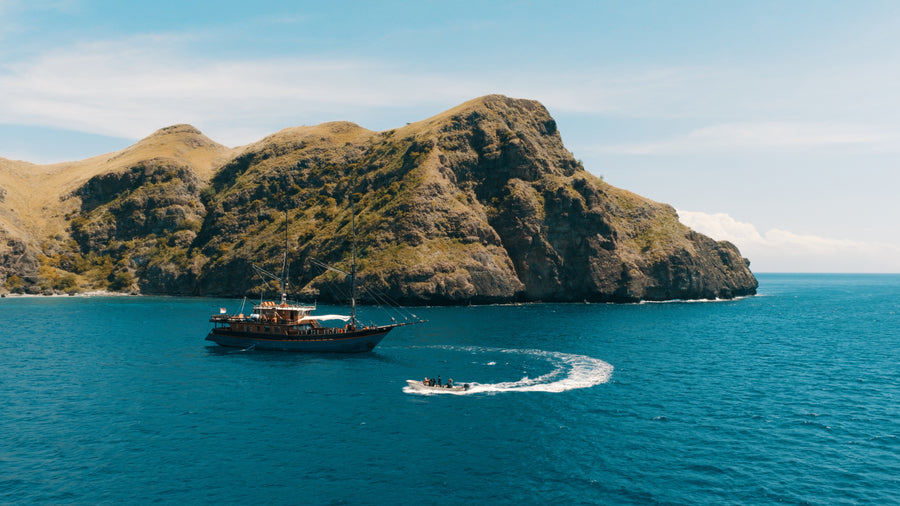
Iliké
Alor & Komodo — Alor nach Labuan Bajo — 9 Nächte
- Indicative duration
- 9 nights
- Einschiffung
- Alor
- Ausschiffung
- Labuan Bajo
Iliké
Alor, Banda & Maluku — Alor nach Ambon — 12 Nächte
- Indicative duration
- 12 nights
- Einschiffung
- Alor
- Ausschiffung
- Ambon
Iliké
Komodo & Alor — Labuan Bajo nach Alor — 10 Nächte
- Indicative duration
- 10 nights
- Einschiffung
- Labuan Bajo
- Ausschiffung
- Alor
Iliké
Maluku, Banda & Alor — Ambon nach Alor — 12 Nächte
- Indicative duration
- 12 nights
- Einschiffung
- Ambon
- Ausschiffung
- Alor
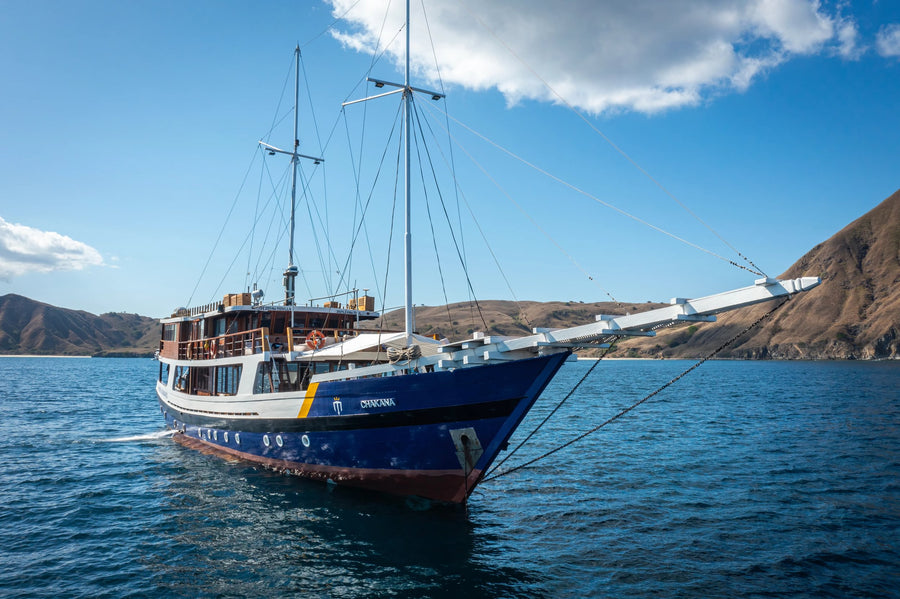
Indo Master
Southern Forgotten Islands — 12 Nächte
- Indicative duration
- 12 nights
- Einschiffung
- Alor / Kalabahi
- Ausschiffung
- Saumlaki / operator-confirmed gateway
Indo Master
The Alor Archipelago — 10 Nächte
- Indicative duration
- 10 nights
- Einschiffung
- Maumere
- Ausschiffung
- Kalabahi, Alor
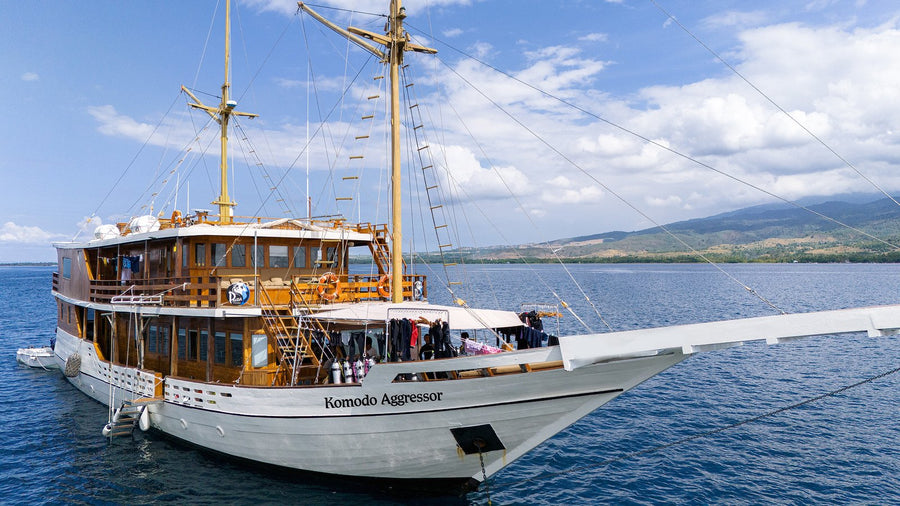
Komodo Aggressor
Alor (9 Nächte)
- Indicative duration
- 9 nights
- Einschiffung
- Alor
- Ausschiffung
- Alor
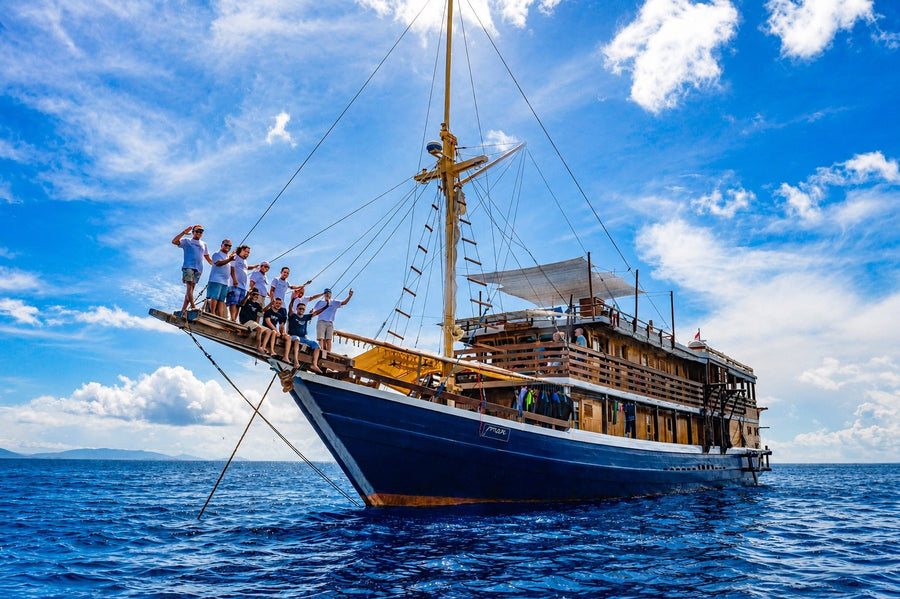
MARI Liveaboard
MARI — Ambon - Bandasee - Alor Expedition — Ambon nach Maumere — 12 Nächte
- Indicative duration
- 12 nights
- Einschiffung
- Ambon
- Ausschiffung
- Maumere
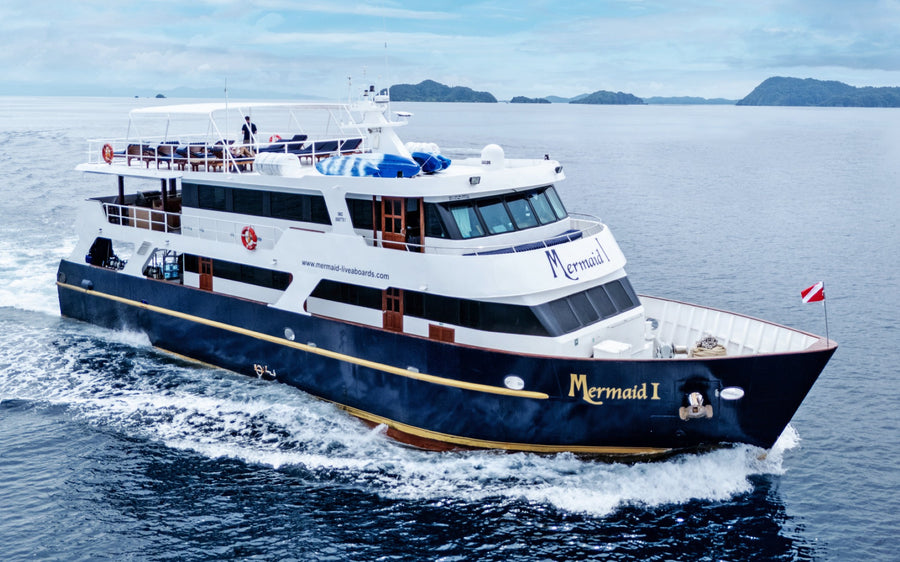
Mermaid I
Alor
- Indicative duration
- 9 nights
- Einschiffung
- Maumere, Flores
- Ausschiffung
- Maumere, Flores
Mermaid I
Biodiversity Super Special: Raja Ampat, Bandasee, Alor & Maumere
- Indicative duration
- 15 nights
- Einschiffung
- Sorong or Maumere — confirm per departure
- Ausschiffung
- Maumere or Sorong — confirm per departure
Mermaid I
Ring of Fire: Maumere, Alor, Bandasee & Ambon
- Indicative duration
- 11 nights
- Einschiffung
- Maumere or Ambon — confirm per departure
- Ausschiffung
- Ambon or Maumere — confirm per departure
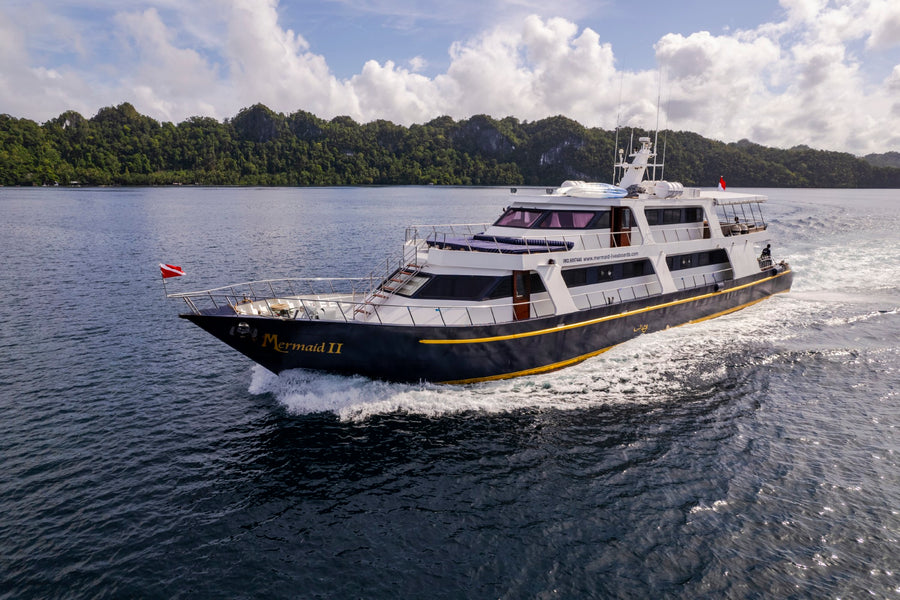
Mermaid II
Biodiversity Super Special: Raja Ampat, Bandasee, Alor & Maumere
- Indicative duration
- 15 nights
- Einschiffung
- Sorong or Maumere — confirm per departure
- Ausschiffung
- Maumere or Sorong — confirm per departure
Mermaid II
Ring of Fire: Maumere, Alor, Bandasee & Ambon
- Indicative duration
- 11 nights
- Einschiffung
- Maumere or Ambon — confirm per departure
- Ausschiffung
- Ambon or Maumere — confirm per departure
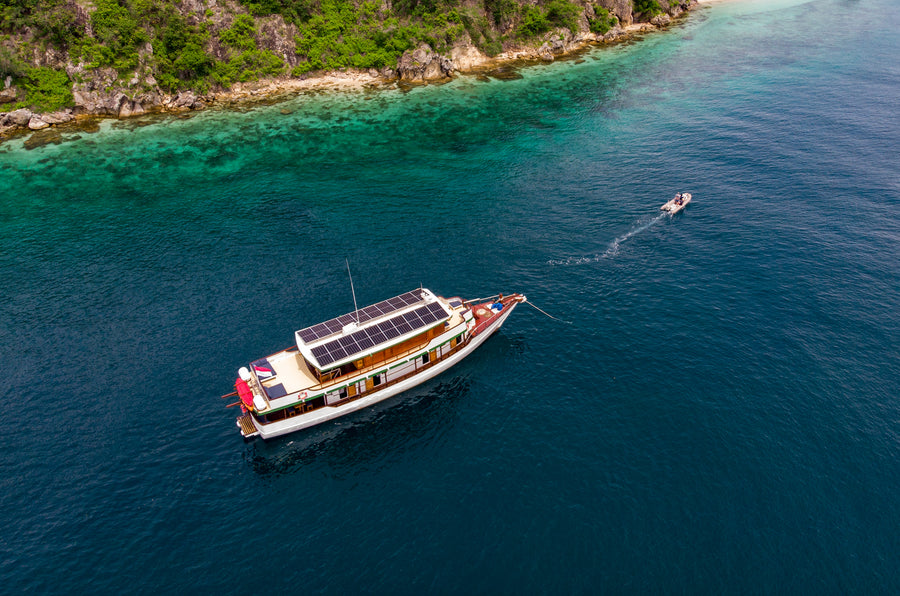
Bajau
Nomad Erkundungskreuzfahrt: Forgotten Islands & Hammerhead Begegnungen
- Indicative duration
- 10 nights
- Einschiffung
- Alor
- Ausschiffung
- Ambon
Bajau
Nomad Exploration Cruise: Komodo nach Alor
- Indicative duration
- 10 nights
- Einschiffung
- Labuan Bajo
- Ausschiffung
- Alor
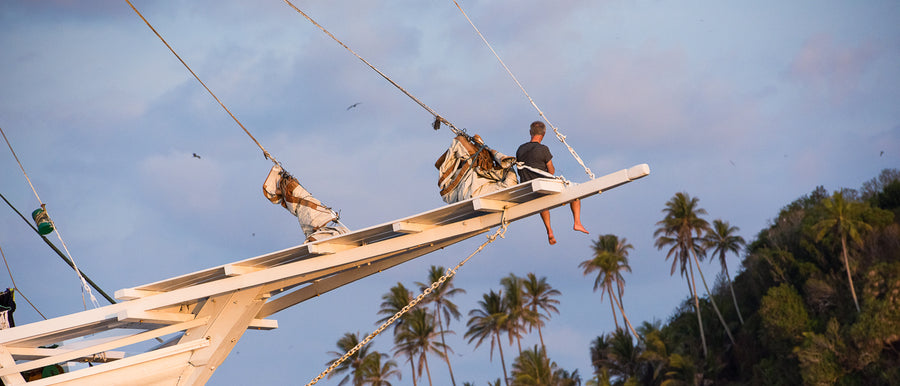
Pindito
Biodiversitätskreuzfahrt
- Indicative duration
- 13 nights
- Einschiffung
- Maumere
- Ausschiffung
- Sorong or Ambon
Pindito
Ost-Flores & Alor
- Indicative duration
- 11 nights
- Einschiffung
- Maumere
- Ausschiffung
- Maumere
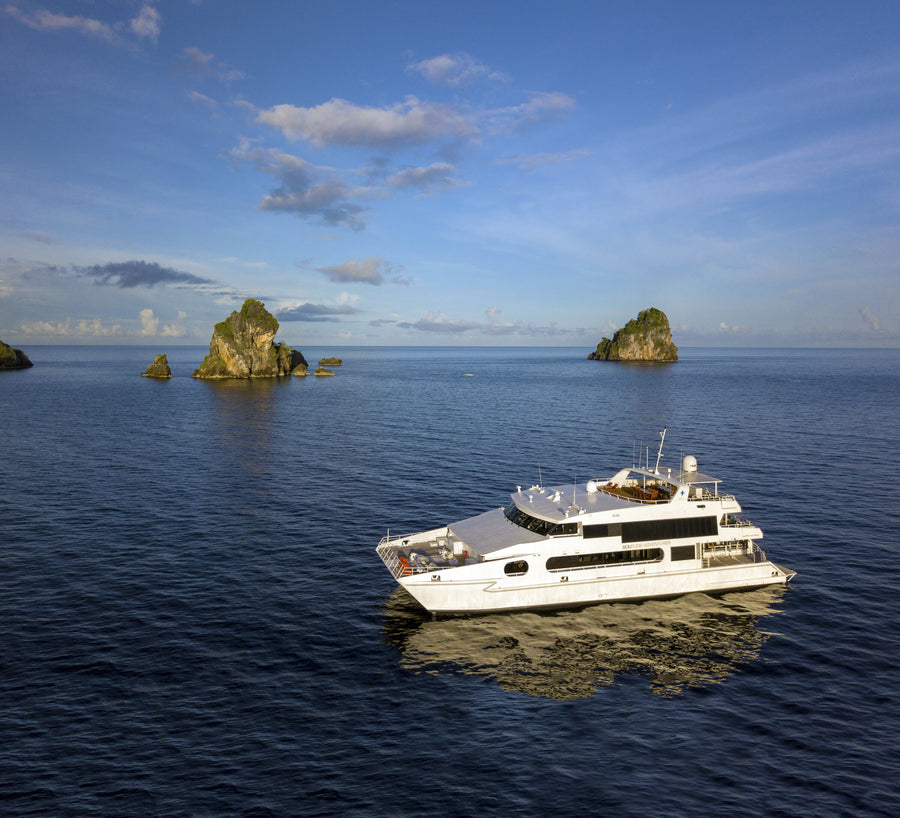
Solitude Adventurer
Alor - Forgotten Islands - Bandasee (Maumere / Ambon - 12N)
- Indicative duration
- 12 nights
- Einschiffung
- Maumere
- Ausschiffung
- Ambon
Solitude Adventurer
Maumere/Alor - 8 Nächte
- Indicative duration
- 8 nights
- Einschiffung
- Maumere
- Ausschiffung
- Maumere
Solitude Adventurer
Raja Ampat / Banda / Maumere - 14 Nächte
- Indicative duration
- 14 nights
- Einschiffung
- Sorong
- Ausschiffung
- Maumere
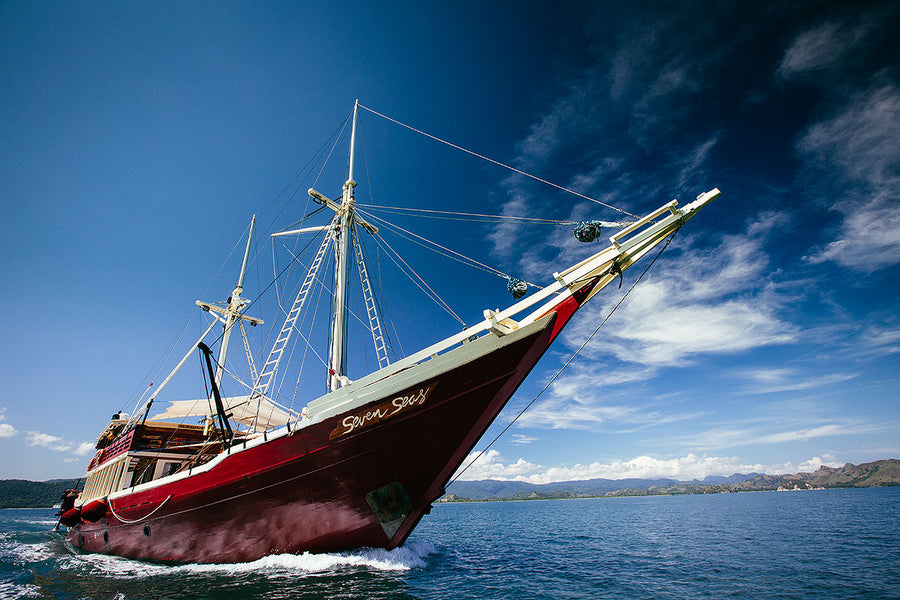
The Seven Seas
Alor & Östlich von Flores — Alor nach Maumere
- Indicative duration
- 10 nights
- Einschiffung
- Alor
- Ausschiffung
- Maumere
The Seven Seas
Alor — Alor nach Alor
- Indicative duration
- 10 nights
- Einschiffung
- Alor
- Ausschiffung
- Alor
The Seven Seas
Bandasee & Alor (über Forgotten Islands) — Ambon nach Alor
- Indicative duration
- 12 nights
- Einschiffung
- Ambon
- Ausschiffung
- Alor
The Seven Seas
Östlich von Flores & Alor — Maumere nach Alor
- Indicative duration
- 10 nights
- Einschiffung
- Maumere
- Ausschiffung
- Alor
The Seven Seas
Flores, Komodo-Nationalpark & Sumbawa — Maumere nach Sumbawa Besar
- Indicative duration
- 12 nights
- Einschiffung
- Maumere
- Ausschiffung
- Sumbawa Besar
The Seven Seas
Forgotten Islands — Alor nach Saumlaki
- Indicative duration
- 14 nights
- Einschiffung
- Alor
- Ausschiffung
- Saumlaki
The Seven Seas
Forgotten Islands — Saumlaki nach Tual
- Indicative duration
- 14 nights
- Einschiffung
- Saumlaki
- Ausschiffung
- Tual
The Seven Seas
Komodo-Nationalpark & Flores — Labuan Bajo nach Maumere
- Indicative duration
- 10 nights
- Einschiffung
- Labuan Bajo
- Ausschiffung
- Maumere
The Seven Seas
Komodo-Nationalpark, Sumbawa & Flores — Labuan Bajo nach Maumere
- Indicative duration
- 10 nights
- Einschiffung
- Labuan Bajo
- Ausschiffung
- Maumere
The Seven Seas
Komodo, Östlich von Flores & Alor — Labuan Bajo nach Alor
- Indicative duration
- 10 nights
- Einschiffung
- Labuan Bajo
- Ausschiffung
- Alor
The Seven Seas
Sumbawa, Komodo-Nationalpark & Flores — Sumbawa Besar nach Maumere
- Indicative duration
- 12 nights
- Einschiffung
- Sumbawa Besar
- Ausschiffung
- Maumere
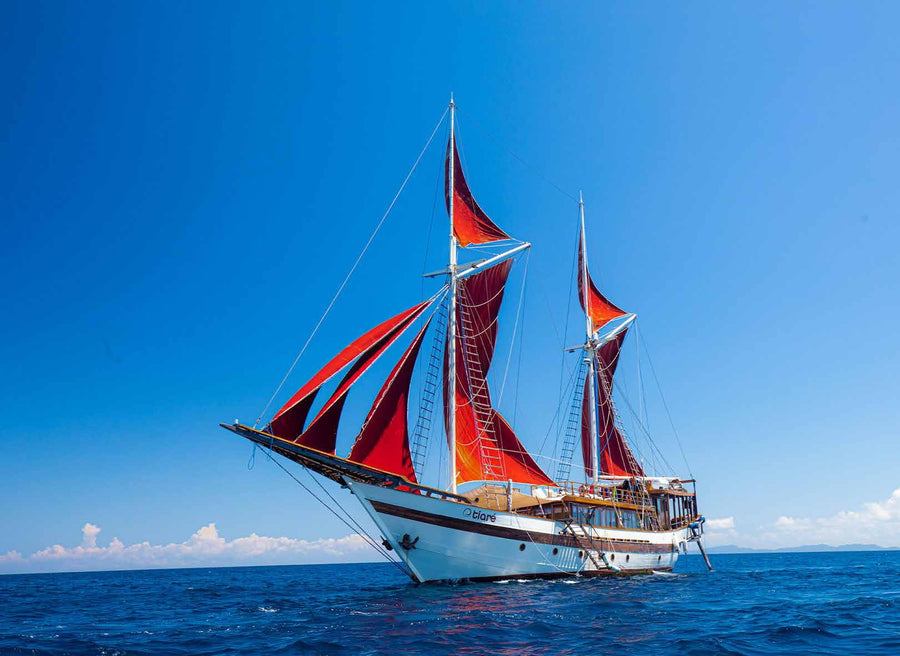
Tiare
Alor - Forgotten Island — Maumere nach Saumlaki — 11 Nächte
- Indicative duration
- 11 nights
- Einschiffung
- Maumere
- Ausschiffung
- Saumlaki
Tiare
Alor - Kumba - Wakatobi - Bau-Bau — Kalabahi nach Bau-Bau — 7 Nächte
- Indicative duration
- 7 nights
- Einschiffung
- Kalabahi
- Ausschiffung
- Bau-Bau
Tiare
Banda Neira - Lucipara - Alor — Ambon nach Kalabahi — 12 Nächte
- Indicative duration
- 12 nights
- Einschiffung
- Ambon
- Ausschiffung
- Kalabahi
Tiare
Bandasee Ring Of Fire, Alor - Forgotten Island - Banda Islands — Maumere nach Ambon — 12 Nächte
- Indicative duration
- 12 nights
- Einschiffung
- Maumere
- Ausschiffung
- Ambon
Tiare
Komodo - Alor - Maumere — Labuan Bajo nach Maumere — 11 Nächte
- Indicative duration
- 11 nights
- Einschiffung
- Labuan Bajo
- Ausschiffung
- Maumere
Tiare
Komodo - Alor — Labuan Bajo nach Kalabahi — 9 Nächte
- Indicative duration
- 9 nights
- Einschiffung
- Labuan Bajo
- Ausschiffung
- Kalabahi
Tiare
Maumere - Alor - Komodo — Maumere nach Labuan Bajo — 10 Nächte
- Indicative duration
- 10 nights
- Einschiffung
- Maumere
- Ausschiffung
- Labuan Bajo
Tiare
Maumere - Alor - Maumere — Maumere nach Maumere — 10 Nächte
- Indicative duration
- 10 nights
- Einschiffung
- Maumere
- Ausschiffung
- Maumere
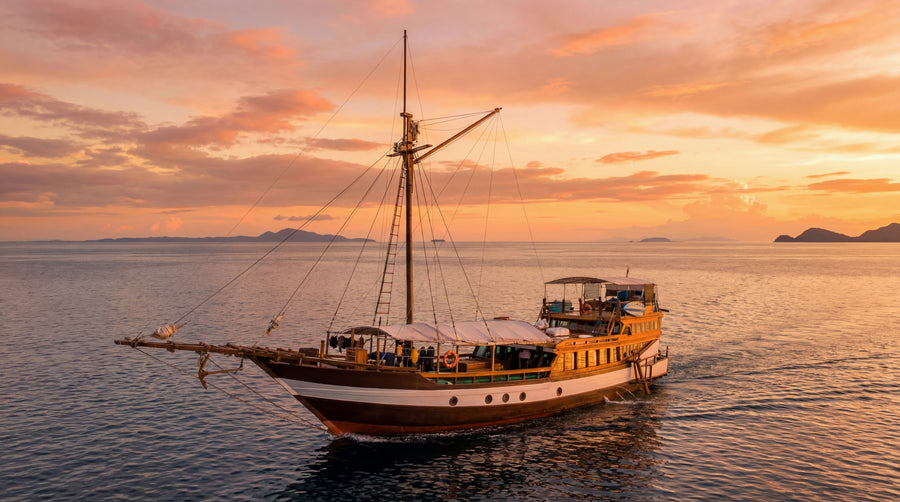
Wellenreng
Forgotten Islands — Maumere nach Saumlaki — 10 Nächte
- Indicative duration
- 10 nights
- Einschiffung
- Maumere
- Ausschiffung
- Saumlaki
No routes match this search. Try another vessel or clear your search.
Wann sollte man auf Alor tauchen?
April bis November ist das etablierte Planungsfenster. Thermoklinen und starke Gezeitenströmungen können das Gefühl eines Tauchgangs schnell verändern, daher sind Thermoschutz und Strömungserfahrung selbst in den trockeneren Monaten wichtig. Ein abwechslungsreiches Programm sollte sowohl geschützte als auch exponierte Lebensräume umfassen.
Planungsfenster: Am besten April–November.
Wie das Tauchen auf Alor ist
Fortgeschrittene Erfahrung wird empfohlen; einige Plätze haben starke Strömungen und wechselnde Thermoklinen.
Klare-Wasser-Riffe
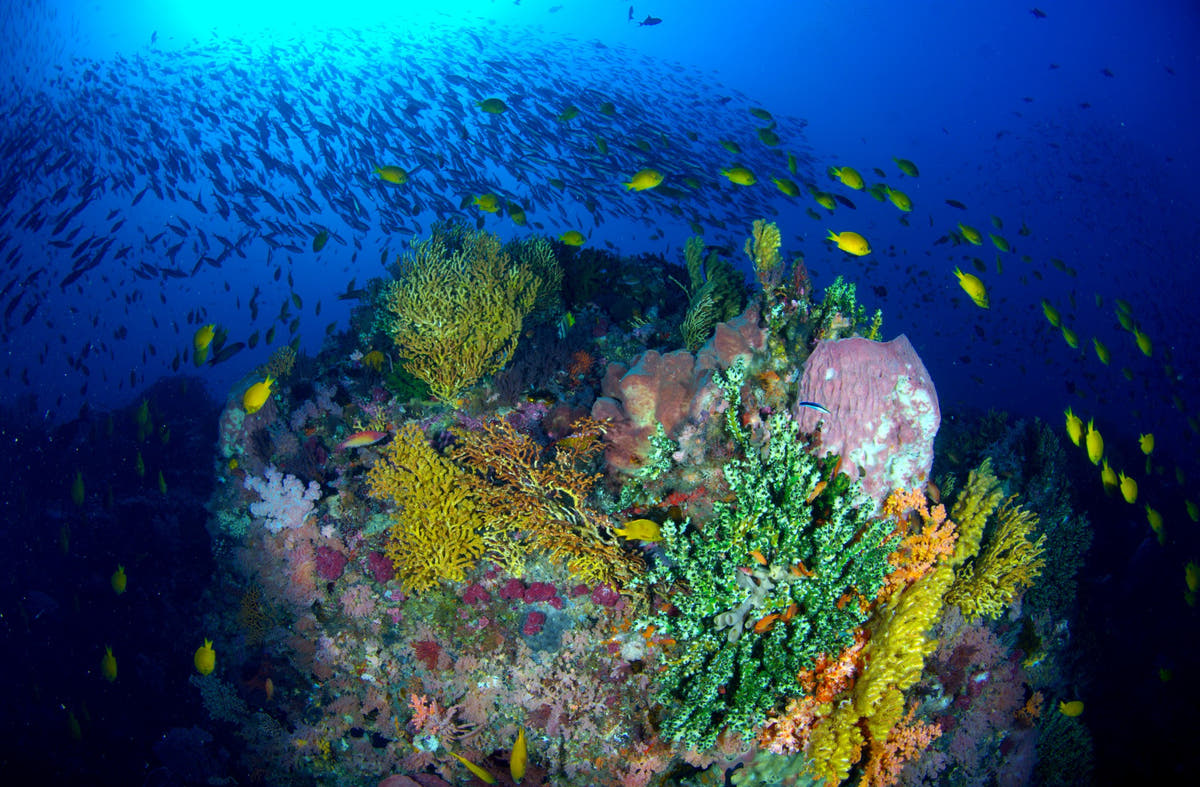
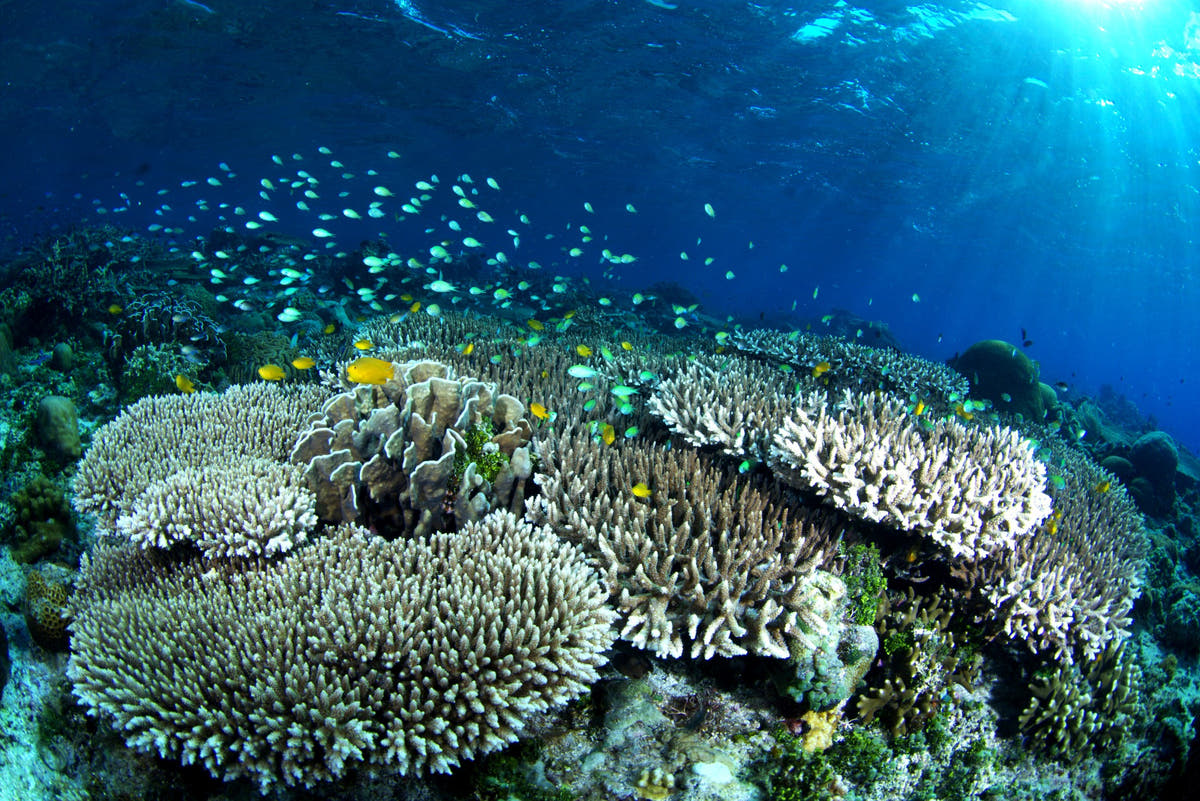
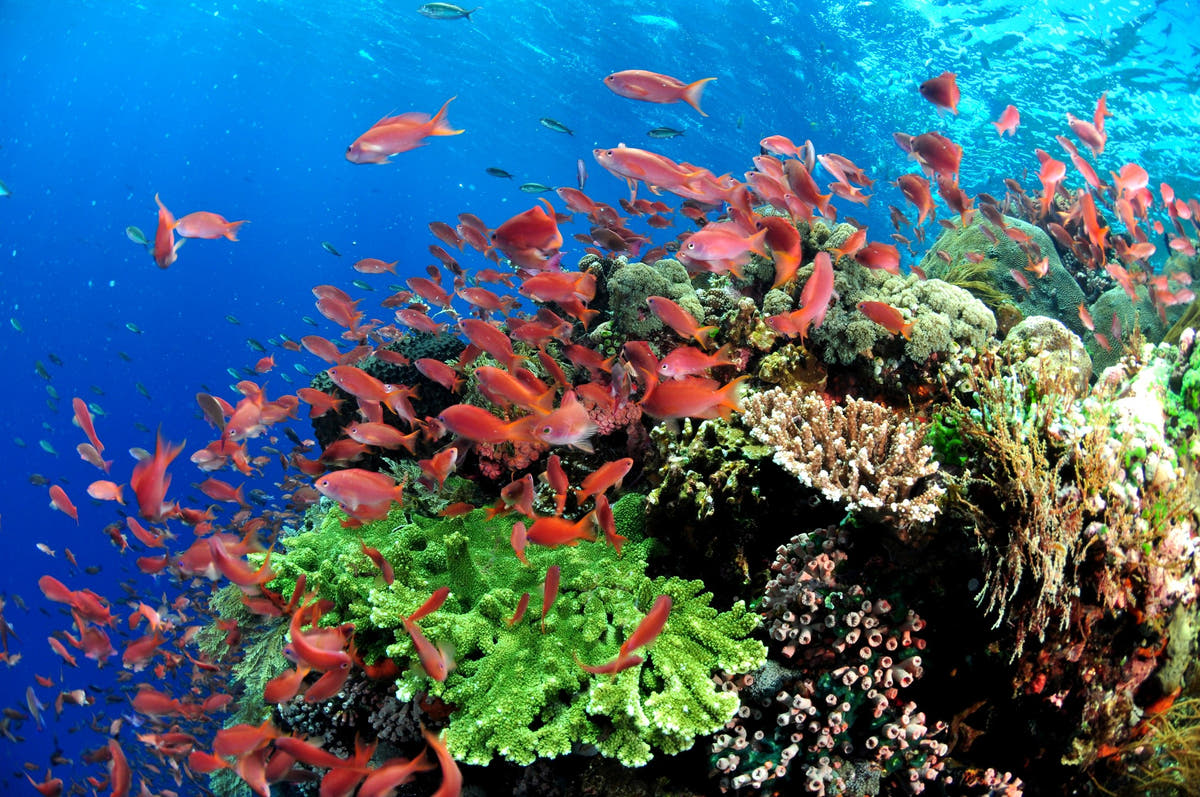
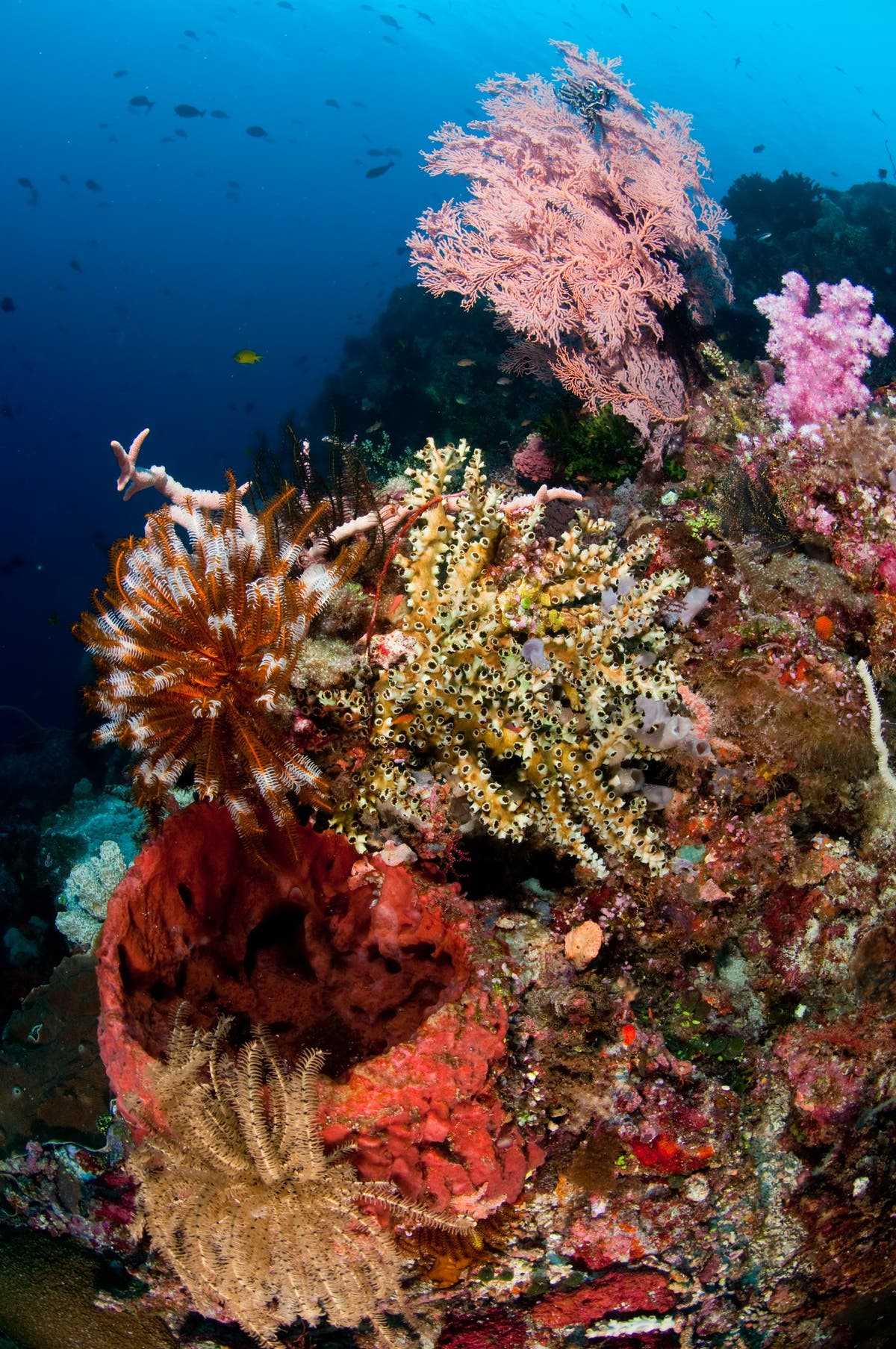
Alors Außenriffe und Wände können atemberaubende Klare-Wasser-Szenarien, dichte Korallen und große Fischschwärme bieten. Die Anziehungskraft des Archipels besteht darin, dass diese Weitwinkel-Tauchgänge in unmittelbarer Nähe zu sehr unterschiedlichen Schwarzsand-Makro-Plätzen liegen, sodass sich eine Woche nie repetitiv anfühlt.
Starke Strömungen
Die Pantar-Meerenge kanalisiert die kraftvolle Gezeitenströmung zwischen tiefen Meeren. Die Strömung kann einen Platz schnell von beherrschbar zu fortgeschritten machen, daher werden Eintritte, Tiefe und sogar die Wahl des Riffs eher nach der Gezeiten als nach einem festen Tagesplan geplant.
Makro- und Muck-Plätze
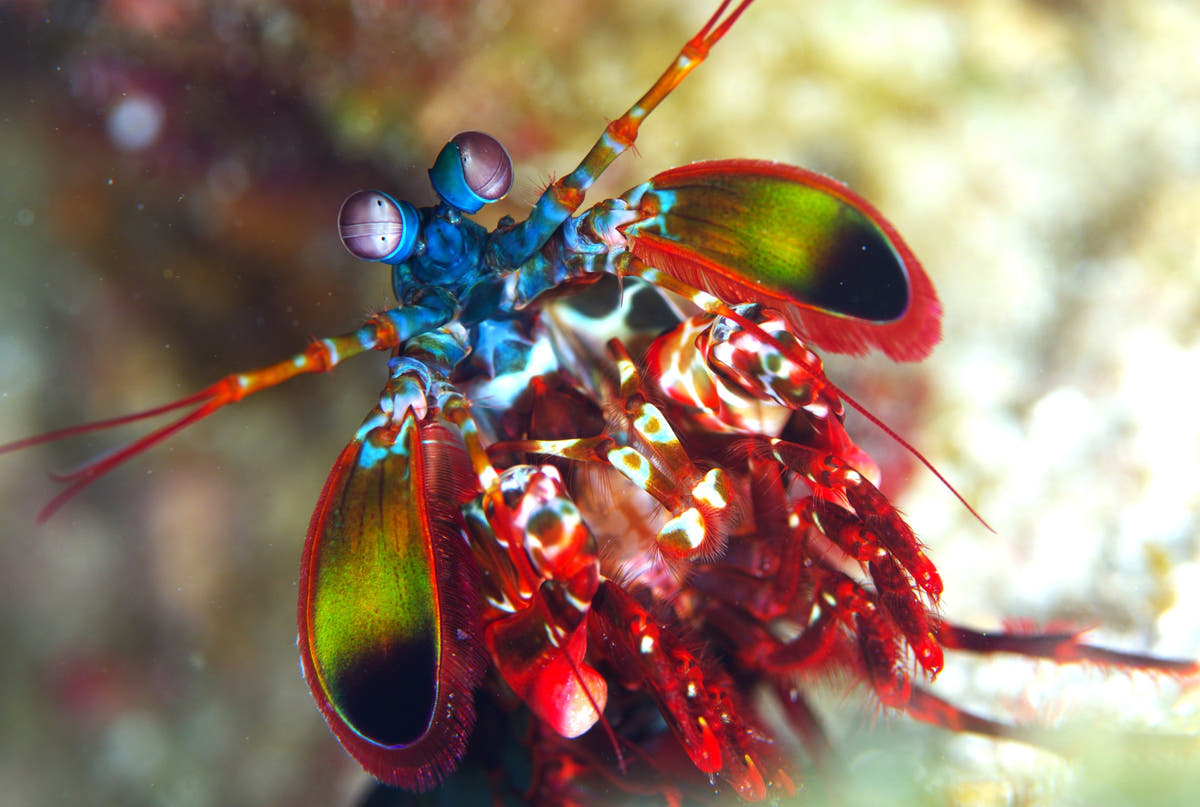
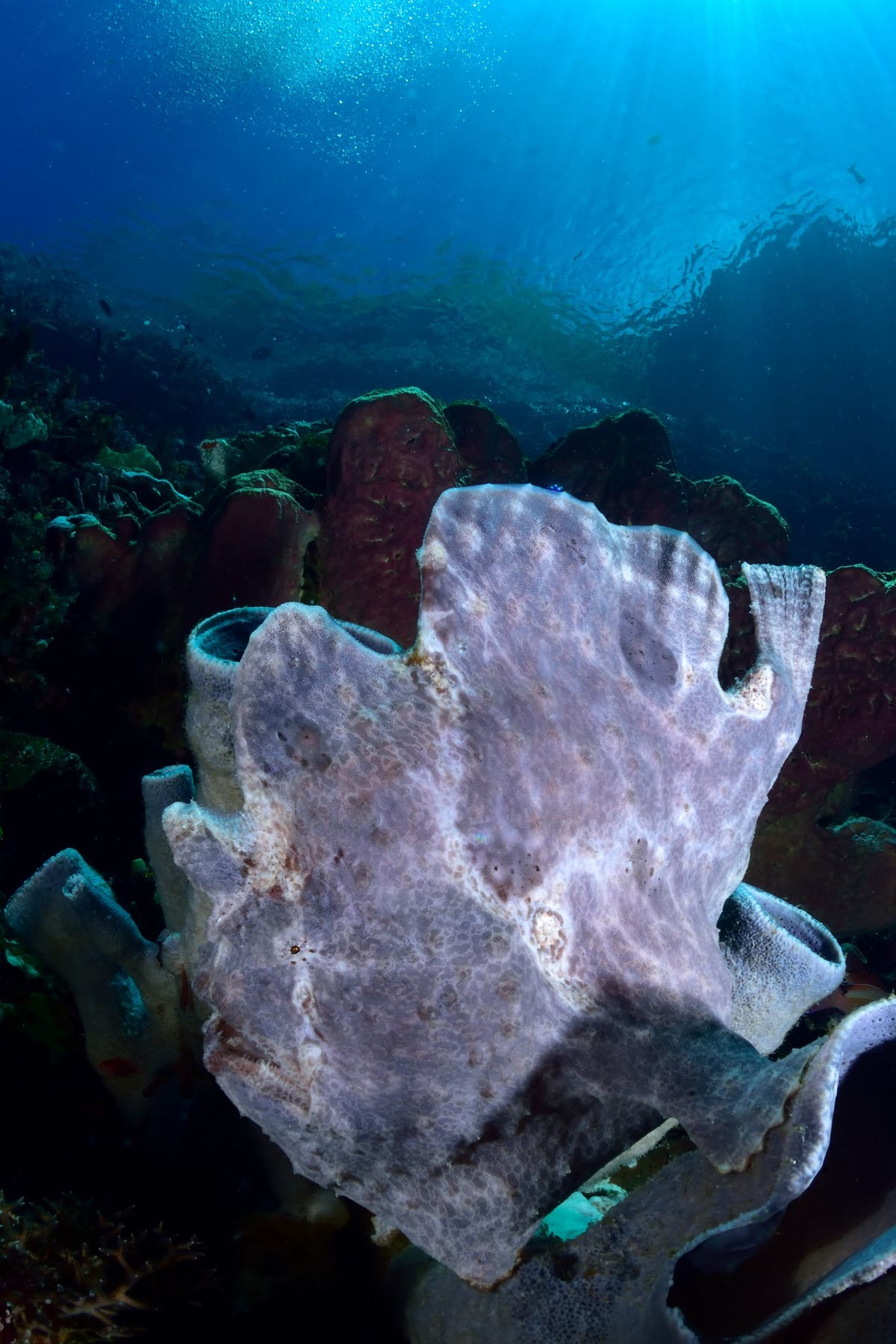
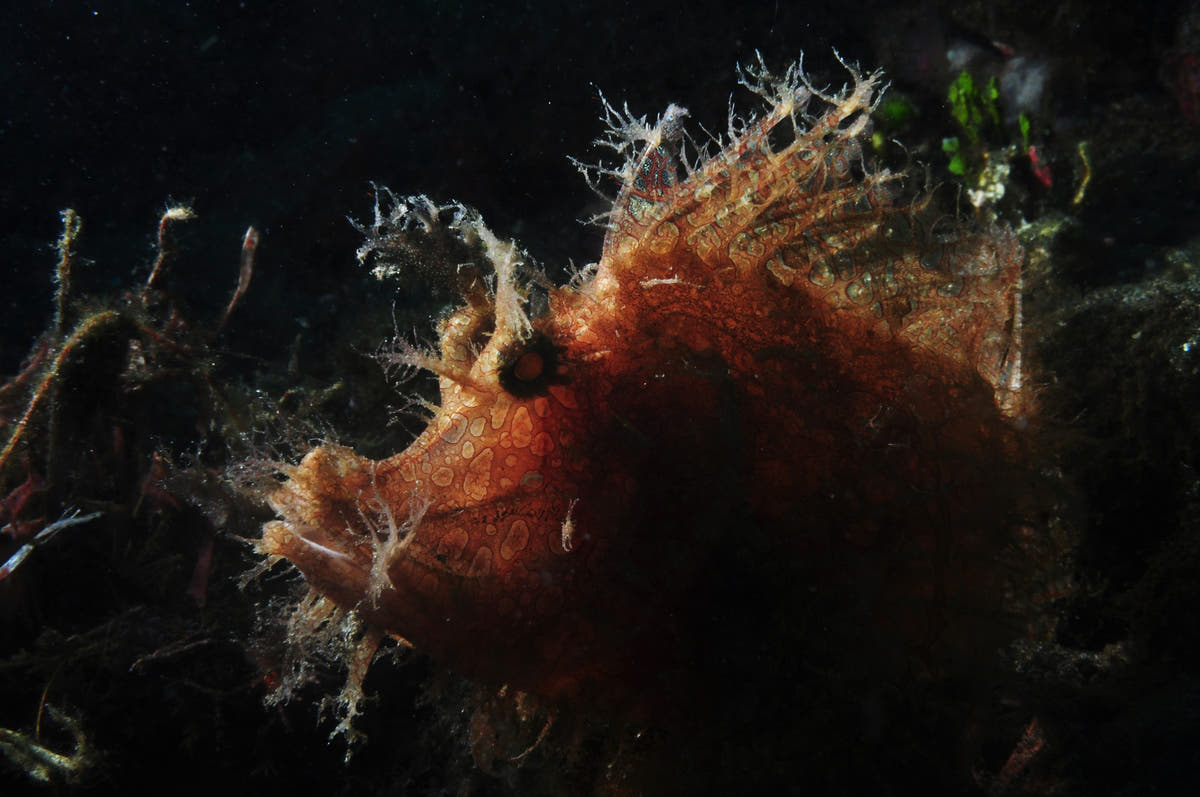
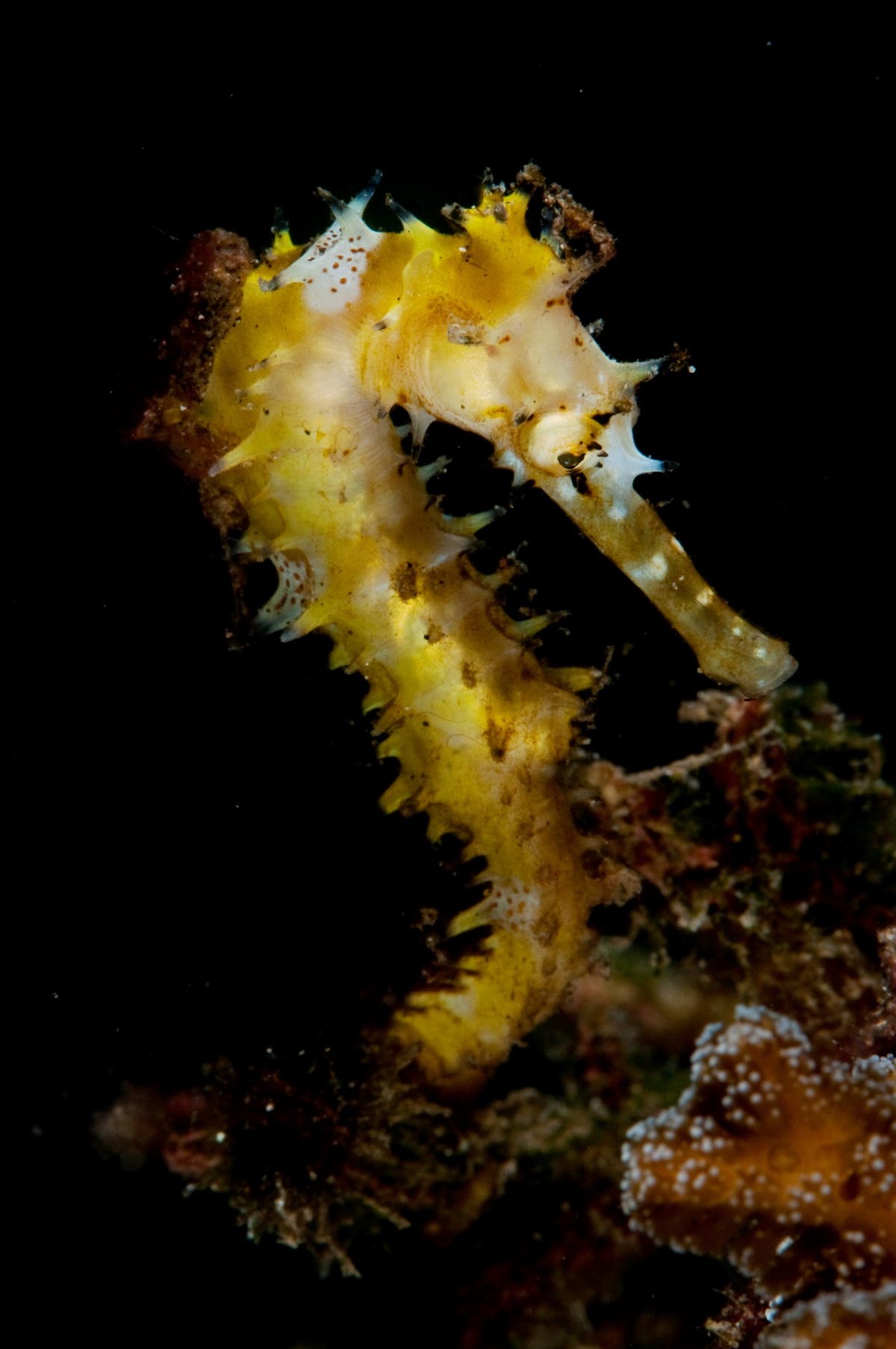
Die Kalabahi-Bucht bietet die langsame Seite von Alor: schwarzer Vulkansand und Trümmer, wo Guides nach Rhinopias, Krötenfischen, Seepferden, Geister-Röhrenfischen, Oktopussen und ungewöhnlichen Krebstieren suchen. Sie ist besonders stark für geduldige Makrofotografie und Nachttauchgänge.
Abgelegene kulturelle Umgebung
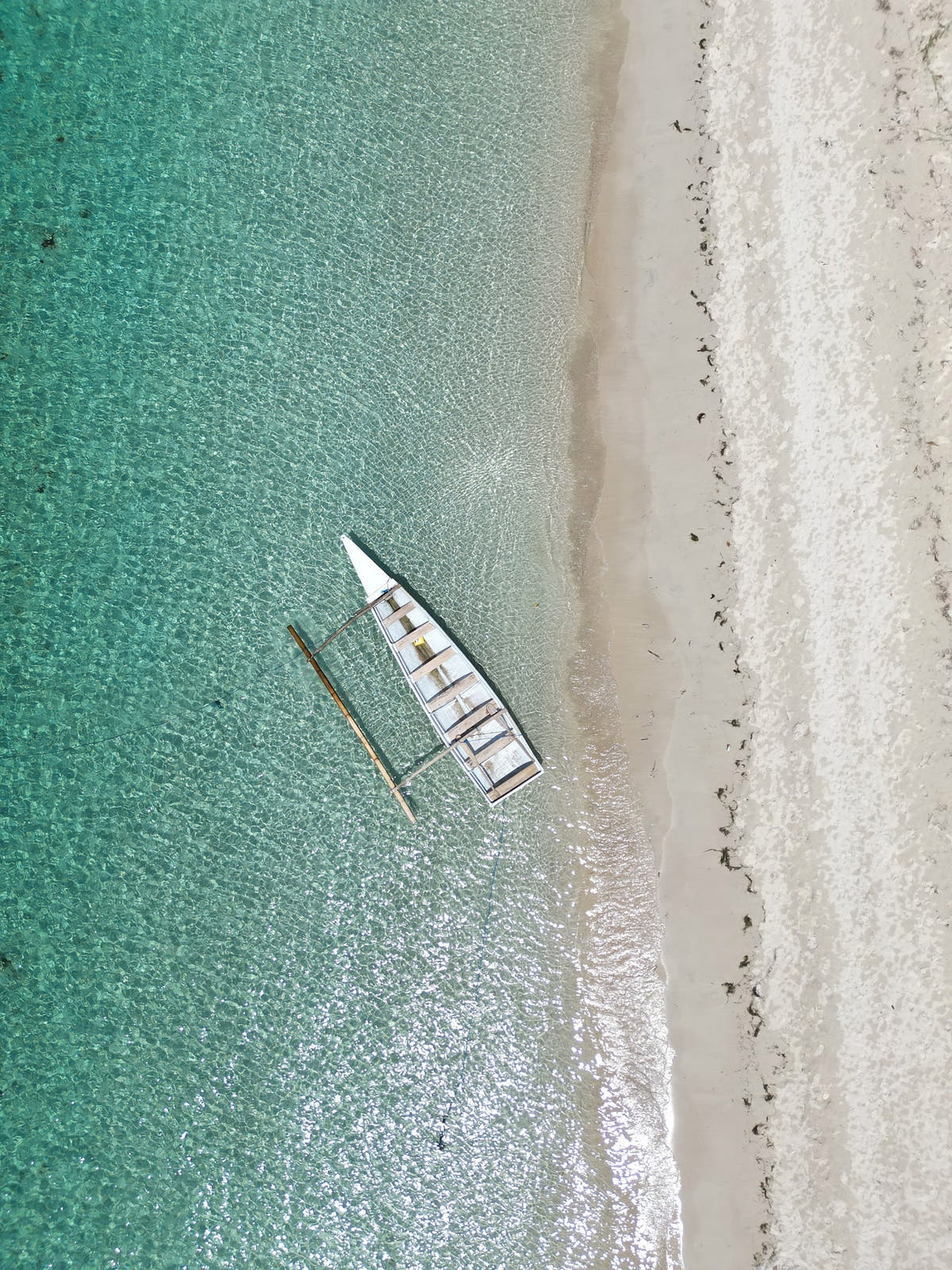
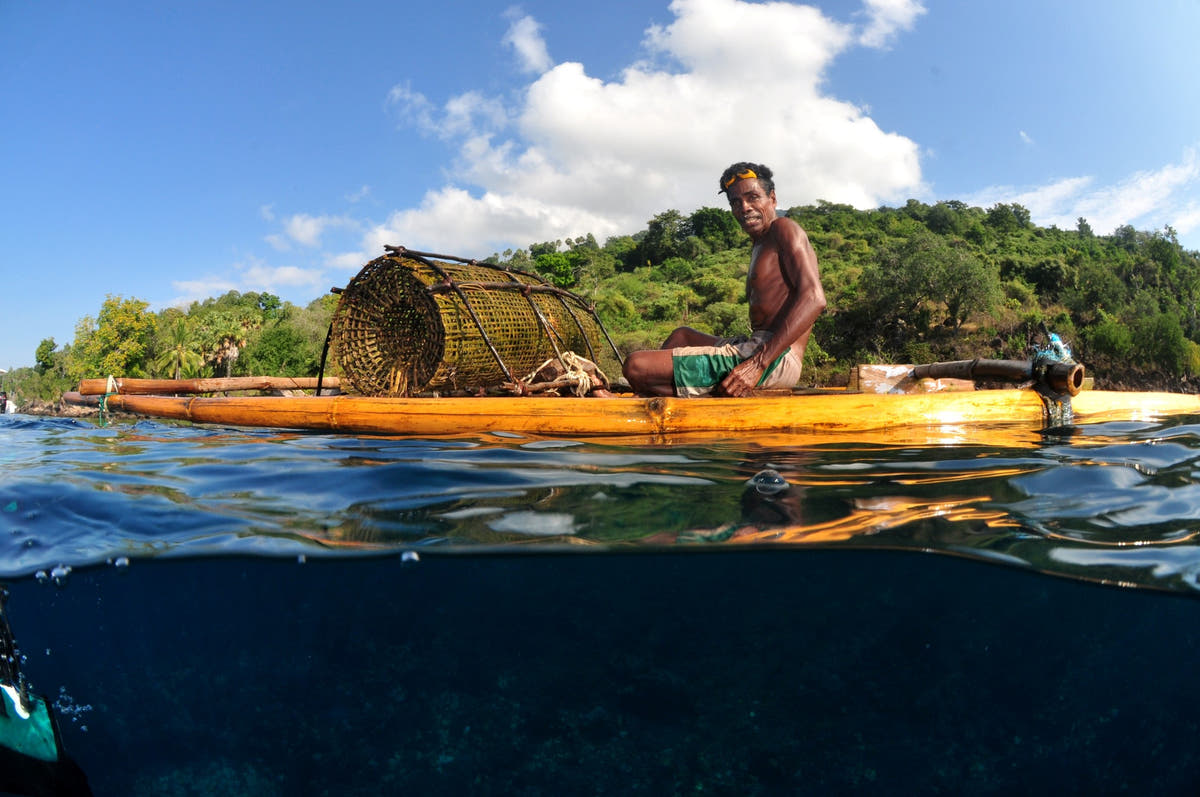
Das Tauchen ist nur ein Teil der Anziehungskraft. Alors abgelegene Dörfer, traditionelles Weben und die vulkanische Insellandschaft verleihen den Oberflächenintervallen ein starkes Gefühl von Ort, während die begrenzte Tourismusinfrastruktur die Logistik eher expeditionell als in Bali oder Komodo macht.
DIVE SITE GUIDE
Dive sites in Alor
Explore the character of individual sites, from the setting and marine life to the diving conditions. Open a card for the full description; site access and the final profile depend on conditions and experience.
ORIENTATION MAP
Where the dive sites are
Use the map to understand how the key sites are spread around the destination. Pins are for trip-planning orientation only; entry points, moorings and the final dive plan are always confirmed by the local operator on the day.
Coordinates are planning references compiled from current dive-site sources. They are not navigation coordinates; entry points, moorings, tide windows and the final dive plan are always confirmed by the local operator on the day.
Submerged pinnacle · Current
Kal’s Dream
Kal’s Dream is one of Alor’s most famous advanced dives because the pinnacle sits directly in moving water.
Tauchplatz entdecken
- Typ
- Submerged pinnacle · Current
- Tiefe
- 5–35 m
- Erfahrung
- Advanced
- Strömung
- Very strong possible
Kal’s Dream is one of Alor’s most famous advanced dives because the pinnacle sits directly in moving water. The top is submerged and the current can be powerful enough that the site is only sensible in the right tidal window. When timing is good, schooling fish build around the structure and larger predators may patrol the current line, while the reef itself remains crowded with life.
This is not a place to improvise a route: the guide decides whether conditions are acceptable, how the group enters and where to shelter. Divers need strong buoyancy, efficient descents and comfort staying close to the reef without damaging it. On the right day, it delivers the fast, fish-filled Alor experience many experienced divers travel for.
Look for: Submerged pinnacle · Very strong current possible · Schooling fish · Advanced only
Ideal für: Pelagics · Schooling fish · High-energy diving
Muck · Sloping reef · Macro
Beang Abang
Beang Abang proves Alor is not only about racing current.
Tauchplatz entdecken
- Typ
- Muck · Sloping reef · Macro
- Tiefe
- 5–30 m
- Erfahrung
- Advanced
- Strömung
- Moderate–Strong
Beang Abang proves Alor is not only about racing current. The site combines darker volcanic substrate, rubble and sloping reef where guides search for unusual macro subjects against a very different background from the bright southern coral walls.
Frogfish, nudibranchs, small cephalopods, crustaceans and other cryptic animals can become the focus, making it especially valuable for photographers who want a dedicated critter dive in an otherwise wide-angle-heavy itinerary. The macro pace does not automatically make the site easy: local water movement can still be noticeable, and depth can build along the slope. A slow route with good fin control protects visibility and gives the guide time to find animals that would be missed by a faster group.
Look for: Volcanic macro habitat · Frogfish potential · Rare critters · Photography
Ideal für: Rare critters · Macro · Volcanic slope
Wall · Reef
Babylon
Babylon is a useful reminder that not every Alor dive has to be a current test.
Tauchplatz entdecken
- Typ
- Wall · Reef
- Tiefe
- 5–30 m
- Erfahrung
- Beginner–Intermediate
- Strömung
- Minimal–Mild
Babylon is a useful reminder that not every Alor dive has to be a current test. The wall drops beside a reef rich in coral and small fish, allowing divers to settle into the scenery rather than constantly monitoring a drift.
Soft coral, sponges and reef life decorate the face while the shallows provide a bright finish and a comfortable safety-stop area. Because current is often minimal compared with the region’s exposed channels, it can work well for less-experienced divers or as a calmer dive between more demanding sites. Photographers can switch to a wide lens and spend time with the wall itself, using depth and perspective instead of relying on a particular pelagic encounter.
Look for: Calmer wall dive · Coral scenery · Beginner-accessible when calm · Wide angle
Ideal für: Wall scenery · Coral · Easy wide angle
Wall · Arch / overhang · Reef
The Arch
The Arch adds obvious topography to Alor’s reef diving.
Tauchplatz entdecken
- Typ
- Wall · Arch / overhang · Reef
- Tiefe
- 5–30 m
- Erfahrung
- Beginner–Intermediate
- Strömung
- Minimal–Mild
The Arch adds obvious topography to Alor’s reef diving. The wall includes an arch-like feature and changes in relief that give divers a natural route through coral, sponges and reef fish rather than a featureless descent.
The site is generally presented as one of the more approachable Alor options, though depth and any overhead-like feature should still be handled conservatively. There is no need to squeeze into confined space to enjoy the structure; the exterior and surrounding wall provide the strongest views. When current is light, the site rewards slow wide-angle photography and makes a good contrast to the high-energy pinnacles and channels elsewhere in the archipelago.
Look for: Arch topography · Wall dive · Coral & sponges · More relaxed profile
Ideal für: Topography · Coral wall · Photography
Wall · Current corner · Pelagic
Monaseli / Yellow Corner
Monaseli, also known as Yellow Corner, sits in the category of Alor dives where current is part of the attraction and the decision to dive must be made locally.
Tauchplatz entdecken
- Typ
- Wall · Current corner · Pelagic
- Tiefe
- 10–35 m
- Erfahrung
- Advanced
- Strömung
- Very strong possible
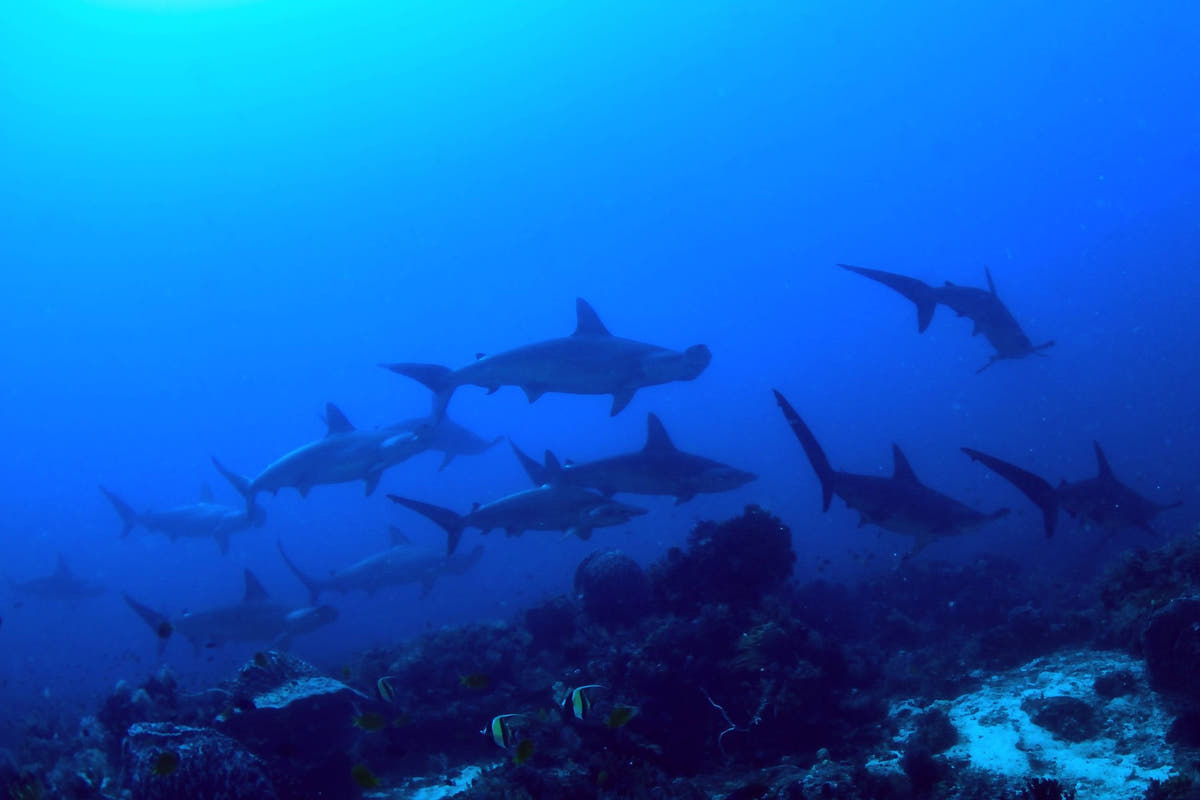
Monaseli, also known as Yellow Corner, sits in the category of Alor dives where current is part of the attraction and the decision to dive must be made locally. The wall and corner face open water, creating the possibility of schooling fish and larger pelagics; hammerheads are among the animals associated with the site, but any encounter is opportunistic and should never be sold as guaranteed.
Strong current can make the corner demanding, so the dive is best for experienced groups that can descend together, maintain depth and abort cleanly if conditions are beyond the plan. Even without a headline shark sighting, the combination of vertical reef, fish activity and open-ocean atmosphere makes the site memorable.
Look for: Pelagic potential · Hammerheads possible · Exposed wall · Very strong current possible
Ideal für: Hammerhead potential · Pelagics · Strong-current diving
Wall · Cavern / cave feature
Motonglang / The Cathedral
Motonglang — commonly called The Cathedral — combines steep reef with a large cavern-like feature that gives the dive its name.
Tauchplatz entdecken
- Typ
- Wall · Cavern / cave feature
- Tiefe
- 10–35 m
- Erfahrung
- Advanced
- Strömung
- Strong
Motonglang — commonly called The Cathedral — combines steep reef with a large cavern-like feature that gives the dive its name. Light entering the opening can create dramatic wide-angle scenes, but the surrounding wall and coral are enough to make the dive worthwhile without pushing into an overhead area.
Local current can be strong and depth increases quickly, so the site is normally better suited to experienced divers who can hold a stable profile and follow the guide’s route. Any penetration beyond a simple open cavern should follow training and operator procedures rather than being treated as a standard recreational requirement. The real appeal is the scale: rock, coral and blue water all share the same frame.
Look for: Cathedral-like cavern · Wall scenery · Strong current possible · Advanced profile
Ideal für: Dramatic topography · Wall · Experienced divers
Pier · Muck · Macro
Pertamina Pier
Pertamina Pier is Alor’s dedicated slow-down dive.
Tauchplatz entdecken
- Typ
- Pier · Muck · Macro
- Tiefe
- 3–20 m
- Erfahrung
- Beginner–Intermediate
- Strömung
- Usually none–Mild
Pertamina Pier is Alor’s dedicated slow-down dive. Sand, rubble and pier structure create habitat for small animals that would be easy to miss after a day of walls and current: nudibranchs, frogfish, pipefish, crustaceans and nocturnal subjects can all become the focus.
The shallow profile and limited current make it accessible, but the fine bottom and pilings reward careful buoyancy, especially with a camera. It works particularly well at dusk or after dark, when more animals leave cover and the artificial structure becomes a hunting ground. For a balanced Alor itinerary, this site is valuable not because it is spectacular from a distance, but because it reveals a completely different ecosystem at close range.
Look for: Pier macro · Shallow profile · Night-dive potential · Critter hunting
Ideal für: Macro · Night diving · Pier structure
Sloping reef · Current
Apuri Bay
Apuri Bay combines a sloping reef with the kind of moving water that keeps Alor’s coral and fish life active.
Tauchplatz entdecken
- Typ
- Sloping reef · Current
- Tiefe
- 5–30 m
- Erfahrung
- Advanced
- Strömung
- Strong possible
Apuri Bay combines a sloping reef with the kind of moving water that keeps Alor’s coral and fish life active. The dive can start over shallower reef before following the slope toward deeper sections where schooling fish and larger visitors may appear along the current line.
It is not as visually simple as a vertical wall, which means divers need to monitor depth as the bottom falls away and avoid being drawn deeper while following fish. When current is strong, the guide uses the contour and chooses the direction carefully rather than forcing the group into open water. The result is a broad, reef-focused Alor dive that sits between the calm wall sites and the region’s most extreme pinnacles.
Look for: Sloping reef · Strong current possible · Schooling fish · Wide angle
Ideal für: Reef diversity · Current diving · Wide angle
Unterwasserfotografie
Bei Kal’s Dream geben Pelagics, Schooling fish und High-energy diving einen Eindruck von den fotografischen Möglichkeiten. Wählen Sie das Kamera-Setup für die geplanten Plätze und lassen Sie sich dann Zeit, um die Szene zu beobachten, bevor Sie das Bild machen. Die Wiederholung eines produktiven Tauchgangs schafft oft bessere Möglichkeiten, als ständig nach einem anderen Ort zu suchen. Für Riff-Szenen nutzen Sie die Form des Riffs und das verfügbare Licht, um dem Bild Tiefe zu verleihen. Ein Taucher in respektvollem Abstand kann Maßstab bieten, ohne ein Tier zu bedrängen.
Abseits des Tauchens: Alor über der Wasseroberfläche
Traditionelles Weben, Dorfführungen und die Küstenlandschaft verleihen Alor eine starke kulturelle Dimension. Diese Besuche sind am lohnendsten mit lokalem Kontext und genügend Zeit, um zu verstehen, was Sie sehen, anstatt eines schnellen Fotostopps.
Schnorcheln kann in geeigneten geschützten Gebieten hervorragend sein, während die Zeit auf einer abgelegenen Insel Teil der Anziehungskraft ist. Nicht-Taucher sollten mit begrenztem Shopping und abendlicher Unterhaltung zurechtkommen. Ein Resort mit einer angenehmen Umgebung macht die langsameren Tage besonders wertvoll.
Anreise nach Alor
Fliegen Sie über Kupang nach Alor und fahren Sie mit den vom Resort arrangierten Transfers fort.
Wählen Sie Ankunfts- und Abfahrtszeiten rund um den Weitertransfer, insbesondere wenn eine Bootsüberfahrt oder eine lange Autofahrt erforderlich ist. Lassen Sie Raum für einen entspannten letzten Tag an Land und ein angemessenes Intervall zwischen dem letzten Tauchgang und dem Flug.
Fragen zum Tauchen auf Alor
Was macht Alor zu einem Tauchreiseziel wert?
Auf Alor kann sich ein Tag von einer ruhigen Makro-Suche zu einer Wand aus klarem Wasser und kraftvoller Strömung wandeln. Vulkanische Inseln, kleine Küstengemeinden und eine außergewöhnliche Vielfalt an Riff-Umgebungen lassen die Reise wie eine Erkundung wirken.
Wie sollte ich meinen Aufenthalt planen?
Ein Resort bietet wiederholten Zugang zu einem Teil der Meerenge und seinen Makro-Plätzen; ein Liveaboard kann Alor mit anderen Regionen Ost-Indonesiens verbinden. Vergleichen Sie die tatsächlich in Alor verbrachte Zeit, nicht nur den Abfahrtsort. Sechs bis acht Nächte eignen sich für einen fokussierten ersten Besuch.
Wann ist eine gute Reisezeit?
April bis November ist das etablierte Planungsfenster. Thermoklinen und starke Gezeitenströmungen können das Gefühl eines Tauchgangs schnell verändern, daher sind Thermoschutz und Strömungserfahrung selbst in den trockeneren Monaten wichtig. Ein abwechslungsreiches Programm sollte sowohl geschützte als auch exponierte Lebensräume umfassen.
Ist genug für Nicht-Taucher-Begleiter vorhanden?
Traditionelles Weben, Dorfführungen und die Küstenlandschaft verleihen Alor eine starke kulturelle Dimension. Diese Besuche sind am lohnendsten mit lokalem Kontext und genügend Zeit, um zu verstehen, was Sie sehen, anstatt eines schnellen Fotostopps.
A closer look at Alor
Planen Sie Ihre Alor-Reise
Erzählen Sie uns, welche Erlebnisse Sie am meisten wünschen, Ihre bevorzugten Daten und wie Sie reisen möchten. Wir können das Reiseziel, die Unterkunft und das Tauchen in einen kohärenten Reiseplan zusammenführen.
Meine Reise planen