

Destination guide · Indonesia
Tauchen in Raja Ampat: Riffe, Resorts & Liveaboards
Raja Ampat is an archipelago to explore, not one reef to tick off. Fish-rich points, manta cleaning areas and layered coral gardens sit beneath forested limestone islands. A resort, a liveaboard or a combination can each reveal a different part of it.
Courtesy of Papua Diving Resorts
Raja Ampat im Überblick
Raja Ampat ist ein Archipel aus Korallengärten, strömungsgeprägten Rücken und Kalksteininseln im Südwesten von Papua. Seine größte Stärke ist die enorme Vielfalt des Rifflebens: Ein Tauchgang kann mit der Nahaufnahme von Weichkorallen beginnen und in einer weiten Sicht auf Fischschwärme über einem untergetauchten Rücken enden.
Wählen Sie zunächst die Region und dann die Art der Unterkunft. Ein Resort bietet wiederholten Zugang zu einem lokalen Netzwerk von Tauchplätzen; ein Liveaboard kann weiter entfernte Riffsysteme verbinden. Die Dampier-Straße, die nördlichen Inseln und Misool sind unterschiedliche Teile eines großen Reiseziels, sodass kein einzelner Aufenthalt oder keine einzige Kreuzfahrt das gesamte Raja Ampat repräsentiert.
Planung Ihres Aufenthalts in Raja Ampat
Ein Resort ermöglicht es Ihnen, eine Region intensiv kennenzulernen, Tauchplätze mehrmals zu besuchen und ein Hausriff zu genießen. Ein Liveaboard kann weiter entfernte Inselgruppen verbinden, wobei die Route bestimmt, ob Sie Zeit in der Dampier-Straße, im Norden oder auf Misool verbringen. Eine Kombination aus beidem eignet sich gut, wenn die Transfertage und der Fahrplan zusammenpassen.

Papua Diving Resorts — Sorido Bay / Kri Eco
Zwei Pionier-Tauchresorts auf Kri Island: das gehobene Sorido Bay direkt am Strand und das traditionelle Kri Eco über dem Wasser, beide mit Vollpensionspaketen, geschützten Riffen und Tauchen in kleinen Gruppen in Raja Ampat.

Papua Explorers Dive Resort
Umweltbewusstes Tauchresort über dem Wasser auf Gam Island mit Wasserbungalows und Vollpension, kleinen Tauchgruppen, kostenlosem Nitrox und bequemem Zugang zu mehr als 50 Tauchplätzen in der Dampier Strait.

Meridian Adventure Dive
PADI Five Star Eco Resort mit Marina in Waisai, flexiblen Anreiseterminen, einer modernen Zimmerkategorie, individuell abgestimmtem Tauchen und Zugang zu mehr als 75 Tauchplätzen in Raja Ampat.
Liveaboard routes for this destination
Explore the routes that visit this region. Compare ships and itineraries, then open a route to see its sailing dates, cabins and the areas it covers.
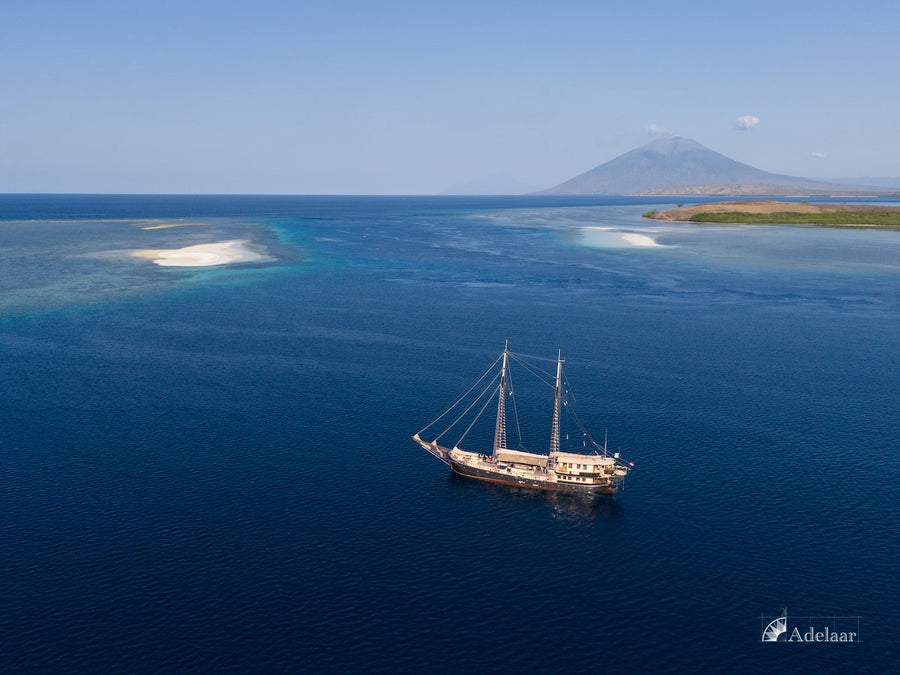
Adelaar
Raja Ampat & Bandasee — Ambon nach Sorong — 10 Nächte
- Indicative duration
- 10 nights
- Einschiffung
- Ambon
- Ausschiffung
- Sorong
Adelaar
Raja Ampat & Bandasee — Ambon nach Sorong — 9 Nächte
- Indicative duration
- 9 nights
- Einschiffung
- Ambon
- Ausschiffung
- Sorong
Adelaar
Raja Ampat & Bandasee — Sorong nach Ambon — 10 Nächte
- Indicative duration
- 10 nights
- Einschiffung
- Sorong
- Ausschiffung
- Ambon
Adelaar
Raja Ampat Central & Süd — Sorong nach Sorong — 6 Nächte
- Indicative duration
- 6 nights
- Einschiffung
- Sorong
- Ausschiffung
- Sorong
Adelaar
Raja Ampat Central & Süd — Sorong nach Sorong — 7 Nächte
- Indicative duration
- 7 nights
- Einschiffung
- Sorong
- Ausschiffung
- Sorong
Adelaar
Raja Ampat Central & Süd — Sorong nach Sorong — 8 Nächte
- Indicative duration
- 8 nights
- Einschiffung
- Sorong
- Ausschiffung
- Sorong
Adelaar
Raja Ampat Central & Süd — Sorong nach Sorong — 9 Nächte
- Indicative duration
- 9 nights
- Einschiffung
- Sorong
- Ausschiffung
- Sorong
Adelaar
Total Raja Ampat — Sorong nach Sorong — 10 Nächte
- Indicative duration
- 10 nights
- Einschiffung
- Sorong
- Ausschiffung
- Sorong
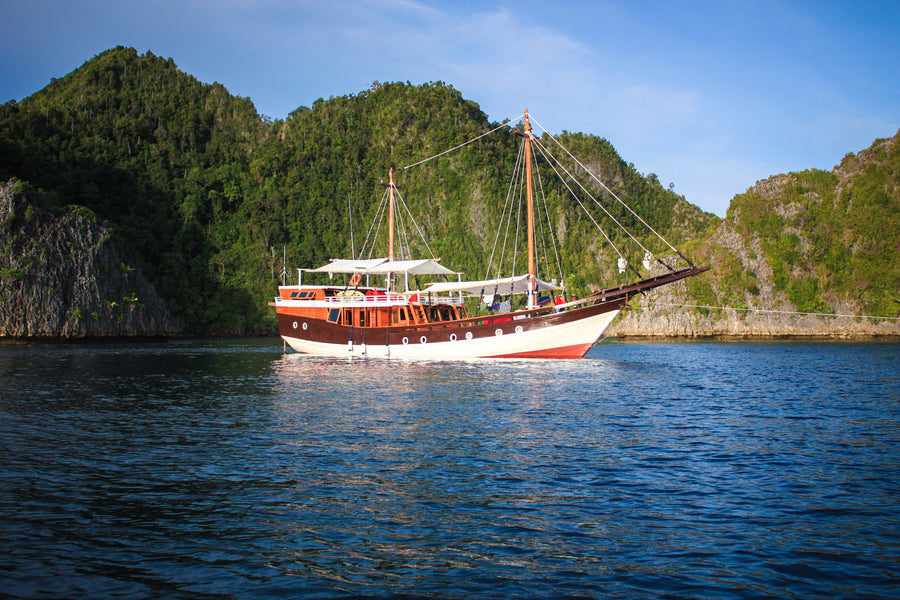
Akomo Isseki
Raja Ampat — 10 Nächte
- Indicative duration
- 10 nights
- Einschiffung
- Waisai
- Ausschiffung
- Waisai
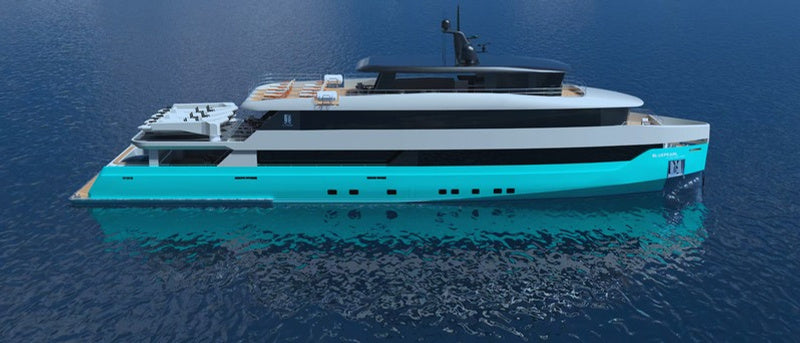
M/Y Blue Pearl
Raja Ampat & Lembeh — 9 Nächte
- Indicative duration
- 9 nights
- Einschiffung
- Sorong / Lembeh
- Ausschiffung
- Lembeh / Sorong
M/Y Blue Pearl
Raja Ampat & Triton Bay — 10 Nächte
- Indicative duration
- 10 nights
- Einschiffung
- Sorong / Kaimana
- Ausschiffung
- Kaimana / Sorong
M/Y Blue Pearl
Raja Ampat — 8 Nächte
- Indicative duration
- 8 nights
- Einschiffung
- Sorong
- Ausschiffung
- Sorong
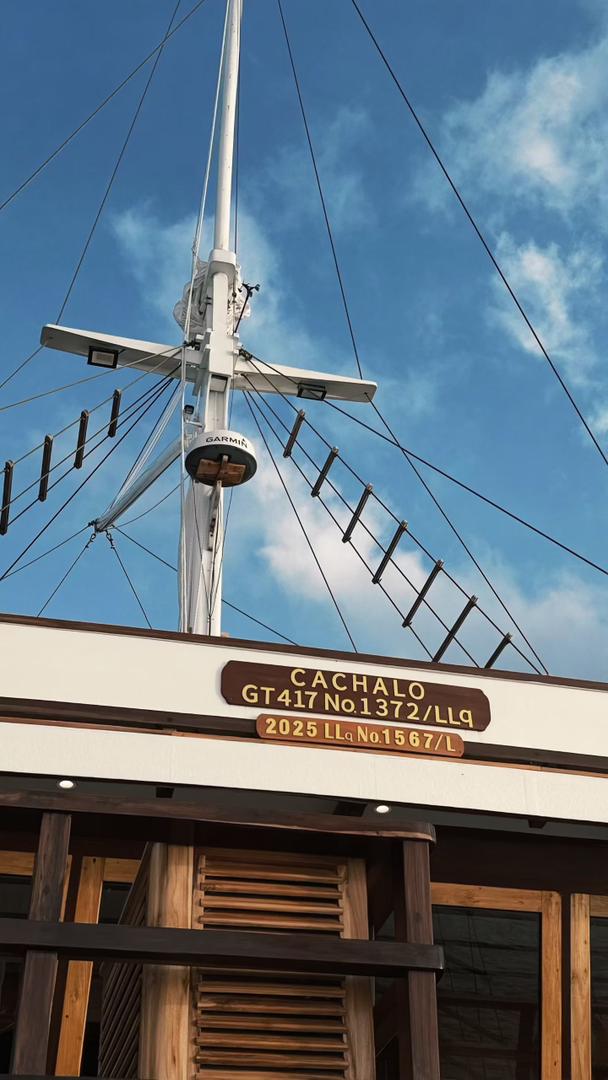
Cachalo
Ambon nach Raja Ampat — Ambon nach Sorong — 7 Nächte
- Indicative duration
- 7 nights
- Einschiffung
- Ambon
- Ausschiffung
- Sorong
Cachalo
Raja Ampat — Sorong nach Sorong — 7 Nächte
- Indicative duration
- 7 nights
- Einschiffung
- Sorong
- Ausschiffung
- Sorong
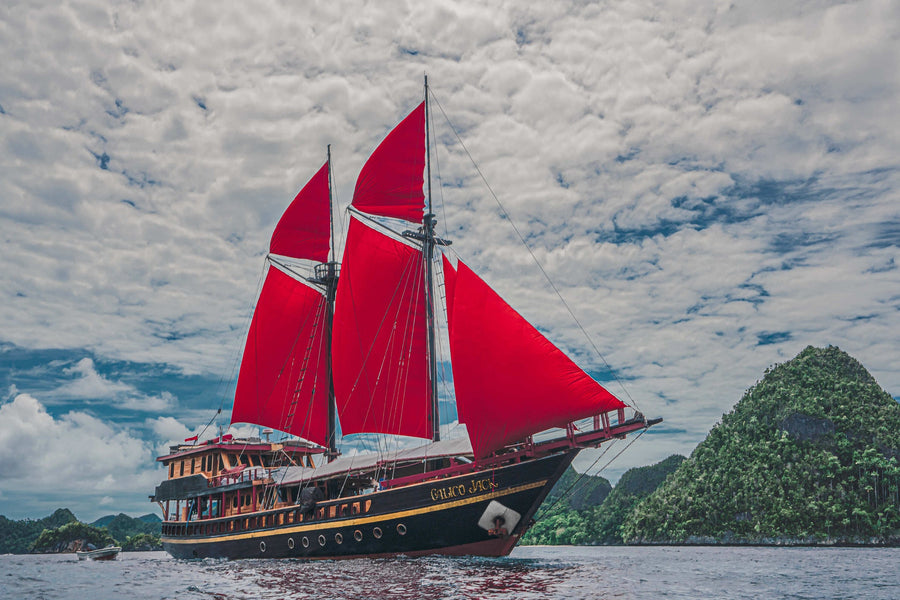
Calico Jack
Banda Neira & Misool — Ambon nach Sorong — 11 Nächte
- Indicative duration
- 11 nights
- Einschiffung
- Ambon
- Ausschiffung
- Sorong
Calico Jack
Banda Neira & Misool — Sorong nach Ambon — 11 Nächte
- Indicative duration
- 11 nights
- Einschiffung
- Sorong
- Ausschiffung
- Ambon
Calico Jack
Cenderawasih Bay — Manokwari nach Nabire — 11 Nächte
- Indicative duration
- 11 nights
- Einschiffung
- Manokwari
- Ausschiffung
- Nabire
Calico Jack
Cenderawasih Bay — Nabire nach Manokwari — 11 Nächte
- Indicative duration
- 11 nights
- Einschiffung
- Nabire
- Ausschiffung
- Manokwari
Calico Jack
Raja Ampat Central & Wayag — 8 Nächte
- Indicative duration
- 8 nights
- Einschiffung
- Sorong
- Ausschiffung
- Sorong
Calico Jack
Raja Ampat Full Park & Misool — 11 Nächte
- Indicative duration
- 11 nights
- Einschiffung
- Sorong
- Ausschiffung
- Sorong
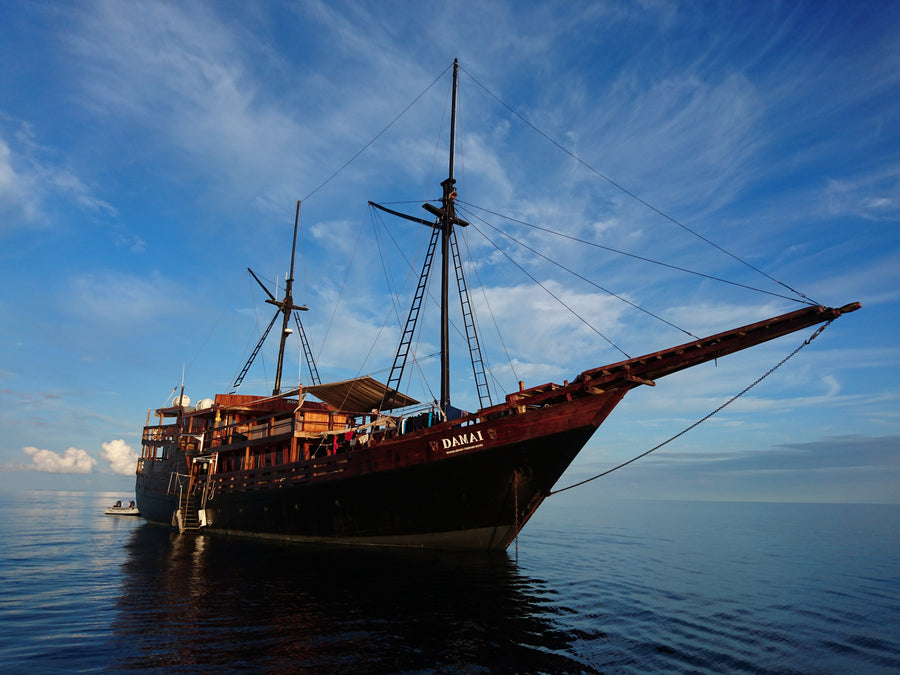
DAMAI I
Raja Ampat & Triton Bay — 11 Nächte
- Indicative duration
- 11 nights
- Einschiffung
- Sorong
- Ausschiffung
- Kaimana
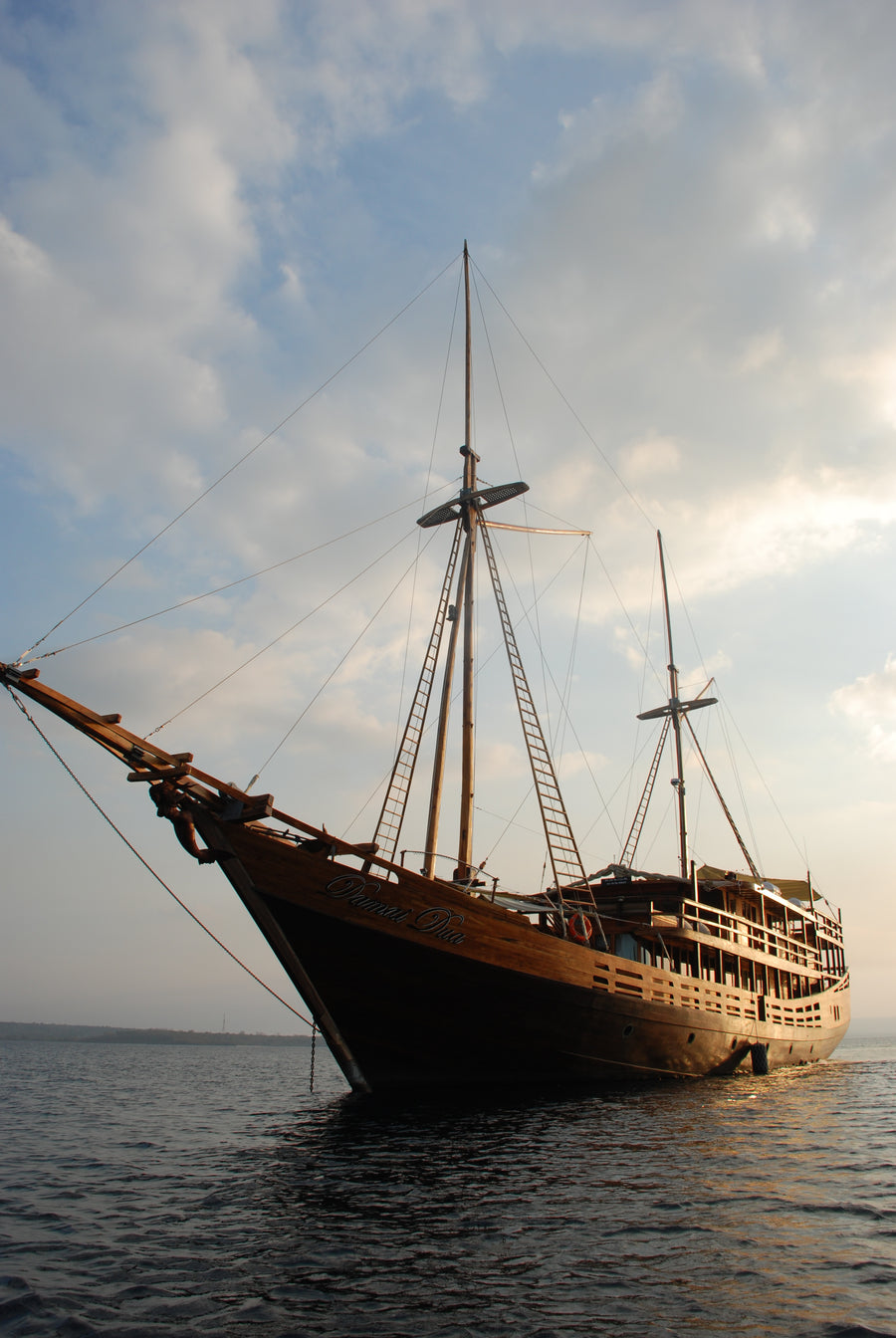
DAMAI II
Raja Ampat — 10 Nächte
- Indicative duration
- 10 nights
- Einschiffung
- Sorong
- Ausschiffung
- Sorong
DAMAI II
Raja Ampat — 11 Nächte
- Indicative duration
- 11 nights
- Einschiffung
- Sorong
- Ausschiffung
- Sorong
DAMAI II
Raja Ampat — 7 Nächte
- Indicative duration
- 7 nights
- Einschiffung
- Sorong
- Ausschiffung
- Sorong
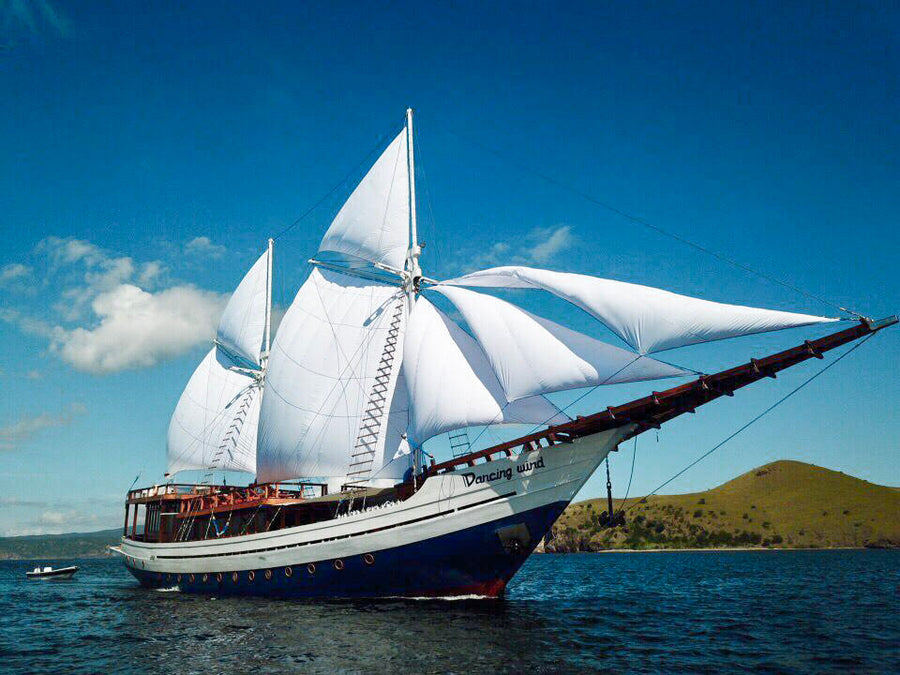
Dancing Wind
11D10N Best of Raja Ampat — Sorong nach Sorong — 10 Nächte
- Indicative duration
- 10 nights
- Einschiffung
- Sorong
- Ausschiffung
- Sorong
Dancing Wind
11D10N Misool, Süd Raja Ampat — Sorong nach Sorong — 10 Nächte
- Indicative duration
- 10 nights
- Einschiffung
- Sorong
- Ausschiffung
- Sorong
Dancing Wind
12D11N Best of Raja Ampat — Sorong nach Sorong — 11 Nächte
- Indicative duration
- 11 nights
- Einschiffung
- Sorong
- Ausschiffung
- Sorong
Dancing Wind
12D11N Kaimana - Triton Bay - Misool — Kaimana nach Sorong — 11 Nächte
- Indicative duration
- 11 nights
- Einschiffung
- Kaimana
- Ausschiffung
- Sorong
Dancing Wind
12D11N Misool - Triton Bay - Kaimana — Sorong nach Kaimana — 11 Nächte
- Indicative duration
- 11 nights
- Einschiffung
- Sorong
- Ausschiffung
- Kaimana
Dancing Wind
13D12N Kaimana - Triton Bay - Misool — Kaimana nach Sorong — 12 Nächte
- Indicative duration
- 12 nights
- Einschiffung
- Kaimana
- Ausschiffung
- Sorong
Dancing Wind
7D6N Raja Ampat — Sorong nach Sorong — 6 Nächte
- Indicative duration
- 6 nights
- Einschiffung
- Sorong
- Ausschiffung
- Sorong
Dancing Wind
8D7N Central Raja Ampat — Sorong nach Sorong — 7 Nächte
- Indicative duration
- 7 nights
- Einschiffung
- Sorong
- Ausschiffung
- Sorong
Dancing Wind
8D7N Misool, Süd Raja Ampat — Sorong nach Sorong — 7 Nächte
- Indicative duration
- 7 nights
- Einschiffung
- Sorong
- Ausschiffung
- Sorong
Dancing Wind
9D8N Raja Ampat Misool — Sorong nach Sorong — 8 Nächte
- Indicative duration
- 8 nights
- Einschiffung
- Sorong
- Ausschiffung
- Sorong
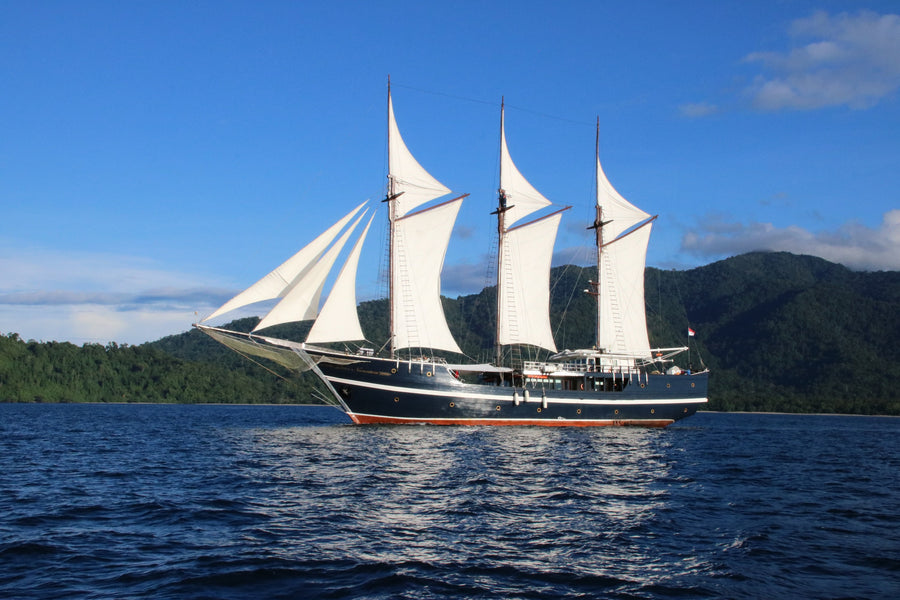
Dewi Nusantara
All of Raja Ampat - Biodiversity Hotspot — Sorong nach Sorong — 10 Nächte
- Indicative duration
- 10 nights
- Einschiffung
- Sorong
- Ausschiffung
- Sorong
Dewi Nusantara
All of Raja Ampat - Biodiversity Hotspot — Sorong nach Sorong — 11 Nächte
- Indicative duration
- 11 nights
- Einschiffung
- Sorong
- Ausschiffung
- Sorong
Dewi Nusantara
All of Raja Ampat - Biodiversity Hotspot — Sorong nach Sorong — 9 Nächte
- Indicative duration
- 9 nights
- Einschiffung
- Sorong
- Ausschiffung
- Sorong
Dewi Nusantara
All of Raja Ampat including Kofiau Island — Sorong nach Sorong — 11 Nächte
- Indicative duration
- 11 nights
- Einschiffung
- Sorong
- Ausschiffung
- Sorong
Dewi Nusantara
Ambon, the Banda Islands, Koon & Misool, Süd Raja Ampat — Ambon nach Sorong — 11 Nächte
- Indicative duration
- 11 nights
- Einschiffung
- Ambon
- Ausschiffung
- Sorong
Dewi Nusantara
Halmahera & Nord Raja Ampat — Ternate nach Sorong — 11 Nächte
- Indicative duration
- 11 nights
- Einschiffung
- Ternate
- Ausschiffung
- Sorong
Dewi Nusantara
Raja Ampat, Misool & Süd-West Halmahera — Sorong nach Ternate — 11 Nächte
- Indicative duration
- 11 nights
- Einschiffung
- Sorong
- Ausschiffung
- Ternate
Dewi Nusantara
Süd Raja Ampat, Misool, The Bomberai Peninsula & Central Raja Ampat — Sorong nach Sorong — 11 Nächte
- Indicative duration
- 11 nights
- Einschiffung
- Sorong
- Ausschiffung
- Sorong
Dewi Nusantara
Wild West Papua: Route I - Süd Raja Ampat, Misool, The Bomberai Peninsula & Triton Bay — Sorong nach Kaimana — 10 Nächte
- Indicative duration
- 10 nights
- Einschiffung
- Sorong
- Ausschiffung
- Kaimana
Dewi Nusantara
Wild West Papua: Route I - Süd Raja Ampat, Misool, The Bomberai Peninsula & Triton Bay — Sorong nach Kaimana — 11 Nächte
- Indicative duration
- 11 nights
- Einschiffung
- Sorong
- Ausschiffung
- Kaimana
Dewi Nusantara
Wild West Papua: Route II - Triton Bay, The Bomberai Peninsula, Misool & Süd Raja Ampat — Kaimana nach Sorong — 10 Nächte
- Indicative duration
- 10 nights
- Einschiffung
- Kaimana
- Ausschiffung
- Sorong
Dewi Nusantara
Wild West Papua: Route II - Triton Bay, The Bomberai Peninsula, Misool & Süd Raja Ampat — Kaimana nach Sorong — 11 Nächte
- Indicative duration
- 11 nights
- Einschiffung
- Kaimana
- Ausschiffung
- Sorong
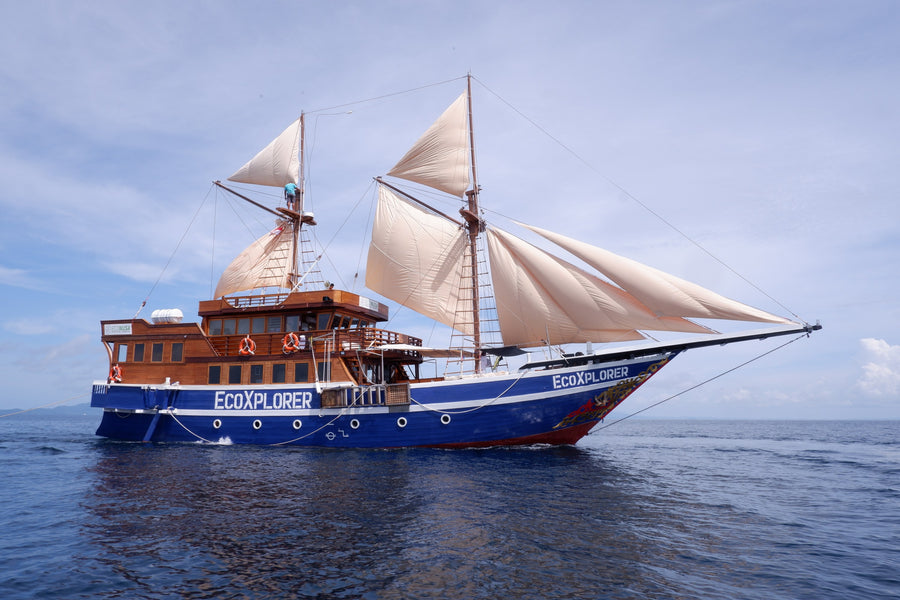
EcoXplorer
Banda – Misool — 10 Nächte
- Indicative duration
- 10 nights
- Einschiffung
- Tulehu
- Ausschiffung
- Sorong
EcoXplorer
Cenderawasih Bay: Biak – Manokwari – Sorong — 9 Nächte
- Indicative duration
- 9 nights
- Einschiffung
- Biak
- Ausschiffung
- Sorong
EcoXplorer
Cenderawasih Bay: Sorong – Manokwari – Biak — 9 Nächte
- Indicative duration
- 9 nights
- Einschiffung
- Sorong
- Ausschiffung
- Biak
EcoXplorer
Central Raja Ampat — 7 Nächte
- Indicative duration
- 7 nights
- Einschiffung
- Sorong
- Ausschiffung
- Sorong
EcoXplorer
Mapia Hidden Gem Expedition — 9 Nächte
- Indicative duration
- 9 nights
- Einschiffung
- Biak
- Ausschiffung
- Biak
EcoXplorer
Misool – Banda — 10 Nächte
- Indicative duration
- 10 nights
- Einschiffung
- Sorong
- Ausschiffung
- Tulehu
EcoXplorer
New Year Nord & Central Raja Ampat — 7 Nächte
- Indicative duration
- 7 nights
- Einschiffung
- Sorong
- Ausschiffung
- Sorong
EcoXplorer
Raja Ampat Cultural & Culinary / Nord — 7 Nächte
- Indicative duration
- 7 nights
- Einschiffung
- Sorong
- Ausschiffung
- Sorong
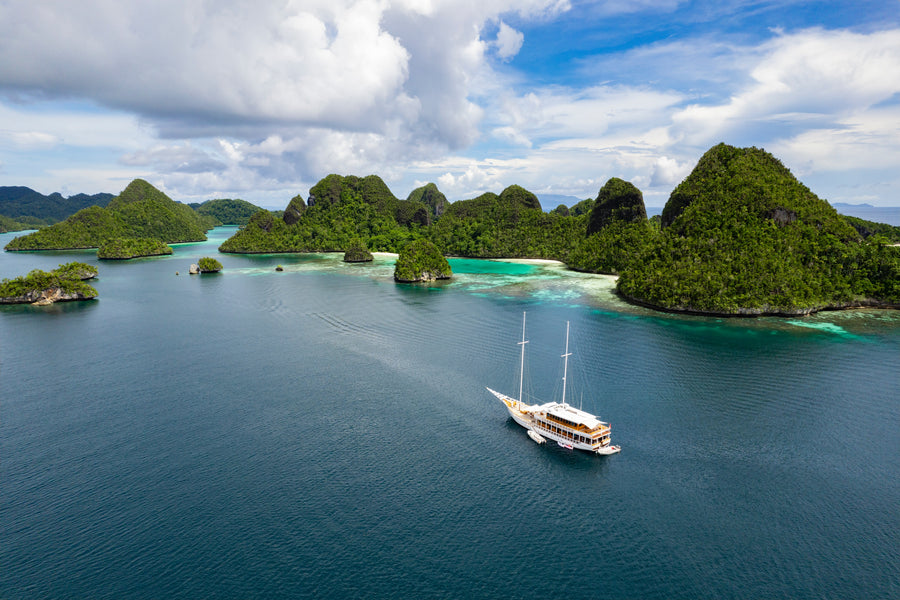
Fenides
Raja Ampat — 10 Nächte
- Indicative duration
- 10 nights
- Einschiffung
- Sorong
- Ausschiffung
- Sorong
Fenides
Raja Ampat — 7 Nächte
- Indicative duration
- 7 nights
- Einschiffung
- Sorong
- Ausschiffung
- Sorong
Fenides
Ternate nach Sorong — 12 Nächte
- Indicative duration
- 12 nights
- Einschiffung
- Ternate
- Ausschiffung
- Sorong
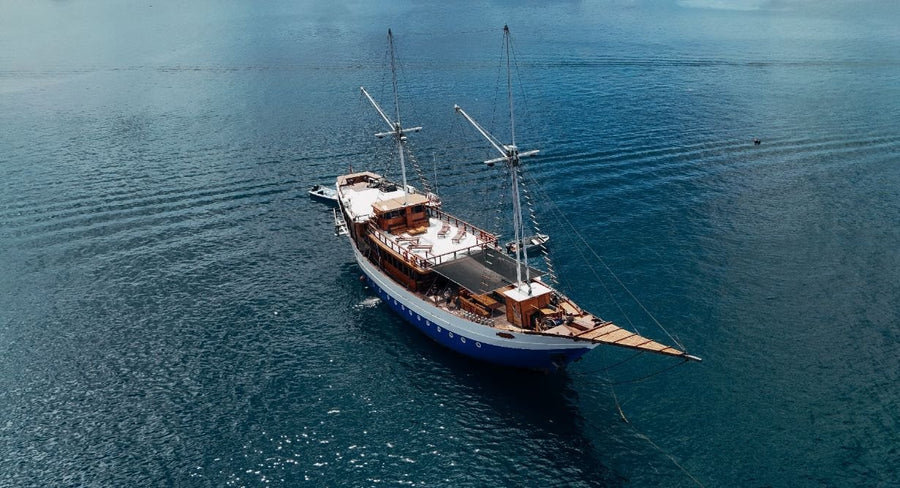
Hatiku
11D10N Best of Raja Ampat — Sorong nach Sorong — 10 Nächte
- Indicative duration
- 10 nights
- Einschiffung
- Sorong
- Ausschiffung
- Sorong
Hatiku
11D10N Misool, Süd Raja Ampat — Sorong nach Sorong — 10 Nächte
- Indicative duration
- 10 nights
- Einschiffung
- Sorong
- Ausschiffung
- Sorong
Hatiku
12D11N Best of Raja Ampat — Sorong nach Sorong — 11 Nächte
- Indicative duration
- 11 nights
- Einschiffung
- Sorong
- Ausschiffung
- Sorong
Hatiku
6D5N Raja Ampat — Sorong nach Sorong — 5 Nächte
- Indicative duration
- 5 nights
- Einschiffung
- Sorong
- Ausschiffung
- Sorong
Hatiku
7D6N Raja Ampat — Sorong nach Sorong — 6 Nächte
- Indicative duration
- 6 nights
- Einschiffung
- Sorong
- Ausschiffung
- Sorong
Hatiku
8D7N Central Raja Ampat — Sorong nach Sorong — 7 Nächte
- Indicative duration
- 7 nights
- Einschiffung
- Sorong
- Ausschiffung
- Sorong
Hatiku
9D8N Raja Ampat Misool — Sorong nach Sorong — 8 Nächte
- Indicative duration
- 8 nights
- Einschiffung
- Sorong
- Ausschiffung
- Sorong
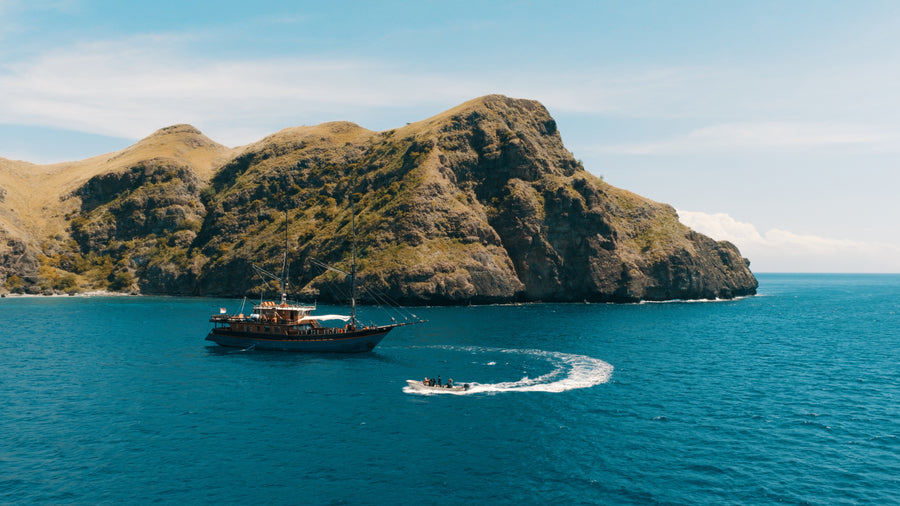
Iliké
Maluku & Raja Ampat — Ambon nach Sorong — 13 Nächte
- Indicative duration
- 13 nights
- Einschiffung
- Ambon
- Ausschiffung
- Sorong
Iliké
Raja Ampat & Maluku — Sorong nach Ambon — 11 Nächte
- Indicative duration
- 11 nights
- Einschiffung
- Sorong
- Ausschiffung
- Ambon
Iliké
Raja Ampat & Maluku — Sorong nach Ambon — 12 Nächte
- Indicative duration
- 12 nights
- Einschiffung
- Sorong
- Ausschiffung
- Ambon
Iliké
Raja Ampat & Triton Bay — Sorong nach Kaimana — 11 Nächte
- Indicative duration
- 11 nights
- Einschiffung
- Sorong
- Ausschiffung
- Kaimana
Iliké
Raja Ampat — Sorong nach Sorong — 10 Nächte
- Indicative duration
- 10 nights
- Einschiffung
- Sorong
- Ausschiffung
- Sorong
Iliké
Raja Ampat — Sorong nach Sorong — 7 Nächte
- Indicative duration
- 7 nights
- Einschiffung
- Sorong
- Ausschiffung
- Sorong
Iliké
Triton Bay & Raja Ampat — Kaimana nach Sorong — 11 Nächte
- Indicative duration
- 11 nights
- Einschiffung
- Kaimana
- Ausschiffung
- Sorong
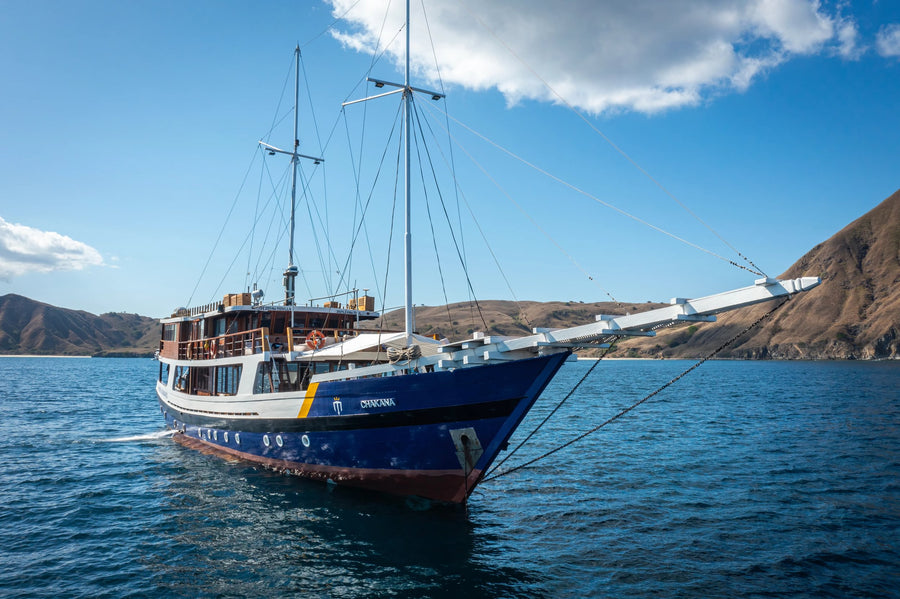
Indo Master
Bandasee & Misool — 12 Nächte
- Indicative duration
- 12 nights
- Einschiffung
- Ambon
- Ausschiffung
- Sorong
Indo Master
Misool, Halmahera & Lembeh — 12 Nächte
- Indicative duration
- 12 nights
- Einschiffung
- Sorong
- Ausschiffung
- Lembeh / Bitung
Indo Master
Raja Ampat — 10 Nächte
- Indicative duration
- 10 nights
- Einschiffung
- Sorong
- Ausschiffung
- Sorong
Indo Master
Raja Ampat — 7 Nächte
- Indicative duration
- 7 nights
- Einschiffung
- Sorong
- Ausschiffung
- Sorong
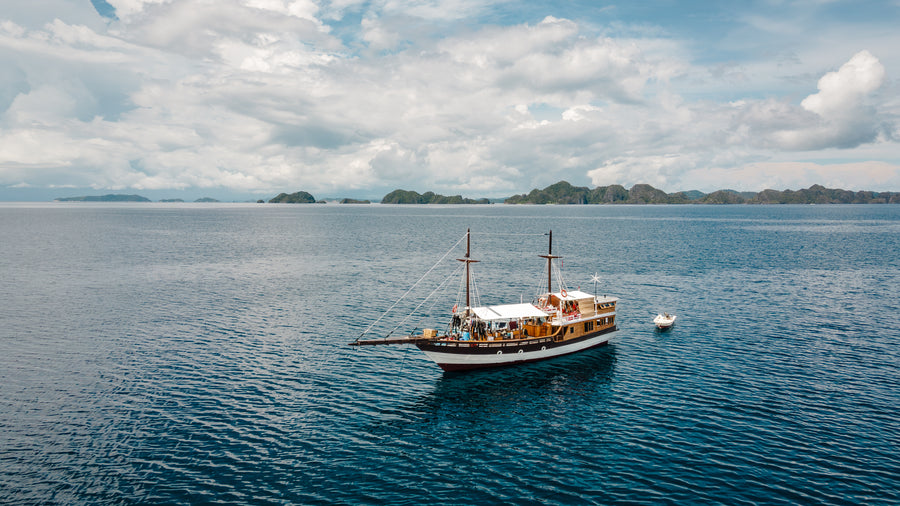
Kira Kira
Raja Ampat — 10 Nächte
- Indicative duration
- 10 nights
- Einschiffung
- Waisai
- Ausschiffung
- Waisai
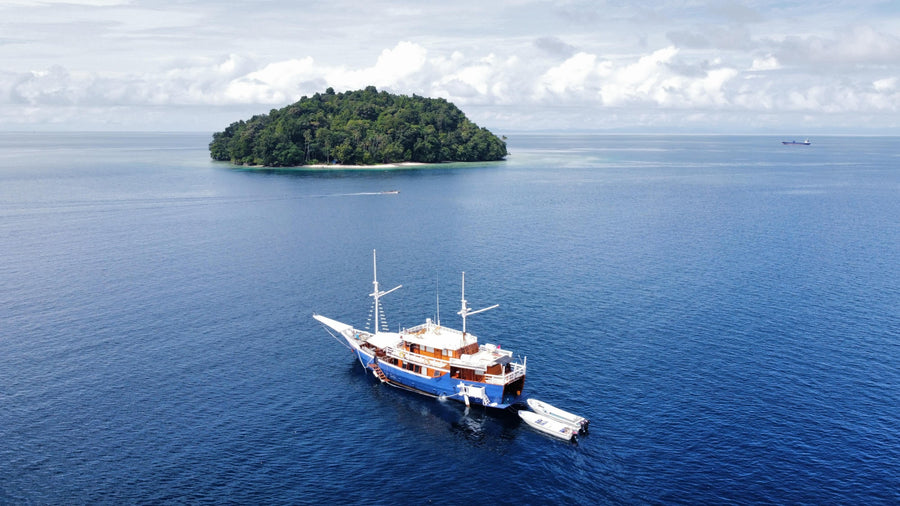
Kurabesi Nusantara
Banda – Misool — 10 Nächte
- Indicative duration
- 10 nights
- Einschiffung
- Tulehu
- Ausschiffung
- Sorong
Kurabesi Nusantara
Biak – Cenderawasih Bay – Manokwari – Sorong — 9 Nächte
- Indicative duration
- 9 nights
- Einschiffung
- Biak
- Ausschiffung
- Sorong
Kurabesi Nusantara
Christmas & New Year Raja Ampat — 7 Nächte
- Indicative duration
- 7 nights
- Einschiffung
- Sorong
- Ausschiffung
- Sorong
Kurabesi Nusantara
Misool – Banda
- Indicative duration
- 10 nights
- Einschiffung
- Sorong
- Ausschiffung
- Tulehu
Kurabesi Nusantara
Raja Ampat Nord — 7 Nächte
- Indicative duration
- 7 nights
- Einschiffung
- Sorong
- Ausschiffung
- Sorong
Kurabesi Nusantara
Sorong – Manokwari – Cenderawasih Bay – Biak — 9 Nächte
- Indicative duration
- 9 nights
- Einschiffung
- Sorong
- Ausschiffung
- Biak
Kurabesi Nusantara
Süd Raja Ampat — 7 Nächte
- Indicative duration
- 7 nights
- Einschiffung
- Sorong
- Ausschiffung
- Sorong
Kurabesi Nusantara
Süd Raja Ampat: Misool
- Indicative duration
- 7 nights
- Einschiffung
- Sorong
- Ausschiffung
- Sorong
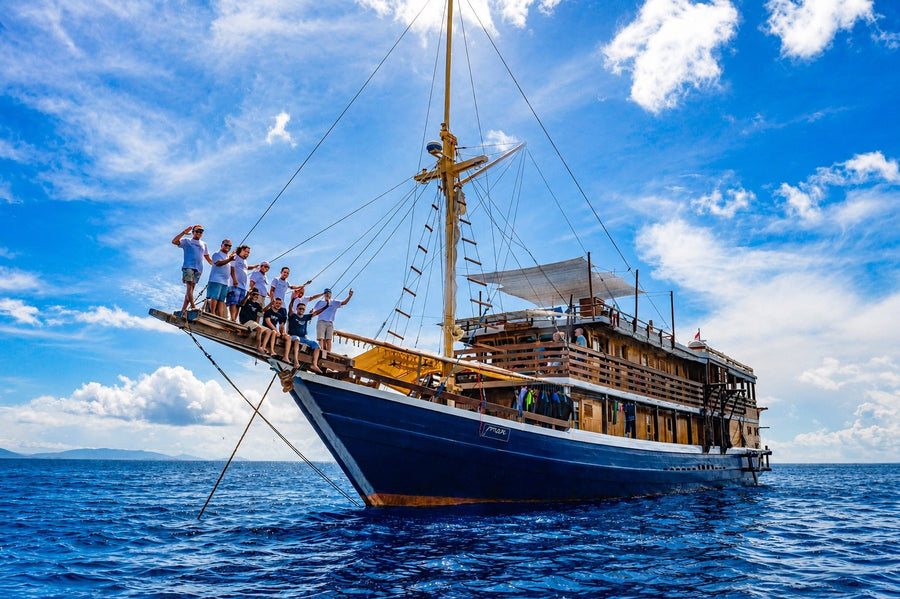
MARI Liveaboard
MARI — Raja Ampat - Best Of Central & Dampier Strait — Sorong nach Sorong — 7 Nächte
- Indicative duration
- 7 nights
- Einschiffung
- Sorong
- Ausschiffung
- Sorong
MARI Liveaboard
MARI — Raja Ampat - Misool - Bandasee — Sorong nach Ambon — 12 Nächte
- Indicative duration
- 12 nights
- Einschiffung
- Sorong
- Ausschiffung
- Ambon
MARI Liveaboard
MARI — Raja Ampat: Central Region & Misool — Sorong nach Sorong — 10 Nächte
- Indicative duration
- 10 nights
- Einschiffung
- Sorong
- Ausschiffung
- Sorong
MARI Liveaboard
MARI — Raja Ampat: Central Region & Misool — Sorong nach Sorong — 11 Nächte
- Indicative duration
- 11 nights
- Einschiffung
- Sorong
- Ausschiffung
- Sorong
MARI Liveaboard
MARI — The Forgotten Islands & The Ring Of Fire — Maumere nach Ambon — 13 Nächte
- Indicative duration
- 13 nights
- Einschiffung
- Maumere
- Ausschiffung
- Ambon
MARI Liveaboard
MARI — Triton Bay - Misool & Raja Ampat — Kaimana nach Sorong — 12 Nächte
- Indicative duration
- 12 nights
- Einschiffung
- Kaimana
- Ausschiffung
- Sorong
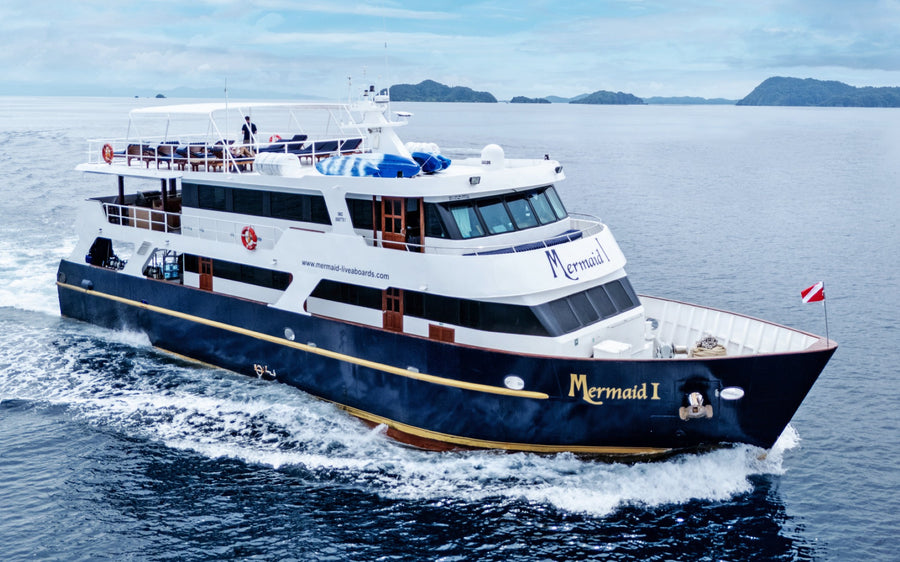
Mermaid I
Ambon, Bandasee & Raja Ampat
- Indicative duration
- 11 nights
- Einschiffung
- Ambon
- Ausschiffung
- Sorong, West Papua
Mermaid I
Biodiversity Super Special: Raja Ampat, Bandasee, Alor & Maumere
- Indicative duration
- 15 nights
- Einschiffung
- Sorong or Maumere — confirm per departure
- Ausschiffung
- Maumere or Sorong — confirm per departure
Mermaid I
Raja Ampat 10 Tage
- Indicative duration
- 9 nights
- Einschiffung
- Sorong, West Papua
- Ausschiffung
- Sorong, West Papua
Mermaid I
Raja Ampat 12 Tage
- Indicative duration
- 11 nights
- Einschiffung
- Sorong, West Papua
- Ausschiffung
- Sorong, West Papua
Mermaid I
Raja Ampat, Bandasee, Forgotten Islands & Ambon
- Indicative duration
- 15 nights
- Einschiffung
- Sorong, West Papua
- Ausschiffung
- Ambon
Mermaid I
Raja Ampat, Halmahera & Lembeh
- Indicative duration
- 11 nights
- Einschiffung
- Sorong or Lembeh — confirm per departure
- Ausschiffung
- Lembeh or Sorong — confirm per departure
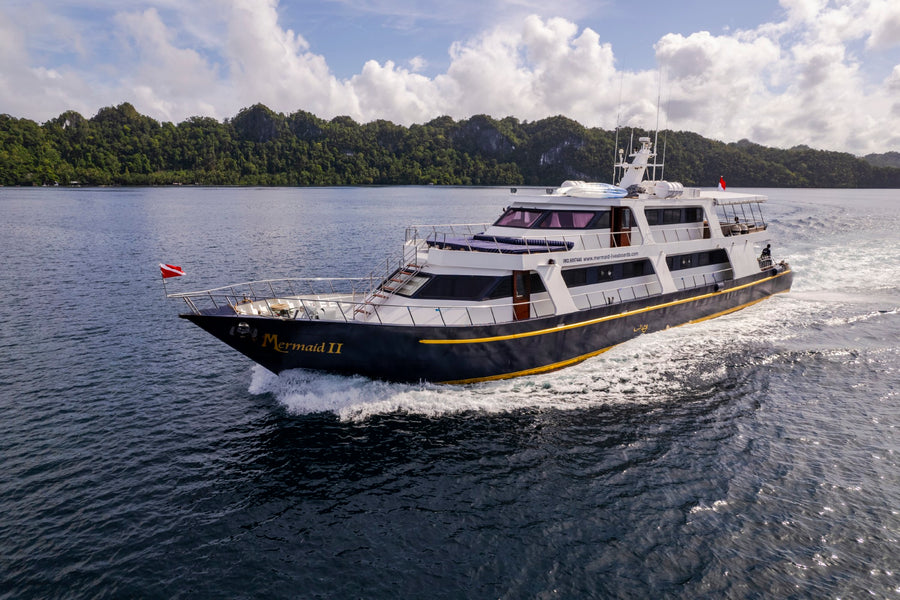
Mermaid II
Biodiversity Super Special: Raja Ampat, Bandasee, Alor & Maumere
- Indicative duration
- 15 nights
- Einschiffung
- Sorong or Maumere — confirm per departure
- Ausschiffung
- Maumere or Sorong — confirm per departure
Mermaid II
Raja Ampat 9 Tage
- Indicative duration
- 8 nights
- Einschiffung
- Sorong, West Papua
- Ausschiffung
- Sorong, West Papua
Mermaid II
Raja Ampat, Halmahera & Lembeh
- Indicative duration
- 11 nights
- Einschiffung
- Sorong or Lembeh — confirm per departure
- Ausschiffung
- Lembeh or Sorong — confirm per departure
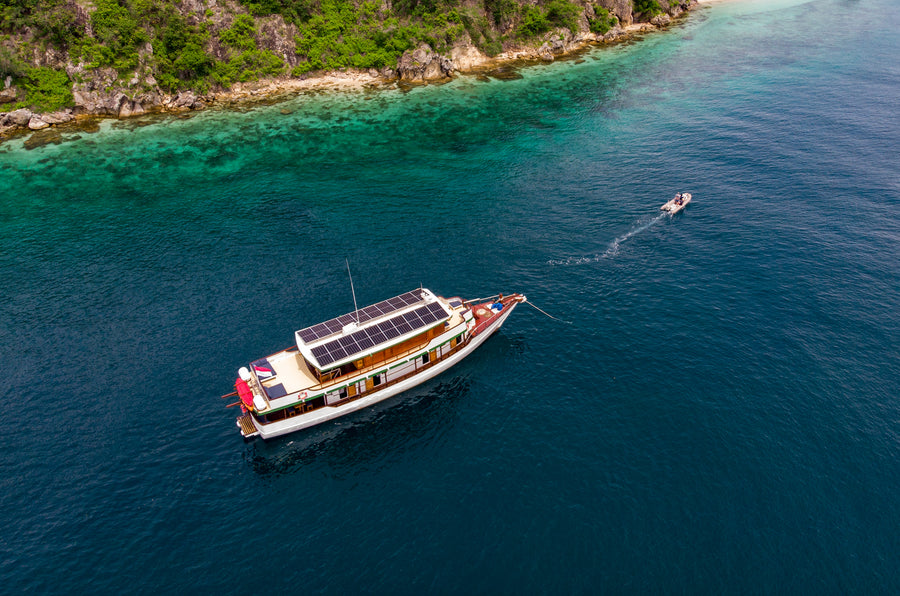
Bajau
Nomad Exploration Cruise: Spice Island nach Four Kings
- Indicative duration
- 10 nights
- Einschiffung
- Ambon
- Ausschiffung
- Sorong
Bajau
Nomad Exploration: Raja Ampat nach Halmahera
- Indicative duration
- 8 nights
- Einschiffung
- Sorong
- Ausschiffung
- Ternate
Bajau
Nomad Dampier Strait & Misool erkunden
- Indicative duration
- 8 nights
- Einschiffung
- Sorong
- Ausschiffung
- Sorong
Bajau
Nomad Raja Ampat
- Indicative duration
- 10 nights
- Einschiffung
- Sorong
- Ausschiffung
- Sorong
Bajau
Nomad Raja Ampat entdecken
- Indicative duration
- 7 nights
- Einschiffung
- Sorong
- Ausschiffung
- Sorong
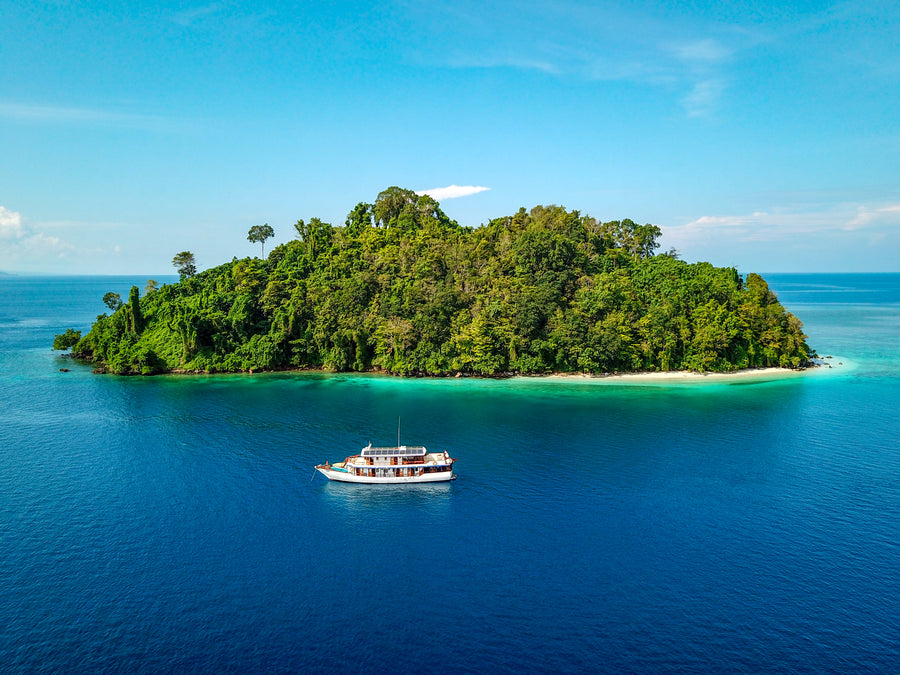
Bugis
Nomad Exploration: Raja Ampat & Bandasee
- Indicative duration
- 10 nights
- Einschiffung
- Sorong
- Ausschiffung
- Ambon
Bugis
Nomad Erkundung von Dampier Strait & Misool an Bord der Bugis
- Indicative duration
- 8 nights
- Einschiffung
- Sorong
- Ausschiffung
- Sorong
Bugis
Nomad Raja Ampat
- Indicative duration
- 10 nights
- Einschiffung
- Sorong
- Ausschiffung
- Sorong
Bugis
Nomad Raja Ampat
- Indicative duration
- 5 nights
- Einschiffung
- Sorong
- Ausschiffung
- Sorong
Bugis
Nomad Raja Ampat Discovery an Bord der Bugis
- Indicative duration
- 7 nights
- Einschiffung
- Sorong
- Ausschiffung
- Sorong
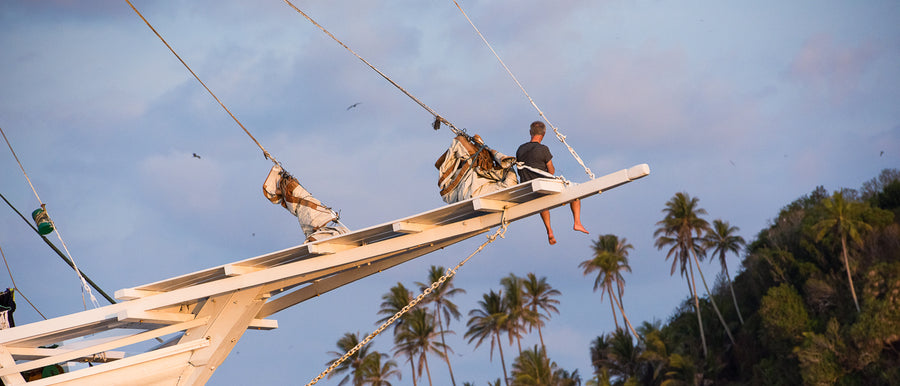
Pindito
Bandasee & Raja Ampat
- Indicative duration
- 11 nights
- Einschiffung
- Ambon
- Ausschiffung
- Sorong
Pindito
Biodiversitätskreuzfahrt
- Indicative duration
- 13 nights
- Einschiffung
- Maumere
- Ausschiffung
- Sorong or Ambon
Pindito
Halmahera & Maluku Sea
- Indicative duration
- 11 nights
- Einschiffung
- Sorong, Ternate or Ambon — confirm per departure
- Ausschiffung
- Ternate, Manado or Sorong — confirm per departure
Pindito
Raja Ampat
- Indicative duration
- 11 nights
- Einschiffung
- Sorong
- Ausschiffung
- Sorong
Pindito
Ternate, Halmahera & Raja Ampat
- Indicative duration
- 11 nights
- Einschiffung
- Ternate
- Ausschiffung
- Sorong
Pindito
Wal- und Makro-Kreuzfahrt
- Indicative duration
- 11 nights
- Einschiffung
- Ambon or Sorong
- Ausschiffung
- Ambon or Sorong
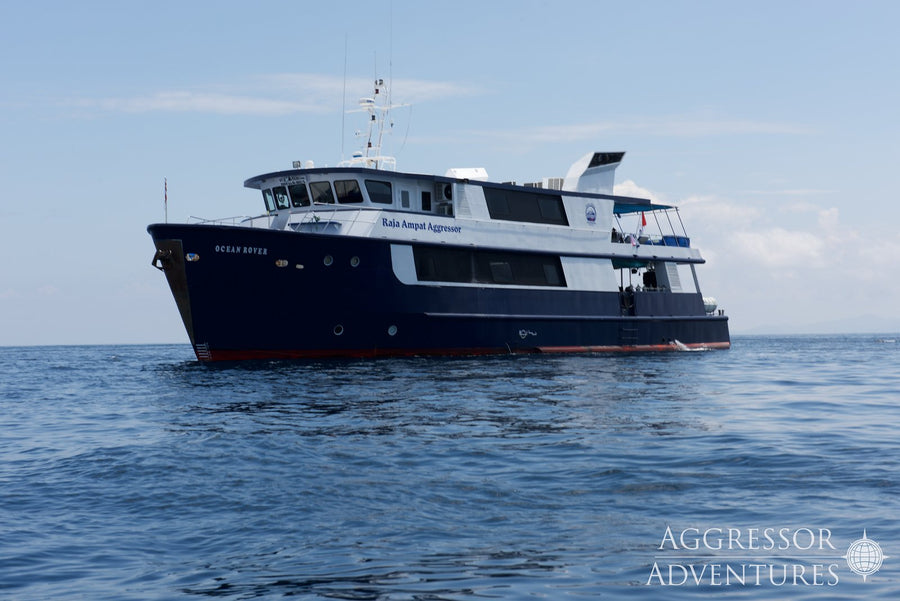
Raja Ampat Aggressor
Raja Ampat (10 Nächte)
- Indicative duration
- 10 nights
- Einschiffung
- Sorong
- Ausschiffung
- Sorong
Raja Ampat Aggressor
Raja Ampat (12 Nächte)
- Indicative duration
- 12 nights
- Einschiffung
- Sorong
- Ausschiffung
- Bitung
Raja Ampat Aggressor
Raja Ampat (12 Nächte)
- Indicative duration
- 12 nights
- Einschiffung
- Bitung
- Ausschiffung
- Sorong
Raja Ampat Aggressor
Raja Ampat (7 Nächte)
- Indicative duration
- 7 nights
- Einschiffung
- Sorong
- Ausschiffung
- Sorong
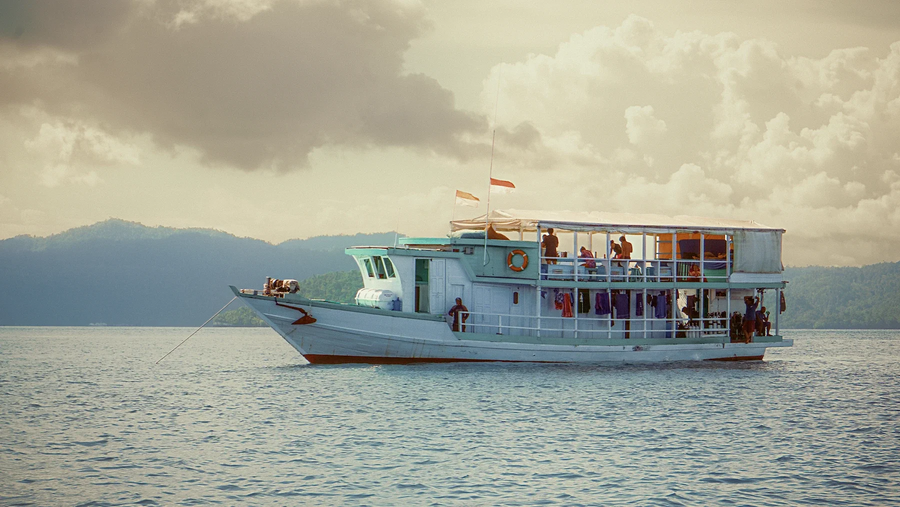
Epica
Das Beste von Dampier Strait
- Indicative duration
- 6 nights
- Einschiffung
- Waisai
- Ausschiffung
- Waisai
Epica
Dampier Strait & Misool
- Indicative duration
- 8 nights
- Einschiffung
- Waisai
- Ausschiffung
- Waisai
Epica
Wayag & Dampier Strait
- Indicative duration
- 8 nights
- Einschiffung
- Waisai
- Ausschiffung
- Waisai
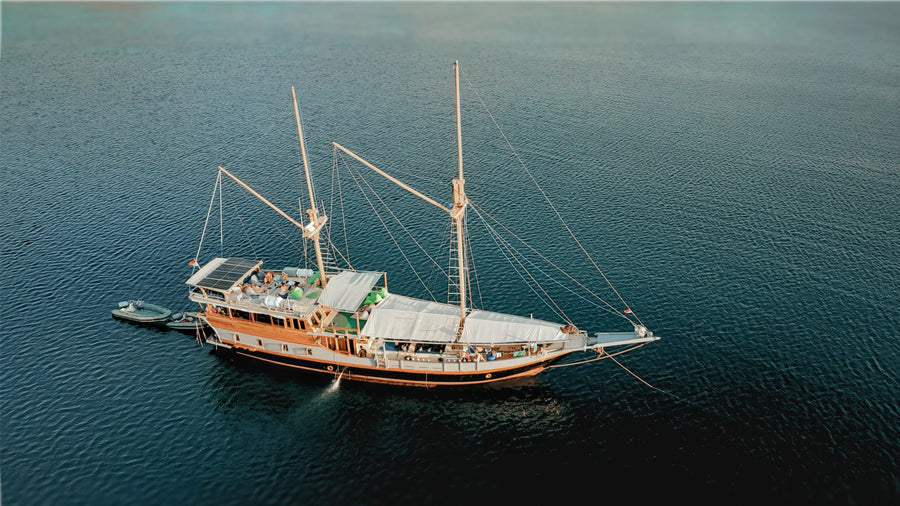
Jaya
Bandasee & Raja Ampat Überfahrt
- Indicative duration
- 10 nights
- Einschiffung
- Ambon or Waisai
- Ausschiffung
- Waisai or Ambon
Jaya
Raja Ampat
- Indicative duration
- 6 nights
- Einschiffung
- Waisai
- Ausschiffung
- Waisai
Jaya
Raja Ampat & Misool
- Indicative duration
- 8 nights
- Einschiffung
- Waisai
- Ausschiffung
- Waisai
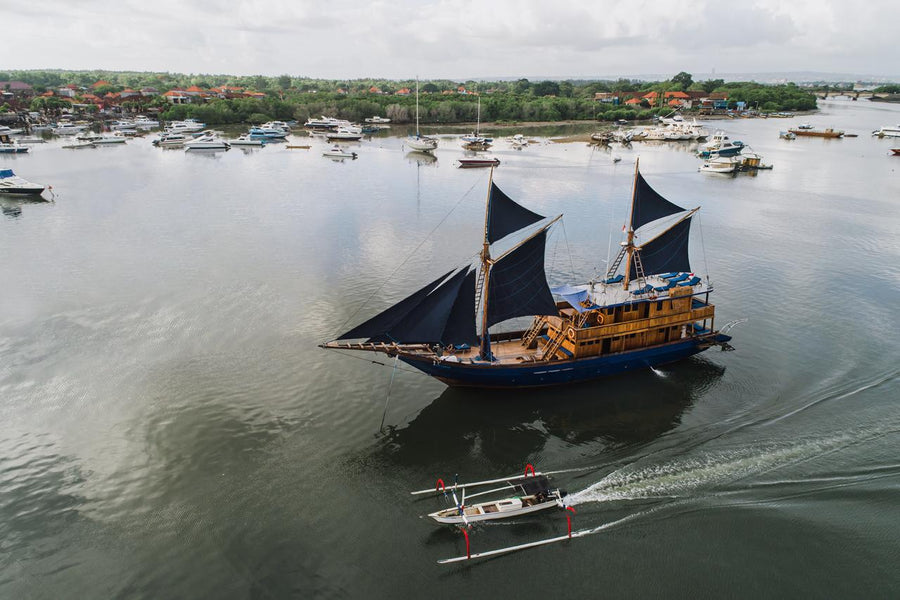
Situju 7
Raja Ampat — 7 Tage / 6 Nächte
- Indicative duration
- 6 nights
- Einschiffung
- Sorong
- Ausschiffung
- Sorong
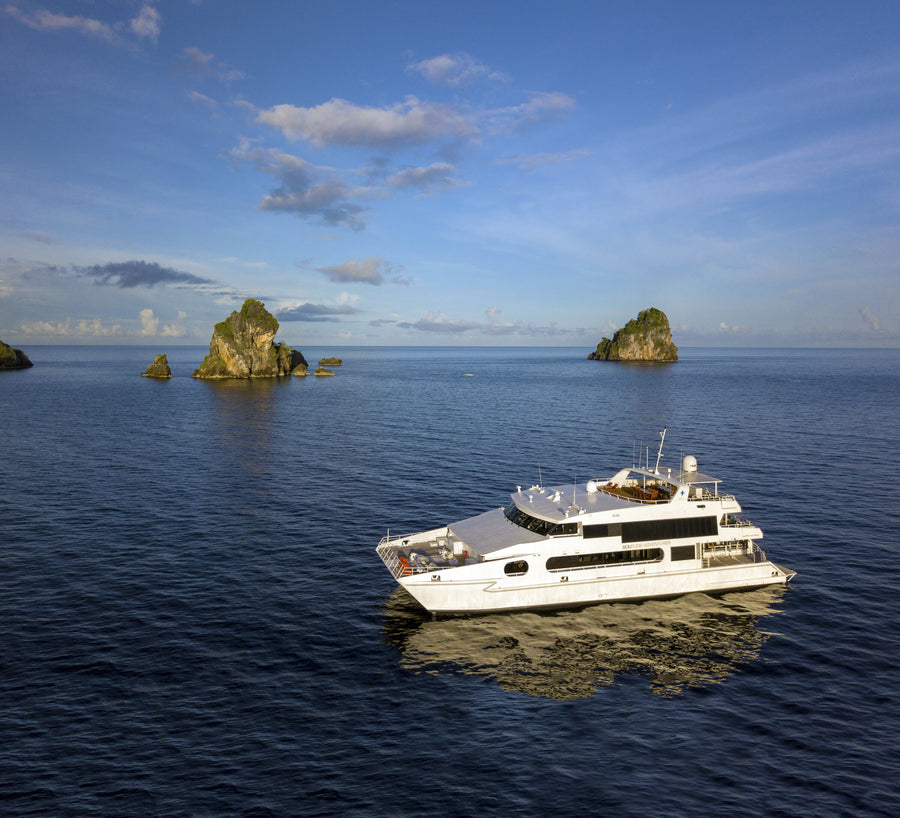
Solitude Adventurer
Ambon / Banda / Raja Ampat - 12 Nächte
- Indicative duration
- 12 nights
- Einschiffung
- Ambon
- Ausschiffung
- Sorong
Solitude Adventurer
Raja Ampat / Banda / Maumere - 14 Nächte
- Indicative duration
- 14 nights
- Einschiffung
- Sorong
- Ausschiffung
- Maumere
Solitude Adventurer
Raja Ampat / Misool (RM4) - 8 Nächte
- Indicative duration
- 8 nights
- Einschiffung
- Sorong
- Ausschiffung
- Sorong
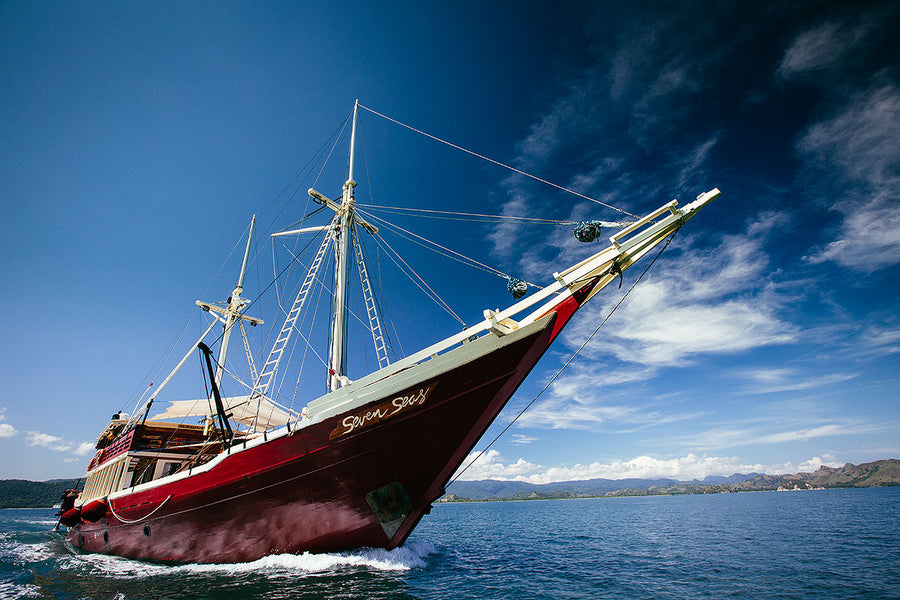
The Seven Seas
Raja Ampat & Triton Bay — Sorong nach Kaimana
- Indicative duration
- 14 nights
- Einschiffung
- Sorong
- Ausschiffung
- Kaimana
The Seven Seas
Raja Ampat — Sorong nach Sorong
- Indicative duration
- 10 nights
- Einschiffung
- Sorong
- Ausschiffung
- Sorong
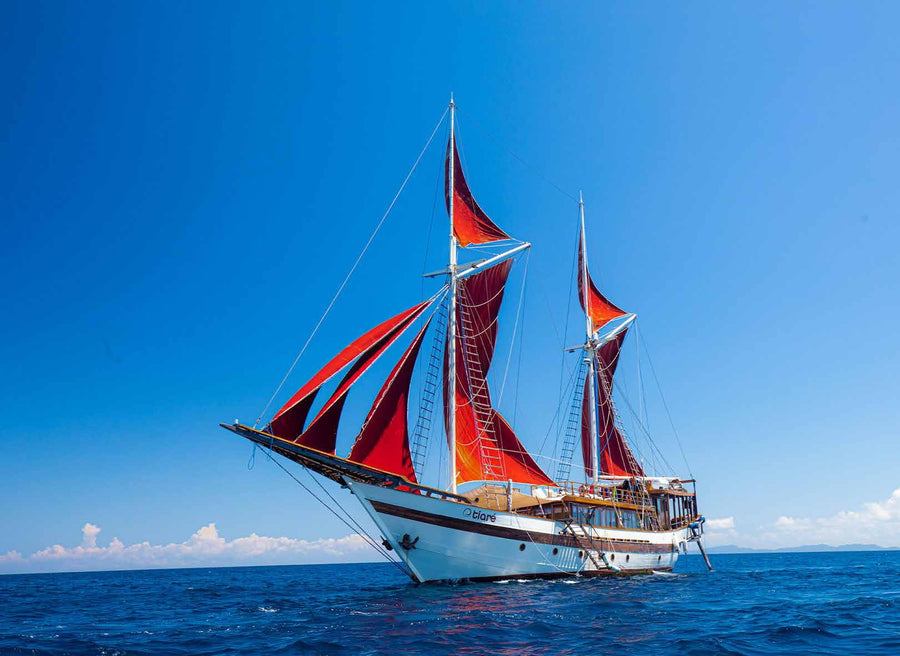
Tiare
Ambon, Banda Islands & Raja Ampat — Ambon nach Sorong — 11 Nächte
- Indicative duration
- 11 nights
- Einschiffung
- Ambon
- Ausschiffung
- Sorong
Tiare
Ambon, Banda Islands & Raja Ampat — Ambon nach Sorong — 12 Nächte
- Indicative duration
- 12 nights
- Einschiffung
- Ambon
- Ausschiffung
- Sorong
Tiare
Halmahera - Misool - Raja Ampat — Ternate nach Sorong — 12 Nächte
- Indicative duration
- 12 nights
- Einschiffung
- Ternate
- Ausschiffung
- Sorong
Tiare
Misool - Raja Ampat-Halmahera — Sorong nach Ternate — 12 Nächte
- Indicative duration
- 12 nights
- Einschiffung
- Sorong
- Ausschiffung
- Ternate
Tiare
Raja Ampat - Banda Islands - Ambon — Sorong nach Ambon — 12 Nächte
- Indicative duration
- 12 nights
- Einschiffung
- Sorong
- Ausschiffung
- Ambon
Tiare
Raja Ampat - Central & Süd — Sorong nach Sorong — 10 Nächte
- Indicative duration
- 10 nights
- Einschiffung
- Sorong
- Ausschiffung
- Sorong
Tiare
Raja Ampat - Central & Süd — Sorong nach Sorong — 11 Nächte
- Indicative duration
- 11 nights
- Einschiffung
- Sorong
- Ausschiffung
- Sorong
Tiare
Raja Ampat - Central Area & Nord — Sorong nach Sorong — 8 Nächte
- Indicative duration
- 8 nights
- Einschiffung
- Sorong
- Ausschiffung
- Sorong
Tiare
Raja Ampat - Central Area — Sorong nach Sorong — 7 Nächte
- Indicative duration
- 7 nights
- Einschiffung
- Sorong
- Ausschiffung
- Sorong
Tiare
Raja Ampat - Misool - Halmahera — Sorong nach Ternate — 11 Nächte
- Indicative duration
- 11 nights
- Einschiffung
- Sorong
- Ausschiffung
- Ternate
Tiare
Raja Ampat - Misool Area — Sorong nach Sorong — 7 Nächte
- Indicative duration
- 7 nights
- Einschiffung
- Sorong
- Ausschiffung
- Sorong
Tiare
Raja Ampat Central & Süd — Sorong nach Sorong — 12 Nächte
- Indicative duration
- 12 nights
- Einschiffung
- Sorong
- Ausschiffung
- Sorong
Tiare
Raja Ampat Triton Bay — Sorong nach Kaimana — 14 Nächte
- Indicative duration
- 14 nights
- Einschiffung
- Sorong
- Ausschiffung
- Kaimana
Tiare
Raja Ampat only Misool — Sorong nach Sorong — 9 Nächte
- Indicative duration
- 9 nights
- Einschiffung
- Sorong
- Ausschiffung
- Sorong
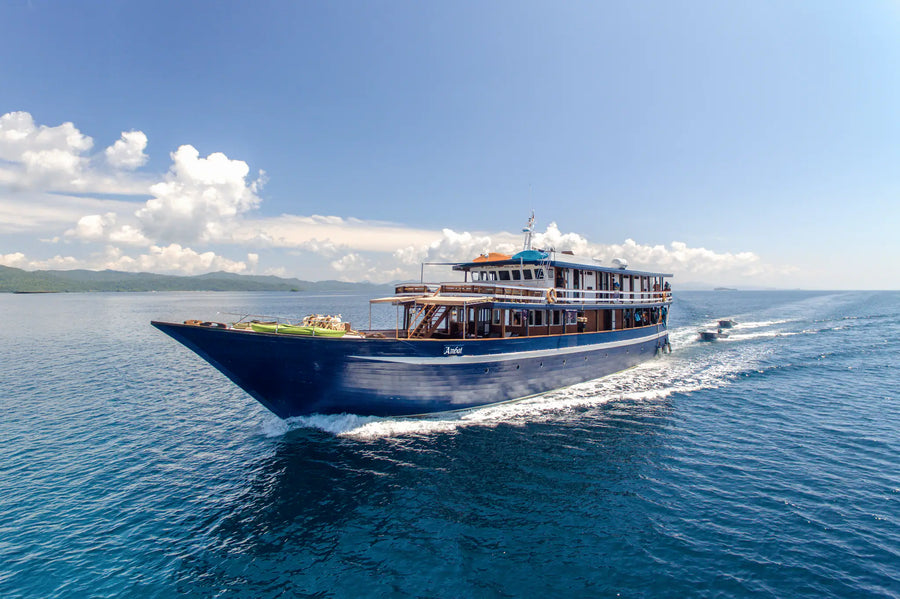
MV Ambai
Bandasee & Raja Ampat
- Indicative duration
- 12 nights
- Einschiffung
- Ambon
- Ausschiffung
- Sorong
MV Ambai
Halmahera, Misool & Bandasee
- Indicative duration
- 14 nights
- Einschiffung
- Ternate
- Ausschiffung
- Ambon
MV Ambai
Raja Ampat
- Indicative duration
- 12 nights
- Einschiffung
- Sorong
- Ausschiffung
- Sorong
MV Ambai
Raja Ampat & Triton Bay
- Indicative duration
- 11 nights
- Einschiffung
- Sorong or Kaimana
- Ausschiffung
- Kaimana or Sorong
MV Ambai
Raja Ampat, Halmahera & Lembeh
- Indicative duration
- 12 nights
- Einschiffung
- Sorong
- Ausschiffung
- Lembeh / Bitung
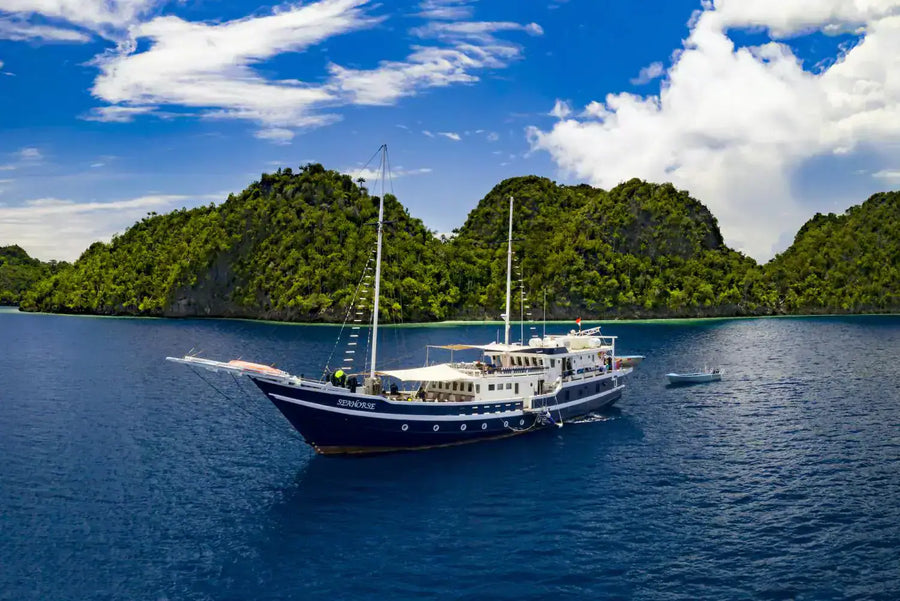
MSY Seahorse
Bandasee nach Raja Ampat
- Indicative duration
- 11 nights
- Einschiffung
- Ambon
- Ausschiffung
- Sorong
MSY Seahorse
Raja Ampat
- Indicative duration
- 11 nights
- Einschiffung
- Sorong
- Ausschiffung
- Sorong
MSY Seahorse
Raja Ampat & Halmahera
- Indicative duration
- 11 nights
- Einschiffung
- Sorong
- Ausschiffung
- Ternate
MSY Seahorse
Raja Ampat, Halmahera & Lembeh
- Indicative duration
- 11 nights
- Einschiffung
- Sorong
- Ausschiffung
- Lembeh / Bitung
MSY Seahorse
Triton Bay & Raja Ampat
- Indicative duration
- 11 nights
- Einschiffung
- Kaimana or Sorong
- Ausschiffung
- Sorong or Kaimana
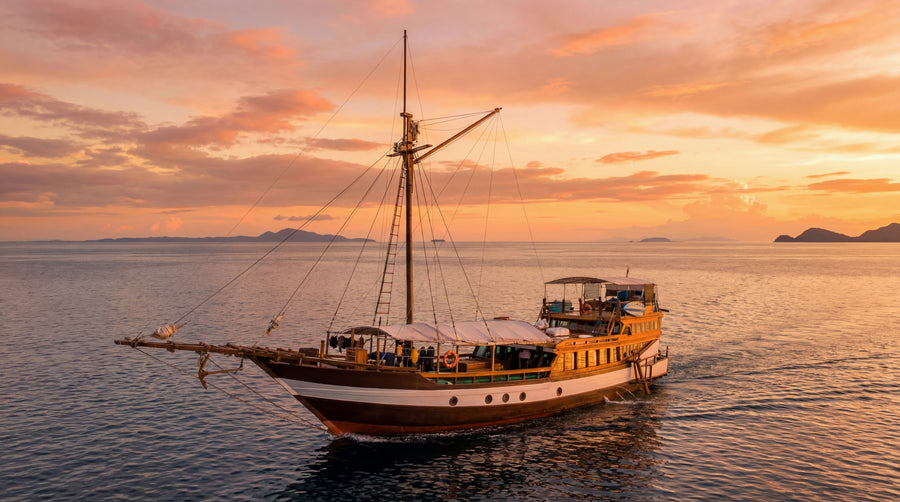
Wellenreng
Bandasee & Raja Ampat — Ambon nach Sorong — 10 Nächte
- Indicative duration
- 10 nights
- Einschiffung
- Ambon
- Ausschiffung
- Sorong
Wellenreng
Raja Ampat & Halmahera — Sorong nach Ternate — 10 Nächte
- Indicative duration
- 10 nights
- Einschiffung
- Sorong
- Ausschiffung
- Ternate
Wellenreng
Raja Ampat Central & Misool — Sorong nach Sorong — 10 Nächte
- Indicative duration
- 10 nights
- Einschiffung
- Sorong
- Ausschiffung
- Sorong
Wellenreng
Raja Ampat Central & Misool — Sorong nach Sorong — 9 Nächte
- Indicative duration
- 9 nights
- Einschiffung
- Sorong
- Ausschiffung
- Sorong
Wellenreng
Raja Ampat Central — Sorong nach Sorong — 8 Nächte
- Indicative duration
- 8 nights
- Einschiffung
- Sorong
- Ausschiffung
- Sorong
Wellenreng
Raja Ampat Central — Sorong nach Sorong — 9 Nächte
- Indicative duration
- 9 nights
- Einschiffung
- Sorong
- Ausschiffung
- Sorong
No routes match this search. Try another vessel or clear your search.
Wann sollte man in Raja Ampat tauchen?
Von Oktober bis April ist ein guter Zeitraum für viele Liveaboard-Routen und südliche Reiserouten. Einige Resortgebiete im Norden und in der Mitte sind über einen längeren Teil des Jahres geöffnet. Die Windexposition und die gewählte Inselgruppe sind wichtig, daher kann keine einzige Bezeichnung für eine Jahreszeit jede Raja-Ampat-Reise beschreiben.
Planungszeitraum: Am besten von Oktober bis April.
Was Sie beim Tauchen erwartet
Erfahrungen auf fortgeschrittenem Niveau werden empfohlen, da die Strömung stark und wechselhaft sein kann.
Außergewöhnliche Korallenvielfalt
Die Riffe von Raja Ampat vereinen eine außergewöhnliche Korallenvielfalt mit einer hohen Fischbiomasse. Rund um die Dampier-Straße können strömungsgeprägte Rücken, Felsnadeln und flache Korallengärten innerhalb eines einzigen Tages völlig unterschiedlich aussehen. Deshalb sollte die Auswahl der Tauchplätze der Gezeiten folgen und nicht einer festen Checkliste.
Manta-Reinigungsstationen
Reinigungsstationen wie Manta Sandy ermöglichen es Riffmantas, sich an Fischen zu orientieren, die sie reinigen, während Taucher an ausgewiesenen Beobachtungsplätzen warten. Das Erlebnis hängt vom Verhalten der Tiere ab. Verantwortungsbewusstes Tauchen bedeutet, sich niedrig zu halten, Abstand zu wahren und einen Manta niemals zu verfolgen oder seine Flucht zu versperren.
Fischschwärme
Die Strömung konzentriert Fusiliereien, Schnapper, Trevally und andere Fischschwärme um freiliegende Rücken und Felsnadeln. Tauchplätze wie Cape Kri und Blue Magic sind dann am besten, wenn die Guides den Tauchplan an die Richtung und Stärke der Strömung anpassen.
Wählen Sie Ihren Teil des Archipels
Ein Resort ermöglicht es Ihnen, eine Region intensiv kennenzulernen, Tauchplätze mehrmals zu besuchen und ein Hausriff zu genießen. Ein Liveaboard kann weiter entfernte Inselgruppen verbinden, wobei die Route bestimmt, ob Sie Zeit in der Dampier-Straße, im Norden oder auf Misool verbringen. Eine Kombination aus beidem eignet sich gut, wenn die Transfertage und der Fahrplan zusammenpassen.
DIVE SITE GUIDE
Dive sites in Raja Ampat
Explore the character of individual sites, from the setting and marine life to the diving conditions. Open a card for the full description; site access and the final profile depend on conditions and experience.
ORIENTATION MAP
Where the dive sites are
Use the map to understand how the key sites are spread around the destination. Pins are for trip-planning orientation only; entry points, moorings and the final dive plan are always confirmed by the local operator on the day.
Coordinates are planning references compiled from current dive-site sources. They are not navigation coordinates; entry points, moorings, tide windows and the final dive plan are always confirmed by the local operator on the day.
Slope · Current point · Reef
Cape Kri
Cape Kri is one of Raja Ampat’s defining current dives: a long reef point where moving water compresses an extraordinary amount of life into the same field of view.
Tauchplatz entdecken
- Typ
- Slope · Current point · Reef
- Tiefe
- 5–40 m
- Erfahrung
- Intermediate–Advanced
- Strömung
- Moderate–Strong
Cape Kri is one of Raja Ampat’s defining current dives: a long reef point where moving water compresses an extraordinary amount of life into the same field of view. Schools of fusiliers and snapper can stack above the reef while trevally, barracuda, tuna and reef sharks work the current line. The coral is not simply a backdrop — shallow hard-coral gardens, fans and reef fish keep the site visually rich even when the largest predators stay deeper.
The challenge is timing. Current can turn a spectacular fish-watching dive into a demanding drift, so guides choose the entry, route and turn point around tide rather than following one fixed track. Experienced divers who can stay streamlined and close to the reef get the most from it.
Look for: High fish biomass · Reef sharks possible · Current-fed point · Classic Dampier Strait
Ideal für: Fish biomass · Sharks · Schooling fish · Wide angle
Seamount · Current · Pelagic
Blue Magic
Blue Magic is a submerged seamount whose appeal begins before you reach the reef: the open-water descent itself can reveal schools of fish circling above the structure.
Tauchplatz entdecken
- Typ
- Seamount · Current · Pelagic
- Tiefe
- 7–30 m
- Erfahrung
- Advanced
- Strömung
- Moderate–Strong
Blue Magic is a submerged seamount whose appeal begins before you reach the reef: the open-water descent itself can reveal schools of fish circling above the structure. Once on the site, jacks, barracuda and fusiliers dominate the water column, reef sharks patrol the edges and mantas can visit when conditions are right.
Because the top of the seamount remains below the surface, there is little shelter if the current is running hard; the guide may use a negative entry and ask the group to descend promptly to the reef. It is one of Raja Ampat’s best sites for divers who enjoy scanning the blue as much as the coral and are comfortable managing buoyancy in moving water.
Look for: Submerged seamount · Manta potential · Schooling jacks · Advanced current diving
Ideal für: Mantas · Schooling fish · Sharks · Blue-water action
Cleaning station · Sandy reef
Manta Sandy
Manta Sandy is designed around patience rather than distance.
Tauchplatz entdecken
- Typ
- Cleaning station · Sandy reef
- Tiefe
- 5–15 m
- Erfahrung
- Beginner–Intermediate
- Strömung
- Mild–Moderate
Manta Sandy is designed around patience rather than distance. Divers settle at the designated observation area and watch a series of coral bommies used as cleaning stations, where reef mantas may circle, hover and return repeatedly when plankton and cleaning activity line up.
The shallow depth gives long bottom times, but good behavior matters more than air consumption: staying low, avoiding the cleaning station itself and giving the animals room increases the chance that they continue their natural pattern. Mantas are wild and never guaranteed, so the site should still be appreciated as a shallow Raja Ampat reef even on a quiet day. When the mantas arrive, it becomes one of the region’s most memorable wide-angle dives.
Look for: Manta cleaning station · Shallow profile · Long observation time · Strict wildlife etiquette
Ideal für: Reef mantas · Shallow observation · Photography
Coral garden · Shallow reef
Melissa’s Garden
Melissa’s Garden is the site that makes the phrase 'coral garden' feel inadequate.
Tauchplatz entdecken
- Typ
- Coral garden · Shallow reef
- Tiefe
- 3–20 m
- Erfahrung
- Beginner–Intermediate
- Strömung
- Mild–Moderate
Melissa’s Garden is the site that makes the phrase 'coral garden' feel inadequate. Around the Fam/Penemu area, broad shallow reef platforms are packed with branching and table corals, creating a mosaic of habitat that is often best appreciated by slowing down rather than swimming far.
Small reef fish occupy every layer above the coral, while the edges can bring larger schools and occasional predators. The relatively shallow profile is ideal for photographers because much of the color remains strong in natural light and there is time to compose without rushing. Current can still move across the reef, so the guide chooses the route carefully to protect both divers and fragile coral from unnecessary contact.
Look for: Dense hard coral · Shallow wide-angle · Reef-fish diversity · Fam Islands classic
Ideal für: Hard coral · Wide angle · Reef diversity · Long shallow dives
Seamount · Current · Schooling fish
Sardine Reef
Sardine Reef is named for the density of fish rather than for a guaranteed school of sardines.
Tauchplatz entdecken
- Typ
- Seamount · Current · Schooling fish
- Tiefe
- 5–30 m
- Erfahrung
- Advanced
- Strömung
- Strong possible
Sardine Reef is named for the density of fish rather than for a guaranteed school of sardines. The submerged reef sits in the Dampier Strait current, and when the tide is right the top and current-facing edge fill with fusiliers, snapper, surgeonfish and larger predators moving through the traffic.
Grey reef sharks, trevally and barracuda may appear around the perimeter while the coral itself remains busy with smaller reef life. There is very little reason to fight the water: the best dive follows the guide’s chosen shelter, uses the reef contour and lets the current bring the action past. Because water movement can be strong, it is better suited to divers already comfortable with negative entries and close group control.
Look for: Fish aggregation · Strong-current potential · Reef sharks possible · Dampier Strait
Ideal für: Schooling fish · Sharks · Fast reef action
Rock island · Wall · Current
Mike’s Point
Mike’s Point circles a steep limestone islet whose underwater profile combines wall, slope, overhangs and current-swept corners.
Tauchplatz entdecken
- Typ
- Rock island · Wall · Current
- Tiefe
- 5–30 m
- Erfahrung
- Intermediate–Advanced
- Strömung
- Moderate–Strong
Mike’s Point circles a steep limestone islet whose underwater profile combines wall, slope, overhangs and current-swept corners. The site can feel intimate against the rock, with fans, soft coral and reef fish close to the wall, then suddenly open into blue water where jacks, snapper or barracuda move past.
Its exposed position means one side can be noticeably more energetic than the other, so the route is chosen according to tide rather than by habit. The varied structure makes it a strong photographic dive, but it is also a useful lesson in Raja Ampat current management: stay with the guide, work the protected side when necessary and avoid drifting away from the island into the channel.
Look for: Limestone-island wall · Overhangs · Schooling fish · Current-dependent route
Ideal für: Walls · Schooling fish · Overhangs · Wide angle
Jetty · Reef · Macro + wide angle
Sauwandarek Jetty
Sauwandarek shows a different side of Raja Ampat from the current-heavy seamounts.
Tauchplatz entdecken
- Typ
- Jetty · Reef · Macro + wide angle
- Tiefe
- 3–28 m
- Erfahrung
- Beginner–Intermediate
- Strömung
- Usually mild
Sauwandarek shows a different side of Raja Ampat from the current-heavy seamounts. The village jetty creates shade and structure above a reef where schools of sweetlips and snapper, giant clams, soft coral and smaller macro subjects can all appear within one dive.
Photographers can work the pilings and fish aggregations with a wide lens, then slow down along the slope for nudibranchs, crustaceans and other small reef life. The shallows make the final part of the dive especially productive, and the site can work well for mixed-experience groups when conditions are calm. As with any village jetty, boat traffic and local activity are part of the environment, so surfacing procedures follow the guide’s briefing closely.
Look for: Village jetty · Schooling sweetlips · Giant clams · Macro + wide angle
Ideal für: Jetty photography · Sweetlips · Macro · Village reef
Reef slope · Coral bommies
Mioskon
Mioskon is a rounded reef island that often provides a calmer, more forgiving counterpoint to the Dampier Strait’s high-energy sites.
Tauchplatz entdecken
- Typ
- Reef slope · Coral bommies
- Tiefe
- 3–25 m
- Erfahrung
- Beginner–Intermediate
- Strömung
- Mild–Moderate
Mioskon is a rounded reef island that often provides a calmer, more forgiving counterpoint to the Dampier Strait’s high-energy sites. Divers follow coral bommies and sloping reef while batfish, fusiliers, snapper and other schooling fish move above the structure.
The reef supports plenty of smaller subjects as well, so there is no need to spend the entire dive staring into the blue. Because the depth range is flexible, groups can keep a comfortable recreational profile and finish in productive shallows rather than making a deep square dive. Current can still build around the island, but on a suitable tide Mioskon works well as a first Raja Ampat dive or as a relaxed photographic session after more demanding sites.
Look for: Flexible depth · Coral bommies · Schooling fish · Mixed-experience friendly
Ideal für: Coral reef · Schooling fish · Easy photography
Unterwasserfotografie
Weitwinkelaufnahmen können Riffbewuchs, dichtes Fischleben und einen Taucher in einem Bild vereinen. Die Wasserbewegung bestimmt oft die Bildkomposition, daher sollten Sie das Foto von einer Position aus machen, die Sie bequem einnehmen können. Makroaufnahmen lohnen sich bei geschützten Tauchgängen bei genauem Hinsehen; die belebteste Riffszene ist nicht immer das zufriedenstellendste Foto.
Abseits des Tauchens: Raja Ampat über der Wasseroberfläche
Die Inseln sind ein wichtiger Teil der Attraktivität von Raja Ampat. Kajakfahren neben Kalksteinformationen, Schnorcheln an flachen Riffen und der Besuch von Küstendörfern verleihen einem Tag über dem Wasser einen ganz eigenen Reiz. Aussichtspunkte und Vogelbeobachtungen bieten weitere Möglichkeiten, wenn Ihr Standort gut gewählt ist.
Die Entfernung ist der Schlüssel zur Planung. Ein berühmter Aussichtspunkt in einer Inselgruppe ist nicht automatisch von einem Resort in einer anderen Inselgruppe aus in kurzer Zeit erreichbar. Wählen Sie die Landschaftserlebnisse, die zu Ihrer Region passen, oder nutzen Sie eine Liveaboard-Route, die sie tatsächlich umfasst.
Anreise nach Raja Ampat
Sorong ist der wichtigste Flughafen für die Anreise. Von dort aus kann die Weiterreise mit einer Verbindung mit dem Flugplan, einem Resorttransfer oder dem Einsteigen auf ein Liveaboard erfolgen. Passen Sie Ihren Flugplan an den jeweiligen Transfer oder die Kreuzfahrt an, denn die verschiedenen Teile von Raja Ampat sind durch große Entfernungen voneinander getrennt.
Ein Zwischenstopp über Nacht am Ankunftsort kann eine lange internationale Reise weniger gehetzt machen. Bei einer kombinierten Reise mit Resort und Kreuzfahrt sollten Sie die Transferpunkte abstimmen, bevor Sie die Reihenfolge der Aufenthalte festlegen; zwei Orte, die als Raja Ampat bezeichnet werden, können weit voneinander entfernt sein.
Fragen zum Tauchen in Raja Ampat
Was macht Raja Ampat zu einem Tauchreiseziel?
Raja Ampat ist ein Archipel, den man erkundet, und kein einzelnes Riff, das man abarbeitet. Fischreiche Punkte, Manta-Reinigungsgebiete und mehrschichtige Korallengärten liegen unter bewaldeten Kalksteininseln. Ein Resort, ein Liveaboard oder eine Kombination kann jeweils einen anderen Teil davon offenbaren.
Sollte ich ein Resort oder ein Liveaboard wählen?
Ein Resort ermöglicht es Ihnen, eine Region intensiv kennenzulernen, Tauchplätze mehrmals zu besuchen und ein Hausriff zu genießen. Ein Liveaboard kann weiter entfernte Inselgruppen verbinden, wobei die Route bestimmt, ob Sie Zeit in der Dampier-Straße, im Norden oder auf Misool verbringen. Eine Kombination aus beidem eignet sich gut, wenn die Transfertage und der Fahrplan zusammenpassen.
Wann ist eine gute Reisezeit?
Von Oktober bis April ist ein guter Zeitraum für viele Liveaboard-Routen und südliche Reiserouten. Einige Resortgebiete im Norden und in der Mitte sind über einen längeren Teil des Jahres geöffnet. Die Windexposition und die gewählte Inselgruppe sind wichtig, daher kann keine einzige Bezeichnung für eine Jahreszeit jede Raja-Ampat-Reise beschreiben.
Gibt es auch für Nicht-Taucher genug zu erleben?
Die Inseln sind ein wichtiger Teil der Attraktivität von Raja Ampat. Kajakfahren neben Kalksteinformationen, Schnorcheln an flachen Riffen und der Besuch von Küstendörfern verleihen einem Tag über dem Wasser einen ganz eigenen Reiz. Aussichtspunkte und Vogelbeobachtungen bieten weitere Möglichkeiten, wenn Ihr Standort gut gewählt ist.
A closer look at Raja Ampat


Planen Sie Ihre Raja-Ampat-Reise
Teilen Sie uns mit, welche Erlebnisse Sie am meisten wünschen, welche Termine Sie bevorzugen und wie Sie reisen möchten. Wir können das Reiseziel, die Unterkunft und das Tauchen in einer stimmigen Reiseroute zusammenführen.
Meine Reise planen