

Destination guide · Indonesia
Tauchen in der Lembeh-Straße
Lembeh asks you to look twice. What first appears to be an empty patch of volcanic sand can reveal a camouflaged octopus, a minute shrimp or a frogfish holding perfectly still. The reward comes from attention, patience and time.
Destination media courtesy of Eco Divers Lembeh / White Sands Beach Resort Lembeh
Die Lembeh-Straße im Überblick
Die Lembeh-Straße ist weltweit das bekannteste Spezialziel für Muck-Diving und seltene Meeresbewohner. Schwarzer Vulkansand, Trümmerhänge und ungewöhnliche Mikrohabitate bieten Lebensraum für Frösche, Oktopusse, Sepias, Seepferde, Nacktschnecken und viele weitere Motive, die von Unterwasserfotografen geschätzt werden.
Die Landschaft ist ungewöhnlich, und genau das ist der Reiz: Lembeh belohnt Geduld, Neugier und eine hervorragende Beobachtungsgabe. Erfahrene Guides, langsame Tauchprofile und hervorragende Kameraausrüstung machen die Gegend ideal für gezielte Makro-Trips, während nahegelegene Naturausflüge in Nord-Sulawesi längeren Aufenthalten zusätzliche Abwechslung bieten.
Planen Sie Ihren Aufenthalt an der Lembeh-Straße
Wählen Sie ein spezialisiertes Makro-Resort wegen seines Guide-Ansatzes, der Gruppengrößen und der praktischen Kameraausrüstung. Ein Hausriff oder einfacher Zugang zu Nachttauchgängen ist wertvoll, wenn Sie gerne zu einem Motiv zurückkehren möchten. Für einen ersten gezielten Besuch empfehlen wir sechs oder sieben Nächte, wobei Bunaken oder Bangka ein anderes Riff-Erlebnis bieten.

Bastianos Froggies Lembeh Dive Resort
Resort mit Vollpension auf der ruhigen Insel Lembeh mit Pool, eigenem Kameraraum, erfahrenen Guides zum Aufspüren kleiner Meeresbewohner und direktem Zugang zu erstklassigem Makro- und Muck-Diving.

Dive Into Lembeh
Spezialisiertes Tauchresort in Lembeh mit vier Zimmerkategorien, bis zu drei geführten Tauchgängen pro Tag, kleinen Tauchgruppen und einem großen eigenen Kameraraum.

Eco Divers Lembeh / White Sands Beach Resort
Ebenerdig angelegtes Strandresort in Lembeh mit zwölf Cottages direkt am Meer, Tauchpaketen mit Vollpension, einem maximalen Taucher-Guide-Verhältnis von 3:1 und einem eigenen Kameraraum.

Black Sand Dive Retreat
Familiäres Refugium mit sieben Bungalows in Lembeh, kleinen Schnellbooten, optionalen Privatguides, artenreichem Hausriff und speziellen Einrichtungen für Unterwasserkameras.

Solitude Lembeh Resort
Auf Fotografen ausgerichtetes Tauchresort an der Lembeh Strait mit Gartenvillen, Villen direkt am Meer, Deluxe-Zimmern und einem eigenen Kameraraum.

Lembeh Resort
Luxuriöses Boutique-Resort in Lembeh mit eigenem Photo Center und Kameraraum, Vollpension, geführten Tauchgängen zur Beobachtung kleiner Meeresbewohner, Blackwater-Angeboten und einem kostenlosen Tauchangebot am Hausriff a...

Thalassa Dive Resort Lembeh
Insel-Tauchresort mit Meerblick in der Lembeh Strait mit eigenem Tauchzentrum, Kameraraum, Pool und schnellem Zugang zu erstklassigen Makro- und Muck-Tauchplätzen.

Two Fish Divers Lembeh
Tauchresort am Strand von Lembeh Island mit Schwerpunkt Muck- und Makrotauchen, kleinen geführten Gruppen, Vollpension und schnellem Zugang zu den Tauchplätzen für kleine Meeresbewohner in der Meerenge.
Liveaboard routes for this destination
Explore the routes that visit this region. Compare ships and itineraries, then open a route to see its sailing dates, cabins and the areas it covers.
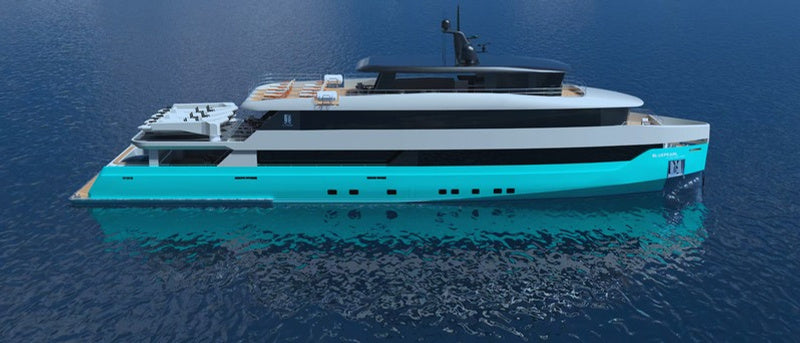
M/Y Blue Pearl
Raja Ampat & Lembeh — 9 Nächte
- Indicative duration
- 9 nights
- Einschiffung
- Sorong / Lembeh
- Ausschiffung
- Lembeh / Sorong
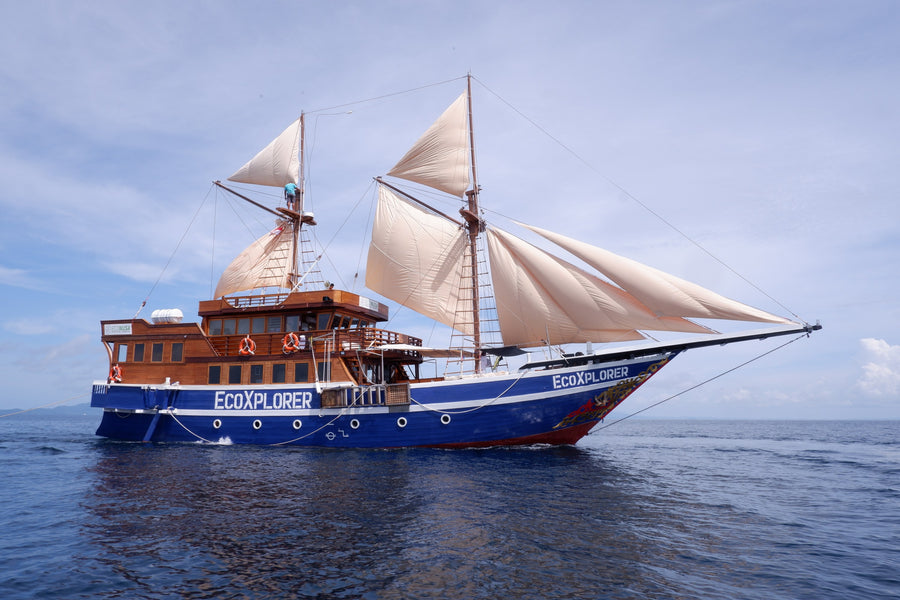
EcoXplorer
Halmahera Expedition: Ternate – Tulehu — 8 Nächte
- Indicative duration
- 8 nights
- Einschiffung
- Ternate
- Ausschiffung
- Tulehu
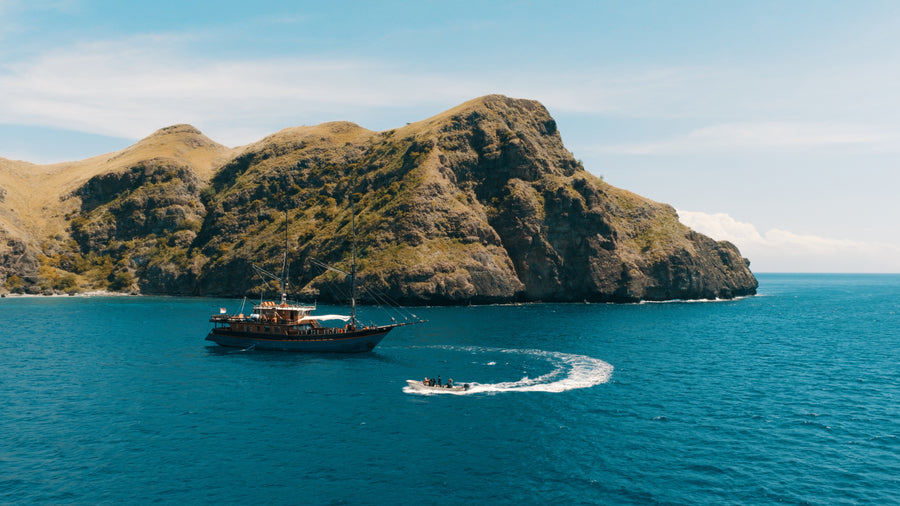
Iliké
Nord Sulawesi & Halmahera — Bitung nach Babang — 8 Nächte
- Indicative duration
- 8 nights
- Einschiffung
- Bitung
- Ausschiffung
- Babang
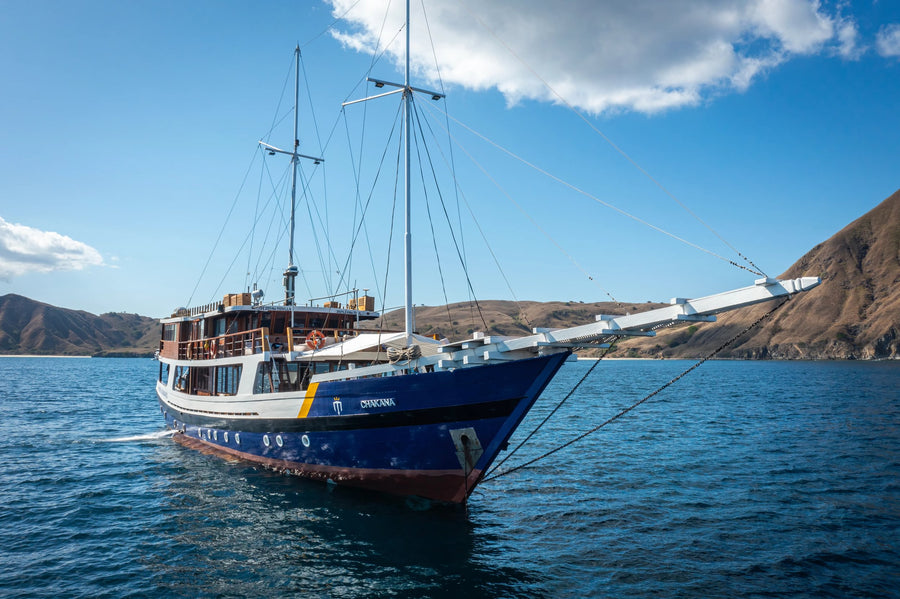
Indo Master
Lembeh & Halmahera — 10 Nächte
- Indicative duration
- 10 nights
- Einschiffung
- Bitung, North Sulawesi
- Ausschiffung
- Bitung, North Sulawesi
Indo Master
Lembeh & Sangihe Archipelago — 10 Nächte
- Indicative duration
- 10 nights
- Einschiffung
- Lembeh / Bitung
- Ausschiffung
- Lembeh / Bitung
Indo Master
Misool, Halmahera & Lembeh — 12 Nächte
- Indicative duration
- 12 nights
- Einschiffung
- Sorong
- Ausschiffung
- Lembeh / Bitung
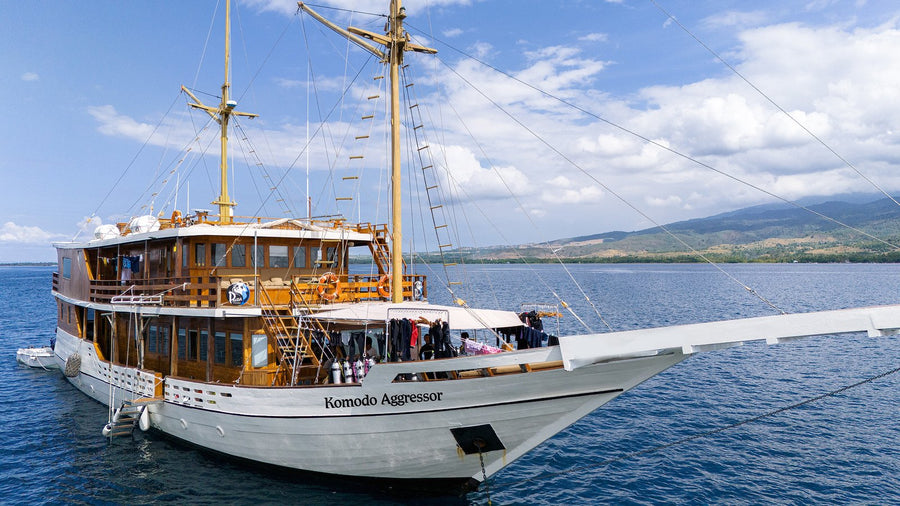
Komodo Aggressor
Sulawesi Nord nach Süd (11 nights)
- Indicative duration
- 11 nights
- Einschiffung
- Lembeh
- Ausschiffung
- Kendari
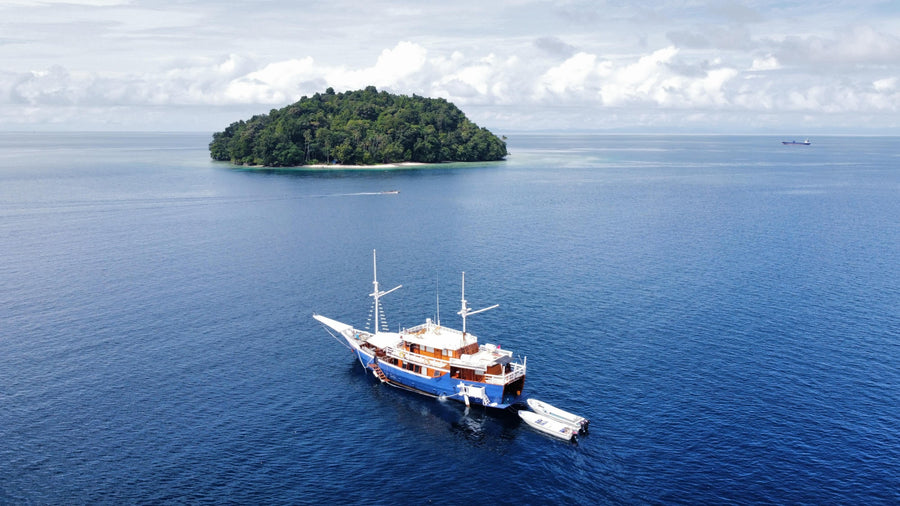
Kurabesi Nusantara
Halmahera: Ternate – Tulehu — 7 Nächte
- Indicative duration
- 7 nights
- Einschiffung
- Ternate
- Ausschiffung
- Tulehu
Kurabesi Nusantara
Halmahera: Tulehu – Ternate — 8 Nächte
- Indicative duration
- 8 nights
- Einschiffung
- Tulehu
- Ausschiffung
- Ternate
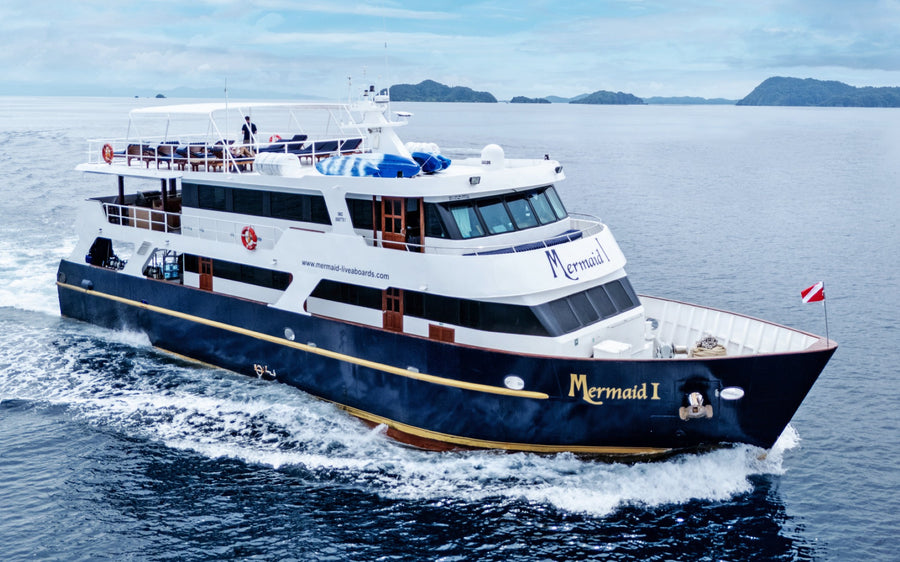
Mermaid I
Lembeh, Togean Islands & Walhaie
- Indicative duration
- 11 nights
- Einschiffung
- Bitung / Lembeh, North Sulawesi
- Ausschiffung
- Bitung / Lembeh, North Sulawesi
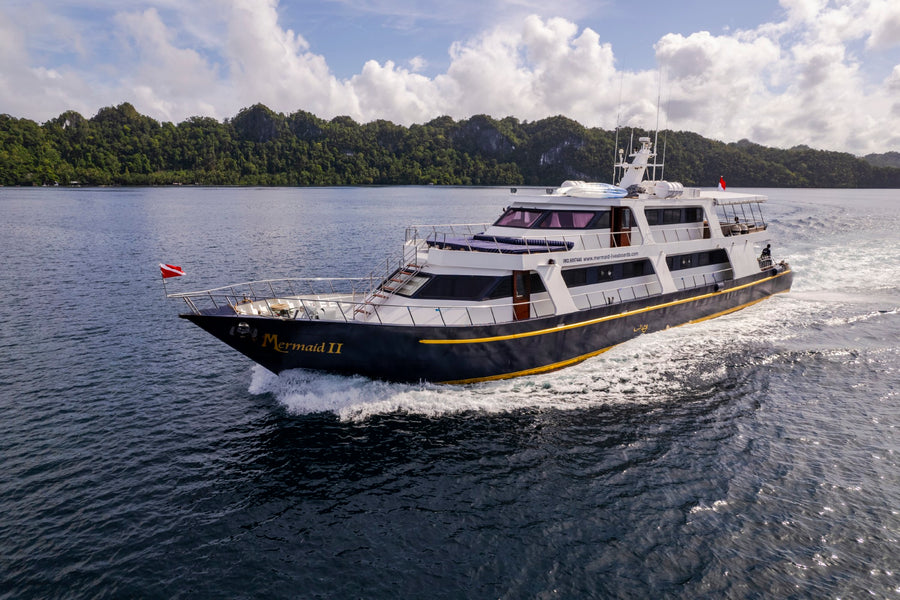
Mermaid II
Lembeh & Togean Islands
- Indicative duration
- 11 nights
- Einschiffung
- Bitung / Lembeh, North Sulawesi
- Ausschiffung
- Bitung / Lembeh, North Sulawesi
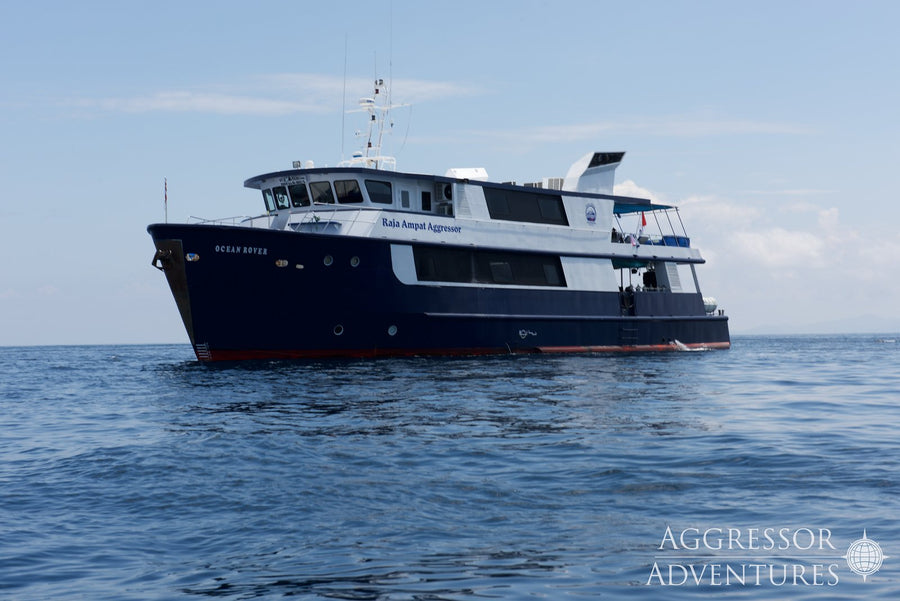
Raja Ampat Aggressor
Derawan/Nord Sulawesi/Lembeh (12 nights)
- Indicative duration
- 12 nights
- Einschiffung
- Tanjung Batu
- Ausschiffung
- Bitung
Raja Ampat Aggressor
Lembeh/Nord Sulawesi/Derawan (12 nights)
- Indicative duration
- 12 nights
- Einschiffung
- Bitung
- Ausschiffung
- Berau
Raja Ampat Aggressor
Raja Ampat (12 Nächte)
- Indicative duration
- 12 nights
- Einschiffung
- Sorong
- Ausschiffung
- Bitung
Raja Ampat Aggressor
Raja Ampat (12 Nächte)
- Indicative duration
- 12 nights
- Einschiffung
- Bitung
- Ausschiffung
- Sorong
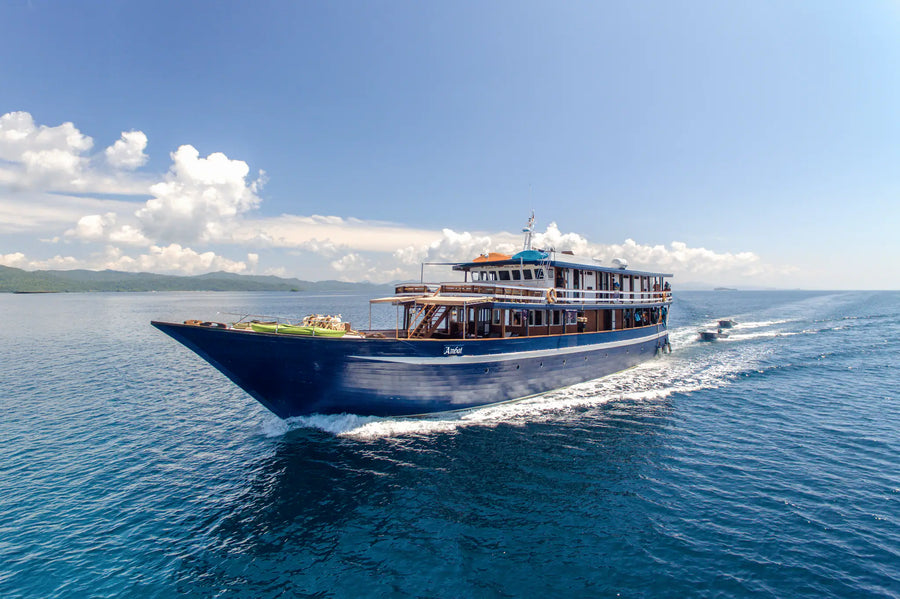
MV Ambai
Nord Sulawesi & Togean Islands
- Indicative duration
- 11 nights
- Einschiffung
- Bitung / Manado
- Ausschiffung
- Central Sulawesi — confirm
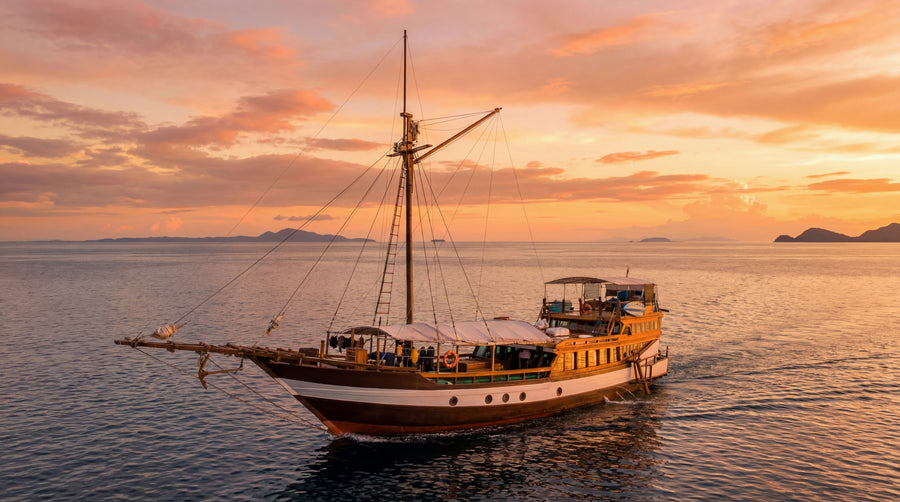
Wellenreng
Halmahera & Lembeh — Ternate nach Bitung — 10 Nächte
- Indicative duration
- 10 nights
- Einschiffung
- Ternate
- Ausschiffung
- Bitung
Wellenreng
Nord Sulawesi & Togian — Bitung nach Luwuk — 10 Nächte
- Indicative duration
- 10 nights
- Einschiffung
- Bitung
- Ausschiffung
- Luwuk
No routes match this search. Try another vessel or clear your search.
Wann sollte man an der Lembeh-Straße tauchen?
Makro-Diving ist das ganze Jahr über möglich. Die kleinen Habitate der Straße verändern sich im Laufe der Zeit, daher ist eine aktuelle Artenliste keine Garantie für Ihre Reise. Kälteres Wasser und lange, langsame Tauchgänge können auch dazu führen, dass der thermische Komfort wichtiger ist, als es die tropische Umgebung vermuten lässt.
Planungszeitraum: Makro-Diving das ganze Jahr über.
Wie das Tauchen dort ist
Wählen Sie die Inseln und Tauchplätze entsprechend der Erfahrung der Gruppe.
Hauptziel für Muck-Diving weltweit
Lembeh ist berühmt für schwarzen Vulkansand, Trümmer, versteckte Mikrohabitate und langsames, auf Meeresbewohner fokussiertes Tauchen.
Frösche, Mimik-Oktopus & Flamboyant-Sepia
Lembeh ist bekannt für außergewöhnliche Meeresbewohner wie Frösche, Mimik-Oktopus, Flamboyant-Sepias und andere seltsame Meeresbewohner.
Potenzial für Blau-Ring-Oktopus
Blau-Ring-Oktopus und andere seltene Motive sind je nach Tauchplatz, Jahreszeit, Bedingungen und erfahrenen lokalen Guides möglich.
Nachttauchgänge & Blackwater-Optionen
Nachttauchgänge und Blackwater-Optionen können für erfahrene Makrofotografen und neugierige Taucher eine tiefere Spezialisierung bieten.
Professionelle Guides für die Suche nach Meeresbewohnern
Gute lokale Guides sind für das Lembeh-Erlebnis von zentraler Bedeutung, da viele Motive winzig, getarnt und leicht zu übersehen sind.
Makrofotografie in Weltklasse
Für ernsthafte Unterwasserfotografen werden Makro, Super-Makro, Snoot, Fokuslicht und Ersatzakkus dringend empfohlen.
Langsameres Spezialtauchen
Bei Lembeh geht es nicht darum, schnell zu schwimmen. Es geht darum, langsamer zu werden, sorgfältig zu suchen und jedem Motiv Zeit zu geben.
Erweiterungen in Nord-Sulawesi
Lembeh lässt sich gut mit Bunaken, Bangka, Manado, dem Tangkoko-Naturreservat und den Minahasa-Hochlandregionen kombinieren.
DIVE SITE GUIDE
Dive sites in Lembeh Strait
Explore the character of individual sites, from the setting and marine life to the diving conditions. Open a card for the full description; site access and the final profile depend on conditions and experience.
ORIENTATION MAP
Where the dive sites are
Use the map to understand how the key sites are spread around the destination. Pins are for trip-planning orientation only; entry points, moorings and the final dive plan are always confirmed by the local operator on the day.
Coordinates are planning references compiled from current dive-site sources. They are not navigation coordinates; entry points, moorings, tide windows and the final dive plan are always confirmed by the local operator on the day.
Muck · Black sand · Macro
Hairball
Hairball is the dive that best explains why divers travel across the world to stare at what initially looks like an empty slope of black sand.
Tauchplatz entdecken
- Typ
- Muck · Black sand · Macro
- Tiefe
- 5–28 m
- Erfahrung
- Beginner–Intermediate
- Strömung
- Usually mild
Hairball is the dive that best explains why divers travel across the world to stare at what initially looks like an empty slope of black sand. The route is deliberately slow: guides inspect algae clumps, isolated rocks, rubble and half-buried debris for animals that disappear into the bottom.
Hairy and other frogfish, seahorses, snake eels, octopus, nudibranchs and small crustaceans are the attraction, while the open substrate gives photographers clean backgrounds and time to work a subject. There is little topography to follow, so the quality of the dive comes from the guide’s eyes and the diver’s buoyancy. It is also a strong night-dive option, when the same slope can produce a completely different cast of animals.
Look for: Iconic black-sand muck · Frogfish · Cephalopods · Excellent night dive
Ideal für: Frogfish · Seahorses · Octopus · Macro photography
Muck · Mini wall · Macro
Nudi Falls
Nudi Falls mixes two Lembeh personalities in one dive.
Tauchplatz entdecken
- Typ
- Muck · Mini wall · Macro
- Tiefe
- 5–25 m
- Erfahrung
- Intermediate
- Strömung
- Mild
Nudi Falls mixes two Lembeh personalities in one dive. A short mini-wall and sea fans provide structure for pygmy seahorses, nudibranchs and reef-associated critters, while the rubble and sand below return the dive to classic muck hunting.
The contrast makes the site especially useful for photographers who want more than an open sand slope: one part of the dive can be spent searching gorgonians and sponge-covered wall, the next looking for frogfish, mantis shrimp, gurnards and unusual nudibranchs near the bottom. The bay is generally protected and current is usually manageable, but depth can creep up when photographers follow the wall downward, so a clear depth plan helps keep the dive relaxed.
Look for: Mini wall · Pygmy seahorses · Nudibranch diversity · Mixed habitat
Ideal für: Pygmy seahorses · Nudibranchs · Frogfish · Macro photography
Reef bowl · Sand slope · Macro
Nudi Retreat
Nudi Retreat is one of the Lembeh sites where the scenery matters almost as much as the critters.
Tauchplatz entdecken
- Typ
- Reef bowl · Sand slope · Macro
- Tiefe
- 2–28 m
- Erfahrung
- Intermediate
- Strömung
- Mild
Nudi Retreat is one of the Lembeh sites where the scenery matters almost as much as the critters. A shallow coral bowl leads into a sand slope framed by small walls, soft coral and encrusted boulders, so the dive feels more three-dimensional than the strait’s pure muck sites.
Nudibranchs are the namesake attraction, but the real strength is variety: photographers can search coral heads and fans for small reef life, then move onto the sand for classic Lembeh subjects. Because useful habitat extends from the very shallows toward the high twenties, the site works well as a multilevel dive with a long, productive safety-stop zone rather than a simple deep out-and-back profile.
Look for: Shallow coral bowl · Soft-coral mini walls · Nudibranchs · Multilevel profile
Ideal für: Nudibranchs · Soft coral · Macro + reef photography
Muck · Sand & rubble · Twilight
Teluk Kambahu (TK)
Teluk Kambahu — usually shortened to TK — is a village-bay muck site where dark sand and rubble hold an unusually broad critter list.
Tauchplatz entdecken
- Typ
- Muck · Sand & rubble · Twilight
- Tiefe
- 5–25 m
- Erfahrung
- Beginner–Intermediate
- Strömung
- Mild
Teluk Kambahu — usually shortened to TK — is a village-bay muck site where dark sand and rubble hold an unusually broad critter list. Mandarinfish and Banggai cardinalfish add color to a dive that can otherwise be dominated by earth-toned camouflage, while leaf scorpionfish, frogfish, pipefish and nudibranchs reward a methodical search.
The site is especially interesting late in the day, when mandarinfish behavior can become the focus and divers slow down around the habitat rather than covering distance. Depth is moderate and current is usually mild, but the fine bottom makes buoyancy and careful finning essential if several photographers are trying to work the same small area.
Look for: Mandarinfish · Banggai cardinalfish · Frogfish · Good dusk dive
Ideal für: Mandarinfish · Cardinalfish · Frogfish · Dusk diving
Muck · Rubble · Macro
Critter Hunt
Critter Hunt is exactly what the name suggests: a slow search over mixed sand, rubble and scattered habitat where the guide’s ability to recognize tiny shapes matters more than dramatic scenery.
Tauchplatz entdecken
- Typ
- Muck · Rubble · Macro
- Tiefe
- 5–25 m
- Erfahrung
- Beginner–Intermediate
- Strömung
- Mild
Critter Hunt is exactly what the name suggests: a slow search over mixed sand, rubble and scattered habitat where the guide’s ability to recognize tiny shapes matters more than dramatic scenery. The value of the site is that there is no single headline animal.
Frogfish, pipefish, nudibranchs, shrimp, crabs, small cephalopods and juvenile fish can all become the subject of the dive, and the list changes with season and recent sightings. For photographers, that unpredictability is part of the appeal — a dive can spend twenty minutes on one unusual animal and then turn into a succession of smaller discoveries in the shallows. It is best approached with patience, neutral buoyancy and no expectation of a fixed route.
Look for: Classic critter hunting · Mixed rubble habitat · Macro photography · Variable sightings
Ideal für: Rare critters · Slow macro dives · Underwater photography
Pinnacle · Swim-through · Reef
Angel’s Window
Angel’s Window is the dive to choose when a week of sand slopes needs a dramatic change of scenery.
Tauchplatz entdecken
- Typ
- Pinnacle · Swim-through · Reef
- Tiefe
- 10–30 m
- Erfahrung
- Advanced
- Strömung
- Mild–Moderate
Angel’s Window is the dive to choose when a week of sand slopes needs a dramatic change of scenery. The site centers on a submerged pinnacle with a well-known swim-through in the low-to-mid twenties, its walls decorated with crinoids, soft coral and reef life.
Small subjects are still present — this is Lembeh, after all — but the structure invites a wider lens and a more spatial dive than the muck sites. The deeper section, overhead feature and occasional water movement make it better suited to experienced divers who are comfortable controlling depth and position around rock. Divers who prefer not to enter the swim-through can still enjoy the exterior of the pinnacle without treating the overhead section as mandatory.
Look for: Pinnacle · Swim-through · Crinoid-covered structure · Wide-angle contrast
Ideal für: Pinnacle scenery · Crinoids · Wide angle · Advanced profiles
Muck · Pier · Night
Police Pier
Police Pier is at its most distinctive after dark.
Tauchplatz entdecken
- Typ
- Muck · Pier · Night
- Tiefe
- 3–15 m
- Erfahrung
- Intermediate
- Strömung
- Mild
Police Pier is at its most distinctive after dark. Under and around the pier area, grey silt, rubble, sponge patches and shallow rock create habitat for stargazers, snake eels, frogfish, cuttlefish, octopus and a long list of nocturnal invertebrates.
Banggai cardinalfish can gather in the shallower rocky sections, adding a very different photographic subject to the animals emerging from the bottom. The depth is not demanding, but the dive still rewards intermediate-level control because darkness, fine sediment and structure can make poor buoyancy immediately obvious. The published map position should be treated only as an area reference; local operators know the practical entry and mooring for the day.
Look for: Night-dive favorite · Stargazers · Cephalopods · Banggai cardinalfish
Ideal für: Night diving · Cephalopods · Stargazers · Banggai cardinalfish
Wreck · Reef growth · Macro
Mawali Wreck
Mawali Wreck is a rare break from Lembeh’s sand-and-critters identity: a roughly 60-metre wartime cargo ship lying on its side and now heavily reclaimed by marine life.
Tauchplatz entdecken
- Typ
- Wreck · Reef growth · Macro
- Tiefe
- 15–30 m
- Erfahrung
- Advanced
- Strömung
- Usually mild
Mawali Wreck is a rare break from Lembeh’s sand-and-critters identity: a roughly 60-metre wartime cargo ship lying on its side and now heavily reclaimed by marine life. The wreck begins around the mid-teens and descends toward 30 metres, so the usual profile is deepest first along the lower hull before moving shallower over crinoids, black coral, soft coral and fish sheltering around the structure.
It is rewarding both as a wreck and as habitat, which means divers do not need penetration to have a complete dive. Any overhead entry should be left to appropriately trained wreck divers following the operator’s procedures; recreational visitors can stay outside and still see the shape and growth of the ship.
Look for: WWII cargo wreck · 15–30 m profile · Crinoids & black coral · No penetration required
Ideal für: Wreck photography · Crinoids · Coral growth · Advanced diving
Unterwasserfotografie
Bei Hairball geben Frösche, Seepferde, Oktopusse und Makrofotografie einen Eindruck von den fotografischen Möglichkeiten. Wählen Sie die Kameraausrüstung für die geplanten Tauchplätze und nehmen Sie sich dann Zeit, die Szene zu beobachten, bevor Sie das Bild aufnehmen. Die Wiederholung eines erfolgreichen Tauchgangs bietet oft bessere Möglichkeiten als die ständige Suche nach einem anderen Ort. Nutzen Sie bei Riffszenen die Form des Riffs und das verfügbare Licht, um dem Bild Tiefe zu verleihen. Ein Taucher in respektvollem Abstand kann einen Größenvergleich bieten, ohne das Tier einzuschüchtern.
Abseits des Tauchens: Lembeh-Straße oberhalb der Wasseroberfläche
Nord-Sulawesi ergänzt eine Lembeh-Reise um ein reiches Landkapitel. Tangkoko bietet geführte Beobachtungen von Waldtieren, während die Minahasa-Hochlandregion vulkanische Landschaften, Seen, Märkte und ein anderes Klima als an der Küste bietet.
Diese Ausflüge eignen sich am besten als Erweiterung oder als ganzer Landtag, da sie Transfers auf das Festland beinhalten. Innerhalb der Straße wird das Resort zwischen den Tauchgängen zum Mittelpunkt des Lebens: Gärten, Restaurants, Spa-Einrichtungen und ein komfortabler Ort zur Bildbesprechung können genauso wichtig sein wie der Zugang zum Strand.
Anreise zur Lembeh-Straße
Die meisten internationalen Gäste erreichen Lembeh mit dem Flug über Singapur, Jakarta oder Bali nach Manado. Von Manado aus setzen die Gäste je nach gewähltem Resort und endgültigem Reiseplan den Weg mit dem Auto und/oder per Bootstransfer zur Lembeh-Straße fort.
Planen Sie die Ankunfts- und Abfahrtszeiten entsprechend dem Weitertransfer, insbesondere wenn eine Bootsüberfahrt oder eine lange Autofahrt ansteht. Planen Sie einen entspannten letzten Tag an Land und einen angemessenen Zeitabstand zwischen dem letzten Tauchgang und dem Flug ein.
Fragen zum Tauchen an der Lembeh-Straße
Was macht die Lembeh-Straße zu einem Tauchziel wert?
Lembeh verlangt, zweimal hinzusehen. Was zunächst wie ein leerer Fleck schwarzen Vulkansandes aussieht, kann einen getarnten Oktopus, eine winzige Garnele oder einen vollkommen stillen Fröschchen offenbaren. Die Belohnung kommt durch Aufmerksamkeit, Geduld und Zeit.
Wie sollte ich meinen Aufenthalt planen?
Wählen Sie ein spezialisiertes Makro-Resort wegen seines Guide-Ansatzes, der Gruppengrößen und der praktischen Kameraausrüstung. Ein Hausriff oder einfacher Zugang zu Nachttauchgängen ist wertvoll, wenn Sie gerne zu einem Motiv zurückkehren möchten. Für einen ersten gezielten Besuch empfehlen wir sechs oder sieben Nächte, wobei Bunaken oder Bangka ein anderes Riff-Erlebnis bieten.
Wann ist eine gute Reisezeit?
Makro-Diving ist das ganze Jahr über möglich. Die kleinen Habitate der Straße verändern sich im Laufe der Zeit, daher ist eine aktuelle Artenliste keine Garantie für Ihre Reise. Kälteres Wasser und lange, langsame Tauchgänge können auch dazu führen, dass der thermische Komfort wichtiger ist, als es die tropische Umgebung vermuten lässt.
Gibt es genug für Tauchbegleiter?
Nord-Sulawesi ergänzt eine Lembeh-Reise um ein reiches Landkapitel. Tangkoko bietet geführte Beobachtungen von Waldtieren, während die Minahasa-Hochlandregion vulkanische Landschaften, Seen, Märkte und ein anderes Klima als an der Küste bietet.
A closer look at Lembeh Strait


Planen Sie Ihre Reise an die Lembeh-Straße
Erzählen Sie uns, welche Erlebnisse Sie sich am meisten wünschen, welche Daten Sie bevorzugen und wie Sie reisen möchten. Wir können das Ziel, die Unterkunft und das Tauchen in einen stimmigen Reiseplan zusammenfassen.
Meine Reise planen