

Destination guide · Indonesia
Buceo en Derawan, Maratua, Sangalaki y Kakaban
Maratua’s walls, Sangalaki’s manta areas and Kakaban’s enclosed lake give the Derawan islands strikingly different personalities. The pleasure is in moving between those habitats, with turtles and island life adding quieter moments along the way.
Courtesy of Virgin Cocoa Resort / Extra Divers
Derawan, Maratua, Sangalaki y Kakaban de un vistazo
El archipiélago de Derawan une islas ricas en tortugas, áreas de mantas, paredes de arrecifes y el notable lago de medusas sin salida al mar de Kakaban. Derawan, Sangalaki, Kakaban y Maratua contribuyen cada uno con un elemento diferente a un viaje remoto por varias islas.
Los traslados y las condiciones del mar requieren más flexibilidad que unas vacaciones en un resort convencional, pero esta complejidad crea el carácter de expedición del destino. Las mantas y otros animales salvajes siguen siendo impredecibles. El atractivo perdurable radica en la combinación de ecosistemas inusuales, paisajes remotos y variados buceos en islas.
Planifica el viaje perfecto a Derawan Islands
Elija la base de la isla o liveaboard por las áreas que alcanza y el tiempo pasado en tránsito. Maratua, Sangalaki y Derawan son lugares distintos, por lo que las distancias de los botes de día importan. Una estancia de seis a ocho noches permite un programa variado sin convertir cada día en una larga transferencia.

Nabucco Island Resort
Pequeño resort de buceo en una isla remota del atolón de Maratua, con tres categorías de alojamiento y acceso a Big Fish Country, Kakaban y Sangalaki.

Virgin Cocoa Resort / Extra Divers
Refugio en una isla privada de ocho hectáreas al sur de Maratua, con 18 amplios bungalows frente a la playa, arrecife del resort, centro Extra Divers, piscina, yoga y gastronomía refinada.

Nunukan Island Resort
Resort insular rodeado de naturaleza en el extremo sur del atolón de Maratua, con 22 bungalows frente a la playa, un arrecife del resort de cuatro kilómetros y excursiones emblemáticas a Muaras, Kakaban y Big Fish Country.
Liveaboard routes for this destination
Explore the routes that visit this region. Compare ships and itineraries, then open a route to see its sailing dates, cabins and the areas it covers.
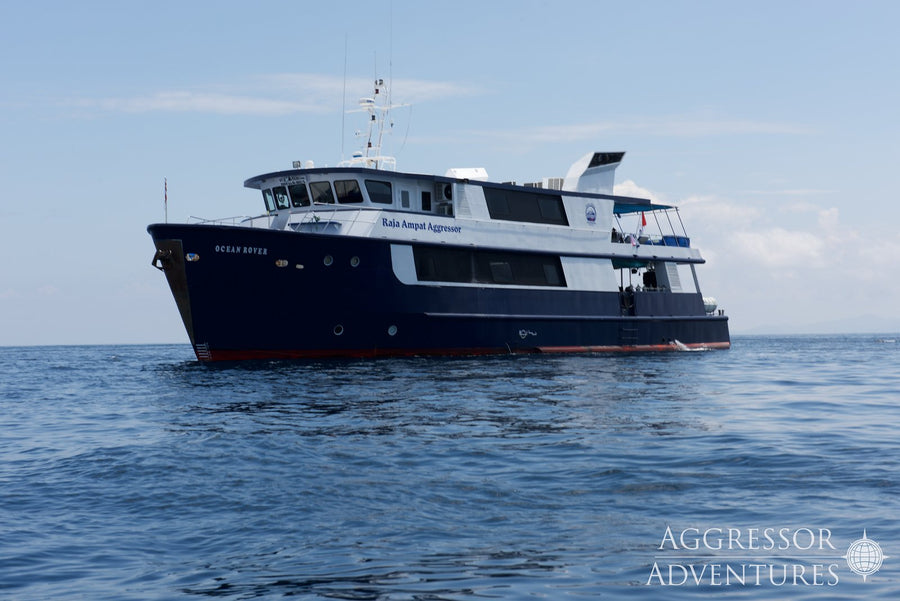
Raja Ampat Aggressor
Islas Derawan (7 noches)
- Indicative duration
- 7 nights
- Embarque
- Berau
- Desembarque
- Berau
Raja Ampat Aggressor
Derawan/Norte Sulawesi/Lembeh (12 nights)
- Indicative duration
- 12 nights
- Embarque
- Tanjung Batu
- Desembarque
- Bitung
Raja Ampat Aggressor
Lembeh/Norte Sulawesi/Derawan (12 nights)
- Indicative duration
- 12 nights
- Embarque
- Bitung
- Desembarque
- Berau
No routes match this search. Try another vessel or clear your search.
Cuándo bucear Derawan Islands
De abril a octubre es una ventana útil de planificación general. Las condiciones del mar influyen en los cruces de islas y puntos expuestos, mientras que las visitas a mantas siguen siendo naturales. Deje flexibilidad para las excursiones más lejanas y disfrute de las opciones de arrecifes locales entre ellas.
Ventana de planificación: Mejor marzo-octubre.
Cómo es el buceo
Elija las islas y los sitios para adaptarse a la experiencia del grupo.
Sitios de Sangalaki Manta
Sangalaki es la manta más destacada de la región, con un comportamiento de limpieza y alimentación dependiendo del plancton, la temporada y las condiciones.
Lago de medusas Kakaban
Una rara experiencia de snorkel y naturaleza con medusas inofensivas en un frágil entorno de lago.
Tortugas Derawan
Derawan está fuertemente asociado con tortugas, áreas de arrecifes y hábitats de pastos marinos donde los encuentros con tortugas son una gran atracción.
Buceo en el Canal Maratua
Maratua Channel / The Pass puede ofrecer potencial actual, barracuda, tiburones, rayas y bancos de peces para buzos experimentados.
Sensación de Expedición a Isla Remota
El destino se siente remoto y diferente, con traslados más largos, pueblos isleños y un ambiente menos masivo en Indonesia.
Fotografía de Manta, Tortuga e Isla
Gran angular es útil para mantas, tortugas, paredes y escenas de islas; macro puede ser útil alrededor de muelles y sitios de escombros.
Buceo en arrecife, pared y barco
El estilo de buceo incluye arrecifes, paredes, sitios de mantas, macro, buceo en botes en islas remotas y sitios actuales avanzados seleccionados.
Extensiones de Borneo y Kalimantan
La región puede combinar bien con la vida silvestre de Borneo, las extensiones de Kalimantan o las escalas a través de Singapur, Kuala Lumpur, Bali o Yakarta.
DIVE SITE GUIDE
Dive sites in Derawan, Maratua, Sangalaki & Kakaban
Explore the character of individual sites, from the setting and marine life to the diving conditions. Open a card for the full description; site access and the final profile depend on conditions and experience.
ORIENTATION MAP
Where the dive sites are
Use the map to understand how the key sites are spread around the destination. Pins are for trip-planning orientation only; entry points, moorings and the final dive plan are always confirmed by the local operator on the day.
Coordinates are planning references compiled from current dive-site sources. They are not navigation coordinates; entry points, moorings, tide windows and the final dive plan are always confirmed by the local operator on the day.
Channel · Wall · Current
Big Fish Country
Big Fish Country is Maratua’s signature current site, a channel through the atoll rim where fish stack up because the water is moving.
Explorar este punto de buceo
- Tipo
- Channel · Wall · Current
- Profundidad
- 10–26 m
- Experiencia
- Advanced
- Corriente
- Strong
Big Fish Country is Maratua’s signature current site, a channel through the atoll rim where fish stack up because the water is moving. Divers descend toward the channel edge, use the reef contour — and, where local procedures permit, a reef hook on non-living substrate — to hold position and watch the show.
Barracuda, jacks and reef sharks are the headline animals, but the density of fish across the channel is what makes the dive feel large. The site is intentionally dived when current is present, so it is not a beginner profile. A controlled negative entry, close group spacing and a disciplined exit plan are part of the experience.
Look for: Barracuda tornado potential · Strong current · Channel wall · Advanced drift skills
Ideal para: Barracuda · Jacks · Reef sharks · Hook-in diving
Slope · Deep wall
Big Fish Wall
Big Fish Wall sits next to the better-known channel and gives experienced divers a more continuous wall profile.
Explorar este punto de buceo
- Tipo
- Slope · Deep wall
- Profundidad
- 15–40+ m
- Experiencia
- Advanced
- Corriente
- Moderate
Big Fish Wall sits next to the better-known channel and gives experienced divers a more continuous wall profile. A sandy coral slope falls toward a deeper vertical section, with the wall beginning much lower than most recreational sites in the region.
The dive is therefore about planning rather than chasing the bottom: a conservative maximum depth still gives views of the wall, schooling fish and the chance of larger pelagics moving through open water. Current is normally less intense than in the channel but remains part of the site. Many dives finish toward the shallower reef near Big Fish Country, creating a natural multilevel profile if gas and current allow.
Look for: Deep wall · Pelagic potential · Moderate current · Advanced depth planning
Ideal para: Wall · Pelagics · Deep profile
Reef · Feeding / cleaning area
Sangalaki Manta Point
Sangalaki’s east side is famous for manta activity across a cluster of sites known as Manta Avenue, Manta Parade and Manta Run.
Explorar este punto de buceo
- Tipo
- Reef · Feeding / cleaning area
- Profundidad
- 5–25 m
- Experiencia
- Beginner–Intermediate
- Corriente
- Mild–Moderate
Sangalaki’s east side is famous for manta activity across a cluster of sites known as Manta Avenue, Manta Parade and Manta Run. Reef mantas can feed close to the surface or visit cleaning areas over the reef, which makes the experience accessible without a deep profile.
The most important technique is restraint: divers who stay low, avoid chasing and leave the animals a clear route are more likely to see natural behavior. Manta numbers vary with plankton, moon, tide and season, and no encounter is guaranteed. Even on a quiet day, the shallow reef and sandy ridges remain worth diving, especially for photographers and divers who prefer a slower pace.
Look for: Manta feeding area · Shallow profile · Wildlife etiquette · Sangalaki
Ideal para: Reef mantas · Shallow wildlife observation
Wall · Current point
Barracuda Point, Kakaban
Kakaban’s Barracuda Point is a current-fed wall where the site comes alive because water is moving around the island.
Explorar este punto de buceo
- Tipo
- Wall · Current point
- Profundidad
- 10–25 m
- Experiencia
- Advanced
- Corriente
- Strong
Kakaban’s Barracuda Point is a current-fed wall where the site comes alive because water is moving around the island. Schools of barracuda and jacks can gather at the point while grey and whitetip reef sharks, eagle rays and other pelagics patrol the edge.
Strong flow is normal enough that the dive is recommended for advanced divers and local operators may use a fixed line or reef-hook procedure where appropriate. The best strategy is not to chase the school but to establish a stable position, watch the current line and let the animals move around the group. Down-current potential means the briefing and exit plan matter as much as the wildlife.
Look for: Barracuda schools · Reef sharks · Eagle rays · Strong current
Ideal para: Barracuda · Sharks · Eagle rays · Current diving
Reef · Shallow coral
Turtle Traffic
Turtle Traffic is the relaxed side of Maratua.
Explorar este punto de buceo
- Tipo
- Reef · Shallow coral
- Profundidad
- 5–15 m
- Experiencia
- Beginner
- Corriente
- Mild–Moderate
Turtle Traffic is the relaxed side of Maratua. The reef stays shallow enough for Open Water divers and is known for green and hawksbill turtles resting beneath table coral or moving through the reef, particularly when the tide encourages them into the area.
The site is not about dramatic topography or depth; it is about spending a long dive watching turtle behavior and the reef life around them. Current is usually manageable but can still increase with tide. For photographers, the shallow water gives good natural light and generous bottom time, while newer divers get a memorable wildlife dive without the demands of Big Fish Country.
Look for: High turtle density · Shallow reef · Beginner friendly · Long bottom time
Ideal para: Green turtles · Hawksbills · Easy reef diving
Cave · Chimney · Deep overhead
Blue Light Cave, Kakaban
Blue Light Cave is not a normal recreational cave swim-through.
Explorar este punto de buceo
- Tipo
- Cave · Chimney · Deep overhead
- Profundidad
- 2–44 m
- Experiencia
- Expert / Cave-trained
- Corriente
- Overhead environment
Blue Light Cave is not a normal recreational cave swim-through. The entrance begins in a shallow crack, then descends through a narrow chimney to a large cavern around the low twenties before continuing toward a deep vertical exit near 44 metres. That combination creates all the classic overhead risks: no direct ascent, depth, silt-out potential and a long route through enclosed space.
The site should only be attempted by divers with appropriate cave or technical training, equipment and an operator experienced with the system. For properly qualified teams, the blue glow of the open sea seen from inside the cavern is the defining image. For everyone else, Kakaban’s outside walls are the appropriate alternative.
Look for: True overhead environment · Exit around 44 m · Cave training required · Expert site
Ideal para: Cave diving · Blue-light exit · Technical planning
House reef · Turtle reef · Macro
Derawan House Reef
Derawan House Reef provides the archipelago’s most convenient everyday dive.
Explorar este punto de buceo
- Tipo
- House reef · Turtle reef · Macro
- Profundidad
- 3–25 m
- Experiencia
- Beginner–Intermediate
- Corriente
- Usually mild
Derawan House Reef provides the archipelago’s most convenient everyday dive. Coral and sand around the island support turtles, reef fish and smaller subjects, and the easy access makes the site ideal for check dives, afternoon tanks and night diving.
The profile can stay shallow for a long time, so photographers can work individual subjects without the time pressure of a deep channel dive. Current is generally easier than around Maratua and Kakaban, although tide still matters around the island. The map pin should be treated as the broader house-reef area rather than a single permanent mooring, since different operators may use different sections around Derawan according to conditions.
Look for: Easy access · Turtles · Macro · Night-dive potential
Ideal para: Turtles · Macro · Flexible shore/jetty diving
Sand · Coral heads · Macro
Lighthouse Reef, Sangalaki
Lighthouse Reef is the macro counterpoint to Sangalaki’s manta dives.
Explorar este punto de buceo
- Tipo
- Sand · Coral heads · Macro
- Profundidad
- 5–25 m
- Experiencia
- Beginner–Intermediate
- Corriente
- Mild
Lighthouse Reef is the macro counterpoint to Sangalaki’s manta dives. Sandy bottom and coral heads create habitat for gobies, scorpionfish, nudibranchs, frogfish, ribbon eels and giant clams, while small wooden wrecks add structure and shelter.
The site rewards slow movement and a close look rather than distance covered, making it useful when divers want a quieter second dive after an open-water manta session. Conditions are generally less intimidating than the current-heavy Maratua and Kakaban sites, so mixed-experience groups can enjoy it. The exact mooring is operator-managed; the map shows the Sangalaki lighthouse reef area rather than a surveyed entry point.
Look for: Macro reef · Small wrecks · Frogfish potential · Gentler conditions
Ideal para: Frogfish · Gobies · Nudibranchs · Mandarin fish
Fotografía submarina
En Big Fish Country, barracuda, jotas, tiburones de arrecife, buceo Hook-in dan una idea de las posibilidades fotográficas. Elija la configuración de la cámara para los sitios planificados, luego deje tiempo para observar la escena antes de hacer la imagen. Repetir una inmersión productiva a menudo crea mejores oportunidades que buscar constantemente una ubicación diferente. Para las escenas de arrecife, use la forma del arrecife y la luz disponible para dar profundidad a la imagen. Un buceador a una distancia respetuosa puede proporcionar escala sin hacinarse con un animal.
Más allá del buceo: Islas Derawan sobre la superficie
El salto de islas es la forma natural de experimentar esta parte de Kalimantan Oriental. Playas, pueblos y hábitats marinos poco profundos atraen a los compañeros que disfrutan de lugares remotos y tiempo en el agua.
El lago de medusas de Kakaban es un ecosistema sensible, y las condiciones de acceso pueden cambiar. Trate una visita como una actividad de naturaleza administrada, siga las reglas locales y evite el manejo de animales. Mantenga las vacaciones más amplias que valgan la pena a través de sus arrecifes y paisajes de islas en lugar de depender de que una excursión esté abierta.
Cómo llegar a las islas Derawan
La mayoría de los huéspedes internacionales llegan a la región volando a través de Yakarta, Singapur o centros indonesios a Berau o Tarakan, y luego continúan por carretera y barco de acuerdo con el itinerario final.
Elija los horarios de llegada y salida alrededor del traslado, especialmente cuando se trata de un cruce en barco o un largo viaje por carretera. Deje espacio para un relajado día final en tierra y un intervalo apropiado entre la última inmersión y el vuelo.
Islas Derawan preguntas de buceo
¿Qué hace que Derawan Islands valga la pena un viaje de buceo?
Las paredes de Maratua, las áreas de mantas de Sangalaki y el lago cerrado de Kakaban dan a las islas Derawan personalidades sorprendentemente diferentes. El placer es moverse entre esos hábitats, con tortugas y vida en la isla agregando momentos más tranquilos en el camino.
¿Cómo debo planificar mi estancia?
Elija la base de la isla o liveaboard por las áreas que alcanza y el tiempo pasado en tránsito. Maratua, Sangalaki y Derawan son lugares distintos, por lo que las distancias de los botes de día importan. Una estancia de seis a ocho noches permite un programa variado sin convertir cada día en una larga transferencia.
¿Cuándo es un momento útil para visitar?
De abril a octubre es una ventana útil de planificación general. Las condiciones del mar influyen en los cruces de islas y puntos expuestos, mientras que las visitas a mantas siguen siendo naturales. Deje flexibilidad para las excursiones más lejanas y disfrute de las opciones de arrecifes locales entre ellas.
¿Hay suficiente para los compañeros que no bucean?
El salto de islas es la forma natural de experimentar esta parte de Kalimantan Oriental. Playas, pueblos y hábitats marinos poco profundos atraen a los compañeros que disfrutan de lugares remotos y tiempo en el agua.
A closer look at Derawan, Maratua, Sangalaki & Kakaban


Planifica tu viaje a Islas Turcas y Caicos
Cuéntanos las experiencias que más te gusten, tus fechas preferidas y cómo te gusta viajar. Podemos traer el destino, alojamiento y buceo en un itinerario coherente.
Planificar mi viaje