

Destination guide · Indonesia
Wakatobi Buceo
Wakatobi invites a longer look at the reef: branching corals, sea fans and small fish layered across a wall or slope. A carefully chosen base can make the hours between dives as comfortable as the diving is absorbing.
Courtesy of Wakatobi Resort
Wakatobi de un vistazo
Wakatobi es un destino de arrecife refinado construido en torno a aguas cristalinas, sistemas de coral saludables, paredes elegantes y un alto nivel de servicio al resort. Las inmersiones largas y cuidadosamente gestionadas revelan un denso crecimiento de corales, gorgonias, tortugas y abundantes peces de arrecife.
La experiencia favorece a los viajeros que buscan comodidad, organización tranquila y calidad excepcional del arrecife en lugar de vida nocturna o aventura por tierra escarpada. El excelente snorkeling y un famoso arrecife de la casa también hacen que Wakatobi sea atractivo para compañeros que no bucean y parejas con diferentes niveles de actividad.
Planificar su estancia en Wakatobi
Comience por decidir entre unas vacaciones centradas en el resort y un itinerario a bordo a través de la región en general. Para una estancia en el complejo, el acceso a los arrecifes de la casa, el snorkel y el plan de transferencia son importantes. Siete noches es un marco útil para el primer viaje; Un crucero puede cubrir diferentes islas y sitios.

Wakatobi Dive Resort
Refinado resort de buceo en una isla privada del sureste de Sulawesi, con excepcionales arrecifes protegidos, un reconocido arrecife del resort y estancias todo incluido en bungalows, villas y residencias.
Liveaboard routes for this destination
Explore the routes that visit this region. Compare ships and itineraries, then open a route to see its sailing dates, cabins and the areas it covers.
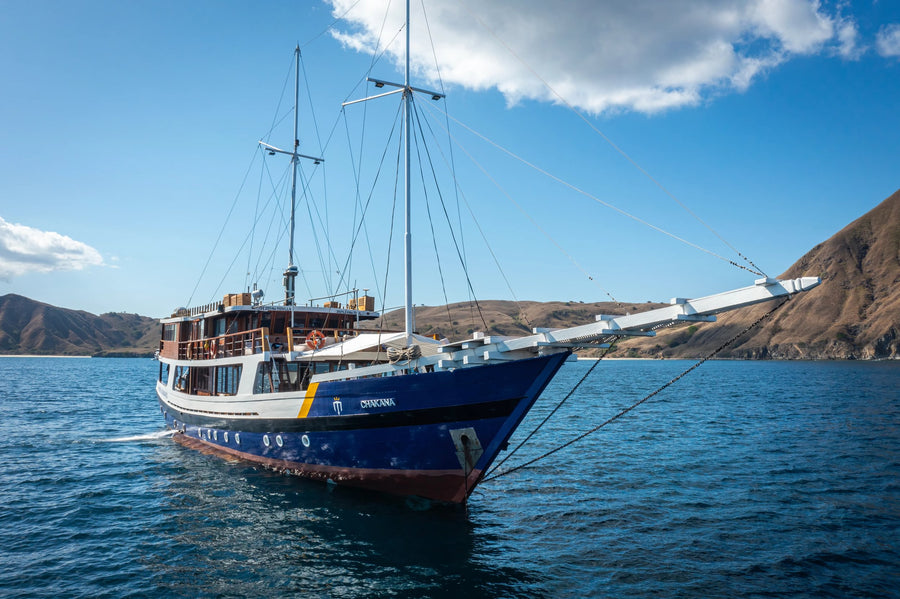
Indo Master
Wakatobi & Buton — 7 noches
- Indicative duration
- 7 nights
- Embarque
- Kendari
- Desembarque
- Operator-confirmed Buton / Southeast Sulawesi gateway
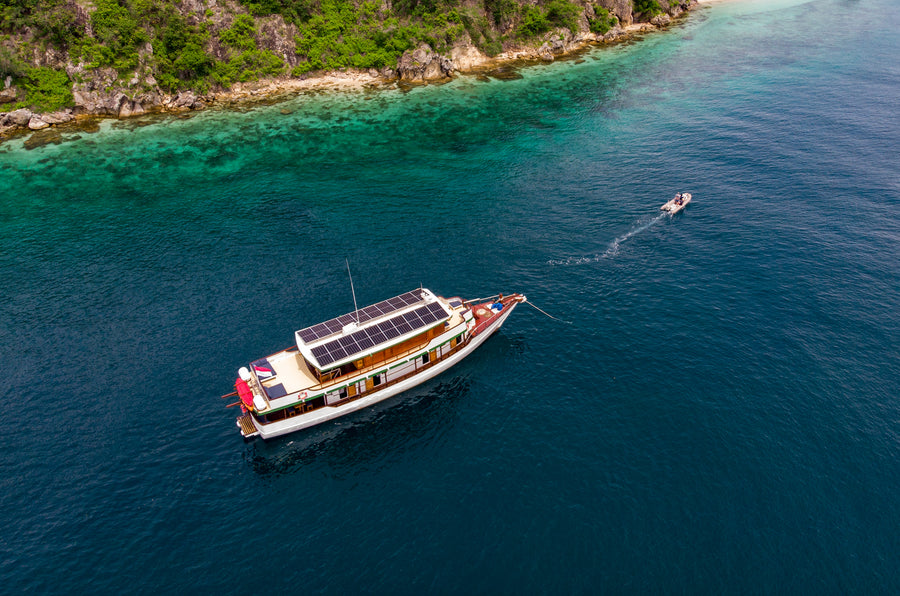
Bajau
Nomad Bajau «Nómadas del mar» y archipiélago de Banggai
- Indicative duration
- 8 nights
- Embarque
- Luwuk
- Desembarque
- Kendari
Bajau
Nomad Exploración: Crucero de Aventura por Sulawesi
- Indicative duration
- 10 nights
- Embarque
- Gorontalo
- Desembarque
- Luwuk
Bajau
Nomad exploración: Wakatobi, Taka Bonerate y Komodo
- Indicative duration
- 11 nights
- Embarque
- Kendari
- Desembarque
- Labuan Bajo
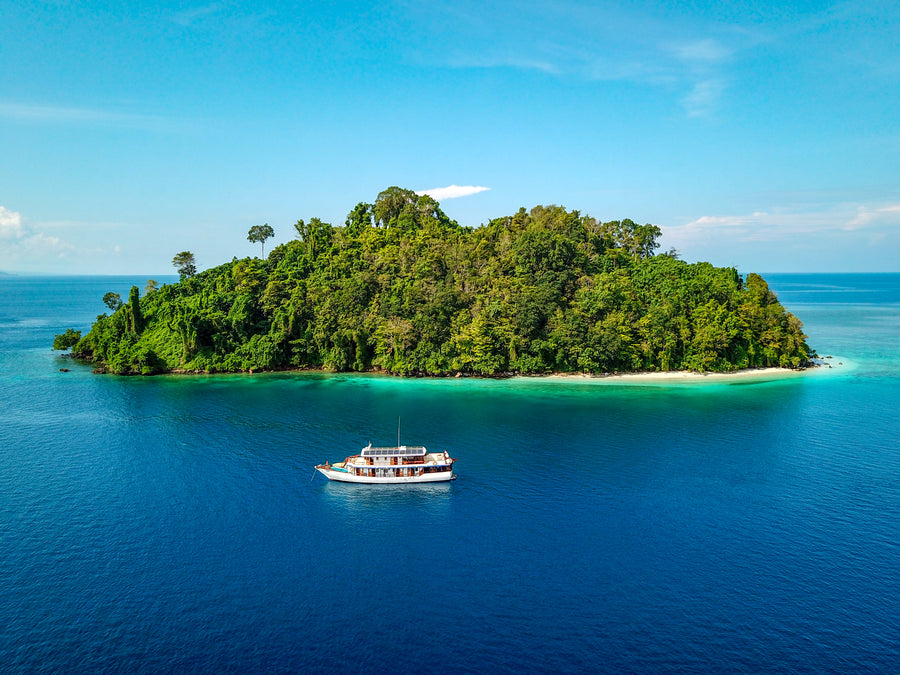
Bugis
Nomad Across Wakatobi, Bonerate & parque nacional de Komodo
- Indicative duration
- 12 nights
- Embarque
- Kendari
- Desembarque
- Labuan Bajo
Bugis
Nomad Bajau «Nómadas del mar» y archipiélago de Banggai
- Indicative duration
- 8 nights
- Embarque
- Kendari
- Desembarque
- Luwuk
Bugis
Nomad Descubrimiento del Archipiélago Banggai y Sea Nomad
- Indicative duration
- 6 nights
- Embarque
- Luwuk
- Desembarque
- Luwuk
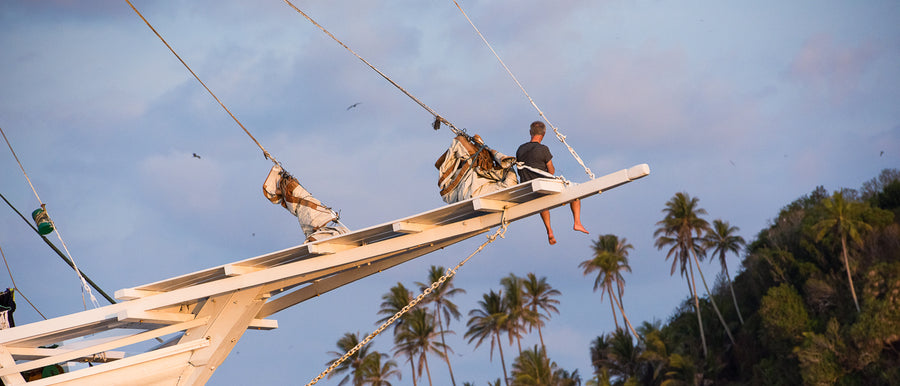
Pindito
Este Sulawesi & Beyond
- Indicative duration
- 11 nights
- Embarque
- Manado / Bitung
- Desembarque
- Maumere or Wakatobi
Pindito
Wakatobi
- Indicative duration
- 11 nights
- Embarque
- Maumere or Wakatobi
- Desembarque
- Wakatobi or Maumere
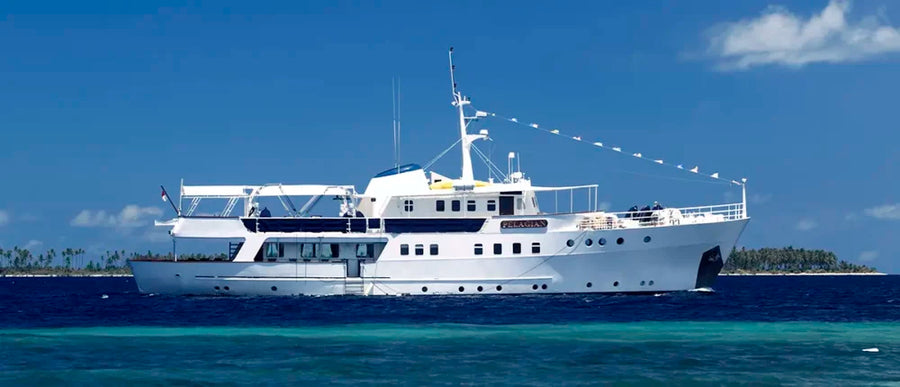
Pelagian Dive Yacht
Seven-noche Wakatobi expedición
- Indicative duration
- 7 nights
- Embarque
- Wakatobi Dive Resort / confirmed charter transfer
- Desembarque
- Wakatobi Dive Resort / confirmed charter transfer
No routes match this search. Try another vessel or clear your search.
Cuándo bucear Wakatobi
El buceo es posible durante gran parte del año. La guía existente destaca marzo-mayo y septiembre-noviembre como períodos útiles, mientras que las condiciones y la exposición de la isla varían. Haga coincidir las fechas de viaje con el resort específico o navegue en lugar de usar un calendario para todo el archipiélago.
Ventana de planificación: Mejor marzo-diciembre.
Cómo es el buceo
Elija las islas y los sitios para adaptarse a la experiencia del grupo.
Casa de clase mundial Arrecife
El arrecife de la casa de Wakatobi es un punto culminante importante, que ofrece un excelente potencial de buceo en tierra, snorkel y buceo nocturno directamente desde el área del complejo.
Jardines de Coral de agua clara
Jardines de coral saludables, peces de arrecife brillantes y luz tropical suave hacen Wakatobi ideal para la exploración relajada del arrecife.
Elegantes paredes de arrecife y pendientes
Las paredes y las laderas están cubiertas de abanicos marinos, corales y vida de peces, lo que brinda a los fotógrafos fuertes oportunidades de gran angular.
Comodidad Premium Resort
Wakatobi es un producto de alta gama para clientes que desean un servicio refinado, comodidad, logística tranquila y lujo descalzo.
Excelente snorkel para compañeros
El ambiente del arrecife hace que Wakatobi sea especialmente fuerte para los compañeros que no bucean y disfrutan de los días relajados basados en el mar.
Fotografía Relaxed Reef
Gran angular es ideal para arrecifes y paredes, mientras que macro es útil para la vida de pequeños arrecifes y inmersiones nocturnas.
Cruceros al atardecer y lujo tranquilo
El tiempo de playa, kayak, spa, cruceros al atardecer y noches tranquilas hacen Wakatobi adecuado para parejas y viajeros de ocio premium.
Lujo Indonesia Extensión
Wakatobi se puede combinar con Bali, Komodo, Raja Ampat o un itinerario premium más amplio en Indonesia.
DIVE SITE GUIDE
Dive sites in Wakatobi
Explore the character of individual sites, from the setting and marine life to the diving conditions. Open a card for the full description; site access and the final profile depend on conditions and experience.
ORIENTATION MAP
Where the dive sites are
Use the map to understand how the key sites are spread around the destination. Pins are for trip-planning orientation only; entry points, moorings and the final dive plan are always confirmed by the local operator on the day.
Coordinates are planning references compiled from current dive-site sources. They are not navigation coordinates; entry points, moorings, tide windows and the final dive plan are always confirmed by the local operator on the day.
Wall · Seagrass · Shore dive
House Reef
Wakatobi’s House Reef is much more than a convenient check dive.
Explorar este punto de buceo
- Tipo
- Wall · Seagrass · Shore dive
- Profundidad
- 2–40 m
- Experiencia
- Beginner–Advanced
- Corriente
- Mild–Moderate
Wakatobi’s House Reef is much more than a convenient check dive. A shallow seagrass zone and coral heads lead to a drop-off only a short swim from the beach, where the reef becomes a wall covered in soft coral, fans, sponges and overhangs.
The diversity of habitats explains why photographers can spend days here without exhausting the subject list: frogfish, pipefish, stingrays and juvenile reef fish occupy the shallows, while turtles and schooling fish use the wall. Current can run along the face during tide changes, so the dive may be a stationary shore exploration or a gentle drift. The ability to finish in productive, very shallow water is one of the site’s greatest strengths.
Look for: World-famous shore dive · Seagrass + wall · Macro and wide angle · Excellent night diving
Ideal para: Unlimited shore diving · Macro · Wall · Night diving
Seamount · Coral garden · Drift
Roma
Roma is Wakatobi’s classic coral-garden seamount: a broad pinnacle whose upper reef is packed with large coral formations, anemones and reef fish while the water column fills with fusiliers, snappers, triggerfish and butterflyfish.
Explorar este punto de buceo
- Tipo
- Seamount · Coral garden · Drift
- Profundidad
- 5–30 m
- Experiencia
- Beginner–Intermediate
- Corriente
- Mild–Moderate
Roma is Wakatobi’s classic coral-garden seamount: a broad pinnacle whose upper reef is packed with large coral formations, anemones and reef fish while the water column fills with fusiliers, snappers, triggerfish and butterflyfish. The site is visually busy without needing depth, which makes it equally satisfying for newer divers and experienced photographers.
Around the outer edge, current can increase and turn the dive into a gentle drift, so guides time the site around tide and keep the group on the productive side of the pinnacle. Banded sea snakes are often associated with the reef, and macro subjects remain plentiful among the coral even when the wide-angle scenery steals most of the attention.
Look for: Signature coral garden · Schooling fish · Sea snakes possible · Excellent wide angle
Ideal para: Coral garden · Schooling fish · Sea snakes · Photography
Wall · Ridge · Drift
Mari Mabuk
Mari Mabuk is a current-fed ridge and wall on the west side of Tomia, close to Roma but noticeably more energetic.
Explorar este punto de buceo
- Tipo
- Wall · Ridge · Drift
- Profundidad
- 5–40+ m
- Experiencia
- Advanced
- Corriente
- Strong possible
Mari Mabuk is a current-fed ridge and wall on the west side of Tomia, close to Roma but noticeably more energetic. Large sea fans, bright soft coral and feather stars cover the structure, while schooling yellowtail, snapper, sweetlips and triggerfish build in the flow.
The name loosely translates to a feeling of being 'drunk', a reference to the visual overload and moving water rather than a reason to ignore technique. Strong current makes timing important and the site is better for experienced divers who can descend efficiently and stay streamlined. When conditions are right, the combination of color, fish density and motion makes Mari Mabuk one of Wakatobi’s most immersive drift dives.
Look for: Strong-current drift · Large sea fans · Soft coral · Schooling fish
Ideal para: Soft coral · Current diving · Schooling fish
Steep slope · Wall
Cornucopia
Cornucopia begins as a steep coral slope and develops into one of Wakatobi’s most impressive walls.
Explorar este punto de buceo
- Tipo
- Steep slope · Wall
- Profundidad
- 5–40 m
- Experiencia
- Advanced
- Corriente
- Moderate
Cornucopia begins as a steep coral slope and develops into one of Wakatobi’s most impressive walls. Overhangs, huge gorgonian fans, black coral and barrel sponges create a layered reef face where both wide-angle and macro photographers can work for an entire dive.
Pygmy-sized subjects and nudibranchs hide among the fans, while schooling fish and occasional larger visitors use the blue-water edge. The wall continues far beyond recreational depth, so the best profile is a controlled deeper first section followed by a long ascent through the reef rather than a chase toward the bottom. Moderate current is part of what feeds the growth and should be used to shape the route rather than fought.
Look for: Great Wall of Cornucopia · Black coral · Giant sea fans · Macro + wide angle
Ideal para: Gorgonians · Black coral · Wall photography · Macro
Seamount · Current
Waha Top
Waha Top is a submerged seamount whose shallow summit sits in the low teens, where current and upwelling concentrate food and fish.
Explorar este punto de buceo
- Tipo
- Seamount · Current
- Profundidad
- 12–40 m
- Experiencia
- Advanced
- Corriente
- Moderate–Strong
Waha Top is a submerged seamount whose shallow summit sits in the low teens, where current and upwelling concentrate food and fish. Schools of smaller pelagics gather over the top, while larger tuna and other visitors may pass along the current line.
The site is more exposed than Wakatobi’s protected walls, so a fast descent and solid midwater control are useful when the flow is running. Divers should think of the top as the anchor point of the dive: once the deeper section is complete, the summit provides a productive area for a slow ascent and safety stop. It is a good example of Wakatobi’s lesser-known high-energy diving beyond the famous house reef.
Look for: Shallow seamount summit · Baitfish aggregations · Pelagic potential · Advanced current skills
Ideal para: Baitfish · Pelagics · Current diving
Wall · Channel · Drift
Liabale East
Liabale East sits near the channel system between Lintea and Tomia, where moving water gives the wall an active, fish-filled character.
Explorar este punto de buceo
- Tipo
- Wall · Channel · Drift
- Profundidad
- 5–35 m
- Experiencia
- Intermediate
- Corriente
- Moderate–Strong
Liabale East sits near the channel system between Lintea and Tomia, where moving water gives the wall an active, fish-filled character. Bluefin and giant trevally, Napoleon wrasse, turtles and schools of pyramid butterflyfish are among the larger subjects associated with the site, while the reef itself remains densely covered in coral.
The challenge is not extreme depth but current management: the guide chooses the tide and works the group along the wall rather than asking divers to hold against the flow. Because the reef continues very deep, recreational divers should set a clear maximum depth and let the shallower coral and fish life carry the second half of the dive.
Look for: Channel current · Trevally · Turtles · Colorful coral wall
Ideal para: Trevally · Turtles · Coral wall · Drift
Slope · Coral garden · Sandy bay
Tanjung Lintea
Tanjung Lintea is a more varied profile than Wakatobi’s pure walls.
Explorar este punto de buceo
- Tipo
- Slope · Coral garden · Sandy bay
- Profundidad
- 8–30 m
- Experiencia
- Intermediate
- Corriente
- Mild–Moderate
Tanjung Lintea is a more varied profile than Wakatobi’s pure walls. Large barrel sponges line the upper slope, a deeper sandy section supports garden eels and can attract resting rays, and shorter wall segments eventually lead toward a coral garden where fish schools gather around the corner.
That sequence gives photographers several visual environments in one dive and makes it easy to run a multilevel profile. The site is best treated as a journey across habitats rather than a single landmark, with the guide adjusting the route to current and the group’s depth limits. Most divers will get more from the 8–30 metre range than from chasing the reef deeper.
Look for: Multiple habitats · Garden eels · Rays possible · Hard-coral diversity
Ideal para: Barrel sponges · Garden eels · Rays · Coral diversity
Ridges · Sandy bays · Soft coral
Conchita
Conchita is a gentler Wakatobi dive built around coral-rich ridges separated by sandy bays.
Explorar este punto de buceo
- Tipo
- Ridges · Sandy bays · Soft coral
- Profundidad
- 5–30 m
- Experiencia
- Intermediate
- Corriente
- Mild
Conchita is a gentler Wakatobi dive built around coral-rich ridges separated by sandy bays. Soft coral and sea fans dominate the reef, creating strong macro habitat for pygmy seahorses and other cryptic animals while turtles can rest on the ridges and eagle rays may circle the open sand.
Compared with the exposed pinnacles, the dive is less about speed and more about switching attention between the reef and the spaces between it. The visible bottom makes depth management straightforward and lets photographers work slowly. Current can still gather fish along exposed ridge ends, but the site’s appeal is the balance of delicate coral, small subjects and enough open-water space for larger visitors.
Look for: Soft-coral ridges · Pygmy seahorse habitat · Eagle rays possible · Photographer friendly
Ideal para: Soft coral · Pygmy seahorses · Rays · Macro
Fotografía submarina
En el arrecife del resort, el buceo ilimitado desde la costa y las inmersiones macro, en pared y nocturnas dan una idea de las posibilidades fotográficas. Elija la configuración de la cámara para los sitios planificados, luego deje tiempo para observar la escena antes de hacer la imagen. Repetir una inmersión productiva a menudo crea mejores oportunidades que buscar constantemente una ubicación diferente. Para las escenas de arrecife, use la forma del arrecife y la luz disponible para dar profundidad a la imagen. Un buceador a una distancia respetuosa puede proporcionar escala sin hacinarse con un animal.
Más allá del buceo: Wakatobi sobre la superficie
El snorkel es una razón central para que los huéspedes que no bucean consideren Wakatobi. Tiempo de arrecife poco profundo, playas tranquilas y el ritmo de una estancia en la isla pueden crear unas vacaciones compartidas incluso cuando los socios pasan diferentes cantidades de tiempo bajo el agua.
Las visitas culturales y otras actividades dependen de la isla y la propiedad en particular. La región más amplia de Wakatobi incluye diferentes estilos de viaje; Una experiencia de resort premium y un itinerario insular local deben compararse en sus propios términos en lugar de tratarse como intercambiables.
Cómo llegar a Wakatobi
La mayoría de los huéspedes internacionales llegan a Wakatobi volando a Bali o Yakarta, luego continúan a través de la logística nacional organizada por el resort dependiendo del paquete seleccionado y la ruta final.
Elija los horarios de llegada y salida alrededor del traslado, especialmente cuando se trata de un cruce en barco o un largo viaje por carretera. Deje espacio para un relajado día final en tierra y un intervalo apropiado entre la última inmersión y el vuelo.
Preguntas de buceo Wakatobi
¿Qué hace que Wakatobi valga la pena un viaje de buceo?
Wakatobi invita a una mirada más larga al arrecife: corales ramificados, abanicos de mar y pequeños peces en capas a través de una pared o pendiente. Una base cuidadosamente elegida puede hacer que las horas entre inmersiones sean tan cómodas como el buceo sea absorbente.
¿Cómo debo planificar mi estancia?
Comience por decidir entre unas vacaciones centradas en el resort y un itinerario a bordo a través de la región en general. Para una estancia en el complejo, el acceso a los arrecifes de la casa, el snorkel y el plan de transferencia son importantes. Siete noches es un marco útil para el primer viaje; Un crucero puede cubrir diferentes islas y sitios.
¿Cuándo es un momento útil para visitar?
El buceo es posible durante gran parte del año. La guía existente destaca marzo-mayo y septiembre-noviembre como períodos útiles, mientras que las condiciones y la exposición de la isla varían. Haga coincidir las fechas de viaje con el resort específico o navegue en lugar de usar un calendario para todo el archipiélago.
¿Hay suficiente para los compañeros que no bucean?
El snorkel es una razón central para que los huéspedes que no bucean consideren Wakatobi. Tiempo de arrecife poco profundo, playas tranquilas y el ritmo de una estancia en la isla pueden crear unas vacaciones compartidas incluso cuando los socios pasan diferentes cantidades de tiempo bajo el agua.
A closer look at Wakatobi


Planifica tu viaje a Wakatobi
Cuéntanos las experiencias que más te gusten, tus fechas preferidas y cómo te gusta viajar. Podemos traer el destino, alojamiento y buceo en un itinerario coherente.
Planificar mi viaje