

Destination guide · Philippines
El Nido & Bacuit Bay Diving: Arrecifes, tortugas e islas
Limestone islands rise around the dive boat. Below the surface, turtles cross coral gardens, snappers gather over folded reefs and sandy slopes reward a closer look. El Nido brings Bacuit Bay diving together with lagoons, beaches and a lively Palawan base.
El Nido & Bacuit Bay de un vistazo
El Nido se encuentra en el extremo norte de Palawan, con la bahía de Bacuit abriéndose a un paisaje de empinadas islas de piedra caliza, playas pálidas y calas protegidas. El viaje en barco es parte del placer: acantilados y laderas boscosas enmarcan el agua entre inmersiones, y otra isla está casi siempre a la vista.
Bajo el agua, las razones más fuertes para venir son la variedad de arrecifes, tortugas, bancos de peces y la oportunidad de alternar escenas de gran angular con descubrimientos más pequeños. Piense en El Nido como un lugar para unas variadas vacaciones en la isla y el buceo. Los animales pelágicos grandes son visitantes ocasionales, no la base de un viaje aquí.
Bucear con Palawan Divers; Elige tu estancia por separado
Nuestro socio de buceo El Nido es Palawan Divers, un centro de buceo basado en la calle Hama en la ciudad. El alojamiento se organiza por separado, para que pueda elegir su base en torno a sus mañanas de buceo y el tipo de noches que disfruta.

Palawan Divers — El Nido
A PADI dive centre offering guided boat dives and courses in Bacuit Bay. Certified-diver groups are limited to four divers per Divemaster, with two-dive morning and three-dive full-day options.
Best fit: travellers who want a town-based dive team and the freedom to arrange their accommodation separately.
Durante varios días de buceo, mantenerse a poca distancia del centro hace que los inicios sean sencillos. Si eliges un alojamiento más alejado de la ciudad o en una isla, considera la transferencia diaria en tus planes. Sugerimos de cuatro a seis noches para dos o tres días de buceo, una excursión por la isla y tiempo para disfrutar de la costa.
Liveaboards starting or finishing in El Nido
These NAVIS 1 itineraries connect El Nido with other parts of Palawan and, on the longer route, Apo Reef. El Nido is an embarkation or disembarkation point; these cruises do not automatically include the Bacuit Bay day-dive sites described below.
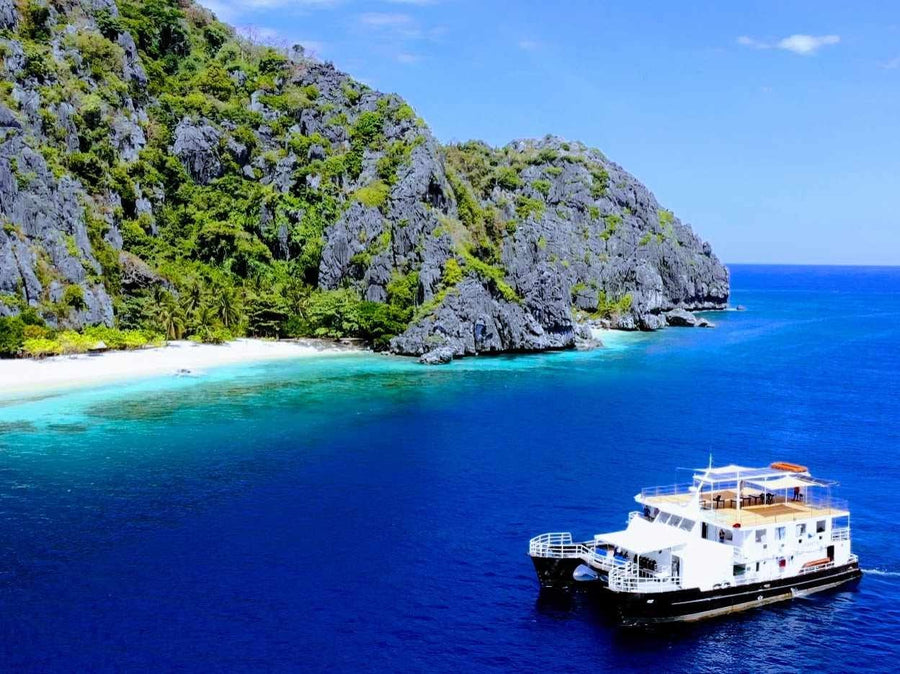
NAVIS 1
Corón a El Nido vía Linapacan
- Indicative duration
- 3 nights
- Embarque
- Coron
- Desembarque
- El Nido
NAVIS 1
El Nido a Coron vía Apo Reef
- Indicative duration
- 7 nights
- Embarque
- El Nido
- Desembarque
- Coron
No routes match this search. Try another vessel or clear your search.
Cuándo bucear El Nido
De noviembre a mayo es una útil primera ventana de planificación, con el período más seco generalmente cayendo entre diciembre y abril. A menudo se adapta a unas vacaciones que combinan el buceo con excursiones en barco y playas, aunque el viento y las condiciones del mar todavía influyen en qué sitios son cómodos de alcanzar.
Los meses más húmedos traen un clima más cambiante y una mayor posibilidad de planes de barcos interrumpidos. El buceo todavía puede tener lugar cuando las condiciones lo permitan; La construcción de un poco de flexibilidad en una estancia corta es más importante que esperar cada día para seguir un itinerario fijo.
Las temperaturas del agua están ampliamente alrededor 25–30°C durante todo el año. La visibilidad varía según la ubicación, el plancton, la lluvia y el estado del mar: un día soleado no garantiza agua clara, y las secciones poco profundas y más profundas pueden diferir en la misma inmersión.
Cómo es el buceo
Arrecifes a diferentes escalas
Los corales en capas de South Miniloc, los hábitats de arrecife y arena de Helicopter Island y la pared de Entalula ofrecen un programa corto con mucho contraste. Agregue una búsqueda más lenta en Nat-Nat o Twin Rocks y podrá pasar de un paisaje amplio a pequeños habitantes de arrecifes sin cambiar su base terrestre.
Principiantes y buceadores experimentados
Los perfiles protegidos y poco profundos pueden adaptarse al entrenamiento y a los buzos recién certificados, mientras que las paredes más profundas y los pináculos ofrecen alternativas para aquellos con la experiencia adecuada. La idoneidad pertenece al perfil elegido y a las condiciones del día, no solo a una etiqueta de destino.
Un ritmo flexible de buceo en barco
La mayoría de las inmersiones locales se organiza como salidas de un día en barco. Palawan Divers ofrece mañanas con dos inmersiones y días completos con tres, para elegir entre una salida más corta o pasar más tiempo alrededor de las islas. Los puntos se seleccionan según las condiciones del mar y el grupo.
Tortugas y vida de arrecife
Las tortugas verdes y carey forman parte del atractivo de Bacuit Bay, junto con peces anémona, pargos y otros peces de arrecife. Observe a los animales sin rodearlos o bloquear su ruta hacia la superficie, y dé a las tortugas en reposo espacio para alejarse.
Para el buceo por encima: El túnel submarino de Dilumacad es una opción especializada separada, no una extensión estándar de una inmersión en arrecifes. La entrada requiere una formación adecuada sobre el entorno aéreo, equipos y una evaluación específica de las condiciones; Una tarjeta Advanced Open Water por sí sola no es una calificación general.
DIVE SITE GUIDE
Dive sites in El Nido & Bacuit Bay
From layered coral gardens to limestone walls and sandy slopes, these six sites show the variety of diving around Bacuit Bay. Open a site for its full description and suitability notes.
ORIENTATION MAP
Where the dive sites are
Use the map to understand how the key sites are spread around the destination. Pins are for trip-planning orientation only; entry points, moorings and the final dive plan are always confirmed by the local operator on the day.
Map pins are approximate orientation points, not boat-navigation or dive-entry coordinates. Five independently sourced locations are shown; Twin Rocks is described without a pin. Daily site choice depends on conditions and the divers aboard.
Coral reef · Schooling fish
South Miniloc
Layered cabbage corals and schooling snappers make South Miniloc one of Bacuit Bay’s most distinctive reef dives.
Explorar este punto de buceo
- Tipo
- Coral reef · Schooling fish
- Profundidad
- 5–30 m
- Experiencia
- Open Water / Advanced for deeper profiles
- Corriente
- Variable; can be strong near the channel
At South Miniloc, the reef seems to unfold in overlapping leaves. Broad cabbage corals create a textured landscape, while schools of yellow snappers gather above the formations. Facing the channel towards Shimizu Island, this is a place to enjoy the whole scene: coral patterns beneath you, fish moving through the water and the changing outline of the reef.
There is also a smaller world among the sponges and coral growth, with opportunities to look for nudibranchs and other reef inhabitants. The current can change the character of the dive considerably, so a shallow, gentle visit and a more demanding channel-side profile should not be treated as the same experience. The day’s route and depth are chosen for the group and conditions; the impressive coral scenery does not require every diver to visit the deepest part.
Look for: Cabbage coral formations · Schools of snappers · Reef and channel scenery
Ideal para: Cabbage corals · Snappers · Wide-angle photography
Reef · Sand · Turtle habitat
Helicopter Island Reef
The reefs of Dilumacad, better known as Helicopter Island, combine coral patches, sand and rewarding turtle habitat.
Explorar este punto de buceo
- Tipo
- Reef · Sand · Turtle habitat
- Profundidad
- Typically 5–20 m
- Experiencia
- Open Water / supervised beginner profiles
- Corriente
- Often gentle, but conditions vary
Helicopter Island has a recognisable outline above the water and a varied landscape below it. Along its southeastern side, reef sections are separated by sandy areas, creating a succession of different habitats within a single dive. Anemones bring bright flashes of colour, reef fish move between the coral heads and turtles may be encountered around feeding and resting areas.
The appeal is in taking your time. A relaxed reef profile leaves room to watch a turtle from a respectful distance, study an anemone or follow the transition from coral to sand. Sightings are natural and never assured. These open-water reef dives are separate from the underwater tunnel on the island’s northern side; a booking for Helicopter Island does not imply an overhead-environment dive.
Look for: Turtle habitat · Anemones and reef fish · Several reef profiles
Ideal para: Turtles · Anemonefish · Relaxed reef photography
Reef · Sand · Macro
Nat-Nat
Close to Cadlao Island, Nat-Nat rewards divers who slow down where the coral reef meets the sand.
Explorar este punto de buceo
- Tipo
- Reef · Sand · Macro
- Profundidad
- Shallows to approximately 20–25 m
- Experiencia
- Open Water within certification limits
- Corriente
- Variable; stronger flow is possible
Nat-Nat offers a quieter kind of discovery. Off the southeastern side of Cadlao Island, the reef gives way to a sandy slope, and the boundary between the two is often the most interesting part. Instead of covering distance, let your attention settle on small movements: a fish above its burrow, a nudibranch on reef growth or an animal almost lost against the seabed.
Its proximity to El Nido town makes Nat-Nat a useful part of a varied boat-diving programme. Reef fish and occasional turtles add larger subjects, while the sand invites patient macro observation. Conditions still matter: this is not automatically a current-free dive, and the selected depth must match the group. Keep fins clear of the bottom so the next diver can enjoy the same detail without a cloud of disturbed sediment.
Look for: Reef meets sandy slope · Small marine life · Near Cadlao Island
Ideal para: Macro subjects · Reef-and-sand contrasts · Unhurried exploration
Wall · Coral garden
West Entalula Wall
Entalula’s limestone scenery continues beneath the surface, where a wall descends towards sand and a shallow coral garden.
Explorar este punto de buceo
- Tipo
- Wall · Coral garden
- Profundidad
- Shallow garden at 3–10 m; wall to about 30 m
- Experiencia
- Open Water / Advanced for deeper profiles
- Corriente
- Variable along the wall
West Entalula carries Bacuit Bay’s dramatic geology underwater. The limestone face drops away beneath the island, with cracks, ledges and reef growth breaking up the wall. Soft corals and sea fans add texture, while a glance out into the blue changes the sense of scale. It is an inviting site for photographs that place a diver against the reef rather than filling the frame with a single animal.
A shallow coral garden offers a contrasting setting before or after the wall. The deeper sections are a separate planning choice, not a requirement for enjoying the site. Stay within your training and agreed profile, and explore the open-water face without entering recesses or overhead spaces. Light, visibility and current shape the atmosphere, so the same wall can feel very different on another day.
Look for: Limestone wall · Shallow coral garden · Soft corals and sea fans
Ideal para: Limestone relief · Sea fans · Wide-angle scenes
Pinnacles · Soft corals · Reef slope
Pupulkan / Popolcan West
Pupulkan’s deeper pinnacles create an underwater forest of soft corals, with shallower reef options above.
Explorar este punto de buceo
- Tipo
- Pinnacles · Soft corals · Reef slope
- Profundidad
- 5–32 m; deeper pinnacles around 30 m
- Experiencia
- Open Water shallows / Advanced pinnacles
- Corriente
- Often mild to moderate; assessed on the day
South of the main Miniloc area, Pupulkan is known by several spellings, including Popolcan and Popolkan. Its distinctive deeper landscape is a group of pinnacles dressed in soft corals. Small fish gather around the growth, and the spaces between the formations create a different mood from Bacuit Bay’s broad, shallow coral gardens.
For experienced divers, the attraction is the combination of structure and detail: soft corals, glassfish and the possibility of finding nudibranchs or crustaceans tucked into the reef. Visibility can be lower in the deeper section than in the shallows. Because the main pinnacles lie around 30 metres, this profile needs suitable certification, recent experience and conservative dive planning. A shallower visit should be described as its own reef dive, rather than promising access to the deep formations.
Look for: Soft-coral pinnacles · Different shallow and deep profiles · Small reef inhabitants
Ideal para: Soft-coral formations · Reef fish · Macro photography
Rock formations · Reef · Sand
Twin Rocks
North of Miniloc, Twin Rocks combines sculpted rock, reef growth and a sandy slope where rays are sometimes seen.
Explorar este punto de buceo
- Tipo
- Rock formations · Reef · Sand
- Profundidad
- Main sandy slope approximately 13–21 m
- Experiencia
- Open Water within certification limits
- Corriente
- Assessed on the day
The paired rocks above the surface give this site its name; below, the interest spreads across reef-covered formations and sand. Table corals, sponges and sea whips create a varied setting, and blue-spotted rays may be found resting on the sandy areas. Pause at the edge of the reef and the contrast becomes clear: busy, textured growth on one side and open seabed on the other.
Twin Rocks also rewards a closer look for camouflaged subjects, including ghost pipefish when present. Their appearance is seasonal and unpredictable, so they are a possibility rather than a reason to guarantee a particular month. Enjoy the rock formations from open water; swim-throughs or enclosed spaces are not necessary to appreciate the site. A slow, observant dive gives both the reef and its smaller inhabitants time to reveal themselves.
Look for: Reef and sand · Possible blue-spotted rays · Macro opportunities
Ideal para: Blue-spotted rays · Reef structure · Macro searches
Fotografiar el arrecife y el viaje
Traiga una configuración gran angular si su prioridad es la estructura del arrecife, la educación de peces o un buzo enmarcado contra la pared de Entálula. Una configuración macro ofrece una forma diferente de pasar tiempo en Nat-Nat, Twin Rocks y los detalles más pequeños del arrecife. En días con visibilidad reducida, los sujetos cercanos pueden ser más gratificantes que tratar de capturar una escena distante.
Ahorre espacio en su tarjeta de memoria para los intervalos de superficie: los barcos debajo de los acantilados de piedra caliza y los contornos cambiantes de las islas ayudan a contar la historia de un viaje a El Nido. Mantenga la preparación de la cámara separada del informe de entrada y elija un perfil que deje tiempo para observar sin sostener al grupo.
Más allá del buceo: lagunas, playas e islas de piedra caliza
Un día entre las islas
Permita un día separado para una excursión por la isla. Big Lagoon, Small Lagoon y las playas alrededor de Bacuit Bay ofrecen una perspectiva diferente sobre el mismo paisaje de piedra caliza que pasas en los días de buceo. Las paradas reales dependen del recorrido, los arreglos de acceso y las condiciones del mar.
Kayak y snorkel
Un kayak de laguna le permite ralentizar el viaje y mirar hacia arriba a los acantilados. Las paradas de snorkel pueden hacer que un día en la isla sea agradable para los compañeros que no bucean. Un barco de buceo y una visita turística siguen diferentes programas, así que no asuma que incluyen las mismas paradas.
Habitación para una tarde no planificada
Deje tiempo para una playa, una comida en la ciudad y un paseo por el paseo marítimo. Un viaje con cada hora asignada a los barcos puede perder el placer de simplemente estar en Palawan. La combinación de días de buceo dedicados con un día compartido en la isla funciona particularmente bien para parejas o amigos con diferentes intereses.
Cómo llegar a El Nido
Vuela al aeropuerto de El Nido (ENI), también llamado aeropuerto de Lio, para la llegada más directa a la zona. Las rutas nacionales y las franquicias de equipaje varían, así que compara la conexión real y la franquicia de equipaje de buceo al elegir vuelos. Clark y Manila son aeropuertos diferentes; un itinerario que involucre a ambos necesita un amortiguador de transferencia de carretera sustancial.
El Aeropuerto de Puerto Princesa (PPS) es la puerta de enlace alternativa. El viaje por carretera a El Nido generalmente toma alrededor de cinco a seis horas, con el tiempo afectado por el tráfico, las paradas y el clima. Trata esto como un día de viaje en lugar de programar una inmersión importante inmediatamente después de la llegada.
Para una combinación con Coron, planifique el viaje entre las islas por separado del buceo y permita la interrupción del clima marino. Antes de un vuelo, deje el intervalo de superficie adecuado para su historial de buceo y siga las instrucciones actuales de la agencia de capacitación.
A closer look at El Nido & Bacuit Bay
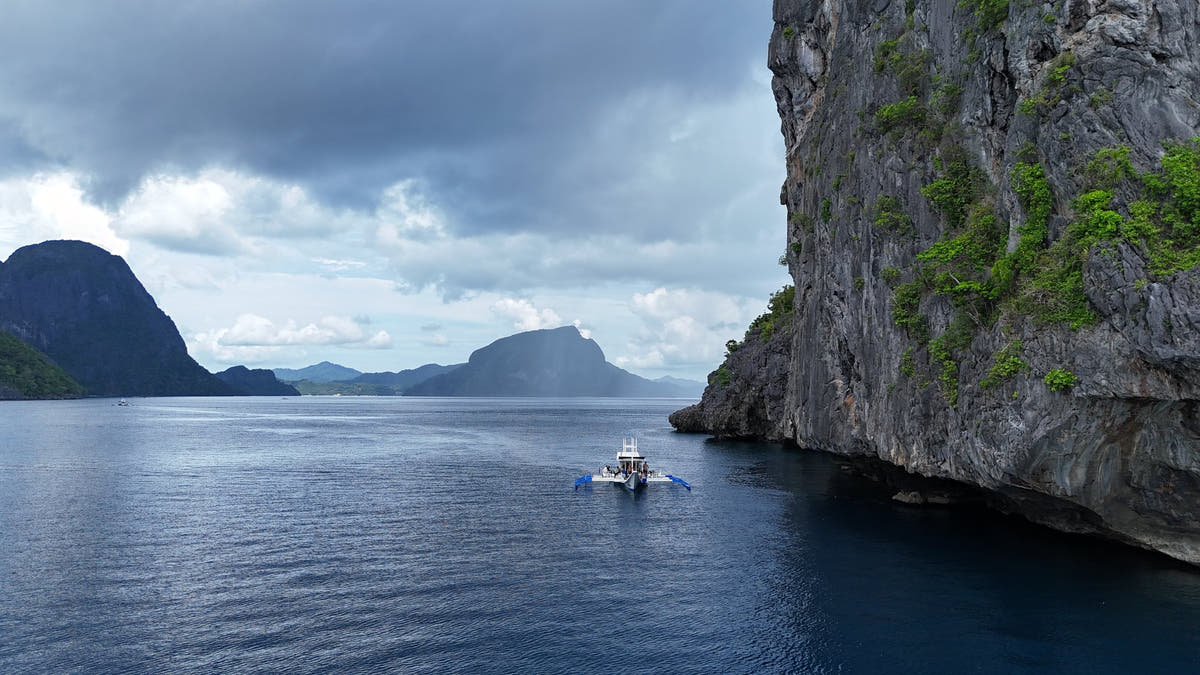
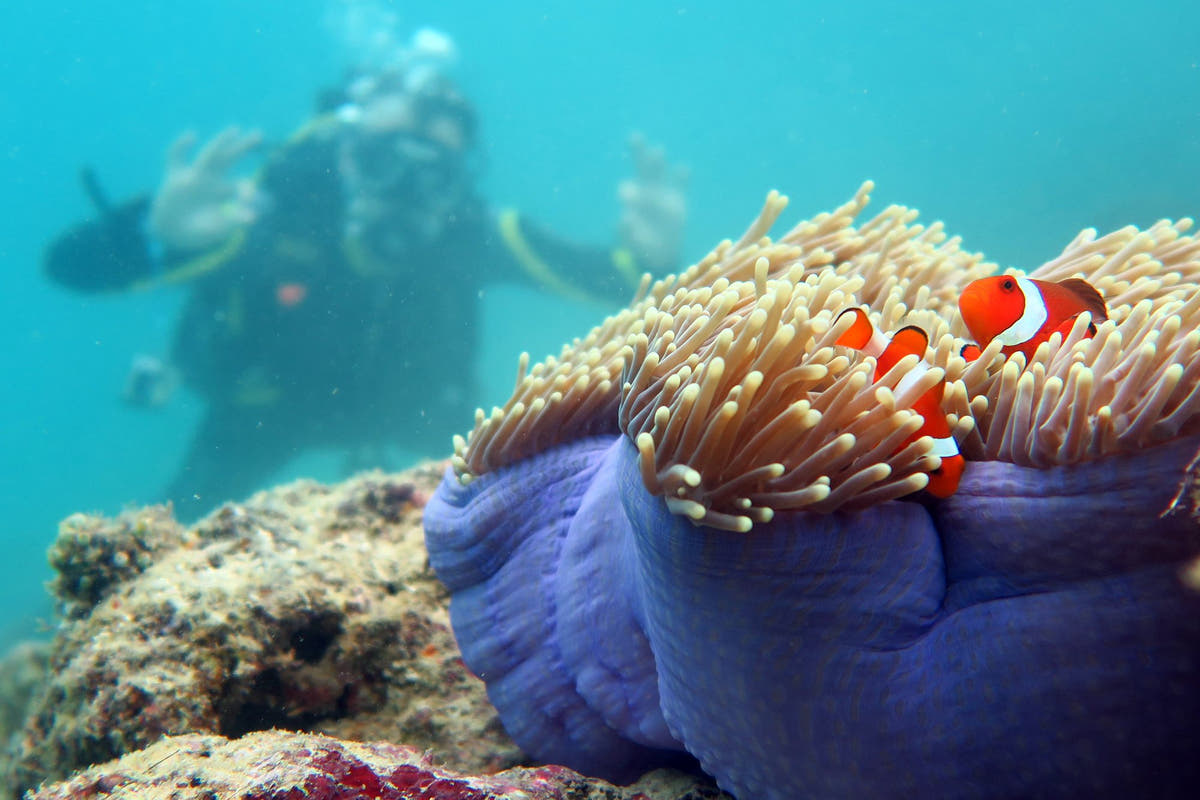
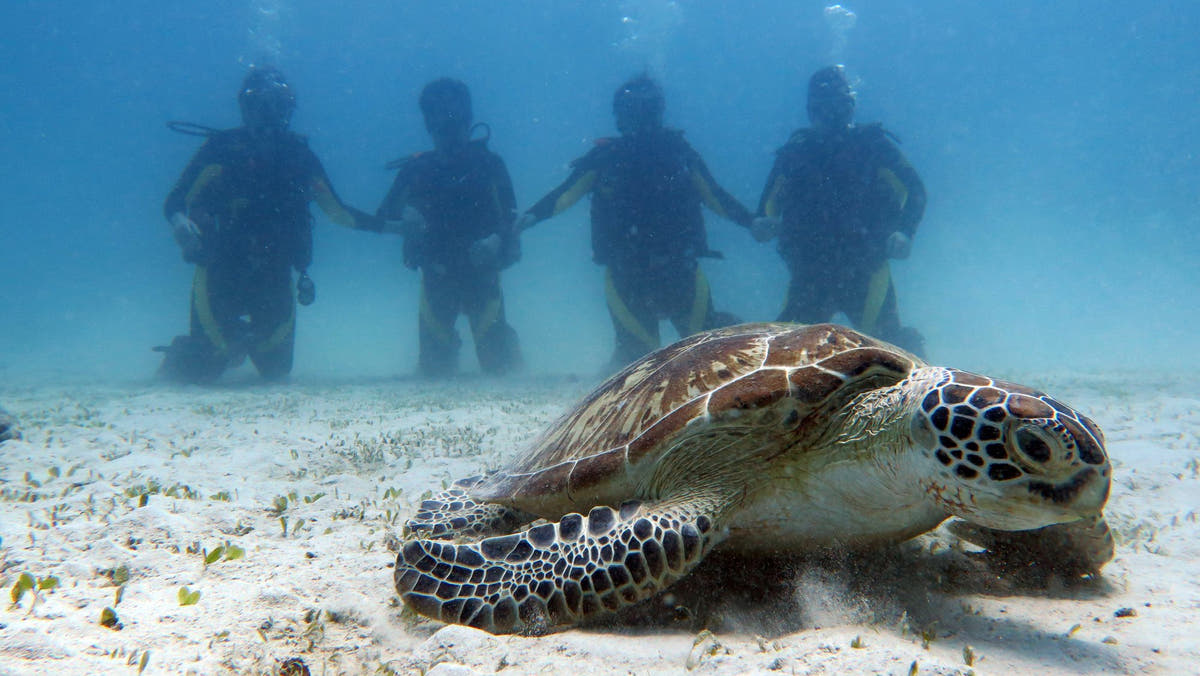
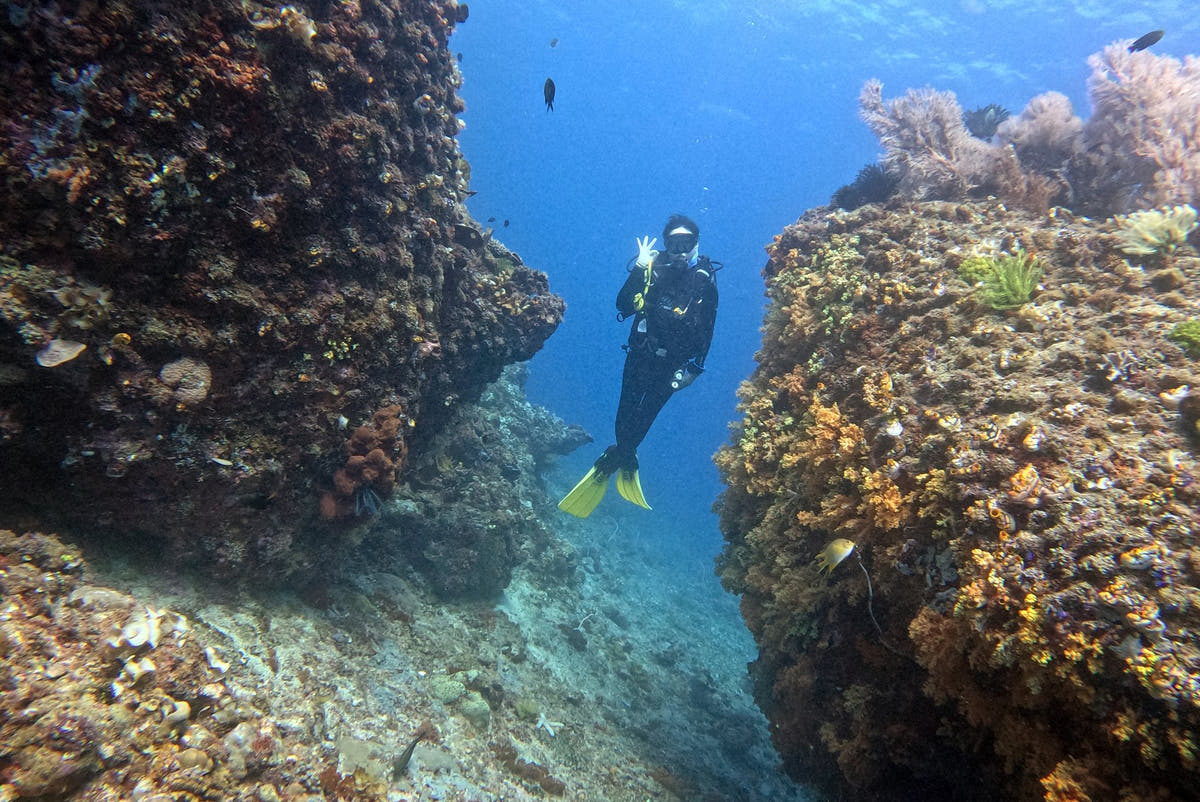
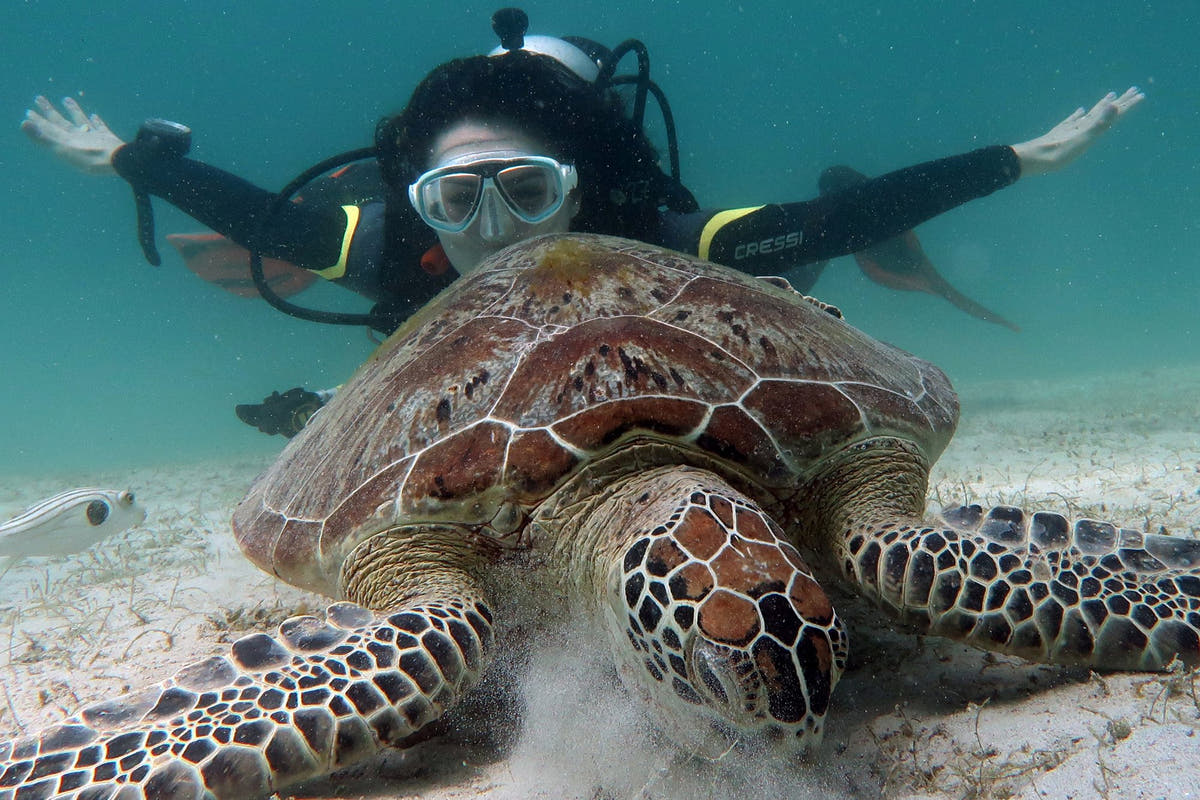
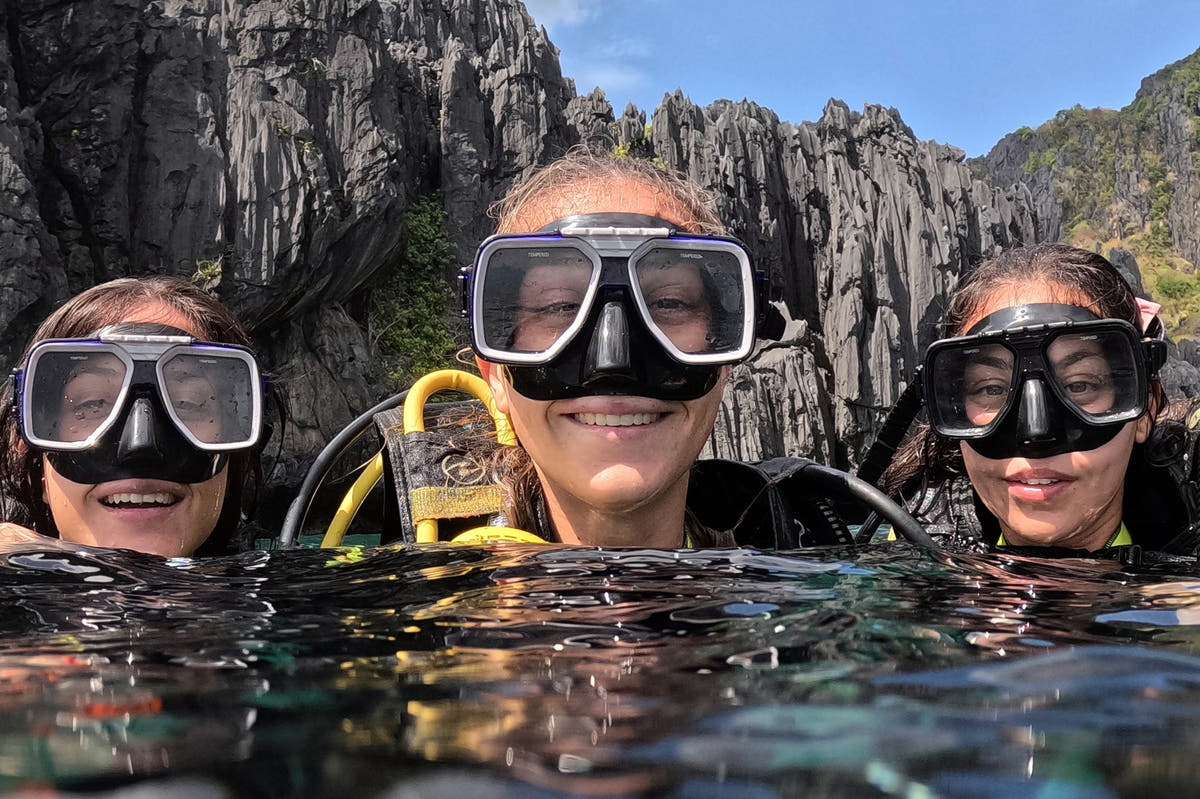
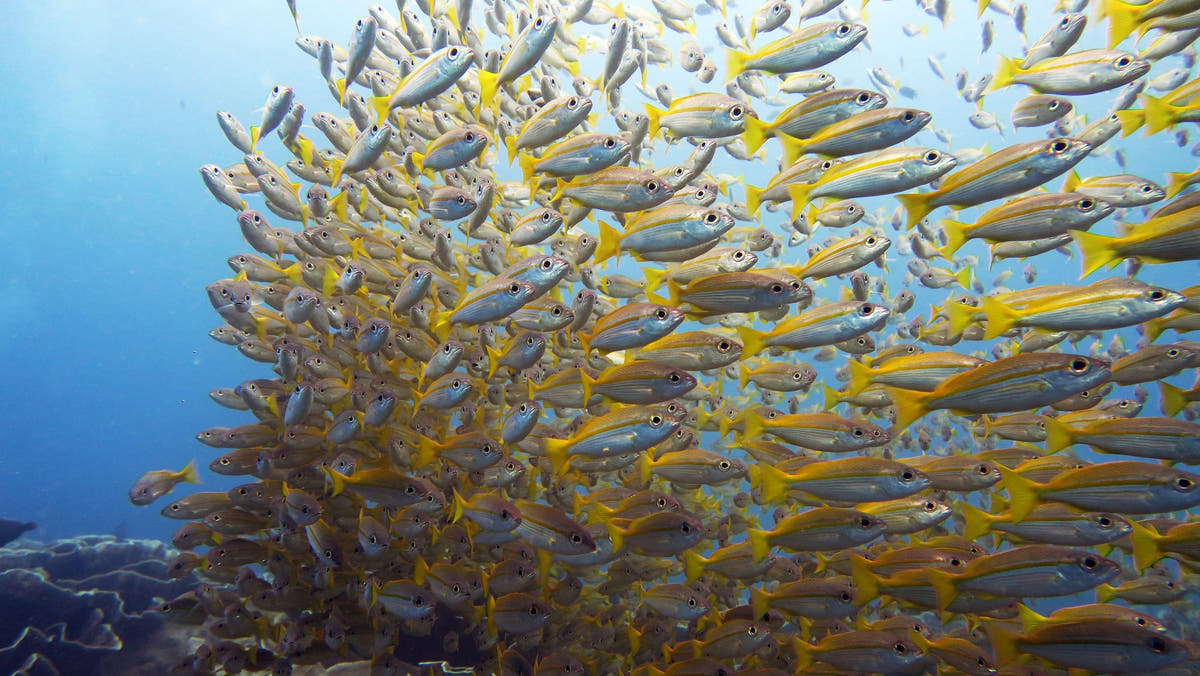
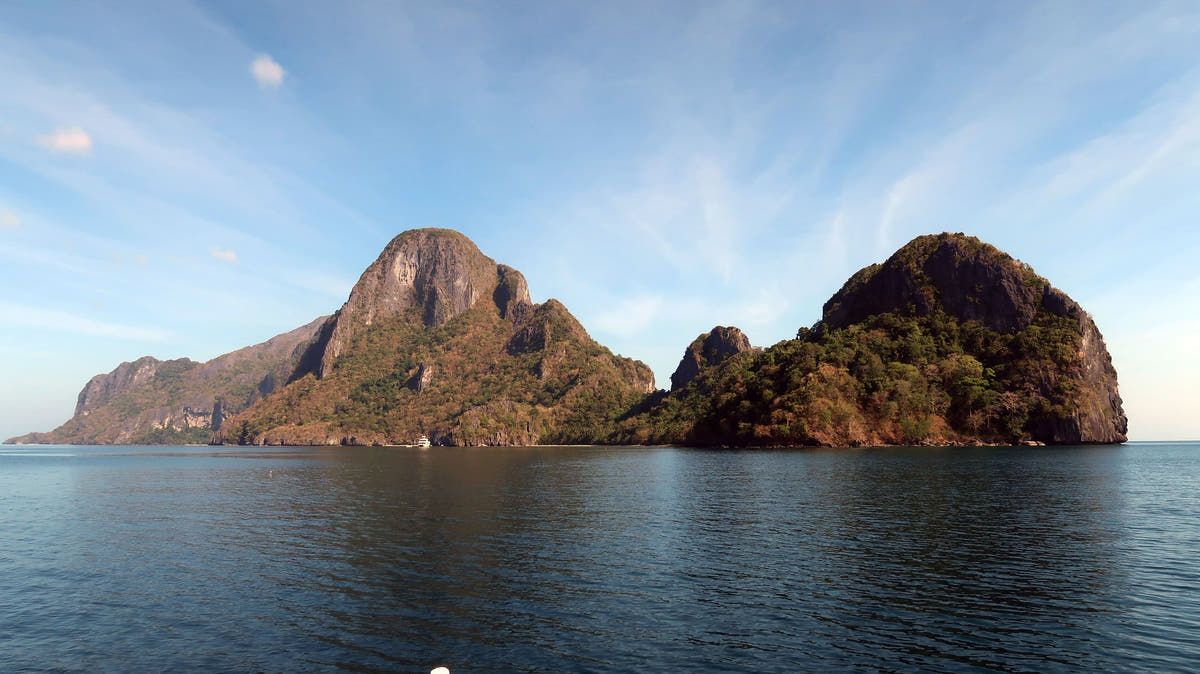
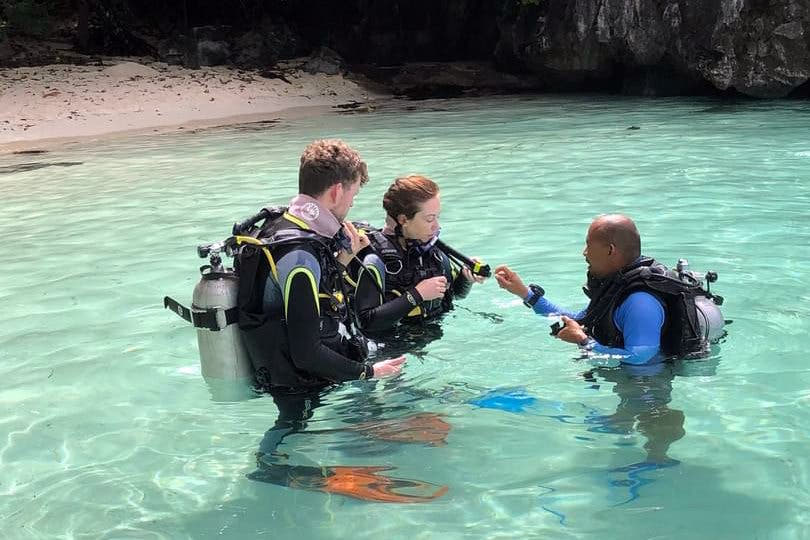
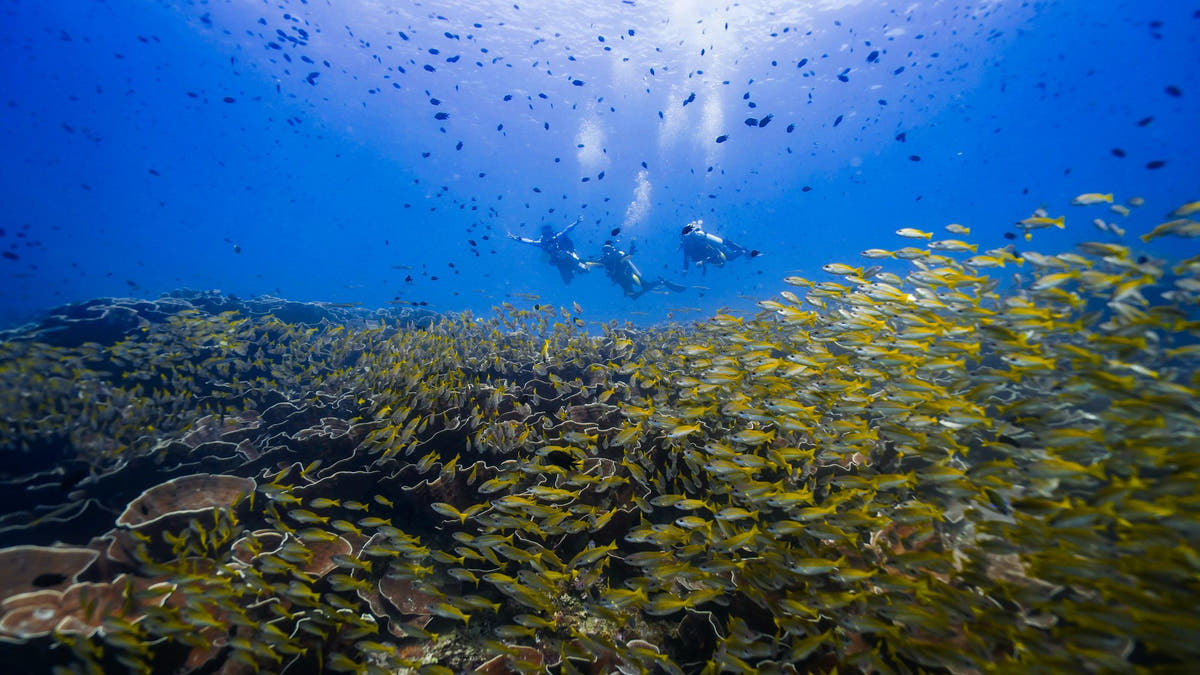
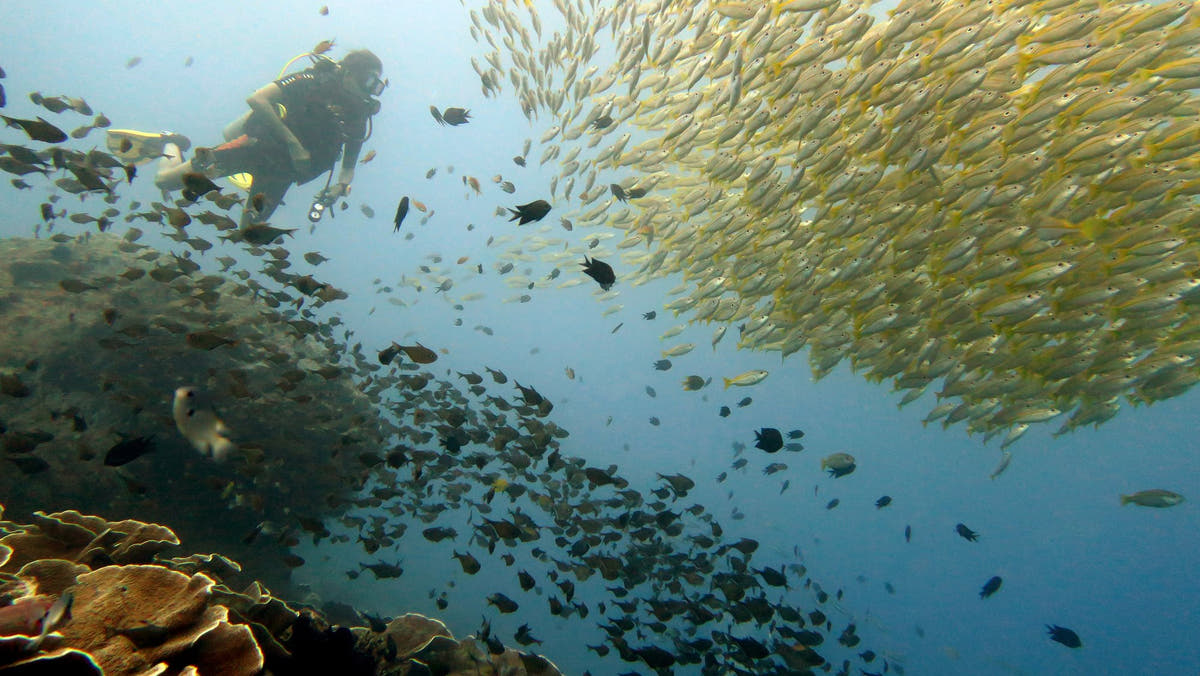
Fotografía cortesía de Palawan Divers, nuestro socio de buceo El Nido. La galería ilustra sus servicios de buceo y el paisaje circundante de la Bahía Bacuit; Las fotografías individuales no se asignan a los sitios de buceo nombrados.
Buceo El Nido: preguntas frecuentes
¿Es El Nido un buen lugar para aprender a bucear?
Sí, hay disponibles perfiles poco profundos adecuados y entrenamiento de PADI. Su curso utiliza sitios elegidos para las condiciones y su progreso; Los pináculos más profundos y los perfiles de corriente más fuerte son opciones separadas para buzos entrenados adecuadamente.
¿Cuántos días debo permitir?
Sugerimos de cuatro a seis noches para una visita equilibrada. Eso deja espacio para dos o tres días de buceo, un día de isla y algo de flexibilidad en torno a la llegada, el clima y su viaje hacia adelante. Un curso puede necesitar un horario diferente.
¿Es Palawan Divers un hotel o resort?
Palawan Divers es nuestro socio local de centro de buceo. Sus inmersiones guiadas y cursos se pueden combinar con alojamiento organizado por separado; alojamiento en la habitación no está incluido simplemente mediante la reserva de buceo.
¿Veré tortugas, tiburones o mantarrayas?
Las tortugas y los peces de arrecife se encuentran entre las atracciones realistas, pero cada encuentro con la vida silvestre es impredecible. Los tiburones, mantarrayas y otros grandes visitantes pelágicos no deben ser prometidos como parte de un programa de buceo diurno de El Nido.
¿Necesito unirme a un liveaboard?
No. Los sitios locales de Bacuit Bay se exploran en excursiones de un día en barco desde El Nido. Las rutas de NAVIS 1 que se muestran aquí son opciones para un viaje más largo que comienza o termina en El Nido, con sus propios itinerarios y requisitos.
¿Pueden los compañeros de buceo disfrutar del viaje?
Sí. Lagunas, kayak, snorkel, playas y excursiones por la isla hacen de El Nido un atractivo destino compartido. Planifique un día de turismo dedicado juntos, ya que un viaje de buceo programado no es automáticamente un recorrido por la isla.
¿Cómo encaja El Nido en un viaje más amplio a Palawan?
Puede ser un capítulo de buceo e isla antes o después de otra parada Palawan. Compara el tiempo disponible, el día de traslado y el buceo que desees en cada lugar. Nuestras guías de Coron y Tubbataha explican esos destinos por separado.
Planifica tus vacaciones de buceo en El Nido
Cuéntanos tus fechas, experiencia de buceo y cuánto tiempo te gustaría para las islas. Le ayudaremos a dar forma al programa Palawan Divers y los arreglos de alojamiento alrededor de su viaje.
Planificar mi viaje a El Nido