

Destination guide · Indonesia
Plongée dans le détroit de Lembeh
Lembeh asks you to look twice. What first appears to be an empty patch of volcanic sand can reveal a camouflaged octopus, a minute shrimp or a frogfish holding perfectly still. The reward comes from attention, patience and time.
Destination media courtesy of Eco Divers Lembeh / White Sands Beach Resort Lembeh
Le détroit de Lembeh en bref
Le détroit de Lembeh est la destination spécialisée la plus célèbre au monde pour la plongée sur sable et la découverte de créatures rares. Le sable noir volcanique, les pentes de débris et les micro-habitats inhabituels abritent des poissons-grenouilles, des pieuvres, des seiches, des hippocampes, des nudibranches et de nombreux autres sujets prisés des photographes sous-marins.
Le paysage visuel est atypique, et c'est précisément tout l'intérêt : Lembeh récompense la patience, la curiosité et une excellente capacité d'observation. Des guides expérimentés, des profils de plongée lents et d'excellentes installations pour les appareils photo en font un lieu idéal pour des voyages macro dédiés, tandis que les excursions nature à proximité dans le nord de Sulawesi permettent d'enrichir les séjours plus longs.
Planifier votre séjour dans le détroit de Lembeh
Choisissez un centre de plongée macro spécialisé pour son approche de guidage, la taille de ses groupes et ses installations pratiques pour les appareils photo. Un récif privé ou un accès facile aux plongées de nuit est un atout si vous aimez revenir sur un sujet. Nous recommandons six ou sept nuits pour une première visite ciblée, avec Bunaken ou Bangka pour découvrir une expérience de récif différente.

Bastianos Froggies Lembeh Dive Resort
Resort en pension complète sur la paisible île de Lembeh, avec piscine, salle dédiée aux appareils photo, guides experts dans le repérage de petites créatures marines et accès direct à des plongées macro et muck de renommé...

Dive Into Lembeh
Resort spécialisé dans la plongée à Lembeh, avec quatre catégories de chambres, jusqu'à trois plongées guidées par jour, petits groupes et grande salle dédiée aux appareils photo.

Eco Divers Lembeh / White Sands Beach Resort
Resort de bord de plage sur terrain plat à Lembeh, avec douze cottages face à l'océan, forfaits plongée en pension complète, ratio maximal plongeurs/guide de 3:1 et salle dédiée aux appareils photo.

Black Sand Dive Retreat
Retraite intimiste de sept bungalows à Lembeh, avec petits bateaux rapides, possibilité de guide privé, récif du resort riche en vie marine et installations dédiées aux appareils photo sous-marins.

Solitude Lembeh Resort
Resort de plongée du détroit de Lembeh dédié aux photographes, avec villas dans les jardins, villas en bord de mer, chambres Deluxe et salle dédiée aux appareils photo.

Lembeh Resort
Resort boutique de luxe à Lembeh, avec Photo Center et salle photo dédiés, hébergement en pension complète, plongées guidées à la recherche de petites créatures marines, options blackwater et avantage de plongée offerte su...

Thalassa Dive Resort Lembeh
Resort de plongée insulaire avec vue mer dans le détroit de Lembeh, avec centre de plongée sur place, salle photo, piscine et accès rapide à des sites macro et muck de renommée mondiale.

Two Fish Divers Lembeh
Resort de plongée en bord de plage sur Lembeh Island, dédié aux plongées muck et macro, avec petits groupes guidés, hébergement en pension complète et accès rapide aux sites de petites créatures marines du détroit.
Liveaboard routes for this destination
Explore the routes that visit this region. Compare ships and itineraries, then open a route to see its sailing dates, cabins and the areas it covers.
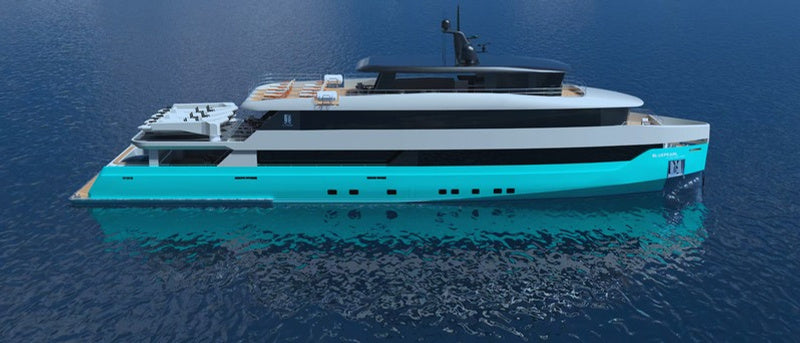
M/Y Blue Pearl
Raja Ampat & Lembeh — 9 nuits
- Indicative duration
- 9 nights
- Embarquement
- Sorong / Lembeh
- Débarquement
- Lembeh / Sorong
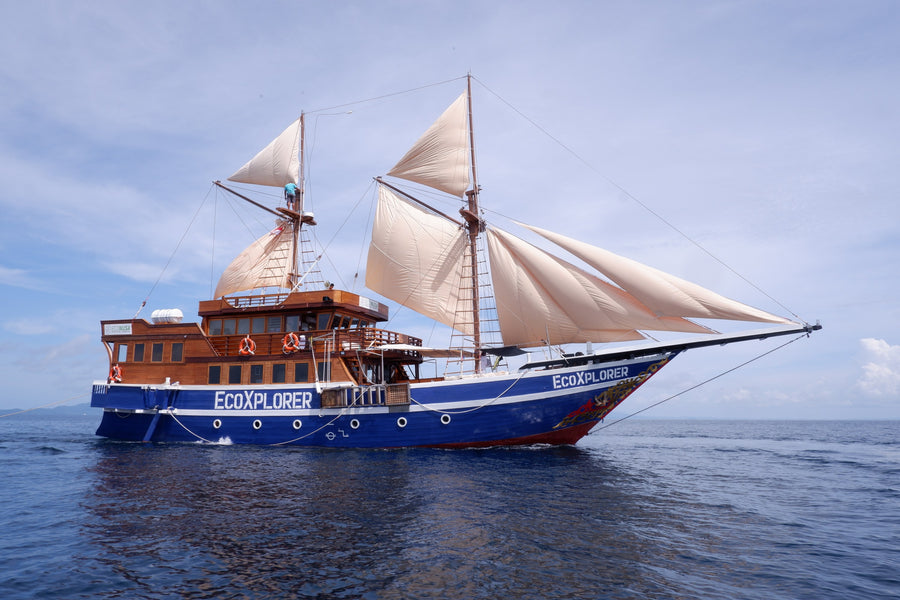
EcoXplorer
Halmahera expédition: Ternate – Tulehu — 8 nuits
- Indicative duration
- 8 nights
- Embarquement
- Ternate
- Débarquement
- Tulehu
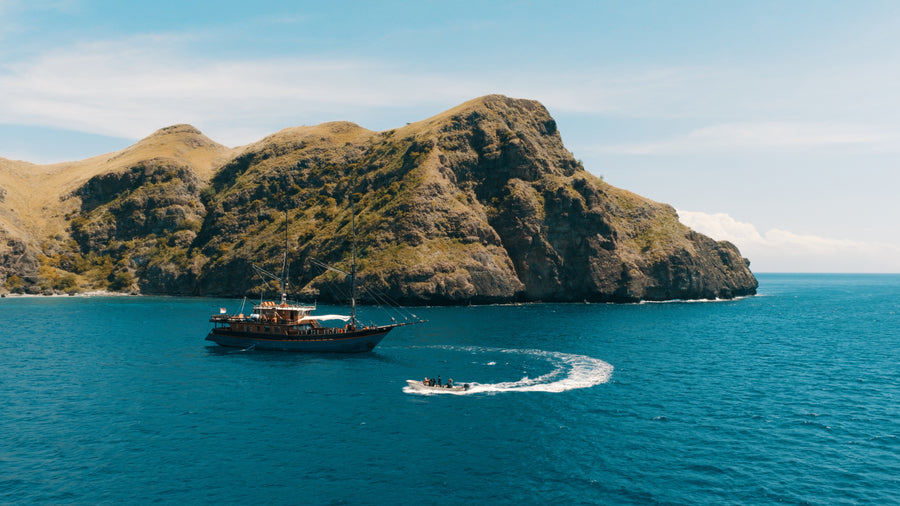
Iliké
Nord Sulawesi & Halmahera — Bitung à Babang — 8 nuits
- Indicative duration
- 8 nights
- Embarquement
- Bitung
- Débarquement
- Babang
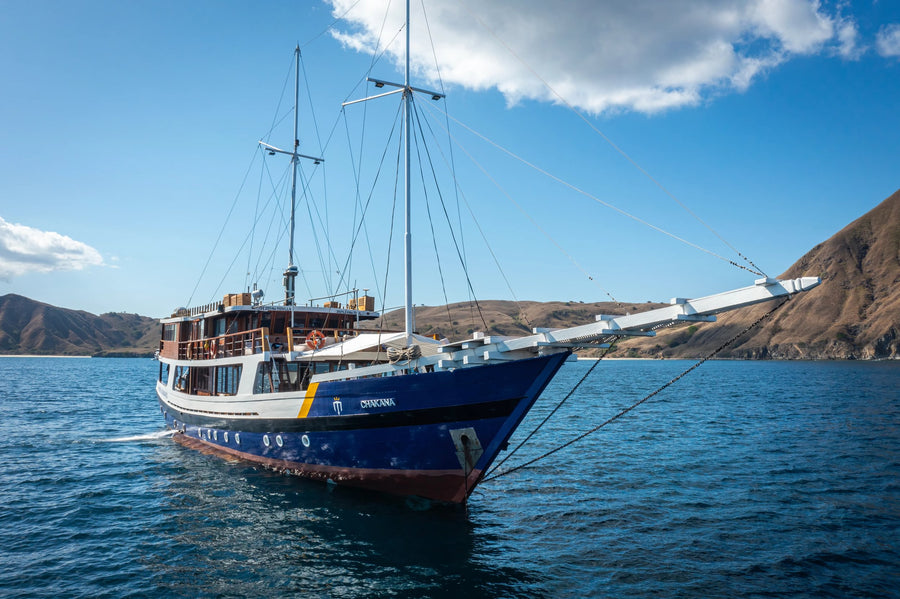
Indo Master
Lembeh & Halmahera — 10 nuits
- Indicative duration
- 10 nights
- Embarquement
- Bitung, North Sulawesi
- Débarquement
- Bitung, North Sulawesi
Indo Master
Lembeh & Sangihe Archipelago — 10 nuits
- Indicative duration
- 10 nights
- Embarquement
- Lembeh / Bitung
- Débarquement
- Lembeh / Bitung
Indo Master
Misool, Halmahera & Lembeh — 12 nuits
- Indicative duration
- 12 nights
- Embarquement
- Sorong
- Débarquement
- Lembeh / Bitung
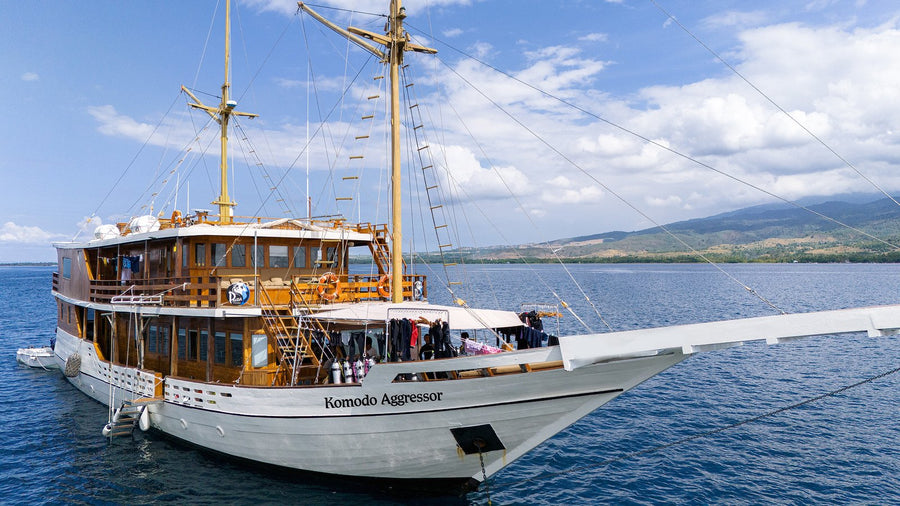
Komodo Aggressor
Sulawesi Nord à Sud (11 nights)
- Indicative duration
- 11 nights
- Embarquement
- Lembeh
- Débarquement
- Kendari
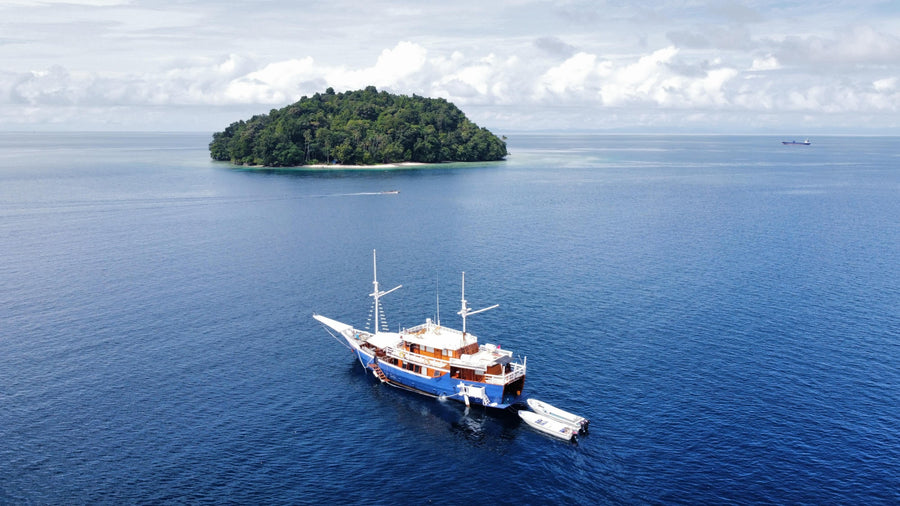
Kurabesi Nusantara
Halmahera: Ternate – Tulehu — 7 nuits
- Indicative duration
- 7 nights
- Embarquement
- Ternate
- Débarquement
- Tulehu
Kurabesi Nusantara
Halmahera: Tulehu – Ternate — 8 nuits
- Indicative duration
- 8 nights
- Embarquement
- Tulehu
- Débarquement
- Ternate
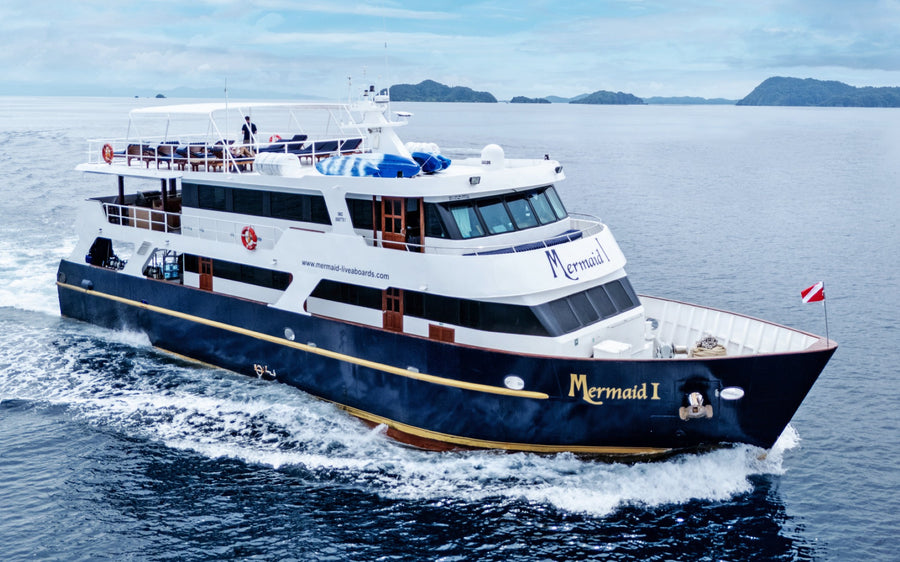
Mermaid I
Lembeh, Togean Islands & requins-baleines
- Indicative duration
- 11 nights
- Embarquement
- Bitung / Lembeh, North Sulawesi
- Débarquement
- Bitung / Lembeh, North Sulawesi
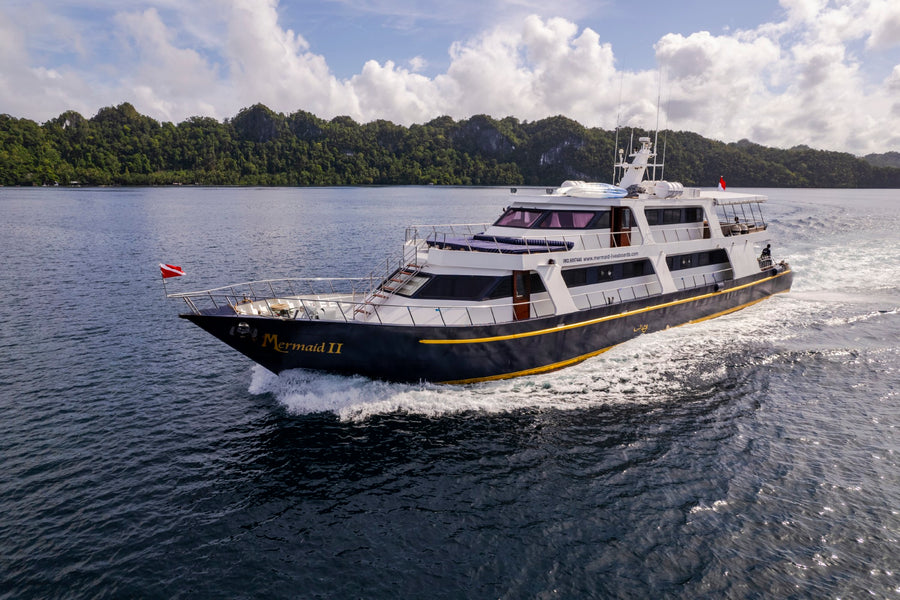
Mermaid II
Lembeh & Togean Islands
- Indicative duration
- 11 nights
- Embarquement
- Bitung / Lembeh, North Sulawesi
- Débarquement
- Bitung / Lembeh, North Sulawesi
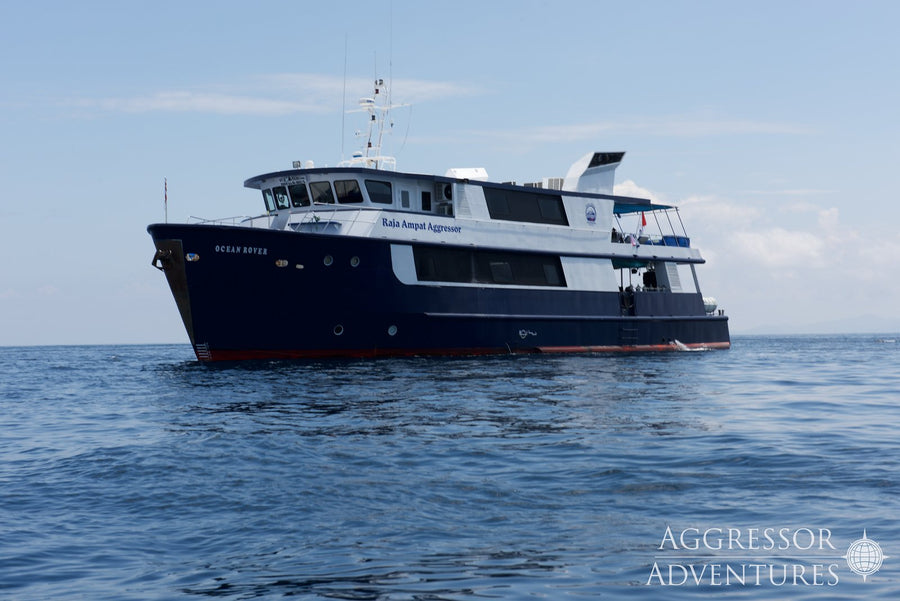
Raja Ampat Aggressor
Derawan/Nord Sulawesi/Lembeh (12 nights)
- Indicative duration
- 12 nights
- Embarquement
- Tanjung Batu
- Débarquement
- Bitung
Raja Ampat Aggressor
Lembeh/Nord Sulawesi/Derawan (12 nights)
- Indicative duration
- 12 nights
- Embarquement
- Bitung
- Débarquement
- Berau
Raja Ampat Aggressor
Raja Ampat (12 nuits)
- Indicative duration
- 12 nights
- Embarquement
- Sorong
- Débarquement
- Bitung
Raja Ampat Aggressor
Raja Ampat (12 nuits)
- Indicative duration
- 12 nights
- Embarquement
- Bitung
- Débarquement
- Sorong
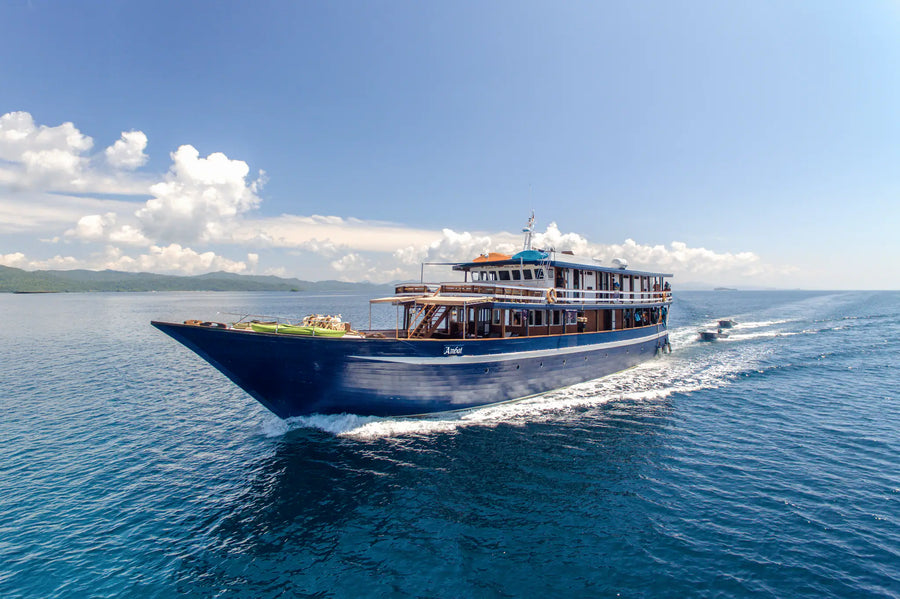
MV Ambai
Nord Sulawesi & Togean Islands
- Indicative duration
- 11 nights
- Embarquement
- Bitung / Manado
- Débarquement
- Central Sulawesi — confirm
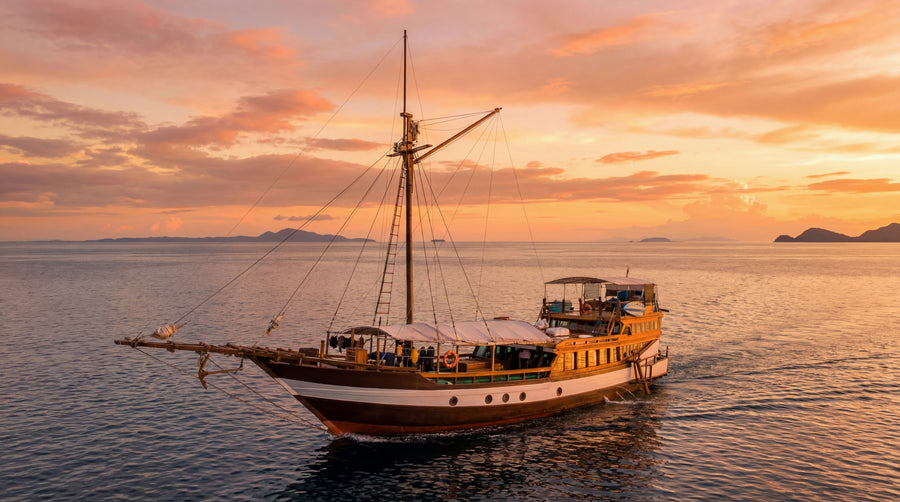
Wellenreng
Halmahera & Lembeh — Ternate à Bitung — 10 nuits
- Indicative duration
- 10 nights
- Embarquement
- Ternate
- Débarquement
- Bitung
Wellenreng
Nord Sulawesi & Togian — Bitung à Luwuk — 10 nuits
- Indicative duration
- 10 nights
- Embarquement
- Bitung
- Débarquement
- Luwuk
No routes match this search. Try another vessel or clear your search.
Quand plonger dans le détroit de Lembeh
La plongée macro se pratique toute l'année. Les petits habitats du détroit évoluent au fil du temps, une liste d'espèces récente ne garantit donc pas ce que vous verrez lors de votre voyage. Des eaux plus fraîches et des plongées longues et lentes peuvent également rendre le confort thermique plus important que ne le laisse supposer le cadre tropical.
Période de planification : plongée macro toute l'année.
À quoi ressemble la plongée
Choisissez les îles et les sites en fonction de l'expérience du groupe.
Capitale mondiale de la plongée sur sable
Lembeh est célèbre pour son sable noir volcanique, ses débris, ses micro-habitats cachés et ses plongées lentes axées sur les petites créatures.
Poisson-grenouille, pieuvre mimétique et seiche flamboyante
Lembeh est connue pour ses créatures extraordinaires telles que les poissons-grenouilles, les pieuvres mimétiques, les seiches flamboyantes et d'autres formes de vie marine insolites.
Possibilité d'observer la pieuvre à anneaux bleus
La pieuvre à anneaux bleus et d'autres sujets rares peuvent être observés selon le site, la saison, les conditions et l'expertise du guide local.
Plongées de nuit et options en eau noire
Les plongées de nuit et les options en eau noire peuvent offrir une dimension spécialisée plus profonde aux photographes macro expérimentés et aux plongeurs curieux.
Guides professionnels pour repérer les petites créatures
De bons guides locaux sont essentiels pour l'expérience Lembeh, car de nombreux sujets sont minuscules, camouflés et faciles à manquer.
Photographie macro de classe mondiale
Le macro, le super-macro, le snoot, la lumière de mise au point et les batteries de rechange sont vivement recommandés aux photographes sous-marins passionnés.
Plongée spécialisée au rythme lent
À Lembeh, il ne s'agit pas de nager vite. Il s'agit de ralentir, de chercher avec soin et de laisser à chaque sujet le temps nécessaire.
Prolongations dans le nord de Sulawesi
Lembeh s'associe parfaitement avec Bunaken, Bangka, Manado, la réserve naturelle de Tangkoko et les hauts plateaux de Minahasa.
DIVE SITE GUIDE
Dive sites in Lembeh Strait
Explore the character of individual sites, from the setting and marine life to the diving conditions. Open a card for the full description; site access and the final profile depend on conditions and experience.
ORIENTATION MAP
Where the dive sites are
Use the map to understand how the key sites are spread around the destination. Pins are for trip-planning orientation only; entry points, moorings and the final dive plan are always confirmed by the local operator on the day.
Coordinates are planning references compiled from current dive-site sources. They are not navigation coordinates; entry points, moorings, tide windows and the final dive plan are always confirmed by the local operator on the day.
Muck · Black sand · Macro
Hairball
Hairball is the dive that best explains why divers travel across the world to stare at what initially looks like an empty slope of black sand.
Découvrir ce site de plongée
- Type
- Muck · Black sand · Macro
- Profondeur
- 5–28 m
- Expérience
- Beginner–Intermediate
- Courant
- Usually mild
Hairball is the dive that best explains why divers travel across the world to stare at what initially looks like an empty slope of black sand. The route is deliberately slow: guides inspect algae clumps, isolated rocks, rubble and half-buried debris for animals that disappear into the bottom.
Hairy and other frogfish, seahorses, snake eels, octopus, nudibranchs and small crustaceans are the attraction, while the open substrate gives photographers clean backgrounds and time to work a subject. There is little topography to follow, so the quality of the dive comes from the guide’s eyes and the diver’s buoyancy. It is also a strong night-dive option, when the same slope can produce a completely different cast of animals.
Look for: Iconic black-sand muck · Frogfish · Cephalopods · Excellent night dive
Idéal pour : Frogfish · Seahorses · Octopus · Macro photography
Muck · Mini wall · Macro
Nudi Falls
Nudi Falls mixes two Lembeh personalities in one dive.
Découvrir ce site de plongée
- Type
- Muck · Mini wall · Macro
- Profondeur
- 5–25 m
- Expérience
- Intermediate
- Courant
- Mild
Nudi Falls mixes two Lembeh personalities in one dive. A short mini-wall and sea fans provide structure for pygmy seahorses, nudibranchs and reef-associated critters, while the rubble and sand below return the dive to classic muck hunting.
The contrast makes the site especially useful for photographers who want more than an open sand slope: one part of the dive can be spent searching gorgonians and sponge-covered wall, the next looking for frogfish, mantis shrimp, gurnards and unusual nudibranchs near the bottom. The bay is generally protected and current is usually manageable, but depth can creep up when photographers follow the wall downward, so a clear depth plan helps keep the dive relaxed.
Look for: Mini wall · Pygmy seahorses · Nudibranch diversity · Mixed habitat
Idéal pour : Pygmy seahorses · Nudibranchs · Frogfish · Macro photography
Reef bowl · Sand slope · Macro
Nudi Retreat
Nudi Retreat is one of the Lembeh sites where the scenery matters almost as much as the critters.
Découvrir ce site de plongée
- Type
- Reef bowl · Sand slope · Macro
- Profondeur
- 2–28 m
- Expérience
- Intermediate
- Courant
- Mild
Nudi Retreat is one of the Lembeh sites where the scenery matters almost as much as the critters. A shallow coral bowl leads into a sand slope framed by small walls, soft coral and encrusted boulders, so the dive feels more three-dimensional than the strait’s pure muck sites.
Nudibranchs are the namesake attraction, but the real strength is variety: photographers can search coral heads and fans for small reef life, then move onto the sand for classic Lembeh subjects. Because useful habitat extends from the very shallows toward the high twenties, the site works well as a multilevel dive with a long, productive safety-stop zone rather than a simple deep out-and-back profile.
Look for: Shallow coral bowl · Soft-coral mini walls · Nudibranchs · Multilevel profile
Idéal pour : Nudibranchs · Soft coral · Macro + reef photography
Muck · Sand & rubble · Twilight
Teluk Kambahu (TK)
Teluk Kambahu — usually shortened to TK — is a village-bay muck site where dark sand and rubble hold an unusually broad critter list.
Découvrir ce site de plongée
- Type
- Muck · Sand & rubble · Twilight
- Profondeur
- 5–25 m
- Expérience
- Beginner–Intermediate
- Courant
- Mild
Teluk Kambahu — usually shortened to TK — is a village-bay muck site where dark sand and rubble hold an unusually broad critter list. Mandarinfish and Banggai cardinalfish add color to a dive that can otherwise be dominated by earth-toned camouflage, while leaf scorpionfish, frogfish, pipefish and nudibranchs reward a methodical search.
The site is especially interesting late in the day, when mandarinfish behavior can become the focus and divers slow down around the habitat rather than covering distance. Depth is moderate and current is usually mild, but the fine bottom makes buoyancy and careful finning essential if several photographers are trying to work the same small area.
Look for: Mandarinfish · Banggai cardinalfish · Frogfish · Good dusk dive
Idéal pour : Mandarinfish · Cardinalfish · Frogfish · Dusk diving
Muck · Rubble · Macro
Critter Hunt
Critter Hunt is exactly what the name suggests: a slow search over mixed sand, rubble and scattered habitat where the guide’s ability to recognize tiny shapes matters more than dramatic scenery.
Découvrir ce site de plongée
- Type
- Muck · Rubble · Macro
- Profondeur
- 5–25 m
- Expérience
- Beginner–Intermediate
- Courant
- Mild
Critter Hunt is exactly what the name suggests: a slow search over mixed sand, rubble and scattered habitat where the guide’s ability to recognize tiny shapes matters more than dramatic scenery. The value of the site is that there is no single headline animal.
Frogfish, pipefish, nudibranchs, shrimp, crabs, small cephalopods and juvenile fish can all become the subject of the dive, and the list changes with season and recent sightings. For photographers, that unpredictability is part of the appeal — a dive can spend twenty minutes on one unusual animal and then turn into a succession of smaller discoveries in the shallows. It is best approached with patience, neutral buoyancy and no expectation of a fixed route.
Look for: Classic critter hunting · Mixed rubble habitat · Macro photography · Variable sightings
Idéal pour : Rare critters · Slow macro dives · Underwater photography
Pinnacle · Swim-through · Reef
Angel’s Window
Angel’s Window is the dive to choose when a week of sand slopes needs a dramatic change of scenery.
Découvrir ce site de plongée
- Type
- Pinnacle · Swim-through · Reef
- Profondeur
- 10–30 m
- Expérience
- Advanced
- Courant
- Mild–Moderate
Angel’s Window is the dive to choose when a week of sand slopes needs a dramatic change of scenery. The site centers on a submerged pinnacle with a well-known swim-through in the low-to-mid twenties, its walls decorated with crinoids, soft coral and reef life.
Small subjects are still present — this is Lembeh, after all — but the structure invites a wider lens and a more spatial dive than the muck sites. The deeper section, overhead feature and occasional water movement make it better suited to experienced divers who are comfortable controlling depth and position around rock. Divers who prefer not to enter the swim-through can still enjoy the exterior of the pinnacle without treating the overhead section as mandatory.
Look for: Pinnacle · Swim-through · Crinoid-covered structure · Wide-angle contrast
Idéal pour : Pinnacle scenery · Crinoids · Wide angle · Advanced profiles
Muck · Pier · Night
Police Pier
Police Pier is at its most distinctive after dark.
Découvrir ce site de plongée
- Type
- Muck · Pier · Night
- Profondeur
- 3–15 m
- Expérience
- Intermediate
- Courant
- Mild
Police Pier is at its most distinctive after dark. Under and around the pier area, grey silt, rubble, sponge patches and shallow rock create habitat for stargazers, snake eels, frogfish, cuttlefish, octopus and a long list of nocturnal invertebrates.
Banggai cardinalfish can gather in the shallower rocky sections, adding a very different photographic subject to the animals emerging from the bottom. The depth is not demanding, but the dive still rewards intermediate-level control because darkness, fine sediment and structure can make poor buoyancy immediately obvious. The published map position should be treated only as an area reference; local operators know the practical entry and mooring for the day.
Look for: Night-dive favorite · Stargazers · Cephalopods · Banggai cardinalfish
Idéal pour : Night diving · Cephalopods · Stargazers · Banggai cardinalfish
Wreck · Reef growth · Macro
Mawali Wreck
Mawali Wreck is a rare break from Lembeh’s sand-and-critters identity: a roughly 60-metre wartime cargo ship lying on its side and now heavily reclaimed by marine life.
Découvrir ce site de plongée
- Type
- Wreck · Reef growth · Macro
- Profondeur
- 15–30 m
- Expérience
- Advanced
- Courant
- Usually mild
Mawali Wreck is a rare break from Lembeh’s sand-and-critters identity: a roughly 60-metre wartime cargo ship lying on its side and now heavily reclaimed by marine life. The wreck begins around the mid-teens and descends toward 30 metres, so the usual profile is deepest first along the lower hull before moving shallower over crinoids, black coral, soft coral and fish sheltering around the structure.
It is rewarding both as a wreck and as habitat, which means divers do not need penetration to have a complete dive. Any overhead entry should be left to appropriately trained wreck divers following the operator’s procedures; recreational visitors can stay outside and still see the shape and growth of the ship.
Look for: WWII cargo wreck · 15–30 m profile · Crinoids & black coral · No penetration required
Idéal pour : Wreck photography · Crinoids · Coral growth · Advanced diving
Photographie sous-marine
Chez Hairball, les poissons-grenouilles, les hippocampes, les pieuvres et la photographie macro donnent une idée des possibilités photographiques. Choisissez la configuration de l'appareil photo en fonction des sites prévus, puis laissez-vous le temps d'observer la scène avant de prendre la photo. Revenir sur une plongée fructueuse offre souvent de meilleures opportunités que de chercher constamment un autre site. Pour les scènes de récif, utilisez la forme du récif et la lumière disponible pour donner de la profondeur à l'image. Un plongeur à une distance respectueuse peut donner une idée de l'échelle sans envahir l'espace de l'animal.
Au-delà de la plongée : Lembeh au-dessus de la surface
Le nord de Sulawesi ajoute un riche volet terrestre à un voyage à Lembeh. Tangkoko propose des observations guidées de la faune forestière, tandis que les hauts plateaux de Minahasa offrent des paysages volcaniques, des lacs, des marchés et un climat différent de celui de la côte.
Ces excursions fonctionnent mieux comme prolongations ou comme journées consacrées à la terre ferme, car elles impliquent des transferts vers le continent. Dans le détroit, le centre de plongée devient le cœur de la vie entre les plongées : jardins, repas, installations de spa et un endroit confortable pour visionner les photos peuvent être tout aussi importants que l'accès à la plage.
Comment se rendre dans le détroit de Lembeh
La plupart des visiteurs internationaux atteignent Lembeh en volant via Singapour, Jakarta ou Bali jusqu'à Manado. Depuis Manado, les visiteurs poursuivent leur voyage par la route et/ou par transfert en bateau vers le détroit de Lembeh, selon le centre de plongée choisi et l'itinéraire final.
Choisissez des horaires d'arrivée et de départ adaptés au transfert suivant, en particulier lorsqu'une traversée en bateau ou un long trajet en voiture est nécessaire. Prévoyez une dernière journée de repos à terre et un intervalle approprié entre la dernière plongée et le vol.
Questions sur la plongée dans le détroit de Lembeh
Pourquoi vaut-il la peine de se rendre dans le détroit de Lembeh pour plonger ?
Lembeh vous demande de regarder à deux fois. Ce qui semble au premier abord être une étendue vide de sable volcanique peut révéler une pieuvre camouflée, une minuscule crevette ou un poisson-grenouille parfaitement immobile. La récompense vient de l'attention, de la patience et du temps.
Comment dois-je planifier mon séjour ?
Choisissez un centre de plongée macro spécialisé pour son approche de guidage, la taille de ses groupes et ses installations pratiques pour les appareils photo. Un récif privé ou un accès facile aux plongées de nuit est un atout si vous aimez revenir sur un sujet. Nous recommandons six ou sept nuits pour une première visite ciblée, avec Bunaken ou Bangka pour découvrir une expérience de récif différente.
Quelle est la meilleure période pour s'y rendre ?
La plongée macro se pratique toute l'année. Les petits habitats du détroit évoluent au fil du temps, une liste d'espèces récente ne garantit donc pas ce que vous verrez lors de votre voyage. Des eaux plus fraîches et des plongées longues et lentes peuvent également rendre le confort thermique plus important que ne le laisse supposer le cadre tropical.
Y a-t-il suffisamment d'activités pour les compagnons qui ne plongent pas ?
Le nord de Sulawesi ajoute un riche volet terrestre à un voyage à Lembeh. Tangkoko propose des observations guidées de la faune forestière, tandis que les hauts plateaux de Minahasa offrent des paysages volcaniques, des lacs, des marchés et un climat différent de celui de la côte.
A closer look at Lembeh Strait


Planifiez votre voyage dans le détroit de Lembeh
Dites-nous quelles expériences vous souhaitez le plus, vos dates préférées et votre façon de voyager. Nous pouvons regrouper la destination, l'hébergement et la plongée dans un itinéraire cohérent.
Planifier mon voyage