

Destination guide · Philippines
Tauchen in Southern Leyte & der Bucht von Sogod
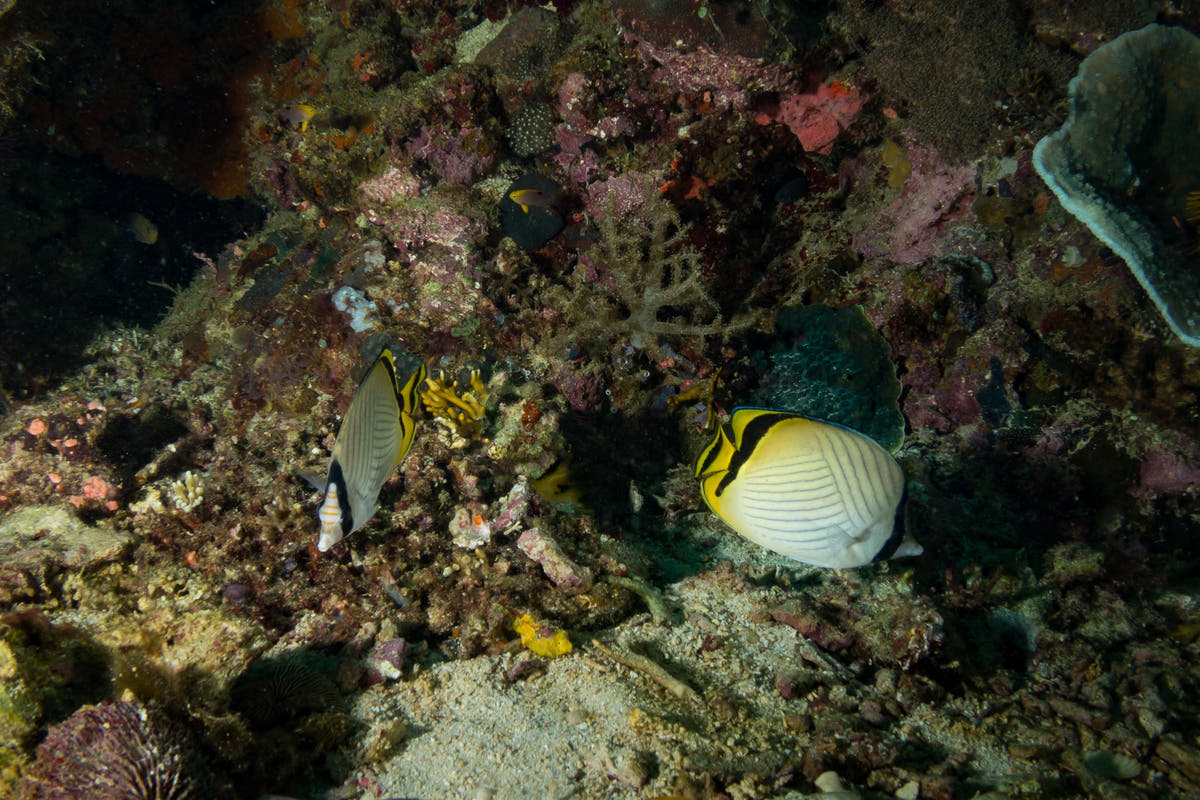
Sogod Bay rewards divers who notice the reef itself: the shape of a coral garden, fish moving along a wall and the quieter life of a marine sanctuary. Southern Leyte feels like a coastal journey with diving at its centre.
Destination media courtesy of Sogod Bay Scuba Resort
Southern Leyte & Sogod Bay im Überblick
Southern Leyte und die Sogod Bay bieten ruhige Küstenabschnitte, intakte Riffe, Wände und Meeresschutzgebiete abseits der belebtesten Tauchreviere der Philippinen. Die Atmosphäre ist lokal geprägt und erinnert an eine Expedition, mit kleinen Gemeinden und Tauchplätzen, die sich oft angenehm wenig besucht anfühlen.
Die Region belohnt flexible Reisende, die Wert auf die Qualität der Riffe und Authentizität legen, mehr als auf Nachtleben oder eine perfekt ausgebaute Massentourismus-Infrastruktur. Gelegentliche Begegnungen mit großen Meerestieren sorgen für Spannung, sind jedoch nie garantiert; die verlässlichen Stärken sind die Korallenlandschaften, abwechslungsreichen Profile und das Gefühl, eine weniger kommerzialisierte Küste zu erkunden.
Planen Sie Ihren Aufenthalt in Southern Leyte
Wählen Sie einen Küstenstandort für die Riffe, die Sie am liebsten erkunden möchten, und planen Sie Zeit für Napantao sowie andere Schutzgebiete oder Wände ein. Fünf bis sieben Nächte sind ein guter Ausgangspunkt. Dies ist ein ideales Ziel für eine entspannte, auf Riffe fokussierte Reise, bei der Exkursionen zur Tierbeobachtung als Ergänzung betrachtet werden.

Southern Leyte Divers
Kleines familiengeführtes Tauchresort in der Sogod Bay mit flexiblen Bungalowoptionen, wenig besuchten Riffen, bis zu vier Tauchgängen pro Tag und saisonalen Chancen auf Walhaie.

Sogod Bay Scuba Resort
Kleines Tauchresort direkt am Meer in Southern Leyte für bis zu 24 Gäste mit flexiblen Zimmerkategorien, zwei Tauchbooten, Nitrox und Zugang zu ruhigen Riffen der Sogod Bay.
Liveaboard routes for this destination
Explore the routes that visit this region. Compare ships and itineraries, then open a route to see its sailing dates, cabins and the areas it covers.
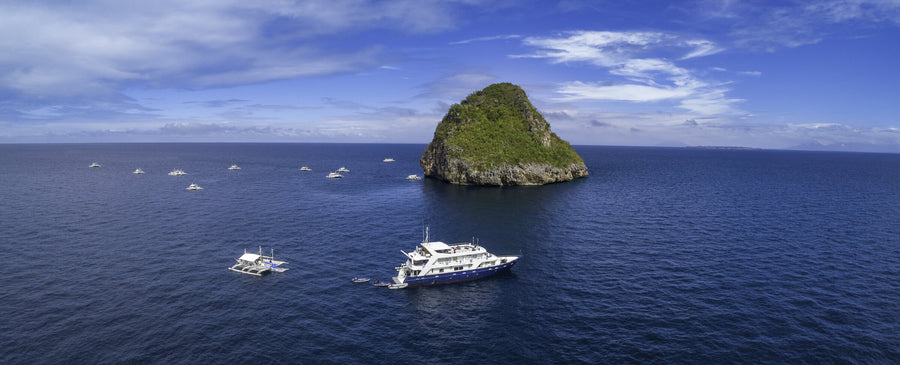
Atlantis Infiniti
Visayas Ost
- Indicative duration
- 7 nights
- Einschiffung
- Atlantis Dumaguete Resort, Dauin
- Ausschiffung
- Atlantis Dumaguete Resort, Dauin
Atlantis Infiniti
Visayas Nord
- Indicative duration
- 7 nights
- Einschiffung
- Atlantis Dumaguete Resort, Dauin
- Ausschiffung
- Atlantis Dumaguete Resort, Dauin
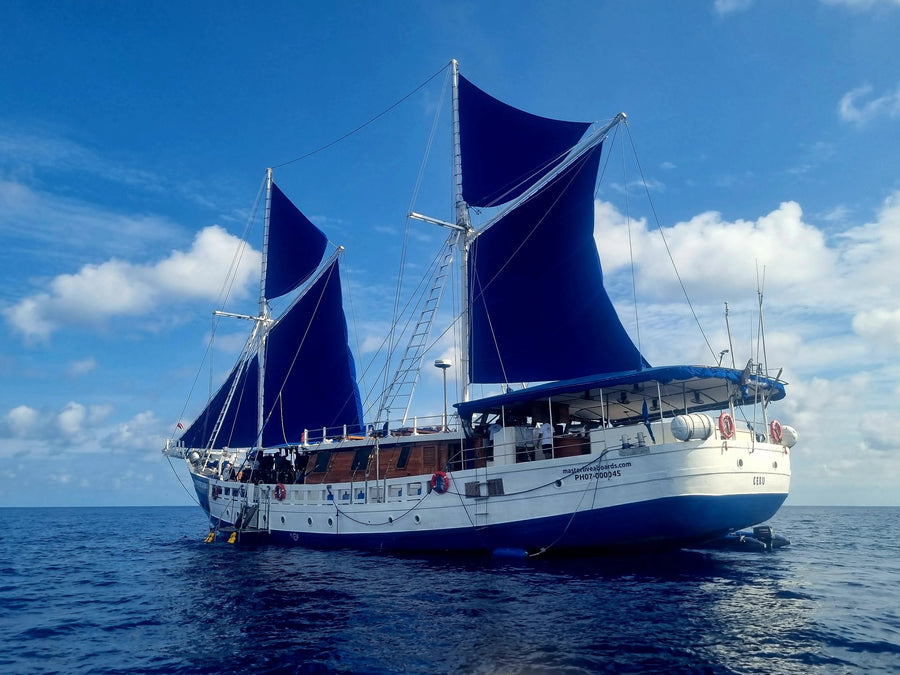
Philippine Siren
Southern Visayas — 6 Nächte
- Indicative duration
- 6 nights
- Einschiffung
- Mactan / Cebu
- Ausschiffung
- Mactan / Cebu
Philippine Siren
Southern Visayas — 7 Nächte
- Indicative duration
- 7 nights
- Einschiffung
- Mactan / Cebu
- Ausschiffung
- Mactan / Cebu
Philippine Siren
Visayas, Southern Leyte & Malapascua — 10 Nächte
- Indicative duration
- 10 nights
- Einschiffung
- Mactan / Cebu
- Ausschiffung
- Mactan / Cebu
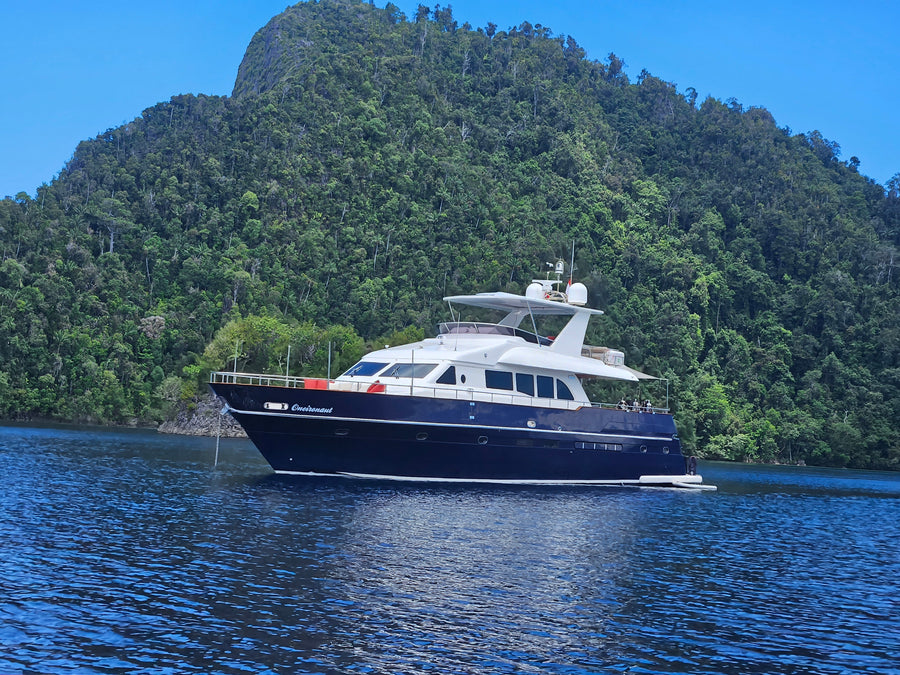
Philippines Explorer II
Southern Leyte — Anda nach Anda — 6 Nächte
- Indicative duration
- 6 nights
- Einschiffung
- Anda, Bohol
- Ausschiffung
- Anda, Bohol
No routes match this search. Try another vessel or clear your search.
Wann sollte man in Southern Leyte tauchen?
Das veröffentlichte Planungsfenster reicht grob von November bis Mai, doch Niederschlag und Wind variieren innerhalb der Bucht. Riffe, Wände und Schutzgebiete bleiben der Kern der Reise. Die saisonale Aktivität der Walhaie ist unabhängig vom täglichen Tauchprogramm und sollte nicht der einzige Grund für die Wahl Ihrer Reisedaten sein.
Planungsfenster: Am besten von November bis Mai.
Was Sie beim Tauchen erwartet
Wählen Sie die Inseln und Tauchplätze entsprechend der Erfahrung der Gruppe.
Napantao Marine Sanctuary
Eines der besten Riff-Highlights der Sogod Bay, mit Korallenhängen, Rifffischen und der klassischen Atmosphäre eines Meeresschutzgebiets.
Riffe der Inseln Limasawa & Panaon
Die Tauchplätze auf den Inseln Limasawa und Panaon bieten Wände, Überhänge, Canyons, Korallenlandschaften und ein eher exploratives Taucherlebnis.
Wände, Hänge & Korallengärten
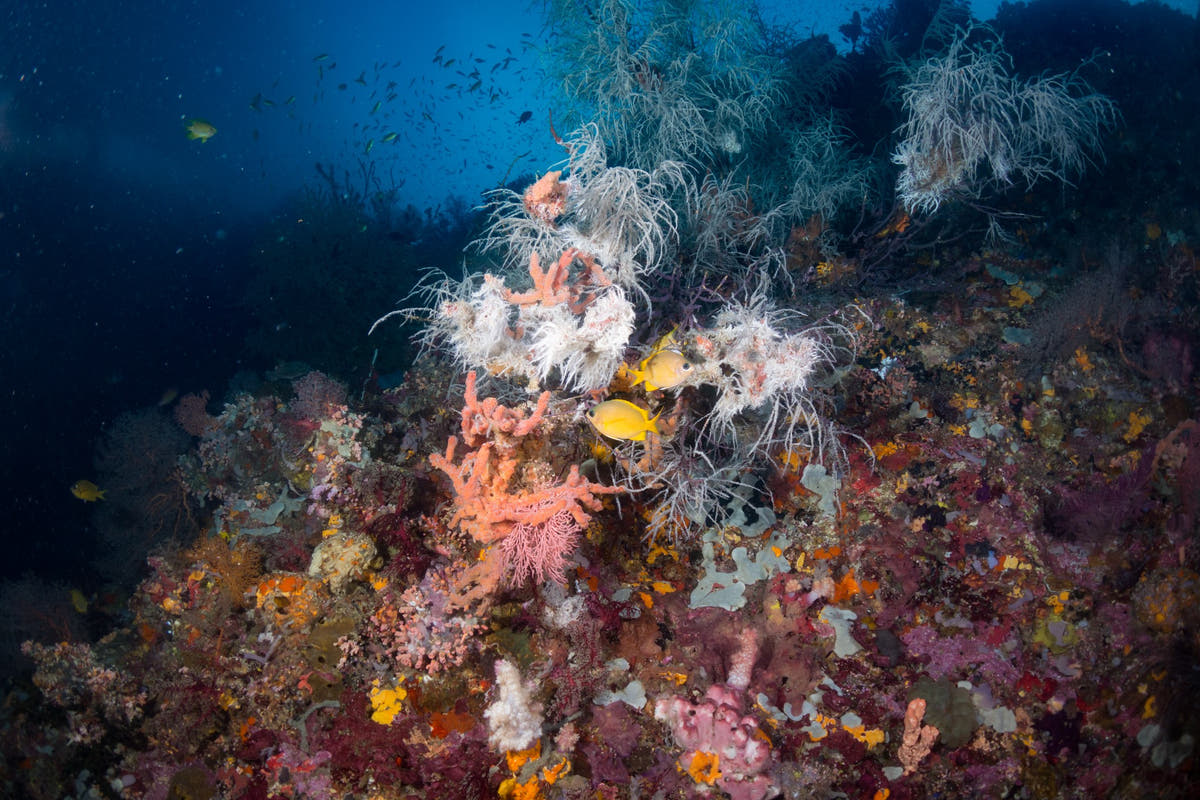
Southern Leyte bietet eine Mischung aus Riffwänden, Korallenhängen, Fischschwärmen und malerischen Riffstrukturen für Weitwinkel- und entspanntes Riff-Tauchen.
Makro-Ecken & lokale Kleinstlebewesen-Tauchgänge
Lokale Tauchplätze und Bereiche im Makrostil bieten kleine Motive, Nachttauchgänge und einen leichteren Zeitplan zwischen Riff- und Wandtauchgängen.
Ruhige, lokale Tauchatmosphäre
Das Reiseziel wirkt friedlich und authentisch, mit kleinen Dörfern, grünen Bergen, ruhigen Küstenabschnitten und wenig besuchten Tauchtagen.
Saisonales Potenzial für große Meerestiere
Größere Tiere sind saisonal möglich, Begegnungen sollten jedoch nie versprochen oder aktiv gesucht werden. Der Kern des Angebots bleibt Riff- und Expeditionstauchen.
Mischung aus Weitwinkel- & Makrofotografie
Nehmen Sie sowohl Weitwinkel- als auch Makro-Ausrüstung mit: Riffe und Wände sind malerisch, während lokale Tauchplätze Möglichkeiten für Kleinstlebewesen bieten.
Eine ruhigere Alternative zu berühmten Routen
Southern Leyte ist ideal für Taucher, die starke Riffe und ein eher unerforschtes Gefühl ohne die Menschenmassen bekannter Ziele suchen.
DIVE SITE GUIDE
Dive sites in Southern Leyte & Sogod Bay
Explore the character of individual sites, from the setting and marine life to the diving conditions. Open a card for the full description; site access and the final profile depend on conditions and experience.
ORIENTATION MAP
Where the dive sites are
Use the map to understand how the key sites are spread around the destination. Pins are for trip-planning orientation only; entry points, moorings and the final dive plan are always confirmed by the local operator on the day.
Coordinates are planning references compiled from current dive-site sources. They are not navigation coordinates; entry points, moorings, tide windows and the final dive plan are always confirmed by the local operator on the day.
Wall · Marine sanctuary
Napantao Marine Sanctuary
Napantao is the flagship reef of Sogod Bay: a protected wall where coral cover and fish density are the reason to dive rather than a single headline species.
Tauchplatz entdecken
- Typ
- Wall · Marine sanctuary
- Tiefe
- 5–40+ m
- Erfahrung
- Intermediate–Advanced
- Strömung
- Moderate
Napantao is the flagship reef of Sogod Bay: a protected wall where coral cover and fish density are the reason to dive rather than a single headline species. The reef starts shallow and drops into deep water, with gorgonians, soft coral and large schools of reef fish building along the current-facing sections.
When water movement is favorable, trevally, barracuda and other larger fish may patrol the wall. The sanctuary rewards a slow multilevel profile — there is no reason to stay deep once the shallower reef becomes productive. Good buoyancy is especially important because the protected coral is the site’s main asset and the wall can make depth changes easy to overlook.
Look for: Marine sanctuary · Coral wall · High fish density · Wide angle
Ideal für: Fish biomass · Coral wall · Wide angle
Wall · Macro + wide angle
Max Climax Wall
Max Climax Wall is a deeper Southern Leyte profile where the reef face supports both wide-angle scenery and the kind of small life photographers associate with coral-rich walls.
Tauchplatz entdecken
- Typ
- Wall · Macro + wide angle
- Tiefe
- 15–40 m
- Erfahrung
- Advanced
- Strömung
- Mild–Moderate
Max Climax Wall is a deeper Southern Leyte profile where the reef face supports both wide-angle scenery and the kind of small life photographers associate with coral-rich walls. Whip corals, fans and encrusting growth create habitat for tiny subjects, while the open side of the wall keeps the dive visually expansive.
Much of the interesting terrain sits below the shallowest recreational zone, so the site suits divers comfortable with a planned deeper first half followed by a gradual ascent. The name should not encourage depth for its own sake: the guide’s chosen maximum is more important than reaching the bottom of the wall, and there is plenty to see while moving shallower.
Look for: Deep wall · Whip corals · Macro potential · Advanced profile
Ideal für: Whip corals · Pygmy subjects · Deep wall
Reef · Slope · Coral
Medicare
Medicare is a useful counterpoint to the dramatic walls: two reef sections and a gentler slope allow divers to spread out, work on buoyancy and look closely at coral and smaller marine life.
Tauchplatz entdecken
- Typ
- Reef · Slope · Coral
- Tiefe
- 5–30 m
- Erfahrung
- Beginner–Intermediate
- Strömung
- Usually mild
Medicare is a useful counterpoint to the dramatic walls: two reef sections and a gentler slope allow divers to spread out, work on buoyancy and look closely at coral and smaller marine life. Current is usually manageable, making it suitable for newer divers and photographers who want a slower dive without giving up depth variety.
The site can still reach the high twenties, but the best part of the experience often sits shallower where light and coral color are stronger. Because it is less dependent on a particular pelagic encounter or current window, Medicare is a practical site for check dives, courses and mixed-experience groups during a longer Southern Leyte stay.
Look for: Gentler reef · Beginner friendly · Macro · Flexible depth
Ideal für: Easy reef diving · Coral · Macro · Training
Point · Wall · Current
Tangkaan Point
Tangkaan Point combines a steepening reef with a current-facing corner where fish activity can build.
Tauchplatz entdecken
- Typ
- Point · Wall · Current
- Tiefe
- 5–36 m
- Erfahrung
- Intermediate–Advanced
- Strömung
- Moderate
Tangkaan Point combines a steepening reef with a current-facing corner where fish activity can build. Gorgonians and coral growth decorate the wall, while turtles and schooling reef fish are common possibilities around the point.
The dive becomes more energetic as water moves across the corner, so the guide normally uses the reef contour rather than asking divers to hold position in open current. Depth extends well beyond what is necessary for a satisfying dive; a controlled mid-depth route gives better gas time and leaves a productive shallow finish. It is a strong wide-angle site for divers who enjoy wall scenery but do not necessarily want the deepest Southern Leyte profiles.
Look for: Point & wall · Gorgonians · Turtles possible · Current-sensitive
Ideal für: Gorgonians · Turtles · Wall diving · Wide angle
Reef · Wall · Night
The Hole
The Hole is one of Southern Leyte’s flexible all-round sites.
Tauchplatz entdecken
- Typ
- Reef · Wall · Night
- Tiefe
- 3–25 m
- Erfahrung
- Beginner–Intermediate
- Strömung
- Usually mild
The Hole is one of Southern Leyte’s flexible all-round sites. A shallow reef top around only a few metres gives new divers a comfortable starting area, while the reef edge falls toward deeper recreational water for certified divers who want more structure.
The same sheltered profile also makes the site useful after dark, when small nocturnal animals become the main attraction and the shallow reef allows long bottom times. It is not a dive built around one famous landmark; its value is versatility. A group can use it for training, a relaxed afternoon dive or a night macro session, with the guide adjusting the route to visibility and the experience level of the divers.
Look for: Shallow reef · Night-dive option · Training friendly · Macro potential
Ideal für: Night diving · Courses · Shallow reef · Macro
Wall · Reef · Offshore island
Limasawa Island
Limasawa adds a more exposed island environment to a Sogod Bay itinerary.
Tauchplatz entdecken
- Typ
- Wall · Reef · Offshore island
- Tiefe
- 8–40+ m
- Erfahrung
- Advanced
- Strömung
- Moderate
Limasawa adds a more exposed island environment to a Sogod Bay itinerary. Sites around the island include steep wall sections and coves where the reef drops quickly into deep water, creating a strong sense of scale and the chance of larger fish moving along the edge.
The diving is generally more suitable for experienced guests because depth can build quickly and boat support matters more than at sheltered coastal sites. Exact site names and entries vary by operator — Adrian’s Wall and Zack’s Cove are among the locally used references — so the map pin should be read as the island dive area rather than a single mooring. The payoff is dramatic topography and a more offshore feel.
Look for: Offshore island · Deep walls · Wide-angle scenery · Experienced divers
Ideal für: Deep walls · Pelagic potential · Wide angle
Reef · Slope · Macro
Voltaire’s Rock
Voltaire’s Rock starts surprisingly shallow, with coral and small reef life in only a few metres of water, then follows a sloping profile toward deeper sections.
Tauchplatz entdecken
- Typ
- Reef · Slope · Macro
- Tiefe
- 2–32 m
- Erfahrung
- Intermediate
- Strömung
- Mild–Moderate
Voltaire’s Rock starts surprisingly shallow, with coral and small reef life in only a few metres of water, then follows a sloping profile toward deeper sections. That shape makes it ideal for a multilevel dive: photographers can begin deeper looking for macro subjects around the rock and slope, then spend a long final section in bright shallow coral.
Because useful habitat exists across such a broad depth range, there is no need to force a square profile or stay deep. The site rewards slow observation more than distance covered, making it a good choice for photographers and divers who want a calmer counterpart to the bay’s steeper walls.
Look for: Very shallow reef top · Macro · Multilevel profile · Photography
Ideal für: Shallow coral · Macro · Multilevel diving
Point · Reef · Current
Pintuyan / Sonok Point
The Pintuyan side of Sogod Bay is best known internationally for seasonal whale-shark activity, but the scuba diving should be understood separately from any surface wildlife programme.
Tauchplatz entdecken
- Typ
- Point · Reef · Current
- Tiefe
- 5–40 m
- Erfahrung
- Advanced
- Strömung
- Moderate–Strong
The Pintuyan side of Sogod Bay is best known internationally for seasonal whale-shark activity, but the scuba diving should be understood separately from any surface wildlife programme. Reef and point dives around Sonok can carry current and offer open-water potential for larger fish, while the reef itself remains the dependable part of the dive.
Whale sharks are wild, seasonal and never guaranteed; when operators conduct dedicated encounters they may use separate rules or snorkelling rather than ordinary scuba profiles. For divers, the site is strongest as a current-fed point in a quieter part of the bay, with the possibility of an exceptional encounter treated as a bonus rather than the product.
Look for: Current-fed point · Pelagic potential · Seasonal wildlife area · Advanced profile
Ideal für: Pelagic potential · Current diving · Southern Sogod Bay
Unterwasserfotografie
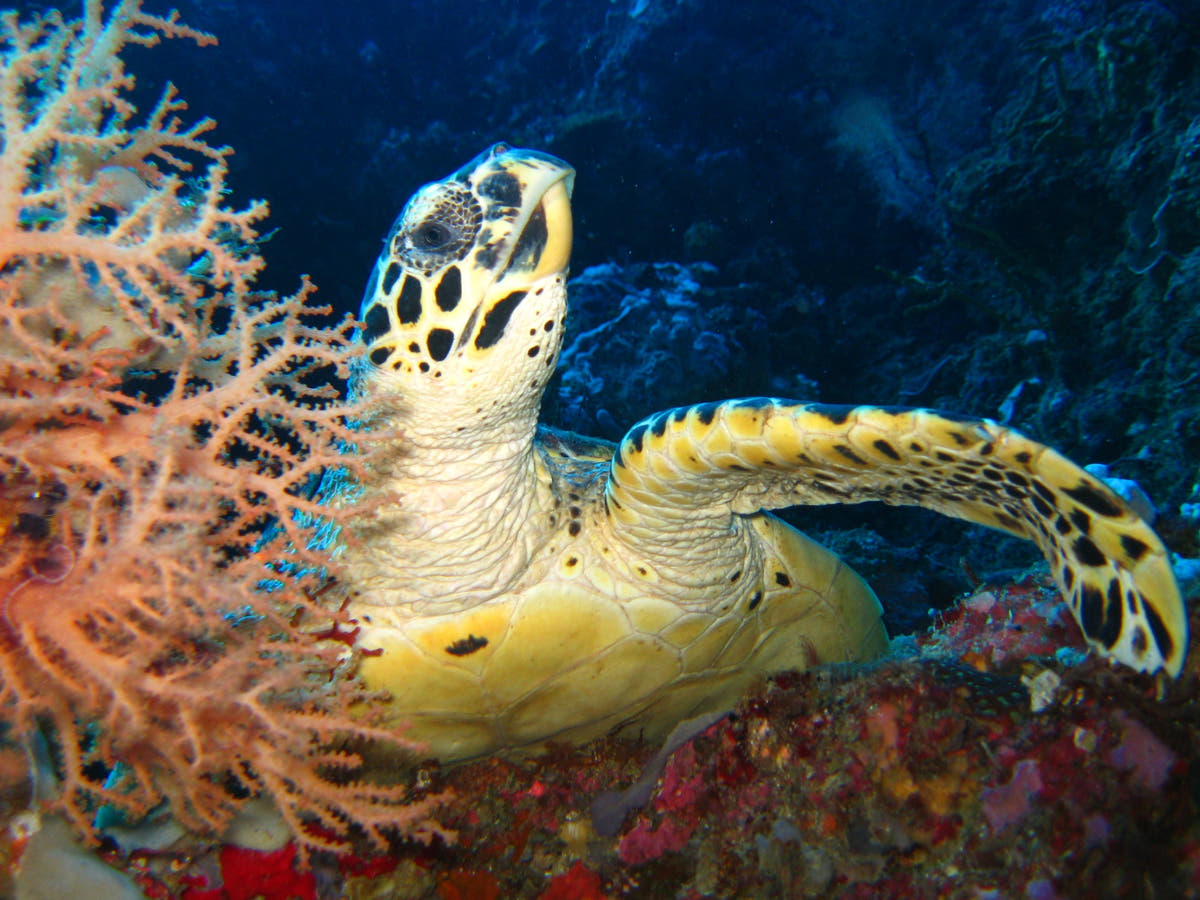
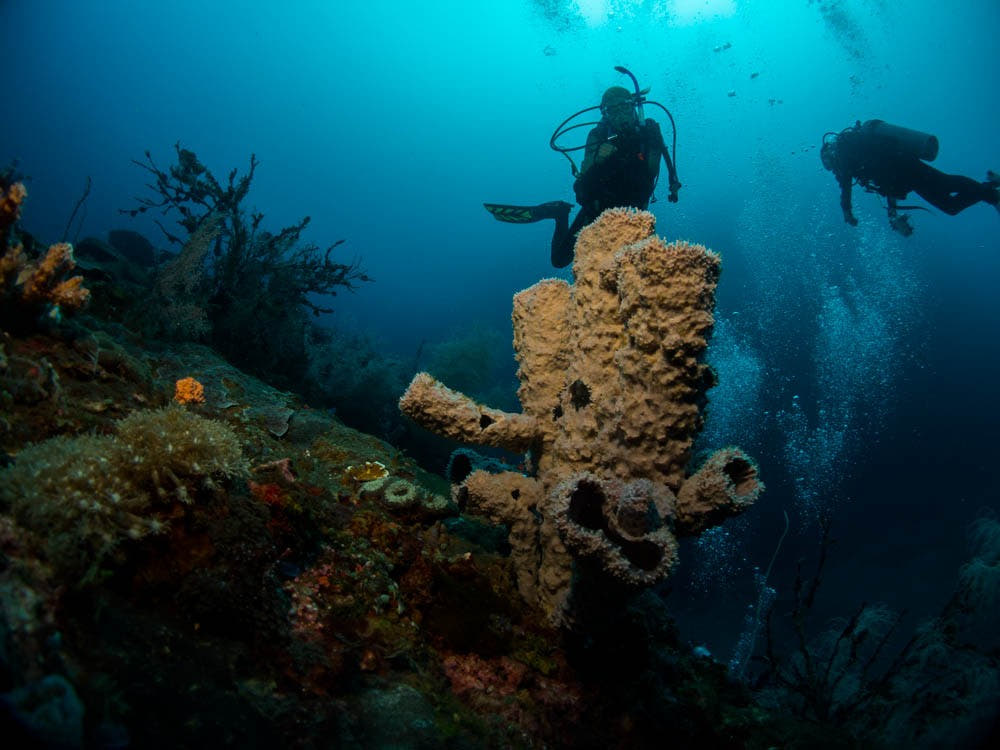
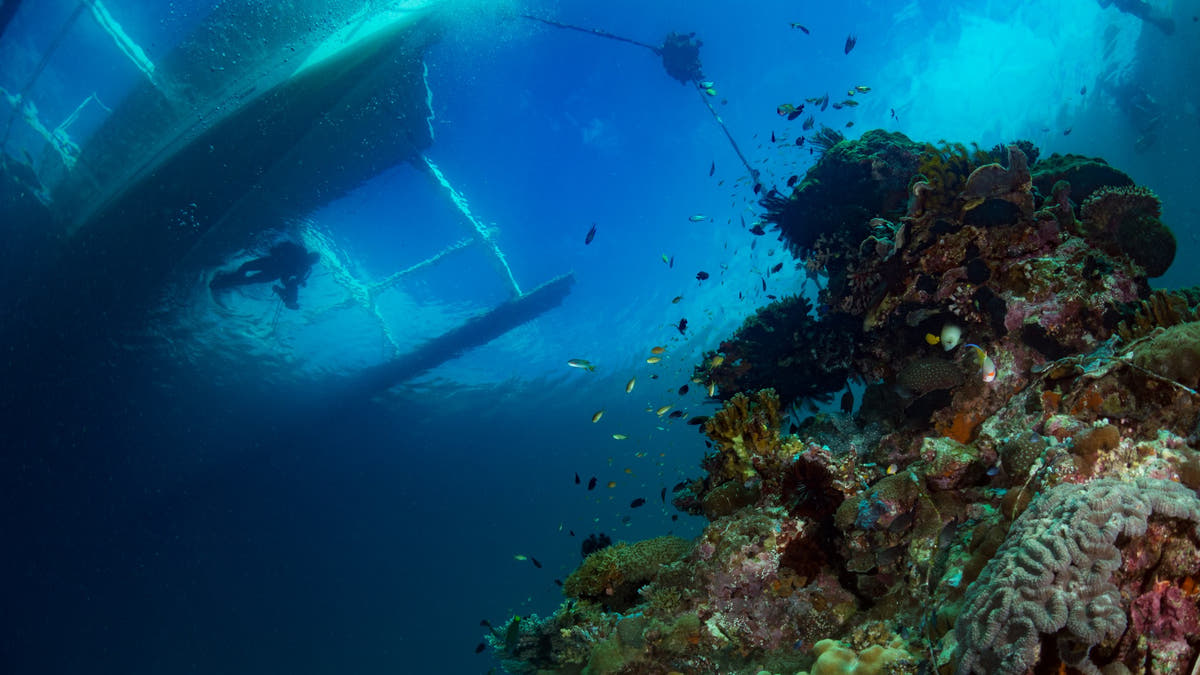
Im Napantao Marine Sanctuary geben Fischbiomasse, Korallenwand und Weitwinkelaufnahmen einen Eindruck von den fotografischen Möglichkeiten. Wählen Sie die Kameraausrüstung für die geplanten Tauchplätze und lassen Sie sich dann Zeit, die Szenerie zu beobachten, bevor Sie das Bild aufnehmen. Ein erfolgreicher Tauchgang kann oft bessere Motive bieten, wenn man ihn wiederholt, als ständig nach einem anderen Ort zu suchen. Nutzen Sie bei Riffmotiven die Form des Riffs und das vorhandene Licht, um dem Bild Tiefe zu verleihen. Ein Taucher in respektvollem Abstand kann Größenverhältnisse verdeutlichen, ohne ein Tier einzuschränken.
Abseits des Tauchens: Southern Leyte über der Wasseroberfläche
Grüne Hügel, kleine Siedlungen und ruhige Küstenabschnitte verleihen Southern Leyte seinen besonderen Charakter. Dorfführungen, Wasserfälle und Ausflüge in die lokale Natur eignen sich besonders gut, wenn der Tag langsam vergehen darf.
Limasawa ergänzt das Gesamtprogramm um einen Inselausflug, wenn es die Logistik zulässt. Nicht-Taucher können die Natur und die friedliche Zeit im Resort genießen, denn die Faszination hier entspringt der Umgebung und dem lokalen Leben, nicht einem umfangreichen Angebot an Shopping oder Abendunterhaltung.
Anreise nach Southern Leyte
Die meisten internationalen Gäste erreichen Southern Leyte über Manila oder Cebu und fahren dann mit Inlandsflug, Fähre und Landweg weiter nach Padre Burgos oder in die Sogod Bay, je nach endgültigem Reiseverlauf.
Wählen Sie Ankunfts- und Abflugzeiten so, dass sie mit dem Weitertransfer abgestimmt sind, insbesondere wenn eine Bootsüberfahrt oder eine lange Autofahrt ansteht. Planen Sie einen entspannten letzten Tag an Land und einen angemessenen Zeitabstand zwischen dem letzten Tauchgang und dem Flug ein.
Fragen zum Tauchen in Southern Leyte
Was macht Southern Leyte zu einem lohnenden Tauchreviertrip?
Die Sogod Bay belohnt Taucher, die das Riff selbst wahrnehmen: die Form eines Korallengartens, Fische, die entlang einer Wand schwimmen, und das ruhigere Leben in einem Meeresschutzgebiet. Southern Leyte fühlt sich wie eine Küstenreise an, bei der das Tauchen im Mittelpunkt steht.
Wie sollte ich meinen Aufenthalt planen?
Wählen Sie einen Küstenstandort für die Riffe, die Sie am liebsten erkunden möchten, und planen Sie Zeit für Napantao sowie andere Schutzgebiete oder Wände ein. Fünf bis sieben Nächte sind ein guter Ausgangspunkt. Dies ist ein ideales Ziel für eine entspannte, auf Riffe fokussierte Reise, bei der Exkursionen zur Tierbeobachtung als Ergänzung betrachtet werden.
Wann ist eine gute Reisezeit?
Das veröffentlichte Planungsfenster reicht grob von November bis Mai, doch Niederschlag und Wind variieren innerhalb der Bucht. Riffe, Wände und Schutzgebiete bleiben der Kern der Reise. Die saisonale Aktivität der Walhaie ist unabhängig vom täglichen Tauchprogramm und sollte nicht der einzige Grund für die Wahl Ihrer Reisedaten sein.
Gibt es genug für Nicht-Taucher?
Grüne Hügel, kleine Siedlungen und ruhige Küstenabschnitte verleihen Southern Leyte seinen besonderen Charakter. Dorfführungen, Wasserfälle und Ausflüge in die lokale Natur eignen sich besonders gut, wenn der Tag langsam vergehen darf.
A closer look at Southern Leyte & Sogod Bay
Planen Sie Ihre Reise nach Southern Leyte
Teilen Sie uns mit, welche Erlebnisse Sie am liebsten machen möchten, welche Daten Sie bevorzugen und wie Sie reisen möchten. Wir können das Reiseziel, die Unterkunft und das Tauchen zu einem stimmigen Reiseverlauf zusammenstellen.
Meine Reise planen