

Destination guide · Philippines
Ticao Island & Bicol Tauchen
At Ticao, open water and moving currents give the diving a sense of anticipation. Manta Bowl is the headline, but the surrounding reefs and island scenery give a visit texture even when the larger animals remain out of sight.
Ticao Island & Bicol im Überblick
Ticao Island und die größere Bicol-Region vereinen abgelegene Riffe mit der Möglichkeit, Manta-Rochen und andere große Tiere zu beobachten. Strömungsdurchflossene Kanäle, Open-Water-Tauchplätze und die Inselkulisse verleihen dem Reiseziel einen abenteuerlicheren Charakter als einem herkömmlichen Resorturlaub.
Die besten Programme richten sich an erfahrene Taucher und bieten Flexibilität bei wechselnden Seebedingungen. Die Tierwelt ist völlig natürlich und kann nicht garantiert werden, doch die Kombination aus Manta Bowl, regionalen Riffen und einem ruhigen Inselstützpunkt macht Ticao für Reisende attraktiv, die eine weniger bekannte Route auf den Philippinen suchen.
Planen Sie Ihren Aufenthalt auf Ticao Island
Ein Stützpunkt auf Ticao eignet sich gut, um strömungsabhängige Offshore-Tauchgänge mit entspannteren Riff-Tauchgängen zu kombinieren. Planen Sie bei einem Aufenthalt von fünf bis sieben Nächten mehrere Gelegenheiten ein, Manta Bowl zu besuchen. Taucher sollten bereits mit Open-Water-Einstiegen, wechselnden Strömungen und Bootspick-ups vertraut sein.

Ticao Island Resort
Abgelegenes Inselresort in Masbate mit Cabanas direkt am Strand, Tauchpaketen mit Vollpension, Zugang zur Manta Bowl und einem umfangreichen Programm an Naturausflügen.
Liveaboard routes for this destination
Explore the routes that visit this region. Compare ships and itineraries, then open a route to see its sailing dates, cabins and the areas it covers.
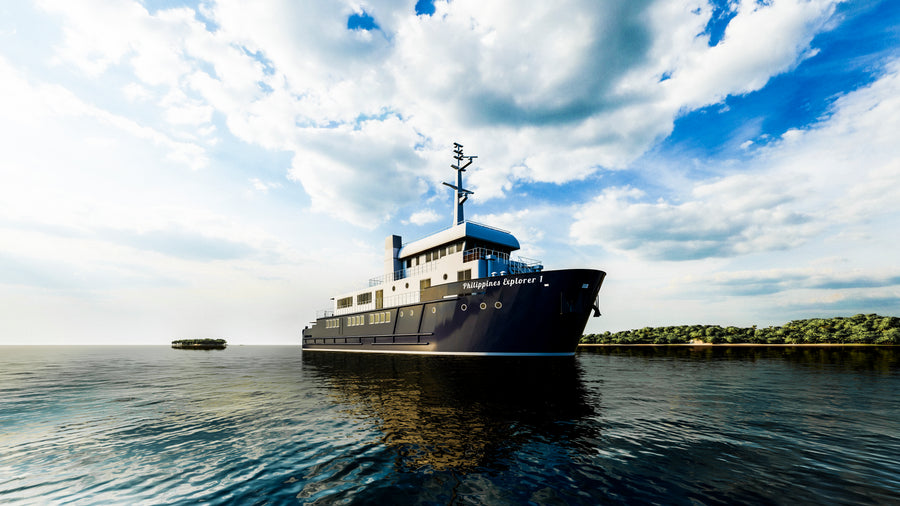
Philippines Explorer I
Ultimate Visayas: Dauin nach Donsol — 10 Nächte
- Indicative duration
- 10 nights
- Einschiffung
- Dauin, Negros Oriental
- Ausschiffung
- Donsol, Sorsogon
Philippines Explorer I
Ultimate Visayas: Donsol nach Dauin — 10 Nächte
- Indicative duration
- 10 nights
- Einschiffung
- Donsol, Sorsogon
- Ausschiffung
- Dauin, Negros Oriental
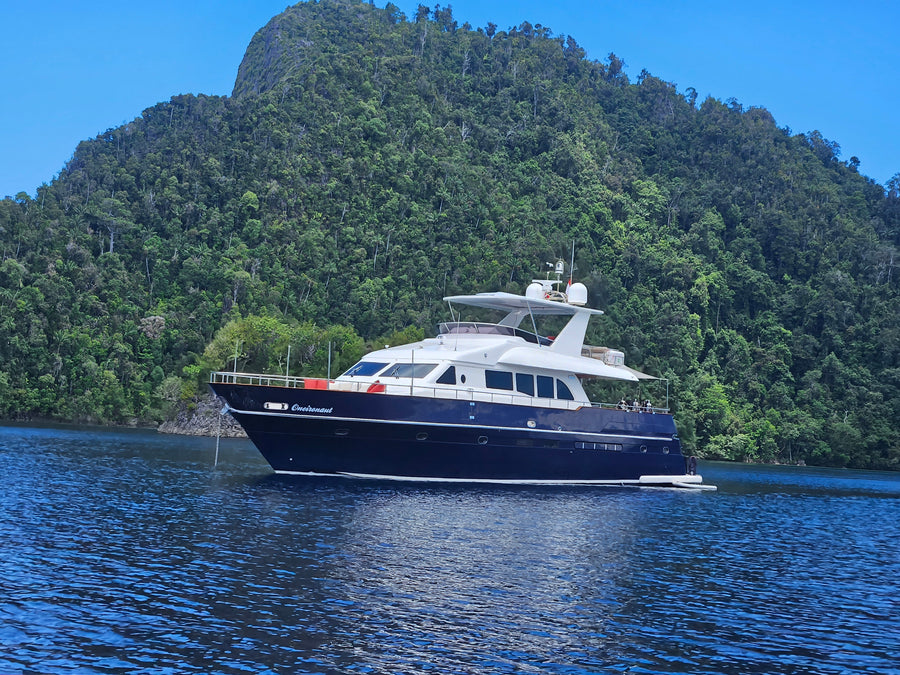
Philippines Explorer II
Mantas & Sharks: Donsol nach Malapascua — 6 Nächte
- Indicative duration
- 6 nights
- Einschiffung
- Donsol, Sorsogon
- Ausschiffung
- Malapascua, Cebu
Philippines Explorer II
Mantas & Sharks: Malapascua nach Donsol — 6 Nächte
- Indicative duration
- 6 nights
- Einschiffung
- Malapascua, Cebu
- Ausschiffung
- Donsol, Sorsogon
Philippines Explorer II
Ultimate Visayas: Dauin nach Donsol — 13 Nächte
- Indicative duration
- 13 nights
- Einschiffung
- Dauin, Negros Oriental
- Ausschiffung
- Donsol, Sorsogon
Philippines Explorer II
Ultimate Visayas: Donsol nach Dauin — 13 Nächte
- Indicative duration
- 13 nights
- Einschiffung
- Donsol, Sorsogon
- Ausschiffung
- Dauin, Negros Oriental
Philippines Explorer II
Visayas Expedition: Dauin nach Donsol — 12 Nächte
- Indicative duration
- 12 nights
- Einschiffung
- Dauin, Negros Oriental
- Ausschiffung
- Donsol, Sorsogon
Philippines Explorer II
Visayas Expedition: Donsol nach Dauin — 12 Nächte
- Indicative duration
- 12 nights
- Einschiffung
- Donsol, Sorsogon
- Ausschiffung
- Dauin, Negros Oriental
No routes match this search. Try another vessel or clear your search.
Wann sollte man auf Ticao Island tauchen?
Von Dezember bis Juni ist die beste Zeit für die Planung einer Reise in die Region. Die Offshore-Plätze sind exponiert, und die tägliche Entscheidung hängt von den Seebedingungen und der Wasserbewegung ab. Eine Reiseroute, die auch geschützte Riffe umfasst, bietet eine bessere Balance als wiederholte Versuche an einem einzigen Open-Water-Tauchplatz.
Planungszeitraum: Am besten von Dezember bis Juni.
Was Sie beim Tauchen erwartet
Aufgrund der dynamischen Strömungen und Open-Water-Bedingungen wird fortgeschrittene Erfahrung empfohlen.
Manta-Reinigungsplätze
Ticaos bekanntester Tauchgang mit großen Tieren ist Manta Bowl, ein versunkener Seamount im Ticao Pass, wo Riff-Mantas in einer nährstoffreichen Strömung Reinigungsstationen besuchen. Begegnungen sind natürlich und niemals garantiert, und die starke Wasserbewegung macht den Platz eher für selbstbewusste Taucher geeignet, die bei Bedarf mit Negativ-Einstiegen und Riffhaken vertraut sind.
Saisonales Walhai-Potenzial
Walhaie können die größere Ticao–Bicol-Region durchqueren, insbesondere wenn die Planktonbedingungen mit der Donsol-Saison zusammenfallen. Dies sollte als saisonales Potenzial zur Tierbeobachtung betrachtet werden und nicht als garantierte Begegnung beim Tauchen, wobei die täglichen Pläne an Wetter, Sichtweite und lokale Berichte angepasst werden sollten.
Abgelegene Inselriffe
Abseits von Manta Bowl bieten die Riffe von San Miguel und dem Norden von Ticao Korallengärten, Wände, gemischte Riff- und Sandhabitate sowie Makro-Lebewesen. Diese Plätze bieten eine gute Abwechslung an Tagen, an denen der Pass zu rau ist oder Taucher lieber entspannte Riff-Fotografie als strömungsintensives Blue-Water-Tauchen machen möchten.
Expeditionsatmosphäre
Ticao bleibt ein relativ abgelegener Tauchstützpunkt mit begrenzter Infrastruktur im Vergleich zu den großen Resortzentren der Philippinen. Wetter und Seebedingungen können den Tagesplan erheblich verändern, daher belohnt das Reiseziel Reisende, die Wert auf Flexibilität, kleine Tauchgruppen und den Zugang zu einem weniger erschlossenen Teil der Bicol-Region legen.
DIVE SITE GUIDE
Dive sites in Ticao Island & Bicol
Explore the character of individual sites, from the setting and marine life to the diving conditions. Open a card for the full description; site access and the final profile depend on conditions and experience.
ORIENTATION MAP
Where the dive sites are
Use the map to understand how the key sites are spread around the destination. Pins are for trip-planning orientation only; entry points, moorings and the final dive plan are always confirmed by the local operator on the day.
Coordinates are planning references compiled from current dive-site sources. They are not navigation coordinates; entry points, moorings, tide windows and the final dive plan are always confirmed by the local operator on the day.
Seamount · Cleaning station · Current
Manta Bowl
Manta Bowl is Ticao’s defining dive: a submerged seamount in the middle of Ticao Pass where plankton-rich current supports cleaning stations used by reef mantas.
Tauchplatz entdecken
- Typ
- Seamount · Cleaning station · Current
- Tiefe
- 18–30 m
- Erfahrung
- Advanced
- Strömung
- Strong
Manta Bowl is Ticao’s defining dive: a submerged seamount in the middle of Ticao Pass where plankton-rich current supports cleaning stations used by reef mantas. Divers normally descend promptly, settle near the recognized observation area and watch the blue rather than swimming across the reef.
Mantas may circle repeatedly when conditions align, while eagle rays, tuna and other pelagics can also pass through. The current is not incidental — it is the reason the site is productive — so negative entries, disciplined group control and a clear ascent plan are important. Mantas are wild and never guaranteed, and the best encounters come from staying low, avoiding pursuit and leaving the cleaning station open.
Look for: Manta cleaning station · Strong current · Pelagic potential · Advanced dive
Ideal für: Reef mantas · Pelagics · Current diving
Channel · Current · Pelagic
Tuna Alley
Tuna Alley is a high-energy Ticao Pass dive built around moving water and open-water fish activity.
Tauchplatz entdecken
- Typ
- Channel · Current · Pelagic
- Tiefe
- 18–25 m
- Erfahrung
- Advanced
- Strömung
- Strong
Tuna Alley is a high-energy Ticao Pass dive built around moving water and open-water fish activity. Schools of skipjack tuna can stream through the channel, with other pelagics using the same current line when conditions are productive.
Whale sharks are possible in the wider Bicol region but should be treated as exceptional wildlife rather than a dive expectation, and dedicated Donsol interactions follow separate rules. The working depth is usually around the high teens to mid-twenties, which means divers need both current skills and disciplined gas planning. The guide’s timing is everything: a well-chosen tidal window can turn the site into a controlled blue-water drift, while the wrong current would make it unnecessarily difficult.
Look for: Tuna schools · Strong current · Blue-water dive · Pelagic potential
Ideal für: Skipjack tuna · Blue-water action · Whale-shark potential
Cove · Wall · Cavern-like topography
Parola / Lighthouse Cove
Parola, or Lighthouse Cove, trades Ticao Pass’s open seamounts for limestone topography closer to the island.
Tauchplatz entdecken
- Typ
- Cove · Wall · Cavern-like topography
- Tiefe
- 5–20 m
- Erfahrung
- Intermediate
- Strömung
- Moderate
Parola, or Lighthouse Cove, trades Ticao Pass’s open seamounts for limestone topography closer to the island. The reef includes walls, ledges and a partially flooded cavern-like feature that creates dramatic light and shadow without requiring divers to make a technical cave dive.
Rays and sharks are possible around the outer reef, but the dependable attraction is the shape of the site itself. Depth stays moderate and gives photographers time to work the limestone and coral scenery, while current is generally easier than at Manta Bowl. Any enclosed feature should still be treated conservatively: divers who are uncomfortable with overhead space can remain outside and enjoy the cove and wall.
Look for: Limestone topography · Cove wall · Cavern-like light · Rays & sharks possible
Ideal für: Limestone scenery · Rays · Sharks possible · Wide angle
Reef · Swim-throughs · Soft coral
Tres Grace
Tres Grace is one of Ticao’s calmer reef dives and a useful change of pace after the current-heavy sites in the pass.
Tauchplatz entdecken
- Typ
- Reef · Swim-throughs · Soft coral
- Tiefe
- 5–20 m
- Erfahrung
- Intermediate
- Strömung
- Mild
Tres Grace is one of Ticao’s calmer reef dives and a useful change of pace after the current-heavy sites in the pass. Limestone formations create small passages and swim-through-style features, while soft coral and reef fish add color along the route.
The depth range is modest and current is generally mild, making the site suitable for intermediate divers who want topography without a demanding drift. Nobody needs to enter every opening to enjoy the dive; the exterior reef and coral remain the main attraction. With good buoyancy, photographers can use the rock formations as frames and still spend time on smaller reef life, making Tres Grace a versatile second or third dive.
Look for: Limestone swim-throughs · Soft coral · Mild current · Photography
Ideal für: Soft coral · Limestone passages · Relaxed reef
Wall · Overhangs · Macro
Bobby’s Wall
Bobby’s Wall is a detail-rich Ticao dive where the pace slows down dramatically.
Tauchplatz entdecken
- Typ
- Wall · Overhangs · Macro
- Tiefe
- 5–24 m
- Erfahrung
- Intermediate
- Strömung
- Mild
Bobby’s Wall is a detail-rich Ticao dive where the pace slows down dramatically. The reef slopes into a compact wall and a series of overhangs that shelter nudibranchs, frogfish, shrimp and other small animals, giving macro photographers an excellent alternative to the big-animal dives in the pass.
Typical working depth stays inside the high teens, though deeper sections reach into the low twenties. Current is normally mild enough for deliberate photography and the wall provides an easy visual reference throughout the dive. The strongest experience comes from moving slowly and letting the guide inspect cracks and overhangs rather than treating the site as a simple transit along the reef.
Look for: Macro wall · Frogfish · Nudibranchs · Mild-current profile
Ideal für: Nudibranchs · Frogfish · Shrimp · Wall photography
Steep reef · Wall · Blue-water edge
Lapus Lapus East
Lapus Lapus East combines close reef detail with an open-water edge.
Tauchplatz entdecken
- Typ
- Steep reef · Wall · Blue-water edge
- Tiefe
- 5–20 m
- Erfahrung
- Intermediate
- Strömung
- Mild–Moderate
Lapus Lapus East combines close reef detail with an open-water edge. The steep face supports frogfish, nudibranchs and other macro life, while tuna or mackerel may move past in the blue when conditions bring baitfish close to the reef.
That contrast makes the site especially useful for photographers who do not want to commit to one lens style for an entire dive. The depth is moderate and current is usually manageable, so the group can spend time on the wall rather than racing along it. Pelagic encounters are opportunistic, but the reef itself remains productive and gives a more relaxed view of Ticao than the current-driven offshore seamounts.
Look for: Steep reef face · Macro · Tuna possible · Mixed lens dive
Ideal für: Frogfish · Nudibranchs · Tuna / mackerel potential
Gentle slope · Reef · Macro
Lapus Lapus West
Lapus Lapus West is the gentler side of the area, with a shallow slope and mild current that works well for newer divers and slow macro photography.
Tauchplatz entdecken
- Typ
- Gentle slope · Reef · Macro
- Tiefe
- 3–16 m
- Erfahrung
- Beginner
- Strömung
- Mild
Lapus Lapus West is the gentler side of the area, with a shallow slope and mild current that works well for newer divers and slow macro photography. Cuttlefish, squid egg clusters, nudibranchs and Spanish dancers are among the subjects associated with the site, and the shallow profile keeps natural light strong for most of the dive.
Because there is no need to descend deep, bottom time is generous and divers can concentrate on behavior rather than monitoring a tight decompression limit. It is a valuable site in a Ticao programme precisely because it is not an adrenaline dive: after Manta Bowl or Tuna Alley, Lapus Lapus West gives the group time to slow down and look closely.
Look for: Beginner friendly · Cuttlefish · Nudibranchs · Long shallow profile
Ideal für: Cuttlefish · Squid eggs · Nudibranchs · Easy diving
Boulder reef · Shark resting area
Shark Apartment
Shark Apartment is a boulder-field site associated with resting whitetip reef sharks, which may shelter beneath ledges and between large rocks.
Tauchplatz entdecken
- Typ
- Boulder reef · Shark resting area
- Tiefe
- 10–20 m
- Erfahrung
- Intermediate
- Strömung
- Mild
Shark Apartment is a boulder-field site associated with resting whitetip reef sharks, which may shelter beneath ledges and between large rocks. Bamboo sharks and occasional larger pelagic visitors are also possible, but the dive should never be sold as a guaranteed shark show.
The moderate depth and relatively mild current make the site less demanding than Manta Bowl, allowing divers to move slowly and watch natural resting behavior without crowding an animal. Good positioning matters: staying outside the shelter and giving sharks room produces a calmer encounter and better photographs. The exact point is operator-managed within the same broader offshore shoal area as other Ticao Pass sites.
Look for: Whitetip reef sharks possible · Boulder habitat · Moderate depth · Wildlife etiquette
Ideal für: Whitetip reef sharks · Boulder habitat · Photography
Unterwasserfotografie
An Manta Bowl vermitteln Riff-Mantas, Pelagische und Strömungstauchgänge einen Eindruck von den fotografischen Möglichkeiten. Wählen Sie die Kameraausrüstung für die geplanten Plätze und nehmen Sie sich dann Zeit, die Szene zu beobachten, bevor Sie das Bild aufnehmen. Ein produktiver Tauchgang lässt sich oft wiederholen und bietet häufig bessere Möglichkeiten als die ständige Suche nach einem anderen Ort. Nutzen Sie bei Riff-Szenen die Form des Riffs und das vorhandene Licht, um dem Bild Tiefe zu verleihen. Ein Taucher in respektvollem Abstand kann ohne das Tier einzukesseln ein Gefühl für die Größenverhältnisse vermitteln.
Auch ohne Tauchen: Ticao Island über der Wasseroberfläche
Ruhige Strände, Küstendörfer und Bootsfahrten sind zentrale Bestandteile des Ticao-Erlebnisses. Es eignet sich für Begleiter, die natürliche Umgebung und die Zeit auf einer Insel mit ruhigerem Tempo statt auf einer belebten Resortmeile genießen.
Eine größere Bicol-Reise kann vor oder nach dem Inselaufenthalt noch Landschaften des Festlands und kulturelle Zwischenstopps hinzufügen. Behandeln Sie dies als separaten Reiseabschnitt: Lange Straßen- und Bootsfahrten sind angenehmer, wenn sie einen eigenen Tag erhalten, anstatt in einen vollen Tauchplan eingepasst zu werden.
Anreise nach Ticao Island
Fliegen Sie nach Bicol und fahren Sie dann je nach gewähltem Inselstützpunkt mit dem Auto und Boot weiter.
Planen Sie die Ankunfts- und Abreisezeiten so, dass sie den weiteren Transfer berücksichtigen, insbesondere wenn eine Bootsüberfahrt oder eine lange Autofahrt ansteht. Planen Sie einen entspannten letzten Tag an Land und ein angemessenes Zeitintervall zwischen dem letzten Tauchgang und dem Flug ein.
Fragen zum Tauchen auf Ticao Island
Was macht Ticao Island zu einem Tauchreiseziel?
Auf Ticao vermitteln Open Water und wechselnde Strömungen beim Tauchen ein Gefühl der Vorfreude. Manta Bowl steht im Mittelpunkt, doch die umliegenden Riffe und die Inselkulisse verleihen dem Besuch auch dann Tiefe, wenn die größeren Tiere nicht zu sehen sind.
Wie sollte ich meinen Aufenthalt planen?
Ein Stützpunkt auf Ticao eignet sich gut, um strömungsabhängige Offshore-Tauchgänge mit entspannteren Riff-Tauchgängen zu kombinieren. Planen Sie bei einem Aufenthalt von fünf bis sieben Nächten mehrere Gelegenheiten ein, Manta Bowl zu besuchen. Taucher sollten bereits mit Open-Water-Einstiegen, wechselnden Strömungen und Bootspick-ups vertraut sein.
Wann ist die beste Reisezeit?
Von Dezember bis Juni ist die beste Zeit für die Planung einer Reise in die Region. Die Offshore-Plätze sind exponiert, und die tägliche Entscheidung hängt von den Seebedingungen und der Wasserbewegung ab. Eine Reiseroute, die auch geschützte Riffe umfasst, bietet dem Urlaub eine bessere Balance als wiederholte Versuche an einem einzigen Open-Water-Tauchplatz.
Gibt es auch für Begleiter ohne Tauchschein genug zu erleben?
Ruhige Strände, Küstendörfer und Bootsfahrten sind zentrale Bestandteile des Ticao-Erlebnisses. Es eignet sich für Begleiter, die natürliche Umgebung und die Zeit auf einer Insel mit ruhigerem Tempo statt auf einer belebten Resortmeile genießen.
A closer look at Ticao Island & Bicol


Planen Sie Ihre Reise nach Ticao Island
Teilen Sie uns mit, welche Erlebnisse Sie am meisten wünschen, welche Daten Sie bevorzugen und wie Sie gerne reisen. Wir können das Reiseziel, die Unterkunft und die Tauchgänge zu einer stimmigen Reiseroute zusammenstellen.
Meine Reise planen