

Destination guide · Philippines
Siquijor Tauchen
Siquijor moves easily between a wall dive and an afternoon ashore. Marine sanctuaries, small reef subjects and turtle possibilities sit beside waterfalls, beaches and a relaxed island rhythm that invites you to stay a little longer.
Siquijor im Überblick
Siquijor bietet entspanntes Insel-Tauchvergnügen an Wänden, Korallenhängen, in Meeresschutzgebieten und an makrofreundlichen Riffen. Die Insel ist weniger spezialisiert als die bekanntesten Hai- oder Muck-Reviere der Philippinen, doch genau diese Ausgewogenheit macht sie für entspannte Urlaube und gemischte Gruppen so attraktiv.
Tage mit klarem Wasser, Meeresschildkröten, Rifffischen und kleinen Motiven lassen sich mit Wasserfällen, Stränden und individuellen Inseltouren verbinden. Siquijor eignet sich am besten als vielseitiges Reiseziel für Tauchgänge und Inselerkundungen, bei dem eine unbeschwerte Atmosphäre ebenso wichtig ist wie jede einzelne Unterwasserattraktion.
Planung Ihres Aufenthalts auf Siquijor
Wählen Sie zunächst die Küstenregion und die gewünschte Resort-Atmosphäre und planen Sie die Tauchgänge anschließend rund um nahegelegene Meeresschutzgebiete und geeignete Wandplätze. Vier bis sechs Nächte bieten ausreichend Zeit für mehrere Tauchtage und eine Inseltour. Siquijor ist zudem eine ideale Ergänzung zu einem intensiveren Makro-Programm in Dauin.
Wann sollte man auf Siquijor tauchen?
November bis Mai ist ein guter allgemeiner Planungszeitraum. Geschützte Riffe und stärker exponierte Wände reagieren unterschiedlich auf Wind und Strömung. Daher eignet sich eine gemischte Auswahl an Plätzen gut für neue und erfahrene Taucher, die gemeinsam reisen.
Planungszeitraum: Am besten November bis Mai.
Was Sie beim Tauchen erwartet
Geeignet für Open-Water-Taucher, wobei die Auswahl der Tauchplätze an die Bedingungen angepasst wird.
Entspanntes Riff-Tauchvergnügen
Siquijor eignet sich gut für Taucher, die kurze Bootsfahrten, warmes Wasser und einen flexiblen Inselplan bevorzugen, statt sich auf eine intensive Expedition einzulassen. Viele lokale Tauchplätze kombinieren Korallenriffe, Sand und flache Bereiche, die bei ruhigen Bedingungen ideal für entspanntes Fun-Diving und Training sind.
Wände und Korallenhänge
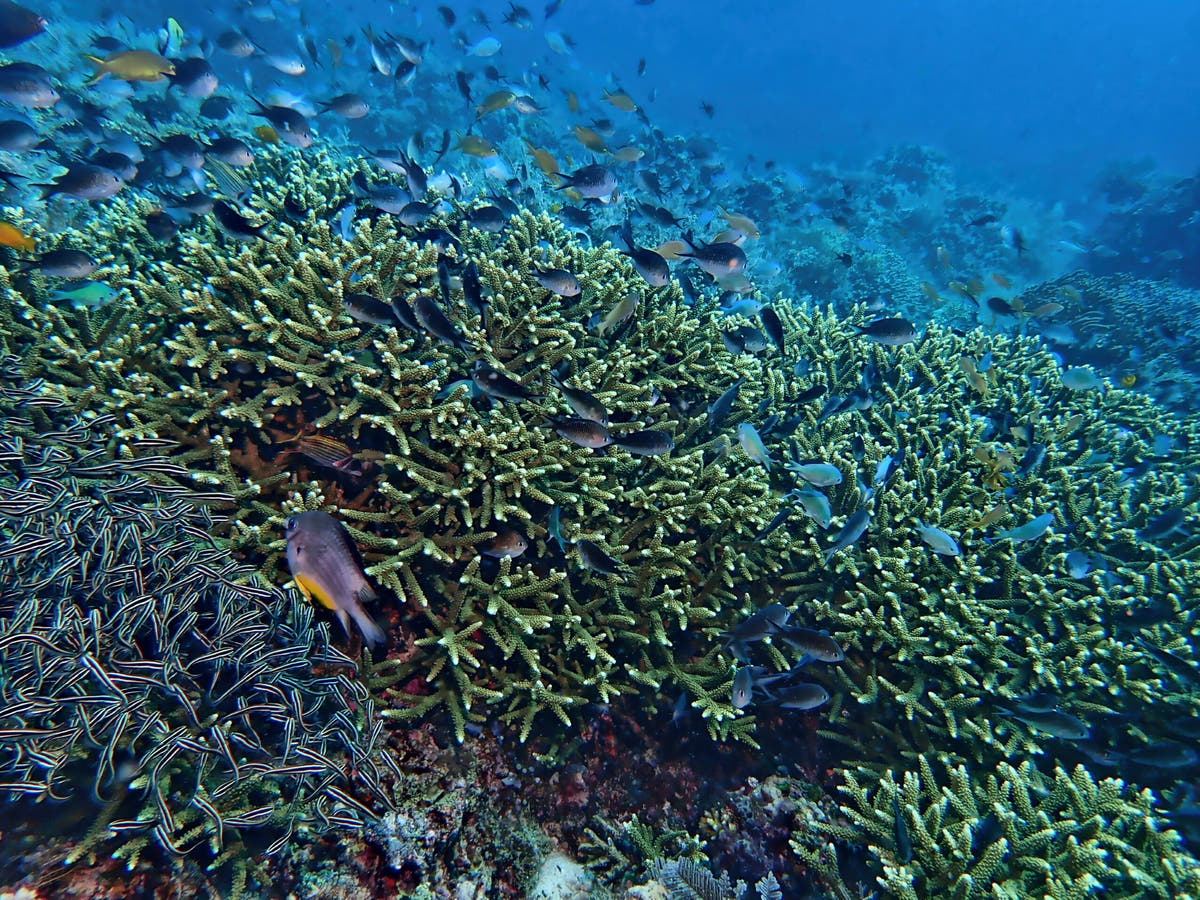
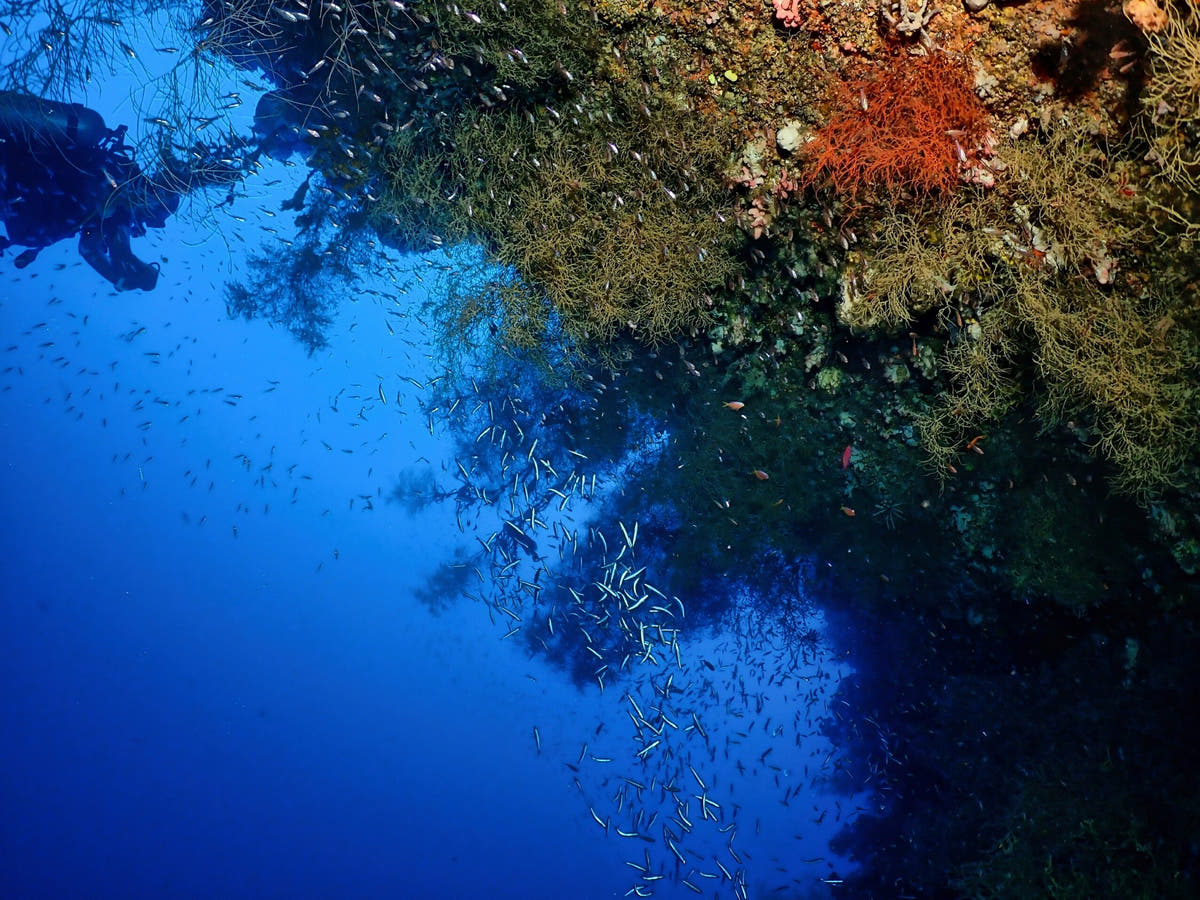
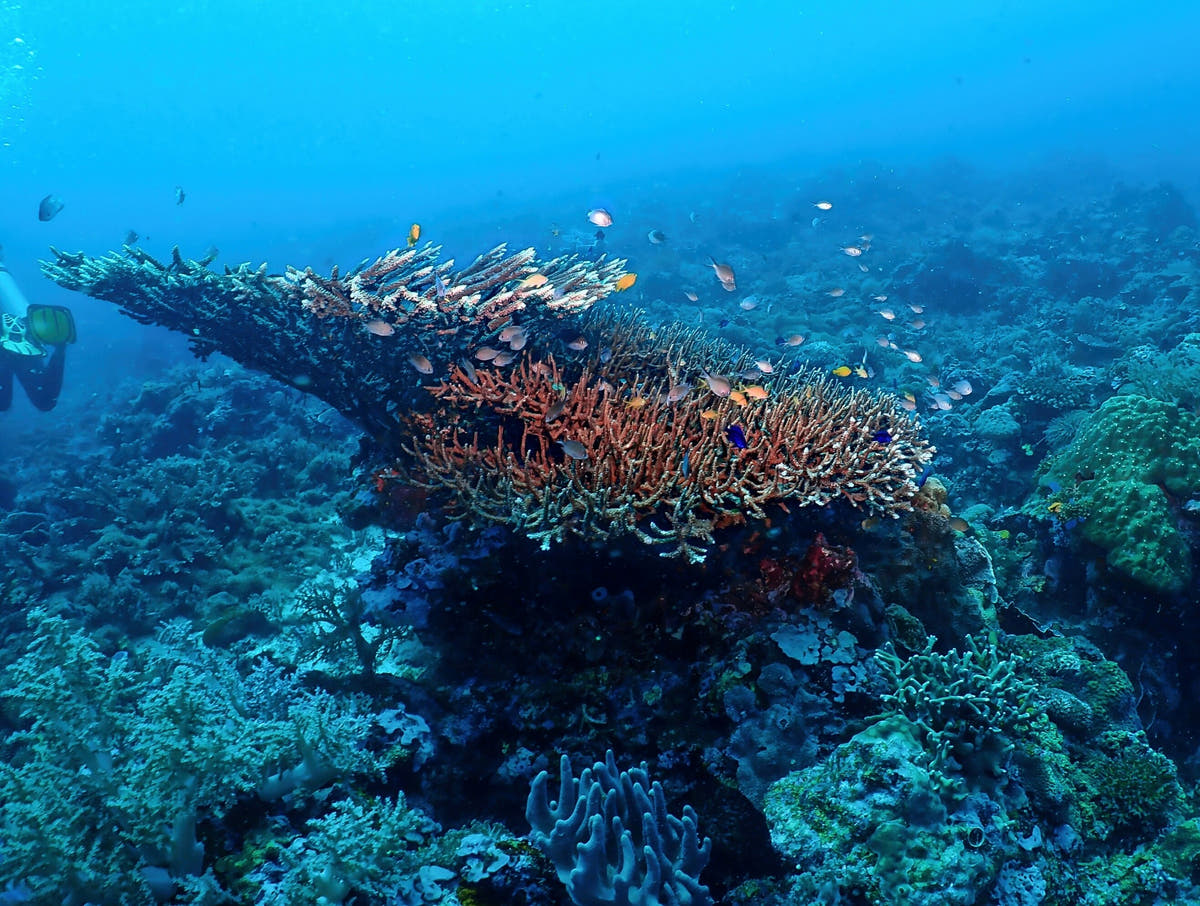
Mehrere Tauchplätze auf Siquijor gehen von flachen Riffen in steilere Hänge oder Wände über, sodass Taucher die Tiefe je nach Zertifizierung und Bedingungen wählen können. Seefächer, Hartkorallen, Rifffische und gelegentlich Meeresschildkröten bieten hervorragende Motive für Weitwinkelaufnahmen, ohne dass jeder Tauchgang tief sein muss.
Makromotive
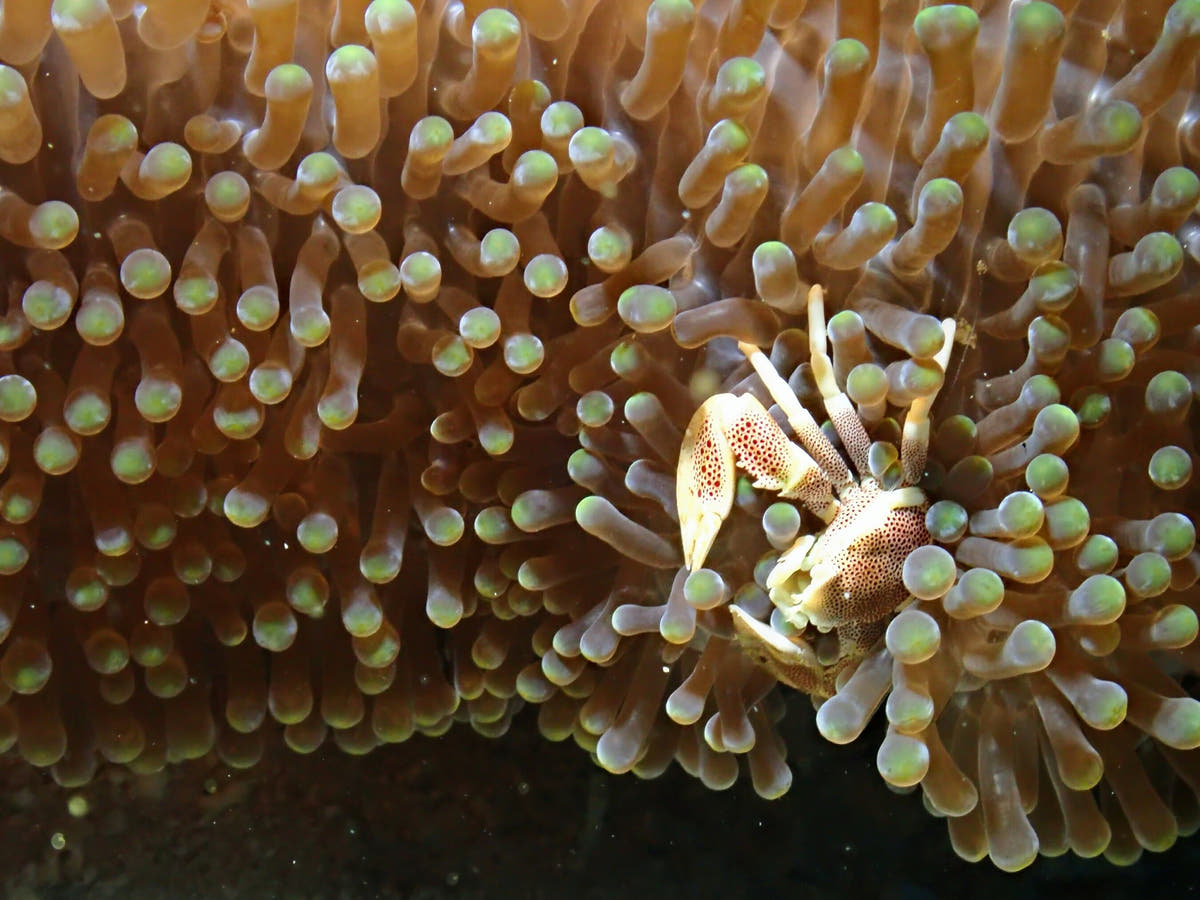
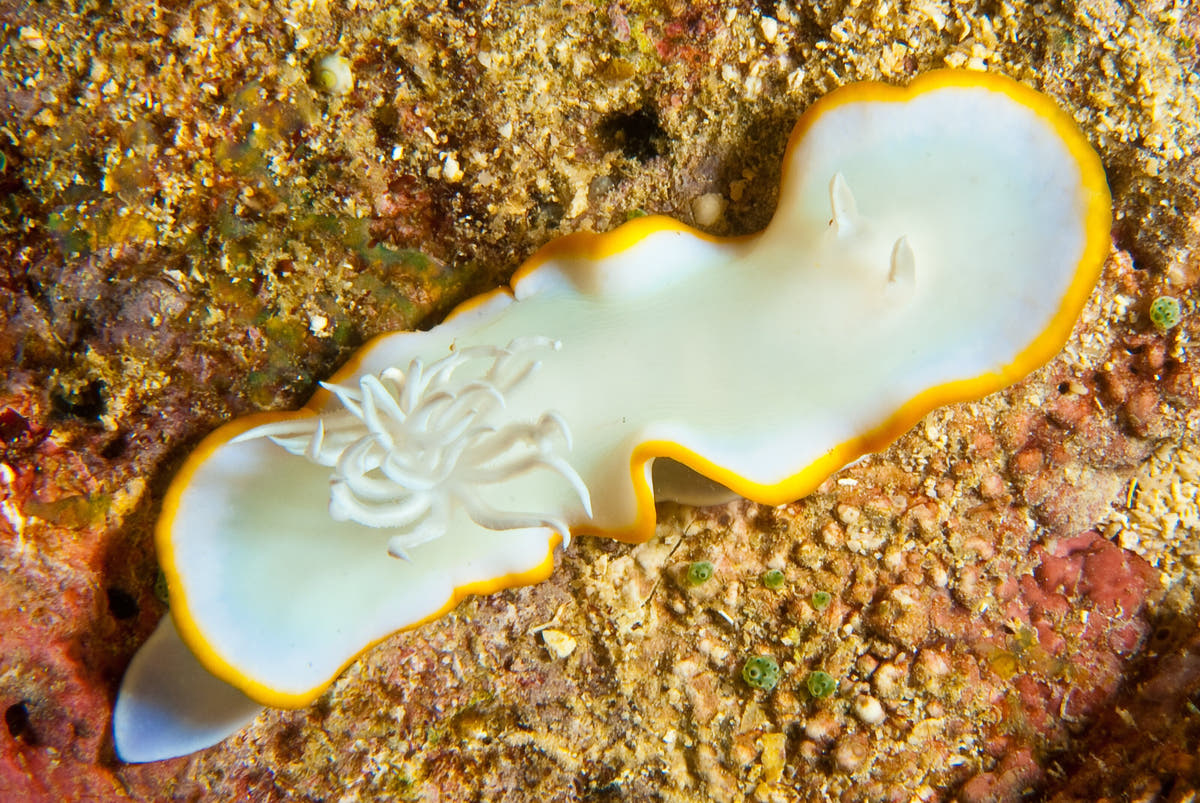
Sandflächen, Riffkanten und Nachttauchgänge können Nacktschnecken, Plattwürmer, Krebstiere, Röhrenfische, Froschfische und andere kleine Motive aufgeben. Die Makrovielfalt variiert von Platz zu Platz. Fotografen sollten dem Tauchcenter daher vor der Festlegung des Bootsplans mitteilen, wonach sie suchen.
Ruhige Inselatmosphäre
Die Tauchgänge lassen sich ganz natürlich mit den entspannten Stränden, Wasserfällen, Dörfern und Autofahrten auf Siquijor verbinden. Dadurch ist die Insel besonders praktisch für Paare oder gemischte Gruppen, bei denen nicht jeder den ganzen Tag auf einem Tauchboot verbringen möchte.
DIVE SITE GUIDE
Dive sites in Siquijor
Explore the character of individual sites, from the setting and marine life to the diving conditions. Open a card for the full description; site access and the final profile depend on conditions and experience.
ORIENTATION MAP
Where the dive sites are
Use the map to understand how the key sites are spread around the destination. Pins are for trip-planning orientation only; entry points, moorings and the final dive plan are always confirmed by the local operator on the day.
Coordinates are planning references compiled from current dive-site sources. They are not navigation coordinates; entry points, moorings, tide windows and the final dive plan are always confirmed by the local operator on the day.
Wall · Drift
Paliton Wall
Paliton Wall is one of Siquijor’s classic vertical dives.
Tauchplatz entdecken
- Typ
- Wall · Drift
- Tiefe
- 5–40 m
- Erfahrung
- Intermediate
- Strömung
- Moderate
Paliton Wall is one of Siquijor’s classic vertical dives. The reef begins shallow enough for a comfortable start, then drops along a wall decorated with sea fans, sponges and reef life into water much deeper than a normal recreational profile. Turtles may cruise the face and larger fish can pass in the blue, but the wall itself is the dependable attraction.
Current can create a gentle drift, so the guide normally chooses direction around tide rather than making the group swim back to an entry point. Depth control is important because the wall can make 30 metres feel deceptively easy to reach. A strong dive spends the first section deeper, then rises gradually into the brighter reef for a long finish.
Look for: Classic Siquijor wall · Sea fans · Turtles possible · Drift profile
Ideal für: Sea fans · Turtles · Wall photography
Sanctuary reef · Wall
Paliton Sanctuary
Paliton Sanctuary combines a healthy upper reef with a wall that continues into deep water.
Tauchplatz entdecken
- Typ
- Sanctuary reef · Wall
- Tiefe
- 5–50 m
- Erfahrung
- Intermediate
- Strömung
- Mild–Moderate
Paliton Sanctuary combines a healthy upper reef with a wall that continues into deep water. The protected shallows are the best place to appreciate coral color and fish density, while the drop-off gives experienced divers a sense of scale without requiring them to approach the wall’s maximum depth.
The site can be shaped for mixed groups: newer divers stay on the reef top and upper face while advanced divers begin slightly deeper before everyone converges in the shallows. Current is normally manageable but varies with tide. For photographers, the sanctuary is particularly useful because there is no single subject to chase; coral, reef fish and vertical scenery keep the whole profile productive.
Look for: Protected reef · Wall · Mixed-experience friendly · Wide-angle coral
Ideal für: Coral · Reef fish · Wall · Photography
Marine sanctuary · Reef
Tubod Marine Sanctuary
Tubod is one of Siquijor’s most accessible protected reefs and a natural choice for newer divers or anyone wanting a slower day.
Tauchplatz entdecken
- Typ
- Marine sanctuary · Reef
- Tiefe
- 5–25 m
- Erfahrung
- Beginner
- Strömung
- Usually mild
Tubod is one of Siquijor’s most accessible protected reefs and a natural choice for newer divers or anyone wanting a slower day. Coral and reef fish dominate the site, with turtles and smaller subjects possible across a broad shallow zone. Because the reef is protected and much of the interest sits at modest depth, there is no need to push deep or cover a long distance.
The best dives are deliberate, giving divers time to work on buoyancy and photographers time to compose in good natural light. Current is usually mild but local conditions still decide the route. Tubod is a strong example of how a simple reef can remain rewarding when coral health and fish life are the main focus.
Look for: Marine sanctuary · Beginner friendly · Coral reef · Turtles possible
Ideal für: Easy reef · Coral · Turtles · Training
Sand · Reef · Muck-style macro
Maite Marine Sanctuary
Maite mixes reef, sand and muck-style habitat in a shallow profile that is especially useful for photographers.
Tauchplatz entdecken
- Typ
- Sand · Reef · Muck-style macro
- Tiefe
- 3–20 m
- Erfahrung
- Beginner–Intermediate
- Strömung
- Usually mild
Maite mixes reef, sand and muck-style habitat in a shallow profile that is especially useful for photographers. Turtles and reef fish provide larger subjects, while the sand and rubble can hold nudibranchs, crustaceans and other small animals that reward slow searching.
The site is accessible from shore or by short boat transfer depending on operator logistics, and the moderate depth makes long dives practical. Because the bottom includes fine material, careful finning is more important than speed. Maite is a good second or third dive when the group wants to trade dramatic walls for detail, and it works particularly well at dusk when small reef animals become more active.
Look for: Macro · Turtles · Shallow profile · Shore/boat access
Ideal für: Macro · Turtles · Shore diving · Photography
Reef · Night · Macro
Sawang
Sawang is one of Siquijor’s most versatile reef sites, with enough fish and coral for a good daytime dive and a strong reputation after dark.
Tauchplatz entdecken
- Typ
- Reef · Night · Macro
- Tiefe
- 5–25 m
- Erfahrung
- Intermediate
- Strömung
- Mild
Sawang is one of Siquijor’s most versatile reef sites, with enough fish and coral for a good daytime dive and a strong reputation after dark. Turtles, schooling fish, nudibranchs and flatworms use the reef during the day, while octopus, crustaceans and other nocturnal animals become more prominent at night.
Blue-ringed octopus have been reported in the wider habitat but should be treated as a rare possibility, not an expected sighting. Depth stays manageable and current is usually mild, allowing divers to move slowly and keep good light control after sunset. For photographers, Sawang’s value lies in the change of behavior between day and night rather than any single landmark.
Look for: Strong night dive · Nudibranchs · Octopus potential · Reef + macro
Ideal für: Night diving · Turtles · Nudibranchs · Octopus
Marine sanctuary · Artificial reef · Coral
Tulapos Marine Sanctuary
Tulapos combines protected natural reef with a distinctive artificial-reef element: submerged concrete crosses and other structures have become habitat for coral and fish.
Tauchplatz entdecken
- Typ
- Marine sanctuary · Artificial reef · Coral
- Tiefe
- 2–22 m
- Erfahrung
- Beginner
- Strömung
- Mild
Tulapos combines protected natural reef with a distinctive artificial-reef element: submerged concrete crosses and other structures have become habitat for coral and fish. Barracuda schools and turtles are possible around the sanctuary, while the shallow depth makes the site accessible to newer divers and snorkellers.
The best profile keeps the group on the reef rather than treating the structures as obstacles to swim through; the value is seeing how marine life has colonised them. Mild current and good light make the site especially useful for wide-angle photography. As with any sanctuary, buoyancy and reef contact matter more than covering distance, and divers should follow current local access rules.
Look for: Artificial reef structures · Barracuda possible · Turtles · Beginner friendly
Ideal für: Barracuda · Turtles · Shallow reef · Artificial structures
Seamount · Pelagic · Deep reef
Sunken Island / Takot Shoal
Sunken Island, also known locally as Takot Shoal, is Siquijor’s more exposed advanced profile.
Tauchplatz entdecken
- Typ
- Seamount · Pelagic · Deep reef
- Tiefe
- 12–40 m
- Erfahrung
- Advanced
- Strömung
- Moderate
Sunken Island, also known locally as Takot Shoal, is Siquijor’s more exposed advanced profile. The submerged reef rises into recreational depth but falls away toward deeper water, creating a seamount-style dive where schooling fish and passing pelagics are more likely than on the sheltered coastal reefs.
Current can increase around the structure, so the guide chooses the entry and depth band according to tide and experience. The site should not be approached as a guaranteed big-animal dive; the open-water potential is a bonus over the reef itself. Advanced divers get the most from a multilevel profile that uses the deeper edge early and returns to the shallower summit for the ascent.
Look for: Submerged shoal · Pelagic potential · Deep profile · Advanced current skills
Ideal für: Pelagics · Seamount topography · Deep reef
Wall · Drift · Current corner
Liloan Corner
Liloan Corner sits on Siquijor’s southeast coast where water movement gives the reef a more energetic character.
Tauchplatz entdecken
- Typ
- Wall · Drift · Current corner
- Tiefe
- 5–40 m
- Erfahrung
- Advanced
- Strömung
- Moderate–Strong
Liloan Corner sits on Siquijor’s southeast coast where water movement gives the reef a more energetic character. Sea fans and black coral decorate the wall while schools of jacks and other fish may gather around the current-facing corner. The site can become a proper drift, so it is better suited to experienced divers who are comfortable controlling depth beside a wall while moving with the water.
The strongest route uses the reef contour for shelter and avoids fighting the current directly. Even without a large school, the combination of wall structure, fans and changing light gives the dive plenty of visual interest. The wall continues deeper than necessary, so depth limits should be agreed before descent.
Look for: Current-facing corner · Sea fans · Black coral · Advanced drift
Ideal für: Sea fans · Black coral · Jackfish · Drift
Unterwasserfotografie
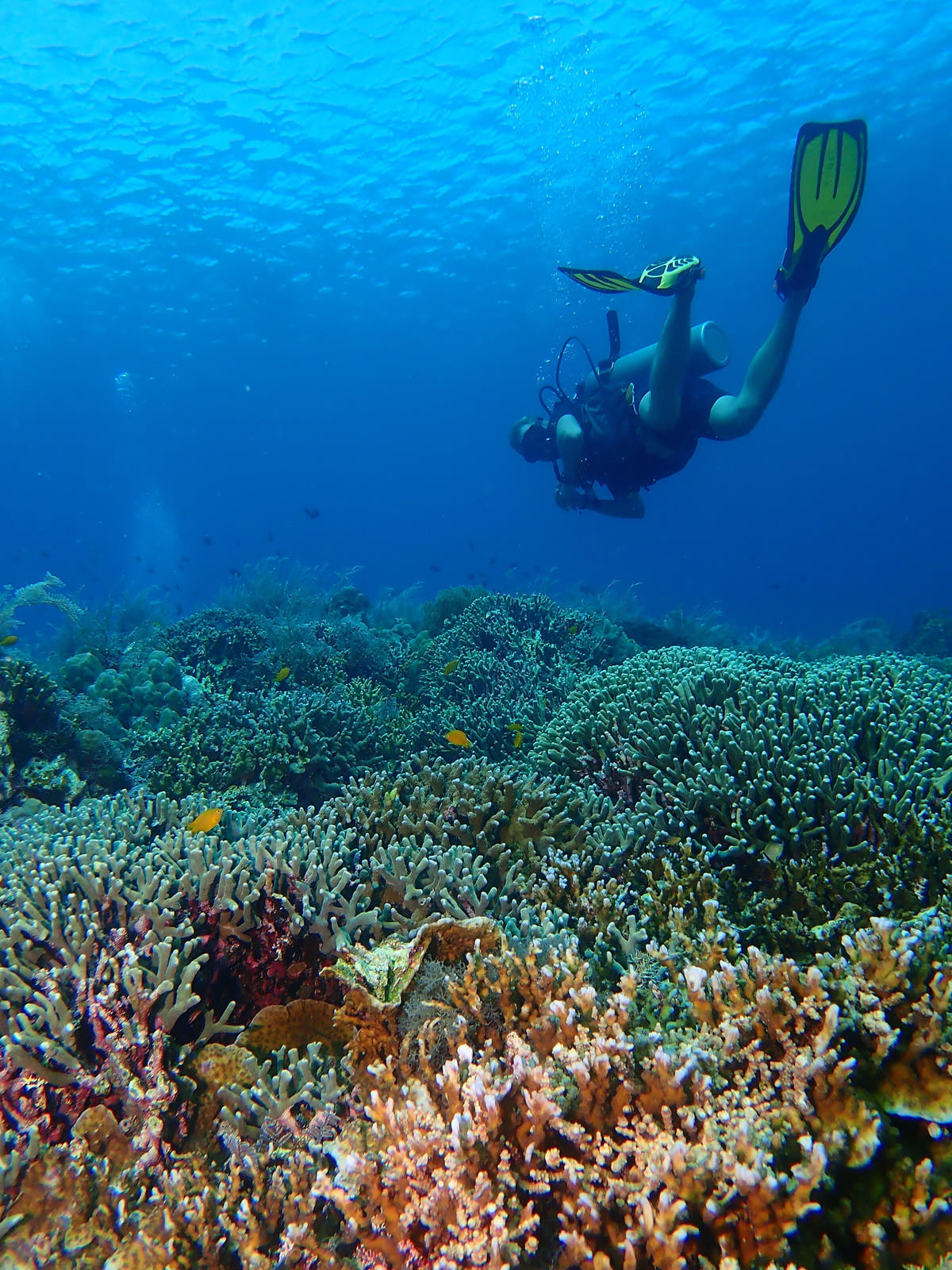
An der Paliton Wall vermitteln Seefächer, Meeresschildkröten und Wände einen Eindruck von den fotografischen Möglichkeiten. Wählen Sie die Kameraausrüstung für die geplanten Tauchplätze und nehmen Sie sich anschließend Zeit, die Szene zu beobachten, bevor Sie das Bild aufnehmen. Ein erfolgreicher Tauchgang lässt sich oft wiederholen und bietet häufig bessere Möglichkeiten, als ständig nach einem anderen Ort zu suchen. Nutzen Sie bei Riffszenen die Form des Riffs und das vorhandene Licht, um dem Bild Tiefe zu verleiht. Ein Taucher in respektvollem Abstand kann Größe vermitteln, ohne das Tier einzuschränken.
Auch für Nicht-Taucher: Siquijor über der Wasseroberfläche
Inselerkundungen gehören zu den Stärken von Siquijor. Strände, Wasserfälle und historische Sehenswürdigkeiten können einen schönen Tag ohne Tauchen füllen, und es bleibt Zeit für ein Mittagessen im Dorf oder eine spontane Pause an der Küste.
Das Erlebnis ist am schönsten, wenn die Erkundungen unbeschwert bleiben. Wählen Sie ein Transportmittel, das zur Gruppe passt, und planen Sie an jedem Zwischenstopp ausreichend Zeit ein, insbesondere wenn Kinder oder Gäste dabei sind, die lieber entspannt zu Fuß unterwegs sind. Ein Resort mit gut erreichbaren Schnorchelstellen kann die ruhigeren Tage genauso attraktiv machen wie die Ausflüge.
Anreise nach Siquijor
Erreichen Sie die Insel mit der Fähre von Dumaguete, Bohol oder Cebu aus.
Planen Sie die Ankunfts- und Abfahrtszeiten entsprechend dem weiteren Transfer, insbesondere wenn eine Bootsüberfahrt oder eine lange Autofahrt ansteht. Lassen Sie ausreichend Zeit für einen entspannten letzten Tag an Land und ein angemessenes Zeitintervall zwischen dem letzten Tauchgang und dem Flug.
Fragen zum Tauchen auf Siquijor
Was macht Siquijor zu einem lohnenden Tauchreiseziel?
Auf Siquijor lassen sich Tauchgänge an Wänden und entspannte Nachmittage an Land wunderbar miteinander verbinden. Meeresschutzgebiete, kleine Riffmotive und Meeresschildkröten liegen neben Wasserfällen, Stränden und einem entspannten Inselrhythmus, der dazu einlädt, noch ein wenig länger zu bleiben.
Wie sollte ich meinen Aufenthalt planen?
Wählen Sie zunächst die Küstenregion und die gewünschte Resort-Atmosphäre und planen Sie die Tauchgänge anschließend rund um nahegelegene Meeresschutzgebiete und geeignete Wandplätze. Vier bis sechs Nächte bieten ausreichend Zeit für mehrere Tauchtage und eine Inseltour. Siquijor ist zudem eine ideale Ergänzung zu einem intensiveren Makro-Programm in Dauin.
Wann ist eine gute Reisezeit?
November bis Mai ist ein guter allgemeiner Planungszeitraum. Geschützte Riffe und stärker exponierte Wände reagieren unterschiedlich auf Wind und Strömung. Daher eignet sich eine gemischte Auswahl an Plätzen gut für neue und erfahrene Taucher, die gemeinsam reisen.
Gibt es auch für Nicht-Taucher genug zu erleben?
Inselerkundungen gehören zu den Stärken von Siquijor. Strände, Wasserfälle und historische Sehenswürdigkeiten können einen schönen Tag ohne Tauchen füllen, und es bleibt Zeit für ein Mittagessen im Dorf oder eine spontane Pause an der Küste.
A closer look at Siquijor
Planen Sie Ihre Siquijor-Reise
Teilen Sie uns mit, welche Erlebnisse Sie am meisten wünschen, welche Termine Sie bevorzugen und wie Sie gerne reisen. Wir können das Reiseziel, die Unterkunft und die Tauchgänge zu einem stimmigen Reiseplan zusammenstellen.
Meine Reise planenBildnachweis
Die Bilder werden für die Anzeige skaliert und können zugeschnitten werden, um zum Seitenlayout zu passen.
- Klares Wasser und blühende Bäume am Salagdoong Beach, Siquijor: Salagdoong Beach (11052549025).jpg — RM Bulseco aus Davao City, Philippinen. CC BY 2.0. Bild in Webgröße bereitgestellt von Wikimedia Commons; keine Bildbearbeitung.
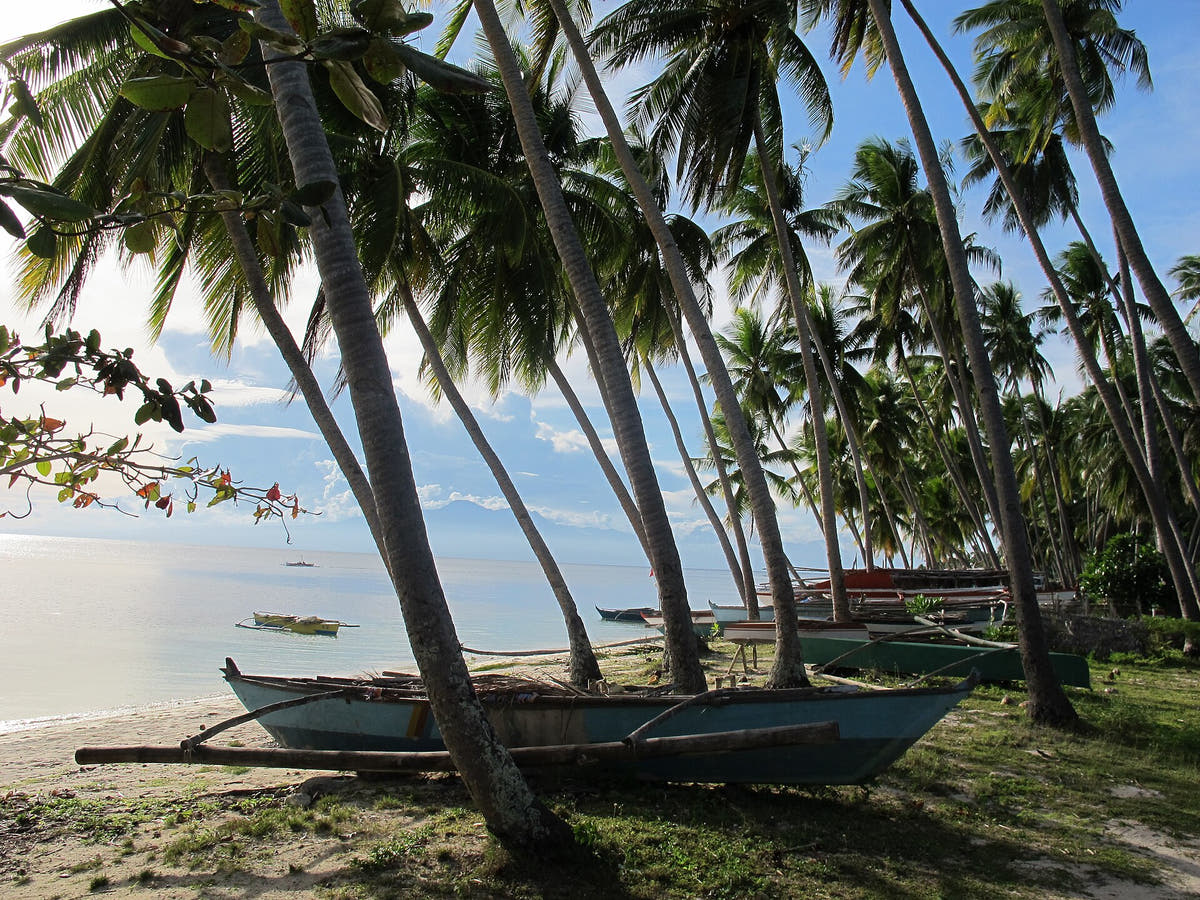
- Palmen und ein Auslegerboot am Paliton Beach, Siquijor: Paliton Beach, Siquijor, Philippinen.JPG — Checawey. CC BY-SA 3.0. Bild in Webgröße bereitgestellt von Wikimedia Commons; keine Bildbearbeitung.
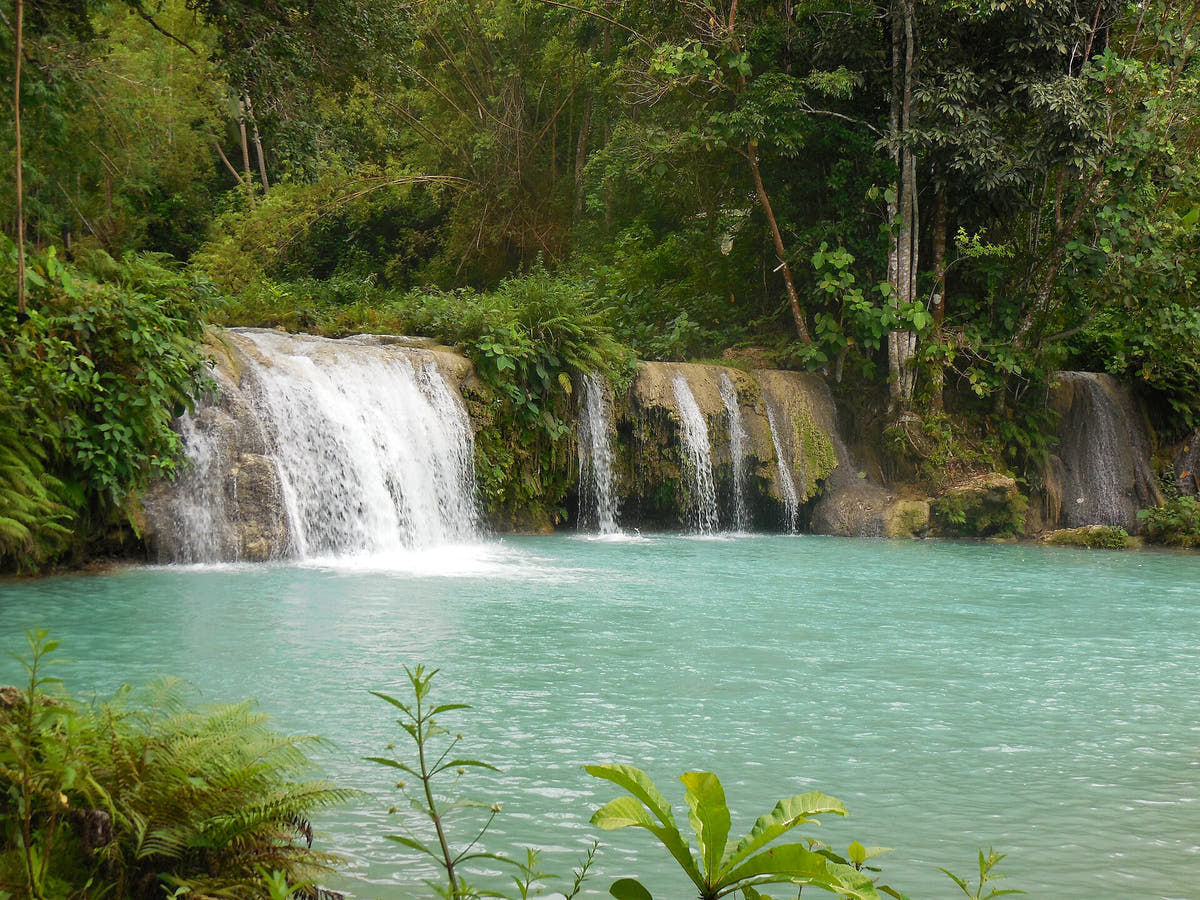
- Cambugahay Falls, die in ein türkisfarbenes Becken stürzen, auf Siquijor: Cambugahay Falls 01.JPG — Lawrence Ruiz. CC BY-SA 4.0. Bild in Webgröße bereitgestellt von Wikimedia Commons; keine Bildbearbeitung.
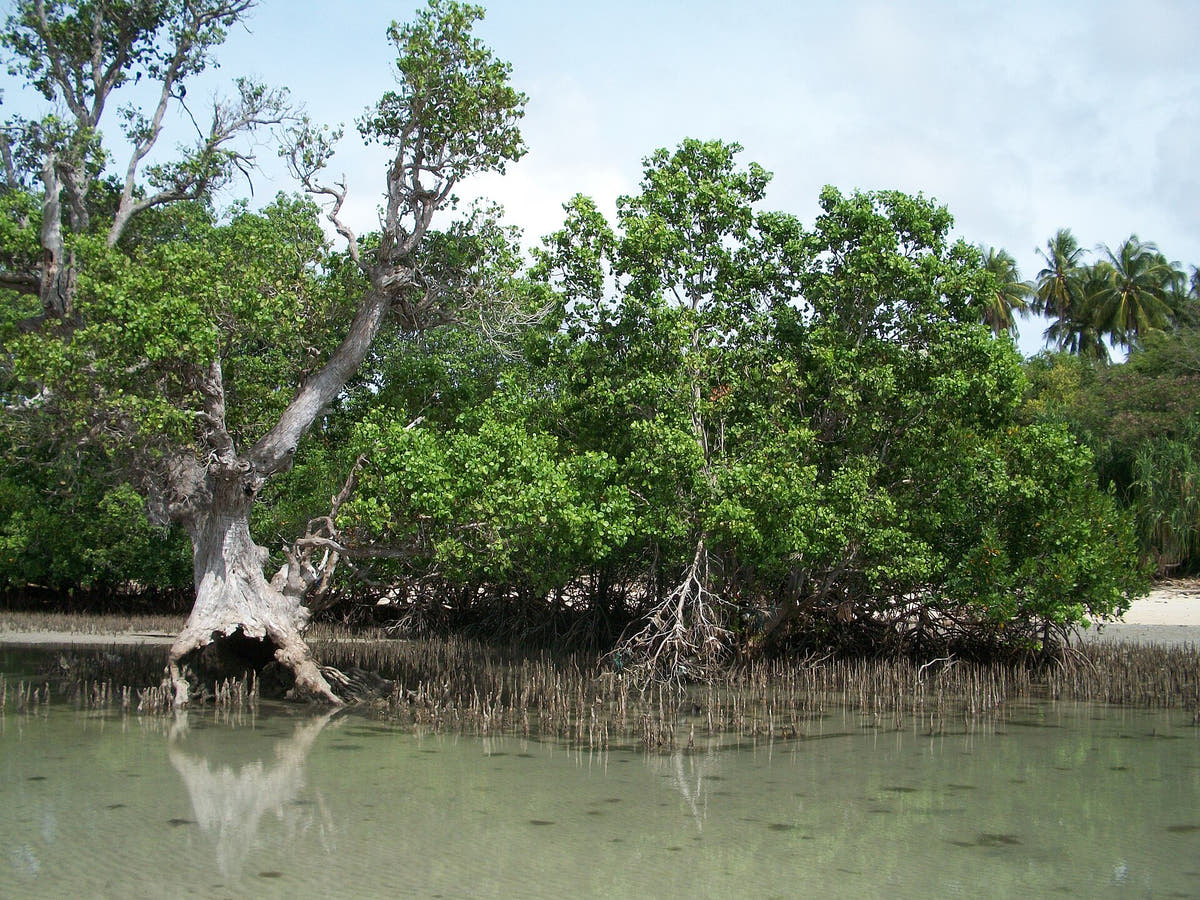
- Mangroven entlang des Sandugan Beach auf Siquijor: Siquijor - Sandugan Beach mangroves.jpg — adam nicholson. CC BY 2.0. Bild in Webgröße bereitgestellt von Wikimedia Commons; keine Bildbearbeitung.
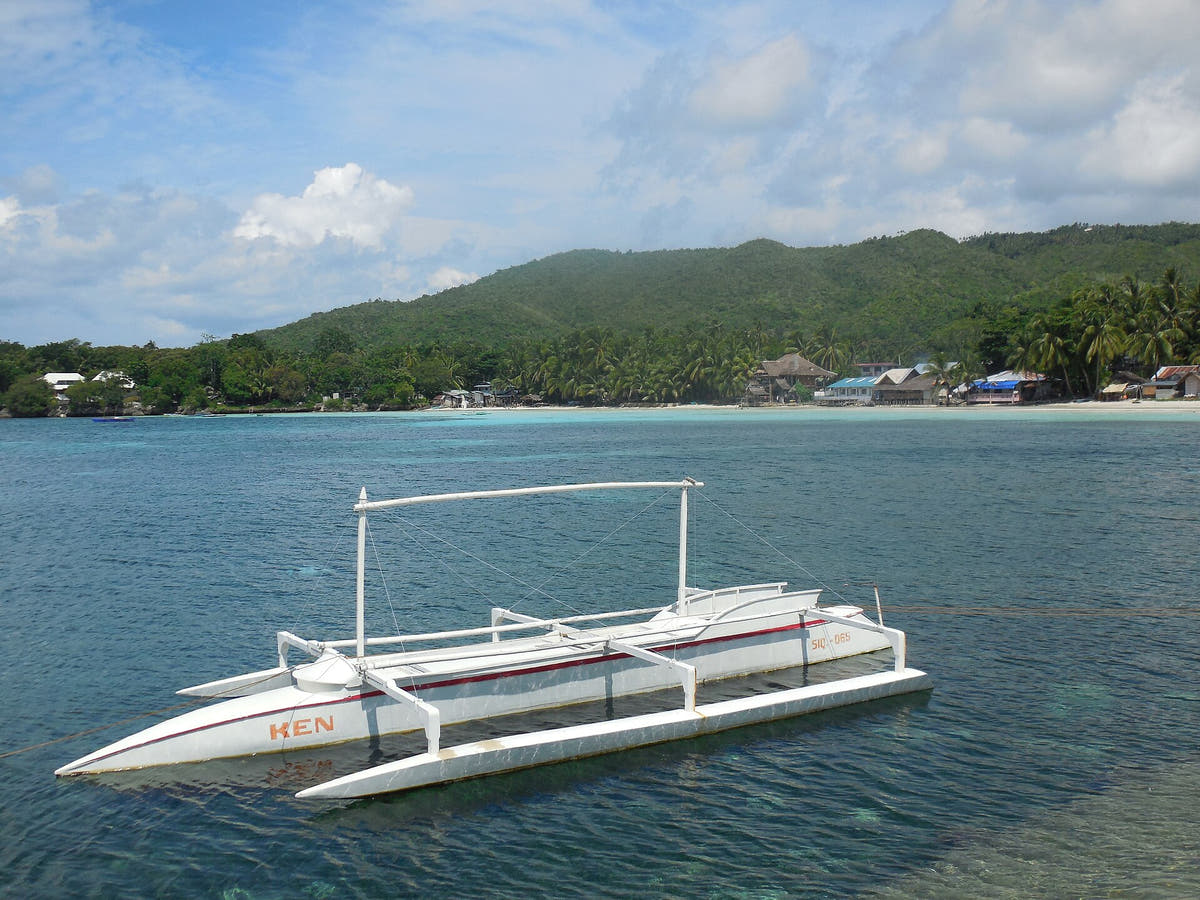
- Weißes Auslegerboot an der grünen Küste von Siquijor: Siquijor Beach 01.JPG — Lawrence Ruiz. CC BY-SA 4.0. Bild in Webgröße bereitgestellt von Wikimedia Commons; keine Bildbearbeitung.
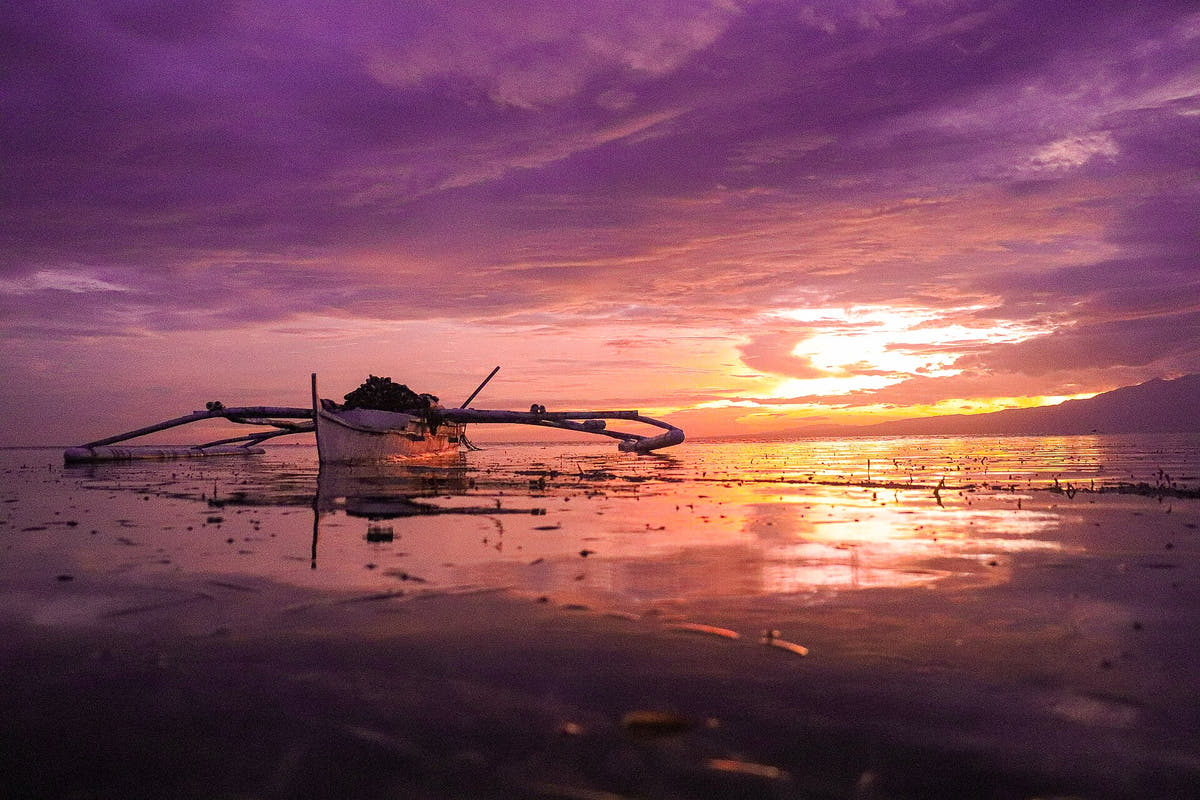
- Auslegerboot bei Sonnenuntergang in San Juan, Siquijor: Protected Life.jpg — Jerche Amada. CC BY-SA 4.0. Bild in Webgröße bereitgestellt von Wikimedia Commons; keine Bildbearbeitung.


