

Destination guide · Solomon Islands
Gizo Diving
Gizo combines the scale of a large wreck with reefs that come alive in moving water. Aircraft remains, island scenery and small local communities give a Western Province journey more than one story to follow.
Gizo en un coup d'œil
Gizo, dans la province occidentale des îles Salomon, allie l'animation des récifs au large à l'une des plus fortes concentrations de sites de plongée accessibles liés à la Seconde Guerre mondiale de la région. Les récifs et les pitons alimentés par les courants côtoient d'imposants épaves et des vestiges d'aéronefs, offrant à un séjour à terre plus de diversité qu'un programme exclusivement axé sur les récifs.
La destination se découvre idéalement avec souplesse. Des sites comme Grand Central Station et The Gap dépendent des mouvements d'eau pour attirer les bancs de poissons et les prédateurs, tandis que les plongées sur épaves doivent être adaptées à la profondeur, au niveau de certification et à la formation à la pénétration. Les récifs plus faciles et les excursions sur les îles équilibrent les journées plus exigeantes.
Planifier votre séjour à Gizo
Choisissez Gizo ou une base sur l'une des îles en fonction du cadre et du programme quotidien de bateau que vous préférez. Cinq à sept nuits permettent de partager le voyage entre récifs, épaves et découvertes à terre. Le Toa Maru et les sites d'aéronefs présentent des profils différents, il convient donc de les sélectionner individuellement plutôt que de les regrouper dans une seule catégorie de plongée sur épaves.
Liveaboard routes for this destination
Explore the routes that visit this region. Compare ships and itineraries, then open a route to see its sailing dates, cabins and the areas it covers.
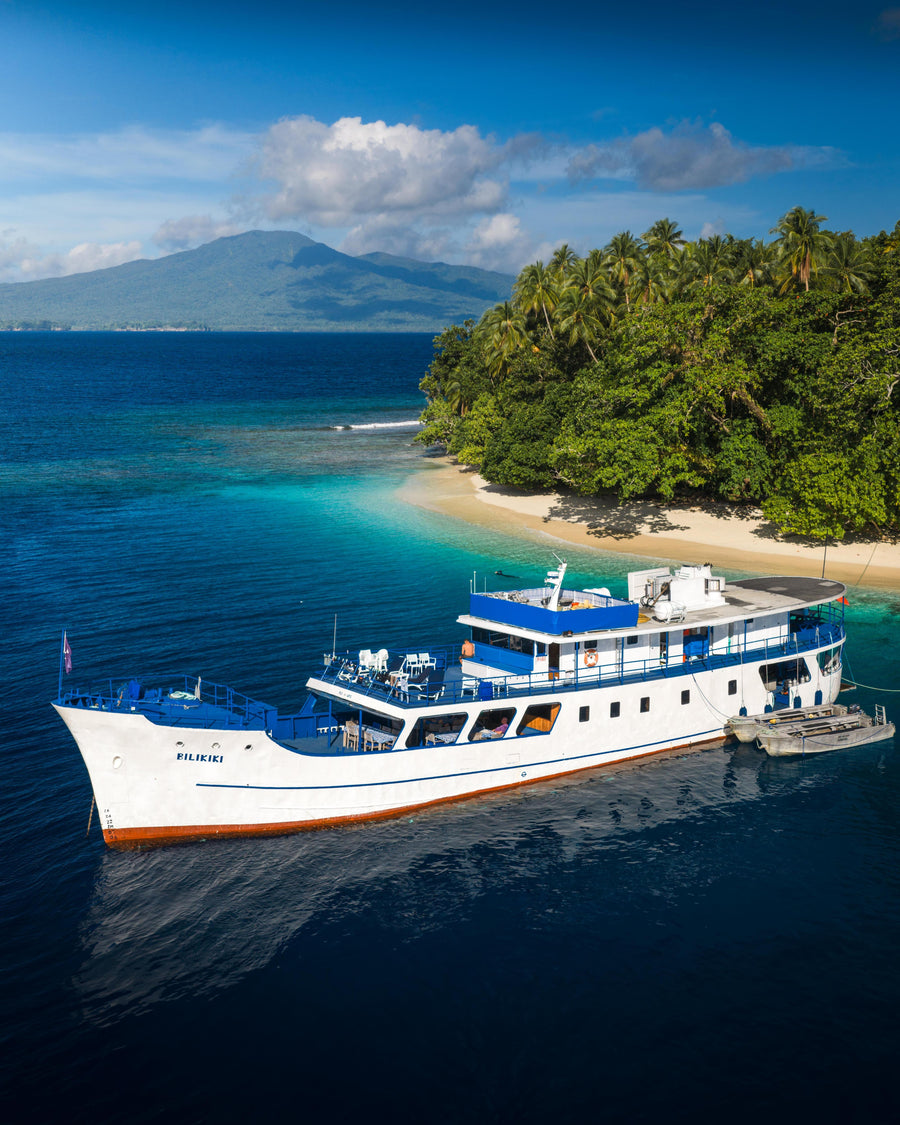
Emperor Bilikiki
le meilleur de Solomon Islands
- Indicative duration
- 10 nights
- Embarquement
- Honiara
- Débarquement
- Honiara
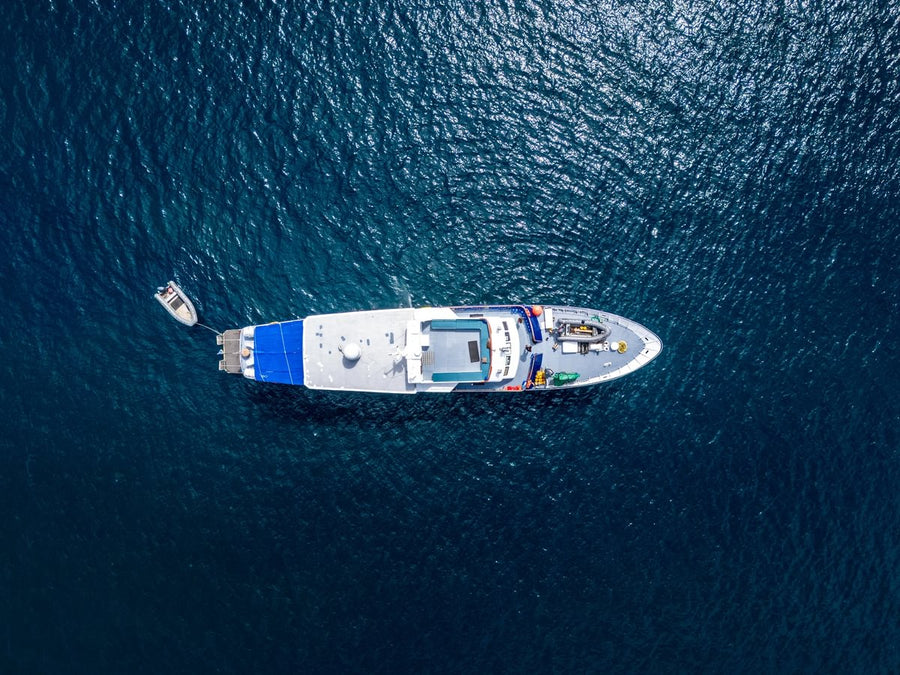
Solomons Master
Best of the Solomons — 10 nuits
- Indicative duration
- 10 nights
- Embarquement
- Honiara
- Débarquement
- Honiara
Solomons Master
Guadalcanal & Western Province — 10 nuits
- Indicative duration
- 10 nights
- Embarquement
- Honiara / route-dependent
- Débarquement
- Munda / Honiara route-dependent
No routes match this search. Try another vessel or clear your search.
Quand plonger à Gizo
La plongée est possible toute l'année, la période d'avril à novembre constituant un bon point de départ pour la planification. Les sites alimentés par les courants et la visibilité sur les épaves peuvent varier considérablement. Prévoyez de la souplesse dans l'ordre des sites et suffisamment de temps autour des déplacements intérieurs pour préserver les journées de plongée.
Période idéale : d'avril à novembre.
À quoi ressemble la plongée
Le niveau Advanced Open Water est recommandé pour les sites emblématiques à courant ; les profils d'épaves plus profonds exigent l'expérience et les qualifications appropriées.
Grand Central Station
Ce récif au large est connu pour ses rassemblements de poissons lorsque les eaux océaniques traversent le site. On peut y observer des carangues, des barracudas, des requins de récif et d'épais bancs de poissons, mais l'intensité dépend des marées et des courants.
The Gap et plongée à courant
The Gap offre un profil classique de plongée à courant où les plongeurs peuvent se déplacer avec l'eau le long de la structure récifale tout en observant les bancs de poissons et les prédateurs. Un bon contrôle du groupe et des remontées en eau libre maîtrisées sont essentiels.
Le Toa Maru et les épaves de la Seconde Guerre mondiale
Le Toa Maru et d'autres vestiges de la guerre confèrent à Gizo une profondeur historique exceptionnelle. La profondeur des épaves, la pénétration et les limites de gaz doivent toujours être adaptées à chaque plongeur plutôt que d'être présentées comme une prestation standard.
La diversité des séjours sur les îles
Le court trajet en bateau vers les récifs, les épaves et les petites îles rend Gizo idéal pour des itinéraires variés. Les intervalles de surface peuvent inclure des plages, des villages ou des arrêts consacrés à l'histoire de la Seconde Guerre mondiale, plutôt que de revenir systématiquement à une base de plongée fixe.
DIVE SITE GUIDE
Dive sites in Gizo
Explore the character of individual sites, from the setting and marine life to the diving conditions. Open a card for the full description; site access and the final profile depend on conditions and experience.
ORIENTATION MAP
Where the dive sites are
Use the map to understand how the key sites are spread around the destination. Pins are for trip-planning orientation only; entry points, moorings and the final dive plan are always confirmed by the local operator on the day.
Coordinates are planning references compiled from current dive-site sources. They are not navigation coordinates; entry points, moorings, tide windows and the final dive plan are always confirmed by the local operator on the day.
WWII shipwreck · Reef
Toa Maru
Toa Maru is Gizo’s defining wreck: a Japanese transport ship roughly 140 metres long resting on its starboard side in a sheltered bay.
Découvrir ce site de plongée
- Type
- WWII shipwreck · Reef
- Profondeur
- 15–35 m
- Expérience
- Advanced
- Courant
- Mild
Toa Maru is Gizo’s defining wreck: a Japanese transport ship roughly 140 metres long resting on its starboard side in a sheltered bay. Parts of the wreck lie within recreational depth, while deeper sections and internal spaces require more advanced planning.
Trucks, fuel drums, ammunition and other wartime cargo remain part of the historical story, but divers should avoid disturbing artifacts and should only penetrate within wreck training. Coral and marine life have transformed the ship into an artificial reef, giving the dive biological as well as historical value. Because the wreck is large, a single dive is best treated as one planned section rather than an attempt to see everything.
Look for: ~140 m shipwreck · WWII artifacts · 15–35 m · Major Gizo wreck
Idéal pour : Large wreck · WWII artifacts · Photography
Wall · Point · Current
Grand Central Station
Grand Central Station sits at the northwest tip of the Gizo area where currents concentrate fish around a reef wall and point.
Découvrir ce site de plongée
- Type
- Wall · Point · Current
- Profondeur
- 5–28 m
- Expérience
- Intermediate–Advanced
- Courant
- Moderate
Grand Central Station sits at the northwest tip of the Gizo area where currents concentrate fish around a reef wall and point. The site is famous for the sheer amount of marine traffic: schools of fish stream past the reef while sharks, trevally and other larger animals can use the current line.
The dive starts shallow, moves along the wall and becomes more energetic near the point. The exact current determines whether the group pauses or continues as a drift. Public sources describe the location clearly near Njari Island, but do not publish one consistent mooring coordinate, so the map uses an area anchor rather than false precision.
Look for: High fish biomass · Current-fed point · Sharks possible · Signature reef dive
Idéal pour : Fish biomass · Sharks · Trevally · Wide angle
Wall · Gorgonians · Macro
Joe’s Wall
Joe’s Wall is a reef slope that steepens into a wall and then returns toward gentler terrain, giving the dive a natural beginning and end without requiring a deep profile.
Découvrir ce site de plongée
- Type
- Wall · Gorgonians · Macro
- Profondeur
- 5–27 m
- Expérience
- Intermediate
- Courant
- Mild–Moderate
Joe’s Wall is a reef slope that steepens into a wall and then returns toward gentler terrain, giving the dive a natural beginning and end without requiring a deep profile. Large gorgonian fans are the visual highlight, while smaller reef animals and invertebrates make the site strong for macro photography.
The wall is less fish-dense than Grand Central Station, which is precisely why divers can focus on detail rather than open-water action. The exact public GPS is not consistently published, so the map uses an operator-area anchor near Ferguson Passage.
Look for: Gorgonian wall · Macro · Moderate depth · Photography
Idéal pour : Sea fans · Macro · Wall photography
Reef point · Pelagic
Hot Spot
Hot Spot is one of Gizo’s higher-energy reef dives, where current across the point can bring sharks, trevally and barracuda into the blue.
Découvrir ce site de plongée
- Type
- Reef point · Pelagic
- Profondeur
- 8–30 m
- Expérience
- Advanced
- Courant
- Moderate–Strong
Hot Spot is one of Gizo’s higher-energy reef dives, where current across the point can bring sharks, trevally and barracuda into the blue. The site is best for divers comfortable holding position near a reef edge and then moving with the flow rather than swimming against it.
The reef itself remains healthy and worth attention when the pelagics stay farther away. Exact dive timing depends on tide, and the public site coordinate is not standardized, so the map uses an operator-area position. The strongest dive is a controlled current profile rather than a chase after individual animals.
Look for: Pelagic action · Sharks possible · Current point · Advanced profile
Idéal pour : Sharks · Trevally · Barracuda · Current
Reef slope · Wall · Coral
Secret Spot
Secret Spot is a reef-focused Gizo dive where coral cover and fish life take priority over wreck history.
Découvrir ce site de plongée
- Type
- Reef slope · Wall · Coral
- Profondeur
- 5–30 m
- Expérience
- Intermediate
- Courant
- Mild–Moderate
Secret Spot is a reef-focused Gizo dive where coral cover and fish life take priority over wreck history. A sloping reef steepens toward a wall and gives divers several depth bands to work through during one profile.
The site suits photographers because there is enough structure for wide-angle compositions without the constant movement of a strong current site. Smaller subjects remain available close to the reef, so the dive can switch naturally between broad scenery and detail. The exact public mooring is not published consistently, so the map point is an operator-area reference.
Look for: Coral reef · Wall transition · Photography · Moderate current
Idéal pour : Coral · Reef fish · Wide-angle photography
Aircraft wreck · Shallow lagoon
Grumman F6F Hellcat
The Grumman Hellcat is one of the easiest WWII aircraft dives in the Solomon Islands.
Découvrir ce site de plongée
- Type
- Aircraft wreck · Shallow lagoon
- Profondeur
- 9–10 m
- Expérience
- Beginner
- Courant
- Mild–None
The Grumman Hellcat is one of the easiest WWII aircraft dives in the Solomon Islands. The fighter rests upright in a shallow lagoon at only about 9–10 metres, with excellent visibility and little current.
Its recognizable shape, including cockpit and airframe, makes it a rewarding historical dive without requiring deep certification or wreck penetration. Coral growth and schooling fish have turned the aircraft into a small artificial reef. The shallow profile gives long bottom time and makes the site suitable for newer divers and even snorkellers viewing from above.
Look for: F6F Hellcat · 9–10 m · Beginner friendly · WWII history
Idéal pour : WWII aircraft · Snorkel crossover · Photography
Aircraft wreck · Reef
American Corsair Fighter
Gizo’s American Corsair wreck adds another layer to the area’s extraordinary concentration of Pacific War history.
Découvrir ce site de plongée
- Type
- Aircraft wreck · Reef
- Profondeur
- 15–30 m
- Expérience
- Intermediate–Advanced
- Courant
- Mild
Gizo’s American Corsair wreck adds another layer to the area’s extraordinary concentration of Pacific War history. The fighter rests in recreational depth and can be explored externally without any overhead complexity.
Its compact size makes it easy to circle, photograph and appreciate as an aircraft rather than a debris field. The surrounding reef and fish life keep the dive visually active after the wreck itself has been covered. Public exact GPS is not consistently published, so the map uses an operator-area anchor in the wider Gizo aircraft-wreck zone.
Look for: Corsair fighter · WWII history · Recreational depth · Photography
Idéal pour : WWII aircraft · Photography · Historical dive
Shallow reef · Historical island
Kennedy / Plum Pudding Island Reef
Kennedy Island, also known as Plum Pudding Island, combines an easy coral dive with one of Gizo’s best-known WWII stories.
Découvrir ce site de plongée
- Type
- Shallow reef · Historical island
- Profondeur
- 5–18 m
- Expérience
- Beginner
- Courant
- Mild
Kennedy Island, also known as Plum Pudding Island, combines an easy coral dive with one of Gizo’s best-known WWII stories. Lieutenant John F. Kennedy and surviving crew reached the island after PT-109 was sunk nearby in 1943.
Underwater, the reef slopes gently through roughly 5–18 metres and supports coral, nudibranchs, anemonefish and other reef life. The site is ideal for mixed groups because it is shallow, calm and visually rewarding without technical demands. It works especially well as a second dive paired with a deeper wreck or reef point.
Look for: JFK / PT-109 history · 5–18 m · Beginner friendly · Coral garden
Idéal pour : Coral garden · History · Easy reef
Photographie sous-marine
Au Toa Maru, l'imposant épave, les artefacts de la Seconde Guerre mondiale et les possibilités photographiques donnent une idée des opportunités. Choisissez le matériel photographique adapté aux sites prévus, puis prenez le temps d'observer la scène avant de prendre la photo. Revenir sur une plongée fructueuse offre souvent de meilleures opportunités que de chercher constamment un autre site. Pour les scènes de récif, utilisez la forme du récif et la lumière disponible pour donner de la profondeur à l'image. Un plongeur placé à une distance respectueuse peut donner une idée des proportions sans envahir l'espace d'un animal.
Au-delà de la plongée : Gizo au-dessus de la surface
Les excursions d'île en île, les marchés locaux et l'histoire de la Seconde Guerre mondiale offrent une belle variété en dehors de la plongée. Les excursions dans les lagons et la plongée avec tuba peuvent être partagées par un groupe aux intérêts variés, tandis que le temps passé à terre révèle davantage le cadre qu'un simple aller-retour en bateau vers le village vacances.
L'arrivée à Nusatupe permet déjà d'intégrer l'eau au voyage. Prévoyez des marges réalistes pour le transfert en bateau et les liaisons intérieures, et accordez-vous suffisamment de temps sur l'île pour un après-midi improvisé en plus des excursions principales.
Comment se rendre à Gizo
Prenez l'avion jusqu'à Honiara (HIR), puis un vol intérieur vers Gizo/Nusatupe (GZO), et poursuivez par un court transfert en bateau vers Gizo ou le village vacances choisi sur l'île. Prévoyez des marges de temps autour des liaisons intérieures.
Choisissez vos horaires d'arrivée et de départ en fonction du transfert ultérieur, surtout si une traversée en bateau ou un long trajet en voiture est nécessaire. Prévoyez une dernière journée à terre détendue et un intervalle approprié entre la dernière plongée et le vol.
Questions sur la plongée à Gizo
Pourquoi Gizo vaut-il le détour pour une plongée ?
Gizo allie l'ampleur d'un grand épave à des récifs qui s'animent dans les eaux en mouvement. Les vestiges d'aéronefs, les paysages insulaires et les petites communautés locales offrent un voyage dans la province occidentale riche de multiples facettes.
Comment planifier mon séjour ?
Choisissez Gizo ou une base sur l'une des îles en fonction du cadre et du programme quotidien de bateau que vous préférez. Cinq à sept nuits permettent de partager le voyage entre récifs, épaves et découvertes à terre. Le Toa Maru et les sites d'aéronefs présentent des profils différents, il convient donc de les sélectionner individuellement plutôt que de les regrouper dans une seule catégorie de plongée sur épaves.
Quelle période est propice à la visite ?
La plongée est possible toute l'année, la période d'avril à novembre constituant un bon point de départ pour la planification. Les sites alimentés par les courants et la visibilité sur les épaves peuvent varier considérablement. Prévoyez de la souplesse dans l'ordre des sites et suffisamment de temps autour des déplacements intérieurs pour préserver les journées de plongée.
Y a-t-il suffisamment d'activités pour les compagnons qui ne plongent pas ?
Les excursions d'île en île, les marchés locaux et l'histoire de la Seconde Guerre mondiale offrent une belle variété en dehors de la plongée. Les excursions dans les lagons et la plongée avec tuba peuvent être partagées par un groupe aux intérêts variés, tandis que le temps passé à terre révèle davantage le cadre qu'un simple aller-retour en bateau vers le village vacances.
A closer look at Gizo


Planifiez votre voyage à Gizo
Dites-nous quelles expériences vous souhaitez le plus, vos dates préférées et votre façon de voyager. Nous pouvons regrouper la destination, l'hébergement et la plongée dans un itinéraire cohérent.
Planifier mon voyageCrédits photo
Les images sont redimensionnées pour l'affichage et peuvent être recadrées afin de s'adapter à la mise en page.
- Coucher de soleil sur une crique à l'extrémité ouest de l'île de Gizo, îles Salomon : Private Cove (131402091).jpeg — Sahid Martin Robles Bello. CC BY-SA 3.0. Image au format web fournie par Wikimedia Commons ; aucune modification de la scène.
- Rue et bâtiments locaux à Gizo, îles Salomon : Ghizo-Island, Salomonen.jpg — Seelore. CC BY-SA 3.0. Image au format web fournie par Wikimedia Commons ; aucune modification de la scène.

