

Destination guide · Philippines
Anilao Diving: Macro, Reefs & Blackwater
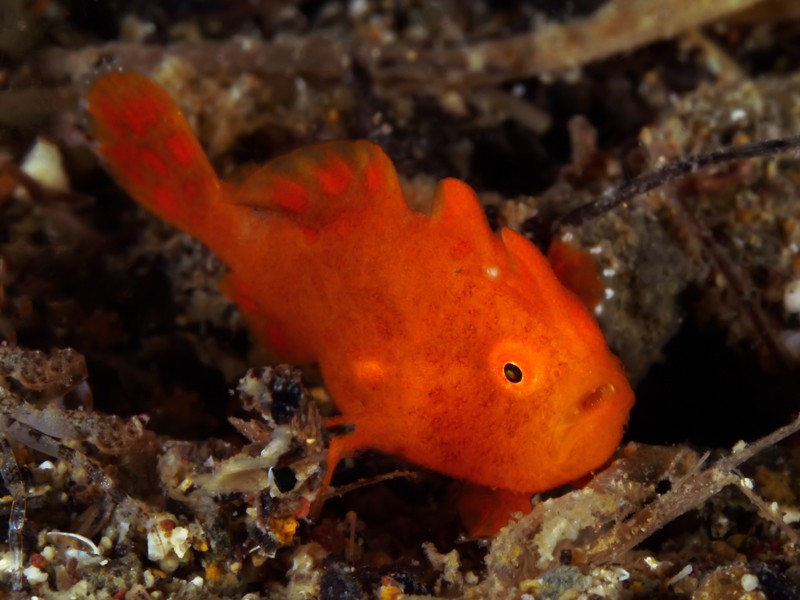
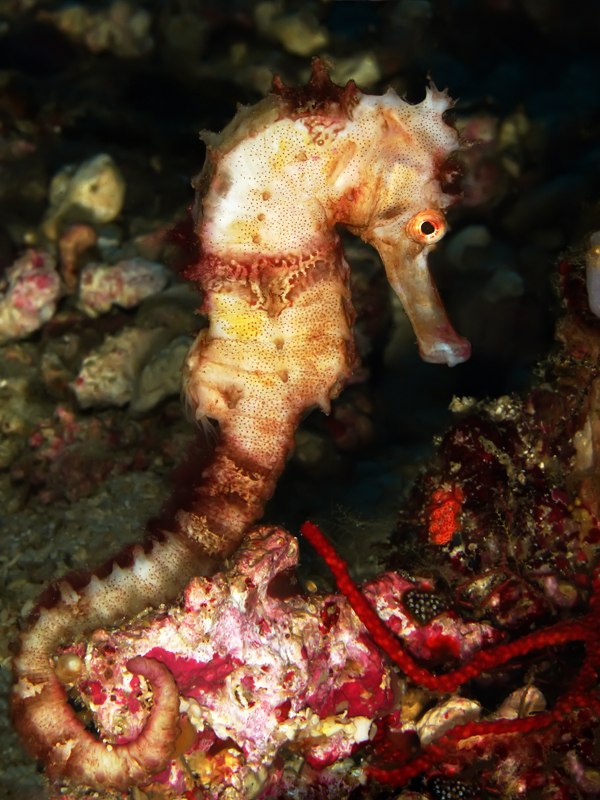
A frogfish hidden against a sponge. A seahorse almost indistinguishable from its sea fan. A translucent animal drifting through the darkness. Anilao rewards a closer look, with muck slopes, coral reefs and blackwater diving within reach of Manila.
Anilao, Batangas · Philippines
Why dive in Anilao?
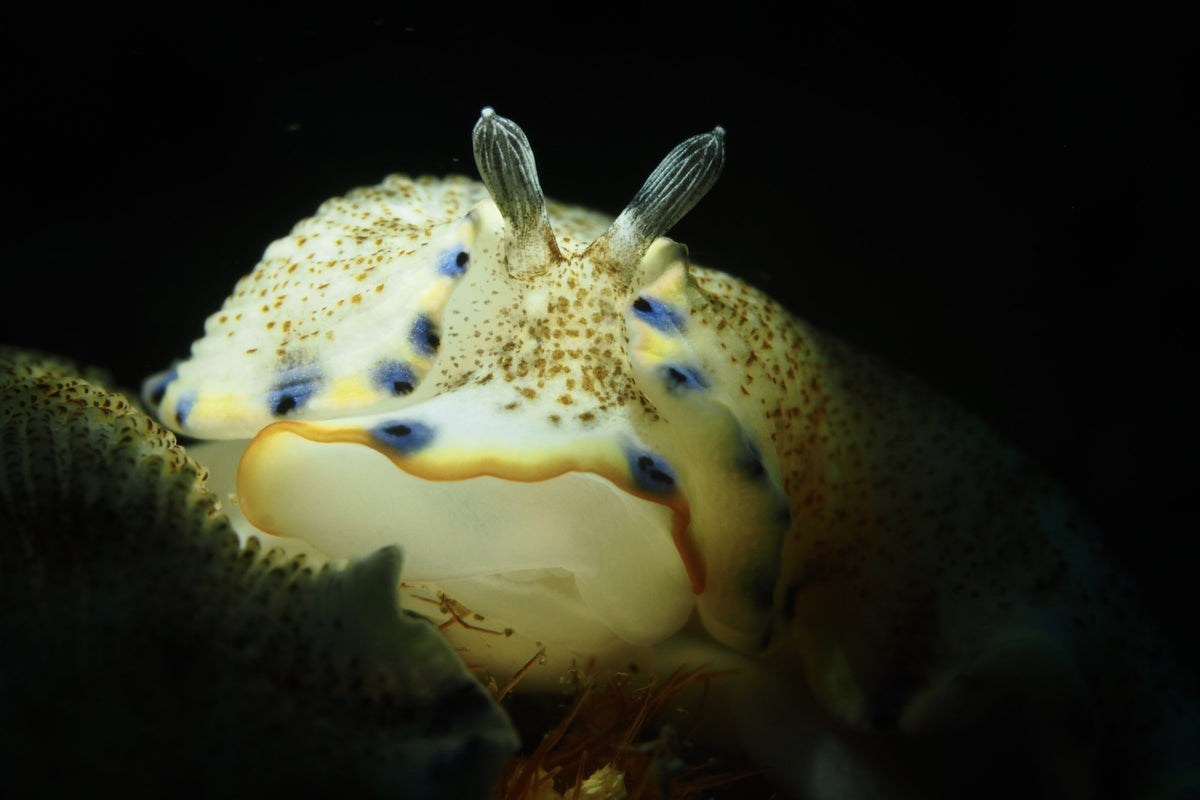
Anilao is the diving region around Mabini in Batangas, on the island of Luzon. Its appeal lies in the variety of small habitats: sand, rubble, coral heads and sea fans can each reveal a different cast of animals. Nudibranchs, frogfish, pipefish and tiny crustaceans make a slow dive absorbing, whether you carry a camera or simply enjoy watching marine life.
There is room for a wider view, too. Reef dives around Sombrero and the rock formations at Beatrice and Kirby’s add coral scenery and fish movement to a week of close-up encounters. Mix those dives with a night exploration of the seabed or a blackwater session, and a stay here becomes much more varied than a list of macro subjects suggests.
Who will enjoy it most?
Anilao is especially rewarding if you like identifying animals, noticing behaviour and spending time at a productive spot. Photographers can build a trip around particular subjects and repeat visits. Divers who prefer a steady change of scenery can include more reef dives. For a mixed group, the balance between time underwater and the resort experience deserves as much thought as the room category.
Choose your base
Anilao dive resorts
Your resort shapes the rhythm of the trip: where you prepare your camera, how you spend the time between dives and what a non-diving companion can enjoy. These two partner properties offer different reasons to stay.

Solitude Acacia Resort
At Solitude Acacia, the acacia tree, pool and sea-facing restaurant create a welcoming place to spend the hours between dives. Accommodation includes Deluxe rooms and sea-view categories, with some connecting rooms. Underwater photography workshops and snorkelling add options for guests with different interests.
Why consider it: a diving holiday where room choice, dining and time together above water are also priorities.

Buceo Anilao Beach & Dive Resort
Buceo brings the practical side of a photography trip together: a dedicated camera room, charging facilities, camera rinse tubs and the Buceo Point house reef. Sea-view room options, a pool and a seaside restaurant give the day a comfortable setting above water as well.
Why consider it: a dive-focused stay where camera preparation and the next search for small marine life are central to the holiday.
For a dedicated photography trip, give weight to guiding arrangements and camera facilities. For couples or mixed groups, include room access, pool time and snorkelling in the comparison. The best fit depends on how you want to spend the whole day.
Season and conditions
When is the best time to dive Anilao?
The main dive season runs from October to early June. For a first trip with flexible dates, we suggest starting your search between November and May, then choosing the period that best suits your tolerance for cooler water and your preferred pace of travel.
| Period | What it means for your trip |
|---|---|
| October–November | The start of the main season. Keep the dive plan flexible as weather and sea conditions change. |
| December–February | Plan for cooler water, especially on slow photographic dives. Warmth becomes more noticeable when you spend much of a dive observing one small area. |
| March–May | A popular part of the season. Plan ahead for a particular room, workshop or private guiding arrangement. |
| June–September | Some resorts continue diving, but wetter-season weather makes flexibility more important. A trip built around one exposed site is a less dependable choice. |
Water temperature: Buceo Anilao lists approximately 24–28°C for December–May and 27–29°C for June–November. Use these as a packing guide: a succession of slow dives can feel cooler than an active swim in the same water.
Visibility and current: on a muck dive, much of the interest may be within arm’s length; on a reef dive, clearer water opens up the whole scene. Sand, tide and exposure affect the experience differently at each site. A flexible mix of sheltered slopes and offshore reefs is more useful than expecting one set of conditions throughout the week.
Four ways to explore
What is the diving like?
Macro and muck: learning to see the small things
Muck diving is a search across sand, rubble and scattered growth. The seabed may look unremarkable until a frogfish’s outline becomes clear or a small shrimp moves beside its shelter. The pleasure comes from slowing down enough to recognise what you would otherwise swim past. A guide who understands your interests can make those small encounters the focus of the dive.
Reefs and pinnacles: colour, shape and moving water
Coral-covered rocks, sea fans and schools of reef fish bring a different scale to Anilao. Twin Rocks offers a mix of reef scenery and close-up detail; Sombrero and Beatrice are appealing options when you want to take in a larger scene. More exposed sites can have strong currents, so they belong in a programme matched to the group’s experience.
Night diving: familiar habitat, different activity
A conventional night dive follows the seabed or reef. Torchlight draws your attention to a smaller part of the habitat, where crustaceans and cephalopods can become the evening’s main subjects. Anilao Pier and Secret Bay are among the local sites used for this kind of exploration. Returning after dark can reveal another side of a place visited in daylight.
Blackwater: life suspended in the dark
Blackwater takes the search into open water at night. The subjects include drifting organisms and larval animals, some almost transparent and quite unlike their adult forms. For photographers, the challenge shifts from finding an animal against the seabed to keeping a moving subject in focus against darkness.
It requires comfort in open water at night and good control of your position without a seabed reference. Treat blackwater as a distinct part of the trip, with its own briefing and experience requirements.
Marine life changes from dive to dive. The animals described here illustrate the habitats and possibilities, rather than a fixed sightings list.
DIVE SITE GUIDE
Anilao dive sites
These eight locations show the range of the area: coral sanctuaries, sandy slopes, shallow night dives and reefs shaped by moving water. Start with the experience you enjoy most, then leave room for the sites that suit the conditions during your stay.
ORIENTATION MAP
Where the dive sites are
Explore how the coastal slopes, island reefs and offshore rocks fit into the region. Use a numbered pin to find its dive-site card below.
Pins are approximate locations for trip planning. Depths describe indicative visiting areas, not the full reef or a recommended personal dive profile.
01 · Reef · Marine sanctuary · Macro
Twin Rocks
Two boulders, a coral garden and small life tucked into the reef make Twin Rocks an appealing introduction to Anilao. It brings reef scenery and patient critter spotting into the same dive.
Best for: Reef scenery and close-up encounters
Explore this dive site
- Type
- Reef · Marine sanctuary · Macro
- Depth
- About 5–18 m
- Experience
- Suitable shallow routes for newer divers
- Current
- Variable
Two boulders, a coral garden and small life tucked into the reef make Twin Rocks an appealing introduction to Anilao. It brings reef scenery and patient critter spotting into the same dive.
The namesake rocks give the site a clear focal point, but the interest spreads into the surrounding coral habitat. A look across the reef may reveal a passing school of jacks; a closer inspection turns attention to nudibranchs, pipefish and other small subjects among the growth.
This combination makes Twin Rocks useful for divers with different interests. One person can enjoy the shape and colour of the reef while another concentrates on the details. A route through its shallower areas can also provide a gentler introduction to the region when conditions suit.
Photography: Choose macro for individual animals, or a wider view that places the boulders and reef life together.
02 · Reef · Rock formations · Wide angle
Cathedral Rock
A cross set between coral-covered rocks gives Cathedral a distinctive underwater landmark. Around it, the rock faces and reef fish create a scene worth exploring beyond the familiar photograph.
Best for: Anilao’s underwater cross and reef scenery
Explore this dive site
- Type
- Reef · Rock formations · Wide angle
- Depth
- About 10–18 m in the central area
- Experience
- Shallower routes for suitable experience
- Current
- Variable; can strengthen
A cross set between coral-covered rocks gives Cathedral a distinctive underwater landmark. Around it, the rock faces and reef fish create a scene worth exploring beyond the familiar photograph.
The central rock formations give the dive its character, with the cross around 15–18 metres providing a recognisable point in the landscape. Their shape gives photographers something to compose around: a rock face in the foreground, the cross beyond it, and fish moving through the water between.
Once you have taken in the larger scene, slow down along the coral growth for smaller subjects. Cathedral can appeal to a group combining scenic diving and macro interests. The central area is only part of the reef; the selected route determines the depth and exposure to current.
Photography: A wide-angle view can show the cross within its rocky setting instead of isolating it from the reef.
03 · Muck · Macro · Night
Secret Bay / Mainit Muck
Dark sand and scattered rubble turn Secret Bay into a search for things almost hidden in plain sight. It is a place to slow down, with small animals providing the detail that a coral garden would elsewhere.
Best for: Camouflaged animals and repeat photo dives
Explore this dive site
- Type
- Muck · Macro · Night
- Depth
- About 5–21 m visiting areas
- Experience
- Steady buoyancy and careful finning
- Current
- Variable
Dark sand and scattered rubble turn Secret Bay into a search for things almost hidden in plain sight. It is a place to slow down, with small animals providing the detail that a coral garden would elsewhere.
The sandy slope has patches of rock, seagrass and other scattered habitat. Each changes what there is to look for: a goby near its shelter, a seahorse among the growth, or a small crustacean on its host. Octopuses and cuttlefish are among the subjects recorded in the bay.
A productive stretch can hold your attention for much of a dive. That makes repeat visits worthwhile, particularly for photographers who want time to work with a subject. After dark, the search takes on a different rhythm as torchlight picks out activity close to the seabed.
Photography: Hold position clear of the sand and let the animal’s shape, camouflage or behaviour lead the composition.
04 · Muck · Shallow macro · Night
Anilao Pier
The pier’s sand-and-rubble habitat becomes especially absorbing at dusk and after dark. The attraction is the small animal life, with cephalopods and crustaceans turning a modest-looking seabed into a memorable dive.
Best for: Cephalopods, crustaceans and night observation
Explore this dive site
- Type
- Muck · Shallow macro · Night
- Depth
- Shallow areas, roughly 3–12 m
- Experience
- Controlled buoyancy; night experience for night dives
- Current
- Variable; access and boat traffic matter
The pier’s sand-and-rubble habitat becomes especially absorbing at dusk and after dark. The attraction is the small animal life, with cephalopods and crustaceans turning a modest-looking seabed into a memorable dive.
This is an intimate kind of exploration. Your light reveals one patch at a time, and a movement beside a shell or piece of rubble can become the focus of the dive. Octopuses and other nocturnal subjects are part of the pier’s appeal, alongside the smaller life that rewards close inspection.
Its shallow setting suits patient observation, but depth alone does not describe the conditions. It is also a working coastal area: access, boat activity and the entry arrangement need to be established as part of the dive plan. That practical detail belongs in the briefing, while the dive itself can remain focused on the animals.
Photography: Follow natural behaviour and leave space around an animal rather than crowding it for a frame.
05 · Rock formations · Reef · Current
Beatrice Rock
Beatrice brings colour and movement to an Anilao itinerary. Slopes and small walls carry sea fans, sponges and reef fish, with clouds of anthias adding life above the coral.
Best for: Coral scenery, anthias and wide-angle photography
Explore this dive site
- Type
- Rock formations · Reef · Current
- Depth
- About 7–27 m
- Experience
- Experienced divers comfortable with current
- Current
- Can be strong
Beatrice brings colour and movement to an Anilao itinerary. Slopes and small walls carry sea fans, sponges and reef fish, with clouds of anthias adding life above the coral.
Set northeast of Sombrero Island, the site moves between sloping reef, a small wall and coral-garden terrain. Barrel sponges and gorgonians give the scene structure, while fish activity draws your attention away from the close-up search of a muck dive.
For a photographer, that mix of shape, colour and moving subjects makes a wide-angle setup appealing. Water movement is also a central planning factor: current can be strong and the exposed setting can become rough. Beatrice is a rewarding change of pace for an experienced group when the conditions support the dive.
Photography: Look for a strong foreground shape with reef fish in the water above it, without holding onto the reef.
06 · Pinnacles · Wall · Reef macro
Kirby’s Rock
Kirby’s combines a dramatic rocky setting with the small subjects Anilao is known for. Shallow faces and deeper formations offer a reason to look both across the reef and closely into its growth.
Best for: Rock structure, nudibranchs and sea-fan life
Explore this dive site
- Type
- Pinnacles · Wall · Reef macro
- Depth
- About 5–30 m visiting profiles
- Experience
- Experienced divers
- Current
- Variable; can be strong
Kirby’s combines a dramatic rocky setting with the small subjects Anilao is known for. Shallow faces and deeper formations offer a reason to look both across the reef and closely into its growth.
The site includes separate rocky formations, with coral-covered surfaces and a deeper pinnacle whose top is around 18 metres. Nudibranchs, soft corals and life associated with sea fans give macro photographers plenty of habitat to inspect. The upper terraces offer a different scene, with reef fish and more light.
It is a good example of why choosing a photographic focus before the dive helps. A macro search and a scenic tour may follow different routes. Current can vary around the formations, and the site continues well beyond a typical recreational visit, so depth and route deserve clear attention in the dive plan.
Photography: Choose between detailed reef subjects and the wider rock structure before committing to a lens.
07 · Island reef · Wall · Pinnacle
Ligpo Island — wall and pinnacle
The Ligpo area adds a wall and a separate pinnacle to the region’s reef scenery. Sea fans and soft corals give it a different character from Anilao’s sandy macro slopes.
Best for: Sea fans and vertical reef scenery
Explore this dive site
- Type
- Island reef · Wall · Pinnacle
- Depth
- About 5–35 m across the described area
- Experience
- Experienced divers for deeper wall routes
- Current
- Variable; exposed routes need suitable conditions
The Ligpo area adds a wall and a separate pinnacle to the region’s reef scenery. Sea fans and soft corals give it a different character from Anilao’s sandy macro slopes.
The change in terrain is the attraction: a shallow reef gives way to a wall, with a distinct pinnacle lying beyond it. Sea fans cover parts of the structure and create strong foregrounds for a wider view. Reef fish add movement, while the growth on the wall still rewards a close look.
This is an appealing option when you want a more vertical landscape in the week’s diving. The island reef and deeper wall provide different possible profiles; they should be treated as parts of an area rather than one fixed-depth dive. Stay within the route and limits set for the group.
Photography: A sea fan against open water can convey the scale of the wall without needing to descend farther.
08 · Island reef · Coral gardens · Wall
Sombrero Island
Sombrero’s hat-shaped outline continues into a fringing reef with slopes and drop-offs. Coral gardens, sea fans and reef fish make it an inviting change of scale during a macro-focused stay.
Best for: Reef scenery and wide-angle photography
Explore this dive site
- Type
- Island reef · Coral gardens · Wall
- Depth
- About 10–30 m visiting profiles
- Experience
- Reef-diving experience; comfort with current
- Current
- Variable; can be strong
Sombrero’s hat-shaped outline continues into a fringing reef with slopes and drop-offs. Coral gardens, sea fans and reef fish make it an inviting change of scale during a macro-focused stay.
The underwater landscape brings together hard and soft corals, sponges and crinoids across ridges and small walls. It invites a different way of looking: follow the shape of the reef, watch the fish above it, then pause to inspect the smaller life within the growth.
Different sides of the island have different exposure and depth, so Sombrero is best thought of as a choice of reef routes. For a group that enjoys scenery, it can add welcome variety between slow muck dives. A route suited to the day’s current lets that broader landscape become the focus.
Photography: Use the reef’s ridges and coral shapes to lead the eye through a wider composition.
Time to observe
Planning an underwater photography stay
Start with a macro setup you know well. A compact camera can cover many subjects; a suitable wet macro lens helps with smaller animals. For interchangeable-lens systems, a dedicated macro lens is the natural starting point. A wide-angle option earns its place if reefs such as Sombrero or Beatrice are part of your plans.
Allow time to work on a photograph. Returning to a productive site can be more rewarding than adding another name to the list: you can try a different composition, work on lighting or spend longer observing behaviour. Build in time between dives for rinsing, drying and checking the housing, changing batteries and backing up images.
A compatible buddy or a small group with similar interests makes a difference. Private guiding is worth considering if you want to concentrate on a particular subject or technique; it becomes a trip-planning choice, rather than something every photographer needs.
Keep fins and equipment clear of the bottom, and leave animals and their surroundings in place. Good positioning protects the habitat and keeps disturbed sand out of the photograph.
The destination above water
Beyond diving: coast, hills and time to slow down
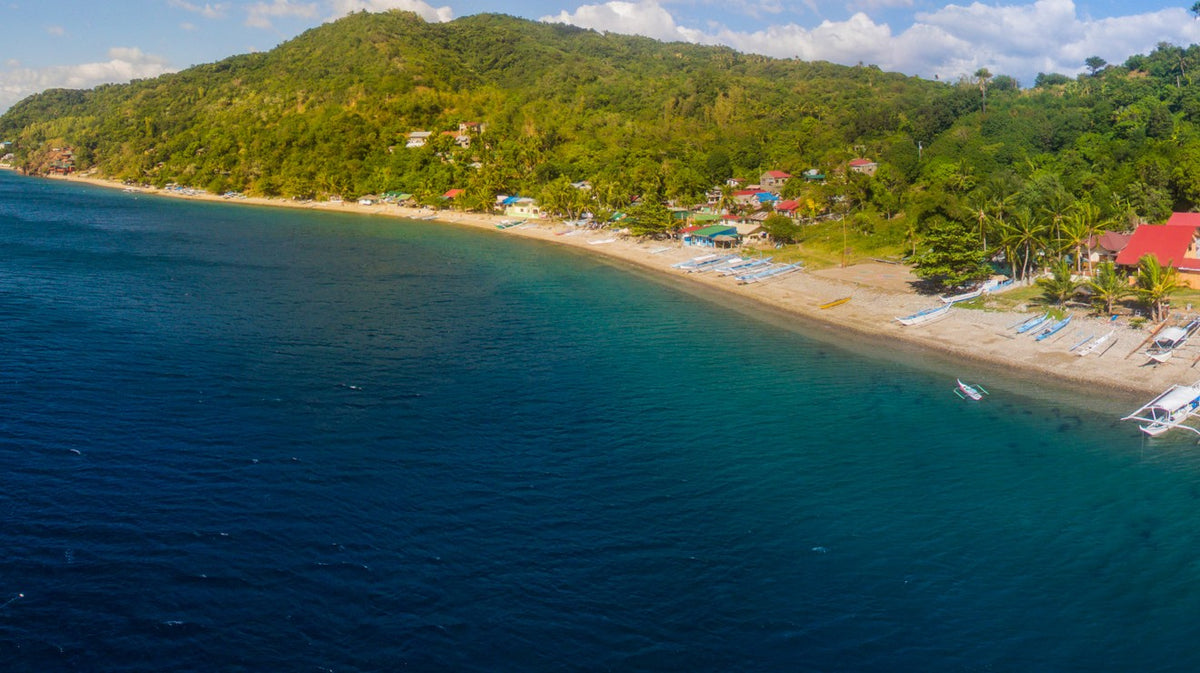
The approach through Mabini gives Anilao its sense of place: coastal villages, hills and glimpses of the sea along the peninsula. A stay works well when you leave some unhurried time around the diving, whether for a long lunch, a swim or watching the evening light from the resort.
Mount Gulugod Baboy
The grassy ridges of Gulugod Baboy offer a different perspective on the region, with views over Batangas Bay and the surrounding islands. It is a local nature outing for travellers who enjoy walking and landscape photography. Plan the hill visit before your first diving day, rather than between dives or immediately afterwards.
Snorkelling and a day by the sea
Solitude Acacia lists snorkelling among its activities, giving non-diving companions a way to explore the shallow marine habitat. Buceo combines a sea-view pool with land excursions. These are useful options when one person wants a full diving schedule and another would prefer shorter activities and time to relax.
Is Anilao a good choice for non-divers?
It can be, especially for someone who enjoys a quiet resort stay, swimming, snorkelling and coastal scenery. Choose the property around those interests. If the main holiday goal is a long sandy beach or a busy town to explore every evening, give that preference proper weight when comparing destinations.
Travel logistics
How to get to Anilao from Manila
Fly into Manila’s Ninoy Aquino International Airport (MNL), then continue south by road to Mabini, Batangas. A private transfer is convenient when travelling with dive equipment and camera luggage. Around three hours is a useful starting estimate, with extra time for Manila traffic, busy weekends and the final approach to your resort.
The usual drive follows the expressways towards Batangas before continuing on local roads to the coast. There is no domestic flight to add when arriving through Manila. Let arrival day stay flexible: leave room to settle in, prepare equipment and rest after the journey.
For the return, work backwards from your flight and allow both the appropriate post-dive interval and a realistic traffic buffer. An overnight in Manila can make an early departure more practical. Include any mobility needs in trip planning, since coastal properties can have steps and changes of level.
Build the right trip
How long to stay, and how to compare the cost
For a first visit, our suggested starting point is 5–7 nights. That leaves room for several kinds of diving and repeat visits without making every day feel like a checklist. A 7–10-night photography trip gives more flexibility for practising techniques, revisiting habitats and including specialist sessions. A shorter stay can still work as part of a wider Philippines itinerary.
The useful comparison is the total cost of the stay you want. A room-only rate and a full-board diving package cover different parts of the holiday.
| Part of the trip | What changes the total |
|---|---|
| Room and meals | Room category, single or shared occupancy, and the meal plan. A sea-view upgrade may matter more to a non-diver spending longer at the property. |
| Daily diving | The number of included dives, boat or shore arrangements, guiding and applicable local diving fees. |
| Specialist options | Private guiding, blackwater or night-dive supplements, Nitrox and equipment hire, according to the selected package. |
| Transfers | Vehicle size, number of passengers and any connection needed for the property. |
Use the resort pages for published options, then compare the inclusions against the same dates and diving plan. For a wider itinerary, explore our Philippines diving destinations.
Anilao diving FAQ
Can beginners enjoy Anilao?
Yes. A programme built around suitable shallow reefs can work well for newer divers. Start with manageable conditions and time to settle into your buoyancy. Offshore pinnacles, strong-current dives and blackwater need a separate assessment of experience and comfort.
Do I need a camera to enjoy macro diving?
No. Finding a well-camouflaged animal and watching its behaviour can be absorbing in its own right. If you enjoy exploring at a steady pace, choose a group with similar interests; a photography group may spend much longer at one subject.
Is blackwater the same as a night dive?
Both take place after dark, but the setting changes the experience. A reef night dive explores habitat on the bottom. Blackwater follows drifting life in open water, with different orientation and photography challenges.
Does a resort price include all the diving?
It depends on the product shown. Room rates, accommodation-and-diving packages and specialist sessions can have different inclusions. Compare the total for your planned stay, including meals, transfers and the diving options you intend to use.
What happens after I send an enquiry?
Coral Triangle Expeditions helps match your dates, diving interests and room preferences with suitable partner options. We check current availability and the inclusions and prices for that stay, so you can compare a complete proposal. Sending an enquiry does not create a booking or payment obligation.
A closer look at Anilao’s marine life
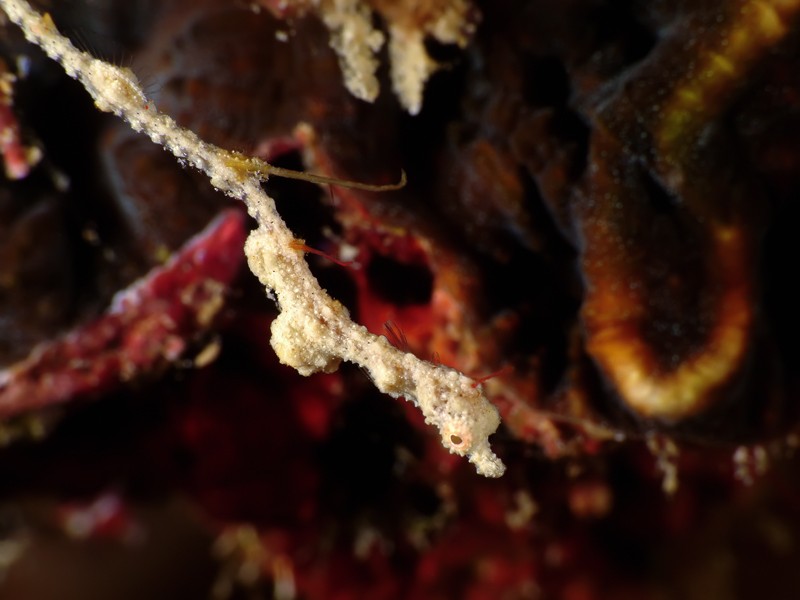
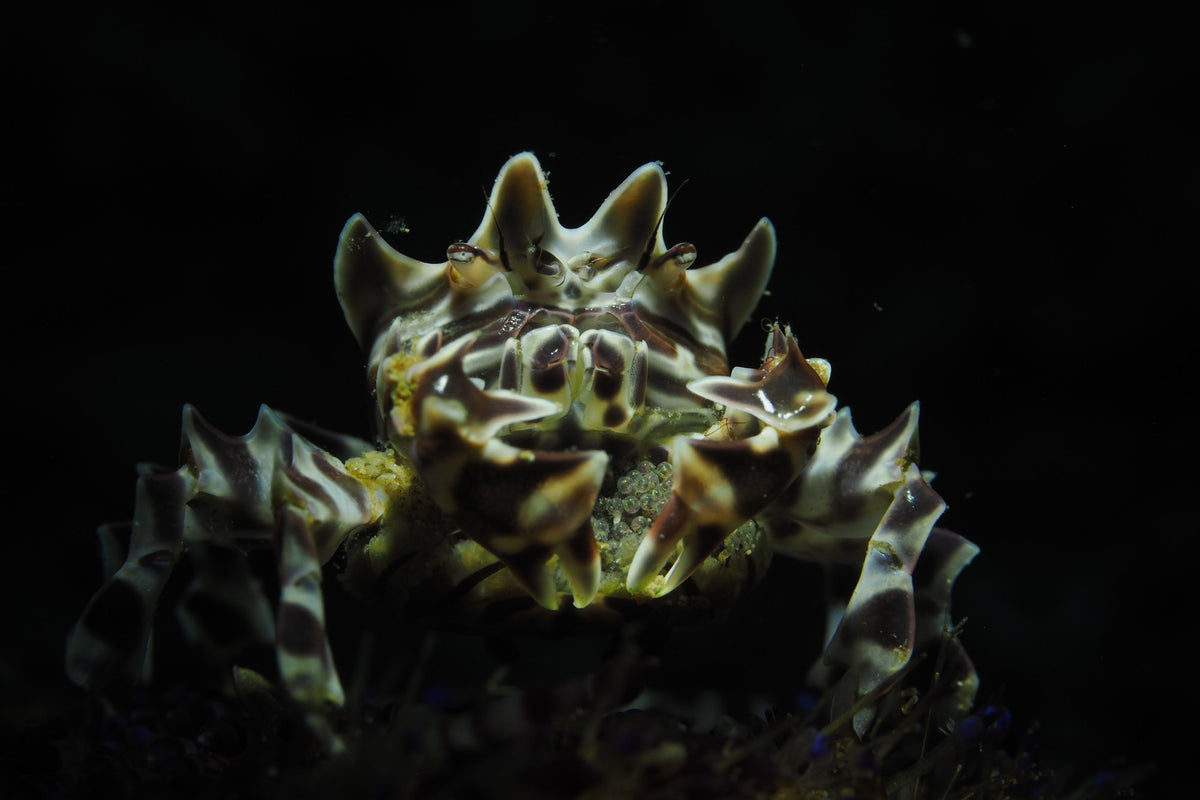
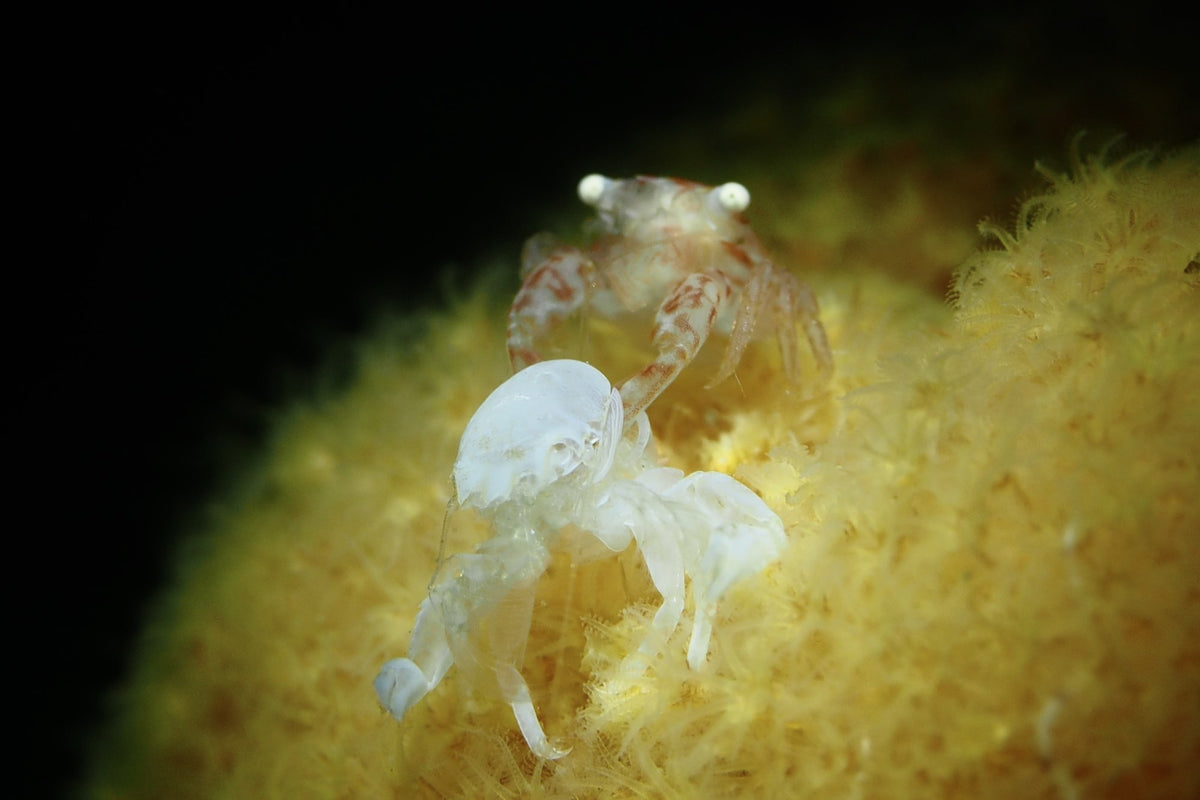
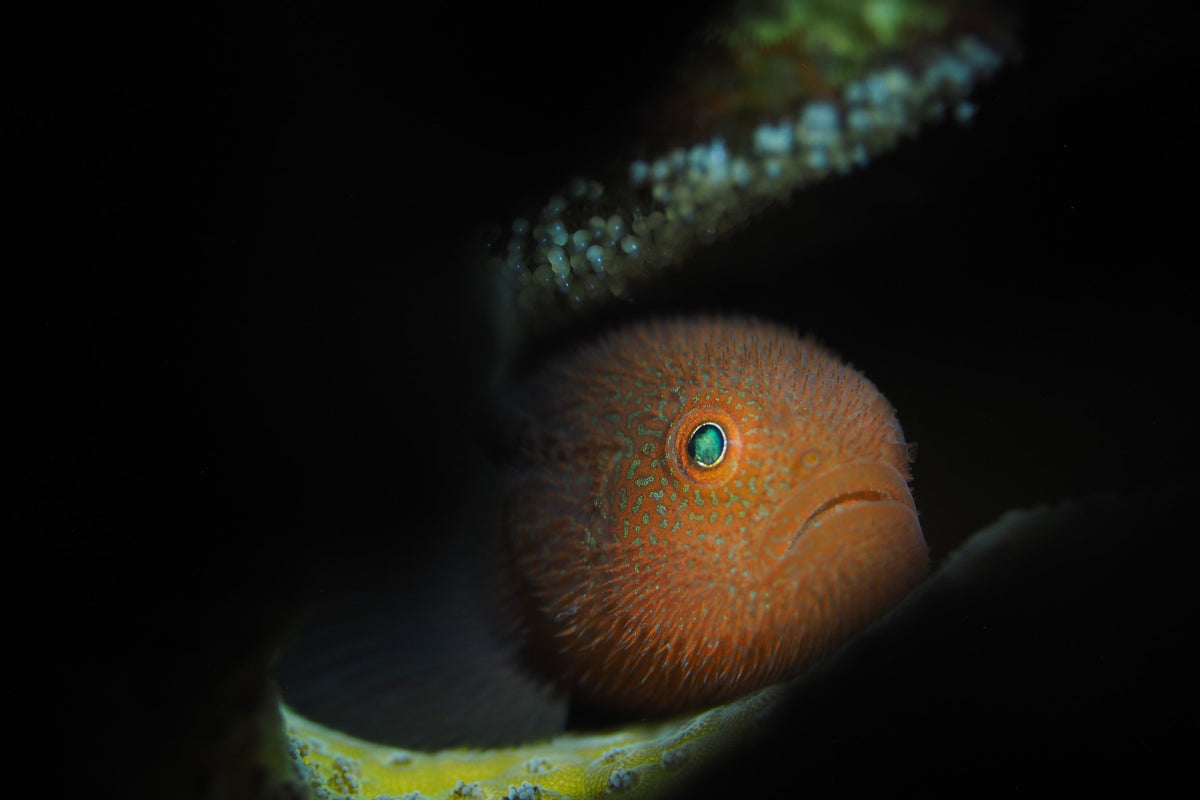
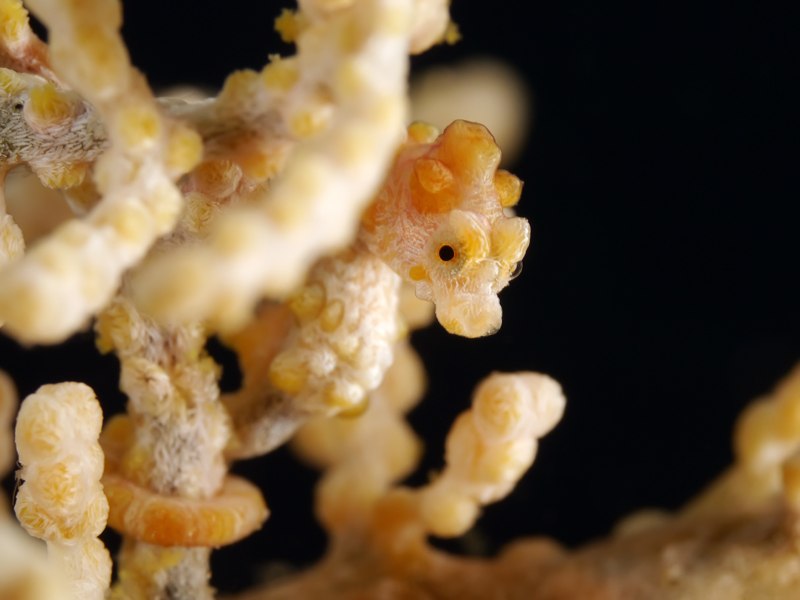
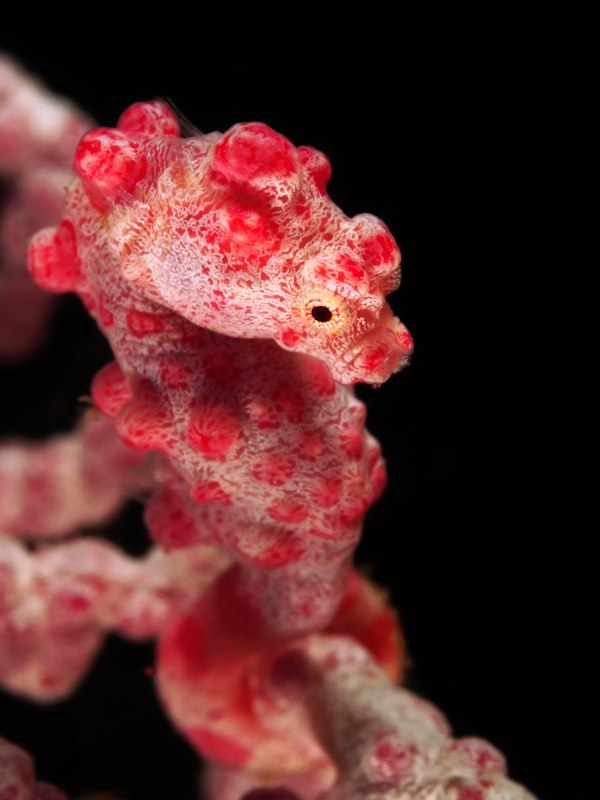
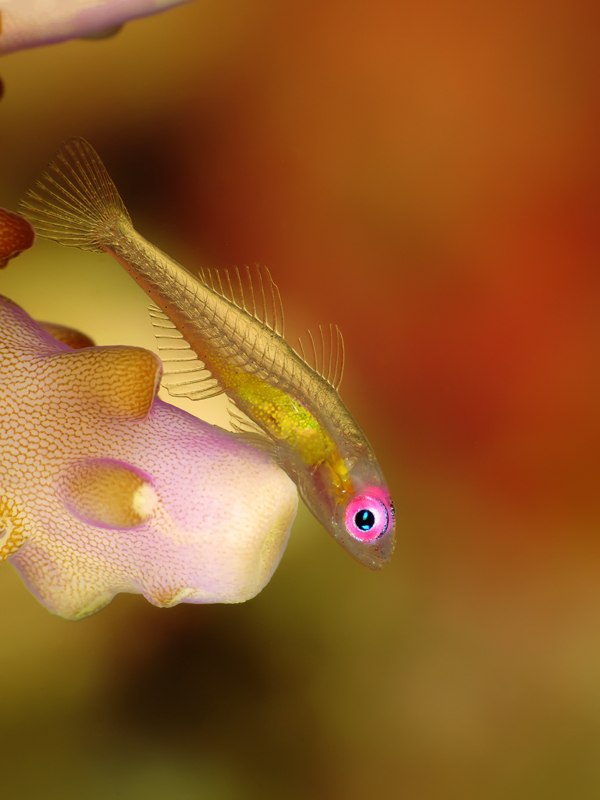
Camouflage, texture and colour are part of the fascination: a seahorse merging with its surroundings, a cuttlefish’s pattern, or the detail on a tiny crustacean. These images offer a closer look at the subjects that make patient observation so rewarding.
Destination photographs courtesy of Buceo Anilao Beach & Dive Resort.
Plan your stay
Find your Anilao dive stay
Tell us your dates, who is travelling and what you most want from the diving: relaxed reef exploration, a focused photography week or time for blackwater. We will help you compare suitable resorts and build a clear picture of the stay, including rooms, diving and transfers.
No booking obligation. Availability and final prices are confirmed for your selected dates.