

Destination guide · Indonesia
Nusa Lembongan & Nusa Penida Diving
Nusa Penida’s diving has a powerful sense of movement: mantas at cleaning areas, reef fish in the current and a sudden change in water temperature below the surface. Lembongan gives that energetic underwater world a relaxed island base.
Nusa Lembongan & Nusa Penida at a glance
Nusa Lembongan and Nusa Penida represent Bali’s more dynamic blue-water diving. Manta cleaning areas, seasonal Mola mola potential, cool thermoclines and current-swept reefs create exciting conditions for confident divers.
The islands combine demanding underwater environments with beaches, cliffs, mangroves and a relaxed tropical lifestyle. Site selection must follow current, swell and diver experience, and neither mantas nor Mola mola can be guaranteed. For suitable divers, the region offers Bali’s strongest big-animal potential.
Planning your Nusa Penida & Lembongan stay
Choose Lembongan for a compact island stay or a Penida base for more time on that island. Compare boat journeys to the sites you most want to dive. Four to six diving days leaves room for both manta areas and the northern reefs, with rest or land days between more demanding dives.

Nomads Diving / Nomads Yurt
Beachfront SSI dive centre paired with its own small Nomads Yurt property, flexible multi-day diving, own speedboats and a maximum 4:1 guide ratio.

Scuba Center Asia — Nusa Lembongan Dive & Stay
PADI 5 Star IDC dive centre at Mushroom Beach with small 4:1 groups, an onsite training pool and nearby breakfast-inclusive partner bungalows.

Tamarind Divers — Nusa Lembongan
Small locally owned PADI dive centre at Tamarind Beach with a maximum 4:1 guide ratio, dedicated boats and a condition-led Nusa islands programme.

Two Fish Divers Nusa Penida — Dive Centre & Partner Accommodation
Beachfront Nusa Penida dive centre for manta, drift and reef diving, paired with nearby partner accommodation.
When to dive Nusa Penida & Lembongan
July to October is the established seasonal window for ocean sunfish opportunities, with cooler thermoclines part of the experience. Mantas may be encountered in other months too. Current, swell and cold-water tolerance should shape the dive programme throughout the year.
Planning window: Best April–November · Mola season July–October.
What the diving is like
Choose the islands and sites to suit the group’s experience.
Manta Point
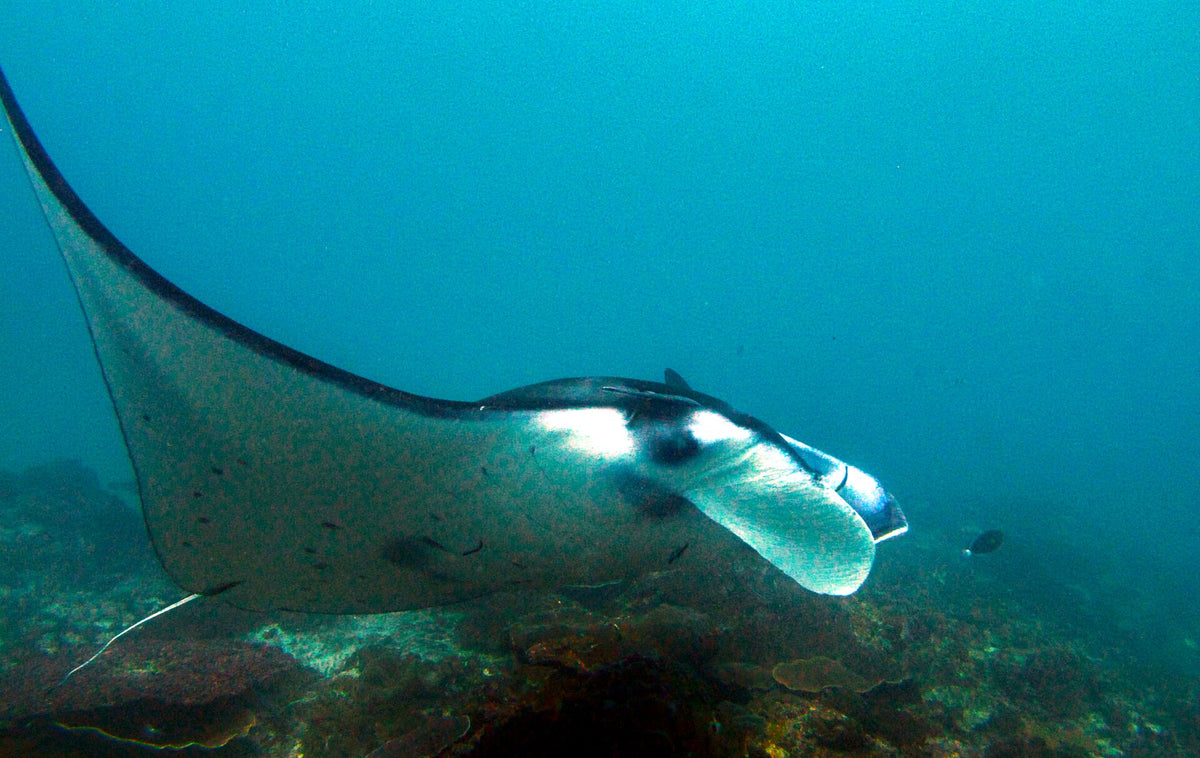
One of Bali’s most iconic big-animal sites, where manta rays may circle cleaning stations in suitable conditions.
Mola Mola Season Dives
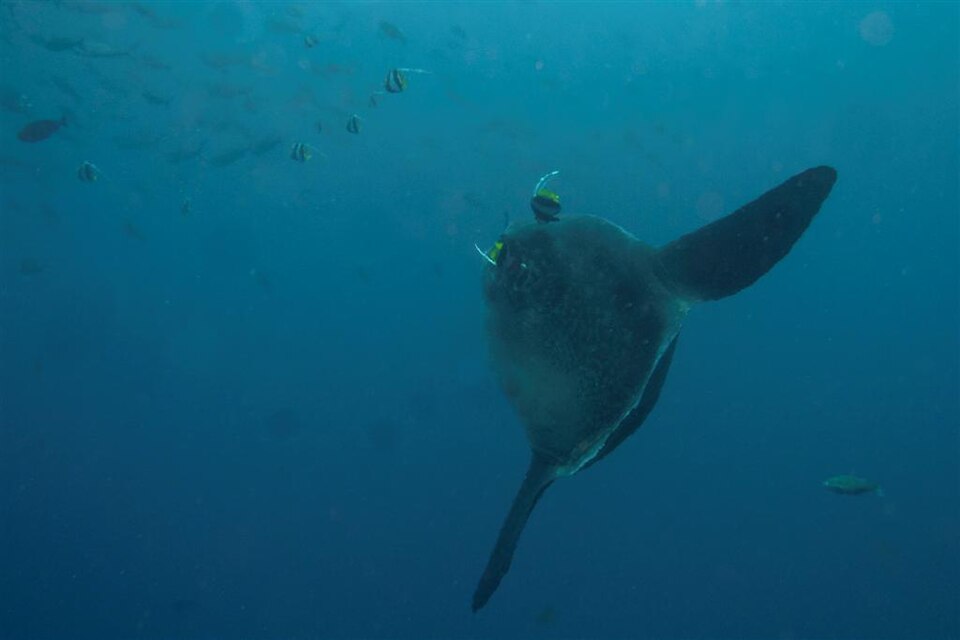
From July to October, cool thermoclines can bring the possibility of Mola Mola encounters, especially around advanced sites such as Crystal Bay.
Crystal Bay & Blue Corner
Crystal Bay and Blue Corner are famous advanced sites with thermoclines, current, reef scenery and big-animal potential.
Nusa Penida Drift Reefs
Penida offers dynamic drift reefs, fish life, coral gardens and real current, making diver confidence and local guide judgment essential.
Island Stay on Nusa Lembongan
Nusa Lembongan offers a slower island rhythm with seaweed farms, beach cafés, cliffs, sunsets and easy boat access to dive sites.
Wide-Angle Big-Animal Photography
Wide-angle is best for mantas, Mola Mola, drift reefs and divers in blue water; action cameras should be securely mounted.
Cold Thermoclines & Changing Conditions
Mola season can bring cold thermoclines and rapid condition changes, making proper exposure protection and confident diving important.
Easy Combination with Tulamben & Amed
Lembongan and Penida combine well with Tulamben or Amed for a stronger Bali itinerary including wrecks, reefs and calmer shore diving.
DIVE SITE GUIDE
Dive sites in Nusa Lembongan & Nusa Penida
Explore the character of individual sites, from the setting and marine life to the diving conditions. Open a card for the full description; site access and the final profile depend on conditions and experience.
ORIENTATION MAP
Where the dive sites are
Use the map to understand how the key sites are spread around the destination. Pins are for trip-planning orientation only; entry points, moorings and the final dive plan are always confirmed by the local operator on the day.
Coordinates are planning references compiled from current dive-site sources. They are not navigation coordinates; entry points, moorings, tide windows and the final dive plan are always confirmed by the local operator on the day.
Cleaning station · Rocky reef
Manta Point
Manta Point is the best-known manta cleaning station on Nusa Penida’s exposed southwest coast.
Explore this dive site
- Type
- Cleaning station · Rocky reef
- Depth
- 5–20 m
- Experience
- Beginner–Intermediate
- Current
- Mild–Moderate
Manta Point is the best-known manta cleaning station on Nusa Penida’s exposed southwest coast. Limestone rock, sandy pockets and cleaning bommies create the habitat, while reef mantas may circle repeatedly when conditions are favorable. The site is shallow enough for long bottom times, but exposure to swell means it is not automatically easy and operators only use it when sea conditions are suitable.
Divers get the best encounters by staying low, leaving the cleaning station open and never chasing an animal. Mantas are present through much of the year but remain wild and cannot be guaranteed. Even without them, rays, turtles and reef life can make the dive worthwhile.
Look for: Manta cleaning station · Shallow profile · Exposed southwest coast · Wildlife etiquette
Best for: Reef mantas · Wildlife observation · Wide angle
Bay · Reef · Deep slope
Crystal Bay
Crystal Bay is famous for seasonal mola sightings, but the site deserves respect long before a sunfish appears.
Explore this dive site
- Type
- Bay · Reef · Deep slope
- Depth
- 5–40 m
- Experience
- Advanced
- Current
- Variable / strong possible
Crystal Bay is famous for seasonal mola sightings, but the site deserves respect long before a sunfish appears. A coral plateau surrounds the central rock, while slopes, canyons and deeper water create routes where cold thermoclines and current can arrive quickly. During the cooler season, experienced guides may search deeper for mola, but descending simply to chase a sighting is never good dive planning.
Strong down-current and surge are known risks in the area, so depth, group control and the local briefing matter. On a calm day the reef itself is excellent, with coral, morays, leaf fish and turtles. The strongest Crystal Bay dives combine patience with conservative depth discipline.
Look for: Seasonal mola potential · Cold thermoclines · Coral plateau · Advanced conditions possible
Best for: Mola season · Coral · Deep-water encounters
Drift · Coral plateau
Toyapakeh
Toyapakeh is one of the Nusa area’s richest all-round reefs.
Explore this dive site
- Type
- Drift · Coral plateau
- Depth
- 5–35 m
- Experience
- Intermediate–Advanced
- Current
- Moderate–Strong
Toyapakeh is one of the Nusa area’s richest all-round reefs. A broad coral plateau and large bommies support hard coral, soft coral, gorgonians and a huge variety of fish, while the blue can bring tuna and giant trevally.
Current often shapes the dive into a drift, but reef structure creates pockets where guides can slow the group and let photographers work. The site is unusually versatile: wide-angle shooters can concentrate on coral and fish schools, while macro divers find nudibranchs, shrimp and other small subjects in the same area. Seasonal mola are possible, but the reef is strong enough that they should be treated as a bonus rather than the reason to dive.
Look for: Rich coral plateau · Drift diving · Schooling fish · Macro + wide angle
Best for: Healthy coral · Schooling fish · Drift · Macro
Drift · Reef
Mangrove Point
Mangrove Point on Nusa Lembongan is a classic reef drift where the current does most of the travel.
Explore this dive site
- Type
- Drift · Reef
- Depth
- 5–40 m
- Experience
- Open Water–Intermediate
- Current
- Moderate
Mangrove Point on Nusa Lembongan is a classic reef drift where the current does most of the travel. Healthy coral extends along the slope and fish activity builds as water moves across the reef, with turtles and larger schools possible in the blue.
The site can be suitable across a wide certification range when the current is moderate, but conditions are assessed on the day and a faster tide changes the difficulty quickly. The best dive is not about stopping at a landmark; it is about maintaining a good position above the reef and letting scenery pass underneath. A DSMB and close guide control are important because the group can cover considerable distance.
Look for: Classic drift · Healthy coral · Turtles possible · Current changes quickly
Best for: Fast reef drift · Fish action · Coral · Turtles
Drift · Wall · Deep plateau
Blue Corner
Blue Corner is one of the Nusa islands’ most demanding mainstream sites.
Explore this dive site
- Type
- Drift · Wall · Deep plateau
- Depth
- 20–40 m
- Experience
- Advanced
- Current
- Strong
Blue Corner is one of the Nusa islands’ most demanding mainstream sites. A steep slope leads toward a deeper plateau, and strong current can sweep across the area fast enough that the site is reserved for experienced drift divers. Sharks, large rays and seasonal mola are possible, but the real defining feature is the water movement.
The guide may choose a specific tide window, use reef hooks only where local practice and reef protection allow, or skip the site completely if conditions are outside the group’s ability. Much of the dive is around 20–30 metres, so gas and no-decompression time matter in addition to current. It is exciting when planned well and unforgiving when treated casually.
Look for: Advanced drift · Strong current · Mola potential · Sharks & rays possible
Best for: Mola potential · Sharks · Rays · Adrenaline drift
Coral plateau · Wall · Drift
Gamat Bay
Gamat Bay begins with a shallow coral plateau framed by rocky points, then transitions toward a deeper wall and sand edge.
Explore this dive site
- Type
- Coral plateau · Wall · Drift
- Depth
- 5–40 m
- Experience
- Intermediate–Advanced
- Current
- Variable
Gamat Bay begins with a shallow coral plateau framed by rocky points, then transitions toward a deeper wall and sand edge. That structure lets divers start among bright reef scenery before moving into a more open-water profile. Turtles, batfish, nudibranchs and rays are all possible, and seasonal mola may appear in the deeper blue.
Current can be challenging near the mouth of the bay, so the route is chosen around tide rather than assuming the bay is protected. Photographers benefit from the variety: coral landscape in the shallows, wall scenery below and macro subjects in the reef. Depth can build quickly outside the plateau, making a planned turn depth important.
Look for: Coral plateau · Wall transition · Turtles · Seasonal mola potential
Best for: Coral topography · Turtles · Mola potential
Drift · Reef plateau · Wall
Ped
Ped is one of north Nusa Penida’s more forgiving drift dives.
Explore this dive site
- Type
- Drift · Reef plateau · Wall
- Depth
- 5–35 m
- Experience
- Beginner–Intermediate
- Current
- Mild–Moderate
Ped is one of north Nusa Penida’s more forgiving drift dives. A wide shallow plateau carries dense reef life before the profile falls toward deeper water, giving the guide space to adapt the dive to experience and current. Turtles are regularly associated with the site, while macro subjects and colorful reef fish keep photographers busy close to the coral.
During mola season the deeper edge may produce an encounter, but there is no need to descend simply because the animal is possible. The shallow reef is the dependable attraction and makes the final portion of the dive especially strong. Ped is a useful site for divers learning the rhythm of Penida currents before attempting harder locations.
Look for: North-coast drift · Turtles · Macro + reef · Good introduction to Penida current
Best for: Turtles · Colorful reef · Drift · Macro
Wall · Drift · Current
Ceningan Wall
Ceningan Wall drops away from a shallow plateau into a steep face covered in coral, sponges and sea fans.
Explore this dive site
- Type
- Wall · Drift · Current
- Depth
- 5–40 m
- Experience
- Advanced
- Current
- Moderate–Strong
Ceningan Wall drops away from a shallow plateau into a steep face covered in coral, sponges and sea fans. Current feeds the wall and supports dense reef life, from nudibranchs and pygmy-sized subjects close to the rock to trevally, tuna and rays moving in the blue.
The same exposure that creates this productivity can make the dive challenging, so it is better suited to experienced divers comfortable with drift conditions and changing water temperature. Seasonal mola are possible when cooler water arrives, but the wall itself is the reason to dive. A controlled route along the face gives both wide-angle and macro opportunities without needing to chase depth or pelagics.
Look for: Colorful wall · Drift current · Macro + pelagic · Advanced conditions possible
Best for: Colorful wall · Macro · Trevally · Mola potential
Underwater photography
At Manta Point, reef mantas, Wildlife observation, Wide angle give an idea of the photographic possibilities. Choose the camera setup for the planned sites, then leave time to observe the scene before making the image. Repeating a productive dive often creates better opportunities than constantly searching for a different location. For reef scenes, use the shape of the reef and the available light to give the image depth. A diver at a respectful distance can provide scale without crowding an animal.
Beyond diving: Nusa Penida & Lembongan above the surface
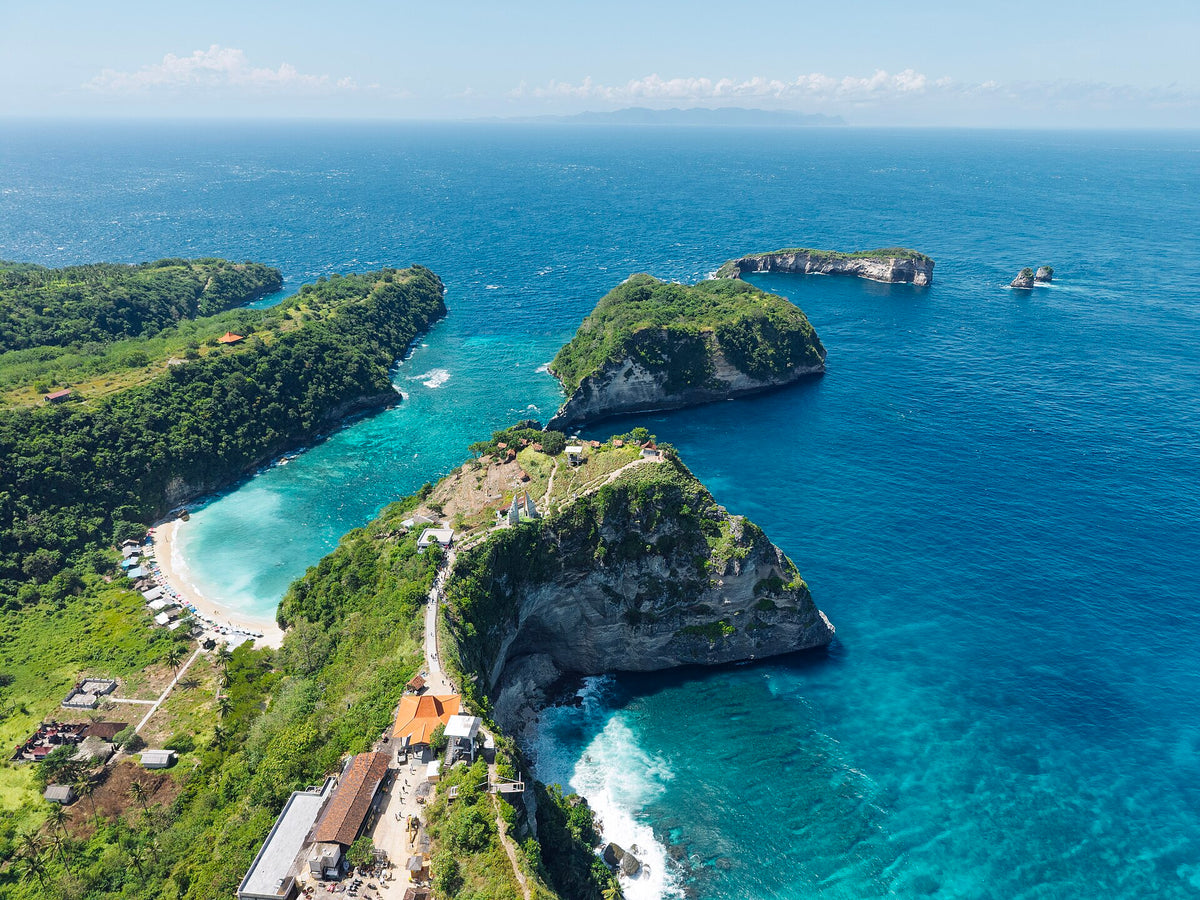
Lembongan offers mangrove excursions, beaches, cafés and sunset viewpoints, with the Yellow Bridge linking the experience to Nusa Ceningan. It is an easy setting for companions who enjoy island wandering and time beside the sea.
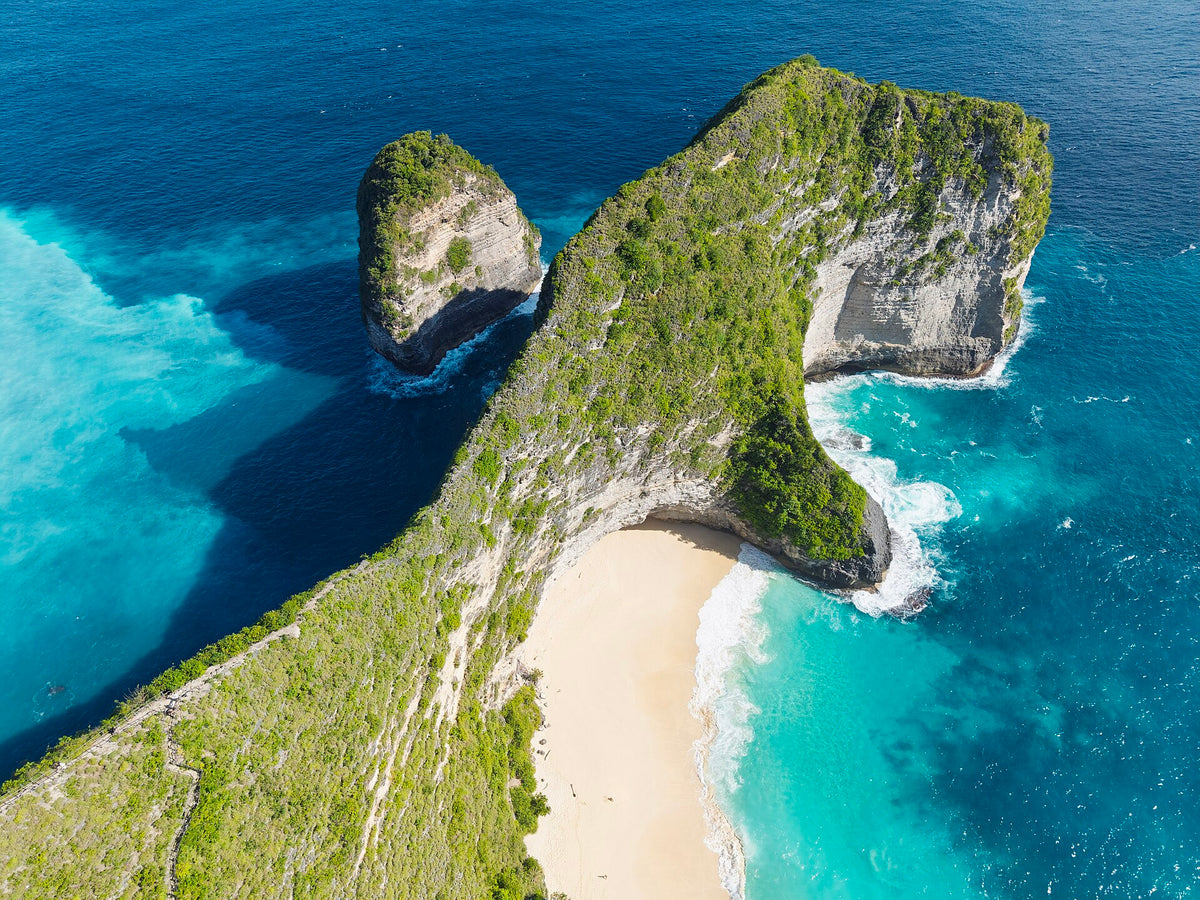
Penida’s dramatic cliffs and viewpoints deserve a separate land day because roads and distances make a rushed tour tiring. Snorkelling trips also need to suit the sea state and the swimmer’s confidence; a famous manta site is still an exposed marine environment.
Getting to Nusa Penida & Lembongan
Most international guests reach this programme by flying to Denpasar / Bali. From there, guests transfer to Sanur and continue by fast boat to Nusa Lembongan.
Choose arrival and departure times around the onward transfer, especially when a boat crossing or a long road journey is involved. Leave space for a relaxed final day ashore and an appropriate interval between the last dive and flying.
Nusa Penida & Lembongan diving questions
What makes Nusa Penida & Lembongan worth a diving trip?
Nusa Penida’s diving has a powerful sense of movement: mantas at cleaning areas, reef fish in the current and a sudden change in water temperature below the surface. Lembongan gives that energetic underwater world a relaxed island base.
How should I plan my stay?
Choose Lembongan for a compact island stay or a Penida base for more time on that island. Compare boat journeys to the sites you most want to dive. Four to six diving days leaves room for both manta areas and the northern reefs, with rest or land days between more demanding dives.
When is a useful time to visit?
July to October is the established seasonal window for ocean sunfish opportunities, with cooler thermoclines part of the experience. Mantas may be encountered in other months too. Current, swell and cold-water tolerance should shape the dive programme throughout the year.
Is there enough for non-diving companions?
Lembongan offers mangrove excursions, beaches, cafés and sunset viewpoints, with the Yellow Bridge linking the experience to Nusa Ceningan. It is an easy setting for companions who enjoy island wandering and time beside the sea.
A closer look at Nusa Lembongan & Nusa Penida
Plan your Nusa Penida & Lembongan trip
Tell us the experiences you most want, your preferred dates and how you like to travel. We can bring the destination, accommodation and diving into one coherent itinerary.
Plan my tripPhoto credits
Images are resized for display and may be cropped to fit the page layout.
- Manta ray above the seabed at Manta Bay, Nusa Penida: Manta Ray - Shot by Lamadjido.jpg — Rilando June Lamadjido. CC BY-SA 4.0. Web-size image supplied by Wikimedia Commons; no scene edits.
- Ocean sunfish at Crystal Bay, Nusa Penida: 20-Indonesia-Bali Nusa-Penida Crystal-Bay 12 (Mola-Mola Sunfish3)-APiazza.JPG — Andrepiazza. CC BY-SA 3.0. Web-size image supplied by Wikimedia Commons; no scene edits.
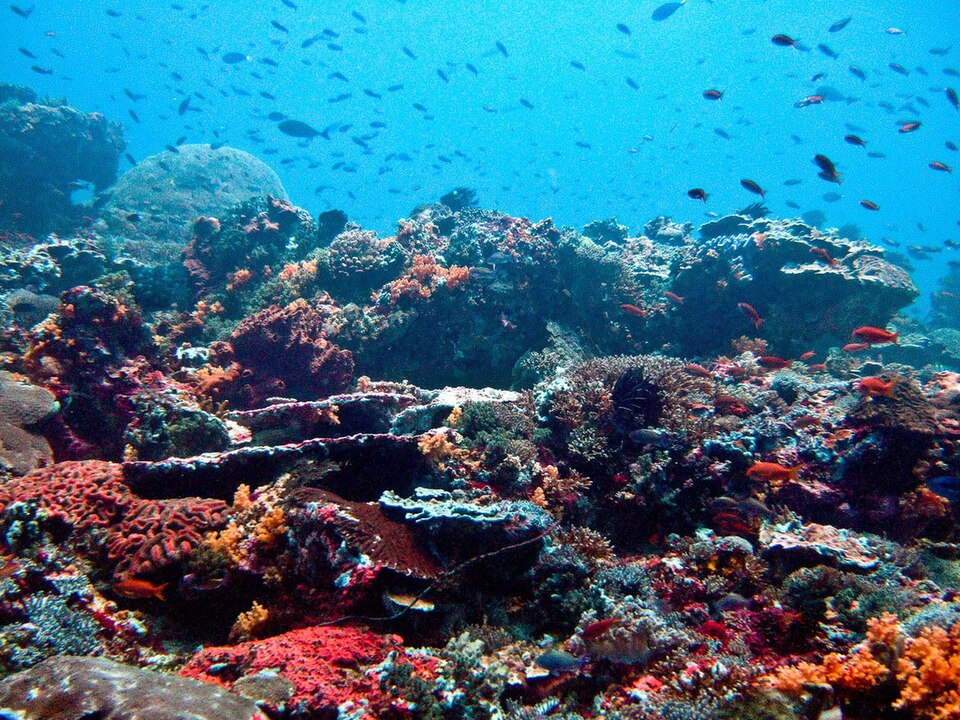
- Coral reef and reef fish off Nusa Lembongan, Bali: Nusa Lembongan Reef.jpg — Flickr user: Ilse Reijs and Jan-Noud Hutten https://www.flickr.com/photos/39891373@N07/. CC BY 2.0. Web-size image supplied by Wikimedia Commons; no scene edits.
- Manta ray passing close to the camera off Nusa Penida: Eye To Eye (219520559).jpeg — Tilonaut. CC BY 3.0. Web-size image supplied by Wikimedia Commons; no scene edits.
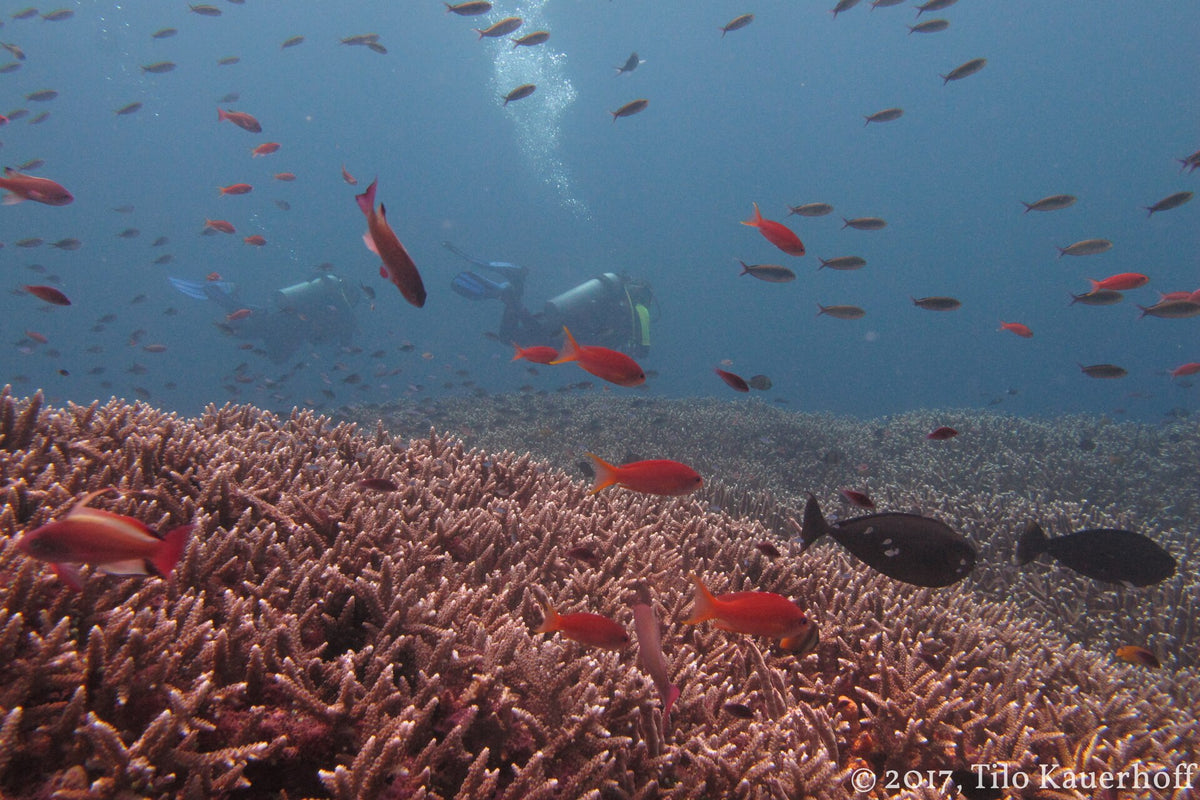
- Reef fish over branching coral at SD, Nusa Penida: The Red You Don T See (220480685).jpeg — Tilonaut. CC BY 3.0. Web-size image supplied by Wikimedia Commons; no scene edits.
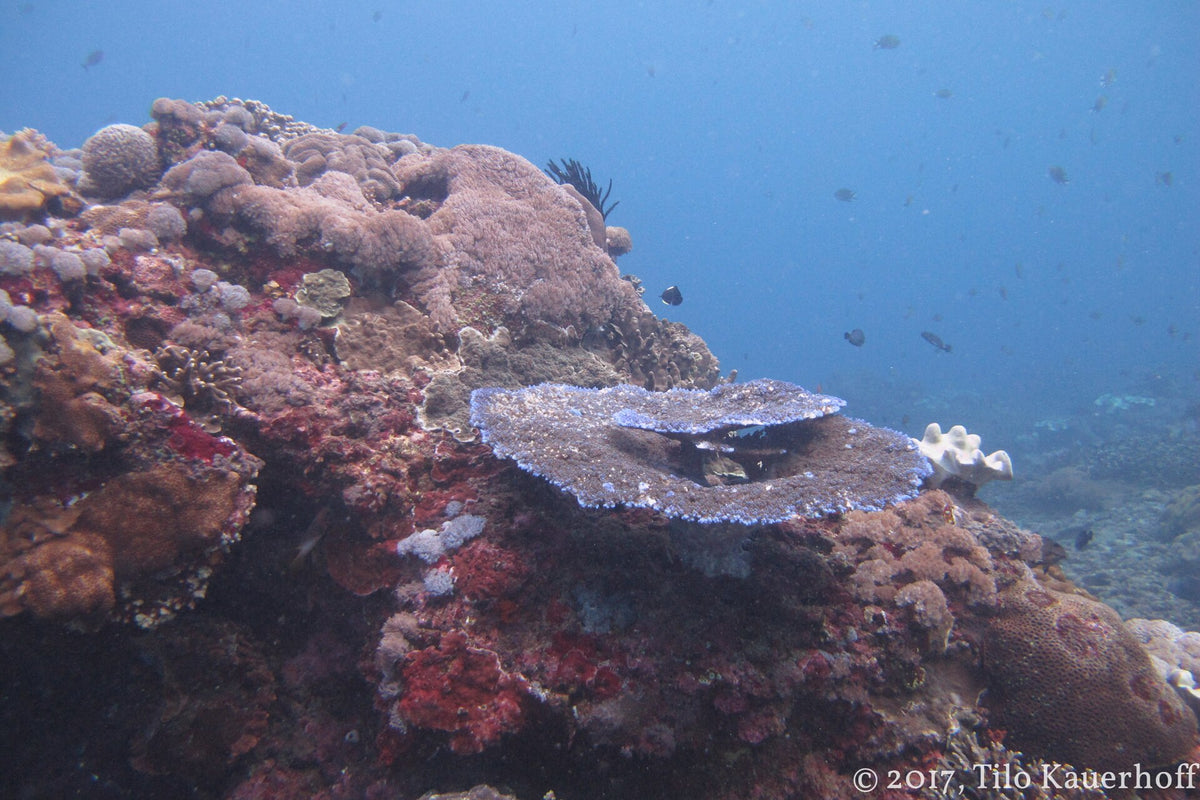
- Table corals and reef fish at Crystal Bay, Nusa Penida: Crystal Clear Bay (219429805).jpeg — Tilonaut. CC BY 3.0. Web-size image supplied by Wikimedia Commons; no scene edits.
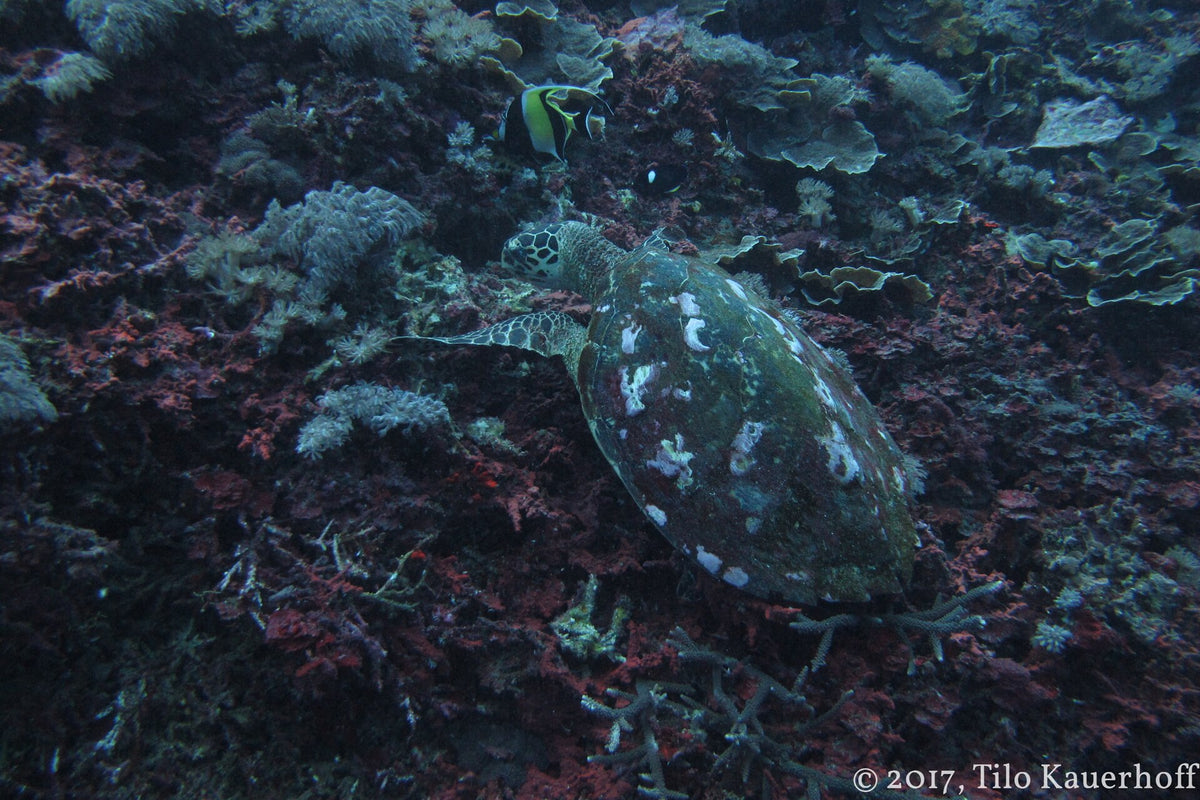
- Sea turtle feeding on the reef around Nusa Penida: Munching Turtle (219429797).jpeg — Tilonaut. CC BY 3.0. Web-size image supplied by Wikimedia Commons; no scene edits.
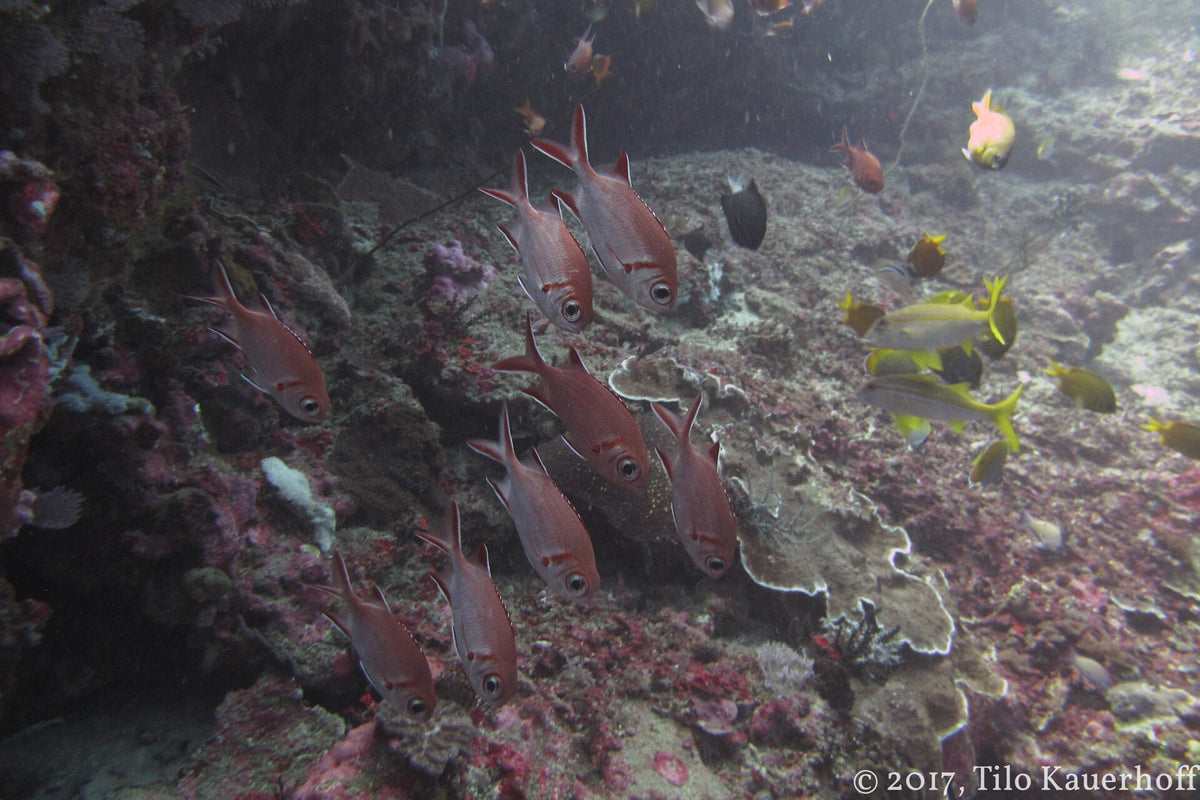
- School of reef fish beside a reef at Crystal Bay, Nusa Penida: Red With A Hint Of Yellow (219520389).jpeg — Tilonaut. CC BY 3.0. Web-size image supplied by Wikimedia Commons; no scene edits.
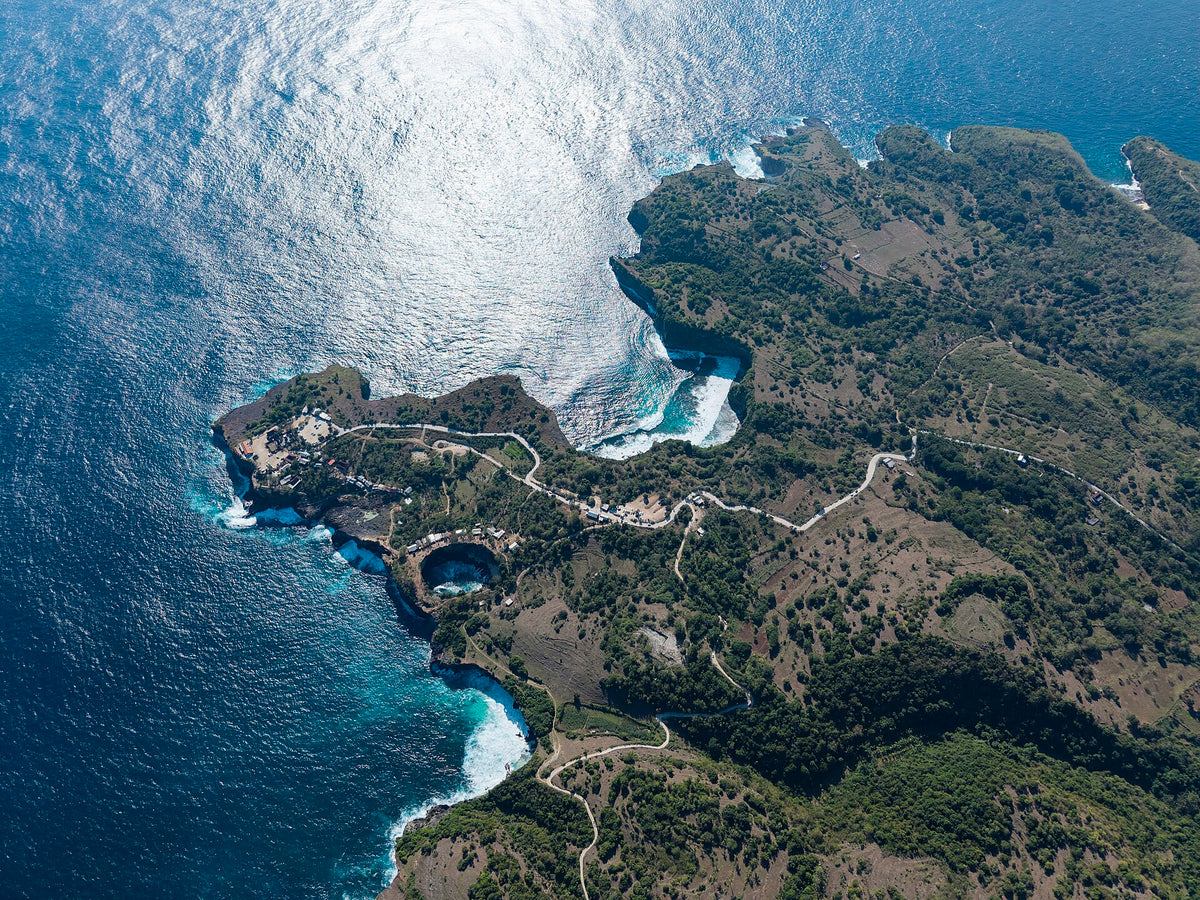
- Aerial view of the natural arch and cove at Broken Beach, Nusa Penida: Broken Beach aerial 2026 02.jpg — FBilula. CC BY 4.0. Web-size image supplied by Wikimedia Commons; no scene edits.
- Cliffs and turquoise water at Diamond Beach, Nusa Penida: Diamond Beach aerial 2026 01.jpg — FBilula. CC BY 4.0. Web-size image supplied by Wikimedia Commons; no scene edits.
- Aerial view of the headland and sand at Kelingking Beach, Nusa Penida: Kelingking Beach aerial 2026 01.jpg — FBilula. CC BY 4.0. Web-size image supplied by Wikimedia Commons; no scene edits.
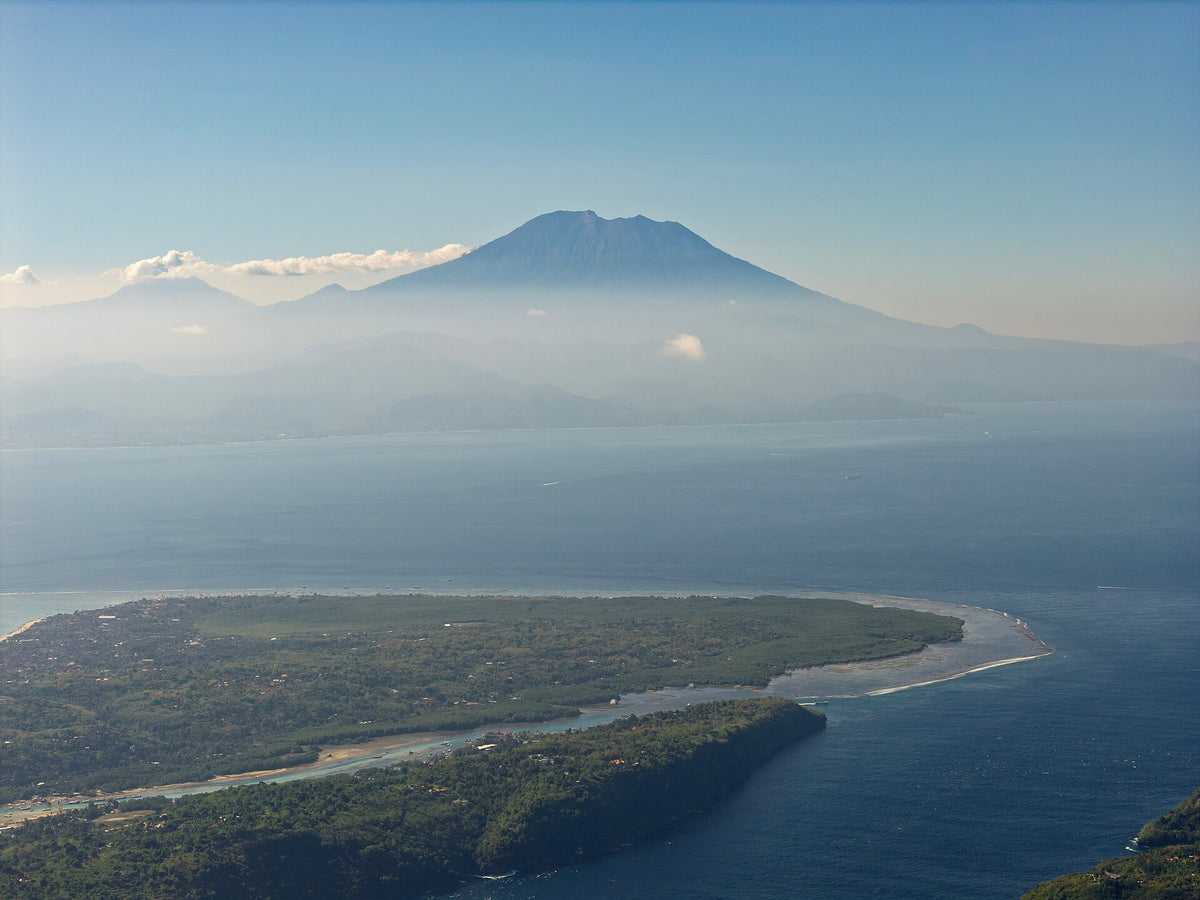
- Mount Agung seen across the sea from Nusa Penida: Mount Agung from Nusa Penida aerial 2026 01.jpg — FBilula. CC BY 4.0. Web-size image supplied by Wikimedia Commons; no scene edits.

-APiazza.JPG)

.jpeg)
.jpeg)
.jpeg)
.jpeg)
.jpeg)


