

Destination guide · Philippines
Bohol, Panglao & Balicasag Diving
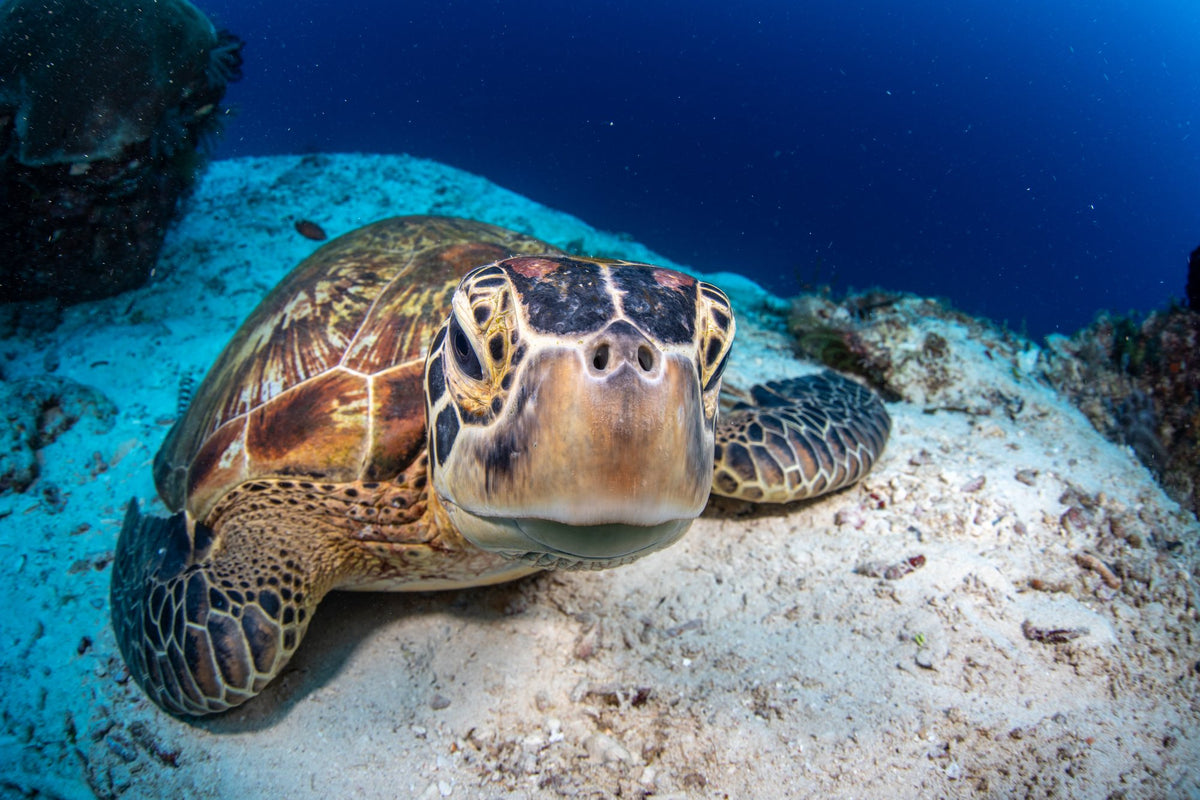
Turtles moving along a reef edge, a wall dropping into blue water and an afternoon back on Panglao: Bohol makes a varied diving holiday feel easy. Its countryside is just as much a reason to stay as its reefs.
Bohol, Panglao & Balicasag at a glance
Bohol, Panglao and Balicasag combine accessible island travel with some of the Philippines’ most appealing reef diving. Balicasag is known for walls, turtles and schooling fish, while Panglao provides comfortable resort bases, local reefs and straightforward logistics.
The destination works especially well for couples, newer divers and mixed groups because the diving can be combined with beaches, countryside tours and Bohol’s best-known natural attractions. Site access and marine-park arrangements should always be confirmed in advance, particularly for Balicasag.
Planning your Bohol & Balicasag stay
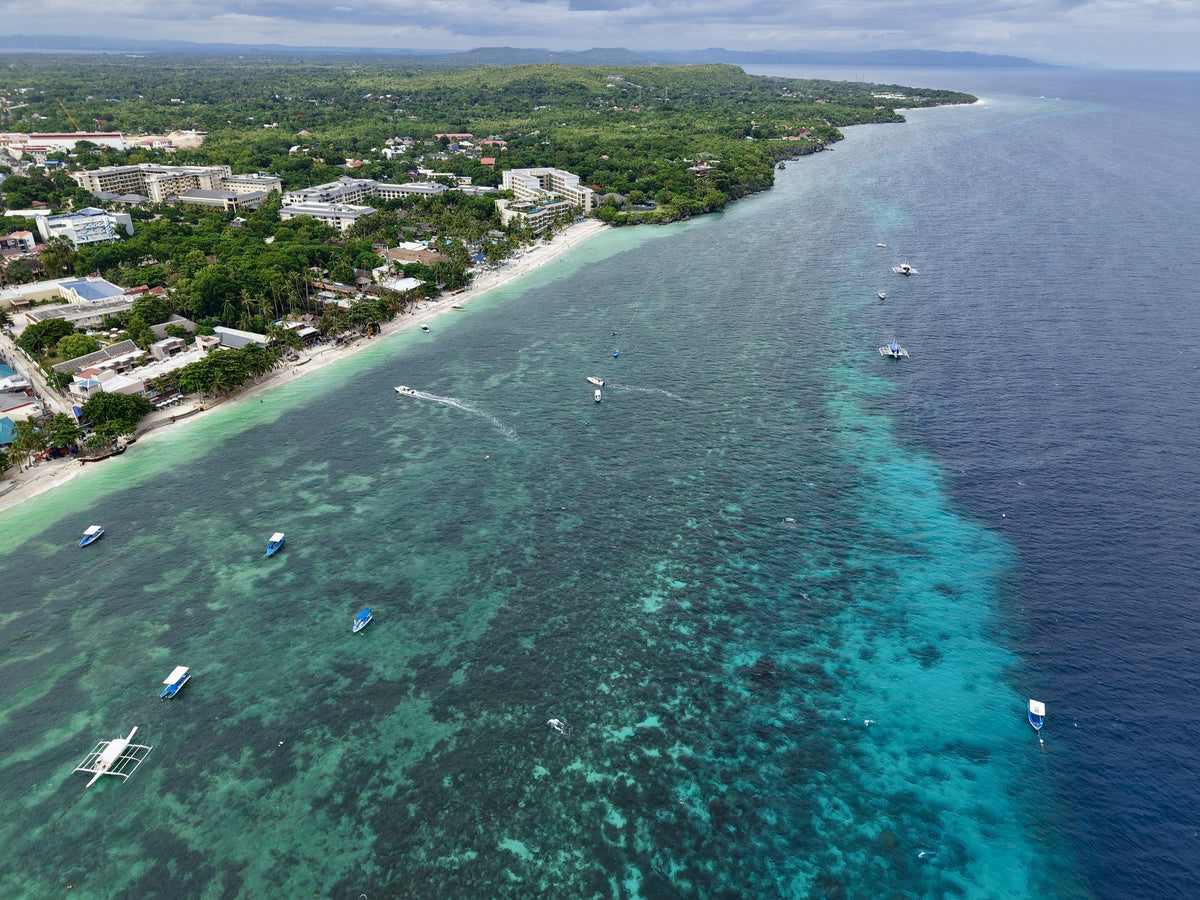
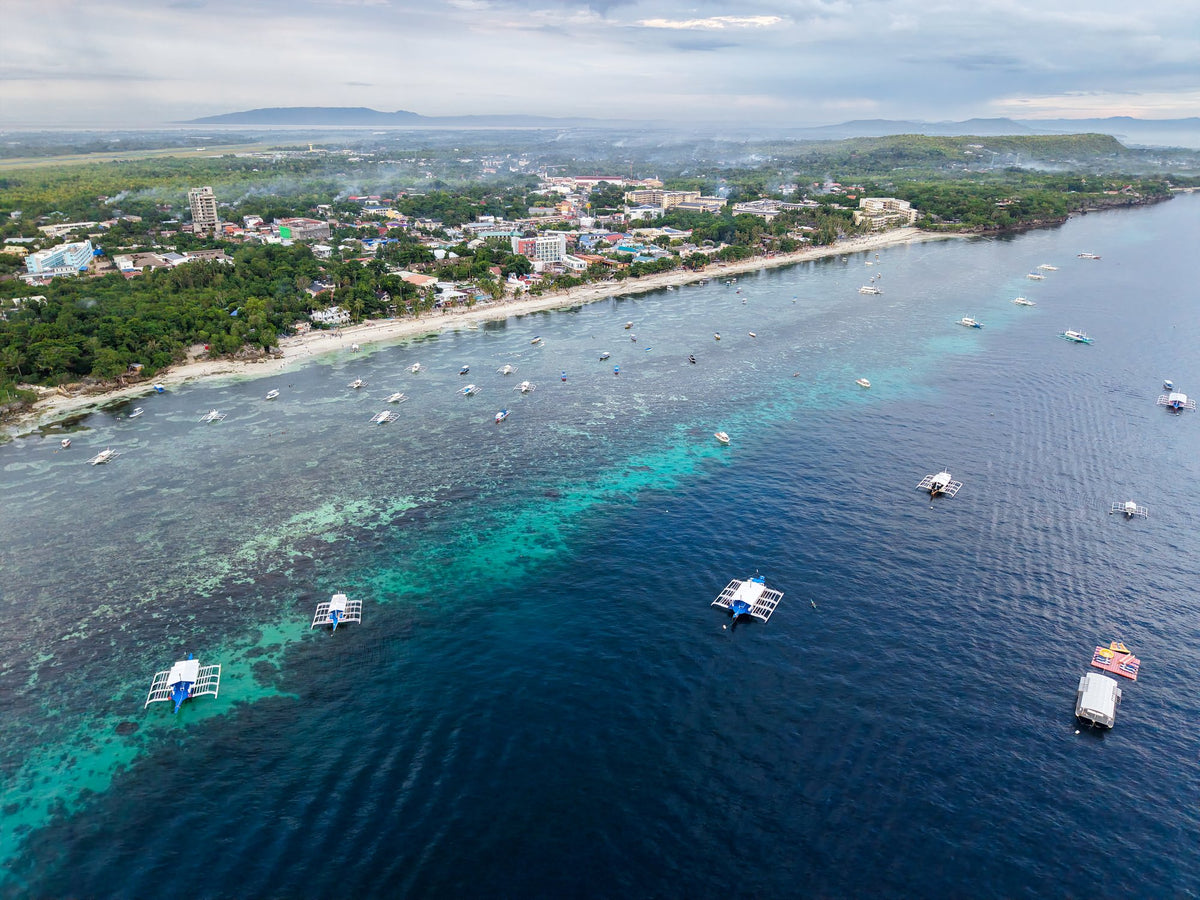
Panglao is the convenient base for combining local sites, Balicasag excursions and countryside touring. Choose accommodation with the beach access and evening atmosphere you want. Four to six diving days plus a countryside day makes a balanced first visit.

Oasis Resort Bohol
Tropical garden resort in the heart of Alona Beach, paired with SeaQuest's established 5-star PADI dive centre for Panglao, Balicasag and Pamilacan diving.

Magic Oceans Dive Resort — Anda / Magic Resorts Philippines
Boutique sixteen-bungalow dive resort in Anda with half-board stay-and-dive specials, small-group guiding and strong macro and reef photography potential.

Bohol Divers Club / La Sirenita Dive Resort
Beachfront Alona accommodation paired with a PADI 5-Star IDC centre for Panglao, Balicasag, Pamilacan and Doljo diving.
Liveaboard routes for this destination
Explore the routes that visit this region. Compare ships and itineraries, then open a route to see its sailing dates, cabins and the areas it covers.
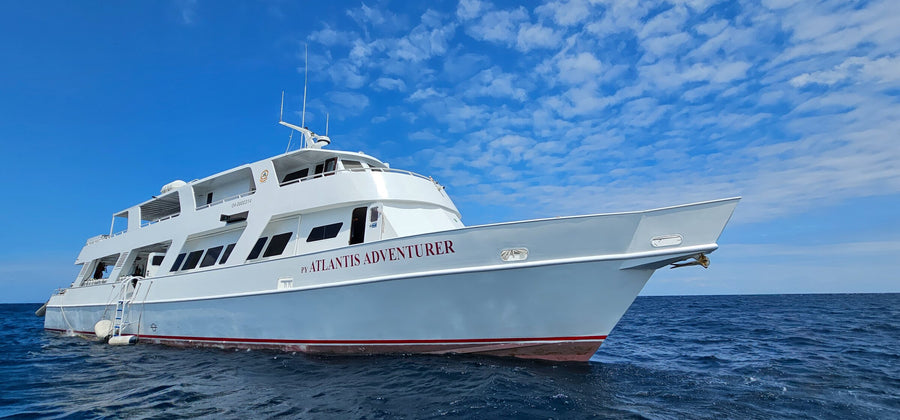
Atlantis Adventurer
Ultimate Visayas Safari
- Indicative duration
- 10 nights
- Embarkation
- Atlantis Dumaguete Resort, Dauin
- Disembarkation
- Atlantis Dumaguete Resort, Dauin
Atlantis Adventurer
Visayas Safari
- Indicative duration
- 7 nights
- Embarkation
- Atlantis Dumaguete Resort, Dauin
- Disembarkation
- Atlantis Dumaguete Resort, Dauin
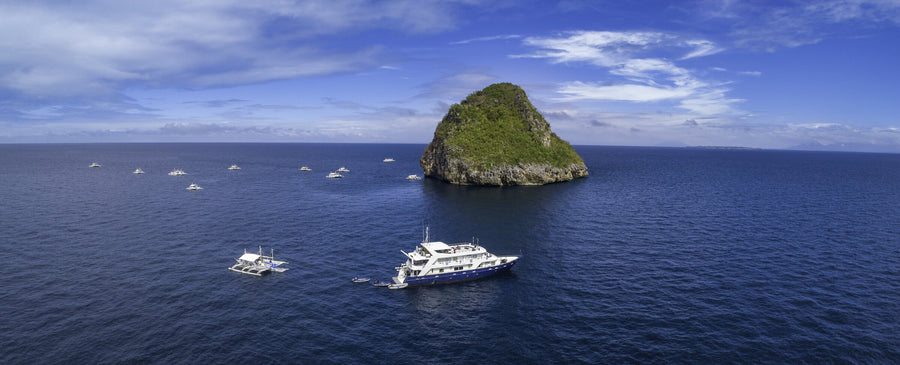
Atlantis Infiniti
Visayas East
- Indicative duration
- 7 nights
- Embarkation
- Atlantis Dumaguete Resort, Dauin
- Disembarkation
- Atlantis Dumaguete Resort, Dauin
Atlantis Infiniti
Visayas North
- Indicative duration
- 7 nights
- Embarkation
- Atlantis Dumaguete Resort, Dauin
- Disembarkation
- Atlantis Dumaguete Resort, Dauin
Atlantis Infiniti
Visayas South
- Indicative duration
- 7 nights
- Embarkation
- Atlantis Dumaguete Resort, Dauin
- Disembarkation
- Atlantis Dumaguete Resort, Dauin
Atlantis Infiniti
Visayas West
- Indicative duration
- 7 nights
- Embarkation
- Atlantis Dumaguete Resort, Dauin
- Disembarkation
- Atlantis Dumaguete Resort, Dauin
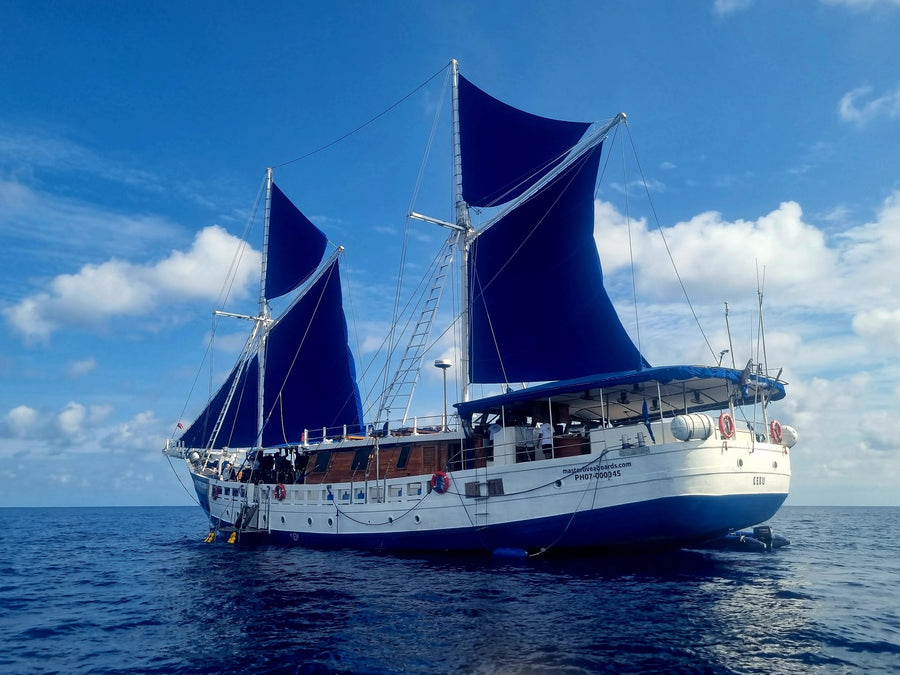
Philippine Siren
Malapascua & Visayas
- Indicative duration
- 10 nights
- Embarkation
- Mactan / Cebu
- Disembarkation
- Mactan / Cebu
Philippine Siren
Southern Visayas
- Indicative duration
- 6 nights
- Embarkation
- Mactan / Cebu
- Disembarkation
- Mactan / Cebu
Philippine Siren
Southern Visayas
- Indicative duration
- 7 nights
- Embarkation
- Mactan / Cebu
- Disembarkation
- Mactan / Cebu
Philippine Siren
Visayas, Southern Leyte & Malapascua
- Indicative duration
- 10 nights
- Embarkation
- Mactan / Cebu
- Disembarkation
- Mactan / Cebu
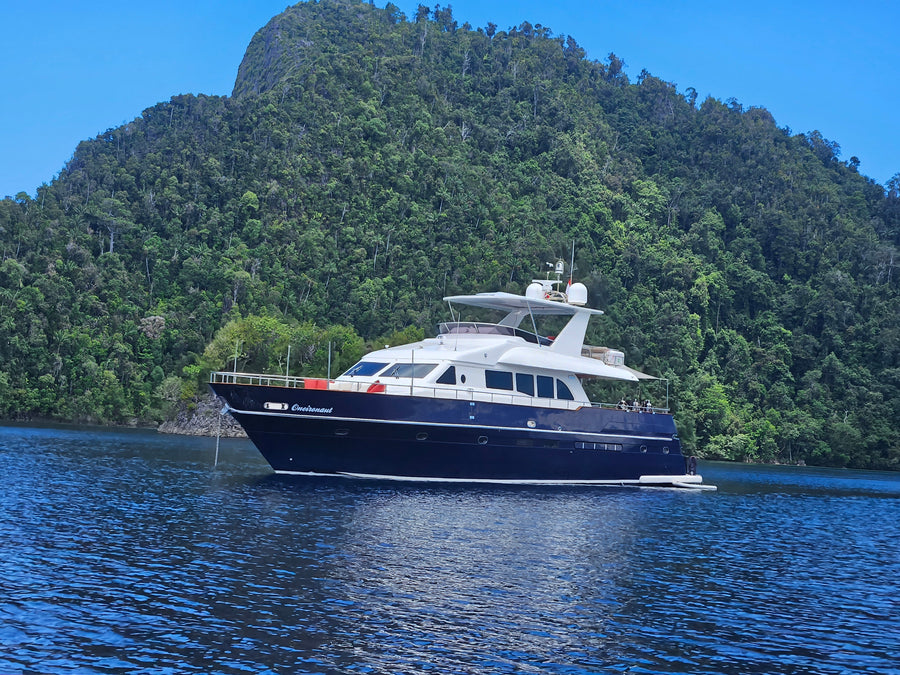
Philippines Explorer II
Southern Leyte — Anda to Anda
- Indicative duration
- 6 nights
- Embarkation
- Anda, Bohol
- Disembarkation
- Anda, Bohol
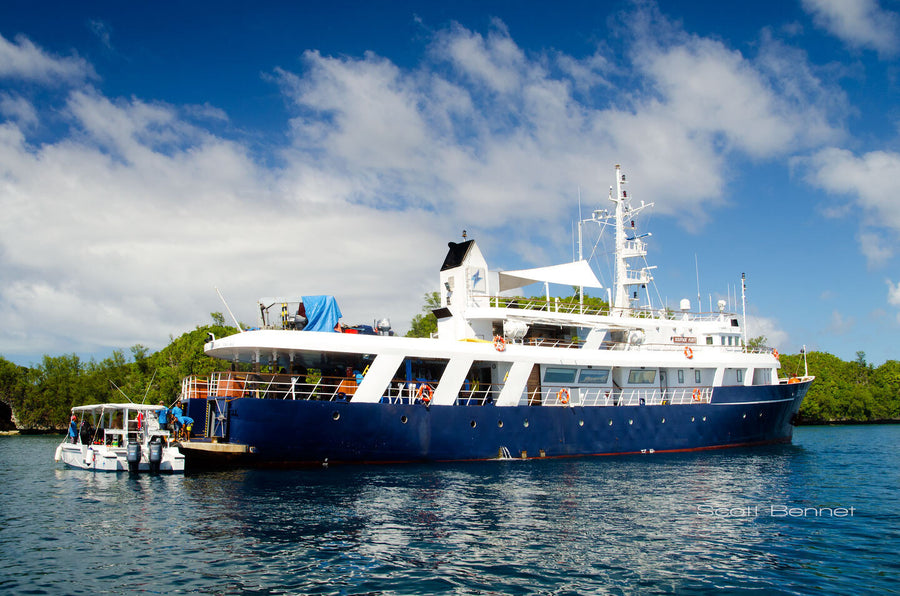
Solitude One
Cebu / Tubbataha (S1)
- Indicative duration
- 13 nights
- Embarkation
- Cebu
- Disembarkation
- Puerto Princesa
Solitude One
Tubbataha / Cebu - 13N (S1)
- Indicative duration
- 13 nights
- Embarkation
- Puerto Princesa
- Disembarkation
- Cebu
No routes match this search. Try another vessel or clear your search.
When to dive Bohol & Balicasag
December to May is a useful dry-season planning window. Balicasag visits are managed and capacity is limited, so the number of permitted dive days belongs in the trip arrangement. Local Panglao sites add variety on the days between island excursions.
Planning window: Year-round diving.
What the diving is like
Choose the islands and sites to suit the group’s experience.
Balicasag Turtles & Walls
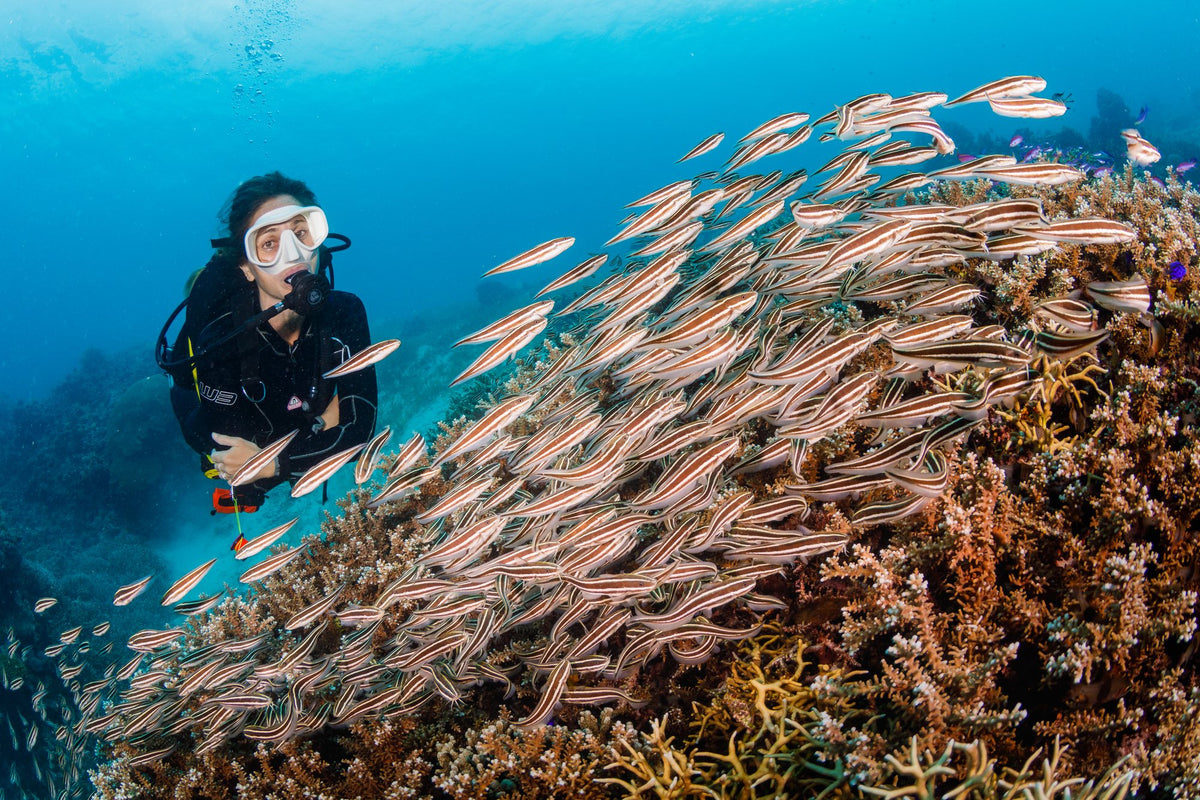
Balicasag is the main diving highlight, known for turtles, walls, schooling fish, coral scenery and beautiful reef life.
Panglao Reef Dives
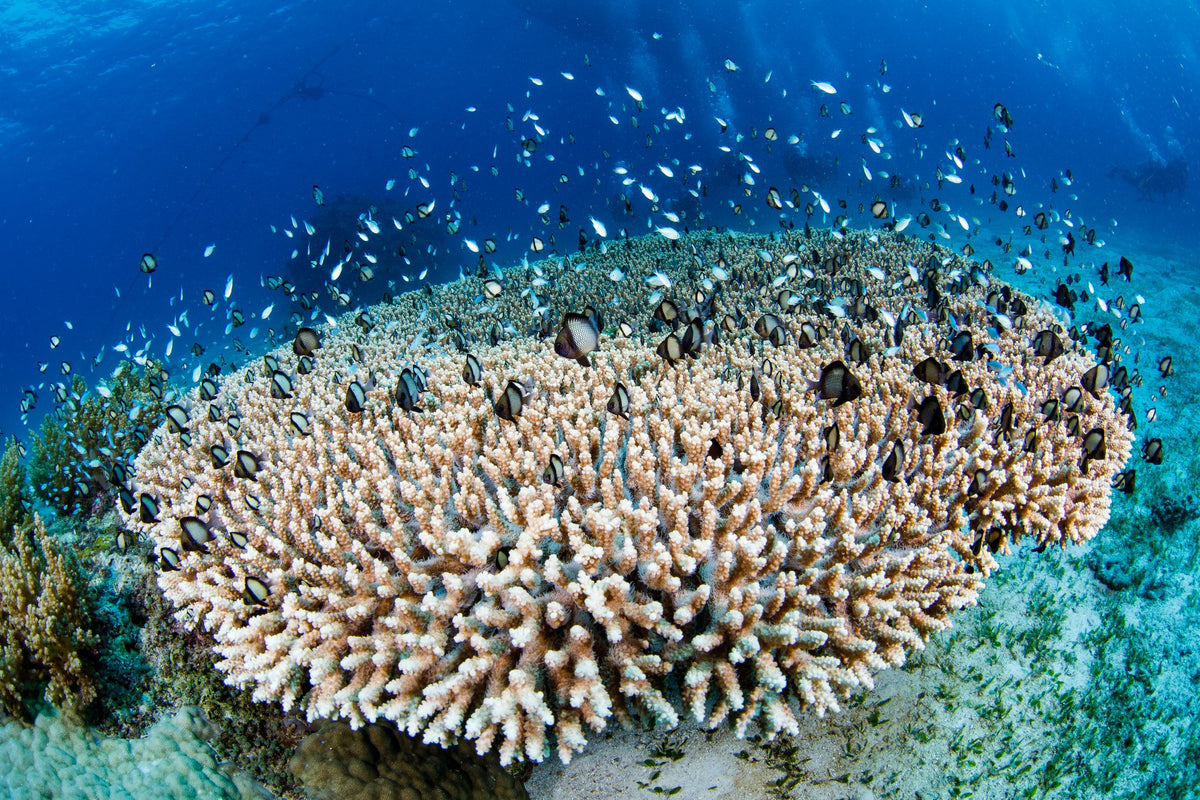
Local Panglao sites offer relaxed reef, wall, macro and boat diving options that balance the bigger Balicasag dive days.
Chocolate Hills & Tarsiers
Bohol’s famous Chocolate Hills and tarsiers make the destination especially attractive for non-divers and mixed groups.
Island Hopping & Beaches
Beach time, island hopping, snorkeling and dolphin watching can be added around the diving programme.
Easy Resort-Based Holiday Atmosphere
Bohol has a soft tropical holiday feel, with comfortable resorts, easy logistics and a relaxed pace for couples and groups.
Turtle, Reef & Travel Photography
Wide-angle is useful for turtles, reefs and schooling fish, while macro can be useful on local Panglao sites.
Excellent for Mixed Groups
Bohol is one of the strongest Philippines options when divers and non-divers want to travel together comfortably.
Easy Combination with Visayas Routes
Bohol combines well with Dauin, Malapascua, Moalboal, Cebu and Siquijor for a longer Philippines itinerary.
DIVE SITE GUIDE
Dive sites in Bohol, Panglao & Balicasag
Explore the character of individual sites, from the setting and marine life to the diving conditions. Open a card for the full description; site access and the final profile depend on conditions and experience.
ORIENTATION MAP
Where the dive sites are
Use the map to understand how the key sites are spread around the destination. Pins are for trip-planning orientation only; entry points, moorings and the final dive plan are always confirmed by the local operator on the day.
Coordinates are planning references compiled from current dive-site sources. They are not navigation coordinates; entry points, moorings, tide windows and the final dive plan are always confirmed by the local operator on the day.
Slope · Wall · Drift
Black Forest, Balicasag
Black Forest is one of Balicasag’s signature dives because the reef changes character as it descends.
Explore this dive site
- Type
- Slope · Wall · Drift
- Depth
- 8–35 m
- Experience
- Intermediate
- Current
- Mild–Moderate
Black Forest is one of Balicasag’s signature dives because the reef changes character as it descends. The upper slope is bright and fish-filled, while deeper sections are known for dark coral growth, larger fans and a more open-water feeling.
Turtles are frequent around the island and schools of jacks or barracuda may move through the blue when current is running. The best route follows the contour rather than forcing a fixed depth, letting the group spend time where fish activity is strongest. It is a very photogenic dive, but the deeper slope can tempt divers down, so good depth discipline is important even when the current feels easy.
Look for: Balicasag classic · Turtles · Schooling fish possible · Black-coral habitat
Best for: Turtles · Jacks · Black coral · Drift diving
Wall · Overhangs · Reef
Cathedral Wall, Balicasag
Cathedral Wall is named for the way light enters cracks, fissures and overhangs in the reef face, creating shafts and shadowed spaces that give the wall a more architectural feel than a simple drop-off.
Explore this dive site
- Type
- Wall · Overhangs · Reef
- Depth
- 5–30 m
- Experience
- Intermediate
- Current
- Mild–Moderate
Cathedral Wall is named for the way light enters cracks, fissures and overhangs in the reef face, creating shafts and shadowed spaces that give the wall a more architectural feel than a simple drop-off. Divers can stay outside the openings and still get the full effect; there is no need to treat the site as an overhead-environment dive.
Turtles and reef fish are common around Balicasag, while fans, sponges and coral decorate the wall. The combination of vertical scenery and changing light makes this one of the island’s strongest wide-angle sites, especially when visibility is good and the group can move slowly along the face.
Look for: Wall topography · Light shafts · Turtles · Wide-angle photography
Best for: Wall scenery · Cavern-like light · Turtles · Wide angle
Slope · Reef · Drift
Divers Heaven, Balicasag
Divers Heaven is a broad reef slope that gives Balicasag’s coral and turtle life room to spread out.
Explore this dive site
- Type
- Slope · Reef · Drift
- Depth
- 5–30 m
- Experience
- Beginner–Intermediate
- Current
- Mild–Moderate
Divers Heaven is a broad reef slope that gives Balicasag’s coral and turtle life room to spread out. Rather than following a sheer wall, divers can move between coral heads, fans and sand patches while watching for turtles resting or feeding close to the reef.
The site works well for mixed-experience groups because the useful depth range is wide and a guide can shape the dive around current and certification. Photographers get both reef scenes and smaller subjects without needing to commit to a deep profile. On a gentle tide it can feel relaxed and spacious; when water movement increases, the same slope becomes a light drift with more schooling fish along the edge.
Look for: Broad reef slope · Turtles · Gorgonians · Mixed-experience friendly
Best for: Coral slope · Turtles · Gorgonians · Relaxed reef diving
Protected reef · Wall
Balicasag Marine Sanctuary
The Marine Sanctuary is one of the easiest places to appreciate why Balicasag became famous before looking for any single headline animal.
Explore this dive site
- Type
- Protected reef · Wall
- Depth
- 5–30 m
- Experience
- Beginner–Intermediate
- Current
- Usually mild
The Marine Sanctuary is one of the easiest places to appreciate why Balicasag became famous before looking for any single headline animal. The reef begins shallow, allowing long bottom times over hard coral and reef fish, then falls away into deeper wall and slope terrain.
Green and hawksbill turtles are a major part of the experience, often moving between feeding areas and deeper water. Because much of the interest is in the upper reef, divers do not need to chase depth to have a rewarding dive. Good buoyancy matters in the protected area, and the guide’s route should keep the group off fragile coral and within any current local marine-park rules.
Look for: Protected reef · Turtles · Shallow coral · Good for long dives
Best for: Turtles · Protected reef · Long shallow profiles
Wall · Reef point
Rudy’s Rock, Balicasag
Rudy’s Rock is a compact Balicasag wall-and-point dive where fish activity can build around the reef edge.
Explore this dive site
- Type
- Wall · Reef point
- Depth
- 8–30 m
- Experience
- Intermediate
- Current
- Mild–Moderate
Rudy’s Rock is a compact Balicasag wall-and-point dive where fish activity can build around the reef edge. Gorgonians and coral growth line the wall while schools of jacks or barracuda may gather in the blue, especially when the tide brings enough movement to concentrate food.
The site is not dependent on a single school appearing: turtles, reef fish and the wall itself keep the dive productive. Because the interesting action often sits just off the reef, divers need to balance looking outward with staying close enough to the structure to control depth and position. It is a good choice for intermediate divers who want more fish action without the most demanding current conditions.
Look for: Schooling fish potential · Gorgonian wall · Turtles possible · Compact site
Best for: Jacks · Barracuda · Gorgonians · Wall diving
Shallow reef · Coral garden
Royal Garden, Balicasag
Royal Garden is Balicasag at its most relaxed.
Explore this dive site
- Type
- Shallow reef · Coral garden
- Depth
- 3–20 m
- Experience
- Beginner
- Current
- Usually mild
Royal Garden is Balicasag at its most relaxed. A shallow coral plateau and gentle reef profile make it a strong option for newer divers, check dives and photographers who want natural light rather than a deep wall.
Turtles are often part of the scene, while small reef fish move through hard coral and sand patches. The site is especially useful late in the day, when a group may prefer a long, low-stress dive instead of another deeper profile. Mild current still occurs around the island, so the exact start point changes with tide, but on a calm window Royal Garden gives divers time to slow down, watch behavior and enjoy the reef without chasing a specific landmark.
Look for: Shallow coral garden · Beginner friendly · Turtles · Natural-light photography
Best for: Shallow coral · Turtles · Easy photography · Check dives
Wall · Reef · Sardine aggregation
Napaling
Napaling is one of Panglao’s most recognizable dives because a dense sardine aggregation can turn the upper water column into a moving silver wall.
Explore this dive site
- Type
- Wall · Reef · Sardine aggregation
- Depth
- 5–40 m
- Experience
- Intermediate
- Current
- Mild–Moderate
Napaling is one of Panglao’s most recognizable dives because a dense sardine aggregation can turn the upper water column into a moving silver wall. The school is the headline, but the site is also a proper reef-and-wall dive, with coral, reef fish and turtles adding depth to the experience.
Divers should avoid swimming directly through or chasing the sardines; the most dramatic moments often come from staying still and watching the school reshape around predators, sunlight and other divers. The wall extends much deeper than necessary, so the best profile usually keeps the group in the shallower zone where both sardines and reef remain visible and natural light is strongest.
Look for: Sardine aggregation · Wall dive · Wide angle · Panglao north coast
Best for: Sardines · Wall diving · Wide angle · Turtles
Wall · Chimney / swim-through
Arco Point
Arco Point is best known for a chimney-like passage through the reef, linking a deeper entry with a shallower exit.
Explore this dive site
- Type
- Wall · Chimney / swim-through
- Depth
- 5–30 m
- Experience
- Intermediate–Advanced
- Current
- Mild–Moderate
Arco Point is best known for a chimney-like passage through the reef, linking a deeper entry with a shallower exit. The feature gives the site a memorable shape, but it should be treated conservatively: divers who are uncomfortable with enclosed spaces can stay outside and enjoy the wall rather than entering the passage.
Around the structure, coral, reef fish and small subjects make the dive worthwhile even without using the swim-through. Depth and buoyancy control matter because the route changes quickly from wall to enclosed rock and back into open water. With the right group, Arco Point adds genuine topographic variety to a Bohol trip that is otherwise dominated by open reefs and walls.
Look for: Chimney feature · Wall topography · Intermediate+ · Optional swim-through
Best for: Topography · Swim-through · Wall · Photography
Underwater photography
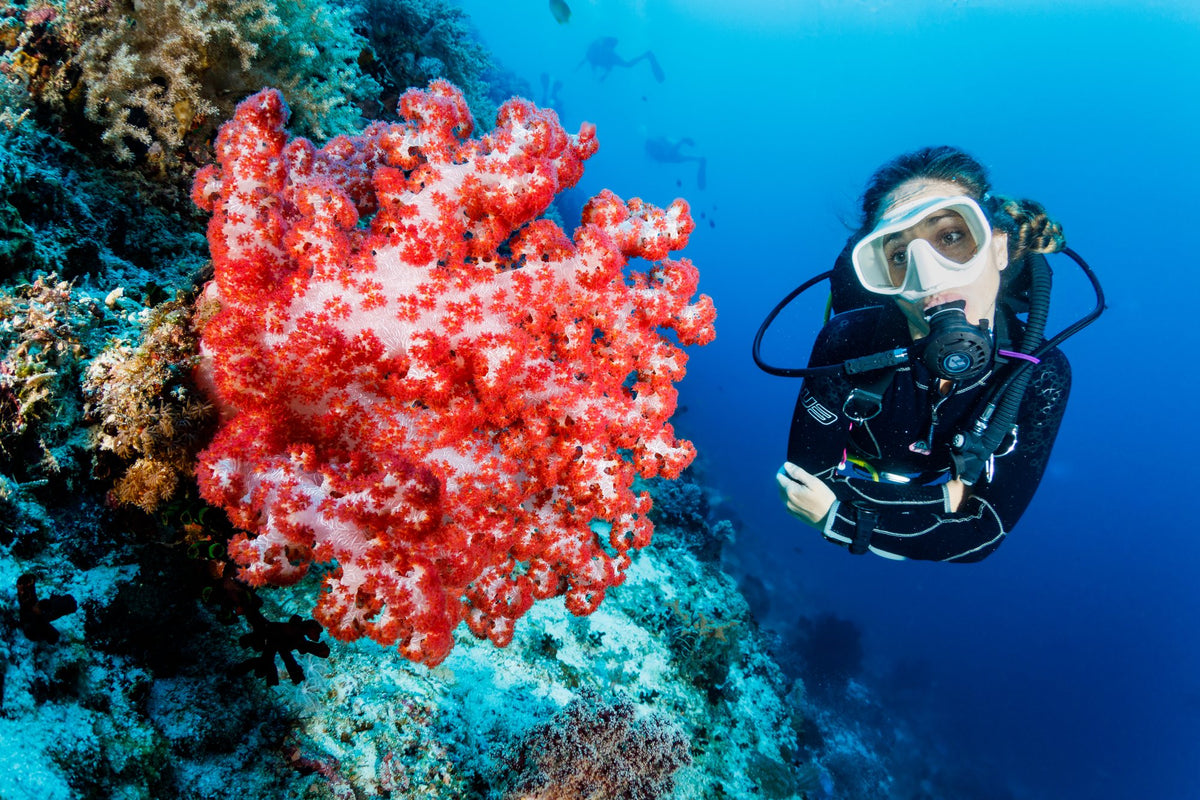
At Black Forest, Balicasag, turtles, Jacks, Black coral, Drift diving give an idea of the photographic possibilities. Choose the camera setup for the planned sites, then leave time to observe the scene before making the image. Repeating a productive dive often creates better opportunities than constantly searching for a different location. For reef scenes, use the shape of the reef and the available light to give the image depth. A diver at a respectful distance can provide scale without crowding an animal.
Beyond diving: Bohol & Balicasag above the surface
Set aside a full day for Bohol’s interior. The Chocolate Hills, the Loboc River and carefully managed tarsier visits offer three quite different views of the island, from broad landscapes to quiet wildlife observation. Keep voices low around tarsiers and avoid handling or staged encounters.
Panglao adds beaches, restaurants and a wide choice of places to stay. This makes Bohol particularly comfortable for couples with different interests: one person can spend the morning diving while the other has an enjoyable day of their own.
Getting to Bohol & Balicasag
Most international guests reach Bohol by flying to Manila or Cebu, then continuing by domestic flight to Bohol-Panglao Airport or by ferry from Cebu to Tagbilaran.
Choose arrival and departure times around the onward transfer, especially when a boat crossing or a long road journey is involved. Leave space for a relaxed final day ashore and an appropriate interval between the last dive and flying.
Bohol & Balicasag diving questions
What makes Bohol & Balicasag worth a diving trip?
Turtles moving along a reef edge, a wall dropping into blue water and an afternoon back on Panglao: Bohol makes a varied diving holiday feel easy. Its countryside is just as much a reason to stay as its reefs.
How should I plan my stay?
Panglao is the convenient base for combining local sites, Balicasag excursions and countryside touring. Choose accommodation with the beach access and evening atmosphere you want. Four to six diving days plus a countryside day makes a balanced first visit.
When is a useful time to visit?
December to May is a useful dry-season planning window. Balicasag visits are managed and capacity is limited, so the number of permitted dive days belongs in the trip arrangement. Local Panglao sites add variety on the days between island excursions.
Is there enough for non-diving companions?
Set aside a full day for Bohol’s interior. The Chocolate Hills, the Loboc River and carefully managed tarsier visits offer three quite different views of the island, from broad landscapes to quiet wildlife observation. Keep voices low around tarsiers and avoid handling or staged encounters.
A closer look at Bohol, Panglao & Balicasag




Plan your Bohol & Balicasag trip
Tell us the experiences you most want, your preferred dates and how you like to travel. We can bring the destination, accommodation and diving into one coherent itinerary.
Plan my trip