

Destination guide · Philippines
Coron & Busuanga Diving
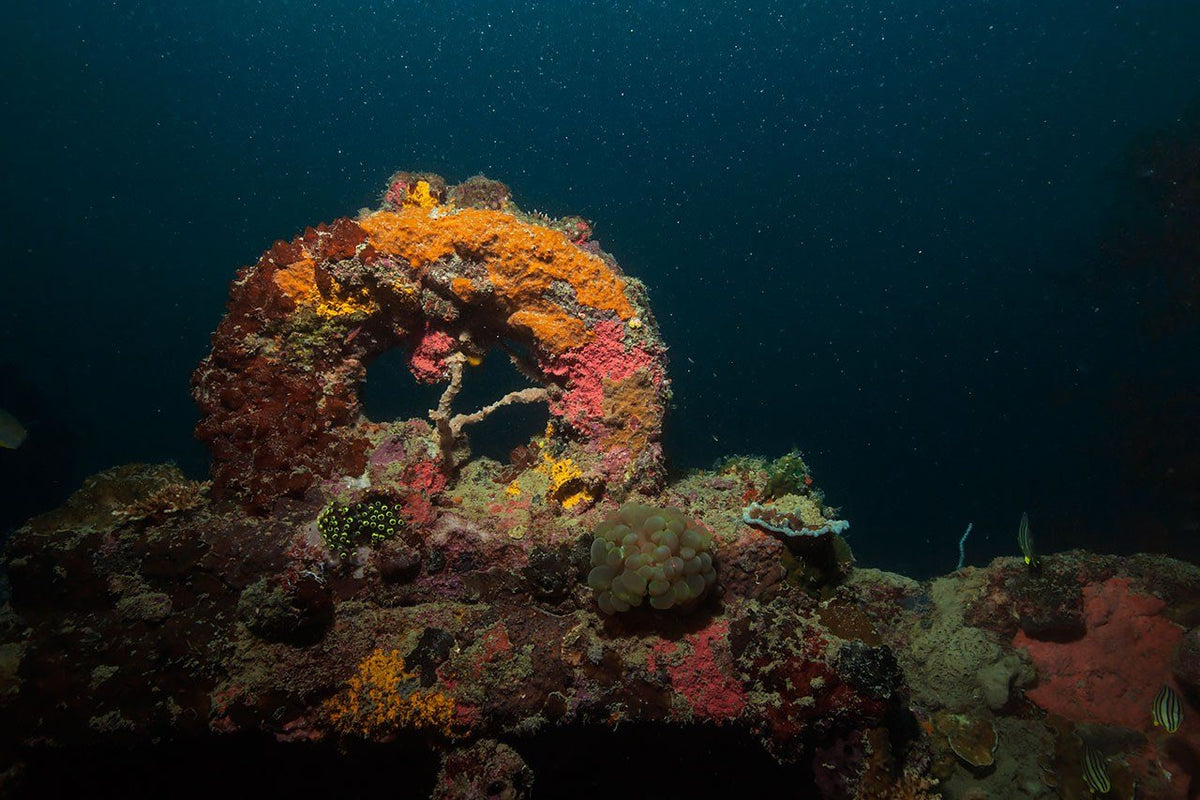
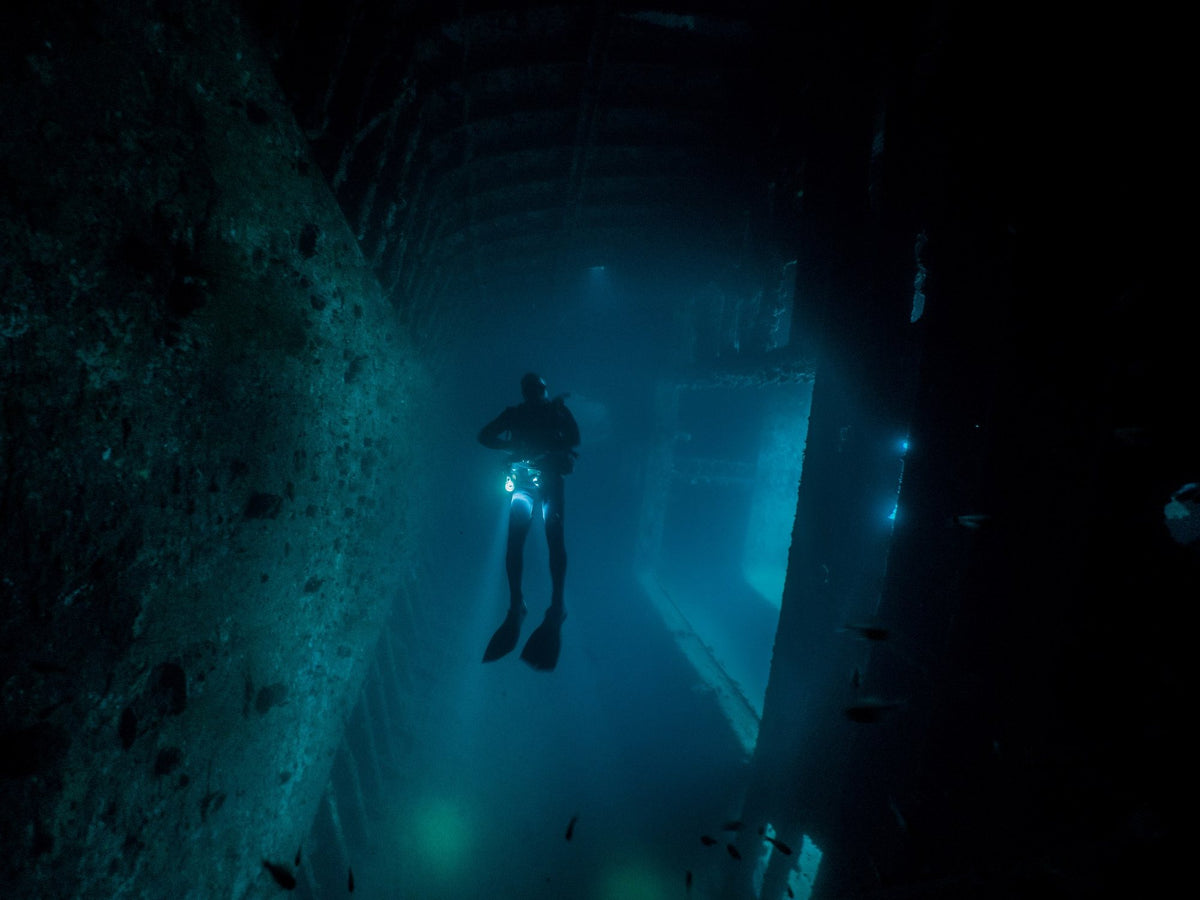
Coron’s wrecks emerge slowly from the water: a mast, a deck, a huge structure carrying decades of marine growth. Above the surface, limestone cliffs and enclosed lagoons make the journey much more than a sequence of wreck dives.
Coron & Busuanga at a glance
Coron is one of Southeast Asia’s most atmospheric wreck-diving destinations. Japanese ships sunk during the Second World War now form large underwater structures where history, tropical marine growth and dramatic light come together.
The diving is best for confident, properly trained divers; penetration should only be considered with suitable certification and local supervision. Above water, limestone cliffs, lagoons, lakes and island-hopping routes make Coron equally compelling for travellers who want a strong Palawan experience beyond the wrecks.
Planning your Coron & Busuanga stay
Choose the base around the wrecks you want to visit and the amount of daily boat travel you enjoy. Four to six diving days allows progression from shallower exteriors to suitable deeper sites, with a separate day for lakes and lagoons. Wreck penetration is a specialist activity, not a standard inclusion.

Sangat Island Dive Resort
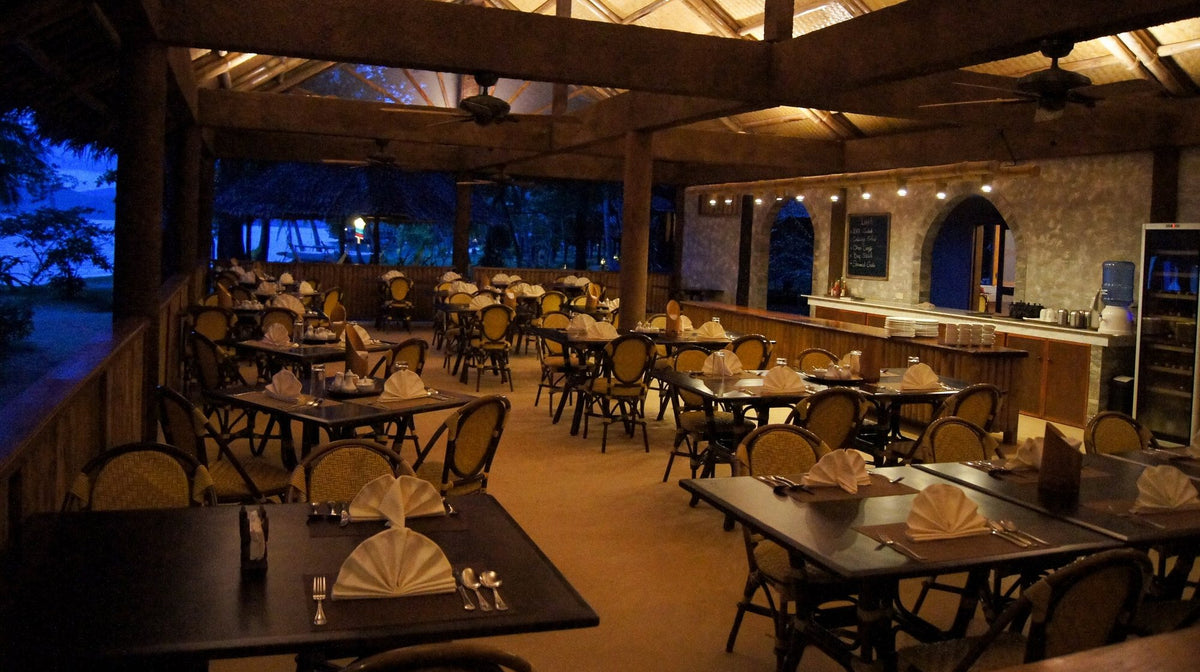
Private-island dive resort in Coron Bay with direct access to historic WWII wrecks, reefs, native-style rooms, full board and included shared transfers.
Liveaboard routes for this destination
Explore the routes that visit this region. Compare ships and itineraries, then open a route to see its sailing dates, cabins and the areas it covers.
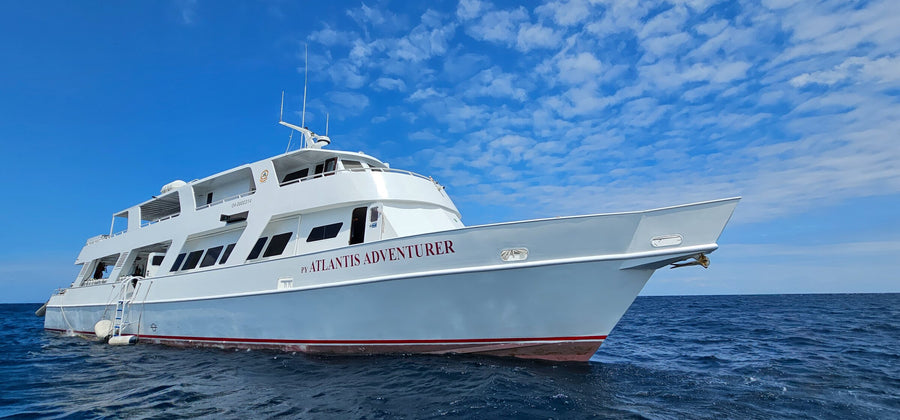
Atlantis Adventurer
Apo Reef, Coron Wrecks & Dugongs
- Indicative duration
- 7 nights
- Embarkation
- Sablayan or Coron — according to departure
- Disembarkation
- Coron or Sablayan — according to departure
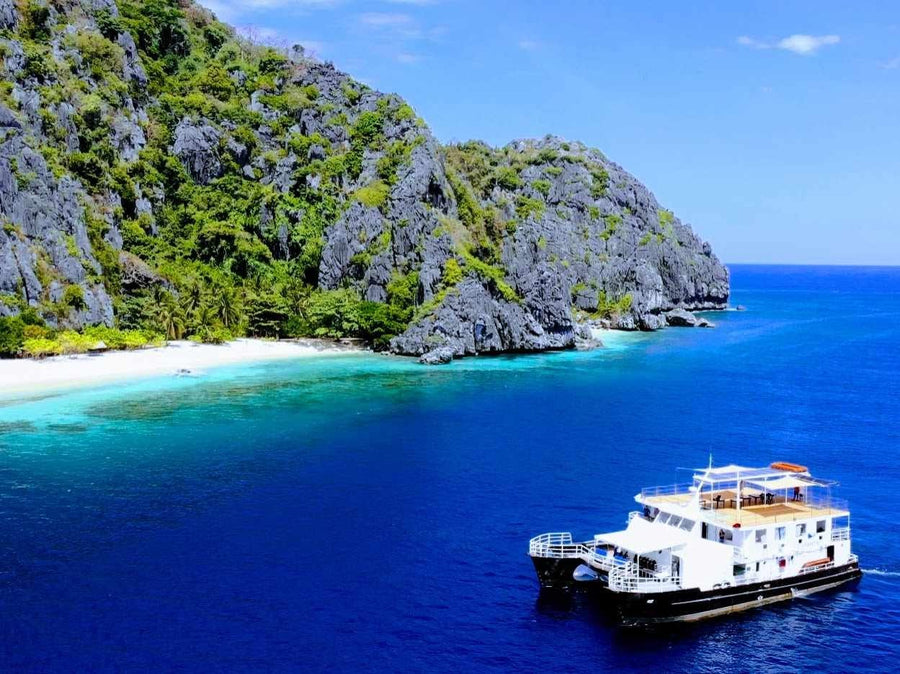
NAVIS 1
Apo Reef Extended Safari
- Indicative duration
- 6 nights
- Embarkation
- Coron
- Disembarkation
- Coron
NAVIS 1
Apo Reef Safari
- Indicative duration
- 4 nights
- Embarkation
- Coron
- Disembarkation
- Coron
NAVIS 1
Coron Safari — WWII Wrecks, Dugongs & Apo Reef
- Indicative duration
- 6 nights
- Embarkation
- Coron
- Disembarkation
- Coron
NAVIS 1
Coron to El Nido via Linapacan
- Indicative duration
- 3 nights
- Embarkation
- Coron
- Disembarkation
- El Nido
NAVIS 1
El Nido to Coron via Apo Reef
- Indicative duration
- 7 nights
- Embarkation
- El Nido
- Disembarkation
- Coron
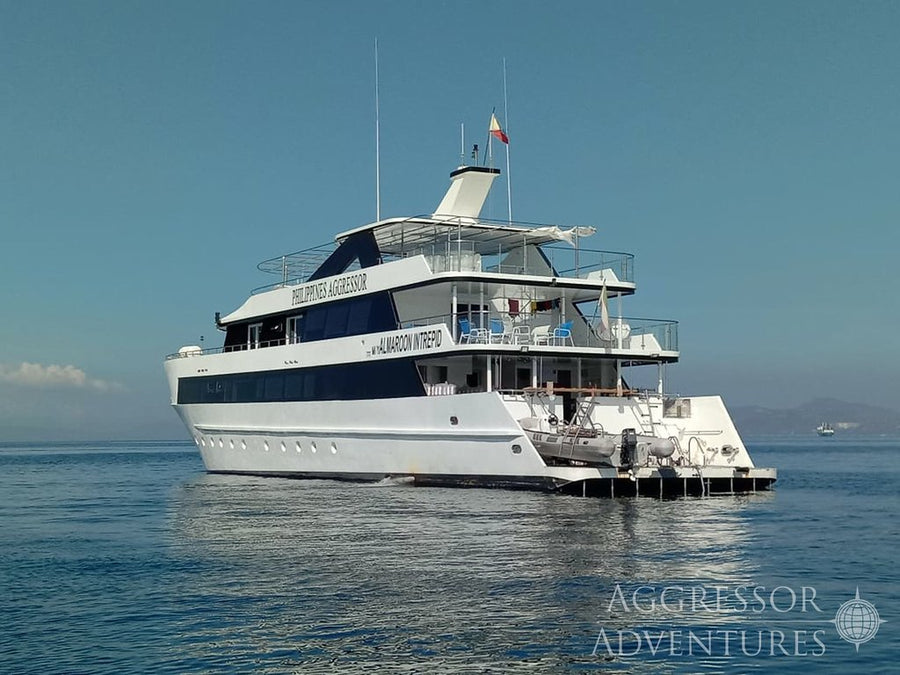
Philippines Aggressor
Batangas/Coron (10 nights)
- Indicative duration
- 10 nights
- Embarkation
- Batangas
- Disembarkation
- Coron
Philippines Aggressor
Coron/Batangas (10 nights)
- Indicative duration
- 10 nights
- Embarkation
- Coron
- Disembarkation
- Batangas
Philippines Aggressor
Coron/Coron (7 nights)
- Indicative duration
- 7 nights
- Embarkation
- Coron
- Disembarkation
- Coron
No routes match this search. Try another vessel or clear your search.
When to dive Coron & Busuanga
November to May commonly offers calmer travel conditions. Underwater visibility is often more limited than on oceanic reefs, so the attraction is the scale and history of the structures. Select wreck profiles by training, comfort and depth, rather than trying to complete every name on a list.
Planning window: Best October–May.
What the diving is like
Choose the islands and sites to suit the group’s experience.
Japanese WWII Wrecks
Coron is famous for Japanese WWII wrecks transformed into artificial reefs, with large structures, shadows, fish life and historic atmosphere.
Barracuda Lake Thermoclines
Barracuda Lake offers a unique dive environment with thermoclines, rock walls and an unusual geological atmosphere.
Limestone Cliffs & Lagoons
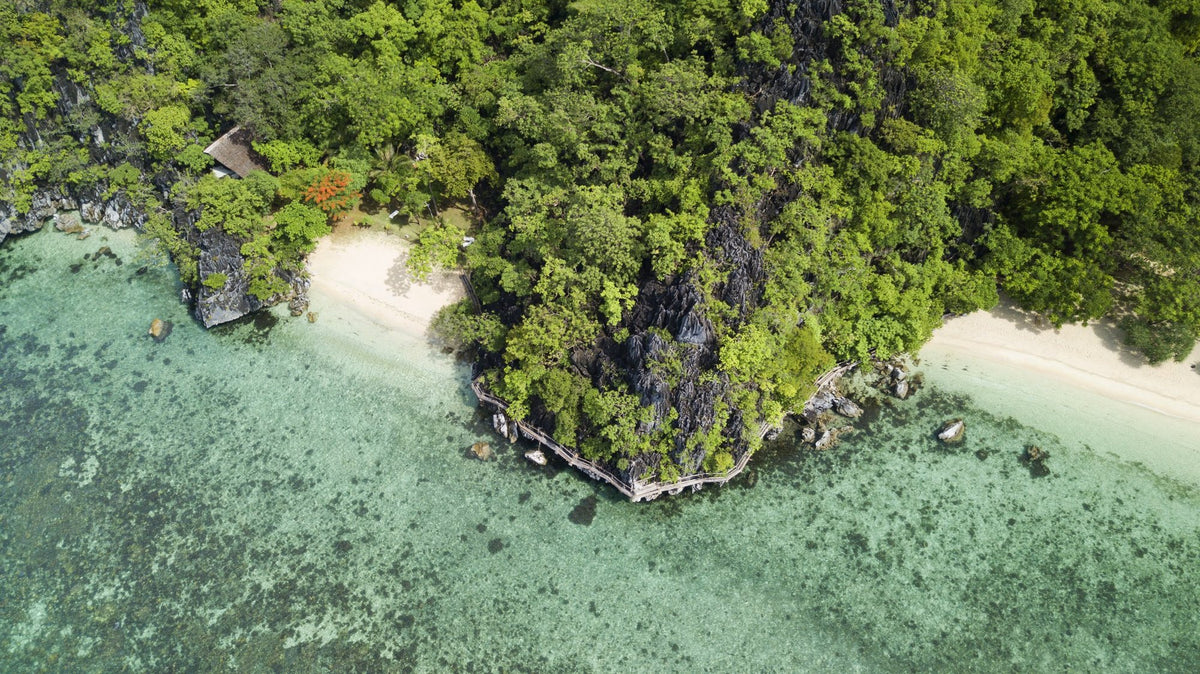
Above the water, Coron is known for limestone cliffs, emerald lagoons, hidden lakes and cinematic Palawan landscapes.
Island Hopping in Palawan
Boat tours, beaches, lagoons, lakes and viewpoints make Coron one of the strongest destinations for non-divers and mixed groups.
Atmospheric Wreck Photography
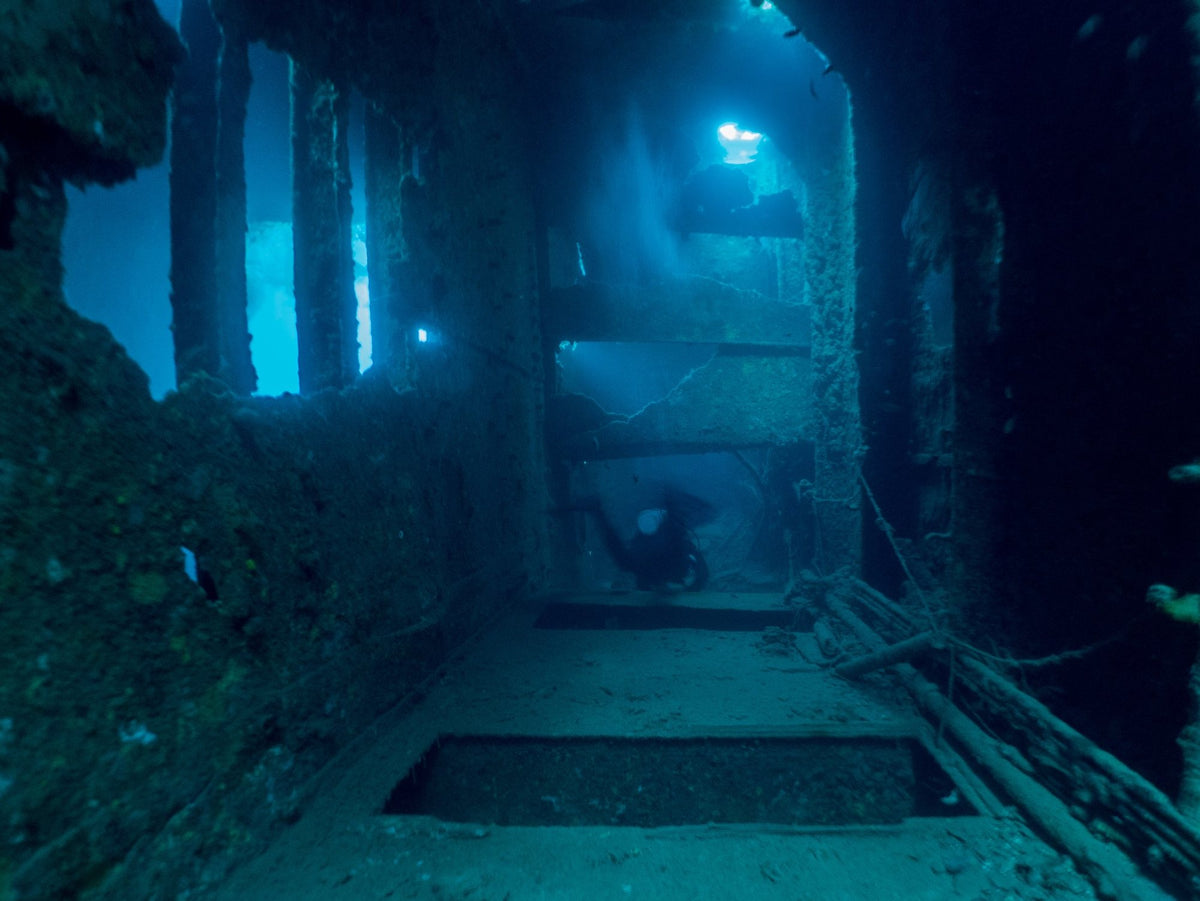
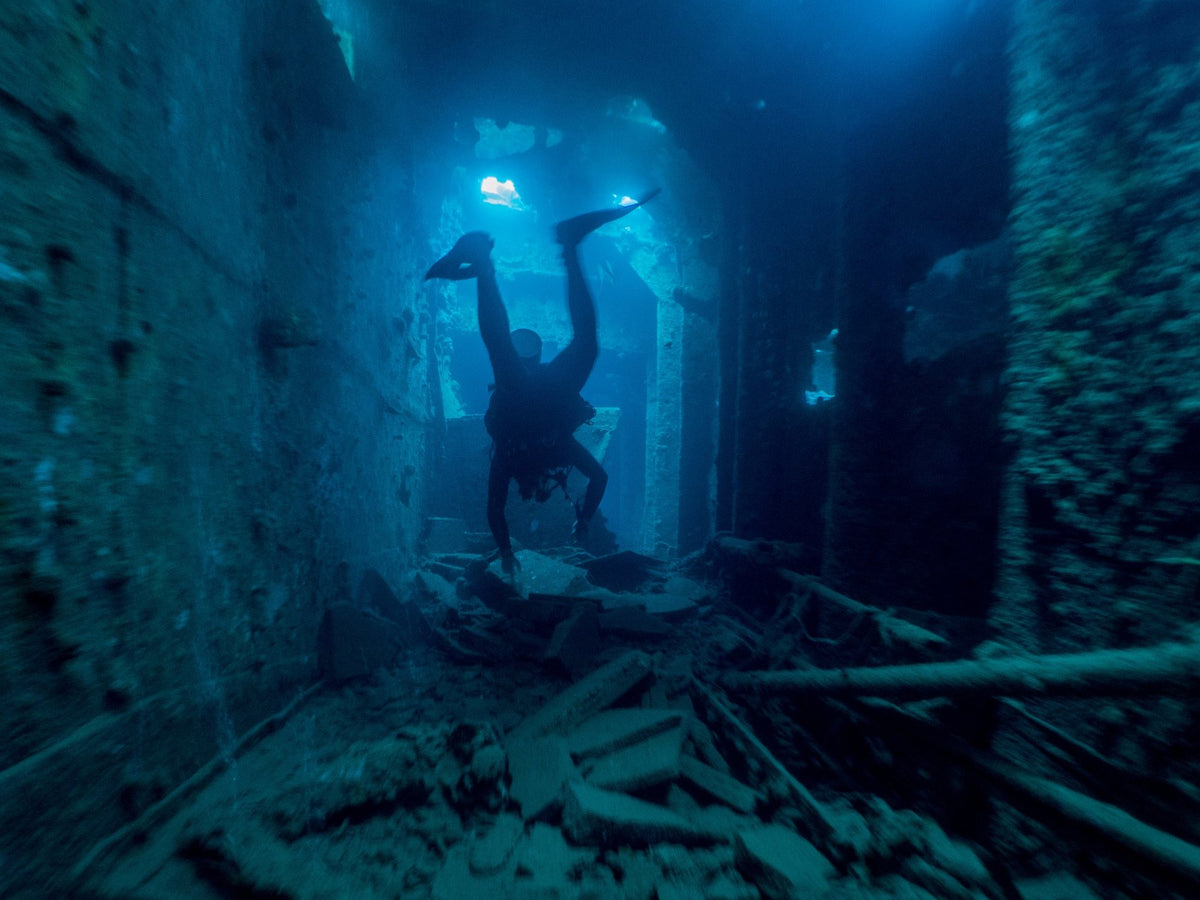
Wide-angle is best for wreck structures, while lights are useful because wrecks can be dark and visibility can vary.
Advanced Wreck-Focused Diving
Coron is best for Advanced divers with good buoyancy and comfort around wrecks, structure and sometimes lower visibility.
Strong for Mixed Groups
Coron works well when divers want wrecks and companions want lagoons, lakes, beaches, viewpoints and island hopping.
Ideal Palawan Extension
Coron combines well with El Nido, Puerto Princesa, Manila, Cebu or selected Philippines dive routes.
DIVE SITE GUIDE
Dive sites in Coron & Busuanga
Explore the character of individual sites, from the setting and marine life to the diving conditions. Open a card for the full description; site access and the final profile depend on conditions and experience.
ORIENTATION MAP
Where the dive sites are
Use the map to understand how the key sites are spread around the destination. Pins are for trip-planning orientation only; entry points, moorings and the final dive plan are always confirmed by the local operator on the day.
Wreck positions are planning references only. Penetration requires appropriate training, operator approval and a current site briefing; depth, visibility and current can vary substantially.
WWII tanker wreck
Okikawa Maru
Okikawa Maru is one of the most accessible big wrecks in Coron Bay.
Explore this dive site
- Type
- WWII tanker wreck
- Depth
- 10–26 m
- Experience
- Open Water exterior / Advanced penetration
- Current
- Moderate possible
Okikawa Maru is one of the most accessible big wrecks in Coron Bay. The tanker sits upright with much of the deck around 10–16 metres, allowing recreational divers to spend useful time on the outside without immediately running into deep no-decompression limits. The scale is impressive: at roughly 160 metres long, one dive only covers part of the ship.
Coral growth, snapper, batfish and other fish turn the wreck into a living reef, while stronger tidal flow can increase both fish activity and task loading. Penetration routes exist for trained wreck divers, but there is more than enough outside to justify the dive. For a first Coron wreck, Okikawa offers the best combination of size, light and manageable depth.
Look for: Coron’s largest wreck · Shallow main deck · Fish-rich exterior · Penetration for trained divers
Best for: Large wreck · Long bottom time · Fish schools · First wreck experience
WWII cargo wreck
Ekkai Maru / Morazan Maru
Ekkai Maru, often still called Morazan by local operators, is a photogenic wreck with a relatively shallow upper side and large internal cargo spaces.
Explore this dive site
- Type
- WWII cargo wreck
- Depth
- 12–25 m
- Experience
- Intermediate / Wreck trained for penetration
- Current
- Usually mild–Moderate
Ekkai Maru, often still called Morazan by local operators, is a photogenic wreck with a relatively shallow upper side and large internal cargo spaces. Hard coral grows over parts of the exposed structure, while groupers, sweetlips, scorpionfish and occasional turtles or sea snakes use the wreck as habitat.
On bright days, sunlight can penetrate holes in the hull and cargo holds, producing the cathedral-like beams that make the site especially appealing to wide-angle photographers. Certified wreck divers can follow guided routes through the holds and engine-room areas; divers without penetration training should remain outside or within clearly open, light-filled swim-throughs as directed by the operator. Its moderate depth makes it a strong step up after the shallowest Coron wrecks.
Look for: Light-filled cargo holds · Hard coral on wreck · Large boilers · Moderate depth
Best for: Sunbeams in cargo holds · Coral growth · Recreational wreck diving
WWII freighter wreck
Olympia Maru
Olympia Maru is a substantial Japanese freighter lying at a depth where Advanced certification makes the dive much more comfortable.
Explore this dive site
- Type
- WWII freighter wreck
- Depth
- 18–32 m
- Experience
- Advanced
- Current
- Usually mild–Moderate
Olympia Maru is a substantial Japanese freighter lying at a depth where Advanced certification makes the dive much more comfortable. The wreck is large enough that divers can focus one dive on the bow and forward holds and another on the stern, rather than rushing to see everything. Batfish, pufferfish, scorpionfish and schools of reef fish gather around the mast and structure, while the cargo spaces offer penetration opportunities for properly trained divers.
Even without entering the wreck, the exterior provides strong photography subjects and an excellent sense of scale. Because much of the useful dive sits below 18 metres, depth discipline and gas planning matter more than on Okikawa. It is a logical wreck for divers building experience in Coron before tackling deeper sites.
Look for: 122 m freighter · Cargo holds · Advanced depth · Fish-rich exterior
Best for: Large freighter · Cargo holds · Fish life · Wreck training
WWII construction-supply wreck
Kogyo Maru
Kogyo Maru is the wreck where the cargo tells the story.
Explore this dive site
- Type
- WWII construction-supply wreck
- Depth
- 22–35 m
- Experience
- Advanced / Wreck trained for penetration
- Current
- Usually mild–Moderate
Kogyo Maru is the wreck where the cargo tells the story. The ship carried construction material for Japanese airfield work, and the holds still contain cement bags, machinery, a small bulldozer, tractor equipment and an air compressor. She lies on her starboard side, with much of the exterior already in Advanced-depth territory and the seabed in the mid-30-metre range.
That makes no-decompression time a real part of the dive plan. Trained wreck divers can explore selected holds and machinery spaces with a guide, while non-penetration divers still have a large hull and fish-covered exterior to explore. The combination of preserved cargo and wartime context makes Kogyo feel less like a generic wreck and more like an underwater historical site.
Look for: Bulldozer in hold · Cement cargo · Engine room · Advanced depth
Best for: Historic cargo · Bulldozer · Engine room · Advanced wreck diving
WWII seaplane tender wreck
Akitsushima
Akitsushima is the only true warship among Coron’s major recreational wrecks and has a very different atmosphere from the cargo vessels.
Explore this dive site
- Type
- WWII seaplane tender wreck
- Depth
- 22–36 m
- Experience
- Advanced / Wreck trained for penetration
- Current
- Variable
Akitsushima is the only true warship among Coron’s major recreational wrecks and has a very different atmosphere from the cargo vessels. The 118-metre seaplane tender lies on her port side with major battle damage near the stern. Her huge crane rests beside the wreck and often gathers batfish and barracuda, while the hull still carries recognisable military structure including anti-aircraft gun mounts.
The wreck’s depth places most of the dive firmly in Advanced territory, and the internal areas are complex enough that penetration should be reserved for trained wreck divers under a guide’s plan. Outside, the crane, broken stern and scale of the ship provide excellent wide-angle subjects. For many experienced visitors, Akitsushima is the wreck that feels most distinctly like a warship.
Look for: Seaplane tender · Large crane · Military structure · Deep advanced wreck
Best for: Warship atmosphere · Giant crane · Advanced wreck photography
Deep WWII naval supply wreck
Irako
Irako is the serious end of Coron wreck diving.
Explore this dive site
- Type
- Deep WWII naval supply wreck
- Depth
- 28–45 m
- Experience
- Experienced Advanced / Technical depending profile
- Current
- Variable
Irako is the serious end of Coron wreck diving. The naval refrigeration and supply ship sits nearly upright in much deeper water than the beginner-friendly wrecks, with the bridge area damaged but much of the hull remaining recognisable. Local guides describe the wreck as dark and demanding, and that is the right mindset: depth, reduced ambient light, internal complexity and smaller routes increase the consequences of poor buoyancy or gas planning.
Outside, jacks, snappers, grouper and barracuda can gather around the mast and upper structure, so even a non-penetration dive can be rewarding for experienced deep divers. Any internal exploration belongs to properly trained wreck or technical divers. Irako should be earned gradually, not treated as a standard first-day Coron wreck.
Look for: Deepest major wreck · Dark interiors · Schooling jacks · For experienced divers
Best for: Deep wreck · Dark interiors · Experienced wreck divers
Shallow WWII wreck · Reef
East Tangat Gunboat
East Tangat Gunboat is the opposite of Irako: a small wreck that begins in only a few metres of water and can be appreciated by snorkellers as well as certified divers.
Explore this dive site
- Type
- Shallow WWII wreck · Reef
- Depth
- 3–22 m
- Experience
- Beginner
- Current
- Usually mild
East Tangat Gunboat is the opposite of Irako: a small wreck that begins in only a few metres of water and can be appreciated by snorkellers as well as certified divers. The vessel lies on a coral slope, so the dive naturally blends wreck structure with reef life and bright ambient light.
Newer divers can spend time on the outside learning how to approach metal without touching or silting it, while experienced photographers benefit from the shallow depth and long bottom time. Because the wreck is small, there is no need to rush; the best experience comes from circling slowly, watching how coral and marine life have colonised the structure. It is an ideal check dive or first Coron wreck before moving to larger ships.
Look for: Very shallow wreck · Beginner friendly · Snorkeller accessible · Long bottom time
Best for: Intro to wreck diving · Snorkelling · Shallow photography
Lake · Halocline · Thermocline
Barracuda Lake
Barracuda Lake is not a wreck at all, which is exactly why it belongs on a Coron itinerary.
Explore this dive site
- Type
- Lake · Halocline · Thermocline
- Depth
- 5–30 m
- Experience
- Open Water–Intermediate
- Current
- None
Barracuda Lake is not a wreck at all, which is exactly why it belongs on a Coron itinerary. Divers enter a limestone-walled lake where layers of fresh and salt water create a visible halocline and dramatic temperature changes. Passing through the thermocline can feel surreal as the water becomes much hotter at depth, while jagged limestone formations descend into an otherworldly basin.
Marine life is limited compared with the bay, so the experience is about geology, water layers and atmosphere rather than fish numbers. The lack of current makes the profile physically easy, but buoyancy can feel unusual when moving between water layers of different density. It is an excellent second or third dive that gives the body and mind a complete break from steel wrecks.
Look for: Fresh/salt-water layers · Hot thermocline · Limestone formations · No current
Best for: Extreme thermocline · Limestone scenery · Unique freshwater/saltwater layers
Underwater photography
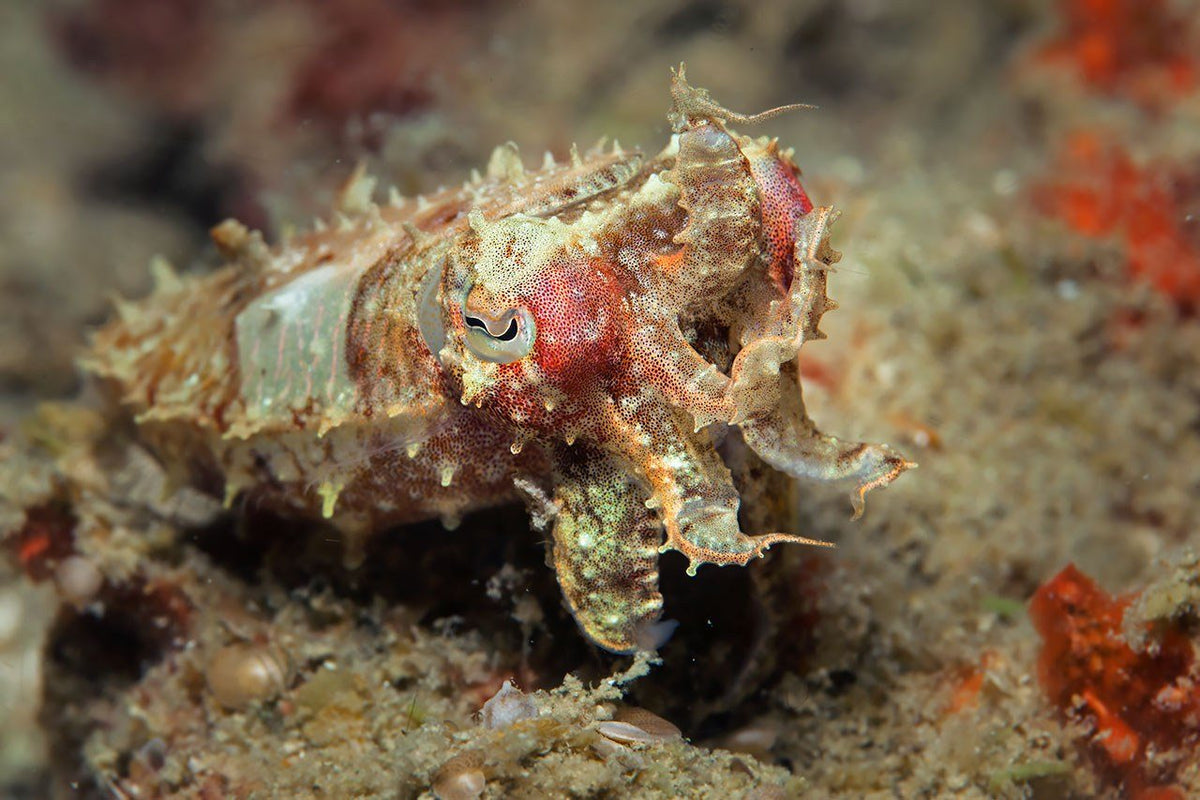
At Okikawa Maru, large wreck, Long bottom time, Fish schools, First wreck experience give an idea of the photographic possibilities. Choose the camera setup for the planned sites, then leave time to observe the scene before making the image. Repeating a productive dive often creates better opportunities than constantly searching for a different location. For reef scenes, use the shape of the reef and the available light to give the image depth. A diver at a respectful distance can provide scale without crowding an animal.
Beyond diving: Coron & Busuanga above the surface
Allow a full island-hopping day for the limestone scenery around Coron. Kayangan Lake, Twin Lagoon and beaches are best enjoyed with enough time to swim, look around and absorb the landscape, rather than as brief stops between other appointments.
Busuanga also offers viewpoints, hot springs and quieter coastal excursions. A mixed group can share the island scenery even when only some guests dive. Staying in town gives evening choice; an island or remote coastal base creates a more self-contained holiday.
Getting to Coron & Busuanga
Most international guests reach Coron by flying to Manila or Cebu, then taking a domestic flight to Busuanga / Coron Airport. From there, guests transfer to Coron Town or a selected island resort.
Choose arrival and departure times around the onward transfer, especially when a boat crossing or a long road journey is involved. Leave space for a relaxed final day ashore and an appropriate interval between the last dive and flying.
Coron & Busuanga diving questions
What makes Coron & Busuanga worth a diving trip?
Coron’s wrecks emerge slowly from the water: a mast, a deck, a huge structure carrying decades of marine growth. Above the surface, limestone cliffs and enclosed lagoons make the journey much more than a sequence of wreck dives.
How should I plan my stay?
Choose the base around the wrecks you want to visit and the amount of daily boat travel you enjoy. Four to six diving days allows progression from shallower exteriors to suitable deeper sites, with a separate day for lakes and lagoons. Wreck penetration is a specialist activity, not a standard inclusion.
When is a useful time to visit?
November to May commonly offers calmer travel conditions. Underwater visibility is often more limited than on oceanic reefs, so the attraction is the scale and history of the structures. Select wreck profiles by training, comfort and depth, rather than trying to complete every name on a list.
Is there enough for non-diving companions?
Allow a full island-hopping day for the limestone scenery around Coron. Kayangan Lake, Twin Lagoon and beaches are best enjoyed with enough time to swim, look around and absorb the landscape, rather than as brief stops between other appointments.
A closer look at Coron & Busuanga


Plan your Coron & Busuanga trip
Tell us the experiences you most want, your preferred dates and how you like to travel. We can bring the destination, accommodation and diving into one coherent itinerary.
Plan my trip