

Destination guide · Indonesia
Lembeh Strait Diving
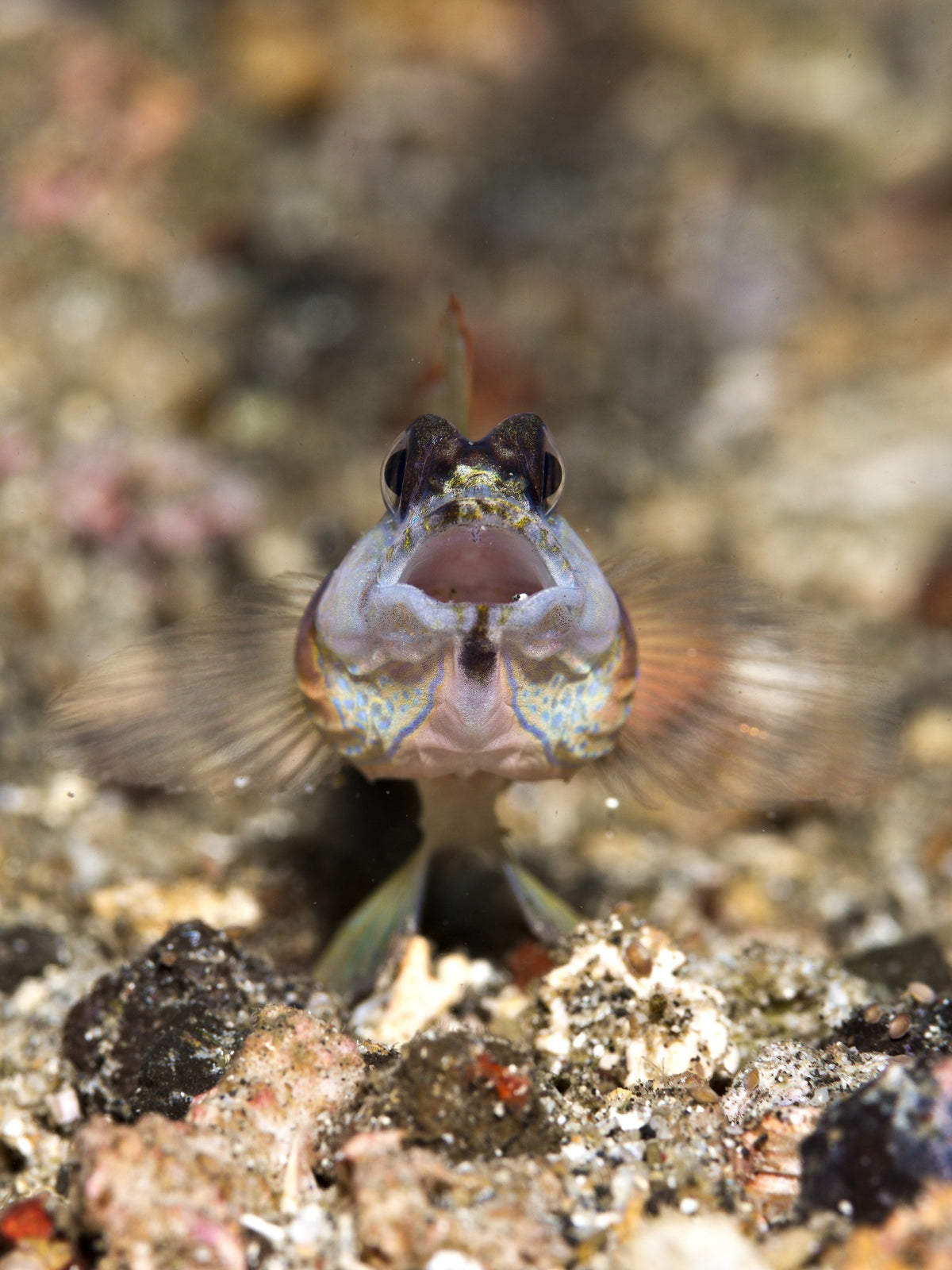
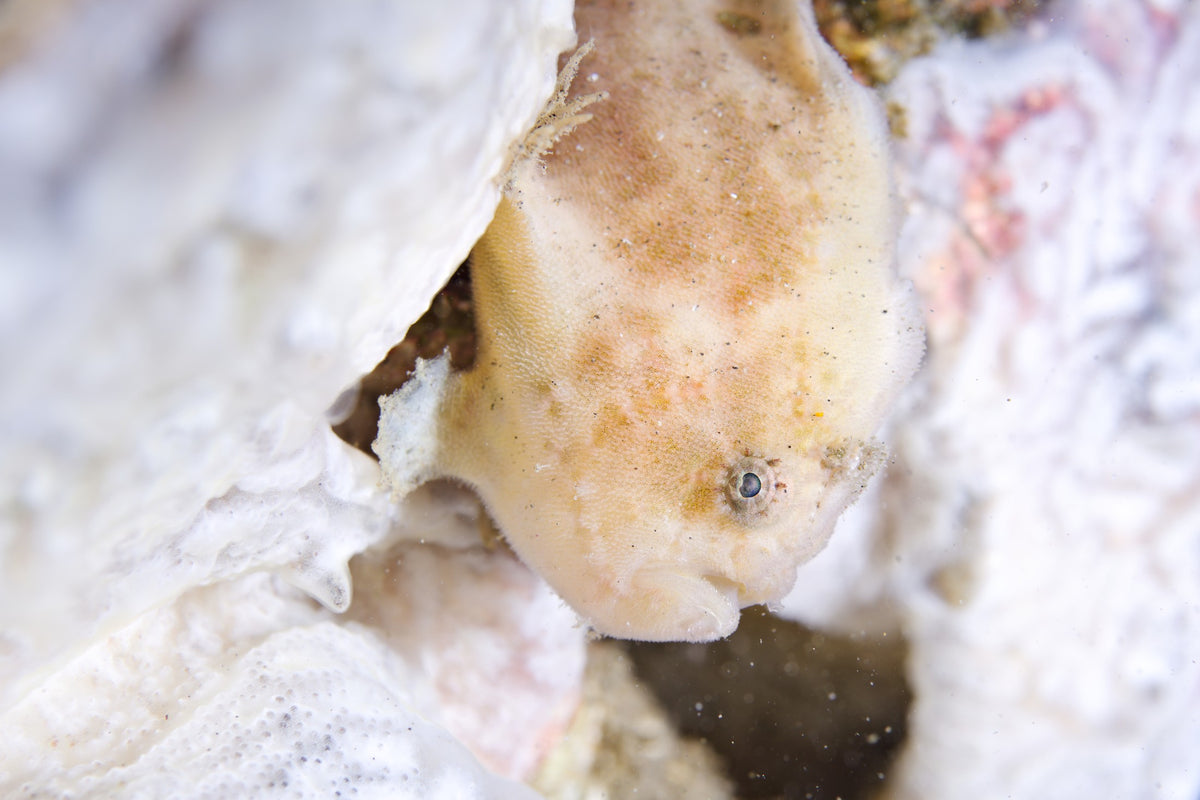
Lembeh asks you to look twice. What first appears to be an empty patch of volcanic sand can reveal a camouflaged octopus, a minute shrimp or a frogfish holding perfectly still. The reward comes from attention, patience and time.
Lembeh Strait at a glance
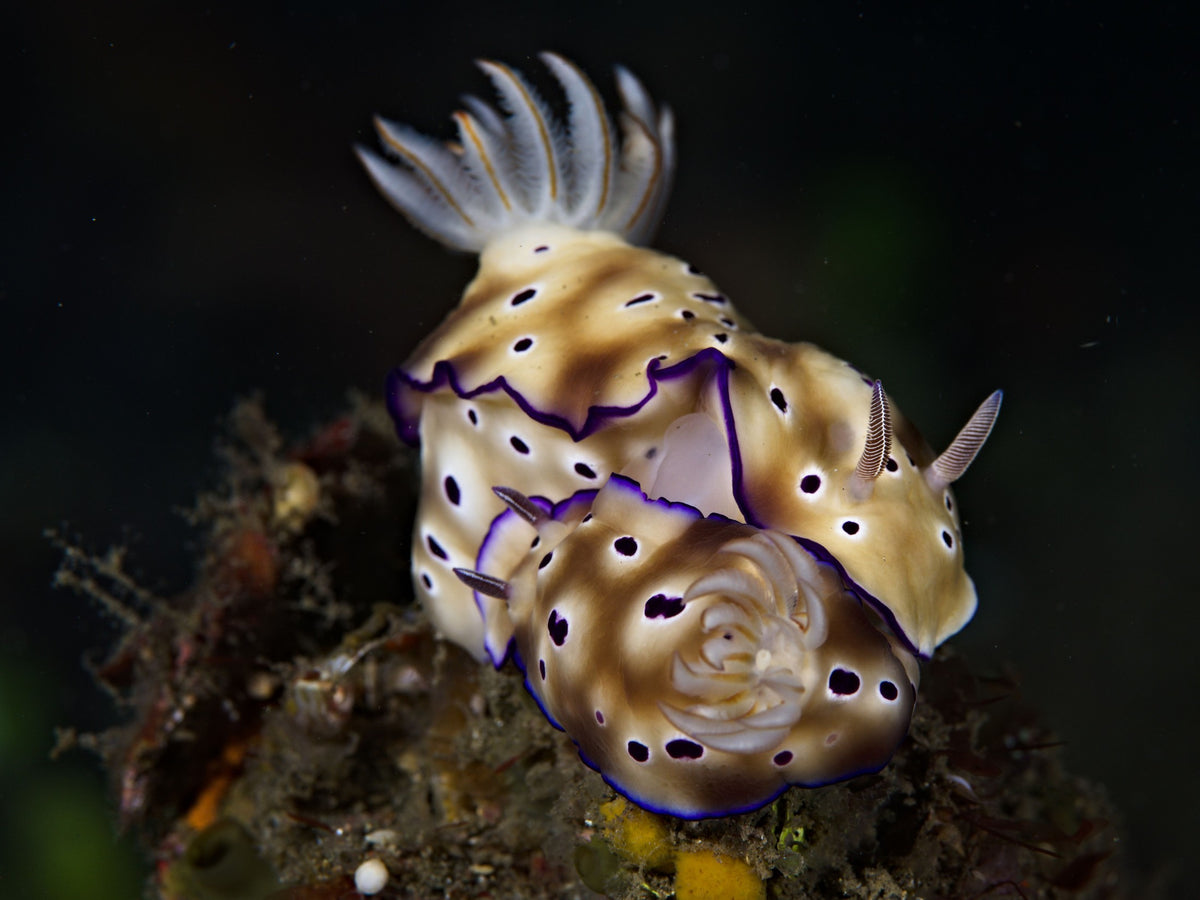
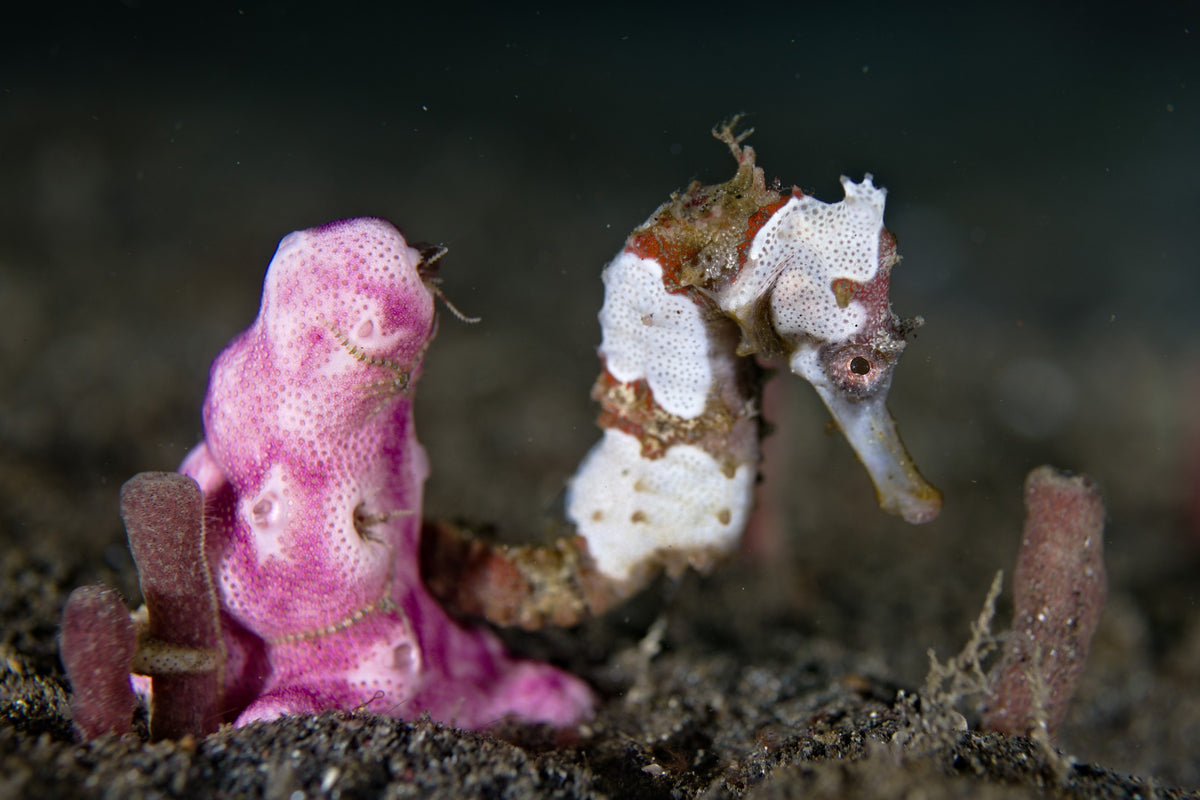
Lembeh Strait is the world’s best-known specialist destination for muck diving and rare critters. Black volcanic sand, rubble slopes and unusual micro-habitats support frogfish, octopus, cuttlefish, seahorses, nudibranchs and many other subjects prized by underwater photographers.
The visual landscape is unconventional, and that is precisely the point: Lembeh rewards patience, curiosity and excellent observation. Experienced guides, slow dive profiles and strong camera facilities make it ideal for dedicated macro trips, while nearby North Sulawesi nature excursions add depth for longer stays.
Planning your Lembeh Strait stay
Choose a specialist macro resort for its guiding approach, group sizes and practical camera facilities. A house reef or easy night-diving access is valuable if you like returning to a subject. We suggest six or seven nights for a first focused visit, with Bunaken or Bangka adding a different reef experience.

Bastianos Froggies Lembeh Dive Resort
Full-board resort on peaceful Lembeh Island with a swimming pool, dedicated camera room, expert critter spotters and direct access to world-class macro and muck diving.

Dive Into Lembeh
Specialist Lembeh resort with four room categories, up to three guided dives per day, small dive groups and a large dedicated camera room.

Eco Divers Lembeh / White Sands Beach Resort
Flat beachfront Lembeh resort with twelve oceanfront cottages, full-board dive packages, maximum 3:1 guide ratio and a dedicated camera room.

Black Sand Dive Retreat
Intimate seven-bungalow Lembeh retreat with small speedboats, private-guide options, a rich house reef and dedicated underwater-camera facilities.

Solitude Lembeh Resort
A photographer-focused Lembeh Strait dive resort with garden villas, seafront villas, deluxe rooms and a dedicated camera room.

Lembeh Resort
Boutique luxury Lembeh resort with dedicated Photo Center and camera room, full-board accommodation, guided critter diving, blackwater options and a complimentary house-reef dive benefit.

Thalassa Dive Resort Lembeh
Sea-view island dive resort in Lembeh Strait with on-site dive center, camera room, pool and fast access to world-class macro and muck sites.

Two Fish Divers Lembeh
Beach-side Lembeh Island dive resort for dedicated muck and macro diving, with small guide groups, full-board accommodation and fast access to the Strait's critter sites.
Liveaboard routes for this destination
Explore the routes that visit this region. Compare ships and itineraries, then open a route to see its sailing dates, cabins and the areas it covers.
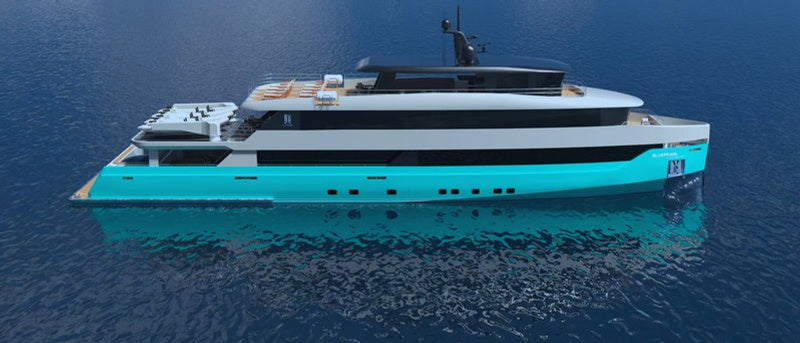
M/Y Blue Pearl
Raja Ampat & Lembeh
- Indicative duration
- 9 nights
- Embarkation
- Sorong / Lembeh
- Disembarkation
- Lembeh / Sorong
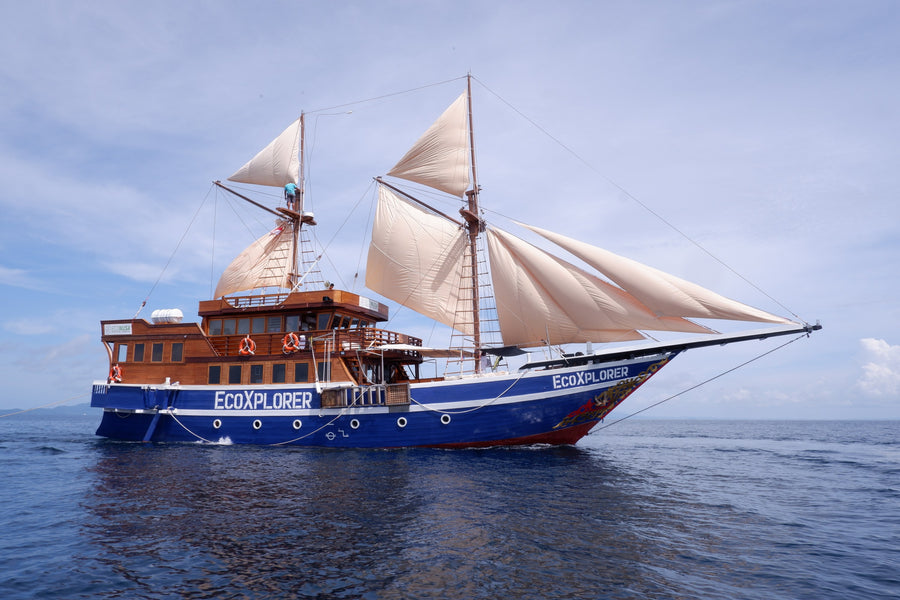
EcoXplorer
Halmahera Expedition: Ternate – Tulehu
- Indicative duration
- 8 nights
- Embarkation
- Ternate
- Disembarkation
- Tulehu
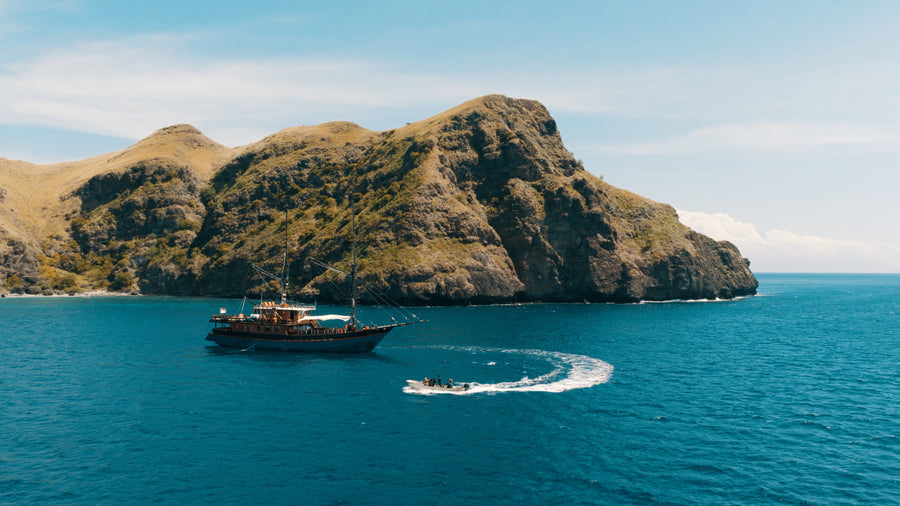
Iliké
North Sulawesi & Halmahera — Bitung to Babang
- Indicative duration
- 8 nights
- Embarkation
- Bitung
- Disembarkation
- Babang
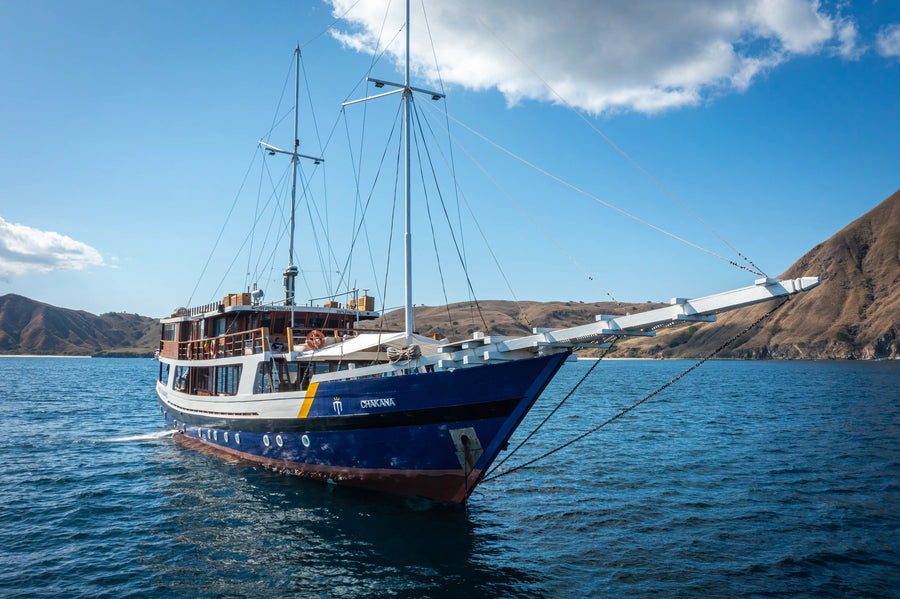
Indo Master
Lembeh & Halmahera
- Indicative duration
- 10 nights
- Embarkation
- Lembeh / Bitung
- Disembarkation
- Operator-confirmed Halmahera gateway
Indo Master
Lembeh & Sangihe Archipelago
- Indicative duration
- 10 nights
- Embarkation
- Lembeh / Bitung
- Disembarkation
- Lembeh / Bitung
Indo Master
Misool, Halmahera & Lembeh
- Indicative duration
- 12 nights
- Embarkation
- Sorong
- Disembarkation
- Lembeh / Bitung
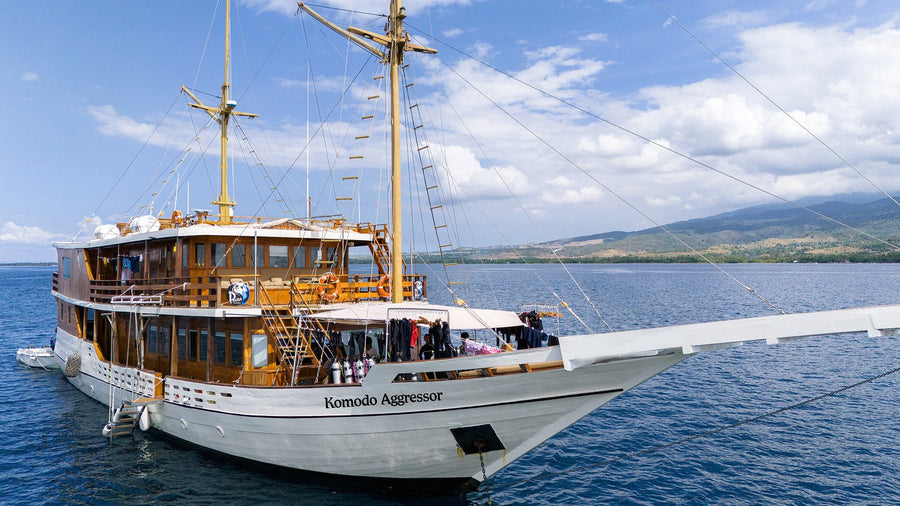
Komodo Aggressor
Sulawesi North to South (11 nights)
- Indicative duration
- 11 nights
- Embarkation
- Lembeh
- Disembarkation
- Kendari
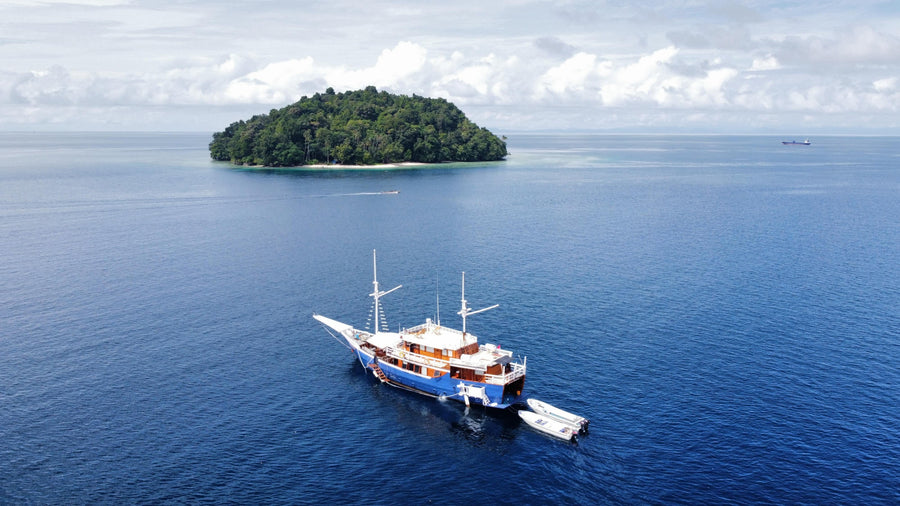
Kurabesi Nusantara
Halmahera: Ternate – Tulehu
- Indicative duration
- 7 nights
- Embarkation
- Ternate
- Disembarkation
- Tulehu
Kurabesi Nusantara
Halmahera: Tulehu – Ternate
- Indicative duration
- 8 nights
- Embarkation
- Tulehu
- Disembarkation
- Ternate
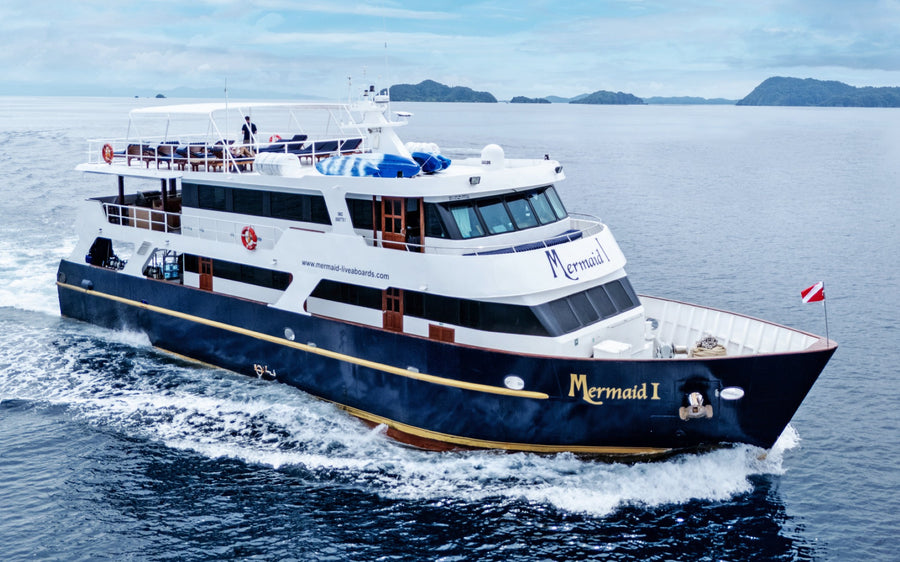
Mermaid I
Lembeh, Togean Islands & Whale Sharks
- Indicative duration
- 11 nights
- Embarkation
- Bitung / Lembeh, North Sulawesi
- Disembarkation
- Bitung / Lembeh, North Sulawesi
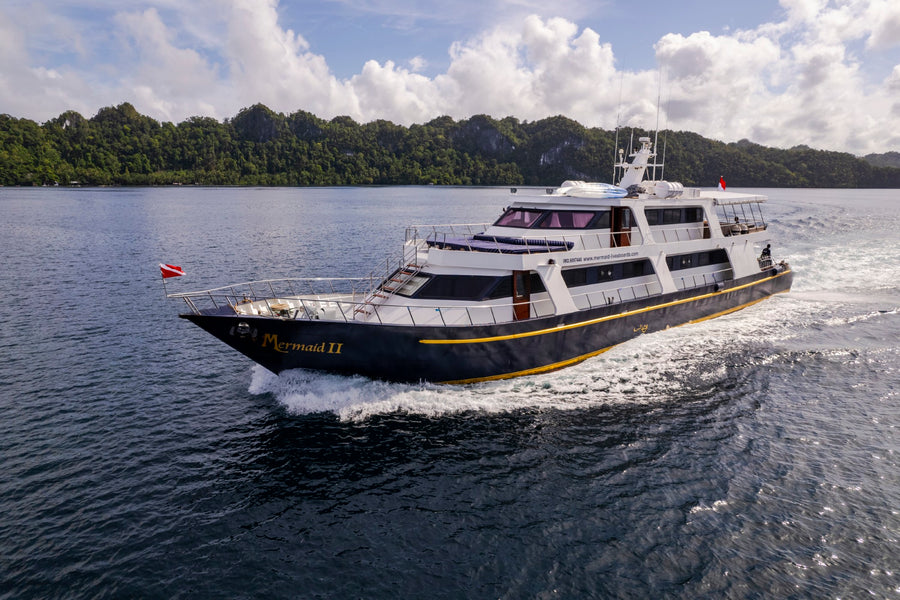
Mermaid II
Lembeh & Togean Islands
- Indicative duration
- 11 nights
- Embarkation
- Bitung / Lembeh, North Sulawesi
- Disembarkation
- Bitung / Lembeh, North Sulawesi
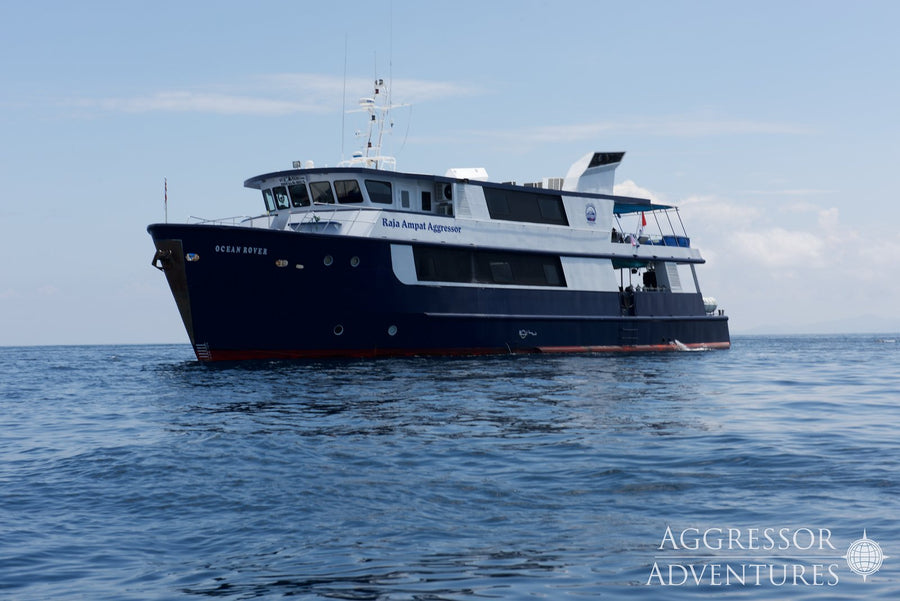
Raja Ampat Aggressor
Derawan/North Sulawesi/Lembeh (12 nights)
- Indicative duration
- 12 nights
- Embarkation
- Tanjung Batu
- Disembarkation
- Bitung
Raja Ampat Aggressor
Lembeh/North Sulawesi/Derawan (12 nights)
- Indicative duration
- 12 nights
- Embarkation
- Bitung
- Disembarkation
- Berau
Raja Ampat Aggressor
Raja Ampat (12 nights)
- Indicative duration
- 12 nights
- Embarkation
- Sorong
- Disembarkation
- Bitung
Raja Ampat Aggressor
Raja Ampat (12 nights)
- Indicative duration
- 12 nights
- Embarkation
- Bitung
- Disembarkation
- Sorong
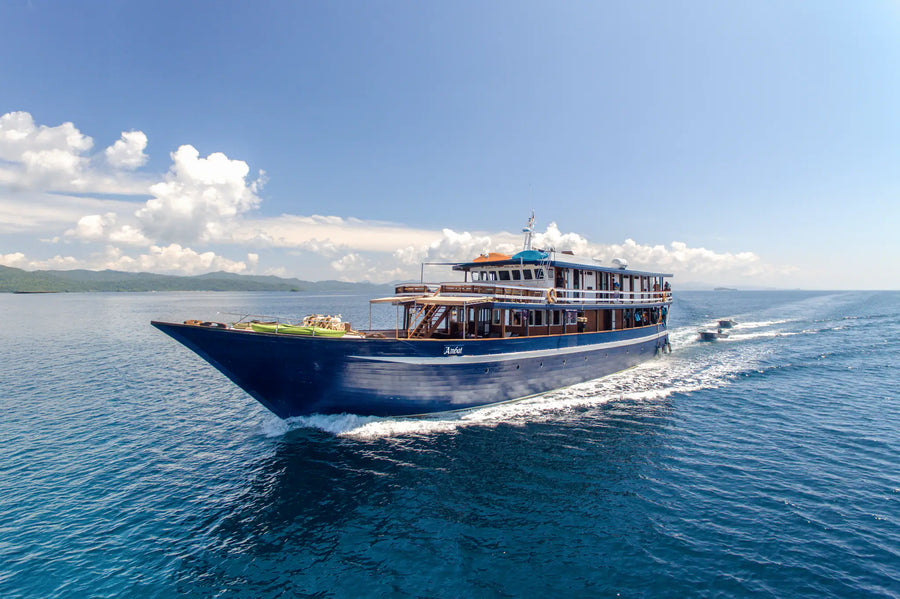
MV Ambai
North Sulawesi & Togean Islands
- Indicative duration
- 11 nights
- Embarkation
- Bitung / Manado
- Disembarkation
- Central Sulawesi — confirm
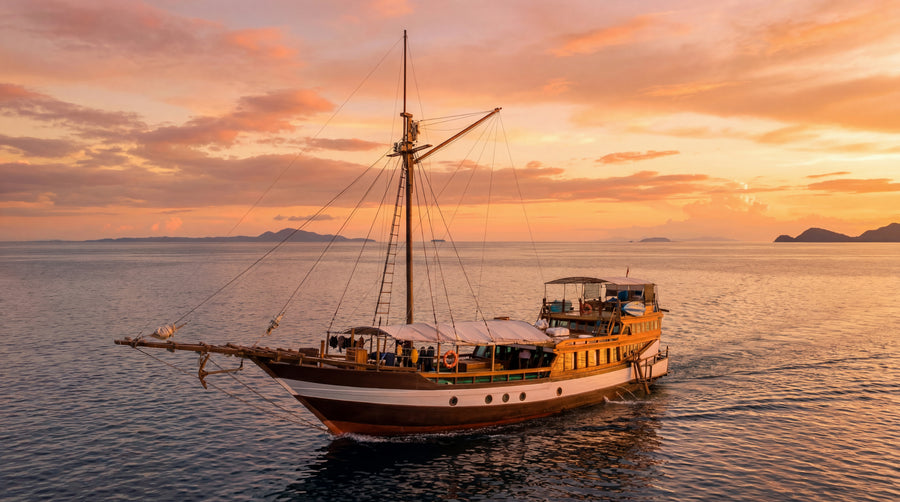
Wellenreng
Halmahera & Lembeh — Ternate to Bitung
- Indicative duration
- 10 nights
- Embarkation
- Ternate
- Disembarkation
- Bitung
Wellenreng
North Sulawesi & Togian — Bitung to Luwuk
- Indicative duration
- 10 nights
- Embarkation
- Bitung
- Disembarkation
- Luwuk
No routes match this search. Try another vessel or clear your search.
When to dive Lembeh Strait
Macro diving operates throughout the year. The strait’s small habitats change over time, so a recent species list is not a promise for your trip. Cooler water and long, slow dives can also make thermal comfort more important than the tropical setting suggests.
Planning window: Year-round macro diving.
What the diving is like
Choose the islands and sites to suit the group’s experience.
Muck Diving Capital of the World
Lembeh is famous for black volcanic sand, rubble, hidden micro-habitats and slow critter-focused diving.
Frogfish, Mimic Octopus & Flamboyant Cuttlefish
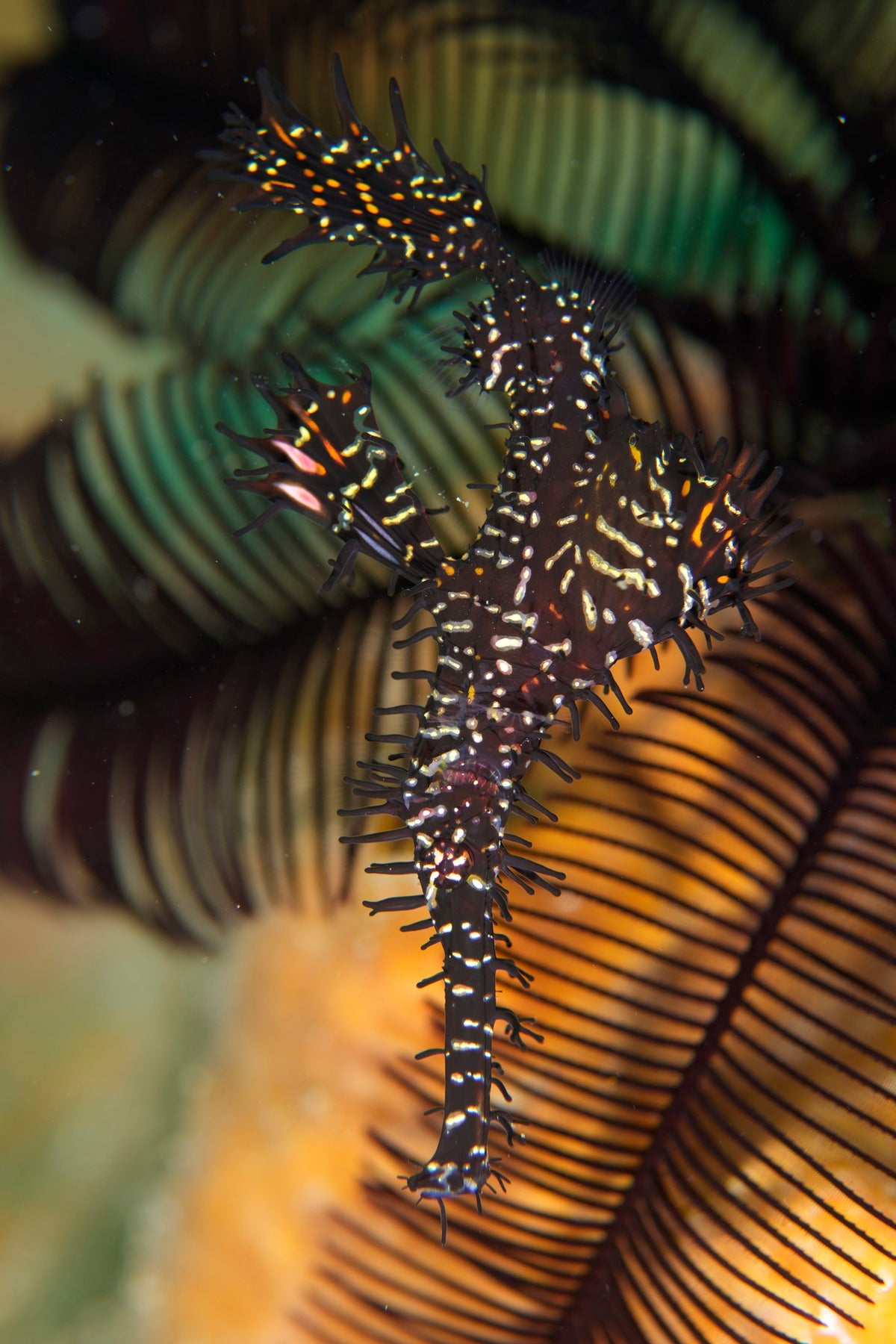
Lembeh is known for extraordinary critters such as frogfish, mimic octopus, flamboyant cuttlefish and other strange marine life.
Blue-Ringed Octopus Potential
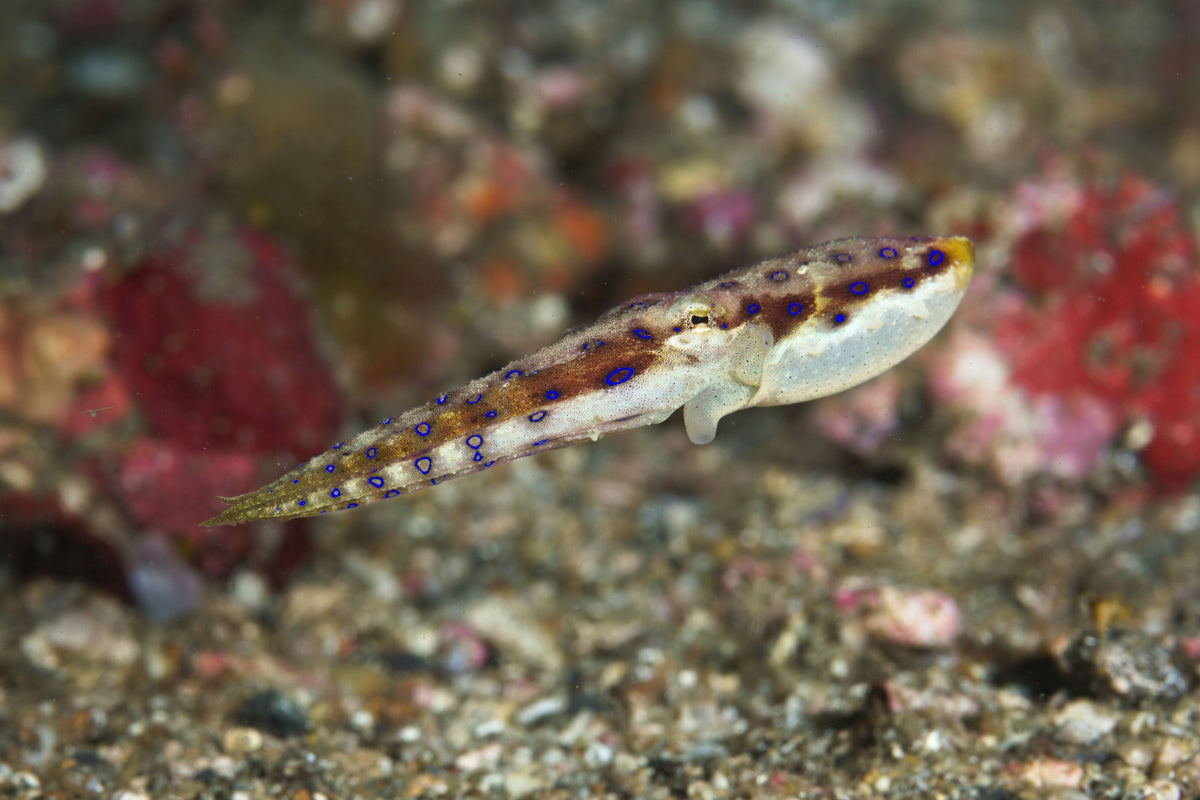
Blue-ringed octopus and other rare subjects may be possible, depending on site, season, conditions and expert local guiding.
Night Dives & Blackwater Options
Night dives and blackwater options can add a deeper specialist layer for experienced macro photographers and curious divers.
Professional Critter Spotting Guides
Good local guides are central to the Lembeh experience because many subjects are tiny, camouflaged and easy to miss.
World-Class Macro Photography
Macro, super-macro, snoot, focus light and spare batteries are strongly recommended for serious underwater photographers.
Slow-Paced Specialist Diving
Lembeh is not about swimming fast. It is about slowing down, searching carefully and giving each subject time.
North Sulawesi Extensions
Lembeh combines well with Bunaken, Bangka, Manado, Tangkoko Nature Reserve and the Minahasa Highlands.
DIVE SITE GUIDE
Dive sites in Lembeh Strait
Explore the character of individual sites, from the setting and marine life to the diving conditions. Open a card for the full description; site access and the final profile depend on conditions and experience.
ORIENTATION MAP
Where the dive sites are
Use the map to understand how the key sites are spread around the destination. Pins are for trip-planning orientation only; entry points, moorings and the final dive plan are always confirmed by the local operator on the day.
Coordinates are planning references compiled from current dive-site sources. They are not navigation coordinates; entry points, moorings, tide windows and the final dive plan are always confirmed by the local operator on the day.
Muck · Black sand · Macro
Hairball
Hairball is the dive that best explains why divers travel across the world to stare at what initially looks like an empty slope of black sand.
Explore this dive site
- Type
- Muck · Black sand · Macro
- Depth
- 5–28 m
- Experience
- Beginner–Intermediate
- Current
- Usually mild
Hairball is the dive that best explains why divers travel across the world to stare at what initially looks like an empty slope of black sand. The route is deliberately slow: guides inspect algae clumps, isolated rocks, rubble and half-buried debris for animals that disappear into the bottom.
Hairy and other frogfish, seahorses, snake eels, octopus, nudibranchs and small crustaceans are the attraction, while the open substrate gives photographers clean backgrounds and time to work a subject. There is little topography to follow, so the quality of the dive comes from the guide’s eyes and the diver’s buoyancy. It is also a strong night-dive option, when the same slope can produce a completely different cast of animals.
Look for: Iconic black-sand muck · Frogfish · Cephalopods · Excellent night dive
Best for: Frogfish · Seahorses · Octopus · Macro photography
Muck · Mini wall · Macro
Nudi Falls
Nudi Falls mixes two Lembeh personalities in one dive.
Explore this dive site
- Type
- Muck · Mini wall · Macro
- Depth
- 5–25 m
- Experience
- Intermediate
- Current
- Mild
Nudi Falls mixes two Lembeh personalities in one dive. A short mini-wall and sea fans provide structure for pygmy seahorses, nudibranchs and reef-associated critters, while the rubble and sand below return the dive to classic muck hunting.
The contrast makes the site especially useful for photographers who want more than an open sand slope: one part of the dive can be spent searching gorgonians and sponge-covered wall, the next looking for frogfish, mantis shrimp, gurnards and unusual nudibranchs near the bottom. The bay is generally protected and current is usually manageable, but depth can creep up when photographers follow the wall downward, so a clear depth plan helps keep the dive relaxed.
Look for: Mini wall · Pygmy seahorses · Nudibranch diversity · Mixed habitat
Best for: Pygmy seahorses · Nudibranchs · Frogfish · Macro photography
Reef bowl · Sand slope · Macro
Nudi Retreat
Nudi Retreat is one of the Lembeh sites where the scenery matters almost as much as the critters.
Explore this dive site
- Type
- Reef bowl · Sand slope · Macro
- Depth
- 2–28 m
- Experience
- Intermediate
- Current
- Mild
Nudi Retreat is one of the Lembeh sites where the scenery matters almost as much as the critters. A shallow coral bowl leads into a sand slope framed by small walls, soft coral and encrusted boulders, so the dive feels more three-dimensional than the strait’s pure muck sites.
Nudibranchs are the namesake attraction, but the real strength is variety: photographers can search coral heads and fans for small reef life, then move onto the sand for classic Lembeh subjects. Because useful habitat extends from the very shallows toward the high twenties, the site works well as a multilevel dive with a long, productive safety-stop zone rather than a simple deep out-and-back profile.
Look for: Shallow coral bowl · Soft-coral mini walls · Nudibranchs · Multilevel profile
Best for: Nudibranchs · Soft coral · Macro + reef photography
Muck · Sand & rubble · Twilight
Teluk Kambahu (TK)
Teluk Kambahu — usually shortened to TK — is a village-bay muck site where dark sand and rubble hold an unusually broad critter list.
Explore this dive site
- Type
- Muck · Sand & rubble · Twilight
- Depth
- 5–25 m
- Experience
- Beginner–Intermediate
- Current
- Mild
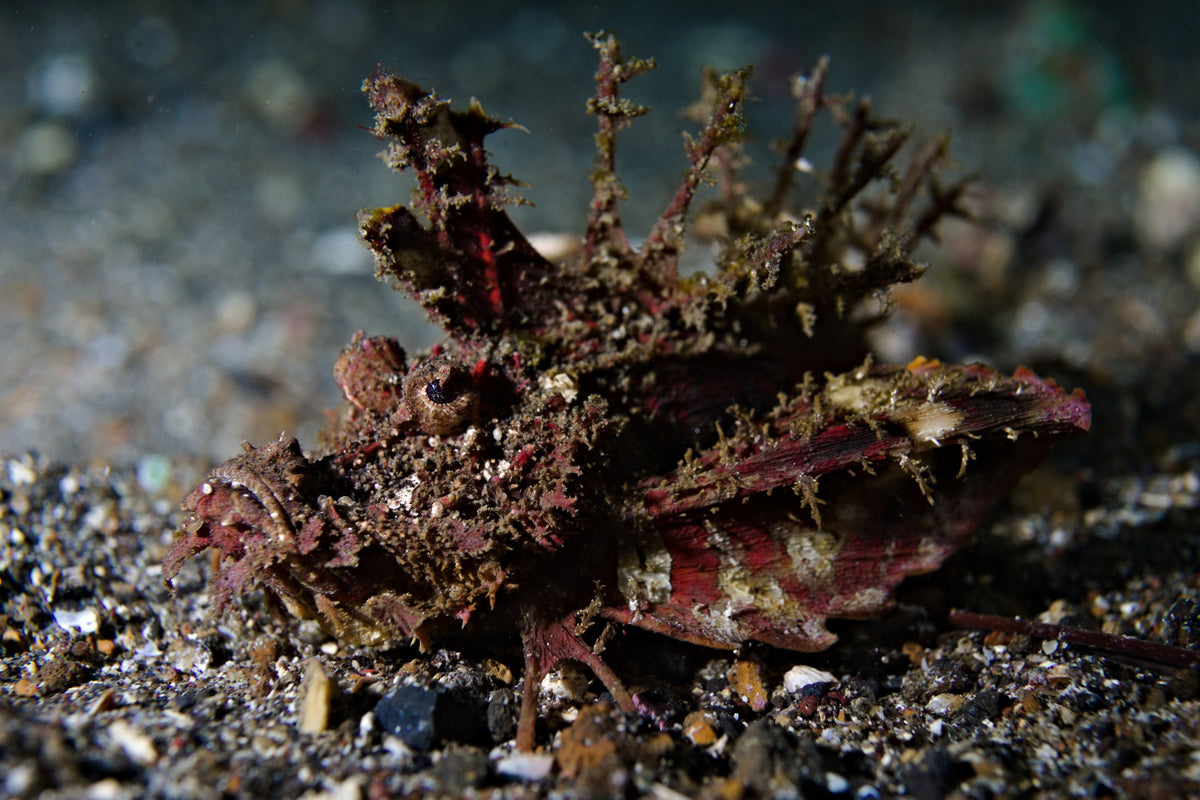
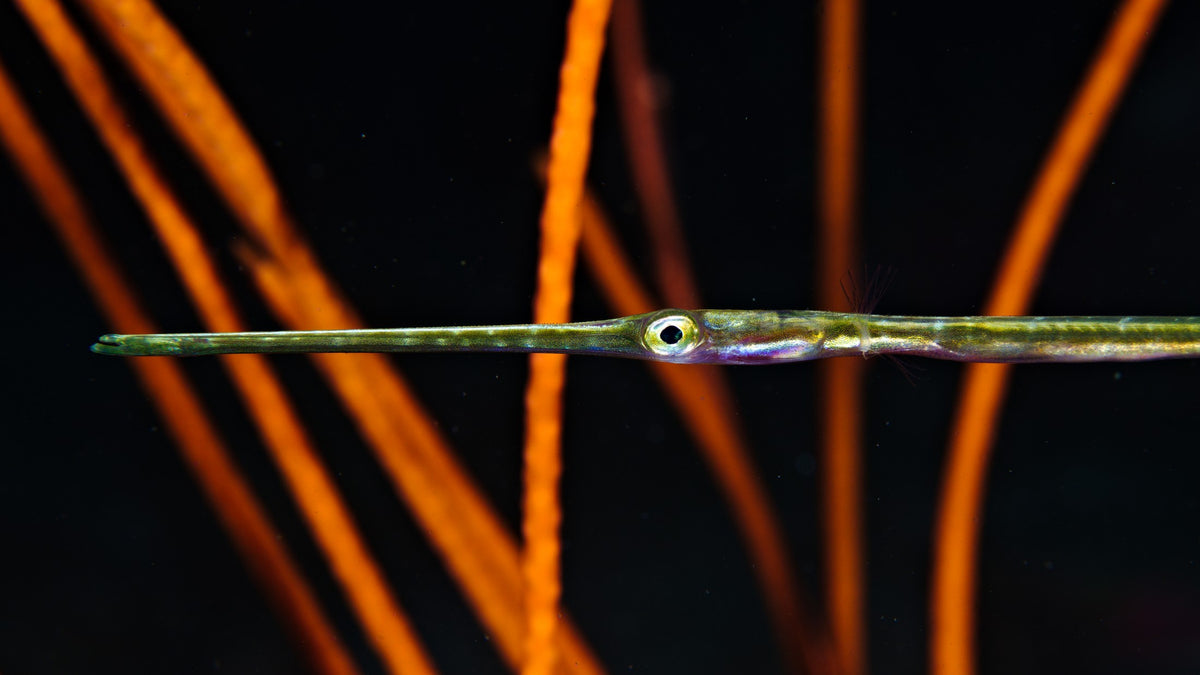
Teluk Kambahu — usually shortened to TK — is a village-bay muck site where dark sand and rubble hold an unusually broad critter list. Mandarinfish and Banggai cardinalfish add color to a dive that can otherwise be dominated by earth-toned camouflage, while leaf scorpionfish, frogfish, pipefish and nudibranchs reward a methodical search.
The site is especially interesting late in the day, when mandarinfish behavior can become the focus and divers slow down around the habitat rather than covering distance. Depth is moderate and current is usually mild, but the fine bottom makes buoyancy and careful finning essential if several photographers are trying to work the same small area.
Look for: Mandarinfish · Banggai cardinalfish · Frogfish · Good dusk dive
Best for: Mandarinfish · Cardinalfish · Frogfish · Dusk diving
Muck · Rubble · Macro
Critter Hunt
Critter Hunt is exactly what the name suggests: a slow search over mixed sand, rubble and scattered habitat where the guide’s ability to recognize tiny shapes matters more than dramatic scenery.
Explore this dive site
- Type
- Muck · Rubble · Macro
- Depth
- 5–25 m
- Experience
- Beginner–Intermediate
- Current
- Mild
Critter Hunt is exactly what the name suggests: a slow search over mixed sand, rubble and scattered habitat where the guide’s ability to recognize tiny shapes matters more than dramatic scenery. The value of the site is that there is no single headline animal.
Frogfish, pipefish, nudibranchs, shrimp, crabs, small cephalopods and juvenile fish can all become the subject of the dive, and the list changes with season and recent sightings. For photographers, that unpredictability is part of the appeal — a dive can spend twenty minutes on one unusual animal and then turn into a succession of smaller discoveries in the shallows. It is best approached with patience, neutral buoyancy and no expectation of a fixed route.
Look for: Classic critter hunting · Mixed rubble habitat · Macro photography · Variable sightings
Best for: Rare critters · Slow macro dives · Underwater photography
Pinnacle · Swim-through · Reef
Angel’s Window
Angel’s Window is the dive to choose when a week of sand slopes needs a dramatic change of scenery.
Explore this dive site
- Type
- Pinnacle · Swim-through · Reef
- Depth
- 10–30 m
- Experience
- Advanced
- Current
- Mild–Moderate
Angel’s Window is the dive to choose when a week of sand slopes needs a dramatic change of scenery. The site centers on a submerged pinnacle with a well-known swim-through in the low-to-mid twenties, its walls decorated with crinoids, soft coral and reef life.
Small subjects are still present — this is Lembeh, after all — but the structure invites a wider lens and a more spatial dive than the muck sites. The deeper section, overhead feature and occasional water movement make it better suited to experienced divers who are comfortable controlling depth and position around rock. Divers who prefer not to enter the swim-through can still enjoy the exterior of the pinnacle without treating the overhead section as mandatory.
Look for: Pinnacle · Swim-through · Crinoid-covered structure · Wide-angle contrast
Best for: Pinnacle scenery · Crinoids · Wide angle · Advanced profiles
Muck · Pier · Night
Police Pier
Police Pier is at its most distinctive after dark.
Explore this dive site
- Type
- Muck · Pier · Night
- Depth
- 3–15 m
- Experience
- Intermediate
- Current
- Mild
Police Pier is at its most distinctive after dark. Under and around the pier area, grey silt, rubble, sponge patches and shallow rock create habitat for stargazers, snake eels, frogfish, cuttlefish, octopus and a long list of nocturnal invertebrates.
Banggai cardinalfish can gather in the shallower rocky sections, adding a very different photographic subject to the animals emerging from the bottom. The depth is not demanding, but the dive still rewards intermediate-level control because darkness, fine sediment and structure can make poor buoyancy immediately obvious. The published map position should be treated only as an area reference; local operators know the practical entry and mooring for the day.
Look for: Night-dive favorite · Stargazers · Cephalopods · Banggai cardinalfish
Best for: Night diving · Cephalopods · Stargazers · Banggai cardinalfish
Wreck · Reef growth · Macro
Mawali Wreck
Mawali Wreck is a rare break from Lembeh’s sand-and-critters identity: a roughly 60-metre wartime cargo ship lying on its side and now heavily reclaimed by marine life.
Explore this dive site
- Type
- Wreck · Reef growth · Macro
- Depth
- 15–30 m
- Experience
- Advanced
- Current
- Usually mild
Mawali Wreck is a rare break from Lembeh’s sand-and-critters identity: a roughly 60-metre wartime cargo ship lying on its side and now heavily reclaimed by marine life. The wreck begins around the mid-teens and descends toward 30 metres, so the usual profile is deepest first along the lower hull before moving shallower over crinoids, black coral, soft coral and fish sheltering around the structure.
It is rewarding both as a wreck and as habitat, which means divers do not need penetration to have a complete dive. Any overhead entry should be left to appropriately trained wreck divers following the operator’s procedures; recreational visitors can stay outside and still see the shape and growth of the ship.
Look for: WWII cargo wreck · 15–30 m profile · Crinoids & black coral · No penetration required
Best for: Wreck photography · Crinoids · Coral growth · Advanced diving
Underwater photography
At Hairball, frogfish, Seahorses, Octopus, Macro photography give an idea of the photographic possibilities. Choose the camera setup for the planned sites, then leave time to observe the scene before making the image. Repeating a productive dive often creates better opportunities than constantly searching for a different location. For reef scenes, use the shape of the reef and the available light to give the image depth. A diver at a respectful distance can provide scale without crowding an animal.
Beyond diving: Lembeh Strait above the surface
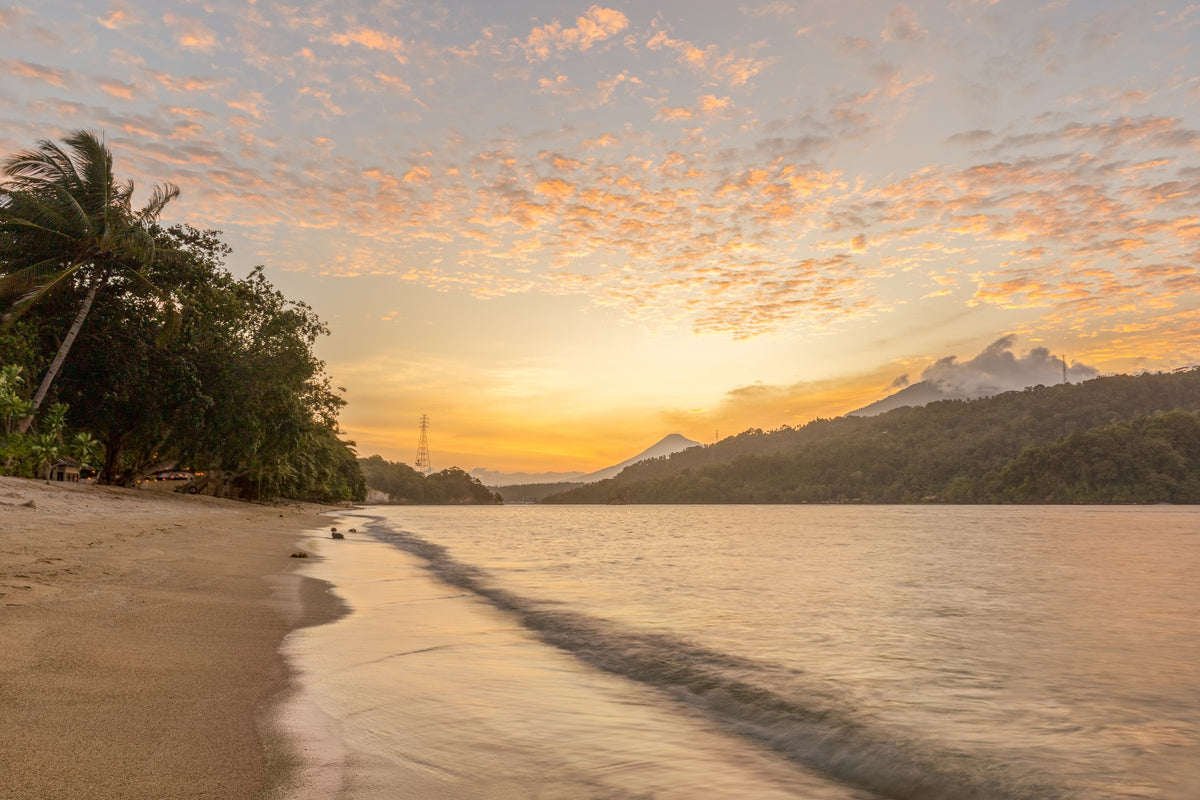
North Sulawesi adds a rich land chapter to a Lembeh trip. Tangkoko offers guided forest wildlife observation, while the Minahasa Highlands bring volcanic scenery, lakes, markets and a different climate from the coast.
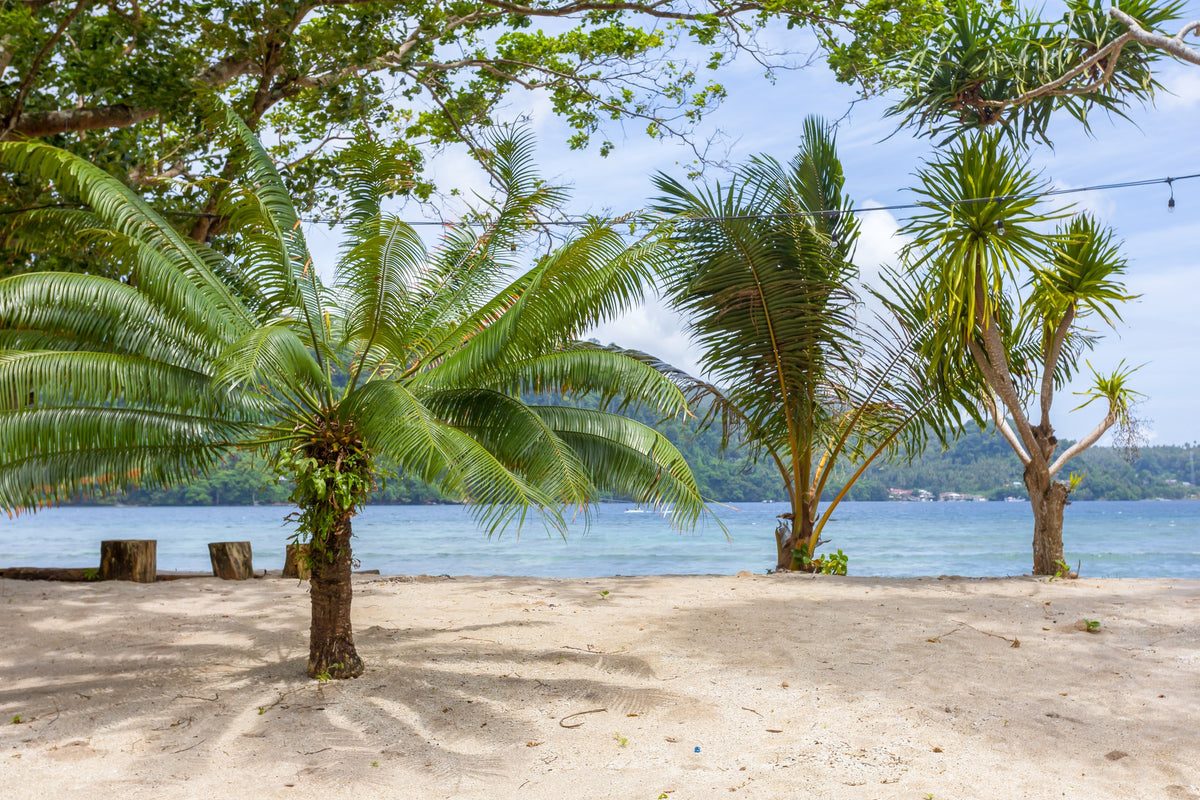
These outings work best as an extension or a dedicated dry day because they involve mainland transfers. Within the strait, the resort becomes the centre of life between dives: gardens, dining, spa facilities and a comfortable place to review photographs can matter as much as beach access.
Getting to Lembeh Strait
Most international guests reach Lembeh by flying via Singapore, Jakarta or Bali to Manado. From Manado, guests continue by road and / or boat transfer to Lembeh Strait depending on the selected resort and final itinerary.
Choose arrival and departure times around the onward transfer, especially when a boat crossing or a long road journey is involved. Leave space for a relaxed final day ashore and an appropriate interval between the last dive and flying.
Lembeh Strait diving questions
What makes Lembeh Strait worth a diving trip?
Lembeh asks you to look twice. What first appears to be an empty patch of volcanic sand can reveal a camouflaged octopus, a minute shrimp or a frogfish holding perfectly still. The reward comes from attention, patience and time.
How should I plan my stay?
Choose a specialist macro resort for its guiding approach, group sizes and practical camera facilities. A house reef or easy night-diving access is valuable if you like returning to a subject. We suggest six or seven nights for a first focused visit, with Bunaken or Bangka adding a different reef experience.
When is a useful time to visit?
Macro diving operates throughout the year. The strait’s small habitats change over time, so a recent species list is not a promise for your trip. Cooler water and long, slow dives can also make thermal comfort more important than the tropical setting suggests.
Is there enough for non-diving companions?
North Sulawesi adds a rich land chapter to a Lembeh trip. Tangkoko offers guided forest wildlife observation, while the Minahasa Highlands bring volcanic scenery, lakes, markets and a different climate from the coast.
A closer look at Lembeh Strait
Plan your Lembeh Strait trip
Tell us the experiences you most want, your preferred dates and how you like to travel. We can bring the destination, accommodation and diving into one coherent itinerary.
Plan my trip