

Destination guide · Malaysia
Sipadan, Mabul & Kapalai Diving
Sipadan’s walls and fish schools create a dramatic contrast with the small life around Mabul and Kapalai. The best stay gives both environments their own time, with a confirmed Sipadan allocation adding an exceptional day to a varied island programme.
Sipadan, Mabul & Kapalai at a glance
Sipadan, Mabul and Kapalai bring together two very different underwater worlds. Sipadan is renowned for steep walls, schooling fish, sharks and turtles, while Mabul and Kapalai offer productive macro habitats and accessible resort-based diving.
Sipadan access is controlled by permits and must never be promised before confirmation. A strong itinerary is therefore designed to remain worthwhile even without a Sipadan day, using the reefs and macro sites around Mabul and Kapalai as genuine experiences rather than secondary substitutes.
Planning your Sipadan, Mabul & Kapalai stay
Compare the base, the Mabul and Kapalai dive programme, and the exact Sipadan permit allocation included with the stay. A six- to eight-night trip can give macro and reef diving proper attention. Do not assume that a longer stay automatically includes daily Sipadan access.

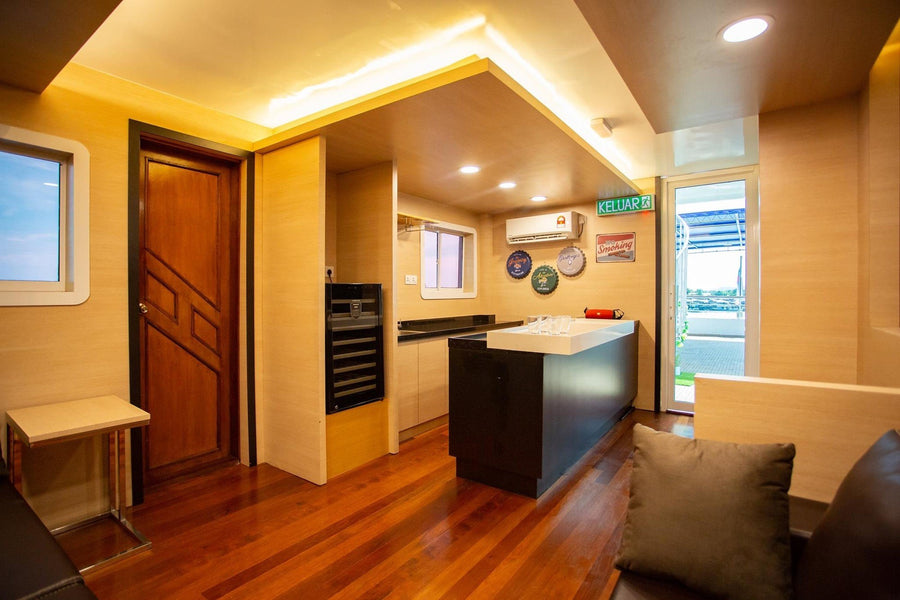
Seaventures Dive Rig
A converted offshore rig near Mabul with lift-access house-reef diving and permit-controlled Sipadan boat days.
Liveaboard routes for this destination
Explore the routes that visit this region. Compare ships and itineraries, then open a route to see its sailing dates, cabins and the areas it covers.
Celebes Explorer 9
Sipadan & Mabul — 4 Days / 3 Nights
- Indicative duration
- 3 nights
- Embarkation
- Semporna
- Disembarkation
- Semporna
Celebes Explorer 9
Sipadan & Mabul — 5 Days / 4 Nights
- Indicative duration
- 4 nights
- Embarkation
- Semporna
- Disembarkation
- Semporna
Celebes Explorer 9
Sipadan & Mabul — 8 Days / 7 Nights
- Indicative duration
- 7 nights
- Embarkation
- Semporna
- Disembarkation
- Semporna
No routes match this search. Try another vessel or clear your search.
When to dive Sipadan, Mabul & Kapalai
Diving is available across the year, with March to October a useful planning window. Permit availability and the daily rules at Sipadan matter as much as the month. Treat allocated visits as specific arrangements, with Mabul and Kapalai forming a worthwhile programme around them.
Planning window: Year-round diving · strongest March–October.
What the diving is like
Advanced experience is recommended for Sipadan; permits and access are never guaranteed.
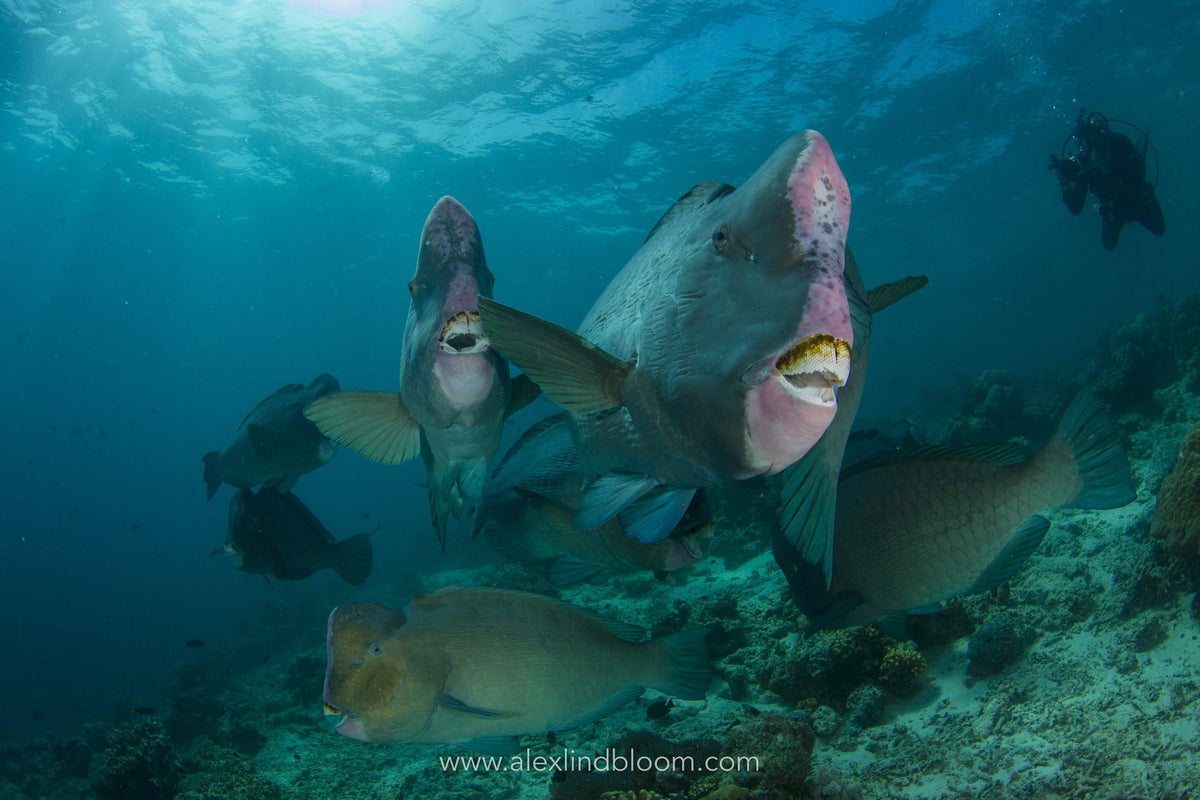
Sipadan walls and schooling fish
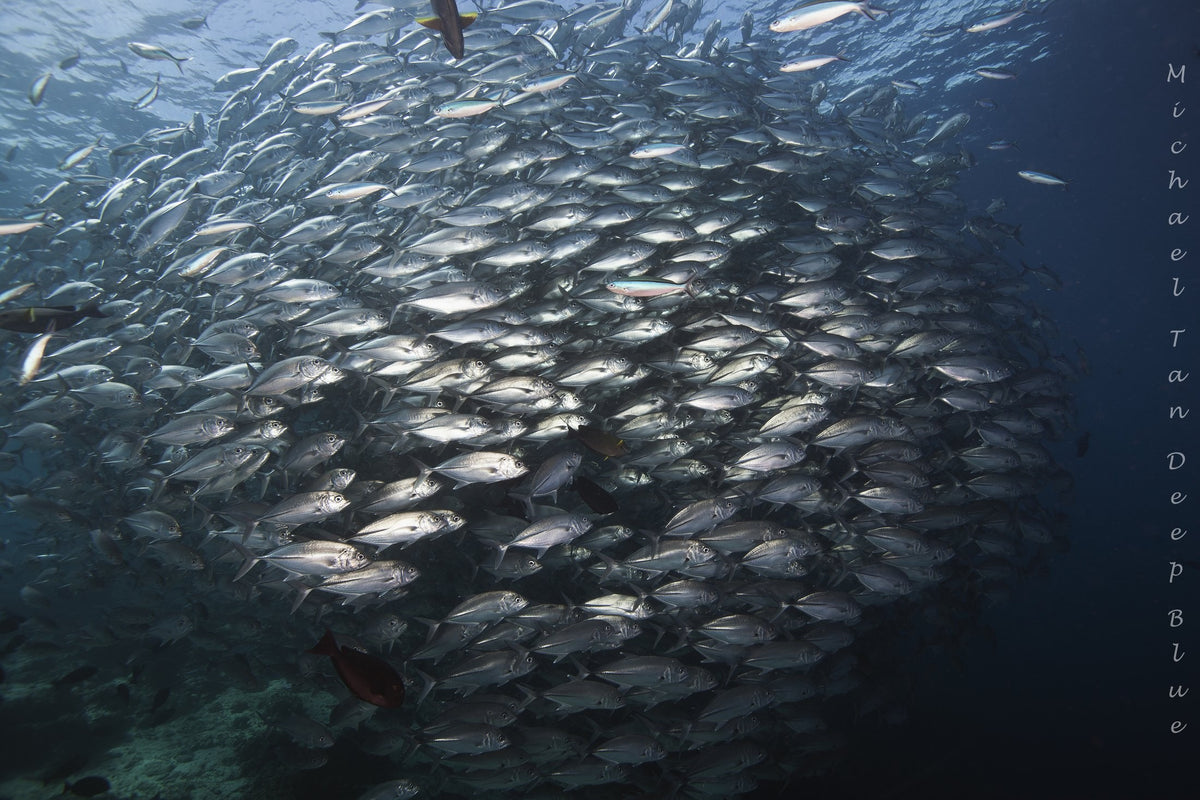
Sipadan rises steeply from deep water, creating wall dives where barracuda, jacks and other schooling fish can gather close to the reef edge. Access is permit-controlled, so any itinerary should treat a Sipadan day as confirmed only after the operator secures allocation.
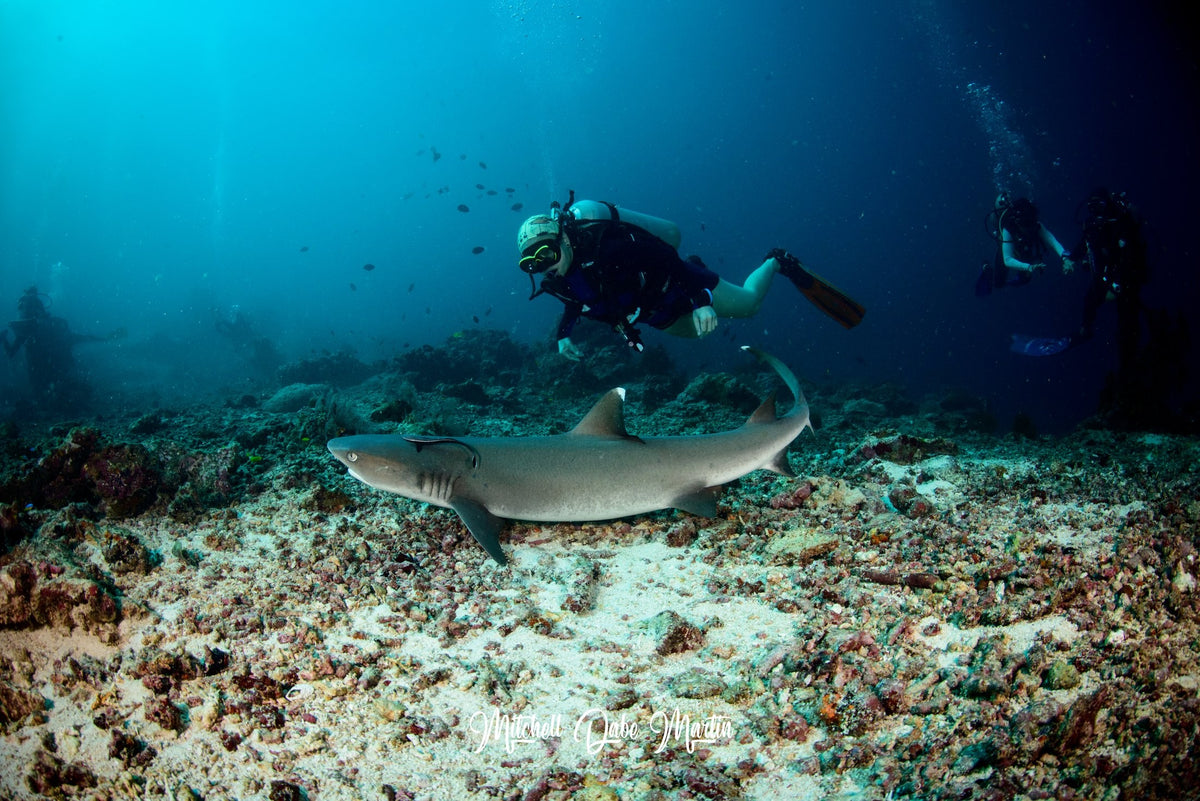
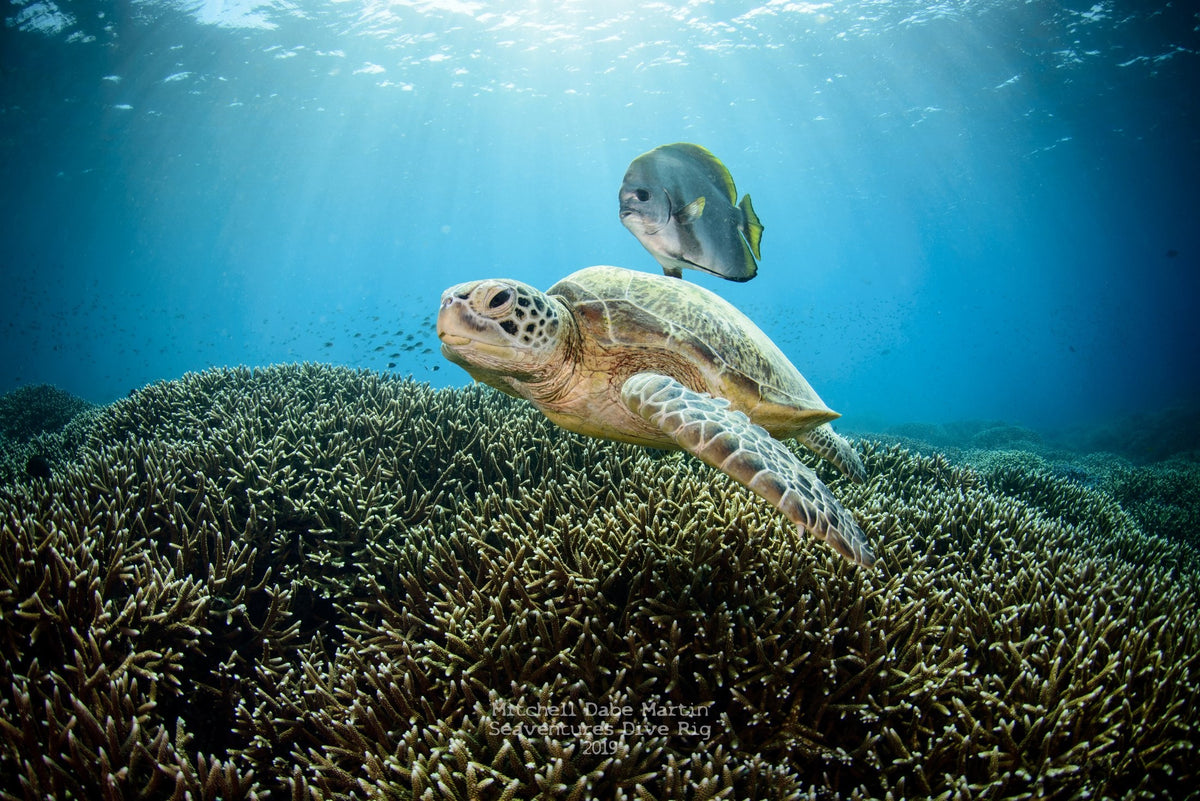
Sharks and turtles
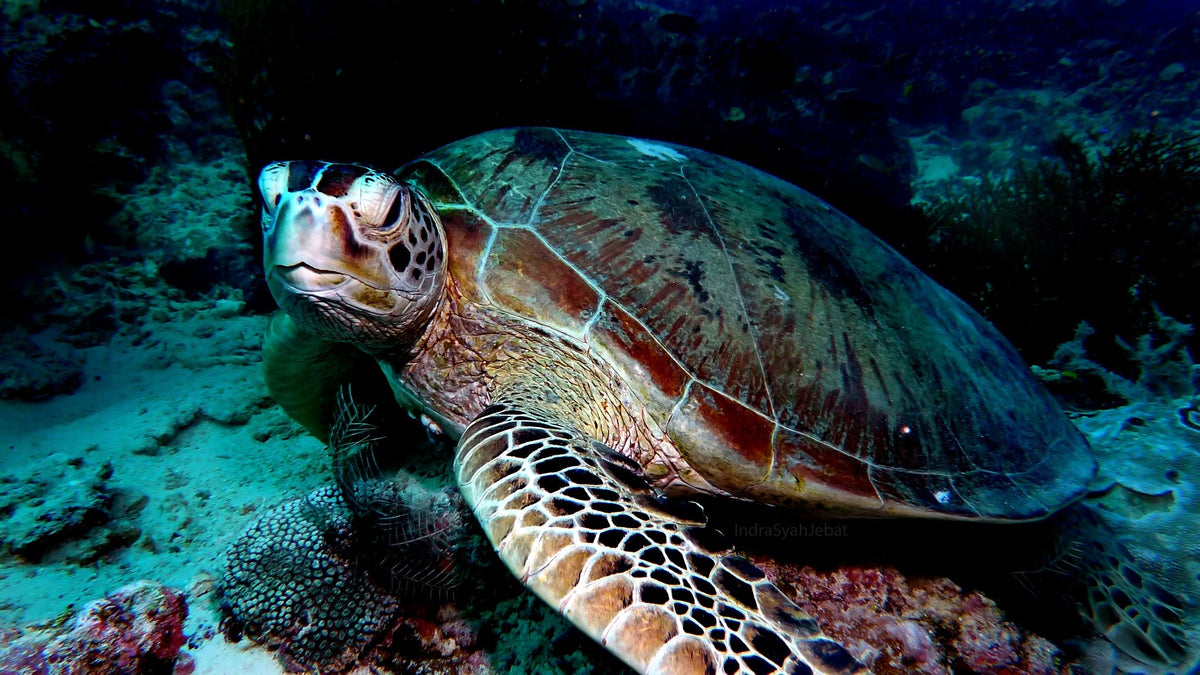
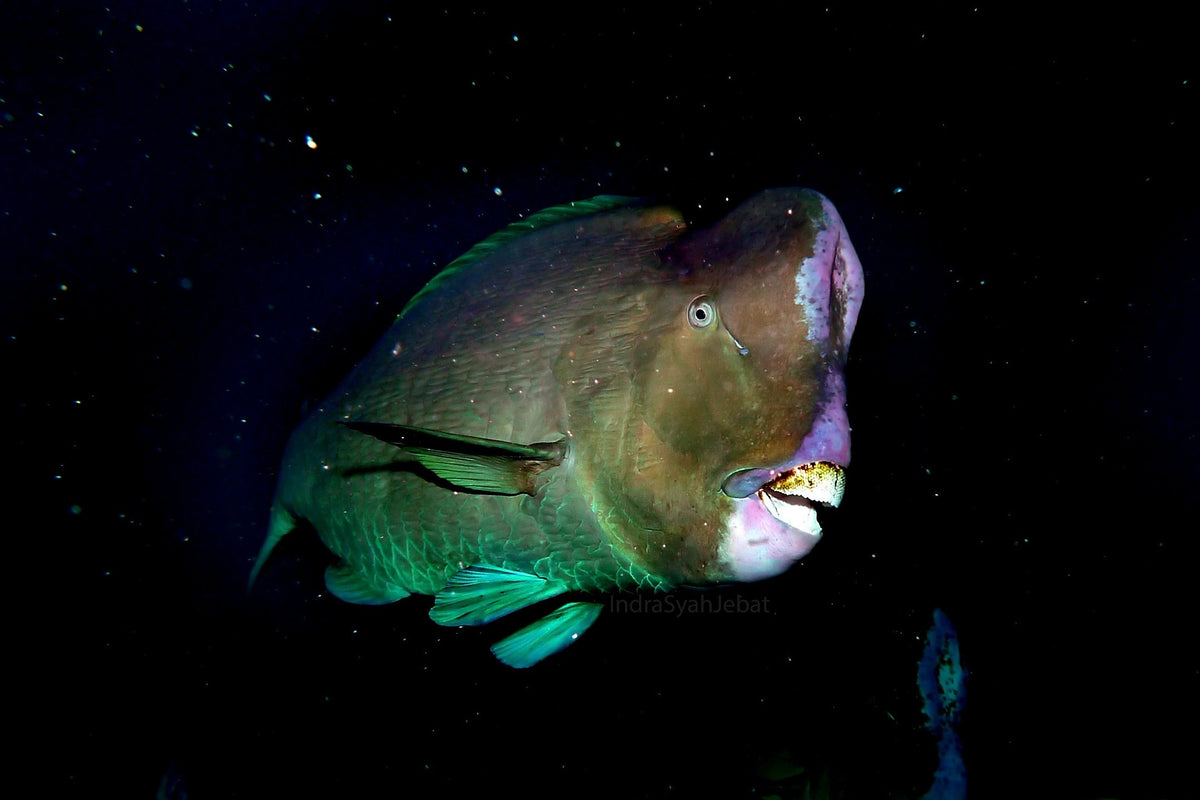
Reef sharks and turtles are among Sipadan’s signature encounters, particularly along the walls and current-facing points. Numbers and species vary naturally, so the strongest experience comes from observing the whole ecosystem rather than chasing one animal.
Mabul macro
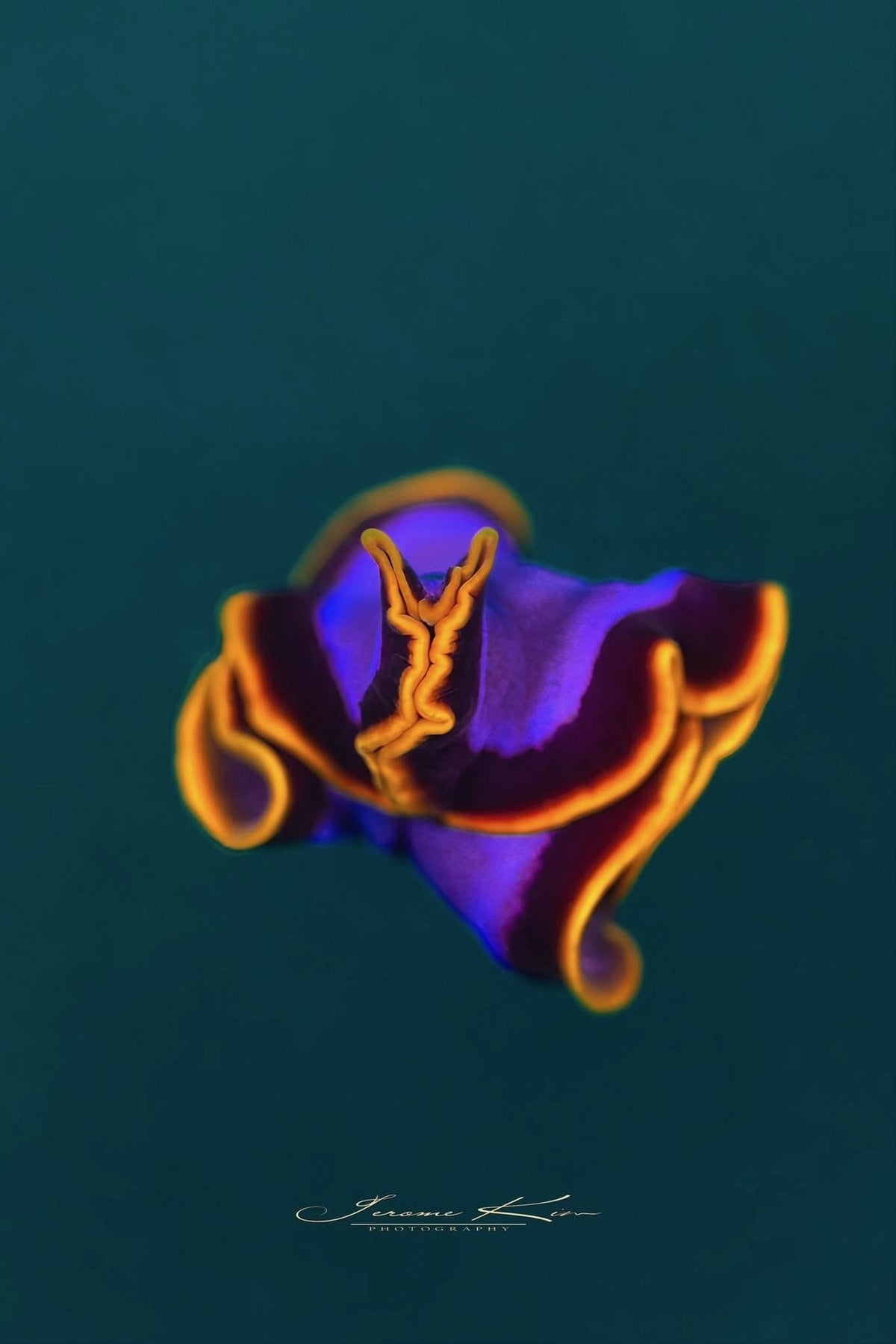
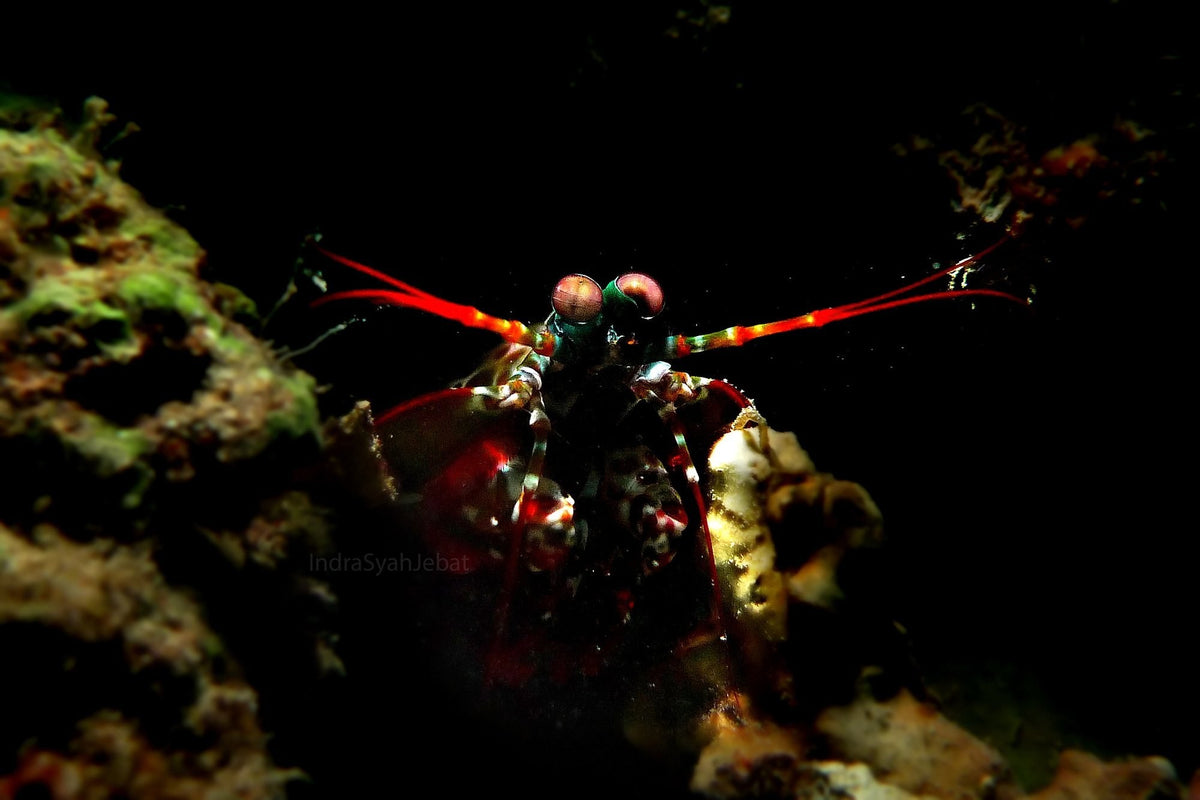
Mabul shifts the focus from blue-water pelagics to small subjects on sand, rubble, artificial structures and reef patches. Seahorses, frogfish, ghost pipefish and nudibranchs make it a valuable destination in its own right, especially for macro photographers.
Over-water resort stays
Mabul and Kapalai bases place divers close to the regional sites while offering house-reef and resort-style diving between boat trips. The best choice depends on confirmed Sipadan access, preferred accommodation and how much macro diving you want in the programme.
DIVE SITE GUIDE
Dive sites in Sipadan, Mabul & Kapalai
Explore the character of individual sites, from the setting and marine life to the diving conditions. Open a card for the full description; site access and the final profile depend on conditions and experience.
ORIENTATION MAP
Where the dive sites are
Use the map to understand how the key sites are spread around the destination. Pins are for trip-planning orientation only; entry points, moorings and the final dive plan are always confirmed by the local operator on the day.
Coordinates are planning references compiled from current dive-site sources. They are not navigation coordinates; entry points, moorings, tide windows and the final dive plan are always confirmed by the local operator on the day.
Wall · Current point · Pelagic
Barracuda Point
Barracuda Point is the site most divers imagine when they hear the name Sipadan.
Explore this dive site
- Type
- Wall · Current point · Pelagic
- Depth
- 5–30+ m
- Experience
- Advanced
- Current
- Moderate–Strong
Barracuda Point is the site most divers imagine when they hear the name Sipadan. The reef edge drops into deep blue water while current sweeps along the wall, concentrating schooling barracuda, jacks and other fish near the point.
Green turtles and reef sharks are regular possibilities, and the scene can change quickly as the school shifts position or the current strengthens. The famous barracuda 'tornado' is a natural event, not a scheduled performance, so no guide can promise the exact formation on a particular dive. The site is strongest for experienced divers who can stay with the group, control depth beside a wall and remain calm when the water and fish movement become intense.
Look for: Schooling barracuda · Reef sharks possible · Turtles · Strong current possible
Best for: Barracuda schools · Sharks · Turtles · Big-animal diving
Wall · Reef
The Drop Off
The Drop Off is a dramatic lesson in Sipadan geology: very shallow reef gives way almost immediately to a near-vertical wall disappearing into deep water.
Explore this dive site
- Type
- Wall · Reef
- Depth
- 3–40+ m
- Experience
- Intermediate
- Current
- Mild–Moderate
The Drop Off is a dramatic lesson in Sipadan geology: very shallow reef gives way almost immediately to a near-vertical wall disappearing into deep water. Divers can spend the entire dive within recreational depth, moving past overhangs, sponges and coral while turtles cruise the ledges and reef sharks or schooling fish pass in the blue.
Because the wall begins so shallow, the profile is flexible — experienced divers can work deeper sections first while others remain closer to the reef top. The visual contrast between bright shallow coral and open ocean makes it excellent for wide-angle photography, but depth awareness is essential because there is no bottom reference once you move away from the wall.
Look for: Dramatic wall · Shallow reef top · Turtles · Wide-angle photography
Best for: Sipadan wall · Turtles · Reef sharks · Easy access
Wall · Current · Pelagic
South Point
South Point is one of Sipadan’s more exposed dives and is chosen when current and sea conditions make the southern wall productive.
Explore this dive site
- Type
- Wall · Current · Pelagic
- Depth
- 10–40 m
- Experience
- Advanced
- Current
- Strong possible
South Point is one of Sipadan’s more exposed dives and is chosen when current and sea conditions make the southern wall productive. The reef drops steeply into blue water and the attraction lies in larger passing animals: reef sharks, schooling fish and rays are possible, with the deeper water encouraging divers to keep scanning away from the wall.
Because the interesting action can tempt a group deeper and current can strengthen around the point, this is not a site for loose depth discipline. Guides normally set a clear maximum depth and turn the group according to air and water movement rather than chasing a sighting. When the conditions are right, it has the scale and open-ocean feeling that define Sipadan.
Look for: Exposed wall · Shark & ray potential · Blue-water scanning · Advanced depth control
Best for: Sharks · Rays · Deep wall · Pelagic encounters
Wall · Coral · Drift
Hanging Gardens
Hanging Gardens is one of Sipadan’s more coral-focused wall dives.
Explore this dive site
- Type
- Wall · Coral · Drift
- Depth
- 5–25 m
- Experience
- Intermediate
- Current
- Mild–Moderate
Hanging Gardens is one of Sipadan’s more coral-focused wall dives. Soft coral, sea fans and overhangs decorate the vertical face, while turtles and reef fish move between the shallows and deeper ledges.
Compared with the most exposed points, the experience can feel more contemplative: divers follow the wall, look into the blue for larger visitors, then finish among brighter shallow coral. Current still matters and can turn the dive into a drift, but the attraction is the reef structure itself rather than one specific animal aggregation. For photographers it is a useful counterpoint to Barracuda Point — a place where composition, wall texture and turtle encounters can matter more than chasing a large school.
Look for: Coral wall · Sea fans · Turtles possible · Wide-angle scenery
Best for: Coral wall · Turtles · Wide angle · Relaxed Sipadan diving
Cavern · Wall · Overhead environment
Turtle Tomb / Turtle Cavern
Turtle Tomb is famous because a cavern system opens in the wall close to Sipadan’s Drop Off, but the distinction between looking into the entrance and penetrating the cave is critical.
Explore this dive site
- Type
- Cavern · Wall · Overhead environment
- Depth
- 5–20+ m
- Experience
- Advanced / Cave-trained for penetration
- Current
- Usually mild
Turtle Tomb is famous because a cavern system opens in the wall close to Sipadan’s Drop Off, but the distinction between looking into the entrance and penetrating the cave is critical. Recreational divers can appreciate the exterior and cavern mouth without entering an overhead environment, while deeper penetration is reserved for divers with appropriate cave training, equipment and a qualified local guide.
Inside the system are chambers and the remains of turtles that gave the site its name; those features are not a reason to exceed training limits. For most visitors, the safest and most rewarding approach is to combine the entrance area with the surrounding wall and turtles outside rather than treating penetration as a standard Sipadan activity.
Look for: Cavern entrance · Overhead environment · Specialized training for penetration · Near Drop Off
Best for: Cavern exterior · Geology · Technical/cave interest
Wall · Reef · Macro
Lobster Wall, Mabul
Lobster Wall shifts the pace from Sipadan’s big-animal diving to a more detailed Mabul reef experience.
Explore this dive site
- Type
- Wall · Reef · Macro
- Depth
- 10–25 m
- Experience
- Intermediate
- Current
- Mild–Moderate
Lobster Wall shifts the pace from Sipadan’s big-animal diving to a more detailed Mabul reef experience. The wall and reef face hold small subjects in cracks, sponges and coral, making the site useful for divers who enjoy searching rather than scanning open water.
Lobsters, nudibranchs, crustaceans and reef fish can occupy the structure while larger visitors remain possible but secondary. Some descriptions mention small overhead features or tunnels; these should never be treated as an invitation to penetrate without appropriate training and operator approval. The main value is outside on the wall, where photographers can move slowly and work individual subjects without the intensity of Sipadan’s current-facing points.
Look for: Mabul wall · Macro life · Crustaceans · Slower photographic dive
Best for: Macro · Wall diving · Mabul reef life
Sand slope · Macro · Reef
Eel Garden, Kapalai
Eel Garden is the quiet counterpoint to Sipadan’s walls.
Explore this dive site
- Type
- Sand slope · Macro · Reef
- Depth
- 5–20 m
- Experience
- Beginner–Intermediate
- Current
- Usually mild
Eel Garden is the quiet counterpoint to Sipadan’s walls. The dive spreads across sand and low reef around Kapalai, where colonies of garden eels rise from the bottom until an approaching diver sends them retreating into their burrows.
The open substrate also suits gobies, shrimp, nudibranchs and other small subjects, so the best strategy is to move slowly and keep enough distance that the eels re-emerge. Depth is moderate and current is generally manageable, making the site useful for newer divers and photographers who want time to compose rather than constantly manage drift. It is exactly the kind of dive that makes a Semporna trip stronger when Sipadan permits or weather limit big-island access.
Look for: Garden eels · Sand-slope macro · Beginner friendly · Kapalai
Best for: Garden eels · Macro · Easy photography · Relaxed profiles
Shallow reef · Twilight · Macro
Mandarin Valley, Kapalai
Mandarin Valley is best approached late in the day, when the small, intensely colored mandarinfish become the focus around branching coral and sheltered reef habitat.
Explore this dive site
- Type
- Shallow reef · Twilight · Macro
- Depth
- 3–18 m
- Experience
- Beginner–Intermediate
- Current
- Mild
Mandarin Valley is best approached late in the day, when the small, intensely colored mandarinfish become the focus around branching coral and sheltered reef habitat. The dive is shallow and not physically demanding, but photographing the fish requires patience: they spend much of their time hidden and may appear only briefly as light fades.
Other small reef animals and crustaceans keep the site productive while divers wait, and the shallow profile makes it easy to extend the dive without accumulating much decompression stress. The site is a useful example of why Mabul and Kapalai should not be treated merely as accommodation bases for Sipadan — they have their own specialized macro and behavior dives.
Look for: Mandarinfish · Dusk behavior · Shallow macro · Photography
Best for: Mandarinfish · Dusk diving · Macro photography
Underwater photography
At Barracuda Point, barracuda schools, Sharks, Turtles, Big-animal diving give an idea of the photographic possibilities. Choose the camera setup for the planned sites, then leave time to observe the scene before making the image. Repeating a productive dive often creates better opportunities than constantly searching for a different location. On close-focus dives, stay clear of the bottom and allow subjects to behave naturally. A clean background and patient framing can be more effective than moving closer.
Beyond diving: Sipadan, Mabul & Kapalai above the surface
The island setting is a large part of a Mabul or Kapalai holiday. Sea views, snorkelling where suitable and time around an over-water or island resort suit companions who are happy with a self-contained stay.
Semporna is the mainland gateway rather than the same experience as staying offshore. Choose the accommodation for the atmosphere you want between dives and the activities it actually offers. Sipadan itself is a protected dive destination, not an overnight resort island.
Getting to Sipadan, Mabul & Kapalai
Fly to Tawau, continue by road to Semporna and then by resort boat.
Choose arrival and departure times around the onward transfer, especially when a boat crossing or a long road journey is involved. Leave space for a relaxed final day ashore and an appropriate interval between the last dive and flying.
Sipadan, Mabul & Kapalai diving questions
What makes Sipadan, Mabul & Kapalai worth a diving trip?
Sipadan’s walls and fish schools create a dramatic contrast with the small life around Mabul and Kapalai. The best stay gives both environments their own time, with a confirmed Sipadan allocation adding an exceptional day to a varied island programme.
How should I plan my stay?
Compare the base, the Mabul and Kapalai dive programme, and the exact Sipadan permit allocation included with the stay. A six- to eight-night trip can give macro and reef diving proper attention. Do not assume that a longer stay automatically includes daily Sipadan access.
When is a useful time to visit?
Diving is available across the year, with March to October a useful planning window. Permit availability and the daily rules at Sipadan matter as much as the month. Treat allocated visits as specific arrangements, with Mabul and Kapalai forming a worthwhile programme around them.
Is there enough for non-diving companions?
The island setting is a large part of a Mabul or Kapalai holiday. Sea views, snorkelling where suitable and time around an over-water or island resort suit companions who are happy with a self-contained stay.
A closer look at Sipadan, Mabul & Kapalai

Plan your Sipadan, Mabul & Kapalai trip
Tell us the experiences you most want, your preferred dates and how you like to travel. We can bring the destination, accommodation and diving into one coherent itinerary.
Plan my trip