

Destination guide · Philippines
Malapascua Island Diving
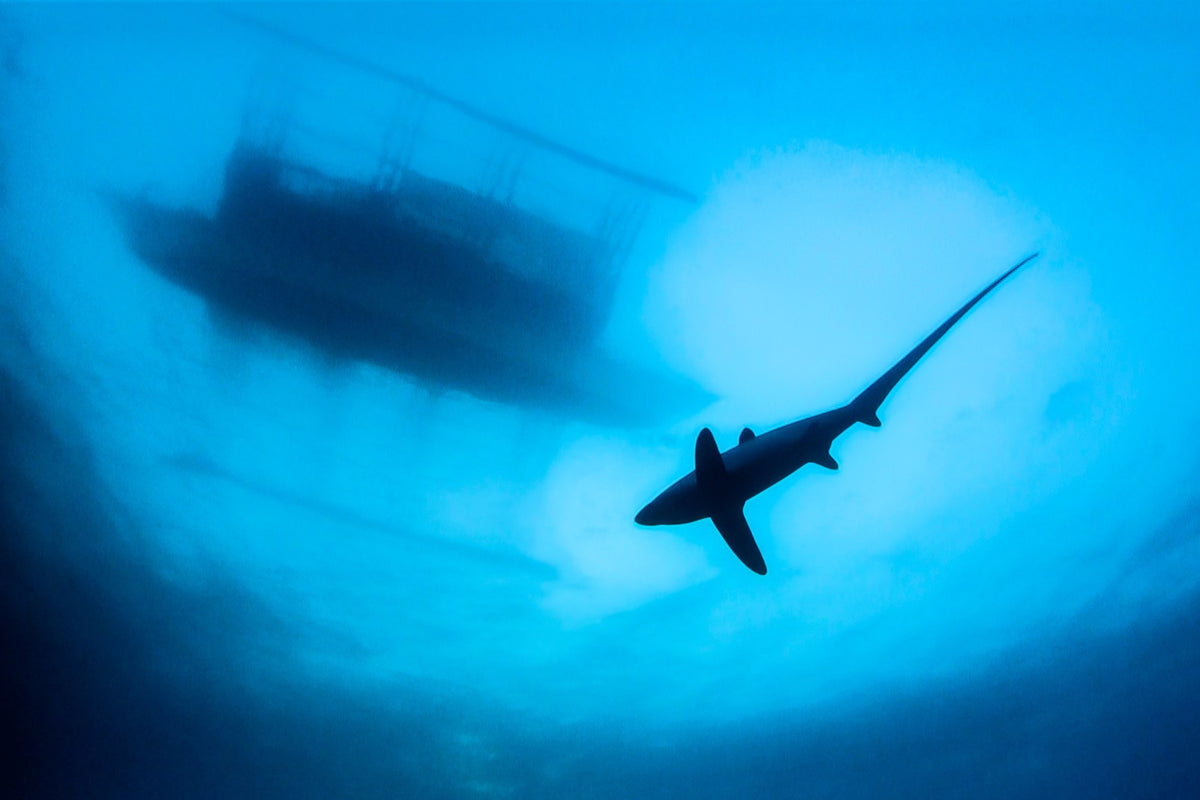
An early start, an offshore shoal and the unmistakable sweep of a thresher shark’s tail: Malapascua has a signature few islands can match. Its reefs, small wrecks and evening dives give the rest of the day a different rhythm.
Malapascua Island at a glance
Malapascua is a small island with an international reputation built around natural encounters with thresher sharks. Early-morning dives at offshore cleaning areas are the signature experience, complemented by reefs, wrecks, macro sites and the tunnels and marine life around Gato Island.
The island has a relaxed, sandy-lane atmosphere with no large-scale urban development. It best suits divers comfortable with early starts, boat diving and deeper profiles, while non-divers can enjoy beaches and an unhurried island stay. Shark sightings remain natural and cannot be guaranteed.
Planning your Malapascua Island stay
Choose a base around the island’s established dive centres, then compare boat arrangements, early breakfast and room comfort. A stay of five to seven nights gives room for several shark dives and reef or macro afternoons, without making a single encounter carry the whole trip.

Ocean Vida Beach & Dive Resort
Beachfront Ocean Vida accommodation combined with the dive services, packages and courses of Sea Explorers Malapascua.

Evolution Dive Resort
Beachfront Malapascua dive resort with an experienced in-house dive team, breakfast-included rooms and flexible local or expedition diving.

Thresher Shark Divers / Blanco Beach Resort
Malapascua dive-and-stay pairing Thresher Shark Divers' shark-focused operation with Blanco Beach Resort's modern sea-view accommodation, using confirmed 2026–27 accommodation and dive rates.
Liveaboard routes for this destination
Explore the routes that visit this region. Compare ships and itineraries, then open a route to see its sailing dates, cabins and the areas it covers.
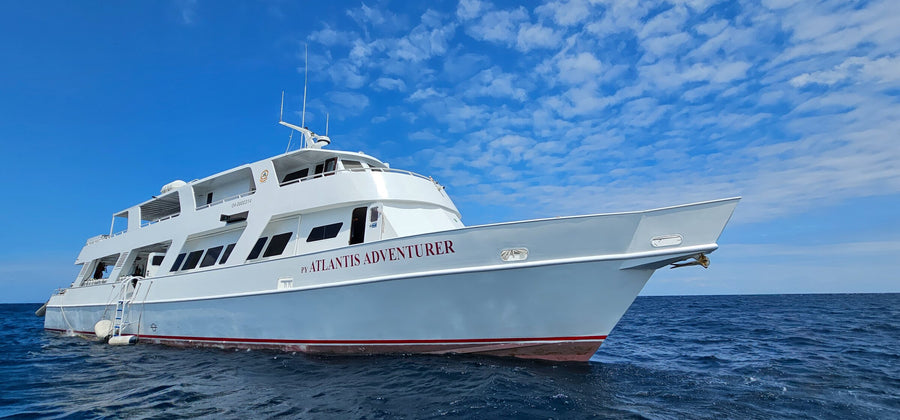
Atlantis Adventurer
Ultimate Visayas Safari
- Indicative duration
- 10 nights
- Embarkation
- Atlantis Dumaguete Resort, Dauin
- Disembarkation
- Atlantis Dumaguete Resort, Dauin
Atlantis Adventurer
Visayas Safari
- Indicative duration
- 7 nights
- Embarkation
- Atlantis Dumaguete Resort, Dauin
- Disembarkation
- Atlantis Dumaguete Resort, Dauin
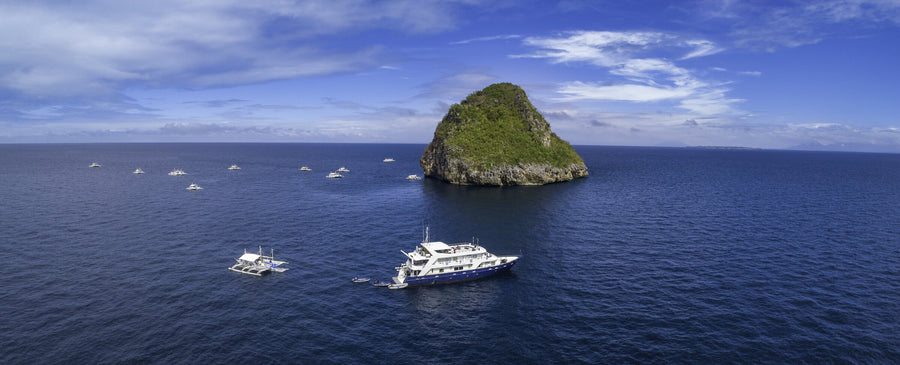
Atlantis Infiniti
Visayas North
- Indicative duration
- 7 nights
- Embarkation
- Atlantis Dumaguete Resort, Dauin
- Disembarkation
- Atlantis Dumaguete Resort, Dauin
Atlantis Infiniti
Visayas West
- Indicative duration
- 7 nights
- Embarkation
- Atlantis Dumaguete Resort, Dauin
- Disembarkation
- Atlantis Dumaguete Resort, Dauin
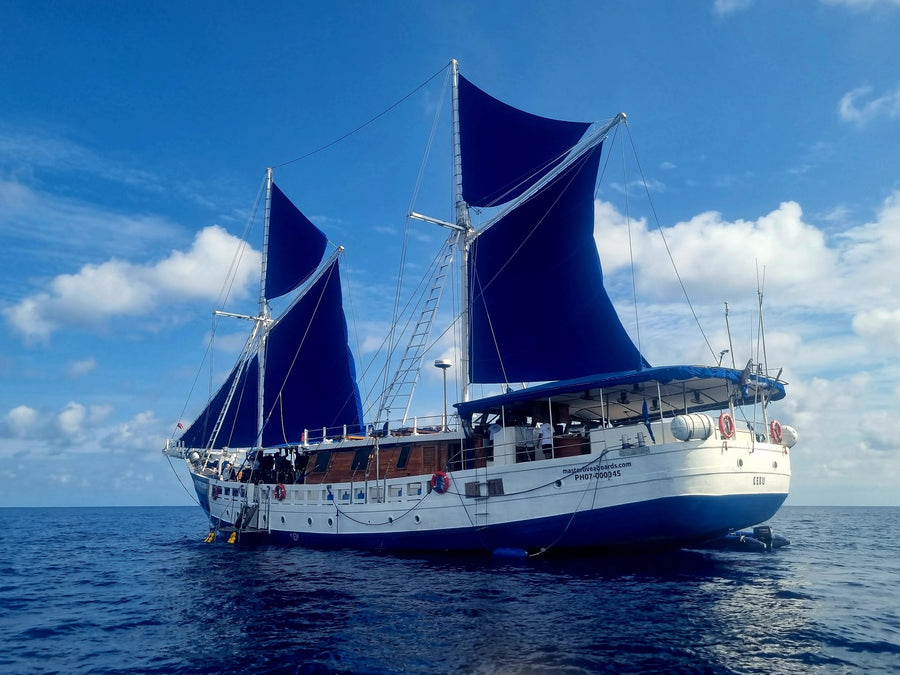
Philippine Siren
Malapascua & Visayas
- Indicative duration
- 10 nights
- Embarkation
- Mactan / Cebu
- Disembarkation
- Mactan / Cebu
Philippine Siren
Visayas, Southern Leyte & Malapascua
- Indicative duration
- 10 nights
- Embarkation
- Mactan / Cebu
- Disembarkation
- Mactan / Cebu
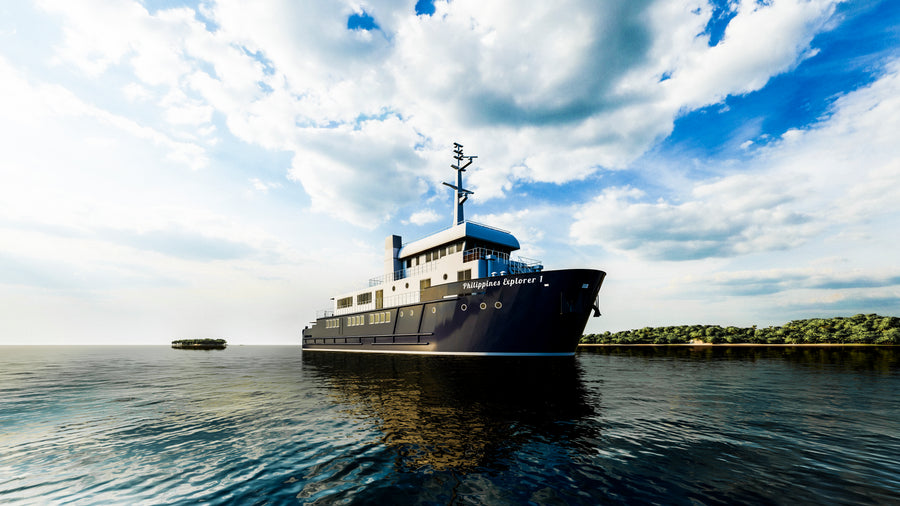
Philippines Explorer I
Tubbataha & Visayas: Campomanes Bay to Malapascua
- Indicative duration
- 13 nights
- Embarkation
- Campomanes Bay, Negros Occidental
- Disembarkation
- Malapascua, Cebu
Philippines Explorer I
Tubbataha & Visayas: Malapascua to Campomanes Bay
- Indicative duration
- 13 nights
- Embarkation
- Malapascua, Cebu
- Disembarkation
- Campomanes Bay, Negros Occidental
Philippines Explorer I
Ultimate Visayas: Dauin to Donsol
- Indicative duration
- 10 nights
- Embarkation
- Dauin, Negros Oriental
- Disembarkation
- Donsol, Sorsogon
Philippines Explorer I
Ultimate Visayas: Donsol to Dauin
- Indicative duration
- 10 nights
- Embarkation
- Donsol, Sorsogon
- Disembarkation
- Dauin, Negros Oriental
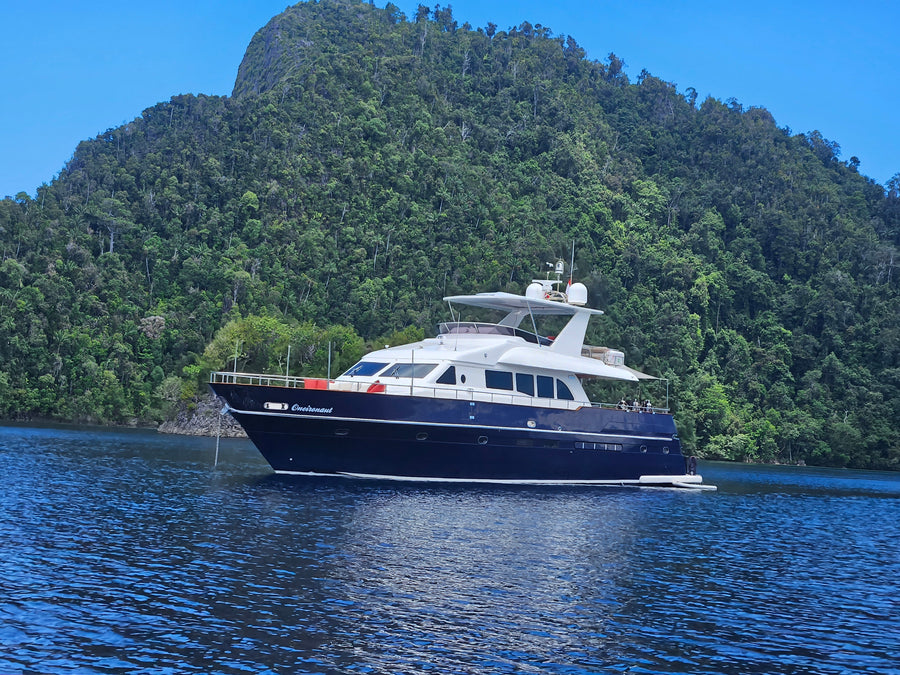
Philippines Explorer II
Mantas & Sharks: Donsol to Malapascua
- Indicative duration
- 6 nights
- Embarkation
- Donsol, Sorsogon
- Disembarkation
- Malapascua, Cebu
Philippines Explorer II
Mantas & Sharks: Malapascua to Donsol
- Indicative duration
- 6 nights
- Embarkation
- Malapascua, Cebu
- Disembarkation
- Donsol, Sorsogon
Philippines Explorer II
Sharks & Shoals: Dauin to Malapascua
- Indicative duration
- 6 nights
- Embarkation
- Dauin, Negros Oriental
- Disembarkation
- Malapascua, Cebu
Philippines Explorer II
Sharks & Shoals: Malapascua to Dauin
- Indicative duration
- 6 nights
- Embarkation
- Malapascua, Cebu
- Disembarkation
- Dauin, Negros Oriental
Philippines Explorer II
Ultimate Visayas: Dauin to Donsol
- Indicative duration
- 13 nights
- Embarkation
- Dauin, Negros Oriental
- Disembarkation
- Donsol, Sorsogon
Philippines Explorer II
Ultimate Visayas: Donsol to Dauin
- Indicative duration
- 13 nights
- Embarkation
- Donsol, Sorsogon
- Disembarkation
- Dauin, Negros Oriental
Philippines Explorer II
Visayas Expedition: Dauin to Donsol
- Indicative duration
- 12 nights
- Embarkation
- Dauin, Negros Oriental
- Disembarkation
- Donsol, Sorsogon
Philippines Explorer II
Visayas Expedition: Donsol to Dauin
- Indicative duration
- 12 nights
- Embarkation
- Donsol, Sorsogon
- Disembarkation
- Dauin, Negros Oriental
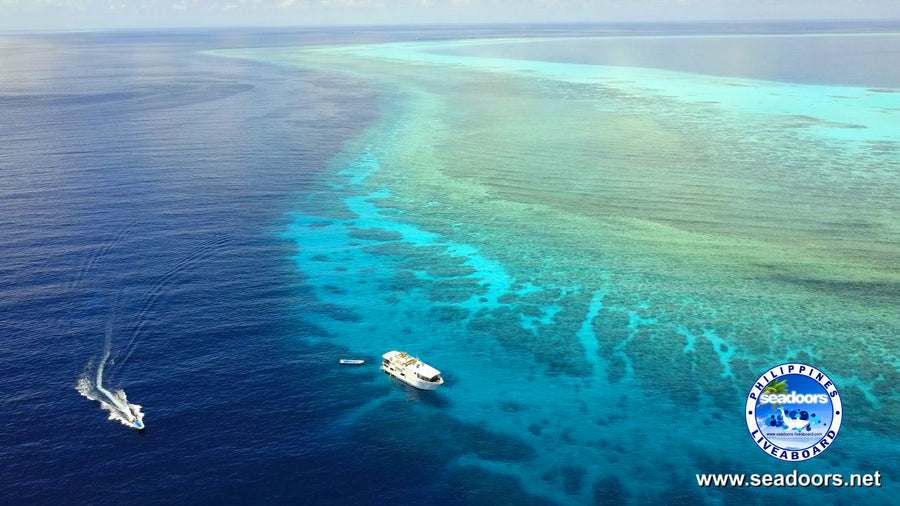
Seadoors
Malapascua
- Indicative duration
- 6 nights
- Embarkation
- Cebu / Mactan
- Disembarkation
- Cebu / Mactan
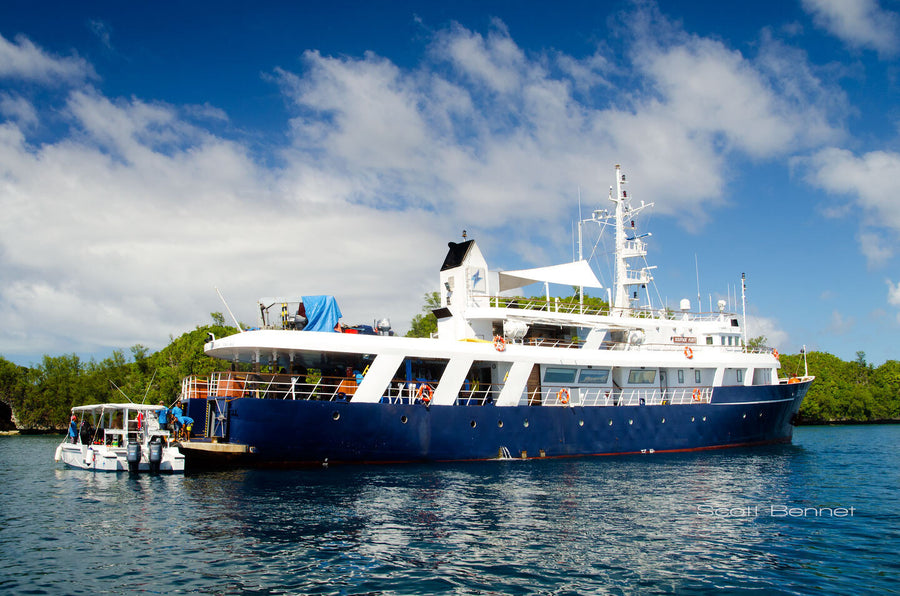
Solitude One
Cebu / Tubbataha (S1)
- Indicative duration
- 13 nights
- Embarkation
- Cebu
- Disembarkation
- Puerto Princesa
Solitude One
Tubbataha / Cebu - 13N (S1)
- Indicative duration
- 13 nights
- Embarkation
- Puerto Princesa
- Disembarkation
- Cebu
No routes match this search. Try another vessel or clear your search.
When to dive Malapascua Island
Thresher dives are offered across the year, but offshore access depends on wind and sea state. Early departures are part of the experience. Kimud and Monad are distinct shoals; current shark activity and the selected dive profile matter more than the name of a classic site.
Planning window: Year-round thresher shark diving.
What the diving is like
Advanced certification is strongly recommended for deeper shark sites.
Early-morning thresher shark dives
Malapascua’s headline dive is the offshore shoal encounter with pelagic thresher sharks. Kimud Shoal is now a key site, with Monad Shoal still part of the island’s shark-diving history; sightings are natural and never guaranteed.
Gato Island tunnels and reefs
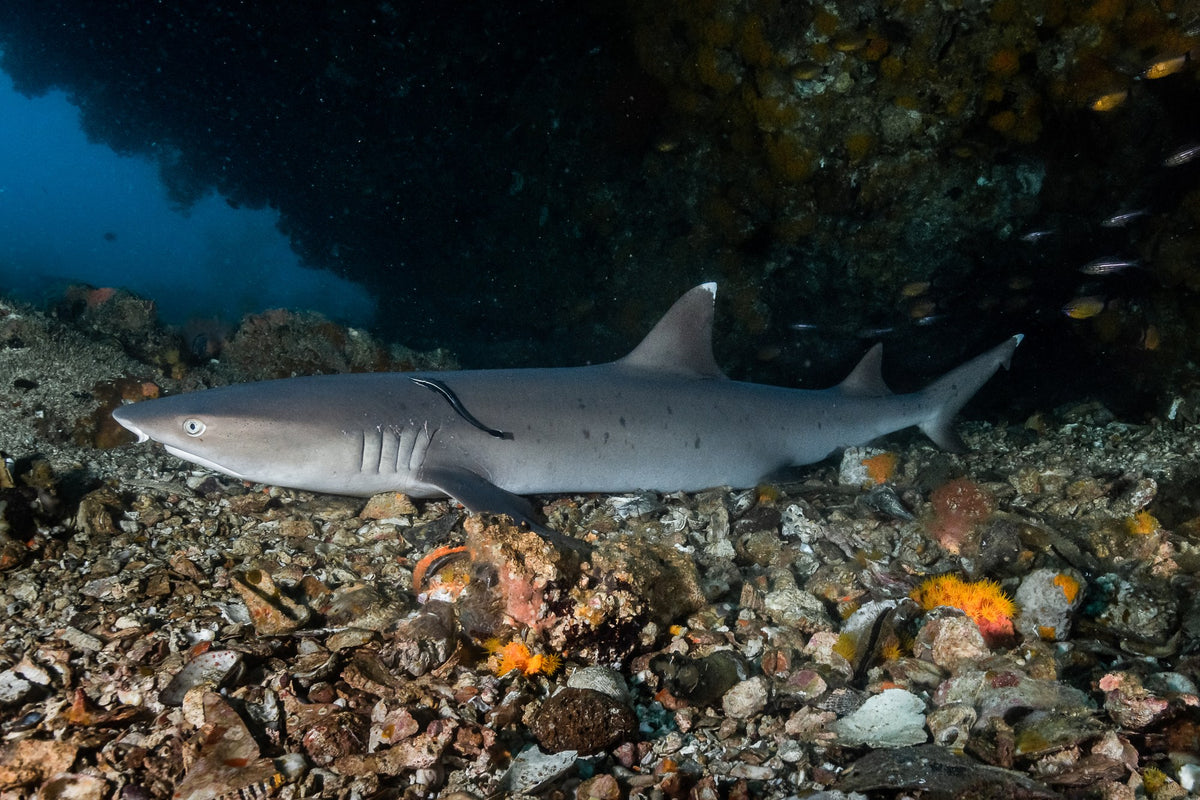
Gato Island adds a completely different profile: walls, swim-throughs and a tunnel system, with sea snakes, whitetip reef sharks and excellent macro life. It is usually planned as a multi-dive excursion rather than a quick local site.
Island atmosphere
The small island base keeps the trip dive-focused, with sandy lanes, beachside dive centres and short boat runs to many local sites. Longer excursions reach offshore shoals, Gato Island and wrecks, so the programme can feel varied without changing hotels.
Macro and night diving
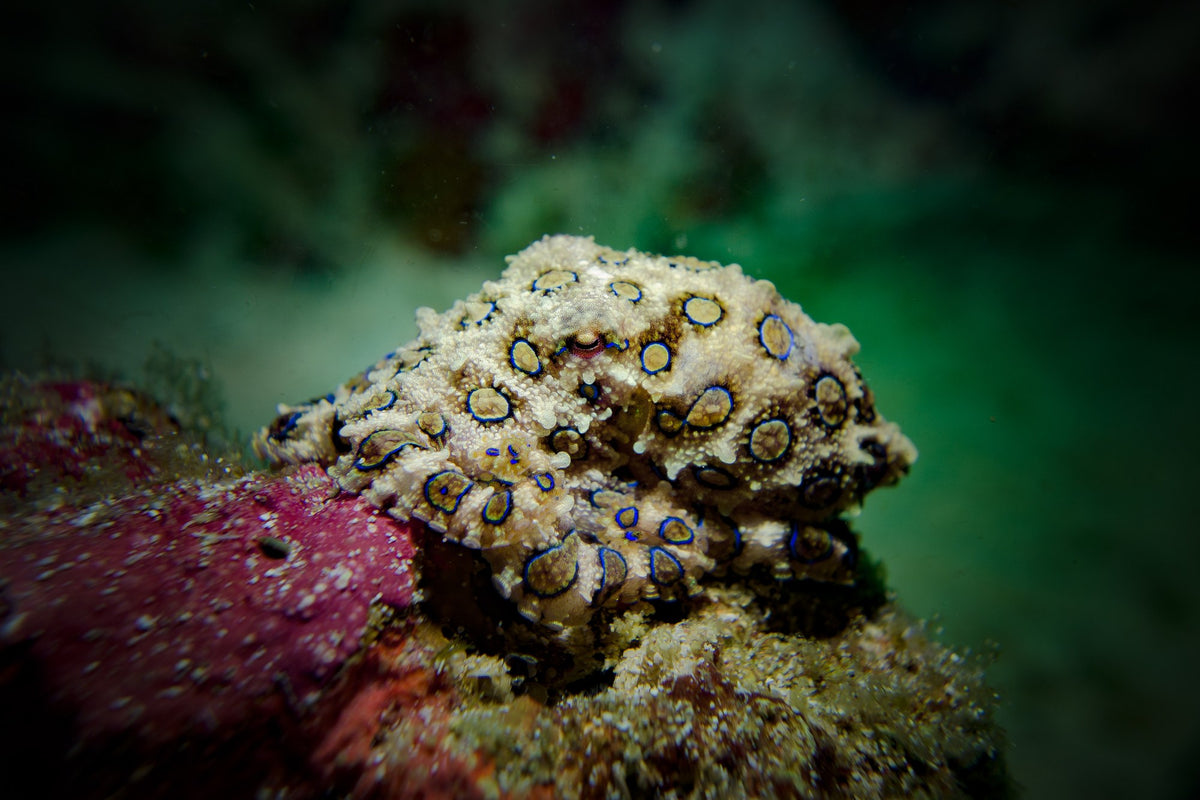
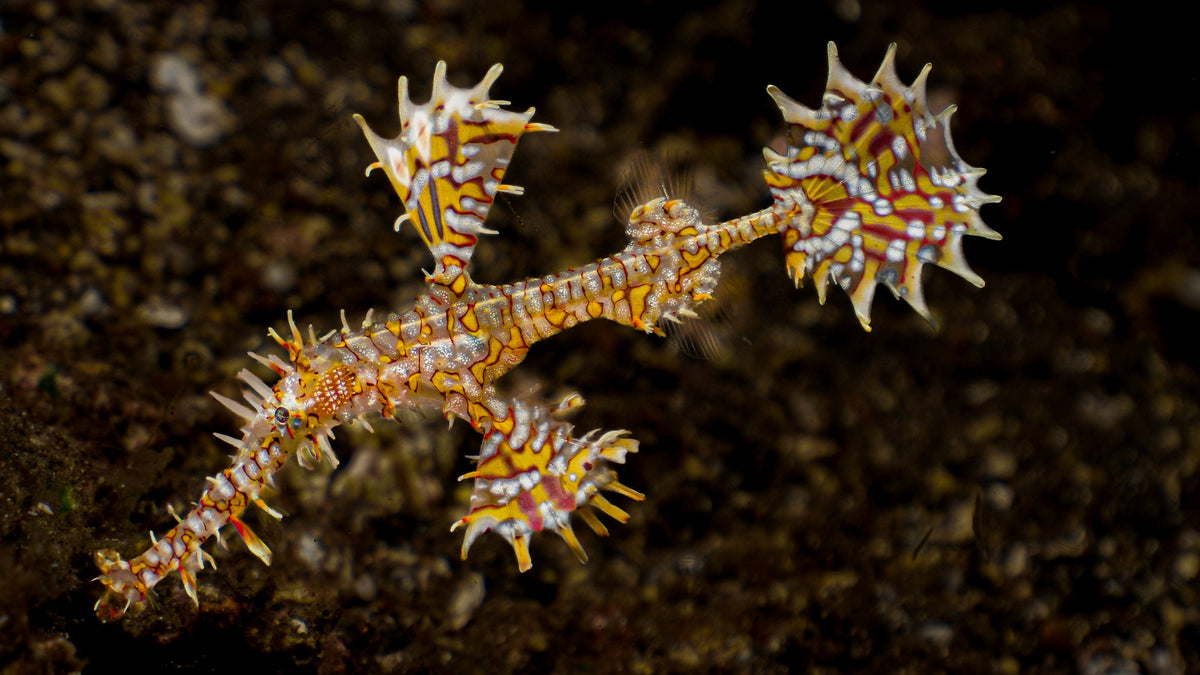
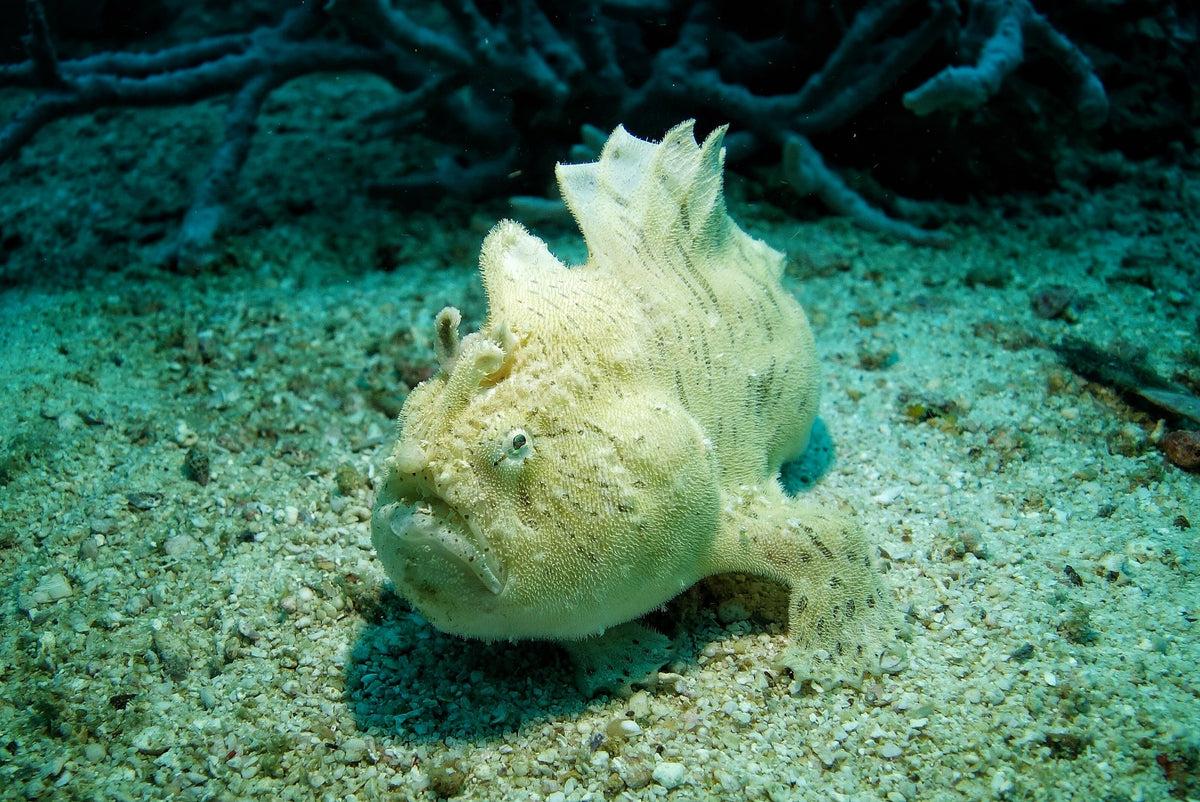
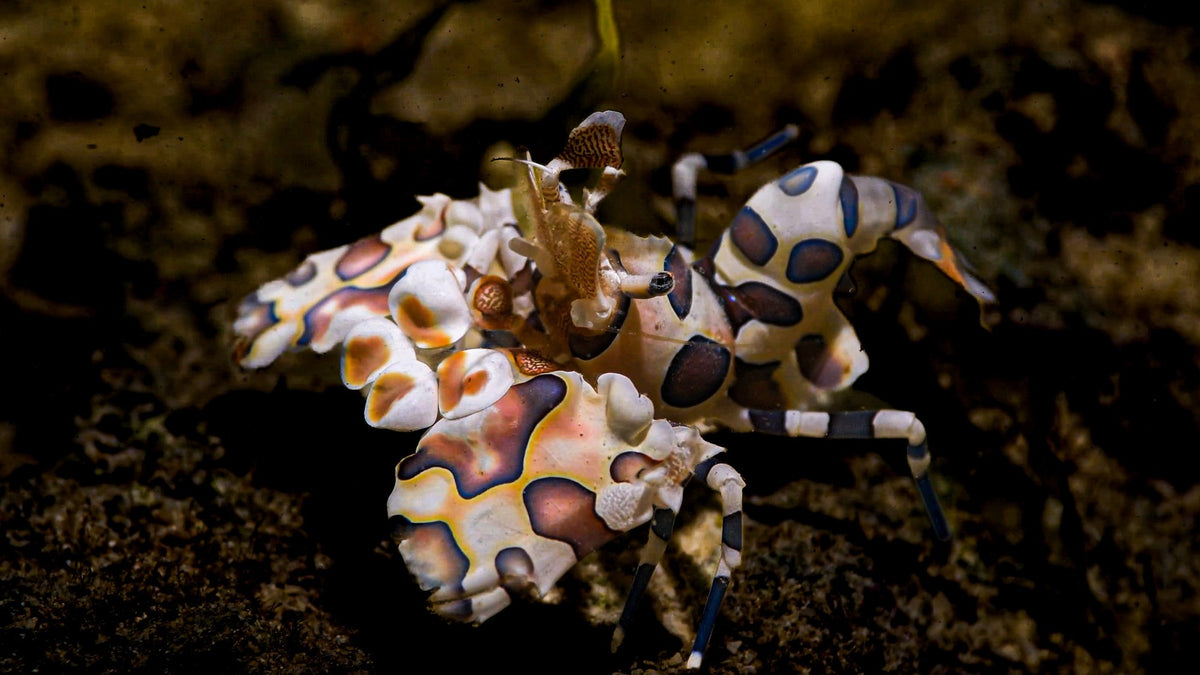
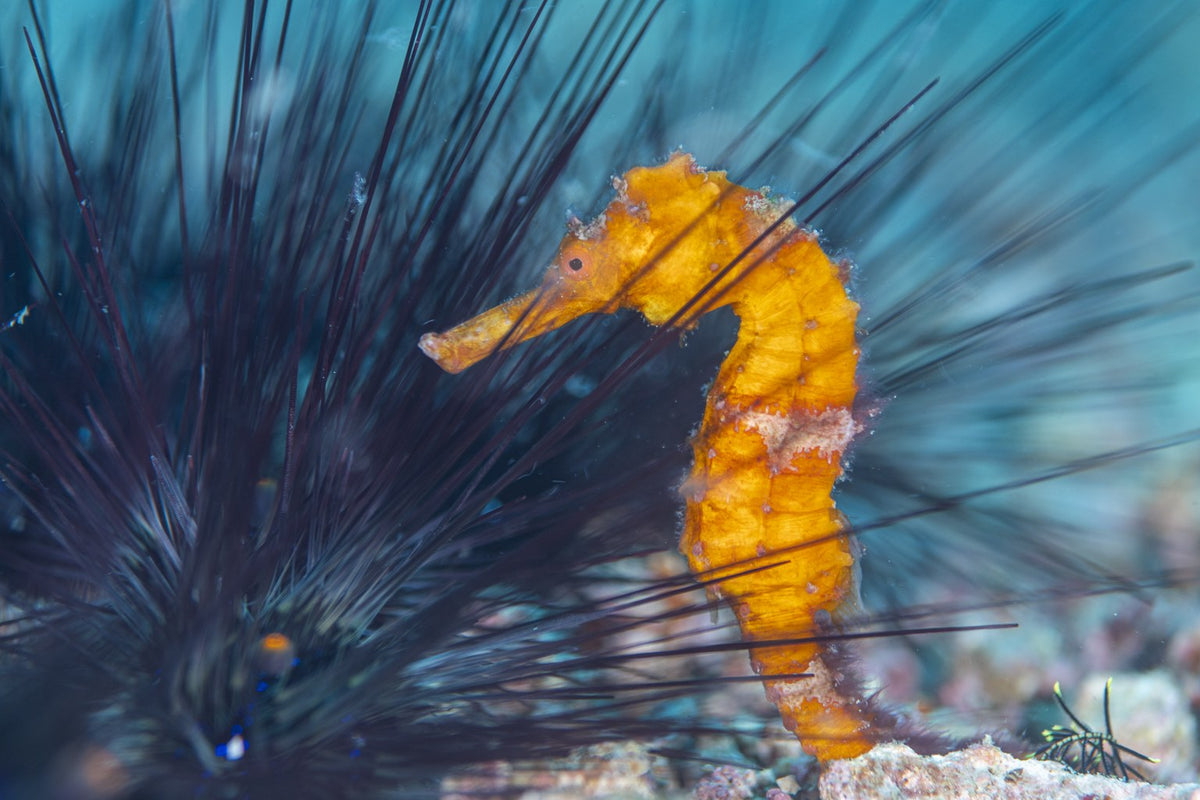
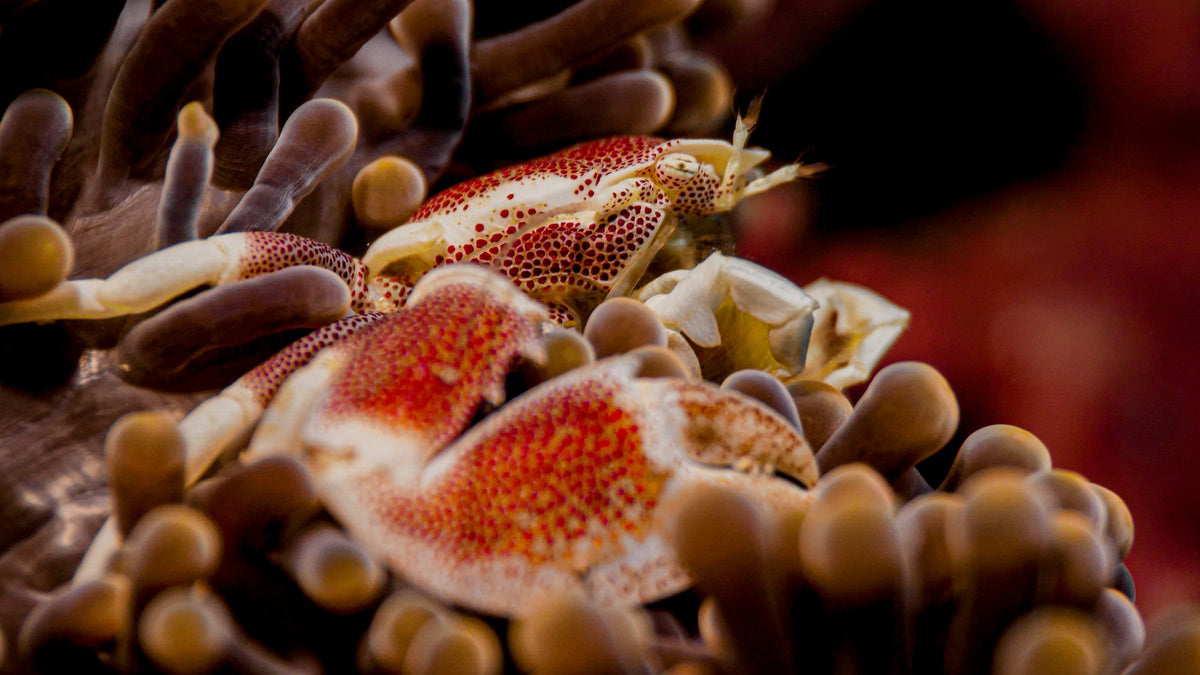
Malapascua is not only about sharks. Lighthouse and nearby reef sites produce seahorses, frogfish, octopus, nudibranchs and mandarinfish, with dusk and night dives especially useful for photographers who want smaller subjects.
DIVE SITE GUIDE
Dive sites in Malapascua Island
Explore the character of individual sites, from the setting and marine life to the diving conditions. Open a card for the full description; site access and the final profile depend on conditions and experience.
ORIENTATION MAP
Where the dive sites are
Use the map to understand how the key sites are spread around the destination. Pins are for trip-planning orientation only; entry points, moorings and the final dive plan are always confirmed by the local operator on the day.
Offshore shoals and wrecks can be affected by current and sea state. Map pins are orientation references only; the operator’s live briefing determines the actual entry and route.
Offshore shoal · Shark cleaning station · Deep
Monad Shoal
Monad Shoal built Malapascua’s international reputation.
Explore this dive site
- Type
- Offshore shoal · Shark cleaning station · Deep
- Depth
- 18–30+ m
- Experience
- Advanced
- Current
- Variable
Monad Shoal built Malapascua’s international reputation. The submerged plateau sits beside a very deep drop-off and is used by pelagic thresher sharks visiting cleaning stations around the reef. The experience is usually less about swimming around the site and more about positioning carefully, staying calm and allowing the sharks to approach on their own terms.
Good buoyancy and disciplined depth control matter because useful viewing areas can be relatively deep, and Nitrox is often valuable for extending no-decompression time. Mantas, devil rays and other pelagics may also appear, but no sighting is guaranteed. The dive is at its best when treated as a patient wildlife observation rather than a chase for close photographs.
Look for: Thresher shark cleaning station · Deep offshore shoal · Pelagic potential · Advanced profile
Best for: Thresher sharks · Pelagic photography · Nitrox profiles
Pinnacle · Oceanic shoal · Pelagic
Kimud Shoal
Kimud Shoal is a deeper, more oceanic counterpart to Malapascua’s other shark dives.
Explore this dive site
- Type
- Pinnacle · Oceanic shoal · Pelagic
- Depth
- 12–40 m
- Experience
- Advanced
- Current
- Variable / can be strong
Kimud Shoal is a deeper, more oceanic counterpart to Malapascua’s other shark dives. The top of the submerged island begins around 12 metres before its sides fall into very deep water, creating the kind of edge where divers naturally watch both the reef and the blue.
Thresher sharks are now an important reason operators visit, while hammerheads, devil rays, eagle rays and tuna remain possible rather than guaranteed encounters. Because the useful part of the site may involve current, depth and open-water positioning, it is best for experienced divers who are comfortable following a strict group plan. A calm approach matters here too: the site rewards situational awareness and patience far more than aggressive pursuit of wildlife.
Look for: Oceanic shoal · Thresher shark potential · Hammerhead potential · Rays & tuna
Best for: Thresher sharks · Hammerhead potential · Rays · Blue-water diving
Cavern · Reef · Wall
Gato Island
Gato Island is the dive that proves Malapascua is more than offshore sharks.
Explore this dive site
- Type
- Cavern · Reef · Wall
- Depth
- 5–22 m
- Experience
- Intermediate
- Current
- Mild–Moderate
Gato Island is the dive that proves Malapascua is more than offshore sharks. The rocky island is cut by caverns, swim-throughs and overhangs, with a well-known tunnel passing beneath part of the island. Inside, torchlight picks out crabs, lobsters and other cave dwellers, while whitetip reef sharks may rest under ledges or near the exits.
Outside the cavern system, the reef supports sea snakes, pufferfish, macro subjects and healthy coral. The site can be enjoyed without committing to the full overhead route, but divers entering caverns need suitable training, buoyancy and a guide-led plan. With two or three different dives possible around the island, Gato makes an excellent full-day contrast to shark-focused mornings.
Look for: Cavern tunnel · Whitetip reef sharks · Sea snakes · Macro & reef mix
Best for: Cavern swim-throughs · Whitetip reef sharks · Sea snakes · Macro
Reef · Soft coral · Macro
Lapus Lapus
Lapus Lapus is one of Malapascua’s strongest pure reef dives.
Explore this dive site
- Type
- Reef · Soft coral · Macro
- Depth
- 4–22 m
- Experience
- Beginner–Intermediate
- Current
- Mild–Moderate
Lapus Lapus is one of Malapascua’s strongest pure reef dives. The site combines healthy hard and soft coral with a shallow finishing garden that can remain colourful even after deeper offshore dives have used much of the day’s no-decompression time.
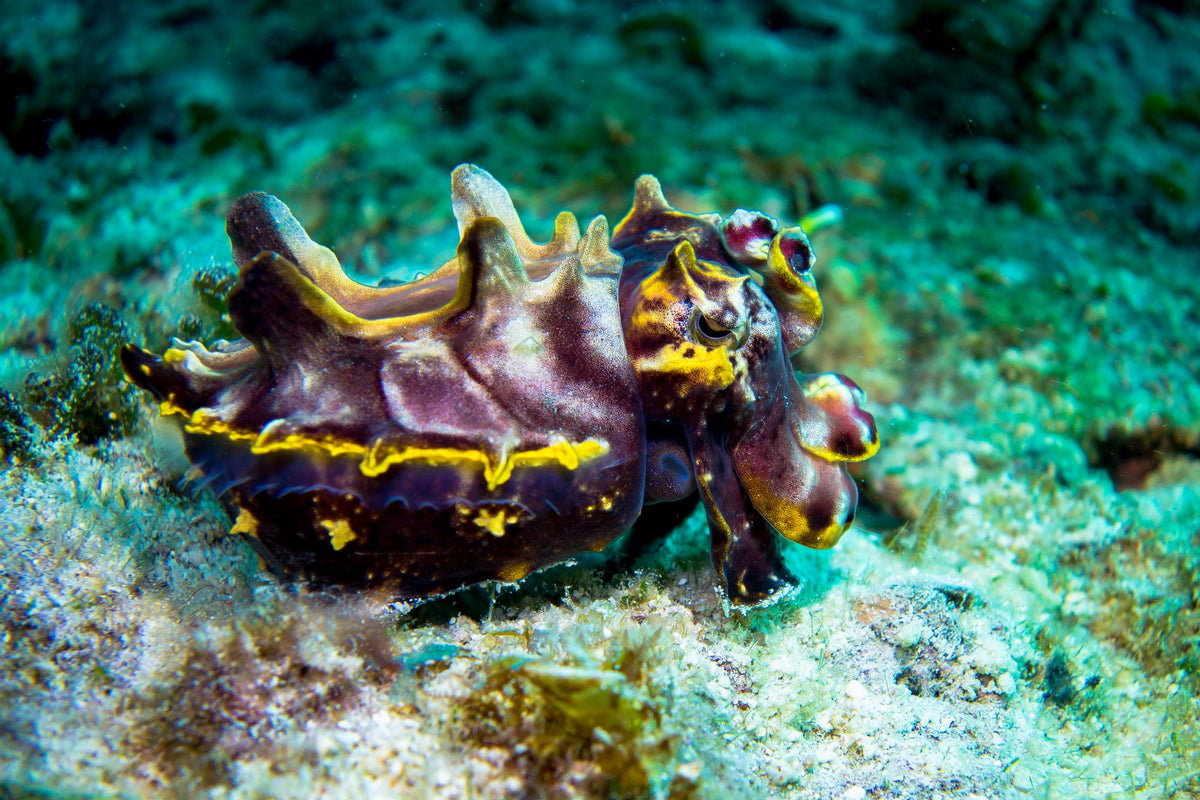
Frogfish, mantis shrimp, cuttlefish, octopus, nudibranchs and small crustaceans give macro photographers plenty to search for, while sweetlips and general reef fish add movement above the coral. The depth range works for Open Water divers, although current can occasionally turn the dive into a gentle drift. It is a particularly good choice after several shark dives because it changes the pace completely: no waiting station, no blue-water focus, just a slow reef dive with plenty to inspect.
Look for: Healthy soft coral · Frogfish & cuttlefish · Shallow coral garden · Macro friendly
Best for: Coral gardens · Frogfish · Cuttlefish · Easy photography
Shallow reef · Sunset · Night
Lighthouse
Lighthouse becomes most interesting late in the day.
Explore this dive site
- Type
- Shallow reef · Sunset · Night
- Depth
- 3–10 m
- Experience
- Beginner
- Current
- Usually mild
Lighthouse becomes most interesting late in the day. The shallow reef is known for mandarinfish activity around sunset, followed by a night dive when shrimp, crabs, morays, cuttlefish, frogfish and other small animals emerge. Because the maximum depth is modest and current is often manageable, it can be an excellent first night dive for newer divers who already have solid buoyancy.
The trade-off is that the site rewards patience: mandarinfish are shy, and crowding or chasing them usually reduces the chance of seeing natural behaviour. Photographers should be ready for low-light work and small subjects rather than expecting a broad reef panorama. It is a quiet, detailed dive that complements Malapascua’s more dramatic shark and wreck experiences.
Look for: Mandarinfish at dusk · Night macro · Shallow profile · Beginner friendly
Best for: Mandarinfish · Night macro · First night dive
Shallow WWII wreck · Reef
Lighthouse Wreck
The Lighthouse Wreck is a very shallow Japanese landing craft lying close to the island, broken into two sections with remnants of cement cargo scattered nearby.
Explore this dive site
- Type
- Shallow WWII wreck · Reef
- Depth
- 3–5 m
- Experience
- Beginner
- Current
- Usually mild
The Lighthouse Wreck is a very shallow Japanese landing craft lying close to the island, broken into two sections with remnants of cement cargo scattered nearby. At only a few metres depth it is less about penetration and more about seeing how quickly history has become habitat.
Barracuda, octopus, pipefish, juvenile sweetlips, crabs and sea snakes may use the wreck and surrounding rocks. The shallow profile makes it accessible to newer divers and useful as a relaxed second or third dive, while snorkellers can also appreciate the structure from above. It should not be confused with Malapascua’s deeper wreck experiences: this is an easy, light-filled site where the combination of history and marine life matters more than technical wreck exploration.
Look for: WWII landing craft · Very shallow wreck · Marine life on structure · Easy profile
Best for: Shallow wreck · History · Macro · Snorkeller-friendly
Passenger ferry wreck · Deep
Doña Marilyn Wreck
Doña Marilyn is Malapascua’s serious wreck dive.
Explore this dive site
- Type
- Passenger ferry wreck · Deep
- Depth
- 17–32+ m
- Experience
- Advanced
- Current
- Moderate possible
Doña Marilyn is Malapascua’s serious wreck dive. The passenger ferry rests on her starboard side, with the shallowest structure well below a beginner profile and the deeper sections around the low-30-metre range. Years underwater have transformed the hull into habitat for fish, soft coral and smaller life, while open areas around the wreck can attract rays and reef sharks.
The site is large enough that one dive only gives a partial impression, and any penetration should be reserved for divers with the correct wreck training and local guide approval. Even outside, depth and possible current make gas management important. For divers who came to Malapascua expecting only sharks and macro, Doña Marilyn adds a very different, atmospheric dimension to the trip.
Look for: Large ferry wreck · Advanced depth · Fish-rich structure · Wreck training for penetration
Best for: Deep wreck · Soft coral · Fish life · Wreck photography
Shallow reef · Macro
Chocolate Island
Chocolate Island is a shallow macro-and-reef site between Malapascua and the Cebu mainland.
Explore this dive site
- Type
- Shallow reef · Macro
- Depth
- 5–18 m
- Experience
- Beginner
- Current
- Usually mild
Chocolate Island is a shallow macro-and-reef site between Malapascua and the Cebu mainland. The reef slopes gently from the rock into a manageable recreational profile, with soft coral and mixed habitat that can produce sea snakes, cuttlefish, morays, seamoths, nudibranchs, flatworms and a range of crustaceans.
Because the site stays comparatively shallow, it offers generous bottom time and works well for newer divers or photographers who want a slow search after deeper morning dives. The real strength is variety rather than spectacle: one section may deliver soft-coral colour, another a cryptic macro subject hiding in plain sight. It is also useful when offshore conditions make the deeper shoals less attractive.
Look for: Shallow macro reef · Cuttlefish & sea snakes · Soft coral · Good for all levels
Best for: Macro photography · Soft coral · Cuttlefish · Sea snakes
Underwater photography
At Monad Shoal, thresher sharks, Pelagic photography, Nitrox profiles give an idea of the photographic possibilities. Choose the camera setup for the planned sites, then leave time to observe the scene before making the image. Repeating a productive dive often creates better opportunities than constantly searching for a different location. For reef scenes, use the shape of the reef and the available light to give the image depth. A diver at a respectful distance can provide scale without crowding an animal.
Beyond diving: Malapascua Island above the surface
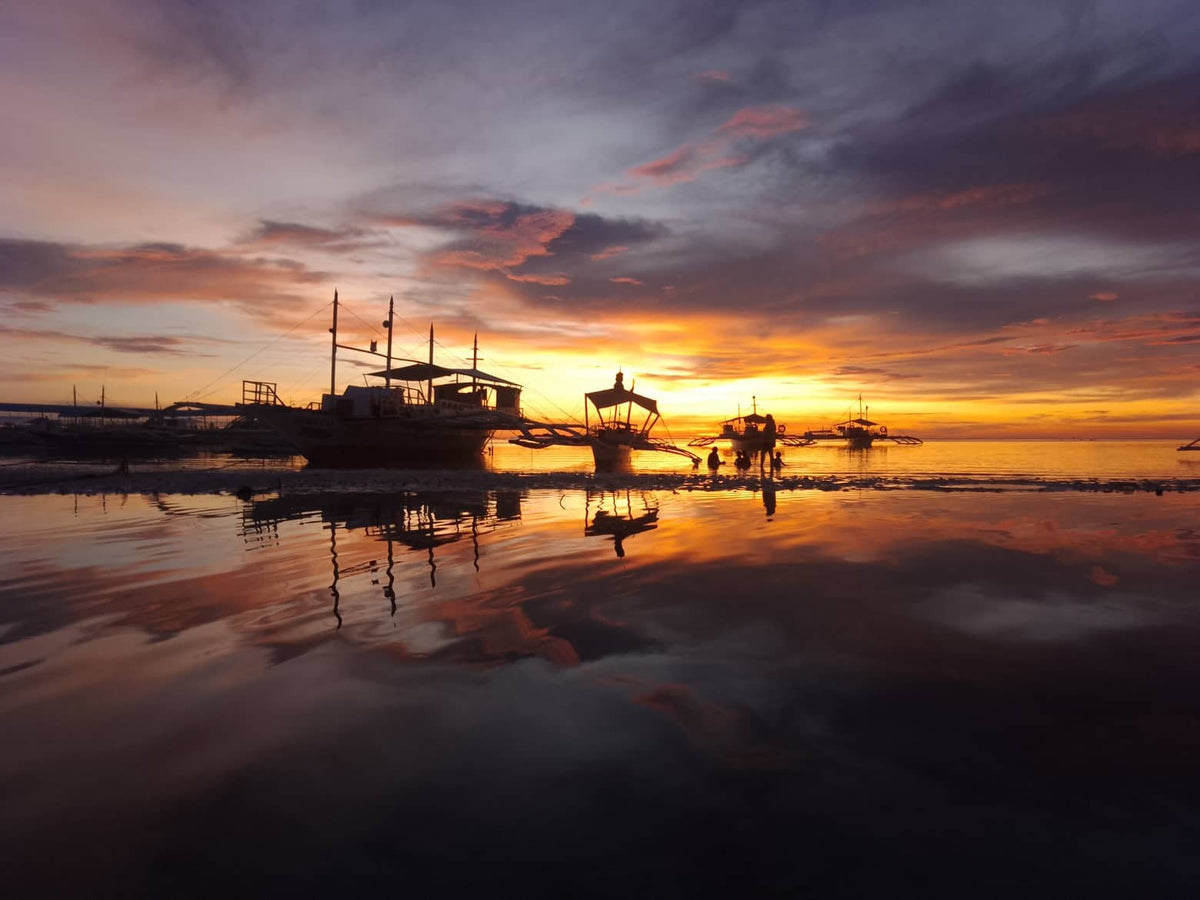
Sandy paths, beach cafés and unhurried walks are part of Malapascua’s character. The island is small enough for a holiday to feel personal, with long pauses between early dive departures and sunset on the shore.
Boat excursions and snorkelling add variety for non-divers. A beach stay is a good fit for someone who enjoys reading, swimming and a slower day; travellers wanting extensive road touring or shopping will find a mainland Cebu extension more rewarding.
Getting to Malapascua Island
Travel to northern Cebu, then continue by boat to Malapascua.
Choose arrival and departure times around the onward transfer, especially when a boat crossing or a long road journey is involved. Leave space for a relaxed final day ashore and an appropriate interval between the last dive and flying.
Malapascua Island diving questions
What makes Malapascua Island worth a diving trip?
An early start, an offshore shoal and the unmistakable sweep of a thresher shark’s tail: Malapascua has a signature few islands can match. Its reefs, small wrecks and evening dives give the rest of the day a different rhythm.
How should I plan my stay?
Choose a base around the island’s established dive centres, then compare boat arrangements, early breakfast and room comfort. A stay of five to seven nights gives room for several shark dives and reef or macro afternoons, without making a single encounter carry the whole trip.
When is a useful time to visit?
Thresher dives are offered across the year, but offshore access depends on wind and sea state. Early departures are part of the experience. Kimud and Monad are distinct shoals; current shark activity and the selected dive profile matter more than the name of a classic site.
Is there enough for non-diving companions?
Sandy paths, beach cafés and unhurried walks are part of Malapascua’s character. The island is small enough for a holiday to feel personal, with long pauses between early dive departures and sunset on the shore.
A closer look at Malapascua Island

Plan your Malapascua Island trip
Tell us the experiences you most want, your preferred dates and how you like to travel. We can bring the destination, accommodation and diving into one coherent itinerary.
Plan my trip