

Destination guide · Indonesia
Raja Ampat Diving: Reefs, Resorts & Liveaboards
Raja Ampat is an archipelago to explore, not one reef to tick off. Fish-rich points, manta cleaning areas and layered coral gardens sit beneath forested limestone islands. A resort, a liveaboard or a combination can each reveal a different part of it.
Raja Ampat at a glance
Raja Ampat is an archipelago of coral gardens, current-fed ridges and limestone islands in Southwest Papua. Its greatest strength is the sheer variety of reef life: one dive can move from a close search through soft coral to a wide view of schooling fish above a submerged ridge.
Choose the region before the accommodation format. A resort gives repeated access to a local network of sites; a liveaboard can connect more distant reef systems. The Dampier Strait, northern islands and Misool are distinct parts of a large destination, so no single stay or cruise represents all of Raja Ampat.
Planning your Raja Ampat stay
A resort lets you know one region in depth, revisit sites and enjoy a house reef. A liveaboard can connect more distant island groups, with the route determining whether you spend time in the Dampier Strait, the north or Misool. Combining the two works well when transfer days and the sailing schedule align.

Papua Diving Resorts — Sorido Bay / Kri Eco
Two pioneering dive resorts on Kri Island: refined beachfront Sorido Bay and traditional overwater Kri Eco, both with full-board packages, protected reefs and small-group Raja Ampat diving.

Papua Explorers Dive Resort
An eco-conscious overwater dive resort on Gam Island with full-board water bungalows, small dive groups, free Nitrox and easy access to more than 50 Dampier Strait sites.

Meridian Adventure Dive
A PADI Five Star Eco Resort and marina in Waisai, offering flexible arrivals, one modern room category, customised diving and access to more than 75 Raja Ampat sites.
Liveaboard routes for this destination
Explore the routes that visit this region. Compare ships and itineraries, then open a route to see its sailing dates, cabins and the areas it covers.
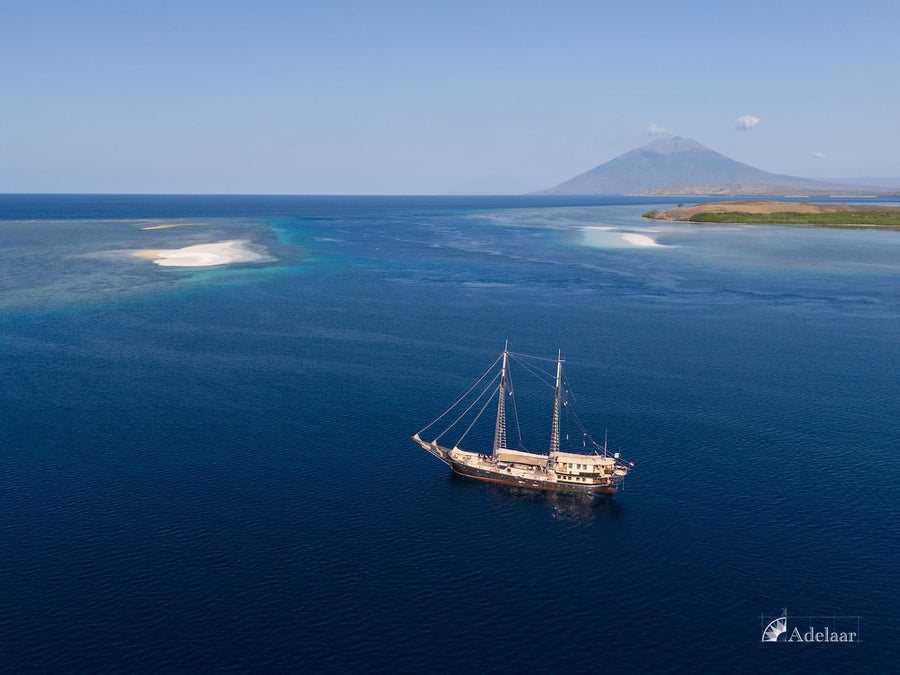
Adelaar
Raja Ampat & Banda Sea — Ambon to Sorong
- Indicative duration
- 10 nights
- Embarkation
- Ambon
- Disembarkation
- Sorong
Adelaar
Raja Ampat & Banda Sea — Ambon to Sorong
- Indicative duration
- 9 nights
- Embarkation
- Ambon
- Disembarkation
- Sorong
Adelaar
Raja Ampat & Banda Sea — Sorong to Ambon
- Indicative duration
- 10 nights
- Embarkation
- Sorong
- Disembarkation
- Ambon
Adelaar
Raja Ampat Central & South — Sorong to Sorong
- Indicative duration
- 6 nights
- Embarkation
- Sorong
- Disembarkation
- Sorong
Adelaar
Raja Ampat Central & South — Sorong to Sorong
- Indicative duration
- 7 nights
- Embarkation
- Sorong
- Disembarkation
- Sorong
Adelaar
Raja Ampat Central & South — Sorong to Sorong
- Indicative duration
- 8 nights
- Embarkation
- Sorong
- Disembarkation
- Sorong
Adelaar
Raja Ampat Central & South — Sorong to Sorong
- Indicative duration
- 9 nights
- Embarkation
- Sorong
- Disembarkation
- Sorong
Adelaar
Total Raja Ampat — Sorong to Sorong
- Indicative duration
- 10 nights
- Embarkation
- Sorong
- Disembarkation
- Sorong
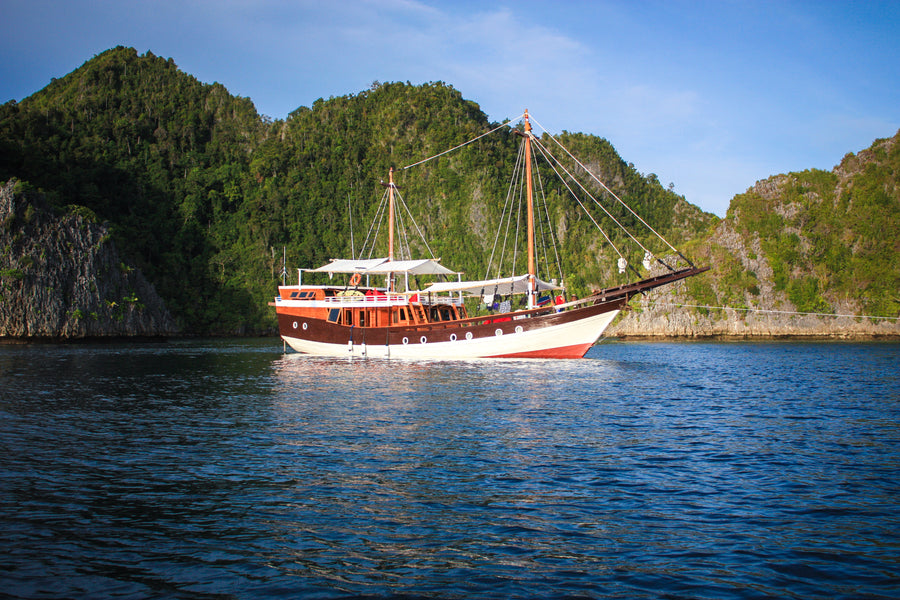
Akomo Isseki
Raja Ampat
- Indicative duration
- 10 nights
- Embarkation
- Waisai
- Disembarkation
- Waisai
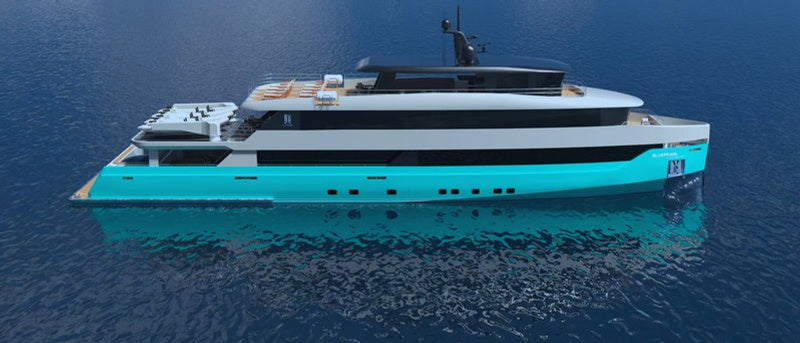
M/Y Blue Pearl
Raja Ampat & Lembeh
- Indicative duration
- 9 nights
- Embarkation
- Sorong / Lembeh
- Disembarkation
- Lembeh / Sorong
M/Y Blue Pearl
Raja Ampat & Triton Bay
- Indicative duration
- 10 nights
- Embarkation
- Sorong / Kaimana
- Disembarkation
- Kaimana / Sorong
M/Y Blue Pearl
Raja Ampat
- Indicative duration
- 8 nights
- Embarkation
- Sorong
- Disembarkation
- Sorong
Cachalo
Ambon to Raja Ampat — Ambon to Sorong
- Indicative duration
- 7 nights
- Embarkation
- Ambon
- Disembarkation
- Sorong
Cachalo
Raja Ampat — Sorong to Sorong
- Indicative duration
- 7 nights
- Embarkation
- Sorong
- Disembarkation
- Sorong

Calico Jack
Banda Neira & Misool — Ambon to Sorong
- Indicative duration
- 11 nights
- Embarkation
- Ambon
- Disembarkation
- Sorong
Calico Jack
Banda Neira & Misool — Sorong to Ambon
- Indicative duration
- 11 nights
- Embarkation
- Sorong
- Disembarkation
- Ambon
Calico Jack
Cenderawasih Bay — Manokwari to Nabire
- Indicative duration
- 11 nights
- Embarkation
- Manokwari
- Disembarkation
- Nabire
Calico Jack
Cenderawasih Bay — Nabire to Manokwari
- Indicative duration
- 11 nights
- Embarkation
- Nabire
- Disembarkation
- Manokwari
Calico Jack
Raja Ampat Central & Wayag
- Indicative duration
- 8 nights
- Embarkation
- Sorong
- Disembarkation
- Sorong
Calico Jack
Raja Ampat Full Park & Misool
- Indicative duration
- 11 nights
- Embarkation
- Sorong
- Disembarkation
- Sorong
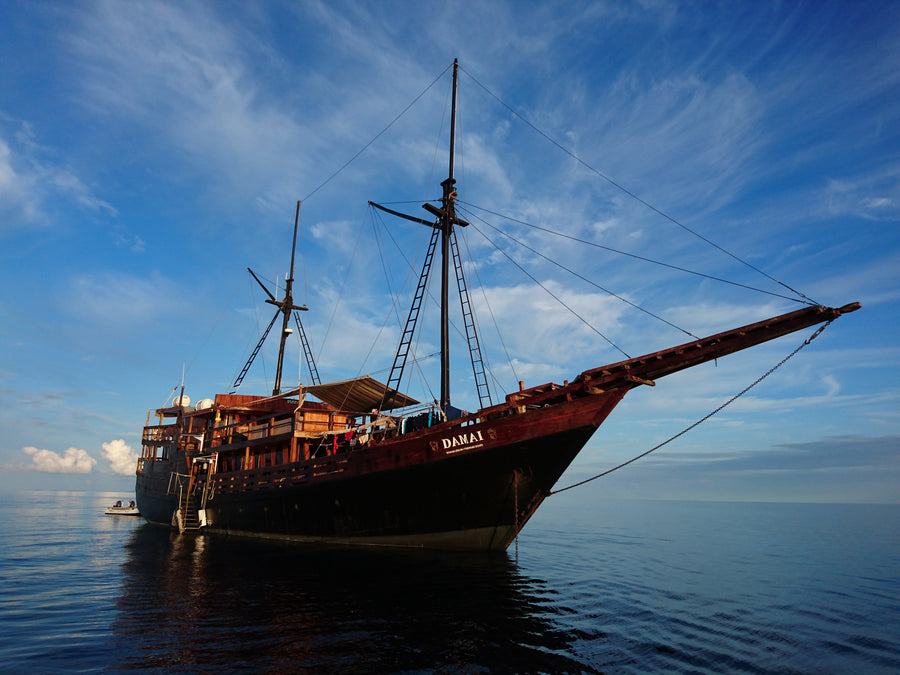
DAMAI I
Raja Ampat & Triton Bay
- Indicative duration
- 11 nights
- Embarkation
- Sorong
- Disembarkation
- Kaimana
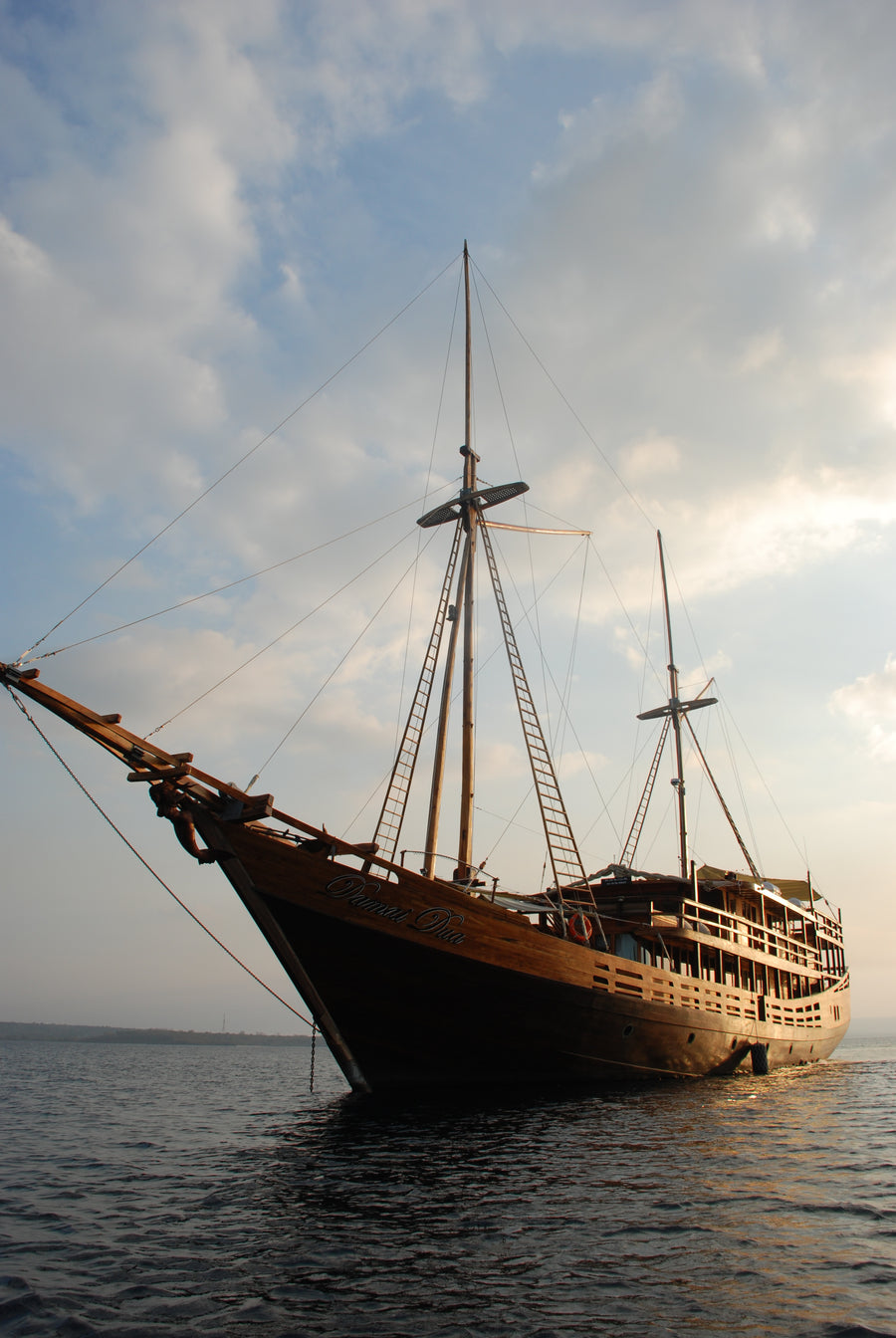
DAMAI II
Raja Ampat
- Indicative duration
- 10 nights
- Embarkation
- Sorong
- Disembarkation
- Sorong
DAMAI II
Raja Ampat
- Indicative duration
- 11 nights
- Embarkation
- Sorong
- Disembarkation
- Sorong
DAMAI II
Raja Ampat
- Indicative duration
- 7 nights
- Embarkation
- Sorong
- Disembarkation
- Sorong
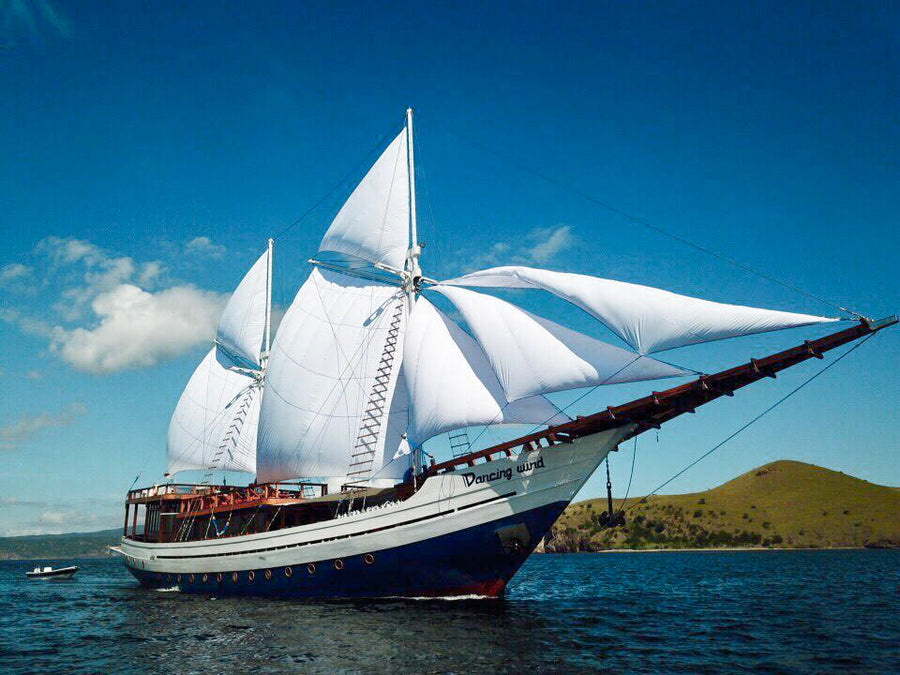
Dancing Wind
11D10N Best of Raja Ampat — Sorong to Sorong
- Indicative duration
- 10 nights
- Embarkation
- Sorong
- Disembarkation
- Sorong
Dancing Wind
11D10N Misool, South Raja Ampat — Sorong to Sorong
- Indicative duration
- 10 nights
- Embarkation
- Sorong
- Disembarkation
- Sorong
Dancing Wind
12D11N Best of Raja Ampat — Sorong to Sorong
- Indicative duration
- 11 nights
- Embarkation
- Sorong
- Disembarkation
- Sorong
Dancing Wind
12D11N Kaimana - Triton Bay - Misool — Kaimana to Sorong
- Indicative duration
- 11 nights
- Embarkation
- Kaimana
- Disembarkation
- Sorong
Dancing Wind
12D11N Misool - Triton Bay - Kaimana — Sorong to Kaimana
- Indicative duration
- 11 nights
- Embarkation
- Sorong
- Disembarkation
- Kaimana
Dancing Wind
13D12N Kaimana - Triton Bay - Misool — Kaimana to Sorong
- Indicative duration
- 12 nights
- Embarkation
- Kaimana
- Disembarkation
- Sorong
Dancing Wind
7D6N Raja Ampat — Sorong to Sorong
- Indicative duration
- 6 nights
- Embarkation
- Sorong
- Disembarkation
- Sorong
Dancing Wind
8D7N Central Raja Ampat — Sorong to Sorong
- Indicative duration
- 7 nights
- Embarkation
- Sorong
- Disembarkation
- Sorong
Dancing Wind
8D7N Misool, South Raja Ampat — Sorong to Sorong
- Indicative duration
- 7 nights
- Embarkation
- Sorong
- Disembarkation
- Sorong
Dancing Wind
9D8N Raja Ampat Misool — Sorong to Sorong
- Indicative duration
- 8 nights
- Embarkation
- Sorong
- Disembarkation
- Sorong
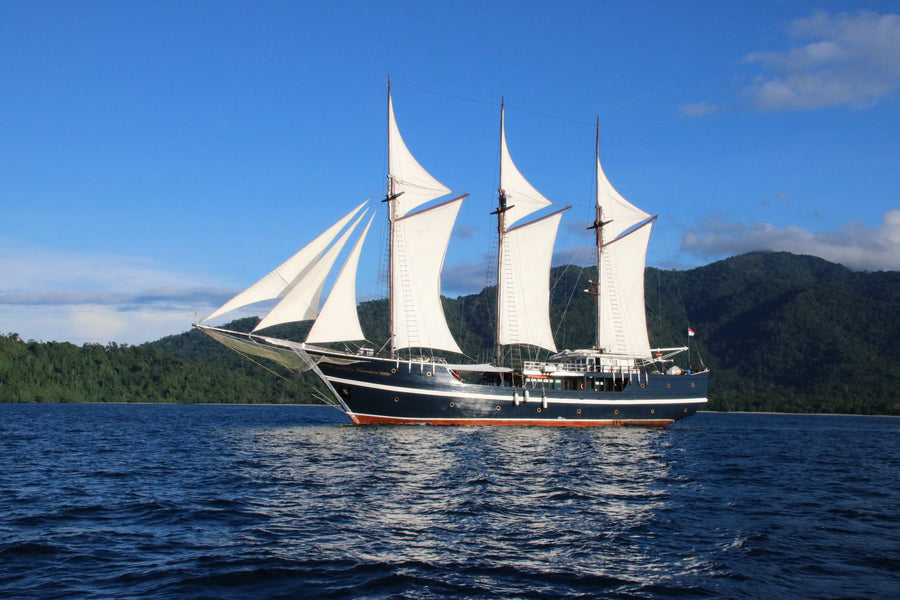
Dewi Nusantara
All of Raja Ampat - Biodiversity Hotspot — Sorong to Sorong
- Indicative duration
- 10 nights
- Embarkation
- Sorong
- Disembarkation
- Sorong
Dewi Nusantara
All of Raja Ampat - Biodiversity Hotspot — Sorong to Sorong
- Indicative duration
- 11 nights
- Embarkation
- Sorong
- Disembarkation
- Sorong
Dewi Nusantara
All of Raja Ampat - Biodiversity Hotspot — Sorong to Sorong
- Indicative duration
- 9 nights
- Embarkation
- Sorong
- Disembarkation
- Sorong
Dewi Nusantara
All of Raja Ampat including Kofiau Island — Sorong to Sorong
- Indicative duration
- 11 nights
- Embarkation
- Sorong
- Disembarkation
- Sorong
Dewi Nusantara
Ambon, the Banda Islands, Koon & Misool, South Raja Ampat — Ambon to Sorong
- Indicative duration
- 11 nights
- Embarkation
- Ambon
- Disembarkation
- Sorong
Dewi Nusantara
Halmahera & North Raja Ampat — Ternate to Sorong
- Indicative duration
- 11 nights
- Embarkation
- Ternate
- Disembarkation
- Sorong
Dewi Nusantara
Raja Ampat, Misool & South-West Halmahera — Sorong to Ternate
- Indicative duration
- 11 nights
- Embarkation
- Sorong
- Disembarkation
- Ternate
Dewi Nusantara
South Raja Ampat, Misool, The Bomberai Peninsula & Central Raja Ampat — Sorong to Sorong
- Indicative duration
- 11 nights
- Embarkation
- Sorong
- Disembarkation
- Sorong
Dewi Nusantara
Wild West Papua: Route I - South Raja Ampat, Misool, The Bomberai Peninsula & Triton Bay — Sorong to Kaimana
- Indicative duration
- 10 nights
- Embarkation
- Sorong
- Disembarkation
- Kaimana
Dewi Nusantara
Wild West Papua: Route I - South Raja Ampat, Misool, The Bomberai Peninsula & Triton Bay — Sorong to Kaimana
- Indicative duration
- 11 nights
- Embarkation
- Sorong
- Disembarkation
- Kaimana
Dewi Nusantara
Wild West Papua: Route II - Triton Bay, The Bomberai Peninsula, Misool & South Raja Ampat — Kaimana to Sorong
- Indicative duration
- 10 nights
- Embarkation
- Kaimana
- Disembarkation
- Sorong
Dewi Nusantara
Wild West Papua: Route II - Triton Bay, The Bomberai Peninsula, Misool & South Raja Ampat — Kaimana to Sorong
- Indicative duration
- 11 nights
- Embarkation
- Kaimana
- Disembarkation
- Sorong
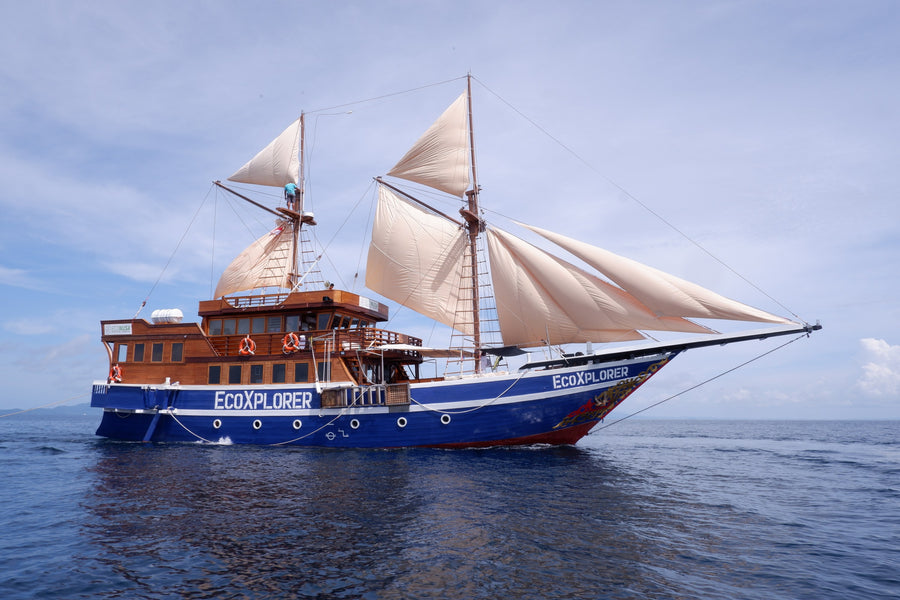
EcoXplorer
Banda – Misool
- Indicative duration
- 10 nights
- Embarkation
- Tulehu
- Disembarkation
- Sorong
EcoXplorer
Cenderawasih Bay: Biak – Manokwari – Sorong
- Indicative duration
- 9 nights
- Embarkation
- Biak
- Disembarkation
- Sorong
EcoXplorer
Cenderawasih Bay: Sorong – Manokwari – Biak
- Indicative duration
- 9 nights
- Embarkation
- Sorong
- Disembarkation
- Biak
EcoXplorer
Central Raja Ampat
- Indicative duration
- 7 nights
- Embarkation
- Sorong
- Disembarkation
- Sorong
EcoXplorer
Mapia Hidden Gem Expedition
- Indicative duration
- 9 nights
- Embarkation
- Biak
- Disembarkation
- Biak
EcoXplorer
Misool – Banda
- Indicative duration
- 10 nights
- Embarkation
- Sorong
- Disembarkation
- Tulehu
EcoXplorer
New Year North & Central Raja Ampat
- Indicative duration
- 7 nights
- Embarkation
- Sorong
- Disembarkation
- Sorong
EcoXplorer
Raja Ampat Cultural & Culinary / North
- Indicative duration
- 7 nights
- Embarkation
- Sorong
- Disembarkation
- Sorong
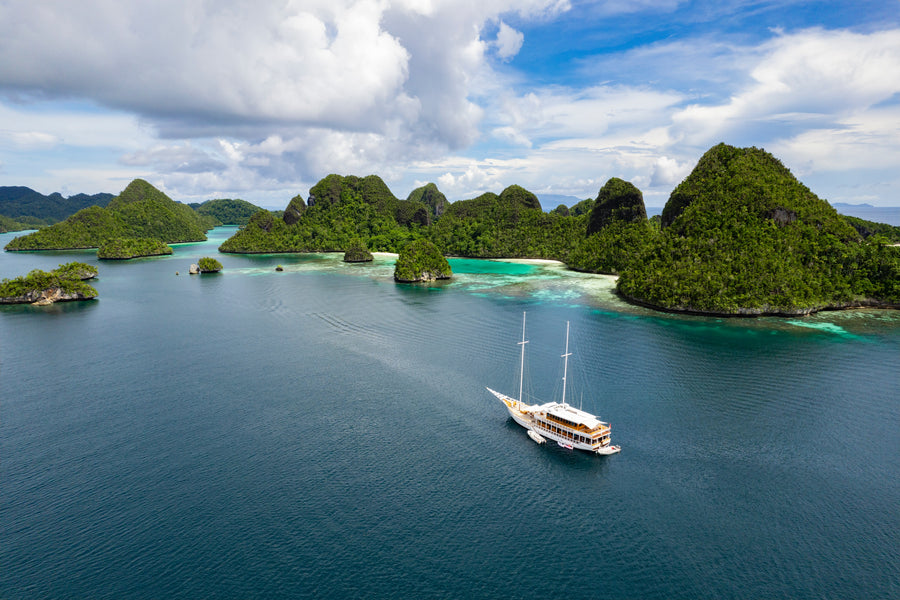
Fenides
Raja Ampat
- Indicative duration
- 10 nights
- Embarkation
- Sorong
- Disembarkation
- Sorong
Fenides
Raja Ampat
- Indicative duration
- 7 nights
- Embarkation
- Sorong
- Disembarkation
- Sorong
Fenides
Ternate to Sorong
- Indicative duration
- 12 nights
- Embarkation
- Ternate
- Disembarkation
- Sorong
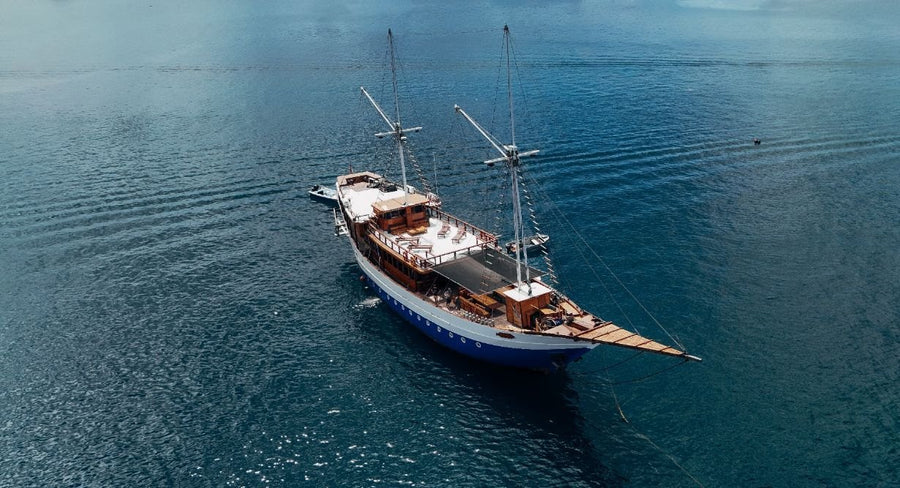
Hatiku
11D10N Best of Raja Ampat — Sorong to Sorong
- Indicative duration
- 10 nights
- Embarkation
- Sorong
- Disembarkation
- Sorong
Hatiku
11D10N Misool, South Raja Ampat — Sorong to Sorong
- Indicative duration
- 10 nights
- Embarkation
- Sorong
- Disembarkation
- Sorong
Hatiku
12D11N Best of Raja Ampat — Sorong to Sorong
- Indicative duration
- 11 nights
- Embarkation
- Sorong
- Disembarkation
- Sorong
Hatiku
6D5N Raja Ampat — Sorong to Sorong
- Indicative duration
- 5 nights
- Embarkation
- Sorong
- Disembarkation
- Sorong
Hatiku
7D6N Raja Ampat — Sorong to Sorong
- Indicative duration
- 6 nights
- Embarkation
- Sorong
- Disembarkation
- Sorong
Hatiku
8D7N Central Raja Ampat — Sorong to Sorong
- Indicative duration
- 7 nights
- Embarkation
- Sorong
- Disembarkation
- Sorong
Hatiku
9D8N Raja Ampat Misool — Sorong to Sorong
- Indicative duration
- 8 nights
- Embarkation
- Sorong
- Disembarkation
- Sorong
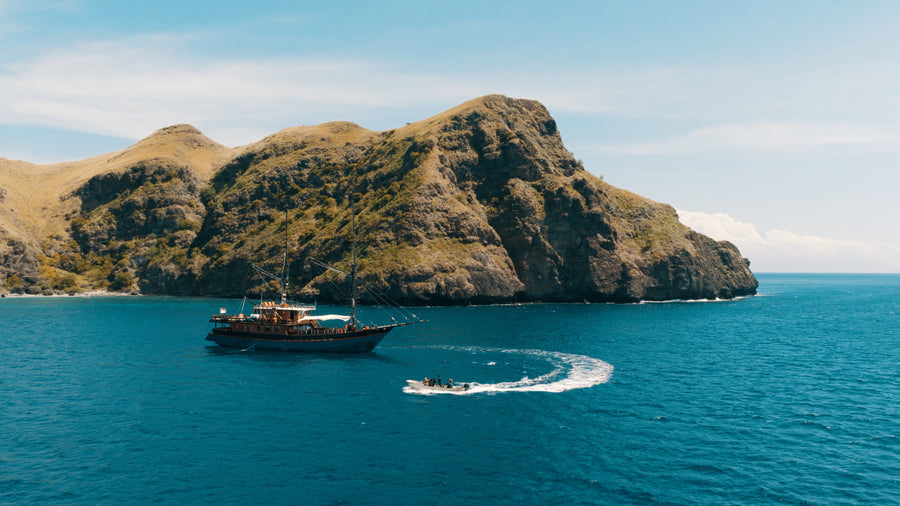
Iliké
Maluku & Raja Ampat — Ambon to Sorong
- Indicative duration
- 13 nights
- Embarkation
- Ambon
- Disembarkation
- Sorong
Iliké
Raja Ampat & Maluku — Sorong to Ambon
- Indicative duration
- 11 nights
- Embarkation
- Sorong
- Disembarkation
- Ambon
Iliké
Raja Ampat & Maluku — Sorong to Ambon
- Indicative duration
- 12 nights
- Embarkation
- Sorong
- Disembarkation
- Ambon
Iliké
Raja Ampat & Triton Bay — Sorong to Kaimana
- Indicative duration
- 11 nights
- Embarkation
- Sorong
- Disembarkation
- Kaimana
Iliké
Raja Ampat — Sorong to Sorong
- Indicative duration
- 10 nights
- Embarkation
- Sorong
- Disembarkation
- Sorong
Iliké
Raja Ampat — Sorong to Sorong
- Indicative duration
- 7 nights
- Embarkation
- Sorong
- Disembarkation
- Sorong
Iliké
Triton Bay & Raja Ampat — Kaimana to Sorong
- Indicative duration
- 11 nights
- Embarkation
- Kaimana
- Disembarkation
- Sorong
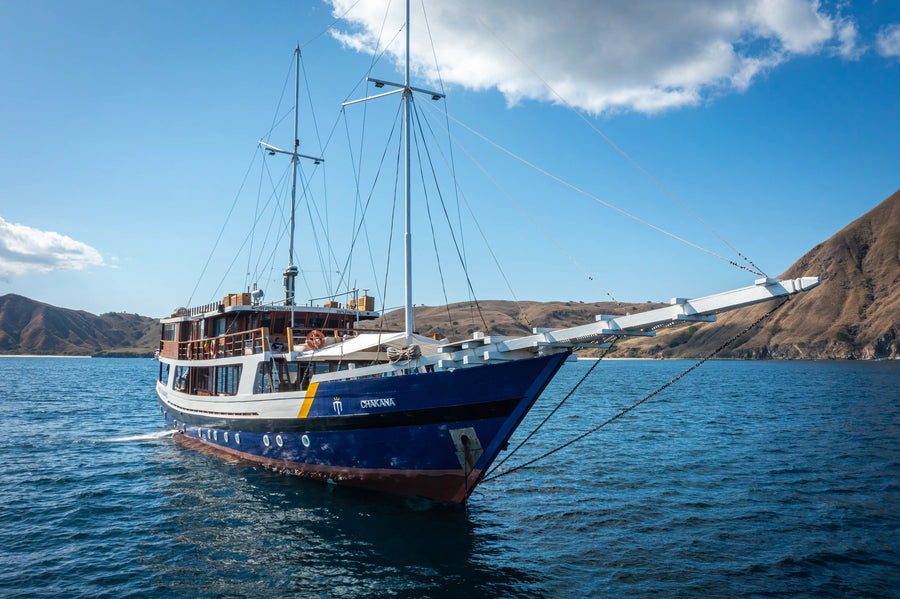
Indo Master
Banda Sea & Misool
- Indicative duration
- 12 nights
- Embarkation
- Ambon
- Disembarkation
- Sorong
Indo Master
Misool, Halmahera & Lembeh
- Indicative duration
- 12 nights
- Embarkation
- Sorong
- Disembarkation
- Lembeh / Bitung
Indo Master
Raja Ampat
- Indicative duration
- 10 nights
- Embarkation
- Sorong
- Disembarkation
- Sorong
Indo Master
Raja Ampat
- Indicative duration
- 7 nights
- Embarkation
- Sorong
- Disembarkation
- Sorong
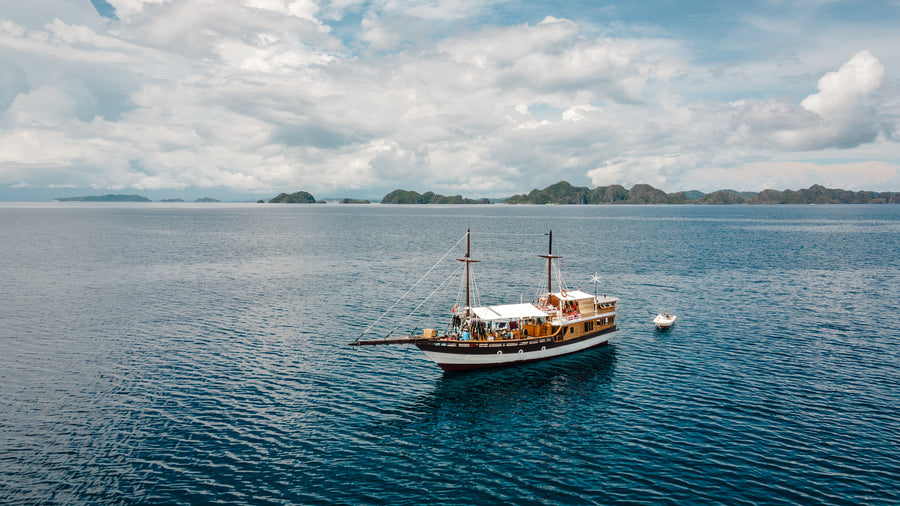
Kira Kira
Raja Ampat
- Indicative duration
- 10 nights
- Embarkation
- Waisai
- Disembarkation
- Waisai
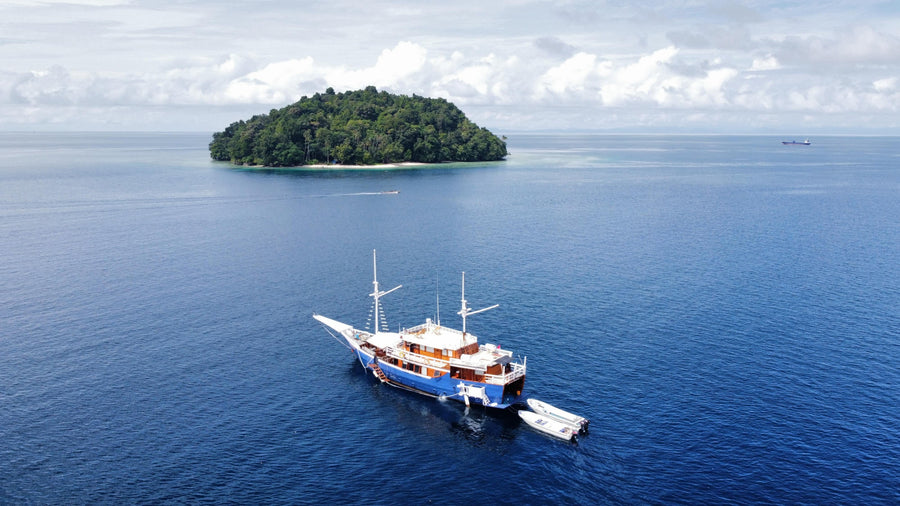
Kurabesi Nusantara
Banda – Misool
- Indicative duration
- 10 nights
- Embarkation
- Tulehu
- Disembarkation
- Sorong
Kurabesi Nusantara
Biak – Cenderawasih Bay – Manokwari – Sorong
- Indicative duration
- 9 nights
- Embarkation
- Biak
- Disembarkation
- Sorong
Kurabesi Nusantara
Christmas & New Year Raja Ampat
- Indicative duration
- 7 nights
- Embarkation
- Sorong
- Disembarkation
- Sorong
Kurabesi Nusantara
Misool – Banda
- Indicative duration
- 10 nights
- Embarkation
- Sorong
- Disembarkation
- Tulehu
Kurabesi Nusantara
Raja Ampat North
- Indicative duration
- 7 nights
- Embarkation
- Sorong
- Disembarkation
- Sorong
Kurabesi Nusantara
Sorong – Manokwari – Cenderawasih Bay – Biak
- Indicative duration
- 9 nights
- Embarkation
- Sorong
- Disembarkation
- Biak
Kurabesi Nusantara
South Raja Ampat
- Indicative duration
- 7 nights
- Embarkation
- Sorong
- Disembarkation
- Sorong
Kurabesi Nusantara
South Raja Ampat: Misool
- Indicative duration
- 7 nights
- Embarkation
- Sorong
- Disembarkation
- Sorong
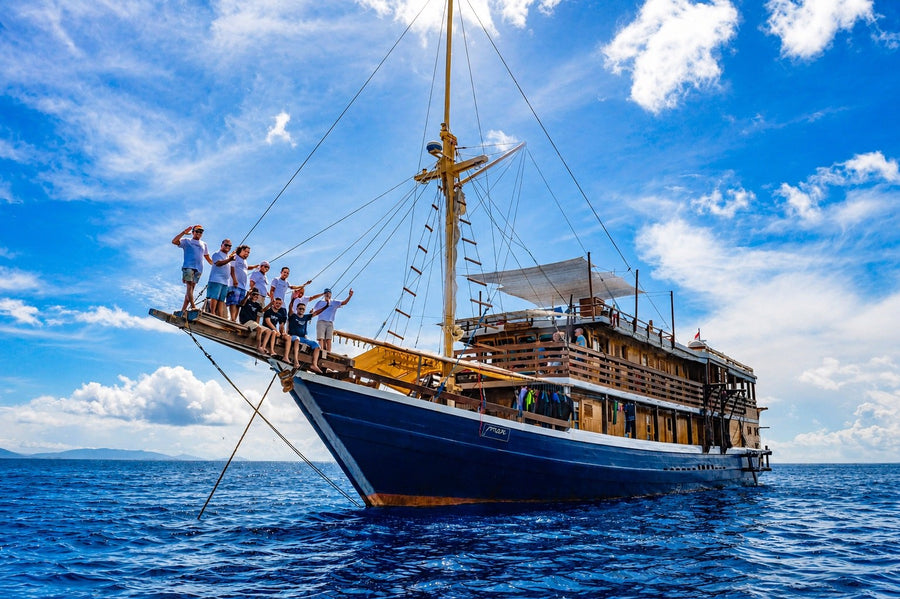
MARI Liveaboard
MARI — Raja Ampat - Best Of Central & Dampier Strait — Sorong to Sorong
- Indicative duration
- 7 nights
- Embarkation
- Sorong
- Disembarkation
- Sorong
MARI Liveaboard
MARI — Raja Ampat - Misool - Banda Sea — Sorong to Ambon
- Indicative duration
- 12 nights
- Embarkation
- Sorong
- Disembarkation
- Ambon
MARI Liveaboard
MARI — Raja Ampat: Central Region & Misool — Sorong to Sorong
- Indicative duration
- 10 nights
- Embarkation
- Sorong
- Disembarkation
- Sorong
MARI Liveaboard
MARI — Raja Ampat: Central Region & Misool — Sorong to Sorong
- Indicative duration
- 11 nights
- Embarkation
- Sorong
- Disembarkation
- Sorong
MARI Liveaboard
MARI — The Forgotten Islands & The Ring Of Fire — Maumere to Ambon
- Indicative duration
- 13 nights
- Embarkation
- Maumere
- Disembarkation
- Ambon
MARI Liveaboard
MARI — Triton Bay - Misool & Raja Ampat — Kaimana to Sorong
- Indicative duration
- 12 nights
- Embarkation
- Kaimana
- Disembarkation
- Sorong
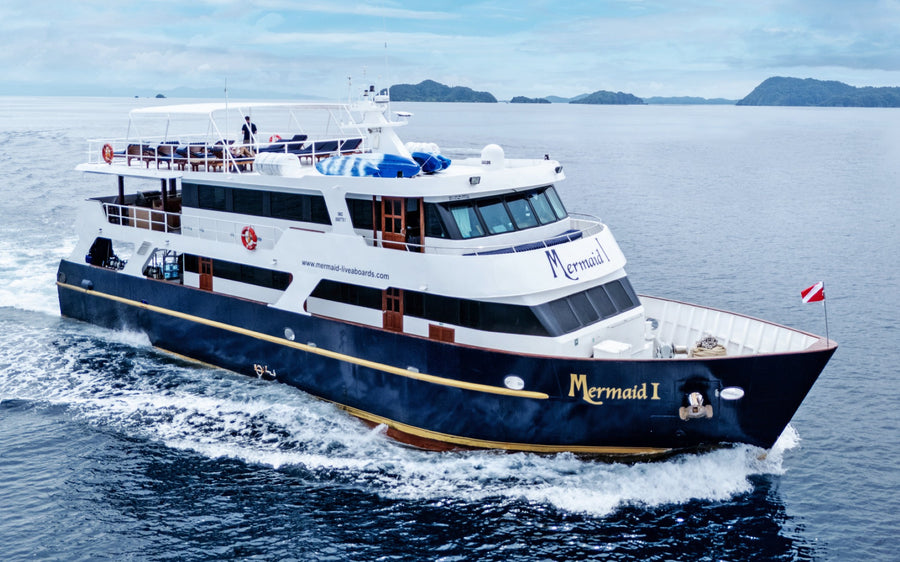
Mermaid I
Ambon, Banda Sea & Raja Ampat
- Indicative duration
- 11 nights
- Embarkation
- Ambon
- Disembarkation
- Sorong, West Papua
Mermaid I
Biodiversity Super Special: Raja Ampat, Banda Sea, Alor & Maumere
- Indicative duration
- 15 nights
- Embarkation
- Sorong or Maumere — confirm per departure
- Disembarkation
- Maumere or Sorong — confirm per departure
Mermaid I
Raja Ampat 10 Days
- Indicative duration
- 9 nights
- Embarkation
- Sorong, West Papua
- Disembarkation
- Sorong, West Papua
Mermaid I
Raja Ampat 12 Days
- Indicative duration
- 11 nights
- Embarkation
- Sorong, West Papua
- Disembarkation
- Sorong, West Papua
Mermaid I
Raja Ampat, Banda Sea, Forgotten Islands & Ambon
- Indicative duration
- 15 nights
- Embarkation
- Sorong, West Papua
- Disembarkation
- Ambon
Mermaid I
Raja Ampat, Halmahera & Lembeh
- Indicative duration
- 11 nights
- Embarkation
- Sorong or Lembeh — confirm per departure
- Disembarkation
- Lembeh or Sorong — confirm per departure
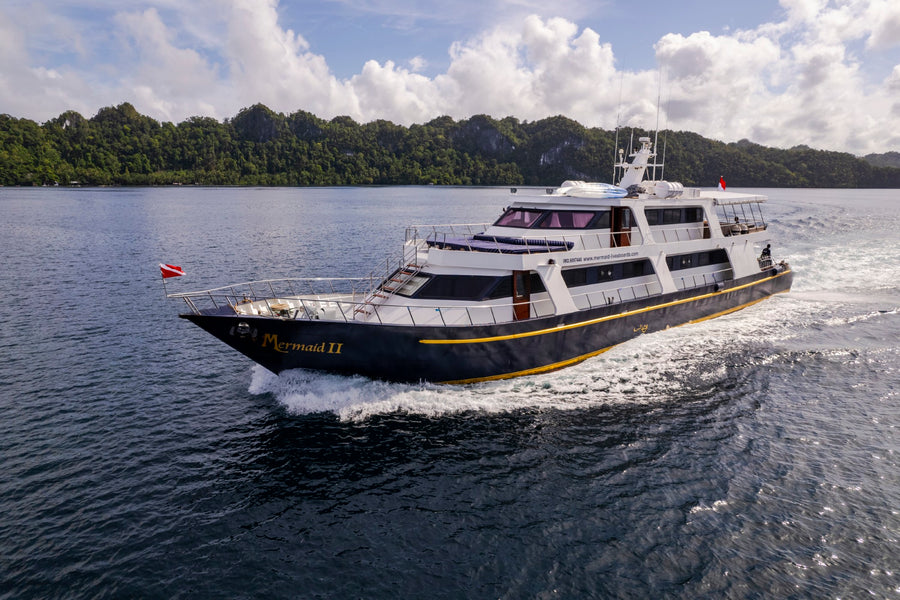
Mermaid II
Biodiversity Super Special: Raja Ampat, Banda Sea, Alor & Maumere
- Indicative duration
- 15 nights
- Embarkation
- Sorong or Maumere — confirm per departure
- Disembarkation
- Maumere or Sorong — confirm per departure
Mermaid II
Raja Ampat 9 Days
- Indicative duration
- 8 nights
- Embarkation
- Sorong, West Papua
- Disembarkation
- Sorong, West Papua
Mermaid II
Raja Ampat, Halmahera & Lembeh
- Indicative duration
- 11 nights
- Embarkation
- Sorong or Lembeh — confirm per departure
- Disembarkation
- Lembeh or Sorong — confirm per departure
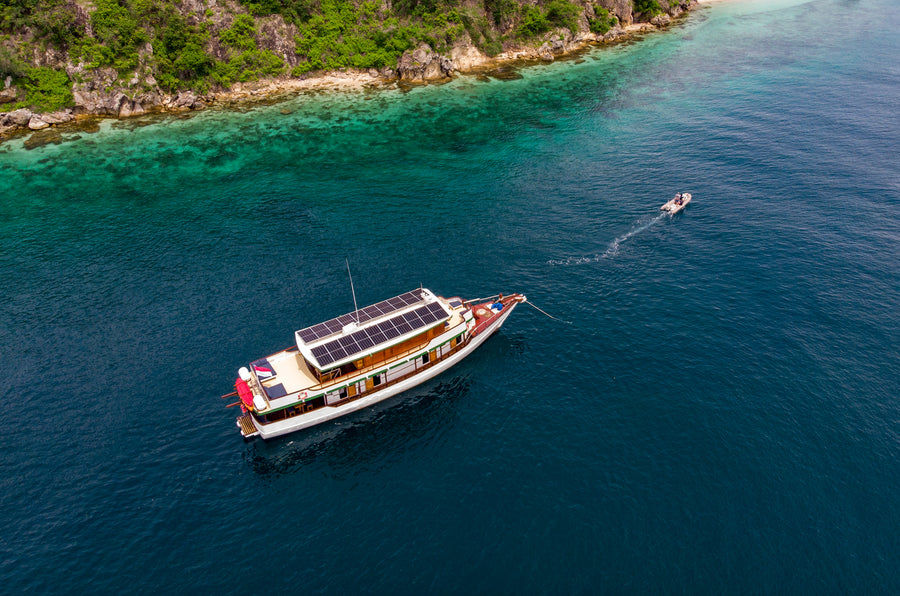
Bajau
Nomad Exploration Cruise: Spice Island to Four Kings
- Indicative duration
- 10 nights
- Embarkation
- Ambon
- Disembarkation
- Sorong
Bajau
Nomad Exploration: Raja Ampat to Halmahera
- Indicative duration
- 8 nights
- Embarkation
- Sorong
- Disembarkation
- Ternate
Bajau
Nomad Exploring Dampier Strait & Misool
- Indicative duration
- 8 nights
- Embarkation
- Sorong
- Disembarkation
- Sorong
Bajau
Nomad Raja Ampat
- Indicative duration
- 10 nights
- Embarkation
- Sorong
- Disembarkation
- Sorong
Bajau
Nomad Raja Ampat Discovery
- Indicative duration
- 7 nights
- Embarkation
- Sorong
- Disembarkation
- Sorong
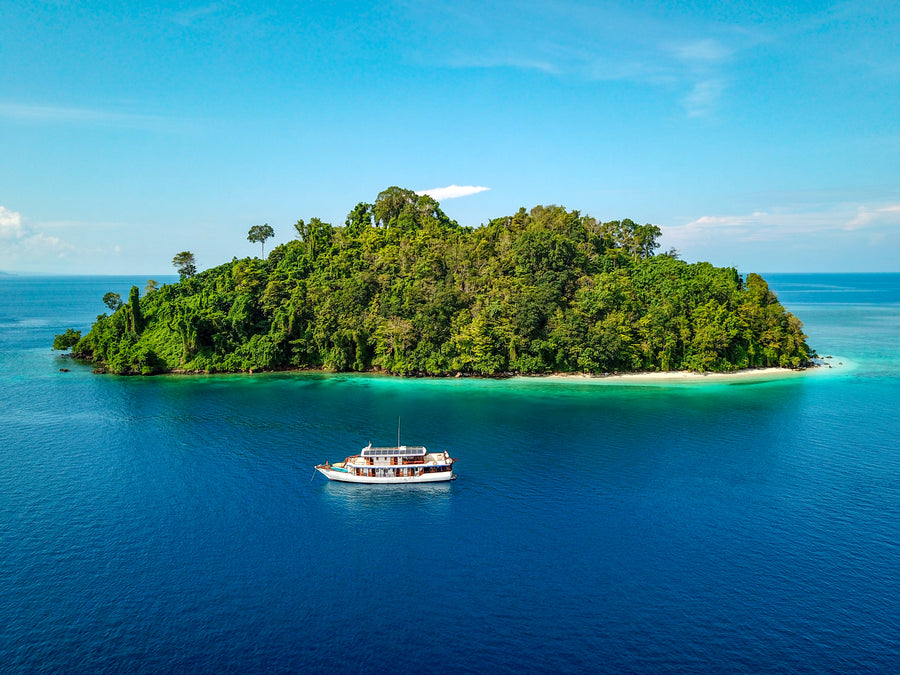
Bugis
Nomad Exploration: Raja Ampat & Banda Sea
- Indicative duration
- 10 nights
- Embarkation
- Sorong
- Disembarkation
- Ambon
Bugis
Nomad Exploring Dampier Strait & Misool aboard the Bugis
- Indicative duration
- 8 nights
- Embarkation
- Sorong
- Disembarkation
- Sorong
Bugis
Nomad Raja Ampat
- Indicative duration
- 10 nights
- Embarkation
- Sorong
- Disembarkation
- Sorong
Bugis
Nomad Raja Ampat
- Indicative duration
- 5 nights
- Embarkation
- Sorong
- Disembarkation
- Sorong
Bugis
Nomad Raja Ampat Discovery aboard the Bugis
- Indicative duration
- 7 nights
- Embarkation
- Sorong
- Disembarkation
- Sorong
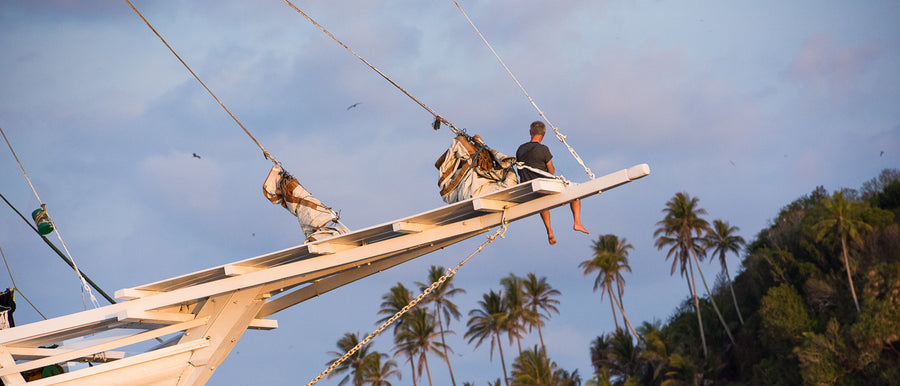
Pindito
Banda Sea & Raja Ampat
- Indicative duration
- 11 nights
- Embarkation
- Ambon
- Disembarkation
- Sorong
Pindito
Biodiversity Cruise
- Indicative duration
- 13 nights
- Embarkation
- Maumere
- Disembarkation
- Sorong or Ambon
Pindito
Halmahera & Maluku Sea
- Indicative duration
- 11 nights
- Embarkation
- Sorong, Ternate or Ambon — confirm per departure
- Disembarkation
- Ternate, Manado or Sorong — confirm per departure
Pindito
Raja Ampat
- Indicative duration
- 11 nights
- Embarkation
- Sorong
- Disembarkation
- Sorong
Pindito
Ternate, Halmahera & Raja Ampat
- Indicative duration
- 11 nights
- Embarkation
- Ternate
- Disembarkation
- Sorong
Pindito
Whale & Macro Cruise
- Indicative duration
- 11 nights
- Embarkation
- Ambon or Sorong
- Disembarkation
- Ambon or Sorong
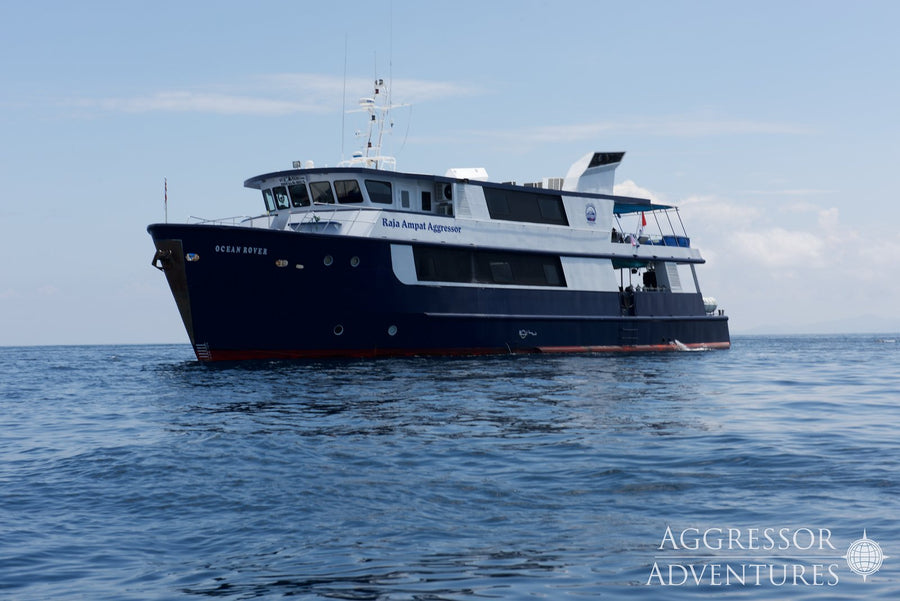
Raja Ampat Aggressor
Raja Ampat (10 nights)
- Indicative duration
- 10 nights
- Embarkation
- Sorong
- Disembarkation
- Sorong
Raja Ampat Aggressor
Raja Ampat (12 nights)
- Indicative duration
- 12 nights
- Embarkation
- Sorong
- Disembarkation
- Bitung
Raja Ampat Aggressor
Raja Ampat (12 nights)
- Indicative duration
- 12 nights
- Embarkation
- Bitung
- Disembarkation
- Sorong
Raja Ampat Aggressor
Raja Ampat (7 nights)
- Indicative duration
- 7 nights
- Embarkation
- Sorong
- Disembarkation
- Sorong
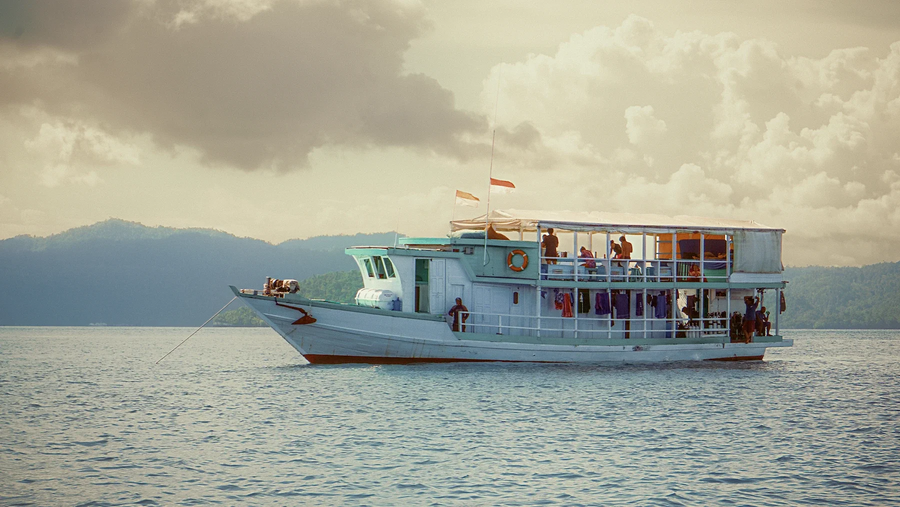
Epica
Best of Dampier Strait
- Indicative duration
- 6 nights
- Embarkation
- Waisai
- Disembarkation
- Waisai
Epica
Dampier Strait & Misool
- Indicative duration
- 8 nights
- Embarkation
- Waisai
- Disembarkation
- Waisai
Epica
Wayag & Dampier Strait
- Indicative duration
- 8 nights
- Embarkation
- Waisai
- Disembarkation
- Waisai
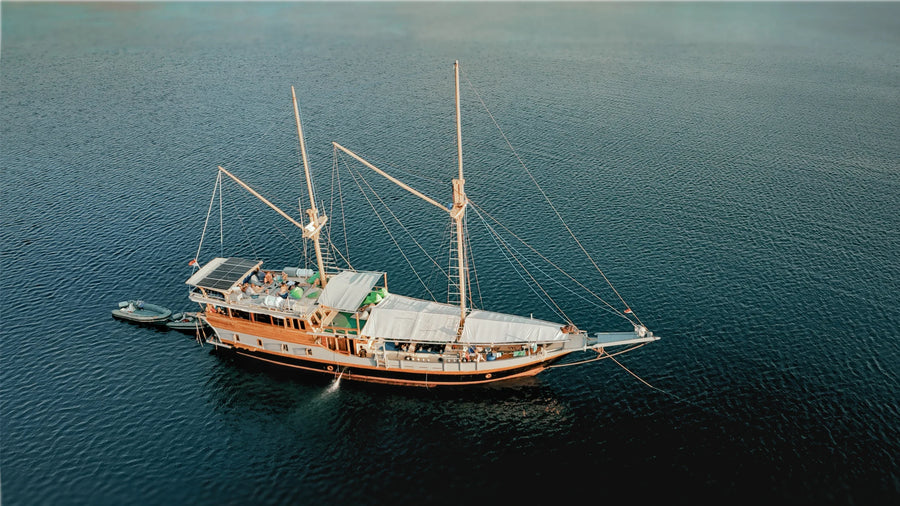
Jaya
Banda Sea & Raja Ampat Crossing
- Indicative duration
- 10 nights
- Embarkation
- Ambon or Waisai
- Disembarkation
- Waisai or Ambon
Jaya
Raja Ampat
- Indicative duration
- 6 nights
- Embarkation
- Waisai
- Disembarkation
- Waisai
Jaya
Raja Ampat & Misool
- Indicative duration
- 8 nights
- Embarkation
- Waisai
- Disembarkation
- Waisai
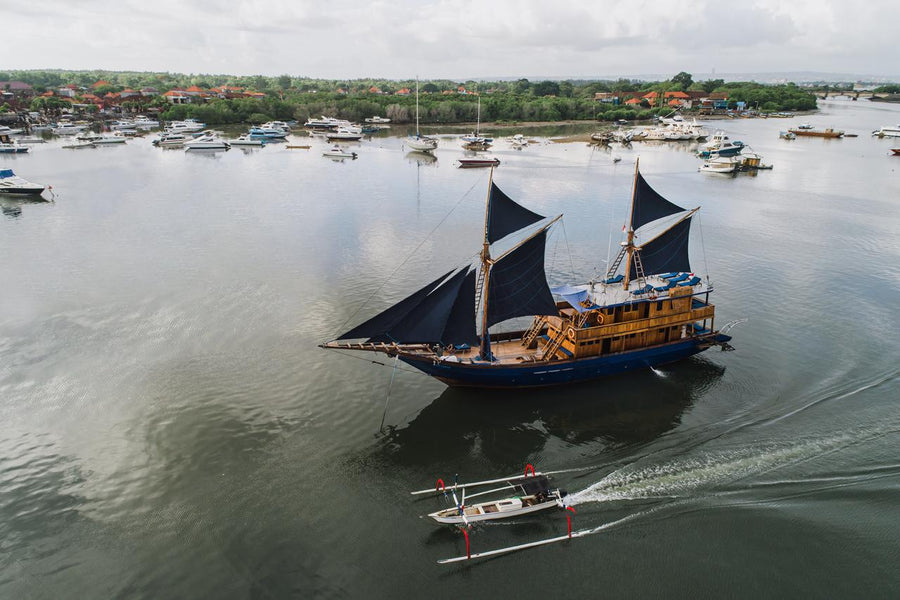
Situju 7
Raja Ampat — 7 Days / 6 Nights
- Indicative duration
- 6 nights
- Embarkation
- Sorong
- Disembarkation
- Sorong
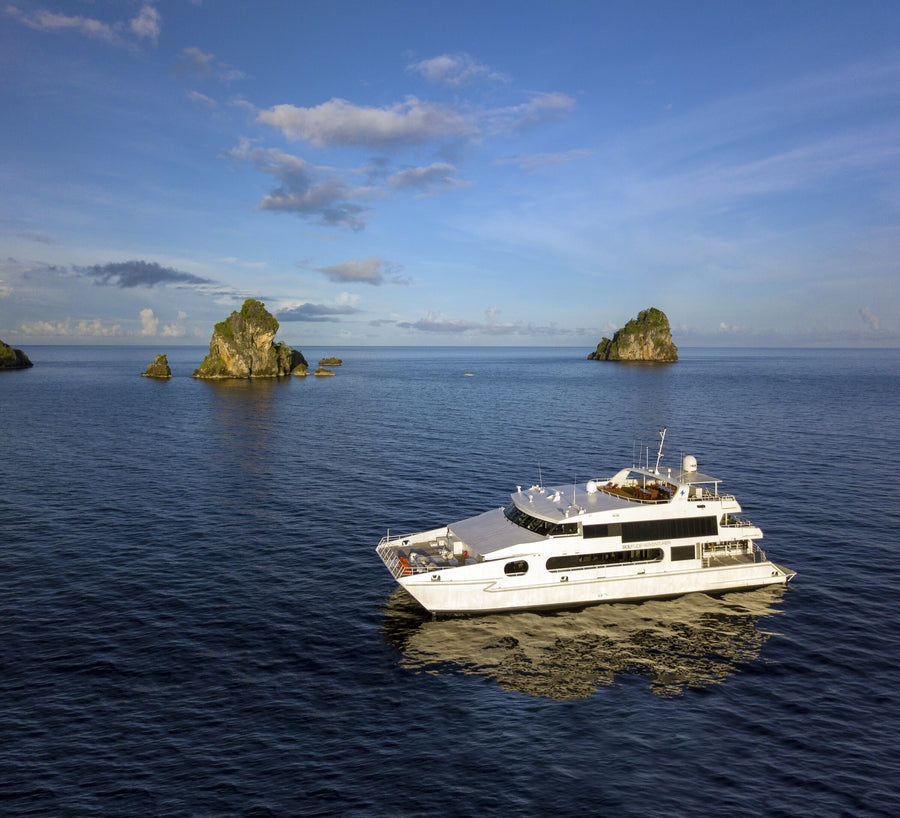
Solitude Adventurer
Ambon / Banda / Raja Ampat - 12N
- Indicative duration
- 12 nights
- Embarkation
- Ambon
- Disembarkation
- Sorong
Solitude Adventurer
Raja Ampat / Banda / Maumere - 14N
- Indicative duration
- 14 nights
- Embarkation
- Sorong
- Disembarkation
- Maumere
Solitude Adventurer
Raja Ampat / Misool (RM4) - 8N
- Indicative duration
- 8 nights
- Embarkation
- Sorong
- Disembarkation
- Sorong
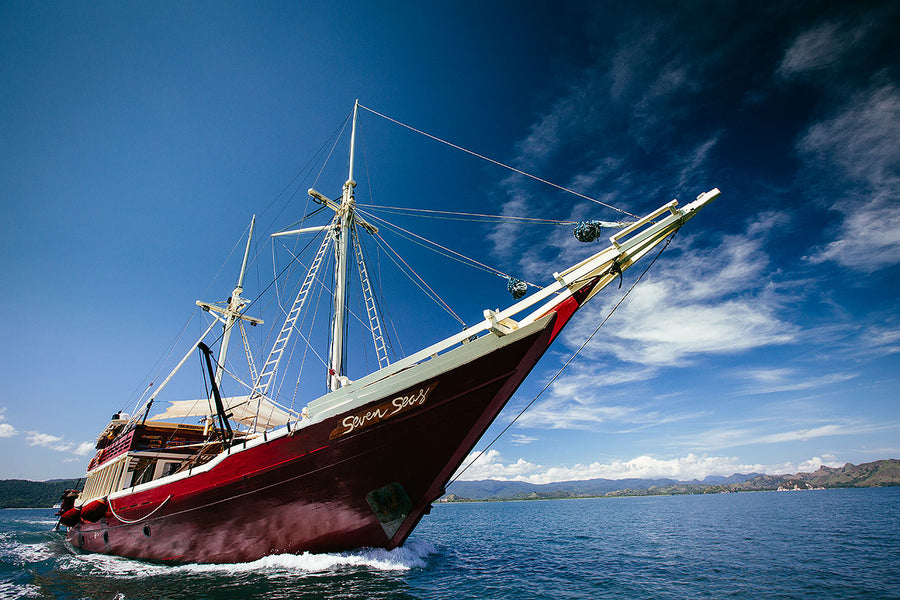
The Seven Seas
Raja Ampat & Triton Bay — Sorong to Kaimana
- Indicative duration
- 14 nights
- Embarkation
- Sorong
- Disembarkation
- Kaimana
The Seven Seas
Raja Ampat — Sorong to Sorong
- Indicative duration
- 10 nights
- Embarkation
- Sorong
- Disembarkation
- Sorong
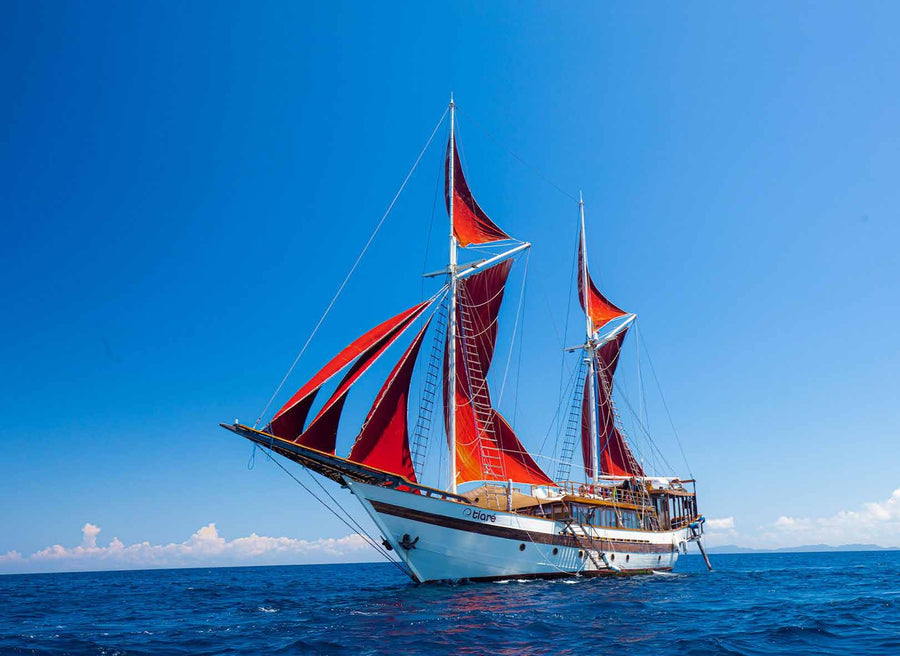
Tiare
Ambon, Banda Islands & Raja Ampat — Ambon to Sorong
- Indicative duration
- 11 nights
- Embarkation
- Ambon
- Disembarkation
- Sorong
Tiare
Ambon, Banda Islands & Raja Ampat — Ambon to Sorong
- Indicative duration
- 12 nights
- Embarkation
- Ambon
- Disembarkation
- Sorong
Tiare
Halmahera - Misool - Raja Ampat — Ternate to Sorong
- Indicative duration
- 12 nights
- Embarkation
- Ternate
- Disembarkation
- Sorong
Tiare
Misool - Raja Ampat-Halmahera — Sorong to Ternate
- Indicative duration
- 12 nights
- Embarkation
- Sorong
- Disembarkation
- Ternate
Tiare
Raja Ampat - Banda Islands - Ambon — Sorong to Ambon
- Indicative duration
- 12 nights
- Embarkation
- Sorong
- Disembarkation
- Ambon
Tiare
Raja Ampat - Central & South — Sorong to Sorong
- Indicative duration
- 10 nights
- Embarkation
- Sorong
- Disembarkation
- Sorong
Tiare
Raja Ampat - Central & South — Sorong to Sorong
- Indicative duration
- 11 nights
- Embarkation
- Sorong
- Disembarkation
- Sorong
Tiare
Raja Ampat - Central Area & North — Sorong to Sorong
- Indicative duration
- 8 nights
- Embarkation
- Sorong
- Disembarkation
- Sorong
Tiare
Raja Ampat - Central Area — Sorong to Sorong
- Indicative duration
- 7 nights
- Embarkation
- Sorong
- Disembarkation
- Sorong
Tiare
Raja Ampat - Misool - Halmahera — Sorong to Ternate
- Indicative duration
- 11 nights
- Embarkation
- Sorong
- Disembarkation
- Ternate
Tiare
Raja Ampat - Misool Area — Sorong to Sorong
- Indicative duration
- 7 nights
- Embarkation
- Sorong
- Disembarkation
- Sorong
Tiare
Raja Ampat Central & South — Sorong to Sorong
- Indicative duration
- 12 nights
- Embarkation
- Sorong
- Disembarkation
- Sorong
Tiare
Raja Ampat Triton Bay — Sorong to Kaimana
- Indicative duration
- 14 nights
- Embarkation
- Sorong
- Disembarkation
- Kaimana
Tiare
Raja Ampat only Misool — Sorong to Sorong
- Indicative duration
- 9 nights
- Embarkation
- Sorong
- Disembarkation
- Sorong
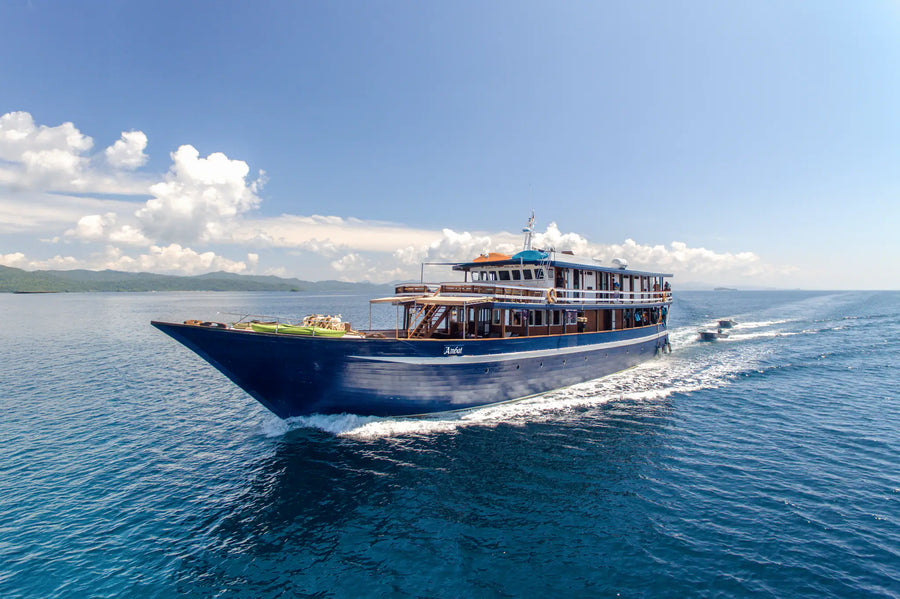
MV Ambai
Banda Sea & Raja Ampat
- Indicative duration
- 12 nights
- Embarkation
- Ambon
- Disembarkation
- Sorong
MV Ambai
Halmahera, Misool & Banda Sea
- Indicative duration
- 14 nights
- Embarkation
- Ternate
- Disembarkation
- Ambon
MV Ambai
Raja Ampat
- Indicative duration
- 12 nights
- Embarkation
- Sorong
- Disembarkation
- Sorong
MV Ambai
Raja Ampat & Triton Bay
- Indicative duration
- 11 nights
- Embarkation
- Sorong or Kaimana
- Disembarkation
- Kaimana or Sorong
MV Ambai
Raja Ampat, Halmahera & Lembeh
- Indicative duration
- 12 nights
- Embarkation
- Sorong
- Disembarkation
- Lembeh / Bitung
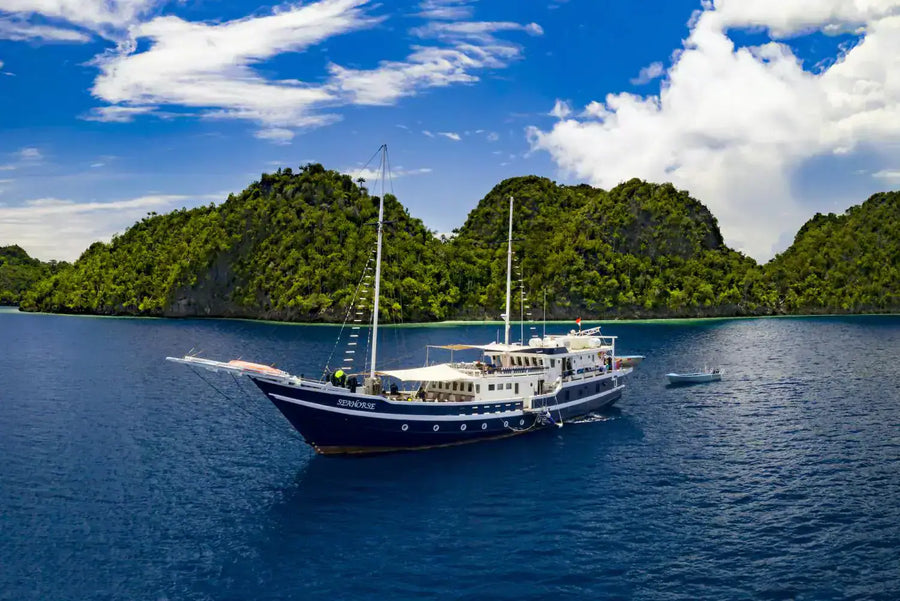
MSY Seahorse
Banda Sea to Raja Ampat
- Indicative duration
- 11 nights
- Embarkation
- Ambon
- Disembarkation
- Sorong
MSY Seahorse
Raja Ampat
- Indicative duration
- 11 nights
- Embarkation
- Sorong
- Disembarkation
- Sorong
MSY Seahorse
Raja Ampat & Halmahera
- Indicative duration
- 11 nights
- Embarkation
- Sorong
- Disembarkation
- Ternate
MSY Seahorse
Raja Ampat, Halmahera & Lembeh
- Indicative duration
- 11 nights
- Embarkation
- Sorong
- Disembarkation
- Lembeh / Bitung
MSY Seahorse
Triton Bay & Raja Ampat
- Indicative duration
- 11 nights
- Embarkation
- Kaimana or Sorong
- Disembarkation
- Sorong or Kaimana
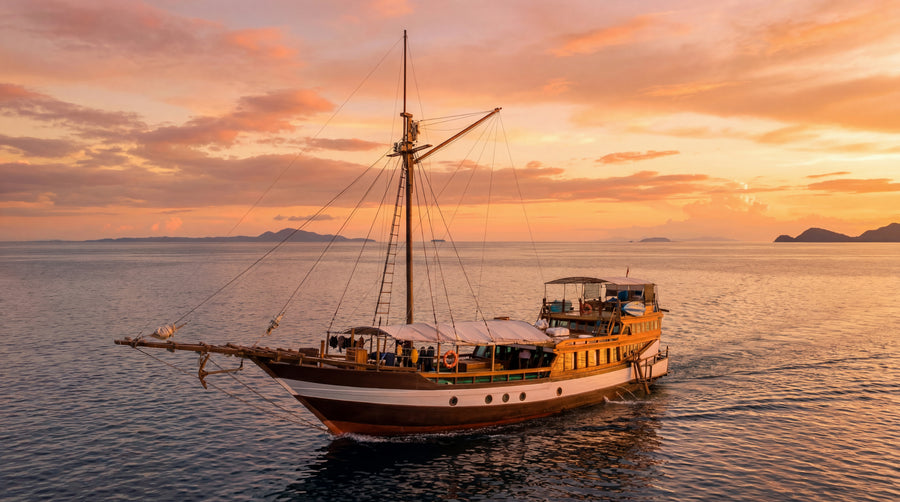
Wellenreng
Banda Sea & Raja Ampat — Ambon to Sorong
- Indicative duration
- 10 nights
- Embarkation
- Ambon
- Disembarkation
- Sorong
Wellenreng
Raja Ampat & Halmahera — Sorong to Ternate
- Indicative duration
- 10 nights
- Embarkation
- Sorong
- Disembarkation
- Ternate
Wellenreng
Raja Ampat Central & Misool — Sorong to Sorong
- Indicative duration
- 10 nights
- Embarkation
- Sorong
- Disembarkation
- Sorong
Wellenreng
Raja Ampat Central & Misool — Sorong to Sorong
- Indicative duration
- 9 nights
- Embarkation
- Sorong
- Disembarkation
- Sorong
Wellenreng
Raja Ampat Central — Sorong to Sorong
- Indicative duration
- 8 nights
- Embarkation
- Sorong
- Disembarkation
- Sorong
Wellenreng
Raja Ampat Central — Sorong to Sorong
- Indicative duration
- 9 nights
- Embarkation
- Sorong
- Disembarkation
- Sorong
No routes match this search. Try another vessel or clear your search.
When to dive Raja Ampat
October to April is a useful starting window for many liveaboard routes and southern itineraries. Some northern and central resort areas operate across more of the year. Wind exposure and the chosen island group matter, so a single season label cannot describe every Raja Ampat trip.
Planning window: Best October–April.
What the diving is like
Advanced experience is recommended because current can be strong and variable.
Exceptional coral biodiversity
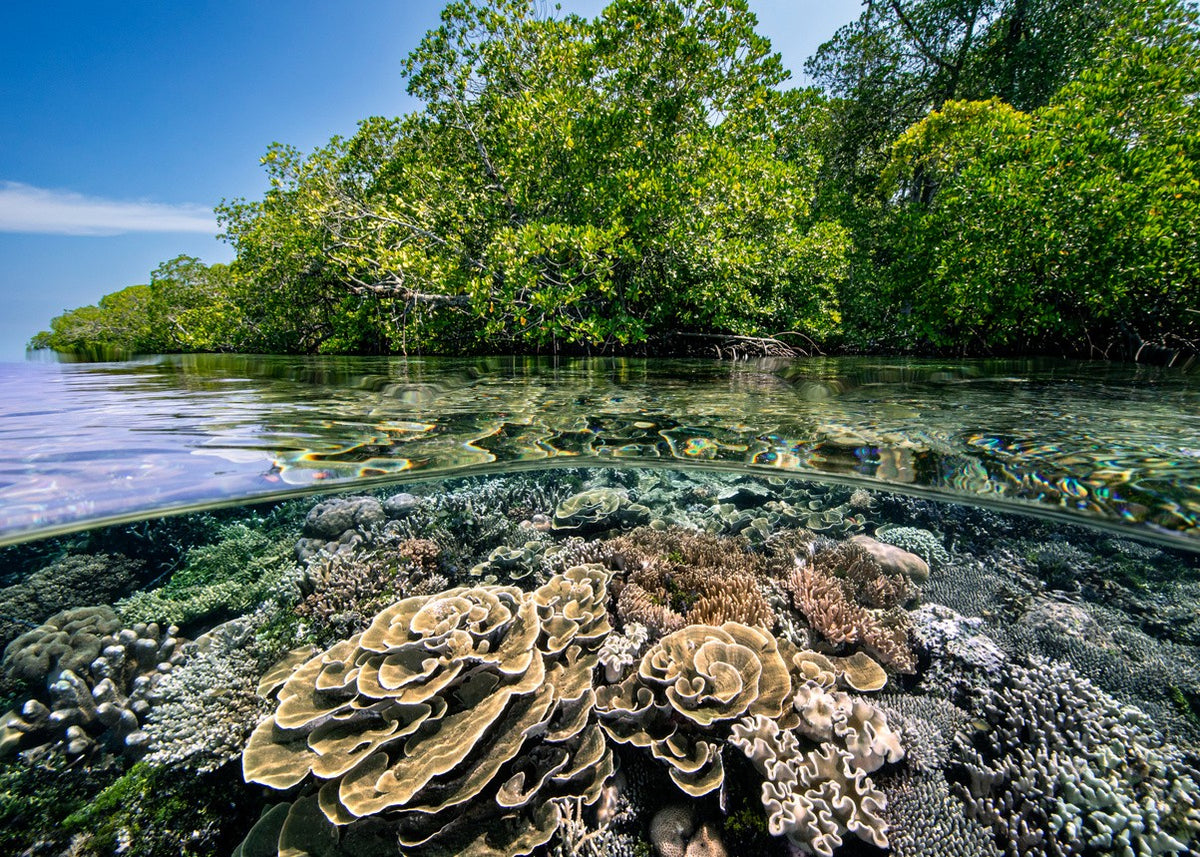
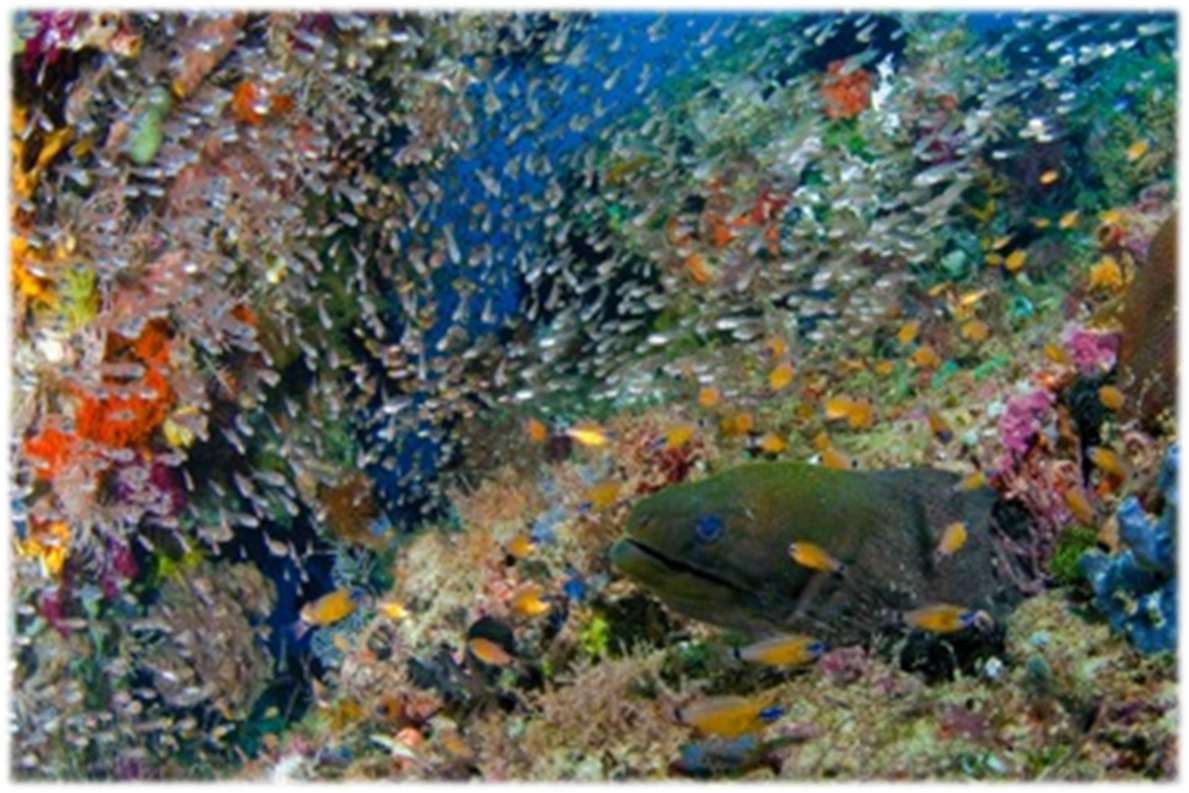
Raja Ampat’s reefs combine extraordinary coral variety with intense fish biomass. Around the Dampier Strait, current-fed ridges, pinnacles and shallow coral gardens can look completely different within a single day, which is why site selection should follow the tide rather than a fixed checklist.
Manta cleaning stations
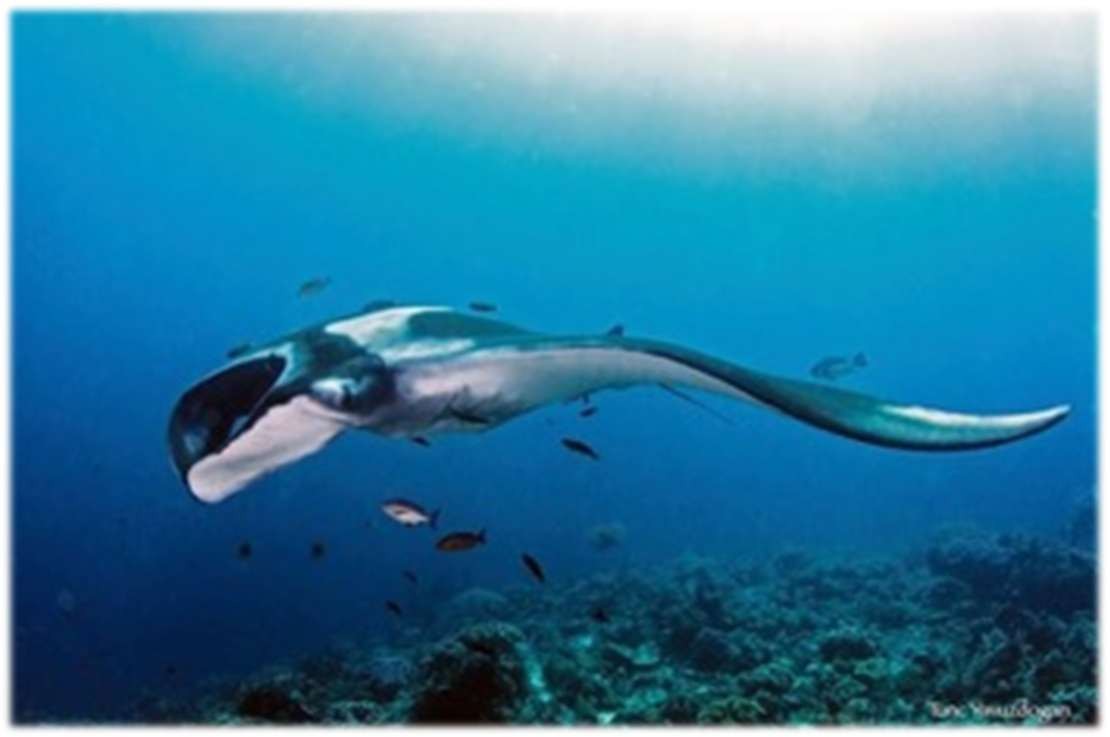
Cleaning stations such as Manta Sandy allow reef mantas to approach cleaner fish while divers wait at designated observation areas. The experience depends on animal behaviour, and responsible diving means staying low, keeping distance and never chasing or blocking a manta.
Schooling fish
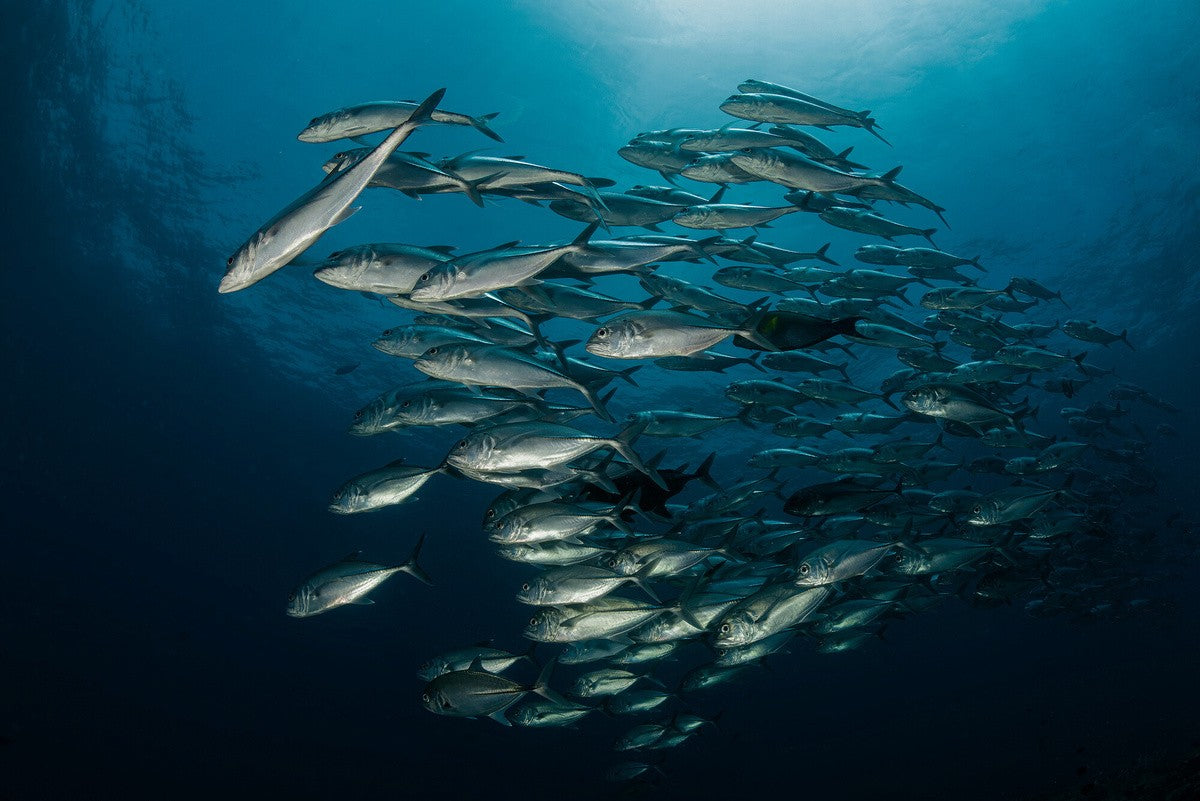
Current concentrates fusiliers, snapper, trevally and other schooling fish around exposed ridges and pinnacles. Sites such as Cape Kri and Blue Magic are strongest when guides match the dive plan to the direction and strength of the water.
Choose your part of the archipelago
A resort lets you know one region in depth, revisit sites and enjoy a house reef. A liveaboard can connect more distant island groups, with the route determining whether you spend time in the Dampier Strait, the north or Misool. Combining the two works well when transfer days and the sailing schedule align.
DIVE SITE GUIDE
Dive sites in Raja Ampat
Explore the character of individual sites, from the setting and marine life to the diving conditions. Open a card for the full description; site access and the final profile depend on conditions and experience.
ORIENTATION MAP
Where the dive sites are
Use the map to understand how the key sites are spread around the destination. Pins are for trip-planning orientation only; entry points, moorings and the final dive plan are always confirmed by the local operator on the day.
Coordinates are planning references compiled from current dive-site sources. They are not navigation coordinates; entry points, moorings, tide windows and the final dive plan are always confirmed by the local operator on the day.
Slope · Current point · Reef
Cape Kri
Cape Kri is one of Raja Ampat’s defining current dives: a long reef point where moving water compresses an extraordinary amount of life into the same field of view.
Explore this dive site
- Type
- Slope · Current point · Reef
- Depth
- 5–40 m
- Experience
- Intermediate–Advanced
- Current
- Moderate–Strong
Cape Kri is one of Raja Ampat’s defining current dives: a long reef point where moving water compresses an extraordinary amount of life into the same field of view. Schools of fusiliers and snapper can stack above the reef while trevally, barracuda, tuna and reef sharks work the current line. The coral is not simply a backdrop — shallow hard-coral gardens, fans and reef fish keep the site visually rich even when the largest predators stay deeper.
The challenge is timing. Current can turn a spectacular fish-watching dive into a demanding drift, so guides choose the entry, route and turn point around tide rather than following one fixed track. Experienced divers who can stay streamlined and close to the reef get the most from it.
Look for: High fish biomass · Reef sharks possible · Current-fed point · Classic Dampier Strait
Best for: Fish biomass · Sharks · Schooling fish · Wide angle
Seamount · Current · Pelagic
Blue Magic
Blue Magic is a submerged seamount whose appeal begins before you reach the reef: the open-water descent itself can reveal schools of fish circling above the structure.
Explore this dive site
- Type
- Seamount · Current · Pelagic
- Depth
- 7–30 m
- Experience
- Advanced
- Current
- Moderate–Strong
Blue Magic is a submerged seamount whose appeal begins before you reach the reef: the open-water descent itself can reveal schools of fish circling above the structure. Once on the site, jacks, barracuda and fusiliers dominate the water column, reef sharks patrol the edges and mantas can visit when conditions are right.
Because the top of the seamount remains below the surface, there is little shelter if the current is running hard; the guide may use a negative entry and ask the group to descend promptly to the reef. It is one of Raja Ampat’s best sites for divers who enjoy scanning the blue as much as the coral and are comfortable managing buoyancy in moving water.
Look for: Submerged seamount · Manta potential · Schooling jacks · Advanced current diving
Best for: Mantas · Schooling fish · Sharks · Blue-water action
Cleaning station · Sandy reef
Manta Sandy
Manta Sandy is designed around patience rather than distance.
Explore this dive site
- Type
- Cleaning station · Sandy reef
- Depth
- 5–15 m
- Experience
- Beginner–Intermediate
- Current
- Mild–Moderate
Manta Sandy is designed around patience rather than distance. Divers settle at the designated observation area and watch a series of coral bommies used as cleaning stations, where reef mantas may circle, hover and return repeatedly when plankton and cleaning activity line up.
The shallow depth gives long bottom times, but good behavior matters more than air consumption: staying low, avoiding the cleaning station itself and giving the animals room increases the chance that they continue their natural pattern. Mantas are wild and never guaranteed, so the site should still be appreciated as a shallow Raja Ampat reef even on a quiet day. When the mantas arrive, it becomes one of the region’s most memorable wide-angle dives.
Look for: Manta cleaning station · Shallow profile · Long observation time · Strict wildlife etiquette
Best for: Reef mantas · Shallow observation · Photography
Coral garden · Shallow reef
Melissa’s Garden
Melissa’s Garden is the site that makes the phrase 'coral garden' feel inadequate.
Explore this dive site
- Type
- Coral garden · Shallow reef
- Depth
- 3–20 m
- Experience
- Beginner–Intermediate
- Current
- Mild–Moderate
Melissa’s Garden is the site that makes the phrase 'coral garden' feel inadequate. Around the Fam/Penemu area, broad shallow reef platforms are packed with branching and table corals, creating a mosaic of habitat that is often best appreciated by slowing down rather than swimming far.
Small reef fish occupy every layer above the coral, while the edges can bring larger schools and occasional predators. The relatively shallow profile is ideal for photographers because much of the color remains strong in natural light and there is time to compose without rushing. Current can still move across the reef, so the guide chooses the route carefully to protect both divers and fragile coral from unnecessary contact.
Look for: Dense hard coral · Shallow wide-angle · Reef-fish diversity · Fam Islands classic
Best for: Hard coral · Wide angle · Reef diversity · Long shallow dives
Seamount · Current · Schooling fish
Sardine Reef
Sardine Reef is named for the density of fish rather than for a guaranteed school of sardines.
Explore this dive site
- Type
- Seamount · Current · Schooling fish
- Depth
- 5–30 m
- Experience
- Advanced
- Current
- Strong possible
Sardine Reef is named for the density of fish rather than for a guaranteed school of sardines. The submerged reef sits in the Dampier Strait current, and when the tide is right the top and current-facing edge fill with fusiliers, snapper, surgeonfish and larger predators moving through the traffic.
Grey reef sharks, trevally and barracuda may appear around the perimeter while the coral itself remains busy with smaller reef life. There is very little reason to fight the water: the best dive follows the guide’s chosen shelter, uses the reef contour and lets the current bring the action past. Because water movement can be strong, it is better suited to divers already comfortable with negative entries and close group control.
Look for: Fish aggregation · Strong-current potential · Reef sharks possible · Dampier Strait
Best for: Schooling fish · Sharks · Fast reef action
Rock island · Wall · Current
Mike’s Point
Mike’s Point circles a steep limestone islet whose underwater profile combines wall, slope, overhangs and current-swept corners.
Explore this dive site
- Type
- Rock island · Wall · Current
- Depth
- 5–30 m
- Experience
- Intermediate–Advanced
- Current
- Moderate–Strong
Mike’s Point circles a steep limestone islet whose underwater profile combines wall, slope, overhangs and current-swept corners. The site can feel intimate against the rock, with fans, soft coral and reef fish close to the wall, then suddenly open into blue water where jacks, snapper or barracuda move past.
Its exposed position means one side can be noticeably more energetic than the other, so the route is chosen according to tide rather than by habit. The varied structure makes it a strong photographic dive, but it is also a useful lesson in Raja Ampat current management: stay with the guide, work the protected side when necessary and avoid drifting away from the island into the channel.
Look for: Limestone-island wall · Overhangs · Schooling fish · Current-dependent route
Best for: Walls · Schooling fish · Overhangs · Wide angle
Jetty · Reef · Macro + wide angle
Sauwandarek Jetty
Sauwandarek shows a different side of Raja Ampat from the current-heavy seamounts.
Explore this dive site
- Type
- Jetty · Reef · Macro + wide angle
- Depth
- 3–28 m
- Experience
- Beginner–Intermediate
- Current
- Usually mild
Sauwandarek shows a different side of Raja Ampat from the current-heavy seamounts. The village jetty creates shade and structure above a reef where schools of sweetlips and snapper, giant clams, soft coral and smaller macro subjects can all appear within one dive.
Photographers can work the pilings and fish aggregations with a wide lens, then slow down along the slope for nudibranchs, crustaceans and other small reef life. The shallows make the final part of the dive especially productive, and the site can work well for mixed-experience groups when conditions are calm. As with any village jetty, boat traffic and local activity are part of the environment, so surfacing procedures follow the guide’s briefing closely.
Look for: Village jetty · Schooling sweetlips · Giant clams · Macro + wide angle
Best for: Jetty photography · Sweetlips · Macro · Village reef
Reef slope · Coral bommies
Mioskon
Mioskon is a rounded reef island that often provides a calmer, more forgiving counterpoint to the Dampier Strait’s high-energy sites.
Explore this dive site
- Type
- Reef slope · Coral bommies
- Depth
- 3–25 m
- Experience
- Beginner–Intermediate
- Current
- Mild–Moderate
Mioskon is a rounded reef island that often provides a calmer, more forgiving counterpoint to the Dampier Strait’s high-energy sites. Divers follow coral bommies and sloping reef while batfish, fusiliers, snapper and other schooling fish move above the structure.
The reef supports plenty of smaller subjects as well, so there is no need to spend the entire dive staring into the blue. Because the depth range is flexible, groups can keep a comfortable recreational profile and finish in productive shallows rather than making a deep square dive. Current can still build around the island, but on a suitable tide Mioskon works well as a first Raja Ampat dive or as a relaxed photographic session after more demanding sites.
Look for: Flexible depth · Coral bommies · Schooling fish · Mixed-experience friendly
Best for: Coral reef · Schooling fish · Easy photography
Underwater photography
Wide-angle work can bring reef growth, dense fish life and a diver into one frame. Water movement often shapes the composition, so make the image from a position you can maintain comfortably. Macro subjects reward a second look on sheltered dives; the busiest reef scene is not always the most satisfying photograph.
Beyond diving: Raja Ampat above the surface
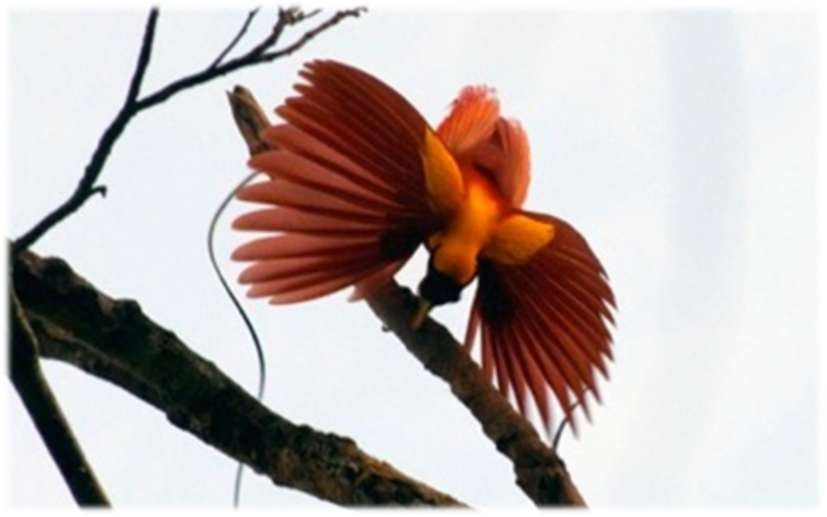
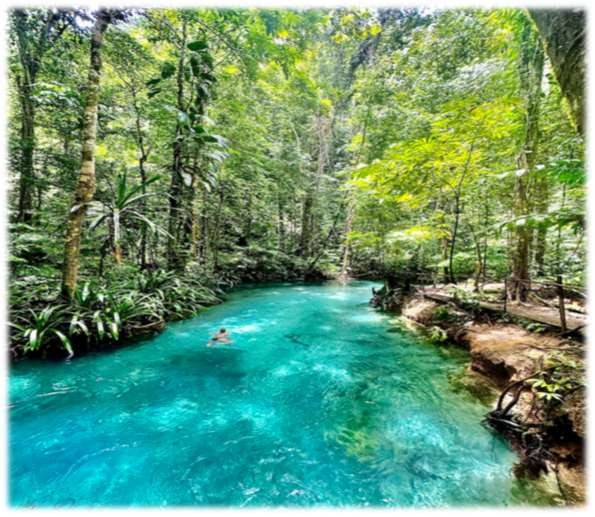
The islands are part of Raja Ampat’s appeal. Kayaking beside limestone formations, snorkelling shallow reefs and visiting coastal villages give a day above water its own purpose. Viewpoints and birdwatching add more possibilities where your base is well placed.
Distance is the key to planning. A famous viewpoint in one island group is not automatically a short excursion from a resort in another. Select the landscape experiences that fit your region, or use a liveaboard route that genuinely includes them.
Getting to Raja Ampat
Sorong is the main air gateway. From there, the onward journey may be a scheduled boat connection, a resort transfer or embarkation on a liveaboard. Match the flight plan to the specific transfer or cruise, because the different parts of Raja Ampat are separated by substantial distances.
An overnight stop at the gateway can make a long international journey less rushed. For a combined resort and cruise trip, align the transfer points before choosing the order of stays; two places described as Raja Ampat may be far apart.
Raja Ampat diving questions
What makes Raja Ampat worth a diving trip?
Raja Ampat is an archipelago to explore, not one reef to tick off. Fish-rich points, manta cleaning areas and layered coral gardens sit beneath forested limestone islands. A resort, a liveaboard or a combination can each reveal a different part of it.
Should I choose a resort or a liveaboard?
A resort lets you know one region in depth, revisit sites and enjoy a house reef. A liveaboard can connect more distant island groups, with the route determining whether you spend time in the Dampier Strait, the north or Misool. Combining the two works well when transfer days and the sailing schedule align.
When is a useful time to visit?
October to April is a useful starting window for many liveaboard routes and southern itineraries. Some northern and central resort areas operate across more of the year. Wind exposure and the chosen island group matter, so a single season label cannot describe every Raja Ampat trip.
Is there enough for non-diving companions?
The islands are part of Raja Ampat’s appeal. Kayaking beside limestone formations, snorkelling shallow reefs and visiting coastal villages give a day above water its own purpose. Viewpoints and birdwatching add more possibilities where your base is well placed.
A closer look at Raja Ampat
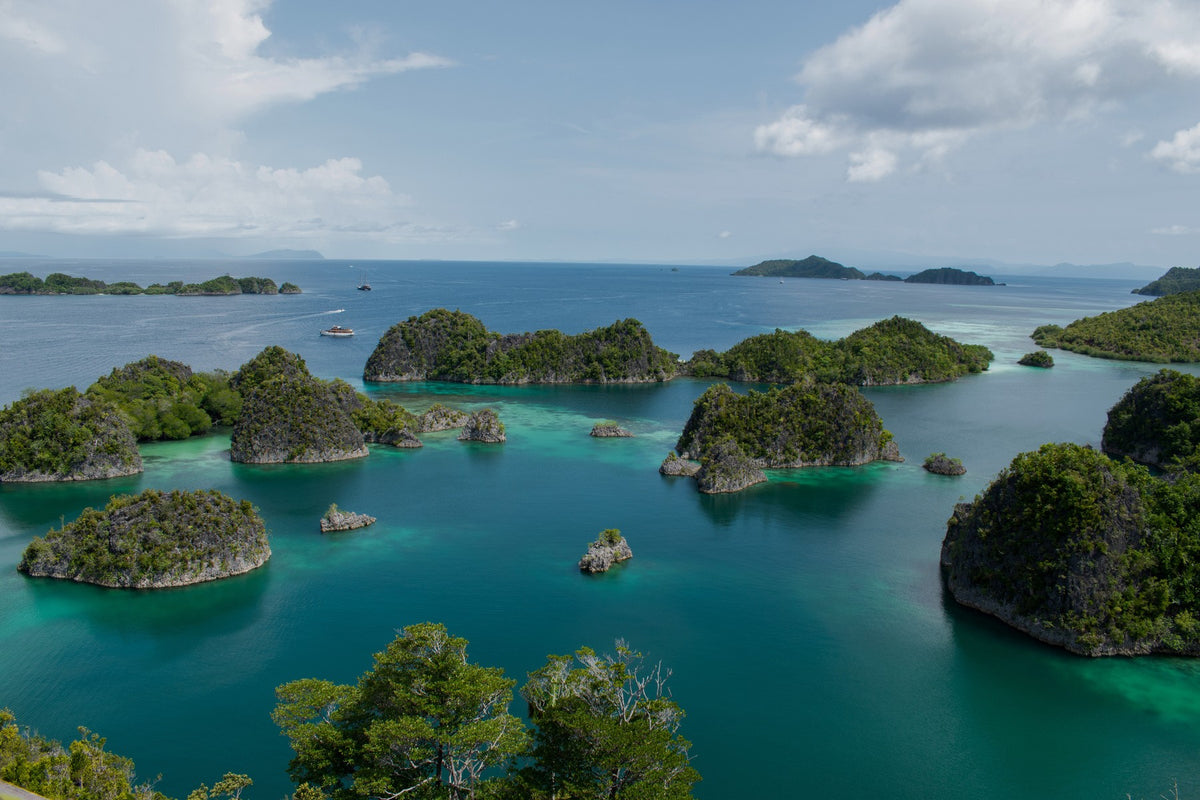
Plan your Raja Ampat trip
Tell us the experiences you most want, your preferred dates and how you like to travel. We can bring the destination, accommodation and diving into one coherent itinerary.
Plan my trip