

Destination guide · Philippines
Romblon Diving
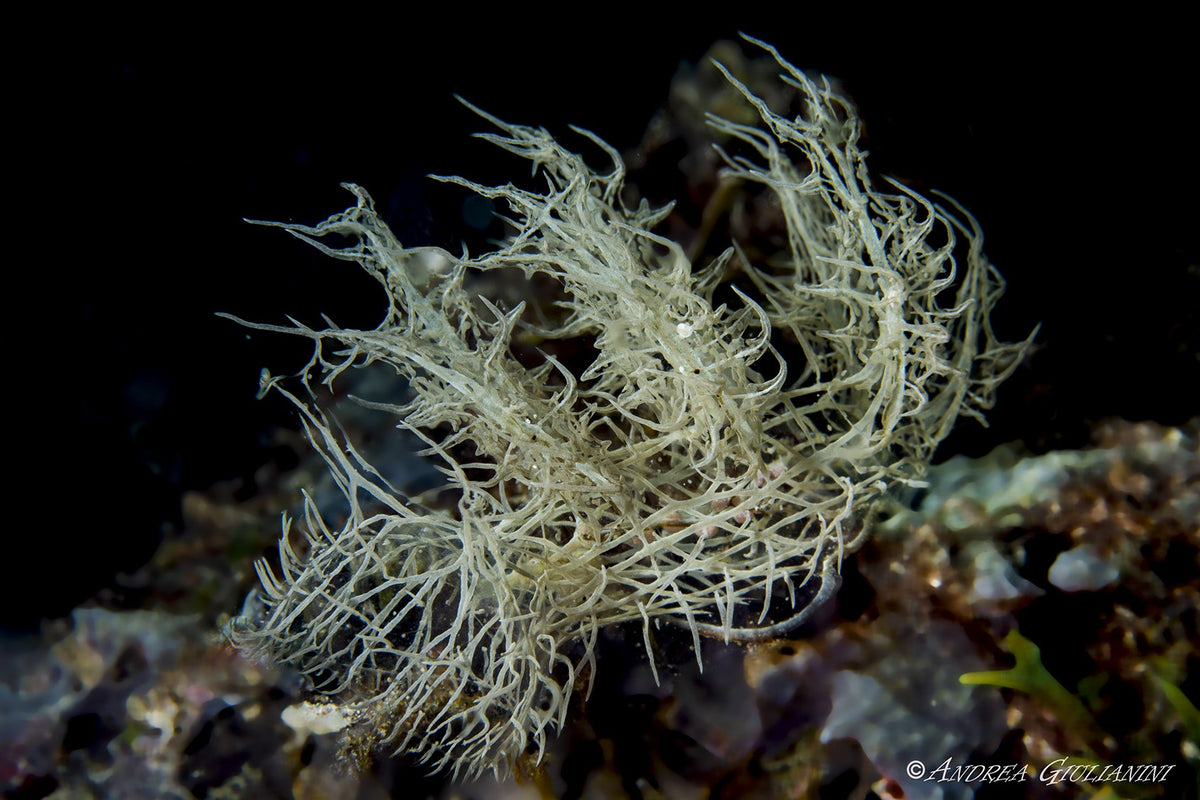
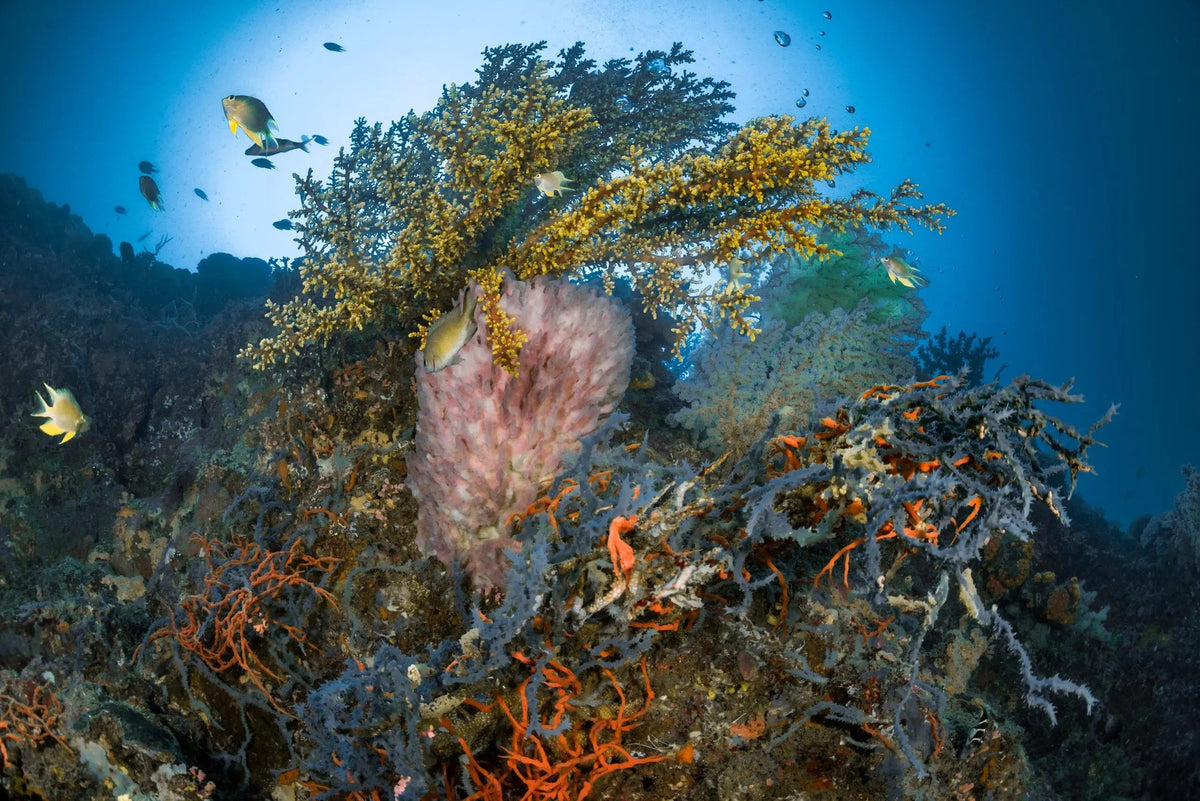
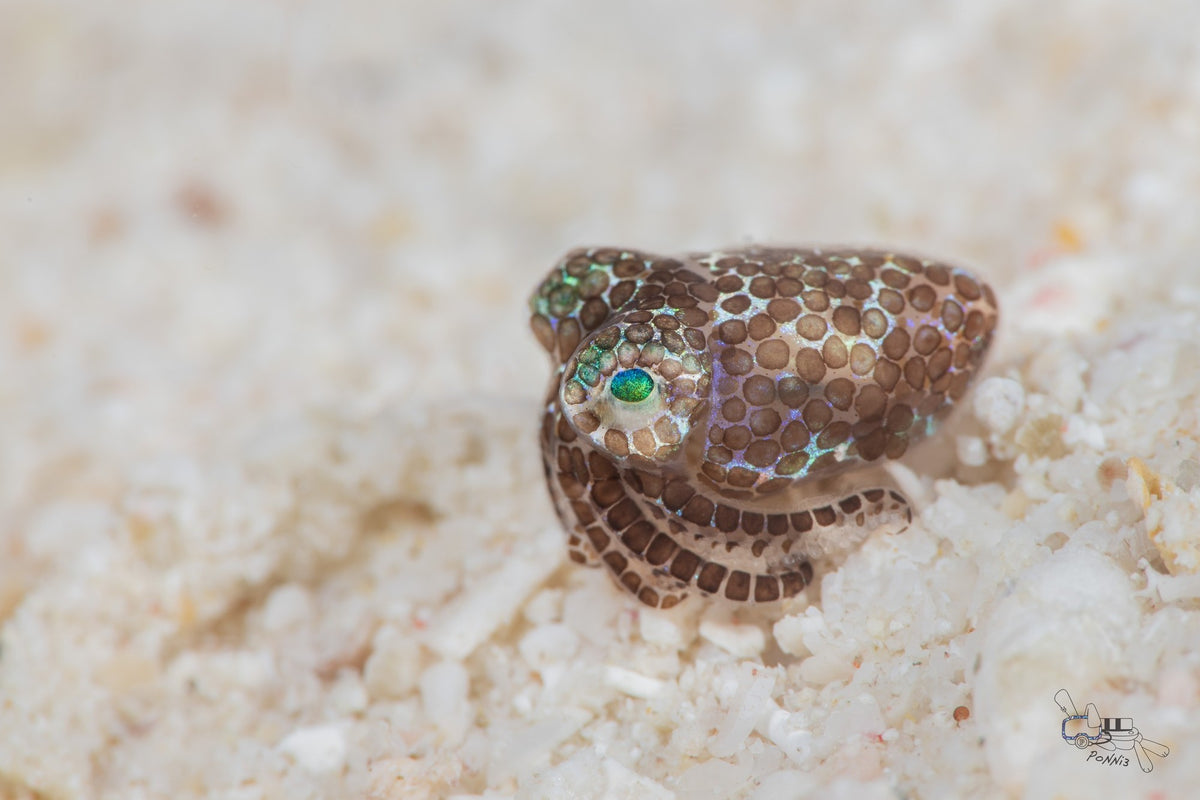
Romblon turns a dive into a careful search. A tiny movement on a hydroid or a barely visible animal against soft growth can become the moment you remember, especially when there is time to stop, observe and return.
Romblon at a glance
Romblon is a specialist destination for divers fascinated by rare, unusual and exceptionally small marine life. Its reefs, sand slopes and night-diving environments have become known among serious macro photographers for subjects that are difficult to find elsewhere.
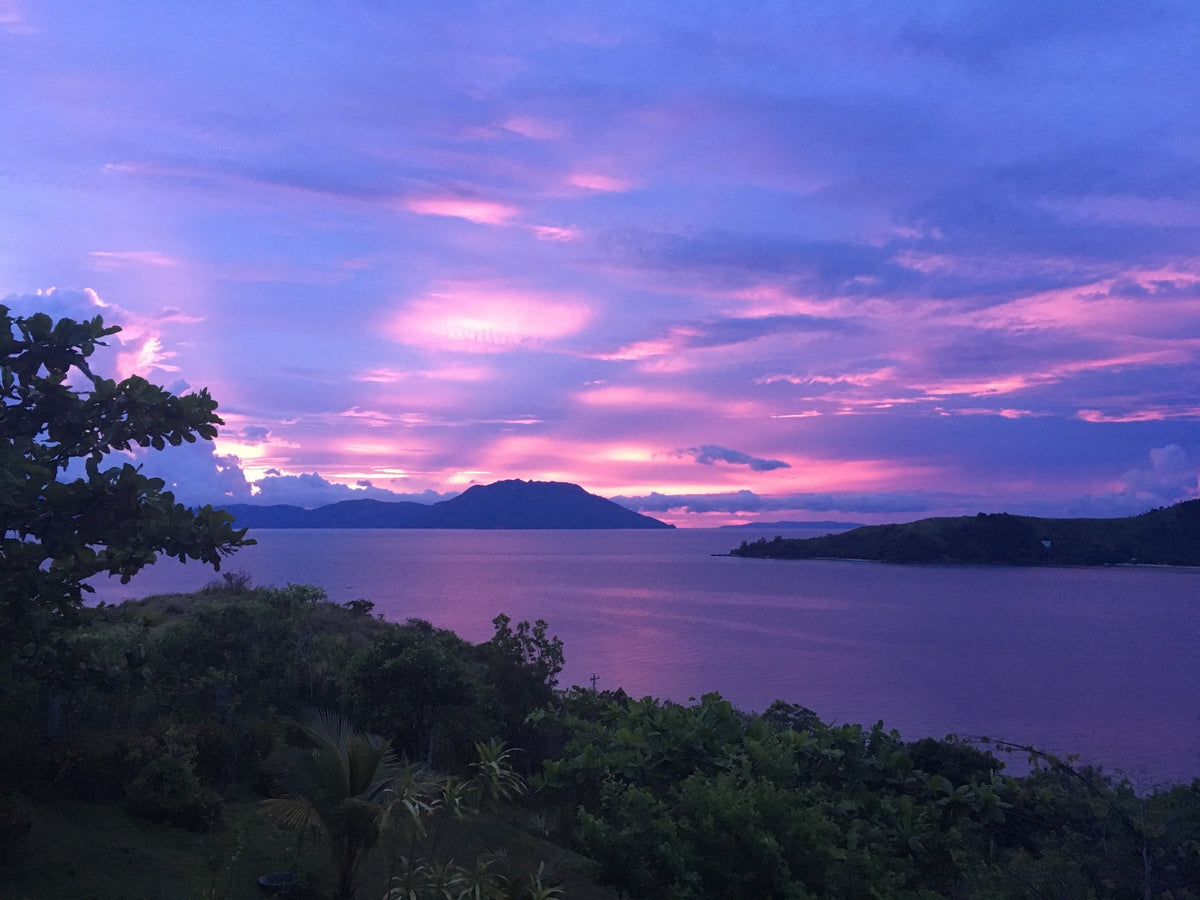
The appeal lies in patient observation rather than fast-paced sightseeing. Small guide ratios, precise buoyancy and a willingness to spend time with subtle habitats produce the strongest experience. Above water, quiet beaches, marble heritage and an uncrowded island atmosphere reinforce Romblon’s sense of discovery.
Planning your Romblon stay
Prioritise a specialist macro base, small dive groups and enough time in the water over a long list of different sites. Five to seven nights works well for a first photographic visit; longer stays make sense when your aim is patient observation and repeated searches.

The Three P Beach Resort Romblon
Family-run Romblon waterfront dive resort with ten photographer-ready rooms, specialist macro spotters, a house reef and blackwater diving.

Sunset Cove Beach & Dive Resort
Intimate Alad Island beachfront resort with Romblon Fun Divers, a 1:2 guide ratio and specialised support for macro photographers.
When to dive Romblon
October to May is a useful starting window for planning. Wind direction can change which side of the island is comfortable, while small animals are never tied to an appointment. A flexible selection of sheltered sites is more valuable than a fixed species checklist.
Planning window: Best October–May.
What the diving is like
Best for experienced macro divers and photographers with precise buoyancy.
Rare macro subjects
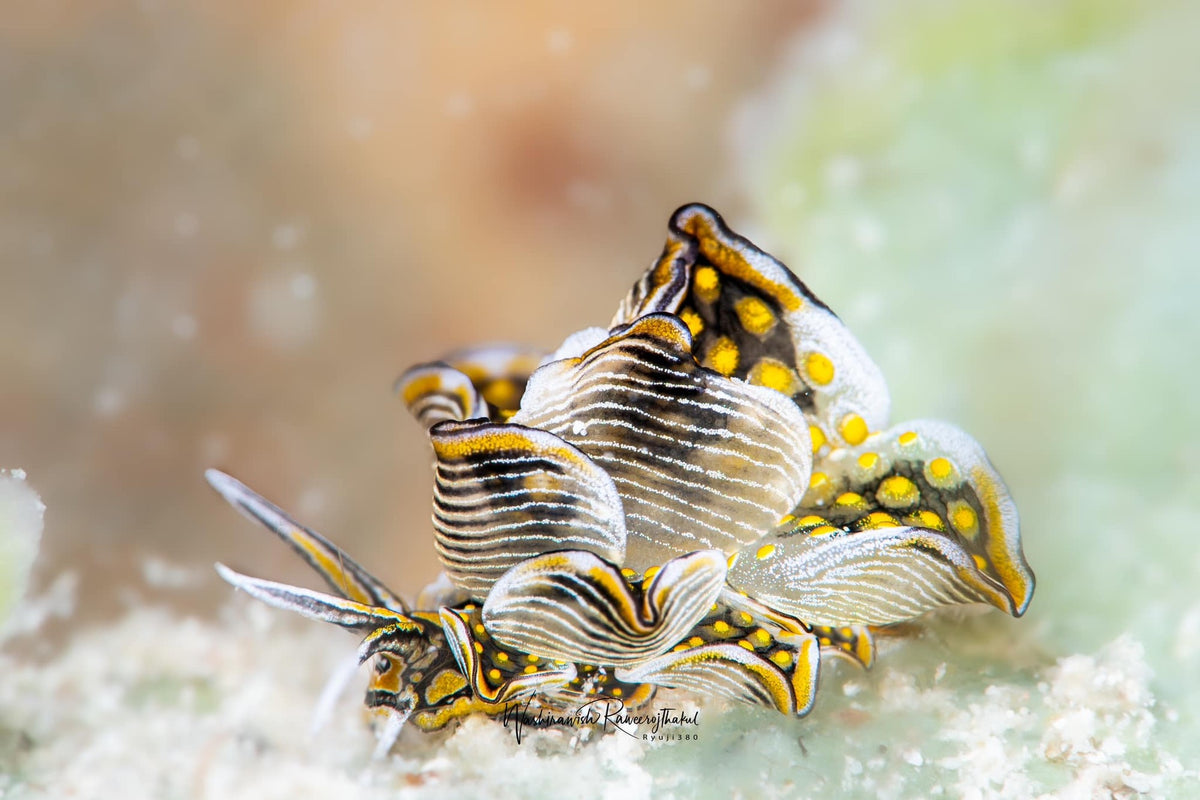
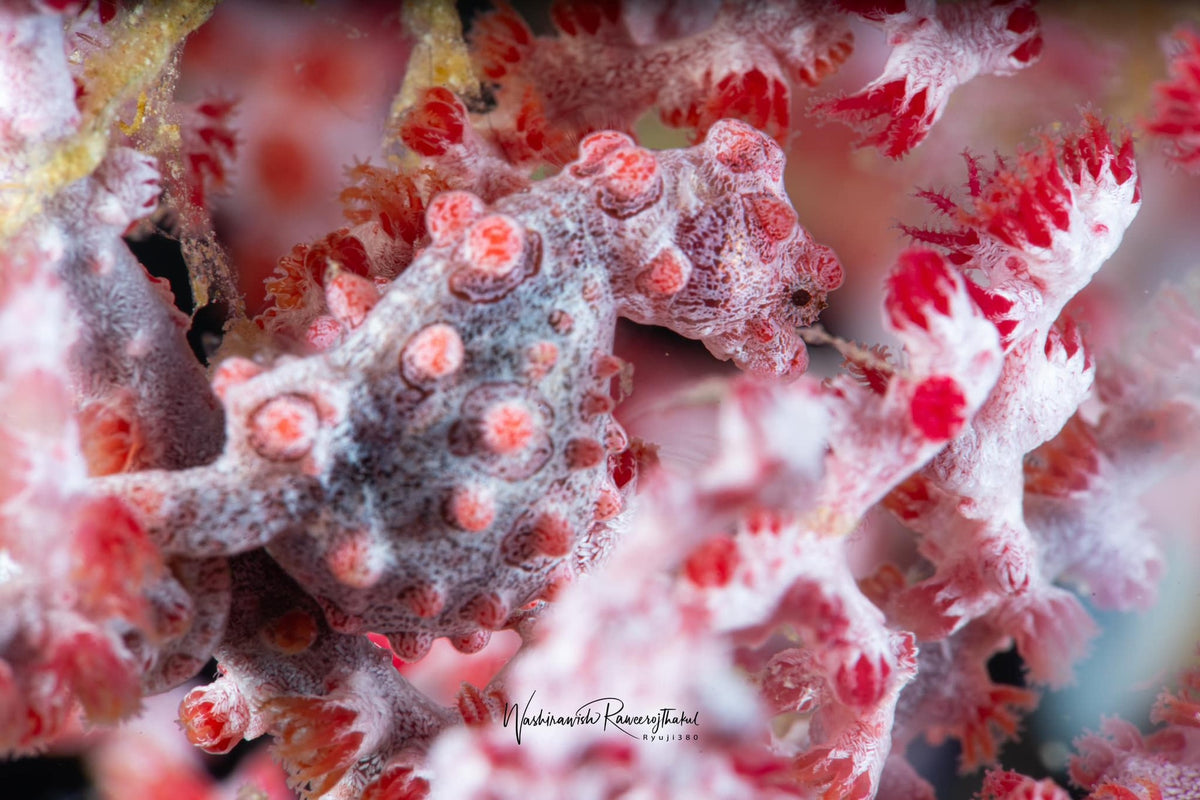
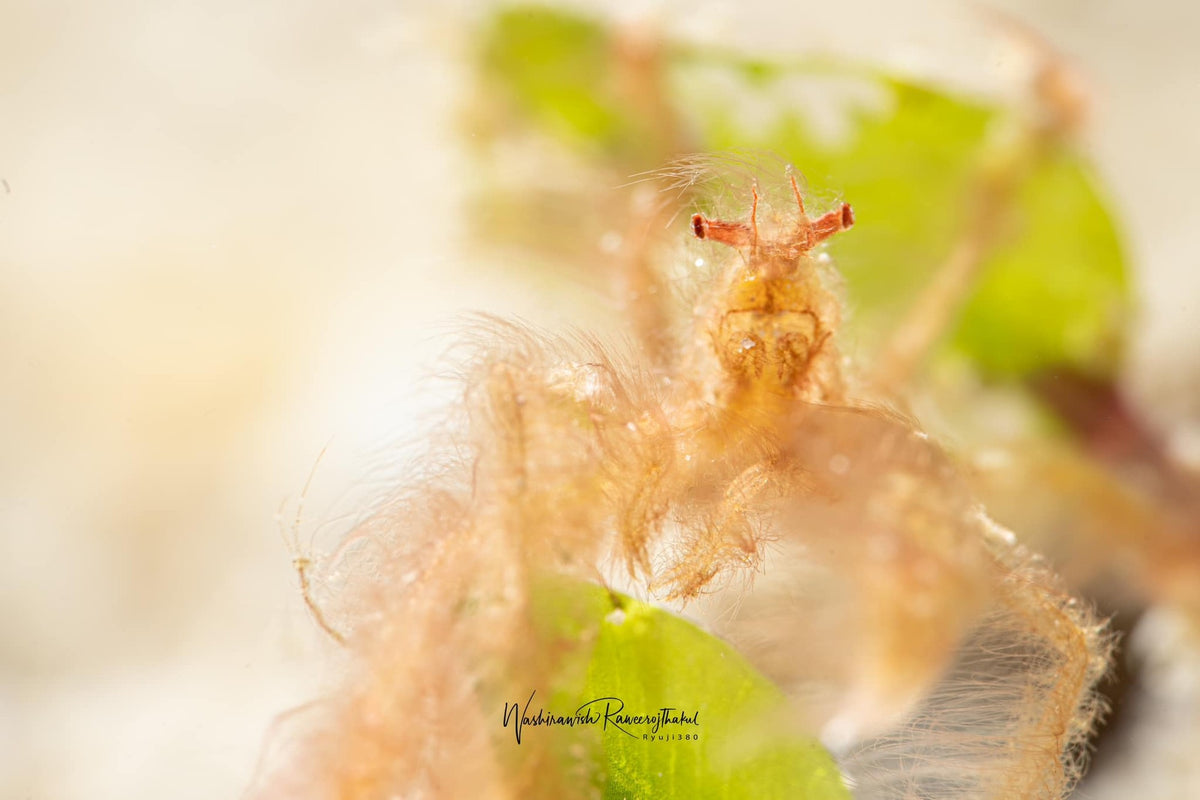
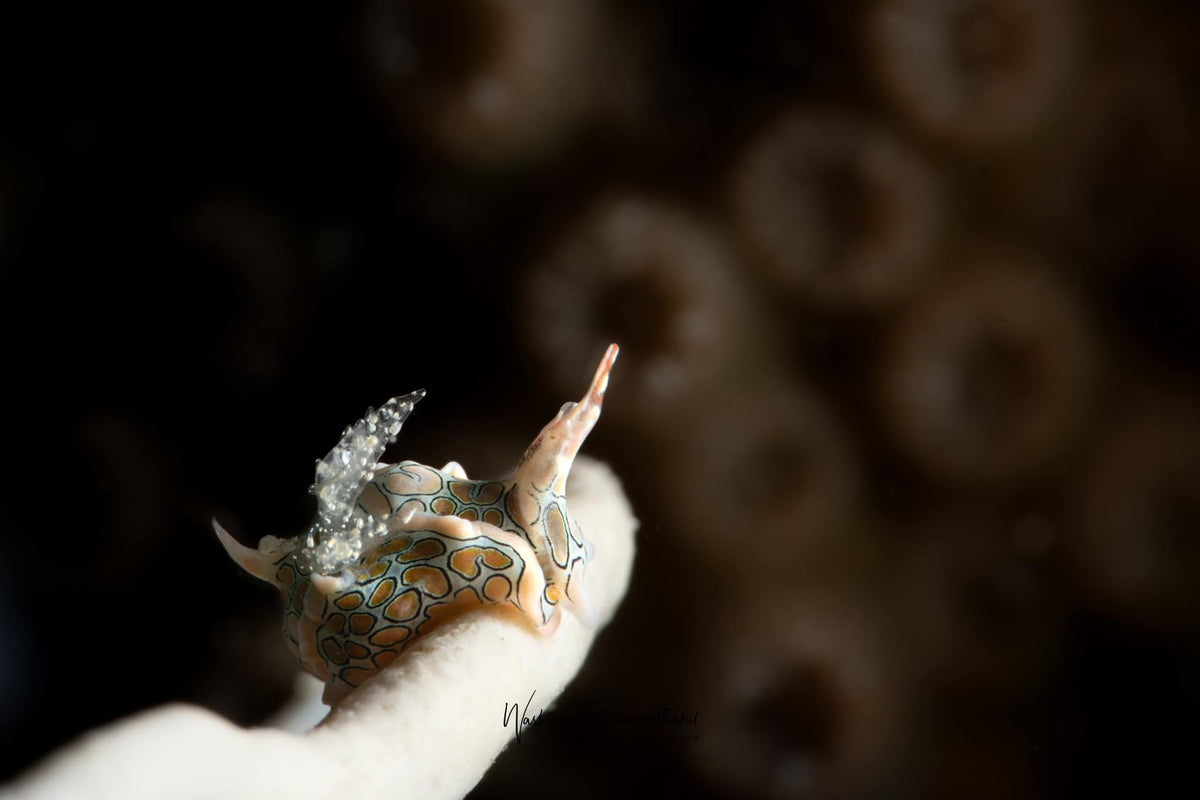
Romblon is best approached as a specialist critter destination rather than a conventional reef checklist. Experienced spotters search for unusually small and rare subjects including butterfly sea slugs, pygmy seahorses, pipefish, shrimp, cephalopods and a very broad range of nudibranchs, with sightings changing continuously as guides explore new areas.
Blackwater potential
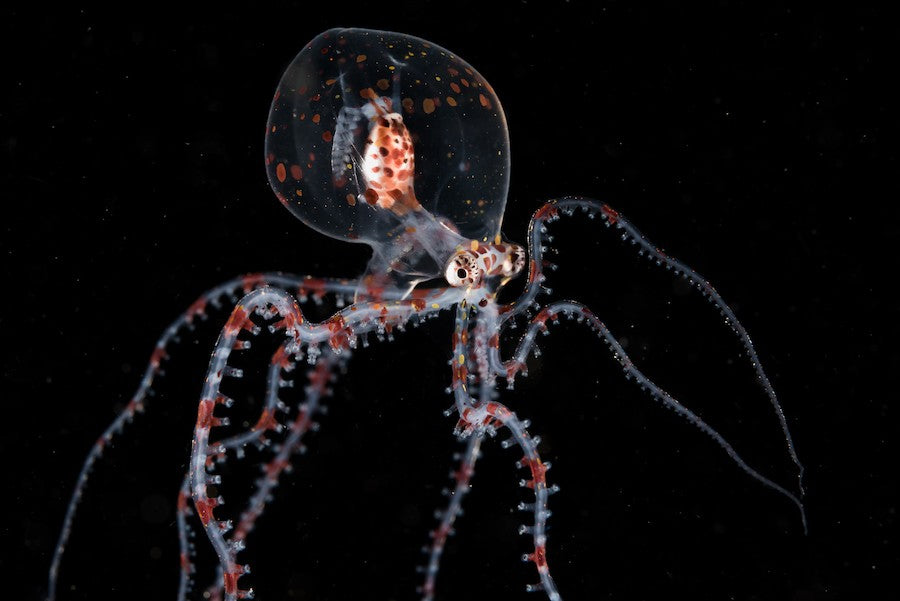
Blackwater dives move offshore over the deep Romblon Pass after dark, where the nightly vertical migration can bring larval fish, pelagic sea slugs, juvenile cephalopods, crustaceans, jellyfish and other open-water subjects into photographic range. These dives are highly specialised and are scheduled only when sea conditions and operator procedures allow.
Small-group photography
Romblon’s strongest programmes are built around slow diving and close guide attention. Small groups give photographers time to work a subject without crowding it, while private spotters can be useful for divers arriving with a detailed macro wish list or demanding super-macro camera setups.
Quiet island diving
The appeal is not limited to rare animals: Romblon remains a relatively low-key island base where many dives are shallow and unhurried. That pace suits photographers who prefer repeated local dives, night sessions and careful observation over a fast-moving multi-site itinerary.
DIVE SITE GUIDE
Dive sites in Romblon
Explore the character of individual sites, from the setting and marine life to the diving conditions. Open a card for the full description; site access and the final profile depend on conditions and experience.
ORIENTATION MAP
Where the dive sites are
Use the map to understand how the key sites are spread around the destination. Pins are for trip-planning orientation only; entry points, moorings and the final dive plan are always confirmed by the local operator on the day.
Coordinates are planning references compiled from current dive-site sources. They are not navigation coordinates; entry points, moorings, tide windows and the final dive plan are always confirmed by the local operator on the day.
House reef · Sand · Coral · Night
Salvo Beach / Three P House Reef
Salvo Beach is the kind of house reef that can become a destination in its own right.
Explore this dive site
- Type
- House reef · Sand · Coral · Night
- Depth
- 0–20 m
- Experience
- Beginner
- Current
- Usually mild
Salvo Beach is the kind of house reef that can become a destination in its own right. The dive begins almost from the shoreline and spreads across sand, rubble, seagrass and scattered coral, which makes it ideal for a slow first dive and even better after dark.
Morays, nudibranchs, shrimp, crabs, small cephalopods and other cryptic animals can appear within a very shallow depth range, so photographers are rarely pressured by no-decompression limits. The real strength is repeatability: a diver can return at dusk or at night and see a completely different cast of animals without losing time to a long boat transfer. Because the bottom is fine in places, careful finning is important if several photographers are working the same patch.
Look for: House reef · Excellent night dive · Macro · Beginner friendly
Best for: Check dives · Night diving · Macro · Long shallow profiles
Blue hole · Cavern / chimney · Reef
Blue Hole
Romblon’s Blue Hole is the site for divers who want geology as much as marine life.
Explore this dive site
- Type
- Blue hole · Cavern / chimney · Reef
- Depth
- 5–30 m
- Experience
- Advanced
- Current
- Usually mild
Romblon’s Blue Hole is the site for divers who want geology as much as marine life. The opening begins shallow, then drops through a chimney-like formation toward a deeper exit in roughly the high twenties to low thirties.
Light entering from above creates the visual drama, while the surrounding reef and rock still hold smaller subjects for divers who prefer to remain outside the overhead section. The dive should be planned conservatively: entering any enclosed space requires comfort with buoyancy and a clear route, and nobody needs to descend through the feature to enjoy the site. Experienced divers can combine the topography with a reef profile, keeping the deepest section brief before returning to shallower water for a long finish.
Look for: Blue-hole topography · Chimney profile · Advanced buoyancy · Wide-angle photography
Best for: Topography · Cavern light · Wide angle
Reef · Seagrass · Sand
Bangug Island
Bangug Island is a relaxed, shallow dive where several habitats sit close together.
Explore this dive site
- Type
- Reef · Seagrass · Sand
- Depth
- 2–20 m
- Experience
- Beginner
- Current
- Mild
Bangug Island is a relaxed, shallow dive where several habitats sit close together. Coral reef, sand and seagrass create different search zones, so the guide can move from reef fish and coral subjects to smaller animals hiding at the habitat edges.
The modest depth gives long bottom time and strong natural light, making the site particularly good for macro photographers who want to work carefully without watching a decompression clock. It also suits newer divers because the profile is easy to control and current is generally mild. The best Bangug dives are unhurried: rather than swimming around the island, divers spend time inspecting seagrass, rubble and coral transitions where juvenile fish, crustaceans and other small animals are easily overlooked.
Look for: Shallow mixed habitat · Seagrass · Macro · Beginner friendly
Best for: Macro · Shallow coral · Seagrass life · Training
Marine sanctuary · Reef · Wall
San Pedro Sanctuary
San Pedro Sanctuary is one of Romblon’s best dives for divers who want a broader reef scene rather than a pure critter hunt.
Explore this dive site
- Type
- Marine sanctuary · Reef · Wall
- Depth
- 5–40 m
- Experience
- Intermediate
- Current
- Usually mild
San Pedro Sanctuary is one of Romblon’s best dives for divers who want a broader reef scene rather than a pure critter hunt. Protected coral habitat extends from the shallows toward deeper water, with turtles and schooling reef fish among the more visible residents.
The site can be dived across a broad depth range, so the guide can keep a mixed-experience group shallower or let experienced divers explore the deeper edge before everyone finishes together on the reef top. Historical reports occasionally mention very large visitors in the wider area, but those should be treated as rare wildlife events rather than expected encounters. The dependable attraction is the quality of the sanctuary itself: healthy coral, fish density and a long, photogenic shallow finish.
Look for: Marine sanctuary · Turtles · Healthy coral · Wide-angle reef
Best for: Healthy coral · Turtles · Reef fish · Wide angle
Wall · Drift · Deep reef
San Pedro Cliff
San Pedro Cliff brings more vertical topography into a Romblon itinerary.
Explore this dive site
- Type
- Wall · Drift · Deep reef
- Depth
- 8–40 m
- Experience
- Advanced
- Current
- Moderate
San Pedro Cliff brings more vertical topography into a Romblon itinerary. The reef falls away into a wall and deeper slope, with garden eels and sand habitat contrasting against the coral face. Turtles and rays are possible, while current can turn the dive into a controlled drift along the cliff.
Because the wall continues beyond normal recreational limits, depth awareness is central to the plan; the most rewarding profile is usually a deeper first section followed by a gradual rise rather than chasing the bottom. The site suits experienced divers who are comfortable using a wall as a reference and staying close to the guide when water movement increases. It is an excellent wide-angle counterpoint to Romblon’s shallow macro dives.
Look for: Wall dive · Garden eels · Rays possible · Advanced drift profile
Best for: Wall scenery · Garden eels · Rays · Drift
Coral garden · Macro · Slope
Coral Garden East
Coral Garden East is a photographer’s site in the classic Romblon sense: the reef looks attractive at first glance, but the real value emerges when the group slows down.
Explore this dive site
- Type
- Coral garden · Macro · Slope
- Depth
- 5–35 m
- Experience
- Advanced
- Current
- Usually mild
Coral Garden East is a photographer’s site in the classic Romblon sense: the reef looks attractive at first glance, but the real value emerges when the group slows down. Ghost pipefish, shrimp, nudibranchs, scorpionfish and other cryptic animals use coral heads and rubble as camouflage, so experienced guides search a surprisingly small area in detail.
The slope continues into deeper water, and macro divers can easily lose track of depth while concentrating through a viewfinder. A planned maximum depth keeps the dive efficient and leaves time for productive shallows on the ascent. The site is best approached with patience, good buoyancy and a willingness to let one unusual subject occupy several minutes rather than trying to cover a long route.
Look for: Macro photography · Ghost pipefish · Nudibranchs · Coral-slope habitat
Best for: Ghost pipefish · Shrimp · Nudibranchs · Macro photography
Submerged island · Pinnacle · Reef
Sunken Island
Sunken Island is a submerged reef structure that gives Romblon divers a more open-water profile than the coastal muck and sanctuary sites.
Explore this dive site
- Type
- Submerged island · Pinnacle · Reef
- Depth
- 10–30 m
- Experience
- Intermediate
- Current
- Mild
Sunken Island is a submerged reef structure that gives Romblon divers a more open-water profile than the coastal muck and sanctuary sites. The reef top sits at recreational depth and falls away around the sides, creating a compact pinnacle-style dive with coral, reef fish and a useful mix of wide-angle and macro subjects.
Nudibranchs and cuttlefish are among the smaller animals often associated with the site, while the structure itself makes navigation straightforward: the group can work around the island and gradually move shallower. Current is usually manageable, but open-water exposure still makes close group control important. It is a strong middle-ground dive for visitors who want more topography without committing to a demanding deep wall.
Look for: Submerged reef · Pinnacle profile · Cuttlefish possible · Mixed macro + wide angle
Best for: Pinnacle scenery · Cuttlefish · Nudibranchs · Coral
Sand slope · Muck · Macro
Telsie’s Garden
Telsie’s Garden is a slow sand-slope dive where the apparent lack of structure is exactly what makes the site productive.
Explore this dive site
- Type
- Sand slope · Muck · Macro
- Depth
- 5–30 m
- Experience
- Intermediate
- Current
- Mild
Telsie’s Garden is a slow sand-slope dive where the apparent lack of structure is exactly what makes the site productive. Guides search the bottom for cephalopods, nudibranchs, small crustaceans and other animals adapted to camouflage against sand, rubble and scattered debris. The dive rewards very good buoyancy because the substrate is easily disturbed and most of the subjects are small enough to disappear in a cloud of silt.
Depth builds gradually down the slope, so photographers should set a turn depth before becoming absorbed by a subject. This is not a site for covering distance. A successful dive may spend most of its time within a compact area, following recent sightings and the guide’s ability to recognize tiny movement on an otherwise quiet bottom.
Look for: Muck-style slope · Cephalopods · Nudibranchs · Slow macro diving
Best for: Cephalopods · Nudibranchs · Critter hunting
Underwater photography
At Salvo Beach / Three P House Reef, check dives, Night diving, Macro, Long shallow profiles give an idea of the photographic possibilities. Choose the camera setup for the planned sites, then leave time to observe the scene before making the image. Repeating a productive dive often creates better opportunities than constantly searching for a different location. On close-focus dives, stay clear of the bottom and allow subjects to behave naturally. A clean background and patient framing can be more effective than moving closer.
Beyond diving: Romblon above the surface
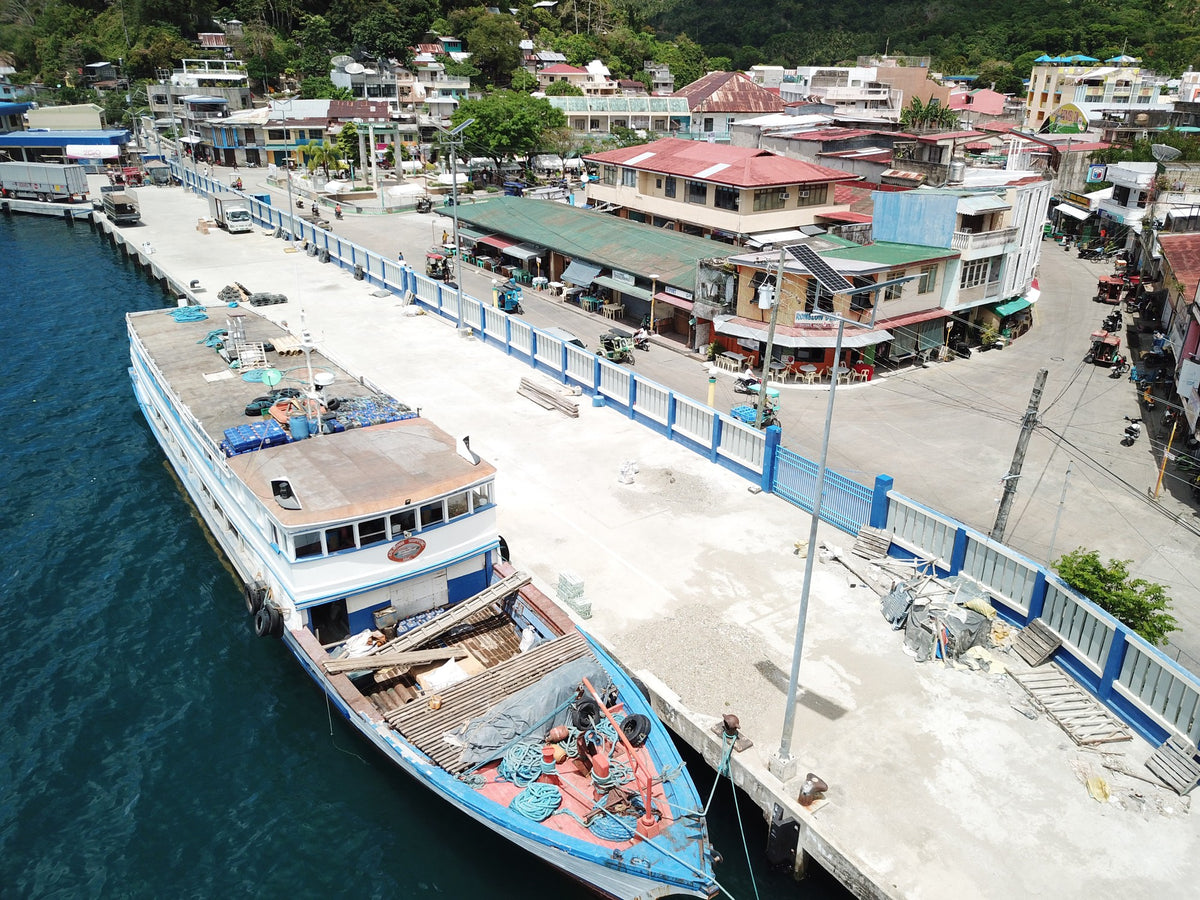
The island’s marble heritage gives a town visit its own identity. Small workshops, the waterfront and coastal settlements offer a useful glimpse of everyday Romblon between days devoted to the sea.
Beaches and island excursions create a gentler programme for companions, although this remains a quieter destination with fewer organised diversions than Bohol. Allow time for the journey itself: arriving without a rushed connection helps the island’s slower pace become part of the pleasure.
Getting to Romblon
Fly or ferry via Manila and continue with local island transfers.
Choose arrival and departure times around the onward transfer, especially when a boat crossing or a long road journey is involved. Leave space for a relaxed final day ashore and an appropriate interval between the last dive and flying.
Romblon diving questions
What makes Romblon worth a diving trip?
Romblon turns a dive into a careful search. A tiny movement on a hydroid or a barely visible animal against soft growth can become the moment you remember, especially when there is time to stop, observe and return.
How should I plan my stay?
Prioritise a specialist macro base, small dive groups and enough time in the water over a long list of different sites. Five to seven nights works well for a first photographic visit; longer stays make sense when your aim is patient observation and repeated searches.
When is a useful time to visit?
October to May is a useful starting window for planning. Wind direction can change which side of the island is comfortable, while small animals are never tied to an appointment. A flexible selection of sheltered sites is more valuable than a fixed species checklist.
Is there enough for non-diving companions?
The island’s marble heritage gives a town visit its own identity. Small workshops, the waterfront and coastal settlements offer a useful glimpse of everyday Romblon between days devoted to the sea.
A closer look at Romblon

Plan your Romblon trip
Tell us the experiences you most want, your preferred dates and how you like to travel. We can bring the destination, accommodation and diving into one coherent itinerary.
Plan my trip