

Destination guide · Malaysia
Tenggol Island Diving
Tenggol packs striking underwater terrain into a compact island region. Rocks, reef faces and wrecks make each boat dive feel different, while the beach provides a calm place to return after a more energetic dive.
Tenggol Island at a glance
Tenggol Island offers compact but energetic diving around current-swept reefs, rocky formations and wreck sites off Peninsular Malaysia’s east coast. Seasonal pelagic potential adds excitement to a destination already known for strong underwater topography.
Sea state and currents can change rapidly, making Tenggol better suited to confident divers and carefully timed programmes. The island setting is simple and dive-focused, with beaches and snorkeling providing a relaxed counterpoint between boat dives.
Planning your Tenggol Island stay
Use an island base or a clearly organised mainland boat-diving programme. Compare crossing time and the sites reached in your available days. Four to six nights gives room for both sheltered reefs and more exposed rock formations, with wreck dives selected by depth and experience.
When to dive Tenggol Island
The main operating season is broadly March to October. The northeast monsoon affects east-coast boat operations, so this is a seasonal choice. Current can still be strong during the main season; calm surface weather does not make every underwater route easy.
Planning window: Season March–October.
What the diving is like
Advanced experience is recommended because currents and surface conditions can change quickly.
Current-swept reefs
Tenggol’s outer rocks and points can carry moderate to strong current, concentrating schooling fish and making some dives better suited to experienced divers. Other bays and fringing reefs are much calmer, so a multi-day programme can mix drift-style action with easier coral dives.
Whale-shark potential
Whale sharks are a seasonal possibility rather than a guaranteed attraction, with local operators most often reporting encounters later in the operating season. Divers should plan the trip for the quality of Tenggol’s reefs first and treat any whale-shark sighting as an additional bonus.
Wrecks
Several wrecks in the Tenggol area provide profiles from relatively accessible recreational depths to deeper advanced or technical diving. Operators select the wreck according to certification and sea conditions, with Sawadee and smaller fishing-vessel wrecks among the commonly discussed options.
Compact island diving
The island’s dive sites are concentrated around a small offshore landmass, allowing short transfers between reefs, rocks and bays. The result is an efficient resort-based dive schedule with little need for long overland logistics once guests reach Tenggol.
DIVE SITE GUIDE
Dive sites in Tenggol Island
Explore the character of individual sites, from the setting and marine life to the diving conditions. Open a card for the full description; site access and the final profile depend on conditions and experience.
ORIENTATION MAP
Where the dive sites are
Use the map to understand how the key sites are spread around the destination. Pins are for trip-planning orientation only; entry points, moorings and the final dive plan are always confirmed by the local operator on the day.
Coordinates are planning references compiled from current dive-site sources. They are not navigation coordinates; entry points, moorings, tide windows and the final dive plan are always confirmed by the local operator on the day.
Offshore rock · Reef · Pelagic
Tokong Timur
Tokong Timur is the lighthouse rock most associated with Tenggol’s seasonal whale-shark sightings.
Explore this dive site
- Type
- Offshore rock · Reef · Pelagic
- Depth
- 10–40 m
- Experience
- Intermediate–Advanced
- Current
- Moderate
Tokong Timur is the lighthouse rock most associated with Tenggol’s seasonal whale-shark sightings. The shallow reef around the rock begins around 10–15 metres, while deeper terrain extends well beyond that for advanced groups.
Current can be strong enough to concentrate fish and make the site more demanding than the depth suggests. Whale sharks are seasonal possibilities, not guaranteed encounters, and the reef remains worth diving without them. The best plan keeps divers close to the structure, works the current-facing side when conditions allow and preserves a shallower finish around the lighthouse reef.
Look for: Whale sharks possible seasonally · Lighthouse rock · Current-sensitive · Wide-angle reef
Best for: Whale-shark potential · Reef fish · Lighthouse reef
Flat reef · Bay
Rajawali Reef
Rajawali Reef is Tenggol’s calm, predictable counterpoint to the exposed rocks.
Explore this dive site
- Type
- Flat reef · Bay
- Depth
- 10–18 m
- Experience
- Beginner–Intermediate
- Current
- Moderate
Rajawali Reef is Tenggol’s calm, predictable counterpoint to the exposed rocks. The reef lies in a broad bay and stays within roughly 10–18 metres, with no complicated wall or pinnacle navigation.
That makes it useful for newer divers, photographers and mixed groups who want a long, low-stress profile. Current can still move through the bay, but the site is far easier to read than Tenggol’s deeper offshore points. The attraction is the reef itself rather than one headline animal, and the same shallow terrain is suitable for snorkelling when conditions are good.
Look for: Flat reef · Predictable depth · Beginner friendly · Snorkel-friendly
Best for: Relaxed reef · Snorkel-friendly · Long bottom time
Cavern · Swim-throughs · Reef
Gua Rajawali
Gua Rajawali combines a sloping reef with a cavern and multiple rock passages on Tenggol’s northeast side.
Explore this dive site
- Type
- Cavern · Swim-throughs · Reef
- Depth
- 8–25 m
- Experience
- Advanced
- Current
- Moderate
Gua Rajawali combines a sloping reef with a cavern and multiple rock passages on Tenggol’s northeast side. The site is visually distinctive, but the overhead features require conservative judgement: daylight swim-throughs are very different from entering a confined cavern, and divers should stay within training and comfort.
Depth ranges from the upper single digits toward 25 metres, giving enough time to explore without turning the dive into a deep profile. Outside the overhead sections, coral and boulder terrain remain rewarding, so nobody needs to enter a passage to have a complete dive.
Look for: Cavern · Swim-throughs · 8–25 m · Advanced buoyancy
Best for: Cavern topography · Swim-throughs · Photography
Point · Reef · Macro
Tanjung Gemuk
Tanjung Gemuk is a flexible point dive where shallow reef and sandy bottom support both common reef fish and smaller photographic subjects.
Explore this dive site
- Type
- Point · Reef · Macro
- Depth
- 5–25 m
- Experience
- Beginner–Intermediate
- Current
- Mild–Moderate
Tanjung Gemuk is a flexible point dive where shallow reef and sandy bottom support both common reef fish and smaller photographic subjects. The site works well for less-experienced divers when current is light, yet the outer tip can still produce larger passing animals such as rays or reef sharks.
It is best understood as an all-round Tenggol dive rather than a specialist big-animal site. The shallow starting zone allows a long finish, while the point gives the guide the option to extend the route into more exposed water if the group and tide suit it.
Look for: Flexible point dive · Macro · Beginner accessible · Rays/sharks possible
Best for: Macro · Reef fish · Easy profile · Pelagic chance
Boulder reef · Wreck structures
Five Sisters
Five Sisters is a deeper Tenggol site built around several structures and boulder features rather than a simple coral slope.
Explore this dive site
- Type
- Boulder reef · Wreck structures
- Depth
- 18–36 m
- Experience
- Advanced
- Current
- Moderate
Five Sisters is a deeper Tenggol site built around several structures and boulder features rather than a simple coral slope. The working depth often pushes into advanced territory, so gas and no-decompression planning matter far more than on the island’s shallow reefs.
Visibility can be excellent, allowing divers to see from one structure to the next and appreciate the scale of the site. Because descriptions of the wreck components vary between operators, the safest approach is to follow the local briefing rather than assume a fixed penetration route. Exterior exploration provides the strongest and most conservative dive.
Look for: Deep structures · Advanced profile · Wreck-style scenery · Good visibility possible
Best for: Deep structures · Wreck-style diving · Photography
Fringing reef · Shallow coral
Turtle Point
Turtle Point is one of Tenggol’s easiest and most reliable shallow reef dives.
Explore this dive site
- Type
- Fringing reef · Shallow coral
- Depth
- 4–18 m
- Experience
- Beginner
- Current
- Mild
Turtle Point is one of Tenggol’s easiest and most reliable shallow reef dives. The fringing reef begins in only a few metres of water and remains inside normal Open Water depth limits, giving new divers a comfortable environment and photographers long bottom times.
Turtles are the namesake attraction, but coral, reef fish and macro life keep the dive interesting even when no turtle is in view. Mild current and a visible bottom make navigation straightforward. It is an ideal first dive, course site or relaxed afternoon profile after a deeper morning on the offshore rocks.
Look for: Turtles · 4–18 m · Beginner friendly · Long bottom times
Best for: Turtles · Easy reef · Training · Photography
Sheltered reef · Coral
Amazing Grace
Amazing Grace sits away from the main island and provides a sheltered reef profile around 8–18 metres.
Explore this dive site
- Type
- Sheltered reef · Coral
- Depth
- 8–18 m
- Experience
- Intermediate
- Current
- Mild
Amazing Grace sits away from the main island and provides a sheltered reef profile around 8–18 metres. The modest depth and calmer conditions make it useful when exposed Tenggol sites are too rough, while coral and reef fish give photographers plenty to work with.
It is not a site built around one dramatic landmark; its value is consistency and comfort. Divers can maintain a relaxed pace, keep good natural light and finish with generous gas reserves. In a destination often marketed for current and whale sharks, Amazing Grace is the kind of site that makes the overall programme more balanced.
Look for: Sheltered reef · 8–18 m · Photographer friendly · Calmer alternative
Best for: Coral · Photography · Sheltered conditions
Wreck · Artificial reef
Fisherman Wreck
Fisherman Wreck is a small upright fishing boat resting in no more than about 18 metres, which makes it one of Tenggol’s most accessible wreck dives.
Explore this dive site
- Type
- Wreck · Artificial reef
- Depth
- 10–18 m
- Experience
- Beginner–Intermediate
- Current
- Moderate
Fisherman Wreck is a small upright fishing boat resting in no more than about 18 metres, which makes it one of Tenggol’s most accessible wreck dives. At roughly 20 metres long, the entire hull can be circled comfortably on one tank and there is little reason to enter overhead spaces.
The wreck functions as an artificial reef and is useful for photographers who want a recognizable man-made subject without a deep profile. Moderate local current still needs attention, but the wreck itself is easy to read and works well for divers beginning wreck training or simply wanting variety from the natural reefs.
Look for: Upright fishing boat · Max ~18 m · Beginner-friendly wreck · Exterior tour
Best for: First wreck dive · Exterior exploration · Fish life
Underwater photography
At Tokong Timur, whale-shark potential, Reef fish, Lighthouse reef give an idea of the photographic possibilities. Choose the camera setup for the planned sites, then leave time to observe the scene before making the image. Repeating a productive dive often creates better opportunities than constantly searching for a different location. For reef scenes, use the shape of the reef and the available light to give the image depth. A diver at a respectful distance can provide scale without crowding an animal.
Beyond diving: Tenggol Island above the surface
A Tenggol stay is mainly about the sea and the island setting. Beaches, snorkelling in suitable conditions and quiet resort time fit naturally between dives, with kayaking available through some island programmes.
Dungun and the mainland can add a short coastal extension, but Tenggol itself is best for travellers happy with a simple, dive-focused rhythm. Choose the accommodation for comfort and atmosphere rather than expecting the range of activities found in a large holiday town.
Getting to Tenggol Island
Travel to Dungun on Peninsular Malaysia and continue by resort boat.
Choose arrival and departure times around the onward transfer, especially when a boat crossing or a long road journey is involved. Leave space for a relaxed final day ashore and an appropriate interval between the last dive and flying.
Tenggol Island diving questions
What makes Tenggol Island worth a diving trip?
Tenggol packs striking underwater terrain into a compact island region. Rocks, reef faces and wrecks make each boat dive feel different, while the beach provides a calm place to return after a more energetic dive.
How should I plan my stay?
Use an island base or a clearly organised mainland boat-diving programme. Compare crossing time and the sites reached in your available days. Four to six nights gives room for both sheltered reefs and more exposed rock formations, with wreck dives selected by depth and experience.
When is a useful time to visit?
The main operating season is broadly March to October. The northeast monsoon affects east-coast boat operations, so this is a seasonal choice. Current can still be strong during the main season; calm surface weather does not make every underwater route easy.
Is there enough for non-diving companions?
A Tenggol stay is mainly about the sea and the island setting. Beaches, snorkelling in suitable conditions and quiet resort time fit naturally between dives, with kayaking available through some island programmes.
A closer look at Tenggol Island

Plan your Tenggol Island trip
Tell us the experiences you most want, your preferred dates and how you like to travel. We can bring the destination, accommodation and diving into one coherent itinerary.
Plan my tripPhoto credits
Images are resized for display and may be cropped to fit the page layout.
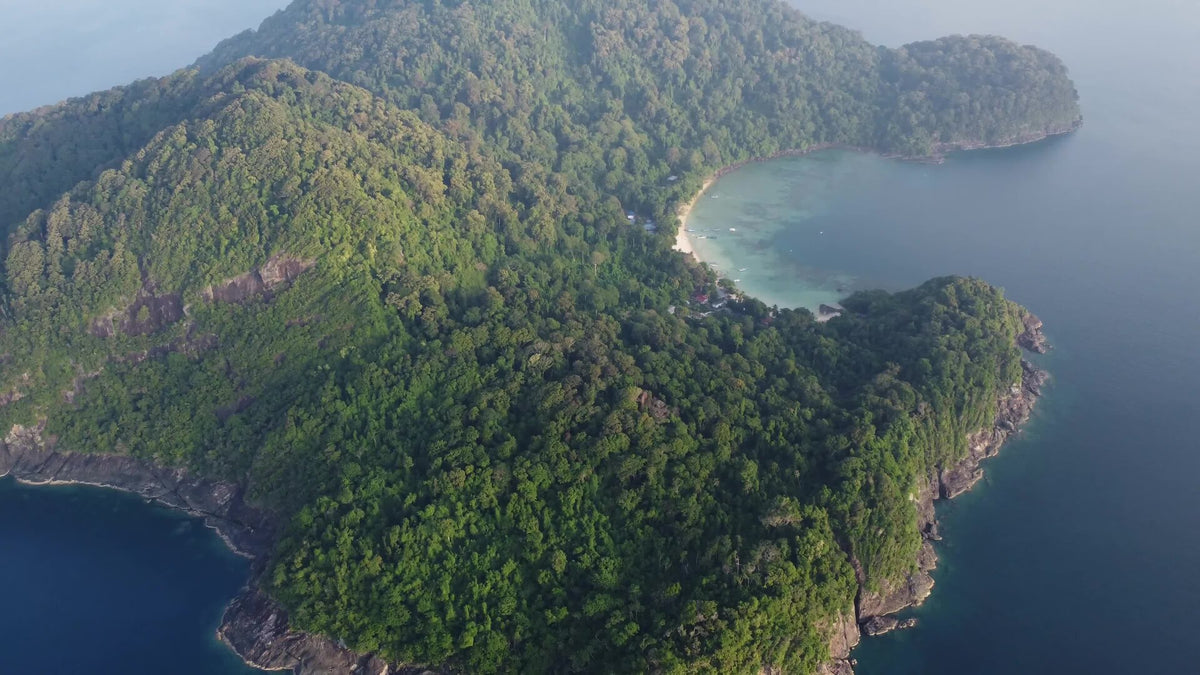
- Aerial view of a forested cove and shallow reef at Tenggol Island: Discovering Tenggol: Aerial Views and Submerged Delights in 4K — Steven Lee. CC BY 3.0. Still extracted from video and resized by Wikimedia Commons; no scene edits. Video frame 08:00.
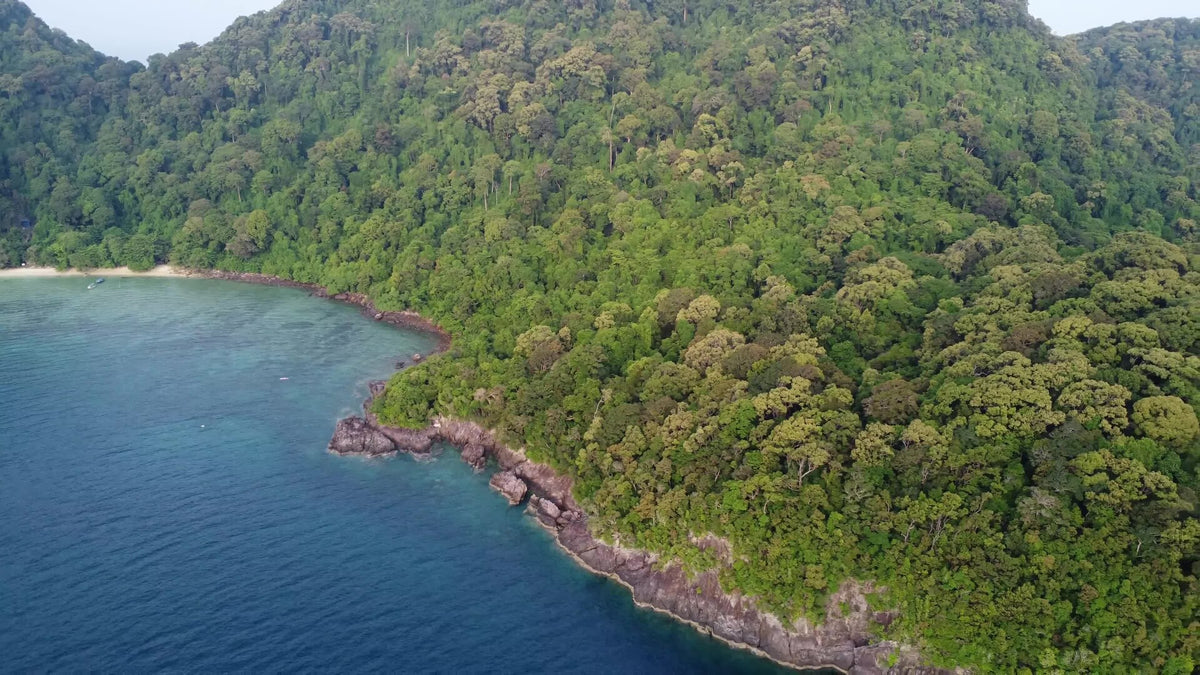
- Forested headlands and bays of Tenggol Island seen from above: Discovering Tenggol: Aerial Views and Submerged Delights in 4K — Steven Lee. CC BY 3.0. Still extracted from video and resized by Wikimedia Commons; no scene edits. Video frame 01:00.
- Rainforest and a small bay along Tenggol Island: Discovering Tenggol: Aerial Views and Submerged Delights in 4K — Steven Lee. CC BY 3.0. Still extracted from video and resized by Wikimedia Commons; no scene edits. Video frame 05:50.
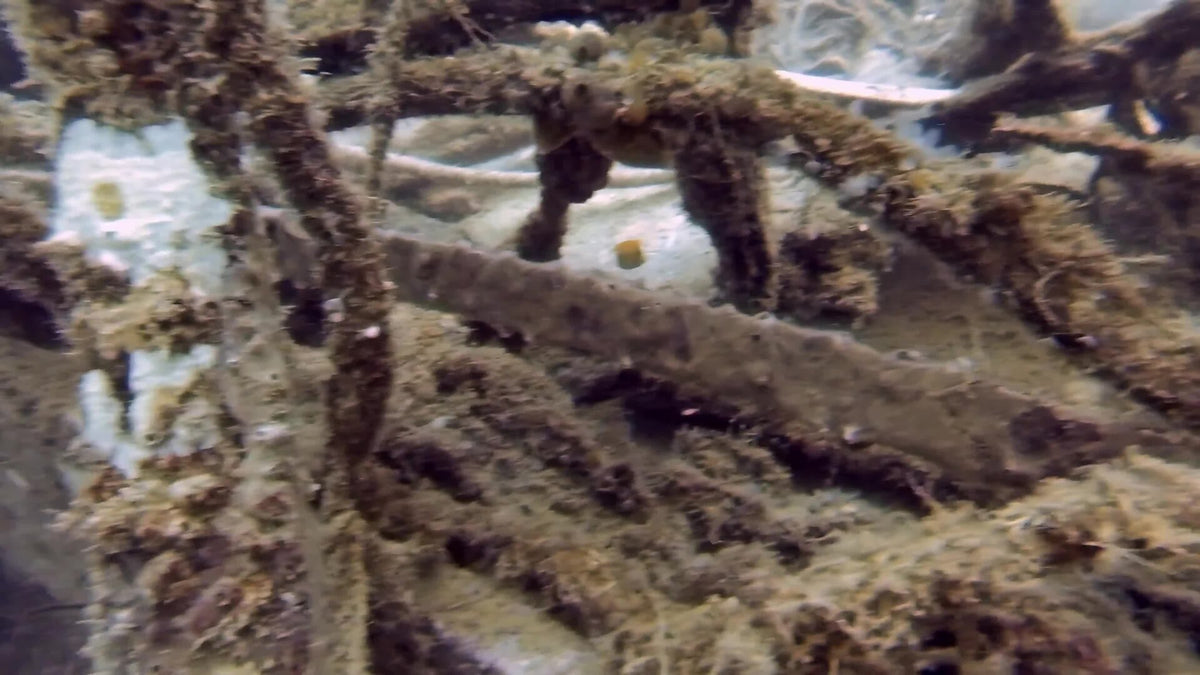
- Marine growth on a submerged wreck structure at Tenggol: Discovering Tenggol: Aerial Views and Submerged Delights in 4K — Steven Lee. CC BY 3.0. Still extracted from video and resized by Wikimedia Commons; no scene edits. Video frame 16:30.
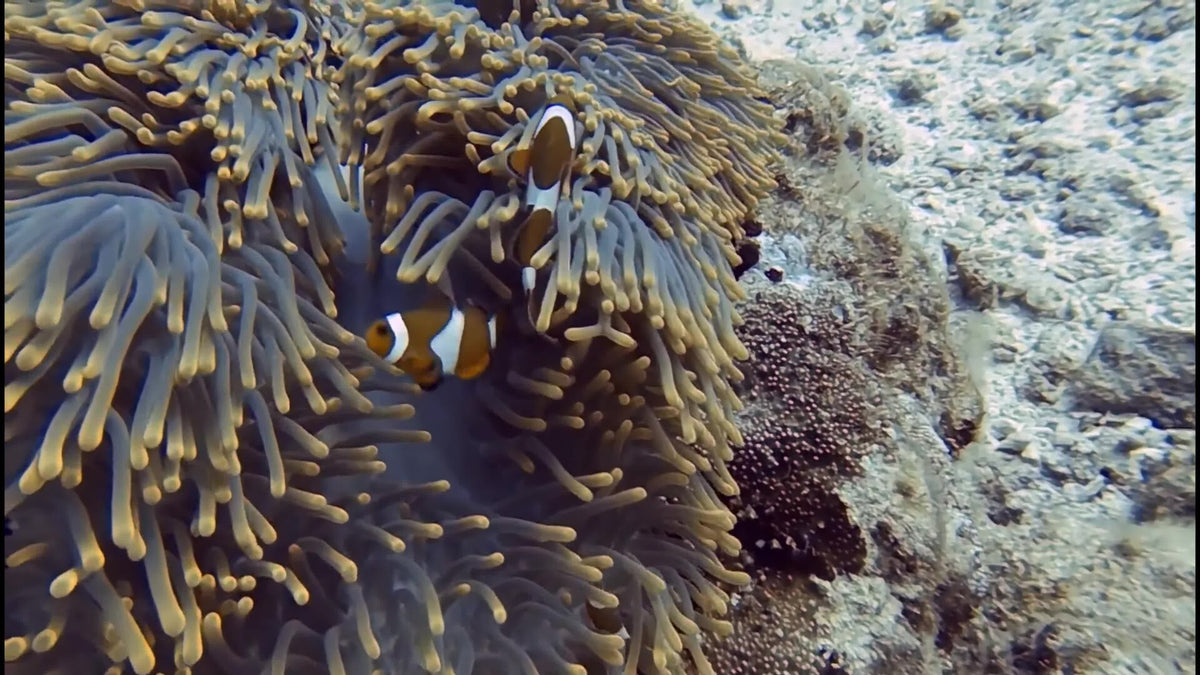
- Clownfish sheltering in a sea anemone on a Tenggol reef: Discovering Tenggol: Aerial Views and Submerged Delights in 4K — Steven Lee. CC BY 3.0. Still extracted from video and resized by Wikimedia Commons; no scene edits. Video frame 17:30.
- Reef fish above branching corals at Tenggol Island: Discovering Tenggol: Aerial Views and Submerged Delights in 4K — Steven Lee. CC BY 3.0. Still extracted from video and resized by Wikimedia Commons; no scene edits. Video frame 18:30.
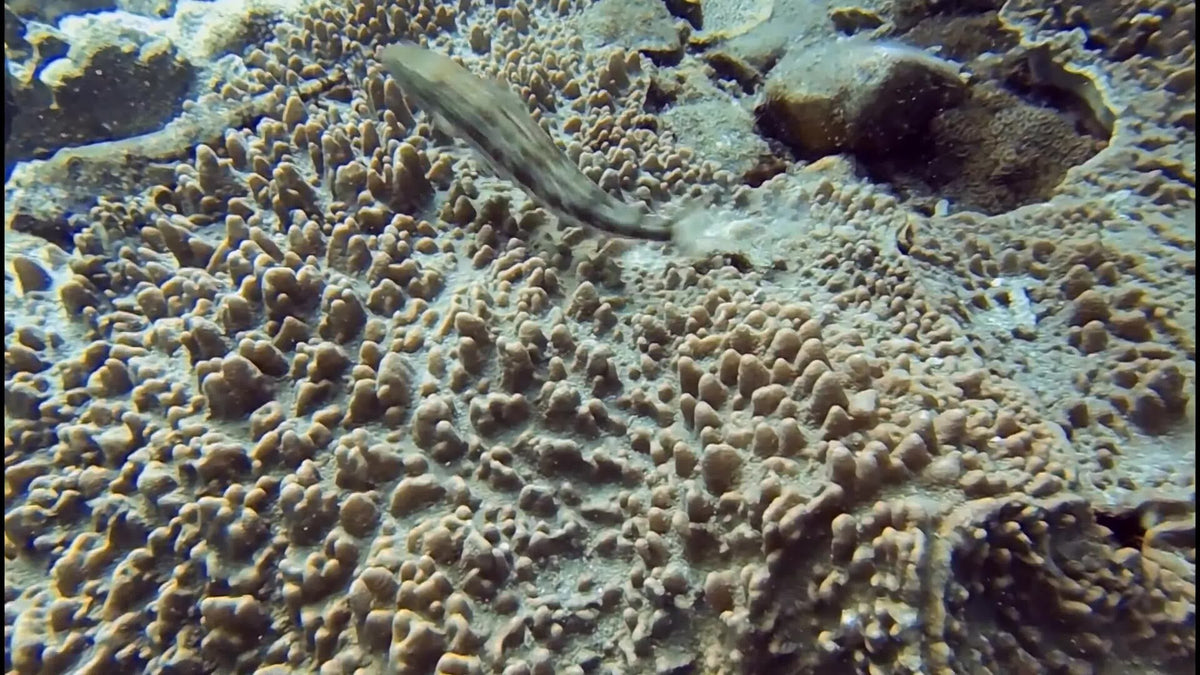
- Coral outcrop and sand on a reef at Tenggol Island: Discovering Tenggol: Aerial Views and Submerged Delights in 4K — Steven Lee. CC BY 3.0. Still extracted from video and resized by Wikimedia Commons; no scene edits. Video frame 19:30.
- Sea turtle among branching corals at Tenggol Island: Discovering Tenggol: Aerial Views and Submerged Delights in 4K — Steven Lee. CC BY 3.0. Still extracted from video and resized by Wikimedia Commons; no scene edits. Video frame 20:10.
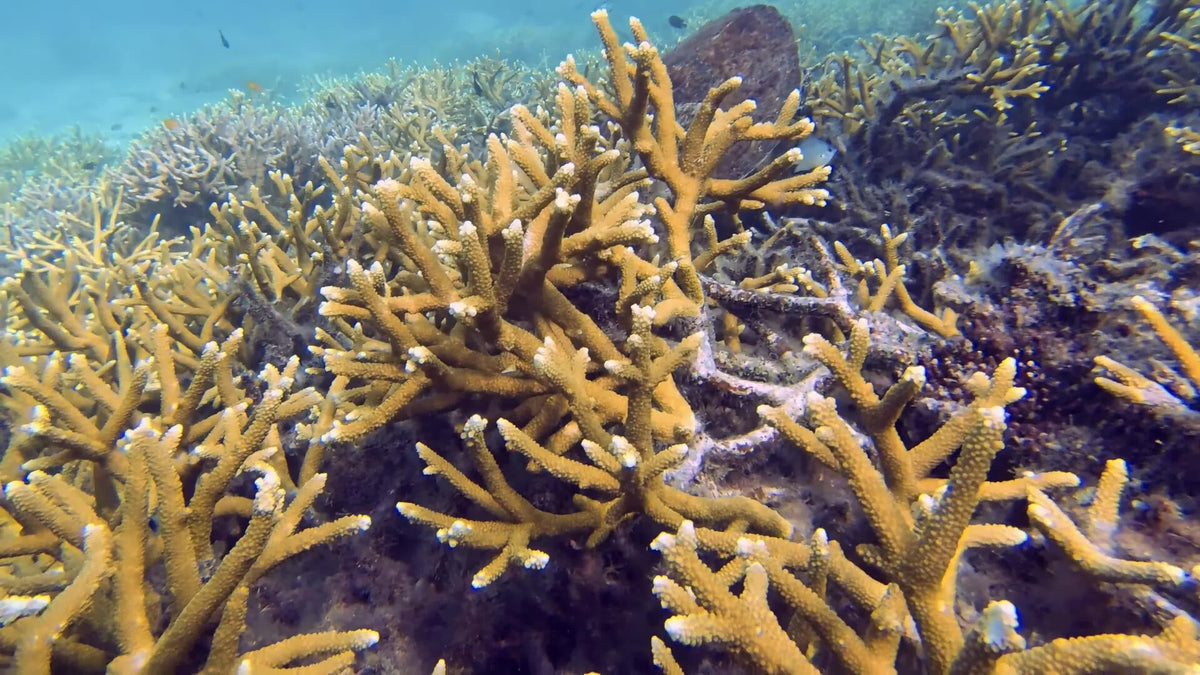
- Extensive branching coral garden at Tenggol Island: Discovering Tenggol: Aerial Views and Submerged Delights in 4K — Steven Lee. CC BY 3.0. Still extracted from video and resized by Wikimedia Commons; no scene edits. Video frame 24:00.
- Sea anemones covering part of a reef at Tenggol Island: Discovering Tenggol: Aerial Views and Submerged Delights in 4K — Steven Lee. CC BY 3.0. Still extracted from video and resized by Wikimedia Commons; no scene edits. Video frame 25:30.
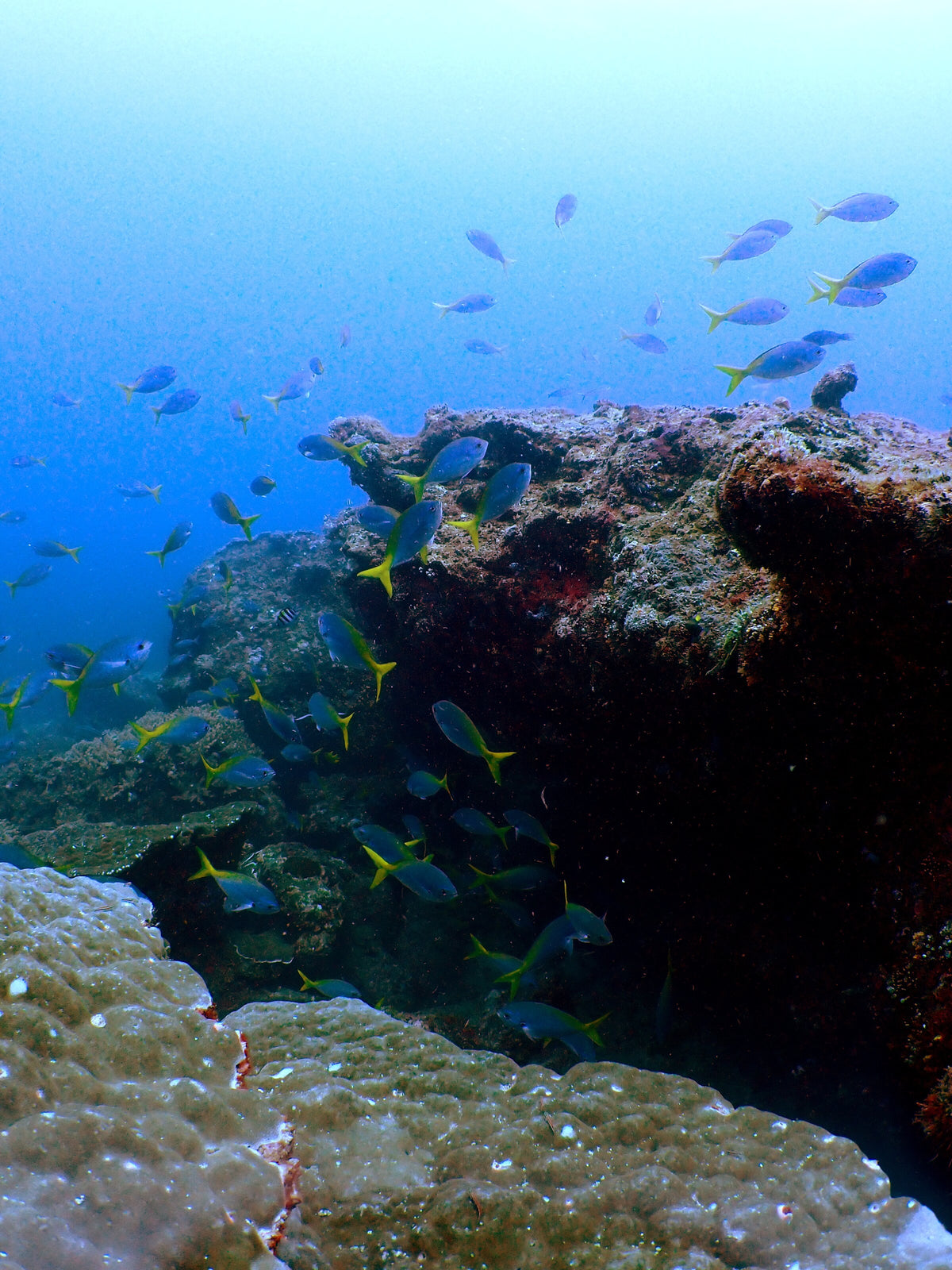
- School of yellow-tailed reef fish at Tenggol Island: Discovering Tenggol: Aerial Views and Submerged Delights in 4K — Steven Lee. CC BY 3.0. Still extracted from video and resized by Wikimedia Commons; no scene edits. Video frame 27:00.
- Scuba divers above the reef at Tenggol Island: Discovering Tenggol: Aerial Views and Submerged Delights in 4K — Steven Lee. CC BY 3.0. Still extracted from video and resized by Wikimedia Commons; no scene edits. Video frame 28:00.