

Destination guide · Malaysia
Layang-Layang Diving
Layang-Layang is an oceanic atoll experience: a narrow reef edge, walls falling away and the sense of deep water all around. It is a focused destination for divers drawn to blue-water scenery and seasonal pelagic possibilities.
Layang-Layang at a glance
Layang-Layang is a remote oceanic atoll rising from deep water in the South China Sea. Dramatic walls, clear blue water and seasonal hammerhead potential create a highly focused destination for experienced divers.
The journey revolves around diving, with limited topside distractions and operations tied to a defined season and transport schedule. Hammerheads and other pelagics cannot be guaranteed, so the destination should be valued equally for its deep walls, isolation and blue-water atmosphere.
Planning your Layang-Layang stay
Build the trip around a confirmed operating programme and actual transport. The atoll is not a place for an improvised arrival. Choose it for walls and open-water diving as well as the possibility of hammerheads, and allow a mainland buffer around the journey.

Mawali Adventure Tours
A highly remote Layang-Layang sailing and diving expedition aboard a 56-foot air-conditioned catamaran.
Liveaboard routes for this destination
Explore the routes that visit this region. Compare ships and itineraries, then open a route to see its sailing dates, cabins and the areas it covers.
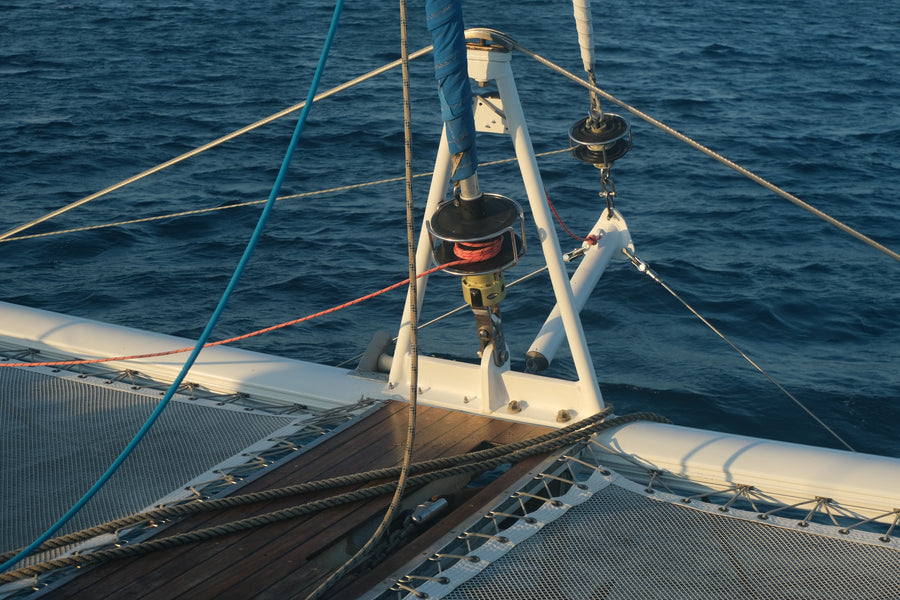
Mawali Sailing Yacht
Mawali — Layang Layang
- Indicative duration
- 6 nights
- Embarkation
- Kota Kinabalu, Sabah
- Disembarkation
- Kota Kinabalu, Sabah
No routes match this search. Try another vessel or clear your search.
When to dive Layang-Layang
March to August is the traditional planning season in the catalogue, not a guarantee of current resort or flight operations. Confirm an operating departure before committing to transport. Offshore weather and the limited access programme determine whether a particular trip is feasible.
Planning window: Season March–August.
What the diving is like
Advanced certification, deep-diving comfort and current experience are required.
Seasonal hammerhead potential
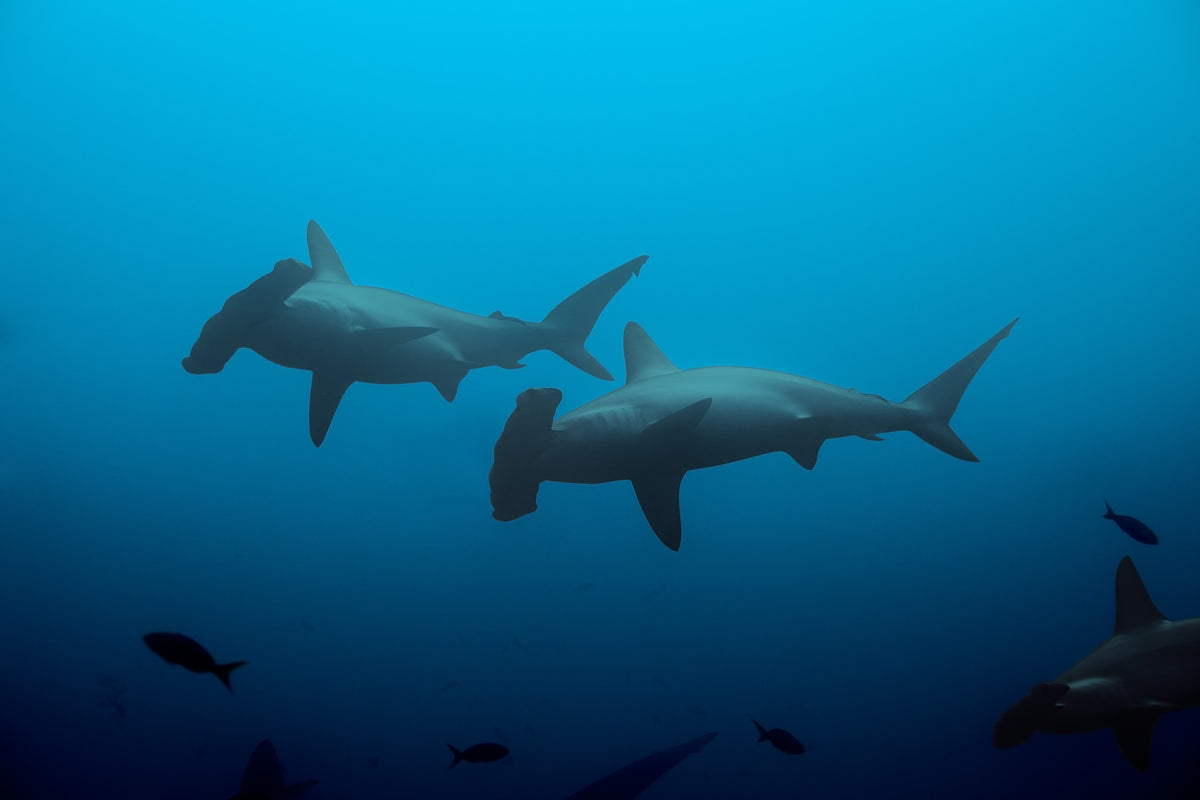
Layang-Layang is most famous for the possibility of schooling hammerheads along its oceanic drop-offs. They are wild pelagic animals rather than a guaranteed attraction, so guides watch current, depth and blue-water conditions and choose sites where the season offers the best chance of an encounter.
Deep oceanic walls
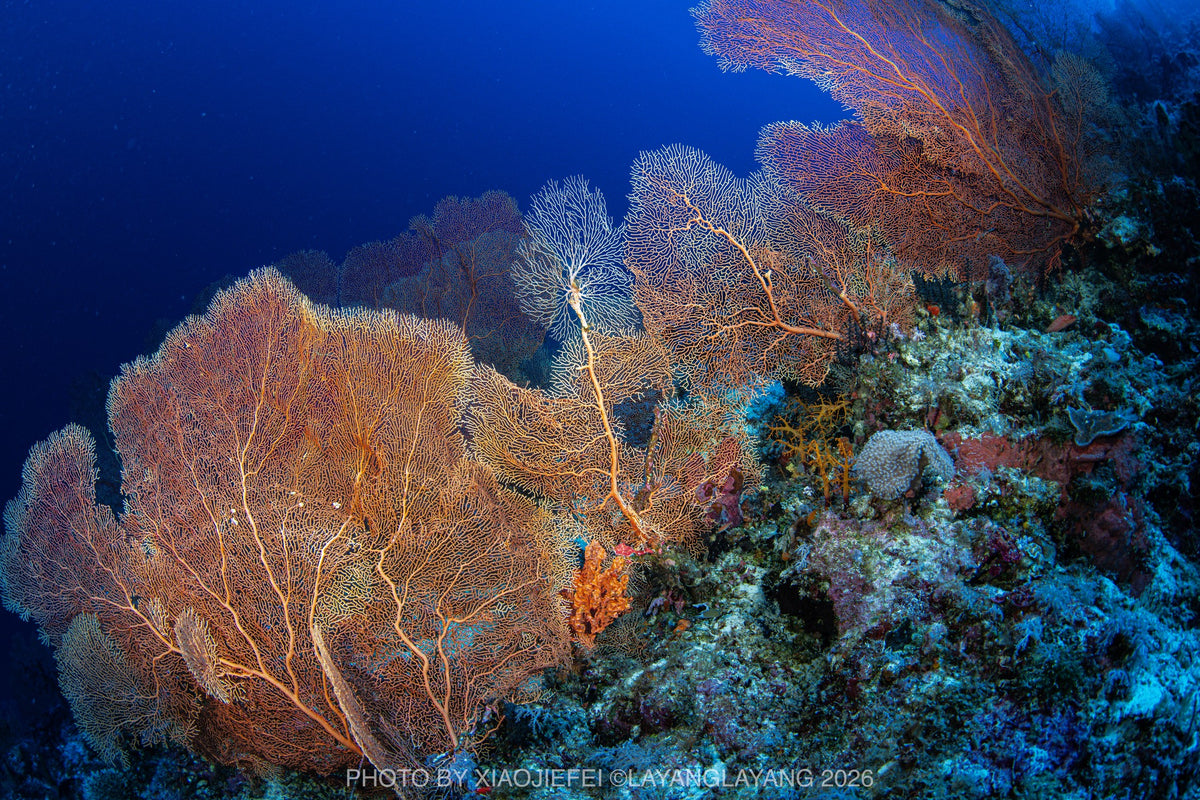
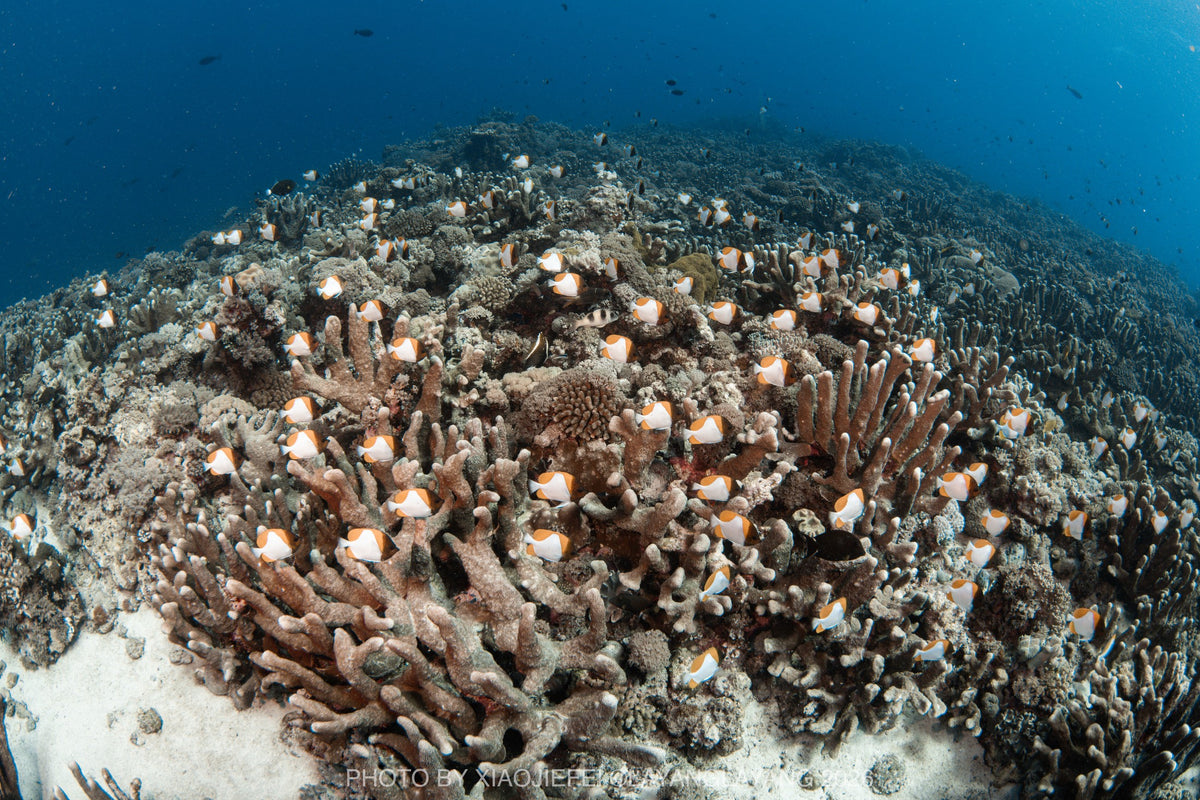
The atoll rises abruptly from very deep water, producing walls that fall almost vertically away from the shallow reef. This topography rewards disciplined buoyancy and depth control: divers can enjoy coral and schooling fish on the wall while continuously scanning the open water for sharks, tuna, rays and other pelagics.
Clear blue water
Oceanic positioning can produce exceptionally clear blue water and long views along the drop-offs. Visibility still varies with weather and water movement, but the combination of steep walls, sea fans and open-water light is a major reason Layang-Layang works so well for wide-angle diving.
Remote atoll atmosphere
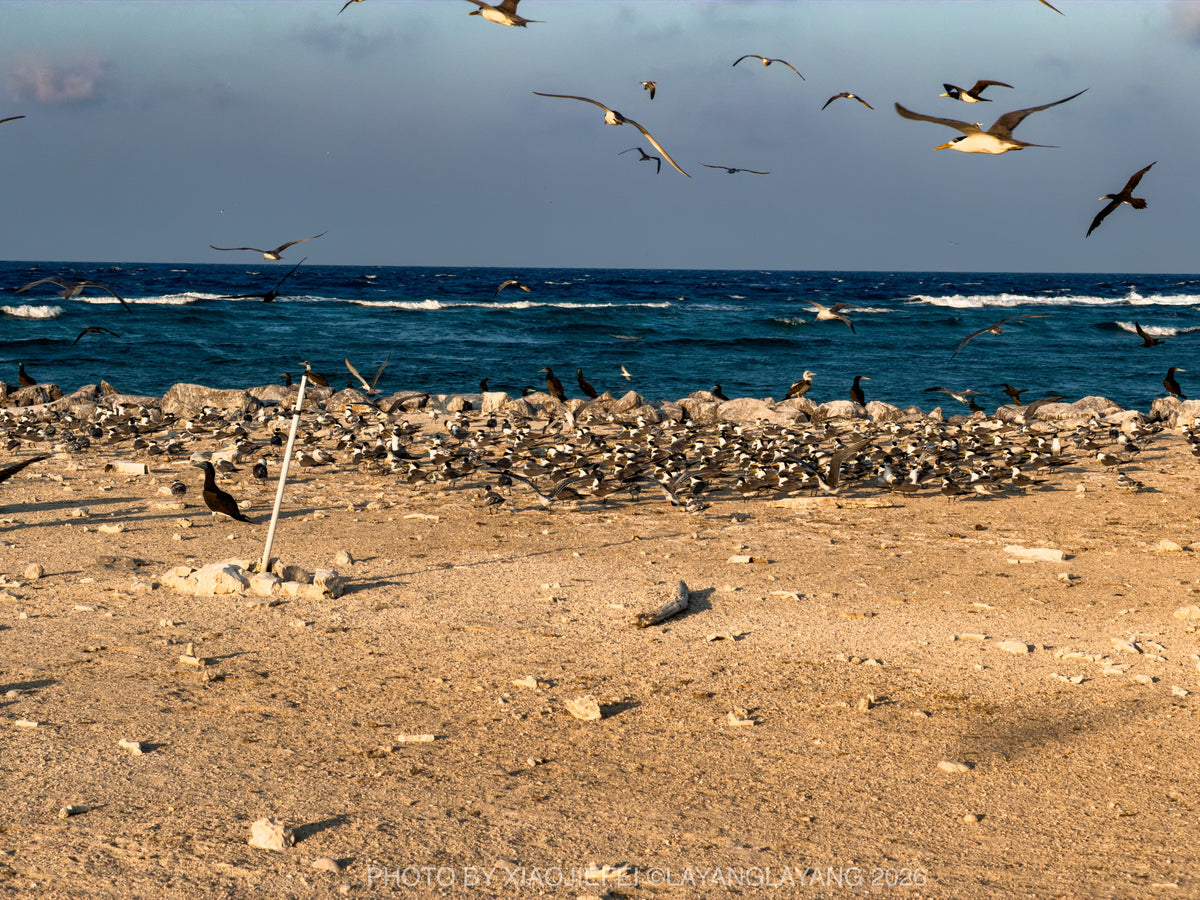
Layang-Layang is an isolated offshore atoll rather than a conventional island destination. The experience is intentionally dive-focused, with little distraction from the daily boat programme; that remoteness is part of the appeal but also means schedules and access depend on seasonal operations and weather.
DIVE SITE GUIDE
Dive sites in Layang-Layang
Explore the character of individual sites, from the setting and marine life to the diving conditions. Open a card for the full description; site access and the final profile depend on conditions and experience.
ORIENTATION MAP
Where the dive sites are
Use the map to understand how the key sites are spread around the destination. Pins are for trip-planning orientation only; entry points, moorings and the final dive plan are always confirmed by the local operator on the day.
Coordinates are planning references compiled from current dive-site sources. They are not navigation coordinates; entry points, moorings, tide windows and the final dive plan are always confirmed by the local operator on the day.
Wall · Pelagic · Deep reef
D-Wall
D-Wall is Layang-Layang’s signature drop, a vertical reef face that falls away into ocean more than a kilometre deep.
Explore this dive site
- Type
- Wall · Pelagic · Deep reef
- Depth
- 25–40 m
- Experience
- Advanced
- Current
- Moderate
D-Wall is Layang-Layang’s signature drop, a vertical reef face that falls away into ocean more than a kilometre deep. Recreational diving stays on the upper 25–40 metres, where sea fans support pygmy seahorses and frogfish while the blue-water side offers seasonal hammerhead potential.
The challenge is the absence of a bottom reference: a diver looking into the blue can descend without noticing. A clear maximum depth and frequent computer checks are essential. The site rewards both macro and big-animal attention, but the wall itself — coral, fans and endless blue — remains impressive even when no hammerheads appear.
Look for: 2,000 m wall below · Hammerhead potential · Pygmy seahorses · Advanced deep profile
Best for: Hammerheads · Pygmy seahorses · Deep wall
Wall · Pelagic
Dogtooth Lair
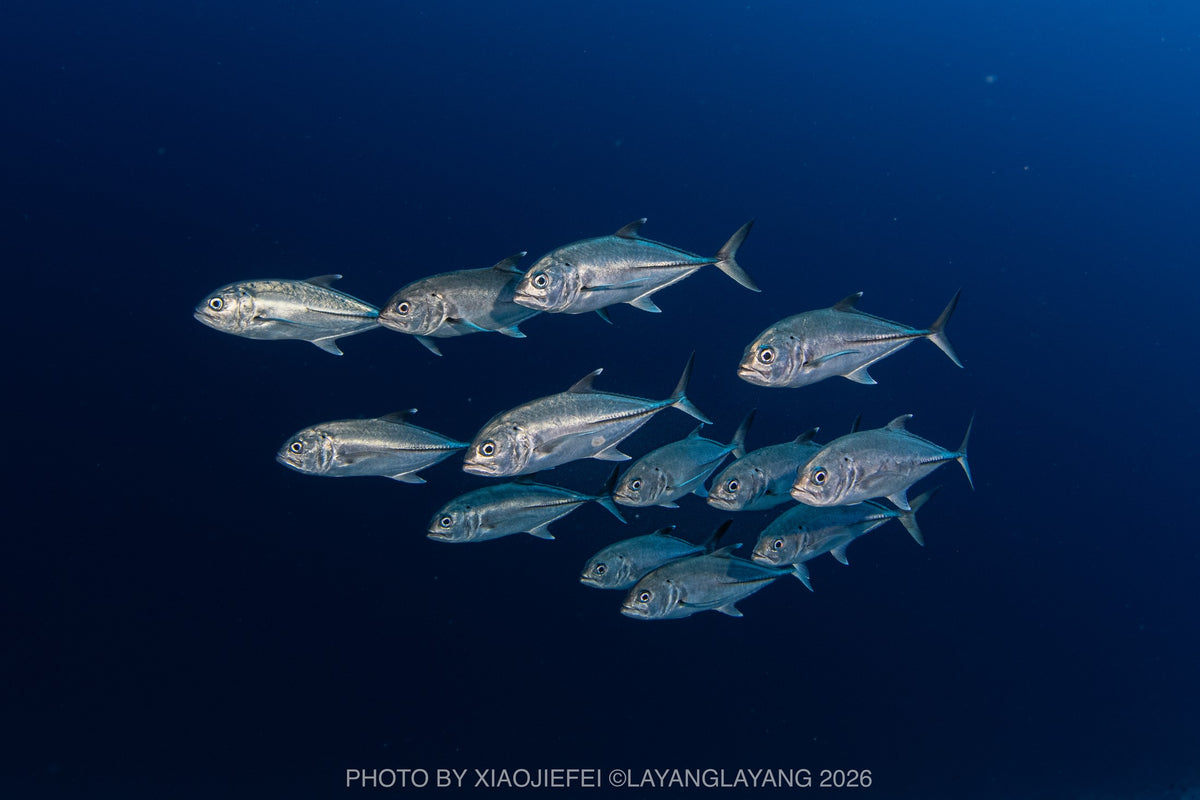
Dogtooth Lair sits on the eastern side of the atoll where the reef edge drops into deep ocean and schools of large dogtooth tuna patrol the blue.
Explore this dive site
- Type
- Wall · Pelagic
- Depth
- 25–40 m
- Experience
- Advanced
- Current
- Moderate
Dogtooth Lair sits on the eastern side of the atoll where the reef edge drops into deep ocean and schools of large dogtooth tuna patrol the blue. Barracuda and whitetip reef sharks add to the big-fish character, while the wall itself remains covered in reef life.
The working depth is deep enough that gas and no-decompression time need active management, and there is no shallow seabed to fall back on if buoyancy slips. The best dive keeps the reef on one side, uses the current rather than fighting it and leaves enough time for a slow ascent over the shallower reef top.
Look for: Dogtooth tuna · Barracuda · Whitetip sharks · Deep wall
Best for: Dogtooth tuna · Barracuda · Reef sharks
Wall · Pelagic
Gorgonian Forest
Gorgonian Forest starts shallower than many Layang-Layang wall dives, giving divers more usable time before reaching the deeper blue-water zone.
Explore this dive site
- Type
- Wall · Pelagic
- Depth
- 15–40 m
- Experience
- Advanced
- Current
- Moderate–Strong
Gorgonian Forest starts shallower than many Layang-Layang wall dives, giving divers more usable time before reaching the deeper blue-water zone. Huge sea fans line the face while trevally, groupers and other larger fish work the current.
During the spring hammerhead season, schools may pass off the wall, but the dive is visually strong even when the blue remains empty. Current can become strong enough to turn the dive into a drift, so the guide chooses the direction and exit rather than expecting the group to return to one point. It is one of the atoll’s best blends of reef scenery and pelagic potential.
Look for: Large gorgonians · Hammerhead potential · Current-fed wall · Wide angle
Best for: Gorgonians · Hammerheads · Trevally · Wide angle
Wall · Drift · Pelagic
Navigator Lane
Navigator Lane runs along the north side of the atoll as a long deep wall rather than a single point or pinnacle.
Explore this dive site
- Type
- Wall · Drift · Pelagic
- Depth
- 25–40 m
- Experience
- Advanced
- Current
- Mild–Moderate
Navigator Lane runs along the north side of the atoll as a long deep wall rather than a single point or pinnacle. Divers follow the face while watching the blue for trevally, barracuda, eagle rays and seasonal hammerheads.
Because most of the interest lies in the 25–40 metre range, buoyancy and gas planning matter more than raw swimming ability. The wall provides a visual reference, but the open side can still tempt divers deeper while watching animals. A controlled drift, regular depth checks and a planned turn time make the site far more rewarding than trying to cover excessive distance.
Look for: Long northern wall · Hammerhead potential · Eagle rays · Deep drift
Best for: Hammerheads · Eagle rays · Trevally · Long wall drift
Wall · Cavern / undercut
Shark’s Cave
Shark’s Cave is an undercut in the wall around 25 metres where whitetip reef sharks may rest during the day.
Explore this dive site
- Type
- Wall · Cavern / undercut
- Depth
- 25–40 m
- Experience
- Advanced
- Current
- Mild
Shark’s Cave is an undercut in the wall around 25 metres where whitetip reef sharks may rest during the day. Grey reef, leopard and nurse sharks are also possible around the surrounding reef, with seasonal hammerheads farther out in the blue.
The site is not a reason to crowd resting animals: divers should remain outside the shelter and let sharks choose whether to stay. The working depth remains deep, so the cave feature should not distract from gas and no-decompression limits. Even without sharks in the undercut, the adjacent wall and clear oceanic water make the dive worthwhile.
Look for: Resting whitetips possible · Wall undercut · Deep profile · Shark etiquette
Best for: Whitetip sharks · Cavern · Deep wall
Reef ledge · Drift
Snapper Ledge
Snapper Ledge is a deep drift where strong current is a defining feature rather than a nuisance.
Explore this dive site
- Type
- Reef ledge · Drift
- Depth
- 25–40 m
- Experience
- Advanced
- Current
- Strong
Snapper Ledge is a deep drift where strong current is a defining feature rather than a nuisance. Hard and soft coral, gorgonians and huge numbers of reef fish line the ledge, while visibility can be exceptionally clear.
Divers enter knowing they will not swim back to the starting point; the boat tracks the group as it moves down-current. Because the profile is both deep and fast, the dive demands close buddy spacing, good trim and a surface-marker plan for the ascent. The reward is the feeling of flying along a reef in blue water where the structure and schooling fish remain visible far ahead.
Look for: Strong drift · Excellent visibility · Schooling reef fish · Advanced only
Best for: Very clear water · Schooling fish · High-speed drift
Blue-water · Wall · Pelagic
The Point
The Point is Layang-Layang’s purest blue-water dive.
Explore this dive site
- Type
- Blue-water · Wall · Pelagic
- Depth
- 25–40 m
- Experience
- Advanced
- Current
- Mild
The Point is Layang-Layang’s purest blue-water dive. Rather than following the reef for the entire profile, experienced divers may move away from the wall at around 30–35 metres and wait in open water for seasonal hammerhead schools. There is no bottom reference, so depth can creep easily while attention is focused outward.
Hammerhead encounters are never guaranteed, and the dive must still be planned around gas, depth and a timed return to the reef. Reef sharks are a more common possibility. Once the deep phase is complete, the group works back onto the wall and ascends along coral rather than hanging in featureless blue water.
Look for: Open-water hammerhead watch · No bottom reference · Reef sharks · Deep buoyancy skills
Best for: Hammerheads · Reef sharks · Blue-water observation
Reef · Cleaning station
Wrasse Strip
Wrasse Strip is one of Layang-Layang’s shallower reef dives and offers a welcome contrast to the 40-metre wall profiles.
Explore this dive site
- Type
- Reef · Cleaning station
- Depth
- 10–25 m
- Experience
- Advanced
- Current
- Moderate
Wrasse Strip is one of Layang-Layang’s shallower reef dives and offers a welcome contrast to the 40-metre wall profiles. A cleaning station attracts whitetip reef sharks, turtles, eagle rays and occasional mantas, while the surrounding coral supports the normal atoll fish life.
Current still runs along the reef, so the site is best treated as a controlled drift rather than a static aquarium dive. Divers should settle near the cleaning area without blocking animal approaches, then continue along the strip as the water carries the group. The shallower profile provides more bottom time and makes this a useful third dive after a deep morning.
Look for: Cleaning station · Shallower profile · Turtles & rays · Manta potential
Best for: Cleaning station · Reef sharks · Turtles · Mantas possible
Underwater photography
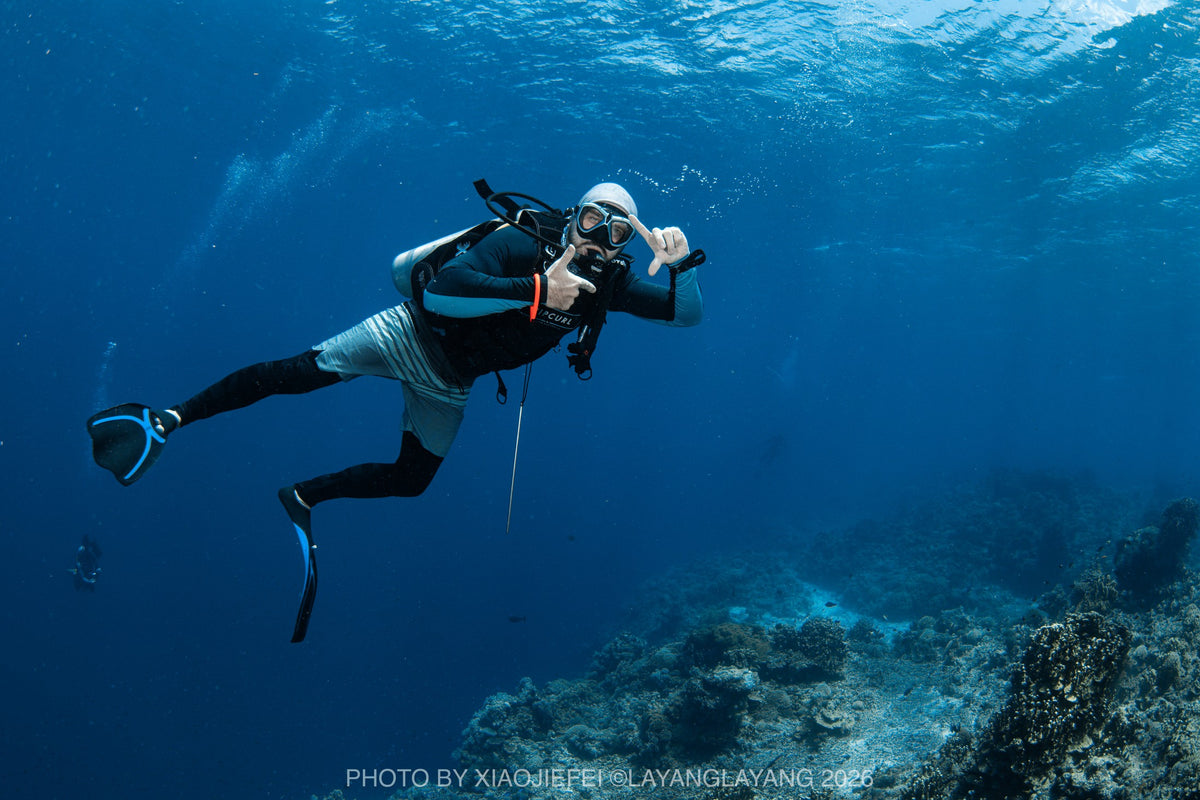
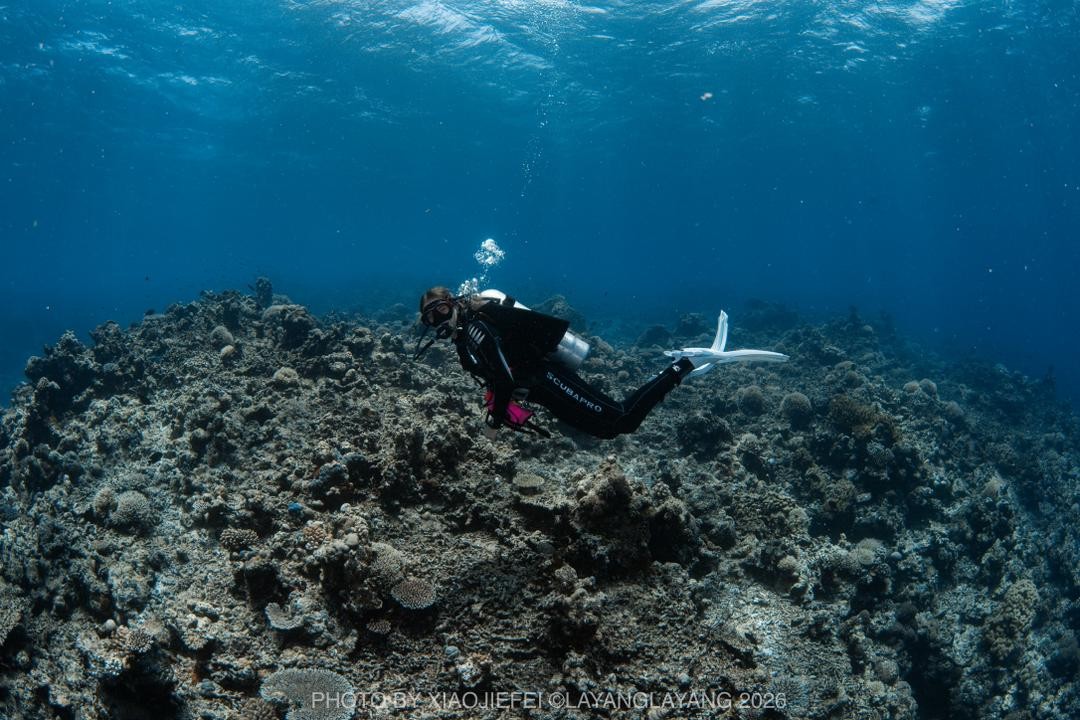
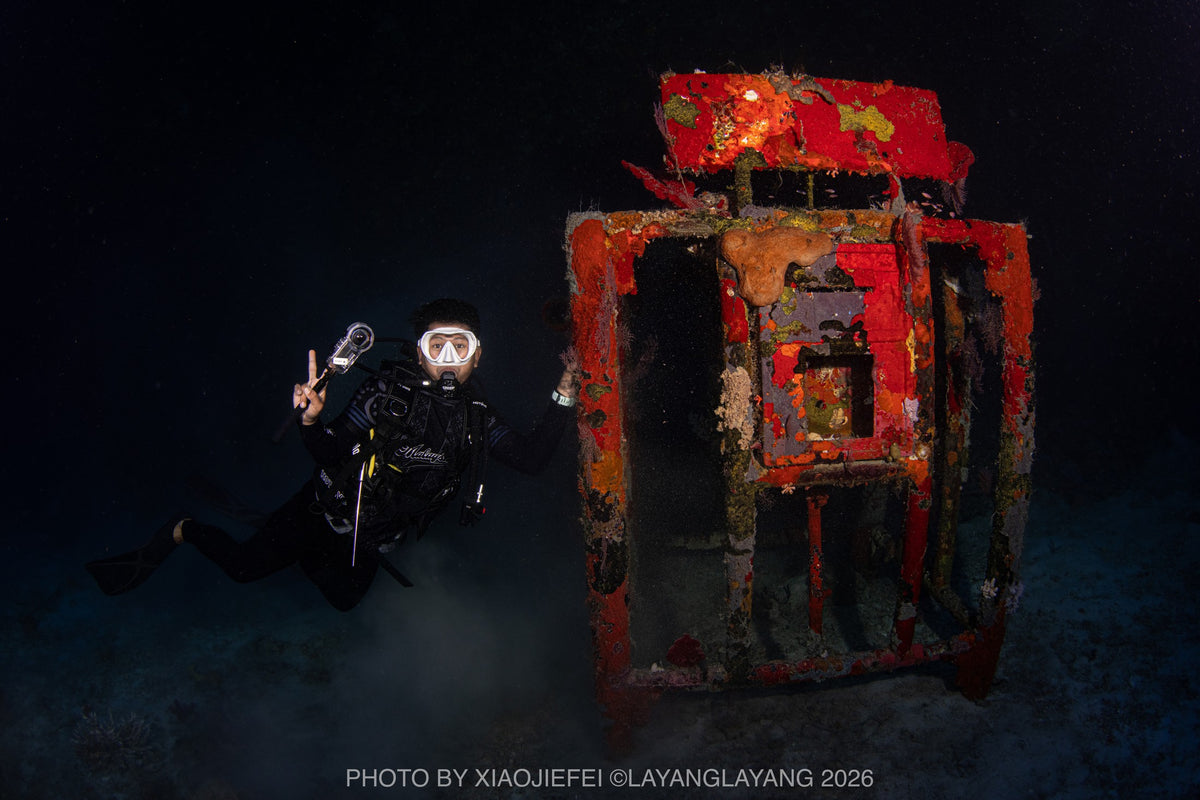
At D-Wall, hammerheads, Pygmy seahorses, Deep wall give an idea of the photographic possibilities. Choose the camera setup for the planned sites, then leave time to observe the scene before making the image. Repeating a productive dive often creates better opportunities than constantly searching for a different location. For reef scenes, use the shape of the reef and the available light to give the image depth. A diver at a respectful distance can provide scale without crowding an animal.
Beyond diving: Layang-Layang above the surface
The attraction above water is the remoteness itself. Quiet time beside the lagoon, sea views and the rhythm of a small dive operation form most of the stay, with fewer land activities than a larger island destination.
For a companion who wants restaurants, touring and varied excursions, time in Kota Kinabalu before or after the diving can provide the balance. Layang-Layang works best when the whole group is comfortable with a holiday organised around the atoll and the sea.
Getting to Layang-Layang
Access normally uses scheduled resort flights from Kota Kinabalu during the operating season.
Choose arrival and departure times around the onward transfer, especially when a boat crossing or a long road journey is involved. Leave space for a relaxed final day ashore and an appropriate interval between the last dive and flying.
Layang-Layang diving questions
What makes Layang-Layang worth a diving trip?
Layang-Layang is an oceanic atoll experience: a narrow reef edge, walls falling away and the sense of deep water all around. It is a focused destination for divers drawn to blue-water scenery and seasonal pelagic possibilities.
How should I plan my stay?
Build the trip around a confirmed operating programme and actual transport. The atoll is not a place for an improvised arrival. Choose it for walls and open-water diving as well as the possibility of hammerheads, and allow a mainland buffer around the journey.
When is a useful time to visit?
March to August is the traditional planning season in the catalogue, not a guarantee of current resort or flight operations. Confirm an operating departure before committing to transport. Offshore weather and the limited access programme determine whether a particular trip is feasible.
Is there enough for non-diving companions?
The attraction above water is the remoteness itself. Quiet time beside the lagoon, sea views and the rhythm of a small dive operation form most of the stay, with fewer land activities than a larger island destination.
A closer look at Layang-Layang



Plan your Layang-Layang trip
Tell us the experiences you most want, your preferred dates and how you like to travel. We can bring the destination, accommodation and diving into one coherent itinerary.
Plan my trip