

Destination guide · Philippines
El Nido & Bacuit Bay Diving: Reefs, Turtles & Islands
Limestone islands rise around the dive boat. Below the surface, turtles cross coral gardens, snappers gather over folded reefs and sandy slopes reward a closer look. El Nido brings Bacuit Bay diving together with lagoons, beaches and a lively Palawan base.
El Nido & Bacuit Bay at a glance
El Nido sits at the northern end of Palawan, with Bacuit Bay opening into a landscape of steep limestone islands, pale beaches and sheltered coves. The boat journey is part of the pleasure: cliffs and forested slopes frame the water between dives, and another island is almost always in view.
Underwater, the strongest reasons to come are reef variety, turtles, schooling fish and the chance to alternate wide-angle scenes with smaller discoveries. Think of El Nido as a place for a varied island-and-diving holiday. Large pelagic animals are occasional visitors, not the foundation of a trip here.
Dive with Palawan Divers; choose your stay separately
Our El Nido diving partner is Palawan Divers, a dive centre based on Hama Street in town. Accommodation is arranged separately, so you can choose your base around both your diving mornings and the kind of evenings you enjoy.

Palawan Divers — El Nido
A PADI dive centre offering guided boat dives and courses in Bacuit Bay. Certified-diver groups are limited to four divers per Divemaster, with two-dive morning and three-dive full-day options.
Best fit: travellers who want a town-based dive team and the freedom to arrange their accommodation separately.
View diving and coursesFor several dive days, staying within easy reach of the centre keeps early starts simple. If you choose accommodation farther from town or on an island, factor the daily transfer into your plans. We suggest four to six nights for two or three dive days, an island excursion and time to enjoy the coast.
Liveaboards starting or finishing in El Nido
These NAVIS 1 itineraries connect El Nido with other parts of Palawan and, on the longer route, Apo Reef. El Nido is an embarkation or disembarkation point; these cruises do not automatically include the Bacuit Bay day-dive sites described below.
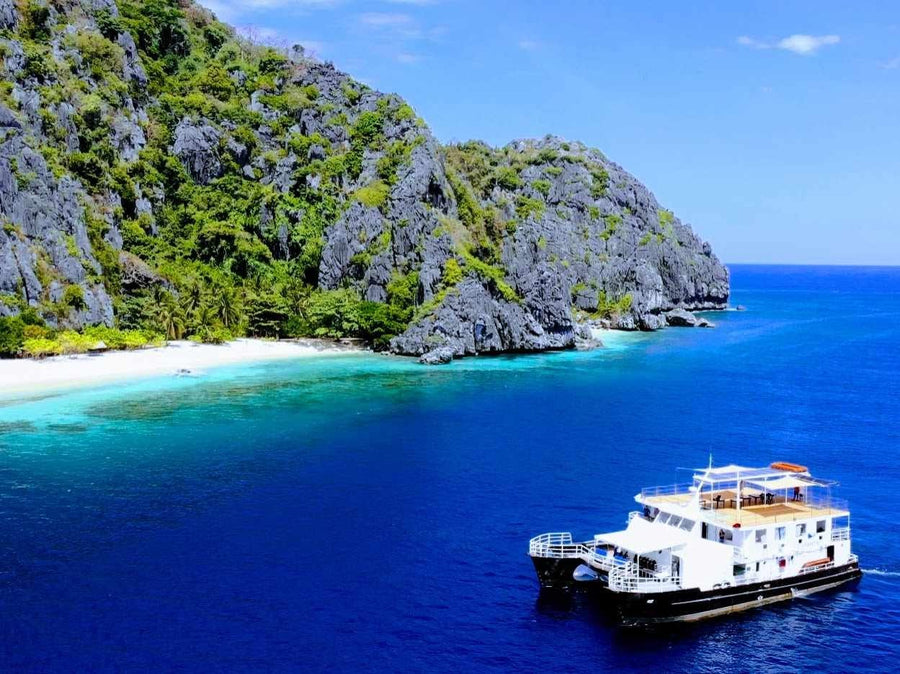
NAVIS 1
Coron to El Nido via Linapacan
- Indicative duration
- 3 nights
- Embarkation
- Coron
- Disembarkation
- El Nido
NAVIS 1
El Nido to Coron via Apo Reef
- Indicative duration
- 7 nights
- Embarkation
- El Nido
- Disembarkation
- Coron
No routes match this search. Try another vessel or clear your search.
When to dive El Nido
November to May is a useful first planning window, with the drier period generally falling between December and April. It often suits a holiday that combines diving with boat trips and beaches, although wind and sea conditions still influence which sites are comfortable to reach.
The wetter months bring more changeable weather and a greater chance of disrupted boat plans. Diving can still take place when conditions allow; building some flexibility into a short stay matters more than expecting every day to follow a fixed itinerary.
Water temperatures are broadly around 25–30°C across the year. Visibility varies with location, plankton, rain and sea state: a sunny day does not guarantee clear water, and shallow and deeper sections can differ on the same dive.
What the diving is like
Reefs at different scales
South Miniloc’s layered corals, Helicopter Island’s reef-and-sand habitats and Entalula’s wall give a short programme plenty of contrast. Add a slower search at Nat-Nat or Twin Rocks and you can move from broad scenery to tiny reef inhabitants without changing your land base.
Beginners and experienced divers
Sheltered, shallow profiles can suit training and newly certified divers, while deeper walls and pinnacles offer alternatives for those with the right experience. Suitability belongs to the chosen profile and the day’s conditions, not simply to a destination label.
A flexible boat-diving rhythm
Most local diving is organised as boat day trips. Palawan Divers offers two-dive mornings and three-dive full days, giving you a choice between a shorter outing and spending more time around the islands. Site selection is adapted to sea conditions and the group.
Turtles and reef life
Green and hawksbill turtles are part of Bacuit Bay’s appeal, alongside anemonefish, snappers and other reef fish. Watch animals without surrounding them or blocking their route to the surface, and give resting turtles space to move away.
For overhead diving: Dilumacad’s underwater tunnel is a separate specialist option, not a standard extension of a reef dive. Entry requires suitable overhead-environment training, equipment and a specific assessment of conditions; an Advanced Open Water card alone is not an overhead qualification.
DIVE SITE GUIDE
Dive sites in El Nido & Bacuit Bay
From layered coral gardens to limestone walls and sandy slopes, these six sites show the variety of diving around Bacuit Bay. Open a site for its full description and suitability notes.
ORIENTATION MAP
Where the dive sites are
Use the map to understand how the key sites are spread around the destination. Pins are for trip-planning orientation only; entry points, moorings and the final dive plan are always confirmed by the local operator on the day.
Map pins are approximate orientation points, not boat-navigation or dive-entry coordinates. Five independently sourced locations are shown; Twin Rocks is described without a pin. Daily site choice depends on conditions and the divers aboard.
Coral reef · Schooling fish
South Miniloc
Layered cabbage corals and schooling snappers make South Miniloc one of Bacuit Bay’s most distinctive reef dives.
Explore this dive site
- Type
- Coral reef · Schooling fish
- Depth
- 5–30 m
- Experience
- Open Water / Advanced for deeper profiles
- Current
- Variable; can be strong near the channel
At South Miniloc, the reef seems to unfold in overlapping leaves. Broad cabbage corals create a textured landscape, while schools of yellow snappers gather above the formations. Facing the channel towards Shimizu Island, this is a place to enjoy the whole scene: coral patterns beneath you, fish moving through the water and the changing outline of the reef.
There is also a smaller world among the sponges and coral growth, with opportunities to look for nudibranchs and other reef inhabitants. The current can change the character of the dive considerably, so a shallow, gentle visit and a more demanding channel-side profile should not be treated as the same experience. The day’s route and depth are chosen for the group and conditions; the impressive coral scenery does not require every diver to visit the deepest part.
Look for: Cabbage coral formations · Schools of snappers · Reef and channel scenery
Best for: Cabbage corals · Snappers · Wide-angle photography
Reef · Sand · Turtle habitat
Helicopter Island Reef
The reefs of Dilumacad, better known as Helicopter Island, combine coral patches, sand and rewarding turtle habitat.
Explore this dive site
- Type
- Reef · Sand · Turtle habitat
- Depth
- Typically 5–20 m
- Experience
- Open Water / supervised beginner profiles
- Current
- Often gentle, but conditions vary
Helicopter Island has a recognisable outline above the water and a varied landscape below it. Along its southeastern side, reef sections are separated by sandy areas, creating a succession of different habitats within a single dive. Anemones bring bright flashes of colour, reef fish move between the coral heads and turtles may be encountered around feeding and resting areas.
The appeal is in taking your time. A relaxed reef profile leaves room to watch a turtle from a respectful distance, study an anemone or follow the transition from coral to sand. Sightings are natural and never assured. These open-water reef dives are separate from the underwater tunnel on the island’s northern side; a booking for Helicopter Island does not imply an overhead-environment dive.
Look for: Turtle habitat · Anemones and reef fish · Several reef profiles
Best for: Turtles · Anemonefish · Relaxed reef photography
Reef · Sand · Macro
Nat-Nat
Close to Cadlao Island, Nat-Nat rewards divers who slow down where the coral reef meets the sand.
Explore this dive site
- Type
- Reef · Sand · Macro
- Depth
- Shallows to approximately 20–25 m
- Experience
- Open Water within certification limits
- Current
- Variable; stronger flow is possible
Nat-Nat offers a quieter kind of discovery. Off the southeastern side of Cadlao Island, the reef gives way to a sandy slope, and the boundary between the two is often the most interesting part. Instead of covering distance, let your attention settle on small movements: a fish above its burrow, a nudibranch on reef growth or an animal almost lost against the seabed.
Its proximity to El Nido town makes Nat-Nat a useful part of a varied boat-diving programme. Reef fish and occasional turtles add larger subjects, while the sand invites patient macro observation. Conditions still matter: this is not automatically a current-free dive, and the selected depth must match the group. Keep fins clear of the bottom so the next diver can enjoy the same detail without a cloud of disturbed sediment.
Look for: Reef meets sandy slope · Small marine life · Near Cadlao Island
Best for: Macro subjects · Reef-and-sand contrasts · Unhurried exploration
Wall · Coral garden
West Entalula Wall
Entalula’s limestone scenery continues beneath the surface, where a wall descends towards sand and a shallow coral garden.
Explore this dive site
- Type
- Wall · Coral garden
- Depth
- Shallow garden at 3–10 m; wall to about 30 m
- Experience
- Open Water / Advanced for deeper profiles
- Current
- Variable along the wall
West Entalula carries Bacuit Bay’s dramatic geology underwater. The limestone face drops away beneath the island, with cracks, ledges and reef growth breaking up the wall. Soft corals and sea fans add texture, while a glance out into the blue changes the sense of scale. It is an inviting site for photographs that place a diver against the reef rather than filling the frame with a single animal.
A shallow coral garden offers a contrasting setting before or after the wall. The deeper sections are a separate planning choice, not a requirement for enjoying the site. Stay within your training and agreed profile, and explore the open-water face without entering recesses or overhead spaces. Light, visibility and current shape the atmosphere, so the same wall can feel very different on another day.
Look for: Limestone wall · Shallow coral garden · Soft corals and sea fans
Best for: Limestone relief · Sea fans · Wide-angle scenes
Pinnacles · Soft corals · Reef slope
Pupulkan / Popolcan West
Pupulkan’s deeper pinnacles create an underwater forest of soft corals, with shallower reef options above.
Explore this dive site
- Type
- Pinnacles · Soft corals · Reef slope
- Depth
- 5–32 m; deeper pinnacles around 30 m
- Experience
- Open Water shallows / Advanced pinnacles
- Current
- Often mild to moderate; assessed on the day
South of the main Miniloc area, Pupulkan is known by several spellings, including Popolcan and Popolkan. Its distinctive deeper landscape is a group of pinnacles dressed in soft corals. Small fish gather around the growth, and the spaces between the formations create a different mood from Bacuit Bay’s broad, shallow coral gardens.
For experienced divers, the attraction is the combination of structure and detail: soft corals, glassfish and the possibility of finding nudibranchs or crustaceans tucked into the reef. Visibility can be lower in the deeper section than in the shallows. Because the main pinnacles lie around 30 metres, this profile needs suitable certification, recent experience and conservative dive planning. A shallower visit should be described as its own reef dive, rather than promising access to the deep formations.
Look for: Soft-coral pinnacles · Different shallow and deep profiles · Small reef inhabitants
Best for: Soft-coral formations · Reef fish · Macro photography
Rock formations · Reef · Sand
Twin Rocks
North of Miniloc, Twin Rocks combines sculpted rock, reef growth and a sandy slope where rays are sometimes seen.
Explore this dive site
- Type
- Rock formations · Reef · Sand
- Depth
- Main sandy slope approximately 13–21 m
- Experience
- Open Water within certification limits
- Current
- Assessed on the day
The paired rocks above the surface give this site its name; below, the interest spreads across reef-covered formations and sand. Table corals, sponges and sea whips create a varied setting, and blue-spotted rays may be found resting on the sandy areas. Pause at the edge of the reef and the contrast becomes clear: busy, textured growth on one side and open seabed on the other.
Twin Rocks also rewards a closer look for camouflaged subjects, including ghost pipefish when present. Their appearance is seasonal and unpredictable, so they are a possibility rather than a reason to guarantee a particular month. Enjoy the rock formations from open water; swim-throughs or enclosed spaces are not necessary to appreciate the site. A slow, observant dive gives both the reef and its smaller inhabitants time to reveal themselves.
Look for: Reef and sand · Possible blue-spotted rays · Macro opportunities
Best for: Blue-spotted rays · Reef structure · Macro searches
Photograph the reef and the journey
Bring a wide-angle setup if your priority is reef structure, schooling fish or a diver framed against Entalula’s wall. A macro setup offers a different way to spend time at Nat-Nat, Twin Rocks and the smaller details of the reef. On days with reduced visibility, close subjects can be more rewarding than trying to capture a distant scene.
Save space on your memory card for the surface intervals: boats beneath limestone cliffs and the changing outlines of the islands help tell the story of an El Nido trip. Keep camera preparation separate from the entry briefing, and choose a profile that leaves time to observe without holding up the group.
Beyond diving: lagoons, beaches and limestone islands
A day among the islands
Allow a separate day for an island-hopping excursion. Big Lagoon, Small Lagoon and the beaches around Bacuit Bay offer a different perspective on the same limestone scenery you pass on dive days. The actual stops depend on the tour, access arrangements and sea conditions.
Kayak and snorkel
A lagoon kayak lets you slow the journey down and look upwards at the cliffs. Snorkelling stops can make an island day enjoyable for companions who do not dive. A dive boat and a sightseeing tour follow different programmes, so do not assume they include the same stops.
Room for an unplanned afternoon
Leave time for a beach, a meal in town and a walk along the waterfront. A trip with every hour allocated to boats can miss the pleasure of simply being in Palawan. Combining dedicated dive days with a shared island day works particularly well for couples or friends with different interests.
Getting to El Nido
Fly to El Nido Airport (ENI), also called Lio Airport, for the most direct arrival into the area. Domestic routes and baggage allowances vary, so compare the actual connection and dive-bag allowance when choosing flights. Clark and Manila are different airports; an itinerary involving both needs a substantial road-transfer buffer.
Puerto Princesa Airport (PPS) is the alternative gateway. The onward road journey to El Nido commonly takes around five to six hours, with timing affected by traffic, stops and weather. Treat this as a travel day rather than scheduling an important dive immediately after arrival.
For a combination with Coron, plan the inter-island travel separately from diving and allow for sea-weather disruption. Before a flight, leave the appropriate surface interval for your dive history and follow current training-agency guidance.
A closer look at El Nido & Bacuit Bay
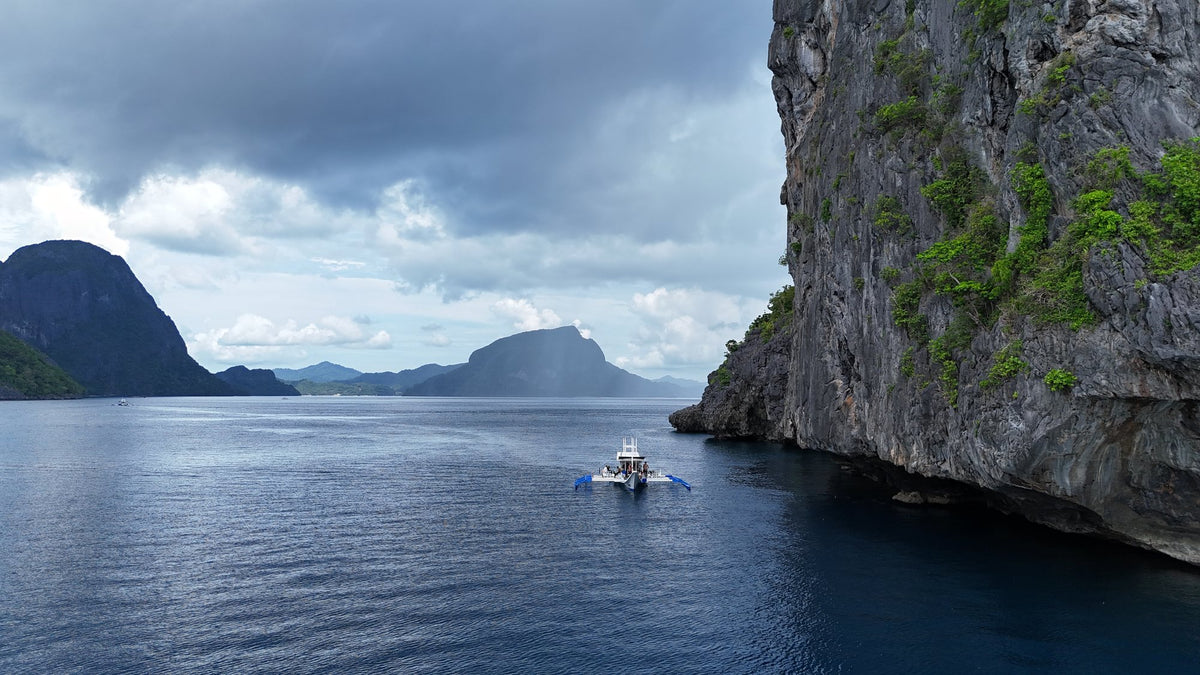
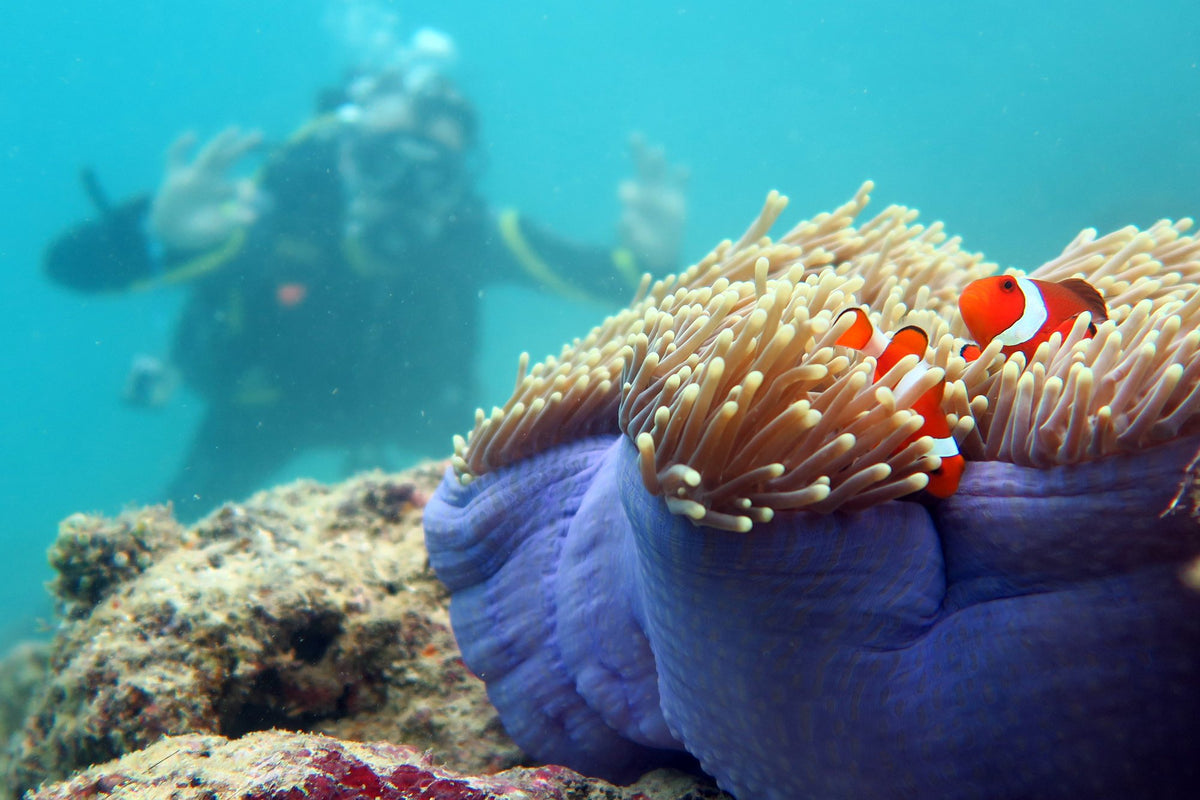
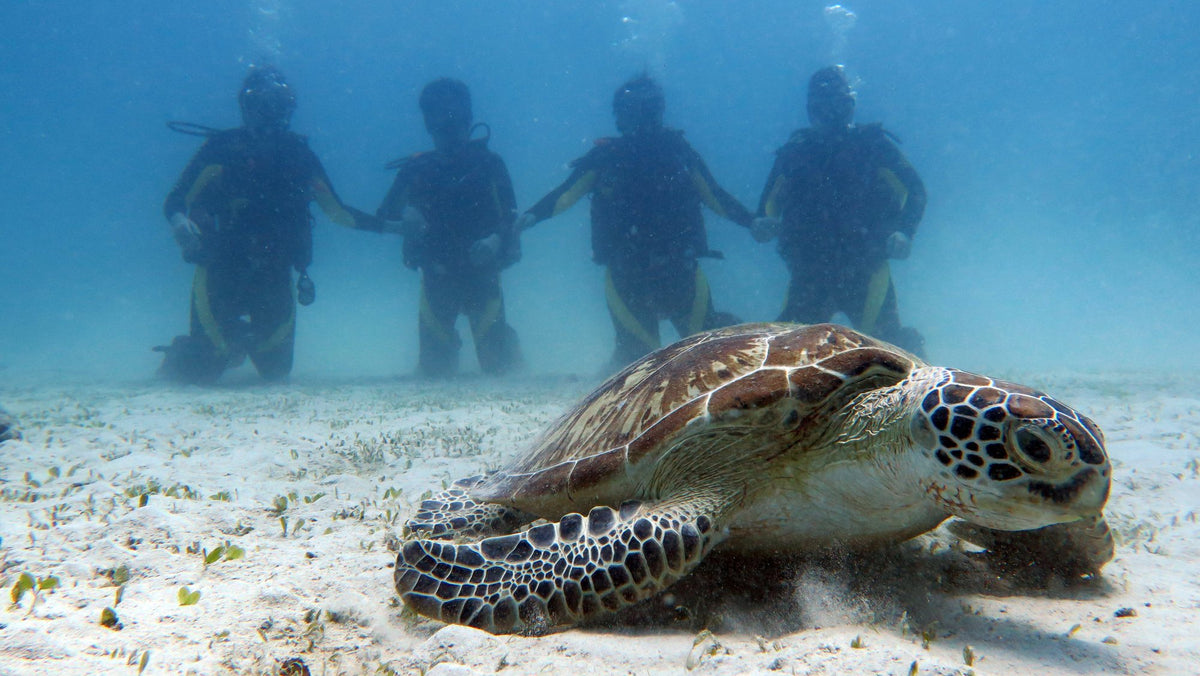
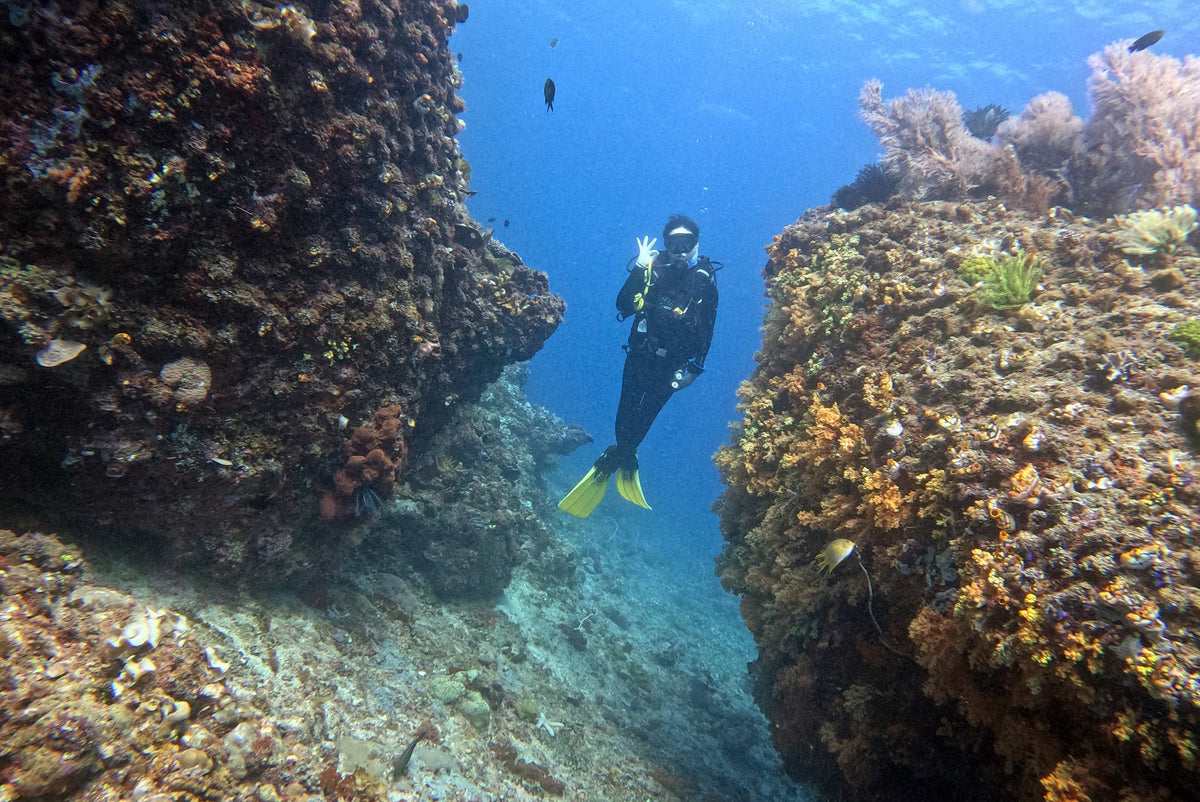
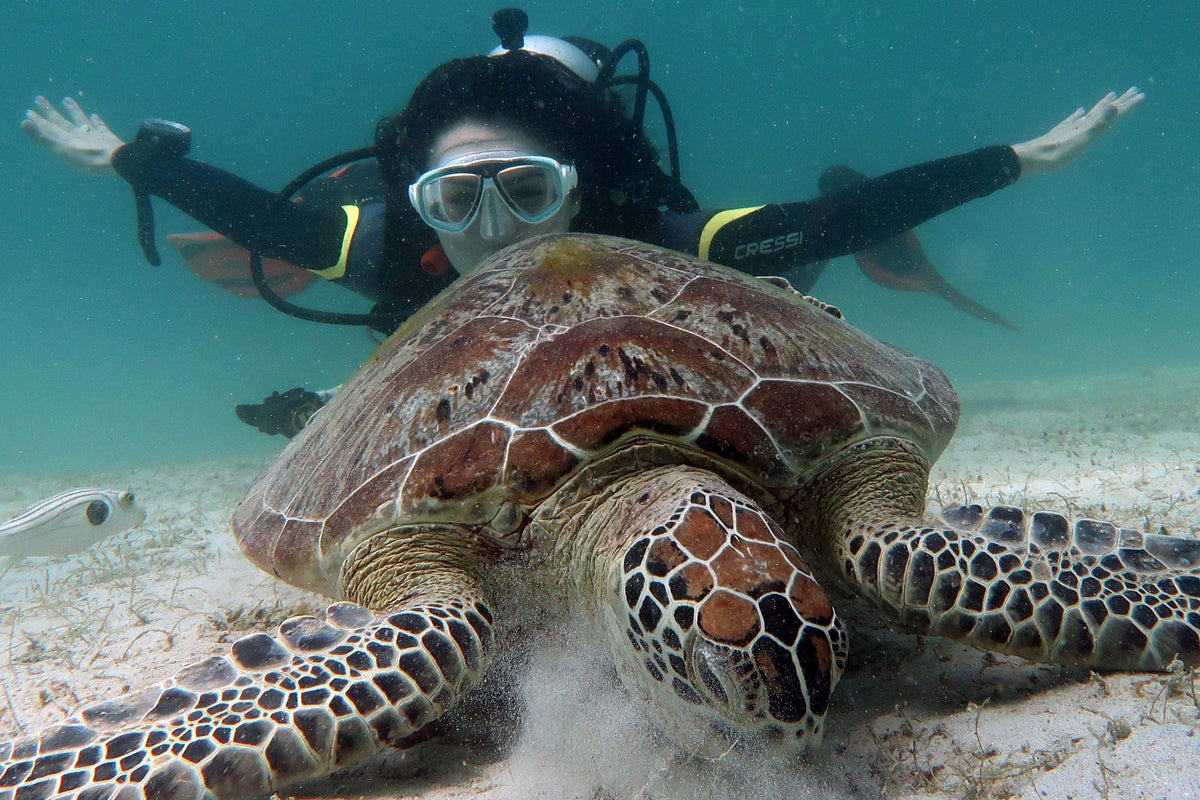
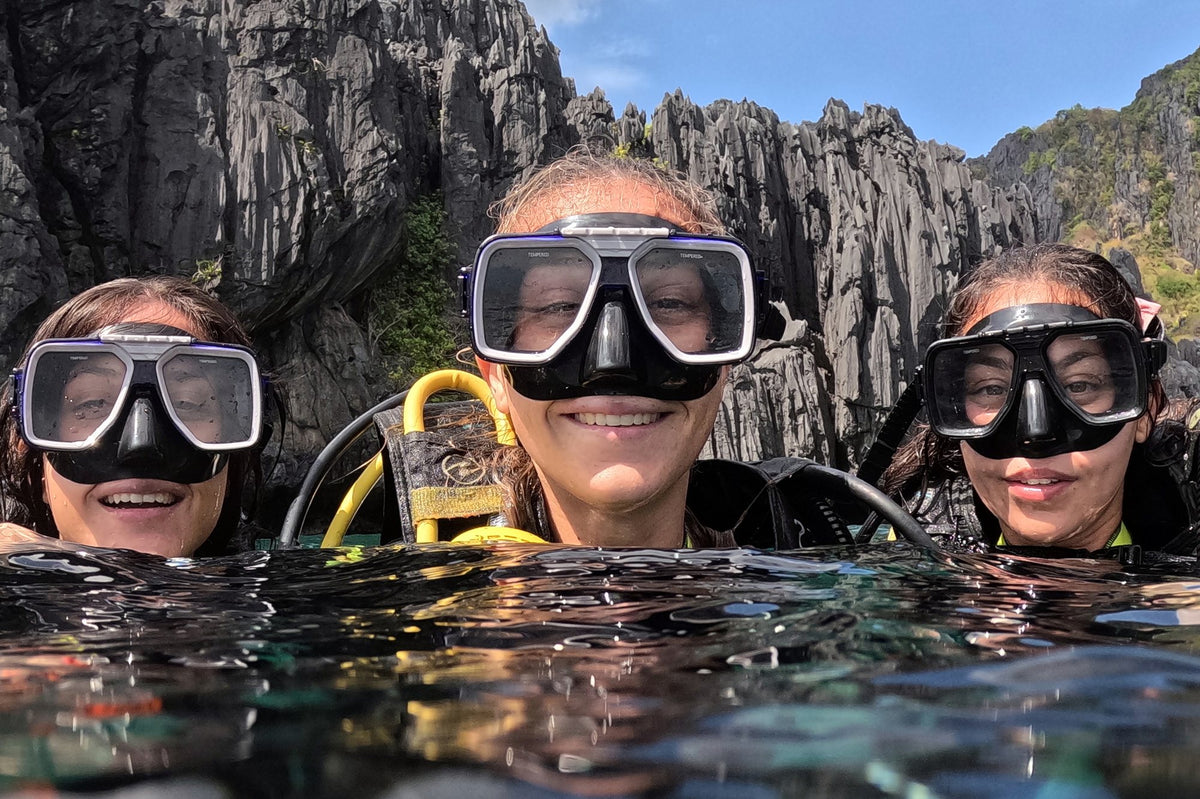
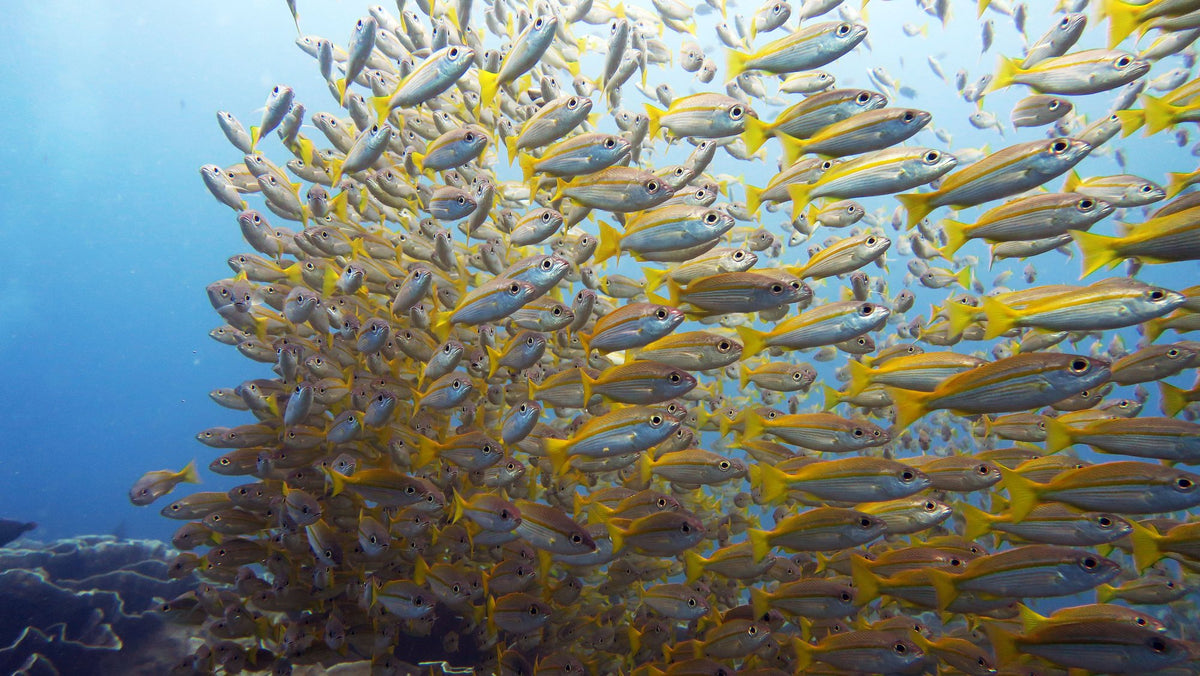
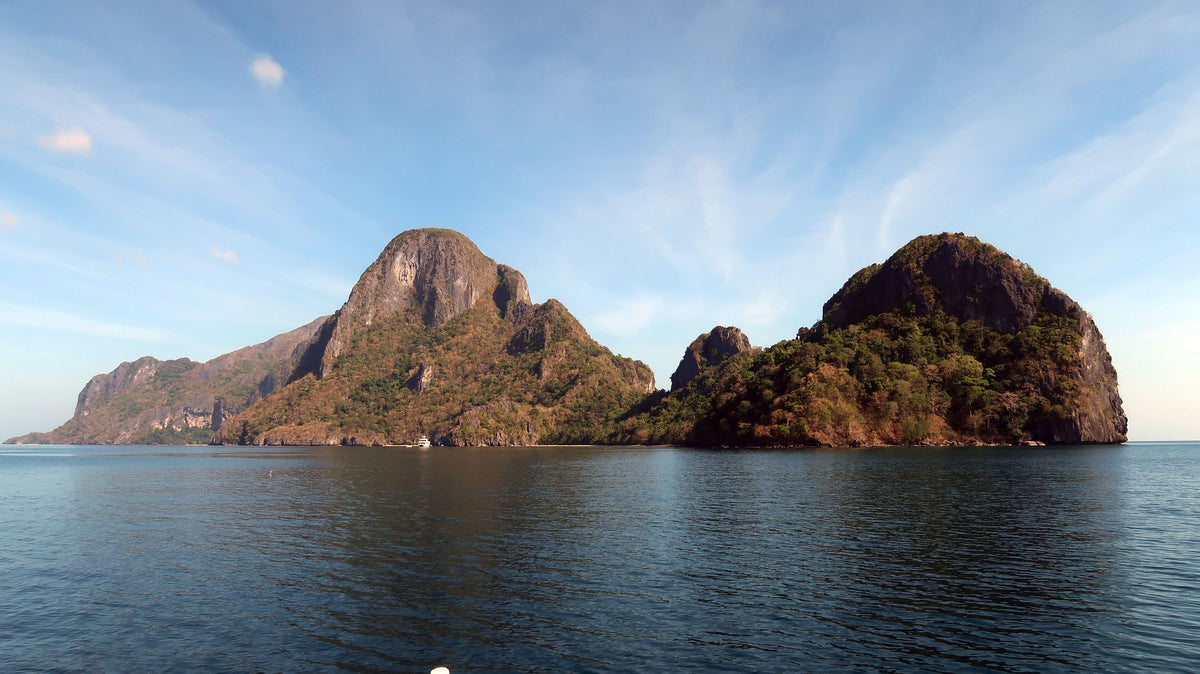
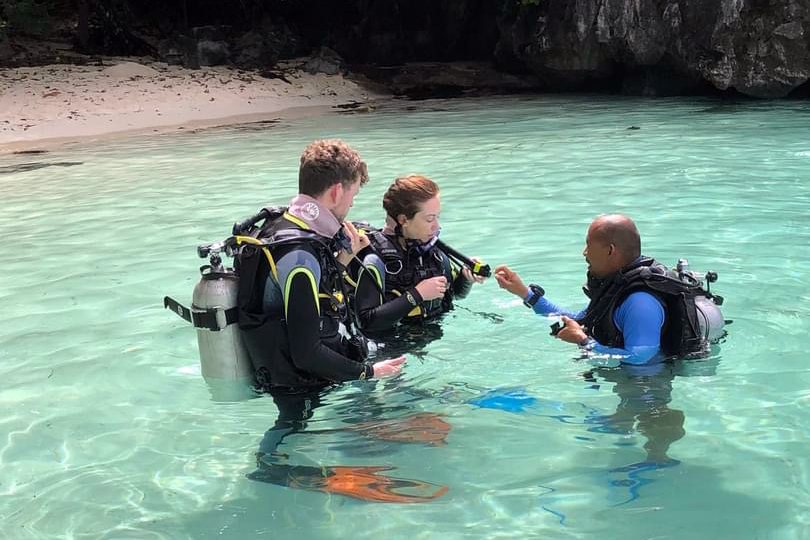
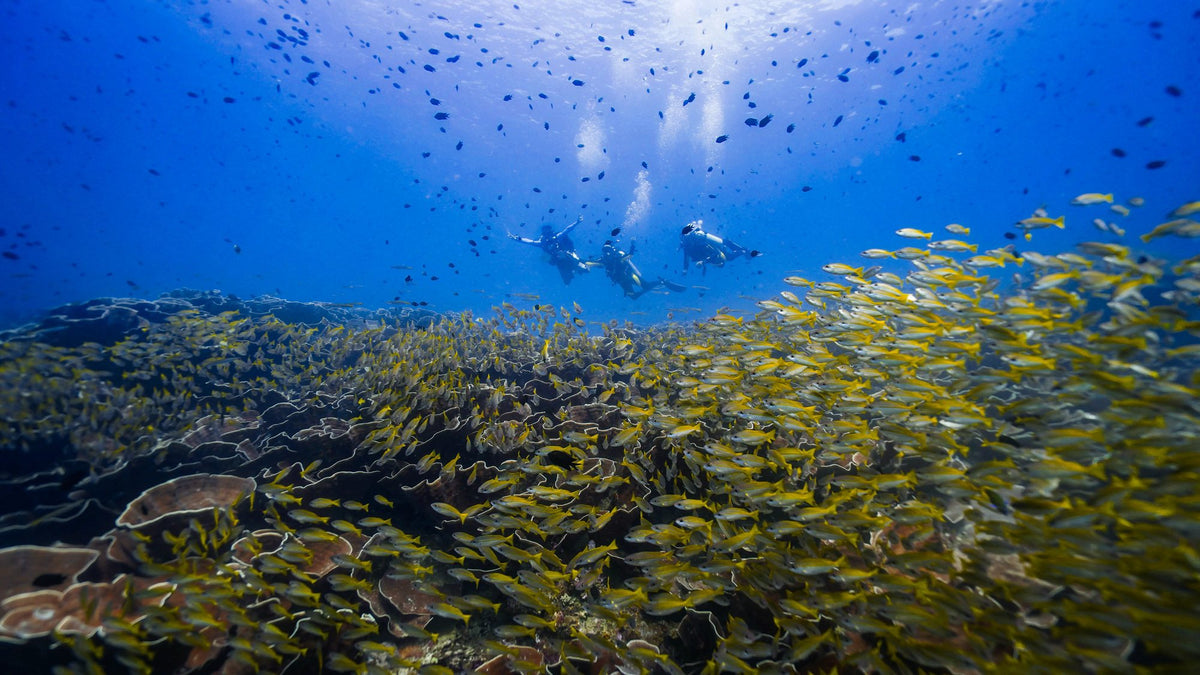
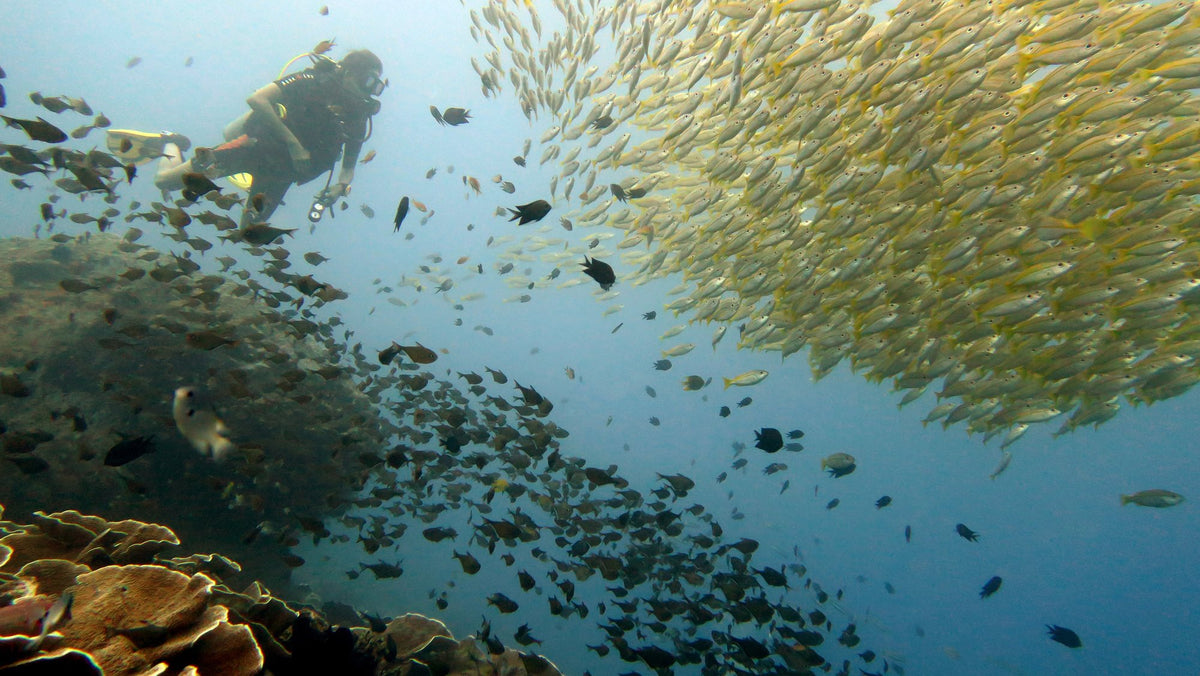
Photography courtesy of Palawan Divers, our El Nido diving partner. The gallery illustrates their diving services and the surrounding Bacuit Bay scenery; individual photographs are not assigned to named dive sites.
El Nido diving: frequently asked questions
Is El Nido a good place to learn to dive?
Yes, suitable shallow profiles and PADI training are available. Your course uses sites chosen for conditions and your progress; deeper pinnacles and stronger-current profiles are separate options for appropriately trained divers.
How many days should I allow?
We suggest four to six nights for a balanced visit. That leaves space for two or three dive days, an island-hopping day and some flexibility around arrival, weather and your onward journey. A course may need a different schedule.
Is Palawan Divers a hotel or resort?
Palawan Divers is our local dive-centre partner. Its guided dives and courses can be combined with separately arranged accommodation; room accommodation is not included simply by booking diving.
Will I see turtles, sharks or manta rays?
Turtles and reef fish are among the realistic attractions, but every wildlife encounter is unpredictable. Sharks, manta rays and other large pelagic visitors should not be promised as part of an El Nido day-diving programme.
Do I need to join a liveaboard?
No. Bacuit Bay’s local sites are explored on boat day trips from El Nido. The NAVIS 1 routes shown here are options for a longer journey starting or ending in El Nido, with their own itineraries and requirements.
Can non-diving companions enjoy the trip?
Yes. Lagoons, kayaking, snorkelling, beaches and island excursions make El Nido an appealing shared destination. Plan a dedicated sightseeing day together, since a scheduled dive trip is not automatically an island-hopping tour.
How does El Nido fit into a wider Palawan trip?
It can be a diving-and-island chapter before or after another Palawan stop. Compare the time available, the transfer day and the diving you want in each place. Our Coron and Tubbataha guides explain those destinations separately.
Plan your El Nido diving holiday
Tell us your dates, diving experience and how much time you would like for the islands. We will help shape the Palawan Divers programme and accommodation arrangements around your trip.
Plan my El Nido trip