

Destination guide · Philippines
Tubbataha Reefs Diving: A Liveaboard Guide
Far out in the Sulu Sea, Tubbataha’s reefs rise from deep water into coral-covered shallows. Walls, fish schools and the possibility of passing sharks or rays make this a focused liveaboard journey, with the open sea setting the rhythm of each day.
Tubbataha Reefs at a glance
Far out in the Sulu Sea, Tubbataha Reefs Natural Park protects North Atoll, South Atoll and Jessie Beazley Reef. The attraction is a complete oceanic reef setting: coral shallows, steep edges, schooling fish and the possibility of larger animals moving through the surrounding blue.
This is a seasonal liveaboard destination. There are no resort stays in the park, and the sea crossing is part of the trip. Choose Tubbataha for days centred on diving, reef observation and life aboard a boat, with a separate Palawan stay before or after the cruise if you want time ashore.
Planning your Tubbataha Reefs cruise
Tubbataha is visited by liveaboard. Compare time in the park, cabin arrangements, tender diving and the route’s actual coverage of North Atoll, South Atoll and Jessie Beazley Reef. A dedicated cruise and a longer transition route through other Philippine regions offer different amounts of time on these reefs.
Liveaboard routes for this destination
Explore the routes that visit this region. Compare ships and itineraries, then open a route to see its sailing dates, cabins and the areas it covers.
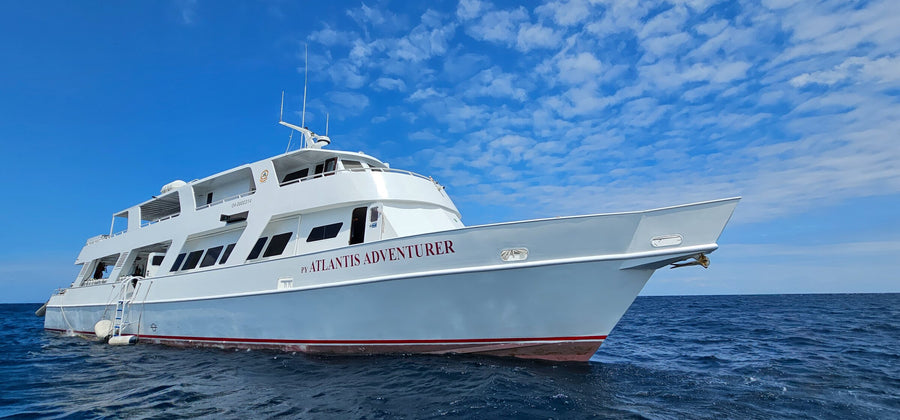
Atlantis Adventurer
Tubbataha Reefs
- Indicative duration
- 7 nights
- Embarkation
- Puerto Princesa, Palawan
- Disembarkation
- Puerto Princesa, Palawan
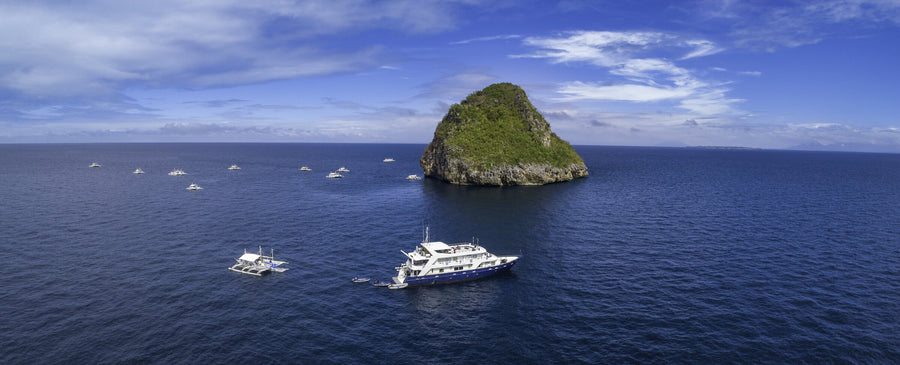
Atlantis Infiniti
Tubbataha Reefs
- Indicative duration
- 7 nights
- Embarkation
- Puerto Princesa, Palawan
- Disembarkation
- Puerto Princesa, Palawan
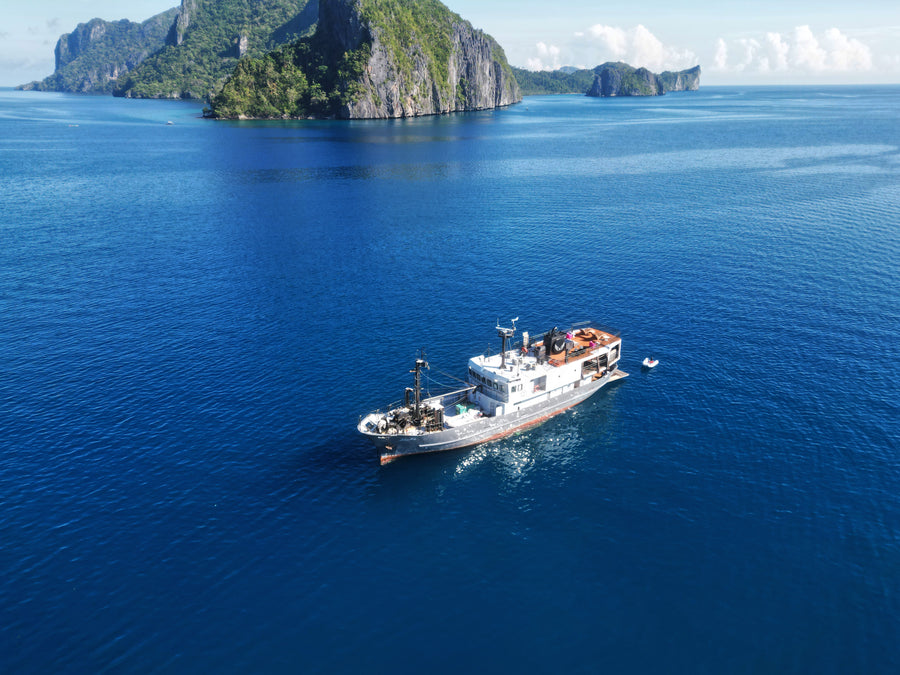
Black Noddy
Tubbataha Reefs
- Indicative duration
- 6 nights
- Embarkation
- Puerto Princesa
- Disembarkation
- Puerto Princesa

M/Y Dolphin
Tubbataha Reefs
- Indicative duration
- 6 nights
- Embarkation
- Puerto Princesa, Palawan
- Disembarkation
- Puerto Princesa, Palawan
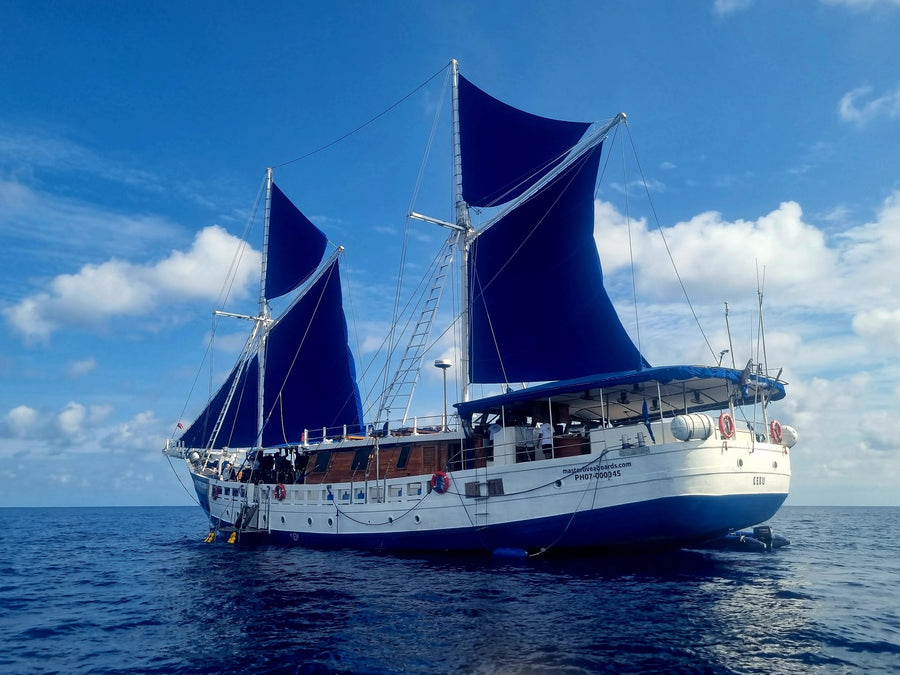
Philippine Siren
Tubbataha & More
- Indicative duration
- 13 nights
- Embarkation
- Cebu / Puerto Princesa
- Disembarkation
- Puerto Princesa / Cebu
Philippine Siren
Tubbataha National Park
- Indicative duration
- 6 nights
- Embarkation
- Puerto Princesa, Palawan
- Disembarkation
- Puerto Princesa, Palawan
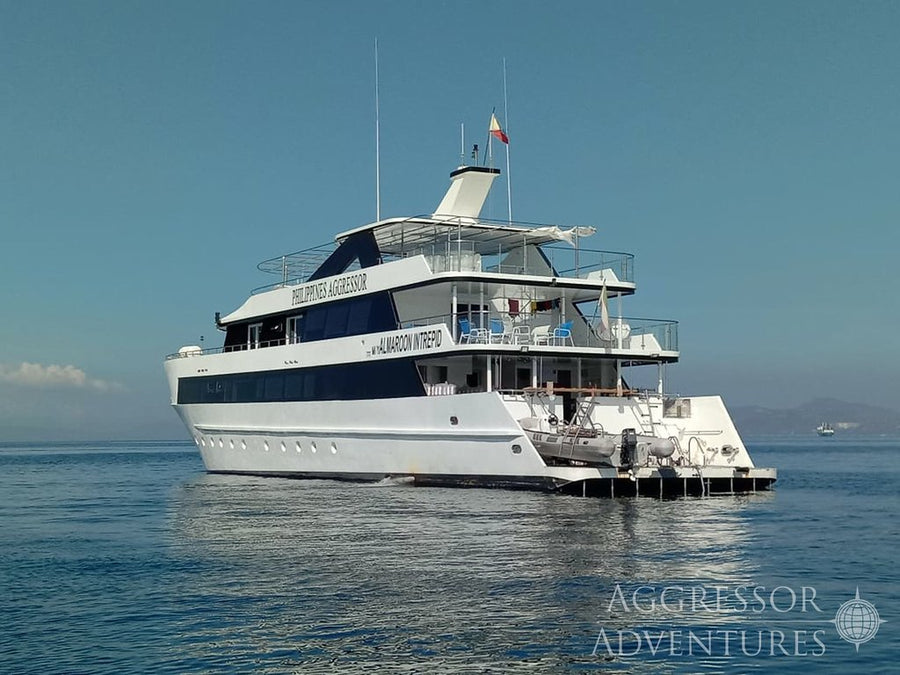
Philippines Aggressor
Tubbataha & Visayas Islands (10 nights)
- Indicative duration
- 10 nights
- Embarkation
- Puerto Princesa
- Disembarkation
- Cebu
Philippines Aggressor
Tubbataha Reef (7 nights)
- Indicative duration
- 7 nights
- Embarkation
- Puerto Princesa
- Disembarkation
- Puerto Princesa
Philippines Aggressor
Visayas Islands & Tubbataha (11 nights)
- Indicative duration
- 11 nights
- Embarkation
- Cebu
- Disembarkation
- Puerto Princesa
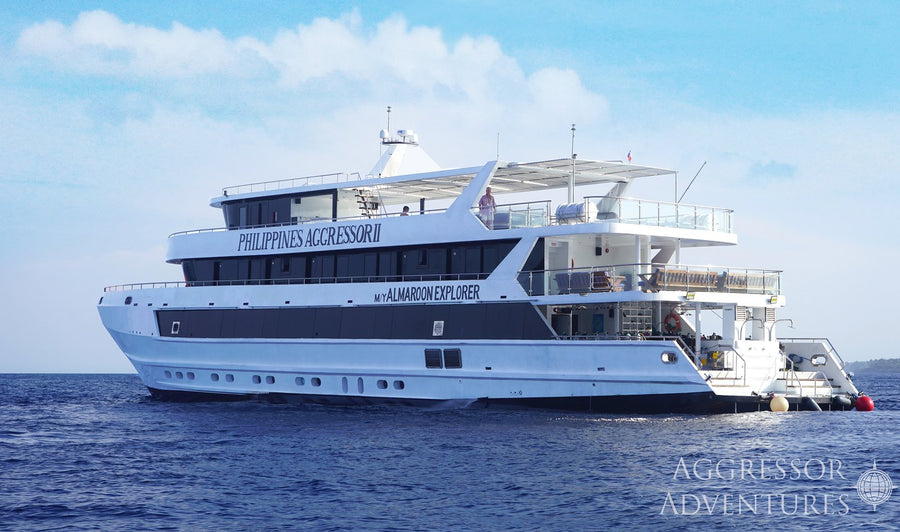
Philippines Aggressor II
Tubbataha & Visayas Islands (10 nights)
- Indicative duration
- 10 nights
- Embarkation
- Puerto Princesa
- Disembarkation
- Cebu
Philippines Aggressor II
Tubbataha (7 nights)
- Indicative duration
- 7 nights
- Embarkation
- Puerto Princesa
- Disembarkation
- Puerto Princesa
Philippines Aggressor II
Visayas Islands & Tubbataha (11 nights)
- Indicative duration
- 11 nights
- Embarkation
- Cebu
- Disembarkation
- Puerto Princesa
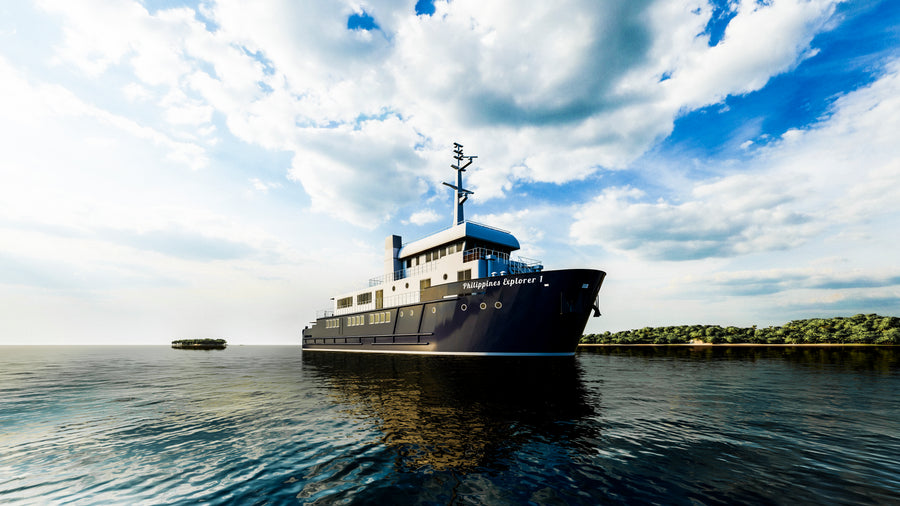
Philippines Explorer I
Tubbataha & Cagayancillo
- Indicative duration
- 10 nights
- Embarkation
- Campomanes Bay, Negros Occidental
- Disembarkation
- Campomanes Bay, Negros Occidental
Philippines Explorer I
Tubbataha & Cagayancillo
- Indicative duration
- 7 nights
- Embarkation
- Campomanes Bay, Negros Occidental
- Disembarkation
- Campomanes Bay, Negros Occidental
Philippines Explorer I
Tubbataha & Visayas: Campomanes Bay to Malapascua
- Indicative duration
- 13 nights
- Embarkation
- Campomanes Bay, Negros Occidental
- Disembarkation
- Malapascua, Cebu
Philippines Explorer I
Tubbataha & Visayas: Malapascua to Campomanes Bay
- Indicative duration
- 13 nights
- Embarkation
- Malapascua, Cebu
- Disembarkation
- Campomanes Bay, Negros Occidental
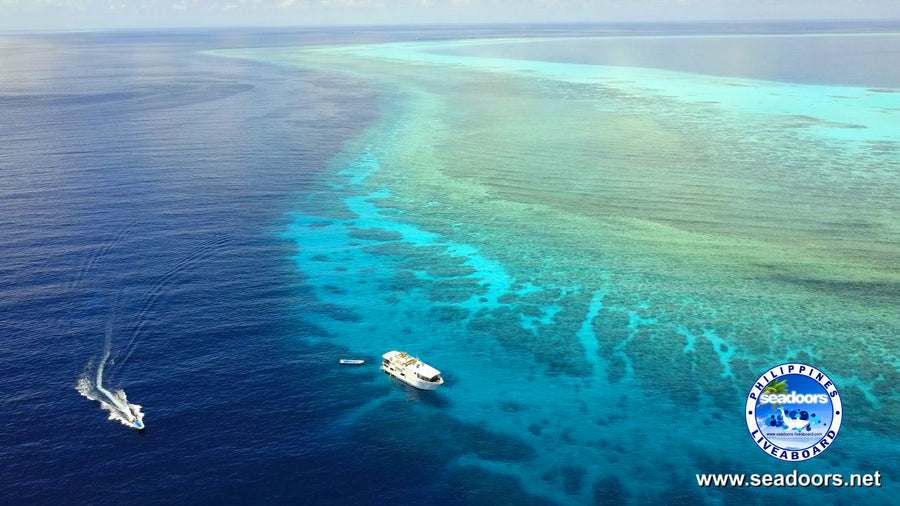
Seadoors
Tubbataha Reefs
- Indicative duration
- 6 nights
- Embarkation
- Puerto Princesa, Palawan
- Disembarkation
- Puerto Princesa, Palawan
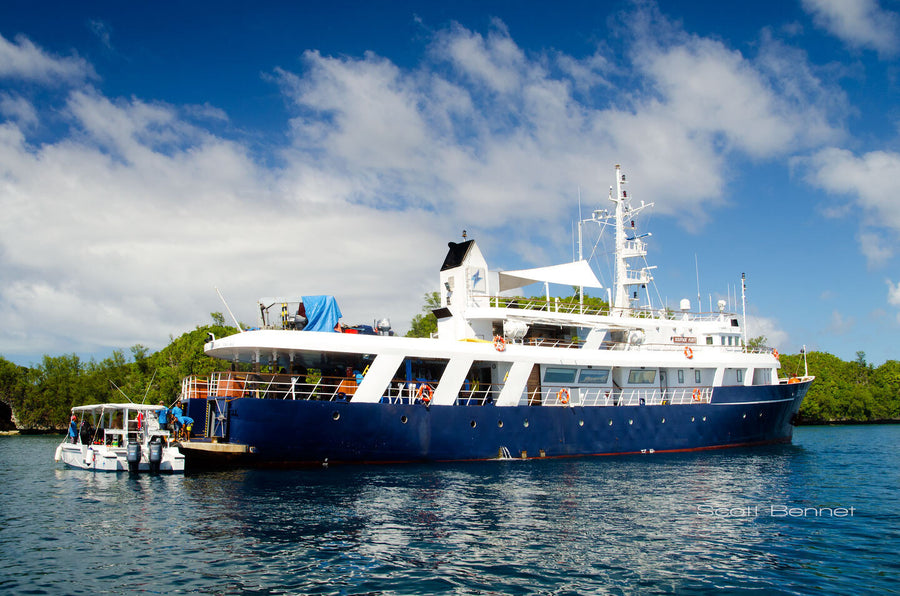
Solitude One
Cebu / Tubbataha (S1)
- Indicative duration
- 13 nights
- Embarkation
- Cebu
- Disembarkation
- Puerto Princesa
Solitude One
Tubbataha - 6N (S1)
- Indicative duration
- 6 nights
- Embarkation
- Puerto Princesa
- Disembarkation
- Puerto Princesa
Solitude One
Tubbataha / Cebu - 13N (S1)
- Indicative duration
- 13 nights
- Embarkation
- Puerto Princesa
- Disembarkation
- Cebu
Solitude One
Tubbataha/Coron/Apo - 13N S1
- Indicative duration
- 13 nights
- Embarkation
- Puerto Princesa
- Disembarkation
- Anilao
No routes match this search. Try another vessel or clear your search.
When to dive Tubbataha Reefs
The usual dive season falls within March to June, when crossings are generally more manageable. The precise start and end vary between sailing programmes, so use the actual cruise dates for planning. Outside this short season, choose a different Philippine dive region rather than planning Tubbataha as a year-round resort trip.
Planning window: March–June; use the actual sailing dates.
What the diving is like
Experienced divers comfortable with open water and changing currents.
Reef edges and open water
The scale of the reef is a central part of Tubbataha’s appeal. Spend time watching the edge and the surrounding water, then notice how the scene changes as the dive returns towards the coral shallows.
Sharks and schooling fish
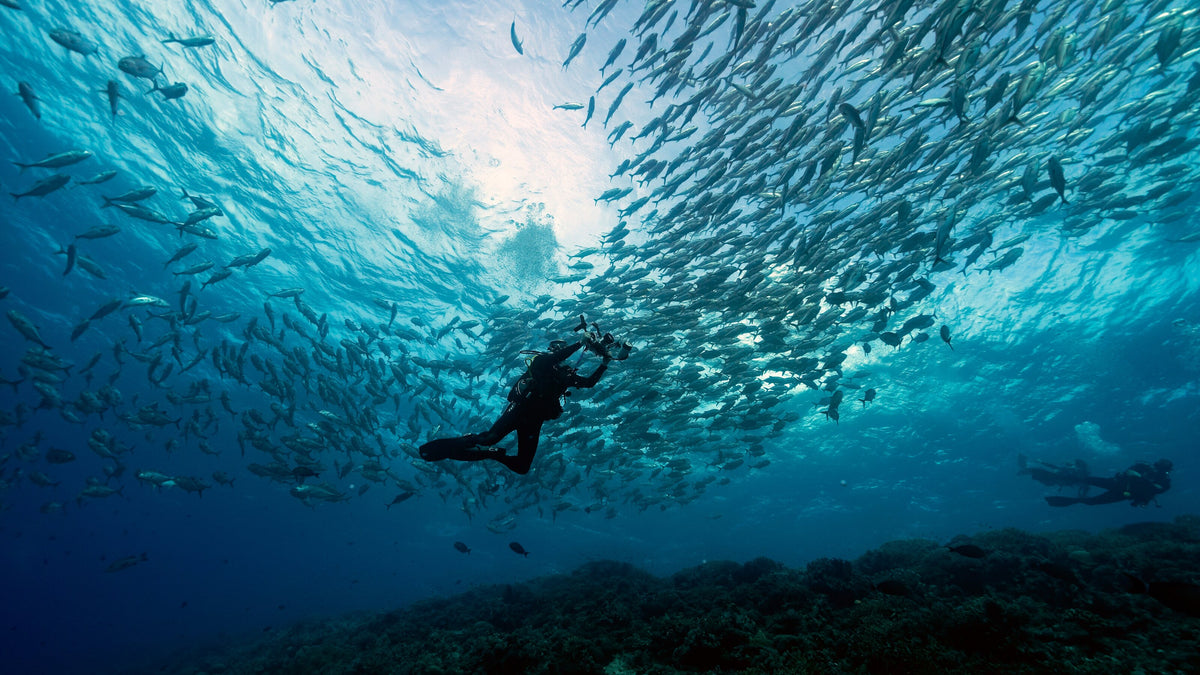
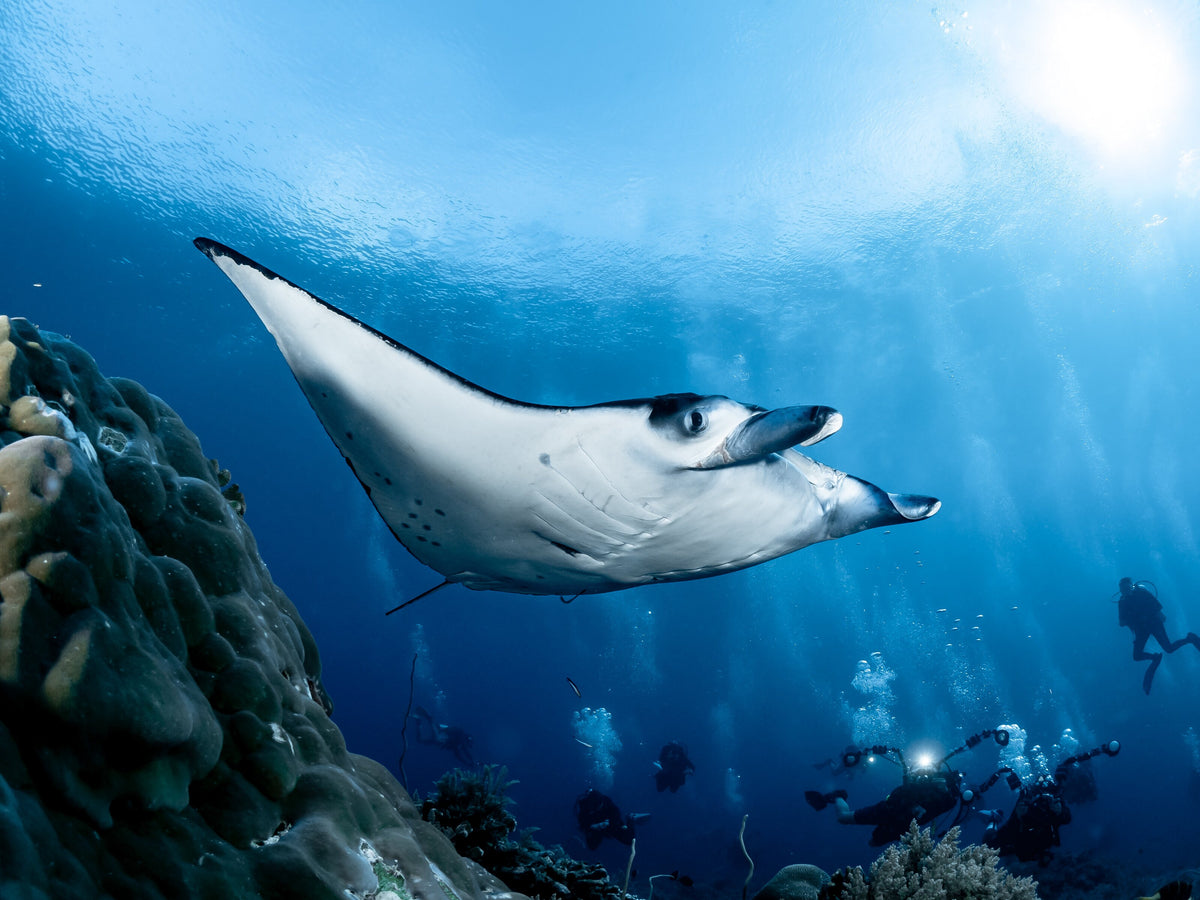
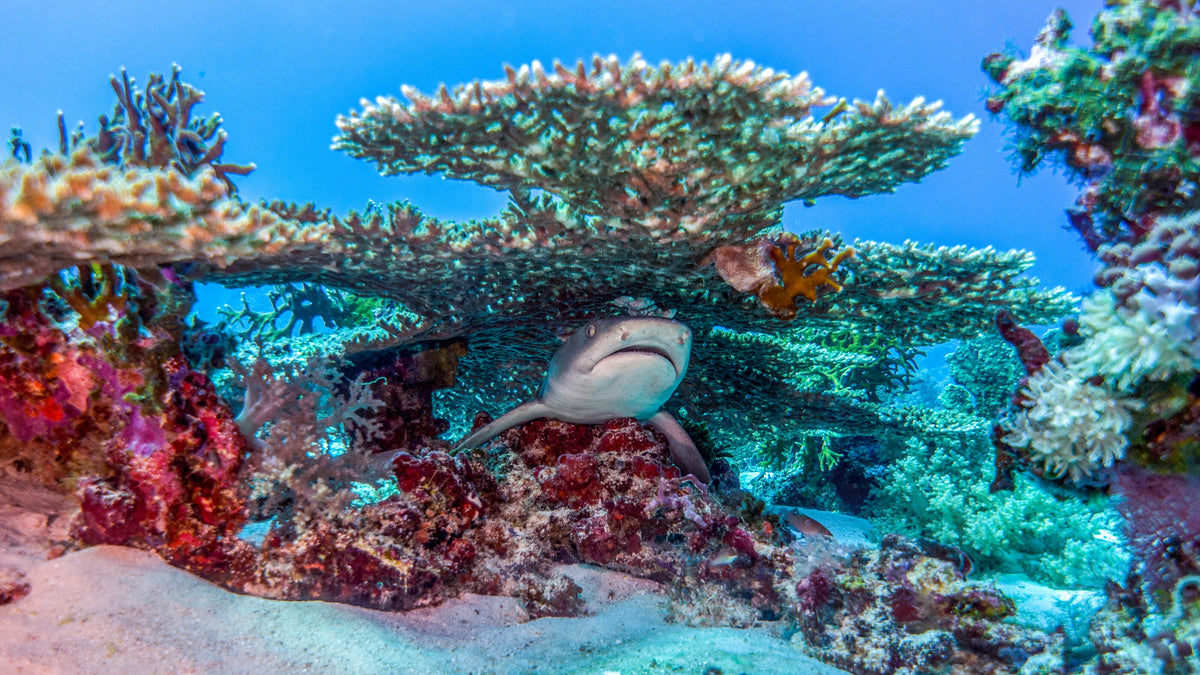
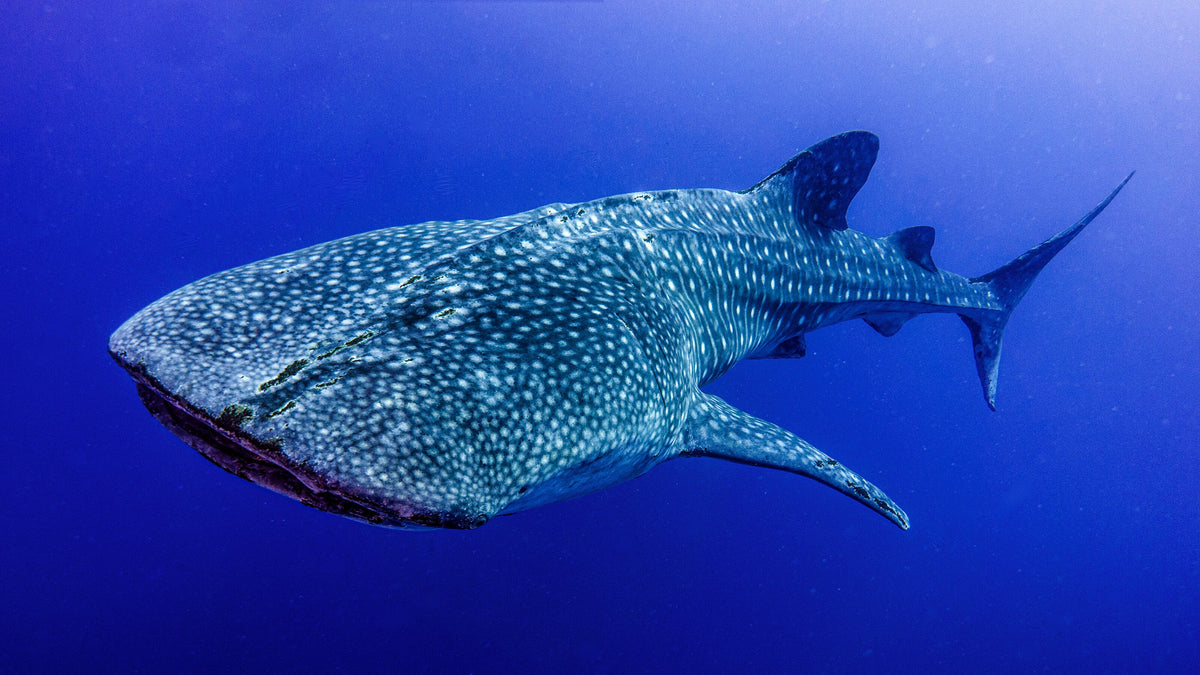
Reef sharks, jacks, barracuda and other open-water fish are among the reasons divers choose these offshore reefs. The rewarding approach is patient observation of the whole scene, with larger visitors treated as possibilities.
North Atoll, South Atoll and Jessie Beazley
These are separate reef systems within the protected area. A cruise can offer different sides of the park, although weather and current shape the order and the sites reached on any particular voyage.
A week centred on diving
Meals, rest, photography and time on deck fit between tender dives. This is a strong choice for travellers who enjoy the rhythm of a dive boat and do not need shops, beaches or independent sightseeing during the cruise.
DIVE SITE GUIDE
Dive sites in Tubbataha Reefs
Explore six representative sites and reef areas. The sequence and exact profiles depend on the cruise, conditions and diver experience; a named site is not a guaranteed stop. Open a card for the full description.
Reef edge · Sharks · Wide angle
Shark Airport
Shark Airport combines a colourful reef top with the drama of the drop-off.
Explore this dive site
- Type
- Reef edge · Sharks · Wide angle
- Depth
- Reef profile selected for the dive
- Experience
- Experienced recreational divers
- Current
- Variable; may be strong
Shark Airport combines a colourful reef top with the drama of the drop-off. Small reef fish bring movement to the shallows, while grey reef sharks may cruise along the wall and whitetips may rest on the bottom. Schools of jacks, snappers and larger reef fish can change the scene in a moment. The contrast between a quiet resting shark and the activity above the reef is a large part of its appeal.
Treat the name as an invitation to look, rather than a promise of a particular encounter. Current and visibility determine the route, and the dive may offer as much interest in its reef life as in the larger animals. A wide-angle setup keeps the reef and a passing subject in the same visual story.
Look for: Reef edge · Sharks · Wide angle
Best for: Reef edge · Sharks · Wide angle
Wall · Reef life · Photography
Amos Rock
Amos Rock lies in the southern part of North Atoll, where a submerged rocky feature and coral growth give the dive a strong sense of shape.
Explore this dive site
- Type
- Wall · Reef life · Photography
- Depth
- Reef profile selected for the dive
- Experience
- Experienced recreational divers
- Current
- Variable; may be strong
Amos Rock lies in the southern part of North Atoll, where a submerged rocky feature and coral growth give the dive a strong sense of shape. A sandy slope, the reef edge and the wall offer different ways to look at the site. Reef fish occupy the closer view, while a shark or a larger fish passing in the blue can suddenly pull your attention away from the coral.
Let the conditions decide how slowly the dive can unfold. Where the water allows, a careful look at reef detail can be as satisfying as a dramatic wide-angle frame. Keep equipment clear of the reef and photograph from a position you can hold comfortably, rather than moving closer at the expense of the surrounding life.
Look for: Wall · Reef life · Photography
Best for: Wall · Reef life · Photography
Reef slope · Wall · Marine life
Malayan Wreck
The Malayan area brings wreck remains into a much broader reef dive.
Explore this dive site
- Type
- Reef slope · Wall · Marine life
- Depth
- Reef profile selected for the dive
- Experience
- Experienced recreational divers
- Current
- Variable; may be strong
The Malayan area brings wreck remains into a much broader reef dive. Its attraction is the surrounding marine life as much as the structure: snappers and schools of jacks or barracuda can gather along the reef, with sharks or rays adding a wider-water possibility. Come for the slope, the edge and the changing fish life rather than expecting a large intact vessel to explore inside.
There is no need to hurry towards a single landmark. Watch how fish use the reef and take time with the smaller subjects when the current allows. For photography, decide whether to follow the broad reef scene or concentrate on details; trying to do both at every moment can mean overlooking the best of either.
Look for: Reef slope · Wall · Marine life
Best for: Reef slope · Wall · Marine life
Reef edge · Open water · Fish life
Delsan Wreck
At Delsan, a pronounced crack in the reef gives the underwater landscape its own identity.
Explore this dive site
- Type
- Reef edge · Open water · Fish life
- Depth
- Reef profile selected for the dive
- Experience
- Experienced recreational divers
- Current
- Variable; may be strong
At Delsan, a pronounced crack in the reef gives the underwater landscape its own identity. Divers look across the opening and out towards the surrounding water, where jacks, barracuda, tuna and reef sharks may move through the scene. It is a dive that rewards awareness of the whole setting: the reef structure below, the fish ahead and the changing movement of the water.
Keep the dive’s pace with the group and the prevailing flow. A comfortable position with a good view is more useful than trying to chase a distant subject. For a photographer, a brief encounter may become a better memory than a frame; the reef itself provides plenty of material when the larger visitors stay beyond reach.
Look for: Reef edge · Open water · Fish life
Best for: Reef edge · Open water · Fish life
Reef · Turtles · Wide angle
Black Rock
Black Rock is a wall-and-reef dive where watching the water beside the reef can be as absorbing as examining the growth on it.
Explore this dive site
- Type
- Reef · Turtles · Wide angle
- Depth
- Reef profile selected for the dive
- Experience
- Experienced recreational divers
- Current
- Variable; may be strong
Black Rock is a wall-and-reef dive where watching the water beside the reef can be as absorbing as examining the growth on it. Barracuda and sweetlips have been recorded here, along with whitetip reef sharks and passing eagle rays. A turtle or a diver moving through the scene can add a sense of scale. The attraction is this combination of reef detail and the possibility of larger movement beyond it.
A patient approach works well around resting or feeding animals. Leave room for them to move, keep the reef clear beneath your fins and let a photographic opportunity develop without rearranging the encounter. The exact route and depth belong to the day’s conditions, so the same named site can produce a different experience on a later visit.
Look for: Reef · Turtles · Wide angle
Best for: Reef · Turtles · Wide angle
Offshore reef · Coral · Schooling fish
Jessie Beazley Reef
Jessie Beazley is a separate reef within the park, with coral slopes leading towards a deeper wall.
Explore this dive site
- Type
- Offshore reef · Coral · Schooling fish
- Depth
- Reef profile selected for the dive
- Experience
- Experienced recreational divers
- Current
- Variable; may be strong
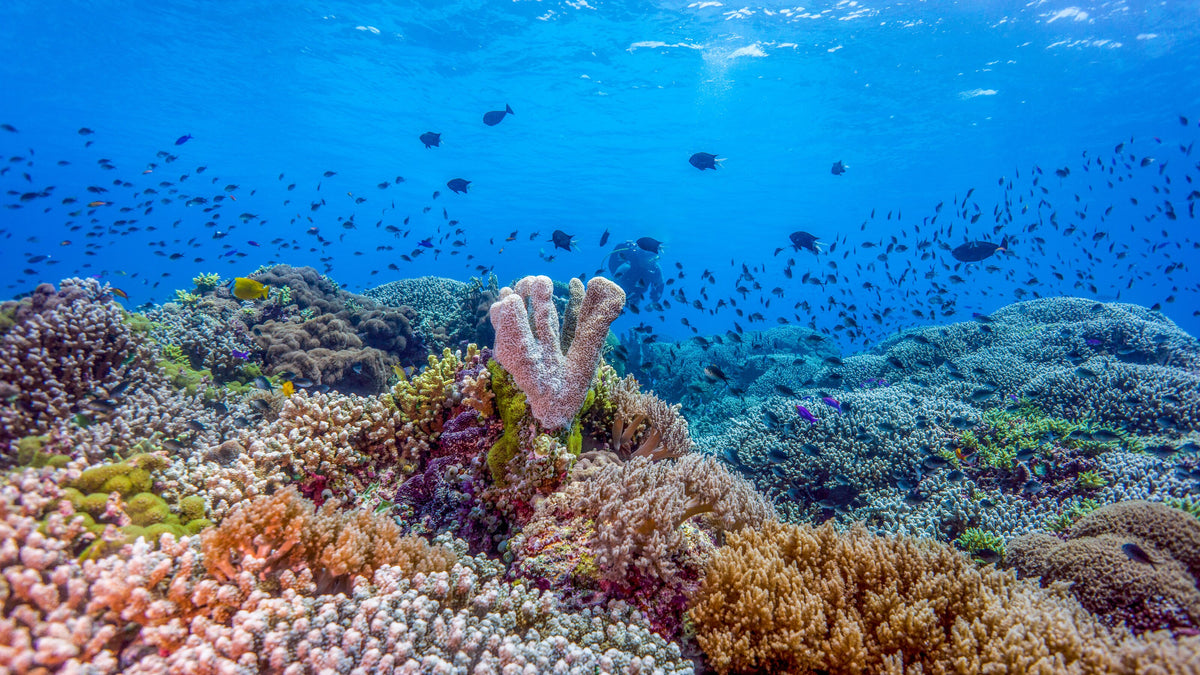
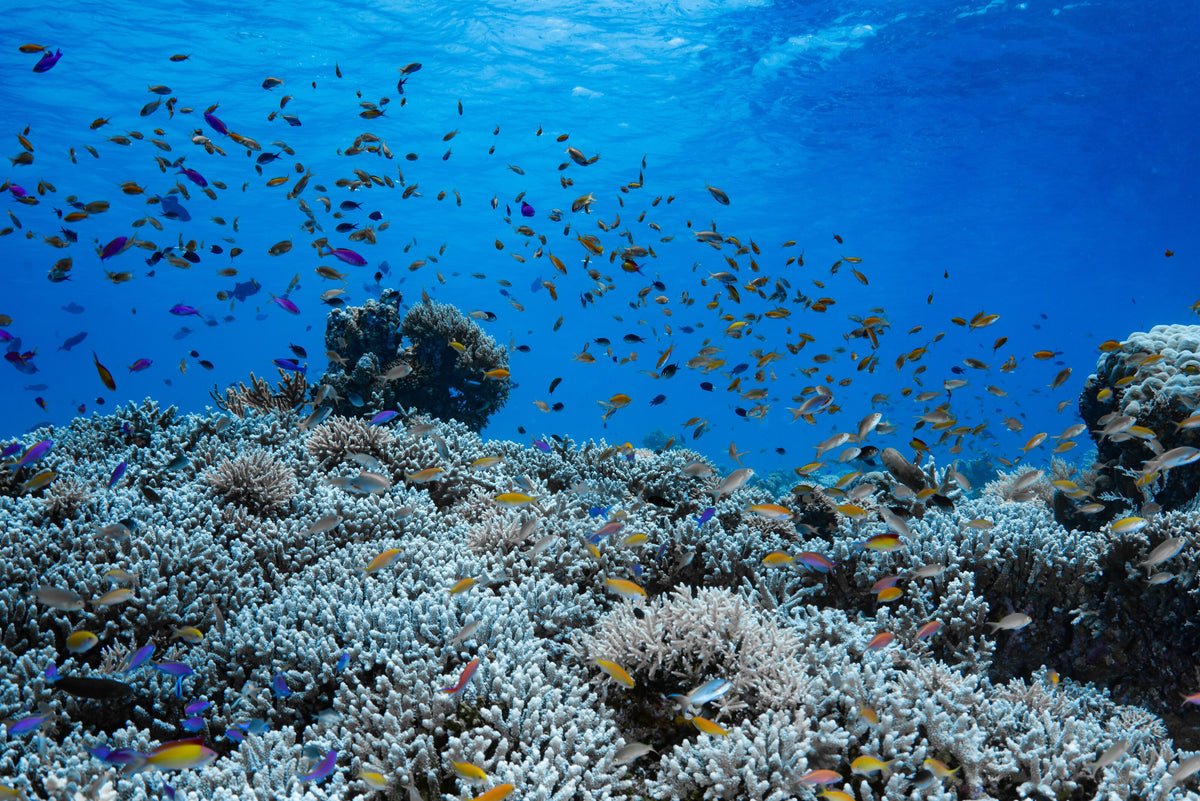
Jessie Beazley is a separate reef within the park, with coral slopes leading towards a deeper wall. The shallow reef can be lively with reef fish, while schools of fish and larger visitors add interest around the edge. It offers its own offshore setting rather than another view of North or South Atoll, and makes a rewarding additional chapter when a cruise’s conditions and route allow a visit.
A visit depends on conditions and the actual sailing plan. Enjoy the reef that is in front of you instead of treating it as the final item on a checklist. A broad view of the shallows and reef edge can be especially rewarding, and patient observation gives passing fish time to become part of the scene.
Look for: Offshore reef · Coral · Schooling fish
Best for: Offshore reef · Coral · Schooling fish
Underwater photography
Wide angle suits the reef edge, schooling fish and encounters in open water. Set up for the scene available on each dive, rather than keeping the camera prepared only for a rare visitor. There is detail in the reef too, but a comfortable position and awareness of the group take priority over changing lenses or pursuing a subject.
Beyond diving: Tubbataha Reefs above the surface
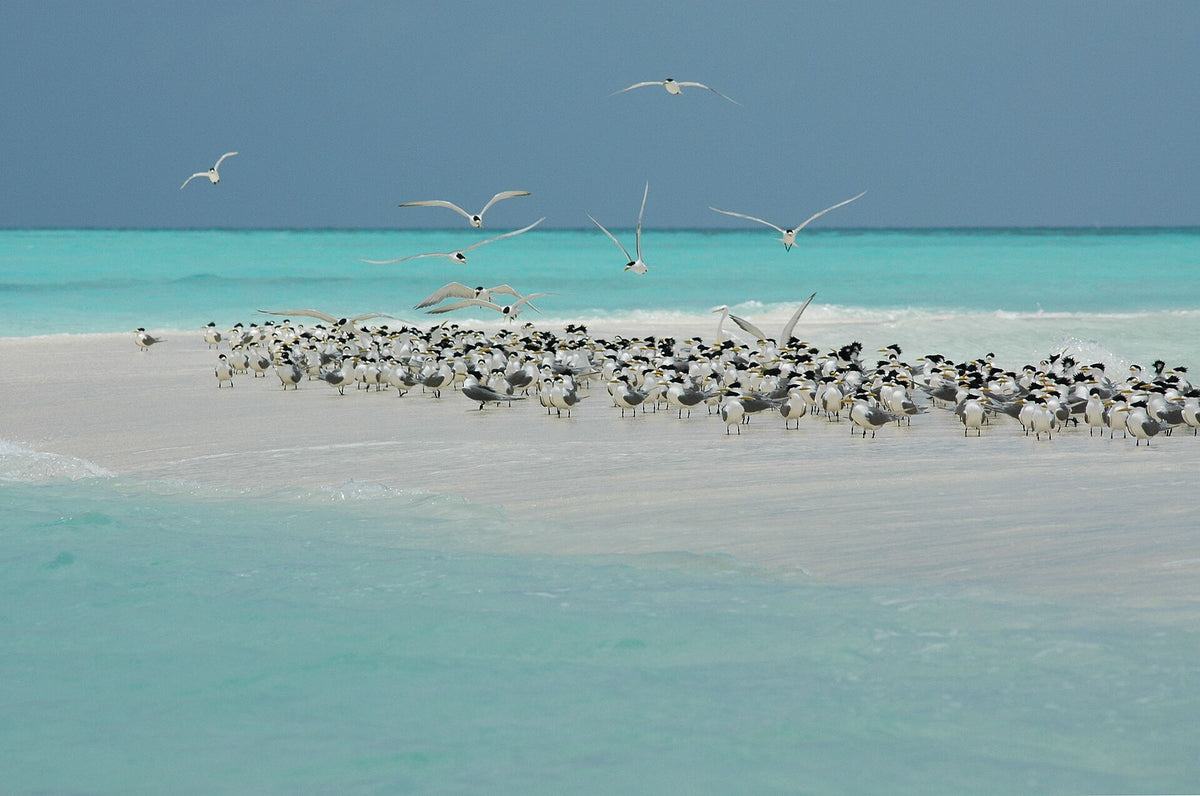
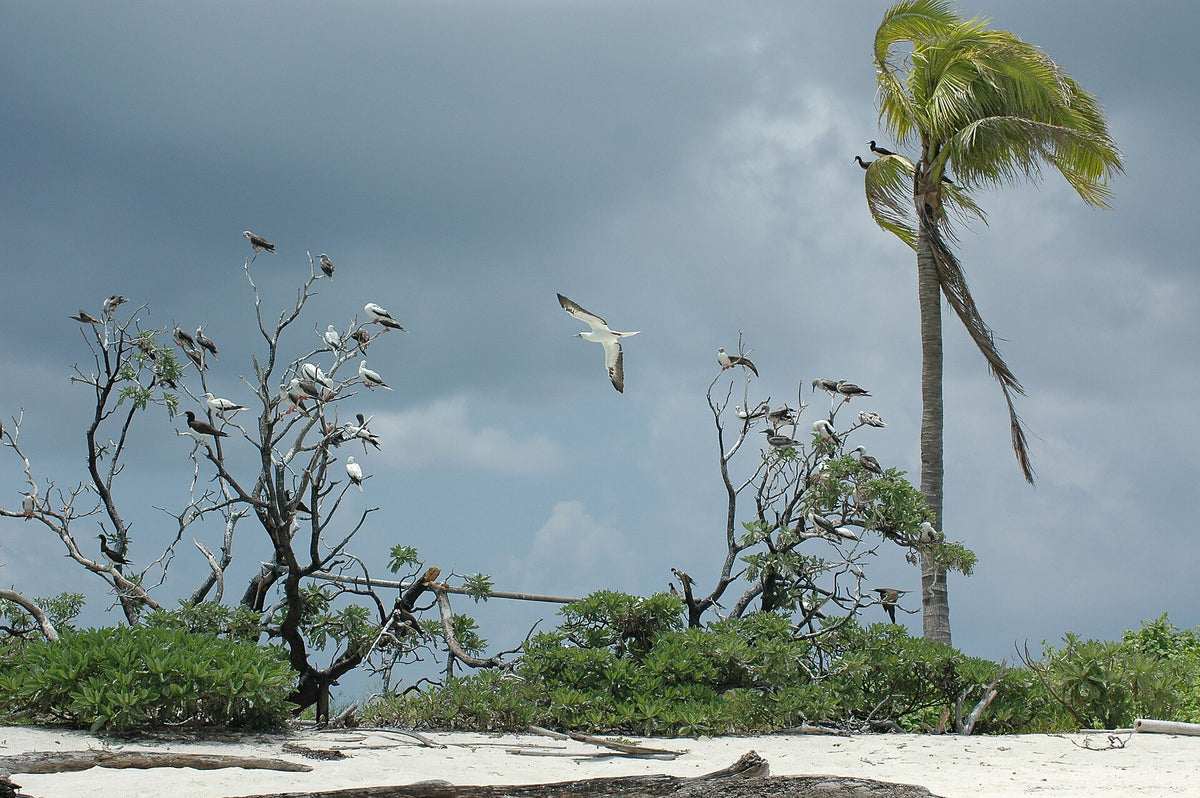
Tubbataha is an offshore protected reef system, not an island resort holiday. There are no tourist hotels in the park; between dives, life centres on the vessel, the horizon and the seabirds or marine life that may pass nearby.
For a land component, add time in Puerto Princesa or elsewhere in Palawan before or after the cruise. Keep any longer excursion on a separate day. Snorkelling participation depends on the vessel’s programme and conditions, so a non-diver should choose the trip for the onboard experience as well as the reef.
Getting to Tubbataha Reefs
Puerto Princesa in Palawan is the usual gateway for a Tubbataha liveaboard. From there, the journey continues overnight by sea; the park describes a crossing of about 10–12 hours, although the actual passage depends on the boat and conditions.
Arrive with enough time to meet the cruise’s embarkation arrangements. A Puerto Princesa or wider Palawan extension gives the trip a land-based chapter, while flights after the cruise need to account for the final dive and an appropriate no-fly interval.
Tubbataha Reefs diving questions
What makes Tubbataha Reefs worth a diving trip?
Far out in the Sulu Sea, Tubbataha’s reefs rise from deep water into coral-covered shallows. Walls, fish schools and the possibility of passing sharks or rays make this a focused liveaboard journey, with the open sea setting the rhythm of each day.
Can I stay at a resort in Tubbataha?
There is no resort accommodation in the park. Visitors stay aboard their liveaboard during the trip. A Palawan hotel stay belongs before or after the cruise, with Puerto Princesa the usual gateway.
When is a useful time to visit?
The usual dive season falls within March to June, when crossings are generally more manageable. The precise start and end vary between sailing programmes, so use the actual cruise dates for planning. Outside this short season, choose a different Philippine dive region rather than planning Tubbataha as a year-round resort trip.
Is there enough for non-diving companions?
Tubbataha is an offshore protected reef system, not an island resort holiday. There are no tourist hotels in the park; between dives, life centres on the vessel, the horizon and the seabirds or marine life that may pass nearby.
A closer look at Tubbataha Reefs

Further reading
Tubbataha Management Office: visiting the park · UNESCO: Tubbataha Reefs Natural Park
Plan your Tubbataha Reefs trip
Tell us the experiences you most want, your preferred dates and how you like to travel. We can bring the destination, accommodation and diving into one coherent itinerary.
Plan my tripPhoto credits
Images are resized for display and may be cropped to fit the page layout.
- Diver surveying reef life in Tubbataha Reefs Natural Park: Over 1million Hectares and 1 scientist.jpg — Anna Varona. CC BY 4.0. Web-size image supplied by Wikimedia Commons; no scene edits.
- Seabirds gathered on a white sand cay at Tubbataha: Tubbataha Reefs Natural Park-112049.jpg — UNESCO / Ron Van Oers. CC BY-SA 3.0 igo. Web-size image supplied by Wikimedia Commons; no scene edits.
- Seabirds nesting in coastal trees at Tubbataha Reefs Natural Park: Tubbataha Reefs Natural Park-112045.jpg — UNESCO / Ron Van Oers. CC BY-SA 3.0 igo. Web-size image supplied by Wikimedia Commons; no scene edits.
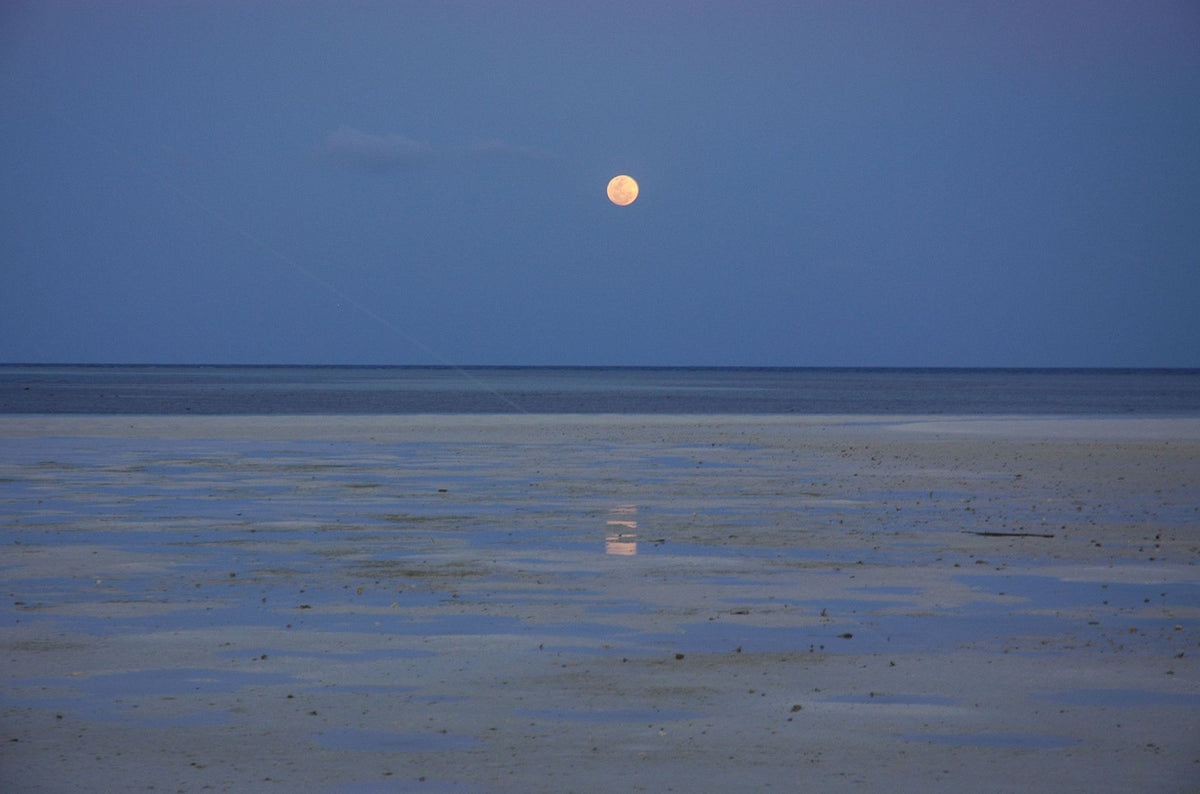
- Moon above shallow reef waters at Tubbataha: Tubbataha Reefs Natural Park-112053.jpg — UNESCO / Ron Van Oers. CC BY-SA 3.0 igo. Web-size image supplied by Wikimedia Commons; no scene edits.
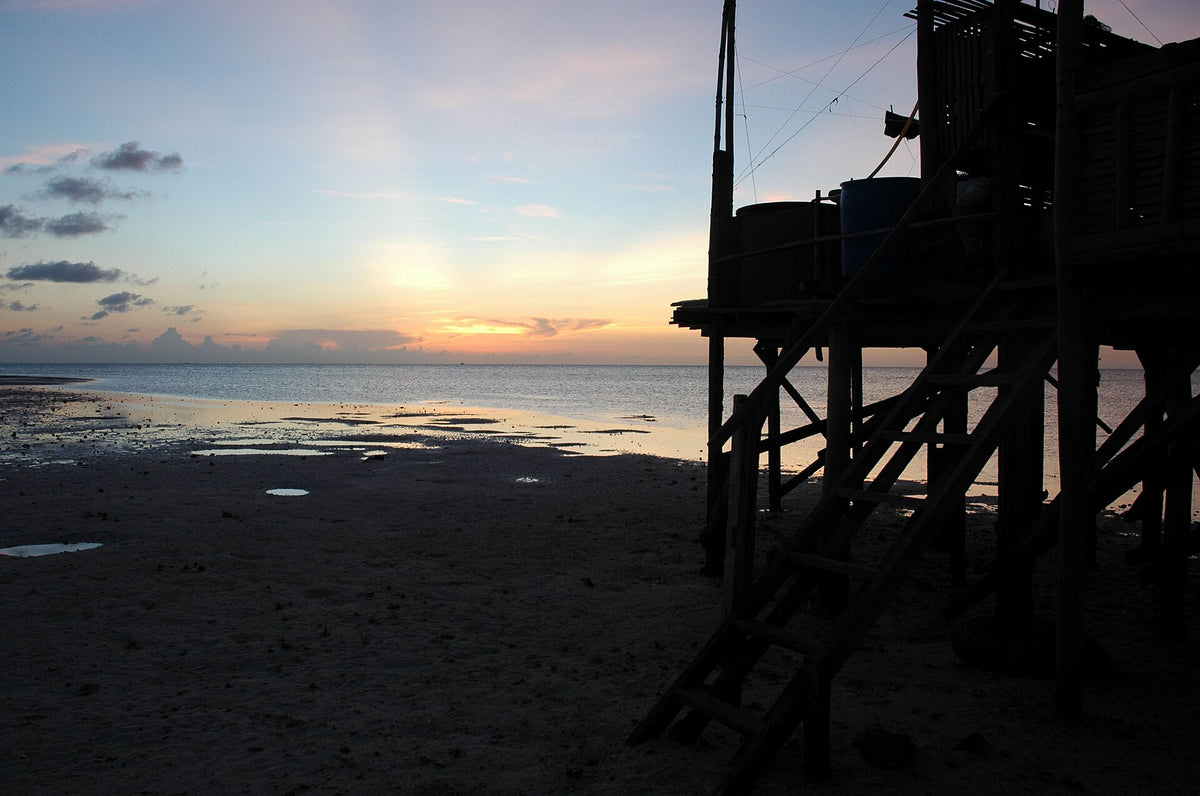
- Sunset beside the ranger station at Tubbataha Reefs Natural Park: Tubbataha Reefs Natural Park-112063.jpg — UNESCO / Ron Van Oers. CC BY-SA 3.0 igo. Web-size image supplied by Wikimedia Commons; no scene edits.


