

Destination guide · Philippines
Visayas Diving: Islands, Resorts & Liveaboards
The Visayas bring several Philippine dive experiences into one island region: Dauin’s macro habitats, Apo Island’s reefs, Moalboal’s sardines and the shoals around Malapascua. A liveaboard connects selected areas, while a resort itinerary lets you spend longer in each.
Visayas at a glance
The Visayas is a region of the central Philippines rather than a single dive location. Volcanic macro slopes, turtle reefs, steep walls and shark-focused offshore sites are spread between different islands, each with its own character and travel arrangements.
A liveaboard can connect selected parts of the region without repeated hotel changes; a resort itinerary lets you spend longer at the places that most interest you. Read the actual route carefully. A Visayas cruise may explore only part of Cebu, Bohol, Negros, Leyte or neighbouring islands, and should not be assumed to visit every destination listed here.
Planning your Visayas stay
Choose a liveaboard by the actual islands visited and the embarkation and disembarkation ports. A resort combination is better when you want more land time or repeated local dives. Seven to twelve nights is a useful framework for a cruise or a carefully paced two-centre stay.
Liveaboard routes for this destination
Explore the routes that visit this region. Compare ships and itineraries, then open a route to see its sailing dates, cabins and the areas it covers.
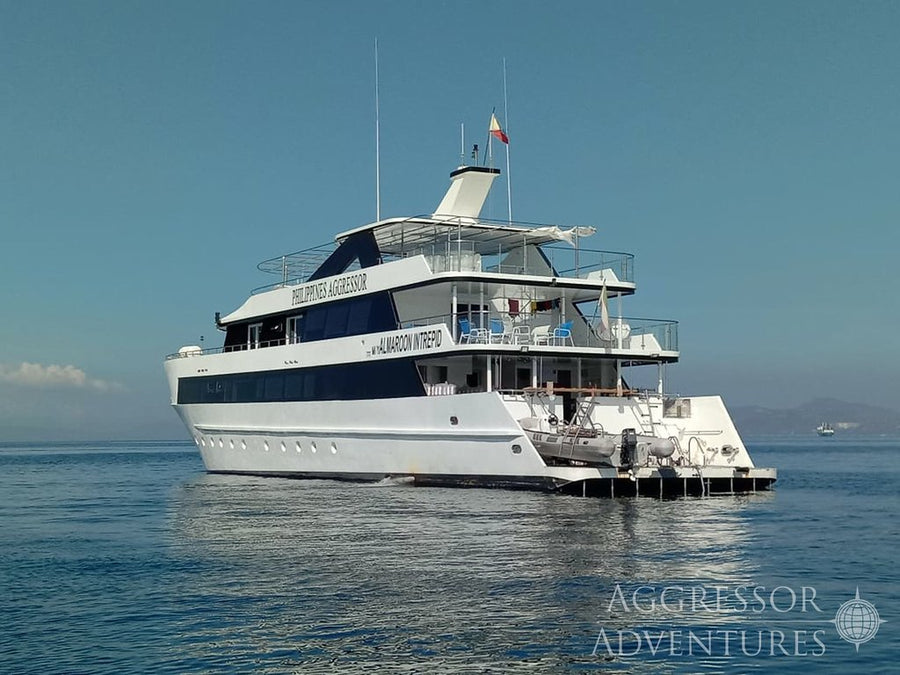
Philippines Aggressor
Tubbataha & Visayas Islands (10 nights)
- Indicative duration
- 10 nights
- Embarkation
- Puerto Princesa
- Disembarkation
- Cebu
Philippines Aggressor
Visayas - South (7 nights)
- Indicative duration
- 7 nights
- Embarkation
- Cebu
- Disembarkation
- Dumaguete
Philippines Aggressor
Visayas - South (7 nights)
- Indicative duration
- 7 nights
- Embarkation
- Dumaguete
- Disembarkation
- Cebu
Philippines Aggressor
Visayas Islands & Tubbataha (11 nights)
- Indicative duration
- 11 nights
- Embarkation
- Cebu
- Disembarkation
- Puerto Princesa
Philippines Aggressor
Visayas Islands (10 nights)
- Indicative duration
- 10 nights
- Embarkation
- Cebu
- Disembarkation
- Cebu
Philippines Aggressor
Visayas Islands (7 nights)
- Indicative duration
- 7 nights
- Embarkation
- Cebu
- Disembarkation
- Cebu
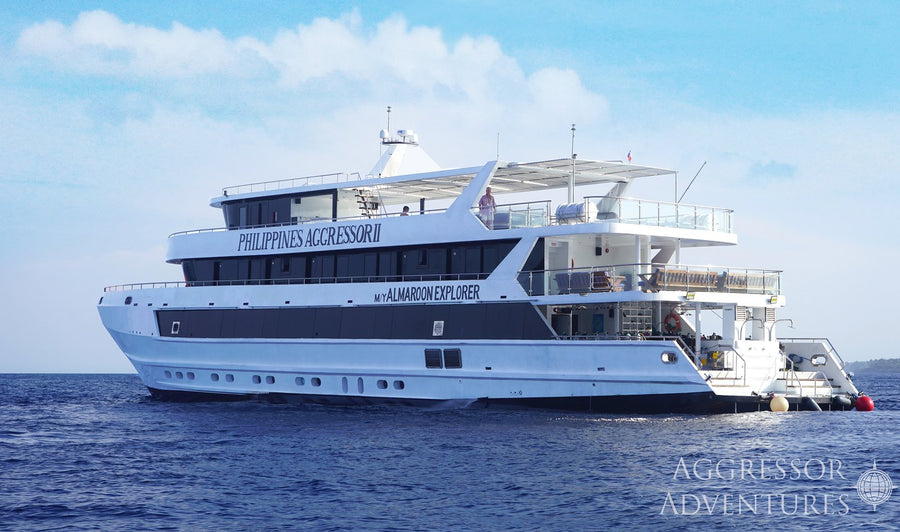
Philippines Aggressor II
Tubbataha & Visayas Islands (10 nights)
- Indicative duration
- 10 nights
- Embarkation
- Puerto Princesa
- Disembarkation
- Cebu
Philippines Aggressor II
Visayas Islands & Tubbataha (11 nights)
- Indicative duration
- 11 nights
- Embarkation
- Cebu
- Disembarkation
- Puerto Princesa
Philippines Aggressor II
Visayas Islands (10 nights)
- Indicative duration
- 10 nights
- Embarkation
- Cebu
- Disembarkation
- Cebu
Philippines Aggressor II
Visayas Islands (7 nights)
- Indicative duration
- 7 nights
- Embarkation
- Cebu
- Disembarkation
- Dumaguete
Philippines Aggressor II
Visayas Islands (7 nights)
- Indicative duration
- 7 nights
- Embarkation
- Dumaguete
- Disembarkation
- Cebu
Philippines Aggressor II
Visayas Islands (7 nights)
- Indicative duration
- 7 nights
- Embarkation
- Cebu
- Disembarkation
- Cebu
No routes match this search. Try another vessel or clear your search.
When to dive Visayas
The Visayas are dived across the year, with many itineraries concentrated in the calmer months from roughly November to May. Individual coasts and crossings behave differently. Match the chosen route to its published sailing dates and leave room for a conditions-led site order.
Planning window: Select dates for the islands on your route.
What the diving is like
Choose the islands and sites to suit the group’s experience.
Dauin and Apo Island
Dark-sand macro diving along Dauin contrasts with the coral reefs and turtle habitat of Apo Island. This pairing gives photographers a reason to carry both macro and wide-angle options.
Cebu’s different coasts
Moalboal brings sardines and walls into the picture, while Malapascua is known for thresher-focused diving. They lie in different parts of Cebu and need their own travel time or an itinerary that explicitly includes them.
Bohol and neighbouring islands
Panglao, Balicasag and Cabilao offer different combinations of walls, turtles, coral gardens and macro life. A resort stay in Bohol also creates room for countryside touring.
A route selected for your interests
Choose a cruise by the islands and dive styles it actually covers. A macro-focused trip, a reef itinerary and an offshore shark programme can all be described as Visayas diving, but create very different holidays.
DIVE SITE GUIDE
Dive sites in Visayas
These examples show the variety across the Visayas. They are not a single cruise itinerary: open each route to see which islands and dive areas it actually includes.
ORIENTATION MAP
Where the dive sites are
Use the map to understand how the key sites are spread around the destination. Pins are for trip-planning orientation only; entry points, moorings and the final dive plan are always confirmed by the local operator on the day.
Regional orientation only; the distance between islands matters when planning a journey.
Muck · Artificial reef · Macro
The Cars — Dauin & Apo Island
The Cars is one of Dauin’s most distinctive muck dives because the black-sand slope eventually leads to the remains of two vehicles and other artificial structure in the deeper part of the site.
Explore this dive site
- Type
- Muck · Artificial reef · Macro
- Depth
- 5–30 m
- Experience
- Open Water / Advanced for the cars
- Current
- Usually mild
The Cars is one of Dauin’s most distinctive muck dives because the black-sand slope eventually leads to the remains of two vehicles and other artificial structure in the deeper part of the site. The wreckage acts like a tiny oasis on an otherwise sparse seabed, attracting lionfish, morays, shrimp and a long list of smaller subjects.
The real pleasure is the approach: divers move slowly down the sand looking for frogfish, ghost pipefish, cuttlefish, seahorses and unusual nudibranchs before reaching the deeper structure. Open Water divers can enjoy the shallower macro zone, while the cars themselves sit beyond normal 18-metre limits and are better suited to Advanced divers, ideally with conservative gas and no-decompression planning.
Look for: Two sunken cars · Frogfish & ghost pipefish · Black-sand muck · Excellent photo dive
Best for: Macro photography · Frogfish · Ghost pipefish · Deep muck
Protected reef · Coral garden
Poblacion / Dauin Marine Sanctuary — Dauin & Apo Island
Poblacion shows the reef side of Dauin rather than its famous bare-sand muck habitat.
Explore this dive site
- Type
- Protected reef · Coral garden
- Depth
- 3–25 m
- Experience
- Beginner–Intermediate
- Current
- Mild–Moderate
Poblacion shows the reef side of Dauin rather than its famous bare-sand muck habitat. Inside the protected area, hard coral begins in very shallow water and slopes down toward roughly 25 metres, creating an easy place to combine reef fish, coral scenery and the possibility of turtles with a relaxed profile.
It is a useful first dive for guests arriving in Dauin because the shallow section allows buoyancy checks without sacrificing marine life, while photographers can move between wider coral scenes and smaller subjects tucked into the reef. The sanctuary can also work well for mixed-experience groups: newer divers stay on the upper slope, while more experienced divers can explore deeper sections without turning the dive into a demanding current or depth exercise.
Look for: Marine protected area · Hard-coral slope · Turtle potential · Good check dive
Best for: Healthy hard coral · Turtles · Easy reef diving
Offshore shoal · Shark cleaning station · Deep
Monad Shoal — Malapascua Island
Monad Shoal built Malapascua’s international reputation.
Explore this dive site
- Type
- Offshore shoal · Shark cleaning station · Deep
- Depth
- 18–30+ m
- Experience
- Advanced
- Current
- Variable
Monad Shoal built Malapascua’s international reputation. The submerged plateau sits beside a very deep drop-off and is used by pelagic thresher sharks visiting cleaning stations around the reef. The experience is usually less about swimming around the site and more about positioning carefully, staying calm and allowing the sharks to approach on their own terms.
Good buoyancy and disciplined depth control matter because useful viewing areas can be relatively deep, and Nitrox is often valuable for extending no-decompression time. Mantas, devil rays and other pelagics may also appear, but no sighting is guaranteed. The dive is at its best when treated as a patient wildlife observation rather than a chase for close photographs.
Look for: Thresher shark cleaning station · Deep offshore shoal · Pelagic potential · Advanced profile
Best for: Thresher sharks · Pelagic photography · Nitrox profiles
Pinnacle · Oceanic shoal · Pelagic
Kimud Shoal — Malapascua Island
Kimud Shoal is a deeper, more oceanic counterpart to Malapascua’s other shark dives.
Explore this dive site
- Type
- Pinnacle · Oceanic shoal · Pelagic
- Depth
- 12–40 m
- Experience
- Advanced
- Current
- Variable / can be strong
Kimud Shoal is a deeper, more oceanic counterpart to Malapascua’s other shark dives. The top of the submerged island begins around 12 metres before its sides fall into very deep water, creating the kind of edge where divers naturally watch both the reef and the blue.
Thresher sharks are now an important reason operators visit, while hammerheads, devil rays, eagle rays and tuna remain possible rather than guaranteed encounters. Because the useful part of the site may involve current, depth and open-water positioning, it is best for experienced divers who are comfortable following a strict group plan. A calm approach matters here too: the site rewards situational awareness and patience far more than aggressive pursuit of wildlife.
Look for: Oceanic shoal · Thresher shark potential · Hammerhead potential · Rays & tuna
Best for: Thresher sharks · Hammerhead potential · Rays · Blue-water diving
Slope · Wall · Drift
Black Forest, Balicasag — Bohol & Balicasag
Black Forest is one of Balicasag’s signature dives because the reef changes character as it descends.
Explore this dive site
- Type
- Slope · Wall · Drift
- Depth
- 8–35 m
- Experience
- Intermediate
- Current
- Mild–Moderate
Black Forest is one of Balicasag’s signature dives because the reef changes character as it descends. The upper slope is bright and fish-filled, while deeper sections are known for dark coral growth, larger fans and a more open-water feeling.
Turtles are frequent around the island and schools of jacks or barracuda may move through the blue when current is running. The best route follows the contour rather than forcing a fixed depth, letting the group spend time where fish activity is strongest. It is a very photogenic dive, but the deeper slope can tempt divers down, so good depth discipline is important even when the current feels easy.
Look for: Balicasag classic · Turtles · Schooling fish possible · Black-coral habitat
Best for: Turtles · Jacks · Black coral · Drift diving
Wall · Overhangs · Reef
Cathedral Wall, Balicasag — Bohol & Balicasag
Cathedral Wall is named for the way light enters cracks, fissures and overhangs in the reef face, creating shafts and shadowed spaces that give the wall a more architectural feel than a simple drop-off.
Explore this dive site
- Type
- Wall · Overhangs · Reef
- Depth
- 5–30 m
- Experience
- Intermediate
- Current
- Mild–Moderate
Cathedral Wall is named for the way light enters cracks, fissures and overhangs in the reef face, creating shafts and shadowed spaces that give the wall a more architectural feel than a simple drop-off. Divers can stay outside the openings and still get the full effect; there is no need to treat the site as an overhead-environment dive.
Turtles and reef fish are common around Balicasag, while fans, sponges and coral decorate the wall. The combination of vertical scenery and changing light makes this one of the island’s strongest wide-angle sites, especially when visibility is good and the group can move slowly along the face.
Look for: Wall topography · Light shafts · Turtles · Wide-angle photography
Best for: Wall scenery · Cavern-like light · Turtles · Wide angle
Shore dive · Reef wall · Schooling fish
Panagsama Sardine Run — Moalboal
The Panagsama Sardine Run is extraordinary because the headline experience begins only a short swim from shore.
Explore this dive site
- Type
- Shore dive · Reef wall · Schooling fish
- Depth
- 3–18 m
- Experience
- Beginner
- Current
- Usually mild
The Panagsama Sardine Run is extraordinary because the headline experience begins only a short swim from shore. A huge resident school holds near the reef drop-off, changing shape constantly as predators, divers and light move around it. The best dive is not to chase the school but to position beside it and let the sardines flow overhead, opening and closing into walls, funnels and tornado-like formations.
Green turtles are frequently seen along the same reef, while jacks and mackerel may hunt at the edge of the baitball. Because the action is shallow, bottom time can be long and even newer divers can experience it comfortably. The school’s exact position shifts, so guides locate it on the day rather than relying on one fixed marker.
Look for: Resident sardine school · Shore access · Turtles · Excellent wide angle
Best for: Sardine baitball · Turtles · Photography · Easy shore access
Wall · Reef · Cavern
Pescador Island — Moalboal
Pescador Island is Moalboal’s classic boat dive, a small offshore rock surrounded by steep reef and deep water.
Explore this dive site
- Type
- Wall · Reef · Cavern
- Depth
- 7–30+ m
- Experience
- Intermediate
- Current
- Variable
Pescador Island is Moalboal’s classic boat dive, a small offshore rock surrounded by steep reef and deep water. The north and west sides drop into dramatic walls, while the southern side offers a gentler slope. The famous Cathedral area adds cavern-like topography and shafts of light, and the reef itself carries hard coral, smaller macro subjects and schooling fish.
Divers may see barracuda, tuna and the occasional reef shark, but the site is worth diving even without pelagics because the wall and coral structure are so strong. Current can range from almost still to a fast drift, so the operator normally chooses the entry point according to tide and group experience. It is the natural place to use a wide-angle lens in Moalboal.
Look for: Iconic island wall · Cathedral topography · Coral & schooling fish · Current-dependent
Best for: Wall diving · Cathedral cavern · Reef fish · Wide angle
Underwater photography
Build the camera plan around the actual islands on your itinerary. Dauin macro, Moalboal’s sardines and a Malapascua shark dive demand different approaches. On a cruise, prepare for the next day’s announced sites; on a resort trip, repeat a productive site when you want time to improve a particular image.
Beyond diving: Visayas above the surface
The wider region offers enough land variety for a holiday that is not entirely about diving. Bohol’s countryside, Siquijor’s waterfalls, Cebu’s inland scenery and the coastal life around Dumaguete each bring something different to the journey.
These are separate islands with real travel time between them. Choose two or three complementary bases rather than trying to collect every place name. A liveaboard’s route is likewise a selection of the region, not a promise to visit all the destinations shown in this guide.
Getting to Visayas
Cebu is a common gateway for Visayas travel, but individual cruises and island stays may use different ports and airports. Dumaguete and Bohol can be useful for specific resort programmes. Always build the travel plan around the selected islands rather than a generic regional label.
Inter-island transfers take time. A few well-chosen bases usually make a more enjoyable holiday than changing islands every day, and a cruise route can be a practical way to connect places when its embarkation and disembarkation ports suit the wider journey.
Visayas diving questions
Does every Visayas route visit all these islands?
A liveaboard can connect selected parts of the region without repeated hotel changes; a resort itinerary lets you spend longer at the places that most interest you. Read the actual route carefully. A Visayas cruise may explore only part of Cebu, Bohol, Negros, Leyte or neighbouring islands, and should not be assumed to visit every destination listed here.
How should I plan my stay?
Choose a liveaboard by the actual islands visited and the embarkation and disembarkation ports. A resort combination is better when you want more land time or repeated local dives. Seven to twelve nights is a useful framework for a cruise or a carefully paced two-centre stay.
When is a useful time to visit?
The Visayas are dived across the year, with many itineraries concentrated in the calmer months from roughly November to May. Individual coasts and crossings behave differently. Match the chosen route to its published sailing dates and leave room for a conditions-led site order.
Is there enough for non-diving companions?
The wider region offers enough land variety for a holiday that is not entirely about diving. Bohol’s countryside, Siquijor’s waterfalls, Cebu’s inland scenery and the coastal life around Dumaguete each bring something different to the journey.
A closer look at Visayas


Plan your Visayas trip
Tell us the experiences you most want, your preferred dates and how you like to travel. We can bring the destination, accommodation and diving into one coherent itinerary.
Plan my tripPhoto credits
Images are resized for display and may be cropped to fit the page layout.
- Dense school of sardines at Moalboal, Cebu, in the Visayas: 2014 11 Moalboal 21 sardine run (16024303526).jpg — Lakshmi Sawitri. CC BY 2.0. Web-size image supplied by Wikimedia Commons; no scene edits.
- Thresher shark photographed off Malapascua Island, Philippines: Tresher1.jpg — James Heilman, MD. CC BY-SA 4.0. Web-size image supplied by Wikimedia Commons; no scene edits.
- Yellow reef fish and branching corals at Balicasag Island, Bohol: Balicasag Reef.jpg — Thomas Brown. CC BY 2.0. Web-size image supplied by Wikimedia Commons; no scene edits.
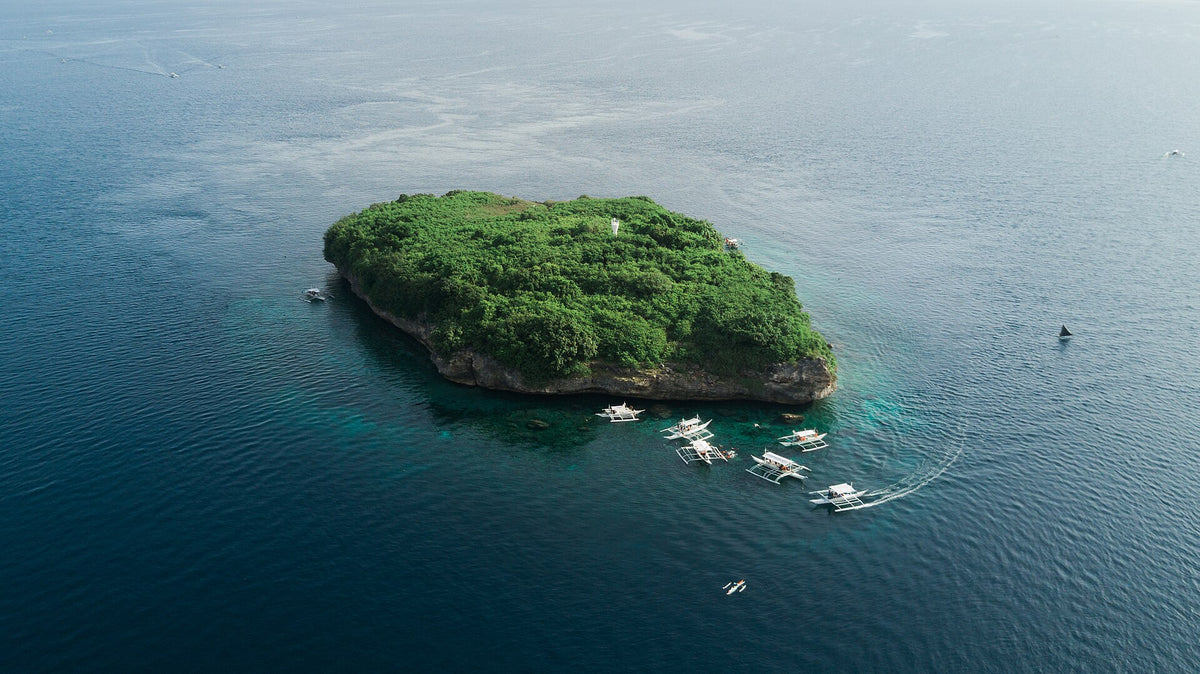
- Aerial view of Pescador Island off Moalboal, Cebu: Pescador Island (Unsplash).jpg — Ken Suarez kensuarez. CC0. Web-size image supplied by Wikimedia Commons; no scene edits.
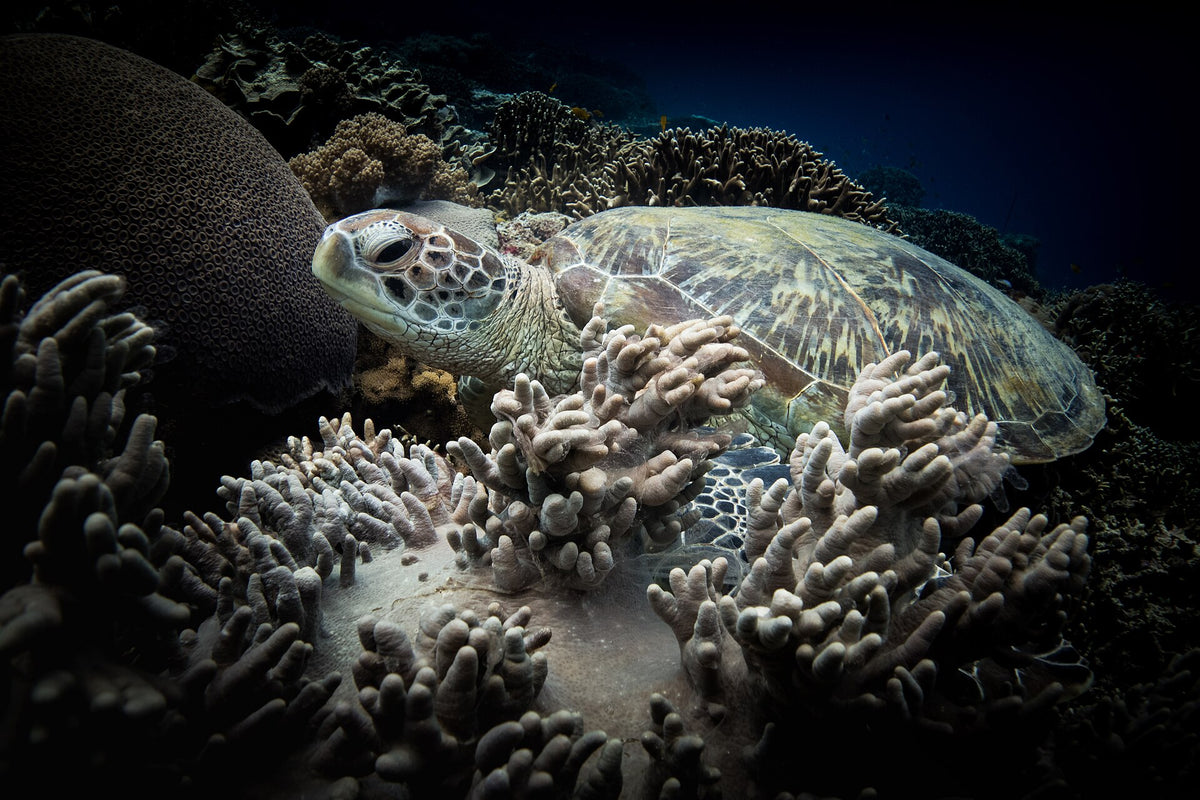
- Sea turtle resting among corals at Apo Island, Negros: Sleepy Turtle in Apo Island.jpg — Anna Varona. CC BY 4.0. Web-size image supplied by Wikimedia Commons; no scene edits.
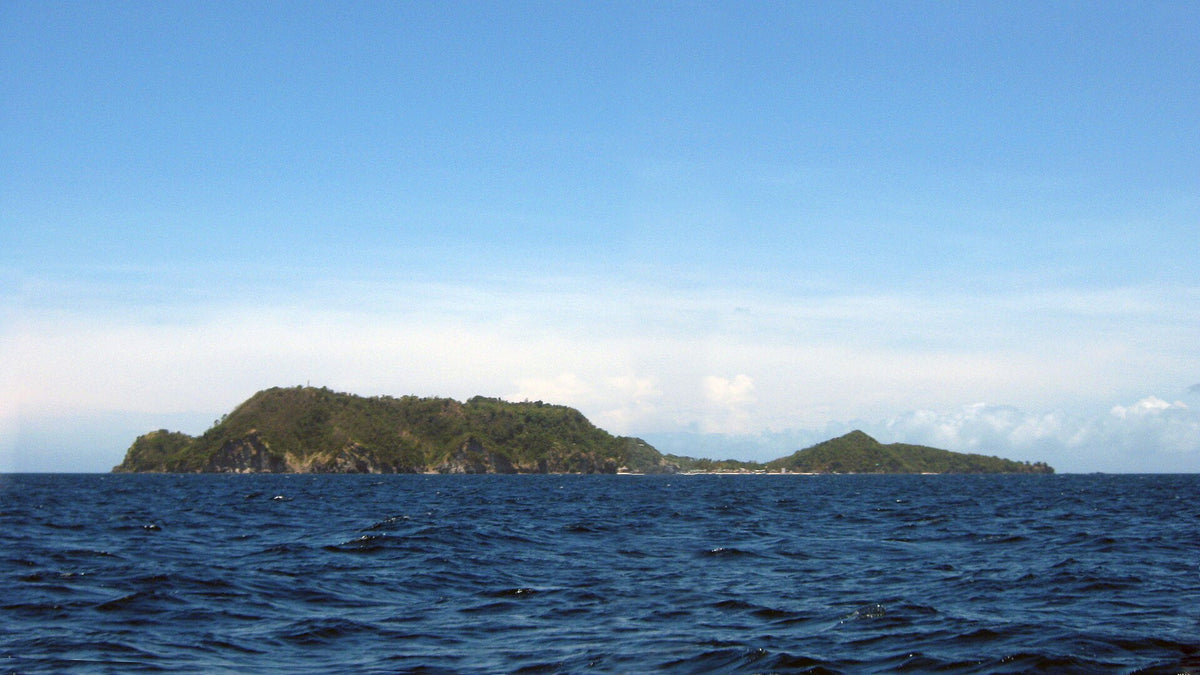
- Apo Island seen from the sea off Negros Oriental: Apo Island east.jpg — Mike Gonzalez (TheCoffee). CC BY-SA 3.0. Web-size image supplied by Wikimedia Commons; no scene edits.
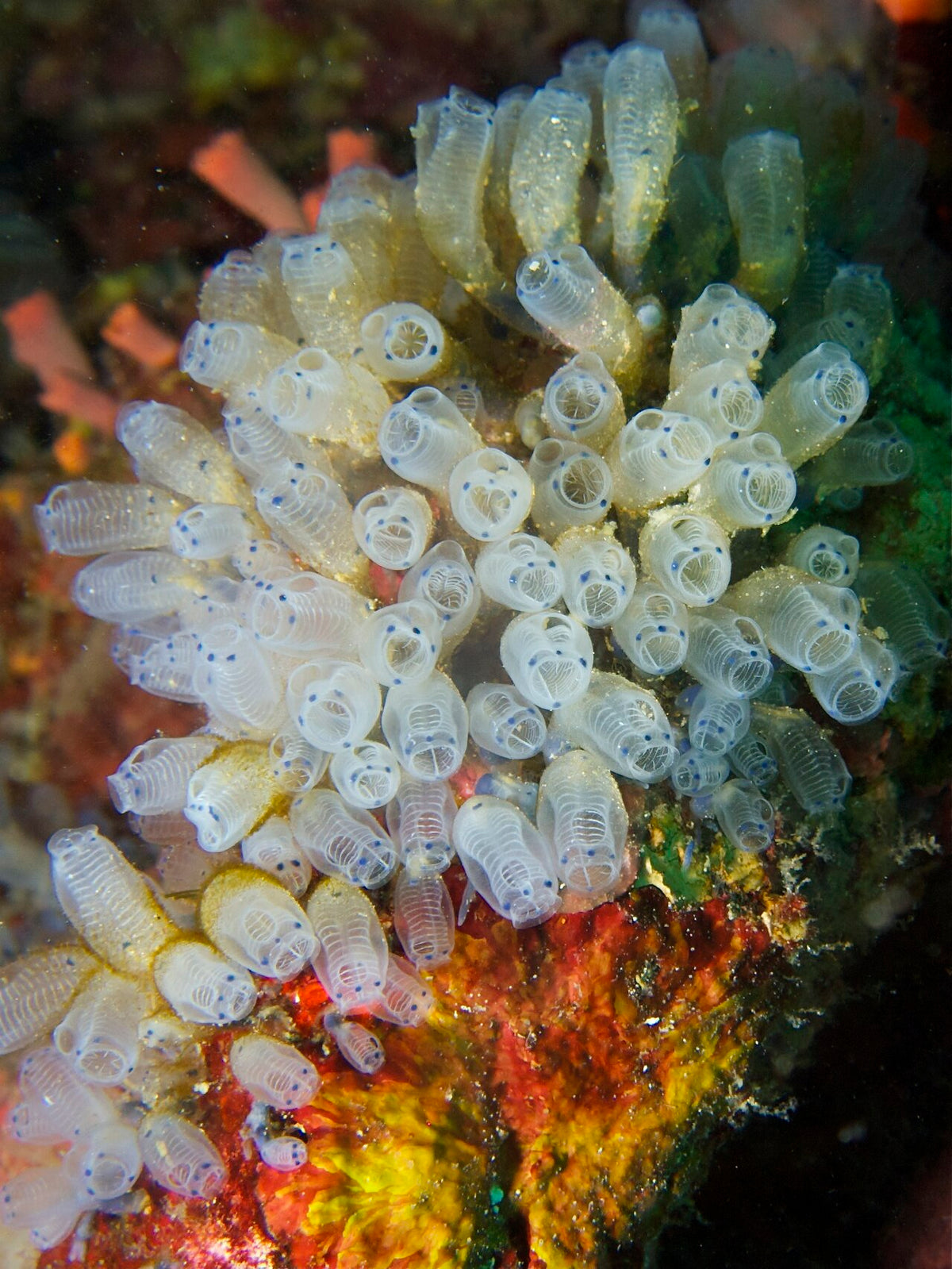
- Cluster of translucent tunicates photographed at Apo Island: Tunicates (6851439624).jpg — Elias Levy. CC BY 2.0. Web-size image supplied by Wikimedia Commons; no scene edits.
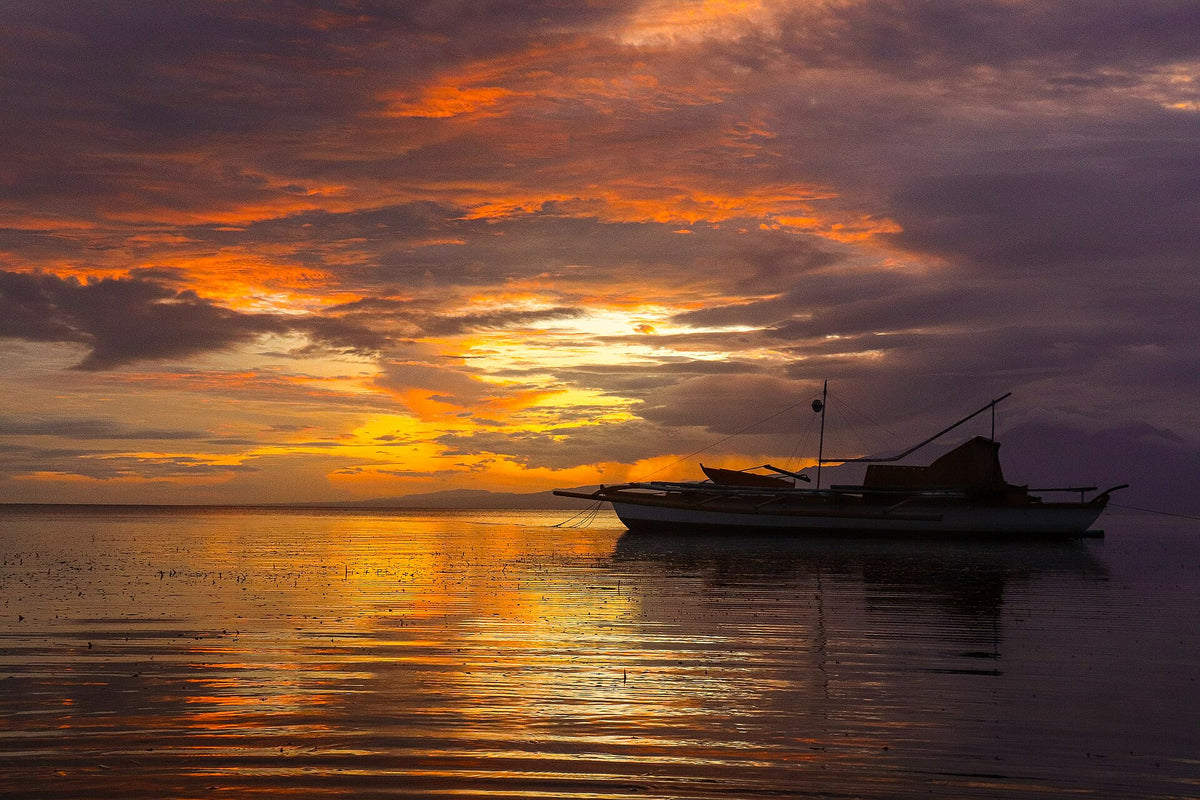
- Boat silhouetted against sunset at San Juan, Siquijor: San Juan, Siquijor.jpg — Jerche Amada. CC BY-SA 4.0. Web-size image supplied by Wikimedia Commons; no scene edits.
.jpg)


.jpg)


.jpg)
