

Destination guide · Philippines
Dauin & Apo Island Diving
A dark sand slope can hold a frogfish almost lost against its surroundings; a boat ride away, Apo Island opens into coral gardens and turtle habitat. Dauin brings these two very different ways of seeing the reef into one stay.
Dauin & Apo Island at a glance
Dauin and Apo Island combine two contrasting sides of Philippine diving in one journey. Dauin’s dark volcanic sand rewards slow macro exploration, while Apo Island adds coral-covered slopes, turtles, schooling fish and more expansive reef scenery.
This combination is ideal for divers who want both close-focus critter hunting and classic tropical reefs without changing accommodation repeatedly. Shore access, experienced spotters and relaxed resort logistics make Dauin a particularly strong base for photographers and mixed-experience groups.
Planning your Dauin & Apo Island stay
Stay on the Dauin coast for easy access to local macro sites and boat days to Apo Island. A house reef makes a difference if you want repeated photographic dives; a quieter resort base can also suit a mixed group. We suggest five to seven nights to give both styles of diving proper time.

Atmosphere Resorts & Spa
Luxury Dauin dive resort with seven contracted room categories, spa, pools, refined dining, complimentary Nitrox and inclusive Apo Island diving.

Sea Explorers Philippines — Dauin
Sea Explorers dive centre inside Pura Vida Beach & Dive Resort, with five room categories, beachfront facilities, Apo Island access and flexible dive packages.

Liquid Dive Dumaguete
Boutique beachfront Dauin dive resort with fourteen cottages, two pools, PADI 5 Star CDC, small-group diving, free Nitrox and flexible meal plans.

Atlantis Dive Resort Dumaguete
Established Dauin dive resort with all-inclusive dive packages, Apo Island access, dedicated camera facilities, tropical gardens, pool and five room categories.
Liveaboard routes for this destination
Explore the routes that visit this region. Compare ships and itineraries, then open a route to see its sailing dates, cabins and the areas it covers.
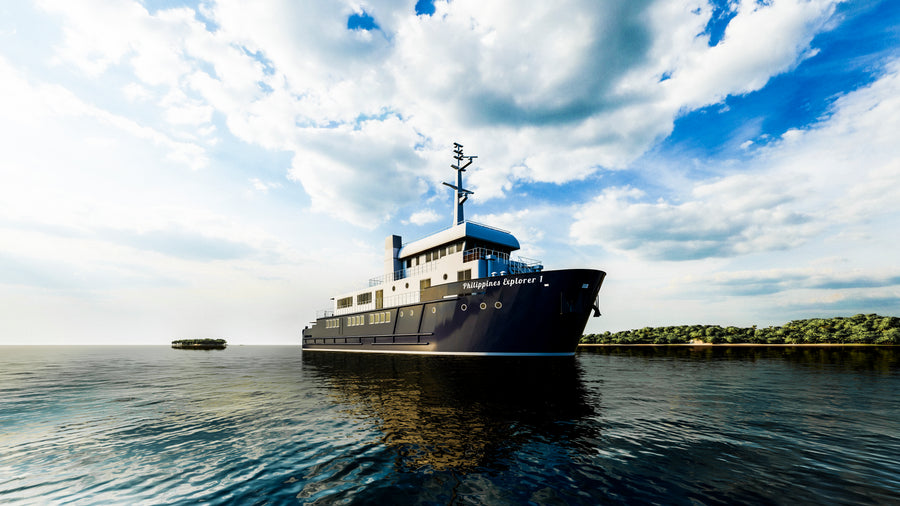
Philippines Explorer I
Ultimate Visayas: Dauin to Donsol
- Indicative duration
- 10 nights
- Embarkation
- Dauin, Negros Oriental
- Disembarkation
- Donsol, Sorsogon
Philippines Explorer I
Ultimate Visayas: Donsol to Dauin
- Indicative duration
- 10 nights
- Embarkation
- Donsol, Sorsogon
- Disembarkation
- Dauin, Negros Oriental
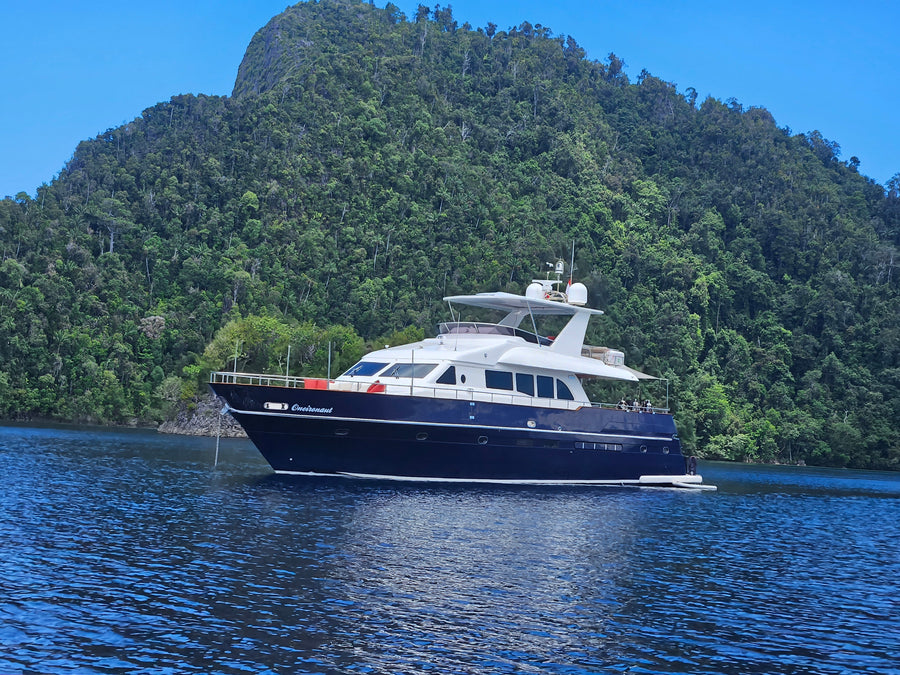
Philippines Explorer II
Sharks & Shoals: Dauin to Malapascua
- Indicative duration
- 6 nights
- Embarkation
- Dauin, Negros Oriental
- Disembarkation
- Malapascua, Cebu
Philippines Explorer II
Sharks & Shoals: Malapascua to Dauin
- Indicative duration
- 6 nights
- Embarkation
- Malapascua, Cebu
- Disembarkation
- Dauin, Negros Oriental
Philippines Explorer II
Special Underwater Photography Trip — Dauin
- Indicative duration
- 10 nights
- Embarkation
- Dauin, Negros Oriental
- Disembarkation
- Dauin, Negros Oriental
Philippines Explorer II
Ultimate Visayas: Dauin to Donsol
- Indicative duration
- 13 nights
- Embarkation
- Dauin, Negros Oriental
- Disembarkation
- Donsol, Sorsogon
Philippines Explorer II
Ultimate Visayas: Donsol to Dauin
- Indicative duration
- 13 nights
- Embarkation
- Donsol, Sorsogon
- Disembarkation
- Dauin, Negros Oriental
Philippines Explorer II
Visayas Expedition: Dauin to Donsol
- Indicative duration
- 12 nights
- Embarkation
- Dauin, Negros Oriental
- Disembarkation
- Donsol, Sorsogon
Philippines Explorer II
Visayas Expedition: Donsol to Dauin
- Indicative duration
- 12 nights
- Embarkation
- Donsol, Sorsogon
- Disembarkation
- Dauin, Negros Oriental
No routes match this search. Try another vessel or clear your search.
When to dive Dauin & Apo Island
Diving operates through the year. The practical distinction is between sheltered coastal searches and the crossing to Apo Island: keep more than one possible boat day in your stay, rather than saving the island for your final morning.
Planning window: Year-round diving.
What the diving is like
Open Water; good buoyancy is important for macro sites.
Dauin’s black-sand macro sites
Dauin’s volcanic-sand slopes reward slow, close-focus diving. Guides search for frogfish, nudibranchs, seahorses, octopus and other cryptic subjects, making the coast particularly strong for macro photographers and divers who enjoy patient critter hunting.
Apo Island coral reefs
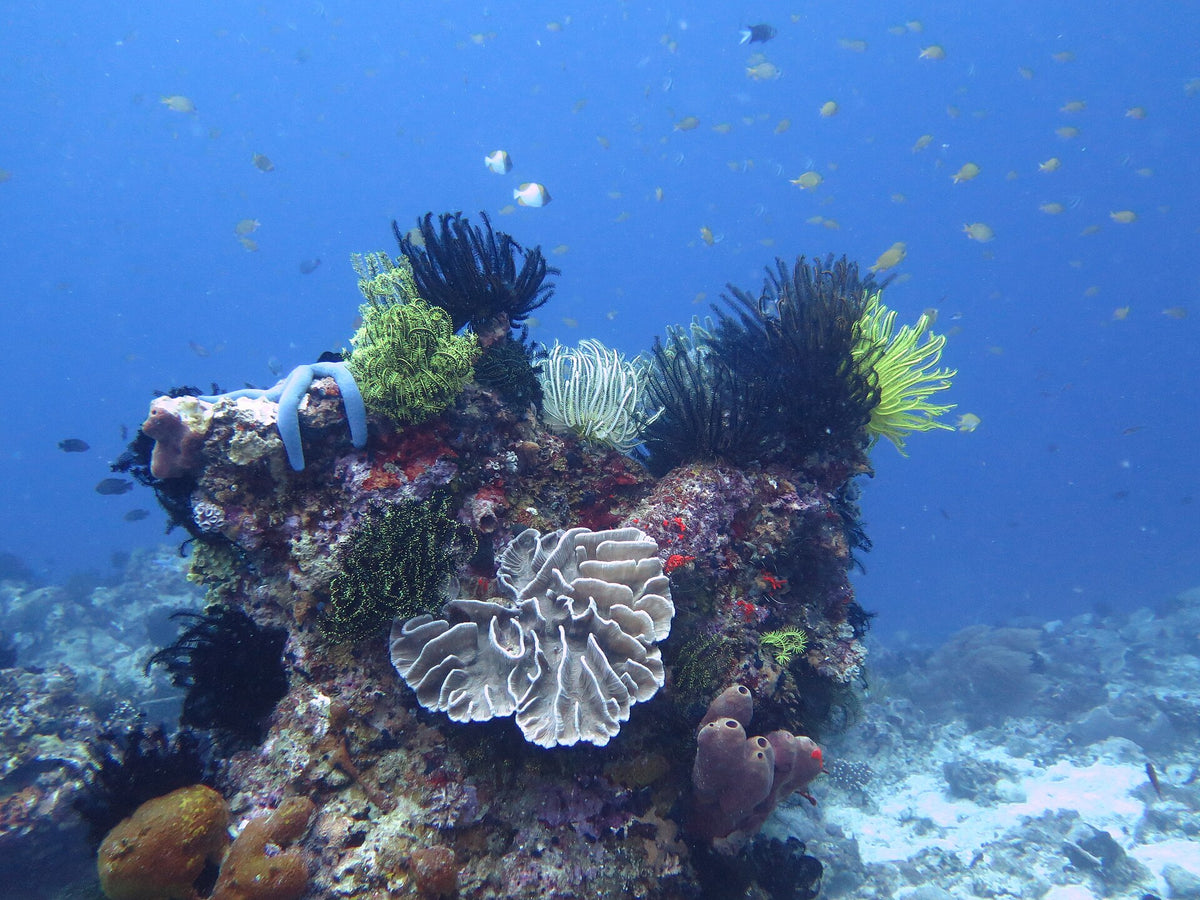
Apo Island changes the scale completely: hard-coral gardens, walls and current-fed reefs bring schooling fish, turtles and broader wide-angle scenery. It pairs naturally with Dauin’s muck sites when you want both macro and classic reef diving in one stay.
Turtle encounters
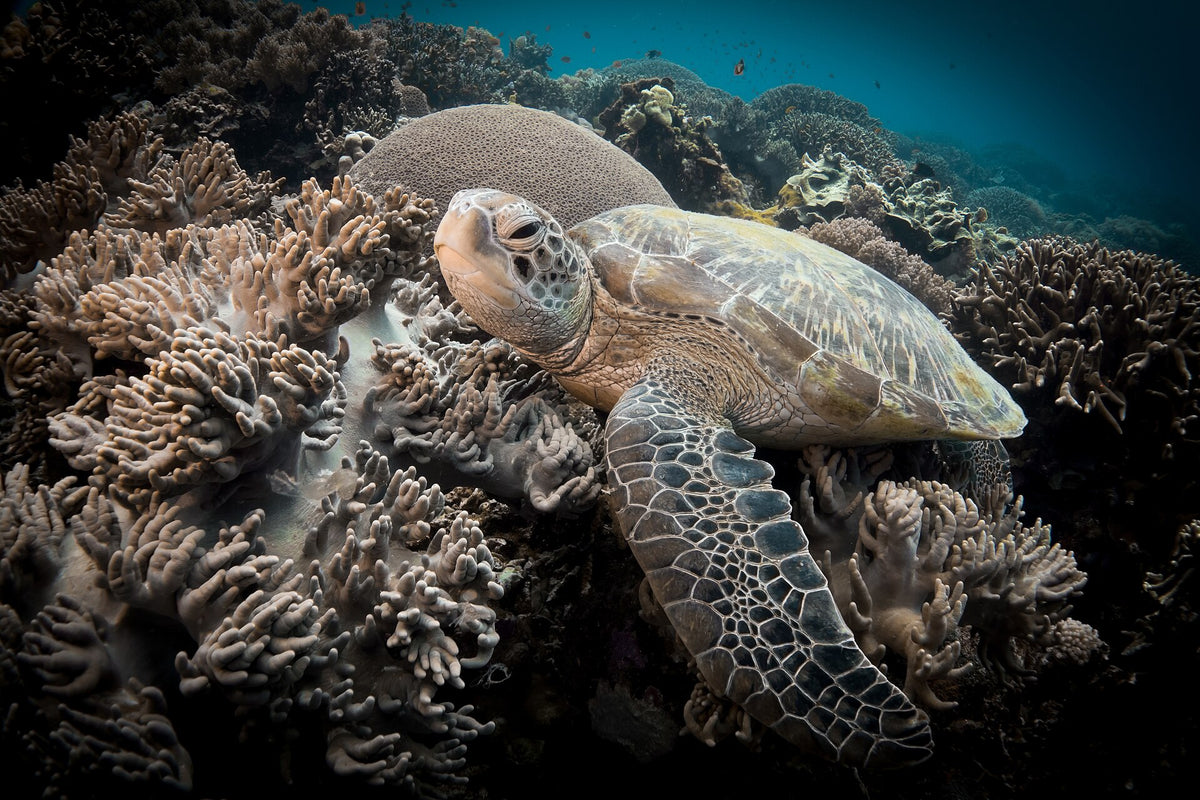
Green and hawksbill turtles are frequently seen around Apo Island’s shallow reefs and protected areas. Encounters remain natural, so the best approach is good buoyancy, slow movement and giving feeding or resting animals plenty of space.
Shore and boat diving
Many Dauin sites are reached directly from the coast, while boat days open access to Apo Island and other reefs. That mix makes it easy to combine relaxed local macro dives with longer reef-focused excursions during the same programme.
DIVE SITE GUIDE
Dive sites in Dauin & Apo Island
Explore the character of individual sites, from the setting and marine life to the diving conditions. Open a card for the full description; site access and the final profile depend on conditions and experience.
ORIENTATION MAP
Where the dive sites are
Use the map to understand how the key sites are spread around the destination. Pins are for trip-planning orientation only; entry points, moorings and the final dive plan are always confirmed by the local operator on the day.
Site positions are planning references only. Apo Island currents and Dauin shore entries must be confirmed with the local operator on the day.
Muck · Artificial reef · Macro
The Cars
The Cars is one of Dauin’s most distinctive muck dives because the black-sand slope eventually leads to the remains of two vehicles and other artificial structure in the deeper part of the site.
Explore this dive site
- Type
- Muck · Artificial reef · Macro
- Depth
- 5–30 m
- Experience
- Open Water / Advanced for the cars
- Current
- Usually mild
The Cars is one of Dauin’s most distinctive muck dives because the black-sand slope eventually leads to the remains of two vehicles and other artificial structure in the deeper part of the site. The wreckage acts like a tiny oasis on an otherwise sparse seabed, attracting lionfish, morays, shrimp and a long list of smaller subjects.
The real pleasure is the approach: divers move slowly down the sand looking for frogfish, ghost pipefish, cuttlefish, seahorses and unusual nudibranchs before reaching the deeper structure. Open Water divers can enjoy the shallower macro zone, while the cars themselves sit beyond normal 18-metre limits and are better suited to Advanced divers, ideally with conservative gas and no-decompression planning.
Look for: Two sunken cars · Frogfish & ghost pipefish · Black-sand muck · Excellent photo dive
Best for: Macro photography · Frogfish · Ghost pipefish · Deep muck
Protected reef · Coral garden
Poblacion / Dauin Marine Sanctuary
Poblacion shows the reef side of Dauin rather than its famous bare-sand muck habitat.
Explore this dive site
- Type
- Protected reef · Coral garden
- Depth
- 3–25 m
- Experience
- Beginner–Intermediate
- Current
- Mild–Moderate
Poblacion shows the reef side of Dauin rather than its famous bare-sand muck habitat. Inside the protected area, hard coral begins in very shallow water and slopes down toward roughly 25 metres, creating an easy place to combine reef fish, coral scenery and the possibility of turtles with a relaxed profile.
It is a useful first dive for guests arriving in Dauin because the shallow section allows buoyancy checks without sacrificing marine life, while photographers can move between wider coral scenes and smaller subjects tucked into the reef. The sanctuary can also work well for mixed-experience groups: newer divers stay on the upper slope, while more experienced divers can explore deeper sections without turning the dive into a demanding current or depth exercise.
Look for: Marine protected area · Hard-coral slope · Turtle potential · Good check dive
Best for: Healthy hard coral · Turtles · Easy reef diving
Drift · Sandy slope · Geothermal
Mainit
Mainit is Dauin with more movement.
Explore this dive site
- Type
- Drift · Sandy slope · Geothermal
- Depth
- 5–30 m
- Experience
- Intermediate
- Current
- Moderate–Strong possible
Mainit is Dauin with more movement. The dive follows a sloping coast where current can accelerate enough to turn a normal sand-and-reef profile into a lively drift, so it is better for divers already comfortable staying with a guide and deploying an SMB if required.
Near the end of the site, warm yellowish sand patches hint at the geothermal activity that gives Mainit its name. The current can bring schooling barracuda and Spanish mackerel into view, while snake eels and smaller subjects remain hidden in the sand. Because conditions vary from gentle to energetic, the site is a good example of why Dauin should not be described only as slow muck diving; on the right tide it delivers a much more dynamic experience.
Look for: Current-fed drift · Warm geothermal sand · Barracuda potential · Snake eels
Best for: Drift diving · Barracuda · Unusual geothermal sand patches
Muck · Artificial reef · Night
San Miguel
San Miguel is a relaxed search dive built around a gentle sandy slope, seagrass and an old artificial reef made from tyres and other structure now covered by coral growth.
Explore this dive site
- Type
- Muck · Artificial reef · Night
- Depth
- 3–20 m
- Experience
- Beginner–Intermediate
- Current
- Usually mild
San Miguel is a relaxed search dive built around a gentle sandy slope, seagrass and an old artificial reef made from tyres and other structure now covered by coral growth. The site rewards patience rather than distance: guides inspect the sand, small bommies and overgrown tyre reef for frogfish, ghost pipefish, nudibranchs, harlequin shrimp, cuttlefish and other camouflaged animals.
Its shallow maximum depth makes it accessible to Open Water divers with good buoyancy, and it becomes especially interesting after sunset when nocturnal crustaceans and hunting cephalopods are more active. For photographers, San Miguel is a useful contrast to deeper sites such as The Cars because it allows longer bottom times and more time to work a subject without depth pressure.
Look for: Old tyre reef · Frogfish · Harlequin shrimp · Strong night dive
Best for: Night diving · Frogfish · Harlequin shrimp · Macro photography
Reef slope · Wall · Coral
Chapel Point, Apo Island
Chapel Point is one of the classic Apo Island day-trip dives and immediately explains why the island is a natural partner to Dauin’s macro coast.
Explore this dive site
- Type
- Reef slope · Wall · Coral
- Depth
- 5–30 m
- Experience
- Intermediate
- Current
- Mild–Moderate
Chapel Point is one of the classic Apo Island day-trip dives and immediately explains why the island is a natural partner to Dauin’s macro coast. The reef begins shallow and develops into a steeper slope and wall with overhangs, coral growth and plenty of places for reef fish to gather.
Depending on current and season, divers may see turtles, snappers, jacks, sea snakes and other larger reef residents while still having enough close-up life for a macro lens. The profile can be kept comfortable for recreational divers, but deeper sections approach 30 metres, so a controlled descent and a gradual shallowing plan work best. The real appeal is the density and health of the reef rather than any guaranteed single-animal encounter.
Look for: Apo Island reef · Wall & overhangs · Turtles & schooling fish · Strong wide-angle site
Best for: Healthy coral · Schooling fish · Turtles · Wide angle
Drift · Reef point · Current
Coconut Point, Apo Island
Coconut Point is the high-energy dive of an Apo Island day.
Explore this dive site
- Type
- Drift · Reef point · Current
- Depth
- 5–30 m
- Experience
- Advanced
- Current
- Strong / variable
Coconut Point is the high-energy dive of an Apo Island day. The reef is exposed to moving water and can turn into a fast drift where divers ride over healthy coral while watching the blue for jacks, trevally and other schooling fish.
The same water movement that brings life to the point also demands good buoyancy, quick response to the guide and comfort with negative or fast entries when required. On calmer days the coral and turtles are reason enough to dive it; on stronger days the experience becomes more about flow, positioning and the sensation of flying over the reef. It is not a site to force when conditions are wrong, and operators may substitute a more sheltered Apo site for less-experienced groups.
Look for: Fast drift · Schooling jacks · Healthy coral · Advanced conditions
Best for: Fast drift · Jacks · Trevally · Experienced divers
Reef · Coral garden · Drift
Rock Point West, Apo Island
Rock Point West is defined by coral coverage.
Explore this dive site
- Type
- Reef · Coral garden · Drift
- Depth
- 7–30 m
- Experience
- Intermediate
- Current
- Moderate
Rock Point West is defined by coral coverage. A shallow reef gives way to a slope that runs toward 30 metres, with dense hard coral, leather coral and reef fish spread across the point. Current is normally part of the dive and is best used rather than fought, so the route is usually one-way.
Turtles, butterflyfish, triggerfish and schooling reef fish are common visual themes, while frogfish and cuttlefish can reward divers who slow down and search the coral. Because the shallow section remains attractive, the dive can be shaped to suit different certifications, but stronger water movement may raise the difficulty. It is an excellent Apo site for divers who want classic Coral Triangle reef scenery rather than a single headline species.
Look for: Dense hard coral · Turtle potential · One-way drift · Wide-angle reef
Best for: Dense hard coral · Turtles · Drift diving · Wide angle
Reef finger · Drift · Coral
Rock Point East, Apo Island
Rock Point East sits on the other side of the southern Apo Island point, where the reef projects into moving water and creates a natural place for fish to stack above the coral.
Explore this dive site
- Type
- Reef finger · Drift · Coral
- Depth
- 5–30 m
- Experience
- Intermediate
- Current
- Mild–Moderate
Rock Point East sits on the other side of the southern Apo Island point, where the reef projects into moving water and creates a natural place for fish to stack above the coral. The top can be enjoyed relatively shallow, while experienced divers can follow the flank deeper toward 30 metres.
Compared with Coconut Point, the current is often more manageable, making Rock Point East a useful intermediate step for divers who want to experience Apo’s current-fed reefs without committing to the strongest drift of the day. Turtles, reef fish and occasional passing pelagics are possible, but the strongest reason to dive it is the combination of topography, coral condition and the feeling of water moving across a healthy protected reef.
Look for: Reef finger · Current-fed fish life · Shallow-to-deep profile · Intermediate drift
Best for: Current-fed reef · Schooling fish · Coral topography
Underwater photography
The two halves of this destination call for different camera choices: macro on Dauin’s dark sand, then a wider view for Apo Island’s reefs and turtles. Separate those aims into different dive days where possible. Repeated local dives give time to work on light and backgrounds, instead of treating each rare subject as a hurried first attempt.
Beyond diving: Dauin & Apo Island above the surface
Dumaguete gives a Dauin holiday a lively town counterpoint: markets, local food and a walk beside the sea work well around a day without diving. Inland, green landscapes and waterfalls offer a change from the volcanic coast.
Apo Island also appeals to snorkellers, but a boat excursion is a separate day out rather than something to squeeze between local dives. For companions who prefer to remain ashore, choose the resort for its pool, gardens and access to town as carefully as you choose its camera facilities.
Getting to Dauin & Apo Island
Fly to Dumaguete, then continue by road to Dauin; Apo Island is reached by boat.
Choose arrival and departure times around the onward transfer, especially when a boat crossing or a long road journey is involved. Leave space for a relaxed final day ashore and an appropriate interval between the last dive and flying.
Dauin & Apo Island diving questions
What makes Dauin & Apo Island worth a diving trip?
A dark sand slope can hold a frogfish almost lost against its surroundings; a boat ride away, Apo Island opens into coral gardens and turtle habitat. Dauin brings these two very different ways of seeing the reef into one stay.
How should I plan my stay?
Stay on the Dauin coast for easy access to local macro sites and boat days to Apo Island. A house reef makes a difference if you want repeated photographic dives; a quieter resort base can also suit a mixed group. We suggest five to seven nights to give both styles of diving proper time.
When is a useful time to visit?
Diving operates through the year. The practical distinction is between sheltered coastal searches and the crossing to Apo Island: keep more than one possible boat day in your stay, rather than saving the island for your final morning.
Is there enough for non-diving companions?
Dumaguete gives a Dauin holiday a lively town counterpoint: markets, local food and a walk beside the sea work well around a day without diving. Inland, green landscapes and waterfalls offer a change from the volcanic coast.
A closer look at Dauin & Apo Island
Plan your Dauin & Apo Island trip
Tell us the experiences you most want, your preferred dates and how you like to travel. We can bring the destination, accommodation and diving into one coherent itinerary.
Plan my tripPhoto credits
Images are resized for display and may be cropped to fit the page layout.
- Corals and feather stars in Dauin Marine Sanctuary, Philippines: Dauin Marine Sanctuary.jpg — Austin Rex Lobaton. CC BY-SA 4.0. Web-size image supplied by Wikimedia Commons; no scene edits.
- Sea turtle resting above corals at Apo Island, Philippines: Sea Turtle in Apo Island.jpg — Anna Varona. CC BY 4.0. Web-size image supplied by Wikimedia Commons; no scene edits.
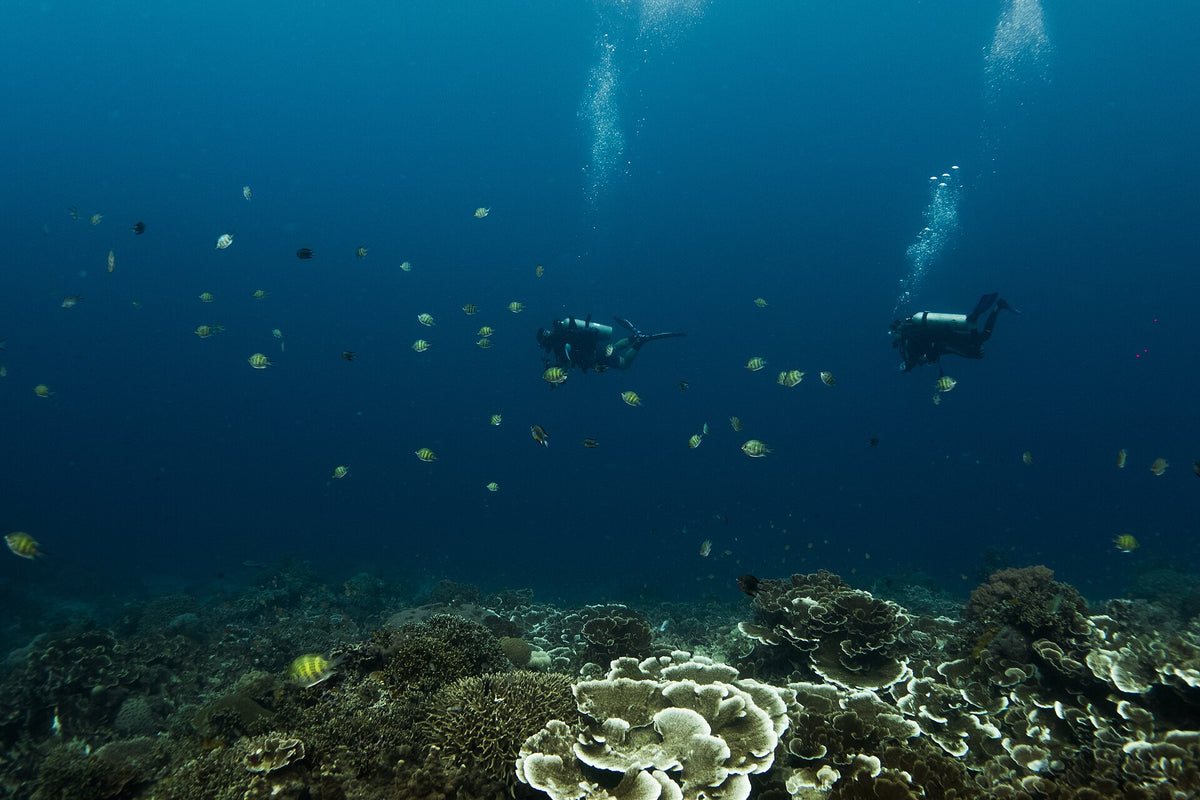
- Divers above a coral garden at Apo Island, Philippines: Visitors in a Marine Sanctuary.jpg — Anna Varona. CC BY 4.0. Web-size image supplied by Wikimedia Commons; no scene edits.
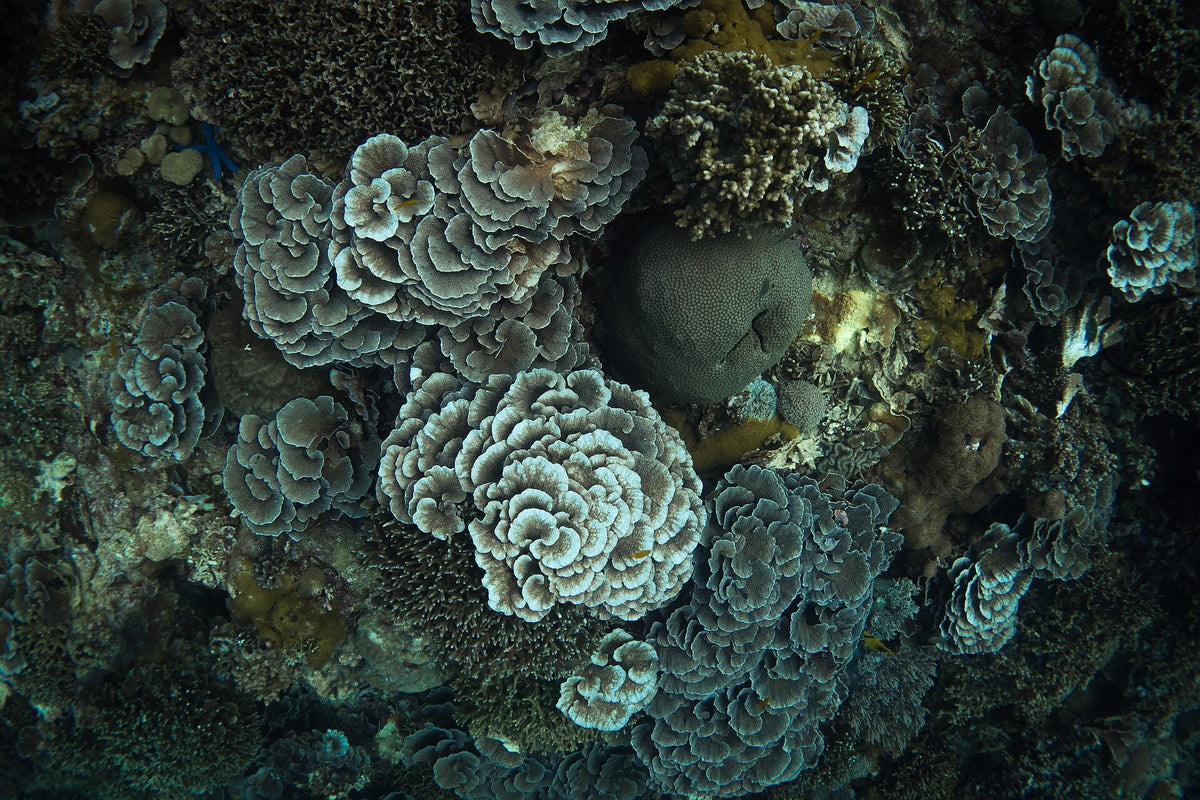
- Layered coral formations at Apo Island Marine Sanctuary: Coral Community.jpg — Anna Varona. CC BY 4.0. Web-size image supplied by Wikimedia Commons; no scene edits.
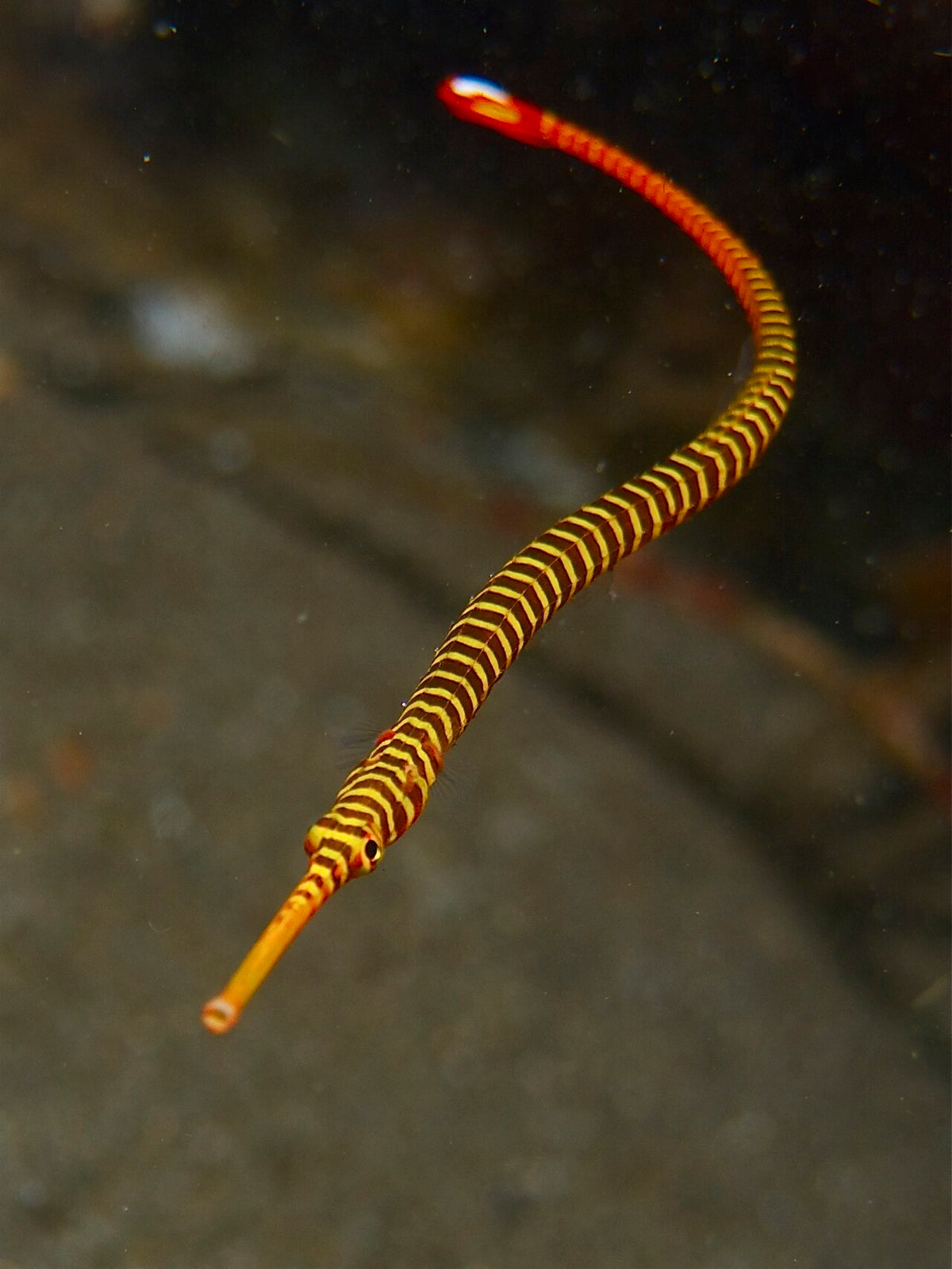
- Yellow-banded pipefish photographed in Dauin, Philippines: Dunckerocampus pessuliferus.jpg — Elias Levy. CC BY 2.0. Web-size image supplied by Wikimedia Commons; no scene edits.
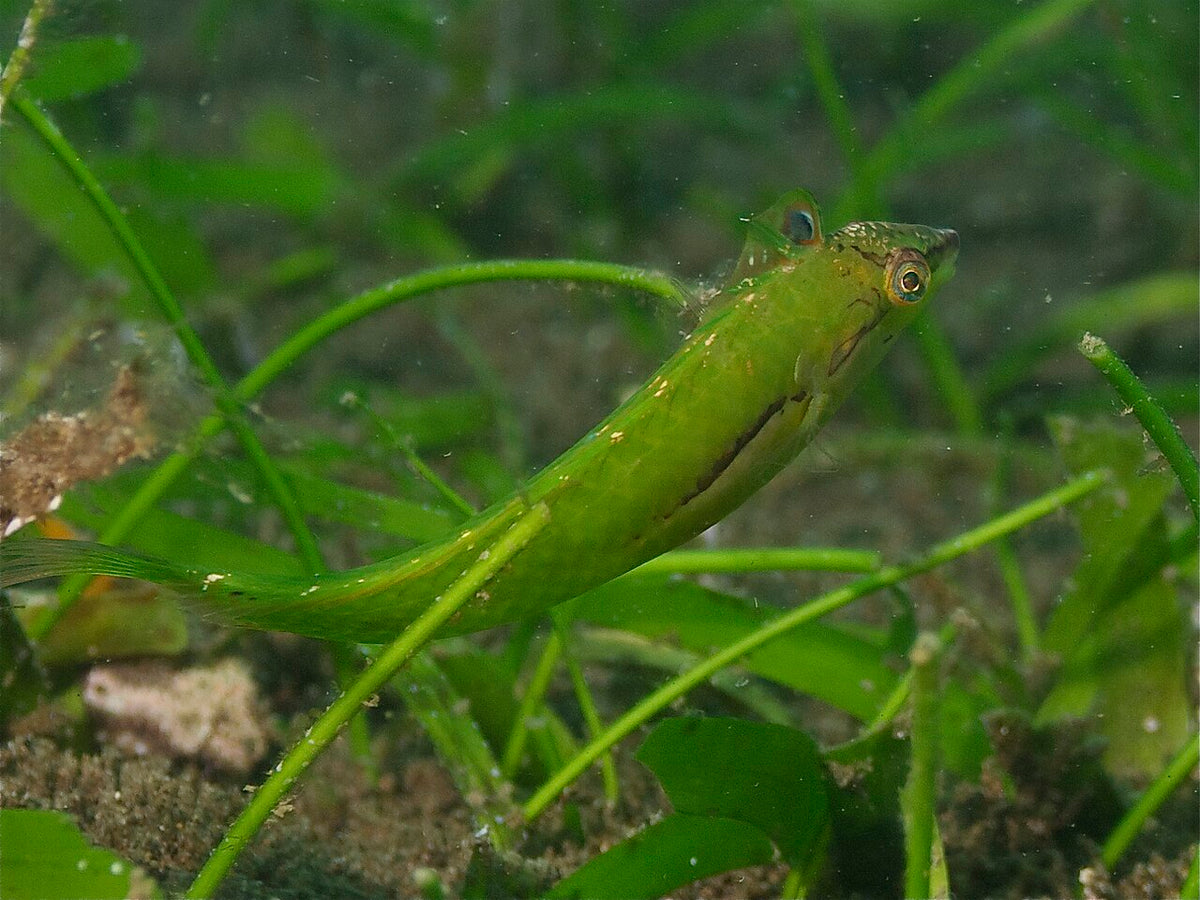
- Small green fish among seagrass in Dauin, Philippines: Likely Seagrass Razorfish (Initial Phase) (6851434172).jpg — Elias Levy. CC BY 2.0. Web-size image supplied by Wikimedia Commons; no scene edits.
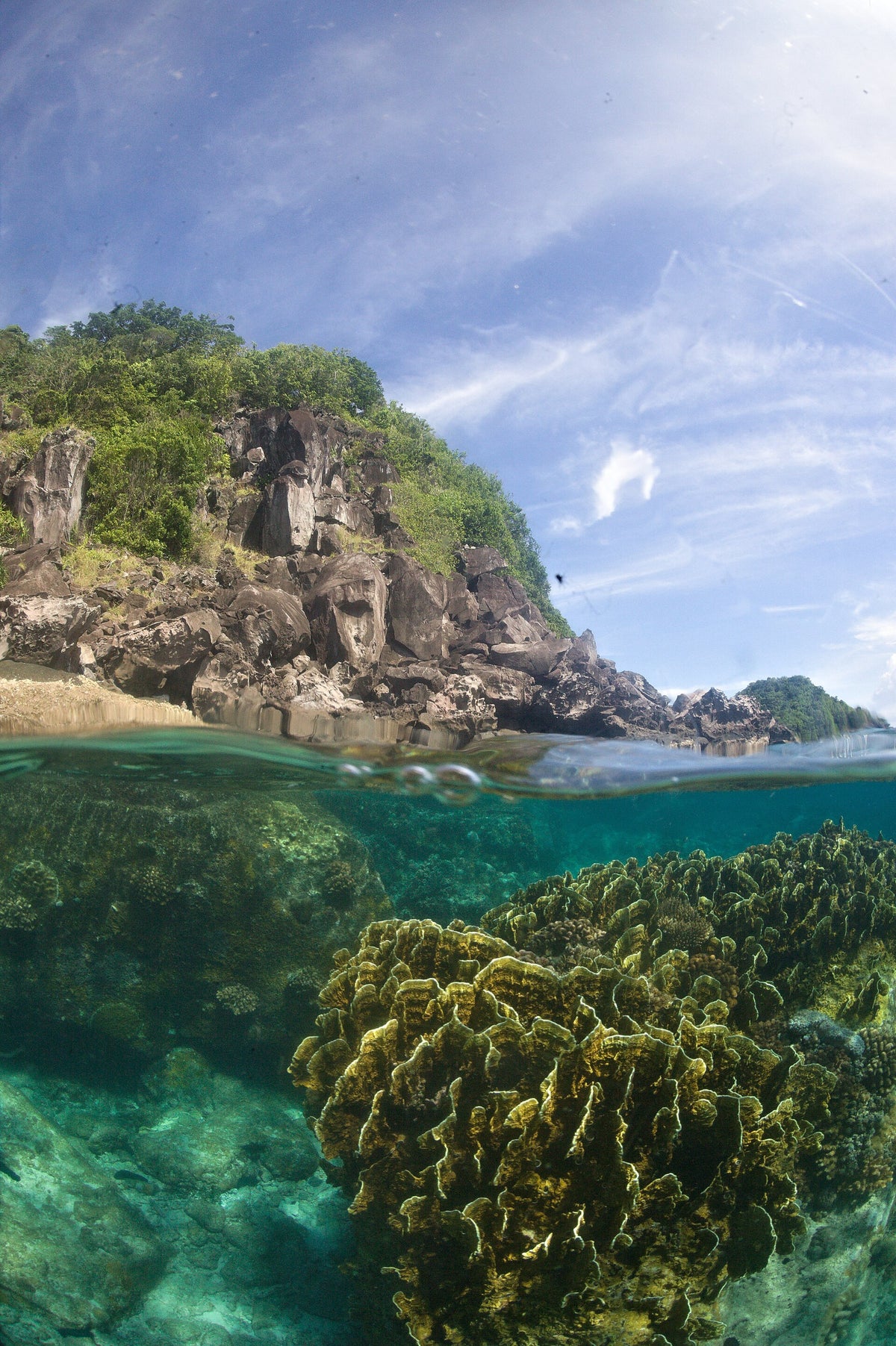
- Split view of shallow coral and the rocky coastline at Apo Island: Apo Island Over-Under.jpg — Pacificklaus. CC BY-SA 4.0. Web-size image supplied by Wikimedia Commons; no scene edits.
- Corals and feather stars on a reef outcrop at Apo Island: 2Apo Island scuba diving.jpg — Wellbeach Dive Resort. CC BY-SA 4.0. Web-size image supplied by Wikimedia Commons; no scene edits.
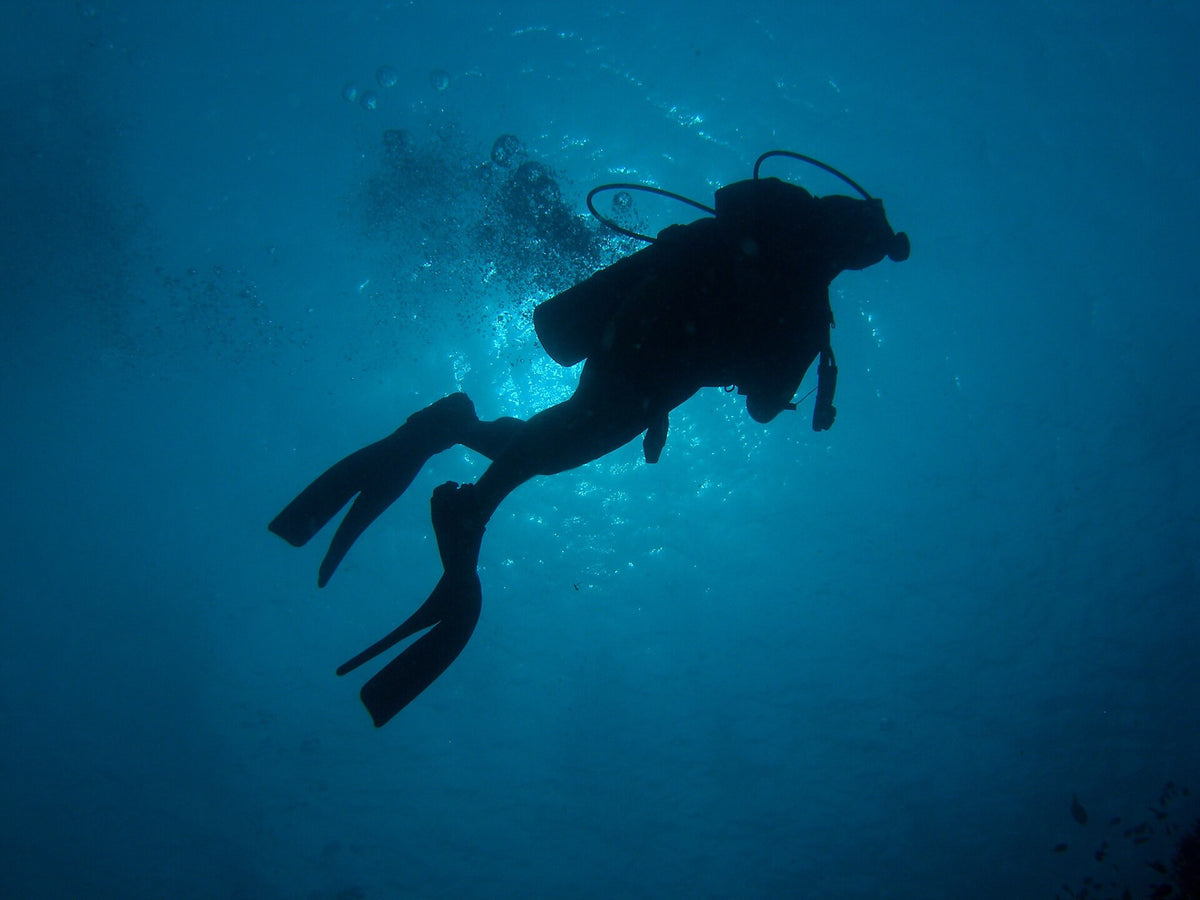
- Silhouette of a scuba diver near Apo Island, Philippines: Scuba diver in silhouette.jpg — Clotho. CC BY-SA 4.0. Web-size image supplied by Wikimedia Commons; no scene edits.
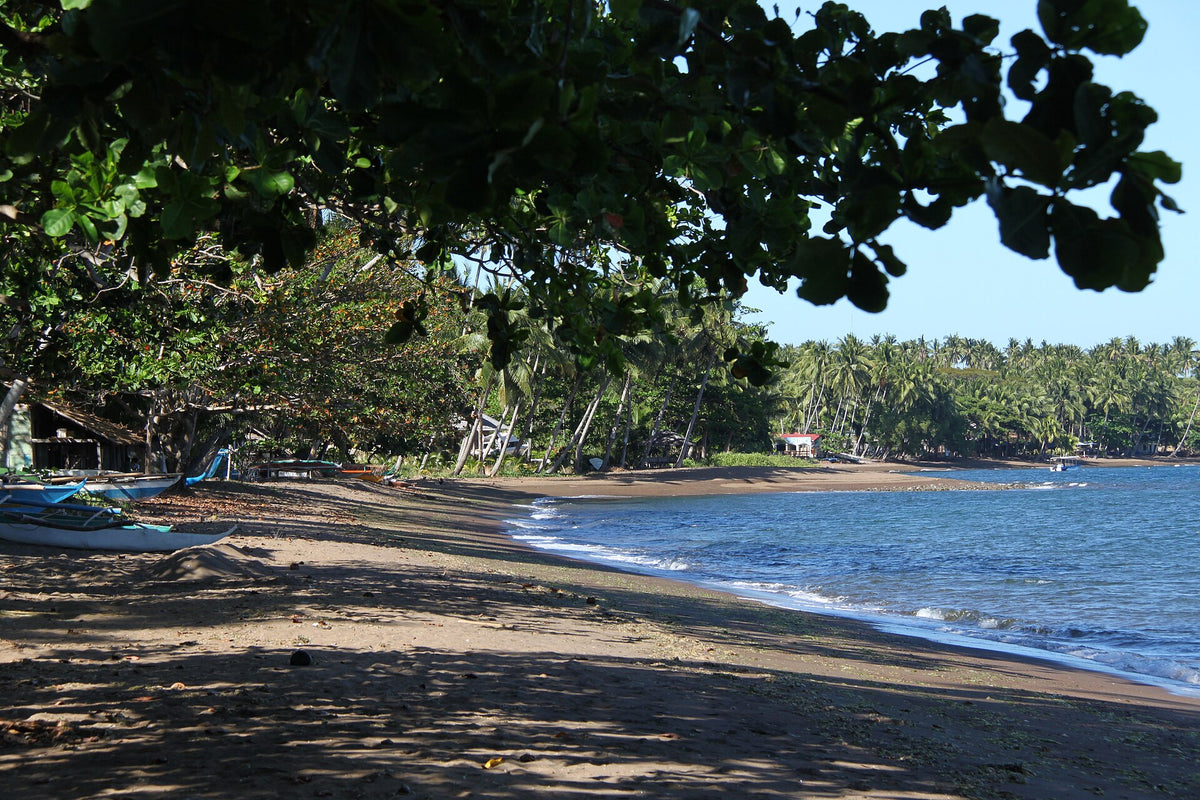
- Palm-lined beach and shoreline in Dauin, Negros Oriental: Dauin beach 2.jpg — Cristian Bortes. CC BY 2.0. Web-size image supplied by Wikimedia Commons; no scene edits.
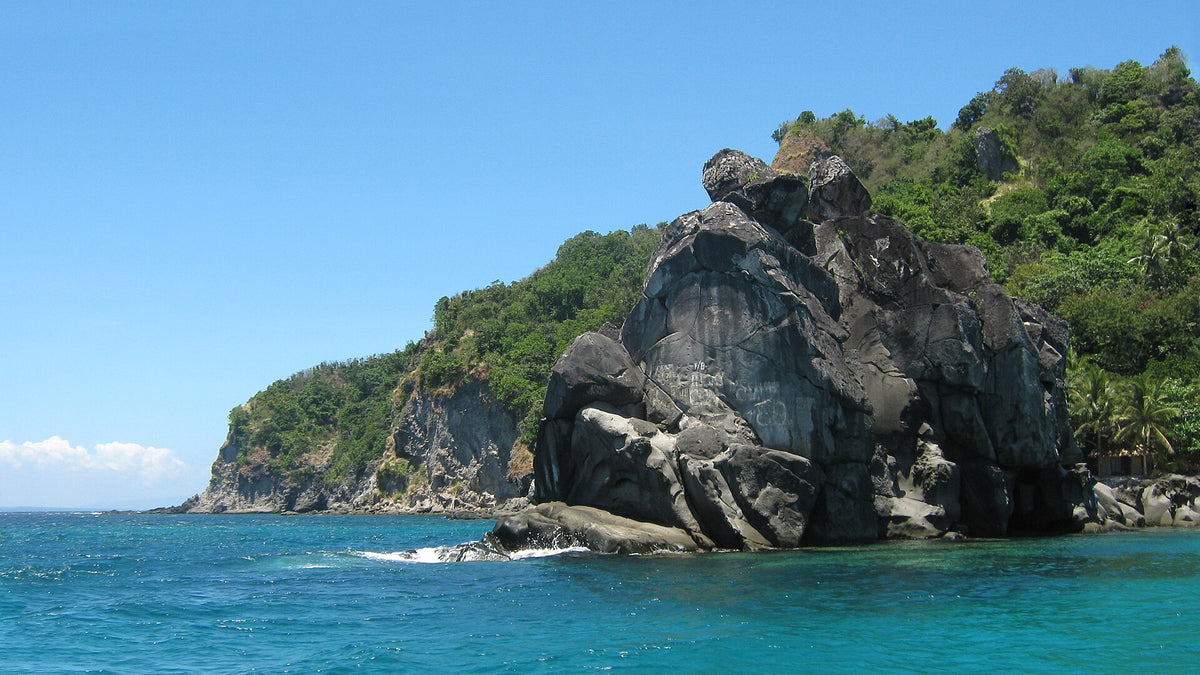
- Rock formations and turquoise water on the coast of Apo Island: Apo Island rocks.jpg — Mike (TheCoffee). CC BY-SA 3.0. Web-size image supplied by Wikimedia Commons; no scene edits.
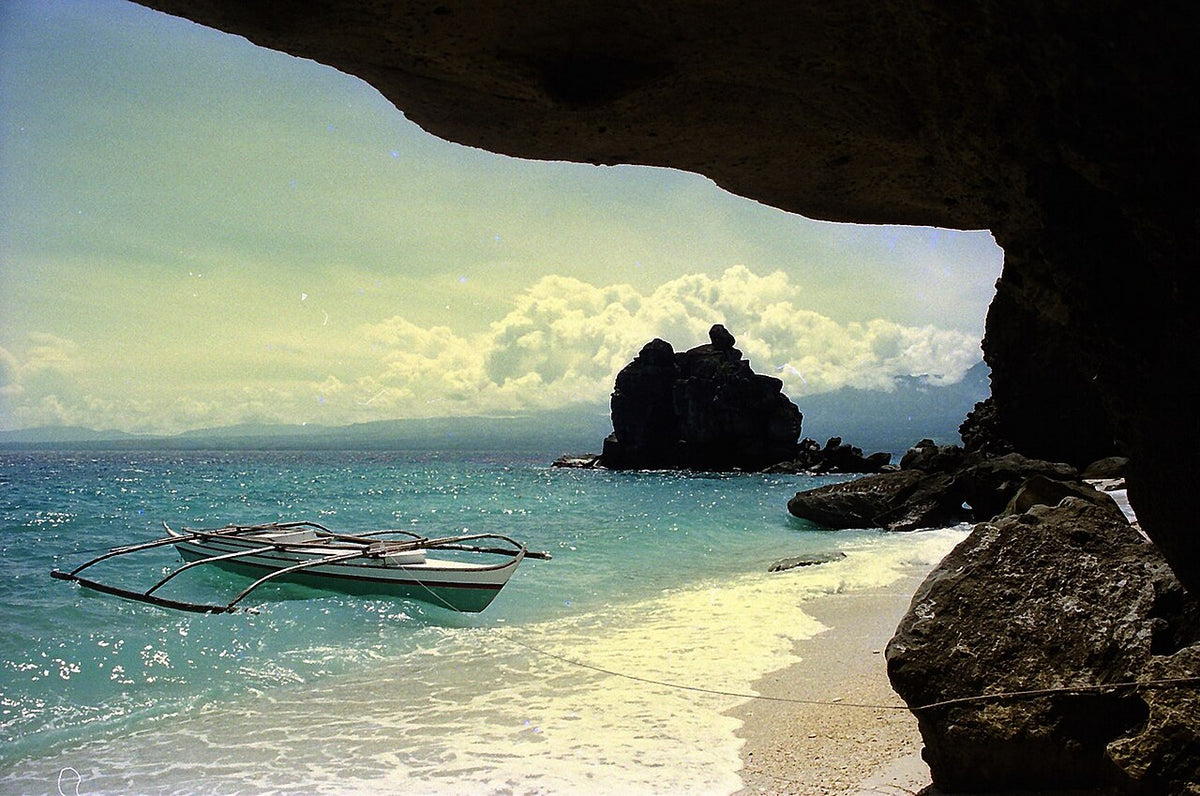
- Outrigger boat and a rocky cove on Apo Island, Negros: Apo Island - Negros - panoramio.jpg — jackylim. CC BY-SA 3.0. Web-size image supplied by Wikimedia Commons; no scene edits.


_(6851434172).jpg)


