

Destination guide · Philippines
Moalboal Diving
At Panagsama, the water can fill with the shifting silver of sardines close to shore. Moalboal pairs that dramatic scene with walls, turtles and Pescador Island, then opens into the greener landscapes of southern Cebu.
Moalboal at a glance
Moalboal is defined by the extraordinary sardine aggregation that gathers close to shore, creating one of the Philippines’ most accessible large-school encounters. Pescador Island, steep walls, turtles and local reef sites add variety beyond the sardines.
The destination suits divers, snorkellers and freedivers, while nearby waterfalls and adventure activities make it strong for active non-divers. Conditions and animal positioning change naturally, but the combination of shore access, marine life and South Cebu scenery gives Moalboal unusually broad appeal.
Planning your Moalboal stay
Stay near Panagsama for convenient sardine and local reef access, or choose a quieter coastal resort for a more secluded holiday. Three to five diving days can cover the main styles of diving; add time for Pescador and a day exploring South Cebu.

Magic Island Dive Resort
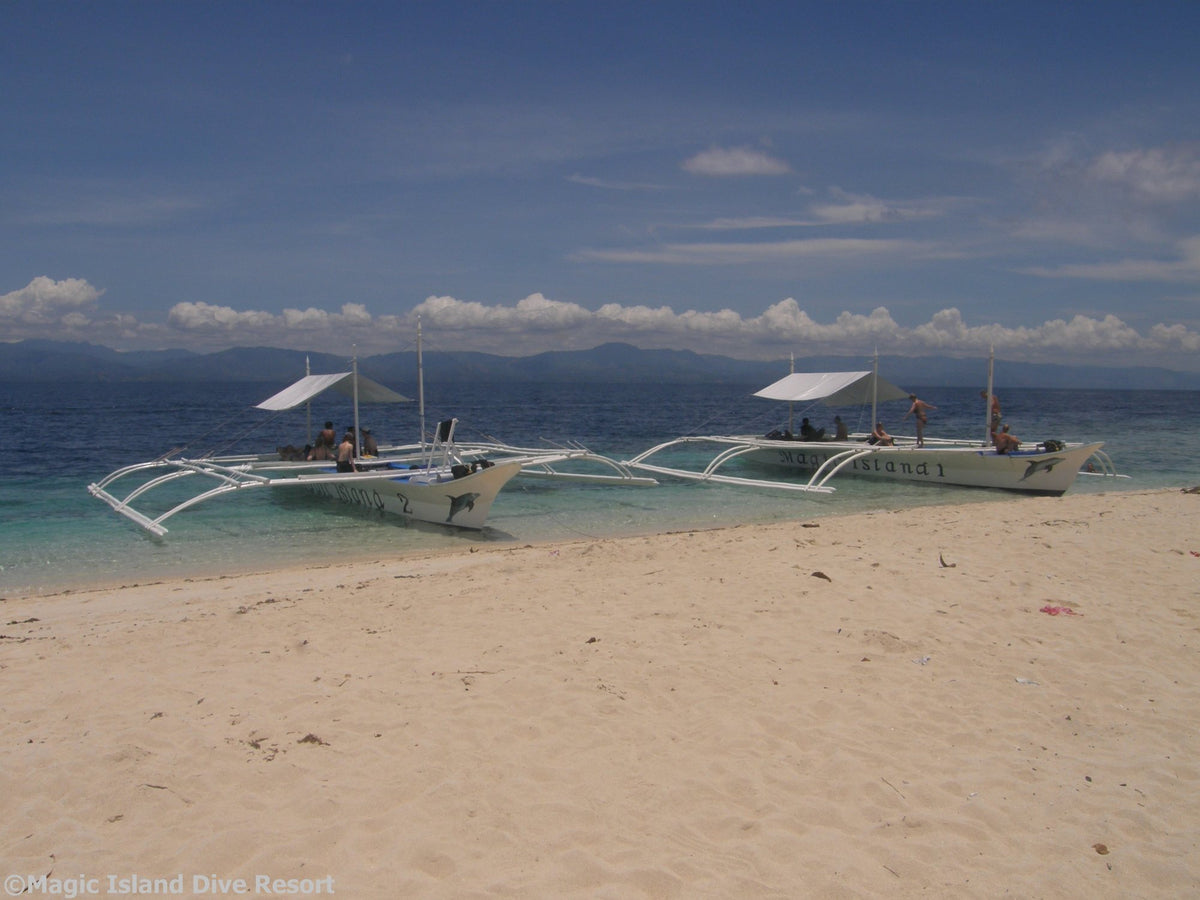
Intimate ten-cottage dive resort in quiet southern Moalboal with a 24/7 house reef, small guide groups, Pescador Island and the year-round Sardine Run.

Savedra Dive Center / Tipolo Beach Resort
Beachfront Moalboal stay beside Savedra Dive Center, with the year-round Sardine Run, Pescador Island, small dive groups and an on-site seaside restaurant.

Turtle Bay Dive Resort
Seafront Moalboal dive resort with a house reef, three dive boats, access to the Sardine Run and Pescador Island, twelve room categories, a pool, restaurant, spa and non-diving activities.

Cebu Fun Divers / Cebu Seaview Dive Resort
Twenty-room waterfront Moalboal resort with in-house Cebu Fun Divers, easy access to the sardine run, Pescador Island and flexible room-and-dive planning.
Liveaboard routes for this destination
Explore the routes that visit this region. Compare ships and itineraries, then open a route to see its sailing dates, cabins and the areas it covers.
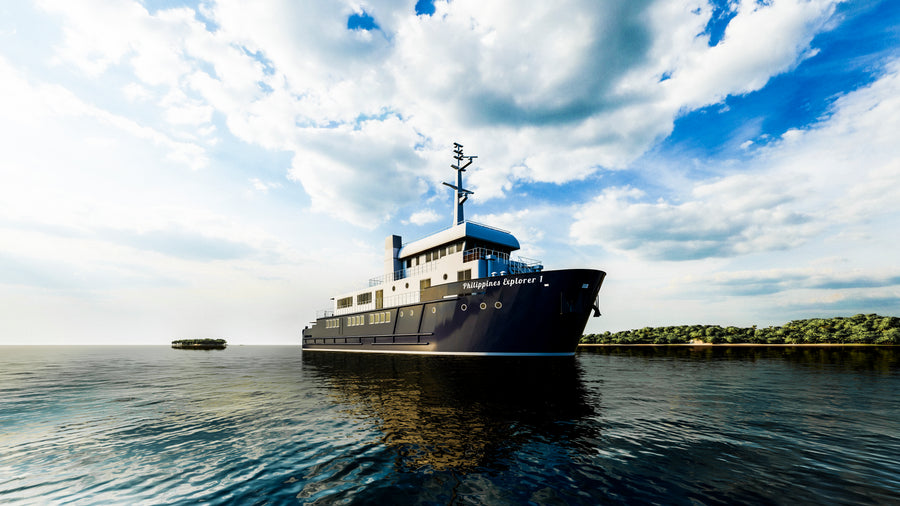
Philippines Explorer I
Ultimate Visayas: Dauin to Donsol
- Indicative duration
- 10 nights
- Embarkation
- Dauin, Negros Oriental
- Disembarkation
- Donsol, Sorsogon
Philippines Explorer I
Ultimate Visayas: Donsol to Dauin
- Indicative duration
- 10 nights
- Embarkation
- Donsol, Sorsogon
- Disembarkation
- Dauin, Negros Oriental
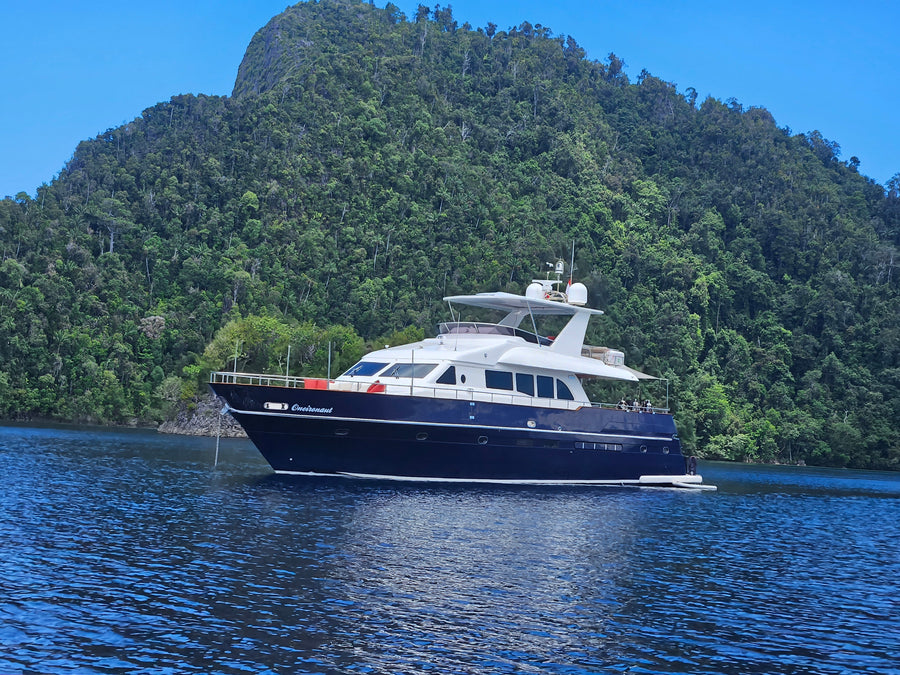
Philippines Explorer II
Sharks & Shoals: Dauin to Malapascua
- Indicative duration
- 6 nights
- Embarkation
- Dauin, Negros Oriental
- Disembarkation
- Malapascua, Cebu
Philippines Explorer II
Sharks & Shoals: Malapascua to Dauin
- Indicative duration
- 6 nights
- Embarkation
- Malapascua, Cebu
- Disembarkation
- Dauin, Negros Oriental
Philippines Explorer II
Ultimate Visayas: Dauin to Donsol
- Indicative duration
- 13 nights
- Embarkation
- Dauin, Negros Oriental
- Disembarkation
- Donsol, Sorsogon
Philippines Explorer II
Ultimate Visayas: Donsol to Dauin
- Indicative duration
- 13 nights
- Embarkation
- Donsol, Sorsogon
- Disembarkation
- Dauin, Negros Oriental
Philippines Explorer II
Visayas Expedition: Dauin to Donsol
- Indicative duration
- 12 nights
- Embarkation
- Dauin, Negros Oriental
- Disembarkation
- Donsol, Sorsogon
Philippines Explorer II
Visayas Expedition: Donsol to Dauin
- Indicative duration
- 12 nights
- Embarkation
- Donsol, Sorsogon
- Disembarkation
- Dauin, Negros Oriental
No routes match this search. Try another vessel or clear your search.
When to dive Moalboal
The sardine aggregation is present through much of the year, although its exact position changes. November to May is often an easier weather window. Surface conditions and visibility influence the experience, and close access does not mean the shoal should be chased or surrounded.
Planning window: Year-round sardine run.
What the diving is like
Choose the islands and sites to suit the group’s experience.
Sardine Run Close to Shore
Moalboal’s famous sardine school is close to shore and can be experienced by divers, snorkelers and freedivers.
Pescador Island Walls
Pescador Island offers boat dives with walls, cathedral-like formations, corals and fish life.
Turtle Encounters
Several Moalboal sites offer chances to see turtles along reefs and walls, especially with careful, respectful diving.
Kawasan Falls & Canyoneering
Kawasan Falls and canyoneering make Moalboal especially attractive for active travellers and non-divers.
Relaxed Cebu Dive-Town Atmosphere
Moalboal has a casual dive-town feel with beaches, restaurants, dive centres and an easy social atmosphere.
Excellent Wide-Angle Sardine Photography
Wide-angle and action cameras work very well for sardines, walls, turtles and snorkel / freedive scenes.
Great for Mixed-Level Groups
Moalboal can work well for Open Water divers, refreshers, snorkelers, freedivers and more active companions.
Easy Combination with Cebu Routes
Moalboal combines well with Malapascua, Dauin / Apo Island, Bohol and Cebu City for longer Visayas itineraries.
DIVE SITE GUIDE
Dive sites in Moalboal
Explore the character of individual sites, from the setting and marine life to the diving conditions. Open a card for the full description; site access and the final profile depend on conditions and experience.
ORIENTATION MAP
Where the dive sites are
Use the map to understand how the key sites are spread around the destination. Pins are for trip-planning orientation only; entry points, moorings and the final dive plan are always confirmed by the local operator on the day.
Coastal site pins are approximate planning references. The sardine school can shift along Panagsama, and open-water sites such as Sunken Island are especially current-dependent.
Shore dive · Reef wall · Schooling fish
Panagsama Sardine Run
The Panagsama Sardine Run is extraordinary because the headline experience begins only a short swim from shore.
Explore this dive site
- Type
- Shore dive · Reef wall · Schooling fish
- Depth
- 3–18 m
- Experience
- Beginner
- Current
- Usually mild
The Panagsama Sardine Run is extraordinary because the headline experience begins only a short swim from shore. A huge resident school holds near the reef drop-off, changing shape constantly as predators, divers and light move around it. The best dive is not to chase the school but to position beside it and let the sardines flow overhead, opening and closing into walls, funnels and tornado-like formations.
Green turtles are frequently seen along the same reef, while jacks and mackerel may hunt at the edge of the baitball. Because the action is shallow, bottom time can be long and even newer divers can experience it comfortably. The school’s exact position shifts, so guides locate it on the day rather than relying on one fixed marker.
Look for: Resident sardine school · Shore access · Turtles · Excellent wide angle
Best for: Sardine baitball · Turtles · Photography · Easy shore access
Wall · Reef · Cavern
Pescador Island
Pescador Island is Moalboal’s classic boat dive, a small offshore rock surrounded by steep reef and deep water.
Explore this dive site
- Type
- Wall · Reef · Cavern
- Depth
- 7–30+ m
- Experience
- Intermediate
- Current
- Variable
Pescador Island is Moalboal’s classic boat dive, a small offshore rock surrounded by steep reef and deep water. The north and west sides drop into dramatic walls, while the southern side offers a gentler slope. The famous Cathedral area adds cavern-like topography and shafts of light, and the reef itself carries hard coral, smaller macro subjects and schooling fish.
Divers may see barracuda, tuna and the occasional reef shark, but the site is worth diving even without pelagics because the wall and coral structure are so strong. Current can range from almost still to a fast drift, so the operator normally chooses the entry point according to tide and group experience. It is the natural place to use a wide-angle lens in Moalboal.
Look for: Iconic island wall · Cathedral topography · Coral & schooling fish · Current-dependent
Best for: Wall diving · Cathedral cavern · Reef fish · Wide angle
Protected reef · Wall · Drift
Tongo Point Marine Sanctuary
Tongo Point is one of the coast’s most complete reef dives.
Explore this dive site
- Type
- Protected reef · Wall · Drift
- Depth
- 5–30 m
- Experience
- Beginner–Intermediate
- Current
- Mild–Moderate
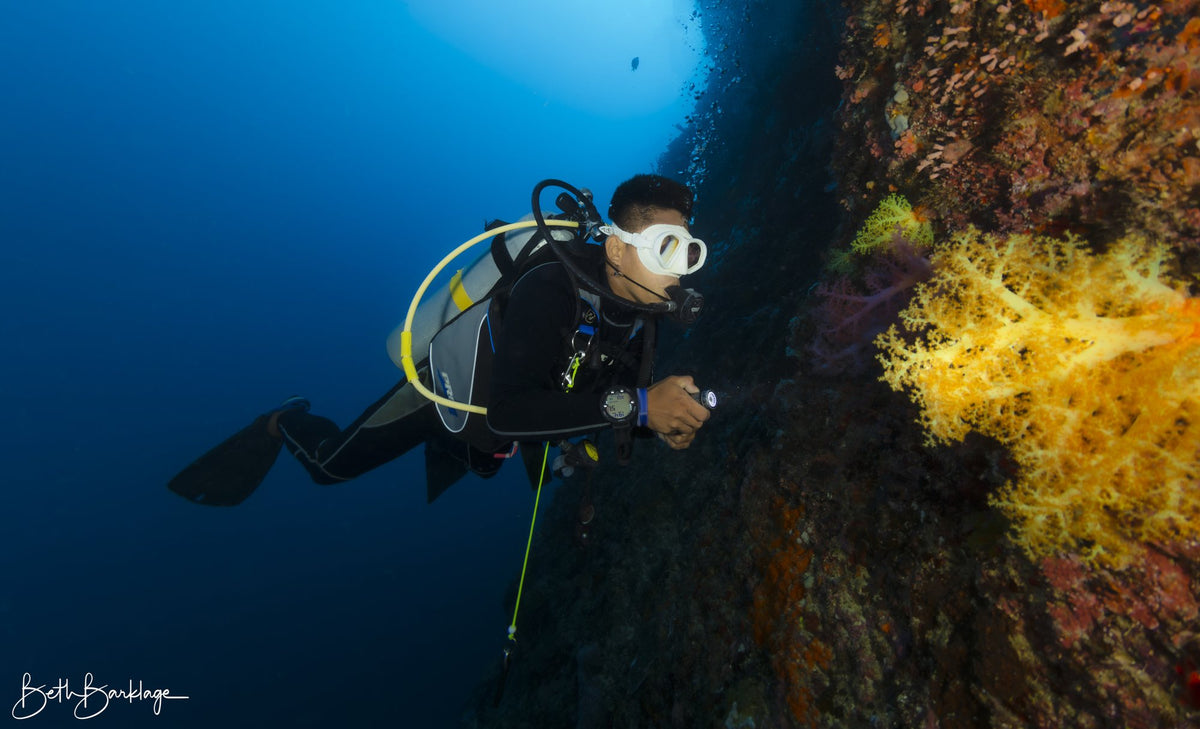
Tongo Point is one of the coast’s most complete reef dives. A protected shallow top covered in hard and soft coral transitions into a steeper wall, giving divers a long route that can stay easy or become deeper depending on the plan.
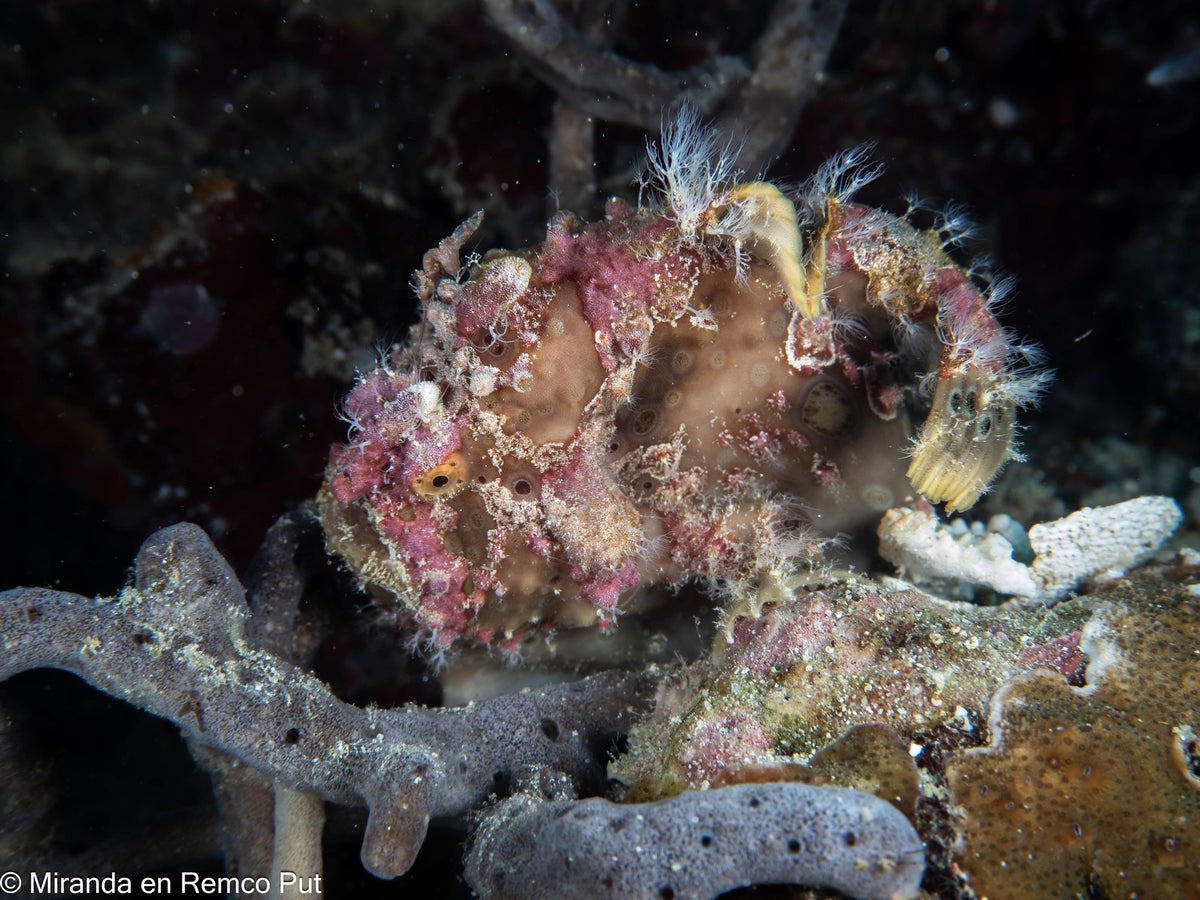
Turtles are frequent visitors, while ghost pipefish, frogfish, scorpionfish and other smaller subjects give macro photographers plenty to search for. Batfish, sweetlips and general reef fish keep the water column active, and occasional eagle rays or other larger animals may pass in the blue. Because the site sits close to Moalboal’s main dive strip, it is an excellent repeat dive: different depths, light and current can make each visit feel different without the logistics of a full-day excursion.
Look for: Marine sanctuary · Hard & soft coral · Turtles · Macro and wide angle
Best for: Healthy coral · Turtles · Frogfish · Reef photography
Reef · Wall
Talisay
Talisay is a classic coastal wall with a shallow hard-coral top and deeper structure covered in black coral, sea fans and sponges.
Explore this dive site
- Type
- Reef · Wall
- Depth
- 5–30+ m
- Experience
- Beginner–Intermediate
- Current
- Usually mild
Talisay is a classic coastal wall with a shallow hard-coral top and deeper structure covered in black coral, sea fans and sponges. It is particularly good for divers who want the scenery of a wall without the stronger currents associated with offshore sites.
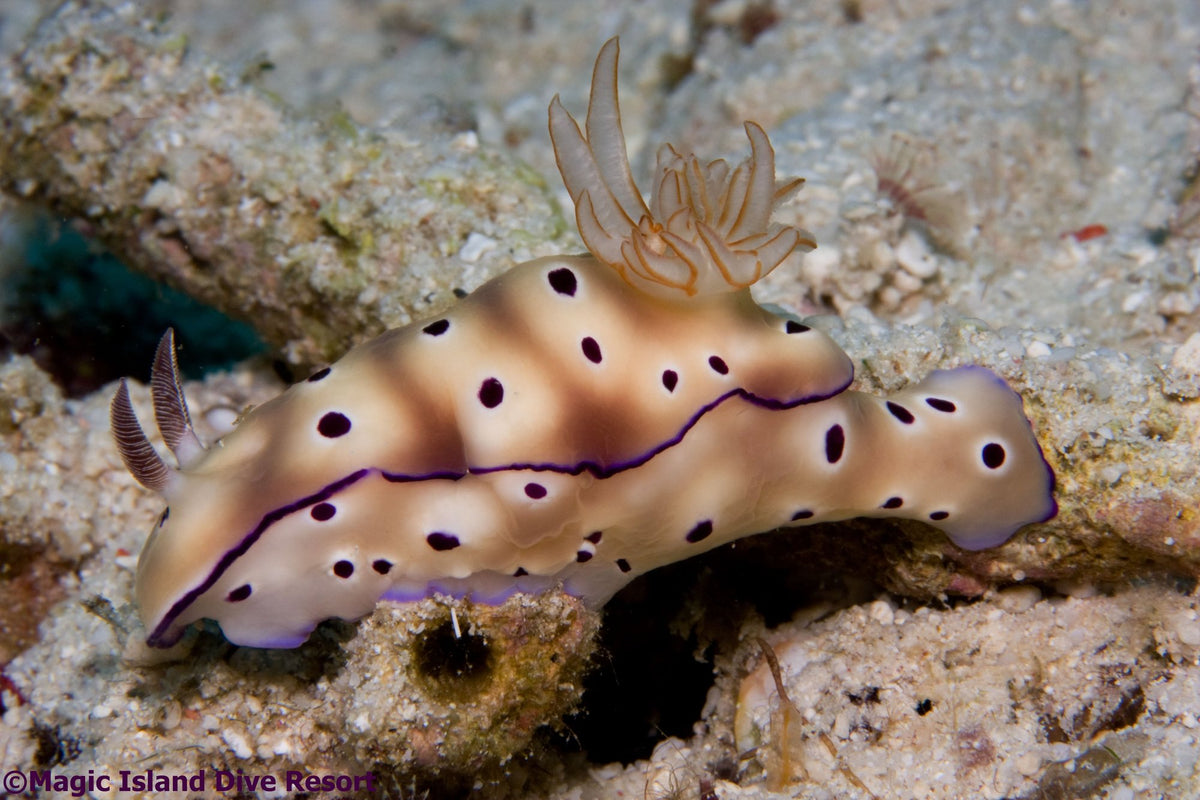
Turtles are a regular theme, and photographers can switch between wide-angle reef scenes and closer subjects such as frogfish, nudibranchs, scorpionfish and morays. The dive can start shallow for newer divers or follow the wall deeper for a more advanced profile, making it practical for mixed groups. Talisay is also a useful reminder that Moalboal is not only about sardines: away from Panagsama, the coast holds a surprisingly diverse sequence of reefs.
Look for: Turtle-rich wall · Black coral · Sea fans & sponges · Mixed-level profile
Best for: Turtles · Black coral · Sea fans · Relaxed wall dive
Sand slope · Reef wall · Macro
White Beach
White Beach starts gently over sand, where garden eels, flounders and other bottom-dwellers reward a slow approach, then changes character as the slope reaches reef and wall structure.
Explore this dive site
- Type
- Sand slope · Reef wall · Macro
- Depth
- 5–22 m
- Experience
- Beginner–Intermediate
- Current
- Usually mild
White Beach starts gently over sand, where garden eels, flounders and other bottom-dwellers reward a slow approach, then changes character as the slope reaches reef and wall structure. The transition gives the dive two different habitats in one tank: open sand for macro searching and a coral face with soft coral, ghost pipefish, scorpionfish, nudibranchs and general reef life.
The site is quieter than Panagsama and works well for divers who want a relaxed photography dive without leaving the Moalboal coast. Because the interesting reef begins at moderate depth and current is often manageable, it can suit newer divers while still offering enough detail to keep experienced macro photographers busy.
Look for: Sand-to-wall transition · Garden eels · Macro subjects · Quieter site
Best for: Macro on sand · Coral wall · Quiet coastal dive
Wall · Drift · Macro
Kasai Wall
Kasai Wall is a strong choice for divers who like vertical reef scenery but still want to hunt for macro.
Explore this dive site
- Type
- Wall · Drift · Macro
- Depth
- 5–30+ m
- Experience
- Intermediate
- Current
- Variable
Kasai Wall is a strong choice for divers who like vertical reef scenery but still want to hunt for macro. The wall drops far beyond normal recreational depth, so the dive is about choosing a depth band rather than following the bottom. Frogfish are one of the site’s better-known finds, while the reef face can also produce nudibranchs, scorpionfish, crustaceans and other small subjects.
A wider lens captures the wall itself, especially when visibility is good. Current can create a drift and the depth can tempt photographers lower than planned, so it is important to agree a maximum depth and follow the guide’s line. Compared with Pescador, Kasai feels more local and intimate while still delivering dramatic topography.
Look for: Frogfish habitat · Deep wall · Macro photography · Variable current
Best for: Frogfish · Deep wall · Macro photography
Submerged seamount · Open ocean · Pelagic
Sunken Island
Sunken Island is Moalboal’s advanced open-water dive: a submerged mount whose top is already around 25 metres below the surface.
Explore this dive site
- Type
- Submerged seamount · Open ocean · Pelagic
- Depth
- 25–40+ m
- Experience
- Advanced
- Current
- Strong possible
Sunken Island is Moalboal’s advanced open-water dive: a submerged mount whose top is already around 25 metres below the surface. Because there is no shallow reef to retreat to, depth and current define the whole plan from the start.
Jacks, batfish, tuna and other pelagic fish may gather around the structure, with occasional sharks possible in the blue, but the site should be chosen for the deep-seamount experience rather than a guaranteed species. Strong current can make the dive demanding, and a clean descent, tight buddy spacing and DSMB-controlled ascent are essential. This is the site for experienced divers who want a change from Moalboal’s easy coastal walls and are comfortable spending most of the dive near Advanced Open Water depths.
Look for: Submerged seamount · Top around 25 m · Pelagic potential · Advanced current dive
Best for: Pelagic fish · Strong-current diving · Deep profile
Reef slope · Wall
Dolphin House
Dolphin House is a friendly coastal reef where a sloping coral garden gradually steepens toward a wall around the 20-metre range.
Explore this dive site
- Type
- Reef slope · Wall
- Depth
- 5–20 m
- Experience
- Beginner–Intermediate
- Current
- Usually mild
Dolphin House is a friendly coastal reef where a sloping coral garden gradually steepens toward a wall around the 20-metre range. The profile makes it easy to control depth, and the site can be shaped for newer divers without losing the visual interest of soft coral, sea fans and overhangs.
Turtles and common reef fish are frequent attractions, while macro hunters can inspect the slope for smaller subjects. Because current is usually milder than at offshore sites, Dolphin House is useful on days when the group wants a calm, photogenic dive after Pescador or Sunken Island. It also fits mixed-certification groups well: everyone can share the same site while choosing a different depth contour.
Look for: Gentle slope to wall · Sea fans · Turtle potential · Good for mixed groups
Best for: Easy reef dive · Sea fans · Turtles · Mixed experience
Underwater photography
At Panagsama Sardine Run, sardine baitball, Turtles, Photography, Easy shore access give an idea of the photographic possibilities. Choose the camera setup for the planned sites, then leave time to observe the scene before making the image. Repeating a productive dive often creates better opportunities than constantly searching for a different location. For reef scenes, use the shape of the reef and the available light to give the image depth. A diver at a respectful distance can provide scale without crowding an animal.
Beyond diving: Moalboal above the surface
Panagsama has an easy coastal rhythm, with cafés, small restaurants and sunsets close to the dive centres. Nearby beaches offer a quieter alternative when you want time away from the busier waterfront.
South Cebu’s waterfalls and inland scenery suit an active dry day. Choose excursions for your group’s mobility and comfort: a gentle visit and a strenuous canyoning programme are very different activities. A dedicated non-diving day leaves time to enjoy the landscape without rushing back for a boat.
Getting to Moalboal
Most international guests reach Moalboal via Cebu. From Cebu, the road transfer to Moalboal usually takes around 3–4 hours depending on traffic and routing.
Choose arrival and departure times around the onward transfer, especially when a boat crossing or a long road journey is involved. Leave space for a relaxed final day ashore and an appropriate interval between the last dive and flying.
Moalboal diving questions
What makes Moalboal worth a diving trip?
At Panagsama, the water can fill with the shifting silver of sardines close to shore. Moalboal pairs that dramatic scene with walls, turtles and Pescador Island, then opens into the greener landscapes of southern Cebu.
How should I plan my stay?
Stay near Panagsama for convenient sardine and local reef access, or choose a quieter coastal resort for a more secluded holiday. Three to five diving days can cover the main styles of diving; add time for Pescador and a day exploring South Cebu.
When is a useful time to visit?
The sardine aggregation is present through much of the year, although its exact position changes. November to May is often an easier weather window. Surface conditions and visibility influence the experience, and close access does not mean the shoal should be chased or surrounded.
Is there enough for non-diving companions?
Panagsama has an easy coastal rhythm, with cafés, small restaurants and sunsets close to the dive centres. Nearby beaches offer a quieter alternative when you want time away from the busier waterfront.
A closer look at Moalboal
Plan your Moalboal trip
Tell us the experiences you most want, your preferred dates and how you like to travel. We can bring the destination, accommodation and diving into one coherent itinerary.
Plan my trip