

Destination guide · Solomon Islands
Gizo Diving
Gizo combines the scale of a large wreck with reefs that come alive in moving water. Aircraft remains, island scenery and small local communities give a Western Province journey more than one story to follow.
Gizo at a glance
Gizo in the Solomon Islands’ Western Province combines offshore reef action with one of the region’s strongest concentrations of accessible WWII diving history. Current-fed reefs and pinnacles sit alongside large shipwrecks and aircraft remains, giving a land-based stay more variety than a purely reef-focused programme.
The destination is best approached with flexibility. Sites such as Grand Central Station and The Gap depend on water movement for their schooling-fish and predator action, while wreck dives need to be matched to depth, certification and penetration training. Easier reefs and island excursions balance the more advanced days.
Planning your Gizo stay
Choose Gizo or an island base according to the setting and daily boat programme you prefer. Five to seven nights allows reefs, wrecks and land interests to share the trip. Toa Maru and aircraft sites have different profiles, so select them individually rather than as one category of wreck diving.
Liveaboard routes for this destination
Explore the routes that visit this region. Compare ships and itineraries, then open a route to see its sailing dates, cabins and the areas it covers.
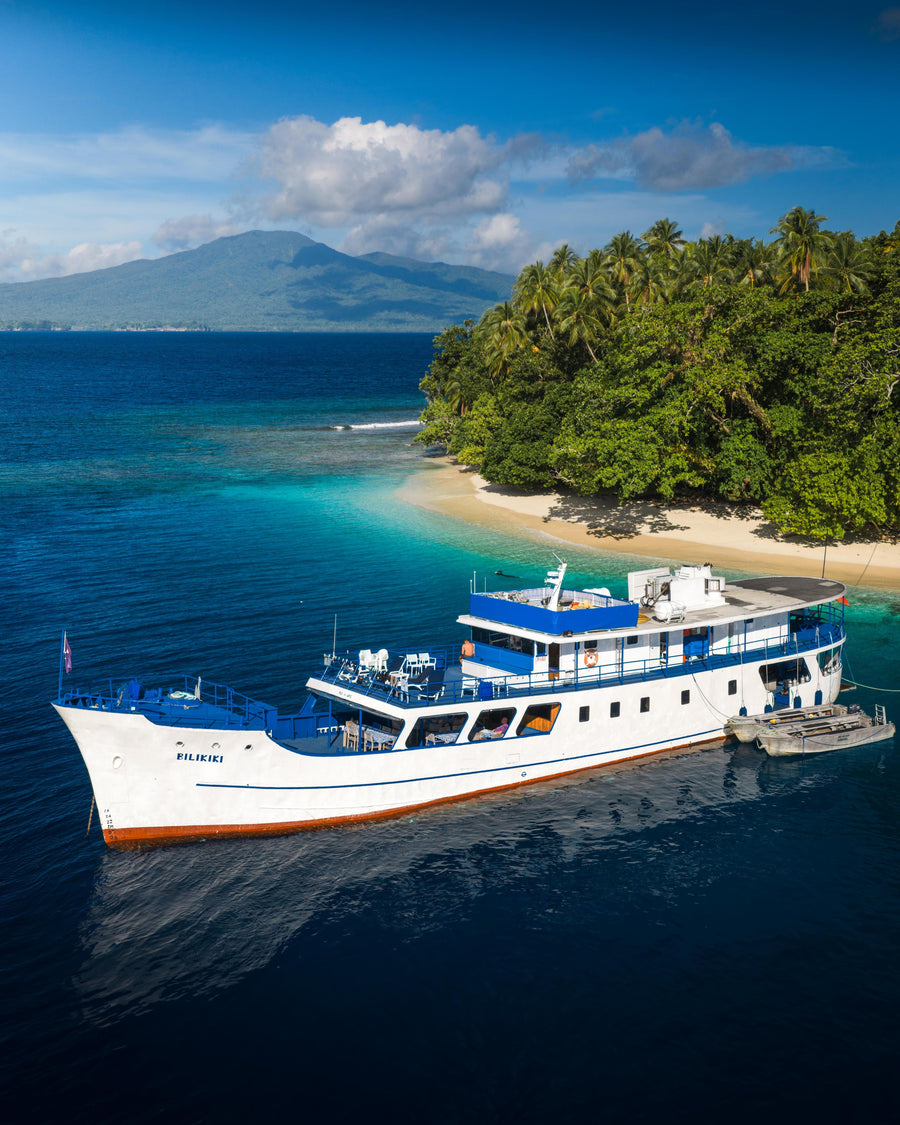
Emperor Bilikiki
Best of Solomon Islands
- Indicative duration
- 10 nights
- Embarkation
- Honiara
- Disembarkation
- Honiara
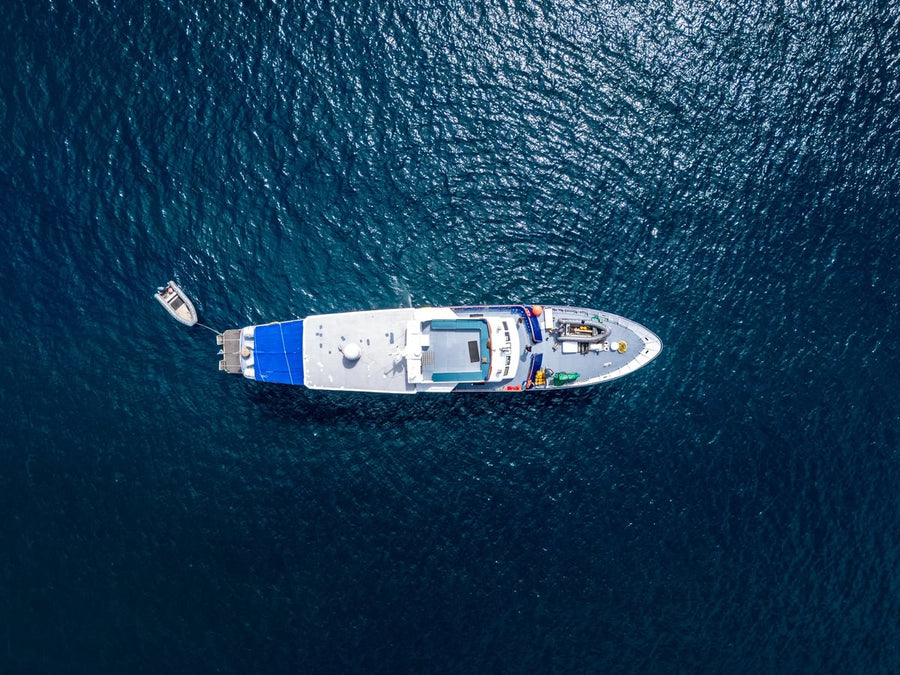
Solomons Master
Best of the Solomons
- Indicative duration
- 10 nights
- Embarkation
- Honiara
- Disembarkation
- Honiara
Solomons Master
Guadalcanal & Western Province
- Indicative duration
- 10 nights
- Embarkation
- Honiara / route-dependent
- Disembarkation
- Munda / Honiara route-dependent
No routes match this search. Try another vessel or clear your search.
When to dive Gizo
Diving operates across the year, with April to November a useful starting period for planning. Current-fed sites and wreck visibility can vary substantially. Leave flexibility in the site order and enough time around domestic travel to protect the diving days.
Planning window: Best April–November.
What the diving is like
Advanced Open Water is preferred for the signature current sites; deeper wreck profiles require the appropriate experience and qualifications.
Grand Central Station
This offshore reef is known for fish aggregation when oceanic water moves across the site. Trevally, barracuda, reef sharks and dense schooling fish are possible, but the intensity depends on tide and current.
The Gap and current diving
The Gap adds a classic current-led profile where divers can move with water along reef structure while watching schooling fish and predators. Good group control and confident open-water ascents are important.
Toa Maru and WWII wrecks
The Toa Maru and other wartime remains give Gizo exceptional historical depth. Wreck depth, penetration and gas limits should always be matched to the individual diver rather than sold as a standard inclusion.
Island-based variety
Short boat access to reefs, wrecks and small islands makes Gizo practical for mixed itineraries. Surface intervals can include beaches, villages or WWII-history stops rather than returning to one fixed dive platform.
DIVE SITE GUIDE
Dive sites in Gizo
Explore the character of individual sites, from the setting and marine life to the diving conditions. Open a card for the full description; site access and the final profile depend on conditions and experience.
ORIENTATION MAP
Where the dive sites are
Use the map to understand how the key sites are spread around the destination. Pins are for trip-planning orientation only; entry points, moorings and the final dive plan are always confirmed by the local operator on the day.
Coordinates are planning references compiled from current dive-site sources. They are not navigation coordinates; entry points, moorings, tide windows and the final dive plan are always confirmed by the local operator on the day.
WWII shipwreck · Reef
Toa Maru
Toa Maru is Gizo’s defining wreck: a Japanese transport ship roughly 140 metres long resting on its starboard side in a sheltered bay.
Explore this dive site
- Type
- WWII shipwreck · Reef
- Depth
- 15–35 m
- Experience
- Advanced
- Current
- Mild
Toa Maru is Gizo’s defining wreck: a Japanese transport ship roughly 140 metres long resting on its starboard side in a sheltered bay. Parts of the wreck lie within recreational depth, while deeper sections and internal spaces require more advanced planning.
Trucks, fuel drums, ammunition and other wartime cargo remain part of the historical story, but divers should avoid disturbing artifacts and should only penetrate within wreck training. Coral and marine life have transformed the ship into an artificial reef, giving the dive biological as well as historical value. Because the wreck is large, a single dive is best treated as one planned section rather than an attempt to see everything.
Look for: ~140 m shipwreck · WWII artifacts · 15–35 m · Major Gizo wreck
Best for: Large wreck · WWII artifacts · Photography
Wall · Point · Current
Grand Central Station
Grand Central Station sits at the northwest tip of the Gizo area where currents concentrate fish around a reef wall and point.
Explore this dive site
- Type
- Wall · Point · Current
- Depth
- 5–28 m
- Experience
- Intermediate–Advanced
- Current
- Moderate
Grand Central Station sits at the northwest tip of the Gizo area where currents concentrate fish around a reef wall and point. The site is famous for the sheer amount of marine traffic: schools of fish stream past the reef while sharks, trevally and other larger animals can use the current line.
The dive starts shallow, moves along the wall and becomes more energetic near the point. The exact current determines whether the group pauses or continues as a drift. Public sources describe the location clearly near Njari Island, but do not publish one consistent mooring coordinate, so the map uses an area anchor rather than false precision.
Look for: High fish biomass · Current-fed point · Sharks possible · Signature reef dive
Best for: Fish biomass · Sharks · Trevally · Wide angle
Wall · Gorgonians · Macro
Joe’s Wall
Joe’s Wall is a reef slope that steepens into a wall and then returns toward gentler terrain, giving the dive a natural beginning and end without requiring a deep profile.
Explore this dive site
- Type
- Wall · Gorgonians · Macro
- Depth
- 5–27 m
- Experience
- Intermediate
- Current
- Mild–Moderate
Joe’s Wall is a reef slope that steepens into a wall and then returns toward gentler terrain, giving the dive a natural beginning and end without requiring a deep profile. Large gorgonian fans are the visual highlight, while smaller reef animals and invertebrates make the site strong for macro photography.
The wall is less fish-dense than Grand Central Station, which is precisely why divers can focus on detail rather than open-water action. The exact public GPS is not consistently published, so the map uses an operator-area anchor near Ferguson Passage.
Look for: Gorgonian wall · Macro · Moderate depth · Photography
Best for: Sea fans · Macro · Wall photography
Reef point · Pelagic
Hot Spot
Hot Spot is one of Gizo’s higher-energy reef dives, where current across the point can bring sharks, trevally and barracuda into the blue.
Explore this dive site
- Type
- Reef point · Pelagic
- Depth
- 8–30 m
- Experience
- Advanced
- Current
- Moderate–Strong
Hot Spot is one of Gizo’s higher-energy reef dives, where current across the point can bring sharks, trevally and barracuda into the blue. The site is best for divers comfortable holding position near a reef edge and then moving with the flow rather than swimming against it.
The reef itself remains healthy and worth attention when the pelagics stay farther away. Exact dive timing depends on tide, and the public site coordinate is not standardized, so the map uses an operator-area position. The strongest dive is a controlled current profile rather than a chase after individual animals.
Look for: Pelagic action · Sharks possible · Current point · Advanced profile
Best for: Sharks · Trevally · Barracuda · Current
Reef slope · Wall · Coral
Secret Spot
Secret Spot is a reef-focused Gizo dive where coral cover and fish life take priority over wreck history.
Explore this dive site
- Type
- Reef slope · Wall · Coral
- Depth
- 5–30 m
- Experience
- Intermediate
- Current
- Mild–Moderate
Secret Spot is a reef-focused Gizo dive where coral cover and fish life take priority over wreck history. A sloping reef steepens toward a wall and gives divers several depth bands to work through during one profile.
The site suits photographers because there is enough structure for wide-angle compositions without the constant movement of a strong current site. Smaller subjects remain available close to the reef, so the dive can switch naturally between broad scenery and detail. The exact public mooring is not published consistently, so the map point is an operator-area reference.
Look for: Coral reef · Wall transition · Photography · Moderate current
Best for: Coral · Reef fish · Wide-angle photography
Aircraft wreck · Shallow lagoon
Grumman F6F Hellcat
The Grumman Hellcat is one of the easiest WWII aircraft dives in the Solomon Islands.
Explore this dive site
- Type
- Aircraft wreck · Shallow lagoon
- Depth
- 9–10 m
- Experience
- Beginner
- Current
- Mild–None
The Grumman Hellcat is one of the easiest WWII aircraft dives in the Solomon Islands. The fighter rests upright in a shallow lagoon at only about 9–10 metres, with excellent visibility and little current.
Its recognizable shape, including cockpit and airframe, makes it a rewarding historical dive without requiring deep certification or wreck penetration. Coral growth and schooling fish have turned the aircraft into a small artificial reef. The shallow profile gives long bottom time and makes the site suitable for newer divers and even snorkellers viewing from above.
Look for: F6F Hellcat · 9–10 m · Beginner friendly · WWII history
Best for: WWII aircraft · Snorkel crossover · Photography
Aircraft wreck · Reef
American Corsair Fighter
Gizo’s American Corsair wreck adds another layer to the area’s extraordinary concentration of Pacific War history.
Explore this dive site
- Type
- Aircraft wreck · Reef
- Depth
- 15–30 m
- Experience
- Intermediate–Advanced
- Current
- Mild
Gizo’s American Corsair wreck adds another layer to the area’s extraordinary concentration of Pacific War history. The fighter rests in recreational depth and can be explored externally without any overhead complexity.
Its compact size makes it easy to circle, photograph and appreciate as an aircraft rather than a debris field. The surrounding reef and fish life keep the dive visually active after the wreck itself has been covered. Public exact GPS is not consistently published, so the map uses an operator-area anchor in the wider Gizo aircraft-wreck zone.
Look for: Corsair fighter · WWII history · Recreational depth · Photography
Best for: WWII aircraft · Photography · Historical dive
Shallow reef · Historical island
Kennedy / Plum Pudding Island Reef
Kennedy Island, also known as Plum Pudding Island, combines an easy coral dive with one of Gizo’s best-known WWII stories.
Explore this dive site
- Type
- Shallow reef · Historical island
- Depth
- 5–18 m
- Experience
- Beginner
- Current
- Mild
Kennedy Island, also known as Plum Pudding Island, combines an easy coral dive with one of Gizo’s best-known WWII stories. Lieutenant John F. Kennedy and surviving crew reached the island after PT-109 was sunk nearby in 1943.
Underwater, the reef slopes gently through roughly 5–18 metres and supports coral, nudibranchs, anemonefish and other reef life. The site is ideal for mixed groups because it is shallow, calm and visually rewarding without technical demands. It works especially well as a second dive paired with a deeper wreck or reef point.
Look for: JFK / PT-109 history · 5–18 m · Beginner friendly · Coral garden
Best for: Coral garden · History · Easy reef
Underwater photography
At Toa Maru, large wreck, WWII artifacts, Photography give an idea of the photographic possibilities. Choose the camera setup for the planned sites, then leave time to observe the scene before making the image. Repeating a productive dive often creates better opportunities than constantly searching for a different location. For reef scenes, use the shape of the reef and the available light to give the image depth. A diver at a respectful distance can provide scale without crowding an animal.
Beyond diving: Gizo above the surface
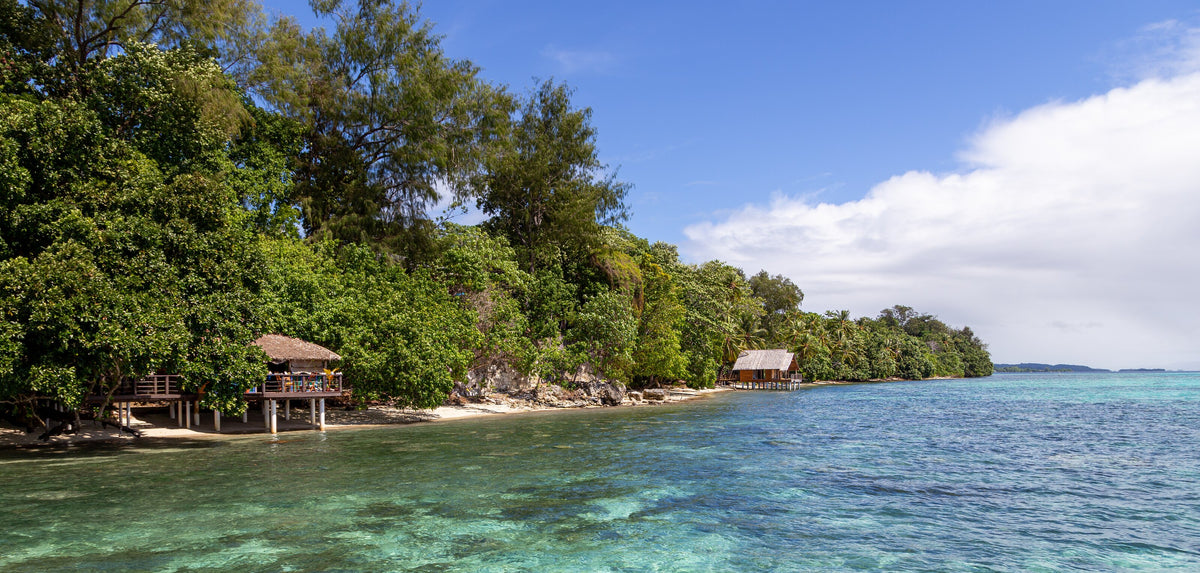
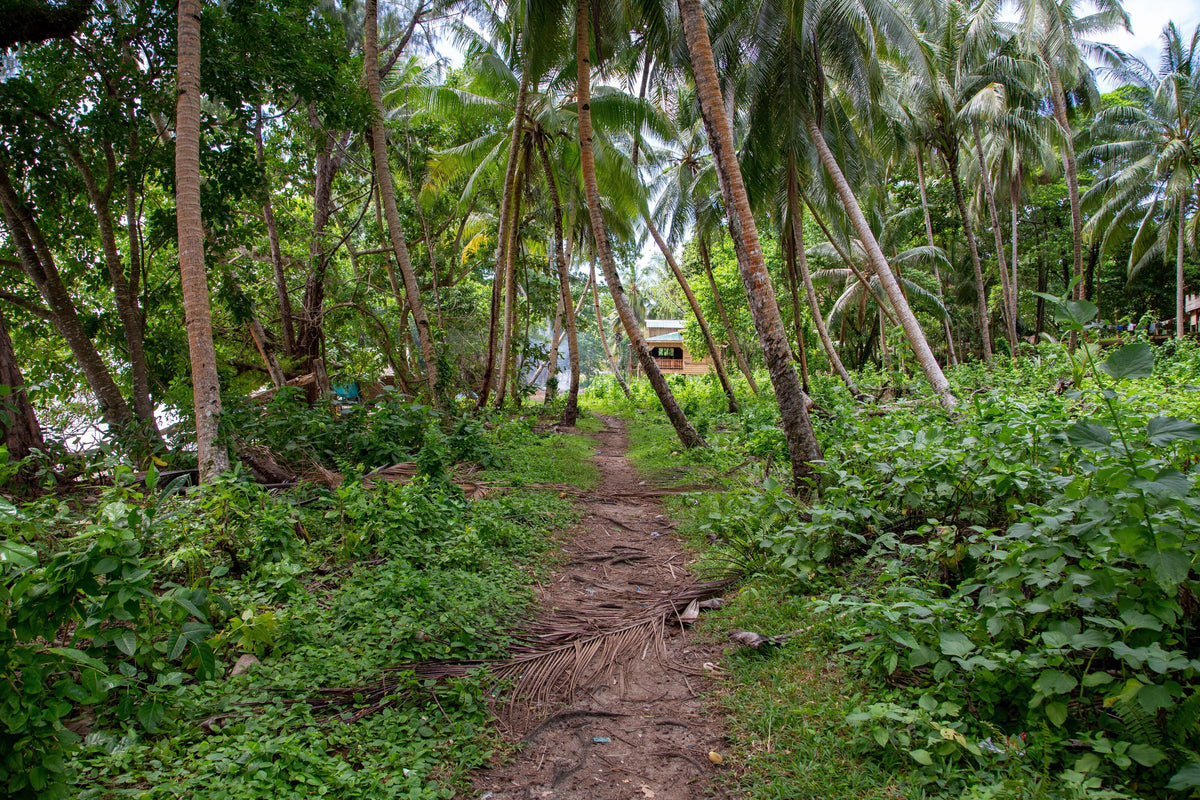
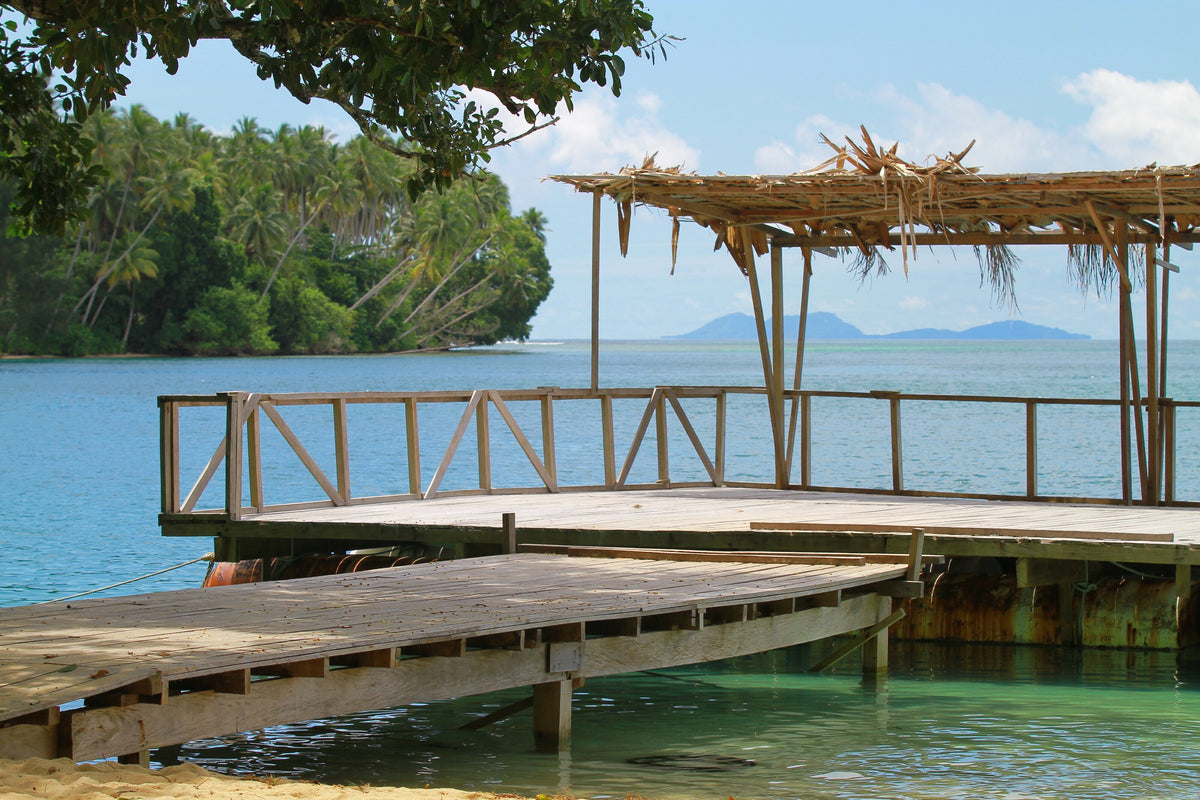
Island hopping, local markets and WWII history add variety beyond diving. Lagoon excursions and snorkelling can be shared by a mixed group, with time ashore revealing more of the setting than a boat-to-resort routine alone.
The arrival at Nusatupe already makes the water part of the journey. Keep the onward boat transfer and domestic connections realistic, and let the island stay have enough time for an unplanned afternoon as well as the headline excursions.
Getting to Gizo
Fly to Honiara (HIR), connect by domestic flight to Gizo/Nusatupe (GZO) and continue by short boat transfer to Gizo or the selected island resort. Leave buffer time around domestic connections.
Choose arrival and departure times around the onward transfer, especially when a boat crossing or a long road journey is involved. Leave space for a relaxed final day ashore and an appropriate interval between the last dive and flying.
Gizo diving questions
What makes Gizo worth a diving trip?
Gizo combines the scale of a large wreck with reefs that come alive in moving water. Aircraft remains, island scenery and small local communities give a Western Province journey more than one story to follow.
How should I plan my stay?
Choose Gizo or an island base according to the setting and daily boat programme you prefer. Five to seven nights allows reefs, wrecks and land interests to share the trip. Toa Maru and aircraft sites have different profiles, so select them individually rather than as one category of wreck diving.
When is a useful time to visit?
Diving operates across the year, with April to November a useful starting period for planning. Current-fed sites and wreck visibility can vary substantially. Leave flexibility in the site order and enough time around domestic travel to protect the diving days.
Is there enough for non-diving companions?
Island hopping, local markets and WWII history add variety beyond diving. Lagoon excursions and snorkelling can be shared by a mixed group, with time ashore revealing more of the setting than a boat-to-resort routine alone.
A closer look at Gizo


Plan your Gizo trip
Tell us the experiences you most want, your preferred dates and how you like to travel. We can bring the destination, accommodation and diving into one coherent itinerary.
Plan my tripPhoto credits
Images are resized for display and may be cropped to fit the page layout.
- Sunset over a cove on the western end of Gizo Island, Solomon Islands: Private Cove (131402091).jpeg — Sahid Martin Robles Bello. CC BY-SA 3.0. Web-size image supplied by Wikimedia Commons; no scene edits.
- Street and local buildings in Gizo, Solomon Islands: Ghizo-Island, Salomonen.jpg — Seelore. CC BY-SA 3.0. Web-size image supplied by Wikimedia Commons; no scene edits.
.jpeg)
