

Destination guide · Malaysia
Lankayan Island Diving
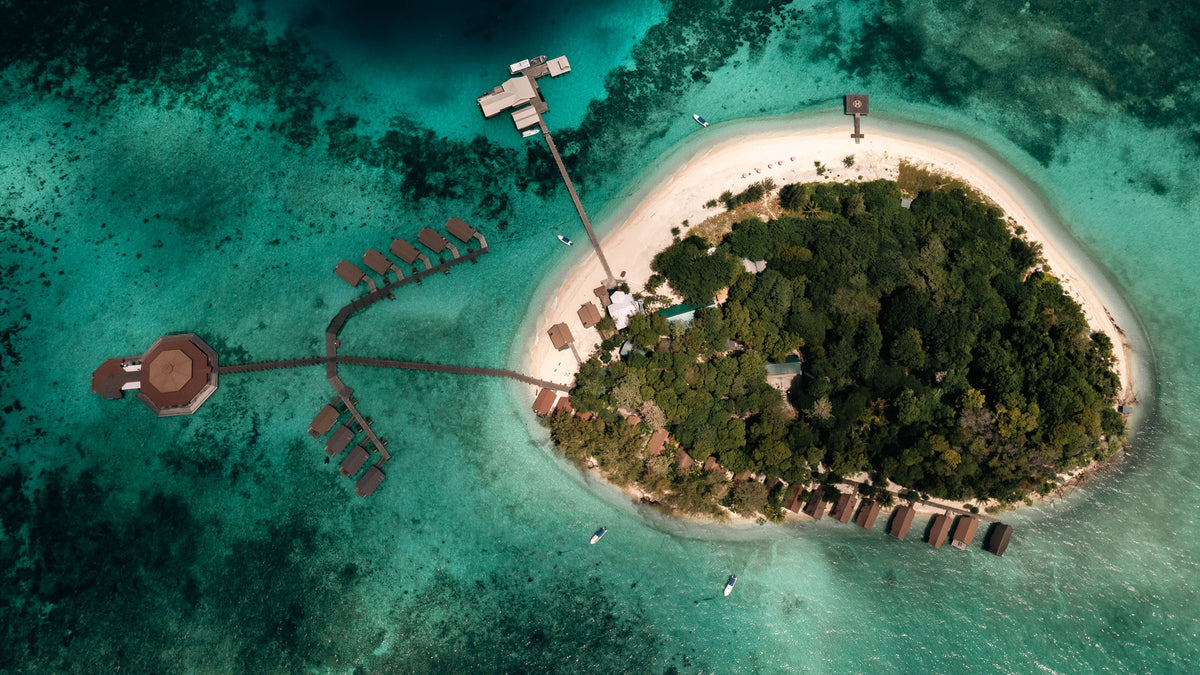
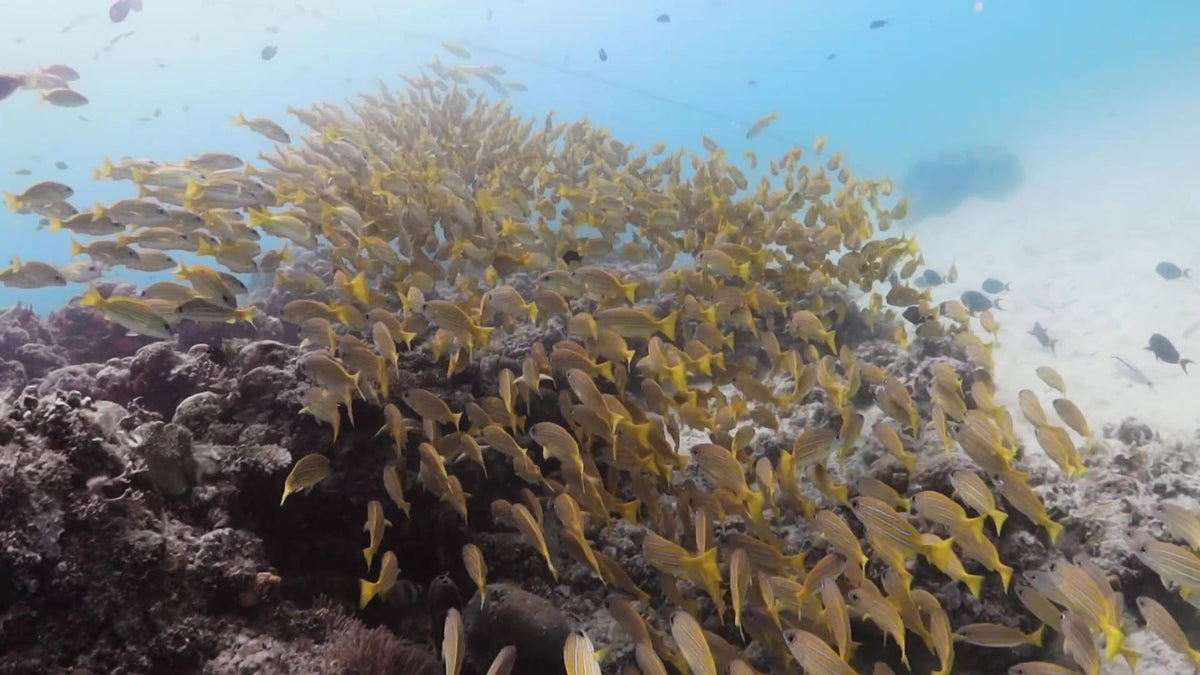
Lankayan is a small island with enough underwater variety to fill an unhurried stay: reef outcrops, sand-and-rubble subjects, wrecks and turtles. Short local boat journeys leave more time to enjoy the island between dives.
Lankayan Island at a glance
Lankayan is a small protected coral island in the Sulu Sea off Sabah, reached from Sandakan and surrounded by compact reefs that keep most diving close to the island. The destination combines coral gardens, sand-and-rubble macro habitat, turtle encounters and several wreck-style dives in a quiet resort setting.
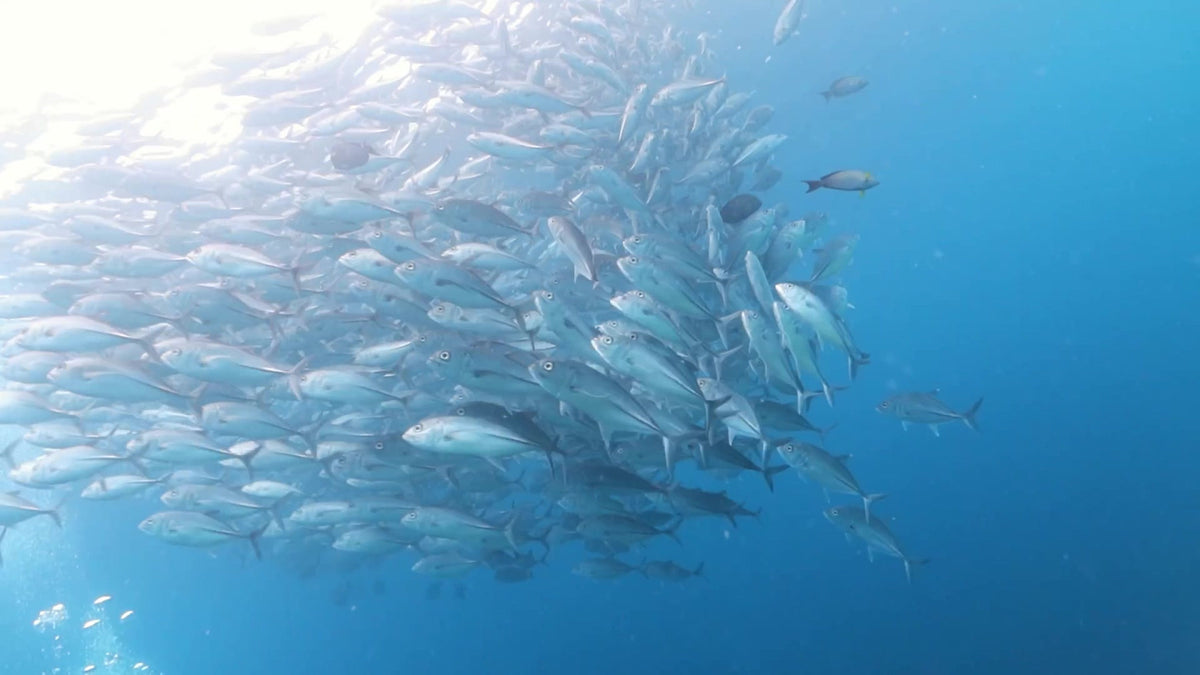
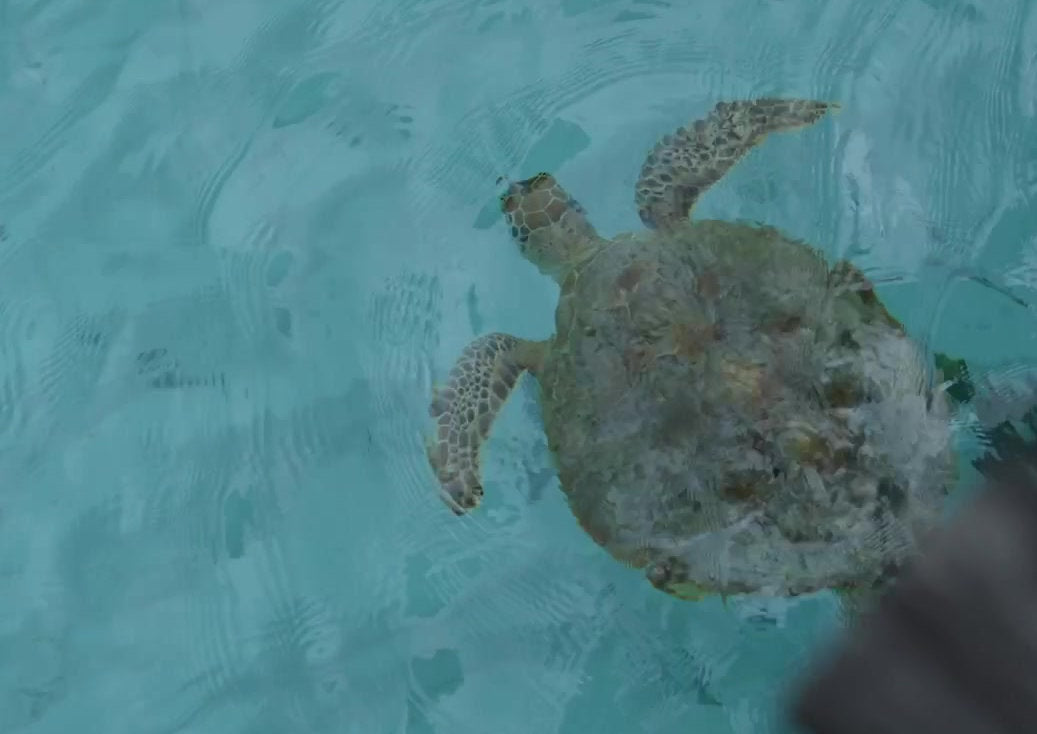
Seasonal whale-shark sightings add excitement but should be treated as a possibility rather than the reason for the whole trip. The more dependable strengths are turtles, healthy reef scenery, jawfish and other macro subjects, short boat rides and an island atmosphere that also works well for snorkellers and non-diving companions.
Planning your Lankayan Island stay
Plan around the island’s scheduled boat transfer from Sandakan. Five to seven nights allows a mix of reefs, macro searches and suitable wreck dives without a hurried arrival and departure. Turtles and reef life make a stronger foundation for the trip than hoping for a rare whale-shark encounter.
When to dive Lankayan Island
March to October is a useful general planning window. Sea conditions affect the crossing and individual sites, while turtles and other animals remain wild. Fixed boat-transfer arrangements make well-chosen flight times and a Sandakan buffer especially important.
Planning window: Best March–October.
What the diving is like
Many reefs suit Open Water divers; wrecks and deeper profiles are better for confident intermediate divers.
Turtle-rich island diving
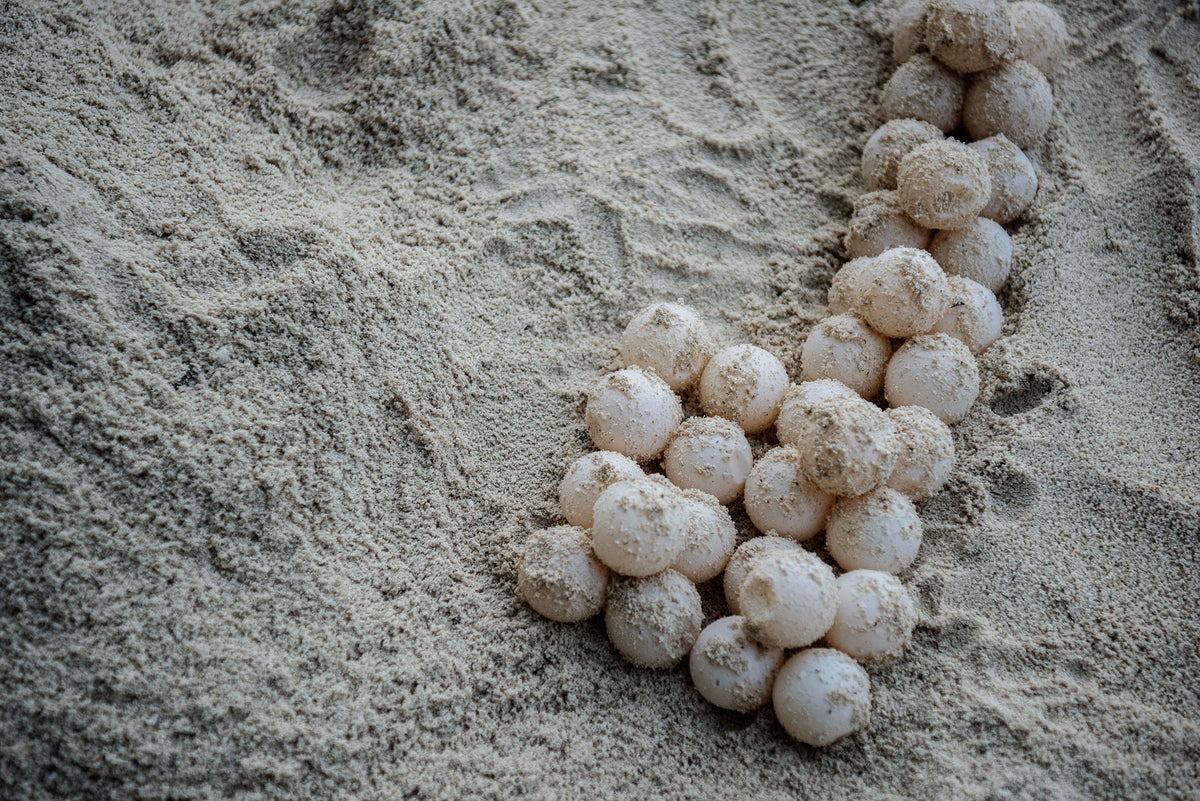
Green and hawksbill turtles are part of the wider protected-island ecosystem, with reef encounters and natural nesting activity adding a conservation dimension to the stay.
Macro & jawfish
Sites such as Jawfish Lair reward slow diving for jawfish, gobies, nudibranchs, frogfish, ghost pipefish and other small subjects rather than only wide-angle reef scenery.
Accessible wreck variety
The Lankayan, Mosquito and Jetty wreck areas add structure, schooling fish and photographic variety without turning the destination into a specialist deep-wreck trip.
Seasonal whale-shark chance
Whale sharks are a seasonal possibility in the wider Sulu Sea. They should be viewed as an exceptional bonus, never a promised encounter or a reason to chase wildlife.
DIVE SITE GUIDE
Dive sites in Lankayan Island
Explore the character of individual sites, from the setting and marine life to the diving conditions. Open a card for the full description; site access and the final profile depend on conditions and experience.
ORIENTATION MAP
Where the dive sites are
Use the map to understand how the key sites are spread around the destination. Pins are for trip-planning orientation only; entry points, moorings and the final dive plan are always confirmed by the local operator on the day.
Six mapped sites: four positions from Reef Check Malaysia's published 2024 reef-survey table and two approximate public OpenStreetMap dive-site/vicinity references. Mosquito Wreck and Lost Reef are intentionally not pinned because reliable site-level coordinates have not been confirmed. Survey positions are not entry points or moorings. This map is for orientation only, never navigation.
Artificial wrecks · Reef growth
Lankayan Wreck
Lankayan Wreck consists of two confiscated fishing vessels deliberately sunk as artificial reef and linked by guide ropes.
Explore this dive site
- Type
- Artificial wrecks · Reef growth
- Depth
- 15–24 m
- Experience
- Beginner–Intermediate
- Current
- Mild
Lankayan Wreck consists of two confiscated fishing vessels deliberately sunk as artificial reef and linked by guide ropes. The useful profile is roughly 15–24 metres, deep enough to feel like a real wreck dive but still accessible to recreational divers with good buoyancy.
Giant groupers, bamboo sharks, schooling yellow fish and small macro subjects use the deteriorating wooden structures. Penetration should be avoided because the hulls are degrading; exterior exploration provides more than enough interest. The map shows a publicly mapped OpenStreetMap dive-site position; confirm the actual mooring with the operator.
Look for: Two artificial wrecks · 15–24 m · Giant grouper · No penetration
Best for: Giant grouper · Bamboo sharks · Macro · Wreck photography
WWII wreck · Historical site
Mosquito Wreck
Mosquito Wreck is a genuine Second World War Japanese vessel lying on its side in roughly 15–25 metres.
Explore this dive site
- Type
- WWII wreck · Historical site
- Depth
- 15–25 m
- Experience
- Intermediate
- Current
- Mild
Mosquito Wreck is a genuine Second World War Japanese vessel lying on its side in roughly 15–25 metres. The surviving bow gun gives the site a strong historical focal point, while jacks, barracuda and large groupers use the broken metal as habitat.
The wreck is structurally degraded, so the safest and most respectful dive remains on the exterior. Mild current usually allows a deliberate circuit rather than a fast drift. No map pin is shown until the operator confirms a reliable position for this wreck.
Look for: WWII wreck · Intact bow gun · 15–25 m · Exterior only
Best for: Bow gun · Barracuda · Jacks · Groupers
Small wreck · House reef · Macro
Jetty Wreck
Jetty Wreck is the easy-access wreck directly by the resort area, with a small scuttled boat and artificial structures around a white-sand bottom.
Explore this dive site
- Type
- Small wreck · House reef · Macro
- Depth
- 5–20 m
- Experience
- Beginner
- Current
- Mild
Jetty Wreck is the easy-access wreck directly by the resort area, with a small scuttled boat and artificial structures around a white-sand bottom. The site reaches about 20 metres but much of the useful dive is shallower, making it ideal for check dives and night photography.
Painted frogfish, blue-spotted stingrays, batfish and smaller invertebrates are the main draw rather than wreck penetration. Guide ropes simplify navigation, although divers still need good buoyancy around new coral growth. The map shows the publicly mapped jetty diving vicinity, not the exact location of the artificial wreck.
Look for: House-reef wreck · Max ~20 m · Macro photography · Night dive
Best for: Frogfish · Stingrays · Batfish · Night diving
Coral garden · Sand · Macro
Jawfish Lair
Jawfish Lair is a hard-coral garden that slopes toward sand where yellow jawfish build burrows.
Explore this dive site
- Type
- Coral garden · Sand · Macro
- Depth
- 10–28 m
- Experience
- Beginner
- Current
- Mild
Jawfish Lair is a hard-coral garden that slopes toward sand where yellow jawfish build burrows. Patient divers may see males mouth-brooding eggs, while mimic octopus, mantis shrimp and leopard sharks are additional possibilities on the deeper flats.
The site rewards precise buoyancy because sudden movement or contact can send the jawfish straight underground. Depth is flexible, from the upper reef down toward the high twenties, so mixed-experience groups can stay shallower. The map uses a published Reef Check survey-site coordinate; it does not identify an entry point or mooring.
Look for: Yellow jawfish · Macro photography · 10–28 m · Coral-to-sand slope
Best for: Yellow jawfish · Mimic octopus · Leopard sharks possible
Patch reef · Sand · Macro
Goby Rock
Goby Rock is a protected patch reef descending from shallow coral to flat sand.
Explore this dive site
- Type
- Patch reef · Sand · Macro
- Depth
- 5–20 m
- Experience
- Beginner
- Current
- Mild
Goby Rock is a protected patch reef descending from shallow coral to flat sand. The sandy edge is ideal for watching gobies share burrows with alpheid shrimp, while blue-spotted rays may lie partly buried nearby.
Whitetip reef sharks can patrol the upper reef, giving a surprisingly broad range of subjects on an otherwise easy dive. Slow finning is important to keep the sand clear and avoid startling hidden rays. The profile stays inside about 20 metres, making it one of Lankayan’s most accessible natural sites.
Look for: Goby-shrimp symbiosis · Blue-spotted rays · Max ~20 m · Beginner friendly
Best for: Goby-shrimp pairs · Whitetip sharks · Blue-spotted rays
Patch reef · Giant clams
Pegaso Reef
Pegaso Reef is a natural patch reef north of Lankayan where visibility is often better than at the more sheltered inner sites.
Explore this dive site
- Type
- Patch reef · Giant clams
- Depth
- 5–20 m
- Experience
- Beginner
- Current
- Mild
Pegaso Reef is a natural patch reef north of Lankayan where visibility is often better than at the more sheltered inner sites. Giant clams are a particular feature, their bright mantles adding colour among recovering coral and rubble.
The dive is shallow and relaxed, generally remaining above about 20 metres, so it works well after a wreck or as a long photographic session. Mild conditions make the site accessible to new divers. The map uses a published Reef Check survey-site coordinate, not a confirmed mooring.
Look for: Giant clams · Shallow patch reef · Clearer water · Relaxed profile
Best for: Giant clams · Coral recovery · Clearer water
Rock pinnacle · Reef
Bimbo Rock
Bimbo Rock is one of the long-established named reefs around Lankayan and is built around an exposed rock/pinnacle rather than a flat sand patch.
Explore this dive site
- Type
- Rock pinnacle · Reef
- Depth
- 5–25 m
- Experience
- Beginner–Intermediate
- Current
- Mild–Moderate
Bimbo Rock is one of the long-established named reefs around Lankayan and is built around an exposed rock/pinnacle rather than a flat sand patch. Large grouper are associated with the deeper side, while reef sharks may patrol the perimeter.
The site gives divers more three-dimensional scenery than the macro-oriented sand reefs but remains manageable in normal conditions. A shallow-to-mid-depth circuit allows plenty of time for both wide-angle and smaller reef subjects. The map uses a published Reef Check survey-site coordinate, not a confirmed mooring.
Look for: Rock pinnacle · Large grouper · Reef sharks possible · Wide-angle reef
Best for: Large grouper · Reef sharks possible · Rock scenery
Outer patch reef · Coral garden
Lost Reef
Lost Reef represents Lankayan’s outer natural reef diving, away from the artificial wreck structures near the island.
Explore this dive site
- Type
- Outer patch reef · Coral garden
- Depth
- 5–25 m
- Experience
- Beginner–Intermediate
- Current
- Mild
Lost Reef represents Lankayan’s outer natural reef diving, away from the artificial wreck structures near the island. Shallow coral gardens support juvenile fish and macro life, while whitetip and grey reef sharks are reported more often around the outer reef edges.
The dive is generally relaxed, with enough depth range to choose a comfortable profile rather than forcing a deep section. Seasonal whale sharks are a remote possibility in the wider area but should never be presented as a guaranteed encounter. No map pin is shown until a reliable site position is supplied by the operator.
Look for: Outer reef · Coral garden · Reef sharks possible · Seasonal pelagic chance
Best for: Coral garden · Reef sharks · Seasonal pelagics
Underwater photography
Lankayan is unusually flexible for photographers because one trip can move between wide-angle coral, turtles and wreck structure and slower macro dives for jawfish, frogfish, gobies and nudibranchs. A wet or dry wide-angle setup works well on the reefs and wrecks, while a macro lens is valuable on sand, rubble and house-reef dives. For reef scenes, use the shape of the reef and the available light to give the image depth. A diver at a respectful distance can provide scale without crowding an animal.
Beyond diving: Lankayan Island above the surface
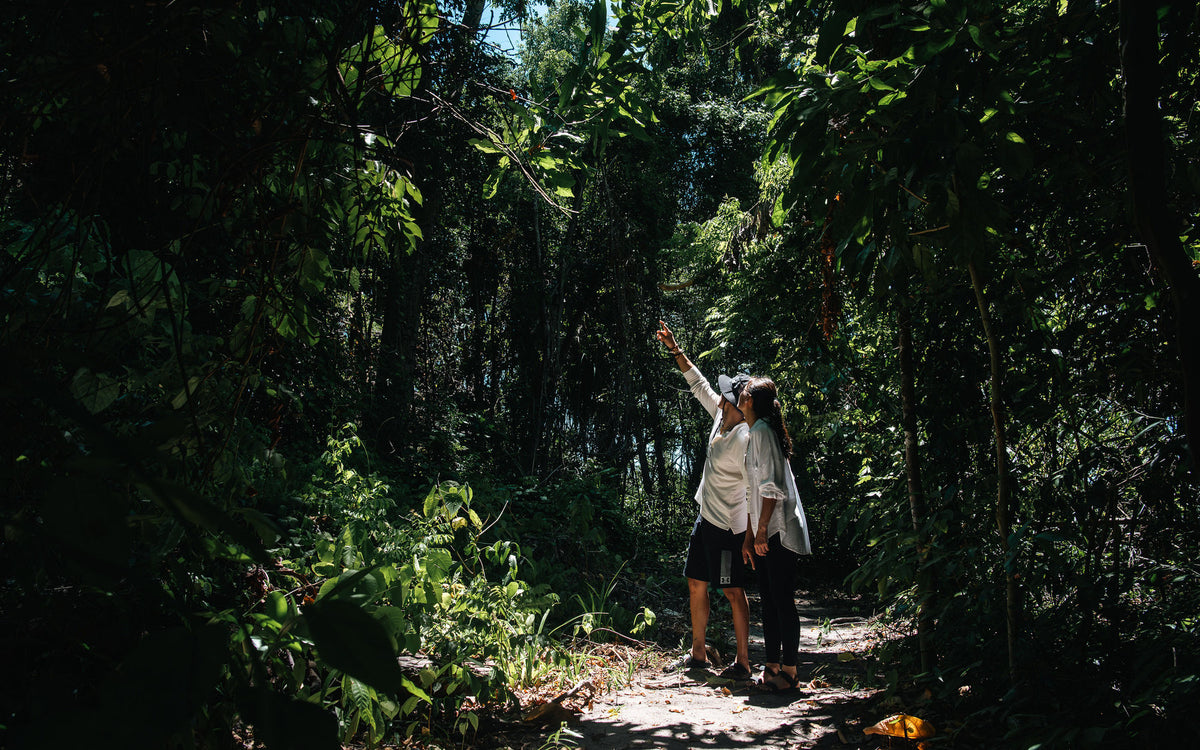
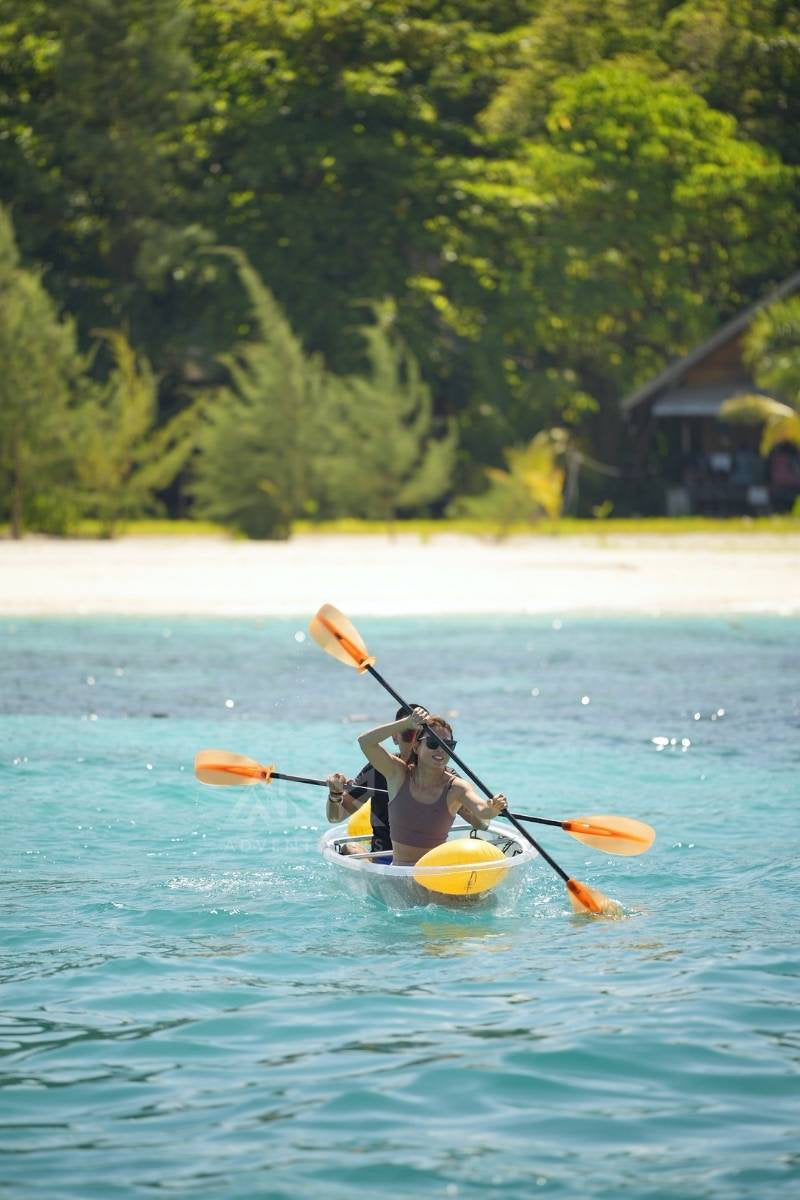
Beach walks, snorkelling and kayaking make Lankayan attractive to companions who enjoy quiet nature. The island’s conservation work adds another dimension, with turtle nesting or hatchling activity possible when it occurs naturally. These events belong to the animals’ timing, not a visitor schedule.
Sandakan can provide a contrasting mainland chapter before or after the island, but the two settings should have their own time. On Lankayan, the pleasure is a simple routine of sea, meals and a peaceful place to pause.
Getting to Lankayan Island
Sandakan is the gateway. Guests normally fly to Sandakan Airport, continue by road to the resort jetty and then take the scheduled boat across the Sulu Sea to Lankayan. The operator publishes fixed transfer times, so arrival and departure flights must be planned around the current boat schedule rather than treated as fully flexible.
Choose arrival and departure times around the onward transfer, especially when a boat crossing or a long road journey is involved. Leave space for a relaxed final day ashore and an appropriate interval between the last dive and flying.
Lankayan Island diving questions
What makes Lankayan Island worth a diving trip?
Lankayan is a small island with enough underwater variety to fill an unhurried stay: reef outcrops, sand-and-rubble subjects, wrecks and turtles. Short local boat journeys leave more time to enjoy the island between dives.
How should I plan my stay?
Plan around the island’s scheduled boat transfer from Sandakan. Five to seven nights allows a mix of reefs, macro searches and suitable wreck dives without a hurried arrival and departure. Turtles and reef life make a stronger foundation for the trip than hoping for a rare whale-shark encounter.
When is a useful time to visit?
March to October is a useful general planning window. Sea conditions affect the crossing and individual sites, while turtles and other animals remain wild. Fixed boat-transfer arrangements make well-chosen flight times and a Sandakan buffer especially important.
Is there enough for non-diving companions?
Beach walks, snorkelling and kayaking make Lankayan attractive to companions who enjoy quiet nature. The island’s conservation work adds another dimension, with turtle nesting or hatchling activity possible when it occurs naturally. These events belong to the animals’ timing, not a visitor schedule.
A closer look at Lankayan Island




Plan your Lankayan Island trip
Tell us the experiences you most want, your preferred dates and how you like to travel. We can bring the destination, accommodation and diving into one coherent itinerary.
Plan my trip