

Destination guide · Malaysia
Mataking & Outer Semporna Diving
Mataking and the outer Semporna islands offer a reef holiday of their own: coral slopes, walls, turtle habitat and small subjects spread across neighbouring islands. The appeal is in that variety and the setting you return to between dives.
Mataking & Outer Semporna at a glance
Mataking is a resort-based dive base in the outer Semporna island chain, with access to reefs around Mataking, Timba-Timba, Pandanan and other offshore islands. The diving mixes coral slopes, walls, a local wreck, turtle habitat and macro sites within a compact boat-based programme.
This is a different proposition from using Mabul as a gateway to Sipadan. Mataking stands on its own for outer-island reef diving, and any Sipadan day must be treated as a separate permit-dependent option rather than assumed in the destination description.
Planning your Mataking stay
Compare the resort experience and the boat programme around Mataking, Timba-Timba, Pandanan and other offered sites. Five to seven nights leaves time for local reefs, the wreck and island excursions. Choose the base because you want these islands, with any farther excursion treated separately.
When to dive Mataking
March to October is a useful planning window, with local diving possible outside it when conditions suit. The main practical issues are boat-transfer timing and which outer islands are comfortable to reach each day.
Planning window: Best March–October.
What the diving is like
Open Water divers can enjoy the house reef and many shallow reefs; Advanced experience is useful for deeper walls and stronger-current days.
Mataking house reef
The local house reef provides an easy introduction to the area, with coral, schooling fish and regular reef life close to the island. It is useful for check dives, relaxed afternoon dives and guests who prefer shorter boat transfers.
Mataking wreck
The island’s wreck has become an artificial-reef feature where reef fish, groupers, lionfish, nudibranchs and turtles may be encountered. Depth and profile depend on the chosen route around the structure.
Timba-Timba reefs
Nearby Timba-Timba adds clear-water reef scenery, turtles and sandy-bottom wildlife. It broadens a Mataking stay beyond the resort’s immediate reef and works well for wide-angle photography.
Pandanan macro sites
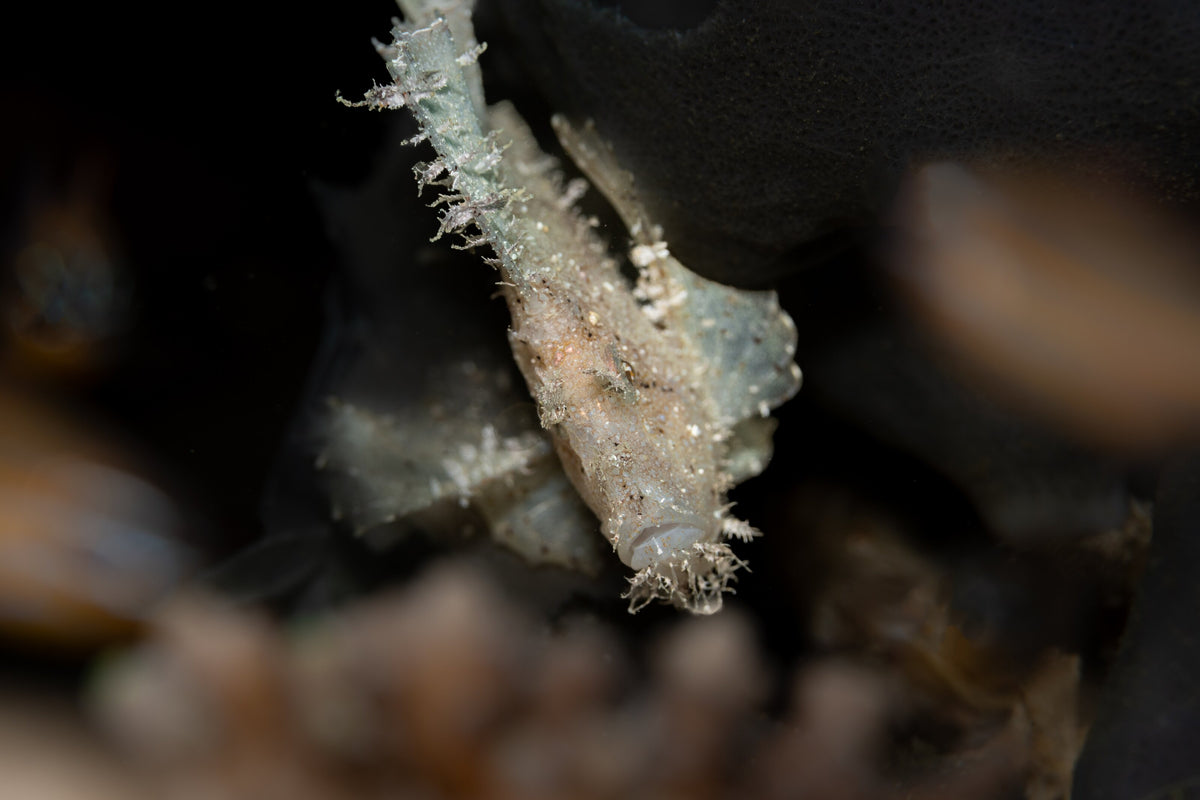
Pandanan adds shallower coral and sandy habitats with nudibranchs, gobies, crustaceans and frogfish potential, creating a useful macro counterpoint to the area’s turtle and reef-focused dives.
DIVE SITE GUIDE
Dive sites in Mataking & Outer Semporna
Explore the character of individual sites, from the setting and marine life to the diving conditions. Open a card for the full description; site access and the final profile depend on conditions and experience.
ORIENTATION MAP
Where the dive sites are
Use the map to understand how the key sites are spread around the destination. Pins are for trip-planning orientation only; entry points, moorings and the final dive plan are always confirmed by the local operator on the day.
Coordinates are orientation references, not navigation coordinates. 'verified' means a published site coordinate; 'operator' means a clearly labelled island, locality or dive-area anchor used where the exact mooring/drop is not publicly verified. Entry points, currents and the final dive plan are always confirmed by the local operator on the day.
House reef · Wall · Coral
Mataking House Reef
Mataking House Reef begins directly off the island and can be kept shallow for check dives or extended down the wall by experienced groups.
Explore this dive site
- Type
- House reef · Wall · Coral
- Depth
- 4–40 m
- Experience
- Beginner–Intermediate
- Current
- Mild
Mataking House Reef begins directly off the island and can be kept shallow for check dives or extended down the wall by experienced groups. Schools of jacks, goatfish and mullet use the reef, while a large resident barracuda is a familiar local character.
The protected access and broad depth range make the site useful for both daytime orientation and night macro dives. There is no reason to push deep on the first dive; the upper coral fields hold much of the life. The map uses Mataking Island itself as the operator-area anchor.
Look for: Easy access · 4–40 m range · Jacks & barracuda · Night diving
Best for: Check dives · Barracuda · Jacks · Night diving
Artificial wreck · Underwater post
Mataking 1 Shipwreck
The Mataking 1 is a 40-foot wooden cargo boat deliberately sunk in 2006 to create an artificial reef and underwater post-office attraction.
Explore this dive site
- Type
- Artificial wreck · Underwater post
- Depth
- 15–30 m
- Experience
- Intermediate
- Current
- Mild
The Mataking 1 is a 40-foot wooden cargo boat deliberately sunk in 2006 to create an artificial reef and underwater post-office attraction. The wreck sits within a typical 15–30 metre recreational profile and is now used by grouper, sweetlips, lionfish and smaller reef species.
Exterior exploration is the sensible focus because the structure is small and the surrounding reef is part of the experience. The dive combines a recognizable man-made subject with ordinary coral-reef life rather than functioning as a technical wreck. The map uses the Mataking Island anchor because the resort does not publish a separate numeric wreck GPS.
Look for: Underwater post office · Scuttled in 2006 · 15–30 m · Artificial reef
Best for: Underwater post office · Artificial reef · Grouper
Wall · Channel · Pelagic
North Point (Alice Channel)
North Point sits where Mataking’s reef drops toward the deep Alice Channel, turning the dive into a more exposed wall profile than the protected house reef.
Explore this dive site
- Type
- Wall · Channel · Pelagic
- Depth
- 10–40 m
- Experience
- Advanced
- Current
- Moderate–Strong
North Point sits where Mataking’s reef drops toward the deep Alice Channel, turning the dive into a more exposed wall profile than the protected house reef. The useful range begins around 10 metres but can extend toward 40 metres, so advanced divers should set a clear maximum depth before entry.
Current can bring larger fish into the channel and also make group control more demanding. The strongest route stays close to the wall for reference and finishes shallower on the reef rather than drifting into open water. The map uses the island anchor because the exact north-point drop is operator and tide dependent.
Look for: Alice Channel · 10–40 m · Advanced wall · Pelagic potential
Best for: Deep wall · Pelagics · Current diving
Sandy shelf · Reef
Stingray City (Timba Timba)
Stingray City lies off Timba Timba on a deeper sandy shelf around 20–30 metres.
Explore this dive site
- Type
- Sandy shelf · Reef
- Depth
- 20–30 m
- Experience
- Intermediate
- Current
- Mild–Moderate
Stingray City lies off Timba Timba on a deeper sandy shelf around 20–30 metres. A resident group of stingrays is the headline attraction, while turtles, large cuttlefish, sea snakes and occasional nurse sharks add variety.
The open sand makes good buoyancy especially important because a few careless fin kicks can destroy visibility. Mild to moderate drift is normal, so the group should follow the guide rather than settling directly on the bottom. The coordinate is the published Timba Timba Island position, used as an area anchor rather than an exact stingray station.
Look for: Stingray school · 20–30 m · Timba Timba · Sandy shelf
Best for: Stingrays · Turtles · Cuttlefish · Nurse sharks possible
Shallow reef · Muck · Sand
Frog Fish Farm (Pandanan)
Frog Fish Farm is a shallow macro site off Pandanan where coral gives way to sand and rubble.
Explore this dive site
- Type
- Shallow reef · Muck · Sand
- Depth
- 5–15 m
- Experience
- Beginner
- Current
- Mild
Frog Fish Farm is a shallow macro site off Pandanan where coral gives way to sand and rubble. The depth is only about 5–15 metres and current is usually very light, allowing divers to search slowly for camouflaged frogfish, nudibranchs, gobies, shrimp and jawfish.
The challenge is visual rather than physical: small animals disappear into the substrate and careless finning can cover them in silt. Long bottom time makes the site particularly effective for photographers. The map uses the published Pulau Pandanan coordinate as the local anchor.
Look for: 5–15 m · Frogfish · Mild current · Macro photography
Best for: Frogfish · Nudibranchs · Jawfish · Macro
Wall · Coral · Gorgonians
Kalapuan R.D. Wall
Kalapuan’s wall diving adds a steeper reef profile to the outer Semporna islands.
Explore this dive site
- Type
- Wall · Coral · Gorgonians
- Depth
- 5–30 m
- Experience
- Intermediate
- Current
- Mild–Moderate
Kalapuan’s wall diving adds a steeper reef profile to the outer Semporna islands. Coral, gorgonians and reef fish line the drop, and the route can be kept in the middle recreational range rather than pushed deep.
Current is usually manageable but can strengthen around exposed corners, so the guide selects the direction according to conditions. The site works well for wide-angle photography and as a contrast to the nearby sandy macro dives. The map uses the published Pulau Kalapuan coordinate because the precise wall entry is not separately published.
Look for: Island wall · Gorgonians · Wide angle · Flexible depth
Best for: Wall scenery · Gorgonians · Reef fish
Sloping wall · Gorgonians
Bohayan Pygmy Point
Bohayan’s reef is a sloping wall where red gorgonian fans around the mid-teens are used by pygmy seahorses.
Explore this dive site
- Type
- Sloping wall · Gorgonians
- Depth
- 5–25 m
- Experience
- Beginner–Intermediate
- Current
- Mild
Bohayan’s reef is a sloping wall where red gorgonian fans around the mid-teens are used by pygmy seahorses. The site is accessible to newer divers because useful habitat begins shallow and the profile can stay within 25 metres.
Finding the seahorses requires patience and a guide familiar with individual fans; repeated bright flashes should be avoided around such small animals. The wider reef still offers enough coral and fish life for divers without macro cameras. The map uses the nearby Boheian/Bohayan island coordinate as an area anchor.
Look for: Pygmy seahorses · Gorgonian fans · 5–25 m · Macro focus
Best for: Pygmy seahorses · Gorgonians · Macro
Reef slope · Macro
Mandarin Heaven (Pom Pom)
Mandarin Heaven starts on a shallow Pom Pom plateau around 5 metres and continues down a gentle slope beyond normal beginner depth.
Explore this dive site
- Type
- Reef slope · Macro
- Depth
- 5–40 m
- Experience
- Beginner–Intermediate
- Current
- Mild
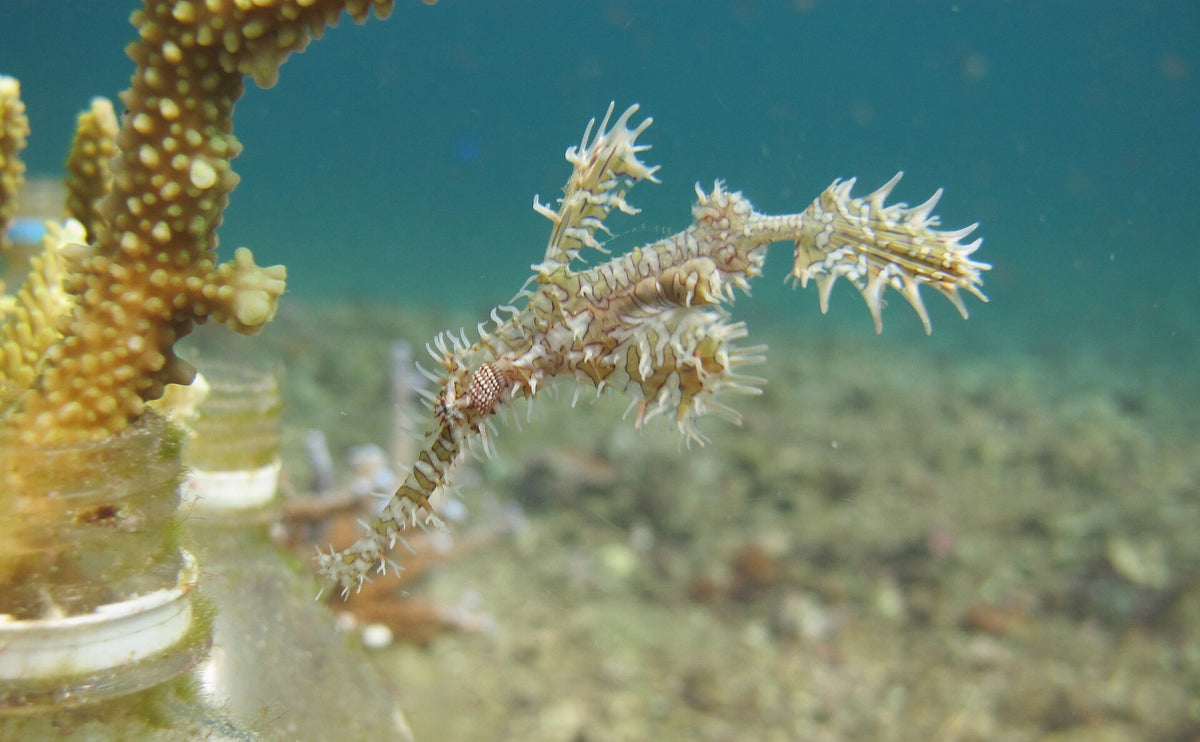
Mandarin Heaven starts on a shallow Pom Pom plateau around 5 metres and continues down a gentle slope beyond normal beginner depth. Coral heads and artificial structures create habitat for octopus, shrimp, ghost pipefish, lionfish and the mandarinfish that give the site its name.
Most divers gain more from staying in the productive shallows than from following the slope deep. Mild conditions and easy boat access make it suitable for macro-focused dives and late-afternoon behaviour watching. The coordinate uses the published Pom Pom Island position rather than claiming an exact reef entry.
Look for: Mandarinfish · Macro slope · Starts ~5 m · Pom Pom Island
Best for: Mandarinfish · Ghost pipefish · Octopus · Macro
Underwater photography
At Mataking House Reef, check dives, Barracuda, Jacks, Night diving give an idea of the photographic possibilities. Choose the camera setup for the planned sites, then leave time to observe the scene before making the image. Repeating a productive dive often creates better opportunities than constantly searching for a different location. For reef scenes, use the shape of the reef and the available light to give the image depth. A diver at a respectful distance can provide scale without crowding an animal.
Beyond diving: Mataking above the surface
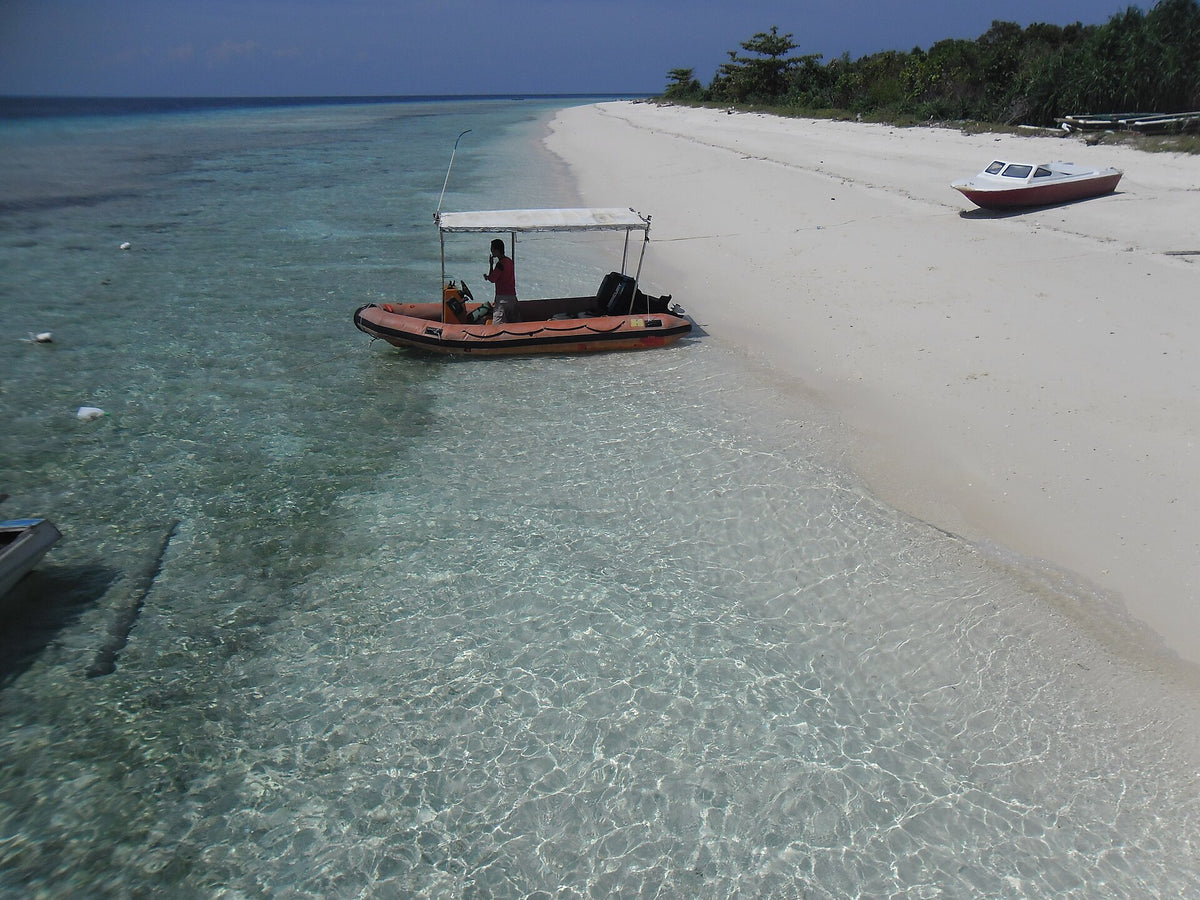
Beaches, snorkelling, sea views and gentle resort activities make Mataking a good fit for a quieter island holiday. The offshore setting can work particularly well for couples who want shared relaxation alongside a few diving days.
Excursions to nearby islands add variety where conditions and access allow. This is a different base from Mabul, so choose it for the Mataking and outer-island programme. Any Sipadan visit is a separate permit-dependent arrangement and should never be assumed from the Semporna location alone.
Getting to Mataking
Fly to Tawau (TWU), continue by road to Semporna and transfer by resort boat to Mataking. Boat departure windows and luggage handling should be checked with the selected property before flights are finalised.
Choose arrival and departure times around the onward transfer, especially when a boat crossing or a long road journey is involved. Leave space for a relaxed final day ashore and an appropriate interval between the last dive and flying.
Mataking diving questions
What makes Mataking worth a diving trip?
Mataking and the outer Semporna islands offer a reef holiday of their own: coral slopes, walls, turtle habitat and small subjects spread across neighbouring islands. The appeal is in that variety and the setting you return to between dives.
How should I plan my stay?
Compare the resort experience and the boat programme around Mataking, Timba-Timba, Pandanan and other offered sites. Five to seven nights leaves time for local reefs, the wreck and island excursions. Choose the base because you want these islands, with any farther excursion treated separately.
When is a useful time to visit?
March to October is a useful planning window, with local diving possible outside it when conditions suit. The main practical issues are boat-transfer timing and which outer islands are comfortable to reach each day.
Is there enough for non-diving companions?
Beaches, snorkelling, sea views and gentle resort activities make Mataking a good fit for a quieter island holiday. The offshore setting can work particularly well for couples who want shared relaxation alongside a few diving days.
A closer look at Mataking & Outer Semporna






Plan your Mataking trip
Tell us the experiences you most want, your preferred dates and how you like to travel. We can bring the destination, accommodation and diving into one coherent itinerary.
Plan my tripPhoto credits
Images are resized for display and may be cropped to fit the page layout.
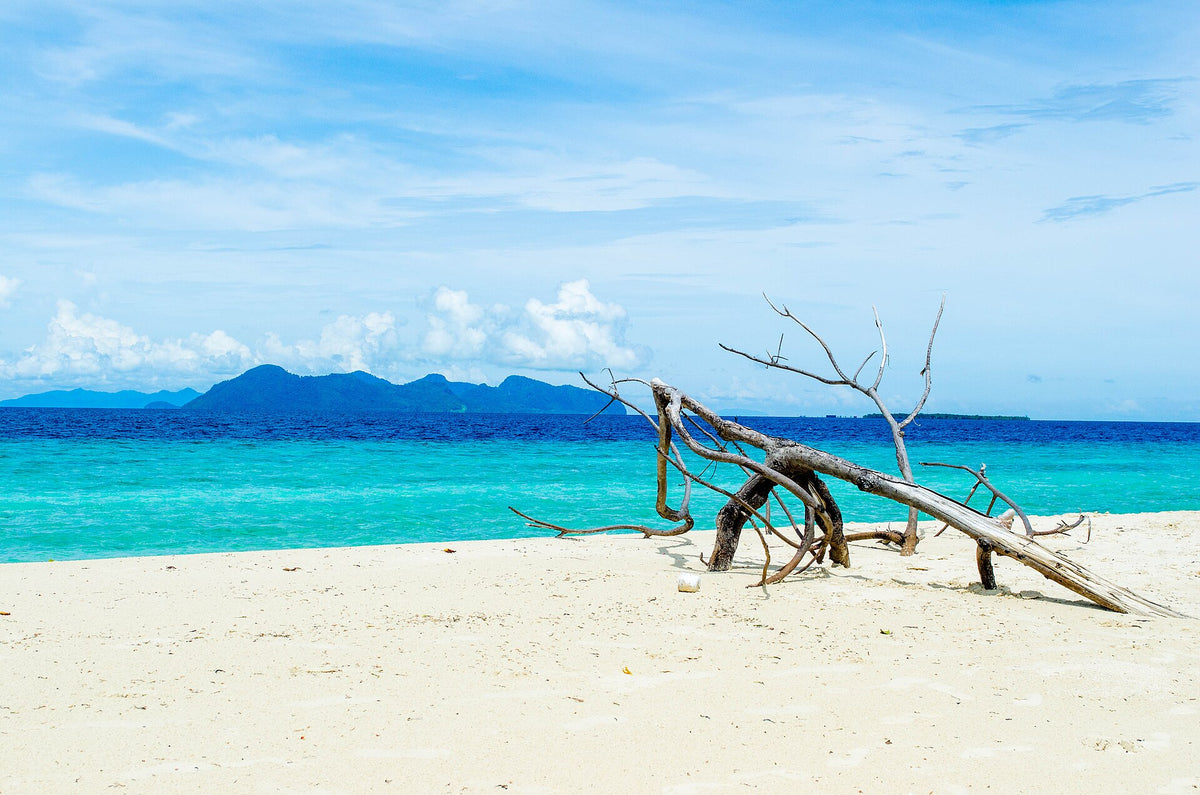
- White sand and turquoise water at Mataking Island, Sabah: Mataking Island Sabah.jpg — Angah hfz. CC BY-SA 4.0. Web-size image supplied by Wikimedia Commons; no scene edits.
- Green turtle resting on the reef at Pom Pom Island, outer Semporna: Green Turtlel on Pom Pom Island, Celebes resort, Sabah.JPG — Profmauri. CC BY-SA 3.0. Web-size image supplied by Wikimedia Commons; no scene edits.
- School of yellow-striped snapper at Pom Pom Island, Sabah: One line snapper school on Pom Pom Island, Celebes resort, Sabah.JPG — Profmauri. CC BY-SA 3.0. Web-size image supplied by Wikimedia Commons; no scene edits.
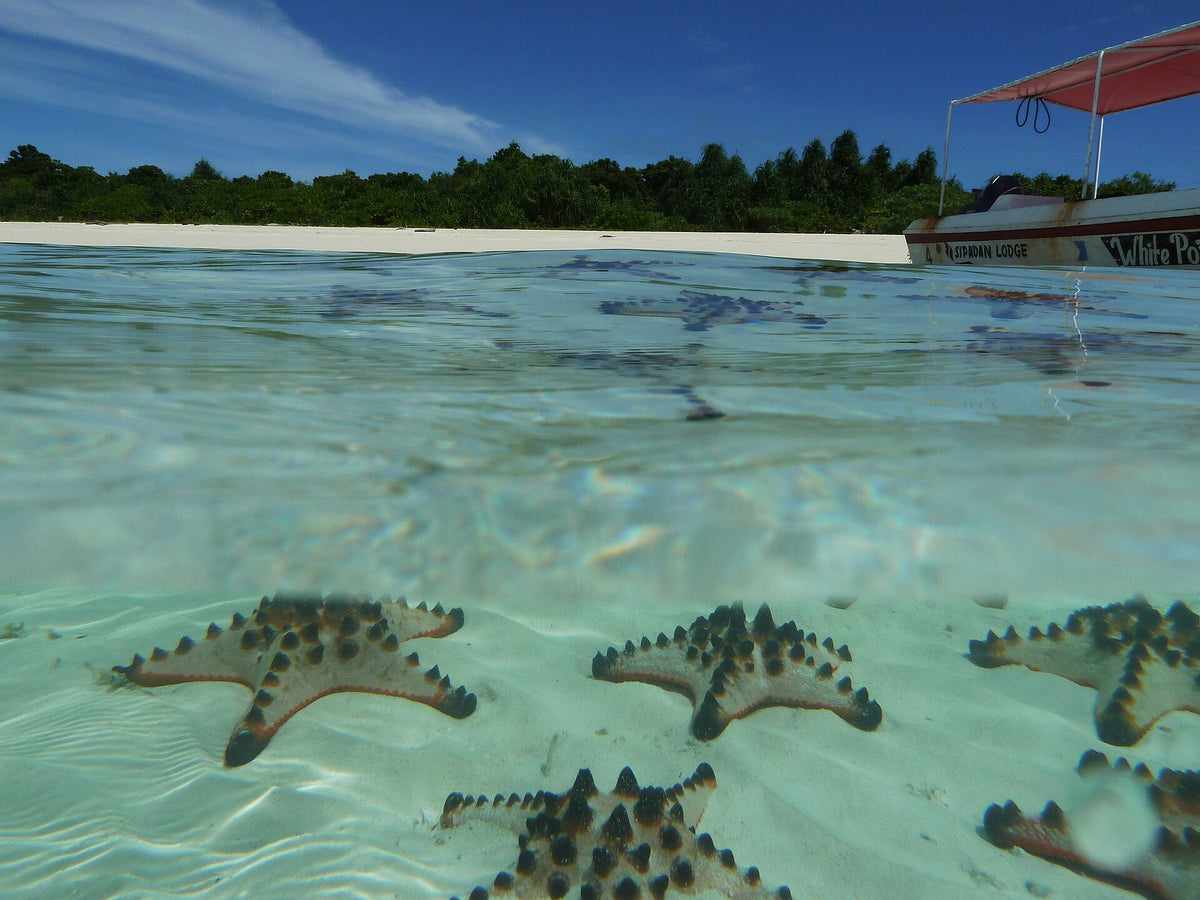
- Sea stars in the shallow lagoon at Pom Pom Island, Sabah: Starfish in lagoon on Pom Pom Island, Celebes resort, Sabah.JPG — Profmauri. CC BY-SA 3.0. Web-size image supplied by Wikimedia Commons; no scene edits.
- Painted lobster sheltering on the reef at Pom Pom Island: Painted lobster on Pom Pom Island, Celebes resort, Sabah.JPG — Profmauri. CC BY-SA 3.0. Web-size image supplied by Wikimedia Commons; no scene edits.
- Hawksbill turtle swimming at Pom Pom Island, Sabah: Hawksbill turtle on Pom Pom Island.jpg — Profmauri. CC BY-SA 3.0. Web-size image supplied by Wikimedia Commons; no scene edits.
- Ghost pipefish at Bottle Reef on the north side of Pom Pom Island: Ghost pipe fish living on Bottle reef at N tip of Pom Pom Island, Semporna, Sabah.jpg — Profmauri. CC BY-SA 3.0. Web-size image supplied by Wikimedia Commons; no scene edits.
- Jetty and clear water at Pom Pom Island, outer Semporna: Kampung Jetty on Pom Pom Island, Semporna, Sabah.JPG — Profmauri. CC BY-SA 3.0. Web-size image supplied by Wikimedia Commons; no scene edits.
- White sand, small boats and shallow water at Turtle Beach, Pom Pom Island: Turtle beach Pom Pom Island.JPG — Profmauri. CC BY-SA 3.0. Web-size image supplied by Wikimedia Commons; no scene edits.


