

Destination guide · Malaysia
Redang Island Diving
Redang brings together broad beach scenery and a varied marine-park dive region. Shallow coral gardens offer a gentle start, while deeper reef edges and offshore formations add interest when you want a more expansive underwater view.
Redang Island at a glance
Redang is one of Peninsular Malaysia’s best-known marine-park islands, with clear in-season water, coral gardens and a broad mix of resort-based dive sites. Shallow reefs make the island accessible to newer divers, while seamounts, deeper reef edges and exposed points add interest for experienced guests.
The destination is strongly seasonal. The northeast monsoon normally closes most island resorts and boat operations for part of November through February, so Redang should be sold around confirmed resort opening dates rather than as a year-round island.
Planning your Redang Island stay
Choose the beach and resort style first, then compare the dive programme. Four to six nights allows relaxed reef diving and a few longer excursions without giving up the island holiday. Shallow sites and more exposed mounts should be matched to each diver’s confidence.
When to dive Redang Island
The main island season is broadly March to October. The northeast monsoon brings rougher seas and widespread closures during part of November to February. Use confirmed property opening and boat-transfer dates for the final travel plan.
Planning window: Season March–October.
What the diving is like
Open Water is suitable for many reefs; Advanced experience is useful for deeper sites, seamounts and stronger-current profiles.
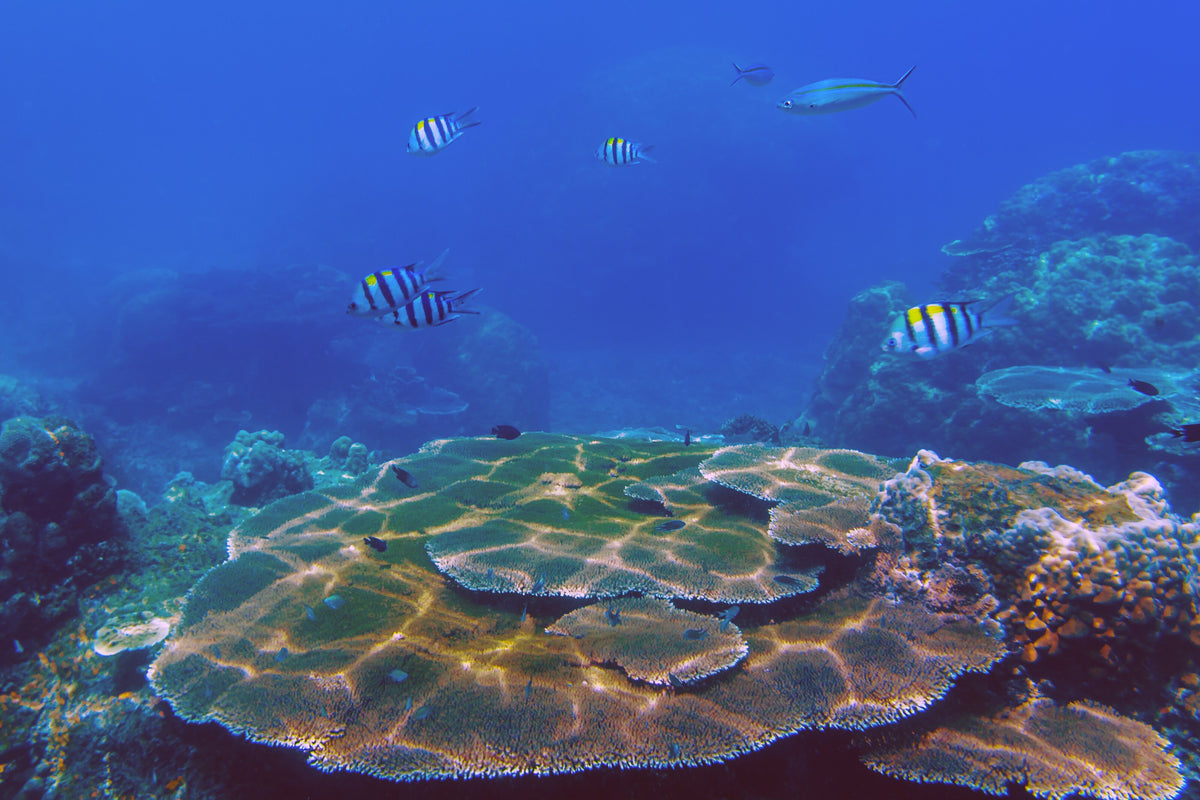
Marine-park coral gardens
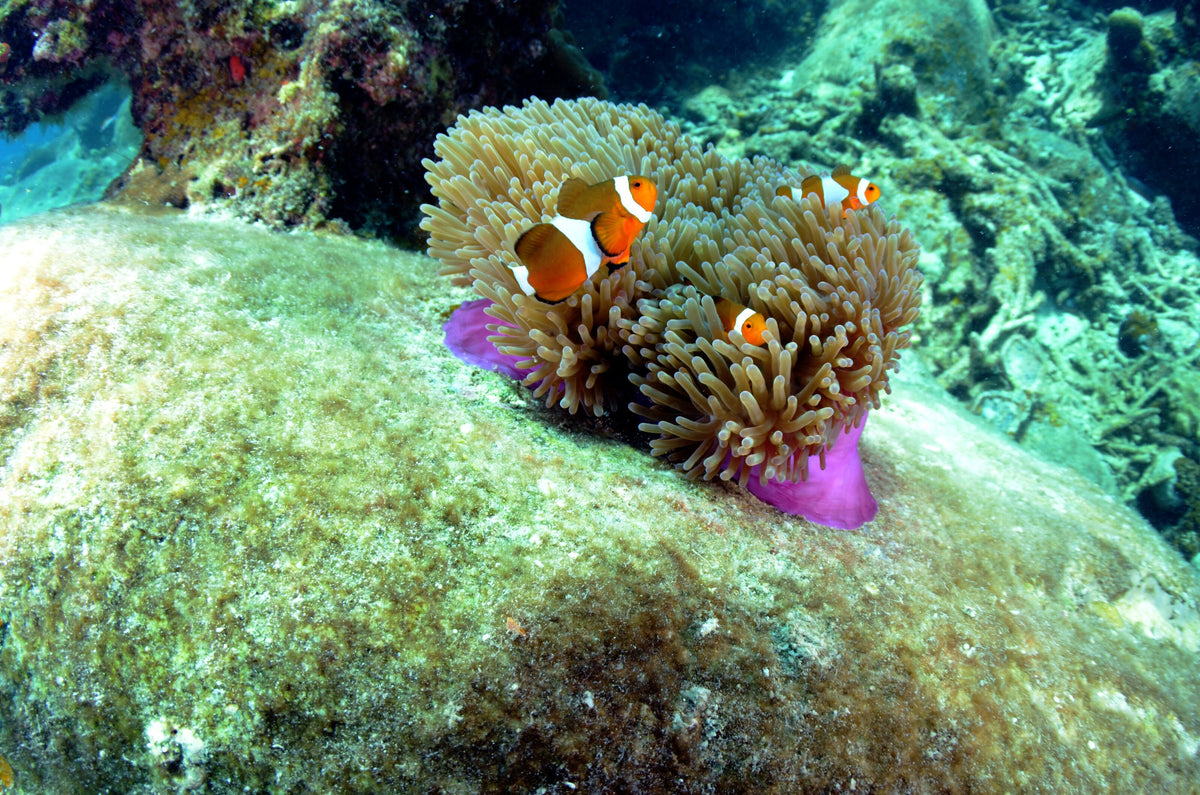
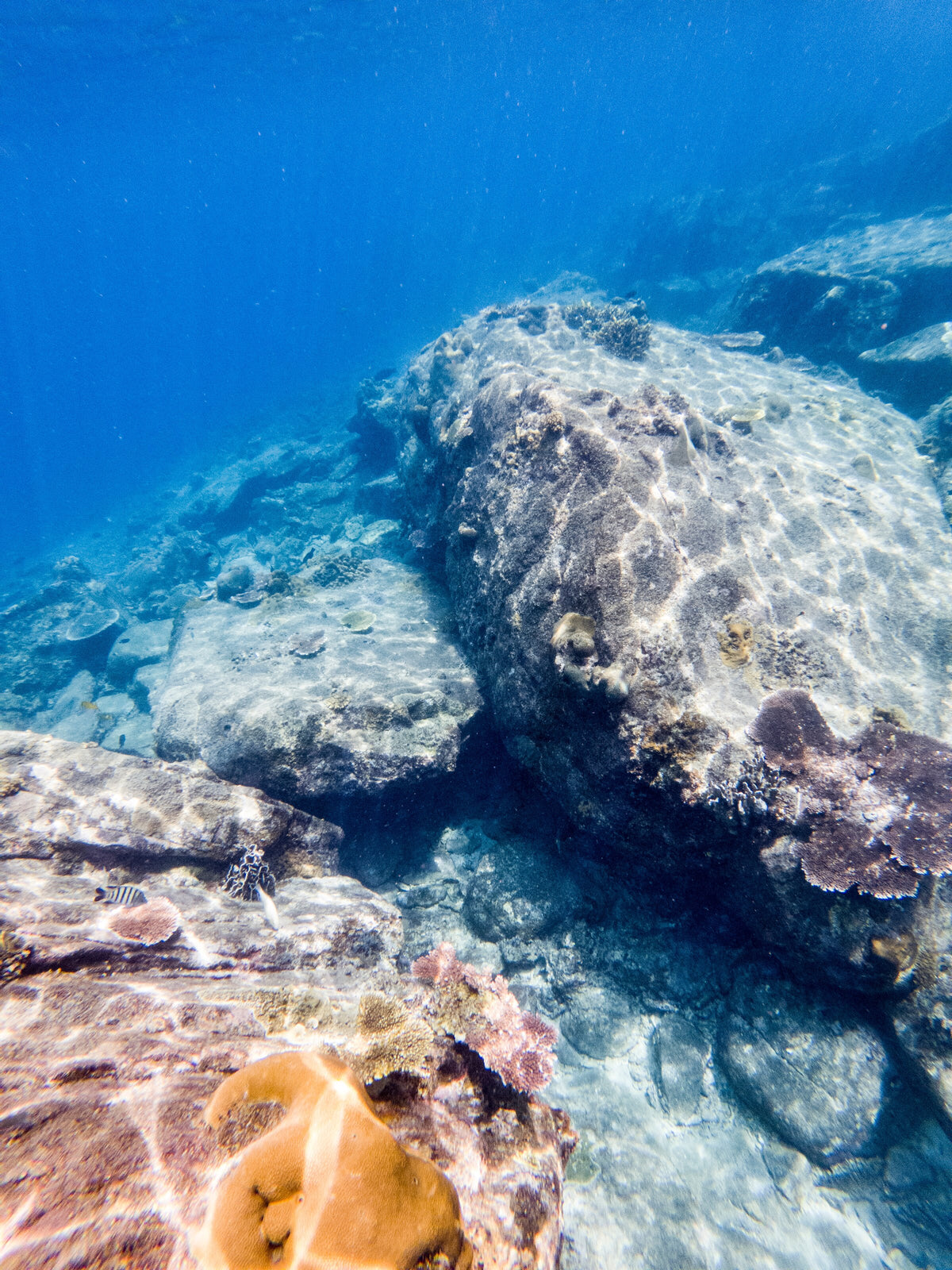
Redang’s protected waters support a broad range of hard and soft coral habitats. Many sites are shallow enough for relaxed diving and snorkelling, making the island particularly good for mixed groups and newer divers.
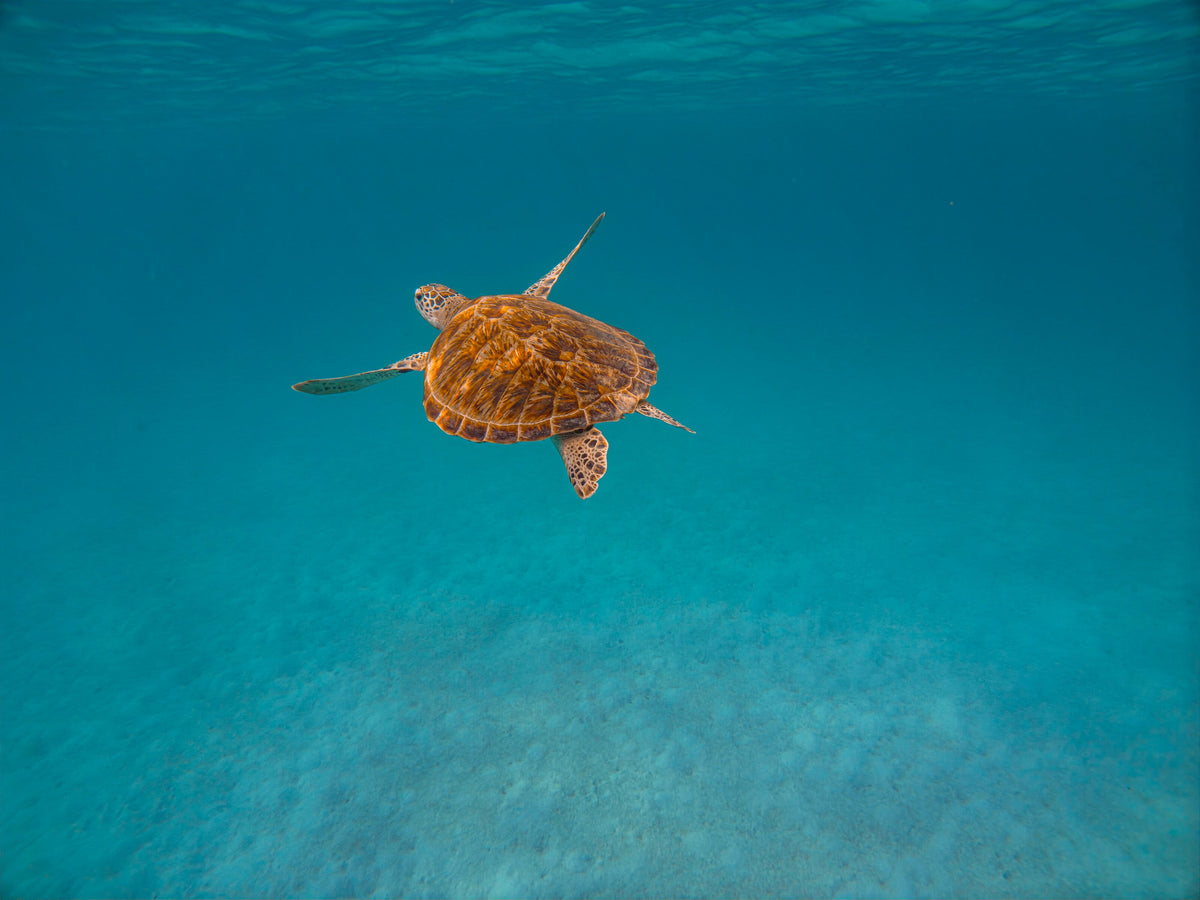
Turtles and reef life
Green and hawksbill turtles are among the animals associated with Redang’s reefs, alongside reef fish, rays and occasional reef sharks. Encounters vary naturally and should never be treated as guaranteed.
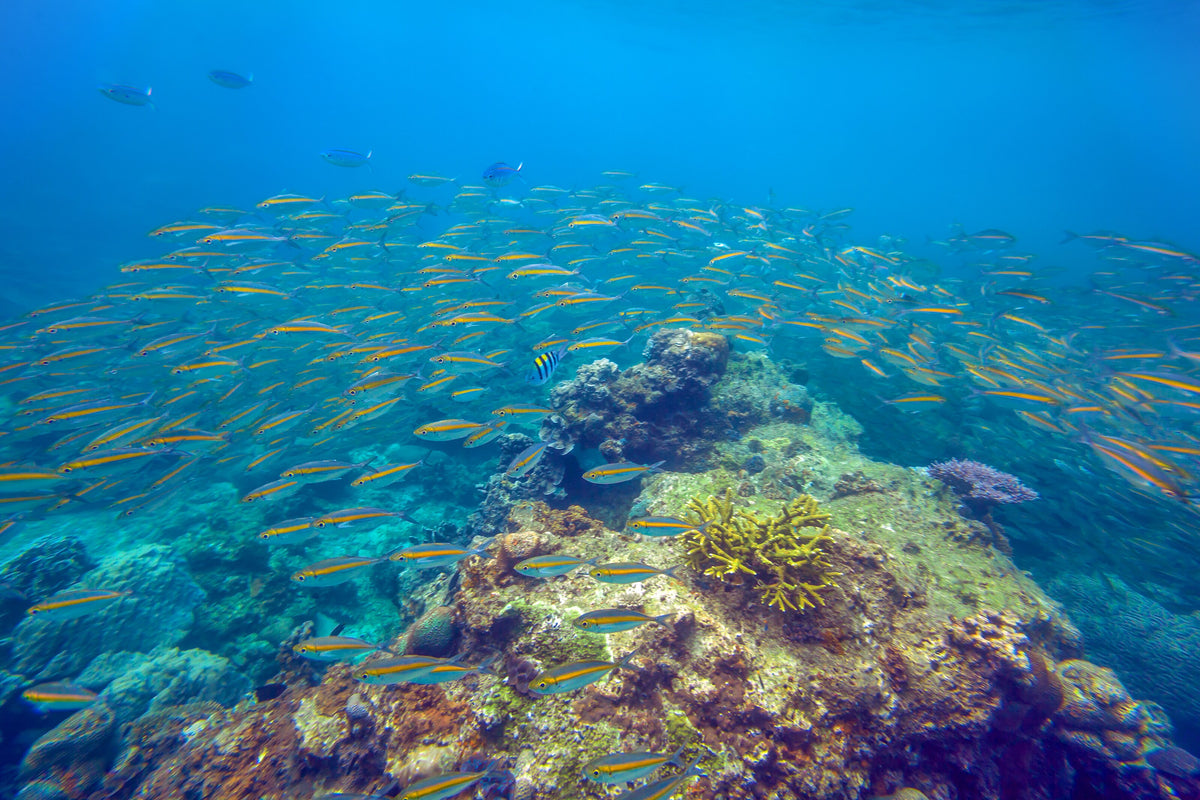
Pulau Lima and offshore reefs
More exposed reef and seamount-style sites around the archipelago can provide stronger topography, schooling fish and occasional larger visitors. These dives are chosen according to sea state and diver level.
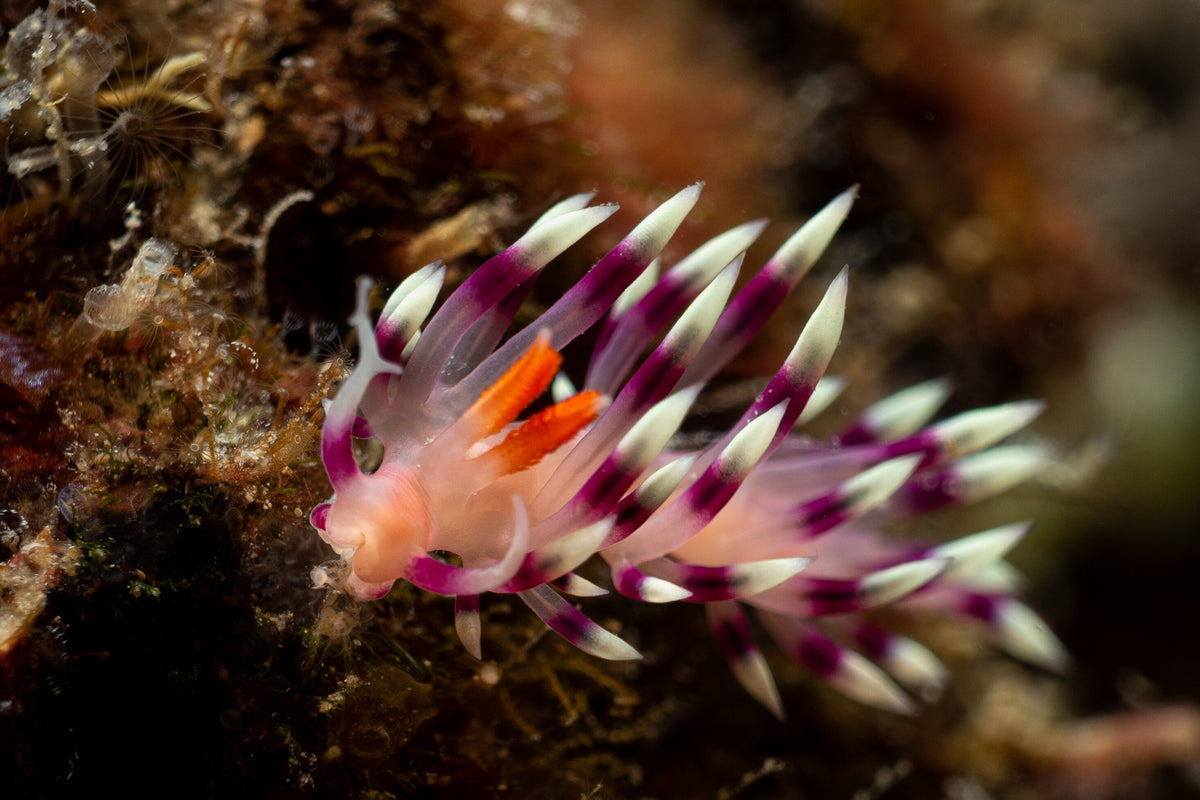
Macro and night-diving potential
Sites such as Mini Mount and sheltered reef areas can add nudibranchs, small invertebrates and night-diving subjects, giving photographers more variety than a purely wide-angle reef itinerary.
DIVE SITE GUIDE
Dive sites in Redang Island
Explore the character of individual sites, from the setting and marine life to the diving conditions. Open a card for the full description; site access and the final profile depend on conditions and experience.
ORIENTATION MAP
Where the dive sites are
Use the map to understand how the key sites are spread around the destination. Pins are for trip-planning orientation only; entry points, moorings and the final dive plan are always confirmed by the local operator on the day.
Coordinates are planning references compiled from current dive-site sources. They are not navigation coordinates; entry points, moorings, tide windows and the final dive plan are always confirmed by the local operator on the day.
House reef · Artificial reef
Tanjung Tengah
Tanjung Tengah is Redang’s Long Beach house reef and the easiest place to start diving on the island.
Explore this dive site
- Type
- House reef · Artificial reef
- Depth
- 3–15 m
- Experience
- Beginner
- Current
- Mild
Tanjung Tengah is Redang’s Long Beach house reef and the easiest place to start diving on the island. Natural coral and artificial reef structures sit just off the sand inside a marked boat-lane boundary, so divers can enter directly from shore and stay within a shallow 3–15 metre profile.
The depth makes it ideal for courses, refreshers, first-night dives and photographers who want time rather than distance. There is no need to chase one landmark; the value is being able to slow down and explore the reef repeatedly. Surface procedures matter because boat traffic runs outside the protected dive area.
Look for: House reef · 3–15 m · Beginner friendly · Shore access
Best for: Training · Shore diving · Long bottom time
Coral slope · Sand
Paku Kechil
Paku Kechil is a short boat hop from Long Beach and offers a simple, readable coral slope.
Explore this dive site
- Type
- Coral slope · Sand
- Depth
- 7–20 m
- Experience
- Intermediate
- Current
- Mild
Paku Kechil is a short boat hop from Long Beach and offers a simple, readable coral slope. The reef begins around the upper single digits and runs down toward sand in the high teens, making it easy to control depth without a wall or blue-water drop.
The deeper coral–sand boundary is a useful place to search for rays and smaller bottom life, while the shallower section gives a bright final half to the dive. Mild current and straightforward navigation make Paku Kechil a useful progression site for divers who have completed training but are not yet comfortable with stronger exposed points.
Look for: Coral slope · Mild current · Intermediate friendly · Short boat ride
Best for: Coral slope · Easy navigation · Photography
Reef · Coral garden
Che Isa
Che Isa is a compact Redang reef near the eastern resort coast, useful for relaxed diving when the goal is healthy coral rather than depth.
Explore this dive site
- Type
- Reef · Coral garden
- Depth
- 5–20 m
- Experience
- Beginner–Intermediate
- Current
- Mild
Che Isa is a compact Redang reef near the eastern resort coast, useful for relaxed diving when the goal is healthy coral rather than depth. The site stays in a comfortable recreational range and can be worked slowly for reef fish, smaller invertebrates and coral detail.
Because topography is simple, divers can focus on buoyancy and photography rather than navigation. It is especially useful as a second or third dive after a deeper Pulau Lima profile, and the modest depth leaves plenty of time for a long shallow finish. The site also works well when mixed-experience groups need a common dive that remains interesting for everyone.
Look for: Easy reef · Coral garden · Beginner accessible · Photography
Best for: Reef fish · Coral · Easy photography
Submerged pinnacle · Wall
Big Mount
Big Mount is Redang’s deeper offshore alternative to the fringing reefs.
Explore this dive site
- Type
- Submerged pinnacle · Wall
- Depth
- 14–32 m
- Experience
- Advanced
- Current
- Moderate–Strong
Big Mount is Redang’s deeper offshore alternative to the fringing reefs. The submerged pinnacle begins around 14 metres and falls along a wall toward sand around 32 metres, with current occasionally strong enough that a buoy line is used for descent and ascent.
Barracuda and larger fish are possible around the structure, but the site is worth diving for the topography alone. Advanced divers need to decide the maximum depth before entry because the base sits close to the recreational limit and no-decompression time shortens quickly. The best plan finishes back on the pinnacle top rather than over the deep sand.
Look for: Submerged pinnacle · 14–32 m · Strong current possible · Advanced only
Best for: Pinnacle · Barracuda · Deep wall · Current
Pinnacle · Exposed reef
Tanjung Tokong
Tanjung Tokong is an exposed northern Redang point where a shallow ridge leads out toward a deeper pinnacle.
Explore this dive site
- Type
- Pinnacle · Exposed reef
- Depth
- 5–30 m
- Experience
- Advanced
- Current
- Moderate–Strong
Tanjung Tokong is an exposed northern Redang point where a shallow ridge leads out toward a deeper pinnacle. Current is the key variable: it can be strong enough that divers work into the flow first and return with it, using the slope for shelter.
The site reaches 30 metres, but most groups get more from a planned depth band than from descending simply because the reef continues. The moving water is what attracts fish and gives the site a more energetic feel than the island’s protected bays. Advanced divers who stay close to the reef and follow the guide’s tide plan get the most from it.
Look for: Exposed northern point · Current-fed fish life · 5–30 m · Advanced profile
Best for: Current diving · Fish aggregation · Deep slope
Boulders · Wall · Coral
Pulau Lima South
Pulau Lima South is built from large boulders covered in anemones, hard coral and soft coral, with caves and grottos at the base and steeper coral faces on the eastern side.
Explore this dive site
- Type
- Boulders · Wall · Coral
- Depth
- 5–30 m
- Experience
- Intermediate–Advanced
- Current
- Moderate
Pulau Lima South is built from large boulders covered in anemones, hard coral and soft coral, with caves and grottos at the base and steeper coral faces on the eastern side. The site gives Redang some of its strongest natural topography without forcing every diver into a deep profile.
Reef sharks, morays and larger fish are possible around the outer edge, while the boulders hold plenty of smaller subjects. Depth can extend toward 30 metres, so experienced divers may explore deeper fans first and return to the shallows. The map point is based on a published Reef Check survey location for Pulau Lima’s southern tip.
Look for: Boulder topography · Anemones · Wall sections · Reef sharks possible
Best for: Anemones · Coral walls · Reef sharks possible
Shallow reef · Sand · Coral garden
Kerengga Besar
Kerengga Besar is a shallow reef-and-sand site northwest of Redang where the calm profile suits newer divers and photographers.
Explore this dive site
- Type
- Shallow reef · Sand · Coral garden
- Depth
- 3–15 m
- Experience
- Beginner
- Current
- Mild
Kerengga Besar is a shallow reef-and-sand site northwest of Redang where the calm profile suits newer divers and photographers. Sandy patches around the reef can hold rays, while the coral garden between the Kerengga islands supports reef fish and a broad mix of smaller invertebrates.
The depth rarely demands aggressive gas or decompression management, which makes the site useful for long dives and night sessions. Its strength is the contrast between coral and open sand: divers can search the reef closely, then scan the bottom for rays without changing the overall profile. The published coordinate comes from Malaysian Reef Check survey data.
Look for: Shallow reef · Rays possible · Night-dive potential · Beginner friendly
Best for: Rays · Coral garden · Night diving
Protected reef · Turtle area
Chagar Hutang East
Chagar Hutang lies on Redang’s protected northern coast and is best known topside as a turtle-nesting area.
Explore this dive site
- Type
- Protected reef · Turtle area
- Depth
- 5–20 m
- Experience
- Intermediate
- Current
- Mild–Moderate
Chagar Hutang lies on Redang’s protected northern coast and is best known topside as a turtle-nesting area. Underwater, the reef offers coral and turtle habitat in a setting where conservation rules matter as much as the dive plan.
The site is not a place to chase or crowd turtles; slow approaches and good buoyancy protect both the animals and the reef. Depth is moderate, so most divers can keep the profile comfortable while still seeing the protected northern reef environment. Access and exact dive use can change with local conservation management, so the operator’s current permission and site plan always take priority.
Look for: Protected northern reef · Turtles · Conservation area · Moderate depth
Best for: Turtles · Protected reef · Coral photography
Underwater photography
At Tanjung Tengah, training, Shore diving, Long bottom time give an idea of the photographic possibilities. Choose the camera setup for the planned sites, then leave time to observe the scene before making the image. Repeating a productive dive often creates better opportunities than constantly searching for a different location. For reef scenes, use the shape of the reef and the available light to give the image depth. A diver at a respectful distance can provide scale without crowding an animal.
Beyond diving: Redang Island above the surface
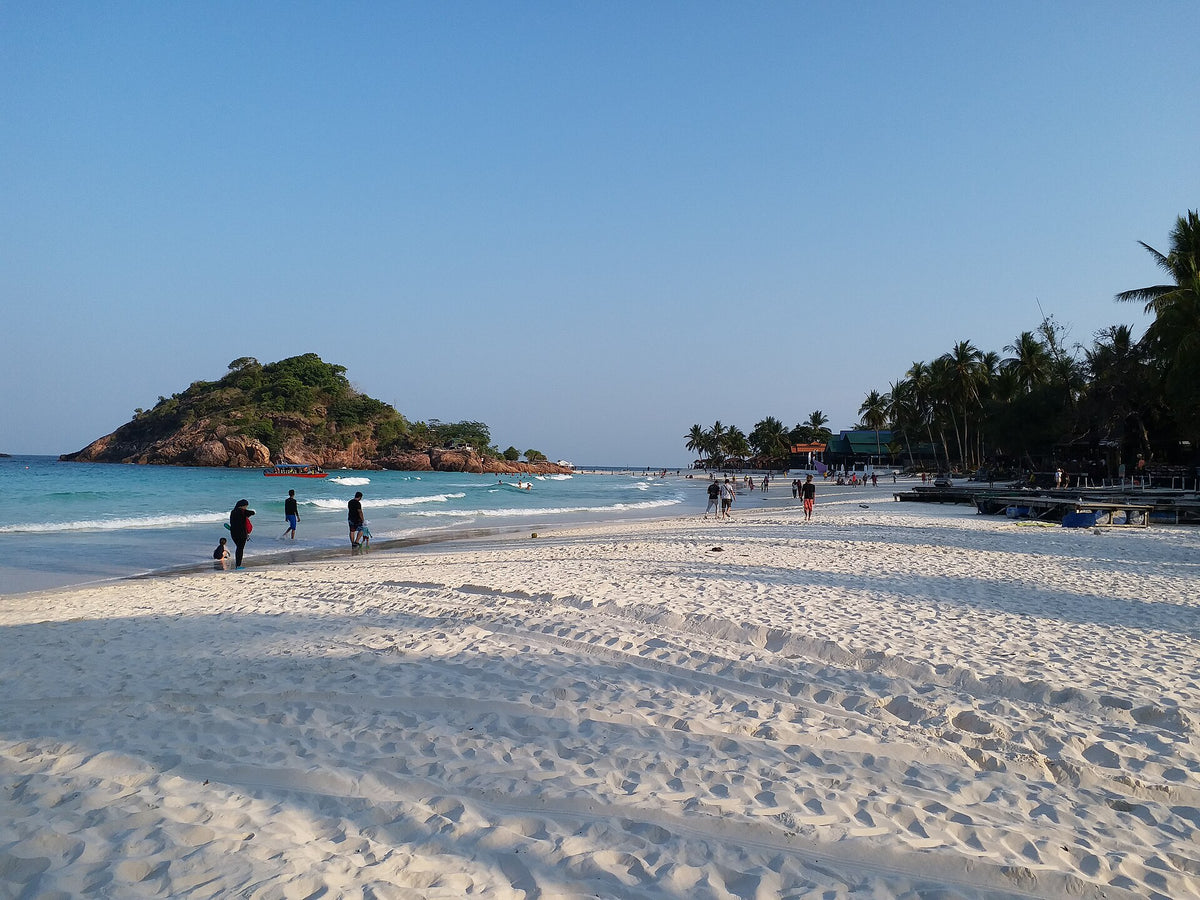
Snorkelling and beach time are central to a Redang holiday, with forest walks and island scenery adding options between sea outings. This makes it a comfortable choice for families and couples who want diving to be part of a broader resort stay.
Different properties have different beach settings and transfer arrangements. Compare the location and the atmosphere as well as the room, particularly if some guests expect to spend most of their day ashore.
Getting to Redang Island
Travel via Kuala Terengganu and continue to the relevant mainland jetty for the selected resort’s boat transfer. Jetty choice and boat schedule differ by property and should be reconfirmed before booking flights.
Choose arrival and departure times around the onward transfer, especially when a boat crossing or a long road journey is involved. Leave space for a relaxed final day ashore and an appropriate interval between the last dive and flying.
Redang Island diving questions
What makes Redang Island worth a diving trip?
Redang brings together broad beach scenery and a varied marine-park dive region. Shallow coral gardens offer a gentle start, while deeper reef edges and offshore formations add interest when you want a more expansive underwater view.
How should I plan my stay?
Choose the beach and resort style first, then compare the dive programme. Four to six nights allows relaxed reef diving and a few longer excursions without giving up the island holiday. Shallow sites and more exposed mounts should be matched to each diver’s confidence.
When is a useful time to visit?
The main island season is broadly March to October. The northeast monsoon brings rougher seas and widespread closures during part of November to February. Use confirmed property opening and boat-transfer dates for the final travel plan.
Is there enough for non-diving companions?
Snorkelling and beach time are central to a Redang holiday, with forest walks and island scenery adding options between sea outings. This makes it a comfortable choice for families and couples who want diving to be part of a broader resort stay.
A closer look at Redang Island

Plan your Redang Island trip
Tell us the experiences you most want, your preferred dates and how you like to travel. We can bring the destination, accommodation and diving into one coherent itinerary.
Plan my tripPhoto credits
Images are resized for display and may be cropped to fit the page layout.
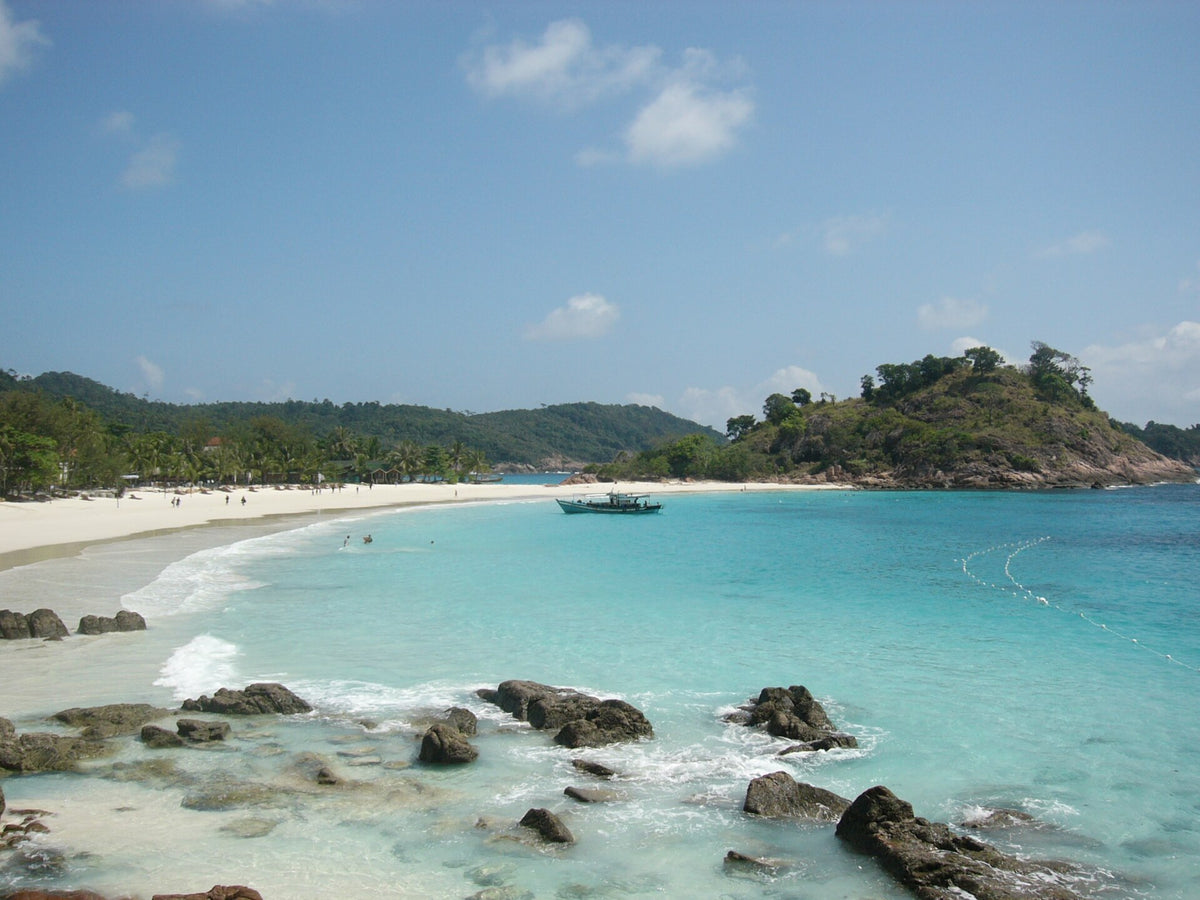
- White sand and turquoise water at Pasir Panjang Beach, Redang Island: Redang Sea Beach.jpg — Mukherjeesaikat. CC BY-SA 3.0. Web-size image supplied by Wikimedia Commons; no scene edits.
- Rocky shoreline overlooking Pasir Panjang bay on Redang Island: Pasir Panjang.JPG — Singaporean. Public domain. Web-size image supplied by Wikimedia Commons; no scene edits.
- White sandy beach and a small rocky headland on Redang Island: Pulau Redang - White sandy beach.jpg — Azreey. CC BY-SA 4.0. Web-size image supplied by Wikimedia Commons; no scene edits.
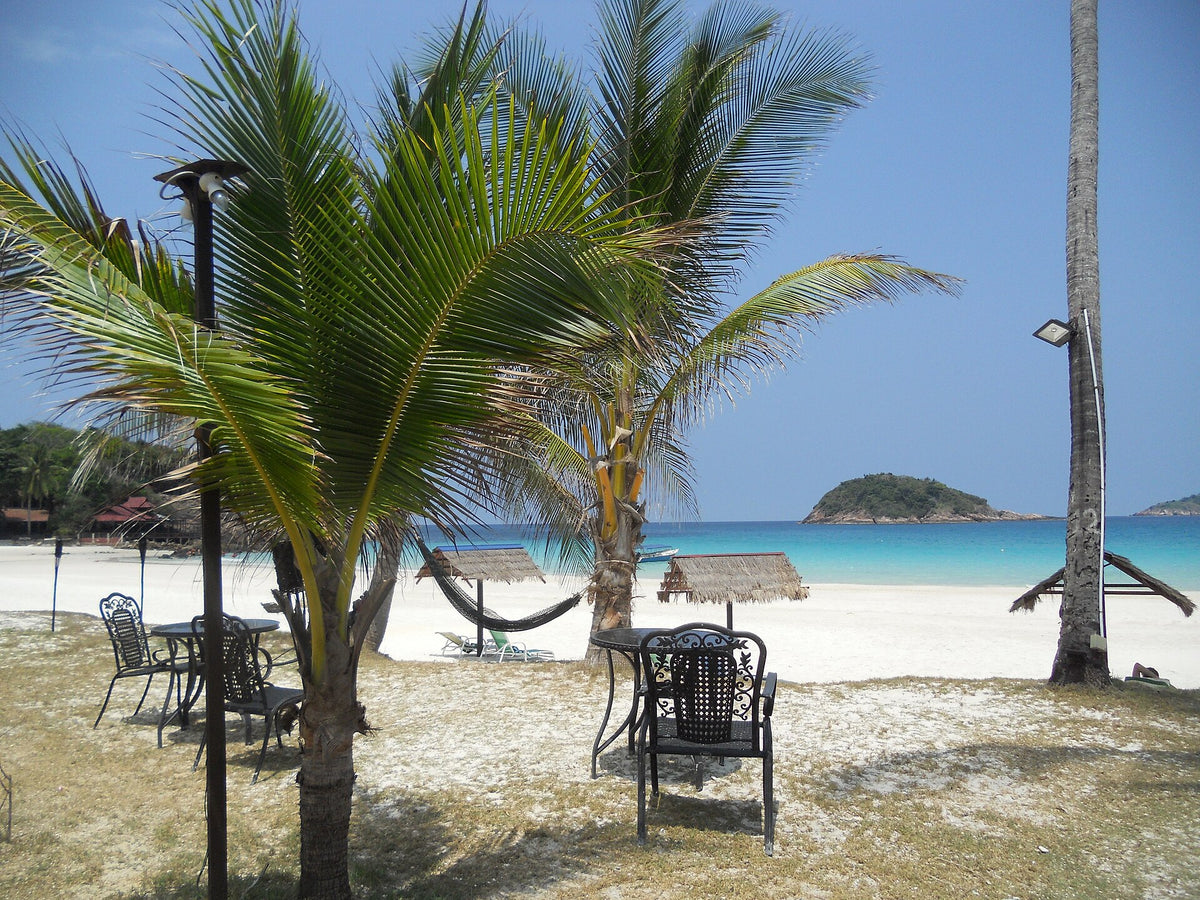
- Palm trees and a hammock beside the beach on Redang Island: Redang Island.jpg — WorldTravleerAndPhotoTaker. CC BY-SA 4.0. Web-size image supplied by Wikimedia Commons; no scene edits.
- Turquoise sea seen between coastal boulders on Redang Island: Between Boulders - Flickr - Shaun@KL.jpg — Shaun@KL from Kuala Lumpur, Malaysia. CC BY-SA 2.0. Web-size image supplied by Wikimedia Commons; no scene edits.


