

Destination guide · Indonesia
Tulamben, Kubu & Amed Diving
The USAT Liberty is the familiar name, but East Bali’s volcanic coast rewards a much wider exploration. Shore entries lead to coral-covered wreckage, black-sand subjects and reef slopes, with the mountains giving the surface intervals their own drama.
Tulamben, Kubu & Amed at a glance
Tulamben, Kubu and Amed reveal East Bali’s quieter volcanic coast through shore diving, black-sand macro sites, walls, reefs and the coral-covered USAT Liberty wreck. Multiple entries allow the same area to support both wide-angle and close-focus photography.
The Liberty’s accessibility makes it famous, but the wider coast provides much more than a single wreck. Sunrise dives, night diving and relaxed village-based accommodation create a flexible programme that combines naturally with cultural touring or the more current-intensive diving around Nusa Penida.
Planning your Tulamben & Amed stay
Tulamben suits repeated Liberty, shore and macro dives; Amed offers a broader village atmosphere with its own reef and wreck options. A split stay is worthwhile for a longer visit. Shore-entry comfort, camera handling and access over stones matter as much as room category.

Utama Villa Tulamben
A quiet eight-room boutique dive villa in Tulamben, built around small-group shore diving, macro photography, spacious camera-friendly rooms and Mount Agung views.

Two Fish Divers Amed — Amed Beach Resort & Partner Stays
Two Fish Divers' East Bali base for Amed, Tulamben and nearby wreck, reef, wall and macro diving, with Amed Beach Resort and partner accommodation.

Two Fish Divers Sanur — South Bali Day-Diving Hub
Two Fish Divers' South Bali base for day trips to Nusa Penida, Tulamben/Amed, Padang Bai and Candidasa, with hotel pickup from core South Bali areas.
When to dive Tulamben & Amed
April to November is a useful dry-season window, although swell can affect shore entries independently of sunshine. Plan several possible Liberty dives at different times of day, and mix the wreck with macro sites and reef slopes along the coast.
Planning window: Best April–November.
What the diving is like
Choose the islands and sites to suit the group’s experience.
USAT Liberty Wreck
One of the world’s most accessible wreck dives, reached from shore and covered with coral, fish life and macro subjects.
Sunrise or Night Wreck Dive
The Liberty Wreck is especially atmospheric at sunrise or at night, with changing light, shadows and active marine life.
Seraya Secrets Macro
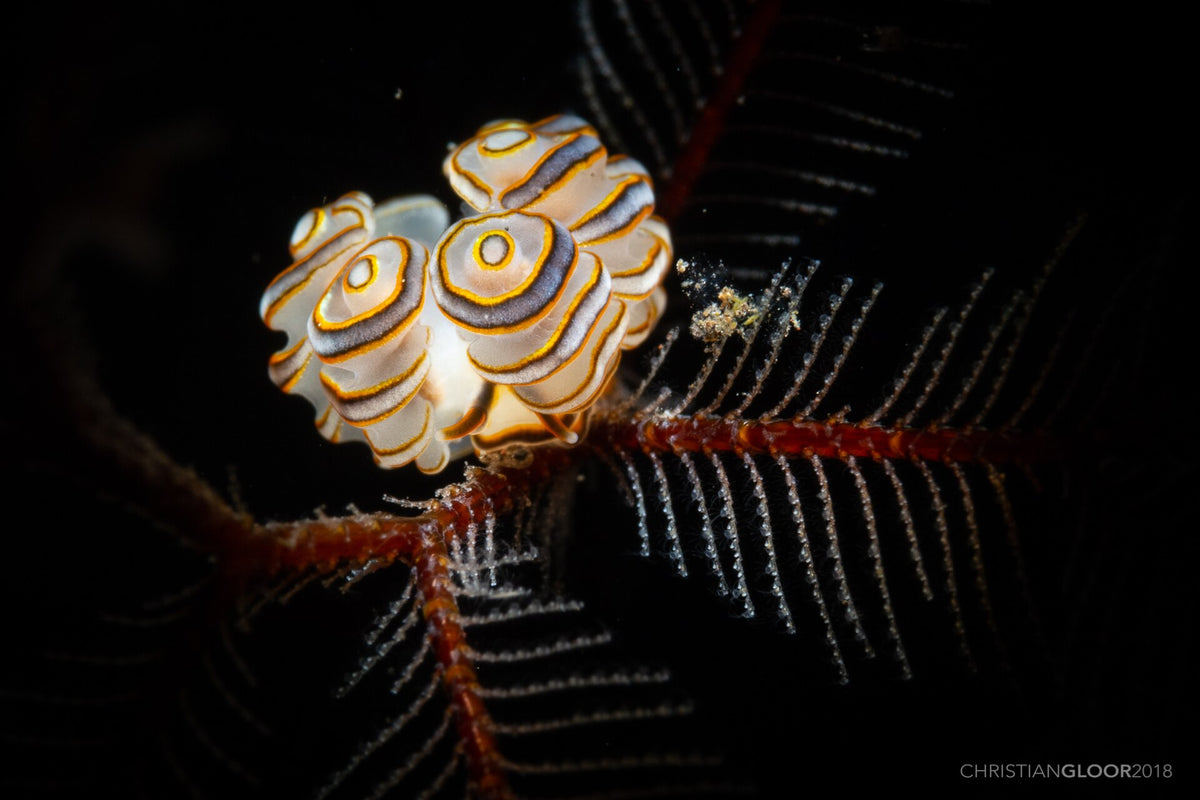
One of Bali’s best macro and black-sand sites, with frogfish, shrimps, nudibranchs and other small subjects.
Tulamben Wall
A volcanic wall with soft corals, fans, sponges and scenic reef structure, adding wide-angle variety to the wreck and macro dives.
Easy Shore Diving
Many sites are accessed from shore, creating a relaxed dive rhythm without long boat transfers.
Macro & Wide-Angle Photography
Bring both macro and wide-angle: wide-angle for Liberty Wreck and walls; macro for Seraya and night dives.
Amed Coastline & Temples
East Bali adds scenic coastline, mountain views, local villages, Tirta Gangga and Lempuyang Temple for non-diver and dry-day interest.
Perfect Balance to Nusa Penida
Tulamben and Amed are calmer and shore-based, making them an ideal contrast to Penida’s current-driven big-animal diving.
DIVE SITE GUIDE
Dive sites in Tulamben, Kubu & Amed
Explore the character of individual sites, from the setting and marine life to the diving conditions. Open a card for the full description; site access and the final profile depend on conditions and experience.
ORIENTATION MAP
Where the dive sites are
Use the map to understand how the key sites are spread around the destination. Pins are for trip-planning orientation only; entry points, moorings and the final dive plan are always confirmed by the local operator on the day.
Coordinates are planning references compiled from current dive-site sources. They are not navigation coordinates; entry points, moorings, tide windows and the final dive plan are always confirmed by the local operator on the day.
Wreck · Shore dive · Reef
USAT Liberty Wreck
The USAT Liberty is famous because it combines history, marine life and easy shore access in a way few wrecks can.
Explore this dive site
- Type
- Wreck · Shore dive · Reef
- Depth
- 5–30 m
- Experience
- Beginner–Advanced
- Current
- Usually mild
The USAT Liberty is famous because it combines history, marine life and easy shore access in a way few wrecks can. The 120-metre ship lies close to Tulamben beach, with the upper structure in shallow water and deeper sections still comfortably within recreational limits for appropriately certified divers.
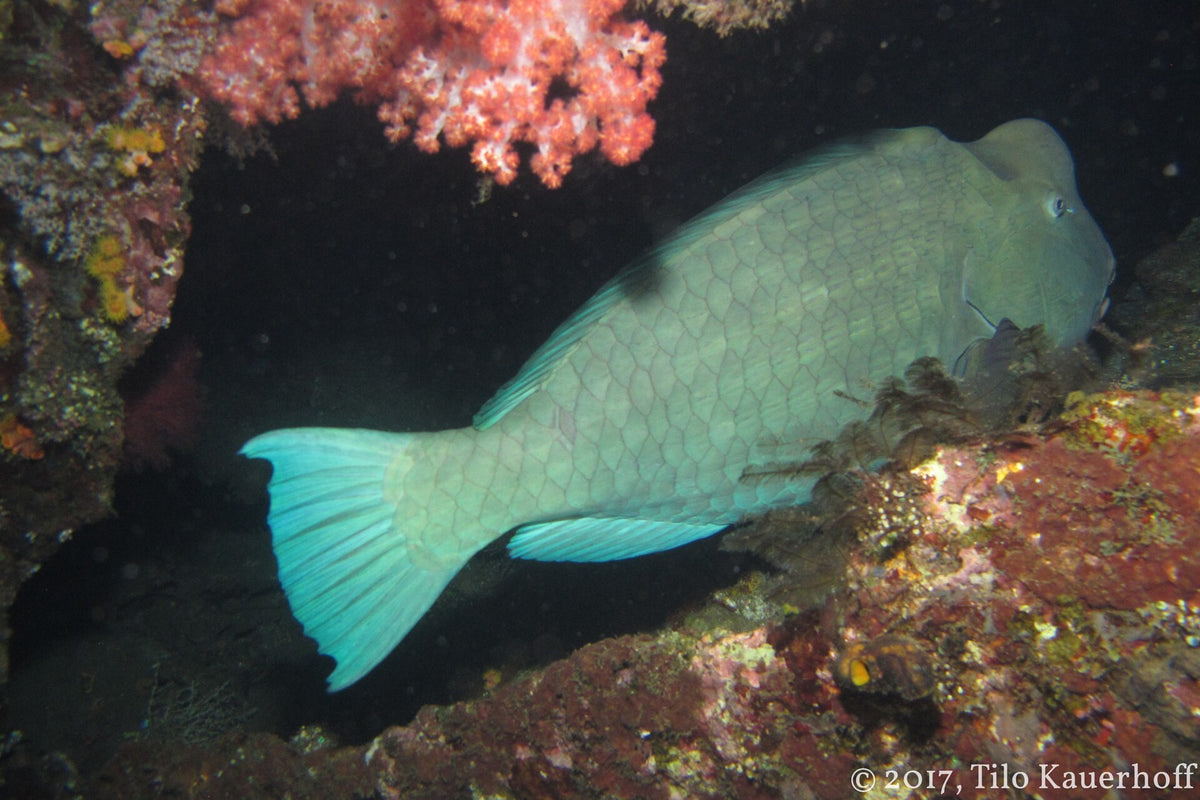
Decades of coral growth have transformed the wreck into a reef, supporting schooling trevally, bumphead parrotfish, nudibranchs and a long list of smaller subjects. Divers can enjoy the exterior without penetrating overhead spaces, and the shallow sections make excellent photography even for newer wreck divers. Early morning and night dives reveal a very different atmosphere from the busy daytime site.
Look for: Iconic WWII wreck · Shore entry · Coral-encrusted structure · Excellent photography
Best for: WWII wreck · Coral growth · Photography · Night diving
Wall · Shore dive
Tulamben Drop-Off
The Drop-Off is Tulamben’s classic wall dive, beginning from the beach and following a reef face that continues far beyond recreational depth.
Explore this dive site
- Type
- Wall · Shore dive
- Depth
- 5–30 m
- Experience
- Advanced
- Current
- Usually mild
The Drop-Off is Tulamben’s classic wall dive, beginning from the beach and following a reef face that continues far beyond recreational depth. Divers normally work the upper 30 metres, where spurs, an overhang and large gorgonian fans break up the wall and create a strong wide-angle profile.
Bumphead parrotfish, barrel sponges and dense reef fish are regular features. Because the wall descends to around 60 metres, it is easy to drift deeper than planned when focusing on the scenery, so a deliberate maximum depth is important. The out-and-back shore logistics also mean gas planning matters: there is no boat waiting to collect a group that swims too far.
Look for: Deep wall · Gorgonian fans · Shore dive · Advanced depth discipline
Best for: Wall · Gorgonian · Bumphead parrotfish · Deep profile
Shallow reef · Artificial structures
Coral Garden
Coral Garden is Tulamben’s easiest contrast to the Liberty wreck.
Explore this dive site
- Type
- Shallow reef · Artificial structures
- Depth
- 5–25 m
- Experience
- Beginner
- Current
- Mild
Coral Garden is Tulamben’s easiest contrast to the Liberty wreck. A shallow reef and sandy slope hold anemones, hard coral, artificial structures and a broad mix of reef life, making the site ideal for beginners, refresher dives and photographers who want time rather than depth. The shallow profile gives excellent natural light and makes long dives practical.
Small subjects — shrimp, nudibranchs, scorpionfish and juvenile fish — are often as rewarding as the wider reef scene. Because the site is shore-accessed and generally calm, it also works well at night, when the same reef changes character completely. Good buoyancy remains important around the coral and artificial structures.
Look for: Beginner friendly · Shallow reef · Night-dive option · Macro + wide angle
Best for: Easy reef · Statues · Anemones · Macro
Muck · Black sand · Night
Seraya Secrets
Seraya Secrets is the east-Bali dive for people who prefer strange animals to dramatic scenery.
Explore this dive site
- Type
- Muck · Black sand · Night
- Depth
- 3–15 m
- Experience
- Beginner–Intermediate
- Current
- Usually none
Seraya Secrets is the east-Bali dive for people who prefer strange animals to dramatic scenery. The site is mostly black volcanic sand and scattered habitat rather than coral reef, which makes every small object worth checking.
Frogfish, mimic octopus, cuttlefish, nudibranchs, crustaceans and other classic muck subjects are the attraction, and the site becomes even more active after dark. Depth is modest and current is often minimal, but good buoyancy is essential because the fine substrate can be ruined by one careless fin kick. Photographers should expect to cover very little distance and spend a large part of the dive waiting for a subject to reveal itself.
Look for: Black-sand muck · Mimic octopus potential · Frogfish · Excellent night dive
Best for: Frogfish · Mimic octopus · Nudibranchs · Macro
Artificial wreck · Reef
Kubu / Boga Wreck
The Boga Wreck at Kubu is a deliberately sunk vessel that offers a very different experience from the historic Liberty.
Explore this dive site
- Type
- Artificial wreck · Reef
- Depth
- 18–36 m
- Experience
- Advanced
- Current
- Mild–Moderate
The Boga Wreck at Kubu is a deliberately sunk vessel that offers a very different experience from the historic Liberty. The ship stands upright, with the bow beginning around the high teens and deeper sections descending toward the mid-thirties.
A Volkswagen Safari inside the cargo area has become the wreck’s most recognizable novelty, while coral growth and fish life continue to develop across the structure. The depth makes the site more appropriate for Advanced Open Water divers, and penetration should remain within training and local operator procedures. Even without entering the wreck, the intact shape, propeller and reef life give photographers a strong wide-angle subject.
Look for: Upright artificial wreck · 18–36 m · VW Safari inside · Advanced profile
Best for: Modern wreck · Deep photography · Artificial reef
Coral ridges · Deep slope
Batu Kelebit
Batu Kelebit feels different from central Tulamben because pale sand channels separate coral ridges instead of the usual dark volcanic bottom.
Explore this dive site
- Type
- Coral ridges · Deep slope
- Depth
- 5–40 m
- Experience
- Advanced
- Current
- Mild–Moderate
Batu Kelebit feels different from central Tulamben because pale sand channels separate coral ridges instead of the usual dark volcanic bottom. A short jukung ride reaches the site, where hard coral, sea fans and sponges cover steep ridges that descend toward deeper recreational and technical water.
Barracuda, Napoleon wrasse, trevally and reef sharks are possible around the open side, especially when cooler, nutrient-rich water moves through. The site suits advanced divers because depth builds easily and current can strengthen away from the ridge. A conservative profile still delivers the full character of the dive: white sand, coral architecture and a larger-fish feel than Tulamben’s sheltered bay sites.
Look for: White-sand channels · Deep coral ridges · Pelagic potential · Boat-accessed
Best for: White-sand channels · Pelagics · Coral ridges
Wall · Reef · Drift
Jemeluk Wall
Jemeluk Wall is one of Amed’s strongest natural reef dives.
Explore this dive site
- Type
- Wall · Reef · Drift
- Depth
- 5–30 m
- Experience
- Intermediate
- Current
- Mild–Moderate
Jemeluk Wall is one of Amed’s strongest natural reef dives. A series of jagged walls and ledges carries barrel sponges, sea fans, black coral and crinoids, while trevally, snapper, fusiliers and reef fish move through the open water.
The dive is normally run as a gentle drift, using the wall as a reference and finishing in shallower coral where macro subjects become more noticeable. It is less about one iconic landmark than the gradual change of reef texture along the route. The site works well for intermediate divers who want wall scenery without the deepest Tulamben profile and gives photographers both wide-angle structure and smaller life in the same dive.
Look for: Amed wall · Sea fans · Gentle drift · Macro + wide angle
Best for: Sea fans · Reef fish · Amed wall · Photography
Artificial reef · Sandy slope
Amed Pyramids
Pyramids is Amed’s best-known artificial-reef dive, where more than twenty hollow concrete structures sit along a sandy slope and have become habitat for morays, lionfish, scorpionfish, octopus and macro life.
Explore this dive site
- Type
- Artificial reef · Sandy slope
- Depth
- 5–20 m
- Experience
- Beginner–Intermediate
- Current
- Mild–Moderate
Pyramids is Amed’s best-known artificial-reef dive, where more than twenty hollow concrete structures sit along a sandy slope and have become habitat for morays, lionfish, scorpionfish, octopus and macro life. Turtles and stingrays are common possibilities, and current can turn the site into an easy drift while still remaining accessible to Open Water divers in suitable conditions.
The structures are photogenic because divers can frame marine life against clear geometric shapes rather than a continuous reef. Natural coral along the slope adds variety, so the dive does not feel like an artificial installation alone. It is a strong training and photography site with enough life to interest experienced divers.
Look for: Artificial pyramids · Turtles possible · Macro · Beginner accessible
Best for: Artificial reef · Turtles · Macro · Easy drift
Underwater photography
At USAT Liberty Wreck, wWII wreck, Coral growth, Photography, Night diving give an idea of the photographic possibilities. Choose the camera setup for the planned sites, then leave time to observe the scene before making the image. Repeating a productive dive often creates better opportunities than constantly searching for a different location. On close-focus dives, stay clear of the bottom and allow subjects to behave naturally. A clean background and patient framing can be more effective than moving closer.
Beyond diving: Tulamben & Amed above the surface
Amed’s coastal villages and mountain views make a pleasant counterpoint to early wreck dives. East Bali touring can include Tirta Gangga, temple visits and scenic stops, while cooking, local food and quiet resort time fill gentler afternoons.
Give inland touring its own space in the itinerary. Moving slowly along the coast is more enjoyable than combining a long excursion with a full diving day, and an Ubud extension can add a different cultural setting before or after the dive stay.
Getting to Tulamben & Amed
Most international guests reach East Bali by flying to Denpasar / Bali. From Denpasar, the road transfer to Tulamben or Amed usually takes around 2.5–3.5 hours depending on traffic, routing and selected resort.
Choose arrival and departure times around the onward transfer, especially when a boat crossing or a long road journey is involved. Leave space for a relaxed final day ashore and an appropriate interval between the last dive and flying.
Tulamben & Amed diving questions
What makes Tulamben & Amed worth a diving trip?
The USAT Liberty is the familiar name, but East Bali’s volcanic coast rewards a much wider exploration. Shore entries lead to coral-covered wreckage, black-sand subjects and reef slopes, with the mountains giving the surface intervals their own drama.
How should I plan my stay?
Tulamben suits repeated Liberty, shore and macro dives; Amed offers a broader village atmosphere with its own reef and wreck options. A split stay is worthwhile for a longer visit. Shore-entry comfort, camera handling and access over stones matter as much as room category.
When is a useful time to visit?
April to November is a useful dry-season window, although swell can affect shore entries independently of sunshine. Plan several possible Liberty dives at different times of day, and mix the wreck with macro sites and reef slopes along the coast.
Is there enough for non-diving companions?
Amed’s coastal villages and mountain views make a pleasant counterpoint to early wreck dives. East Bali touring can include Tirta Gangga, temple visits and scenic stops, while cooking, local food and quiet resort time fill gentler afternoons.
A closer look at Tulamben, Kubu & Amed






Plan your Tulamben & Amed trip
Tell us the experiences you most want, your preferred dates and how you like to travel. We can bring the destination, accommodation and diving into one coherent itinerary.
Plan my tripPhoto credits
Images are resized for display and may be cropped to fit the page layout.
- Corals and reef fish on the USAT Liberty wreck at Tulamben, Bali: Growing Habitat (220482421).jpeg — Tilonaut. CC BY 3.0. Web-size image supplied by Wikimedia Commons; no scene edits.
- View through the open cargo compartment of the USAT Liberty wreck: Remains Of Liberty (219256557).jpeg — Tilonaut. CC BY 3.0. Web-size image supplied by Wikimedia Commons; no scene edits.
- A coral-covered structure on the USAT Liberty wreck, Tulamben: No Strut Left (220482457).jpeg — Tilonaut. CC BY 3.0. Web-size image supplied by Wikimedia Commons; no scene edits.
- Doto greenamyeri nudibranch photographed at Tulamben, Bali: Doto greenamyeri (27765118267).jpg — Christian Gloor from Wakatobi Dive Resort, Indonesia. CC BY 2.0. Web-size image supplied by Wikimedia Commons; no scene edits.
- Striped Hypselodoris nudibranch at Tulamben, Bali: 20150914-B150043-Hypselodoris decorata.jpg — Bernard Picton. CC BY-SA 4.0. Web-size image supplied by Wikimedia Commons; no scene edits.
- Red and white nudibranch photographed at Tulamben, Bali: B150318 Goniobranchus reticulatus.jpg — Bernard Picton. CC BY-SA 4.0. Web-size image supplied by Wikimedia Commons; no scene edits.
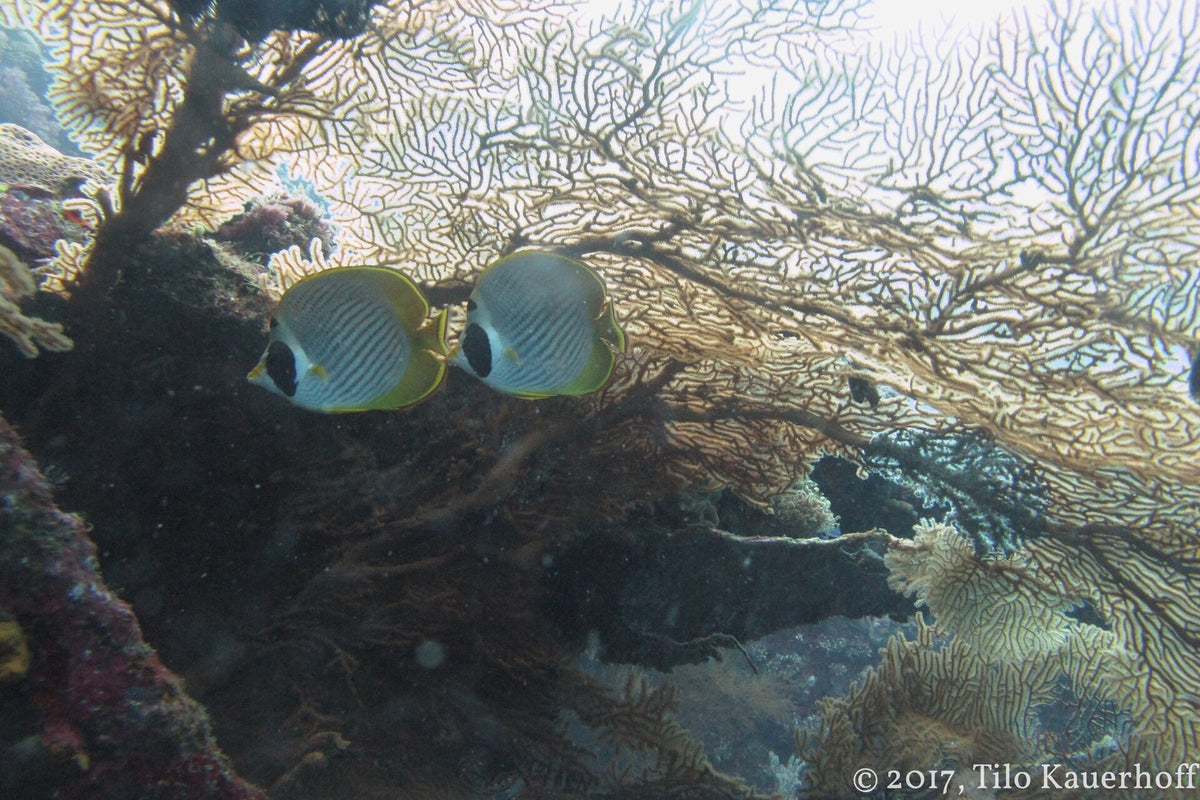
- Butterflyfish sheltering beneath a sea fan near the USAT Liberty wreck: Underwater Parasol (220482423).jpeg — Tilonaut. CC BY 3.0. Web-size image supplied by Wikimedia Commons; no scene edits.
- Bumphead parrotfish sheltering at the USAT Liberty wreck during a night dive: Bumbhead Hideout (219429807).jpeg — Tilonaut. CC BY 3.0. Web-size image supplied by Wikimedia Commons; no scene edits.
- Sea anemone on a reef-covered part of the USAT Liberty wreck: Magnificent Sea Anemone, USAT Liberty Wreck, Tulamben, Bali, Indonesia imported from iNaturalist photo 428500231.jpg — (c) Bernard DUPONT, some rights reserved (CC BY-SA). CC BY-SA 4.0. Web-size image supplied by Wikimedia Commons; no scene edits.
- Golden light over Amed bay and Mount Agung, Bali: Golden Hour in Amed.jpg — Wawansatriawan bali. CC BY-SA 4.0. Web-size image supplied by Wikimedia Commons; no scene edits.
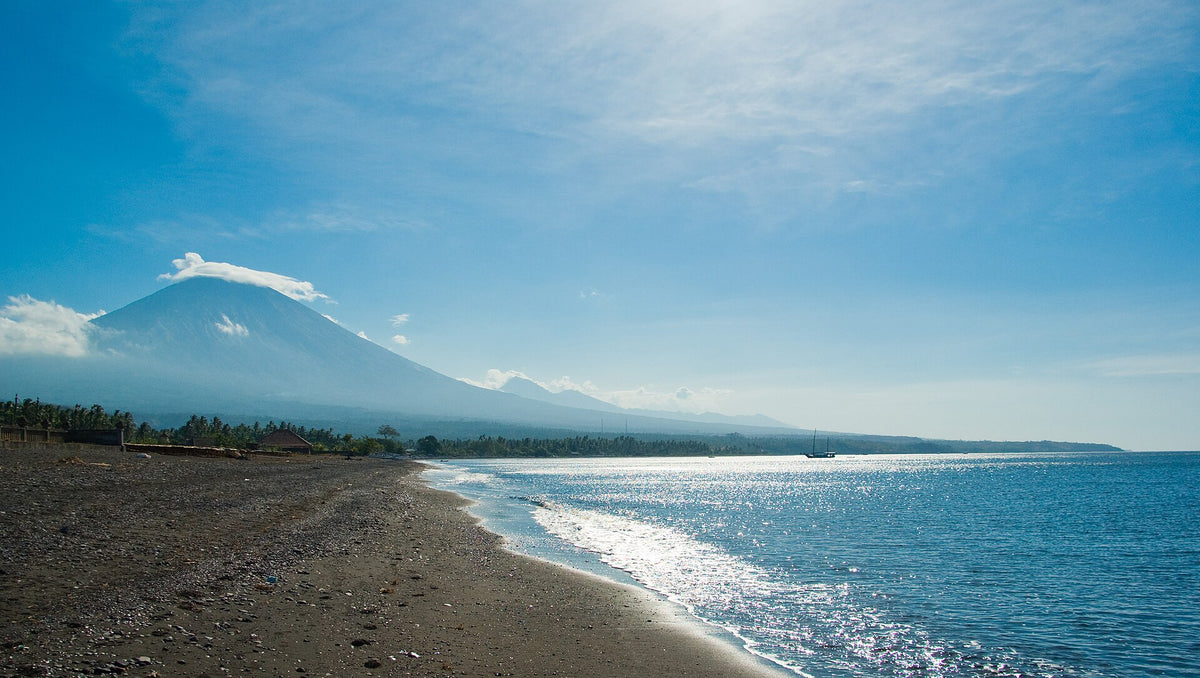
- Mount Agung beyond the beach at Amed, Bali: MountAgung.jpg — Eric Bézine. CC BY-SA 3.0. Web-size image supplied by Wikimedia Commons; no scene edits.
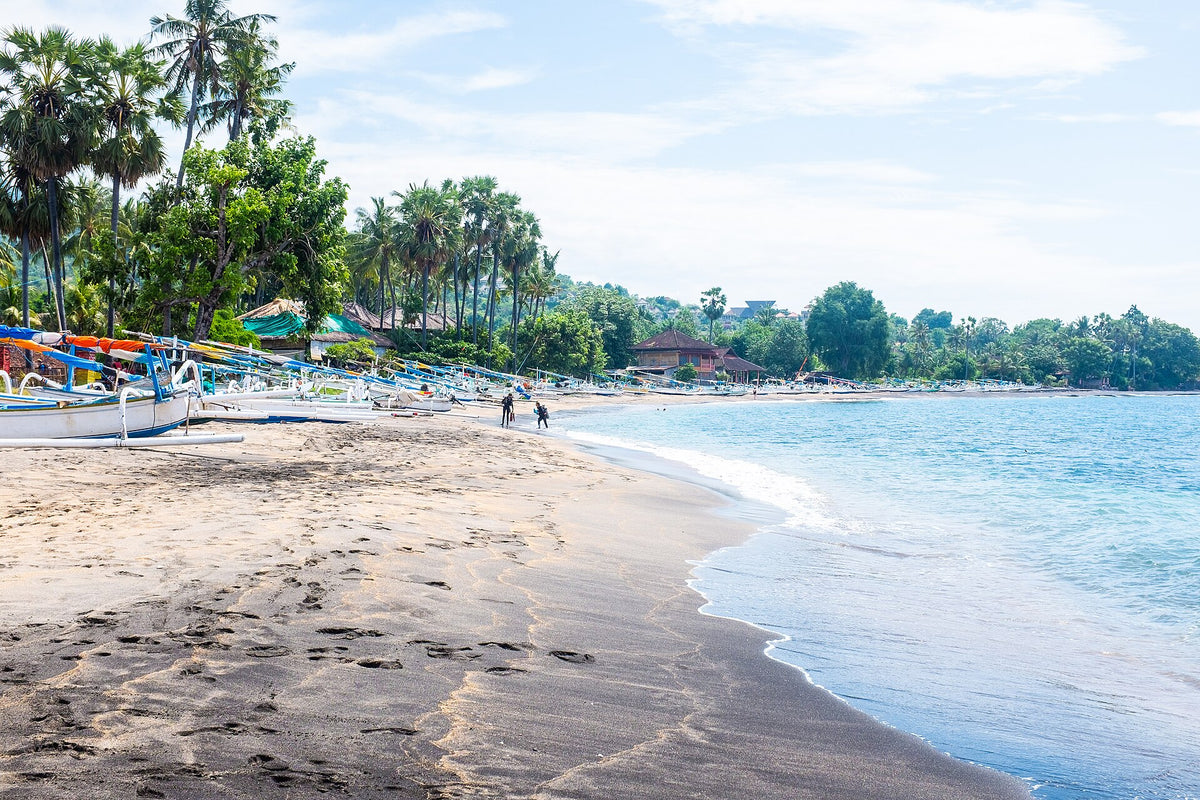
- Fishing boats on the beach at Amed in eastern Bali: Bali-amed-village-fishing-beach-boats.jpg — Marklchaves. CC BY-SA 4.0. Web-size image supplied by Wikimedia Commons; no scene edits.
.jpeg)
.jpeg)
.jpeg)
.jpg)


.jpeg)
.jpeg)


