

Destination guide · Indonesia
Wakatobi Diving
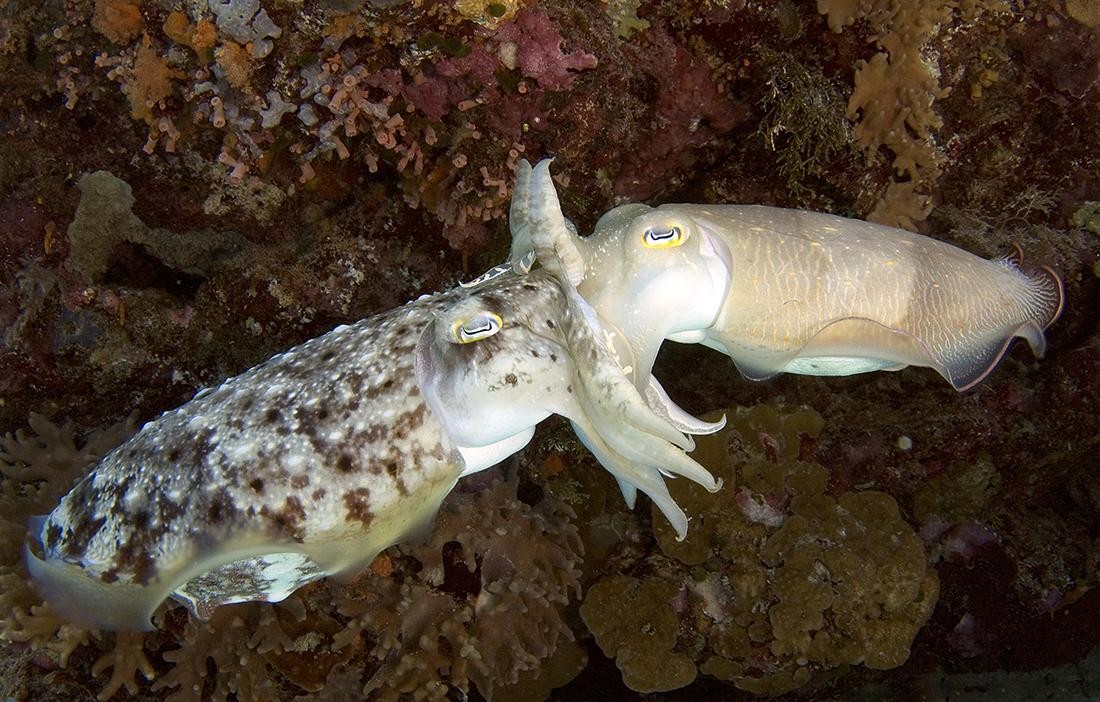
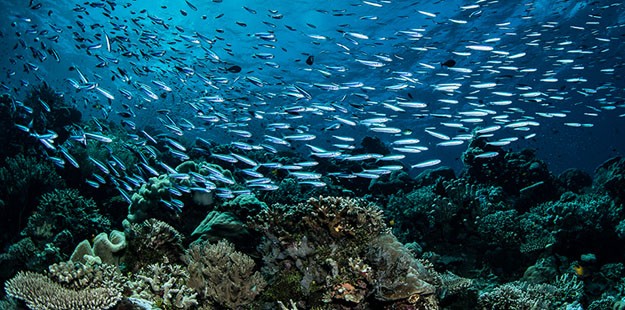
Wakatobi invites a longer look at the reef: branching corals, sea fans and small fish layered across a wall or slope. A carefully chosen base can make the hours between dives as comfortable as the diving is absorbing.
Wakatobi at a glance
Wakatobi is a refined reef destination built around clear water, healthy coral systems, elegant walls and a high standard of resort service. Long, carefully managed dives reveal dense coral growth, sea fans, turtles and abundant reef fish.
The experience favours travellers seeking comfort, calm organisation and exceptional reef quality rather than nightlife or rugged overland adventure. Excellent snorkeling and a celebrated house reef also make Wakatobi attractive to non-diving companions and couples with different activity levels.
Planning your Wakatobi stay
Start by deciding between a resort-centred holiday and a liveaboard itinerary through the wider region. For a resort stay, house-reef access, snorkelling and the transfer plan are important. Seven nights is a useful first-trip framework; a cruise may cover different islands and sites.

Wakatobi Dive Resort
A refined private-island dive resort in Southeast Sulawesi with exceptional protected reefs, an acclaimed house reef and all-inclusive bungalow, villa and residence stays.
Liveaboard routes for this destination
Explore the routes that visit this region. Compare ships and itineraries, then open a route to see its sailing dates, cabins and the areas it covers.
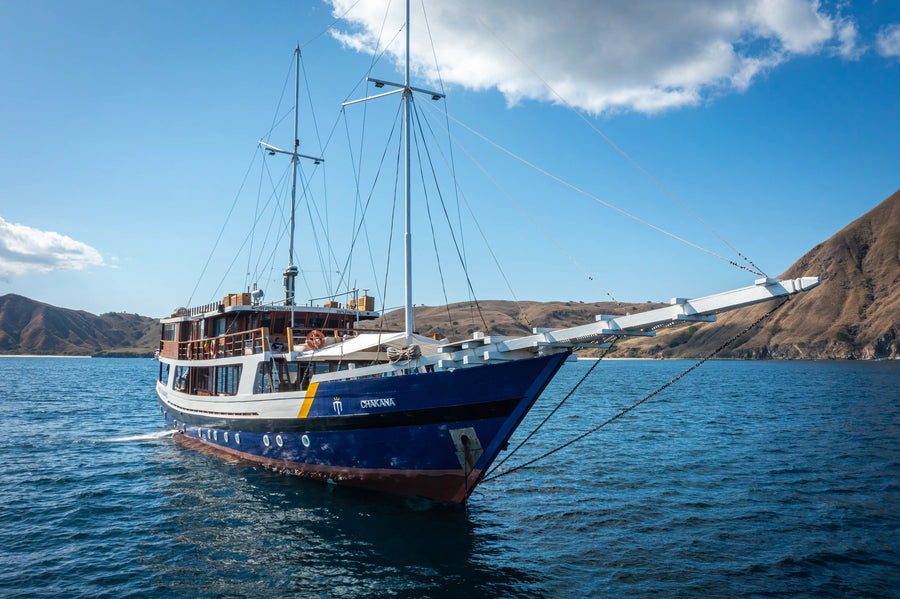
Indo Master
Wakatobi & Buton
- Indicative duration
- 7 nights
- Embarkation
- Kendari
- Disembarkation
- Operator-confirmed Buton / Southeast Sulawesi gateway
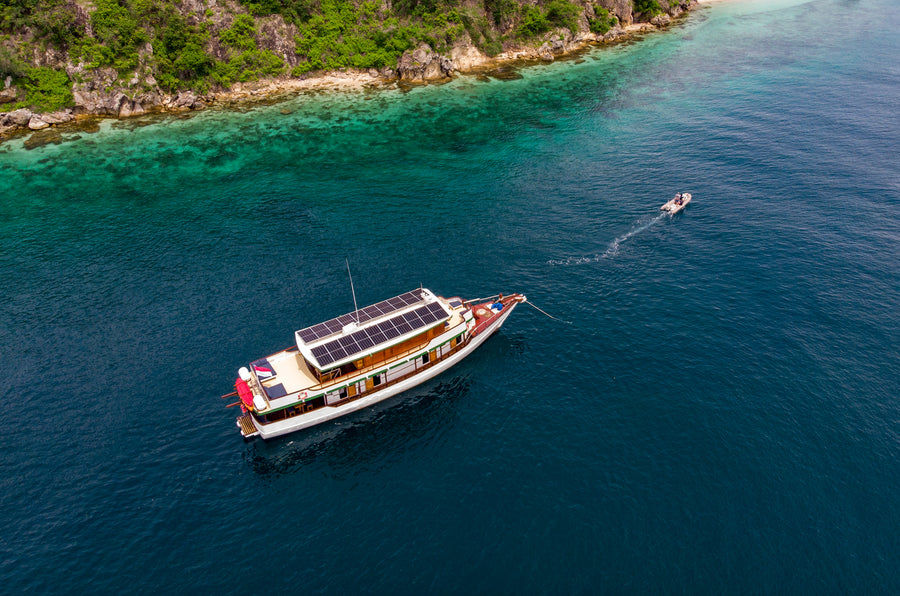
Bajau
Nomad Bajau "Sea Nomads" & Banggai Archipelago
- Indicative duration
- 8 nights
- Embarkation
- Luwuk
- Disembarkation
- Kendari
Bajau
Nomad Exploration: Adventure Cruise of Sulawesi
- Indicative duration
- 10 nights
- Embarkation
- Gorontalo
- Disembarkation
- Luwuk
Bajau
Nomad Exploration: Wakatobi, Taka Bonerate & Komodo
- Indicative duration
- 11 nights
- Embarkation
- Kendari
- Disembarkation
- Labuan Bajo
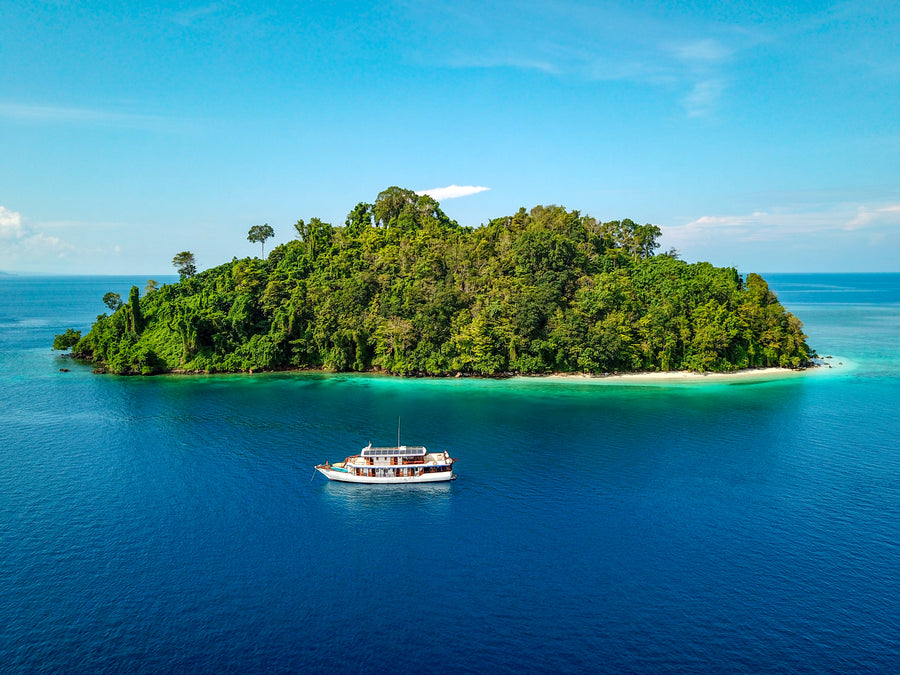
Bugis
Nomad Across Wakatobi, Bonerate & Komodo National Park
- Indicative duration
- 12 nights
- Embarkation
- Kendari
- Disembarkation
- Labuan Bajo
Bugis
Nomad Bajau "Sea Nomads" & Banggai Archipelago
- Indicative duration
- 8 nights
- Embarkation
- Kendari
- Disembarkation
- Luwuk
Bugis
Nomad Discovery of Banggai Archipelago & Sea Nomad
- Indicative duration
- 6 nights
- Embarkation
- Luwuk
- Disembarkation
- Luwuk
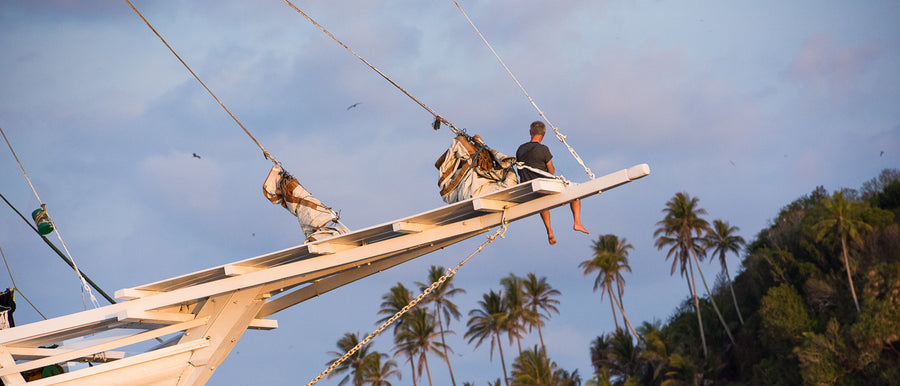
Pindito
East Sulawesi & Beyond
- Indicative duration
- 11 nights
- Embarkation
- Manado / Bitung
- Disembarkation
- Maumere or Wakatobi
Pindito
Wakatobi
- Indicative duration
- 11 nights
- Embarkation
- Maumere or Wakatobi
- Disembarkation
- Wakatobi or Maumere
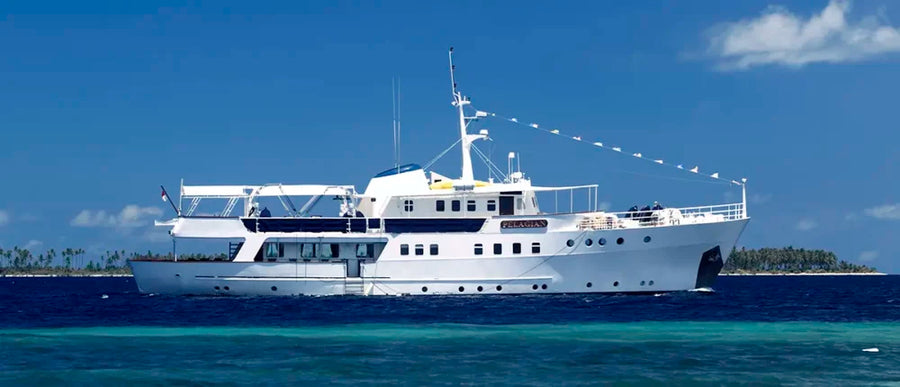
Pelagian Dive Yacht
Seven-Night Wakatobi Expedition
- Indicative duration
- 7 nights
- Embarkation
- Wakatobi Dive Resort / confirmed charter transfer
- Disembarkation
- Wakatobi Dive Resort / confirmed charter transfer
No routes match this search. Try another vessel or clear your search.
When to dive Wakatobi
Diving is possible through much of the year. The existing guide highlights March–May and September–November as useful periods, while conditions and island exposure vary. Match the travel dates to the specific resort or sailing rather than using one calendar for the entire archipelago.
Planning window: Best March–December.
What the diving is like
Choose the islands and sites to suit the group’s experience.
World-Class House Reef
Wakatobi’s house reef is a major highlight, offering excellent shore diving, snorkeling and night dive potential directly from the resort area.
Clear Water Coral Gardens
Healthy coral gardens, bright reef fish and soft tropical light make Wakatobi ideal for relaxed reef exploration.
Elegant Reef Walls & Slopes
Walls and slopes are covered with sea fans, corals and fish life, giving photographers strong wide-angle opportunities.
Premium Resort Comfort
Wakatobi is a high-end product for clients who want refined service, comfort, calm logistics and barefoot luxury.
Excellent Snorkeling for Companions
The reef environment makes Wakatobi especially strong for non-diving companions who enjoy snorkeling and relaxed sea-based days.
Relaxed Reef Photography
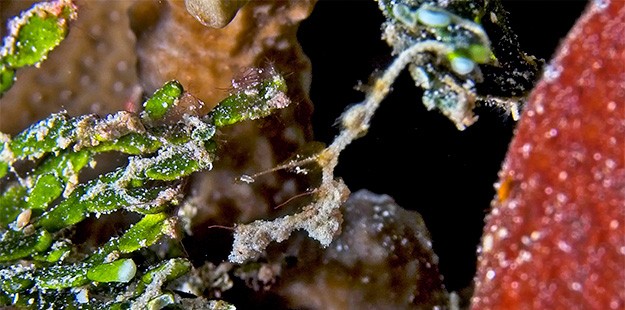
Wide-angle is ideal for reefs and walls, while macro is useful for small reef life and night dives.
Sunset Cruises & Quiet Luxury
Beach time, kayaking, spa, sunset cruises and quiet evenings make Wakatobi suitable for couples and premium leisure travellers.
Luxury Indonesia Extension
Wakatobi can be combined with Bali, Komodo, Raja Ampat or a broader premium Indonesia itinerary.
DIVE SITE GUIDE
Dive sites in Wakatobi
Explore the character of individual sites, from the setting and marine life to the diving conditions. Open a card for the full description; site access and the final profile depend on conditions and experience.
ORIENTATION MAP
Where the dive sites are
Use the map to understand how the key sites are spread around the destination. Pins are for trip-planning orientation only; entry points, moorings and the final dive plan are always confirmed by the local operator on the day.
Coordinates are planning references compiled from current dive-site sources. They are not navigation coordinates; entry points, moorings, tide windows and the final dive plan are always confirmed by the local operator on the day.
Wall · Seagrass · Shore dive
House Reef
Wakatobi’s House Reef is much more than a convenient check dive.
Explore this dive site
- Type
- Wall · Seagrass · Shore dive
- Depth
- 2–40 m
- Experience
- Beginner–Advanced
- Current
- Mild–Moderate
Wakatobi’s House Reef is much more than a convenient check dive. A shallow seagrass zone and coral heads lead to a drop-off only a short swim from the beach, where the reef becomes a wall covered in soft coral, fans, sponges and overhangs.
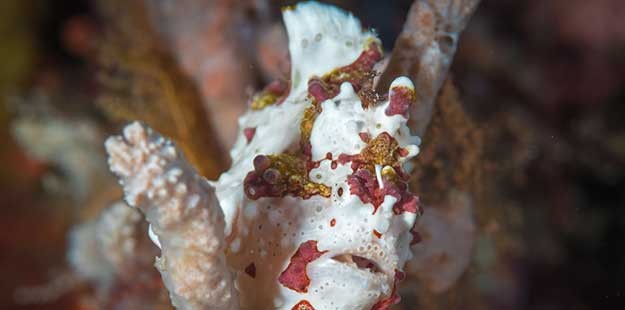
The diversity of habitats explains why photographers can spend days here without exhausting the subject list: frogfish, pipefish, stingrays and juvenile reef fish occupy the shallows, while turtles and schooling fish use the wall. Current can run along the face during tide changes, so the dive may be a stationary shore exploration or a gentle drift. The ability to finish in productive, very shallow water is one of the site’s greatest strengths.
Look for: World-famous shore dive · Seagrass + wall · Macro and wide angle · Excellent night diving
Best for: Unlimited shore diving · Macro · Wall · Night diving
Seamount · Coral garden · Drift
Roma
Roma is Wakatobi’s classic coral-garden seamount: a broad pinnacle whose upper reef is packed with large coral formations, anemones and reef fish while the water column fills with fusiliers, snappers, triggerfish and butterflyfish.
Explore this dive site
- Type
- Seamount · Coral garden · Drift
- Depth
- 5–30 m
- Experience
- Beginner–Intermediate
- Current
- Mild–Moderate
Roma is Wakatobi’s classic coral-garden seamount: a broad pinnacle whose upper reef is packed with large coral formations, anemones and reef fish while the water column fills with fusiliers, snappers, triggerfish and butterflyfish. The site is visually busy without needing depth, which makes it equally satisfying for newer divers and experienced photographers.
Around the outer edge, current can increase and turn the dive into a gentle drift, so guides time the site around tide and keep the group on the productive side of the pinnacle. Banded sea snakes are often associated with the reef, and macro subjects remain plentiful among the coral even when the wide-angle scenery steals most of the attention.
Look for: Signature coral garden · Schooling fish · Sea snakes possible · Excellent wide angle
Best for: Coral garden · Schooling fish · Sea snakes · Photography
Wall · Ridge · Drift
Mari Mabuk
Mari Mabuk is a current-fed ridge and wall on the west side of Tomia, close to Roma but noticeably more energetic.
Explore this dive site
- Type
- Wall · Ridge · Drift
- Depth
- 5–40+ m
- Experience
- Advanced
- Current
- Strong possible
Mari Mabuk is a current-fed ridge and wall on the west side of Tomia, close to Roma but noticeably more energetic. Large sea fans, bright soft coral and feather stars cover the structure, while schooling yellowtail, snapper, sweetlips and triggerfish build in the flow.
The name loosely translates to a feeling of being 'drunk', a reference to the visual overload and moving water rather than a reason to ignore technique. Strong current makes timing important and the site is better for experienced divers who can descend efficiently and stay streamlined. When conditions are right, the combination of color, fish density and motion makes Mari Mabuk one of Wakatobi’s most immersive drift dives.
Look for: Strong-current drift · Large sea fans · Soft coral · Schooling fish
Best for: Soft coral · Current diving · Schooling fish
Steep slope · Wall
Cornucopia
Cornucopia begins as a steep coral slope and develops into one of Wakatobi’s most impressive walls.
Explore this dive site
- Type
- Steep slope · Wall
- Depth
- 5–40 m
- Experience
- Advanced
- Current
- Moderate
Cornucopia begins as a steep coral slope and develops into one of Wakatobi’s most impressive walls. Overhangs, huge gorgonian fans, black coral and barrel sponges create a layered reef face where both wide-angle and macro photographers can work for an entire dive.
Pygmy-sized subjects and nudibranchs hide among the fans, while schooling fish and occasional larger visitors use the blue-water edge. The wall continues far beyond recreational depth, so the best profile is a controlled deeper first section followed by a long ascent through the reef rather than a chase toward the bottom. Moderate current is part of what feeds the growth and should be used to shape the route rather than fought.
Look for: Great Wall of Cornucopia · Black coral · Giant sea fans · Macro + wide angle
Best for: Gorgonians · Black coral · Wall photography · Macro
Seamount · Current
Waha Top
Waha Top is a submerged seamount whose shallow summit sits in the low teens, where current and upwelling concentrate food and fish.
Explore this dive site
- Type
- Seamount · Current
- Depth
- 12–40 m
- Experience
- Advanced
- Current
- Moderate–Strong
Waha Top is a submerged seamount whose shallow summit sits in the low teens, where current and upwelling concentrate food and fish. Schools of smaller pelagics gather over the top, while larger tuna and other visitors may pass along the current line.
The site is more exposed than Wakatobi’s protected walls, so a fast descent and solid midwater control are useful when the flow is running. Divers should think of the top as the anchor point of the dive: once the deeper section is complete, the summit provides a productive area for a slow ascent and safety stop. It is a good example of Wakatobi’s lesser-known high-energy diving beyond the famous house reef.
Look for: Shallow seamount summit · Baitfish aggregations · Pelagic potential · Advanced current skills
Best for: Baitfish · Pelagics · Current diving
Wall · Channel · Drift
Liabale East
Liabale East sits near the channel system between Lintea and Tomia, where moving water gives the wall an active, fish-filled character.
Explore this dive site
- Type
- Wall · Channel · Drift
- Depth
- 5–35 m
- Experience
- Intermediate
- Current
- Moderate–Strong
Liabale East sits near the channel system between Lintea and Tomia, where moving water gives the wall an active, fish-filled character. Bluefin and giant trevally, Napoleon wrasse, turtles and schools of pyramid butterflyfish are among the larger subjects associated with the site, while the reef itself remains densely covered in coral.
The challenge is not extreme depth but current management: the guide chooses the tide and works the group along the wall rather than asking divers to hold against the flow. Because the reef continues very deep, recreational divers should set a clear maximum depth and let the shallower coral and fish life carry the second half of the dive.
Look for: Channel current · Trevally · Turtles · Colorful coral wall
Best for: Trevally · Turtles · Coral wall · Drift
Slope · Coral garden · Sandy bay
Tanjung Lintea
Tanjung Lintea is a more varied profile than Wakatobi’s pure walls.
Explore this dive site
- Type
- Slope · Coral garden · Sandy bay
- Depth
- 8–30 m
- Experience
- Intermediate
- Current
- Mild–Moderate
Tanjung Lintea is a more varied profile than Wakatobi’s pure walls. Large barrel sponges line the upper slope, a deeper sandy section supports garden eels and can attract resting rays, and shorter wall segments eventually lead toward a coral garden where fish schools gather around the corner.
That sequence gives photographers several visual environments in one dive and makes it easy to run a multilevel profile. The site is best treated as a journey across habitats rather than a single landmark, with the guide adjusting the route to current and the group’s depth limits. Most divers will get more from the 8–30 metre range than from chasing the reef deeper.
Look for: Multiple habitats · Garden eels · Rays possible · Hard-coral diversity
Best for: Barrel sponges · Garden eels · Rays · Coral diversity
Ridges · Sandy bays · Soft coral
Conchita
Conchita is a gentler Wakatobi dive built around coral-rich ridges separated by sandy bays.
Explore this dive site
- Type
- Ridges · Sandy bays · Soft coral
- Depth
- 5–30 m
- Experience
- Intermediate
- Current
- Mild
Conchita is a gentler Wakatobi dive built around coral-rich ridges separated by sandy bays. Soft coral and sea fans dominate the reef, creating strong macro habitat for pygmy seahorses and other cryptic animals while turtles can rest on the ridges and eagle rays may circle the open sand.
Compared with the exposed pinnacles, the dive is less about speed and more about switching attention between the reef and the spaces between it. The visible bottom makes depth management straightforward and lets photographers work slowly. Current can still gather fish along exposed ridge ends, but the site’s appeal is the balance of delicate coral, small subjects and enough open-water space for larger visitors.
Look for: Soft-coral ridges · Pygmy seahorse habitat · Eagle rays possible · Photographer friendly
Best for: Soft coral · Pygmy seahorses · Rays · Macro
Underwater photography
At House Reef, unlimited shore diving, Macro, Wall, Night diving give an idea of the photographic possibilities. Choose the camera setup for the planned sites, then leave time to observe the scene before making the image. Repeating a productive dive often creates better opportunities than constantly searching for a different location. For reef scenes, use the shape of the reef and the available light to give the image depth. A diver at a respectful distance can provide scale without crowding an animal.
Beyond diving: Wakatobi above the surface
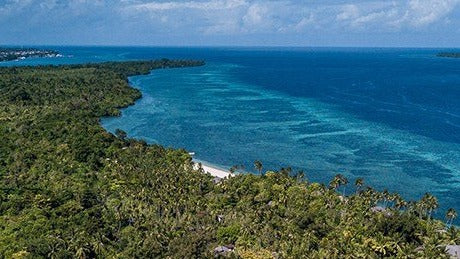
Snorkelling is a central reason for non-divers to consider Wakatobi. Shallow reef time, quiet beaches and the pace of an island stay can create a shared holiday even when partners spend different amounts of time underwater.
Cultural visits and other activities depend on the particular island and property. The wider Wakatobi region includes different travel styles; a premium resort experience and a locally based island itinerary should be compared on their own terms rather than treated as interchangeable.
Getting to Wakatobi
Most international guests reach Wakatobi by flying to Bali or Jakarta, then continuing via resort-arranged domestic logistics depending on the selected package and final routing.
Choose arrival and departure times around the onward transfer, especially when a boat crossing or a long road journey is involved. Leave space for a relaxed final day ashore and an appropriate interval between the last dive and flying.
Wakatobi diving questions
What makes Wakatobi worth a diving trip?
Wakatobi invites a longer look at the reef: branching corals, sea fans and small fish layered across a wall or slope. A carefully chosen base can make the hours between dives as comfortable as the diving is absorbing.
How should I plan my stay?
Start by deciding between a resort-centred holiday and a liveaboard itinerary through the wider region. For a resort stay, house-reef access, snorkelling and the transfer plan are important. Seven nights is a useful first-trip framework; a cruise may cover different islands and sites.
When is a useful time to visit?
Diving is possible through much of the year. The existing guide highlights March–May and September–November as useful periods, while conditions and island exposure vary. Match the travel dates to the specific resort or sailing rather than using one calendar for the entire archipelago.
Is there enough for non-diving companions?
Snorkelling is a central reason for non-divers to consider Wakatobi. Shallow reef time, quiet beaches and the pace of an island stay can create a shared holiday even when partners spend different amounts of time underwater.
A closer look at Wakatobi


Plan your Wakatobi trip
Tell us the experiences you most want, your preferred dates and how you like to travel. We can bring the destination, accommodation and diving into one coherent itinerary.
Plan my trip