

Destination guide · Philippines
Cabilao Diving
Cabilao is a small-island escape with a dramatic reef edge. Walls give way to shallow gardens and macro habitats, so an absorbing dive can end with a slow search through the reef’s finer details.
Cabilao at a glance
Cabilao is a small Bohol island known for steep walls, reef scenery and productive macro habitats. Its quieter setting offers an alternative to the busier bases around Panglao while retaining access to varied tropical diving.
The destination works best for travellers who are comfortable with simple island logistics and who value time underwater over nightlife. Wall profiles, occasional pelagic life and small critters create useful photographic variety, while beaches and village life support a genuinely relaxed stay.
Planning your Cabilao stay
A small island resort is the natural base for Cabilao’s walls and nearby reefs. Compare house-reef access, boat-diving arrangements and the setting for non-divers. Five to seven nights suits a relaxed diving stay with time to revisit productive sites.

Sea Explorers Philippines — Cabilao / Pura Vida Cabilao
Quiet Cabilao island dive resort with cliff and beachfront suites, an infinity pool, in-house Sea Explorers and easy access to walls and macro-rich reefs.

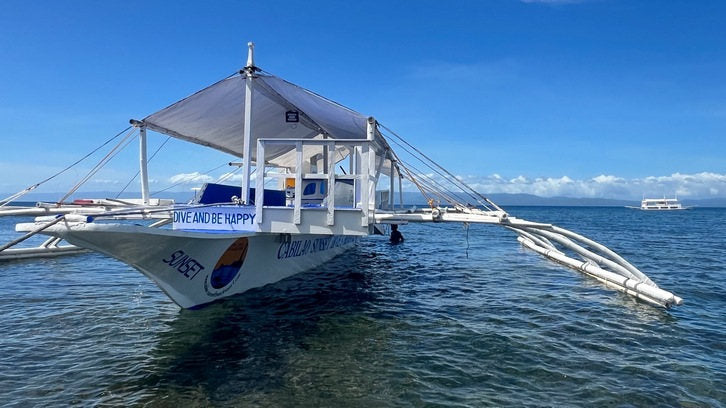
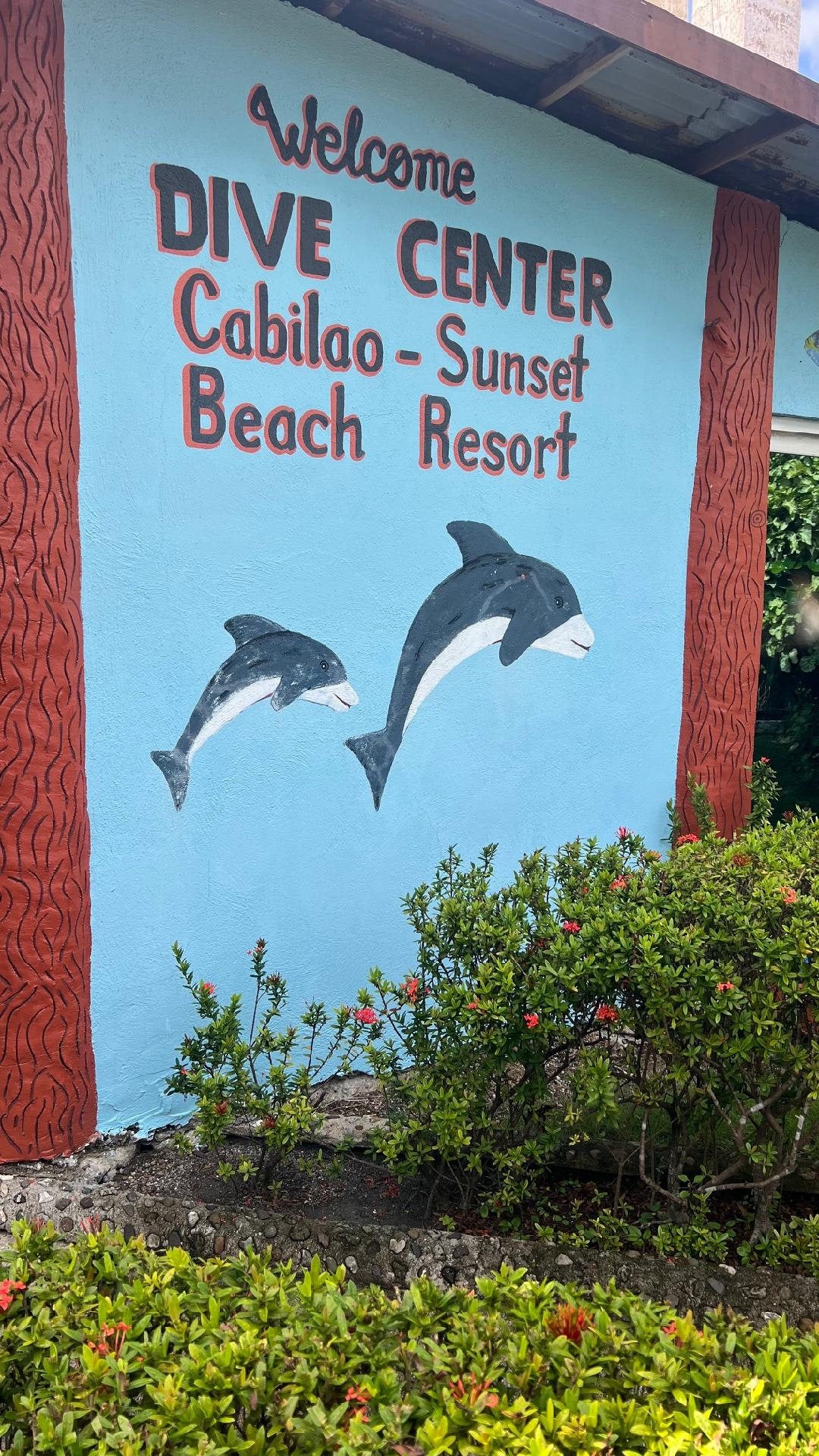
Cabilao Sunset Dive Resort
Small independent Cabilao dive resort with spacious rooms, pool, beach bar, on-site dive centre and direct access to quiet Bohol reef diving.
When to dive Cabilao
November to May is a useful starting window. Walls may descend much deeper than the planned recreational profile, and currents change around points. The enjoyable dive is the route suited to the day and the group, not the deepest part of the site.
Planning window: Best November–May.
What the diving is like
Open Water divers can use sheltered sites; deeper walls suit experienced divers.
Steep walls
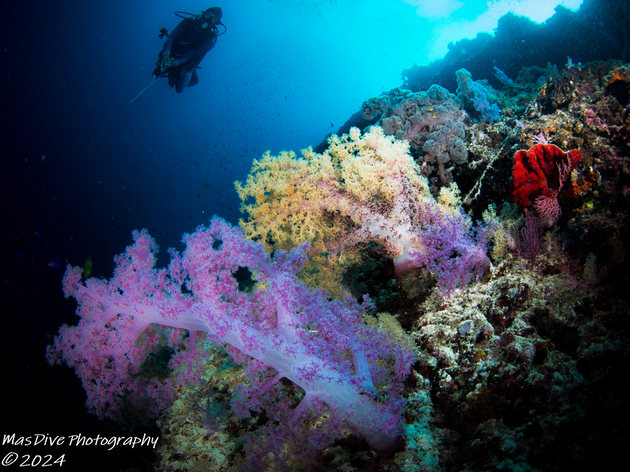
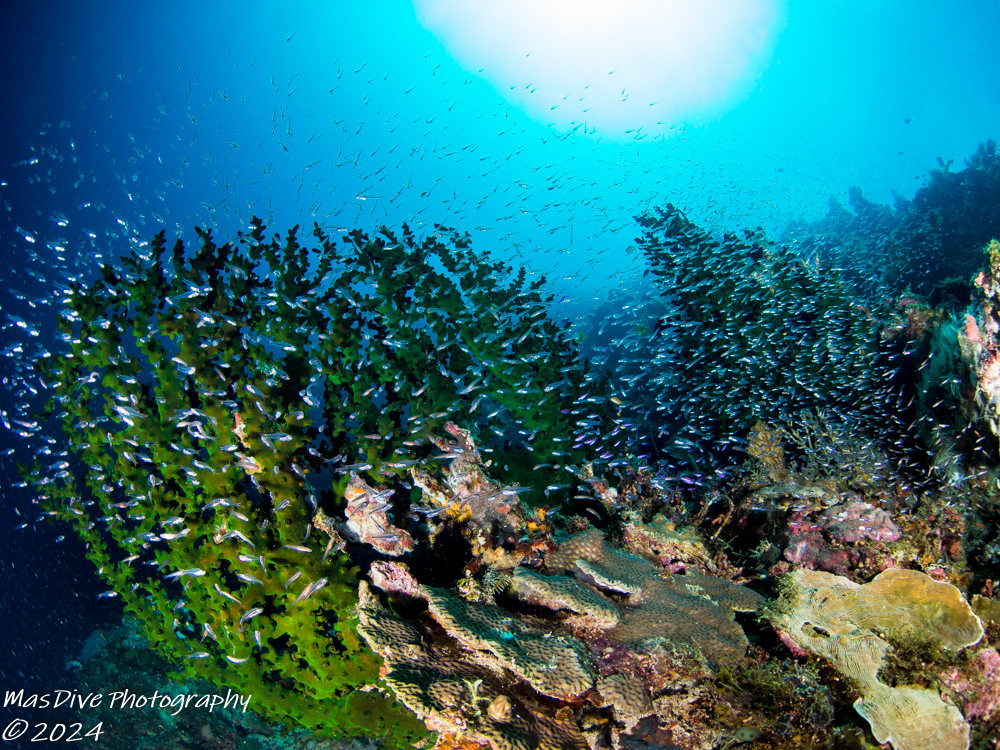
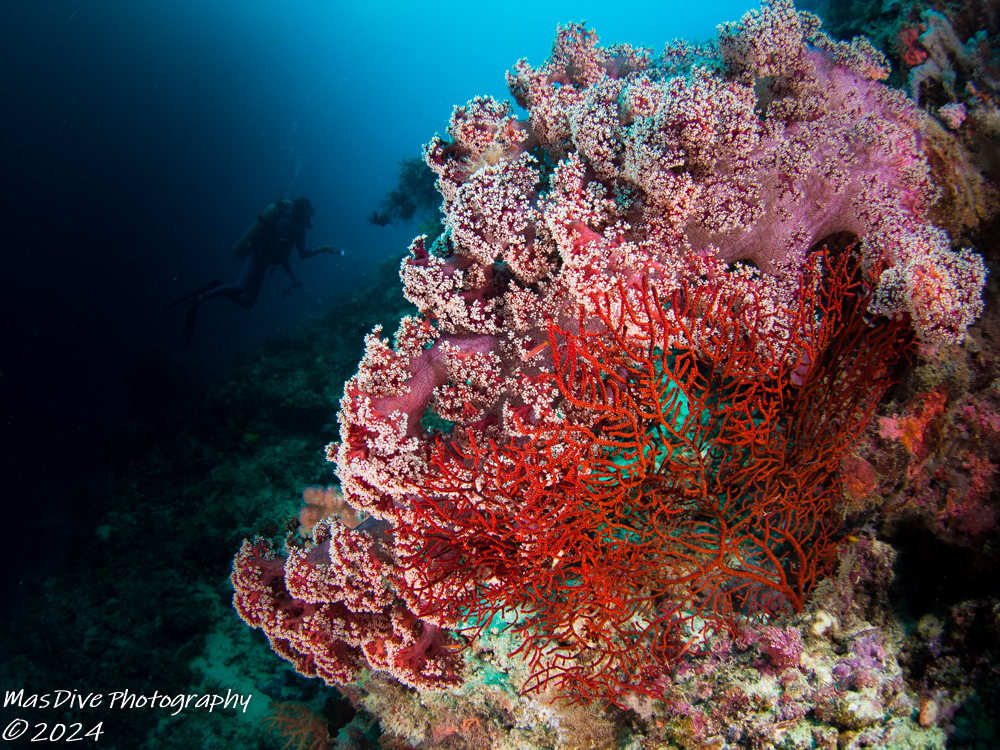
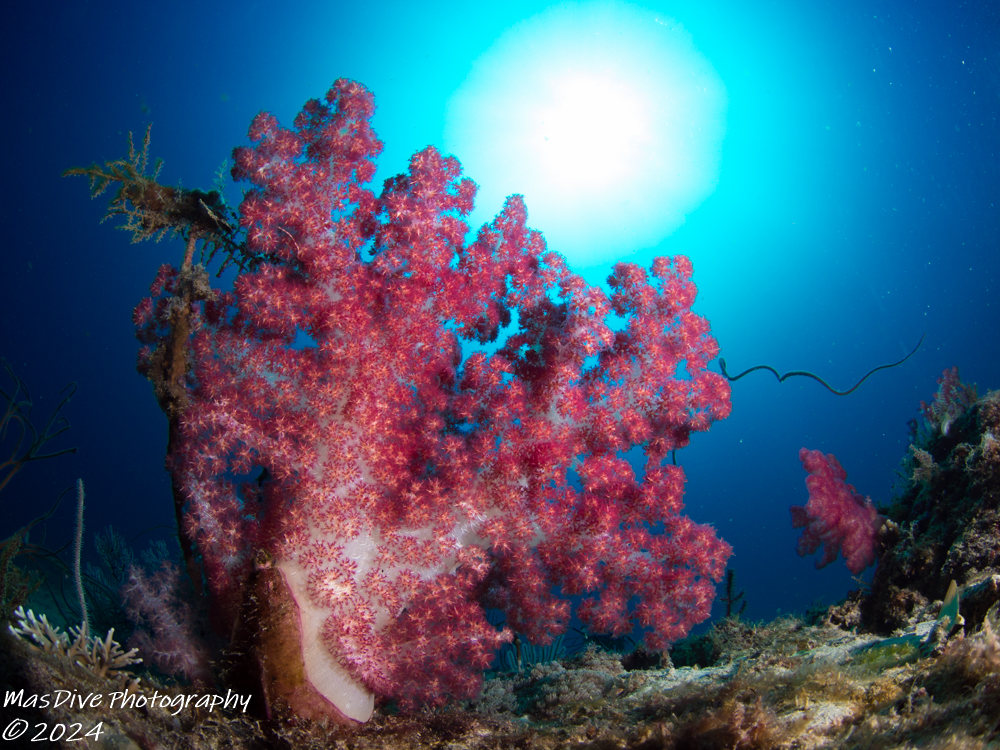
Cabilao’s western and southern reefs are characterised by steep slopes and walls that drop well beyond normal recreational depths. Divers can stay shallower among hard coral or follow the wall deeper for sea fans, sponges and blue-water scenery, with the final profile set by current and certification.
Macro life
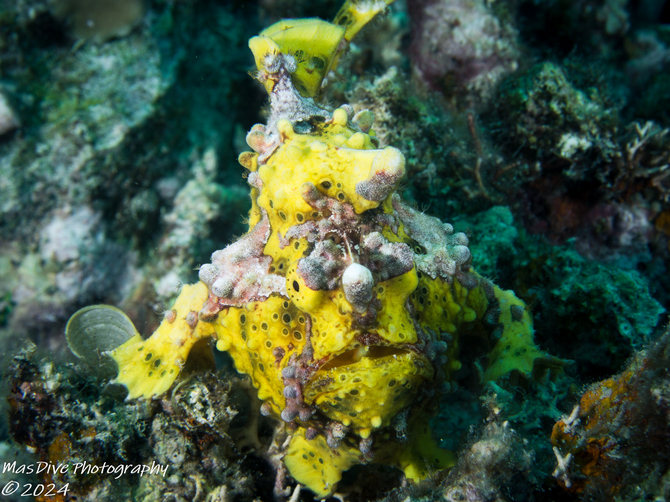
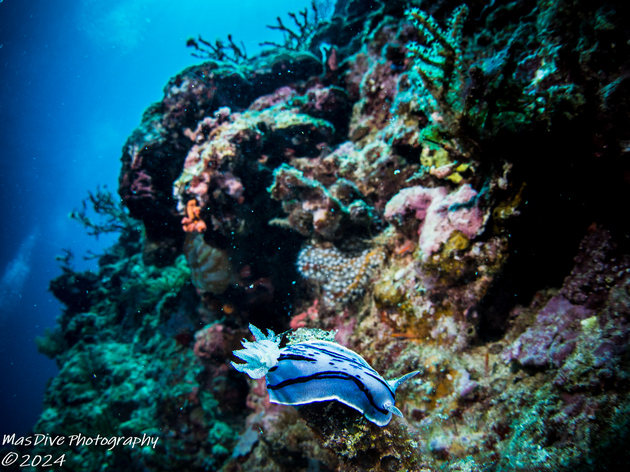
The island is also a strong macro destination, with pygmy seahorses, frogfish, nudibranchs, pipefish, crustaceans and other small subjects found around sea fans, sponges, sand and seagrass. Night dives are particularly useful for divers prioritising critters over larger marine life.
Occasional pelagic encounters
Reef sharks, barracuda, jacks and other larger fish may appear around exposed points and current-facing sections. These are opportunistic encounters rather than guaranteed attractions, so Cabilao is best chosen for the overall wall-and-macro mix rather than for a single pelagic species.
Quiet island setting
Cabilao offers a quieter base than nearby Panglao, with dive sites spread around a compact island and relatively little non-diving development. That setting suits travellers who want repeated local diving, house-reef access and a slower island routine.
DIVE SITE GUIDE
Dive sites in Cabilao
Explore the character of individual sites, from the setting and marine life to the diving conditions. Open a card for the full description; site access and the final profile depend on conditions and experience.
ORIENTATION MAP
Where the dive sites are
Use the map to understand how the key sites are spread around the destination. Pins are for trip-planning orientation only; entry points, moorings and the final dive plan are always confirmed by the local operator on the day.
Coordinates are planning references compiled from current dive-site sources. They are not navigation coordinates; entry points, moorings, tide windows and the final dive plan are always confirmed by the local operator on the day.
Wall · Plateau · Current
Lighthouse
Lighthouse is Cabilao’s classic exposed wall-and-plateau dive.
Explore this dive site
- Type
- Wall · Plateau · Current
- Depth
- 5–30 m
- Experience
- Advanced
- Current
- Moderate
Lighthouse is Cabilao’s classic exposed wall-and-plateau dive. A shallow reef leads toward a steep drop, with coral, sea fans and fish life along the face and stronger water movement around the outer section. Whitetip reef sharks are possible, while Cabilao’s historic hammerhead reputation belongs mostly to earlier decades and should not be treated as a modern guarantee.
The wall invites wide-angle photography, but the open-water edge makes depth control important and current can change the route quickly. Experienced guides use the plateau and reef contour to keep the group in manageable water rather than forcing a fixed circuit. The best dives combine a deeper wall section with a long, colorful shallow finish.
Look for: Classic Cabilao wall · Whitetip sharks possible · Current-sensitive · Wide angle
Best for: Wall · Sharks · Coral · Current diving
Wall · Cave / overhang · Seagrass
Cambaquiz
Cambaquiz mixes several habitats in one compact dive.
Explore this dive site
- Type
- Wall · Cave / overhang · Seagrass
- Depth
- 5–30 m
- Experience
- Intermediate
- Current
- Mild
Cambaquiz mixes several habitats in one compact dive. A sandy and seagrass upper area drops toward wall, cave-like recesses and overhangs, creating both macro habitat and interesting wide-angle structure.
During the day, nudibranchs, frogfish and smaller reef animals reward patient searching; after dark, octopus, shrimp, crabs and other nocturnal subjects become more prominent. The site is generally milder than the exposed current points, making it useful for intermediate divers and photographers who want time to work a subject. Any overhead-like feature should be approached conservatively — the exterior wall and seagrass habitat are enough for a complete dive without penetration.
Look for: Seagrass + wall · Night dive · Macro · Overhangs
Best for: Night diving · Macro · Wall · Topography
Reef · Sand · Gentle drift
Fallen Tree
Fallen Tree is one of Cabilao’s easiest, most relaxed dives.
Explore this dive site
- Type
- Reef · Sand · Gentle drift
- Depth
- 3–18 m
- Experience
- Beginner
- Current
- Mild
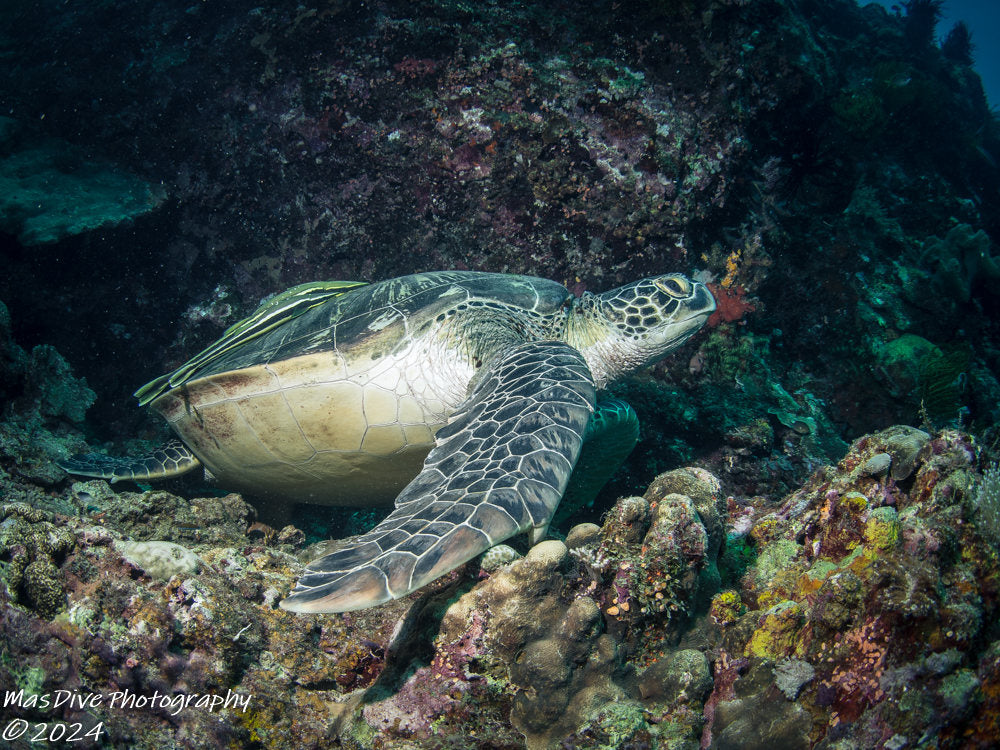
Fallen Tree is one of Cabilao’s easiest, most relaxed dives. Coral and sand create a shallow profile that works well for newer divers, while turtles and occasional barracuda add larger subjects to the reef. Frogfish, sea moths and other small animals can be found closer to the bottom, giving macro photographers a reason to slow down rather than simply drift across the site.
Current is usually light, and the modest depth makes long bottom times possible. It is an ideal first dive on the island or a gentle afternoon profile after deeper wall diving. The site proves that Cabilao’s appeal is not limited to dramatic drop-offs — its shallow reef life can be just as productive.
Look for: Beginner friendly · Turtles · Macro · Shallow reef
Best for: Turtles · Barracuda · Macro · Easy reef
Plateau · Current · Pelagic
Current View Point
Current View Point is Cabilao’s high-energy site, a deeper plateau where water movement can attract larger fish into the blue.
Explore this dive site
- Type
- Plateau · Current · Pelagic
- Depth
- 20–30 m
- Experience
- Advanced
- Current
- Strong
Current View Point is Cabilao’s high-energy site, a deeper plateau where water movement can attract larger fish into the blue. The site is most interesting when current is present, but that same flow makes it unsuitable for inexperienced divers. The group descends to the working depth, uses the reef contour for position and watches outward for passing pelagics rather than swimming against the water.
At slack tide, the character changes and macro life on the reef may become the main attraction. Because most of the site sits around the mid-to-high twenties, gas and no-decompression time need active management. It is a dive where timing matters more than the name on the schedule.
Look for: Deep plateau · Strong current · Pelagic potential · Advanced only
Best for: Pelagic potential · Current diving · Deep plateau
Wall · Caves / overhangs · Reef
South Point
South Point combines wall diving with ledges, small caves and overhangs that can shelter resting whitetip reef sharks.
Explore this dive site
- Type
- Wall · Caves / overhangs · Reef
- Depth
- 5–30 m
- Experience
- Intermediate
- Current
- Moderate
South Point combines wall diving with ledges, small caves and overhangs that can shelter resting whitetip reef sharks. The upper reef remains shallow enough for a comfortable finish, while the wall gives experienced divers room to work deeper during the first part of the profile.
Shark encounters are natural and never guaranteed; the site should still be chosen for its structure and coral rather than for a promised animal. Moderate current can move the group along the point, so the guide uses the reef for shelter and selects the route around tide. Divers do not need to enter enclosed spaces to enjoy the site — the exterior topography is already one of Cabilao’s most interesting wall dives.
Look for: Overhangs · Whitetip sharks possible · Wall · Current-sensitive
Best for: Whitetip sharks · Wall scenery · Overhangs
House reef · Wall · Night
Polaris House Reef
Polaris House Reef gives resort-based divers the luxury of repeat access to a productive wall without needing a boat transfer.
Explore this dive site
- Type
- House reef · Wall · Night
- Depth
- 5–30 m
- Experience
- Intermediate
- Current
- Usually mild
Polaris House Reef gives resort-based divers the luxury of repeat access to a productive wall without needing a boat transfer. The reef supports frogfish, ghost pipefish, nudibranchs and other macro life, while turtles and reef fish use the shallows and wall edge.
Because the site can be dived more than once, it is particularly strong for photographers who want to return to recent sightings or revisit a subject at night. The depth range is broad, but there is no need to spend the whole dive deep; the upper reef remains interesting and makes for a long final section. Mild current and familiar navigation also make the site useful for check dives and dusk dives.
Look for: House reef · Ghost pipefish · Frogfish · Night diving
Best for: Frogfish · Ghost pipefish · Turtles · Night diving
Pier · Rubble · Seagrass · Macro
Talisay Pier
Talisay Pier is Cabilao’s behavior-and-macro dive.
Explore this dive site
- Type
- Pier · Rubble · Seagrass · Macro
- Depth
- 3–40 m
- Experience
- Intermediate
- Current
- Mild
Talisay Pier is Cabilao’s behavior-and-macro dive. The shallow rubble and seagrass around the pier support small fish and invertebrates, and dusk is particularly interesting when mandarinfish become active around suitable coral habitat. The site extends much deeper, but the strongest macro work is often in the shallows where bottom time and light are generous.
Good buoyancy is essential around fine sediment and pier structure, especially with several photographers nearby. The dive is a useful contrast to Cabilao’s walls: instead of scanning the blue, divers concentrate on a small area and wait for brief behavioral moments. The pier location also makes it a practical twilight or night option.
Look for: Mandarinfish · Dusk dive · Seagrass macro · Pier habitat
Best for: Mandarinfish · Dusk diving · Macro · Seagrass
Wall · Muck shallows · Deep reef
Pangangan Wall
Pangangan Wall gives divers two very different environments in one profile.
Explore this dive site
- Type
- Wall · Muck shallows · Deep reef
- Depth
- 3–60 m
- Experience
- Advanced
- Current
- Moderate
Pangangan Wall gives divers two very different environments in one profile. Shallow sand and muck-style habitat support macro subjects, while the reef edge falls away into a deep coral wall where eagle rays and whitetip reef sharks are possible.
The depth transition is dramatic enough that advanced divers need to decide the plan before descent rather than following the wall down simply because it continues. A good dive uses the deeper section briefly, then returns to the shallow habitat where photographers can spend time on smaller animals and complete a productive safety stop. Current varies around the wall and the site is best treated as an advanced multilevel dive rather than a casual shallow reef.
Look for: Deep wall · Eagle rays possible · Whitetip sharks possible · Macro shallows
Best for: Wall · Eagle rays · Whitetip sharks · Macro shallows
Underwater photography
At Lighthouse, wall, Sharks, Coral, Current diving give an idea of the photographic possibilities. Choose the camera setup for the planned sites, then leave time to observe the scene before making the image. Repeating a productive dive often creates better opportunities than constantly searching for a different location. On close-focus dives, stay clear of the bottom and allow subjects to behave naturally. A clean background and patient framing can be more effective than moving closer.
Beyond diving: Cabilao above the surface
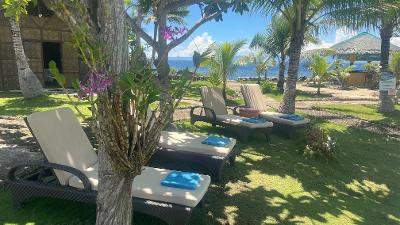
Cabilao’s appeal above water is its simplicity: village walks, beaches, sea views and time to read or snorkel. It is a good match for someone who wants a quiet island stay rather than a packed sightseeing schedule.
For more extensive touring, add time on Bohol before or after the island. That gives the Chocolate Hills, countryside and other inland attractions their own day, while Cabilao remains the calm centre of the diving holiday.
Getting to Cabilao
Travel through Bohol and continue by road and local boat to Cabilao.
Choose arrival and departure times around the onward transfer, especially when a boat crossing or a long road journey is involved. Leave space for a relaxed final day ashore and an appropriate interval between the last dive and flying.
Cabilao diving questions
What makes Cabilao worth a diving trip?
Cabilao is a small-island escape with a dramatic reef edge. Walls give way to shallow gardens and macro habitats, so an absorbing dive can end with a slow search through the reef’s finer details.
How should I plan my stay?
A small island resort is the natural base for Cabilao’s walls and nearby reefs. Compare house-reef access, boat-diving arrangements and the setting for non-divers. Five to seven nights suits a relaxed diving stay with time to revisit productive sites.
When is a useful time to visit?
November to May is a useful starting window. Walls may descend much deeper than the planned recreational profile, and currents change around points. The enjoyable dive is the route suited to the day and the group, not the deepest part of the site.
Is there enough for non-diving companions?
Cabilao’s appeal above water is its simplicity: village walks, beaches, sea views and time to read or snorkel. It is a good match for someone who wants a quiet island stay rather than a packed sightseeing schedule.
A closer look at Cabilao

Plan your Cabilao trip
Tell us the experiences you most want, your preferred dates and how you like to travel. We can bring the destination, accommodation and diving into one coherent itinerary.
Plan my trip