

Destination guide · Philippines
Siquijor Diving
Siquijor moves easily between a wall dive and an afternoon ashore. Marine sanctuaries, small reef subjects and turtle possibilities sit beside waterfalls, beaches and a relaxed island rhythm that invites you to stay a little longer.
Siquijor at a glance
Siquijor offers relaxed island diving across walls, coral slopes, marine sanctuaries and macro-friendly reefs. It is less specialised than the Philippines’ best-known shark or muck destinations, but that balance is exactly what makes it appealing for easy-paced holidays and mixed groups.
Clear-water days, turtles, reef fish and small subjects can be combined with waterfalls, beaches and independent island touring. Siquijor is best approached as a rounded dive-and-travel destination where an unhurried atmosphere is as important as any single underwater attraction.
Planning your Siquijor stay
Pick the coast and resort atmosphere first, then build the diving around nearby sanctuaries and suitable wall sites. Four to six nights can combine several diving days with an island tour. Siquijor also makes a natural contrast to a more intensive macro programme in Dauin.
When to dive Siquijor
November to May is a useful general planning window. Sheltered reefs and more exposed walls respond differently to wind and current, so a mixed selection of sites works well for newer and experienced divers travelling together.
Planning window: Best November–May.
What the diving is like
Suitable for Open Water divers, with site selection matched to conditions.
Relaxed reef diving
Siquijor works well for divers who prefer short boat rides, warm water and a flexible island schedule rather than a high-intensity expedition. Many local sites combine coral reef, sand and shallow sections that suit easy-paced fun diving and training when conditions are calm.
Walls and coral slopes
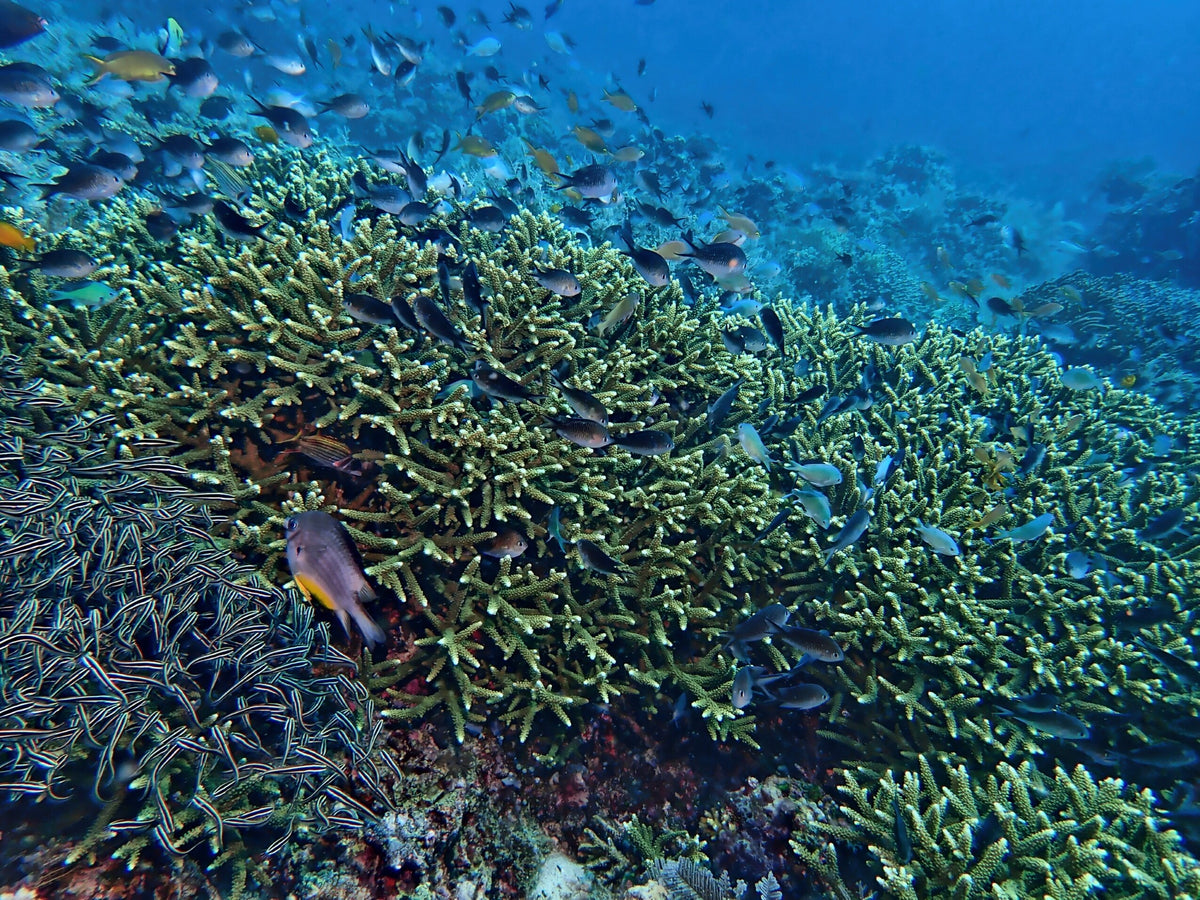
Several Siquijor sites transition from shallow reef into steeper slopes or walls, allowing divers to choose depth according to certification and conditions. Sea fans, hard coral, reef fish and occasional turtles create useful wide-angle subjects without requiring every dive to be deep.
Macro subjects
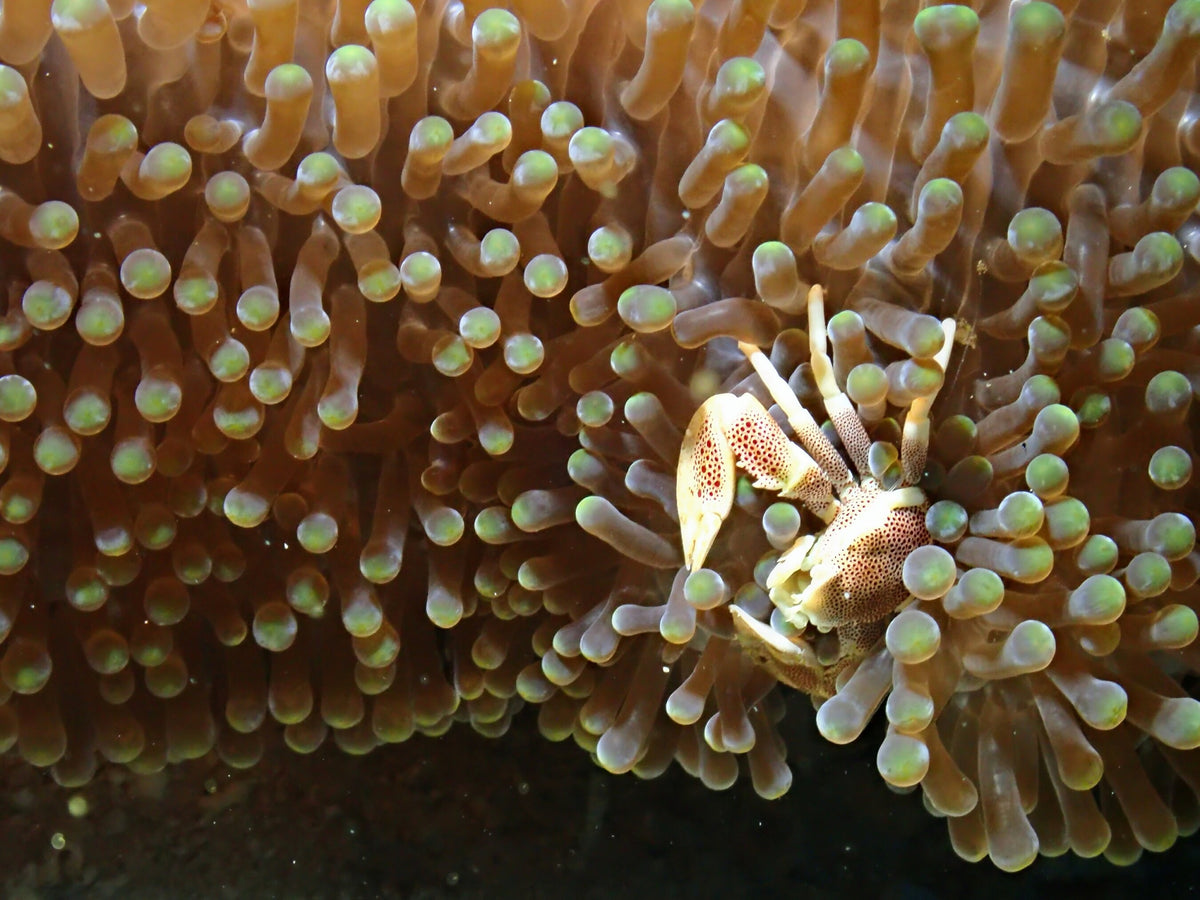
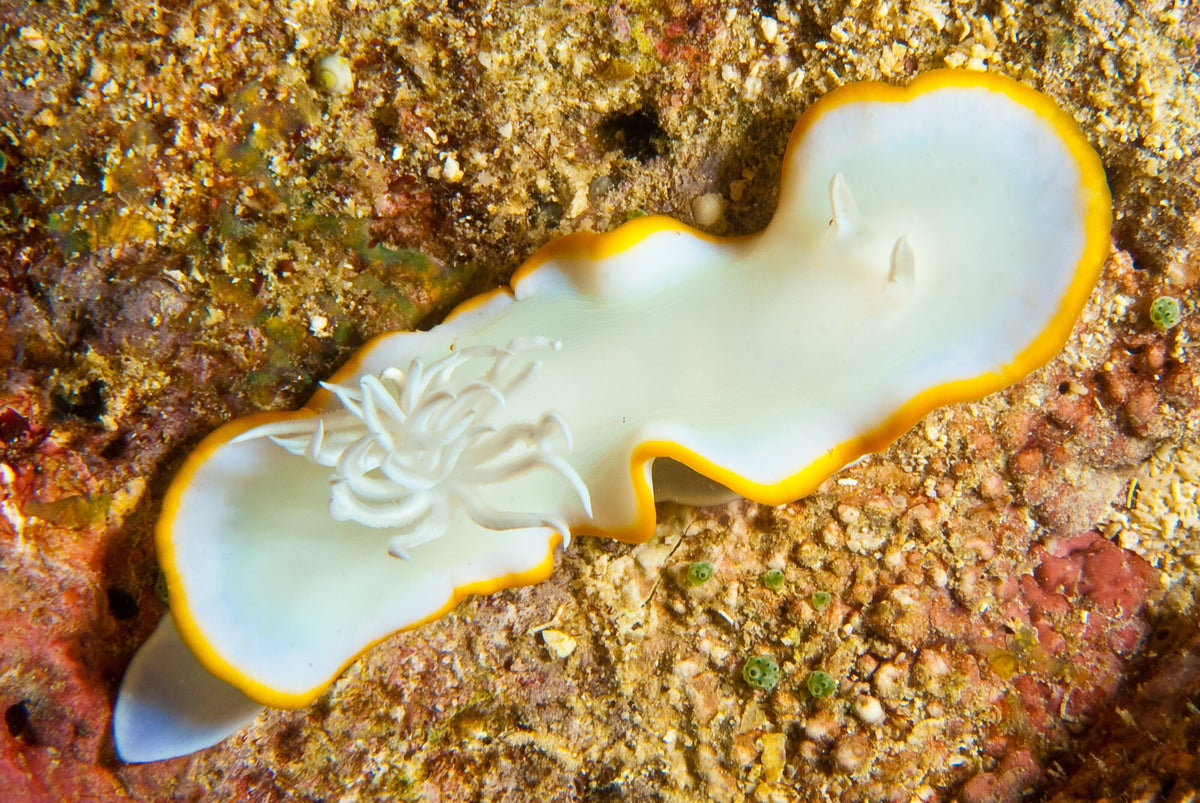
Sandy patches, reef edges and night dives can produce nudibranchs, flatworms, crustaceans, pipefish, frogfish and other small subjects. Macro productivity varies from site to site, so photographers benefit from telling the dive centre what they want to find before the boat plan is set.
Quiet island lifestyle
The diving fits naturally around Siquijor’s low-key beaches, waterfalls, villages and road trips. This makes the island especially practical for couples or mixed groups where not everyone wants to spend the entire day on a dive boat.
DIVE SITE GUIDE
Dive sites in Siquijor
Explore the character of individual sites, from the setting and marine life to the diving conditions. Open a card for the full description; site access and the final profile depend on conditions and experience.
ORIENTATION MAP
Where the dive sites are
Use the map to understand how the key sites are spread around the destination. Pins are for trip-planning orientation only; entry points, moorings and the final dive plan are always confirmed by the local operator on the day.
Coordinates are planning references compiled from current dive-site sources. They are not navigation coordinates; entry points, moorings, tide windows and the final dive plan are always confirmed by the local operator on the day.
Wall · Drift
Paliton Wall
Paliton Wall is one of Siquijor’s classic vertical dives.
Explore this dive site
- Type
- Wall · Drift
- Depth
- 5–40 m
- Experience
- Intermediate
- Current
- Moderate
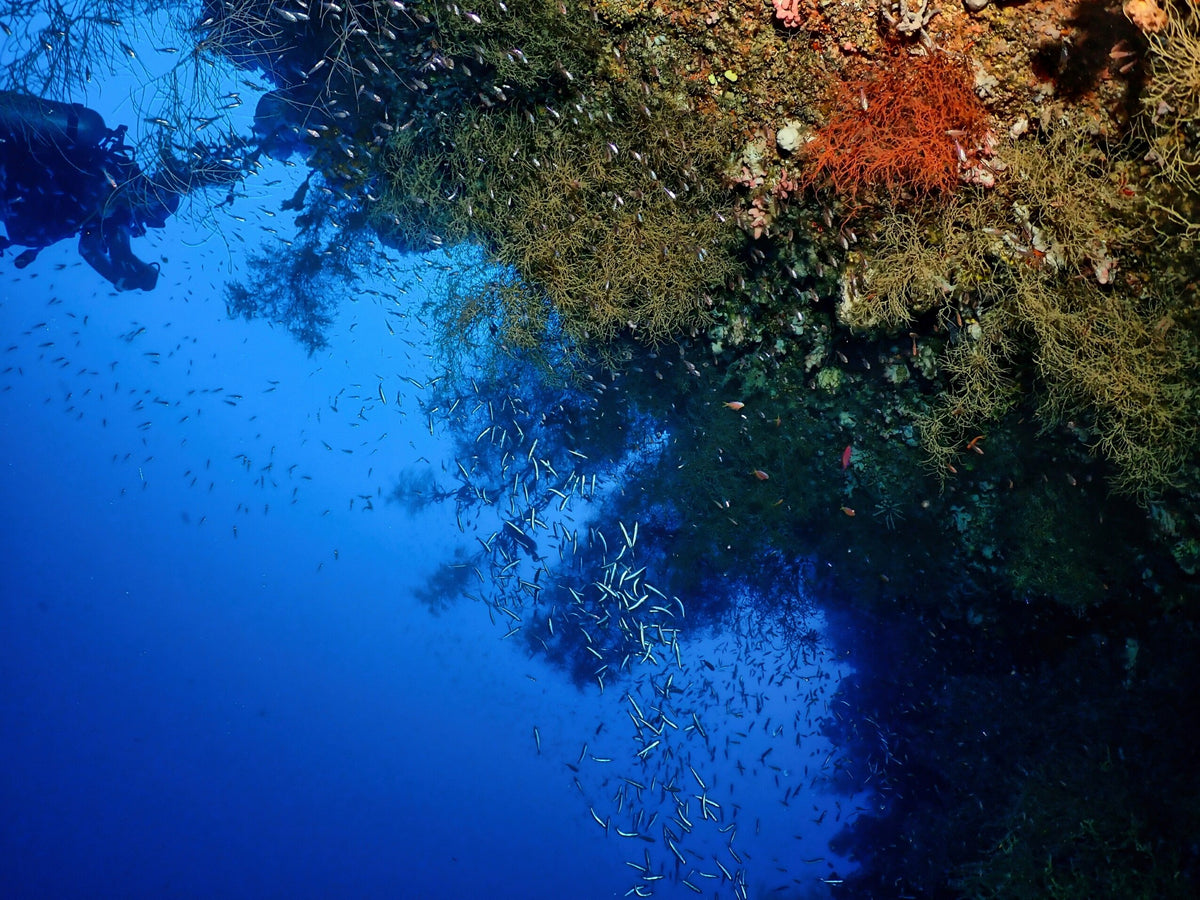
Paliton Wall is one of Siquijor’s classic vertical dives. The reef begins shallow enough for a comfortable start, then drops along a wall decorated with sea fans, sponges and reef life into water much deeper than a normal recreational profile. Turtles may cruise the face and larger fish can pass in the blue, but the wall itself is the dependable attraction.
Current can create a gentle drift, so the guide normally chooses direction around tide rather than making the group swim back to an entry point. Depth control is important because the wall can make 30 metres feel deceptively easy to reach. A strong dive spends the first section deeper, then rises gradually into the brighter reef for a long finish.
Look for: Classic Siquijor wall · Sea fans · Turtles possible · Drift profile
Best for: Sea fans · Turtles · Wall photography
Sanctuary reef · Wall
Paliton Sanctuary
Paliton Sanctuary combines a healthy upper reef with a wall that continues into deep water.
Explore this dive site
- Type
- Sanctuary reef · Wall
- Depth
- 5–50 m
- Experience
- Intermediate
- Current
- Mild–Moderate
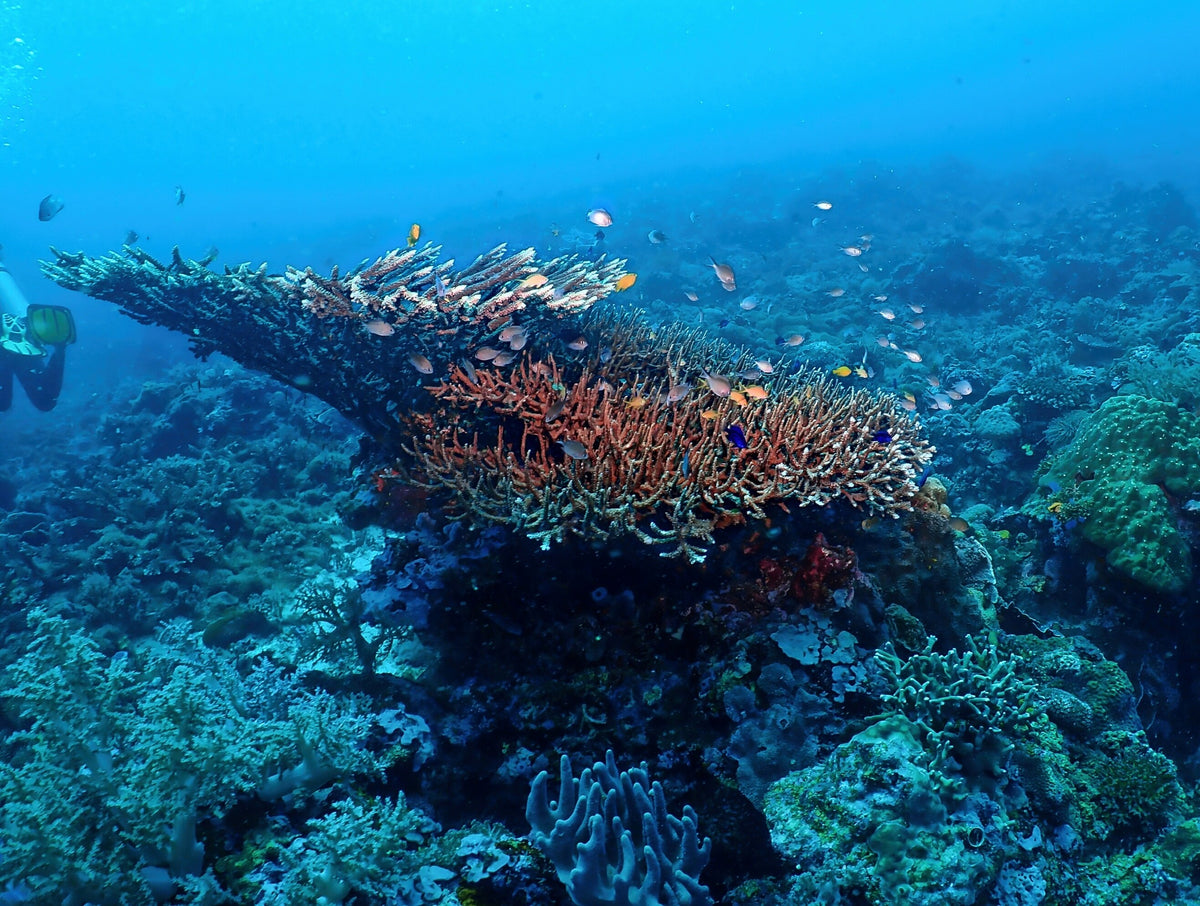
Paliton Sanctuary combines a healthy upper reef with a wall that continues into deep water. The protected shallows are the best place to appreciate coral color and fish density, while the drop-off gives experienced divers a sense of scale without requiring them to approach the wall’s maximum depth.
The site can be shaped for mixed groups: newer divers stay on the reef top and upper face while advanced divers begin slightly deeper before everyone converges in the shallows. Current is normally manageable but varies with tide. For photographers, the sanctuary is particularly useful because there is no single subject to chase; coral, reef fish and vertical scenery keep the whole profile productive.
Look for: Protected reef · Wall · Mixed-experience friendly · Wide-angle coral
Best for: Coral · Reef fish · Wall · Photography
Marine sanctuary · Reef
Tubod Marine Sanctuary
Tubod is one of Siquijor’s most accessible protected reefs and a natural choice for newer divers or anyone wanting a slower day.
Explore this dive site
- Type
- Marine sanctuary · Reef
- Depth
- 5–25 m
- Experience
- Beginner
- Current
- Usually mild
Tubod is one of Siquijor’s most accessible protected reefs and a natural choice for newer divers or anyone wanting a slower day. Coral and reef fish dominate the site, with turtles and smaller subjects possible across a broad shallow zone. Because the reef is protected and much of the interest sits at modest depth, there is no need to push deep or cover a long distance.
The best dives are deliberate, giving divers time to work on buoyancy and photographers time to compose in good natural light. Current is usually mild but local conditions still decide the route. Tubod is a strong example of how a simple reef can remain rewarding when coral health and fish life are the main focus.
Look for: Marine sanctuary · Beginner friendly · Coral reef · Turtles possible
Best for: Easy reef · Coral · Turtles · Training
Sand · Reef · Muck-style macro
Maite Marine Sanctuary
Maite mixes reef, sand and muck-style habitat in a shallow profile that is especially useful for photographers.
Explore this dive site
- Type
- Sand · Reef · Muck-style macro
- Depth
- 3–20 m
- Experience
- Beginner–Intermediate
- Current
- Usually mild
Maite mixes reef, sand and muck-style habitat in a shallow profile that is especially useful for photographers. Turtles and reef fish provide larger subjects, while the sand and rubble can hold nudibranchs, crustaceans and other small animals that reward slow searching.
The site is accessible from shore or by short boat transfer depending on operator logistics, and the moderate depth makes long dives practical. Because the bottom includes fine material, careful finning is more important than speed. Maite is a good second or third dive when the group wants to trade dramatic walls for detail, and it works particularly well at dusk when small reef animals become more active.
Look for: Macro · Turtles · Shallow profile · Shore/boat access
Best for: Macro · Turtles · Shore diving · Photography
Reef · Night · Macro
Sawang
Sawang is one of Siquijor’s most versatile reef sites, with enough fish and coral for a good daytime dive and a strong reputation after dark.
Explore this dive site
- Type
- Reef · Night · Macro
- Depth
- 5–25 m
- Experience
- Intermediate
- Current
- Mild
Sawang is one of Siquijor’s most versatile reef sites, with enough fish and coral for a good daytime dive and a strong reputation after dark. Turtles, schooling fish, nudibranchs and flatworms use the reef during the day, while octopus, crustaceans and other nocturnal animals become more prominent at night.
Blue-ringed octopus have been reported in the wider habitat but should be treated as a rare possibility, not an expected sighting. Depth stays manageable and current is usually mild, allowing divers to move slowly and keep good light control after sunset. For photographers, Sawang’s value lies in the change of behavior between day and night rather than any single landmark.
Look for: Strong night dive · Nudibranchs · Octopus potential · Reef + macro
Best for: Night diving · Turtles · Nudibranchs · Octopus
Marine sanctuary · Artificial reef · Coral
Tulapos Marine Sanctuary
Tulapos combines protected natural reef with a distinctive artificial-reef element: submerged concrete crosses and other structures have become habitat for coral and fish.
Explore this dive site
- Type
- Marine sanctuary · Artificial reef · Coral
- Depth
- 2–22 m
- Experience
- Beginner
- Current
- Mild
Tulapos combines protected natural reef with a distinctive artificial-reef element: submerged concrete crosses and other structures have become habitat for coral and fish. Barracuda schools and turtles are possible around the sanctuary, while the shallow depth makes the site accessible to newer divers and snorkellers.
The best profile keeps the group on the reef rather than treating the structures as obstacles to swim through; the value is seeing how marine life has colonised them. Mild current and good light make the site especially useful for wide-angle photography. As with any sanctuary, buoyancy and reef contact matter more than covering distance, and divers should follow current local access rules.
Look for: Artificial reef structures · Barracuda possible · Turtles · Beginner friendly
Best for: Barracuda · Turtles · Shallow reef · Artificial structures
Seamount · Pelagic · Deep reef
Sunken Island / Takot Shoal
Sunken Island, also known locally as Takot Shoal, is Siquijor’s more exposed advanced profile.
Explore this dive site
- Type
- Seamount · Pelagic · Deep reef
- Depth
- 12–40 m
- Experience
- Advanced
- Current
- Moderate
Sunken Island, also known locally as Takot Shoal, is Siquijor’s more exposed advanced profile. The submerged reef rises into recreational depth but falls away toward deeper water, creating a seamount-style dive where schooling fish and passing pelagics are more likely than on the sheltered coastal reefs.
Current can increase around the structure, so the guide chooses the entry and depth band according to tide and experience. The site should not be approached as a guaranteed big-animal dive; the open-water potential is a bonus over the reef itself. Advanced divers get the most from a multilevel profile that uses the deeper edge early and returns to the shallower summit for the ascent.
Look for: Submerged shoal · Pelagic potential · Deep profile · Advanced current skills
Best for: Pelagics · Seamount topography · Deep reef
Wall · Drift · Current corner
Liloan Corner
Liloan Corner sits on Siquijor’s southeast coast where water movement gives the reef a more energetic character.
Explore this dive site
- Type
- Wall · Drift · Current corner
- Depth
- 5–40 m
- Experience
- Advanced
- Current
- Moderate–Strong
Liloan Corner sits on Siquijor’s southeast coast where water movement gives the reef a more energetic character. Sea fans and black coral decorate the wall while schools of jacks and other fish may gather around the current-facing corner. The site can become a proper drift, so it is better suited to experienced divers who are comfortable controlling depth beside a wall while moving with the water.
The strongest route uses the reef contour for shelter and avoids fighting the current directly. Even without a large school, the combination of wall structure, fans and changing light gives the dive plenty of visual interest. The wall continues deeper than necessary, so depth limits should be agreed before descent.
Look for: Current-facing corner · Sea fans · Black coral · Advanced drift
Best for: Sea fans · Black coral · Jackfish · Drift
Underwater photography
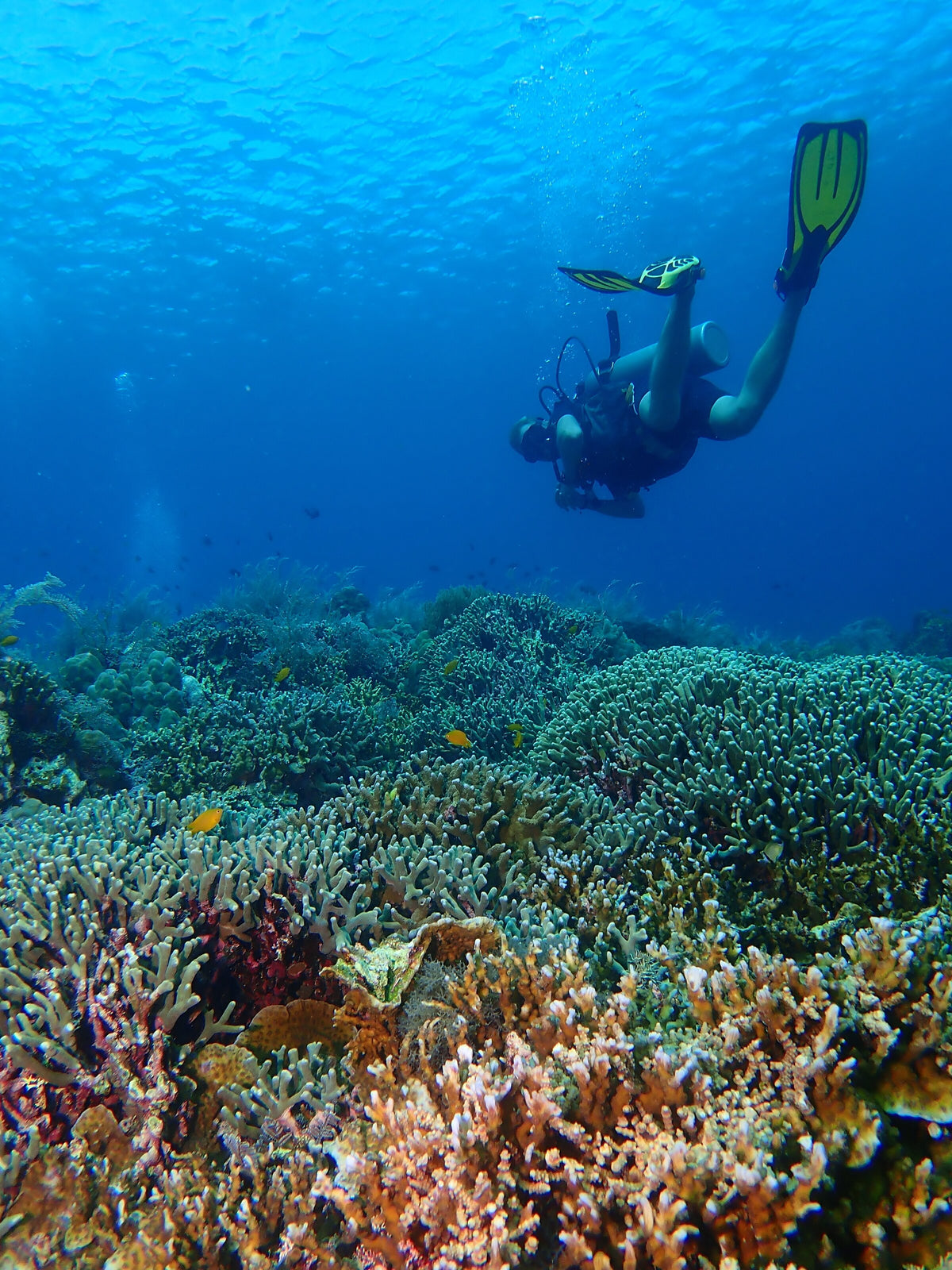
At Paliton Wall, sea fans, Turtles, Wall photography give an idea of the photographic possibilities. Choose the camera setup for the planned sites, then leave time to observe the scene before making the image. Repeating a productive dive often creates better opportunities than constantly searching for a different location. For reef scenes, use the shape of the reef and the available light to give the image depth. A diver at a respectful distance can provide scale without crowding an animal.
Beyond diving: Siquijor above the surface
Island touring is one of Siquijor’s strengths. Beaches, waterfalls and heritage stops can fill an enjoyable day without scuba, with room for a village lunch or an unplanned pause beside the coast.
The experience is best when touring remains unhurried. Choose transport suited to the group and allow time at each stop, especially with children or guests who prefer easier walking. A resort with good snorkelling access can make the quieter days just as appealing as the excursions.
Getting to Siquijor
Connect by ferry from Dumaguete, Bohol or Cebu.
Choose arrival and departure times around the onward transfer, especially when a boat crossing or a long road journey is involved. Leave space for a relaxed final day ashore and an appropriate interval between the last dive and flying.
Siquijor diving questions
What makes Siquijor worth a diving trip?
Siquijor moves easily between a wall dive and an afternoon ashore. Marine sanctuaries, small reef subjects and turtle possibilities sit beside waterfalls, beaches and a relaxed island rhythm that invites you to stay a little longer.
How should I plan my stay?
Pick the coast and resort atmosphere first, then build the diving around nearby sanctuaries and suitable wall sites. Four to six nights can combine several diving days with an island tour. Siquijor also makes a natural contrast to a more intensive macro programme in Dauin.
When is a useful time to visit?
November to May is a useful general planning window. Sheltered reefs and more exposed walls respond differently to wind and current, so a mixed selection of sites works well for newer and experienced divers travelling together.
Is there enough for non-diving companions?
Island touring is one of Siquijor’s strengths. Beaches, waterfalls and heritage stops can fill an enjoyable day without scuba, with room for a village lunch or an unplanned pause beside the coast.
A closer look at Siquijor


Plan your Siquijor trip
Tell us the experiences you most want, your preferred dates and how you like to travel. We can bring the destination, accommodation and diving into one coherent itinerary.
Plan my tripPhoto credits
Images are resized for display and may be cropped to fit the page layout.
- Clear water and flowering trees at Salagdoong Beach, Siquijor: Salagdoong Beach (11052549025).jpg — RM Bulseco from Davao City, Philippines. CC BY 2.0. Web-size image supplied by Wikimedia Commons; no scene edits.
- Palm trees and an outrigger boat at Paliton Beach, Siquijor: Paliton Beach, Siquijor, Philippines.JPG — Checawey. CC BY-SA 3.0. Web-size image supplied by Wikimedia Commons; no scene edits.
- Cambugahay Falls cascading into a turquoise pool on Siquijor: Cambugahay Falls 01.JPG — Lawrence Ruiz. CC BY-SA 4.0. Web-size image supplied by Wikimedia Commons; no scene edits.
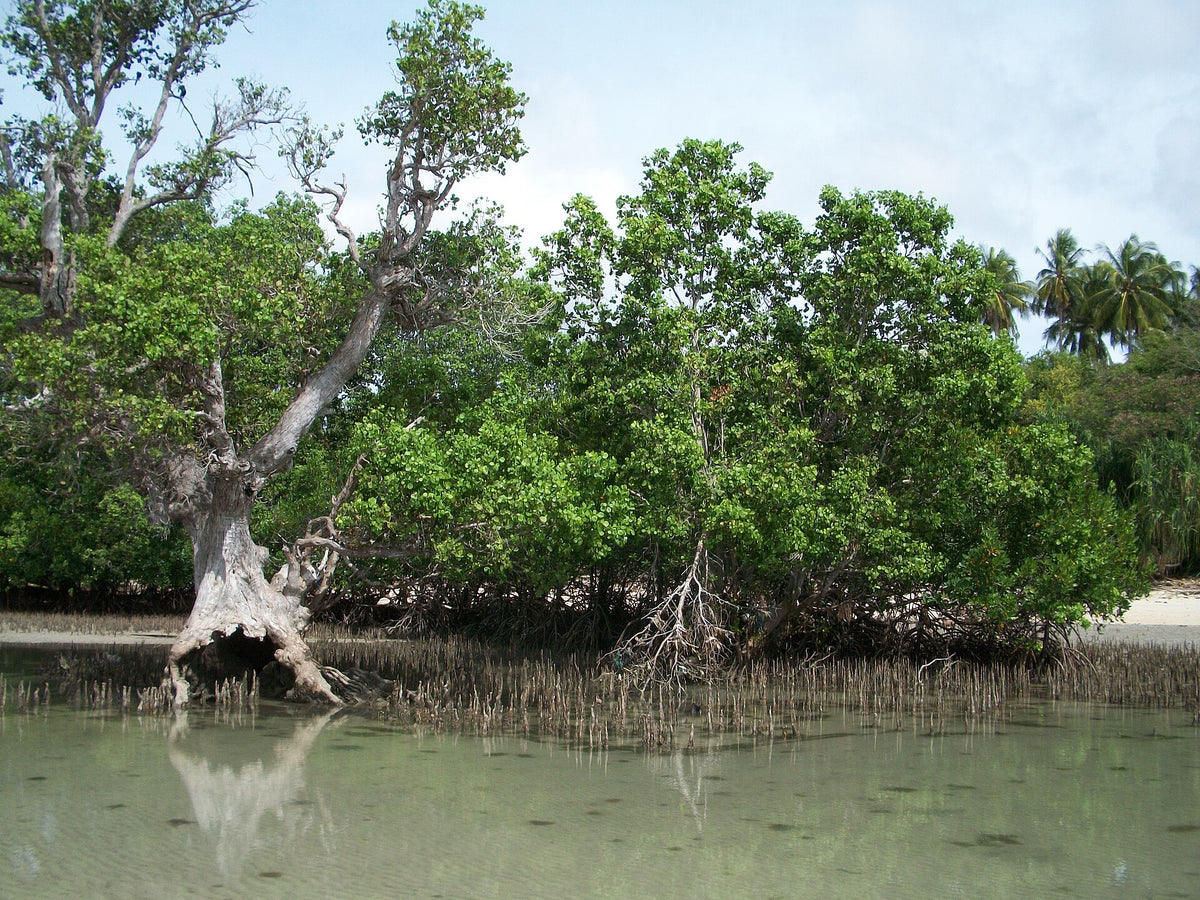
- Mangroves along Sandugan Beach on Siquijor: Siquijor - Sandugan Beach mangroves.jpg — adam nicholson. CC BY 2.0. Web-size image supplied by Wikimedia Commons; no scene edits.
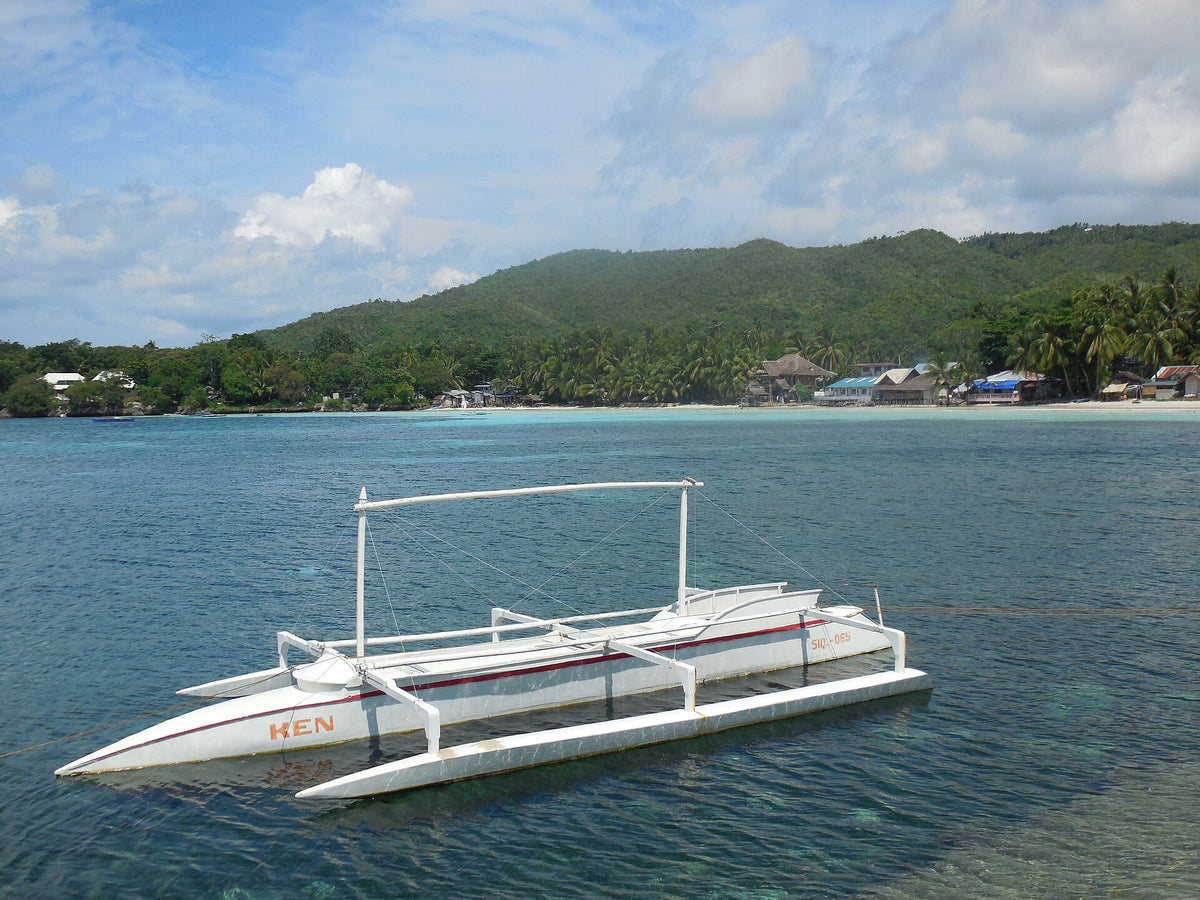
- White outrigger boat beside the green coastline of Siquijor: Siquijor Beach 01.JPG — Lawrence Ruiz. CC BY-SA 4.0. Web-size image supplied by Wikimedia Commons; no scene edits.
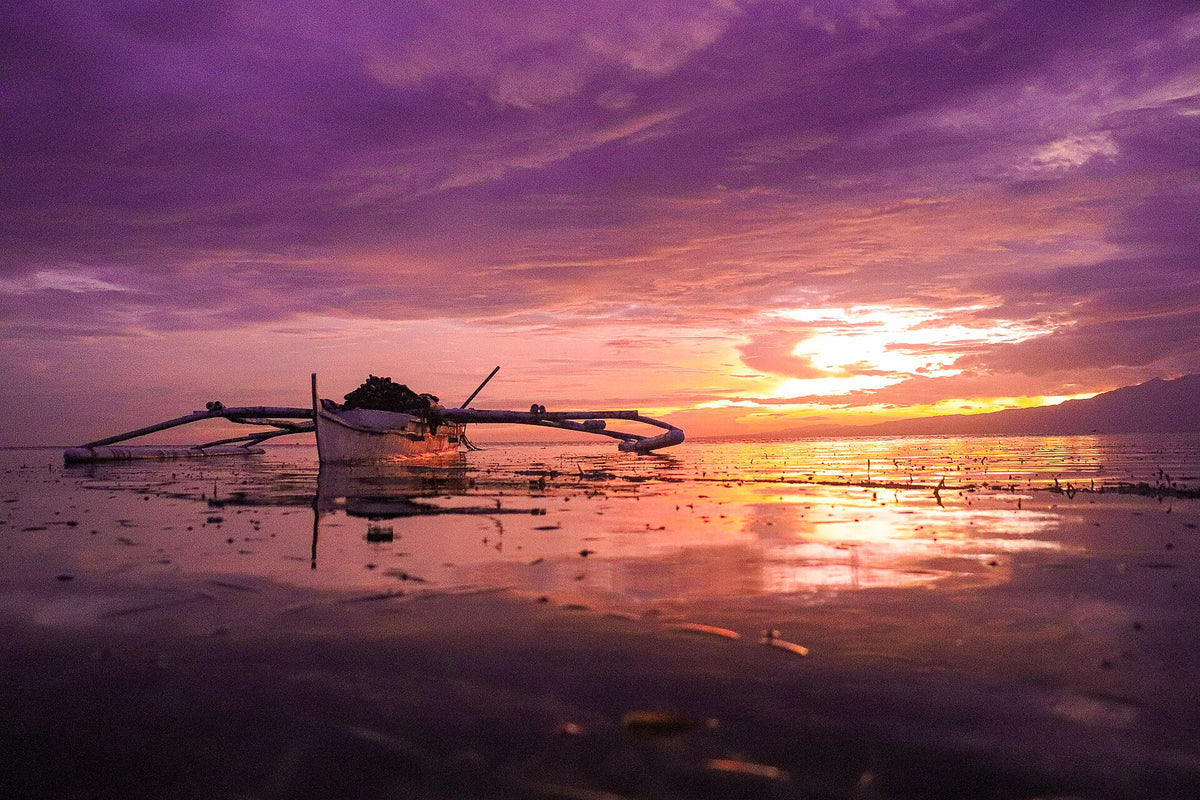
- Outrigger boat at sunset in San Juan, Siquijor: Protected Life.jpg — Jerche Amada. CC BY-SA 4.0. Web-size image supplied by Wikimedia Commons; no scene edits.
.jpg)


