

Destination guide · Philippines
Ticao Island & Bicol Diving
At Ticao, open water and moving currents give the diving a sense of anticipation. Manta Bowl is the headline, but the surrounding reefs and island scenery give a visit texture even when the larger animals remain out of sight.
Ticao Island & Bicol at a glance
Ticao Island and the wider Bicol region combine remote reefs with the possibility of manta and other large-animal encounters. Current-swept channels, open-water sites and island scenery give the destination a more adventurous character than a conventional resort holiday.
The strongest programmes are built for experienced divers and allow flexibility for sea conditions. Wildlife is entirely natural and cannot be promised, but the combination of Manta Bowl, regional reefs and a quiet island base makes Ticao attractive to travellers seeking a less familiar Philippine route.
Planning your Ticao Island stay
A Ticao base is useful for combining current-dependent offshore diving with gentler reef days. Aim for several opportunities to visit Manta Bowl across a five- to seven-night stay. Divers should already be comfortable with open-water entries, changing current and boat pickups.

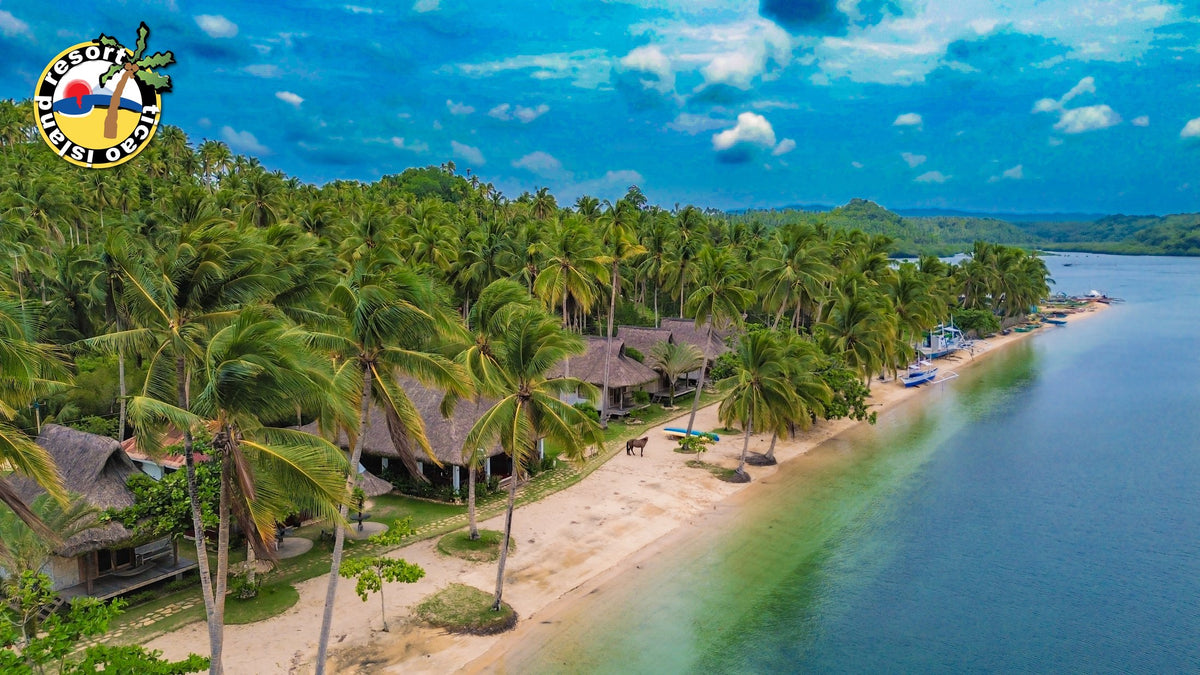
Ticao Island Resort
Remote Masbate island resort with beachfront cabanas, full-board dive packages, Manta Bowl access and a broad programme of nature excursions.
Liveaboard routes for this destination
Explore the routes that visit this region. Compare ships and itineraries, then open a route to see its sailing dates, cabins and the areas it covers.
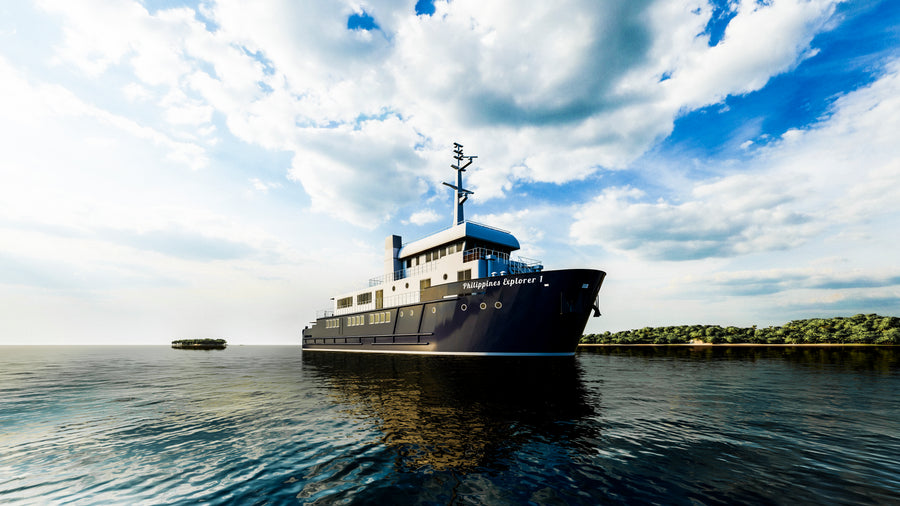
Philippines Explorer I
Ultimate Visayas: Dauin to Donsol
- Indicative duration
- 10 nights
- Embarkation
- Dauin, Negros Oriental
- Disembarkation
- Donsol, Sorsogon
Philippines Explorer I
Ultimate Visayas: Donsol to Dauin
- Indicative duration
- 10 nights
- Embarkation
- Donsol, Sorsogon
- Disembarkation
- Dauin, Negros Oriental
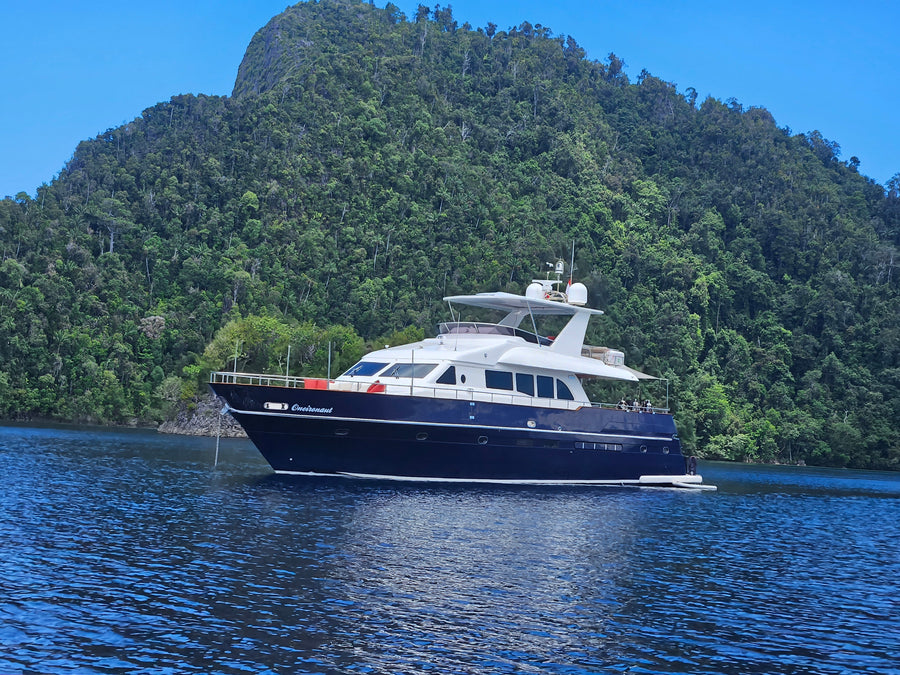
Philippines Explorer II
Mantas & Sharks: Donsol to Malapascua
- Indicative duration
- 6 nights
- Embarkation
- Donsol, Sorsogon
- Disembarkation
- Malapascua, Cebu
Philippines Explorer II
Mantas & Sharks: Malapascua to Donsol
- Indicative duration
- 6 nights
- Embarkation
- Malapascua, Cebu
- Disembarkation
- Donsol, Sorsogon
Philippines Explorer II
Ultimate Visayas: Dauin to Donsol
- Indicative duration
- 13 nights
- Embarkation
- Dauin, Negros Oriental
- Disembarkation
- Donsol, Sorsogon
Philippines Explorer II
Ultimate Visayas: Donsol to Dauin
- Indicative duration
- 13 nights
- Embarkation
- Donsol, Sorsogon
- Disembarkation
- Dauin, Negros Oriental
Philippines Explorer II
Visayas Expedition: Dauin to Donsol
- Indicative duration
- 12 nights
- Embarkation
- Dauin, Negros Oriental
- Disembarkation
- Donsol, Sorsogon
Philippines Explorer II
Visayas Expedition: Donsol to Dauin
- Indicative duration
- 12 nights
- Embarkation
- Donsol, Sorsogon
- Disembarkation
- Dauin, Negros Oriental
No routes match this search. Try another vessel or clear your search.
When to dive Ticao Island
December to June is the existing planning window for the region. Offshore sites are exposed, and the daily decision rests on sea state and water movement. An itinerary that also includes sheltered reefs gives the holiday a better balance than repeated attempts at one open-water site.
Planning window: Best December–June.
What the diving is like
Advanced experience is recommended because currents and open-water conditions can be dynamic.
Manta cleaning areas
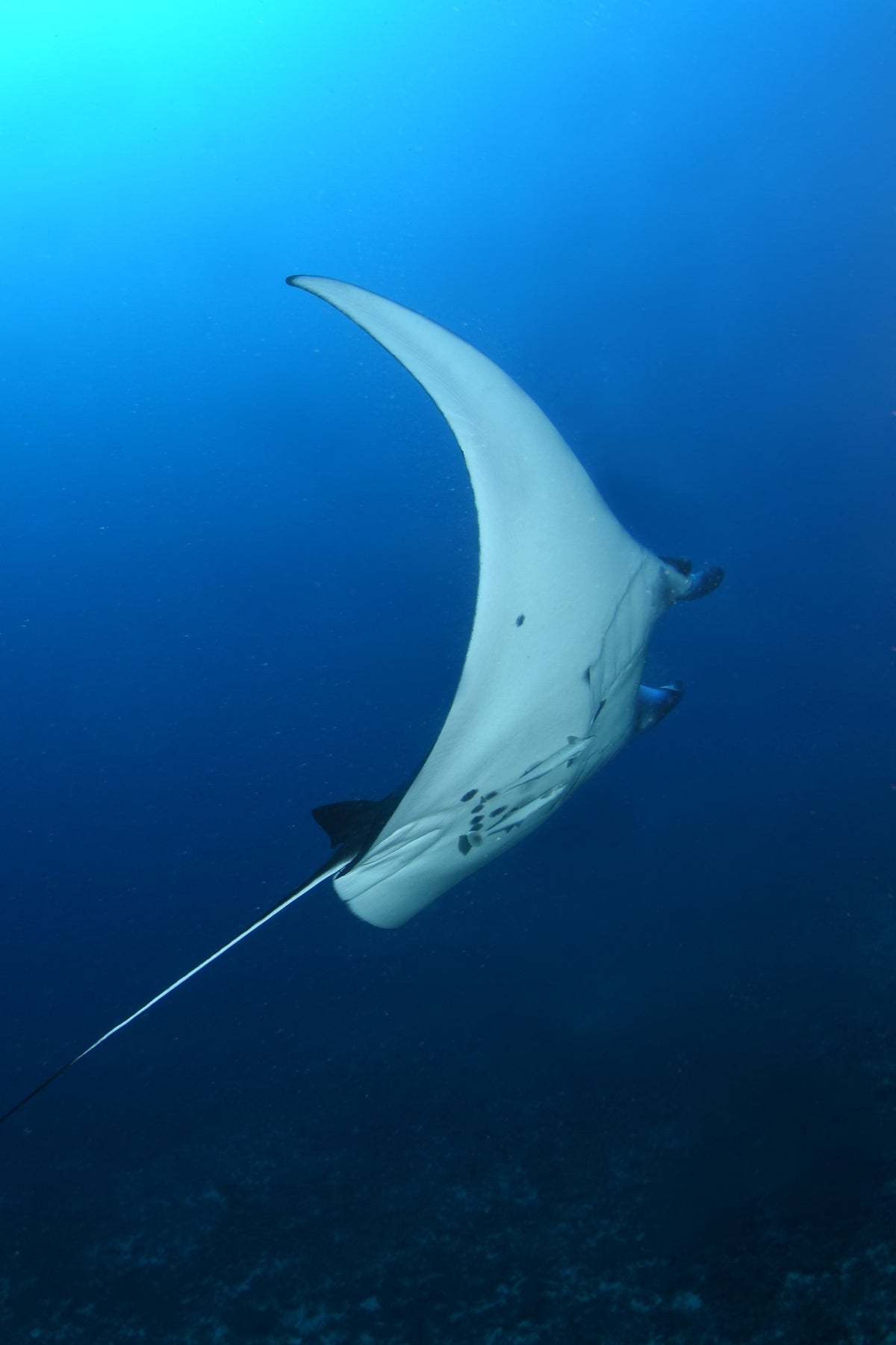
Ticao’s best-known big-animal dive is Manta Bowl, a submerged seamount in Ticao Pass where reef mantas visit cleaning stations in nutrient-rich current. Encounters are natural and never guaranteed, and the strong water movement makes the site more appropriate for confident divers who can follow negative-entry and reef-hook procedures when required.
Seasonal whale-shark potential
Whale sharks may pass through the wider Ticao–Bicol area, particularly when plankton conditions overlap with the Donsol season. This should be treated as seasonal wildlife potential rather than a promised dive encounter, with daily plans adjusted to weather, visibility and local reports.
Remote island reefs
Away from Manta Bowl, the San Miguel and northern Ticao reefs add coral gardens, walls, mixed reef-and-sand habitat and macro life. These sites give the programme useful balance on days when the pass is too rough or when divers want slower reef photography instead of current-heavy blue-water diving.
Expedition atmosphere
Ticao remains a relatively remote dive base with limited infrastructure compared with the Philippines’ major resort hubs. Weather and sea state can materially change the day’s plan, so the destination rewards travellers who value flexibility, small-group diving and access to a less-developed part of the Bicol region.
DIVE SITE GUIDE
Dive sites in Ticao Island & Bicol
Explore the character of individual sites, from the setting and marine life to the diving conditions. Open a card for the full description; site access and the final profile depend on conditions and experience.
ORIENTATION MAP
Where the dive sites are
Use the map to understand how the key sites are spread around the destination. Pins are for trip-planning orientation only; entry points, moorings and the final dive plan are always confirmed by the local operator on the day.
Coordinates are planning references compiled from current dive-site sources. They are not navigation coordinates; entry points, moorings, tide windows and the final dive plan are always confirmed by the local operator on the day.
Seamount · Cleaning station · Current
Manta Bowl
Manta Bowl is Ticao’s defining dive: a submerged seamount in the middle of Ticao Pass where plankton-rich current supports cleaning stations used by reef mantas.
Explore this dive site
- Type
- Seamount · Cleaning station · Current
- Depth
- 18–30 m
- Experience
- Advanced
- Current
- Strong
Manta Bowl is Ticao’s defining dive: a submerged seamount in the middle of Ticao Pass where plankton-rich current supports cleaning stations used by reef mantas. Divers normally descend promptly, settle near the recognized observation area and watch the blue rather than swimming across the reef.
Mantas may circle repeatedly when conditions align, while eagle rays, tuna and other pelagics can also pass through. The current is not incidental — it is the reason the site is productive — so negative entries, disciplined group control and a clear ascent plan are important. Mantas are wild and never guaranteed, and the best encounters come from staying low, avoiding pursuit and leaving the cleaning station open.
Look for: Manta cleaning station · Strong current · Pelagic potential · Advanced dive
Best for: Reef mantas · Pelagics · Current diving
Channel · Current · Pelagic
Tuna Alley
Tuna Alley is a high-energy Ticao Pass dive built around moving water and open-water fish activity.
Explore this dive site
- Type
- Channel · Current · Pelagic
- Depth
- 18–25 m
- Experience
- Advanced
- Current
- Strong
Tuna Alley is a high-energy Ticao Pass dive built around moving water and open-water fish activity. Schools of skipjack tuna can stream through the channel, with other pelagics using the same current line when conditions are productive.
Whale sharks are possible in the wider Bicol region but should be treated as exceptional wildlife rather than a dive expectation, and dedicated Donsol interactions follow separate rules. The working depth is usually around the high teens to mid-twenties, which means divers need both current skills and disciplined gas planning. The guide’s timing is everything: a well-chosen tidal window can turn the site into a controlled blue-water drift, while the wrong current would make it unnecessarily difficult.
Look for: Tuna schools · Strong current · Blue-water dive · Pelagic potential
Best for: Skipjack tuna · Blue-water action · Whale-shark potential
Cove · Wall · Cavern-like topography
Parola / Lighthouse Cove
Parola, or Lighthouse Cove, trades Ticao Pass’s open seamounts for limestone topography closer to the island.
Explore this dive site
- Type
- Cove · Wall · Cavern-like topography
- Depth
- 5–20 m
- Experience
- Intermediate
- Current
- Moderate
Parola, or Lighthouse Cove, trades Ticao Pass’s open seamounts for limestone topography closer to the island. The reef includes walls, ledges and a partially flooded cavern-like feature that creates dramatic light and shadow without requiring divers to make a technical cave dive.
Rays and sharks are possible around the outer reef, but the dependable attraction is the shape of the site itself. Depth stays moderate and gives photographers time to work the limestone and coral scenery, while current is generally easier than at Manta Bowl. Any enclosed feature should still be treated conservatively: divers who are uncomfortable with overhead space can remain outside and enjoy the cove and wall.
Look for: Limestone topography · Cove wall · Cavern-like light · Rays & sharks possible
Best for: Limestone scenery · Rays · Sharks possible · Wide angle
Reef · Swim-throughs · Soft coral
Tres Grace
Tres Grace is one of Ticao’s calmer reef dives and a useful change of pace after the current-heavy sites in the pass.
Explore this dive site
- Type
- Reef · Swim-throughs · Soft coral
- Depth
- 5–20 m
- Experience
- Intermediate
- Current
- Mild
Tres Grace is one of Ticao’s calmer reef dives and a useful change of pace after the current-heavy sites in the pass. Limestone formations create small passages and swim-through-style features, while soft coral and reef fish add color along the route.
The depth range is modest and current is generally mild, making the site suitable for intermediate divers who want topography without a demanding drift. Nobody needs to enter every opening to enjoy the dive; the exterior reef and coral remain the main attraction. With good buoyancy, photographers can use the rock formations as frames and still spend time on smaller reef life, making Tres Grace a versatile second or third dive.
Look for: Limestone swim-throughs · Soft coral · Mild current · Photography
Best for: Soft coral · Limestone passages · Relaxed reef
Wall · Overhangs · Macro
Bobby’s Wall
Bobby’s Wall is a detail-rich Ticao dive where the pace slows down dramatically.
Explore this dive site
- Type
- Wall · Overhangs · Macro
- Depth
- 5–24 m
- Experience
- Intermediate
- Current
- Mild
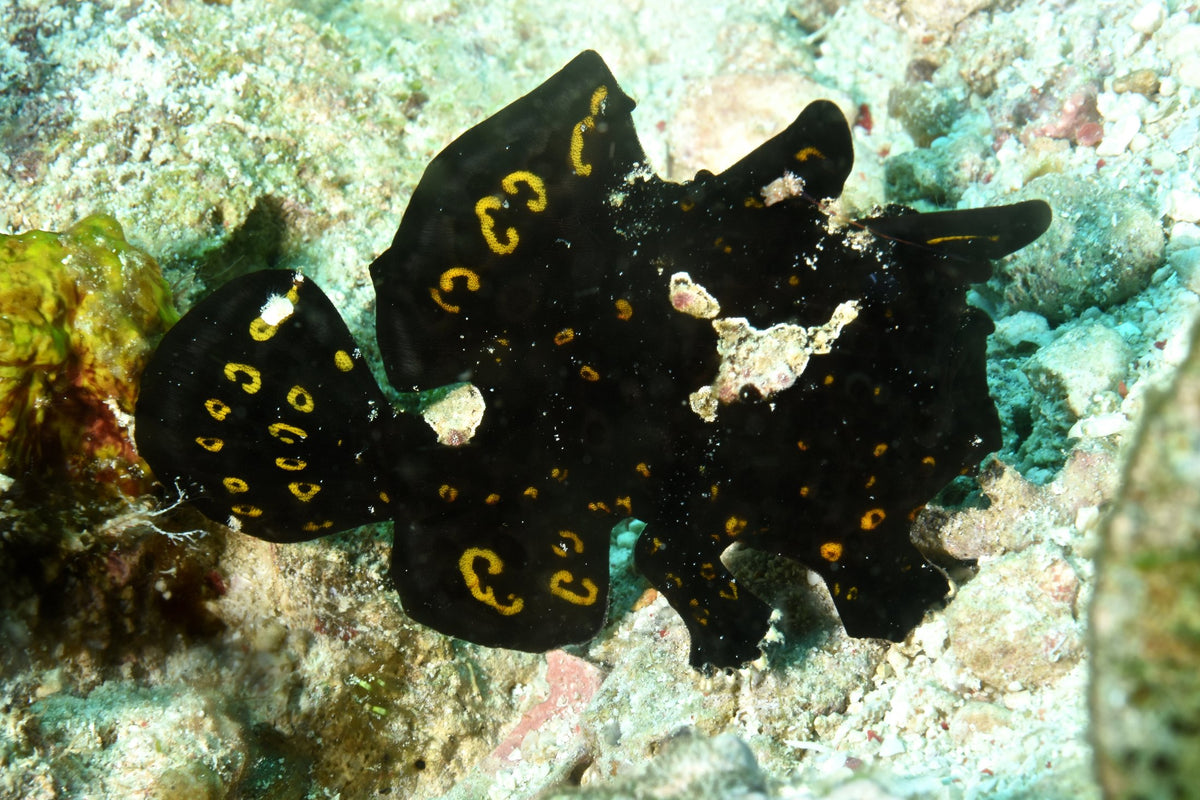
Bobby’s Wall is a detail-rich Ticao dive where the pace slows down dramatically. The reef slopes into a compact wall and a series of overhangs that shelter nudibranchs, frogfish, shrimp and other small animals, giving macro photographers an excellent alternative to the big-animal dives in the pass.
Typical working depth stays inside the high teens, though deeper sections reach into the low twenties. Current is normally mild enough for deliberate photography and the wall provides an easy visual reference throughout the dive. The strongest experience comes from moving slowly and letting the guide inspect cracks and overhangs rather than treating the site as a simple transit along the reef.
Look for: Macro wall · Frogfish · Nudibranchs · Mild-current profile
Best for: Nudibranchs · Frogfish · Shrimp · Wall photography
Steep reef · Wall · Blue-water edge
Lapus Lapus East
Lapus Lapus East combines close reef detail with an open-water edge.
Explore this dive site
- Type
- Steep reef · Wall · Blue-water edge
- Depth
- 5–20 m
- Experience
- Intermediate
- Current
- Mild–Moderate
Lapus Lapus East combines close reef detail with an open-water edge. The steep face supports frogfish, nudibranchs and other macro life, while tuna or mackerel may move past in the blue when conditions bring baitfish close to the reef.
That contrast makes the site especially useful for photographers who do not want to commit to one lens style for an entire dive. The depth is moderate and current is usually manageable, so the group can spend time on the wall rather than racing along it. Pelagic encounters are opportunistic, but the reef itself remains productive and gives a more relaxed view of Ticao than the current-driven offshore seamounts.
Look for: Steep reef face · Macro · Tuna possible · Mixed lens dive
Best for: Frogfish · Nudibranchs · Tuna / mackerel potential
Gentle slope · Reef · Macro
Lapus Lapus West
Lapus Lapus West is the gentler side of the area, with a shallow slope and mild current that works well for newer divers and slow macro photography.
Explore this dive site
- Type
- Gentle slope · Reef · Macro
- Depth
- 3–16 m
- Experience
- Beginner
- Current
- Mild
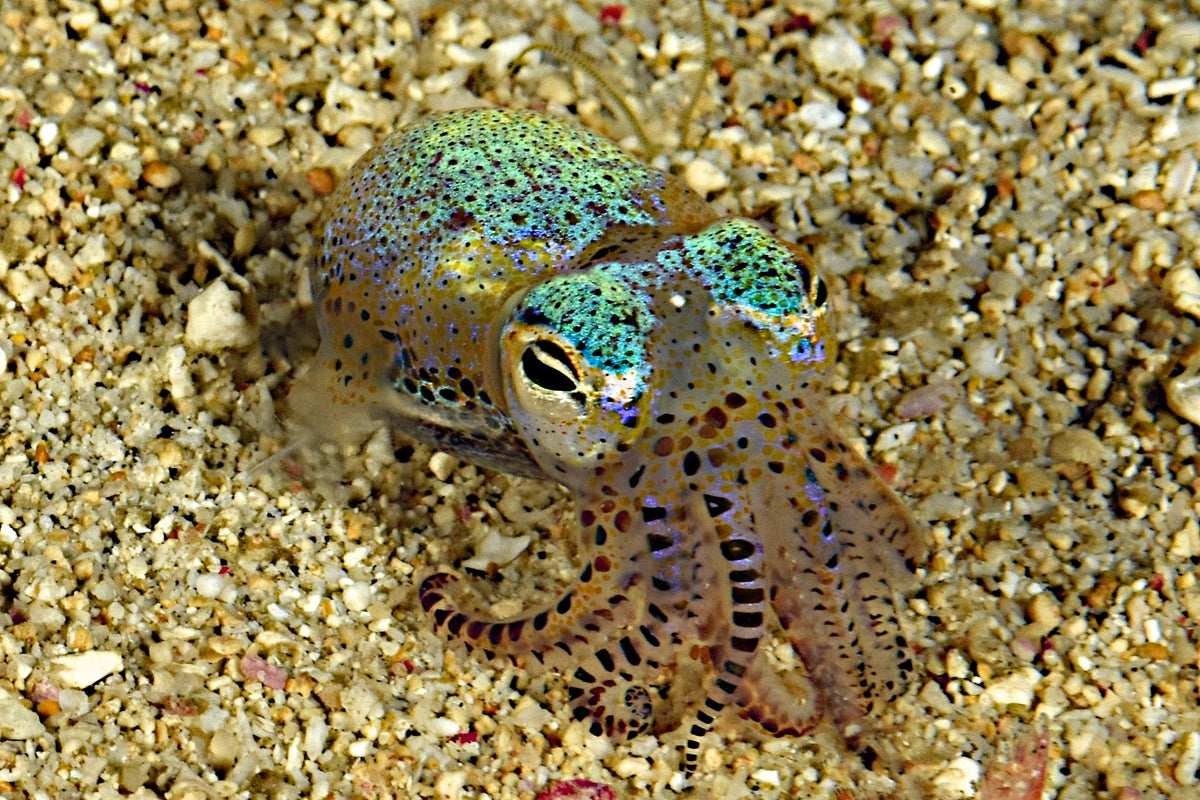
Lapus Lapus West is the gentler side of the area, with a shallow slope and mild current that works well for newer divers and slow macro photography. Cuttlefish, squid egg clusters, nudibranchs and Spanish dancers are among the subjects associated with the site, and the shallow profile keeps natural light strong for most of the dive.
Because there is no need to descend deep, bottom time is generous and divers can concentrate on behavior rather than monitoring a tight decompression limit. It is a valuable site in a Ticao programme precisely because it is not an adrenaline dive: after Manta Bowl or Tuna Alley, Lapus Lapus West gives the group time to slow down and look closely.
Look for: Beginner friendly · Cuttlefish · Nudibranchs · Long shallow profile
Best for: Cuttlefish · Squid eggs · Nudibranchs · Easy diving
Boulder reef · Shark resting area
Shark Apartment
Shark Apartment is a boulder-field site associated with resting whitetip reef sharks, which may shelter beneath ledges and between large rocks.
Explore this dive site
- Type
- Boulder reef · Shark resting area
- Depth
- 10–20 m
- Experience
- Intermediate
- Current
- Mild
Shark Apartment is a boulder-field site associated with resting whitetip reef sharks, which may shelter beneath ledges and between large rocks. Bamboo sharks and occasional larger pelagic visitors are also possible, but the dive should never be sold as a guaranteed shark show.
The moderate depth and relatively mild current make the site less demanding than Manta Bowl, allowing divers to move slowly and watch natural resting behavior without crowding an animal. Good positioning matters: staying outside the shelter and giving sharks room produces a calmer encounter and better photographs. The exact point is operator-managed within the same broader offshore shoal area as other Ticao Pass sites.
Look for: Whitetip reef sharks possible · Boulder habitat · Moderate depth · Wildlife etiquette
Best for: Whitetip reef sharks · Boulder habitat · Photography
Underwater photography
At Manta Bowl, reef mantas, Pelagics, Current diving give an idea of the photographic possibilities. Choose the camera setup for the planned sites, then leave time to observe the scene before making the image. Repeating a productive dive often creates better opportunities than constantly searching for a different location. For reef scenes, use the shape of the reef and the available light to give the image depth. A diver at a respectful distance can provide scale without crowding an animal.
Beyond diving: Ticao Island above the surface
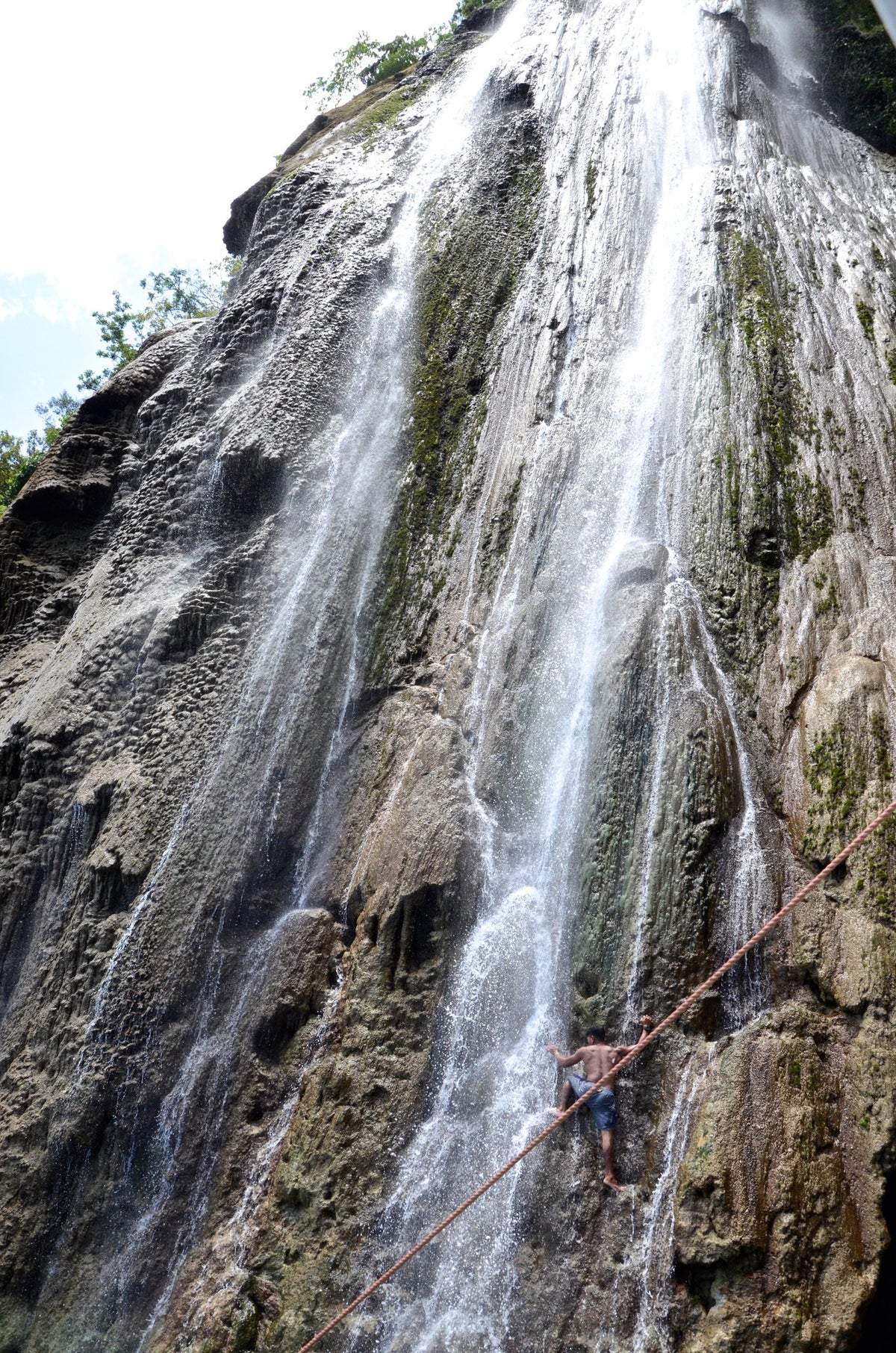
Quiet beaches, coastal villages and boat journeys are central to the Ticao experience. It suits companions who enjoy natural surroundings and time on an island with a slower pace, rather than a busy resort strip.
A wider Bicol journey can add mainland scenery and cultural stops before or after the island stay. Keep this as a separate travel segment: long road and sea transfers are more enjoyable when they are given their own day instead of being fitted around a full diving schedule.
Getting to Ticao Island
Fly to Bicol, then continue by road and boat according to the selected island base.
Choose arrival and departure times around the onward transfer, especially when a boat crossing or a long road journey is involved. Leave space for a relaxed final day ashore and an appropriate interval between the last dive and flying.
Ticao Island diving questions
What makes Ticao Island worth a diving trip?
At Ticao, open water and moving currents give the diving a sense of anticipation. Manta Bowl is the headline, but the surrounding reefs and island scenery give a visit texture even when the larger animals remain out of sight.
How should I plan my stay?
A Ticao base is useful for combining current-dependent offshore diving with gentler reef days. Aim for several opportunities to visit Manta Bowl across a five- to seven-night stay. Divers should already be comfortable with open-water entries, changing current and boat pickups.
When is a useful time to visit?
December to June is the existing planning window for the region. Offshore sites are exposed, and the daily decision rests on sea state and water movement. An itinerary that also includes sheltered reefs gives the holiday a better balance than repeated attempts at one open-water site.
Is there enough for non-diving companions?
Quiet beaches, coastal villages and boat journeys are central to the Ticao experience. It suits companions who enjoy natural surroundings and time on an island with a slower pace, rather than a busy resort strip.
A closer look at Ticao Island & Bicol





Plan your Ticao Island trip
Tell us the experiences you most want, your preferred dates and how you like to travel. We can bring the destination, accommodation and diving into one coherent itinerary.
Plan my trip