

Destination guide · Philippines
Southern Leyte & Sogod Bay Diving
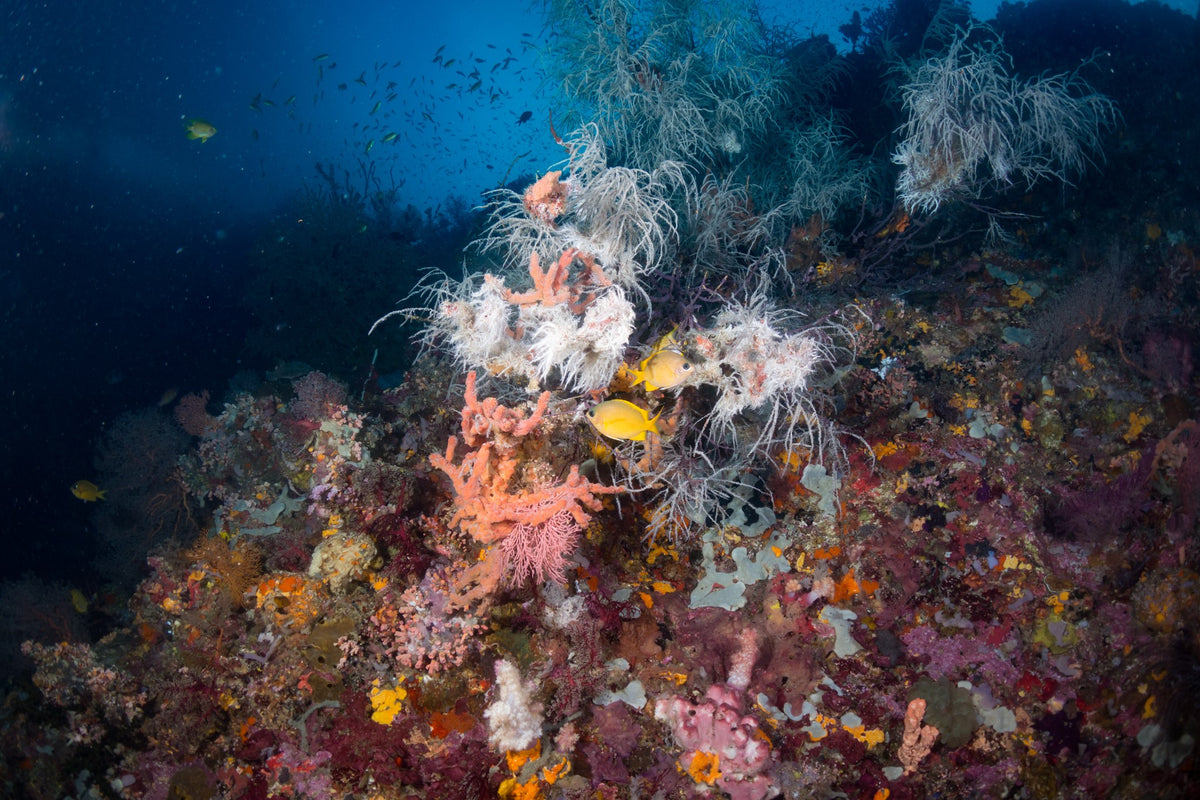
Sogod Bay rewards divers who notice the reef itself: the shape of a coral garden, fish moving along a wall and the quieter life of a marine sanctuary. Southern Leyte feels like a coastal journey with diving at its centre.
Southern Leyte & Sogod Bay at a glance
Southern Leyte and Sogod Bay offer quiet coastlines, healthy reefs, walls and marine sanctuaries away from the busiest Philippine dive circuits. The atmosphere is local and expedition-like, with small communities and dive sites that often feel genuinely uncrowded.
The region rewards flexible travellers who value reef quality and authenticity more than nightlife or polished mass-market infrastructure. Occasional large-animal encounters add excitement, but they are never guaranteed; the dependable strengths are coral scenery, varied profiles and the sense of exploring a less commercial coast.
Planning your Southern Leyte stay
Choose a coastal base for the reefs you most want to explore, with time for Napantao and other sanctuary or wall dives. Five to seven nights is a useful starting point. This is a good destination for a slower reef-focused trip, with wildlife excursions treated as an addition.

Southern Leyte Divers
Small family-run Sogod Bay dive resort with flexible bungalows, uncrowded reefs, up to four dives per day and seasonal whale-shark potential.

Sogod Bay Scuba Resort
Small oceanfront Southern Leyte dive resort for up to 24 guests, with flexible room categories, two dive boats, Nitrox and quiet Sogod Bay reef access.
Liveaboard routes for this destination
Explore the routes that visit this region. Compare ships and itineraries, then open a route to see its sailing dates, cabins and the areas it covers.
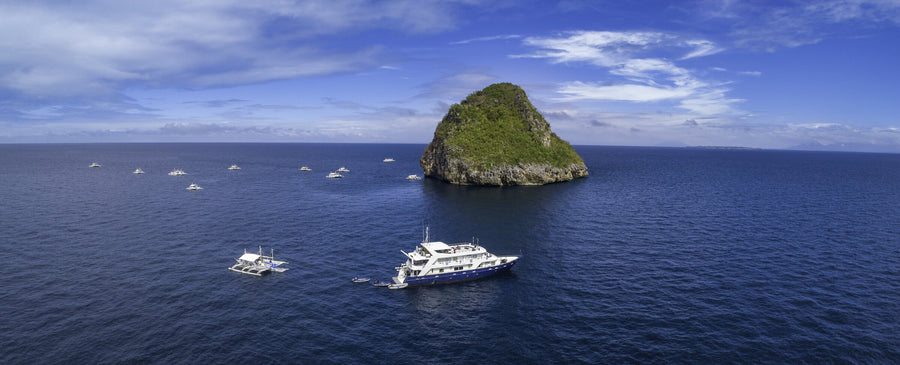
Atlantis Infiniti
Visayas East
- Indicative duration
- 7 nights
- Embarkation
- Atlantis Dumaguete Resort, Dauin
- Disembarkation
- Atlantis Dumaguete Resort, Dauin
Atlantis Infiniti
Visayas North
- Indicative duration
- 7 nights
- Embarkation
- Atlantis Dumaguete Resort, Dauin
- Disembarkation
- Atlantis Dumaguete Resort, Dauin
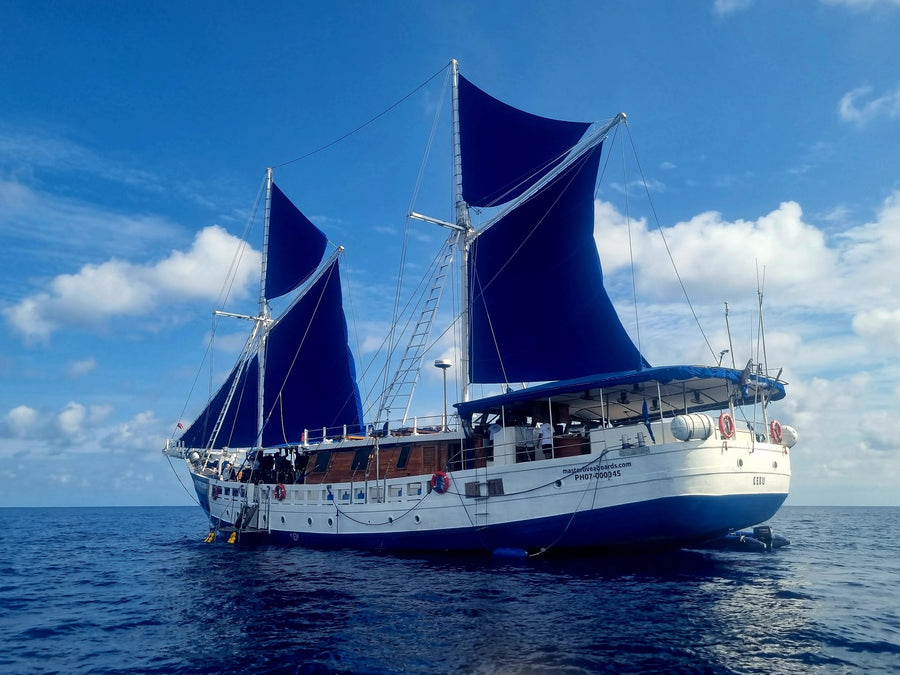
Philippine Siren
Southern Visayas
- Indicative duration
- 6 nights
- Embarkation
- Mactan / Cebu
- Disembarkation
- Mactan / Cebu
Philippine Siren
Southern Visayas
- Indicative duration
- 7 nights
- Embarkation
- Mactan / Cebu
- Disembarkation
- Mactan / Cebu
Philippine Siren
Visayas, Southern Leyte & Malapascua
- Indicative duration
- 10 nights
- Embarkation
- Mactan / Cebu
- Disembarkation
- Mactan / Cebu
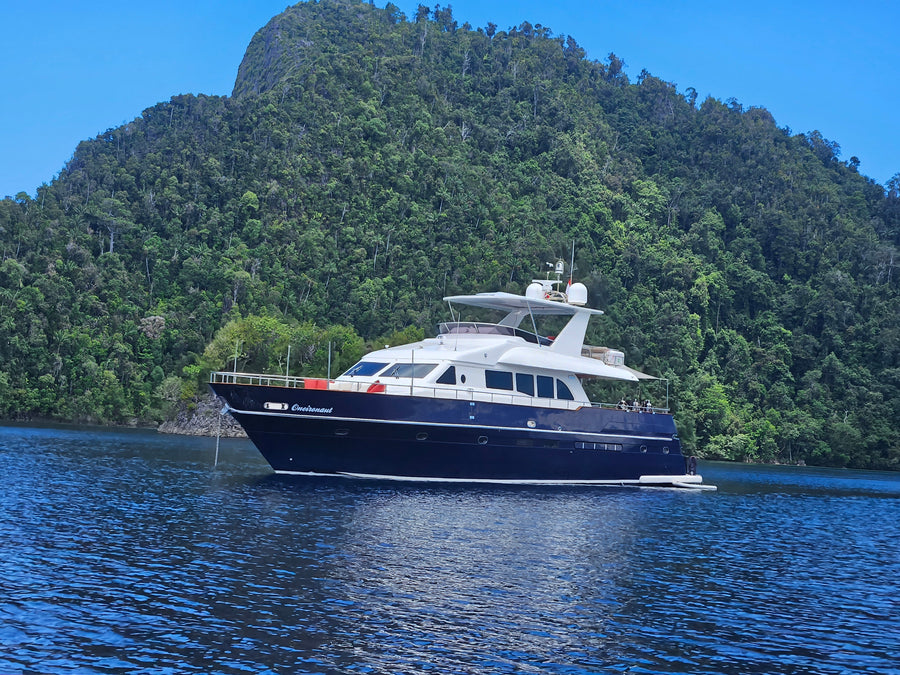
Philippines Explorer II
Southern Leyte — Anda to Anda
- Indicative duration
- 6 nights
- Embarkation
- Anda, Bohol
- Disembarkation
- Anda, Bohol
No routes match this search. Try another vessel or clear your search.
When to dive Southern Leyte
The published planning window is broadly November to May, but rainfall and wind vary across the bay. Reefs, walls and protected areas remain the core of the trip. Seasonal whale-shark activity is separate from the everyday dive programme and should not be the sole reason for choosing your dates.
Planning window: Best November–May.
What the diving is like
Choose the islands and sites to suit the group’s experience.
Napantao Marine Sanctuary
One of Sogod Bay’s strongest reef highlights, with coral slopes, reef fish and a classic marine sanctuary atmosphere.
Limasawa & Panaon Island Reefs
Limasawa and Panaon Island sites can offer walls, overhangs, canyons, coral scenery and a more exploratory dive feel.
Walls, Slopes & Coral Gardens
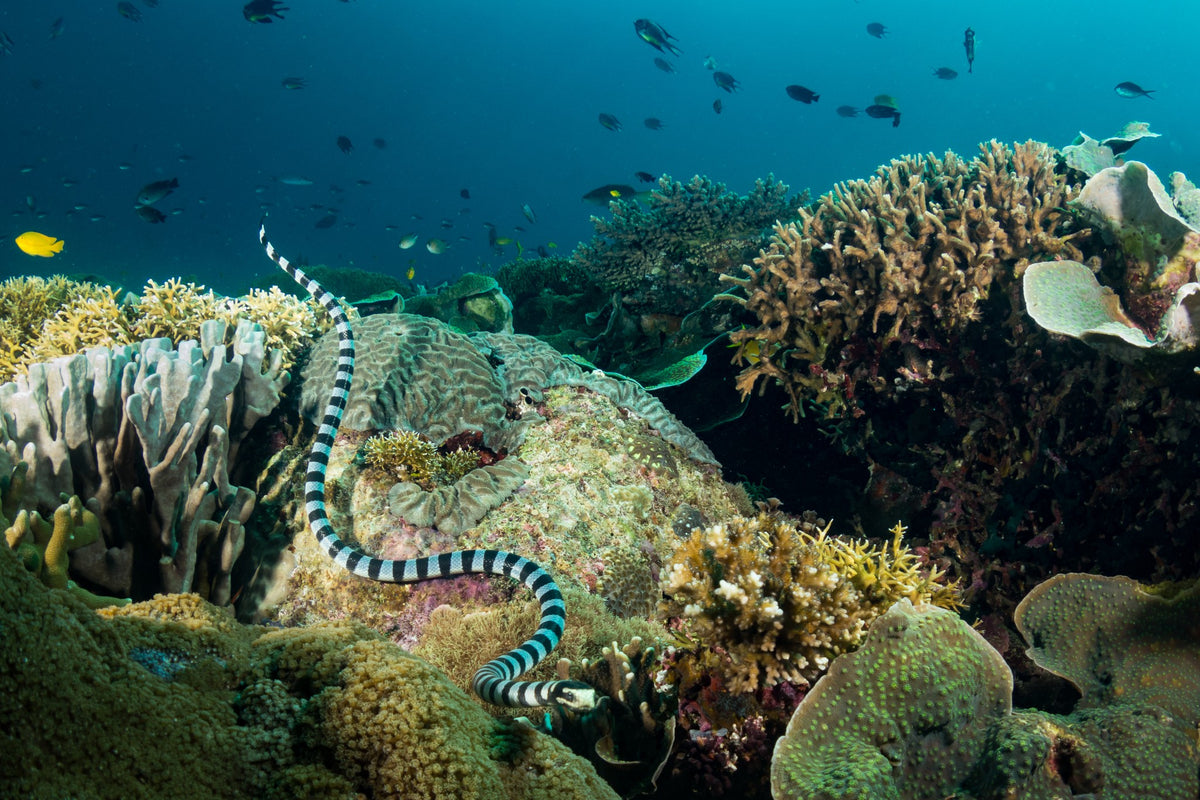
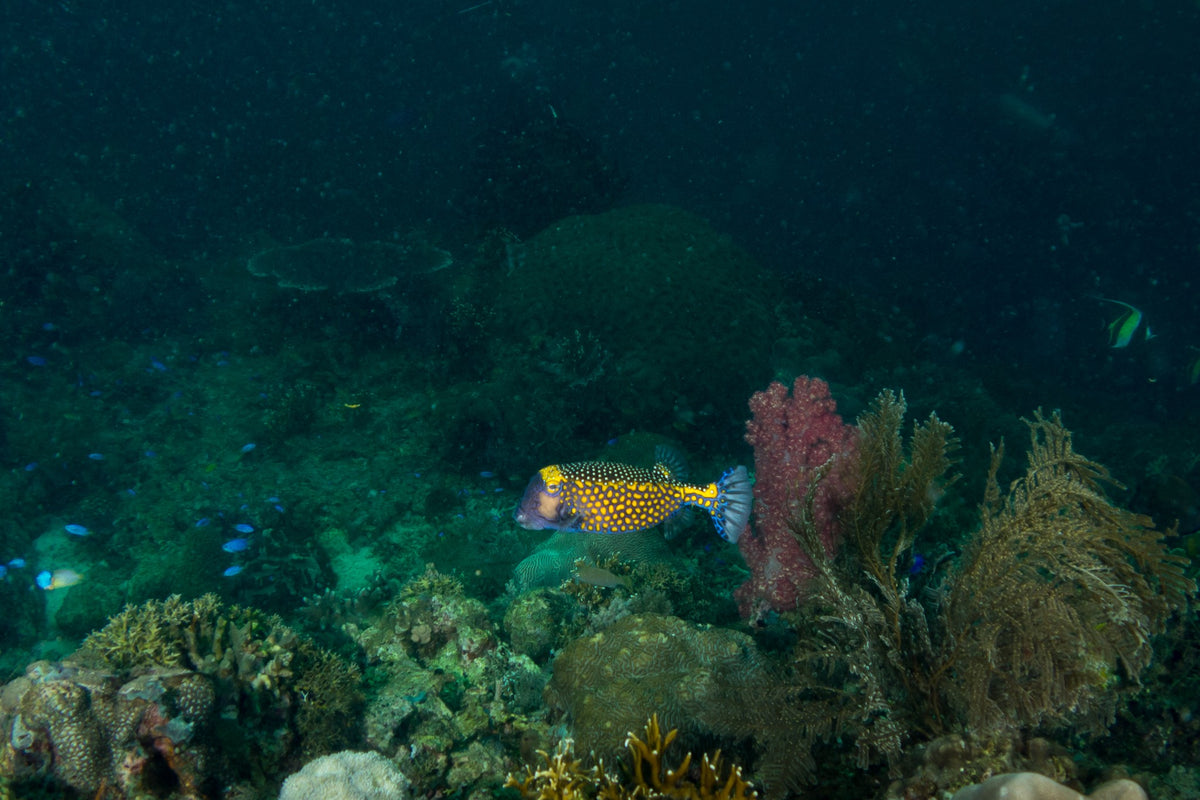
Southern Leyte offers a mix of reef walls, coral slopes, fish life and scenic reef structures for wide-angle and relaxed reef diving.
Macro Pockets & Local Critter Dives
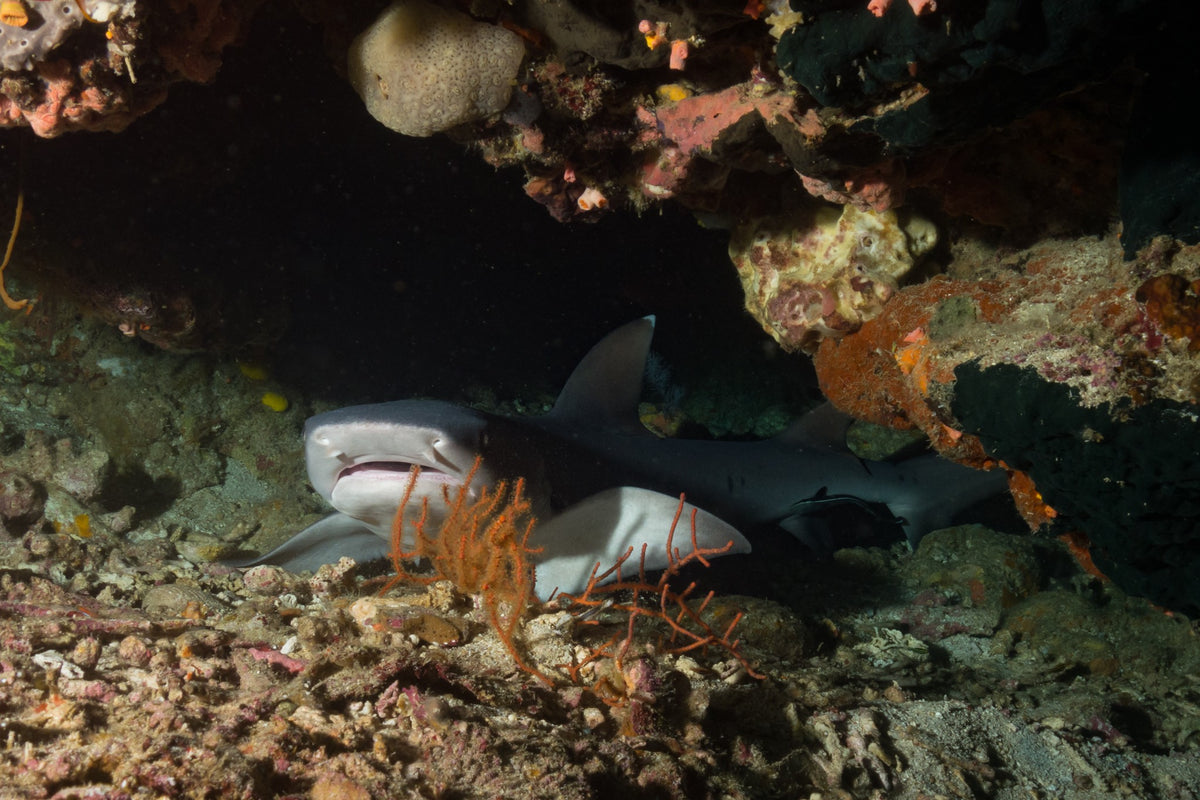
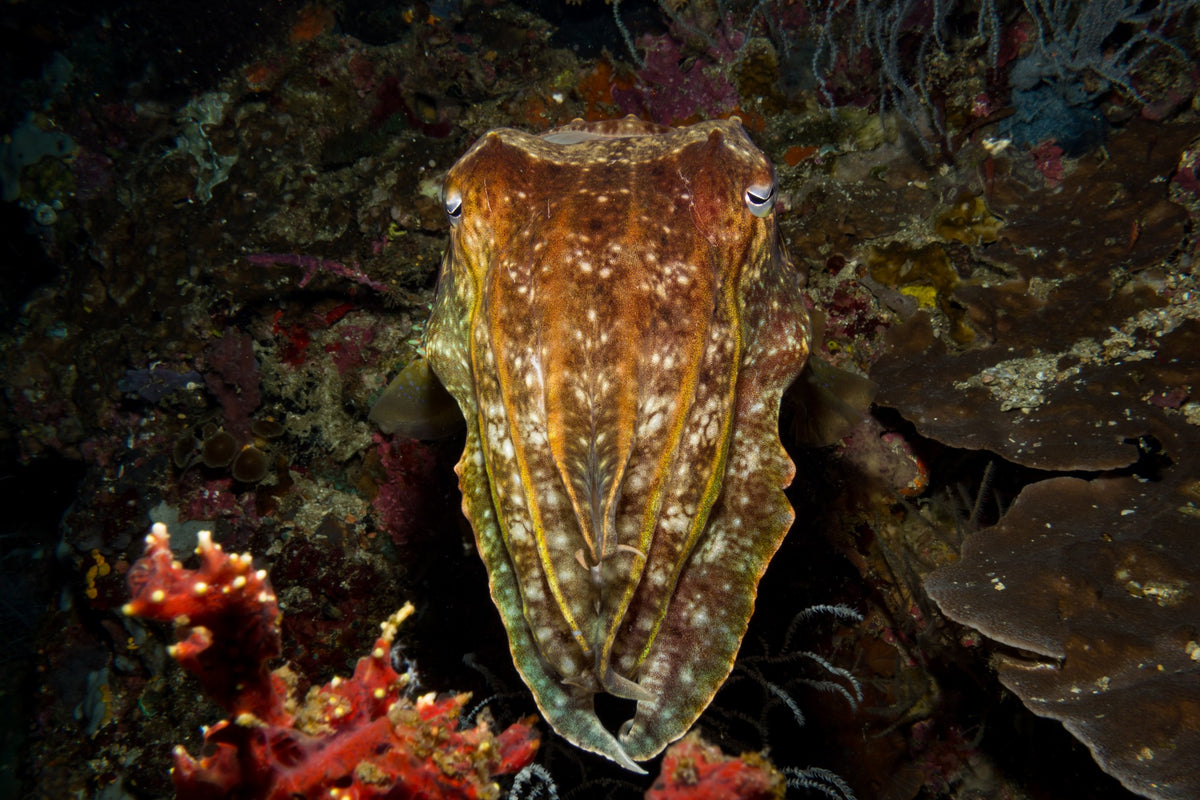
Local sites and macro-style areas can offer small subjects, night dives and lighter schedules between reef and wall dives.
Quiet Local Dive Atmosphere
The destination feels peaceful and authentic, with small villages, green mountains, quiet coastlines and uncrowded dive days.
Seasonal Big-Animal Potential
Larger animals may be possible seasonally, but encounters should never be promised or chased. The core product remains reef and expedition-style diving.
Mixed Wide-Angle & Macro Photography
Bring both wide-angle and macro options: reefs and walls are scenic, while local sites can offer critter opportunities.
A Quieter Alternative to Famous Routes
Southern Leyte is ideal for divers who want strong reefs and a more underexplored feeling without the crowds of better-known destinations.
DIVE SITE GUIDE
Dive sites in Southern Leyte & Sogod Bay
Explore the character of individual sites, from the setting and marine life to the diving conditions. Open a card for the full description; site access and the final profile depend on conditions and experience.
ORIENTATION MAP
Where the dive sites are
Use the map to understand how the key sites are spread around the destination. Pins are for trip-planning orientation only; entry points, moorings and the final dive plan are always confirmed by the local operator on the day.
Coordinates are planning references compiled from current dive-site sources. They are not navigation coordinates; entry points, moorings, tide windows and the final dive plan are always confirmed by the local operator on the day.
Wall · Marine sanctuary
Napantao Marine Sanctuary
Napantao is the flagship reef of Sogod Bay: a protected wall where coral cover and fish density are the reason to dive rather than a single headline species.
Explore this dive site
- Type
- Wall · Marine sanctuary
- Depth
- 5–40+ m
- Experience
- Intermediate–Advanced
- Current
- Moderate
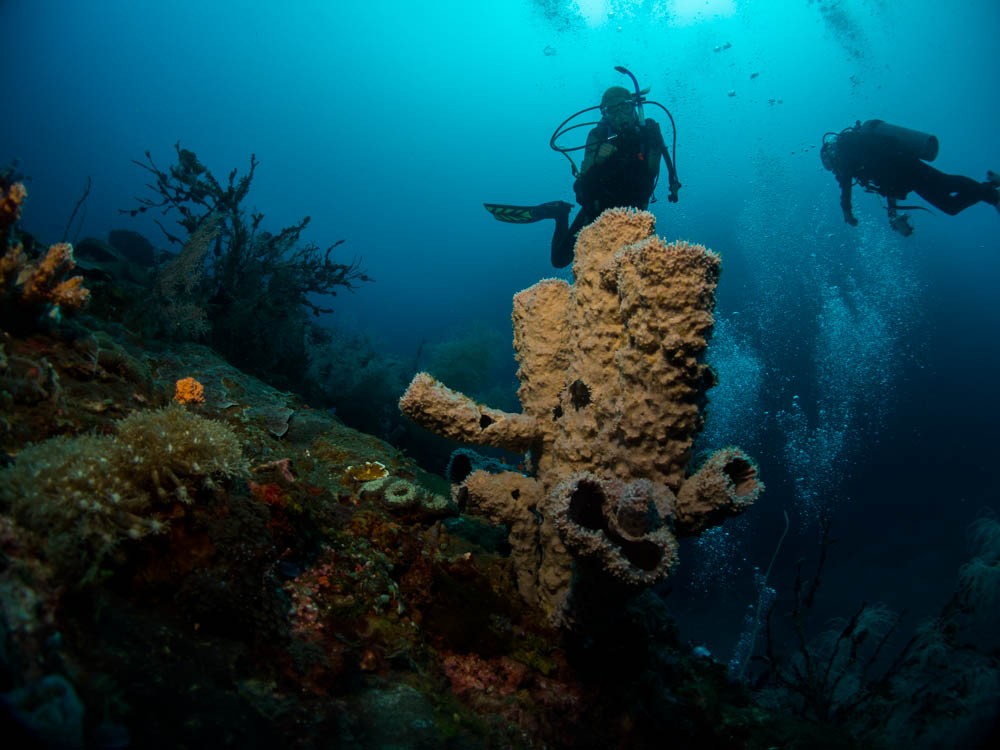
Napantao is the flagship reef of Sogod Bay: a protected wall where coral cover and fish density are the reason to dive rather than a single headline species. The reef starts shallow and drops into deep water, with gorgonians, soft coral and large schools of reef fish building along the current-facing sections.
When water movement is favorable, trevally, barracuda and other larger fish may patrol the wall. The sanctuary rewards a slow multilevel profile — there is no reason to stay deep once the shallower reef becomes productive. Good buoyancy is especially important because the protected coral is the site’s main asset and the wall can make depth changes easy to overlook.
Look for: Marine sanctuary · Coral wall · High fish density · Wide angle
Best for: Fish biomass · Coral wall · Wide angle
Wall · Macro + wide angle
Max Climax Wall
Max Climax Wall is a deeper Southern Leyte profile where the reef face supports both wide-angle scenery and the kind of small life photographers associate with coral-rich walls.
Explore this dive site
- Type
- Wall · Macro + wide angle
- Depth
- 15–40 m
- Experience
- Advanced
- Current
- Mild–Moderate
Max Climax Wall is a deeper Southern Leyte profile where the reef face supports both wide-angle scenery and the kind of small life photographers associate with coral-rich walls. Whip corals, fans and encrusting growth create habitat for tiny subjects, while the open side of the wall keeps the dive visually expansive.
Much of the interesting terrain sits below the shallowest recreational zone, so the site suits divers comfortable with a planned deeper first half followed by a gradual ascent. The name should not encourage depth for its own sake: the guide’s chosen maximum is more important than reaching the bottom of the wall, and there is plenty to see while moving shallower.
Look for: Deep wall · Whip corals · Macro potential · Advanced profile
Best for: Whip corals · Pygmy subjects · Deep wall
Reef · Slope · Coral
Medicare
Medicare is a useful counterpoint to the dramatic walls: two reef sections and a gentler slope allow divers to spread out, work on buoyancy and look closely at coral and smaller marine life.
Explore this dive site
- Type
- Reef · Slope · Coral
- Depth
- 5–30 m
- Experience
- Beginner–Intermediate
- Current
- Usually mild
Medicare is a useful counterpoint to the dramatic walls: two reef sections and a gentler slope allow divers to spread out, work on buoyancy and look closely at coral and smaller marine life. Current is usually manageable, making it suitable for newer divers and photographers who want a slower dive without giving up depth variety.
The site can still reach the high twenties, but the best part of the experience often sits shallower where light and coral color are stronger. Because it is less dependent on a particular pelagic encounter or current window, Medicare is a practical site for check dives, courses and mixed-experience groups during a longer Southern Leyte stay.
Look for: Gentler reef · Beginner friendly · Macro · Flexible depth
Best for: Easy reef diving · Coral · Macro · Training
Point · Wall · Current
Tangkaan Point
Tangkaan Point combines a steepening reef with a current-facing corner where fish activity can build.
Explore this dive site
- Type
- Point · Wall · Current
- Depth
- 5–36 m
- Experience
- Intermediate–Advanced
- Current
- Moderate
Tangkaan Point combines a steepening reef with a current-facing corner where fish activity can build. Gorgonians and coral growth decorate the wall, while turtles and schooling reef fish are common possibilities around the point.
The dive becomes more energetic as water moves across the corner, so the guide normally uses the reef contour rather than asking divers to hold position in open current. Depth extends well beyond what is necessary for a satisfying dive; a controlled mid-depth route gives better gas time and leaves a productive shallow finish. It is a strong wide-angle site for divers who enjoy wall scenery but do not necessarily want the deepest Southern Leyte profiles.
Look for: Point & wall · Gorgonians · Turtles possible · Current-sensitive
Best for: Gorgonians · Turtles · Wall diving · Wide angle
Reef · Wall · Night
The Hole
The Hole is one of Southern Leyte’s flexible all-round sites.
Explore this dive site
- Type
- Reef · Wall · Night
- Depth
- 3–25 m
- Experience
- Beginner–Intermediate
- Current
- Usually mild
The Hole is one of Southern Leyte’s flexible all-round sites. A shallow reef top around only a few metres gives new divers a comfortable starting area, while the reef edge falls toward deeper recreational water for certified divers who want more structure.
The same sheltered profile also makes the site useful after dark, when small nocturnal animals become the main attraction and the shallow reef allows long bottom times. It is not a dive built around one famous landmark; its value is versatility. A group can use it for training, a relaxed afternoon dive or a night macro session, with the guide adjusting the route to visibility and the experience level of the divers.
Look for: Shallow reef · Night-dive option · Training friendly · Macro potential
Best for: Night diving · Courses · Shallow reef · Macro
Wall · Reef · Offshore island
Limasawa Island
Limasawa adds a more exposed island environment to a Sogod Bay itinerary.
Explore this dive site
- Type
- Wall · Reef · Offshore island
- Depth
- 8–40+ m
- Experience
- Advanced
- Current
- Moderate
Limasawa adds a more exposed island environment to a Sogod Bay itinerary. Sites around the island include steep wall sections and coves where the reef drops quickly into deep water, creating a strong sense of scale and the chance of larger fish moving along the edge.
The diving is generally more suitable for experienced guests because depth can build quickly and boat support matters more than at sheltered coastal sites. Exact site names and entries vary by operator — Adrian’s Wall and Zack’s Cove are among the locally used references — so the map pin should be read as the island dive area rather than a single mooring. The payoff is dramatic topography and a more offshore feel.
Look for: Offshore island · Deep walls · Wide-angle scenery · Experienced divers
Best for: Deep walls · Pelagic potential · Wide angle
Reef · Slope · Macro
Voltaire’s Rock
Voltaire’s Rock starts surprisingly shallow, with coral and small reef life in only a few metres of water, then follows a sloping profile toward deeper sections.
Explore this dive site
- Type
- Reef · Slope · Macro
- Depth
- 2–32 m
- Experience
- Intermediate
- Current
- Mild–Moderate
Voltaire’s Rock starts surprisingly shallow, with coral and small reef life in only a few metres of water, then follows a sloping profile toward deeper sections. That shape makes it ideal for a multilevel dive: photographers can begin deeper looking for macro subjects around the rock and slope, then spend a long final section in bright shallow coral.
Because useful habitat exists across such a broad depth range, there is no need to force a square profile or stay deep. The site rewards slow observation more than distance covered, making it a good choice for photographers and divers who want a calmer counterpart to the bay’s steeper walls.
Look for: Very shallow reef top · Macro · Multilevel profile · Photography
Best for: Shallow coral · Macro · Multilevel diving
Point · Reef · Current
Pintuyan / Sonok Point
The Pintuyan side of Sogod Bay is best known internationally for seasonal whale-shark activity, but the scuba diving should be understood separately from any surface wildlife programme.
Explore this dive site
- Type
- Point · Reef · Current
- Depth
- 5–40 m
- Experience
- Advanced
- Current
- Moderate–Strong
The Pintuyan side of Sogod Bay is best known internationally for seasonal whale-shark activity, but the scuba diving should be understood separately from any surface wildlife programme. Reef and point dives around Sonok can carry current and offer open-water potential for larger fish, while the reef itself remains the dependable part of the dive.
Whale sharks are wild, seasonal and never guaranteed; when operators conduct dedicated encounters they may use separate rules or snorkelling rather than ordinary scuba profiles. For divers, the site is strongest as a current-fed point in a quieter part of the bay, with the possibility of an exceptional encounter treated as a bonus rather than the product.
Look for: Current-fed point · Pelagic potential · Seasonal wildlife area · Advanced profile
Best for: Pelagic potential · Current diving · Southern Sogod Bay
Underwater photography
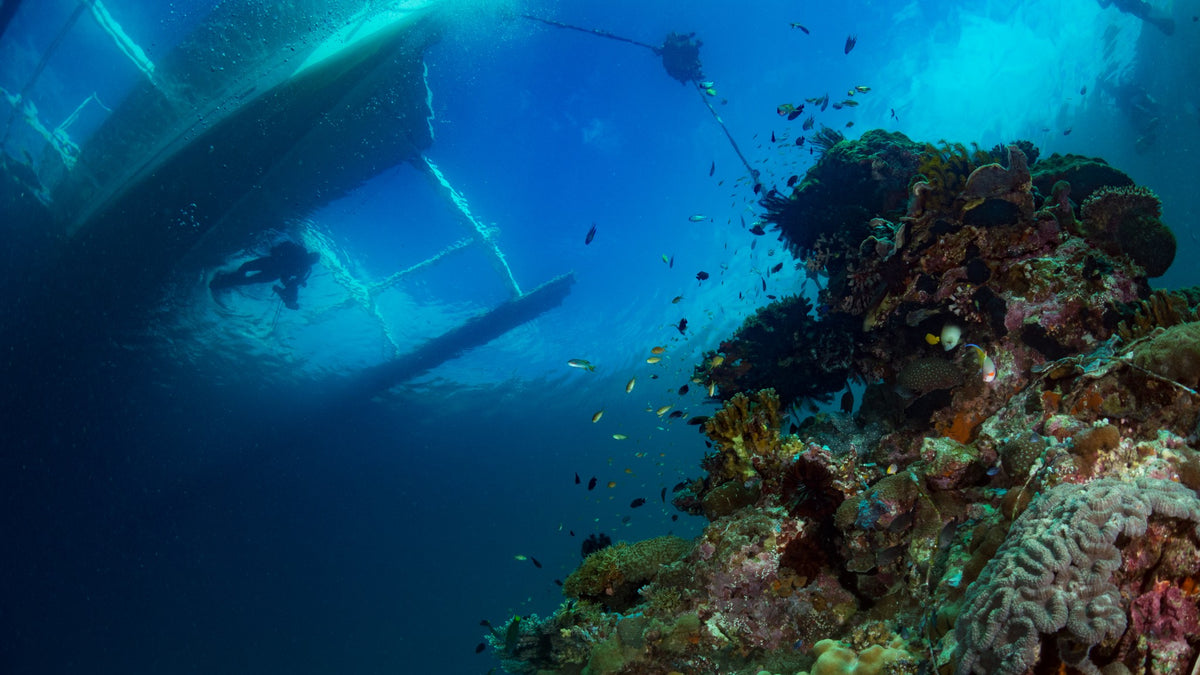
At Napantao Marine Sanctuary, fish biomass, Coral wall, Wide angle give an idea of the photographic possibilities. Choose the camera setup for the planned sites, then leave time to observe the scene before making the image. Repeating a productive dive often creates better opportunities than constantly searching for a different location. For reef scenes, use the shape of the reef and the available light to give the image depth. A diver at a respectful distance can provide scale without crowding an animal.
Beyond diving: Southern Leyte above the surface
Green hills, small settlements and quiet stretches of coast give Southern Leyte its sense of place. Village visits, waterfalls and local nature outings work especially well when the day is allowed to unfold slowly.
Limasawa adds an island excursion to the wider programme when logistics suit. Non-divers should enjoy nature and peaceful resort time, because the appeal here comes from the setting and local life rather than an extensive menu of shopping or evening entertainment.
Getting to Southern Leyte
Most international guests reach Southern Leyte via Manila or Cebu, then continue with domestic flight, ferry and road routing to Padre Burgos or Sogod Bay depending on the final itinerary.
Choose arrival and departure times around the onward transfer, especially when a boat crossing or a long road journey is involved. Leave space for a relaxed final day ashore and an appropriate interval between the last dive and flying.
Southern Leyte diving questions
What makes Southern Leyte worth a diving trip?
Sogod Bay rewards divers who notice the reef itself: the shape of a coral garden, fish moving along a wall and the quieter life of a marine sanctuary. Southern Leyte feels like a coastal journey with diving at its centre.
How should I plan my stay?
Choose a coastal base for the reefs you most want to explore, with time for Napantao and other sanctuary or wall dives. Five to seven nights is a useful starting point. This is a good destination for a slower reef-focused trip, with wildlife excursions treated as an addition.
When is a useful time to visit?
The published planning window is broadly November to May, but rainfall and wind vary across the bay. Reefs, walls and protected areas remain the core of the trip. Seasonal whale-shark activity is separate from the everyday dive programme and should not be the sole reason for choosing your dates.
Is there enough for non-diving companions?
Green hills, small settlements and quiet stretches of coast give Southern Leyte its sense of place. Village visits, waterfalls and local nature outings work especially well when the day is allowed to unfold slowly.
A closer look at Southern Leyte & Sogod Bay



Plan your Southern Leyte trip
Tell us the experiences you most want, your preferred dates and how you like to travel. We can bring the destination, accommodation and diving into one coherent itinerary.
Plan my trip