

Destination guide · Philippines
Sipalay, Negros Diving
Sipalay offers a quieter kind of Philippine dive holiday: coral formations, small wrecks and a beach to return to without the pace of a crowded dive hub. It is a place to enjoy a varied few days on the western Negros coast.
Sipalay, Negros at a glance
Sipalay is an uncrowded destination on the western coast of Negros, offering coral reefs, accessible wrecks and day trips toward protected areas such as Danjugan Island. The diving is varied without demanding the intensity of a remote expedition.
Quiet beaches and a growing selection of higher-quality accommodation make Sipalay suitable for couples and small groups seeking a more refined but still low-key Philippine stay. Conditions, wreck access and Danjugan logistics should be matched carefully to the selected operator.
Planning your Sipalay, Negros stay
Choose accommodation around your preferred beach and the sites reached by its dive centre. Three to five dive days can mix reefs with wreck exteriors. The deeper SS Panay is a different proposition from a shallow wreck dive, so plan the programme around experience rather than a single list of highlights.

Sea Explorers Philippines — Sipalay
Relaxed Sea Explorers base on Sugar Beach with twelve themed Takatuka rooms, four modern Vida Homes rooms and uncrowded reef and wreck diving.

Manami Resort
Luxury nature resort on Sipalay’s secluded coast, pairing spacious suites and villas with Balas Dive & Experience Center for reefs, wrecks, macro life and nature-led escapes.
When to dive Sipalay, Negros
November to May is the established planning window. Sea state affects both boat comfort and access to exposed sites. A stay with several local reef options is more resilient than a short trip built entirely around a deeper wreck or an offshore excursion.
Planning window: Best November–May.
What the diving is like
Open Water divers can enjoy many sites; wreck profiles require appropriate experience.
Uncrowded reefs
Sipalay has a broad local site network of reef slopes, walls, sandy areas and coral gardens that can be reached on relatively short boat runs. The destination is less internationally crowded than many central-Visayas hubs, which suits divers looking for straightforward day diving without a busy marine-park atmosphere.
Accessible wrecks
The area includes both shallow wrecks suitable for easier recreational profiles and deeper wrecks that require more experience. This range allows operators to match wreck dives to certification rather than treating every wreck as an advanced-only activity.
Danjugan Island
Day trips to Danjugan Island add protected coral habitat, giant clams and shallow reef scenery to a Sipalay itinerary. Conditions and park access are confirmed locally, and the island works well as a contrast to the wreck and coastal reef diving closer to Punta Ballo.
Relaxed premium stays
Sipalay’s west-coast setting is well suited to resort-based dive holidays where diving is combined with quiet beach time rather than nightlife. It is a practical choice for repeat divers, couples and mixed groups who value an easy daily routine and uncrowded surroundings.
DIVE SITE GUIDE
Dive sites in Sipalay, Negros
Explore the character of individual sites, from the setting and marine life to the diving conditions. Open a card for the full description; site access and the final profile depend on conditions and experience.
ORIENTATION MAP
Where the dive sites are
Use the map to understand how the key sites are spread around the destination. Pins are for trip-planning orientation only; entry points, moorings and the final dive plan are always confirmed by the local operator on the day.
Coordinates are orientation references, not navigation coordinates. 'verified' means a published site coordinate; 'operator' means a clearly labelled island, locality or dive-area anchor used where the exact mooring/drop is not publicly verified. Entry points, currents and the final dive plan are always confirmed by the local operator on the day.
WWII wreck · Deep wreck
SS Panay
SS Panay is Sipalay’s headline deep wreck: a Second World War ship resting with its upper structure already around 33 metres and the deeper sections near 40 metres.
Explore this dive site
- Type
- WWII wreck · Deep wreck
- Depth
- 33–40 m
- Experience
- Advanced / Deep
- Current
- Mild–Moderate
SS Panay is Sipalay’s headline deep wreck: a Second World War ship resting with its upper structure already around 33 metres and the deeper sections near 40 metres. The depth, rather than current, is the main planning factor, so gas, no-decompression time and ascent discipline matter from the start.
The wreck is in sufficiently good condition for the ship’s form and fittings to remain visually legible, making exterior exploration rewarding without penetration. Historical artifacts should be left untouched and any overhead entry reserved for appropriately trained wreck divers. For most visitors the strongest dive is a controlled tour of the outside, followed by a slow ascent with plenty of reserve.
Look for: WWII wreck · 33–40 m · Advanced profile · Exterior exploration
Best for: WWII history · Wreck photography · Deep diving
Cargo wreck · Coral-covered debris
Juliens Wreck
Juliens Wreck is a broken cargo vessel spread across a broad shallow area after repeated storms.
Explore this dive site
- Type
- Cargo wreck · Coral-covered debris
- Depth
- 6–20 m
- Experience
- Beginner–Intermediate
- Current
- Mild–Moderate
Juliens Wreck is a broken cargo vessel spread across a broad shallow area after repeated storms. The wreckage begins in only a few metres of water, so divers can spend a long time moving between coral-covered sections without the time pressure of a deep wreck.
Some current can run across the upper part of the site, but the profile remains accessible to newer certified divers when conditions are suitable. Because the hull is fragmented, the appeal is less about penetration and more about the way reef life has colonised the scattered structure. It also works well for mixed groups because snorkellers can see parts of the wreck from above.
Look for: Shallow cargo wreck · Coral-covered debris · Long bottom time · Snorkel friendly
Best for: Easy wreck · Coral growth · Snorkel crossover
Reef · Drop-off
Toscana Reef
Toscana Reef is a compact reef close to Sipalay’s shore-based diving area, with a clear drop from roughly 15 metres toward 28 metres.
Explore this dive site
- Type
- Reef · Drop-off
- Depth
- 15–28 m
- Experience
- Beginner–Intermediate
- Current
- Mild
Toscana Reef is a compact reef close to Sipalay’s shore-based diving area, with a clear drop from roughly 15 metres toward 28 metres. The structure makes it easy to plan a multilevel profile: begin deeper along the edge, then return gradually to the shallower coral.
The site is straightforward enough for newer divers while still giving experienced photographers a defined reef face to work. Current is normally manageable, so the dive is about coral detail and relaxed observation rather than high-energy drift technique. Its moderate depth also makes Toscana a useful second dive after one of Sipalay’s deeper wrecks.
Look for: 15–28 m drop-off · Relaxed reef dive · Multilevel profile · Photography
Best for: Drop-off · Coral · Easy photography
Wall · Reef
Eva’s Point
Eva’s Point starts shallow and drops down a colourful wall into the low thirties, giving one site a very broad usable depth range.
Explore this dive site
- Type
- Wall · Reef
- Depth
- 4–33 m
- Experience
- Intermediate
- Current
- Mild–Moderate
Eva’s Point starts shallow and drops down a colourful wall into the low thirties, giving one site a very broad usable depth range. Divers can choose a conservative profile on the upper wall or extend deeper according to certification and gas.
The vertical structure is ideal for wide-angle photography because coral, reef fish and open water can share the same frame. A disciplined depth limit is important: it is easy to descend farther than planned when following a wall. The most efficient route takes the deeper section first and finishes in the bright upper reef.
Look for: Colourful wall · 4–33 m · Wide-angle scenery · Flexible depth
Best for: Colourful wall · Wide angle · Multilevel diving
Reef cracks · Canyons · Artificial reef
Grand Canyons
Grand Canyons is a shallow labyrinth of cracks and reef corridors between about 8 and 17 metres.
Explore this dive site
- Type
- Reef cracks · Canyons · Artificial reef
- Depth
- 8–17 m
- Experience
- Beginner–Intermediate
- Current
- Mild
Grand Canyons is a shallow labyrinth of cracks and reef corridors between about 8 and 17 metres. The site’s appeal is topography rather than depth: divers move through open canyon-like passages while keeping clear sight of exits and avoiding contact with the reef.
An artificial-reef feature around 15 metres adds another point of interest without changing the easy recreational profile. Because the whole dive stays shallow, bottom time is generous and the site works well for buoyancy and navigation practice. It is a good choice when a group wants structure and variety without a demanding deep dive.
Look for: 8–17 m · Reef canyons · Artificial reef · Beginner accessible
Best for: Canyon topography · Artificial reef · Navigation
Coral reef · Shallow slope
Turtle Island South Point
The south point of Turtle Island is a shallow coral dive where hard and soft coral fill the useful part of the profile from roughly 6 to 18 metres.
Explore this dive site
- Type
- Coral reef · Shallow slope
- Depth
- 6–20 m
- Experience
- Beginner
- Current
- Mild
The south point of Turtle Island is a shallow coral dive where hard and soft coral fill the useful part of the profile from roughly 6 to 18 metres. The modest depth gives long bottom time and plenty of natural light, making the site comfortable for newer divers and photographers.
There is no need to chase depth here; the best scenery remains on the upper reef. Mild conditions also make it a good second or third dive after deeper sites. The simple profile lets the guide spend more time on marine-life observation and less on depth management.
Look for: 6–18 m sweet spot · Hard & soft coral · Beginner friendly · Long bottom time
Best for: Hard & soft coral · Easy reef · Long bottom time
Reef · Sloping coral formation
Spiral Drop
Spiral Drop is named for a coral formation that winds downward from the shallows toward roughly 27 metres.
Explore this dive site
- Type
- Reef · Sloping coral formation
- Depth
- 5–27 m
- Experience
- Beginner–Intermediate
- Current
- Mild
Spiral Drop is named for a coral formation that winds downward from the shallows toward roughly 27 metres. Rather than behaving like a vertical wall, the site gives divers a continuous reef reference and an easy way to control depth.
The route naturally supports a multilevel dive: work the deeper part early, then follow the structure back upward as gas and no-decompression time decrease. Coral scenery remains productive through most of the profile, so there is little benefit in staying deep for long. The result is an accessible reef dive with enough shape to feel distinct from a simple slope.
Look for: Spiralling coral formation · 5–27 m · Easy multilevel route · Coral photography
Best for: Spiral reef form · Coral · Multilevel profile
Rock tower · Wall · Cavern
Cathedral Tower
Cathedral Tower is a deep rock formation whose top sits around 22 metres while the surrounding reef and wall descend much farther.
Explore this dive site
- Type
- Rock tower · Wall · Cavern
- Depth
- 22–40 m
- Experience
- Advanced
- Current
- Mild–Moderate
Cathedral Tower is a deep rock formation whose top sits around 22 metres while the surrounding reef and wall descend much farther. The combination of tower, wall and cavern-style features creates some of Sipalay’s most dramatic topography, but it also makes depth control essential.
Advanced divers can explore the exterior while maintaining a clear maximum depth and leaving overhead areas to those with suitable training. Because the shallowest part is already relatively deep, gas reserves and ascent time deserve more attention than on the nearby reefs. The site is best treated as a deep topographic dive, not a place to maximise distance.
Look for: Rock tower · Top around 22 m · Deep wall · Advanced profile
Best for: Deep topography · Wall · Cavern features
Underwater photography
At SS Panay, wWII history, Wreck photography, Deep diving give an idea of the photographic possibilities. Choose the camera setup for the planned sites, then leave time to observe the scene before making the image. Repeating a productive dive often creates better opportunities than constantly searching for a different location. For reef scenes, use the shape of the reef and the available light to give the image depth. A diver at a respectful distance can provide scale without crowding an animal.
Beyond diving: Sipalay, Negros above the surface
The beaches are a strong part of a Sipalay stay, with time for swimming, coastal walks and long afternoons at the resort. A nature visit to Danjugan can add conservation and island scenery to the programme when visits are available.
Treat Danjugan as a planned excursion with its own access arrangements. The wider coast also rewards travellers who enjoy local food and small settlements. A comfortable base matters here because much of the holiday’s pleasure comes from the hours between outings.
Getting to Sipalay, Negros
Travel via Bacolod or Dumaguete and continue by road to Sipalay.
Choose arrival and departure times around the onward transfer, especially when a boat crossing or a long road journey is involved. Leave space for a relaxed final day ashore and an appropriate interval between the last dive and flying.
Sipalay, Negros diving questions
What makes Sipalay, Negros worth a diving trip?
Sipalay offers a quieter kind of Philippine dive holiday: coral formations, small wrecks and a beach to return to without the pace of a crowded dive hub. It is a place to enjoy a varied few days on the western Negros coast.
How should I plan my stay?
Choose accommodation around your preferred beach and the sites reached by its dive centre. Three to five dive days can mix reefs with wreck exteriors. The deeper SS Panay is a different proposition from a shallow wreck dive, so plan the programme around experience rather than a single list of highlights.
When is a useful time to visit?
November to May is the established planning window. Sea state affects both boat comfort and access to exposed sites. A stay with several local reef options is more resilient than a short trip built entirely around a deeper wreck or an offshore excursion.
Is there enough for non-diving companions?
The beaches are a strong part of a Sipalay stay, with time for swimming, coastal walks and long afternoons at the resort. A nature visit to Danjugan can add conservation and island scenery to the programme when visits are available.
A closer look at Sipalay, Negros


Plan your Sipalay, Negros trip
Tell us the experiences you most want, your preferred dates and how you like to travel. We can bring the destination, accommodation and diving into one coherent itinerary.
Plan my tripPhoto credits
Images are resized for display and may be cropped to fit the page layout.
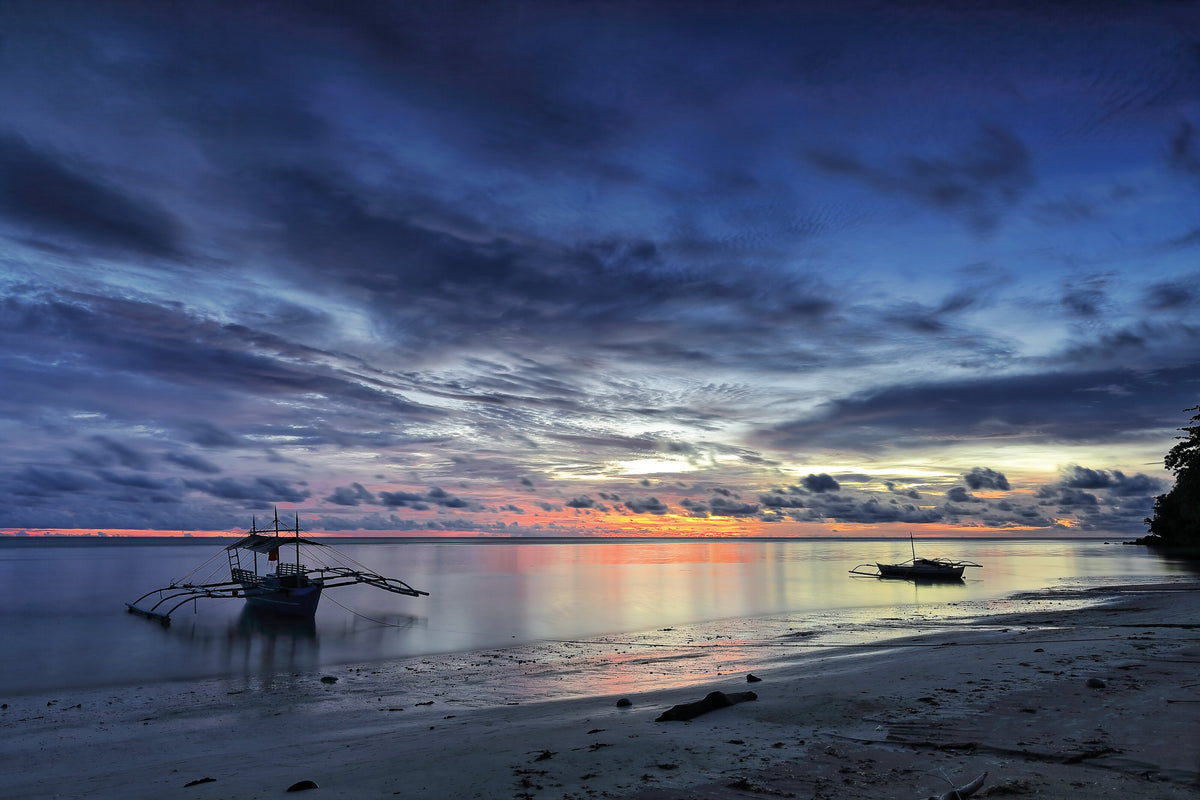
- Outrigger boat in a turquoise bay along the Sipalay coast, Negros: Pump boat in Sipalay.jpg — TheTallTexan. CC BY-SA 4.0. Web-size image supplied by Wikimedia Commons; no scene edits.
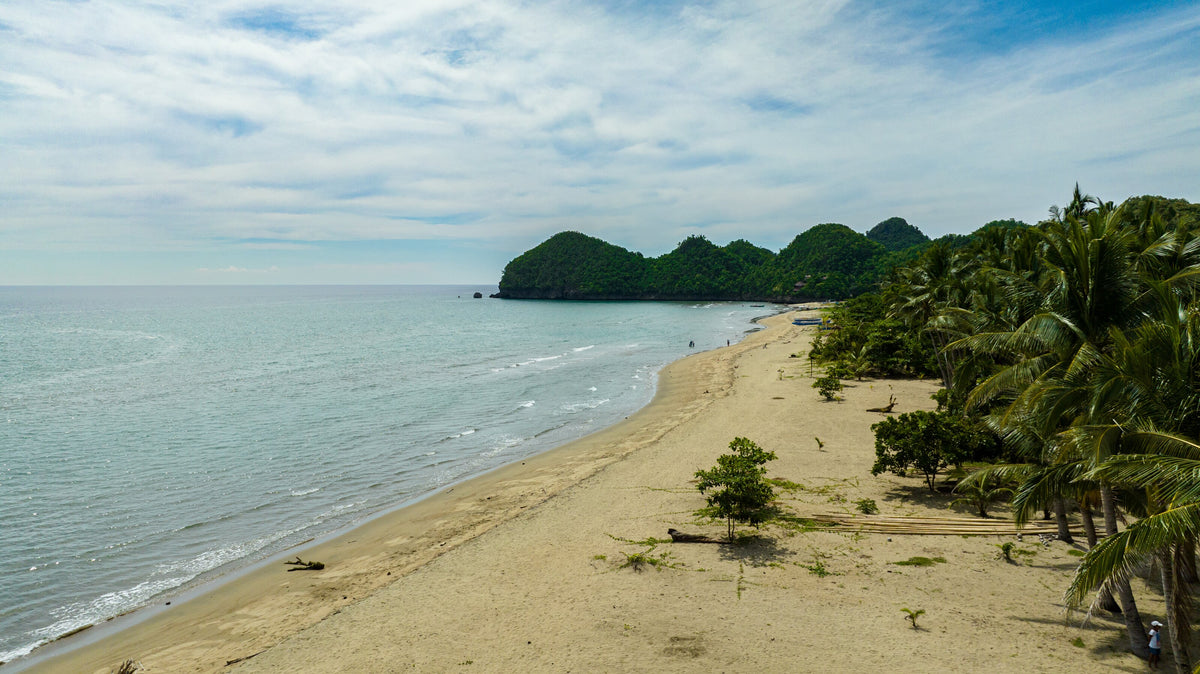
- Beach and coastal hills in Sipalay, Negros Occidental: Sipalay Beach (Negros Occidental, Philippines).jpg — Paolobon140. CC BY-SA 4.0. Web-size image supplied by Wikimedia Commons; no scene edits.
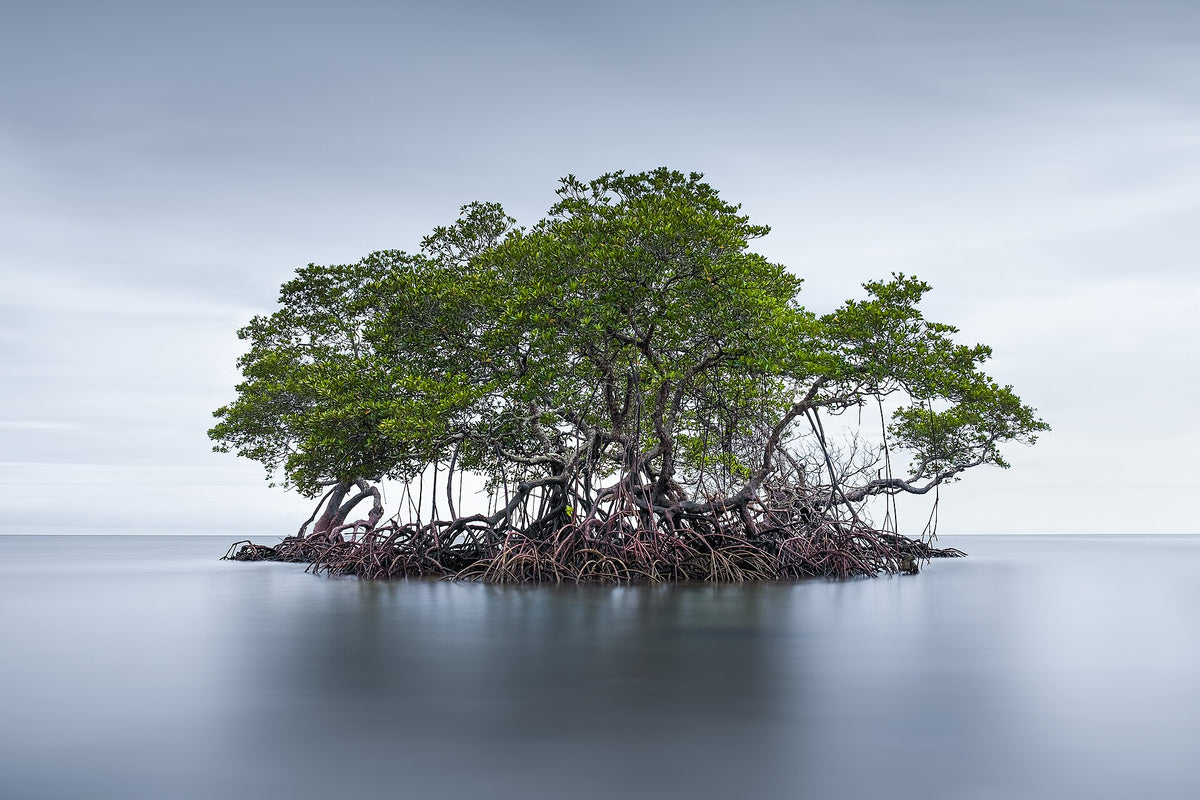
- Small mangrove islet off the coast of Sipalay, Negros: Mangrove Islet.jpg — Armusaofficial. CC BY-SA 4.0. Web-size image supplied by Wikimedia Commons; no scene edits.

.jpg)
